Supernova is a 3D, science fiction themed MOBA that tried to stand out with a roster that ranged from bulky mechs to aliens and human-like commanders. Rather than focusing only on last-hitting and teamfights, it leaned into RTS-inspired ideas by making lane minions a meaningful part of the strategy, letting players invest resources into improving what their creep waves could do.
 | Publisher: Bandai Namco Type: MOBA Release Date: March 29, 2015 Shut Down: August 20, 2018 Pros: +Distinct sci-fi battlefields and theme. +Interesting lane minion upgrade and spawning strategy. Cons: -Presentation and overall feel can come across as fairly standard. |
Supernova Overview
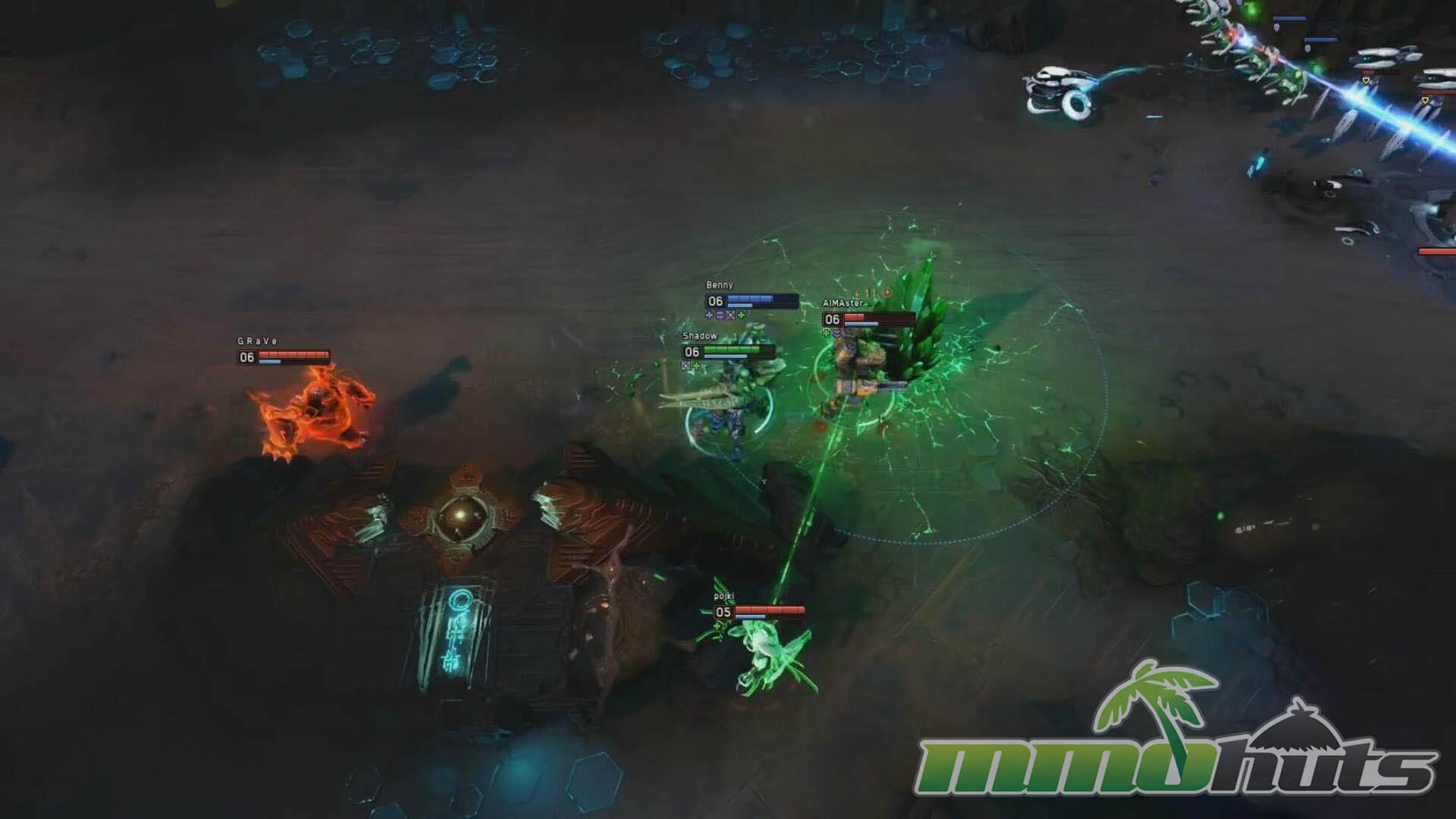
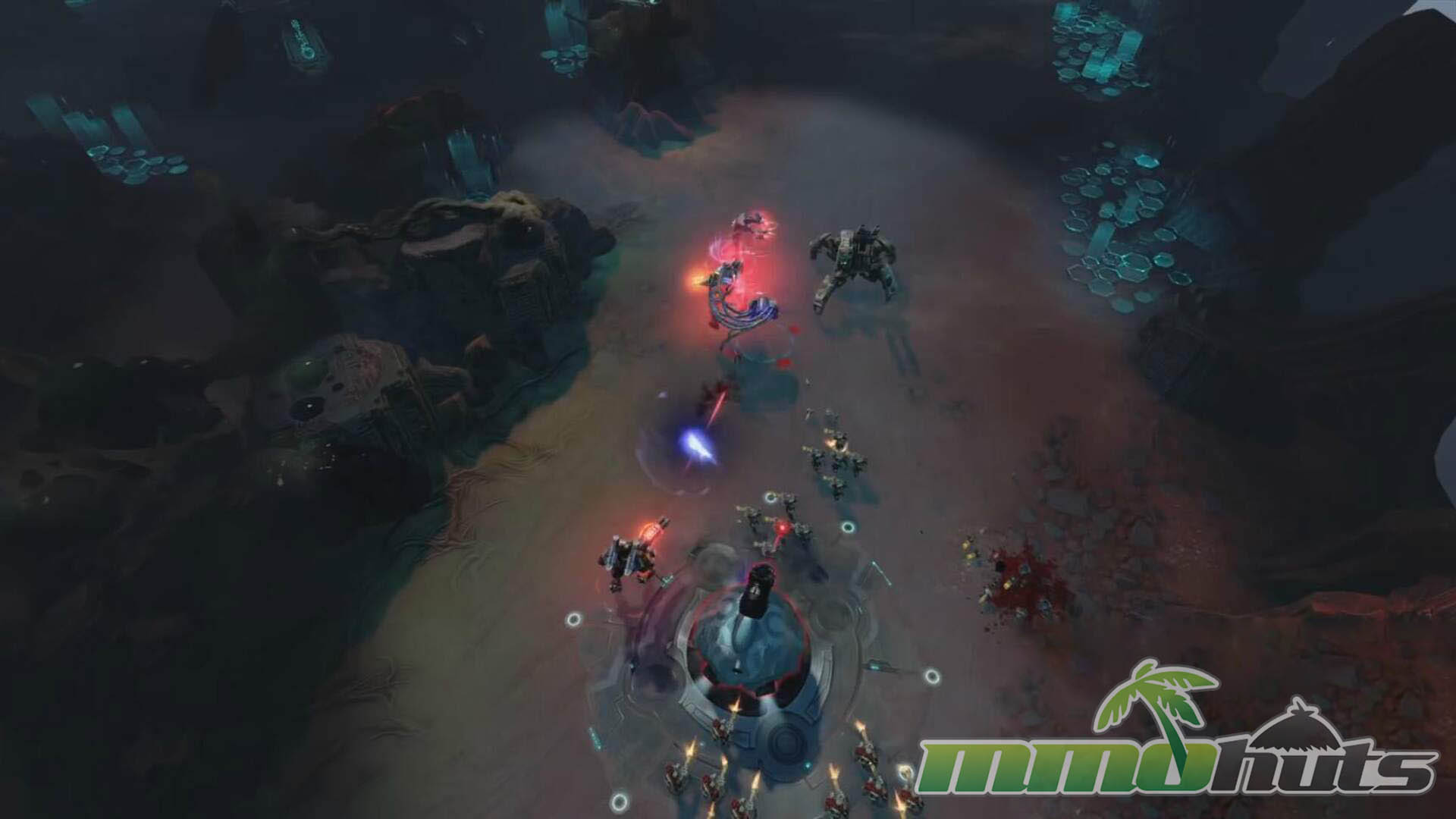
Supernova positions itself as a MOBA with a deliberate nod to classic RTS influence, mainly through its lane management. Instead of treating creeps as predictable background noise, the game encourages you to actively shape how waves behave. Gold is not only for your commander, it can also be spent to enhance the minions that spawn, add different units to the lane, and adjust your wave to better pressure objectives or answer what the enemy is building into.
In practice, that concept adds an extra layer to the familiar MOBA loop. You still rotate, fight over space, and coordinate pushes, but you also make repeated decisions about whether your next chunk of resources should strengthen your own combat power or improve the lane presence that is steadily advancing while you are elsewhere. When both teams engage with the system, lanes can feel less scripted and more like a tug-of-war shaped by intentional investment.
Supernova Key Features:
- Classic lane-based MOBA structure – Matches follow the expected MOBA format, with commanders using three core abilities on Q, W, and E, plus an ultimate on R.
- Lane minion control through upgrades – Rather than relying on fixed waves, players spend in-match currency to influence what spawns and how effective their creeps are.
- Pre-match commander tuning – Outside of games, you can configure enhancements that act like a loadout system, similar in spirit to rune-style bonuses in other MOBAs.
- Itemless progression model – Instead of a traditional item shop, power comes from upgrading stats and unlocking passive benefits over the course of a match.
Supernova Screenshots

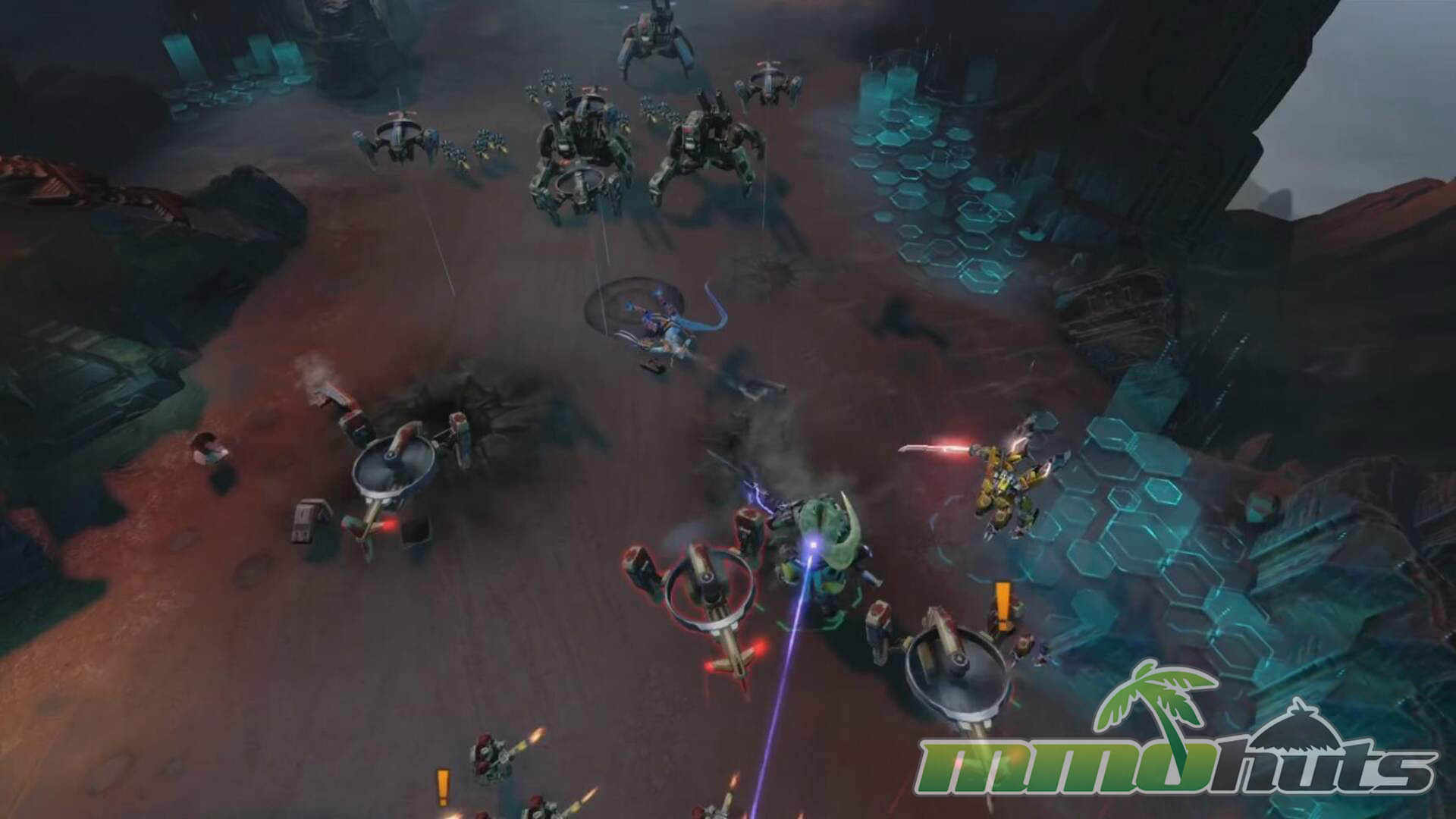


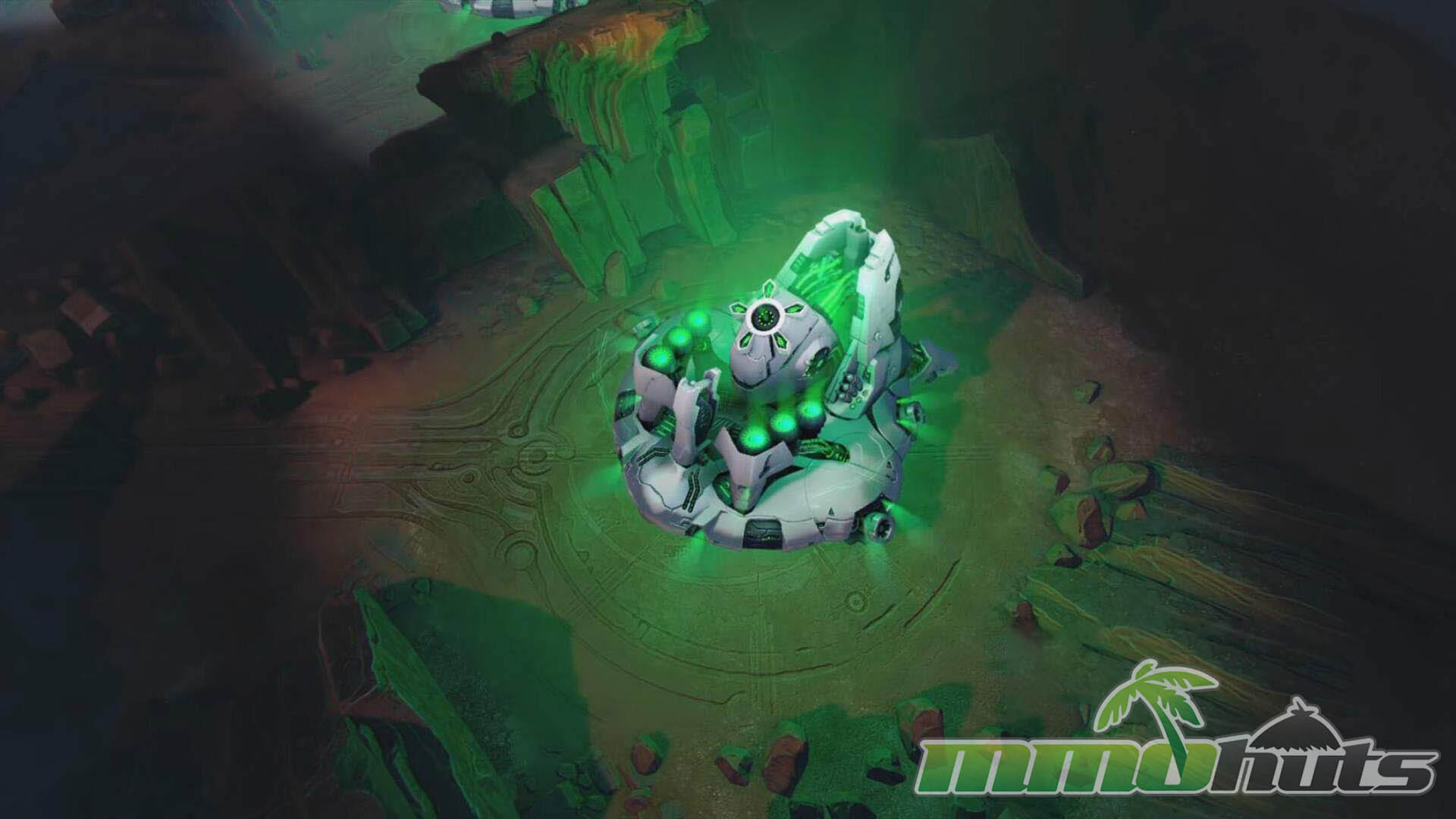
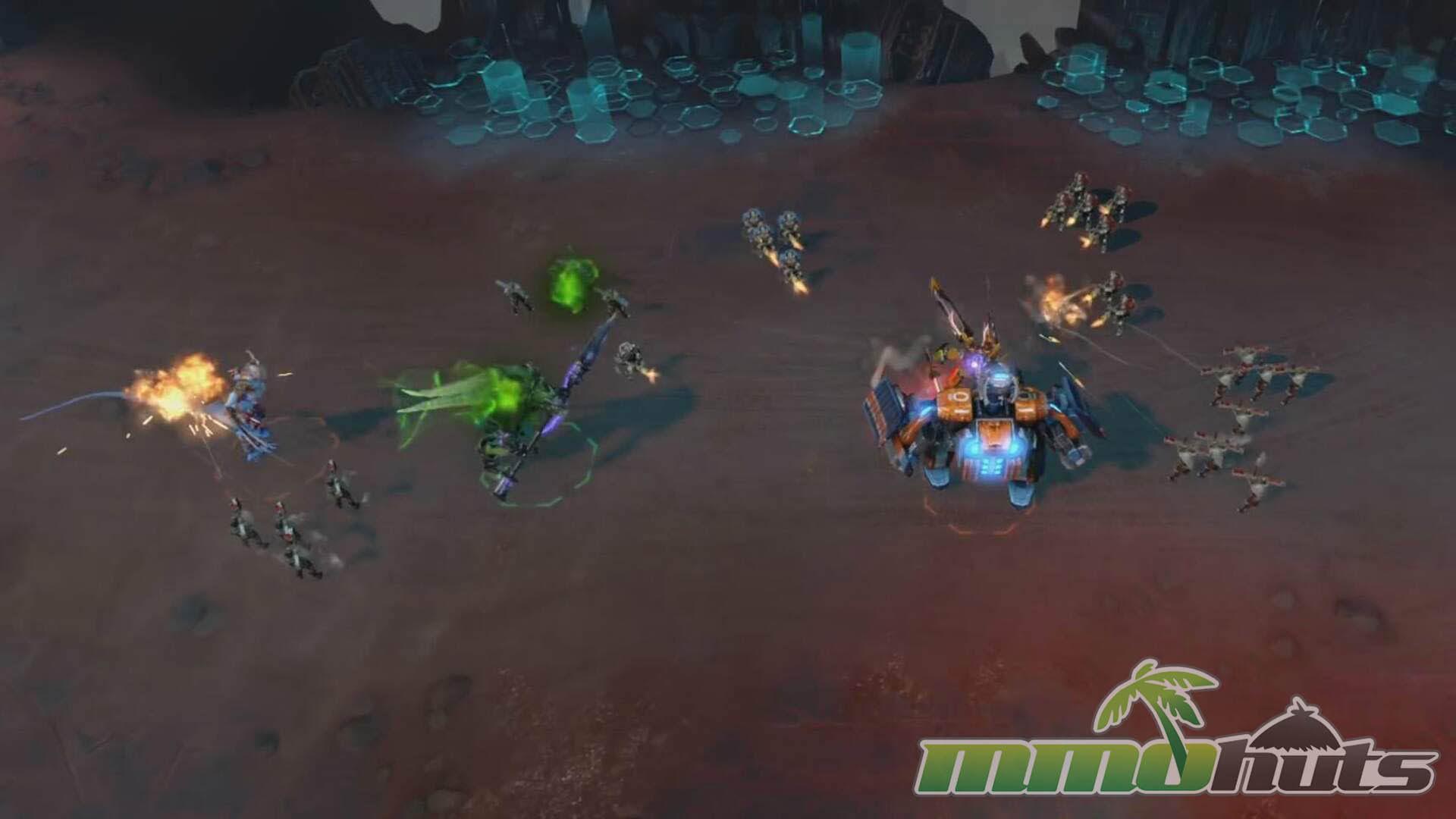
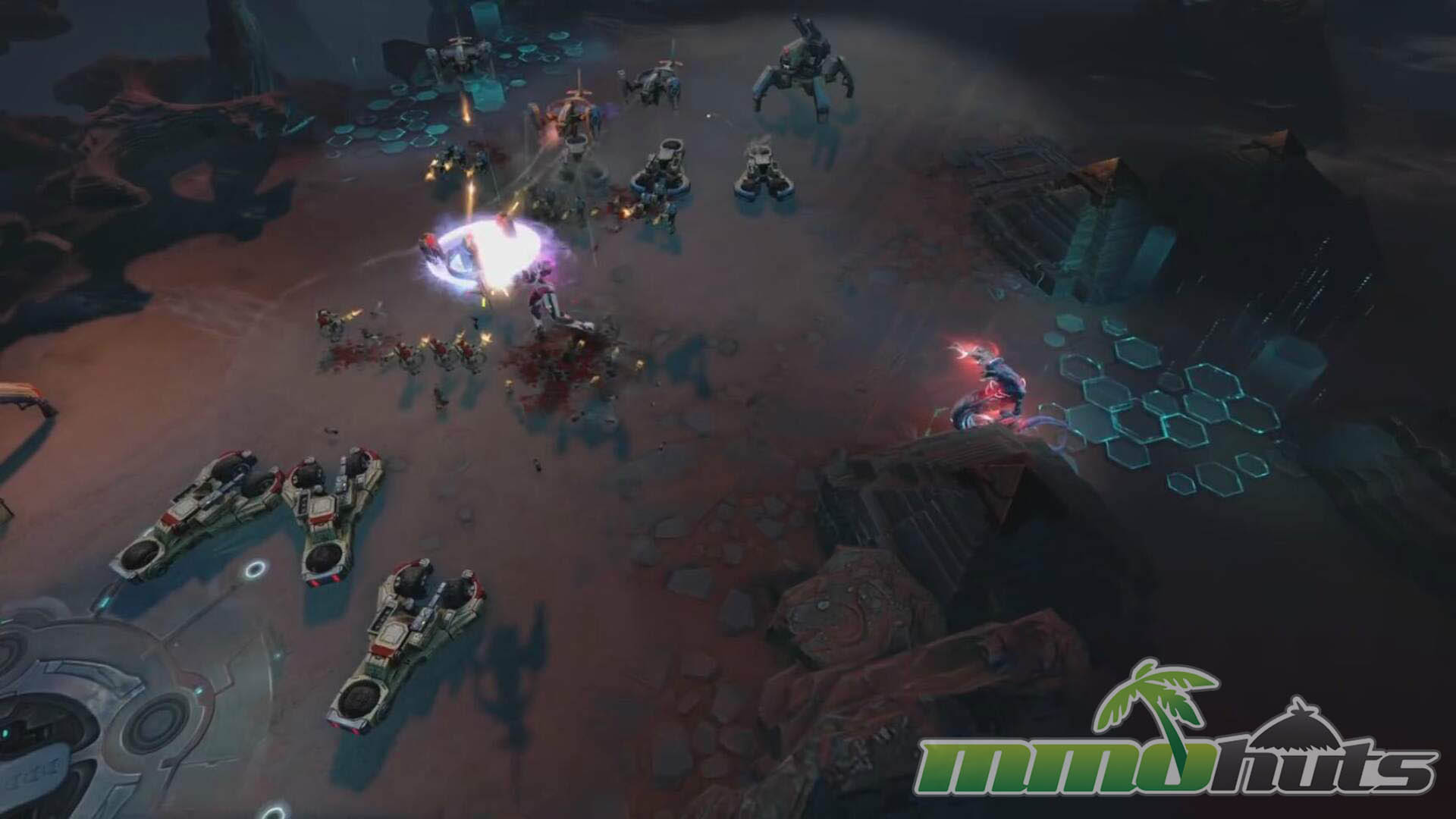
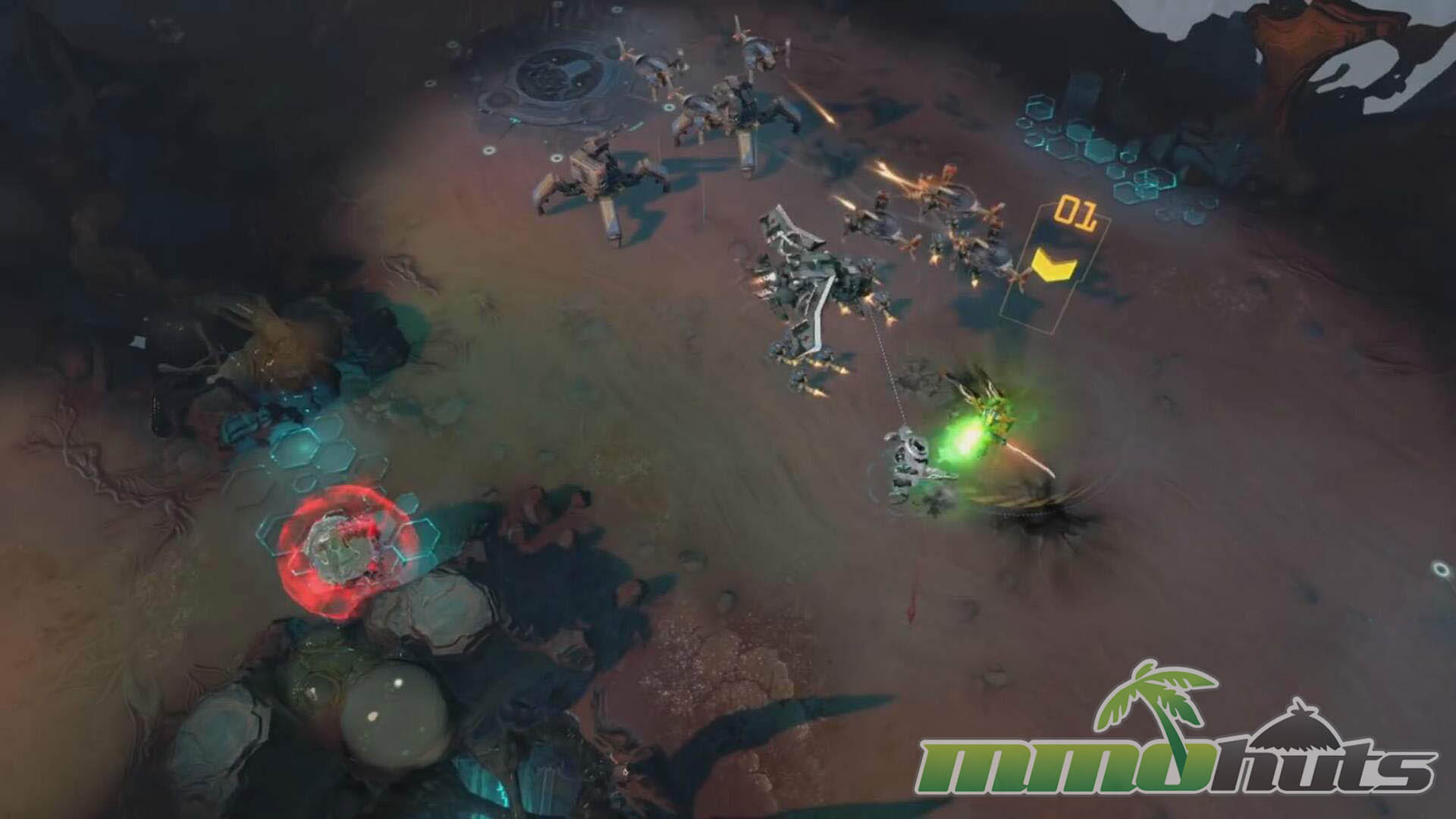
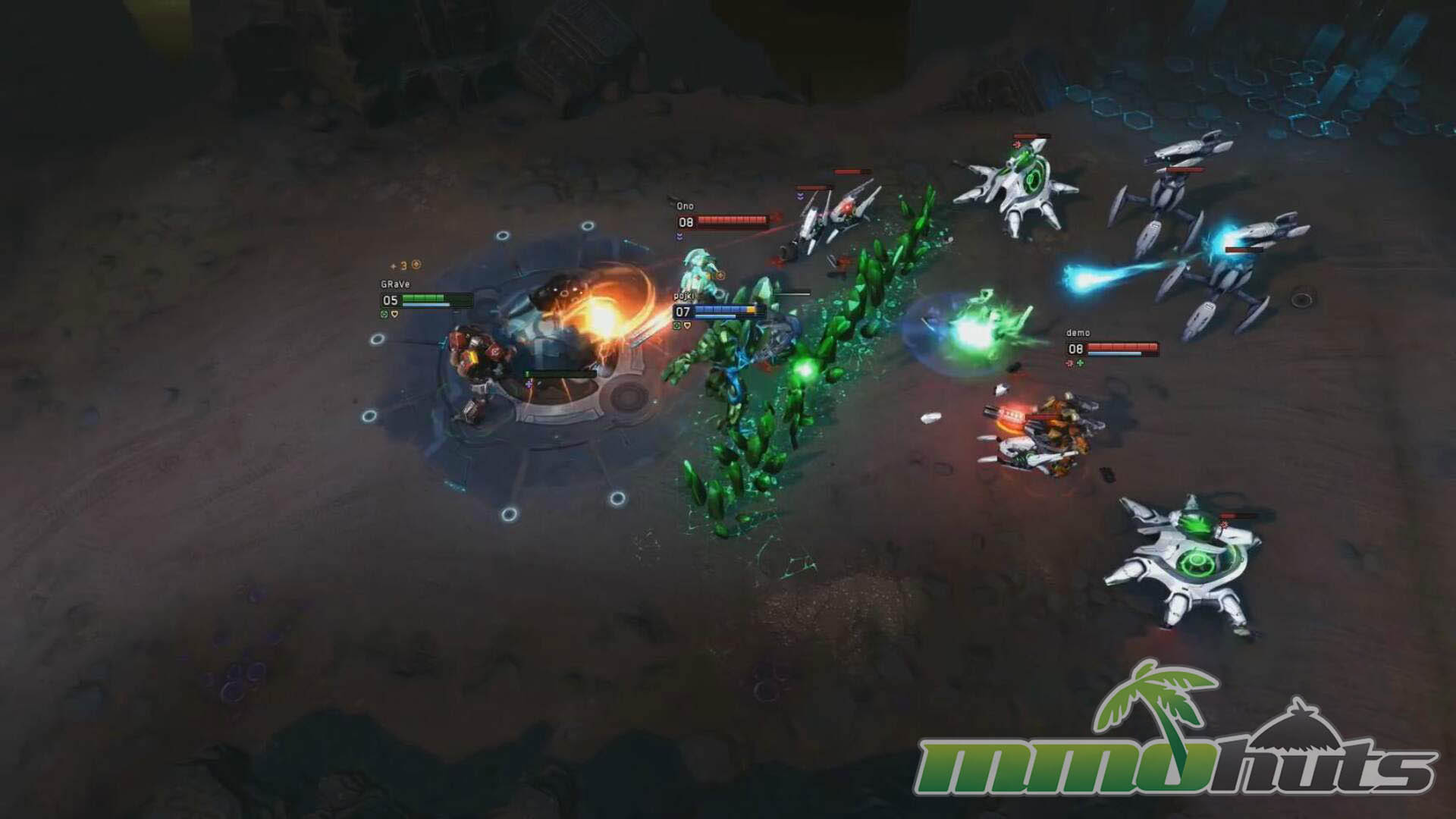
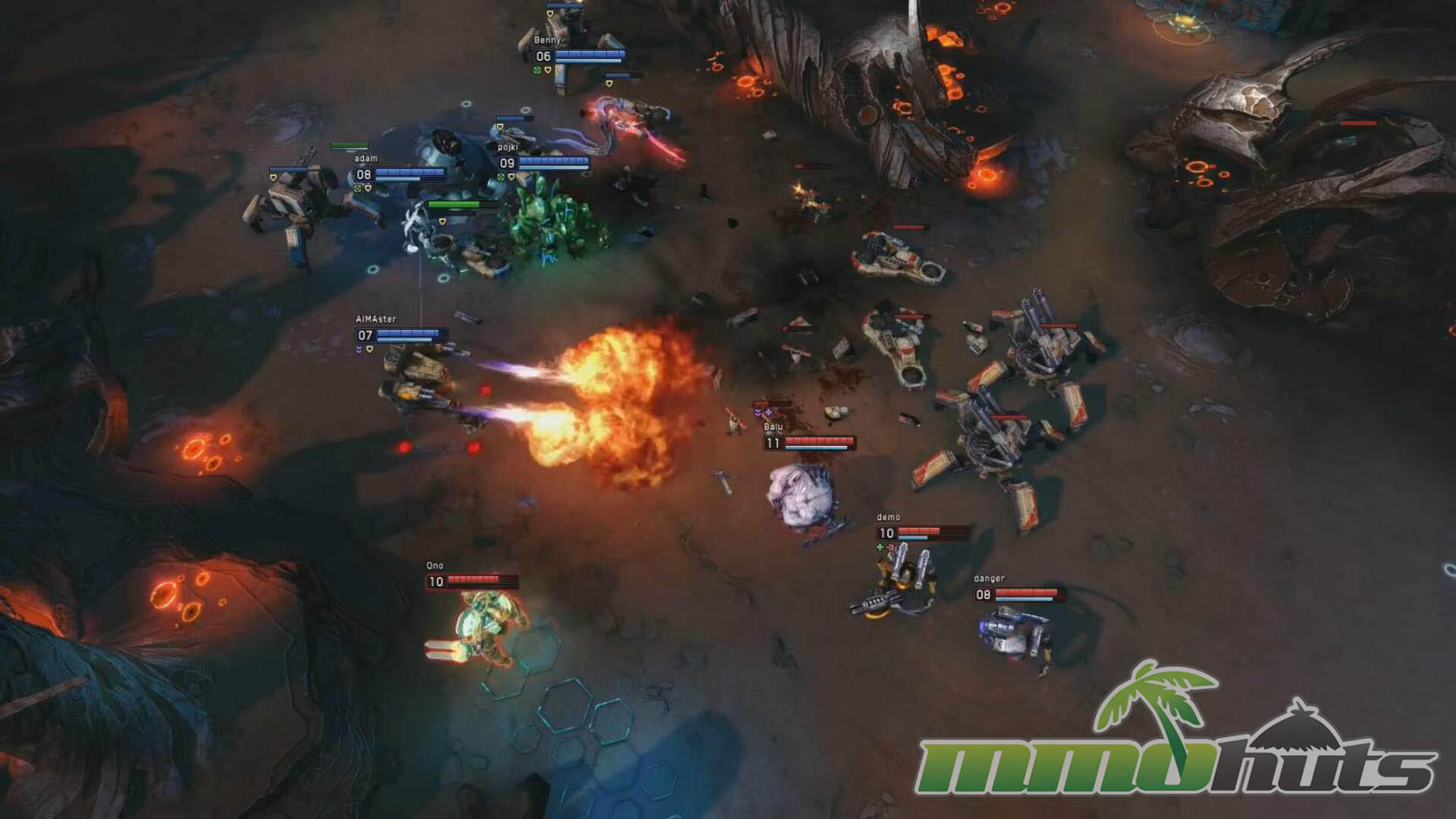
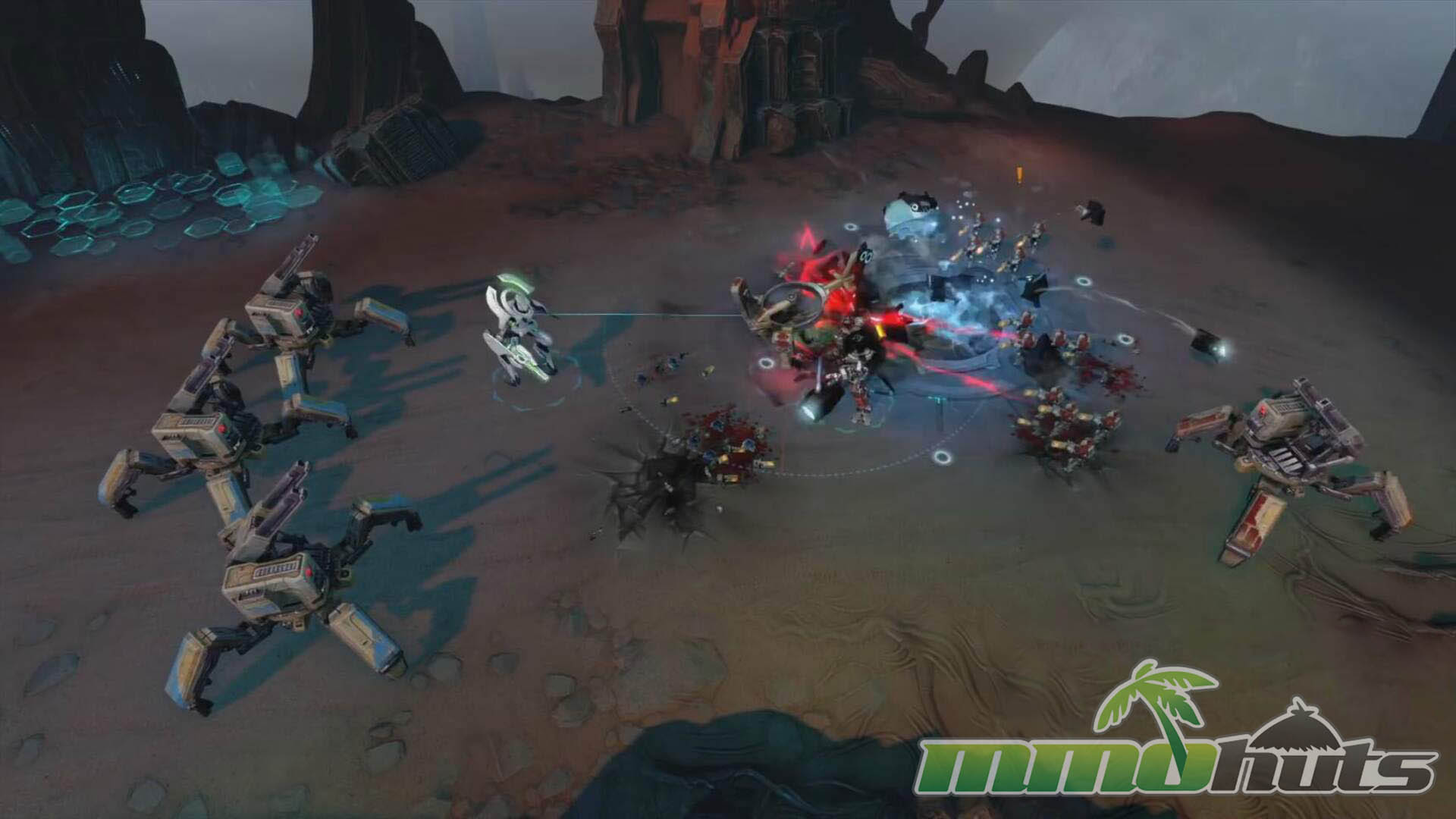
Supernova Featured Video

Supernova Review
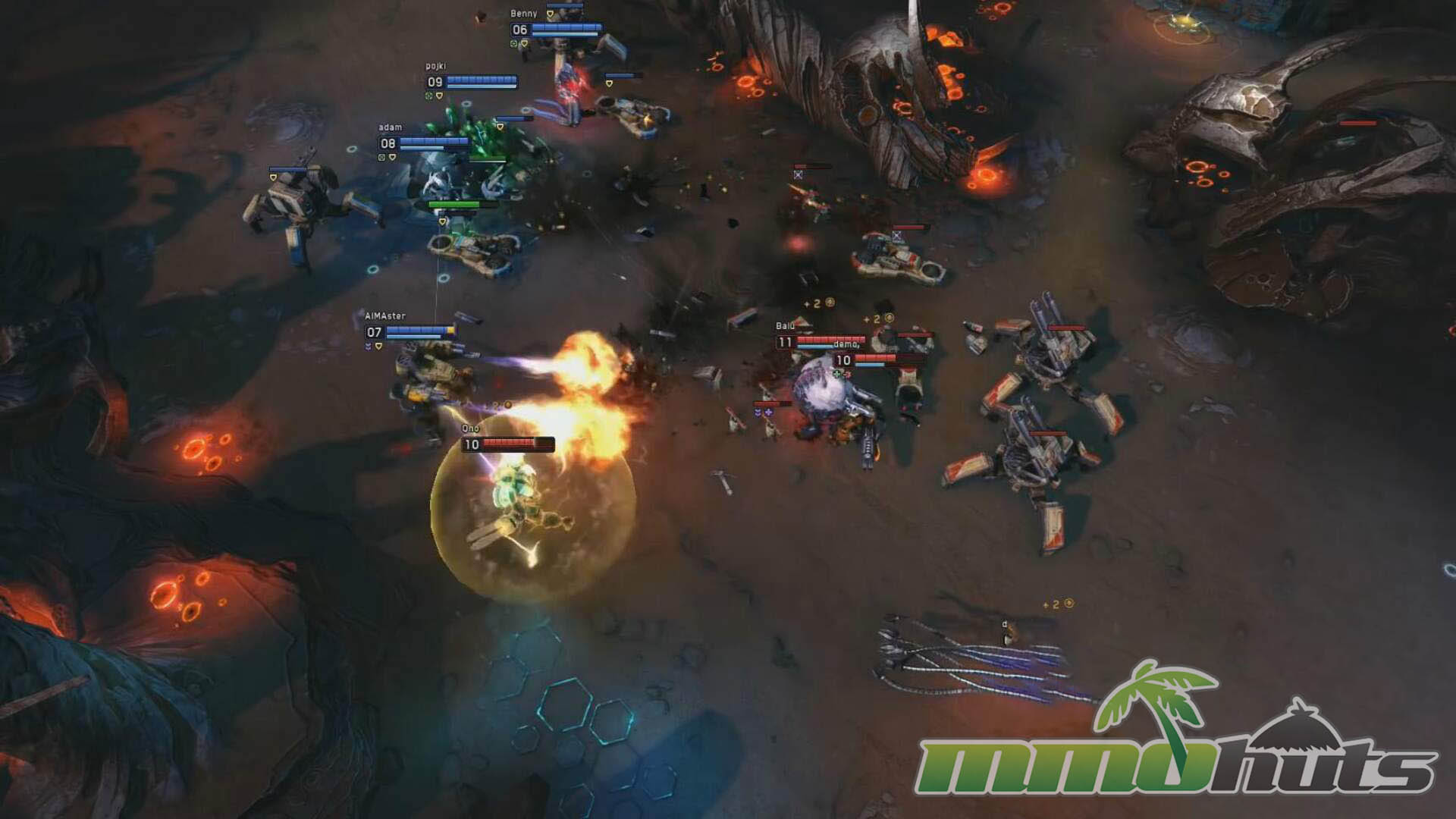
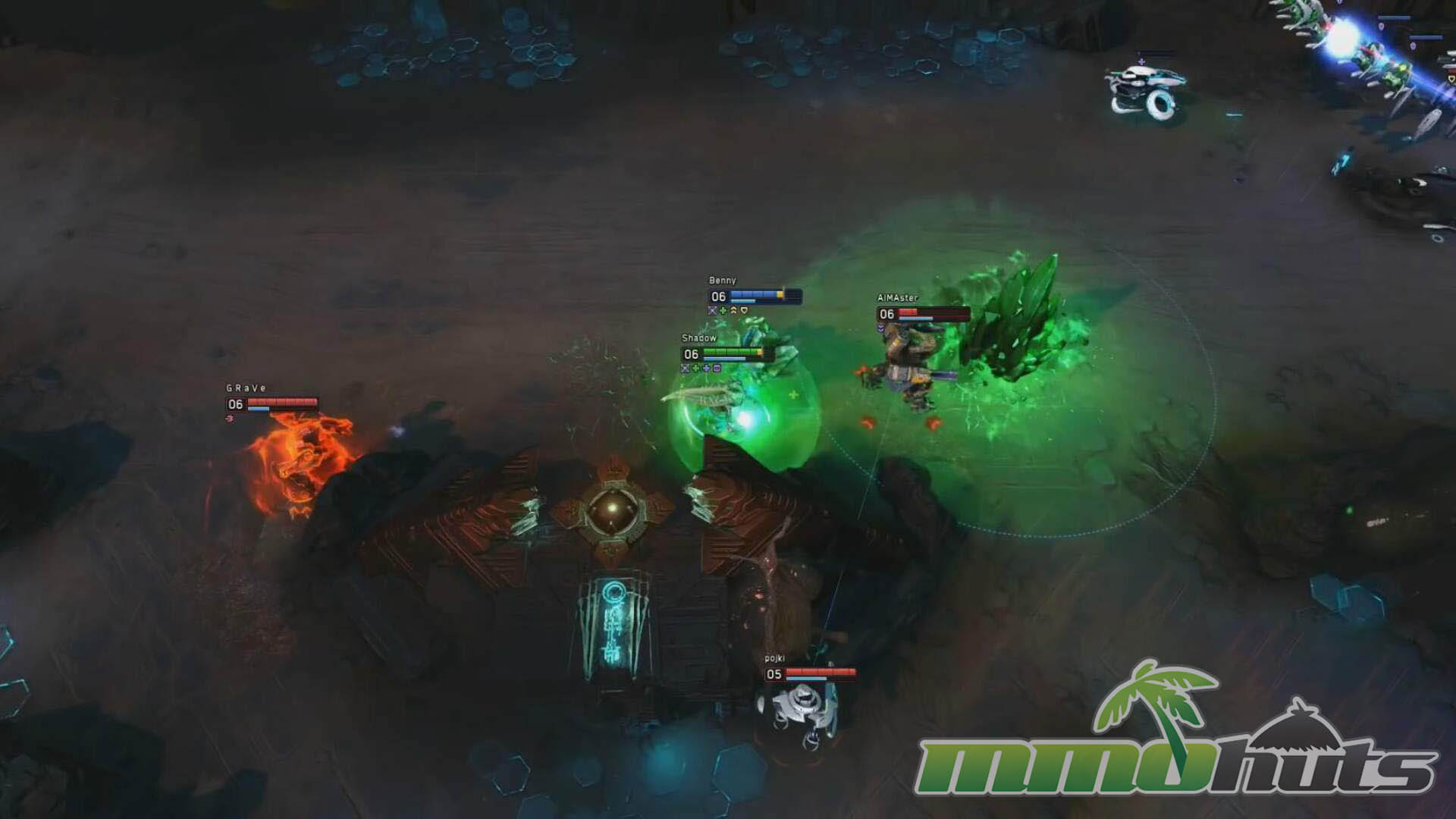
Supernova’s strongest idea is also the lens you should use to judge it, the creep economy. On the surface it plays like a conventional third-person MOBA, with ability-driven duels, teamfights around key areas, and the usual tension between farming, rotating, and committing to objectives. The difference is that your macro decisions are not limited to where you move on the map, they also include what kind of pressure your lanes generate while you are busy elsewhere.
That lane-focused spending creates meaningful tradeoffs. Putting gold into your wave can help you set up a push without needing to babysit it, or it can force opponents to respond and break their rhythm. At the same time, every investment into creeps is an investment not going into your own immediate power, so poor timing can leave you underpowered in skirmishes. When it works, it produces interesting mind games about tempo, risk, and whether you are trying to win fights or win lanes.
Moment-to-moment combat sits comfortably in the genre. Commanders have a straightforward kit structure and are readable enough that you can understand threats quickly, especially once you have seen a few matchups. The absence of a traditional item shop also changes how the game feels. Without browsing a full store and reacting with situational purchases, progression is more direct, you are usually choosing between stat growth and passives rather than building complex item synergies. That can make matches easier to follow, but it can also reduce the sense of improvisation that item-heavy MOBAs deliver.
Presentation is a mixed bag. The science fiction angle gives the game permission to be visually varied, with different kinds of characters and tech-styled arenas. Still, the overall look can feel somewhat familiar for the era, and the game does not always communicate its unique systems as clearly as it could. For players who enjoy experimenting with macro strategy and lane pressure, the creep customization is the feature that makes Supernova worth remembering. For players who primarily want polished combat feel, a huge roster, and a thriving competitive ecosystem, it never quite reached that level before shutdown.
Supernova System Requirements
Minimum Requirements:
Operating System: Windows 7 / 8 / 10
CPU: Intel Dual Core 2 GHz+
Video Card: Any Shadow 3.0 GPU with 512 MB+ VRAM
RAM: 2 GB
Hard Disk Space: 4 GB
Recommended Requirements:
Operating System: Windows 7 / 8 / 10
CPU: Intel Dual Core 3 GHz+ / Quad Core CPU
Video Card: GeForce GTX 470+
RAM: 2 GB
Hard Disk Space: 4 GB
Supernova Music & Soundtrack
Coming Soon!
Supernova Additional Information
Developer: Primal Game Studio Ltd
Publisher: Bandai Namco Entertainment
Release Date: Late 2015
Shut Down Date: August 20, 2018
Development History / Background:
Supernova was created by Primal Game Studio LTD, a PC developer based in Budapest, Hungary. Bandai Namco, acting as publisher, formally revealed the project on February 26, 2015. The design goal was to steer the MOBA formula closer to its RTS heritage by giving players direct influence over lane creeps and how waves evolve during a match. On August 20, 2018, Bandai Namco announced it would stop publishing Supernova. After the shutdown, the game continued in a limited form through a community-run Discord setup, but typical live-service features like matchmaking and other standard infrastructure are not available.