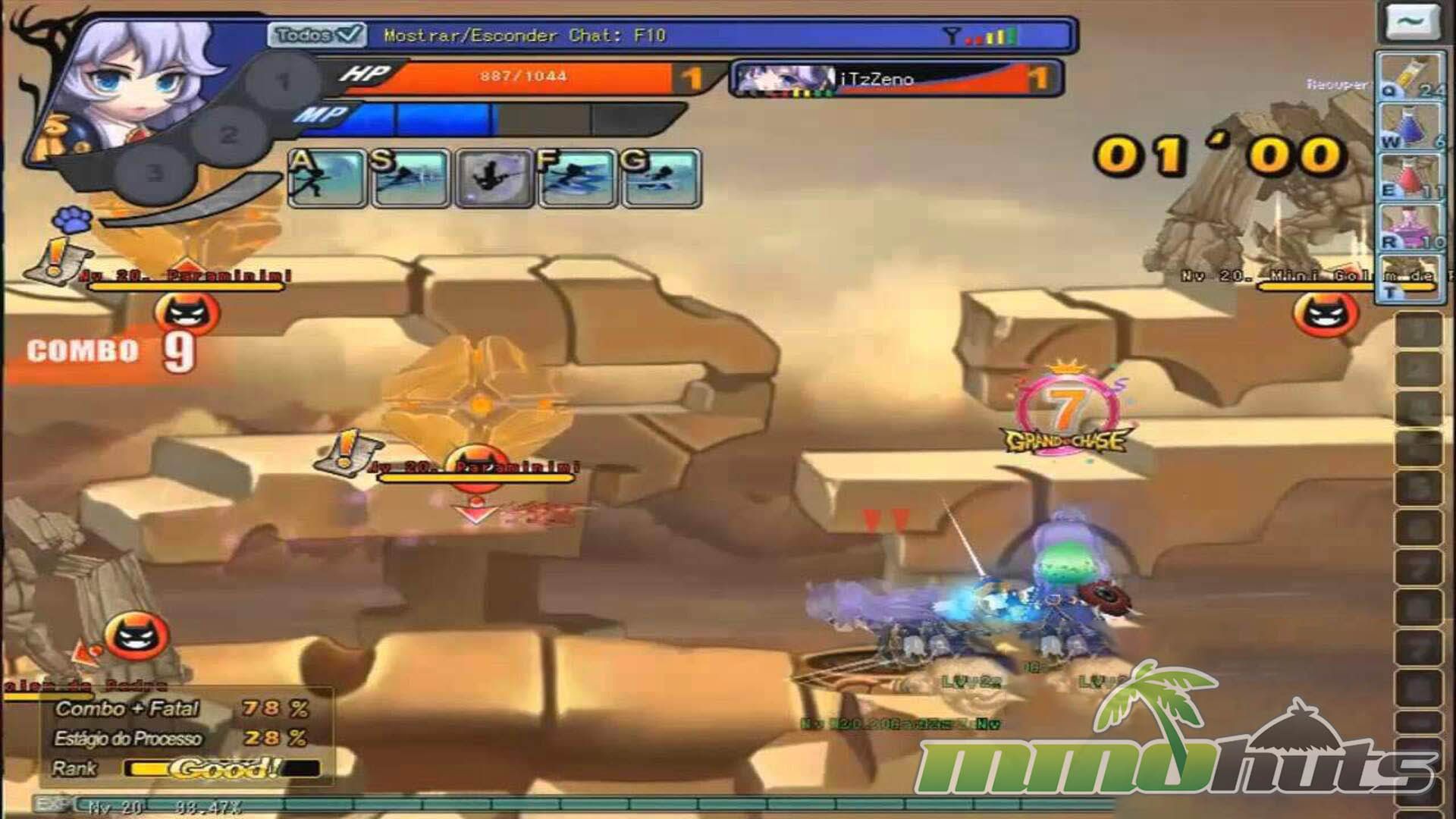
Grand Chase is a 2D, anime-styled side-scrolling action MMORPG built around quick, arcade-like combat and short instanced missions. Instead of a huge open world, it focuses on party runs and competitive matches where up to six players can clash, juggle enemies, and chain together flashy combos. With a sizable roster of characters and a mix of PvE and PvP modes, it aims to feel closer to a brawler than a traditional hotbar MMO.
 | Publisher: KOG Games Playerbase: Medium Type: 2D MMO Release Date: March 8, 2008 Relaunch Date: July 28, 2021 Pros: +A rare mashup of MMO structure with beat-em-up action. +Large cast with distinct playstyles. +Strong anime presentation. +Responsive, combo-driven fights. Cons: -Menus and interface can feel dated. -Some abilities are locked behind the cash shop. -Grouping for dungeons and PvP can be awkward. |

Grand Chase Overview
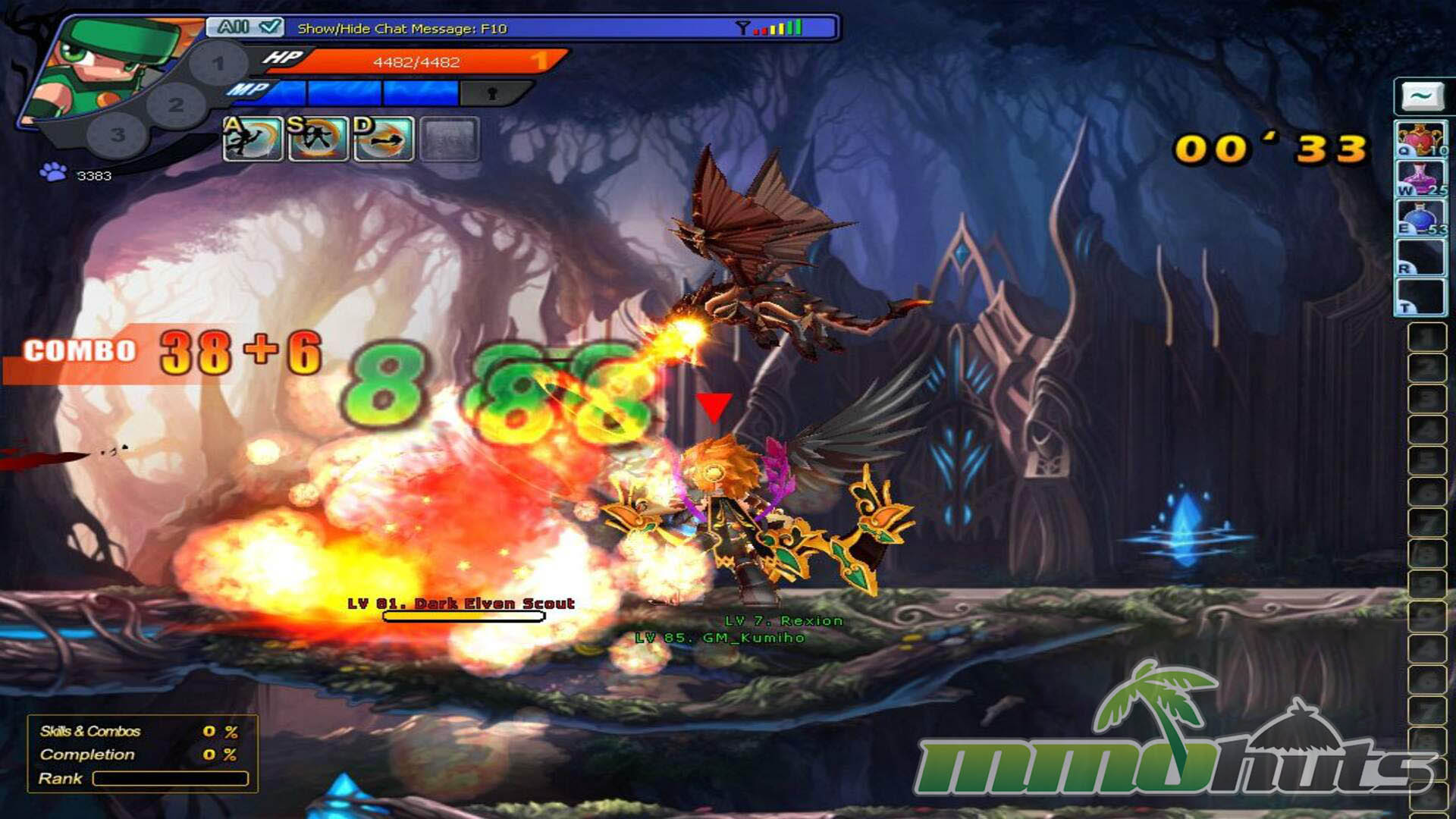
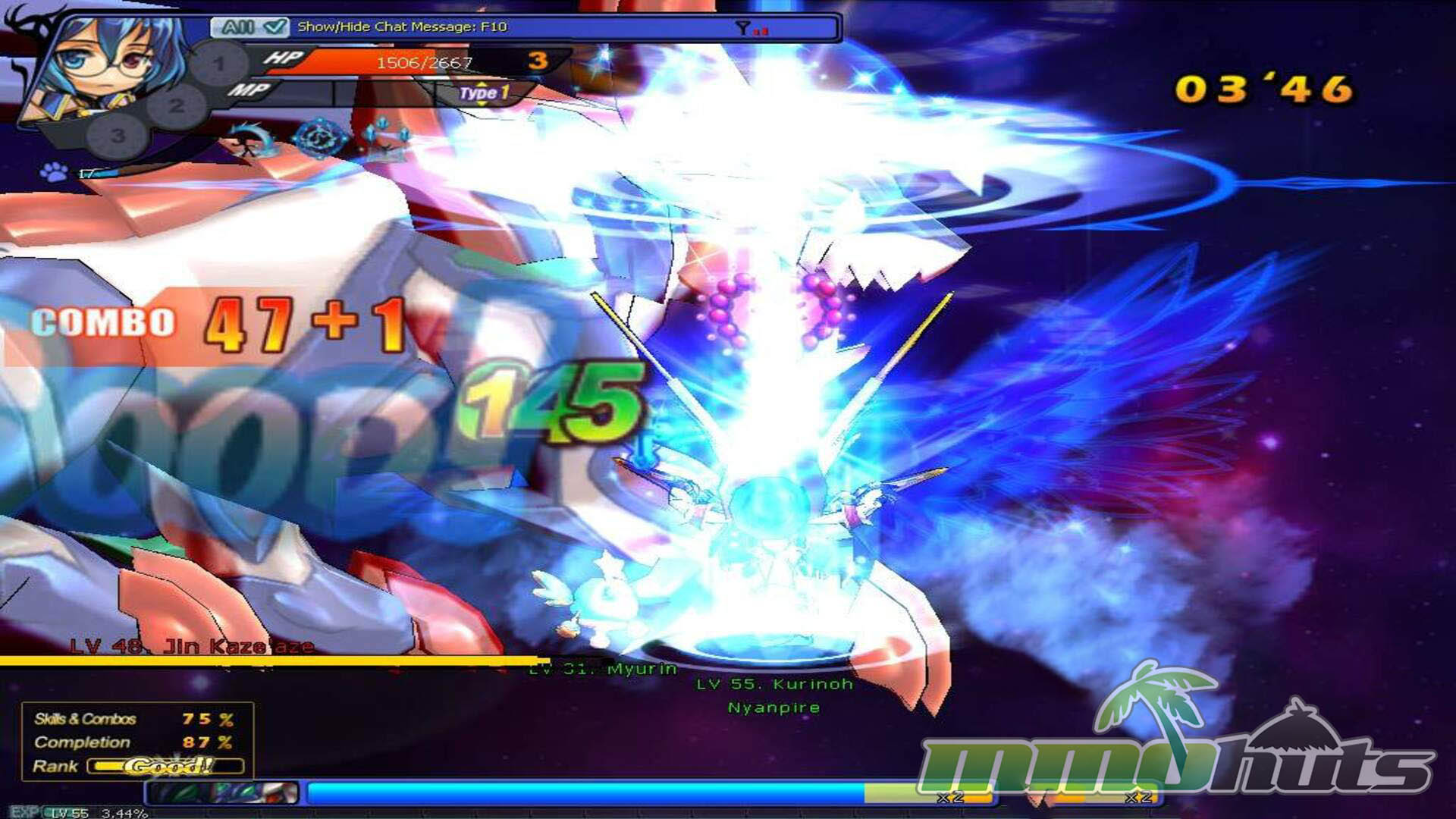
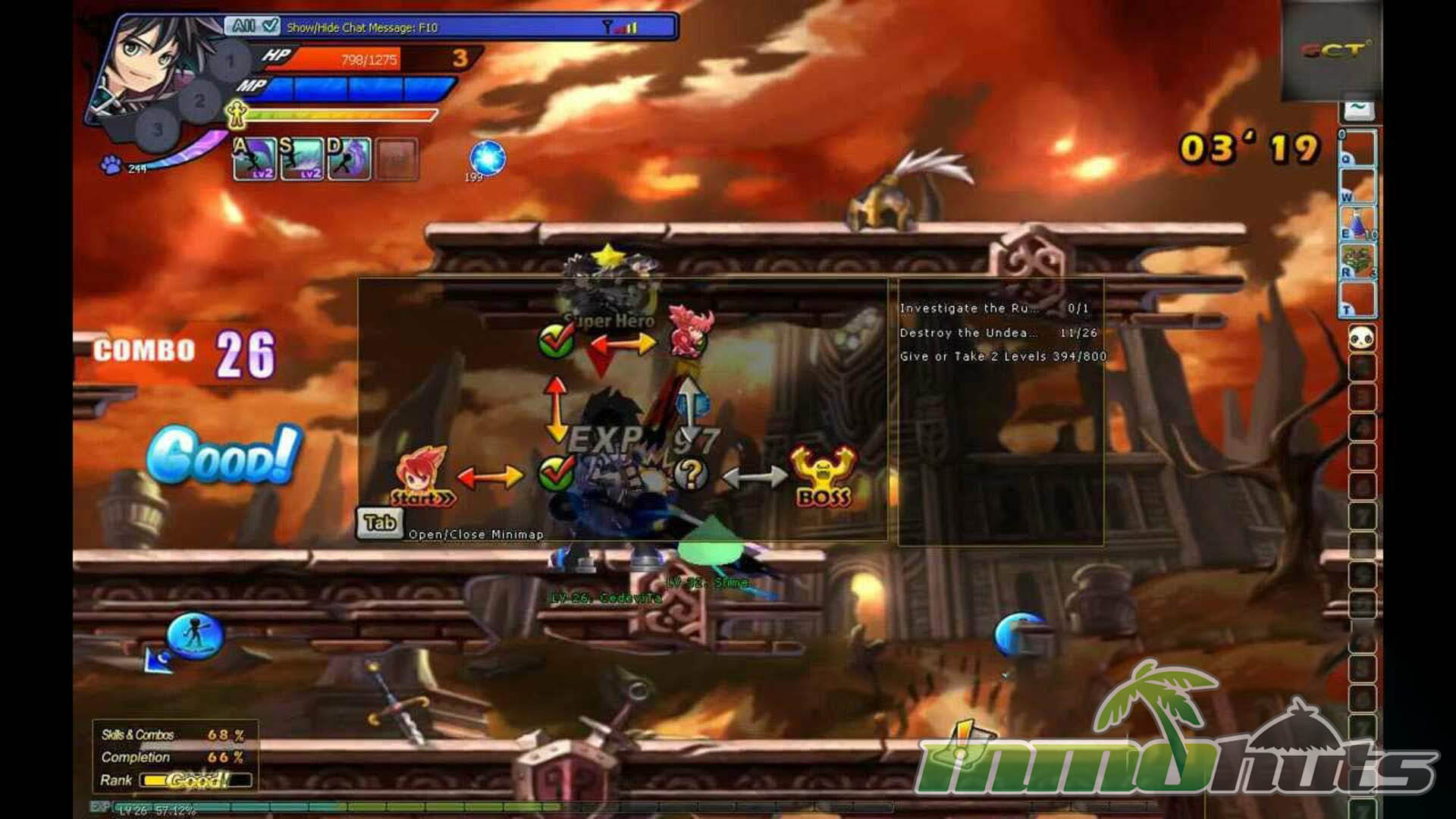
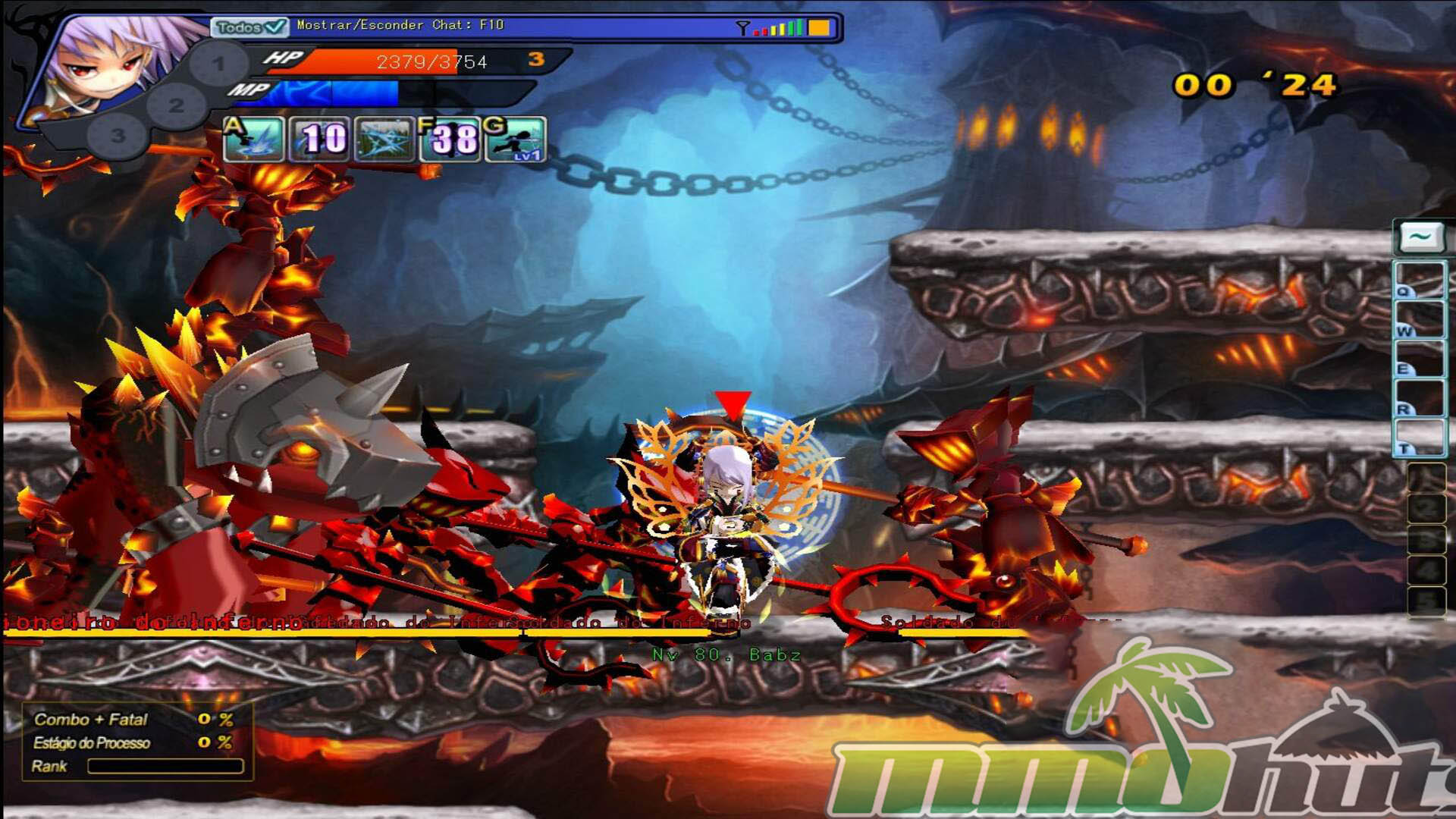
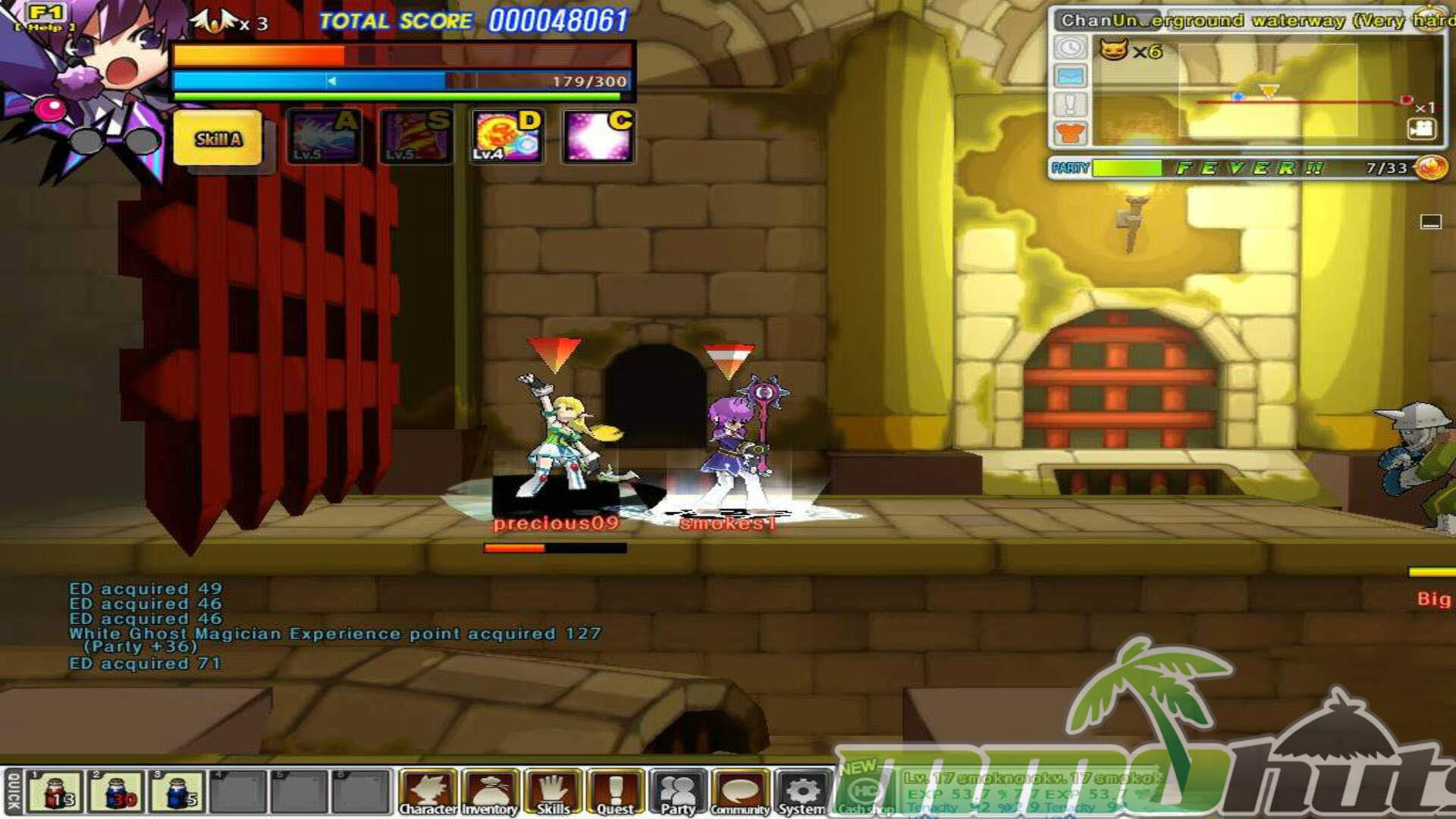
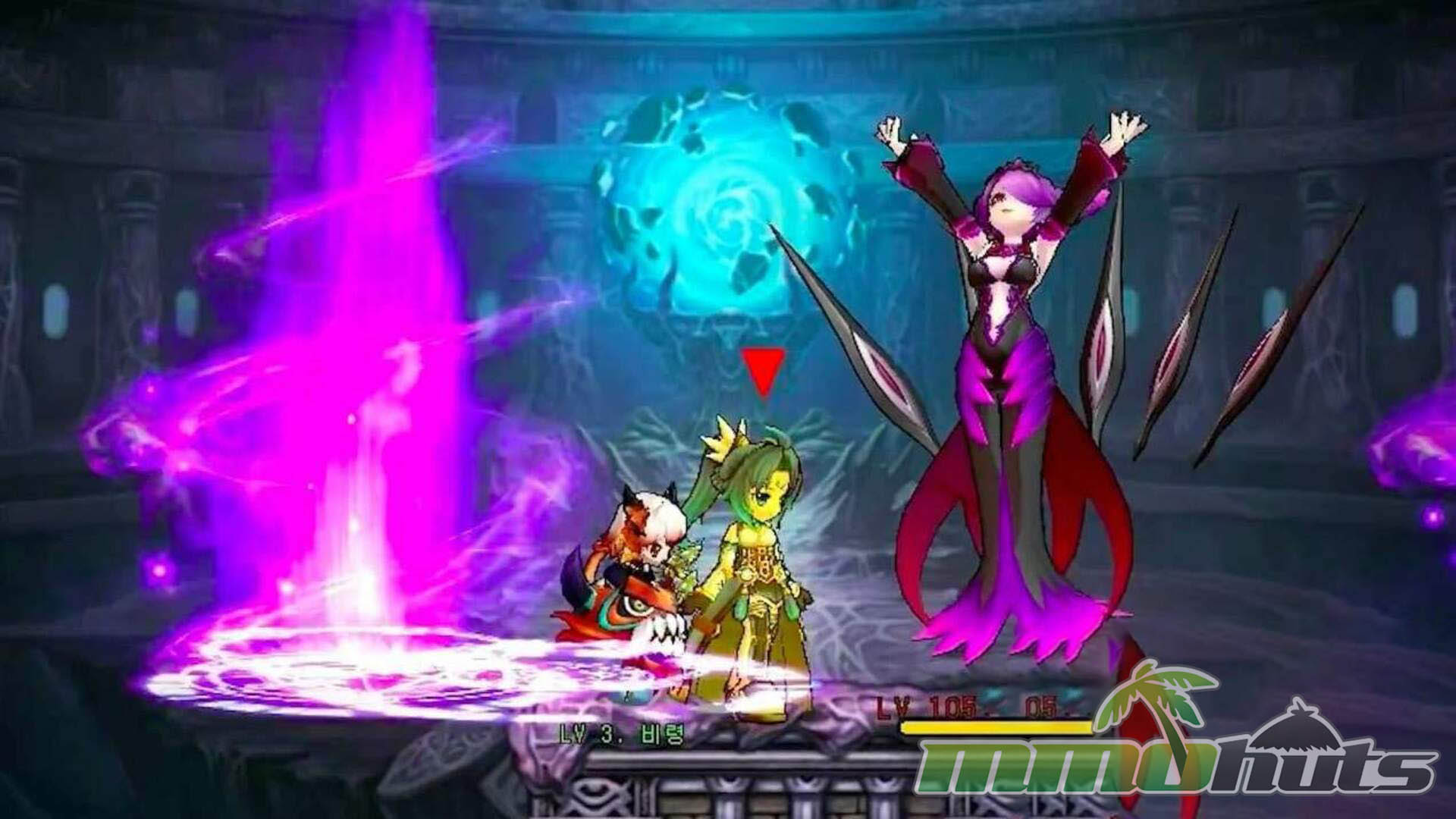
Grand Chase takes the bones of classic side-scrolling fighters and wraps them in an online RPG framework. Combat is real-time and timing-driven, you string basic attacks into longer chains, weave in skills, and reposition constantly with jumps and quick movement. Most of the core PvE takes place in instanced dungeons designed for up to six players, with a clear end-of-mission results screen that grades performance and rewards progress.
On the competitive side, Grand Chase supports multiple PvP formats, giving players a place to test movement, spacing, and combo execution against real opponents. If you are looking for a currently supported alternative with a similar side-scrolling MMO feel, Elsword Online is usually the closest comparison.
Grand Chase Key Features:
- MMORPG Brawler – Grand Chase stands out by blending side-scrolling beat-em-up action with MMO-style progression and online social play.
- Live Action Combat – moment-to-moment success depends on player execution, including dodging, timing, and clean combo strings in both PvE and PvP.
- Dungeon Parties – team up or host a room to tackle a wide selection of instanced stages across three continents.
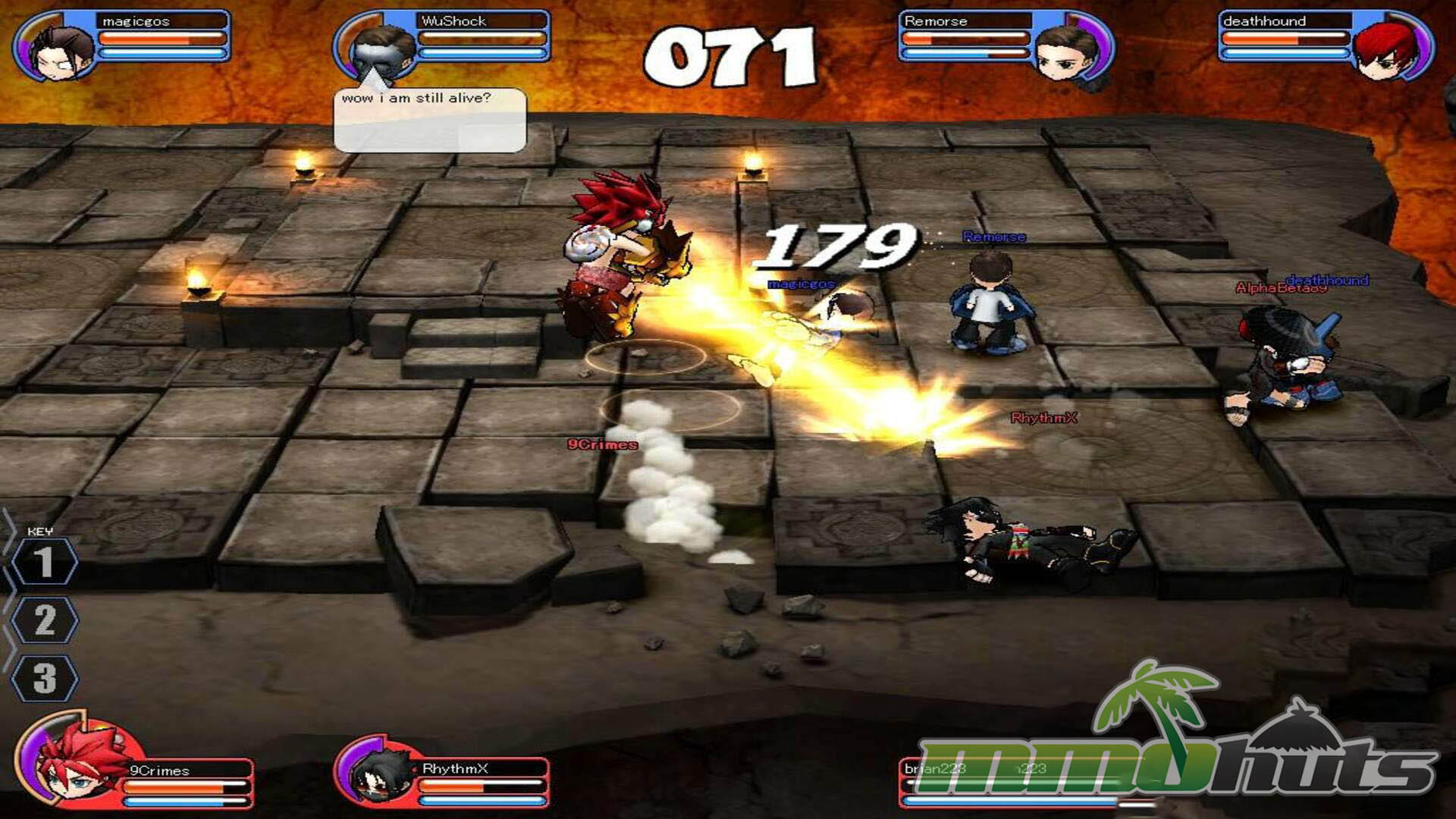
- Multiple PvP Modes – jump into varied match types such as Team Battles, Survival, Smashing, and Honor Guard.
- Huge Variety of Characters – a large roster (over nineteen characters) covers melee brawlers, ranged damage, and support-oriented kits.
Characters: Elesis, Lire, Arme, Rin, Edel, Veigas, Lass, Ryan, Ronan, Amy, Jin, Sieghart, Mari, Dio, Zero, Ley, Rufus, Asin, Lime
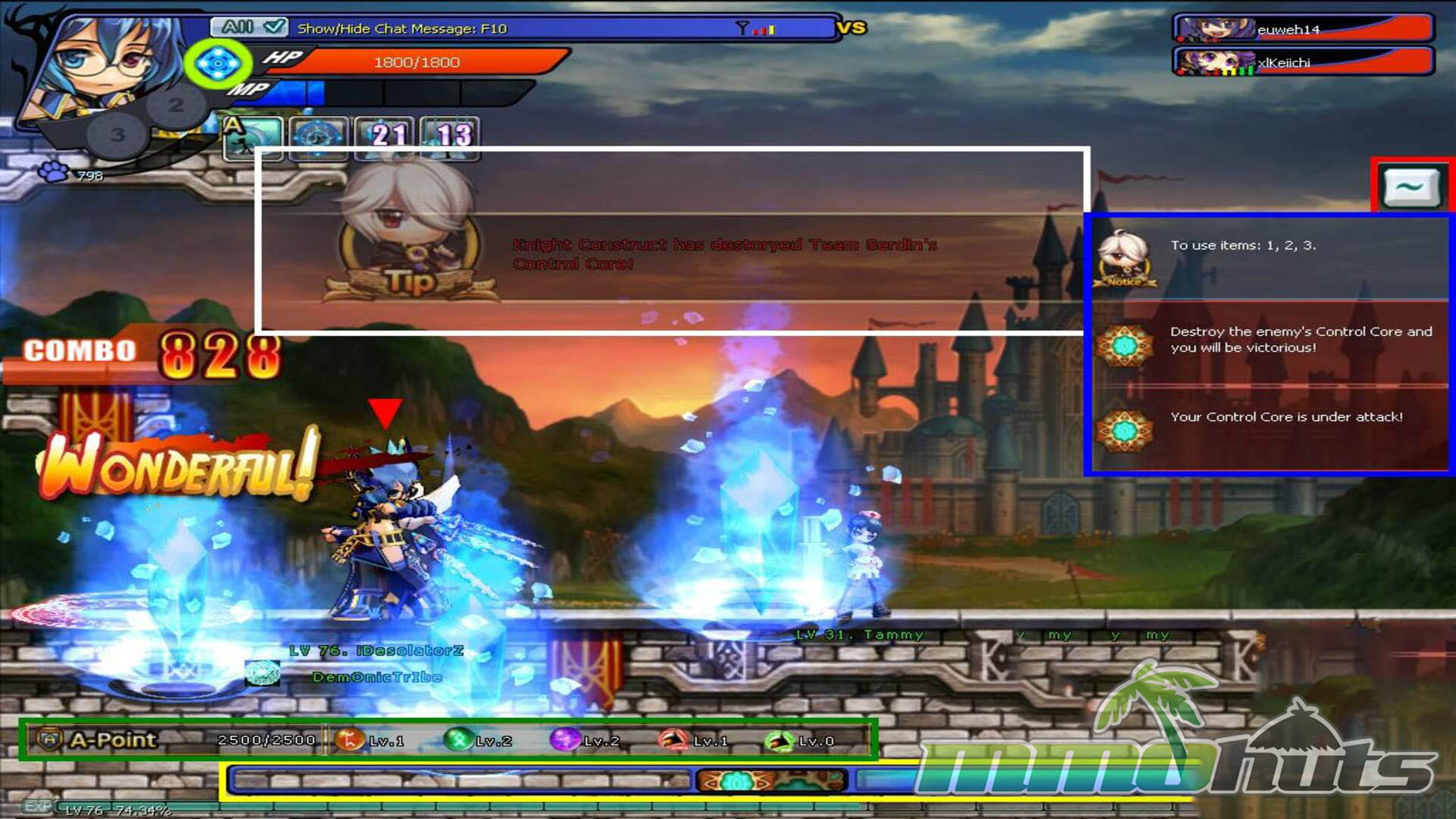
Grand Chase Screenshots
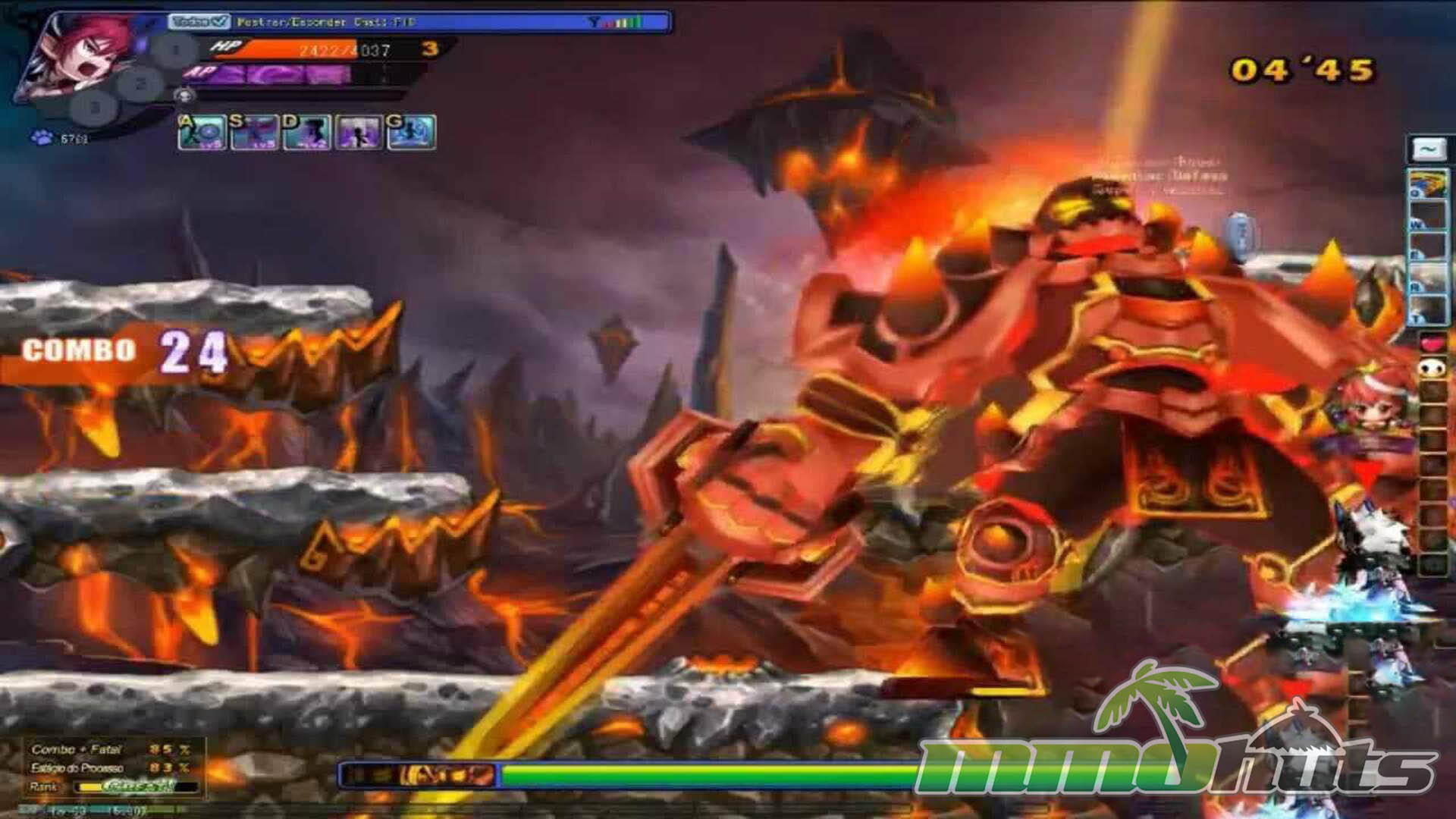
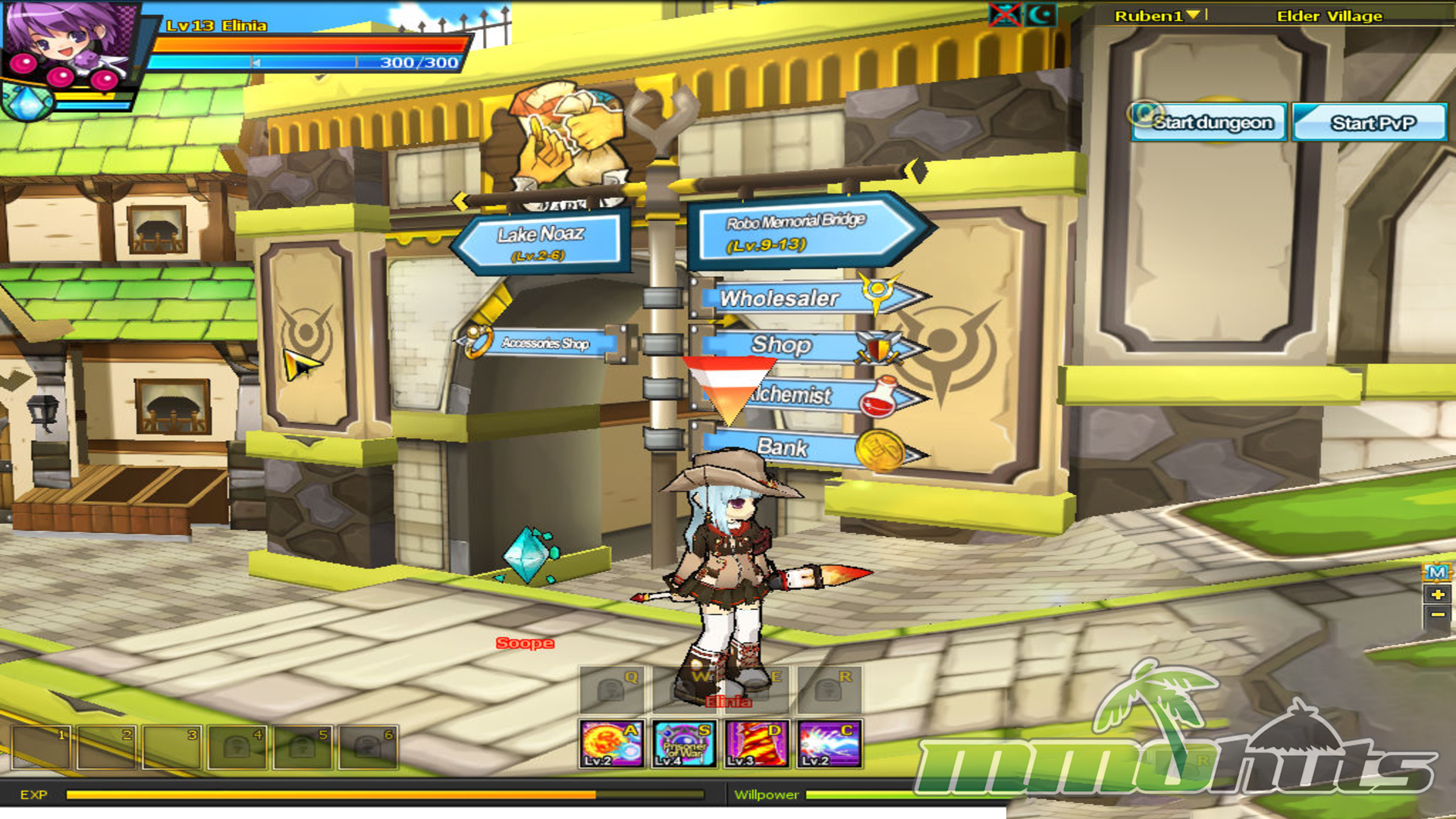

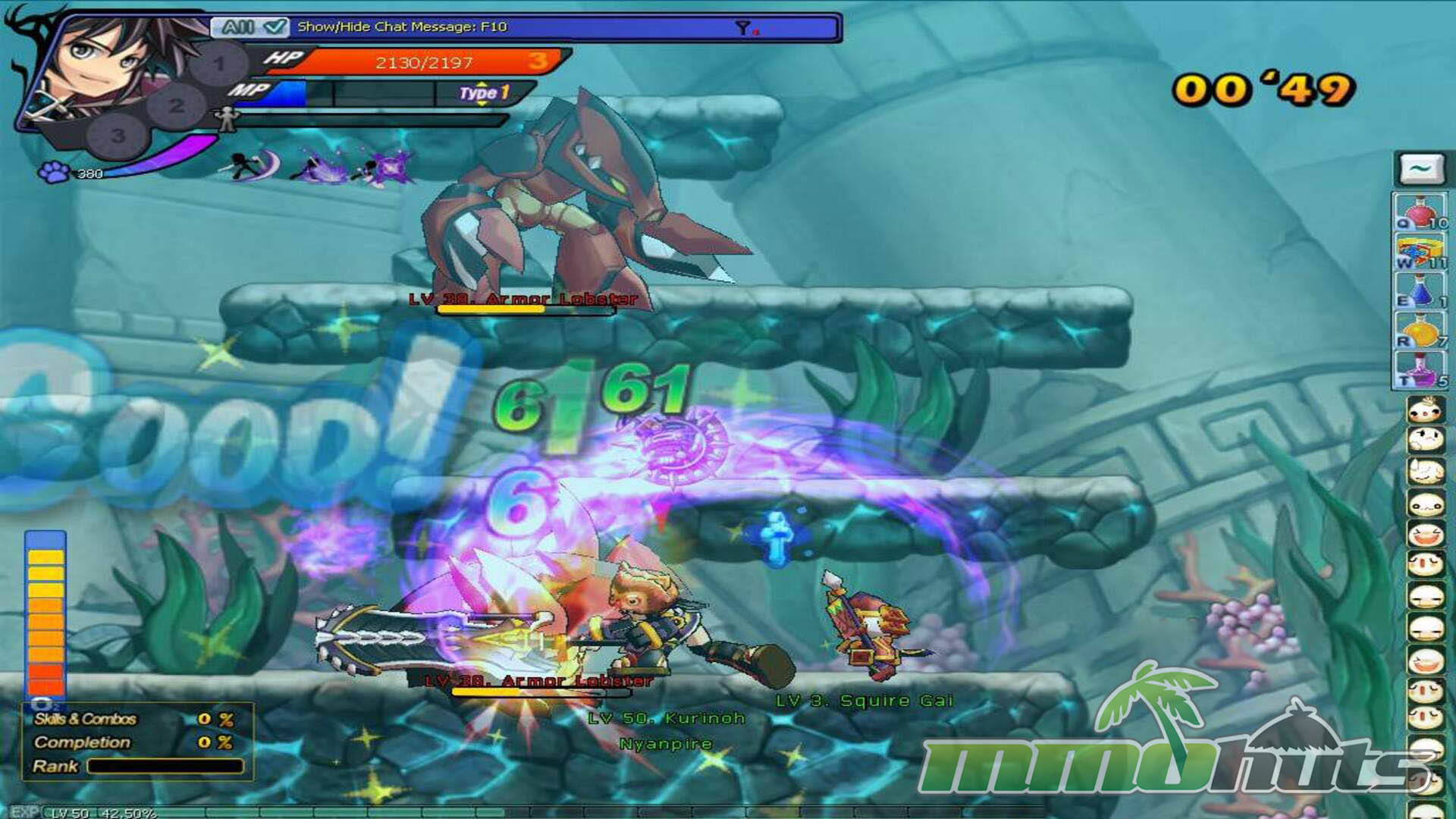
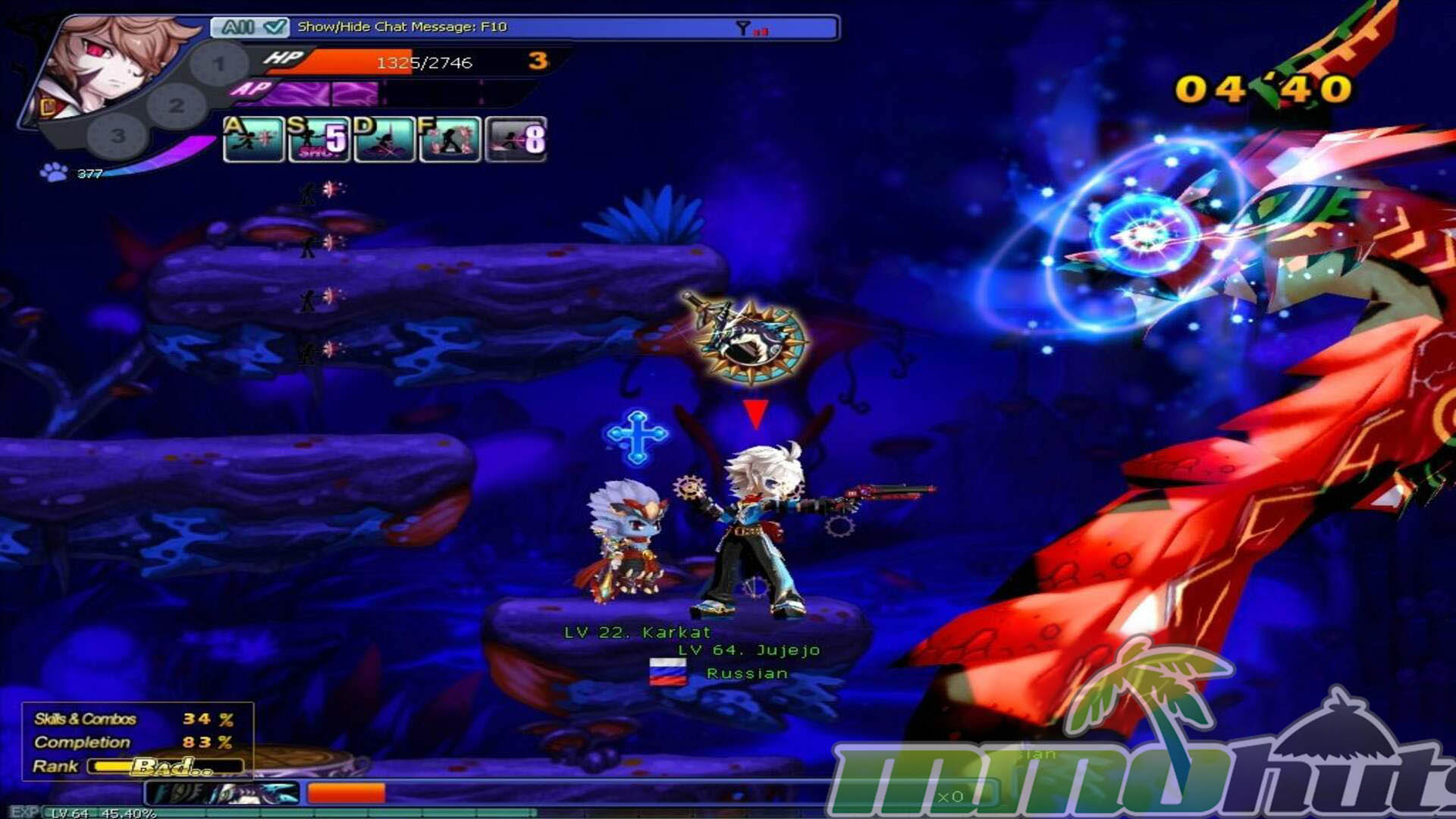
Grand Chase Featured Video

Grand Chase Review
Grand Chase is developed by KOG Studios and first debuted in Korea in 2003, later reaching North America in 2008 through Ntreev. Even at launch, its visuals were never the selling point, the appeal was always the fast, approachable combat and the co-op-friendly mission design. In an era where most online RPGs leaned heavily on tab targeting and hotbars, Grand Chase offered something closer to an arcade brawler that happened to be online.
It is also worth noting the game’s long history and shifting availability. While the original service eventually ended, the title later returned via a global Steam relaunch, and players wanting a comparable game that has remained active often point to Elsword Online as the nearest modern substitute.
A roster-first approach
Rather than building a custom avatar, Grand Chase leans into a cast of defined heroes. Early on, players can jump in with three starter options that cover familiar archetypes (close-range fighter, ranged attacker, and a spell-focused character). Each character progresses separately with their own level, equipment, and mission goals, which changes how you approach the grind, because swapping characters is effectively swapping to a different progression track.
More characters can be unlocked as you play, and the larger roster is one of the game’s strongest hooks. It encourages experimentation and gives completion-minded players a long-term target, even if most people ultimately settle on one or two favorites once they find a moveset that clicks.
Lobby-based, stage-driven play
Grand Chase does not operate like a seamless open-world MMORPG. Instead, you spend most of your time in lobbies, joining or creating rooms, then launching into instanced stages with a party. When population is modest, this structure can be a double-edged sword, it keeps sessions quick, but it can also mean you wait longer than you would like for a full group.
A tutorial exists to introduce movement and attacks, but it functions more like a practice space than a real onboarding experience. You are mostly expected to learn by doing, which works fine for genre veterans, but can feel thin for players unfamiliar with side-scrolling brawlers.
Combat that rewards rhythm and positioning
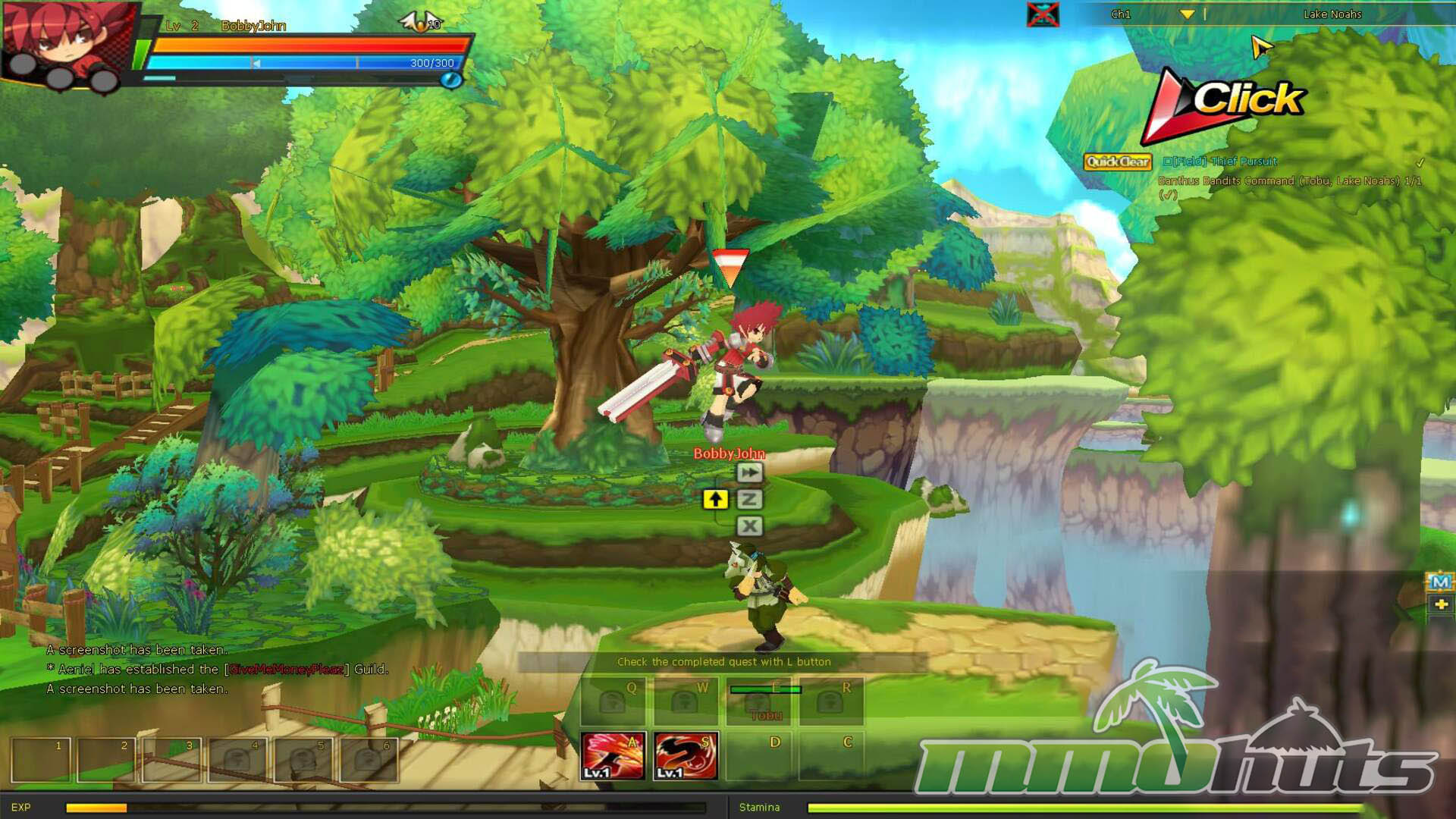
Controls are intentionally straightforward. Movement is limited to the 2D plane (left and right), with jumping and platform changes handled through the vertical inputs. Attacks and skills are mapped to simple keyboard inputs, and skills are often tied to charged timing rather than complex keybinds. Dashes, aerial hits, and rapid strings are the foundation of most encounters.
In practice, the combat loop is about maintaining pressure without getting punished, you dart in for combos, back off to avoid predictable enemy swings, then re-engage. When it feels good, it feels very good, especially in co-op where crowd control and damage overlap can clear screens quickly.
Continents, difficulty tiers, and repetition
Progression is split across three continents, with access opening up over time. Each region contains multiple stages, and many quests require repeated clears. On top of that, stages include multiple difficulty settings, and some objectives only count on specific difficulties. The result is that you revisit the same areas frequently, especially if you are leveling more than one character.
That repetition is easier to tolerate than it sounds because runs are generally short and the action stays snappy. Boss fights at the end of stages help give missions a natural climax, and the end-of-mission grading adds a small performance-focused push beyond simply finishing.
Rewards and experience also lean toward party play. Larger groups earn better bonuses, so soloing can feel inefficient. The catch is that if matchmaking and room-finding are inconvenient, the game can sometimes make you work harder than necessary to get into the content that it clearly expects you to run with others.
PvP as an alternate leveling path
For players who prefer competition, PvP offers a meaningful alternative to PvE grinding. Experience gains can be strong, but they are tied to performance, so newer players may struggle to benefit until they understand movement, spacing, and how to escape or extend combos.
PvP lobbies show available rooms, and matches can include team formats and free-for-all brawls with up to six players. Variants like Tag Match (where you swap between two characters) change the pacing and strategy, and optional item modes add temporary power-ups that can swing fights. Finding PvP games can be easier than assembling a strong dungeon party, although wide level gaps can make early matches feel uneven.
Gear, cosmetics, and the timer problem
Completing missions and performing well earns GP, which you can spend in the in-game shop on equipment, accessories, and cosmetic items. The selection is extensive and characters can wear a surprising number of pieces at once, letting players go all-in on visual flair while also chasing stat boosts.
The biggest drawback is that many items are temporary. Even gear earned through play can be time-limited, which can create a stop-and-start feeling if you step away and return to find equipment expired. The cash shop also plays a role in progression and convenience, and some skills being tied to real-money purchases can be frustrating for players who want a purely earned kit.
At level cap (60), the overall structure is clear, PvE is approachable with a decent group, while PvP demands sharper execution. If you enjoy learning movement-based combat systems, that contrast can be a strength.
Final Verdict: Good
Grand Chase shows its age in presentation and interface, but its core idea still stands out. The combination of side-scrolling brawler combat, party-focused dungeon runs, a large character lineup, and skill-driven PvP gives it a distinct identity among online RPGs. Players who can accept repetition and some dated friction will find a straightforward, satisfying action MMO underneath.
Grand Chase Links
Grand Chase Wikia [Database/Guides]
Grand Chase Wikipedia Entry
Grand Chase Reddit [Community]
Grand Chase System Requirements
Minimum Requirements:
Operating System: Windows Vista SP2
CPU: Pentium 4 1.5GHz / Athlon XP 1600+
Video Card: Nvidia GeForce 4 MX 440 / ATI Radeon X550 Series
RAM: 512 MB
Hard Disk Space: 1.2 GB
Recommended Requirements:
Operating System: Windows Vista / 7 / 8 / 8.1 / 10
CPU: Pentium 4 2.8GHz / AMD Athlon 64 2800+
Video Card: Nvidia GeForce 6600 GT 256MB / Radeon HD 2600 Pro or better
RAM: 2 GB or better
Hard Disk Space: 1.5 GB or more
Grand Chase Music & Soundtrack
Grand Chase Additional Information
Developer: KOG Studios
Publisher: Gamerage
Game Engine: Custom In-House Engine
Release Date NA: March 8, 2008
Release Date KOR: August, 2003
Release Date JP: August 10, 2005
Release Date BR: June 28, 2006
Release Date PH: November 4, 2008
Release Date IND: May 8, 2010
Release Date SA: March 3, 2011
Closure Date: April 17, 2015
Relaunch Date: July 28, 2021
Development History / Background:
Grand Chase was originally developed by Ntreev, which eventually was renamed to Gamerage. When it arrived in 2008, it attracted a large audience thanks to lightweight hardware demands and controls that were easy to pick up. Over time, as more modern alternatives appeared and competition increased, the active population declined and revenue followed, eventually leading to an official shutdown on April 17, 2015. The game later returned with a global Steam relaunch on July 28, 2021.