World of Warships is an arcade-focused naval MMO that drops teams of players into sea-based arenas and asks them to outmaneuver, outspot, and outgun the opposition. You take command of iconic 20th century warships, progress through tech trees, and bring a mix of artillery barrages, torpedo strikes, and utility tools to each match as you fight for objectives and sinking rights.
 | Publisher: Wargaming Playerbase: High Type: Arcade Naval Combat Release Date: July 02, 2015 Pros: +Huge variety of ships to command. +Impressive ship models and ocean visuals. +Strong emphasis on positioning and tactics. Cons: -Balance can feel uneven between ships and tiers. -Deliberate pacing will not suit players who want constant action. |

World of Warships Overview
World of Warships is an online naval arcade MMO developed by Wargaming. It puts you in the role of captain aboard a 20th century warship, then sends you into match-based battles set across the Atlantic, Pacific, and Arctic. Although the game leans arcade in its rules and readability, it still captures the weight and planning that comes with steering a massive vessel, where turns commit you, momentum matters, and positioning often decides the engagement before the first shells land.
Combat revolves around reading the sea and leading your targets. You typically fire salvos toward where an enemy ship will be, not where it is at the moment, and you need to account for travel time, angles, and the opponent’s likely course changes. Progression is built around tech trees that let you research and purchase a wide range of ships, drawing from historical navies and also prototype designs. On top of unlocking new hulls, you can research modules to improve survivability and damage output, shaping a ship into a version that better suits your approach.
Matches also encourage smart use of tools beyond raw firepower. Torpedoes, smoke screens, and other consumables add layers to fights, letting you break line of sight, force enemies off routes, or punish predictable pushes. The result is a PvP experience that rewards patience, map awareness, and coordinated focus fire more than twitch reflexes.
World of Warships Key Features:
- Broad roster of ship classes to master – battleships, cruisers, and destroyers each bring different engagement ranges and battlefield roles.
- Weighty ship handling – responsive controls paired with momentum and turning arcs that make planning your approach essential.
- Tech trees and progression – earn experience in battles to research new ships and incremental module improvements.
- Detailed ship presentation – vessels are modeled with a high level of care, drawing from real-world designs and documented concepts.
- Strategic, tool-driven fights – combine gunnery with torpedoes, smoke screens, and positioning to win engagements, not just trades.
World of Warships Screenshots





World of Warships Featured Video

World of Warships Review
World of Warships stands out in the crowded “vehicle combat” space by leaning into naval pacing and decision-making. Instead of constant dogfighting or instant turns, it asks you to think ahead, commit to lanes, and accept that the sea is a wide open place where a single mistake can leave you exposed for far too long. It is approachable, match-based, and clearly designed for quick sessions, but it still has enough tactical texture to keep experienced players engaged.
“All hands, make ready”
At the control level, the game is easy to pick up. You manage speed and direction with standard keyboard movement, then aim and fire with the mouse. The important nuance is that your ship behaves like a heavy machine; acceleration is gradual, deceleration is not instant, and turning is a slow commitment rather than a quick correction. Early on, that can feel sluggish, especially if you are coming from faster shooters, but it also becomes the foundation for the game’s strategy. When you choose a route around an island chain or decide to swing your broadside out to fire, you are making a decision with consequences that can last the next minute of the match.
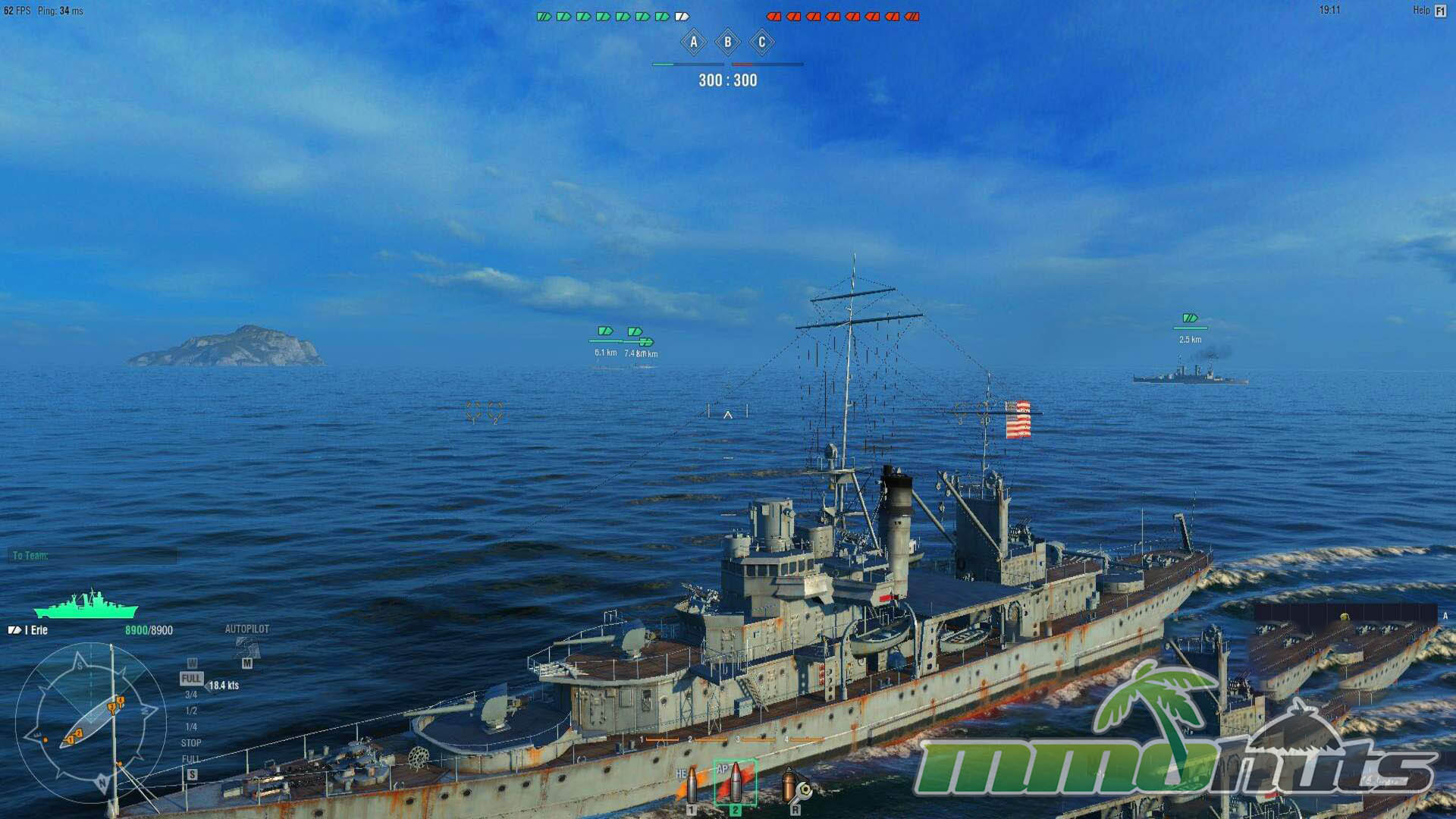
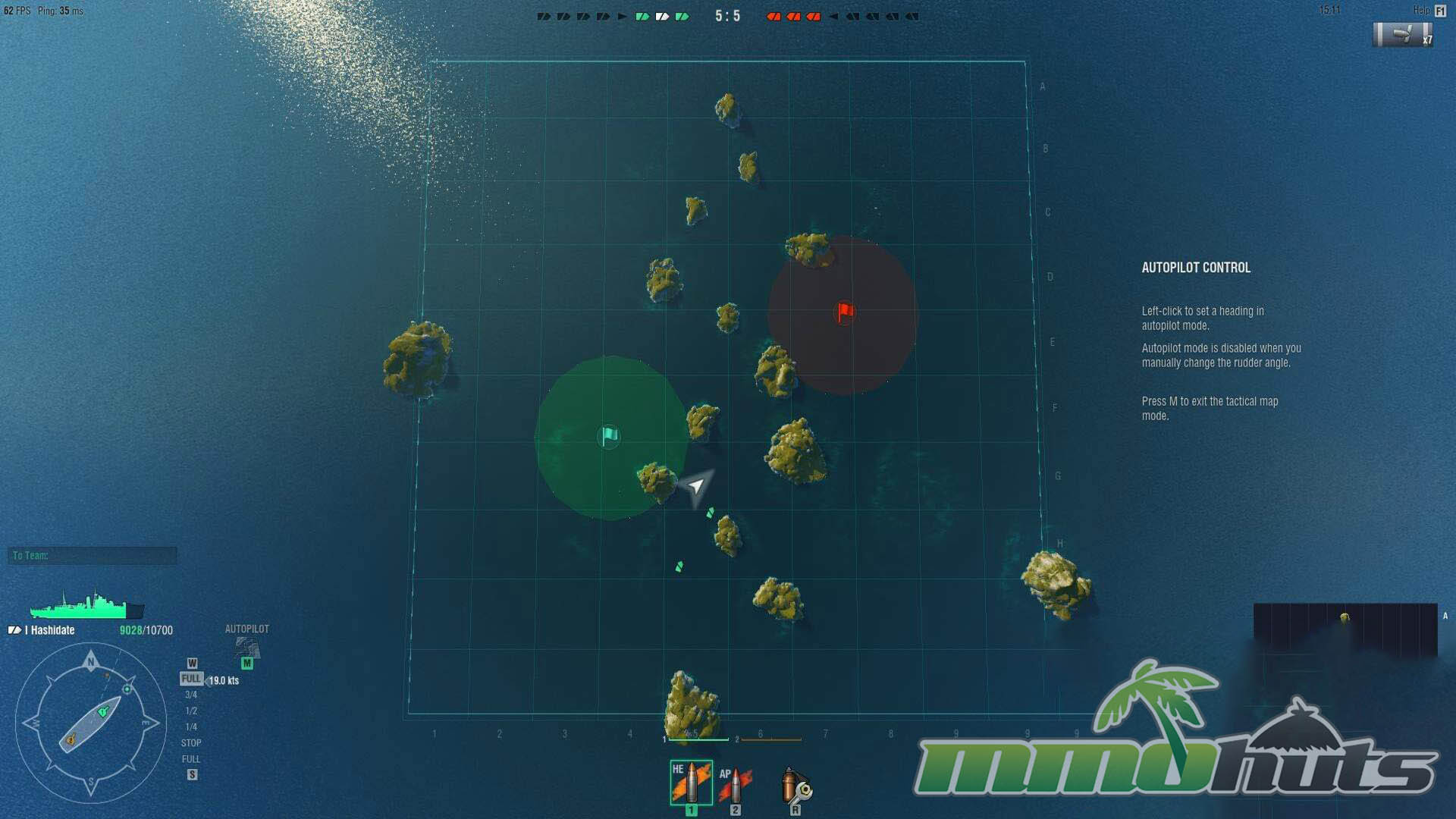
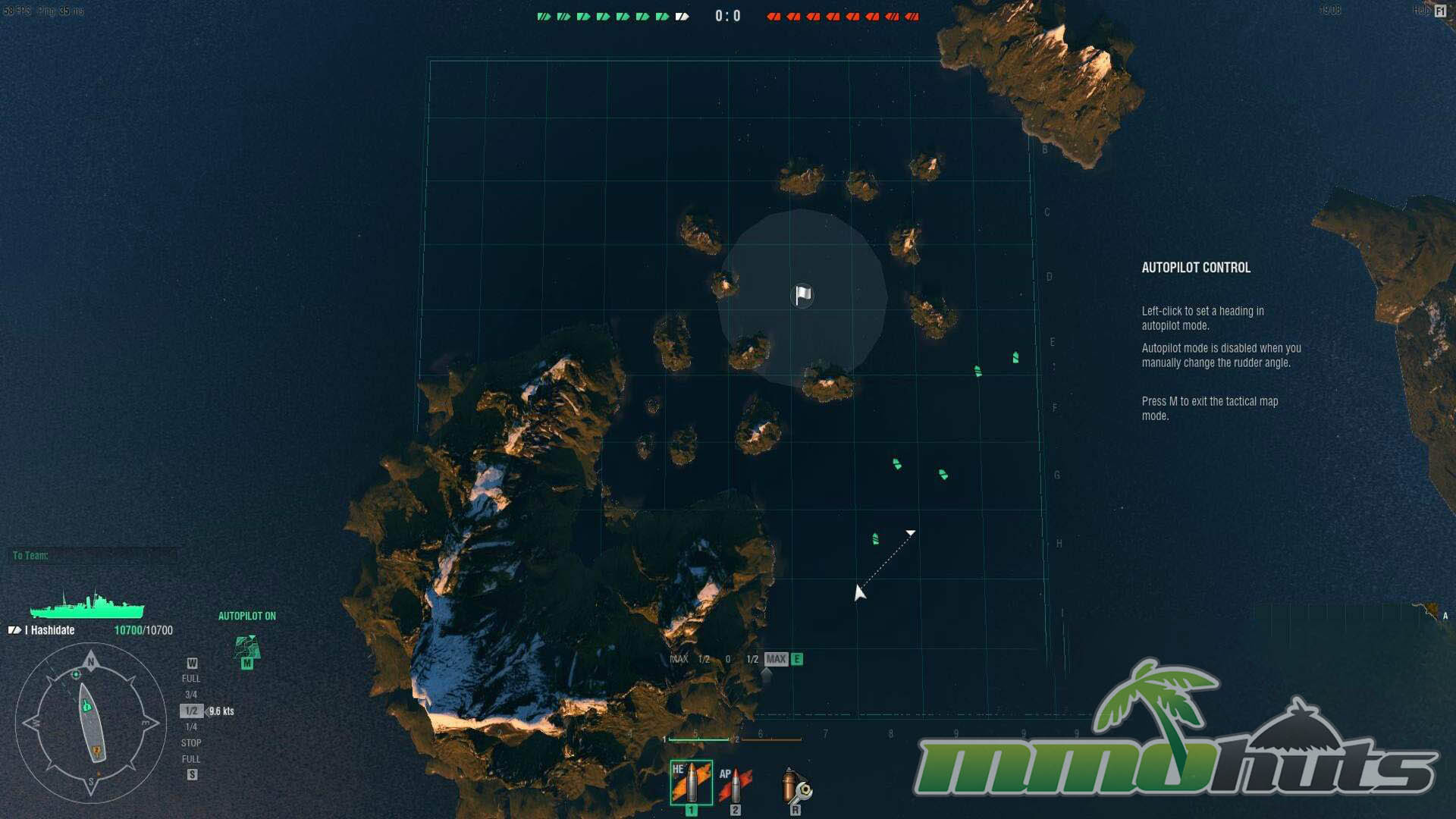
The tactical layer becomes clearer once you start using the map frequently. Bringing up the map and plotting a course via autopilot is more than a convenience feature; it lets you plan movement while you focus on gunnery, awareness, and target selection. In practice, it is a useful way to keep your ship on a deliberate line, particularly when you are trying to maintain cover or keep an optimal angle without constantly fighting the helm.
Gunnery that rewards prediction
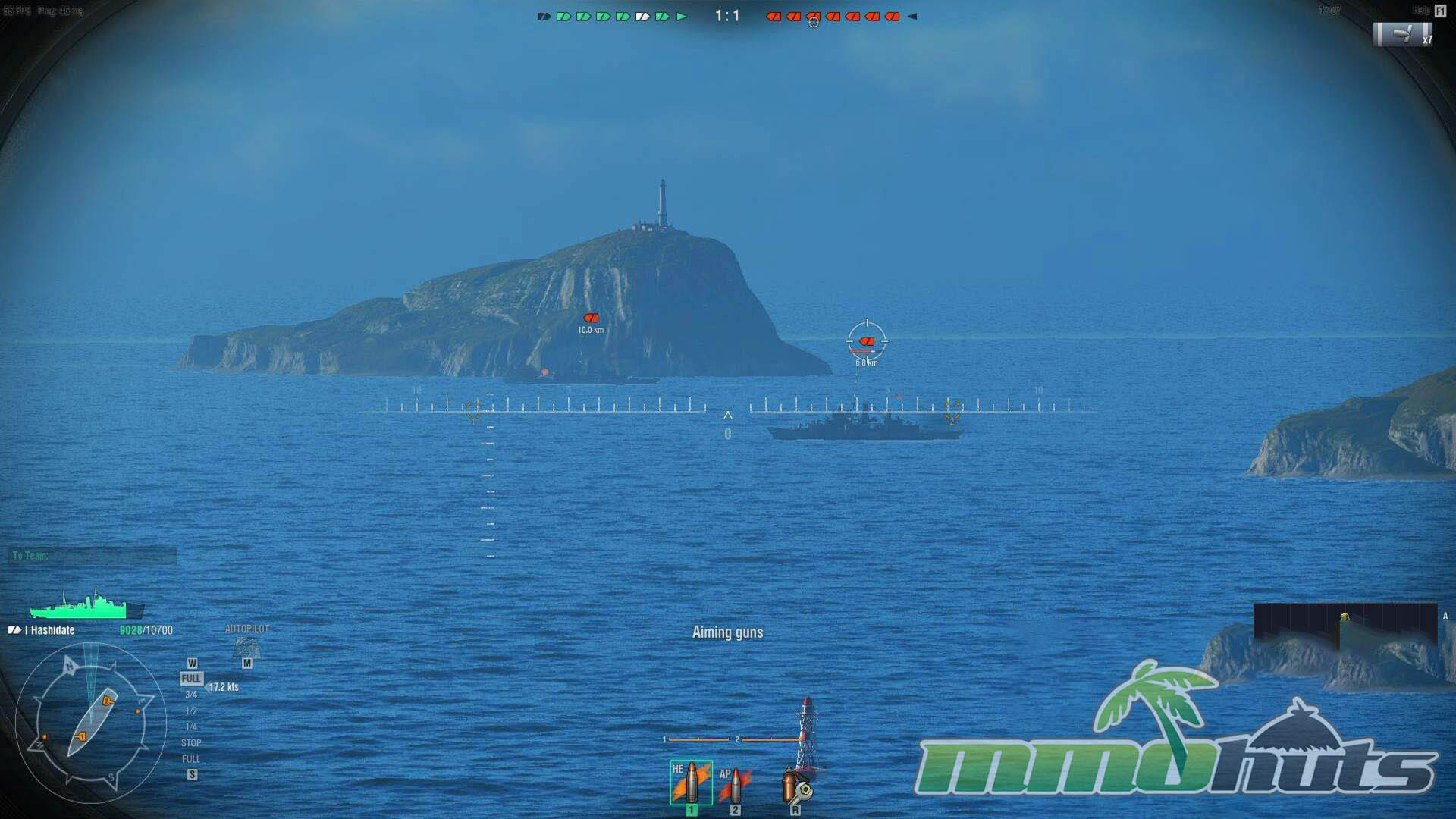
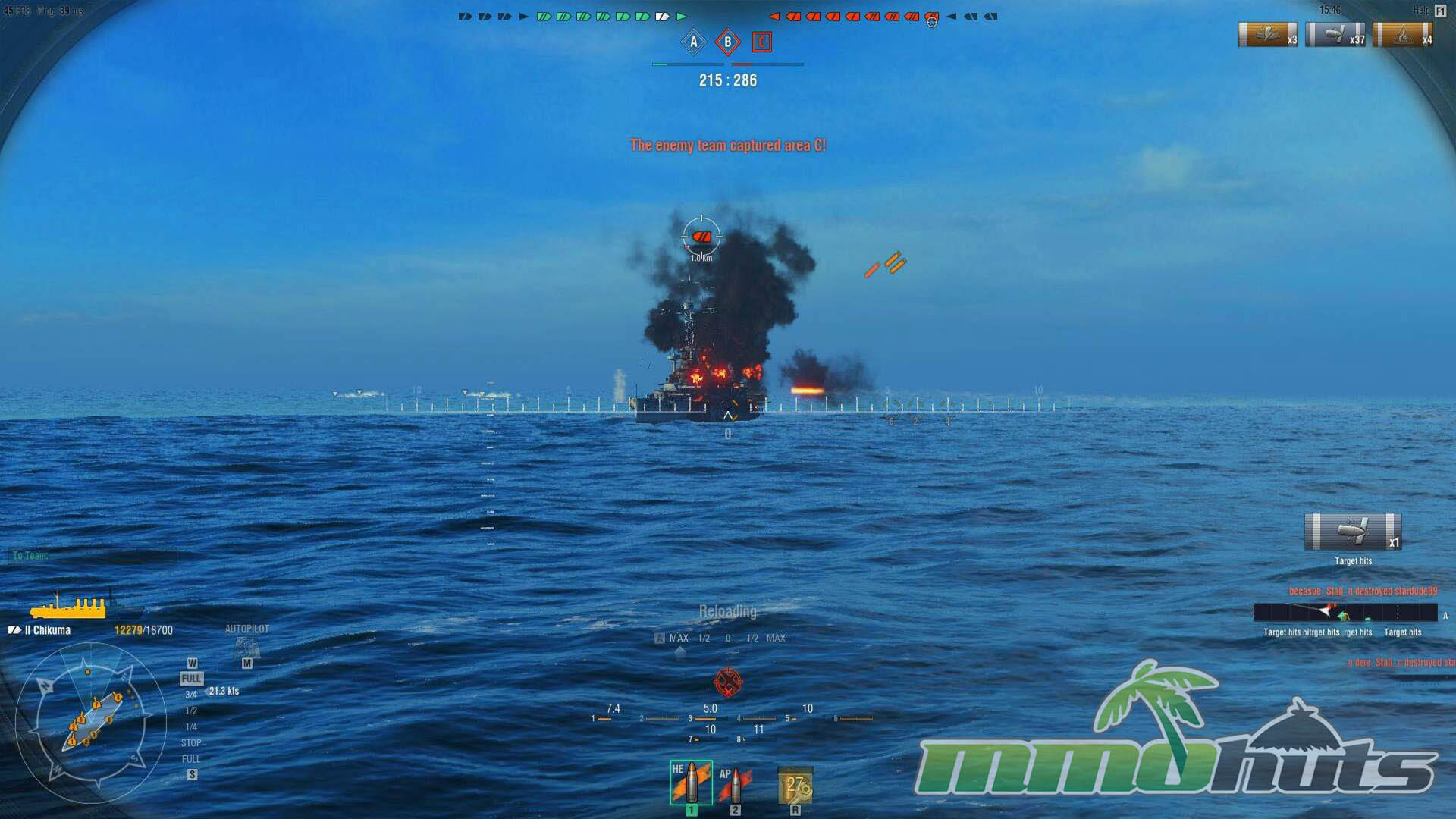
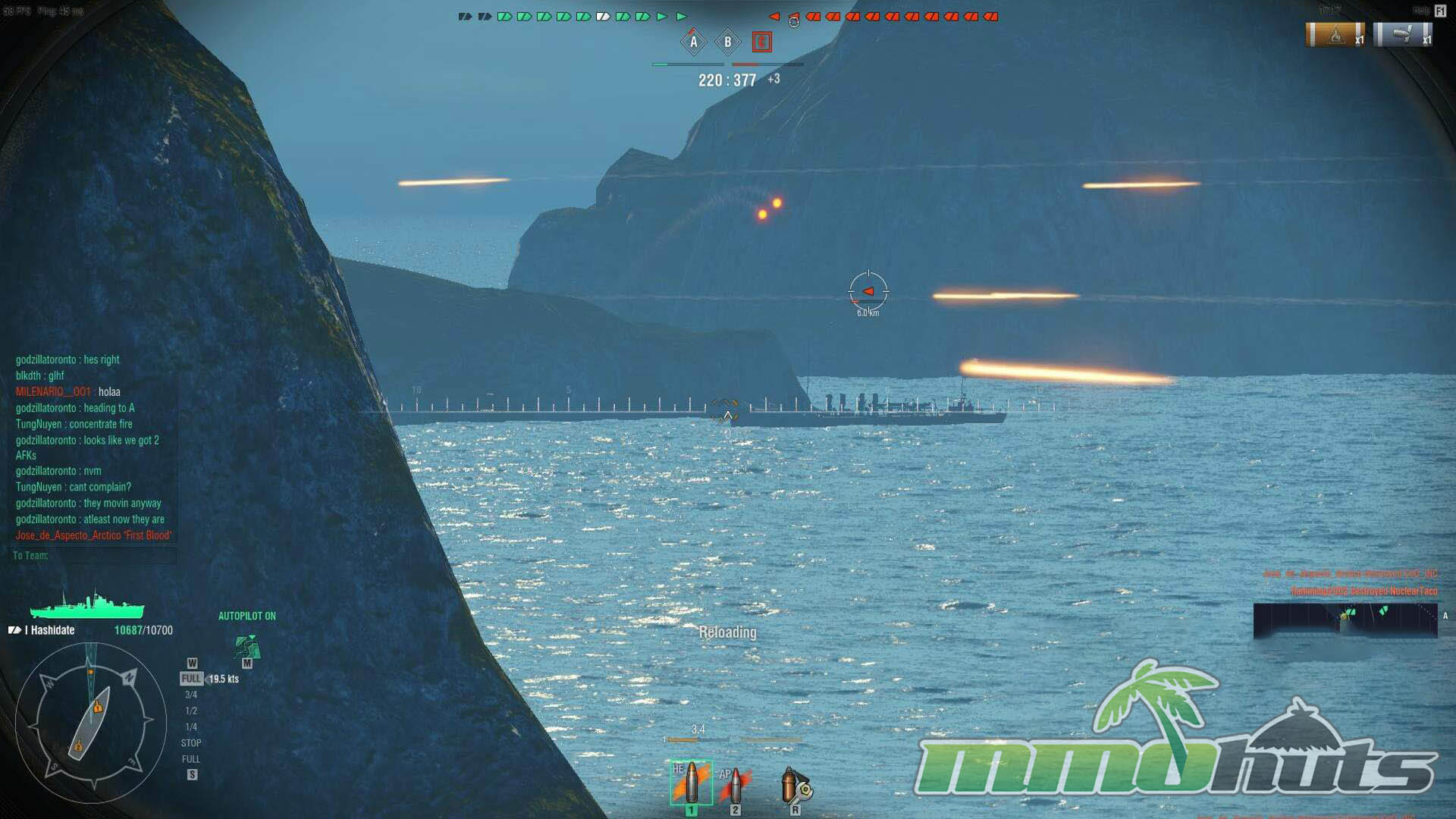
The best moments in World of Warships come from landing well-read salvos at long range. Shell travel time, target speed, and turning arcs all matter, so you spend much of a fight evaluating whether the enemy will keep course, slow down, or cut in behind cover. Zooming in to line up a shot gives a satisfying sense of “setting the gun,” and the delay between choosing a target and actually scoring hits creates a tension that many faster games do not have.
That said, the overall rhythm is undeniably slower than typical action-heavy PvP titles. Reload cycles can be long, crossing open water takes time, and some matches have a measured opening where both teams feel each other out before committing. For players who enjoy the suspense of naval duels, that pacing is a feature, not a flaw, because every volley matters and every overextension can be punished.
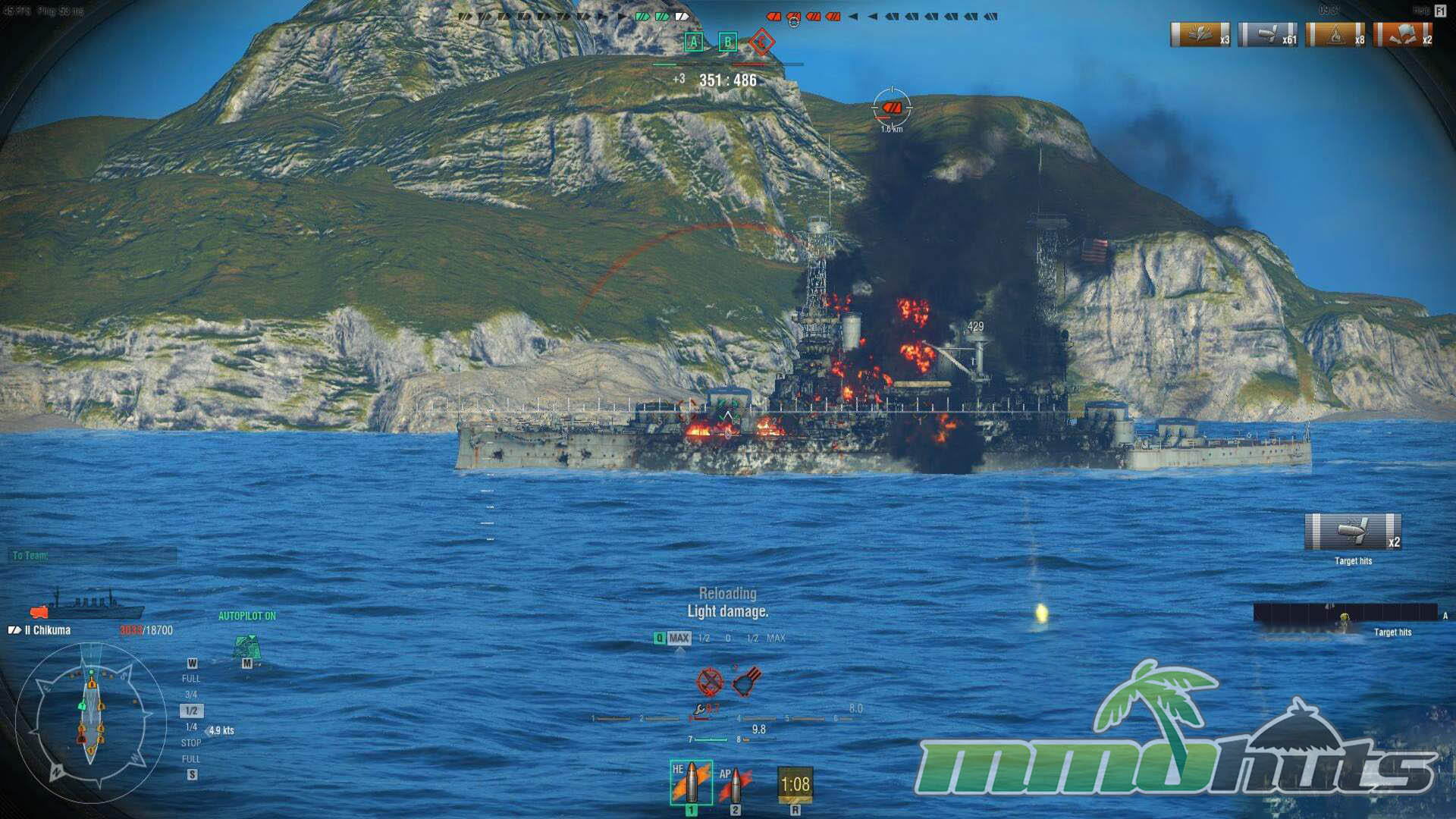
Open water also creates a unique kind of pressure. Without constant hard cover, you are often balancing visibility against safety, using islands and distance to reduce incoming fire while still contributing damage. Because ships cannot instantly reverse course or “peek” in and out like a character in a shooter, positioning becomes a longer-term plan. If you move out from behind an island at the wrong time, you can end up committed to a bad angle and forced to tank damage until you can turn away.
It is also worth emphasizing that the game is not trying to be a strict naval simulation. It borrows the flavor and silhouettes of historical warships, but the combat model is designed for readable, competitive matches rather than realism. That design choice makes the game accessible, but it also contributes to the usual live-service challenge: with many ships, tiers, and playstyles in the ecosystem, balance can feel uneven at times.

Atmosphere, visuals, and sound
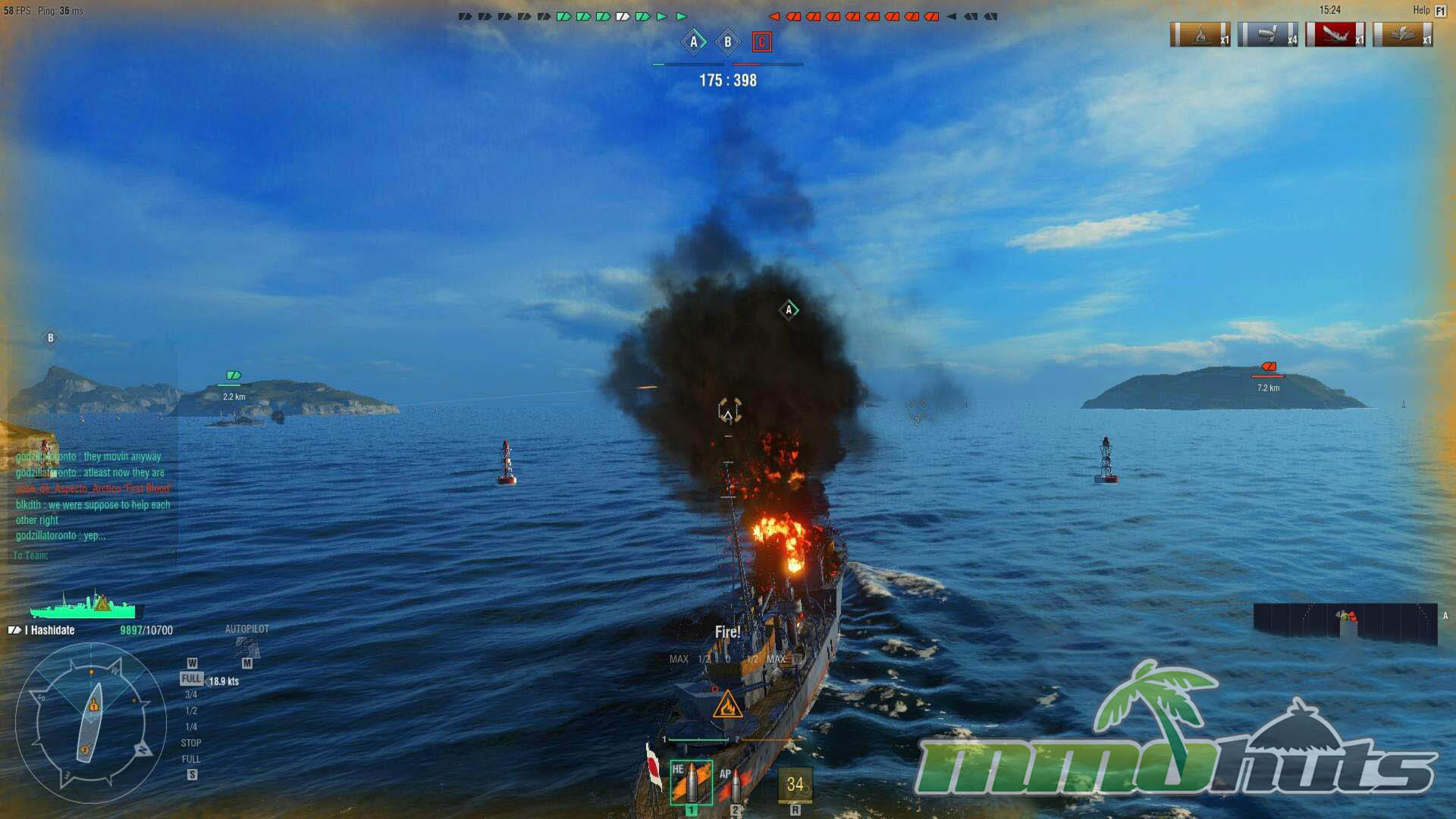
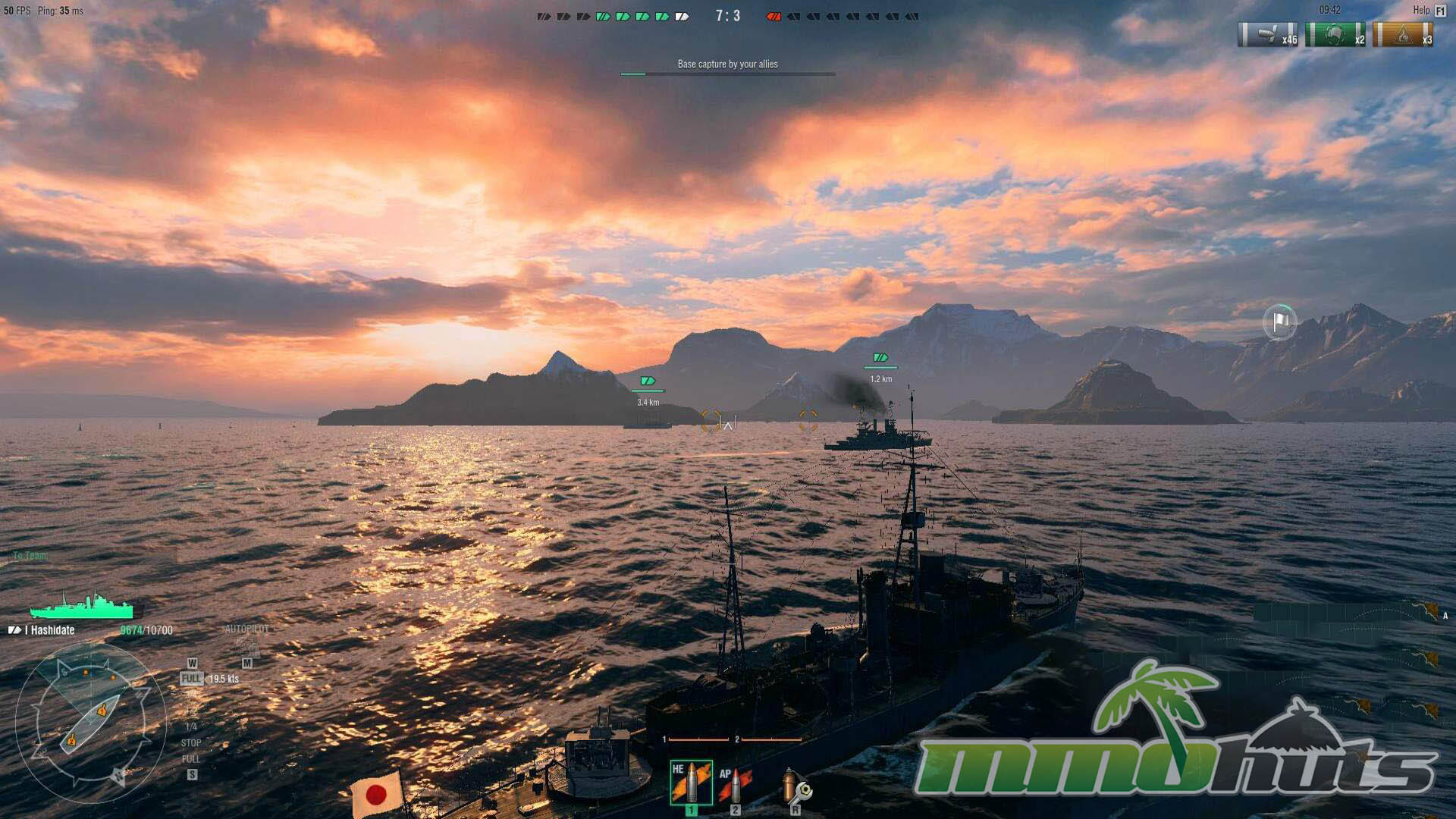
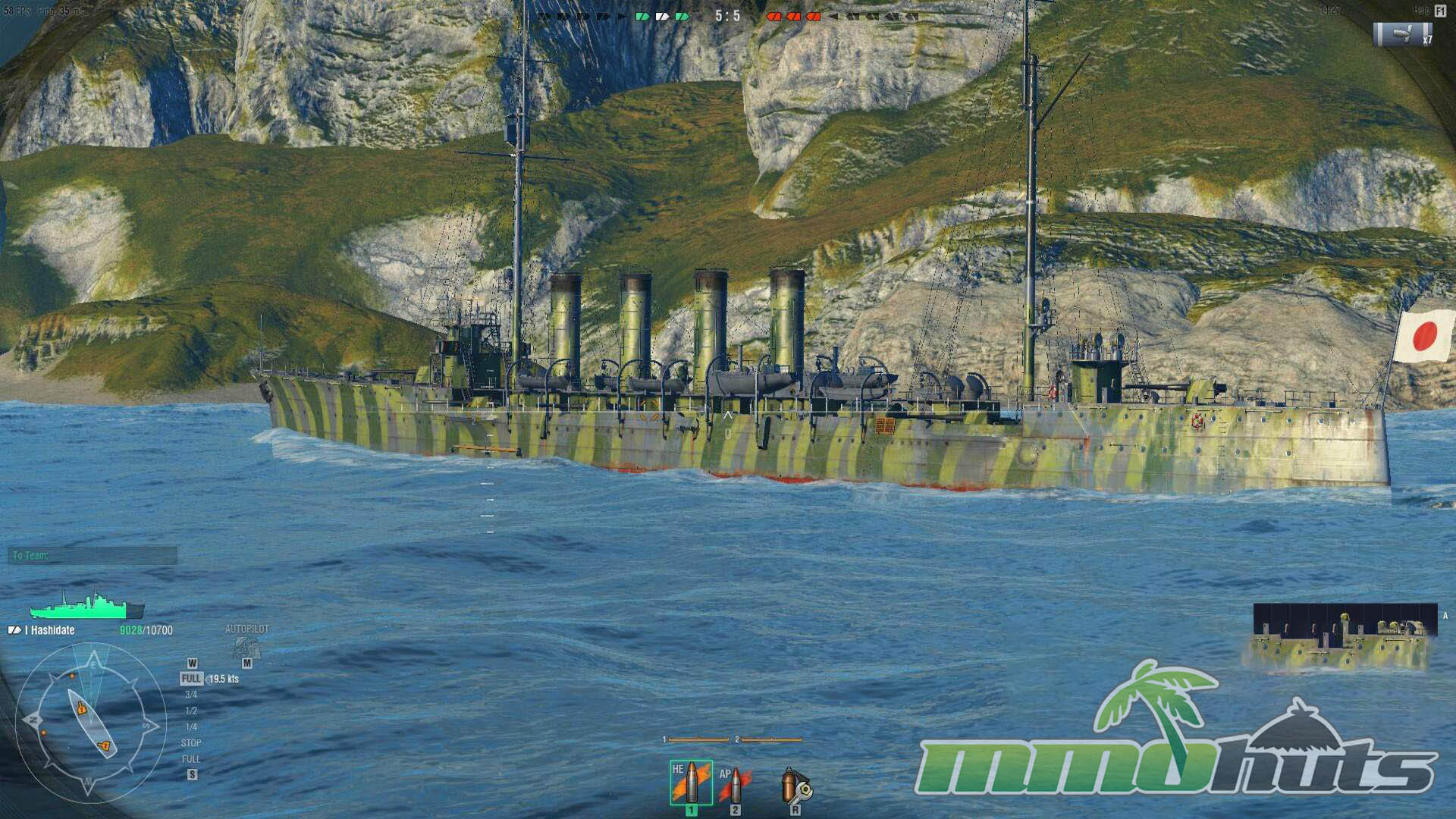
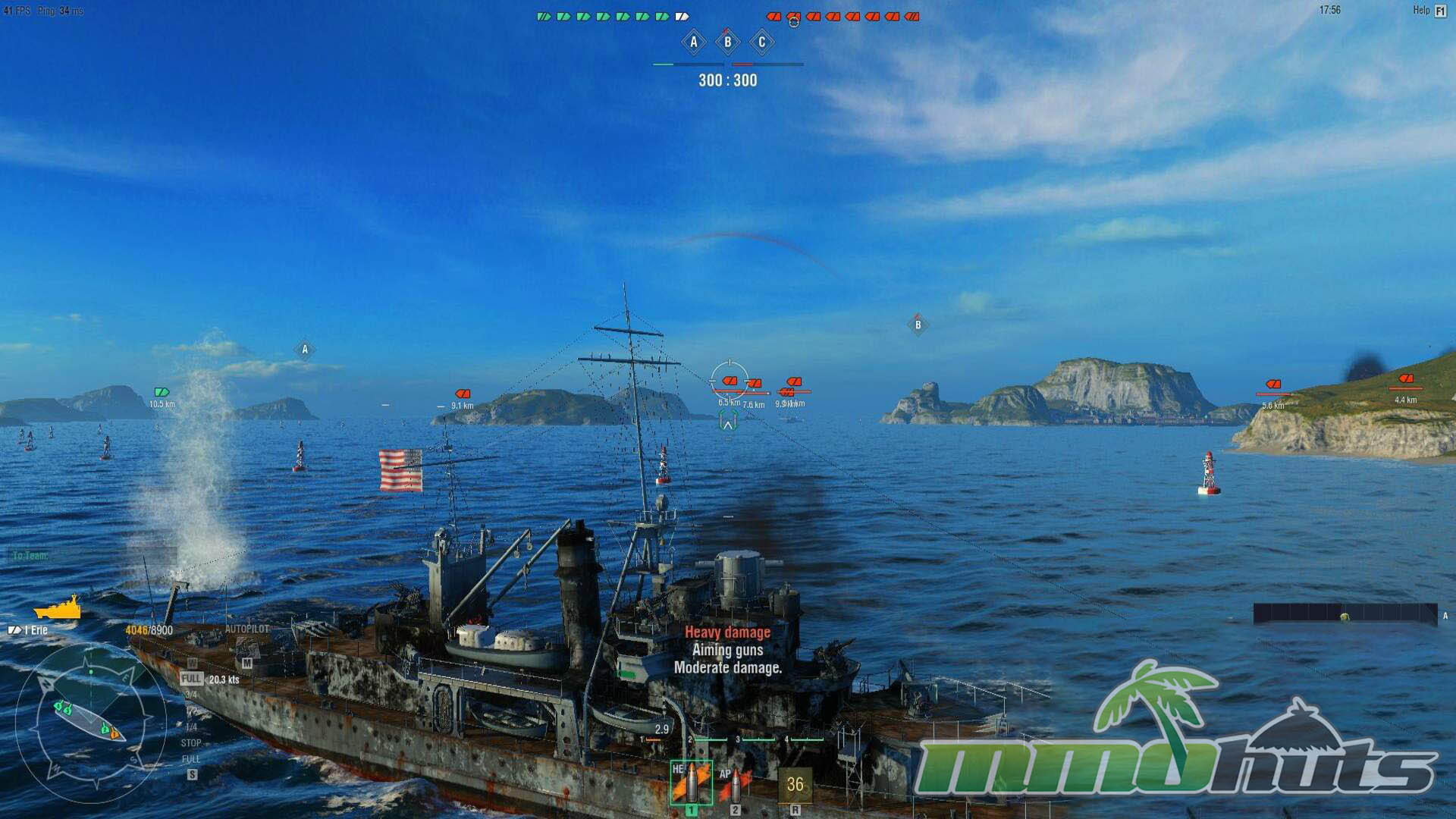
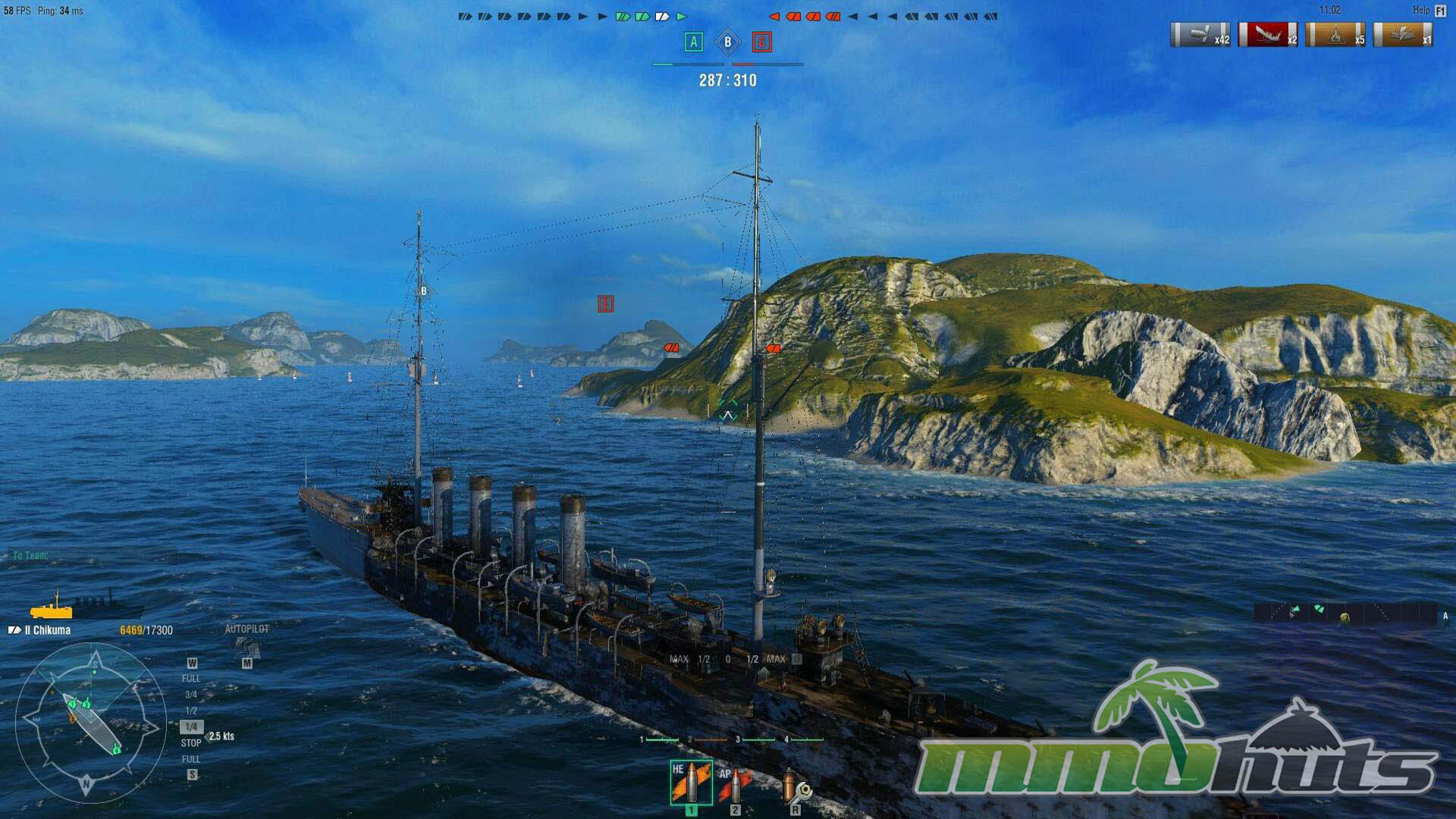
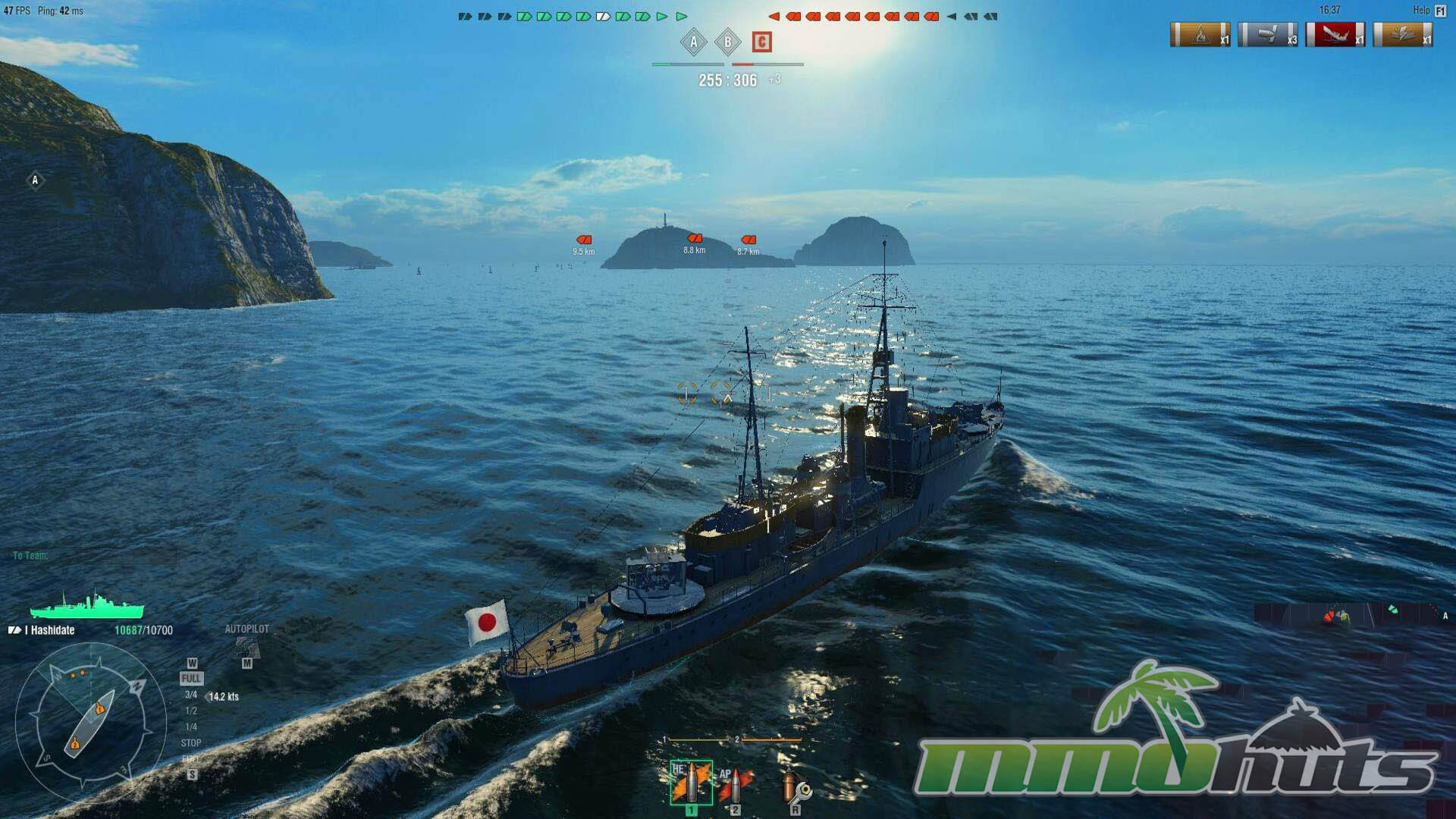
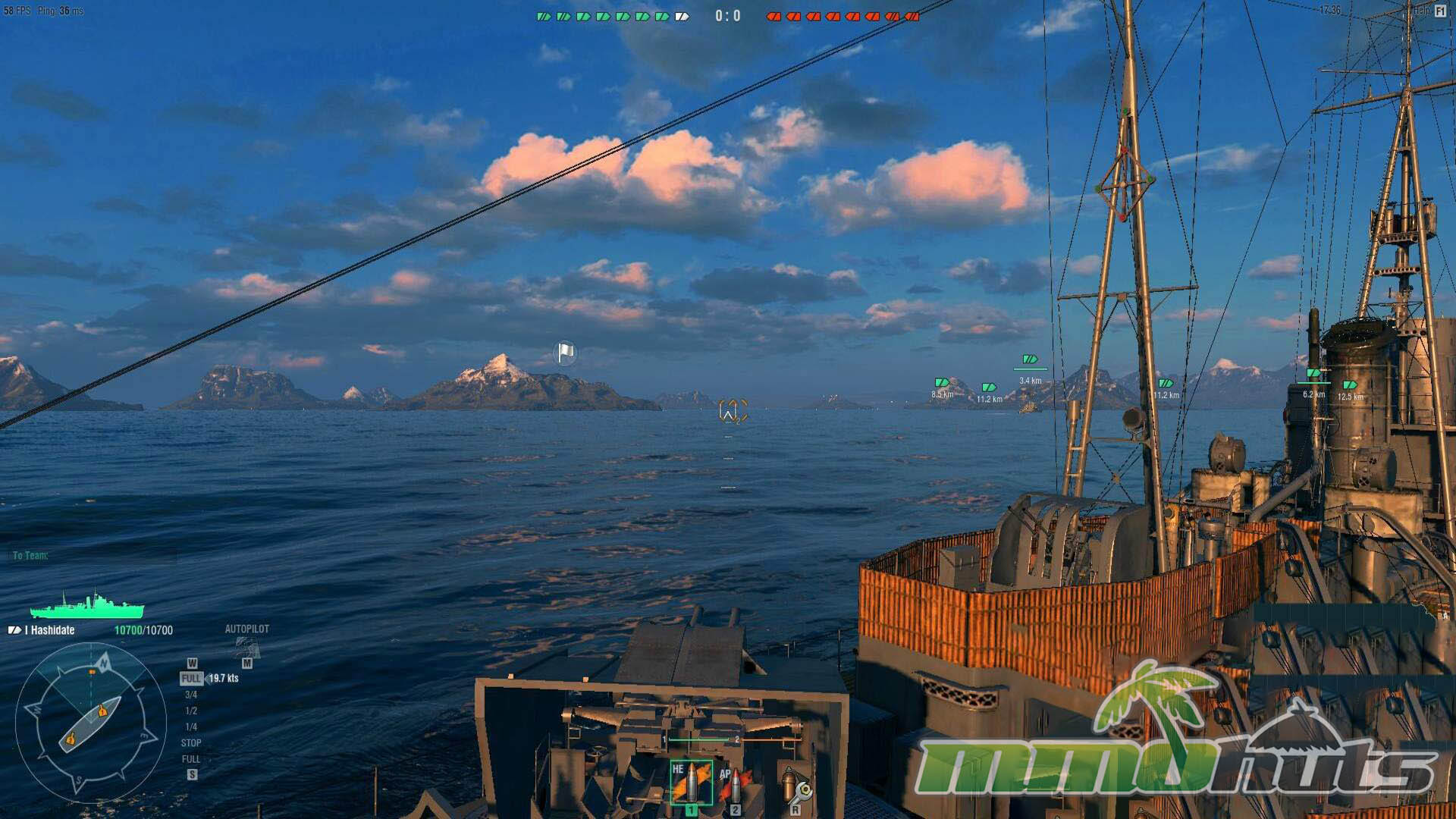
World of Warships is not chasing cutting-edge spectacle, but it consistently looks good in motion. The BigWorld engine delivers convincing oceans, strong lighting, and weather that can make even the quiet approach to an objective feel dramatic. The ships themselves are the highlight, with crisp modeling that makes each vessel feel like a museum piece placed into a combat sandbox. Visible damage and fire effects help sell the escalation of a fight, particularly when a ship starts to look battered and scorched after repeated hits.
Audio design does a lot of work here as well. Guns have a heavy report, impacts land with a sense of force, and the mix of alarms, crew cues, and music helps sell the intensity when a push turns into a brawl. Even when the pacing is slow, the presentation keeps the match from feeling empty.
Progression and ship identity
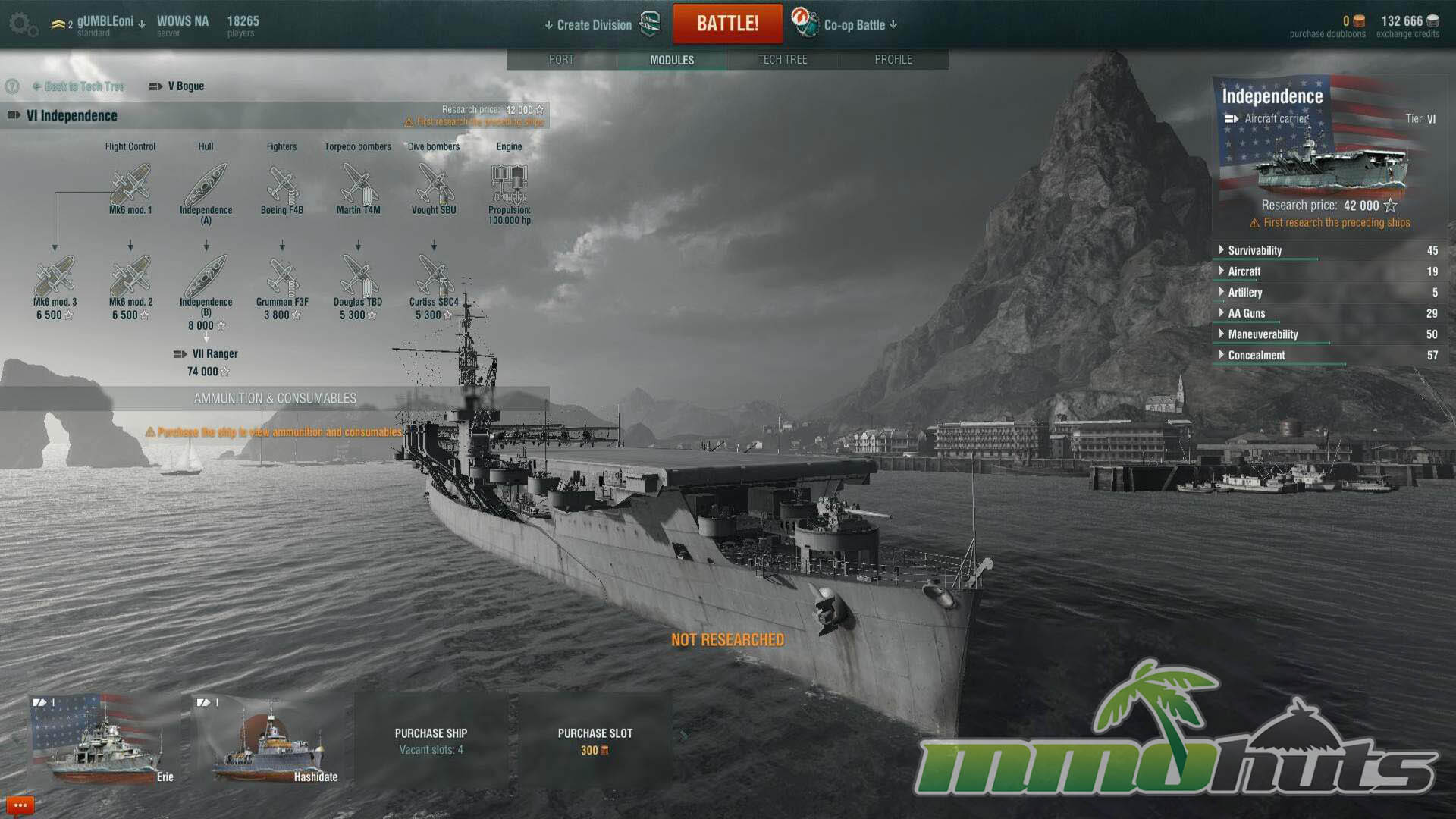
Progression is driven by a large tech tree featuring multiple ship types, including Aircraft carriers, Battleships, Cruisers, and Destroyers, plus premium options for players who want them. As you play, you earn experience to research new ships and upgrades, then purchase them using Exchange Credits earned through matches. Alternatively, you can use Dubloons, the game’s paid currency, to acquire ships or speed up certain choices depending on what you are targeting.
Modules add a second layer of development. Upgrading parts like your Main Battery, Hull, or Engine can noticeably change how a ship performs, but you generally need to research a module before you can buy and mount it. Over time, this creates a satisfying sense of “growing into” a ship, where early games feel limited and later games feel more specialized.
Ship variety is a major strength. Different vessels lean into different strengths such as artillery power, anti-air capability, torpedo pressure, concealment, and range. As you climb, you begin to recognize how much your ship choice shapes your decision-making, from whether you should commit to long sightlines, play around stealth, or bully a flank with heavier guns.
Modes, maps, and long-term variety
At its core, World of Warships thrives on objective-based team fights where positioning and coordination matter. Maps are large stretches of ocean punctuated by islands and other features that create firing lanes and safe approaches. Because the arenas are mostly open water, the best matches are the ones where both teams use terrain thoughtfully, coordinate pushes, and avoid drifting into isolated duels.
For players who prefer organized play, Divisions provide a way to queue with a small group and bring some coordination into the match. The format encourages teamwork without requiring a full squad, which fits the game’s “jump in for a few battles” structure.
Final Verdict – Great
World of Warships succeeds as an accessible naval combat MMO with a satisfying blend of gunnery, positioning, and ship progression. The sense of weight in movement, the payoff of well-led shots, and the strong presentation make it easy to recommend to players who enjoy tactical PvP and can appreciate a more deliberate pace. Balance concerns and the slower match tempo may not work for everyone, but for the right audience, it remains one of the more distinctive pick-up-and-play military vehicle games available.
World of Warships Links
World of Warships Official Site
World of Warships Wikipedia
World of Warships Reddit
World of Warships Wiki [Database/Guides]
World of Warships System Requirements
Minimum Requirements:
Operating System: Windows XP, Windows Vista, or Windows 7
CPU: Core2 Duo E6750 (Pentium 4 2.4GHz or Athlon XP 3100+)
Video Card: GeForce 9600GT (512 Mb) / GeForce 6800 GT or Radeon X800 GT
RAM: 4GB DDR2
Hard Disk Space: 30 GB
Recommended Requirements:
Operating System: Windows XP, Windows Vista, or Windows 7
CPU: Core2 Quad Q8200
Video Card: GeForce GTX 550 Ti 1024 Mb
RAM: 4GB DDR2
Hard Disk Space: 30 GB
World of Warships Music & Soundtrack
Coming Soon…
World of Warships Additional Information
Developer(s): Lesta Studio, Wargaming
Engine: BigWorld
Head of Game Design: Peter Poray-Koshits
Development Director(s): Danny Volkov
Composer(s): Artur Tokhtash
Art Director(s): Anton Oparin
Announcement Date: August 16, 2011
Alpha Launch: November 14, 2013
Closed Beta: Marsh 12, 2015
Open Beta: July 02, 2015
Release Date: July 02, 2015
Development History / Background:
World of Warships is developed by international MMO developer Wargaming. First revealed on August 16, 2011, the project initially carried the name World of Battleships. On August 2, 2012, it was rebranded to World of Warships, a change Wargaming CEO Victor Kislyi said better represented the game’s direction. At the 2014 Tokyo Game Show, Kislyi also mentioned a collaboration between World of Warships and the anime Arpeggio of Blue Steel, though specific details were not disclosed. Open beta testing began on July 02, 2015, and the game sits alongside World of Tanks and World of Warplanes as part of Wargaming’s connected military vehicle lineup.