Dragon Saga is a side-scrolling fantasy MMORPG with a bright, anime-styled presentation and a strong focus on arcade-like dungeon runs. The story frames the conflict around the Dark Dragon Elga and the fallen hero Paris, whose alliance threatens the world, and your job is to push back as a rising adventurer. With two playable races and six starting classes (plus job advancements later on), the game offers a respectable amount of build variety for an older action MMO built around fast clears and combo-heavy combat.
 | Publisher: WarpPortal (Gravity Interactive) Playerbase: Low Type: MMORPG Release Date: October 28, 2010 (NA) Pros: +Quick, satisfying action combat. +Deep skill chaining and combo potential. +Extensive gear tuning and personalization. Cons: -Runs can feel samey due to repeated stages. -Leveling alone can be sluggish. |

Dragon Saga Overview
Dragon Saga puts you in the role of an up-and-coming hero fighting to stop Elga and Paris from dragging the realm into ruin. You begin your journey as a Human or work toward unlocking Dragonkin, then push through instanced, side-scrolling stages packed with mobs and frequent boss encounters. The game supports two races and six core classes, with job advancement opening up at level 20 to further define your playstyle. Longtime fans may also remember that the game first released as Dragonica before later adopting the Dragon Saga name.
Dragon Saga Key Features:
- Side Scrolling Gameplay – Progress through a side-view world built around instanced stages, mixing classic brawler flow with light 3D flair.
- Choss your Class – Choose from 2 races (Humans and Dragonkin) and 6 classes (Archer, Magician, Thief, Warrior, Shamans, and Twin Fighters), then refine your role through job advancement.
- Team Up with Others – Partying is meaningfully rewarded with buffs and experience bonuses, which makes cooperative play the most efficient way to grind.
- Complex Combos – Combat is built around strings, launches, and air juggles, and longer chains are incentivized with bonus experience.
- Player Housing – MyHome gives you a personal space to hang out, decorate, and pick up practical benefits tied to your setup.
- Craft Powerful Equipment – Gear growth is a major pillar, supported by Enchanting, Soul Crafting, and Socketing systems.
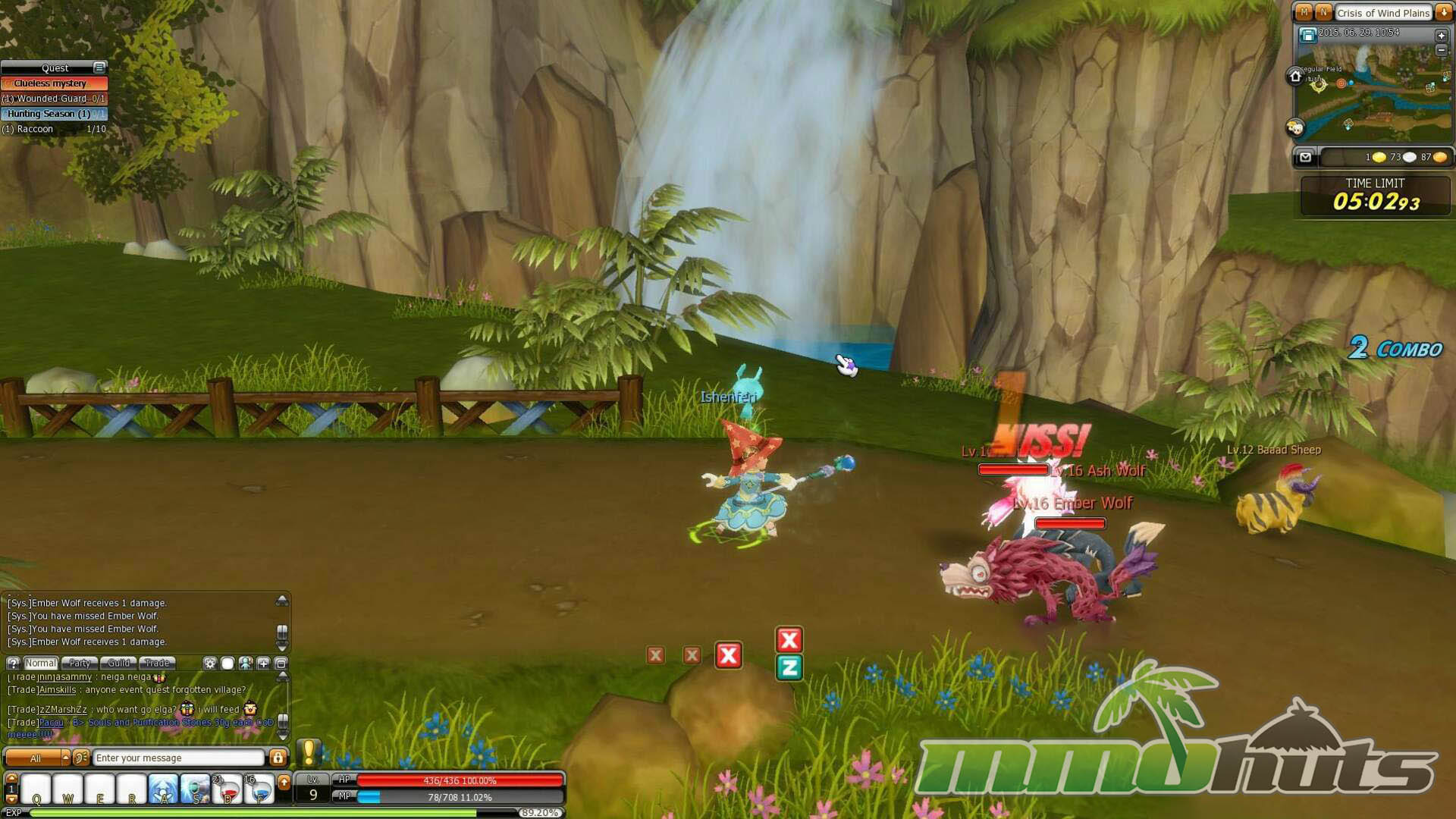
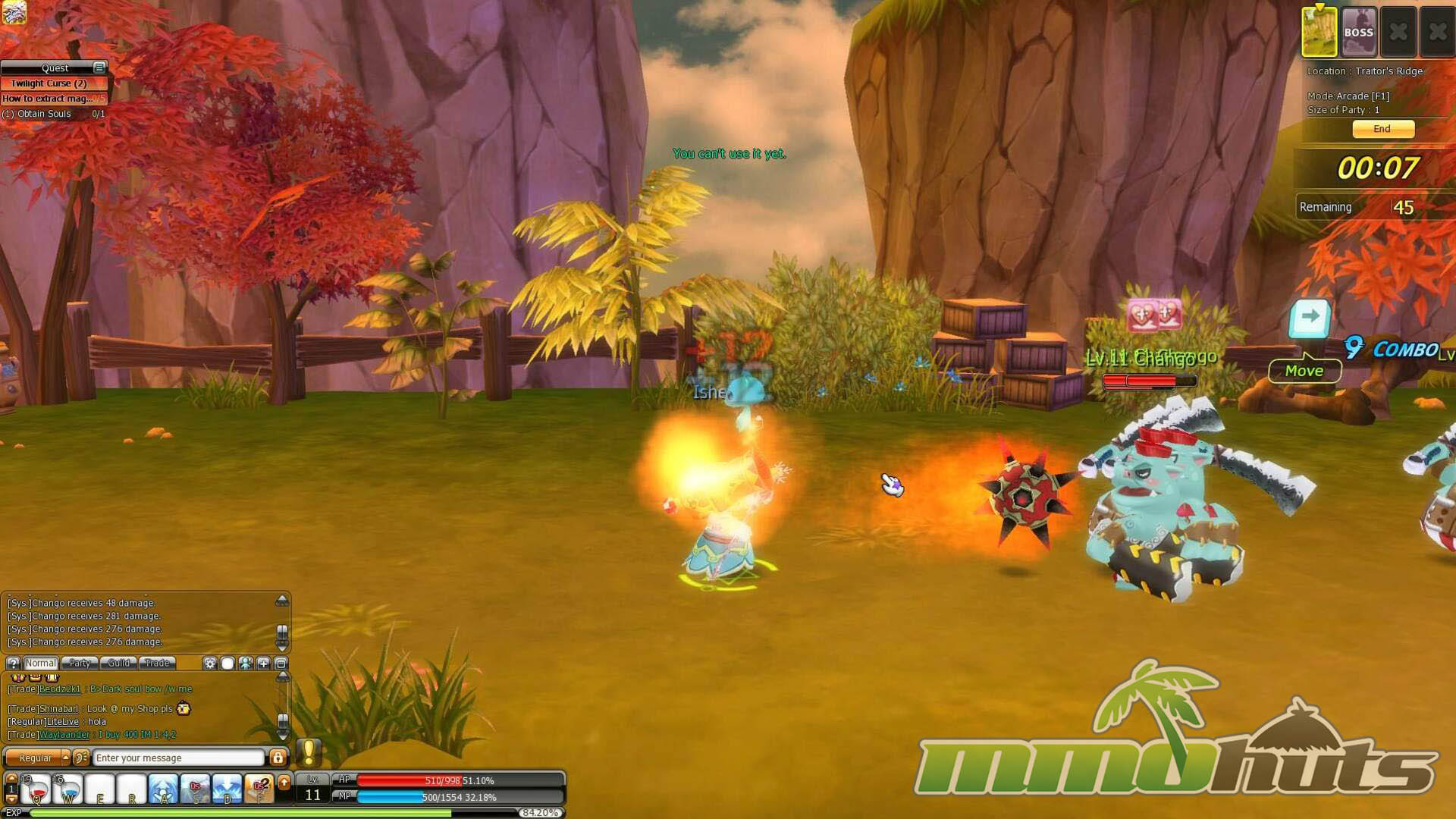
Dragon Saga Screenshots
Dragon Saga Featured Video

Dragon Saga Classes
Dragon Saga offers two races and six total classes to start from:
Humans are the primary playable race and are available immediately at character creation. Human characters can pick from four class options:
- Archers specialize in ranged pressure and rapid hits, leaning on mobility and speed to keep enemies controlled. At level 20, Archers branch into Hunters or Marksmen.
- Magicians bring spell damage and self-sustain tools, but they are fragile and generally prefer spacing or party support. At level 20, Magicians advance into Monks or Wizards.
- The Thief is tuned for duels and quick skirmishing, relying on evasion and fast sequences to win trades. At level 20, Thieves develop into Bandits or Infiltrators.
- Warriors are the straightforward bruisers, built to take hits and stay in the middle of the fight with strong durability. At level 20, Warriors become Knights or Gladiators.
Dragonkin act as the secondary race and become available after you reach level 20 on a Human character. Dragonkin have two class choices, and unlike Humans, their advancement is a single route per class.
- Shamans mix spellcasting with summoned allies, scaling into stronger damage options later, which can make the early game feel more demanding. At level 20, Shamans advance into Summoners.
- Twin Fighters stand out because you effectively manage two characters at once, one focused on punches and the other on kicks, enabling flashy, high-output strings. Their kit also lets them pressure multiple directions and targets. At level 20, Twin Fighters advance into Twins.
Dragon Saga Review
Dragon Saga (originally released under the name Dragonica) is a side-scrolling, stage-based fantasy MMORPG developed by Gravity Games and published by Gravity Interactive, Inc., with a North American release date of October 28th, 2010. While the title was marketed as Dragonica in many regions, the remaining active service is the Dragon Saga server aimed at North America. In terms of structure and pacing, it sits in the same neighborhood as other action MMOs like Dungeon Fighter Online and Elsword, with short instanced runs that emphasize movement, combo routing, and repeated clears.

Getting Started
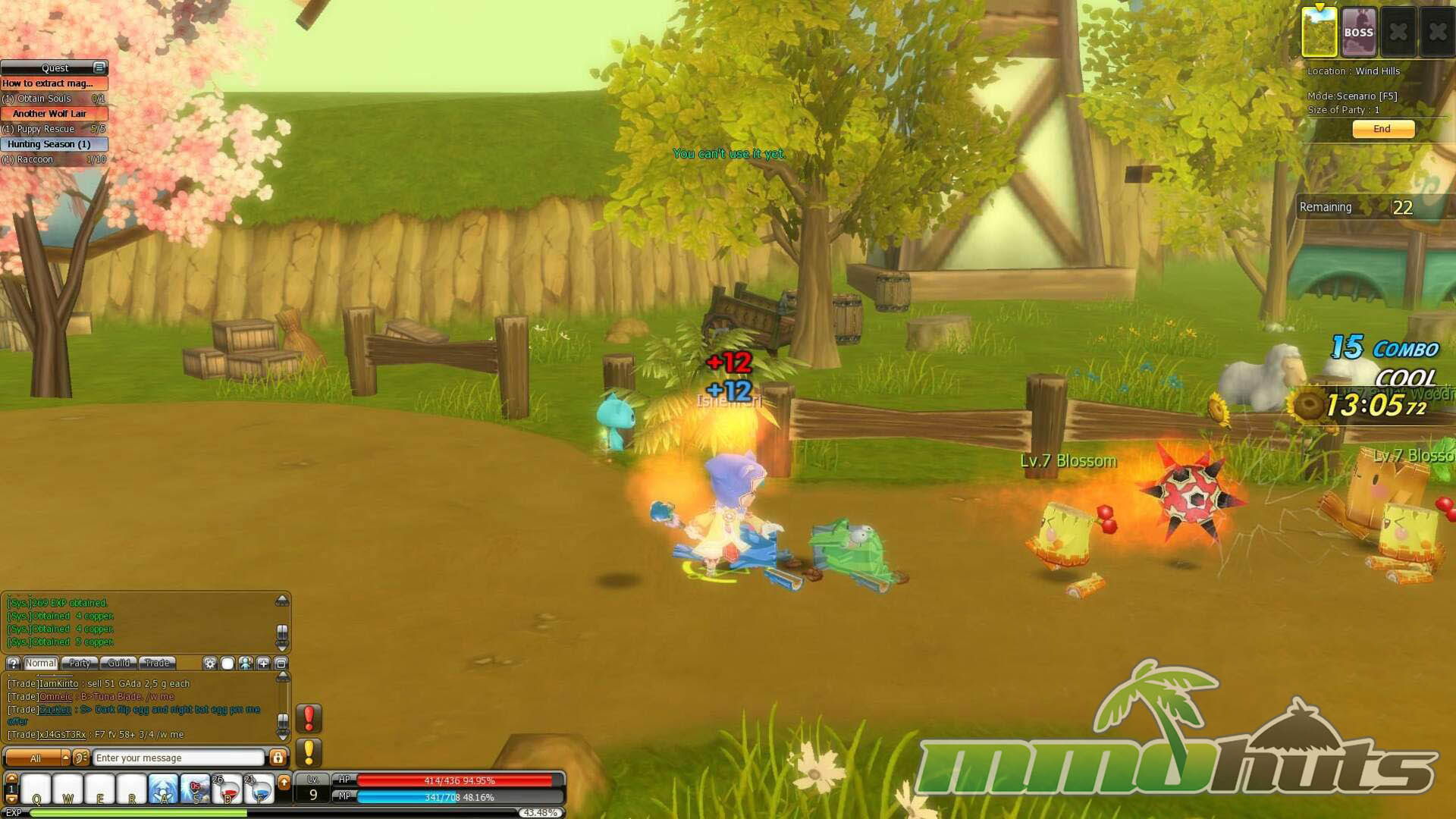
Character creation is simple and functional, focusing on the essentials such as class choice, gender, and cosmetic basics like hair and face options. After you push a Human character to level 20, the game opens the door to Dragonkin creation, which adds a second layer of class variety for players willing to put in some early progression.
Controls are easy to learn but become increasingly busy as your skill list expands. Movement is handled with the arrow keys, basic attacks sit on X, charged attacks on Z, and jumping on C, while skills and consumables occupy number keys and additional letter bindings. The real hook is how these pieces fit together, because the game expects you to weave normal attacks, charge timing, and skills into consistent strings. To help newer players, Dragon Saga also includes unlockable macro options that can execute a sequence with one input, which is useful for learning the rhythm of combos without manually performing every step.
Early Progression
The opening quest chain is designed to cycle you through the core loop quickly, stage entry, party tools, skill upgrades, and basic equipment improvement. Skill progression is mostly tiered, with many abilities offering multiple ranks (often five, though some are shorter), so you can invest into preferred tools instead of just collecting one-off buttons.
Around the mid-teens, the leveling pace noticeably cools off, and this is where Dragon Saga starts to show how much it prefers party play. Quest rewards help, but much of your time is still spent replaying appropriate stages, especially once the easy early bonuses dry up. With a party, clears become faster and higher difficulties become more practical, which generally translates into better experience efficiency and a smoother climb.

Combat and Dungeon Flow
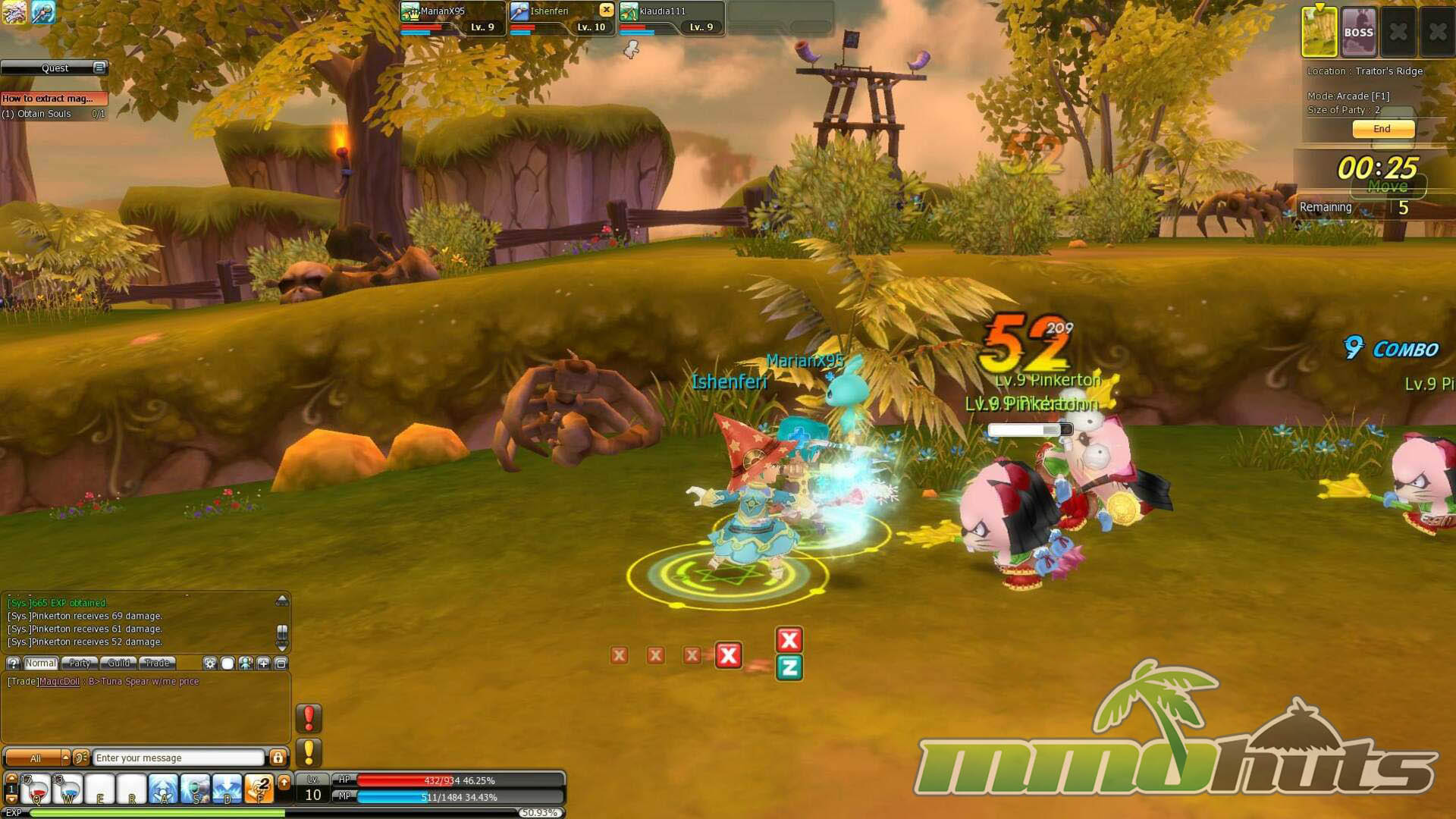
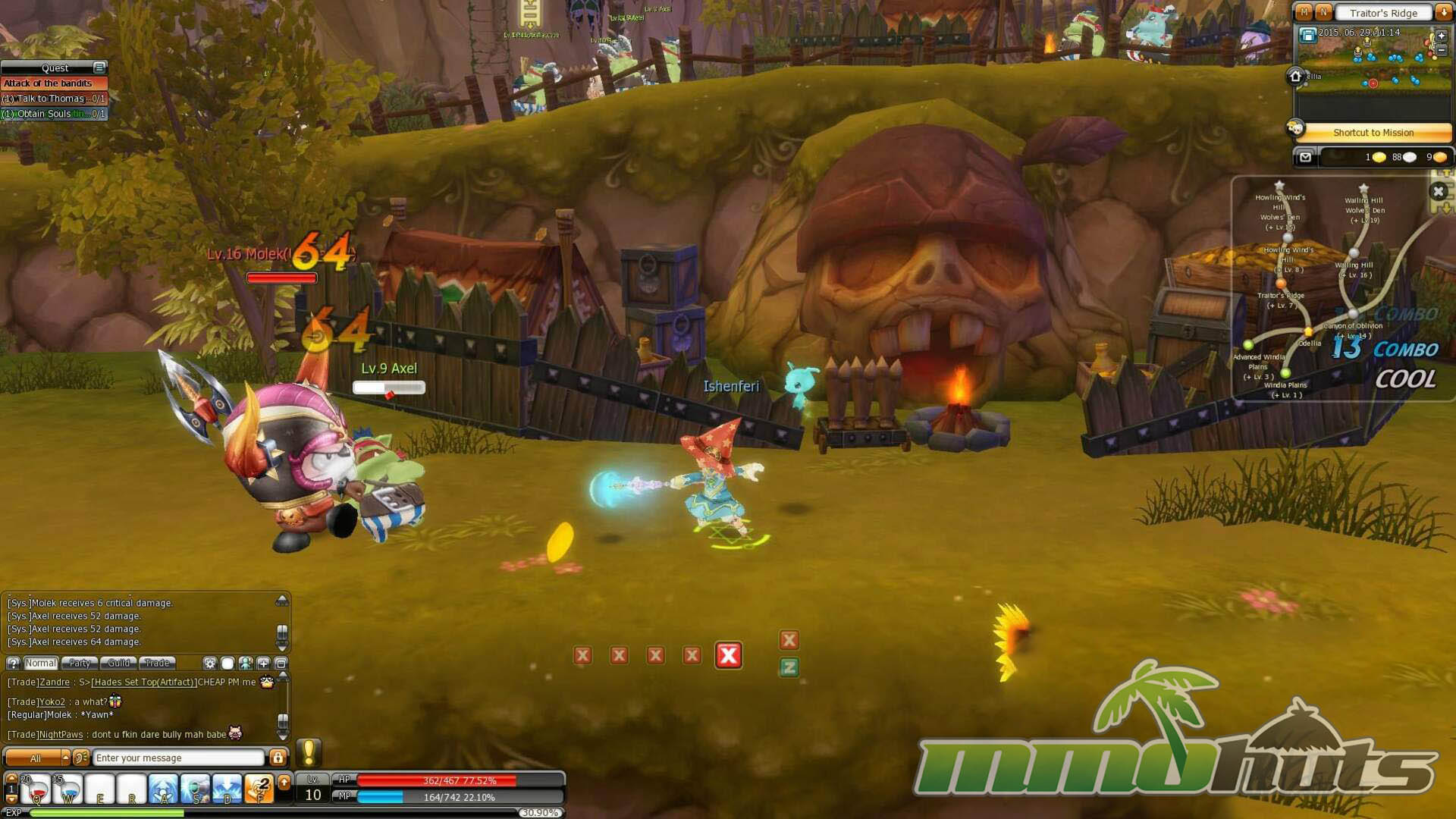
Moment-to-moment gameplay is where Dragon Saga holds up best. The combat is reactive and timing-driven, with a strong emphasis on routing enemies into launches, juggling in the air, and chaining skills for extended sequences. In group play, the system becomes even more interesting because players can effectively “set up” targets for one another, extending chains and keeping mobs controlled.
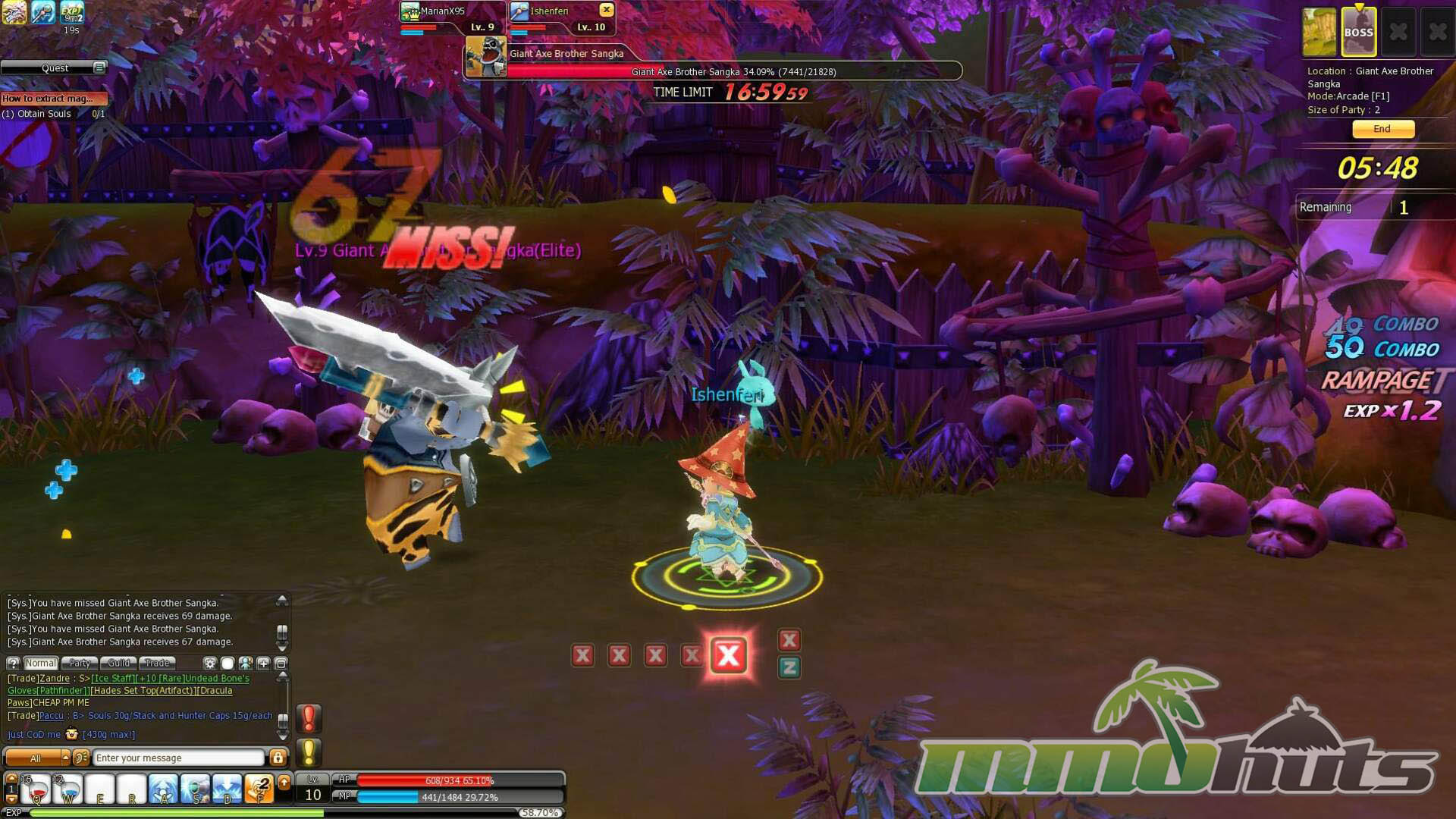
The downside of that stage-based structure is repetition. If you are playing solo, especially in the level ranges where parties are harder to find, rerunning the same dungeons can feel like a grind. That said, when you do have a consistent group, the same content tends to feel more like a score-attack loop, faster clears, bigger combos, better drops, and a stronger sense of momentum. Party availability also improves at higher levels, and players pushing toward the level cap of 85 will often be repeating stages anyway, which makes the social side of the game particularly valuable.
Build expression is better than it might look at first glance. Even within the same class, different skill allocations can lead to noticeably different rhythms and priorities. This is amplified by the game’s gear systems, which provide multiple ways to tune stats and push item power. Between enchanting, soul crafting, socketing, and the ability to move enhancements between items, end-game characters can be tailored in a way that feels more deliberate than many older free-to-play MMOs.
Systems and Long-Term Hooks
Outside of combat, the most important features revolve around equipment growth and personal space. MyHome is a private hub you can invite friends into, and it is not purely cosmetic because decorations can provide practical bonuses.
Gear progression is built on three main customization methods: socketing, soul crafting, and enchanting. Socketing creates slots that accept socket cards, which can increase a range of stats such as attack, defense, evasion, and other performance modifiers.
Soul crafting is more involved, letting you dismantle gear into souls, deal with cursed equipment after unsealing, and improve an item’s soul grade to increase its bonuses. The risk element becomes more pronounced at higher levels, where failures can destroy the item entirely, which makes resource management and risk tolerance part of the end-game loop.

Enchanting is the most direct path to raw power. By spending materials and gold, you increase an item’s base strength and push it through a +1 to +20 enhancement ladder. The stakes scale with progression, lower soul grades can revert on failure, while higher soul grades can result in the equipment breaking, so chasing high enhancements becomes a calculated gamble.
MyHome, meanwhile, functions as a social and utility space. Homes are rented for 20 gold with a weekly 1 gold tax, and you can customize the space with floors, wallpaper, furniture, and other decorations. The placed objects can grant buffs such as extra experience or attack power. If you fall behind on the weekly tax, the bonuses are disabled and the owed amount grows each week until it is paid.
PvP Modes
Dragon Saga includes four PvP formats: Practice Mode, Ranking Mode, Battle Square, and Emporia Wars, each with different schedules and restrictions.
Practice Mode opens up at level 20 and is always available, serving as a low-pressure place to learn matchups and experiment. You can set up rooms with team play or free-for-all, choose between Death Match or Elimination, adjust time limits (3 to 10 minutes), set level caps, and even password-protect the lobby. It is a training ground rather than a reward-driven mode.
Ranking Mode is aimed at more structured matches. It is limited to players above level 35 and only runs from 18:00 to 20:00 PST. Rooms are capped at 8 players total (4 per team) and require at least 4 players (2 per team). Players must also be within 2 levels of each other, and teams cannot stack duplicates of the same class type. Rewards come in the form of Combat Points, which can be spent on PvP-oriented armor.
Battle Square is a daily, timed PvP event that runs for 20 minutes and centers on objective play with Red vs. Blue teams. Participation requires level 40, and the event is hosted from 17:00 to 17:20 PST. Everyone receives an experience potion based on level and a Gold Box that scales with earned points. The winning side also receives Weapon and Armor Enchant Powder based on points, along with a Sign of Hero that can be used for CP Store purchases or for Job Changing.
Emporia Wars is the large-scale guild-versus-guild format, focused on castle control. It runs on Saturdays from 14:00 PST to 17:30 PST and Sundays starting at 14:00 PST. Guilds bid for entry, the top 8 are selected, and unsuccessful bids are refunded. The tournament is elimination-based until one guild remains. Winners hold the castle until the next Emporia Wars. There is also a mercenary option for guilds with fewer than 50 members, allowing players from non-participating guilds to fight on behalf of smaller groups.
Cash Shop
The cash shop leans heavily toward convenience and cosmetics, with costume sets, pets, and experience-boosting consumables forming a large portion of the offerings. There are also items that can improve enhancement odds, which can translate into stronger gear for paying players, but the impact is generally less disruptive because the game’s primary focus is PvE dungeon grinding rather than PvP dominance.

Final Verdict – Great
Dragon Saga remains a strong representative of the side-scrolling action MMORPG niche. Its best qualities are the fast, combo-driven combat and the surprisingly deep layers of character and equipment customization that support long-term play. The biggest drawback is how repetitive the stage loop can become, especially if you are progressing alone, and PvP is more of a side activity than the main attraction. For players who enjoy brawler-style dungeon runs, chaining skills into long strings, and optimizing gear over time, Dragon Saga is still worth a look.
Dragon Saga Links
Dragon Saga Official Site
Dragon Saga Wikipedia
Dragon Saga Wiki (Database/Guides)
Dragon Saga Steam Page
Dragon Saga System Requirements
Minimum Requirements:
Operating System: Windows XP / Vista / 7 / 8
CPU: Pentium 4 2.4 GHz or better
Video Card: GeForce FX 5700 / Radeon 9600 XT+
RAM: 2 GB
Hard Disk Space: 4 GB
Recommended Requirements:
Operating System: Windows XP / Vista / 7 / 8
CPU: Pentium E2140/E2200 or better (Dual core)
Video Card: GeForce 8800 GT / Radeon HD 3650+
RAM: 2 GB
Hard Disk Space: 4 GB
Dragon Saga Music & Soundtrack
A soundtrack section will be added here in the future.
Dragon Saga Additional Information
Developer: Gravity Games (Originally developed by Barunson Interactive)
Game Engine: Gamebryo Engine
Alpha Date: March 30, 2009
Closed Beta: May 29, 2009
Open Beta: June 30, 2009
Foreign Releases:
Europe: October 15, 2009
China: June 1, 2009
Japan: January 20, 2010
Korea: September 8, 2010
All the foreign versions of Dragon Saga shut down. The North American version hosted by WarpPortal is the main one.
Dragon Saga Expansions:
Tales of the Damned – Increased the level cap to 65
Paris Strikes Back – Increased the level cap to 70
Kyros Unleashed – Increased the level cap to 75
Elga Unleashed – Increased the level cap to 80
Development History / Background:
Dragon Saga began development at South Korean studio Barunson Interactive and was built using the Gamebryo Engine. It first arrived in the West through THQ Ice’s online platform in 2009 under the name Dragonica, but that service later shut down. Gravity Interactive (known for Ragnarok Online, Requiem, Rose Online, and other titles) acquired Barunson Interactive to secure control of Dragonica, and the game was subsequently reintroduced and renamed as Dragon Saga.