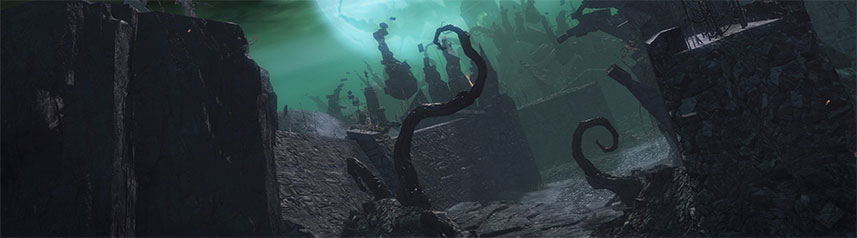
Divine Souls is a free-to-play 3D action MMORPG built around hands-on, combo-based brawling rather than traditional tab targeting. With four distinct (and gender-locked) classes, most of the game revolves around instanced dungeon runs, while its standout hook is a MOBA-inspired battleground that lets you “lane” and push objectives using the same character you level in PvE.
 | Publisher: Suba Games Playerbase: Low Type: MMORPG PvP: Arenas Release Date: 2011 (NA/EU) Pros: +Fast, responsive action combat. +MOBA-like Battlefield mode is a fun twist. +Controller support is a nice option. Cons: -Dungeon runs can feel samey over time. -Crafting is shallow and not very rewarding. -Character appearance options are fairly limited. |

Divine Souls Overview
Divine Souls is a free-to-play 3D action MMORPG with a noticeable MOBA influence, playable via the official site and also available on Steam. Instead of auto-attacks and cooldown cycling, it leans into real-time brawler combat where timing, positioning, and memorizing strings matter. You choose from four gender-locked classes, Fighter, Slasher, Mage, and Priest, then push through quest-driven progression that is heavily focused on instanced stages and boss encounters. The overall flow will feel familiar to anyone who has played action-centric MMOs, with leveling and gearing largely tied to repeatedly running dungeons, improving your execution, and unlocking tougher difficulties.
Most PvE takes place in instanced content that can be tackled alone or with a group. Runs are generally structured as room-to-room clears with portals connecting areas, culminating in bosses that ask for more than button mashing once you get deeper into the game. For players who want a break from PvE repetition, Divine Souls also includes a lobby-based PvP suite with tiered ranking and multiple rule sets, including Round Match, Death Match, Capture the Flag, Break Into, and the signature Battlefield mode. Battlefield supports up to sixteen players and borrows from MOBA fundamentals at level 20, emphasizing lanes and tower objectives rather than pure deathmatch scoring.
Divine Souls Key Features
- Combo-driven Action Combat – Attacks are executed manually with a focus on chaining inputs, dodging threats, and using escape tools to stay alive under pressure.
- Four Classes (Fighter, Slasher, Mage, Priest) – Each class fills a different niche, offering distinct kits and party value depending on your preferred role.
- Multiple PvP Game Modes – Traditional modes like Round Match, Death Match, Capture the Flag, and Break Into sit alongside Battlefield, a MOBA-style objective mode.
- Solo and Multiplayer Dungeons – Instanced stages can be run solo or with friends, with progression that echoes other dungeon-focused action MMOs such as Dragon Nest and Vindictus.
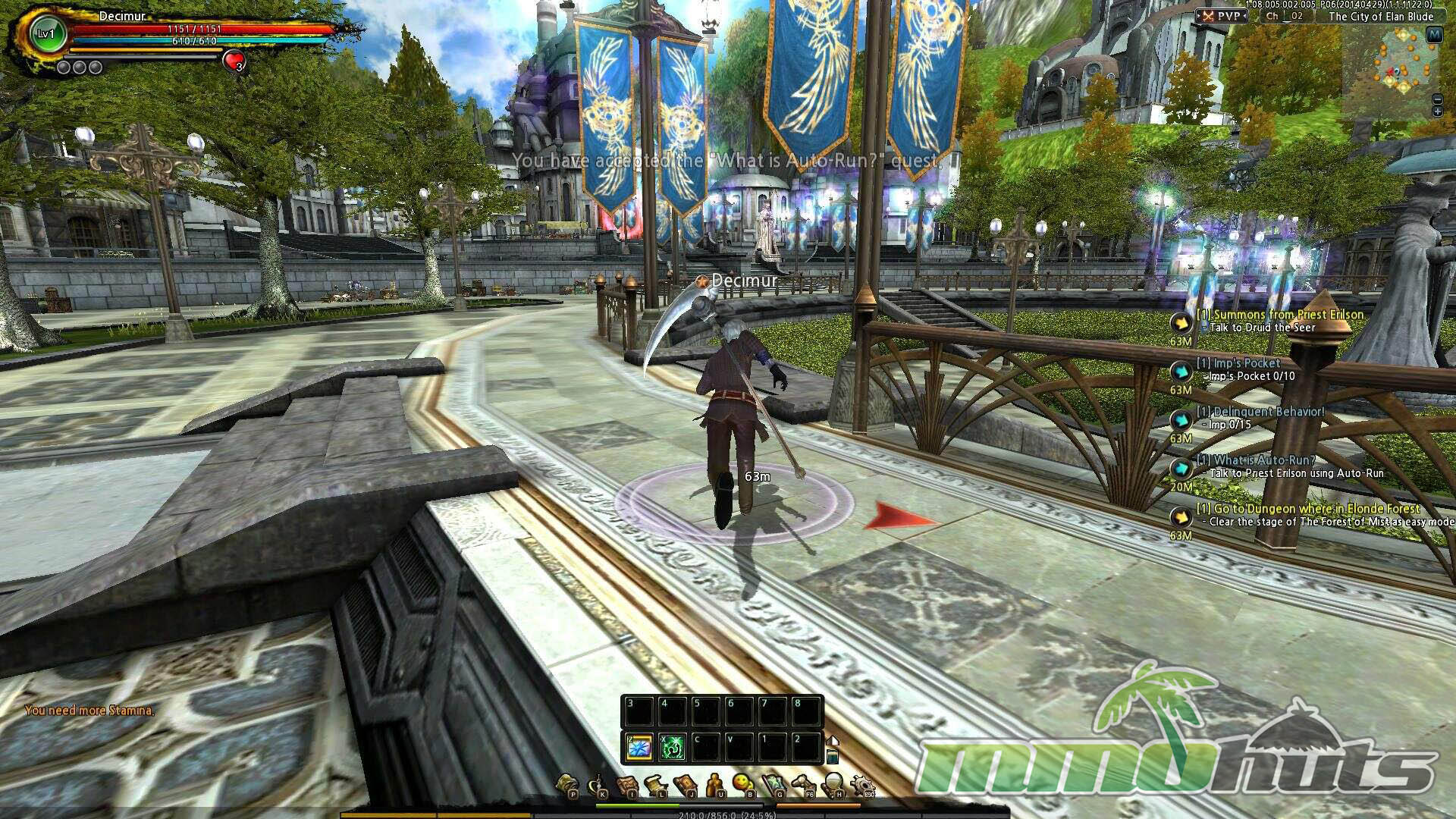
Divine Souls Screenshots
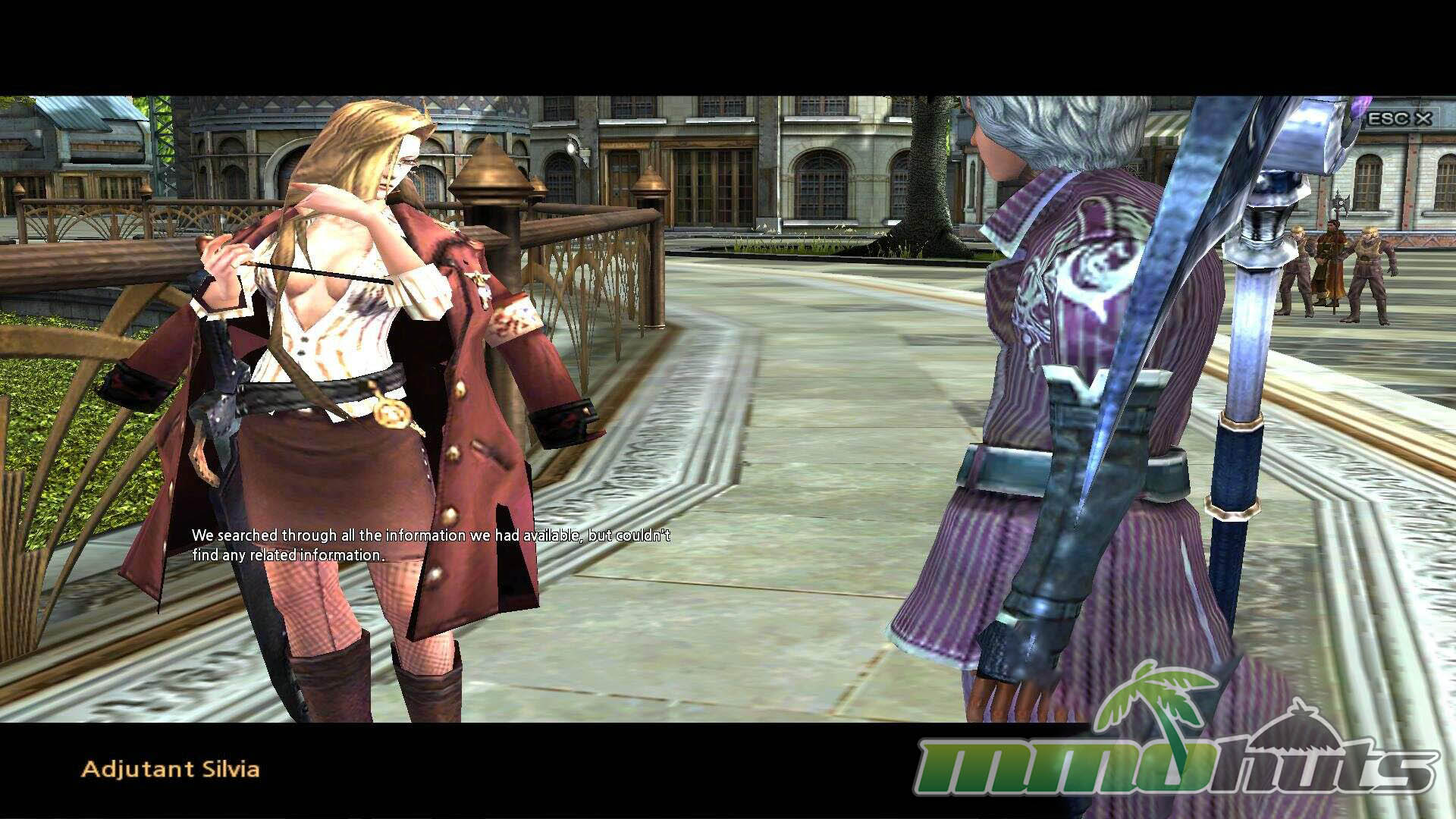
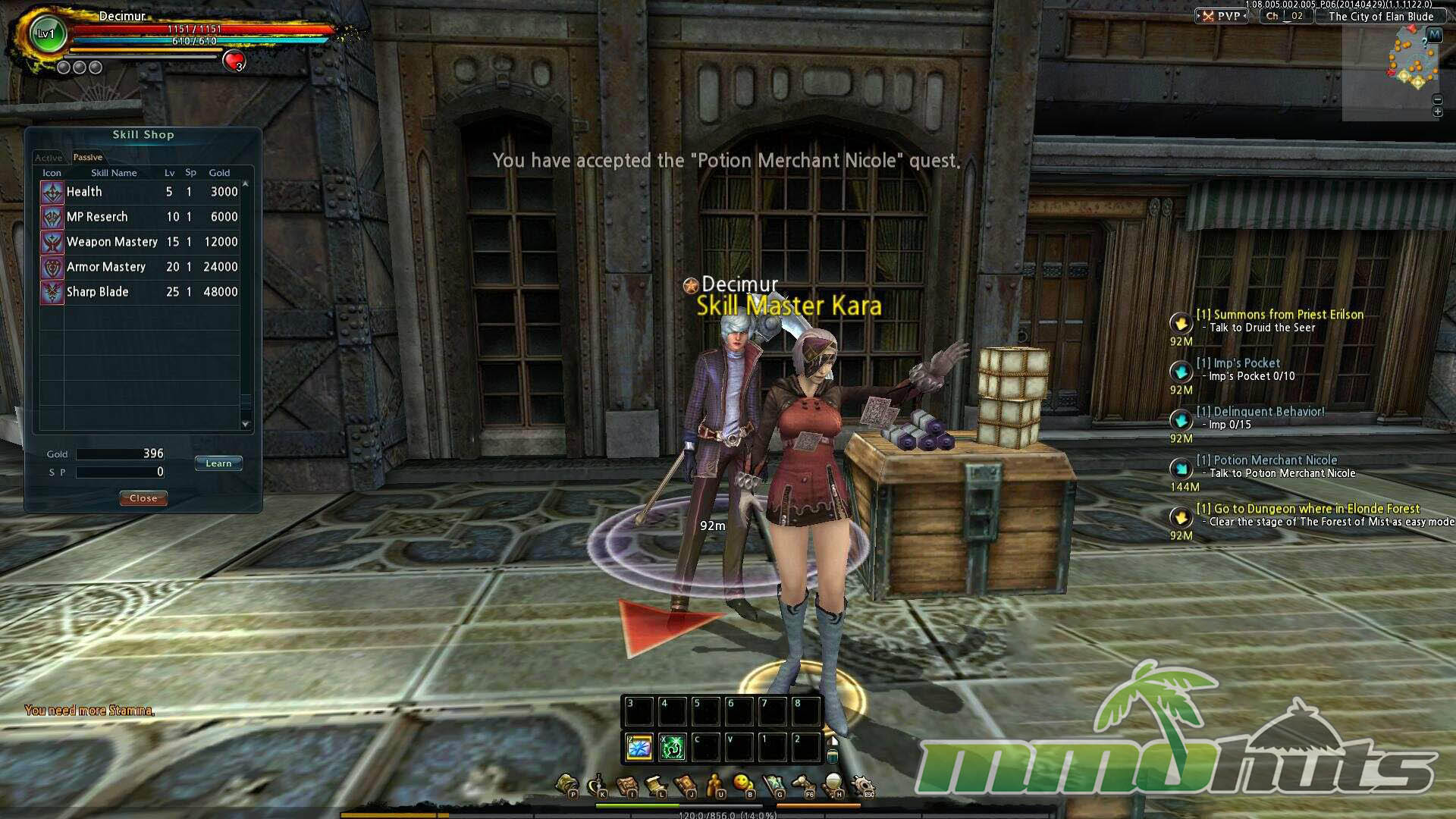
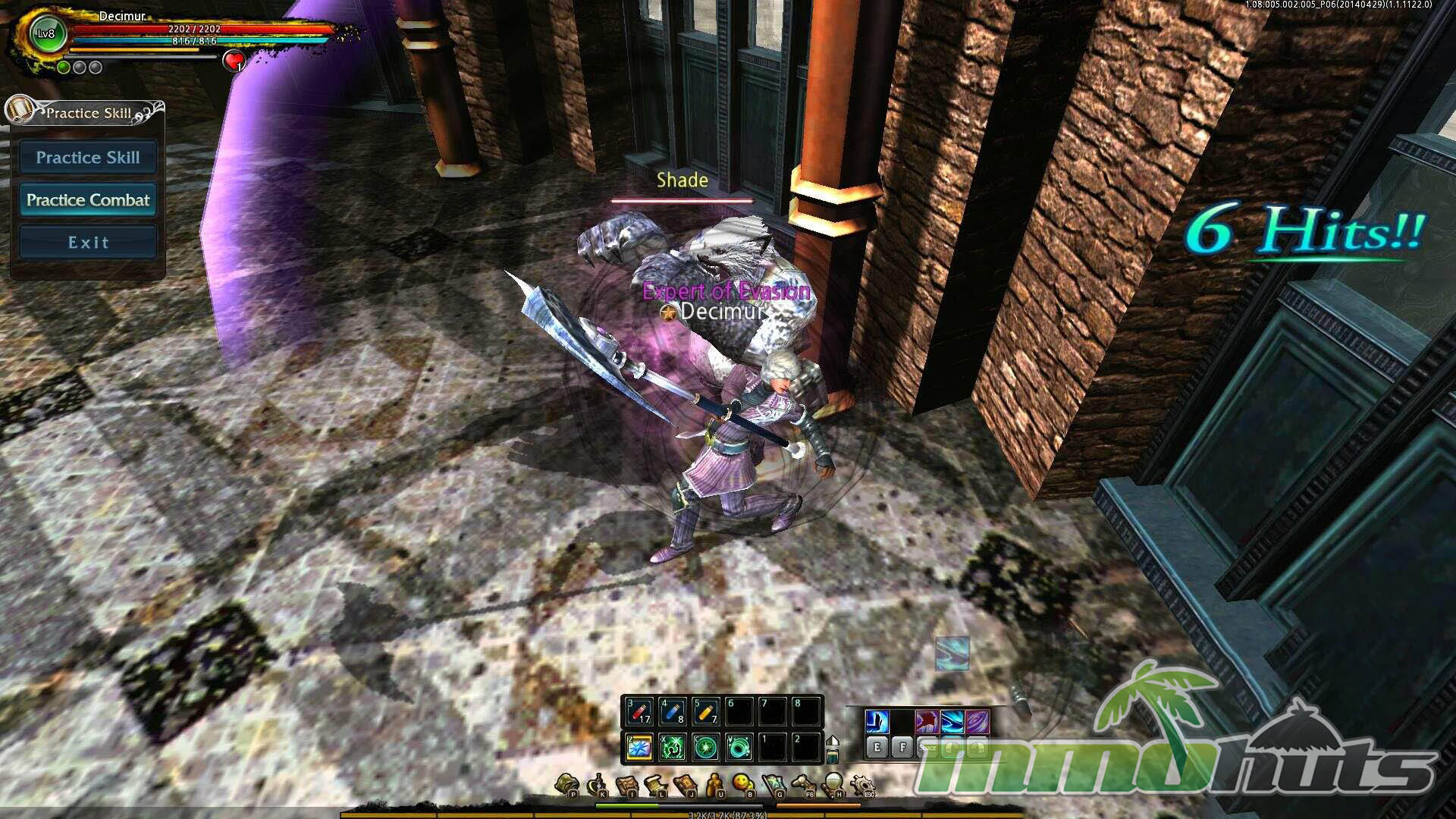
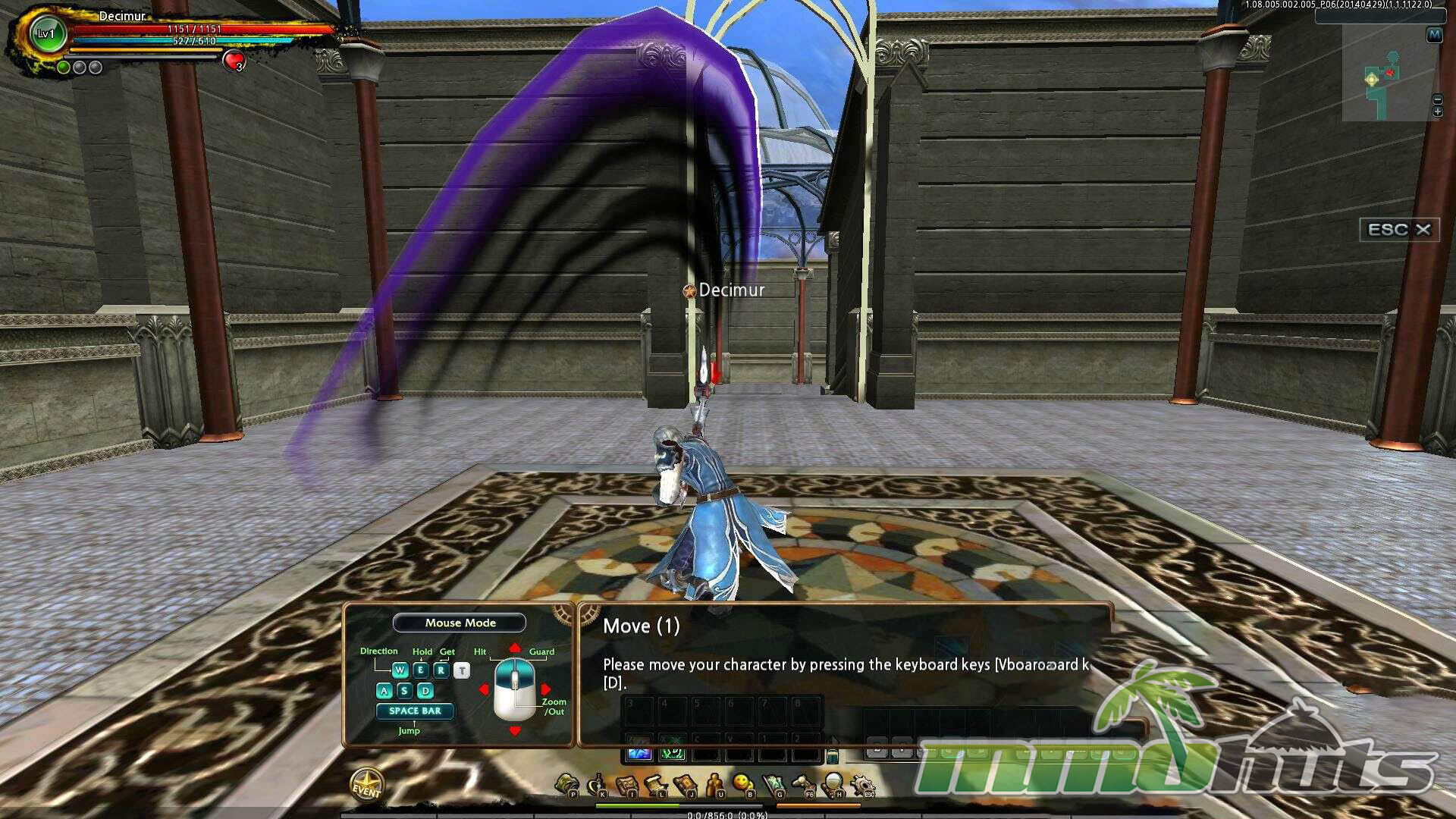
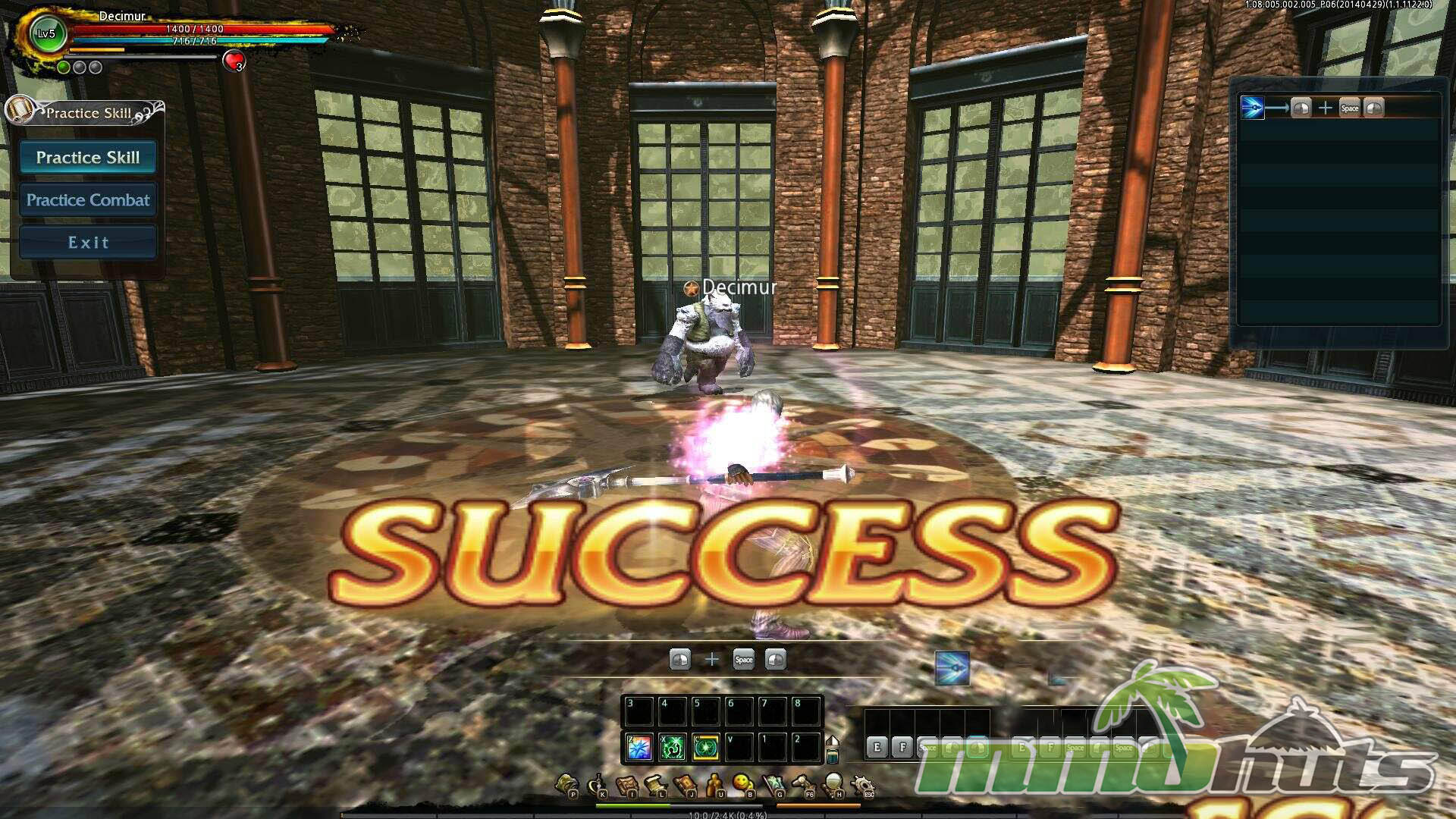
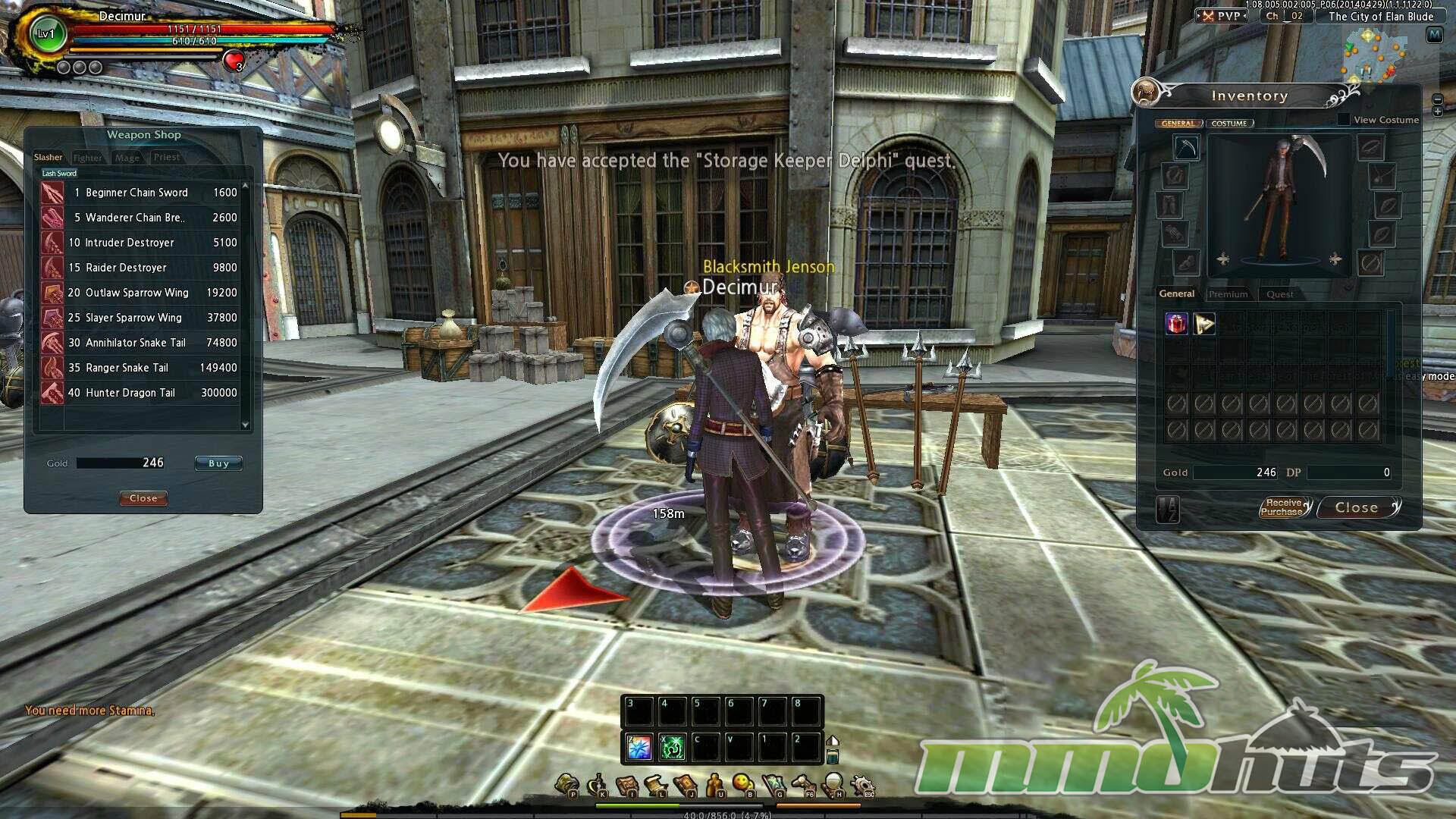
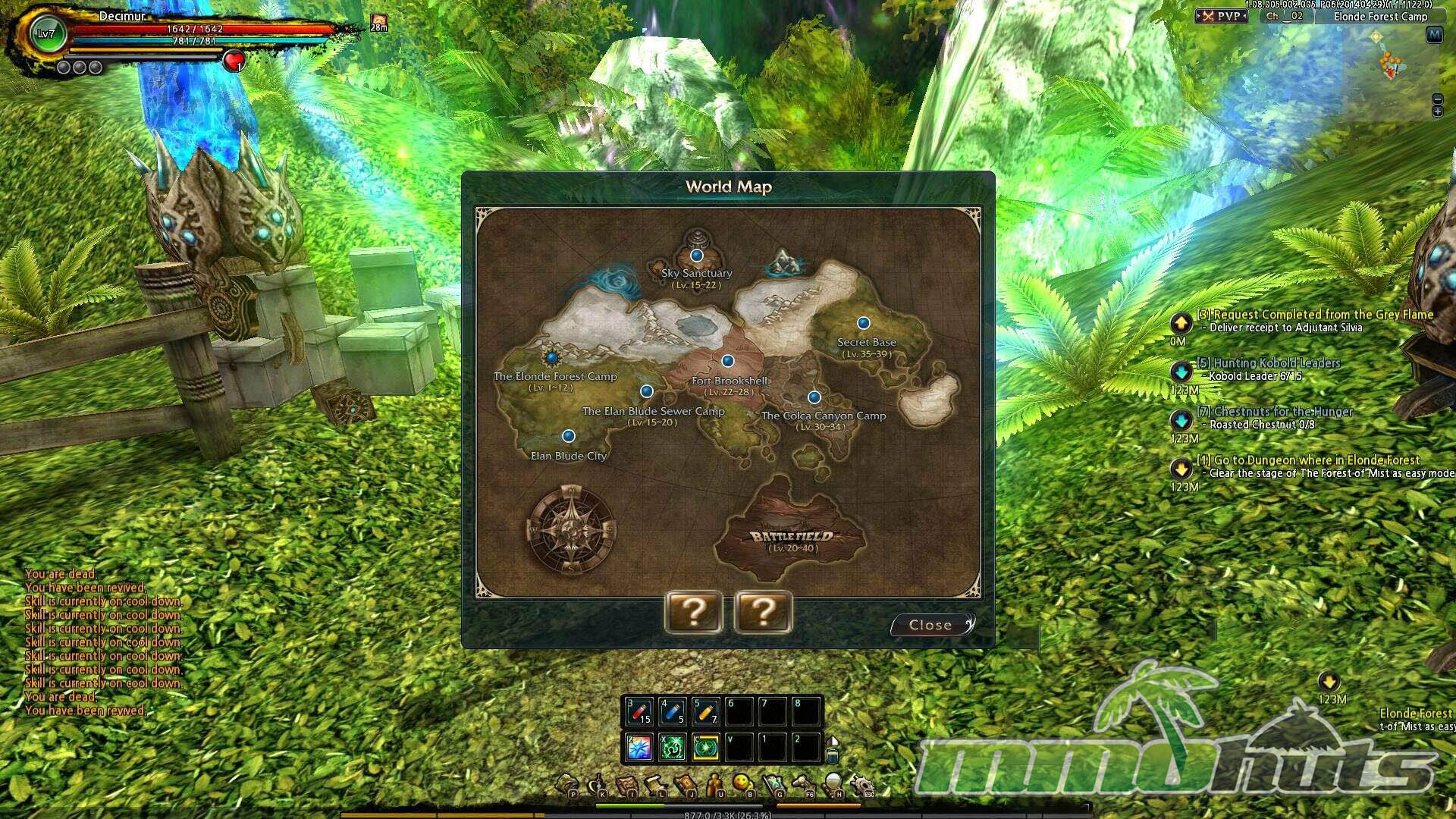
Divine Souls Featured Video

Divine Souls Review
Divine Souls lands in that specific corner of the MMO space that tries to merge arcade brawling with RPG progression. It is not interested in slow rotations or standing still while exchanging numbers. The core appeal is the immediacy of its combat, where you are actively aiming, moving, and stringing attacks together as enemies swarm the room. When the game is at its best, it feels closer to a lightweight action game stitched into an MMO framework, with instanced content acting as the main stage for your character’s growth.
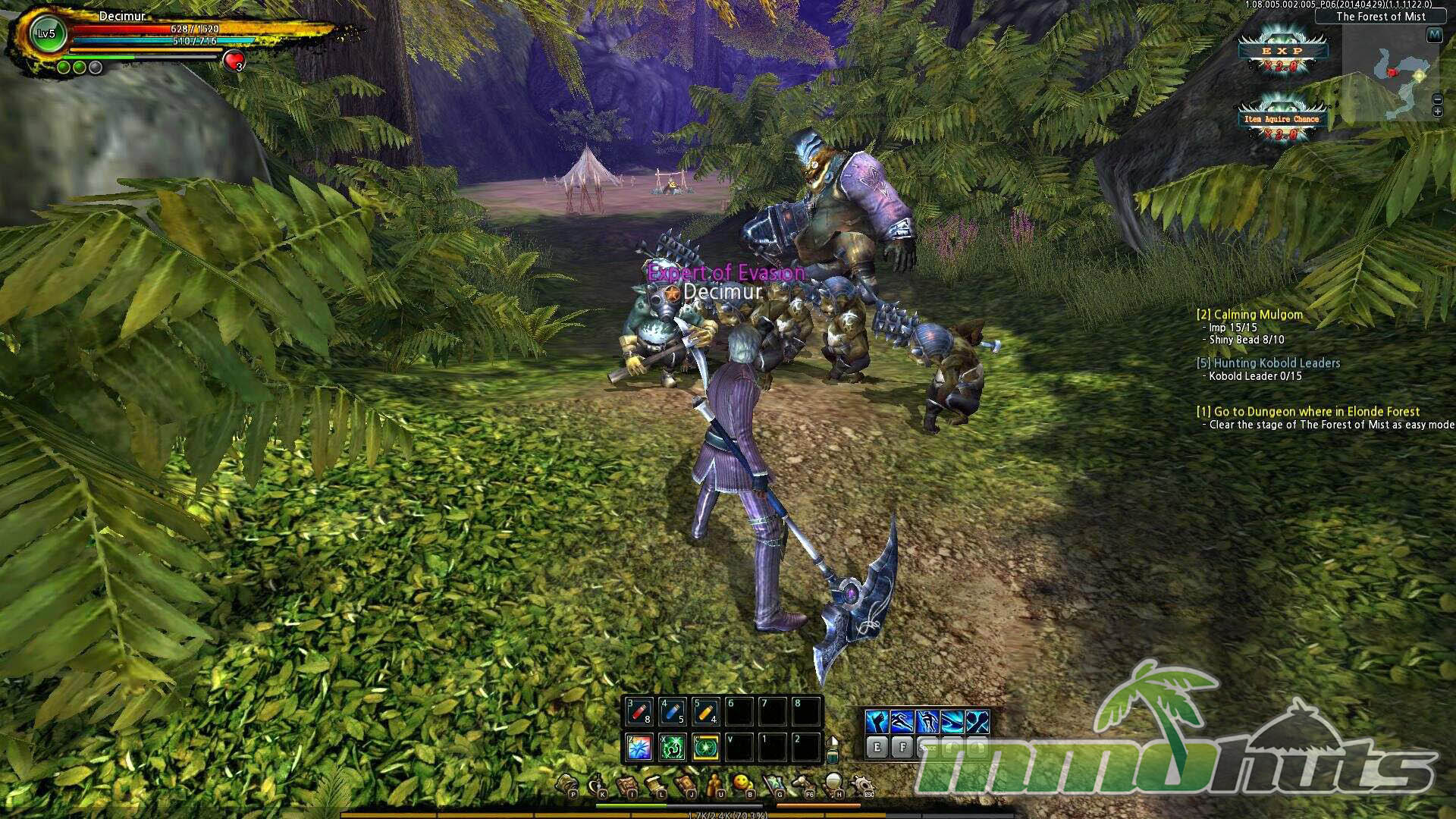
Action brawler MMOs have been around for a while, but many entries in the subgenre historically came with compromises, whether that was dated visuals, clunky movement, or combat systems that looked flashy but lacked responsiveness. Divine Souls’ presentation is comparatively clean for its era, and its combat has a satisfying sense of impact. The setting sticks to familiar fantasy foundations while sprinkling in a bit of industrial flair, and the overall art direction aims more toward grounded character models than overtly cartoon styling.
Making Its Mark
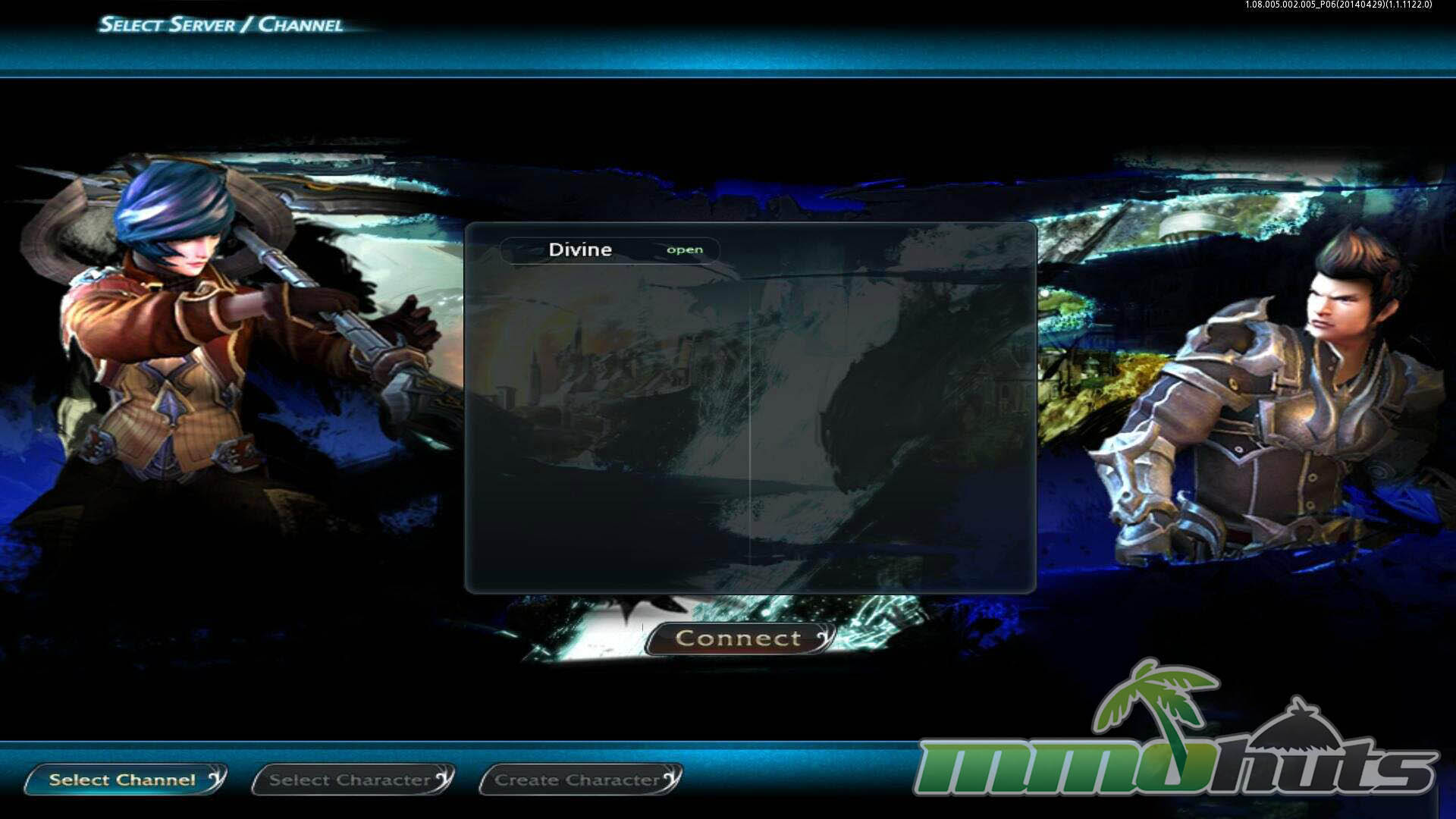
From a technical and usability perspective, Divine Souls does a decent job accommodating different PC setups, offering a range of graphics options and resolution support. Server structure is straightforward, with players funneled into channels that help distribute population. Where the game shows its age more clearly is the character setup. Class choice is meaningful, but the classes are gender-locked, and the cosmetic options at creation are modest. You can tweak faces and hair, and there is color selection for things like hair and skin, but it is not the sort of character creator that invites hours of tinkering.
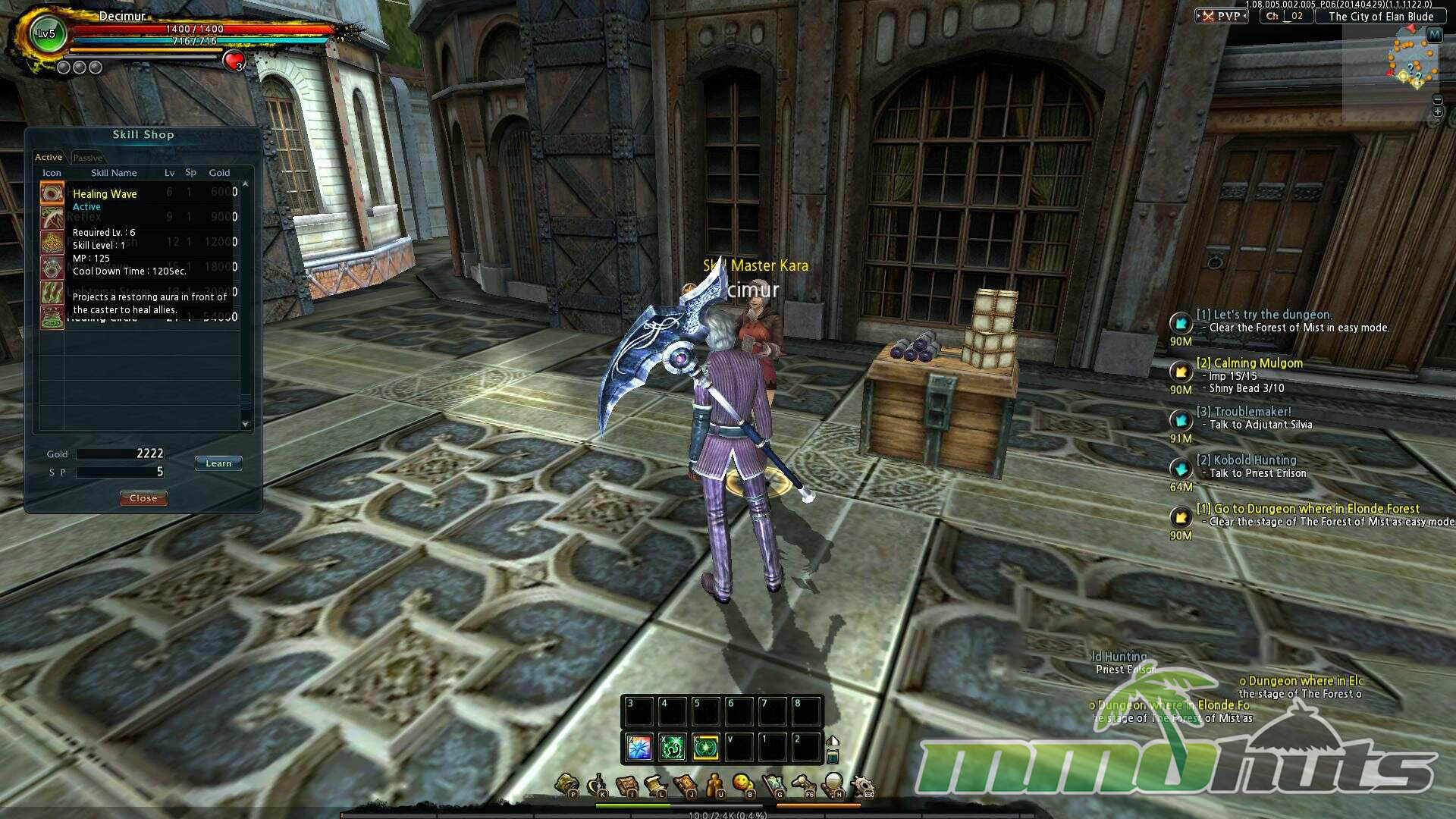
Class identity is clear even early on. Fighter and Slasher lean into close-range pressure and crowd control, Mage provides ranged damage and area coverage, and Priest brings supportive utility that matters more as content gets harder. The limitations in customization are easier to tolerate if you are primarily here for the gameplay, but players who value deep avatar personalization may find it restrictive.
Controls, Combos, and Learning Curve
Divine Souls opens with a tutorial that introduces the basics, though the game does not force you to linger if you want to jump into the main loop quickly. Control schemes can be swapped, and the game supports a more action-forward feel where the camera responds directly to mouse movement. One quirk is the need to toggle cursor behavior for UI interactions, which can be slightly awkward at first, but it is part of how the game preserves that “always in motion” combat vibe.
In combat, inputs are deliberate. Basic attacks are manual, and additional actions like jumping and grabs feed into combo routes. The combo list is accessible in-game, and it reads more like a move list than a typical MMO skill bar. Players who learn and apply these sequences tend to perform far better, especially in PvP, but the game is also forgiving enough that you can progress through early PvE content with simpler patterns while you build muscle memory.
Instanced by Design
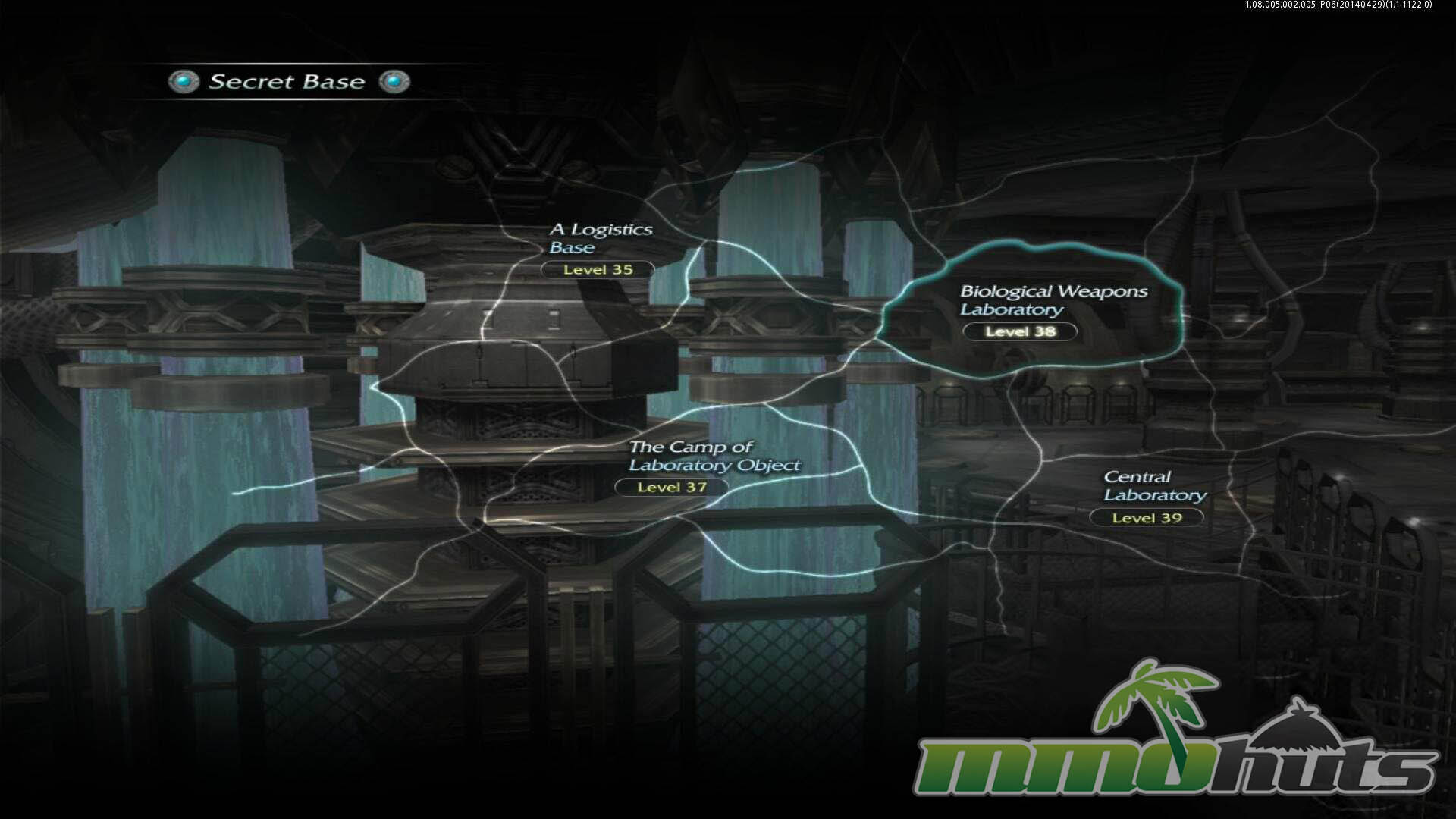
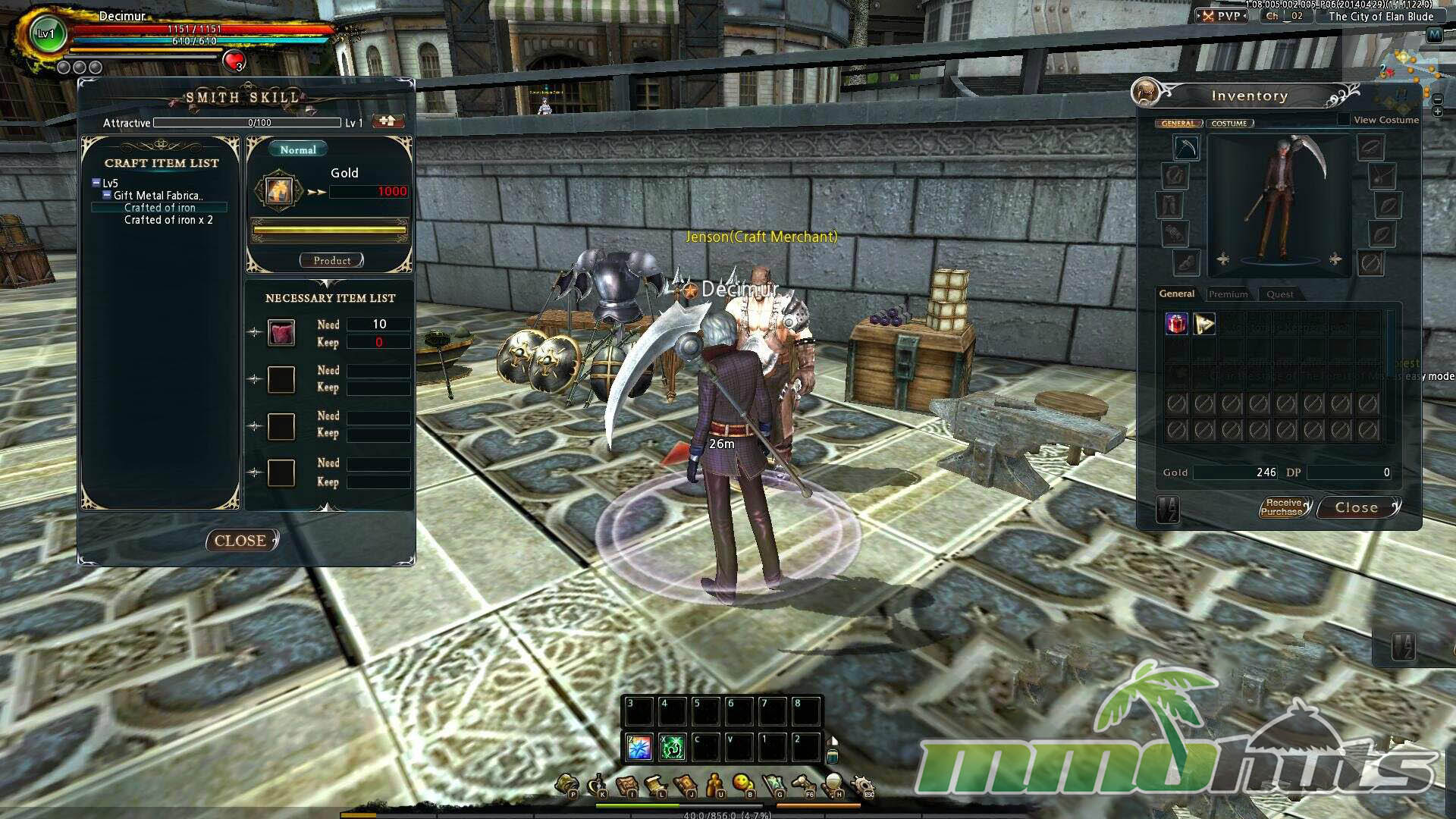
The overall structure relies heavily on instancing. Social hubs and town-like spaces act as gathering points for NPCs, vendors, and matchmaking, while portals and map selection push you into stages for most questing and leveling. This design keeps action dense and loading screens frequent, rather than offering a seamless open world.
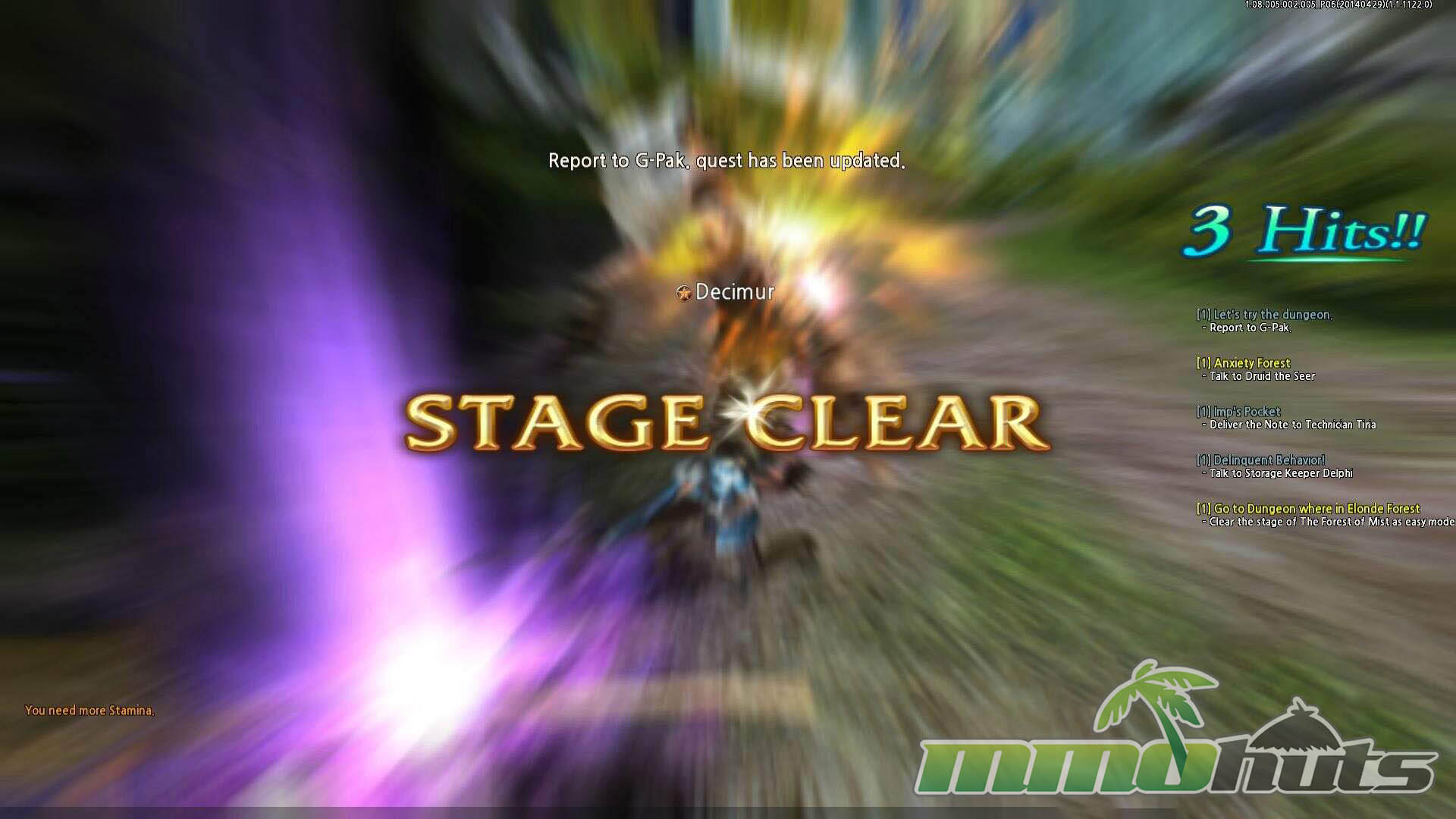
Stages are built for repetition. You will revisit the same dungeons many times, both for quests and for progression. Difficulty tiers help extend the life of each map, with higher modes unlocked by clearing lower ones first. This system provides a steady sense of advancement, but it also highlights the grind if you are not enjoying the moment-to-moment fighting. Grouping makes the loop easier to sustain, since coordinated play speeds clears and makes tougher bosses feel more like cooperative challenges than endurance tests.
Where the Game Shines
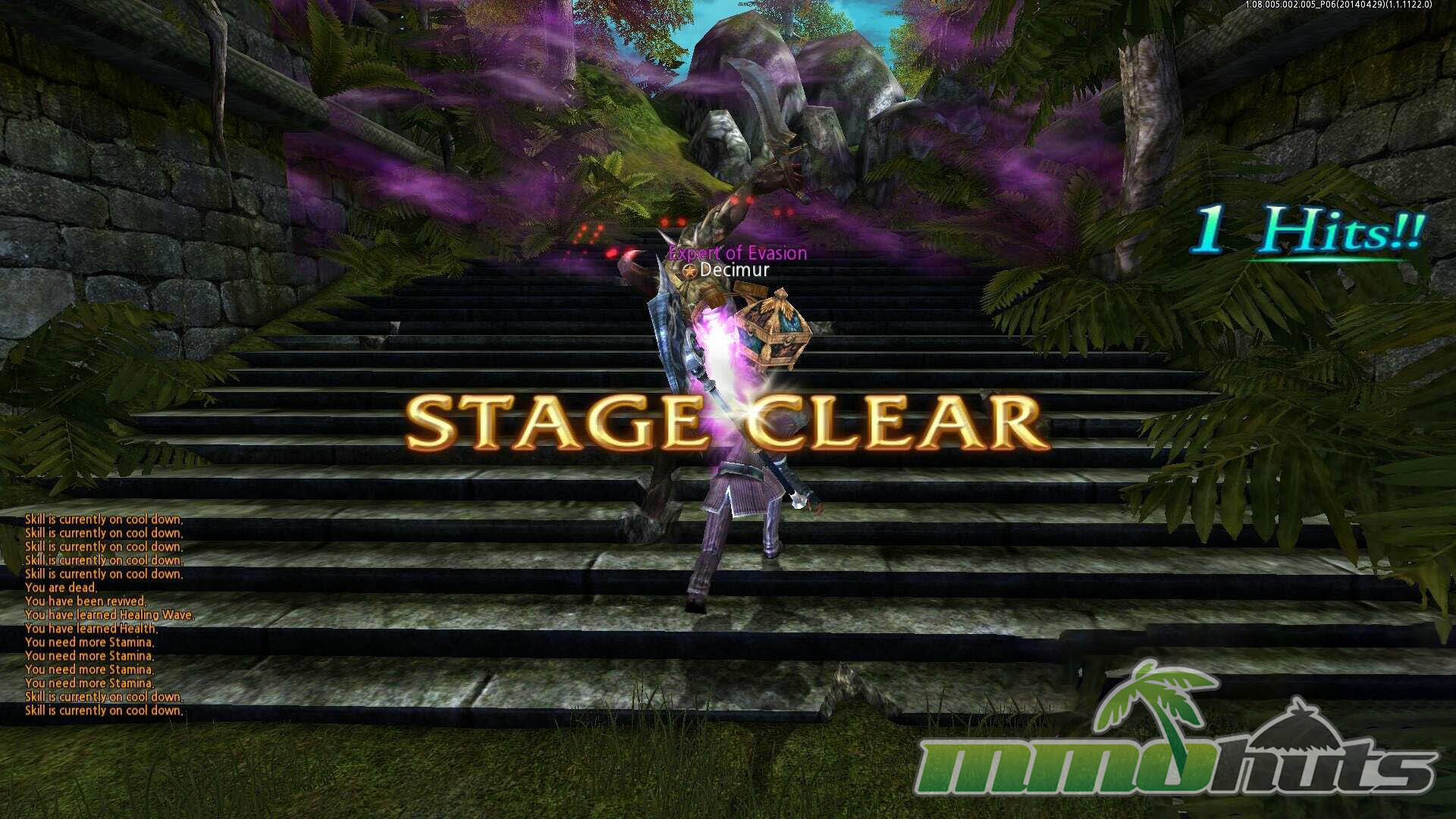
The strongest argument for Divine Souls is the feel of combat itself. Movement is responsive, attacks have weight, and the camera behavior gives encounters a more “active” energy than many MMOs. You are not just watching cooldowns; you are aiming arcs, repositioning, and reacting to enemy wind-ups. Rooms are typically designed around clearing waves before advancing, keeping the pace brisk.
At the same time, the game can be overly generous with hit coverage. Many attacks catch multiple targets in wide arcs, which looks satisfying and contributes to the arcade tone, but it can also make early and mid-level PvE feel less dangerous than it should. Later dungeons and bosses do a better job demanding awareness and teamwork, especially when enemies punish sloppy positioning. Loot pickup is streamlined to keep momentum high, minimizing downtime between fights.
PvP and the Battlefield Twist
For players who want competition, Divine Souls offers lobby-based PvP with several modes and room creation. Match formats include Deathmatch, Survival, Capture the Flag, and Break Into, with matches supporting up to eight players depending on mode. A notable feature is level normalization by default, which helps ensure that fights are decided more by execution and decision-making than raw grind. Players can disable normalization if they specifically want gear and level advantages to matter.
PvP is where the combo system truly earns its keep. Predictable spam tends to get punished, and success depends on knowing when to commit, when to disengage, and how to coordinate with teammates in formats like 2v2, 3v3, and 4v4. The MOBA-inspired Battlefield mode is the most distinctive offering, shifting focus toward lane pressure and objective play, which gives the game a welcome change of pace compared to pure arena skirmishes.
Final Verdict: Great
Divine Souls delivers a legitimately enjoyable action-combat foundation, backed by solid visuals for its time and a combo system that rewards practice. Its biggest drawback is the heavy reliance on repeating instanced stages, and the surrounding systems, such as crafting and customization, do not add much depth. Still, switching between dungeon grinding and PvP, especially Battlefield, helps keep the experience from going stale. If you want a pick-up-and-play MMO brawler with room to improve through skill, Divine Souls is worth trying.
Divine Souls Links
Divine Souls Official Site
Divine Souls Steam Store
Divine Souls GamenGame Guide
Divine Souls Requirements
Minimum Requirements:
Operating System: Windows XP or later
CPU: Any Single Core 2.4 GHz or better Processor
RAM: 1 GB RAM
Video Card: GeForce 7 Series+
Hard Disk Space: 4 GB Free Space
Recommended Requirements:
Operating System: Windows XP or later
CPU: Any Dual-Core 2 GHz or better Processor
RAM: 2 GB RAM
Video Card: GeForce 8 Series+
Hard Disk Space: 4 GB Free Space
Divine Souls Music
Divine Souls music coming soon!
Additional Info
Developer: Gameprix
Game Engine: Gamebryo Engine
Publisher: Suba Games
Early access date: August 15, 2014 (Suba Games)
Open beta date: November 20, 2014 (Suba Games)
Original Release Date: 2011 (Outspark)
Divine Souls was developed by Gameprix, a Korean studio, and first released in the West under Outspark. The game’s history is somewhat turbulent, with an initial 2011 launch followed by downtime for fixes and updates, then a later return via Steam Greenlight under Gamengame, and ultimately another relaunch supported by Suba Games. The 2014 release on Steam and the Suba Games site is the version most players associate with the title today, particularly because it introduced the MOBA-style battleground that helps distinguish Divine Souls from earlier iterations. Divine Souls is also available through Steam.