Spirit Lords was a free-to-play fantasy MMORPG for mobile that mixed a bright, cartoon-like presentation with action-focused dungeon crawling. It featured a shared overworld hub, instanced runs built for solo play or 4-player real-time co-op, tap-and-gesture controls, and a collectible Spirit system tied to elemental strengths and weaknesses. Between the story-heavy campaign, a large pool of Spirits, and more than a thousand gear drops to chase, it aimed to deliver a console-style ARPG loop on phones and tablets.
 | Publisher: Kabam Type: Mobile MMORPG Release Date: April 9, 2015 Shut Down: July 08, 2016 PvP: None Pros: +Fast, hands-on action combat. +Strong visuals for a mobile ARPG. +Element and Spirit loadouts add variety. +Story is unusually cutscene-heavy and entertaining. Cons: -Energy limits play sessions. -Progression can become grind-heavy. -Co-op grouping tools feel underdeveloped. |
Spirit Lords Shut Down on July 08, 2016
Spirit Lords Overview
Spirit Lords is a 3D action dungeon-crawler MMORPG published by Kabam. It was built by a veteran team with credits spanning major RPGs and large-scale productions, with the clear intent of translating a Diablo-like loop into something that feels natural on touchscreens. The structure is straightforward: move around a persistent world map, pick a destination, and then dive into instanced dungeons where you clear packs, manage cooldown-based abilities, and finish with a boss or objective.
Combat is designed around taps and gestures rather than virtual sticks, with skills triggered through touch inputs tailored to mobile play. You pick one of two classes, Barbarian or Sorcerer, then lean into a flexible build system by slotting collectible Spirits that grant abilities and elemental properties. Between dungeon rewards and relic-based Spirit acquisition, there is a steady stream of upgrades, including over 1,000 pieces of equipment and a large roster of Spirits to collect, level, and evolve.
Alongside the loot chase, Spirit Lords puts notable effort into narrative presentation for a mobile MMO-style game, with frequent cutscenes and dialogue that push the campaign forward. For players who prefer co-op, most dungeon content can be tackled in real-time parties of up to four, letting groups coordinate elements and skills to handle tougher difficulties.
Spirit Lords Key Features:
- Persistent world map that leads into instanced dungeon content.
- Touch-first combat using taps and gestures for movement and abilities.
- Two playable classes (Barbarian and Sorcerer).
- Elemental loadouts driven by Spirits and their skills.
- Over 100 Spirits to gather plus more than 1,000 equipment drops.
- Online co-op with up to 4 players in real time.
- Campaign delivery with lots of dialogue, humor, and cutscenes.
Spirit Lords Screenshots
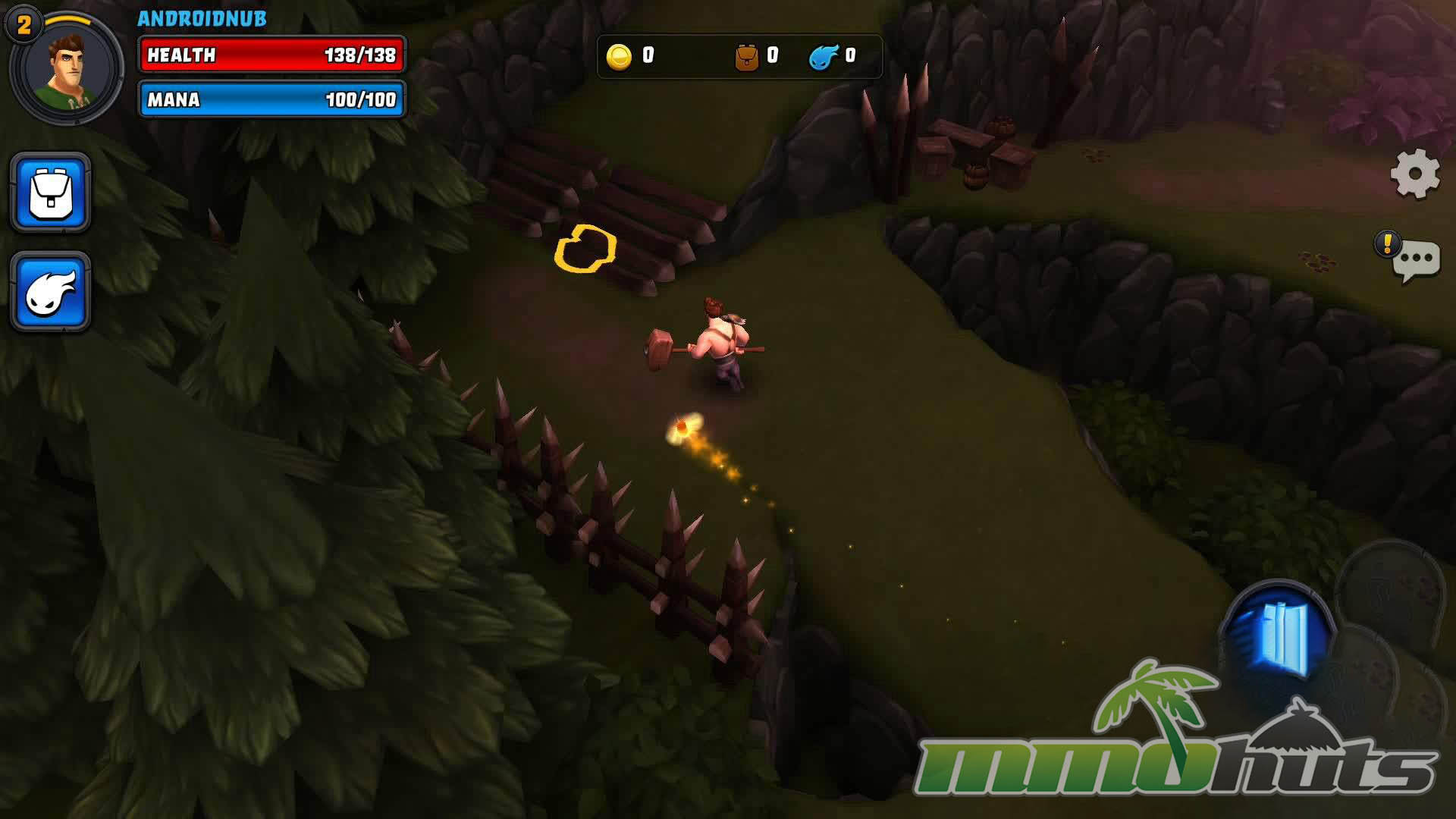
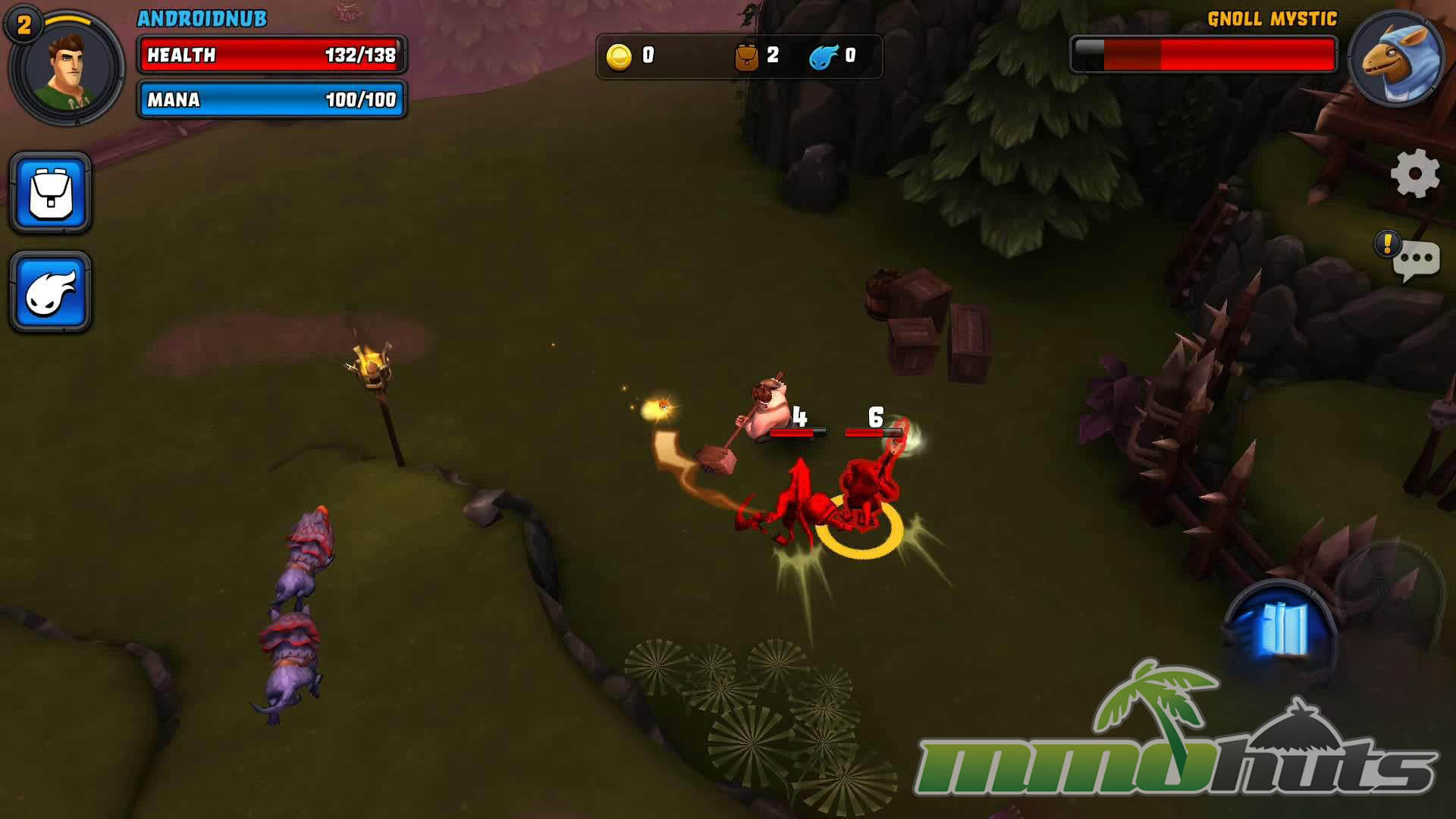
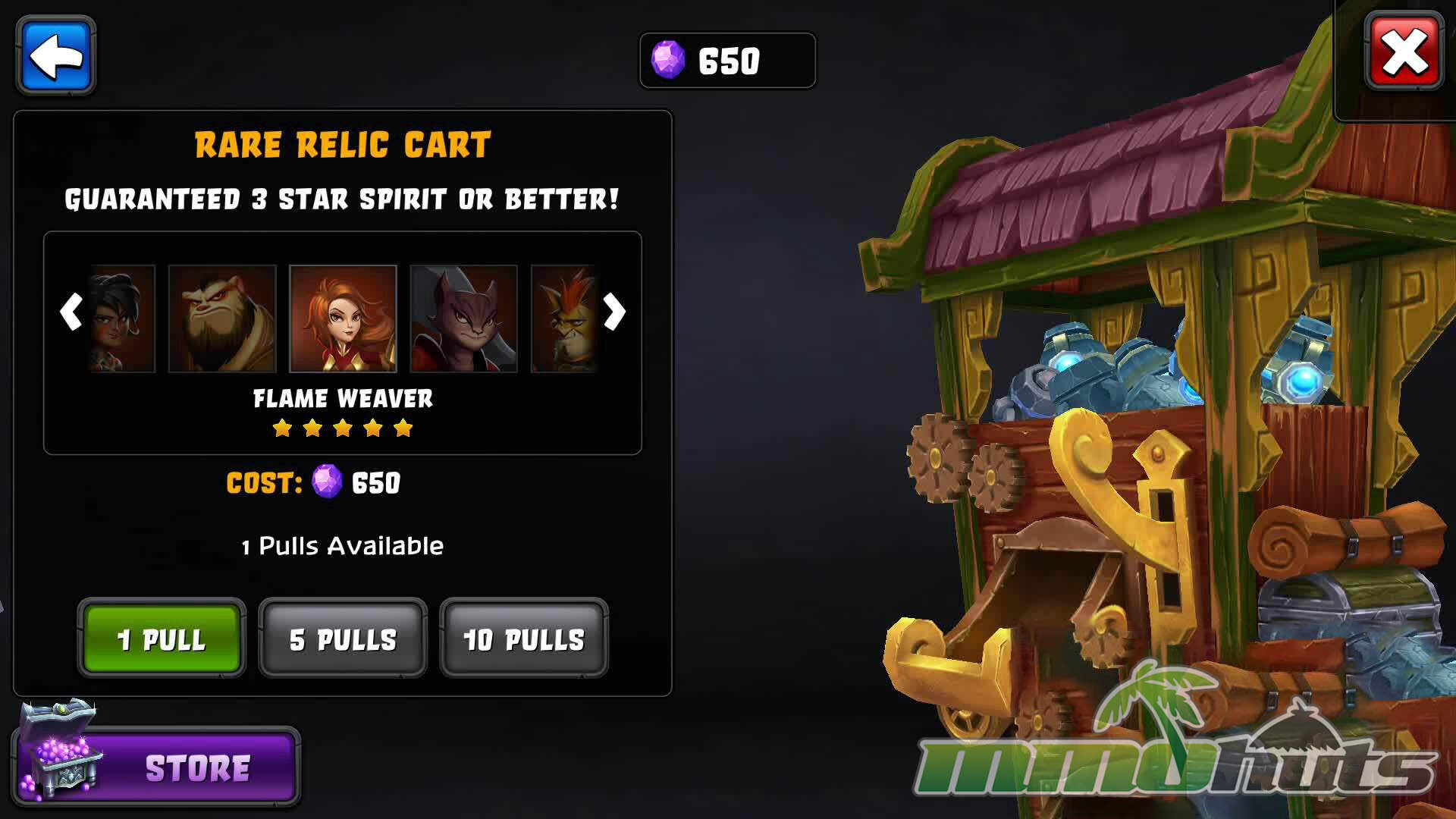

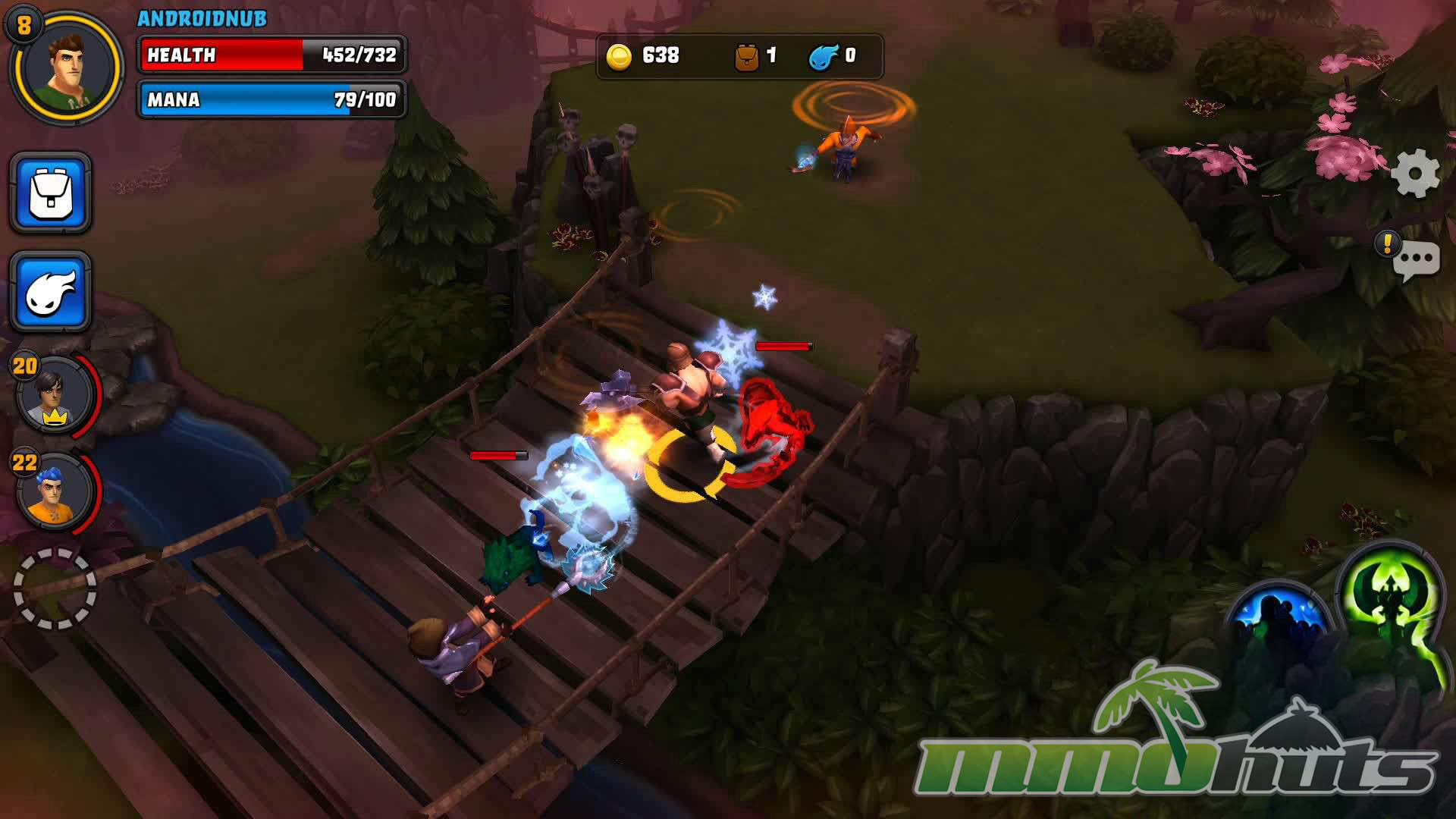
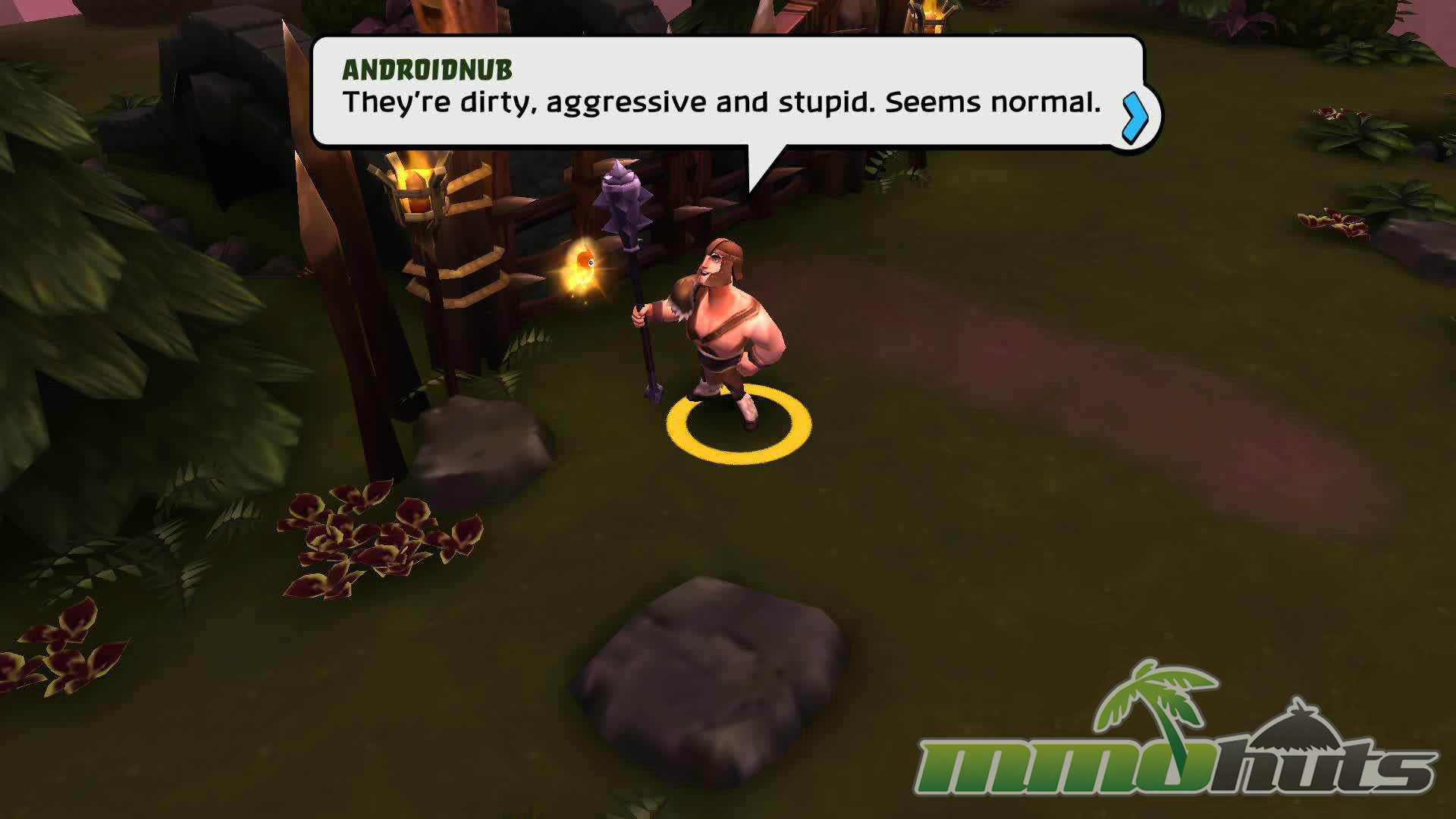
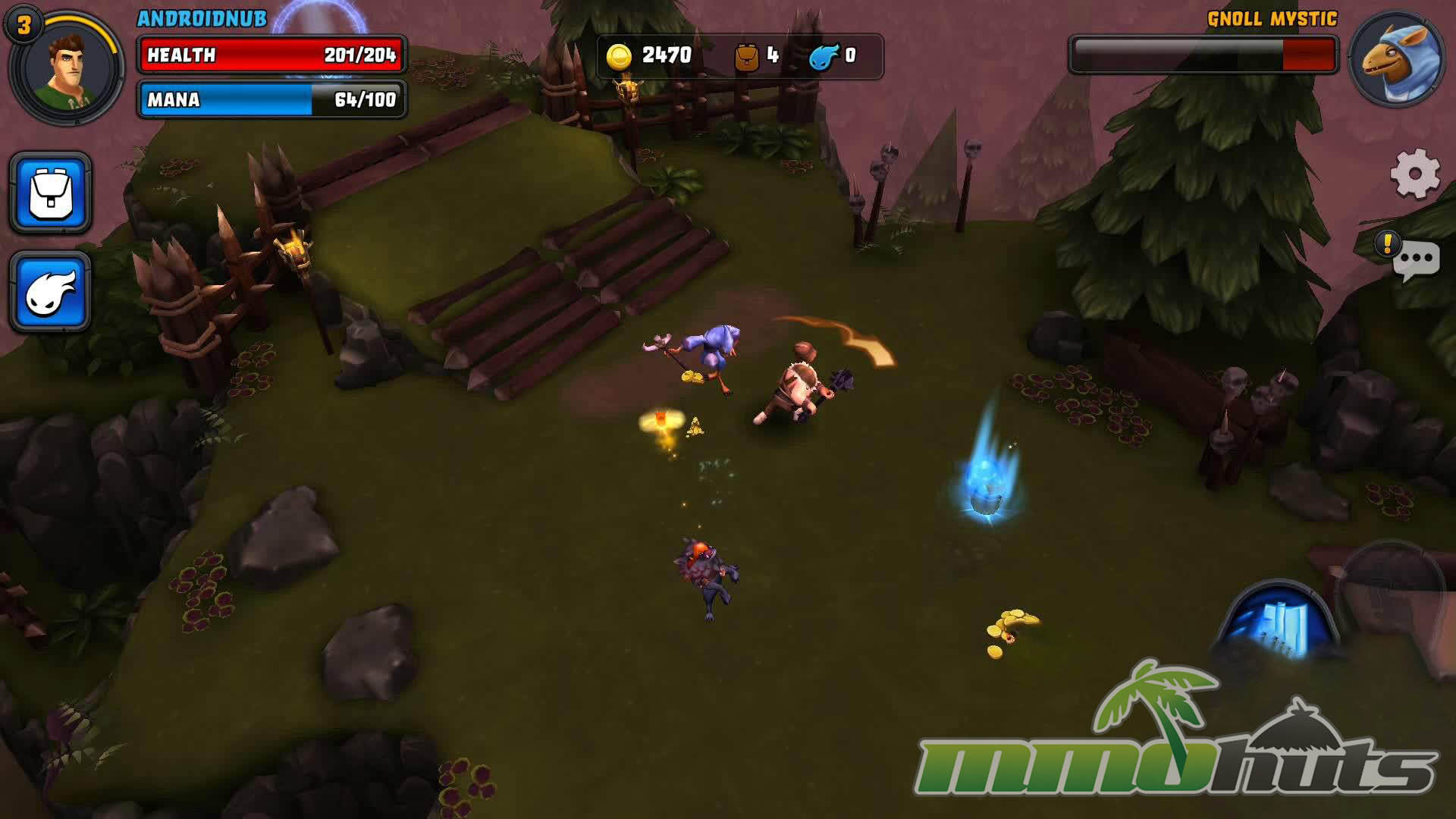
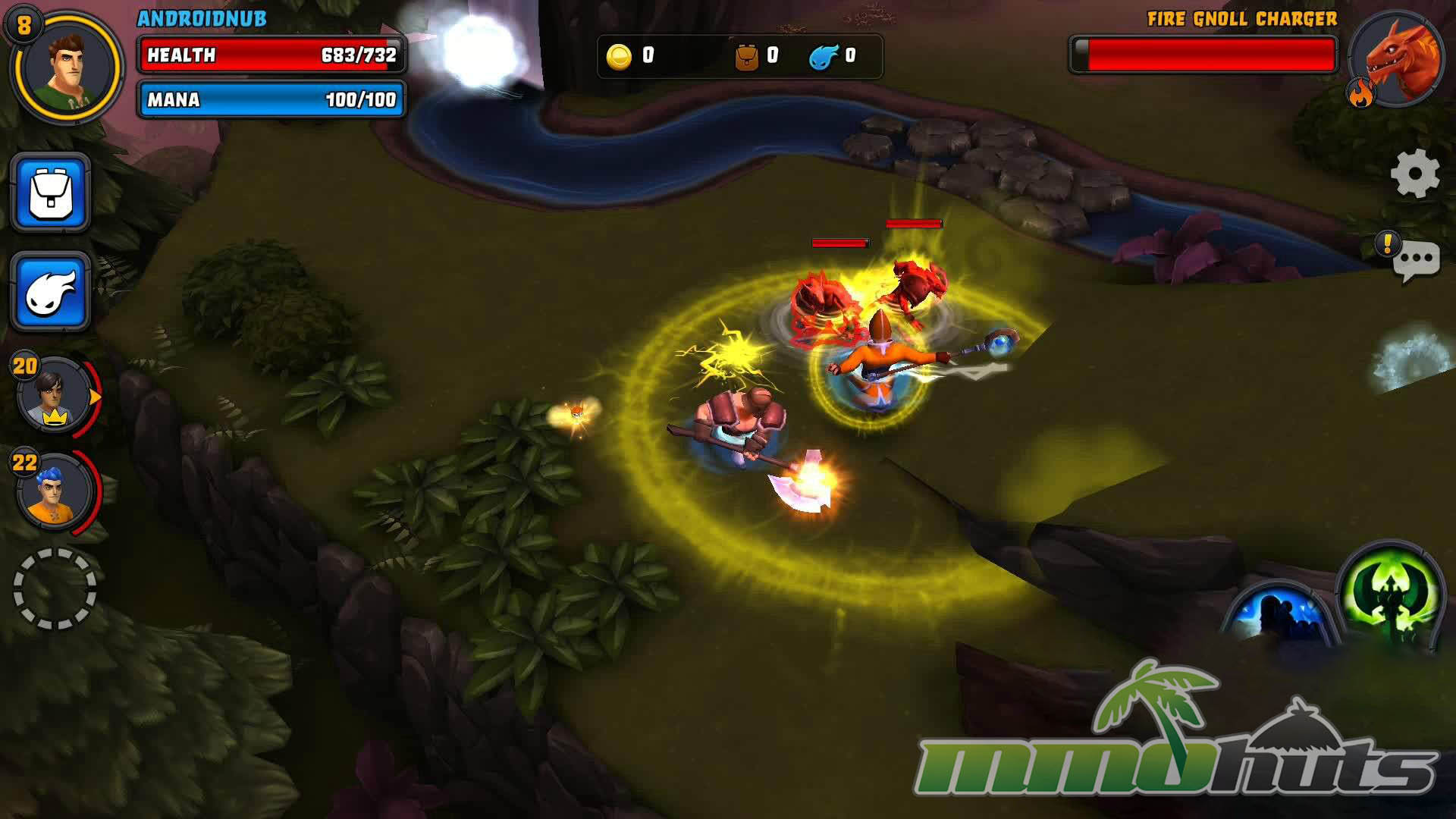
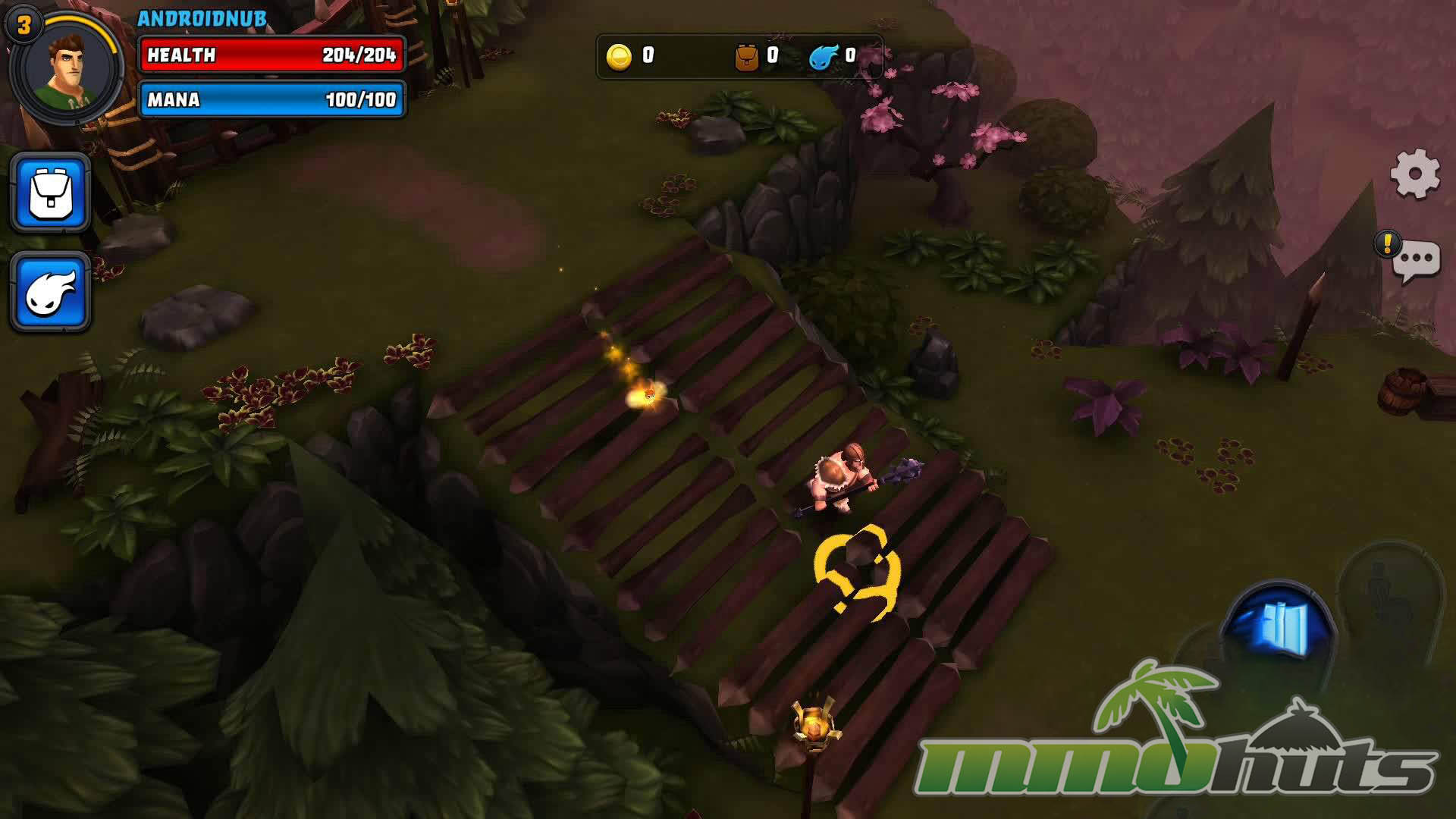
Spirit Lords Featured Video

Spirit Lords Review
Spirit Lords is a free-to-play 3D action RPG with MMORPG framing, developed and published by Kabam. The project drew on experienced talent, including Phil Shenk (art direction on Diablo 1 and 2), Daniel Erickson (creative and design leadership on Star Wars: The Old Republic and Dragon Age: Origins), and Danny Keller (animation direction on Star Wars: The Clone Wars). It launched globally for Android and iOS on April 9, 2015, and passed 100,000 downloads within its first two months. The ambition was clear: deliver a deeper, more “premium-feeling” dungeon crawler on mobile while keeping the free-to-play structure familiar to Kabam’s audience.
From a gameplay standpoint, Spirit Lords succeeds most when you treat it as a mobile-first ARPG with co-op, not a traditional open-world MMO. The moment-to-moment loop is about running instanced dungeons quickly, swapping Spirits to counter elements, and farming for better drops when difficulty outpaces your current setup.
Choosing Your Hero: Steel and Fury or Spells and Control?
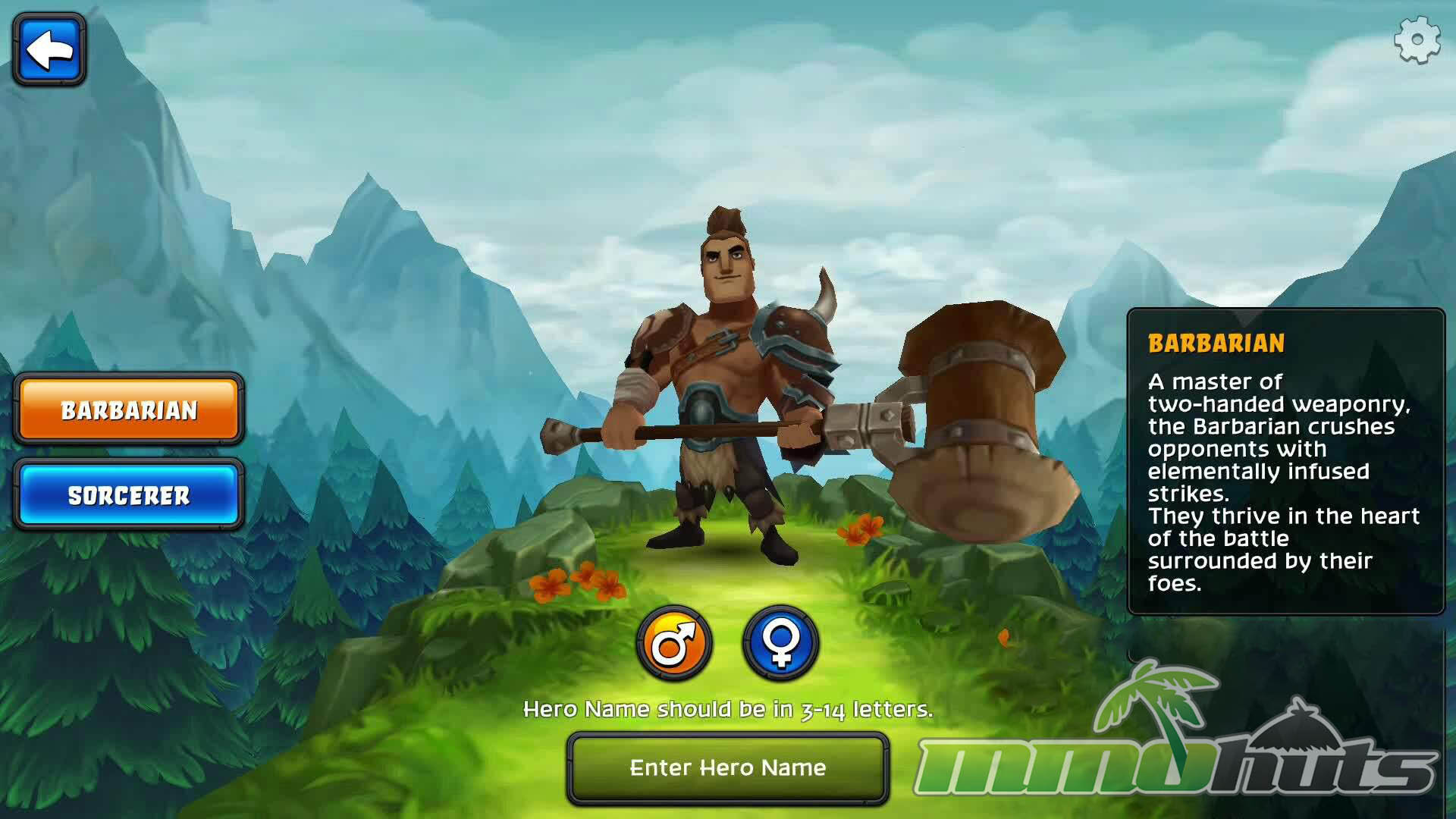
Character creation is brief but functional. You select either the Barbarian or the Sorcerer, then pick gender and adjust a small set of appearance options such as head and hair choices, hair color, and clothing colors. The limited number of classes stands out compared to many MMORPGs, but the game tries to compensate through Spirit-based build flexibility.
Barbarians are front-line fighters built around durability and heavy weapon play. Their kit includes mobility bursts (like leaps), area attacks, and elemental weapon effects that help them chew through groups. They feel best when you are aggressively tapping through packs and chaining abilities to keep momentum, especially once you start mixing in Spirits to diversify your active skills.
Sorcerers, by contrast, play at range and rely on positioning more than raw toughness. They use elemental magic, shields, teleports, and wide AOE spells to control fights, and they punish mistakes more due to lighter defenses. With Spirits equipped, the class becomes a flexible platform for tailoring your spell suite to the dungeon’s threats and element type.
Setting and Structure: A Shared Map, Then Instanced Runs
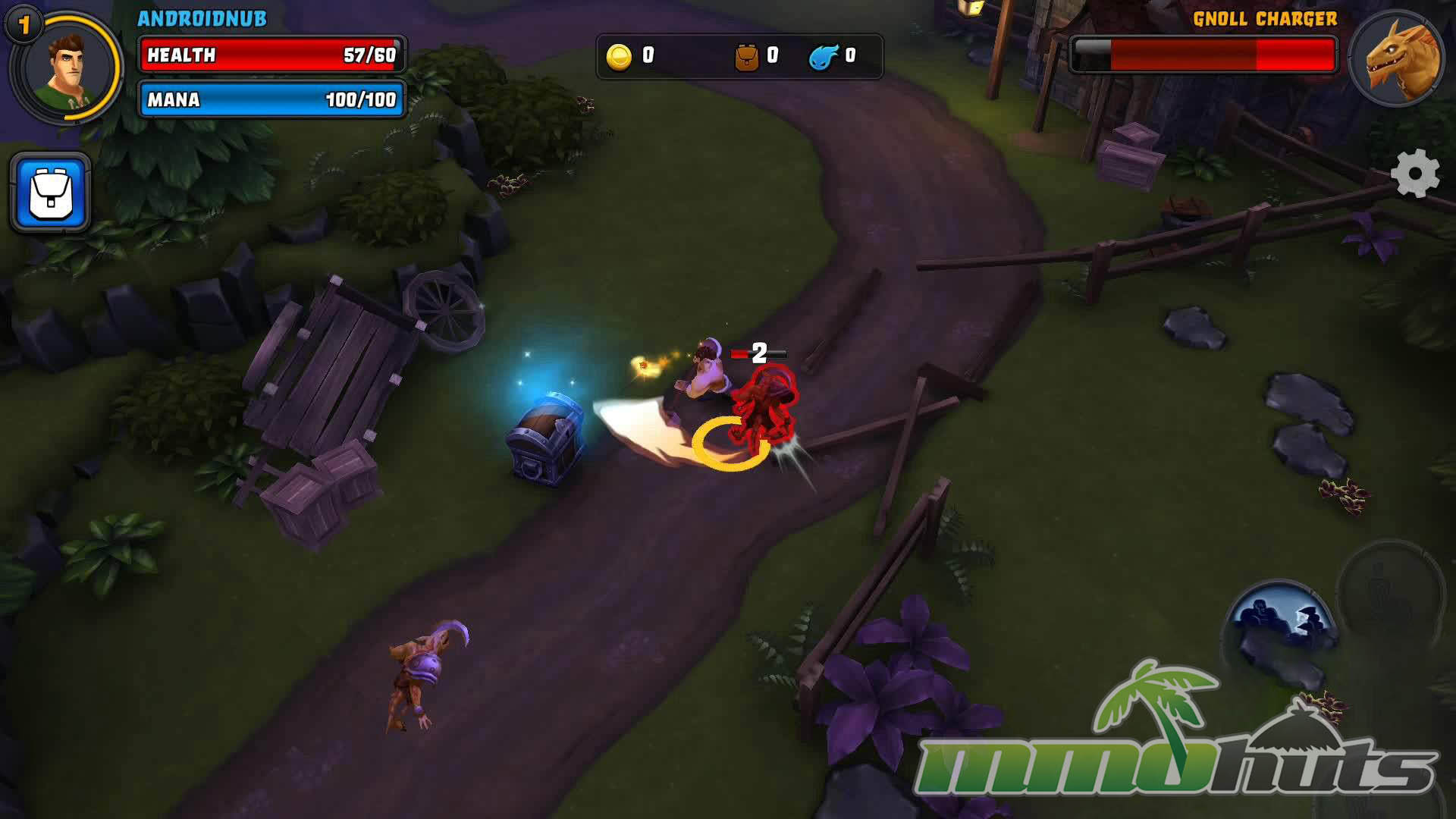
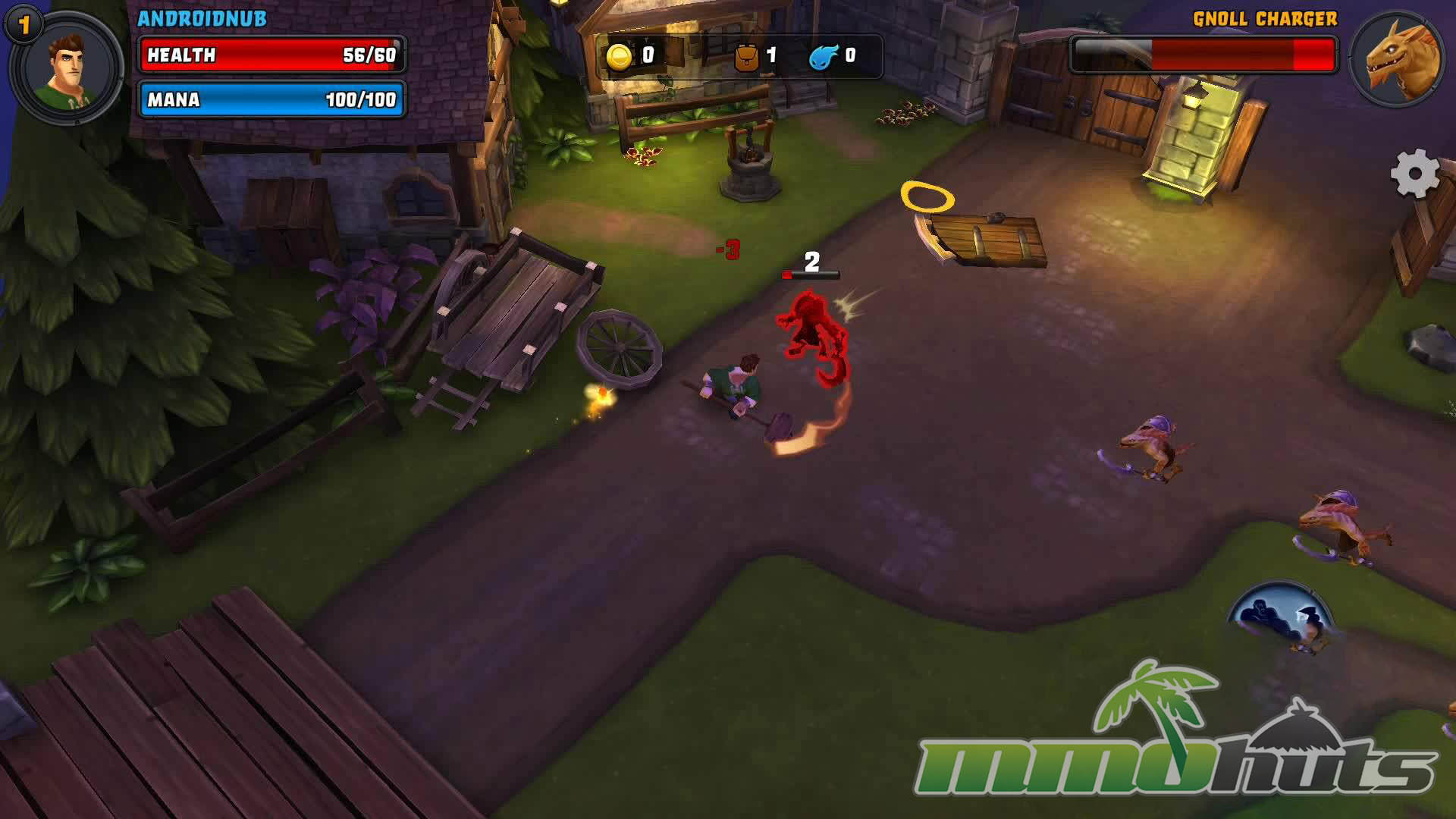
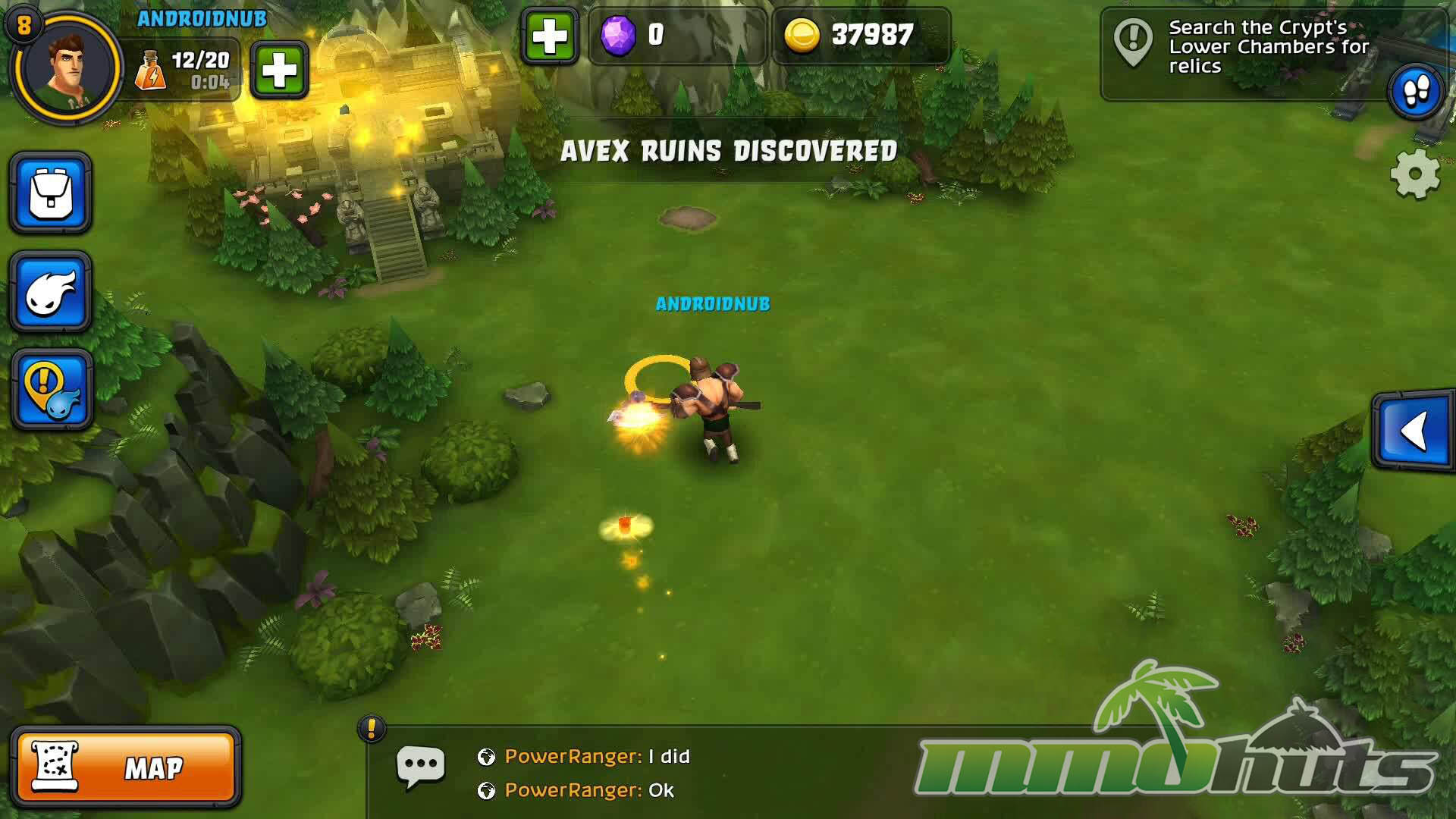
Spirit Lords presents a vivid fantasy world with a stylized, colorful look. Instead of a seamless open world, you spend time in persistent map areas where other players are visible, then enter instanced dungeons for the core gameplay. This design keeps the focus on repeatable runs while still providing a sense of place and progression as new regions unlock.
Each location on the map offers different dungeon categories. Story Dungeons advance the narrative, Side Dungeons are the main source of extra experience and farming opportunities, and Event Dungeons appear during limited-time windows. Level layouts and themes vary enough to keep the early experience fresh, and enemy groups are often arranged to encourage frequent ability use rather than slow, careful pulls.
Artistically, the game holds up well for its era on mobile. Environments have strong color palettes, armor silhouettes are readable even on small screens, and effects are intentionally bright without being completely overwhelming. Animations are snappy, which matters in a game that expects you to run dungeons repeatedly.
Spirits and Relics: The Core Build System
The defining mechanic is the Spirit and Relic setup. As a Spirit Lord, you fuse with Spirits to gain their powers, effectively building your active kit through your chosen companions. Your character has five ability slots, and assigning a Spirit to a slot determines the skill you can use there, along with an elemental attribute tied to that Spirit.
Relics function as containers for Spirits, with openings awarding random results. Collecting becomes a major pillar of progression because Spirits are not just cosmetic or minor stat sticks, they directly influence how your character plays. The element system drives strategy: Fire, Water, and Grass form a rock-paper-scissors triangle (Water beats Fire, Fire beats Grass, Grass beats Water), while Arcane and Void counter each other. Dungeons often lean heavily into an element theme, so maintaining coverage across elements is important if you want to avoid hitting a wall.
Spirits can be improved by sacrificing other Spirits, and evolution is handled through combining Spirits according to specific recipes. The result is a progression path that feels part loot hunt, part collection management, and it gives the game more long-term structure than many mobile dungeon crawlers.
Combat and Co-op: Touch Controls with a Diablo-like Rhythm
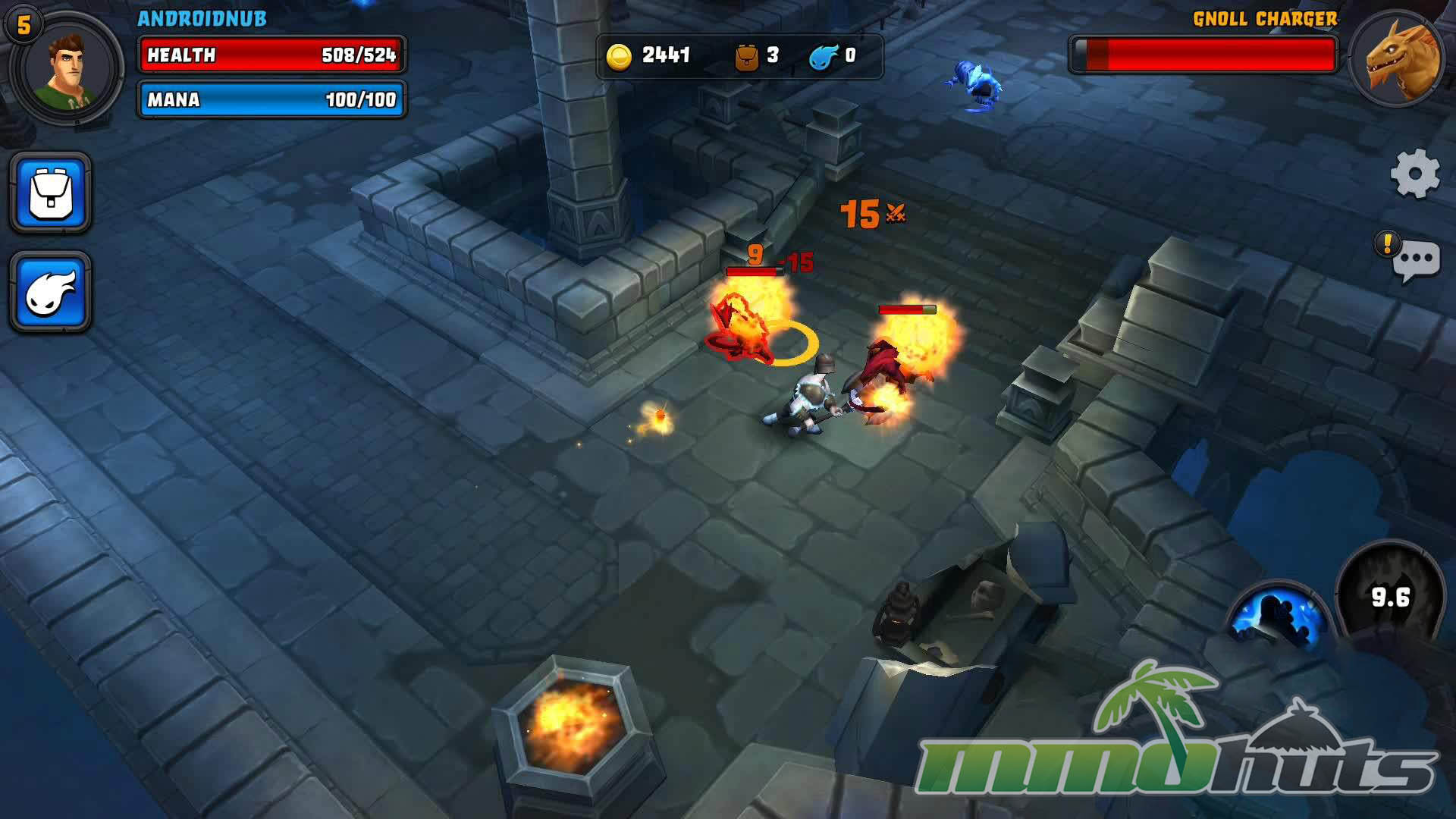
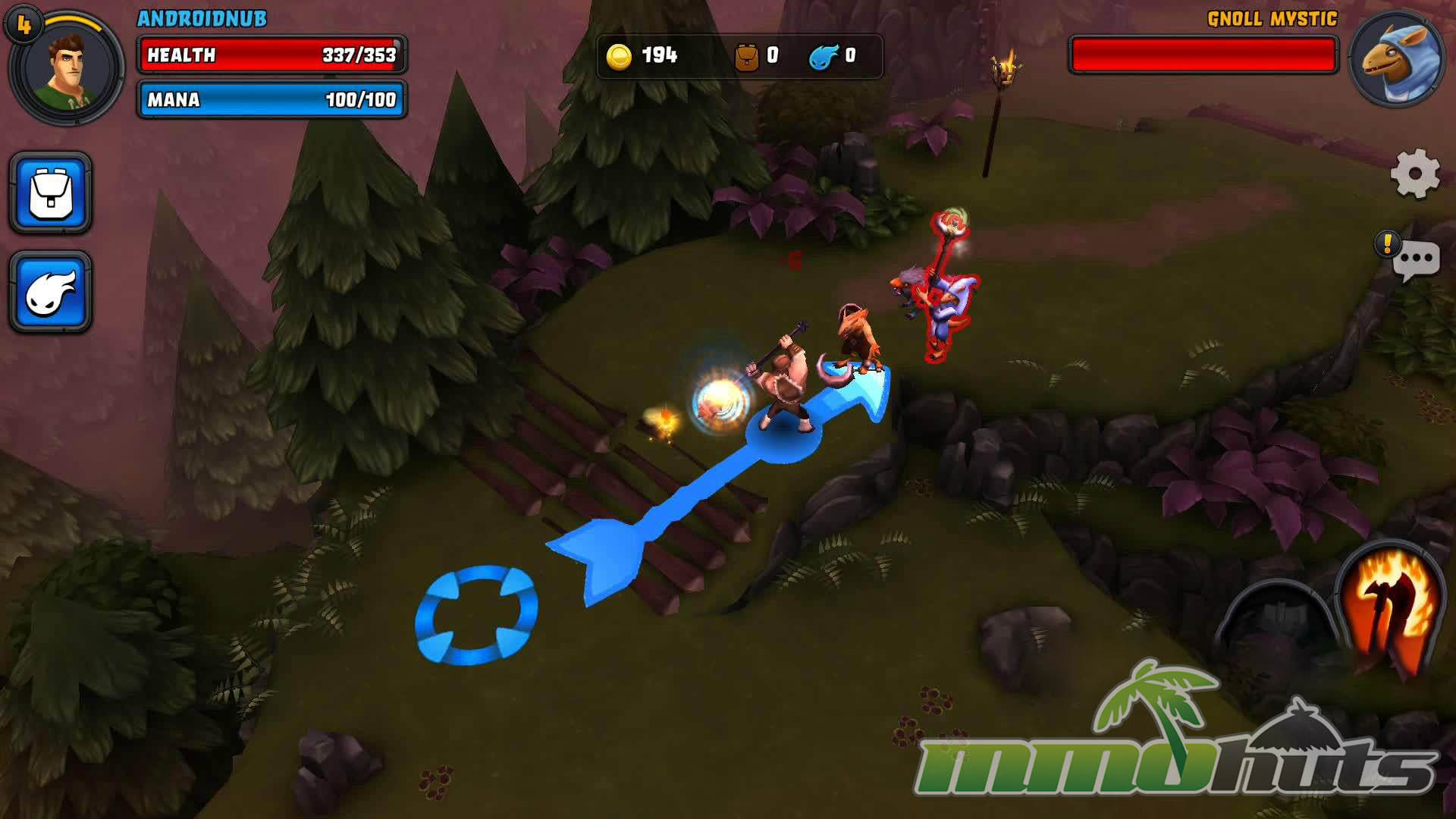
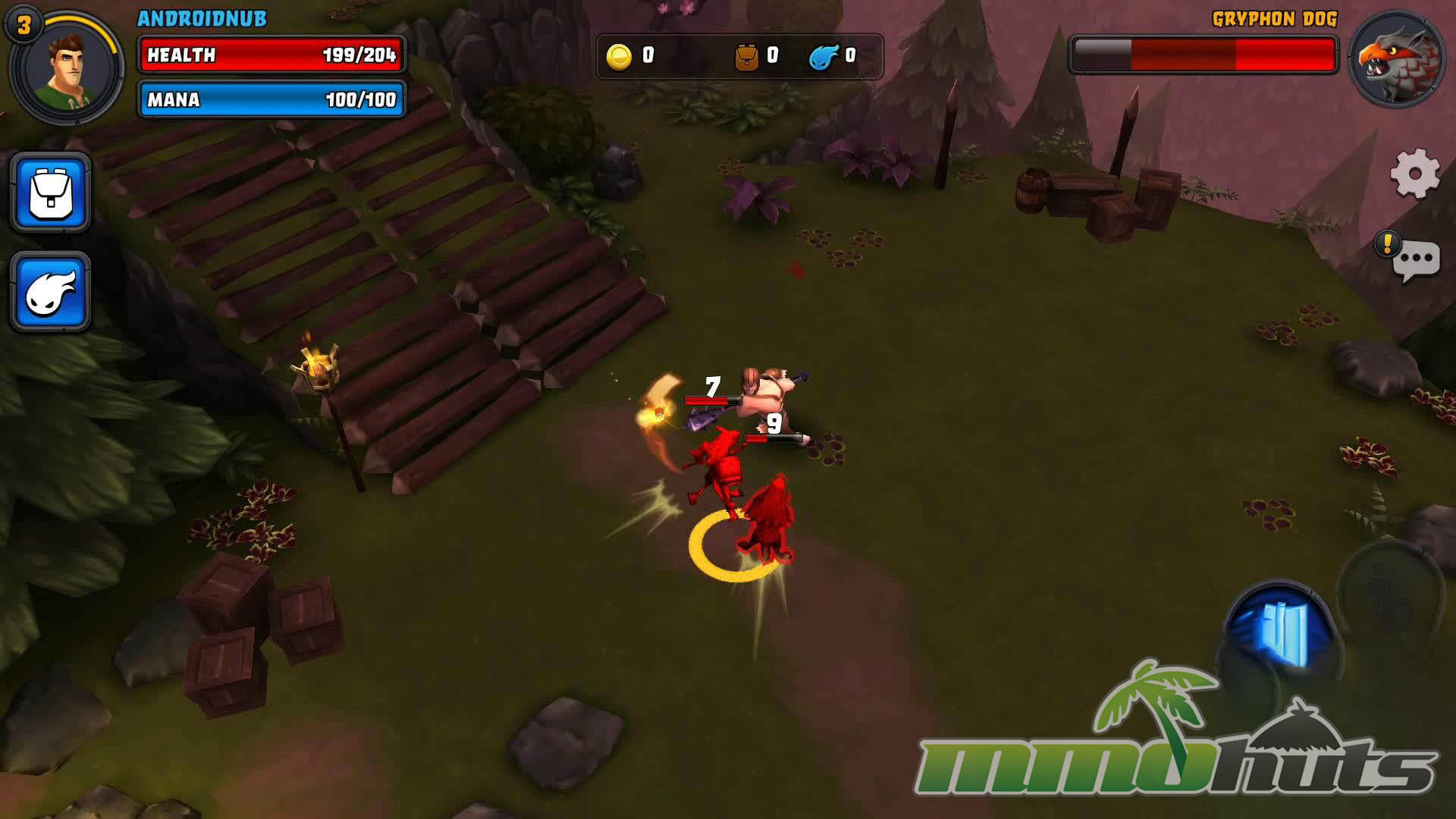
Instead of a virtual joystick, movement is handled by tapping the ground, and attacking is done by tapping targets. Some abilities involve holding or dragging on the screen, which helps the control scheme feel purpose-built rather than a console layout awkwardly ported over. The overall pacing is brisk, with enemies going down quickly and encounters designed around fighting multiple foes at once.
Dungeons are sizeable, typically asking you to clear through groups before reaching a boss or endpoint. Difficulty climbs as you progress, and elemental matchups become increasingly important. When your power is behind the curve, the game nudges you toward repeating Side Dungeons for experience, gear, and better Spirit options. That loop works, but it can also become repetitive, especially when you are grinding specifically to meet the requirements of tougher content.
Co-op supports up to four players in instanced dungeons, and it is fully real-time, teammates run alongside you and fights play out live. The invitation flow is simple: when you select a dungeon, you can invite nearby players, then wait for them to accept and ready up. In practice, this approach can be unreliable, invites are often ignored, and it is easy to run into players who are away from their devices.
A more robust solution, such as room listings or automatic matchmaking, would have made grouping smoother. Even so, when a party does come together, dungeon runs are more enjoyable and faster, and the added chaos of multiple players firing off abilities at once suits the game’s action focus.
Story Delivery: More Personality Than Expected
Spirit Lords puts more emphasis on narrative presentation than many games in its category. Dialogue is frequent, cutscenes appear regularly, and the campaign is structured so that Story Dungeons advance the plot in clear steps. The game also leans into character interaction, including conversations with your Spirit companion, Pix, who helps frame the beginning and end of story missions.
The writing aims for a mix of mystery and humor, and it is supported by expressive animations and visible character reactions that make scenes feel more “produced” than the average mobile MMO quest text. The core premise revolves around relics and the power they contain, with hostile forces seeking them and the player character positioned as the one capable of wielding that power responsibly, or at least keeping it out of enemy hands.
Loot and Equipment: Lots to Collect, Simple to Manage
Gear collection is constant. Your character equips five item types: helmet, upper armor, bottom armor, gloves, and a weapon. Dungeons shower you with drops, commonly several items per run, which keeps the reward cadence high and encourages experimentation with looks and stat changes.
With thousands of possible weapons and armor pieces, variety is one of the game’s strengths, and visual changes are noticeable, which helps the “new drop” feeling land even on a small screen. Equipment also contributes to Meta Power, which acts as a gate for dungeon difficulty and progression.
Inventory management is streamlined, including quick selling tools that make it easy to clear space after farming sessions. The main limitation is that, unlike Spirits, gear does not have an upgrade or enhancement path, so long-term item progression is primarily about finding better drops rather than investing in a favorite piece.
Monetization: Helpful Shortcuts, Not Strict Requirements
Spirit Lords includes optional in-app purchases that can significantly reduce friction. Spending money buys Moonstones, the premium currency, which can be exchanged for Elemental Shards, Spirit slot expansions, Rare Relic Draws, revives, and Energy refills.
Elemental Shards are also earned through missions and are used to unlock higher-level dungeons and Spirit Realm nodes, but premium currency can speed that process. Additional Spirit slots are valuable if you are serious about collecting and keeping multiple elemental options on hand. Rare Relic Draws provide a random Spirit in the 3 to 5 star range, offering a faster path to strong abilities than relying solely on standard acquisition.
Revives and Energy refills are the most direct time-savers. If you die late in a run, reviving can prevent wasted time, and the Energy system limits how long you can chain dungeons before waiting for regeneration. None of these purchases are strictly required to progress, but they clearly smooth out the grind and help players maintain momentum. The game does provide occasional free Moonstones and draw tickets through events, missions, and login rewards.
Final Verdict – Great
Spirit Lords delivers a surprisingly polished mobile dungeon-crawler MMO experience, especially in how it blends responsive action combat with a collectible Spirit system that meaningfully changes your build. Its presentation, from graphics to cutscenes, helps it stand out in a crowded free-to-play space, and co-op runs can be genuinely fun when the party comes together.
That said, the Energy mechanic restricts long play sessions, the progression loop can turn into heavy repetition, and the party invite process feels dated compared to proper matchmaking. For players who enjoy ARPG dungeon runs, build tinkering through elemental systems, and a campaign with more narrative effort than usual, Spirit Lords was an easy recommendation during its run.
Spirit Lords Online Links
Spirit Lords Official Site
Spirit Lords Google Play Store
Spirit Lords Apple Store
Spirit Lords Gamepedia Wiki (Database / Guides)
Spirit Lords System Requirements
Minimum Requirements:
Operating System: Newer Android builds / iOS 7 or later
Spirit Lords Music & Soundtrack
Coming Soon…
Spirit Lords Additional Information
Developer: Kabam
Publisher: Kabam
Platforms: Android, iOS
Release Date: April 9, 2015
Shut Down: July 08, 2016
Spirit Lords was developed and published by Kabam, a free-to-play mobile game company headquartered in San Francisco, California. After partnerships with major entertainment brands and years of success in online strategy titles, Kabam shifted focus around 2014 toward “AAA-style” freemium games built to feel closer to console experiences on mobile devices. Spirit Lords came out of that push, led by veteran creators such as Phil Shenk, Daniel Erickson, and Danny Keller, whose past work includes Diablo 1 and 2, Dragon Age: Origins, Star Wars: The Old Republic, and Star Wars: The Clone Wars across studios like Blizzard, Bioware, and DreamWorks Interactive. The game released worldwide on April 9, 2015, and reached over 100,000 downloads within its first two months.