Project Zomboid drops you into a sprawling zombie outbreak and asks you to survive as long as your planning, nerves, and luck will allow. Set across quiet Kentucky neighborhoods, it mixes scavenging, base fortification, skill training, and a surprisingly grounded approach to hunger, injury, weather, and panic. Whether you go it alone or join a player-run server, the core promise is the same, your story ends eventually, and the challenge is seeing how far you can push back that inevitable finish.
 | Publisher: The Indie Stone Playerbase: Medium Type: Survival Release Date: November 8, 2013 Pros: +Deep crafting and building that stays easy to understand. +Tense, believable zombie survival atmosphere. +Highly adjustable sandbox settings for replay value. Cons: -Limited visual customization for your survivor. -Top-down view can make PvP reads and aiming awkward. -Fighting can feel stiff, especially under pressure. |

Project Zomboid Overview
Project Zomboid is a top-down, open world survival game built around a slow-burning zombie apocalypse. Instead of treating the undead as disposable targets, it frames them as a constant environmental threat that punishes carelessness. You begin by creating a survivor through a profession choice and a set of traits, mixing strengths and drawbacks so you are never a flawless action hero. Those decisions matter because they shape how you approach everyday survival, from how you manage panic and noise to how efficiently you learn skills.
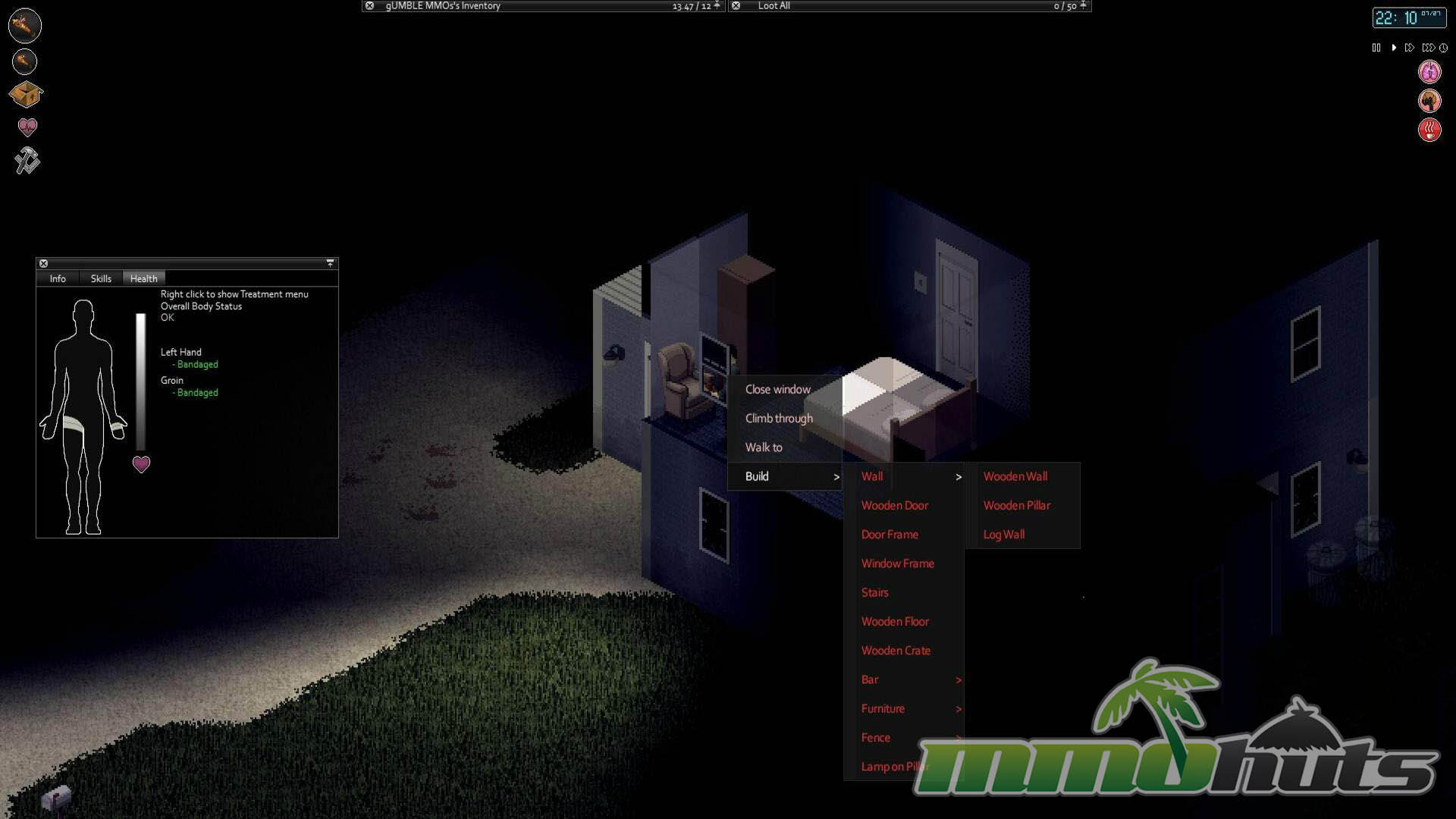
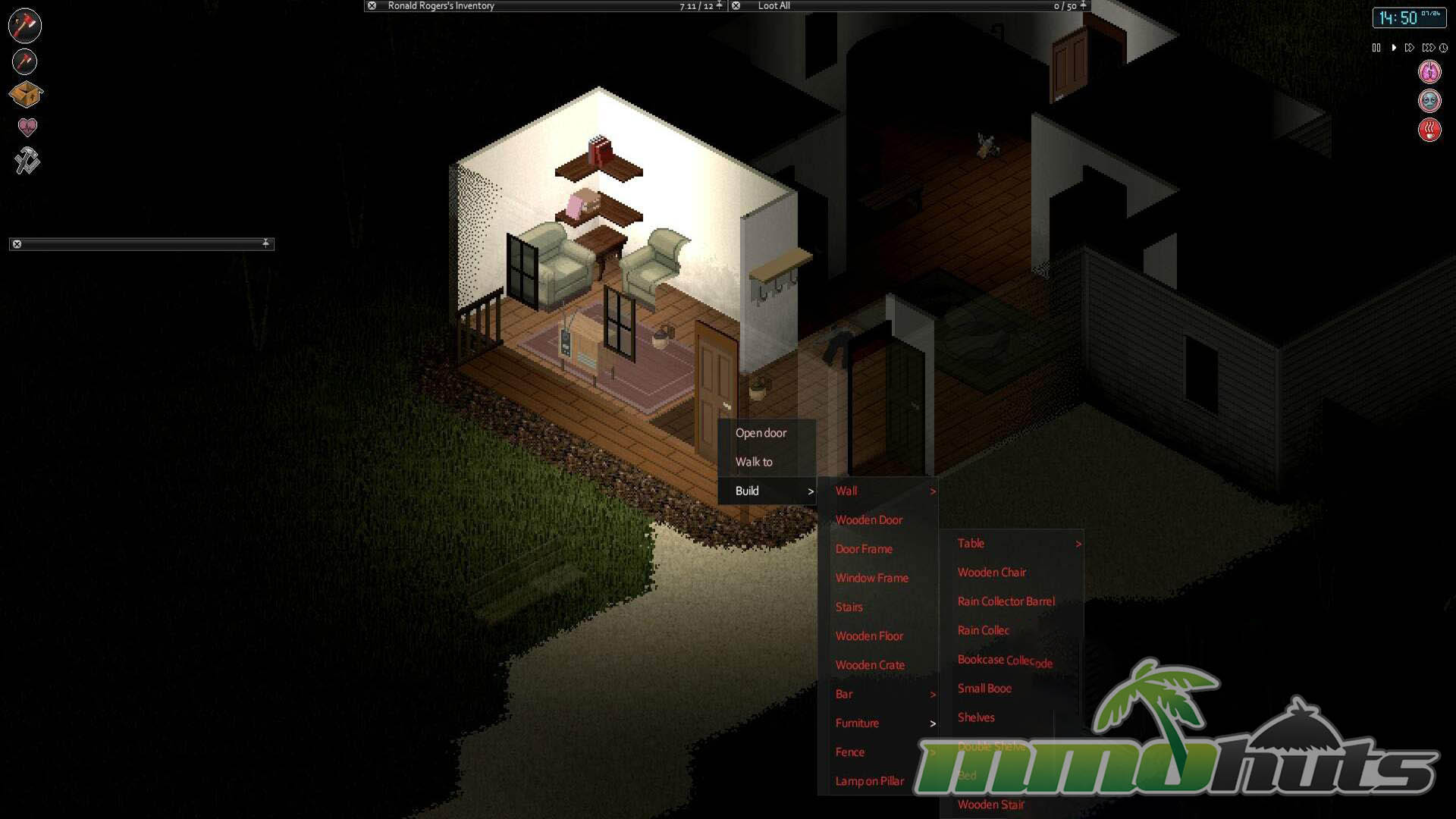
The game’s Kentucky suburbs are packed with places to search, homes, shops, and streets that look familiar until you realize every corner can trap you. You scavenge food, tools, weapons, and medical supplies while building up practical skills through repeated use. Over time you are pushed toward long-term planning, securing a safehouse, barricading windows, storing supplies, and crafting what you can no longer reliably find. The crafting and building systems cover essentials like cooking and farming alongside fortifications and improvised gear, giving you a path to self-sufficiency once the easy loot dries up.
For players who prefer company, multiplayer servers let groups divide responsibilities and build stronger bases, while PvP exists for those who want human threats mixed in with the undead. Either way, Project Zomboid is designed around a simple premise, survival is temporary, and the drama comes from how you choose to spend the time you earn.
Key Features:
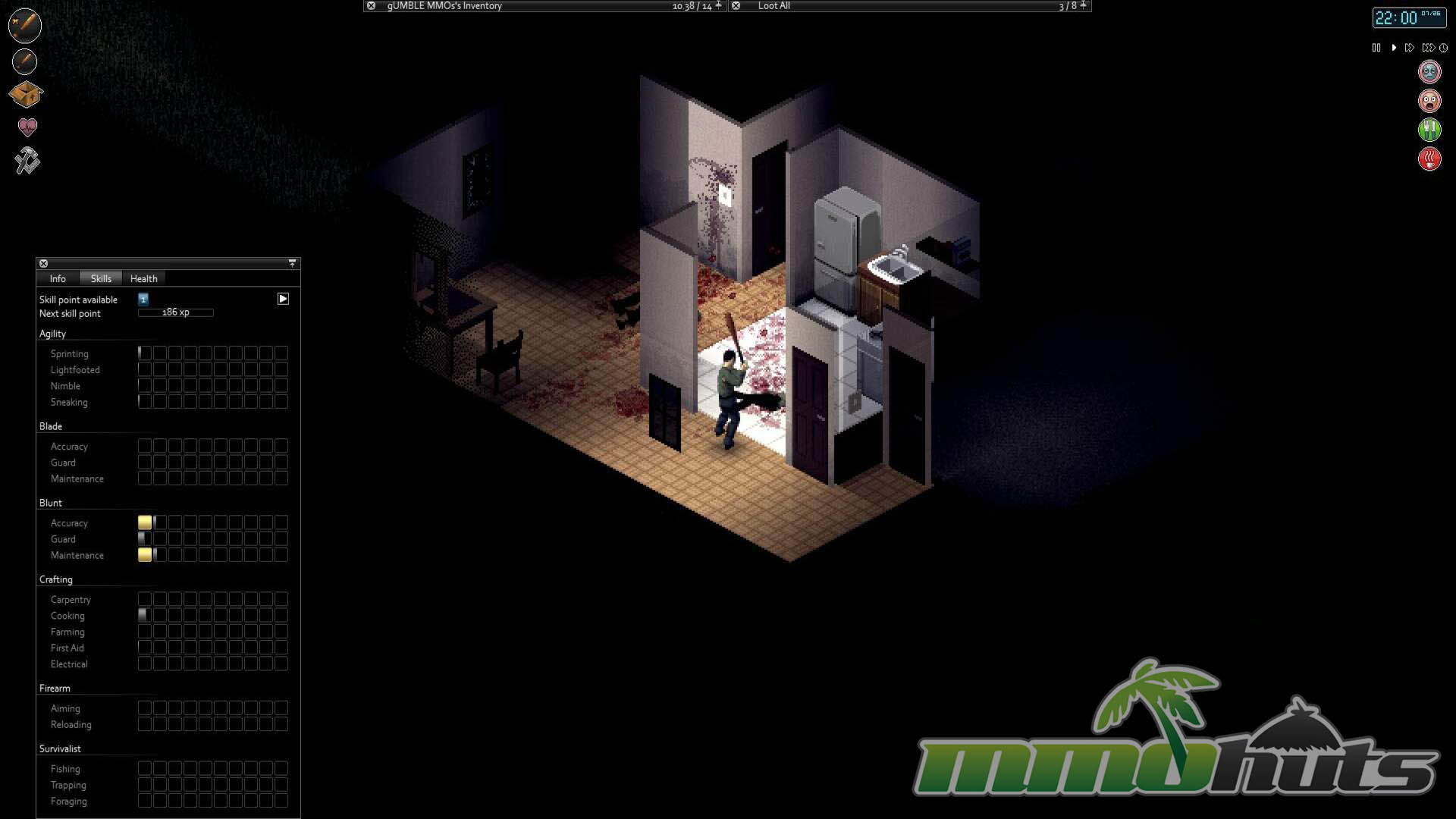
- Trait and skill system – professions provide starting advantages, while positive and negative traits must be balanced, encouraging different strategies each run.
- Challenge modes – scenario-style starts that pressure you with harsh conditions, such as injuries, sickness, or dangerous hot zones like a mall.
- Realistic zombie apocalypse – scavenging, exhaustion, and risk management are central, with a world that steadily declines as society collapses.
- Sandbox mode – extensive options let you tune difficulty and behavior, including zombie speed, awareness, and loot availability.
- Extensive crafting and building system – develop trades like cooking and farming, then turn that knowledge into defenses and a more permanent base.
Project Zomboid Screenshots

Project Zomboid Featured Video

Project Zomboid Review
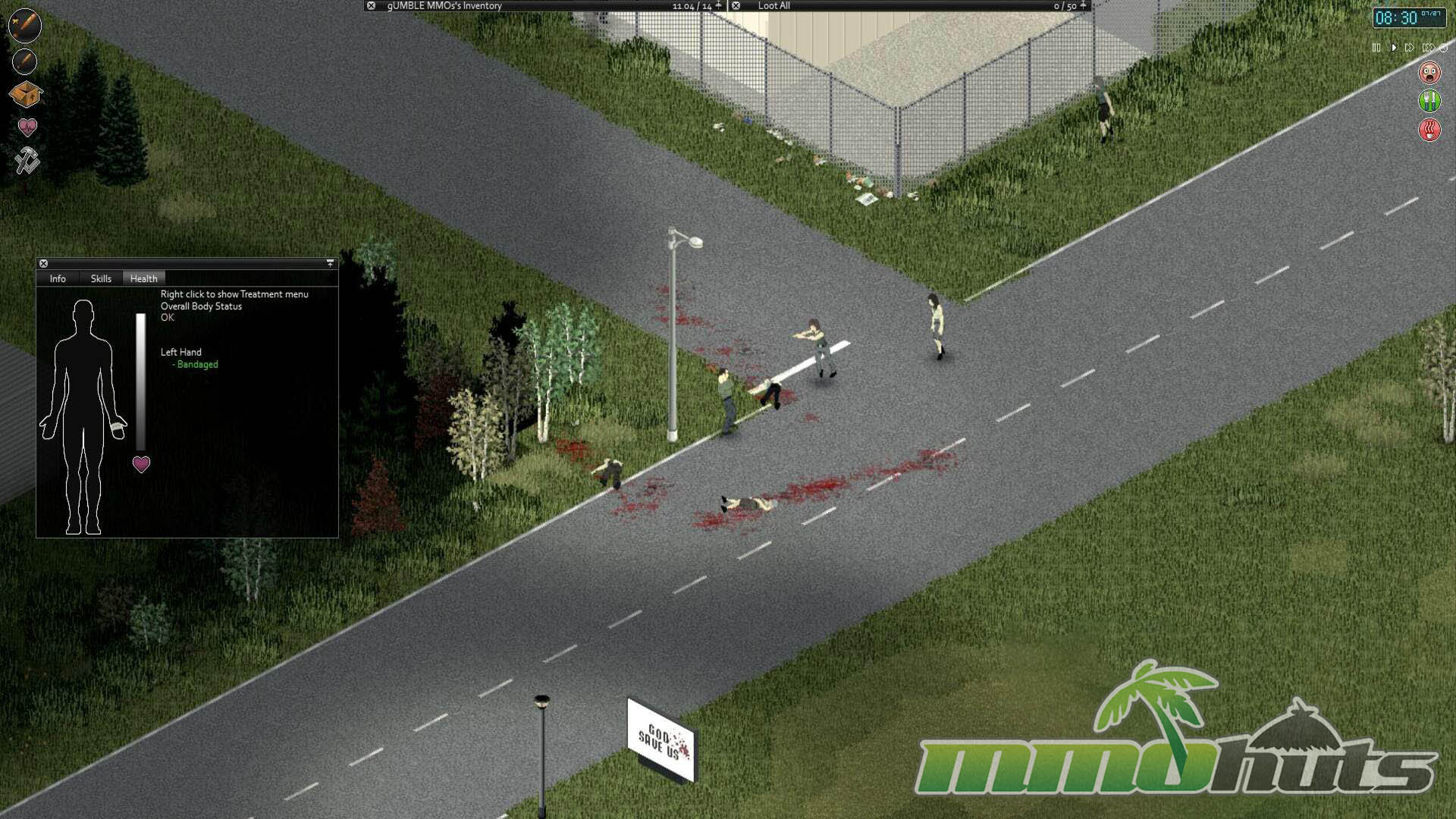
A lot of zombie-themed survival games lean on spectacle, but the undead rarely feel like a true disaster. Project Zomboid succeeds because it treats zombies as a pressure that never fully disappears, even when you are “winning.” They are slow until they are not, and a small mistake, a bad window vault, a noisy fight, a moment of tunnel vision, can end hours of careful progress. The result is an experience driven by tension and routine, where every grocery run feels like an expedition and every improvised plan has consequences.
Building Your Survivor
Character creation is less about looks and more about tradeoffs. Visual options exist, but they are modest, and the real identity of your survivor comes from your profession and trait selections. You assemble a set of positives and negatives with a point system that pushes you toward an even balance, so every advantage tends to come with a cost somewhere else. That design encourages roleplaying in a practical sense, you are not picking a “build” to dominate combat, you are picking a person with habits, fears, and limitations you will need to work around.
This approach makes new characters genuinely different to play. Taking a harsh drawback can open space for stronger benefits, but it also changes how you move through the world. Traits that affect awareness, learning, or stress can completely reshape your priorities, what gear you value, how often you travel, and how much risk you can afford. For players who do not want to parse a large list immediately, the occupation presets provide a smoother entry point, giving you a coherent start without locking you into a single path long-term.
Looting and First Days
Project Zomboid does not ease you in gently. From the opening moments you are pushed to improvise, gather basic supplies, and find something, anything, that can serve as a weapon. The early game loop is tense because you are weak, under-equipped, and one injury can cascade into disaster. Even something as simple as breaking glass to enter a building can turn into a problem if it leaves you bleeding or attracts attention.
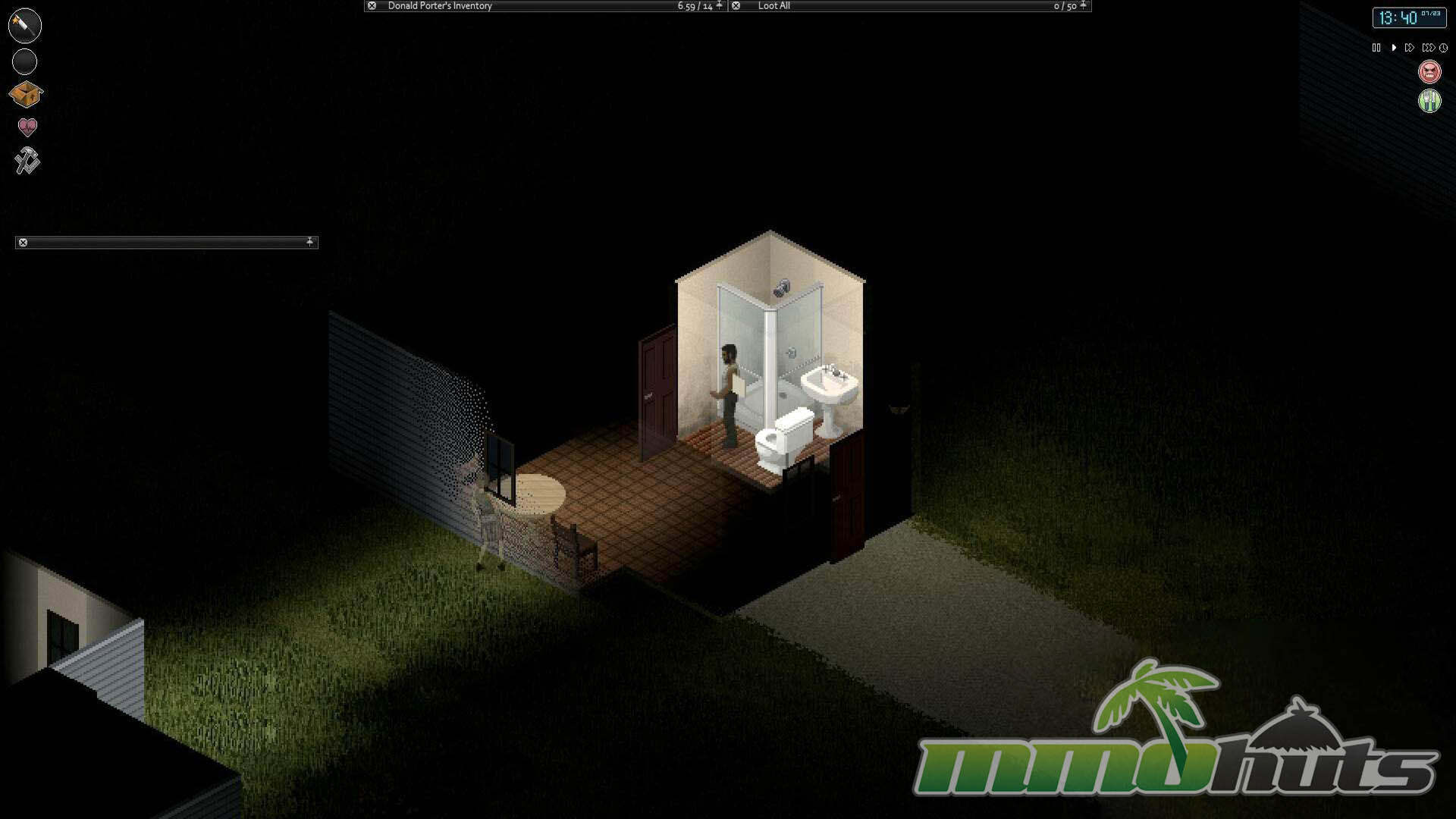
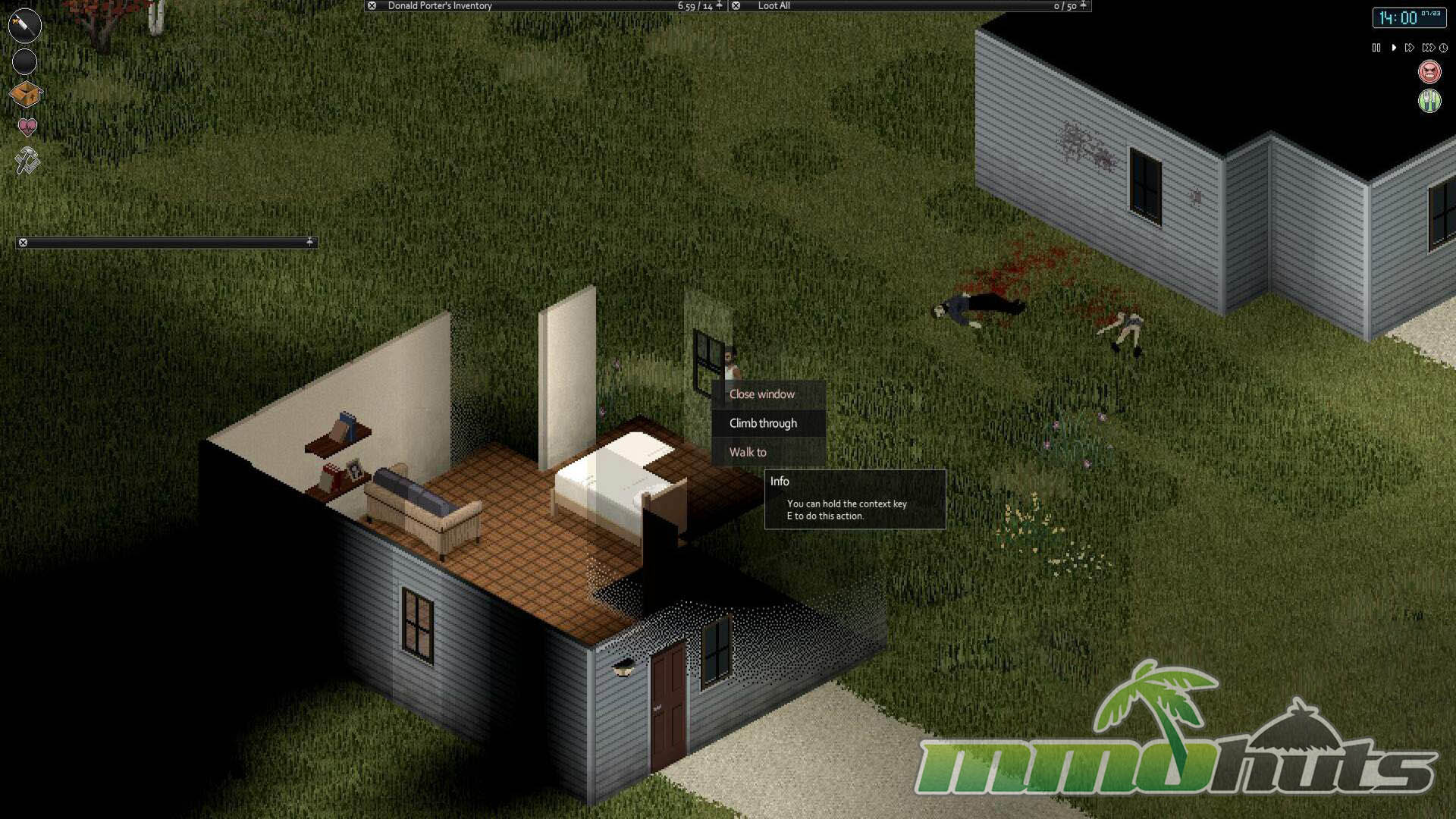
Houses are a major source of early loot, but getting inside is rarely as clean as walking through a front door. Windows are often the point of entry, and interacting with them carries risk because your focus narrows and your back can be exposed. Once you do get inside, the world has its own ways of punishing greed, including the chance of setting off an alarm that pulls nearby zombies toward your location. When that happens, the best tool is usually discipline, leave, reposition, and avoid turning a small problem into a neighborhood-wide chase.
Setting, Mood, and the Slow Collapse
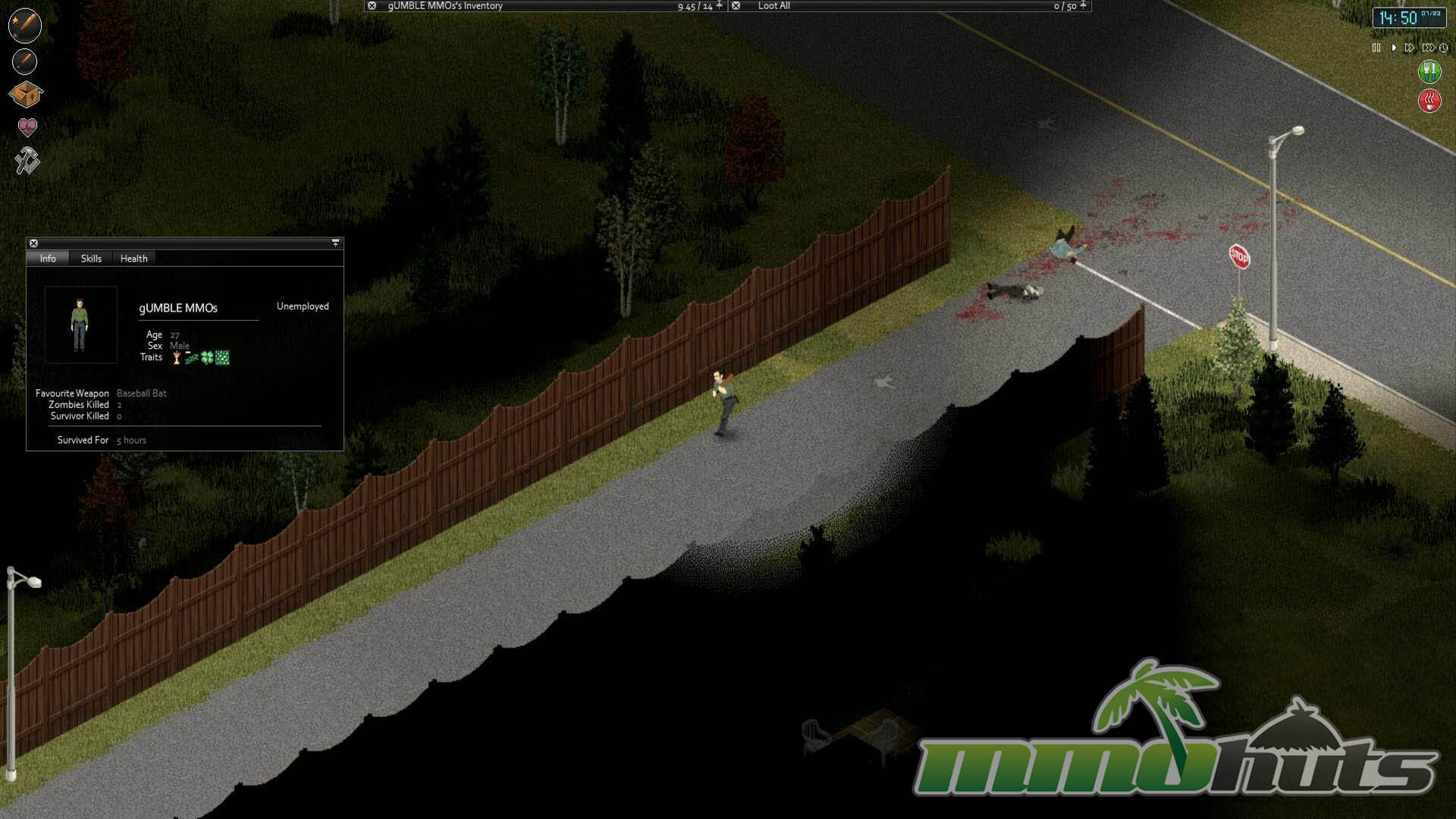
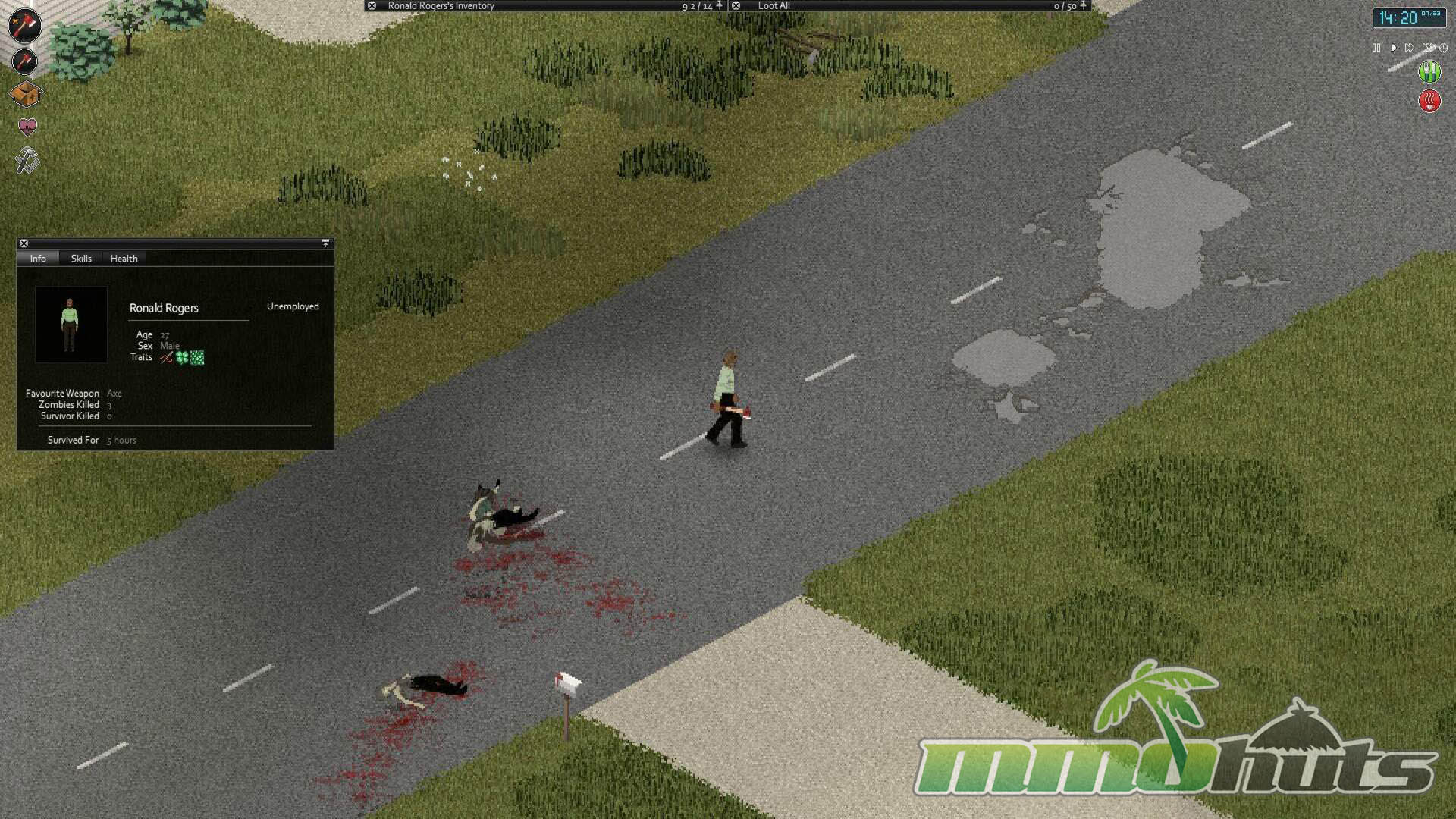
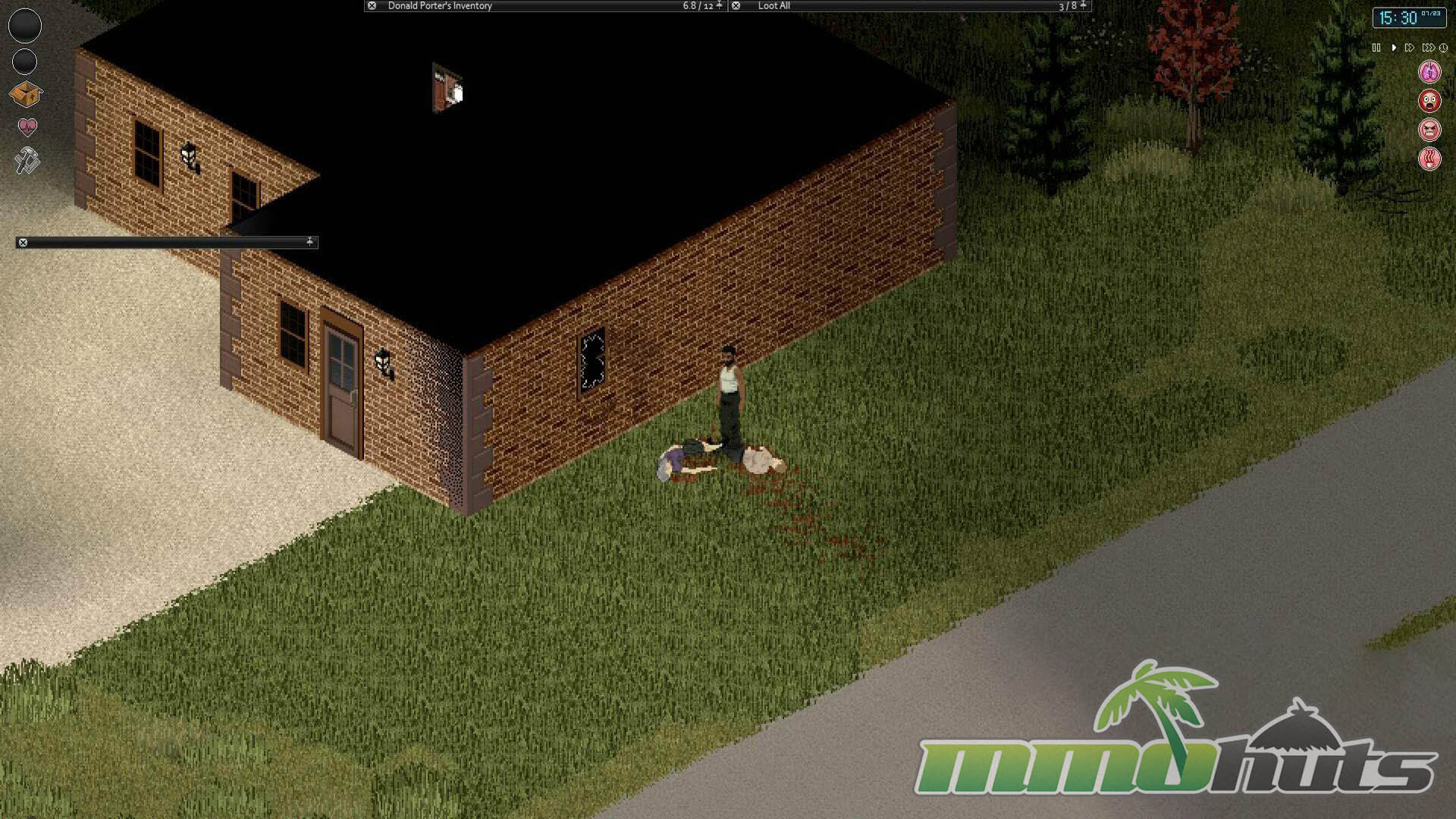
The top-down presentation may look simple at first glance, but it is effective at communicating space, danger, and the feeling of being watched. Project Zomboid’s art style gives Kentucky’s streets and homes a familiar, lived-in quality, which makes the emptiness and decay hit harder. Audio does a lot of heavy lifting too, from the unsettling ambience to the way nearby zombies can be heard before they are seen. The soundtrack, composed by Zach Beever, supports the bleak tone without drowning out the practical information you need to survive.
One of the game’s most memorable elements is how it models collapse over time. Survival is not only about today’s horde, it is also about what happens when infrastructure fails. If you last long enough, basic utilities will eventually stop, and the game shifts from scavenging convenience to building independence. Weather becomes more than decoration as well, forcing you to think about exposure and planning, not just combat readiness. That long arc gives the world a sense of direction, things get worse even if you play perfectly.
Skills, Progression, and Crafting
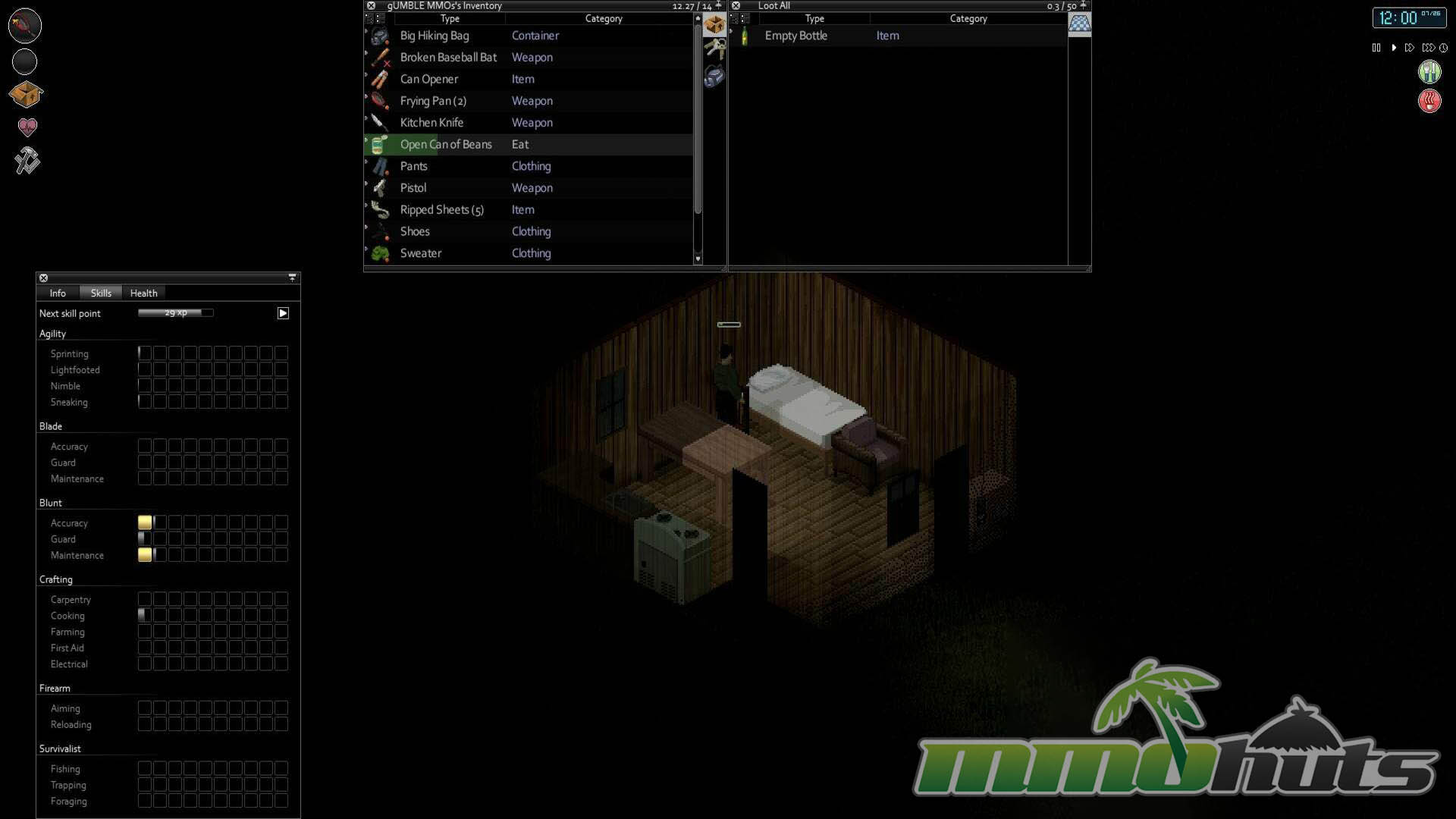
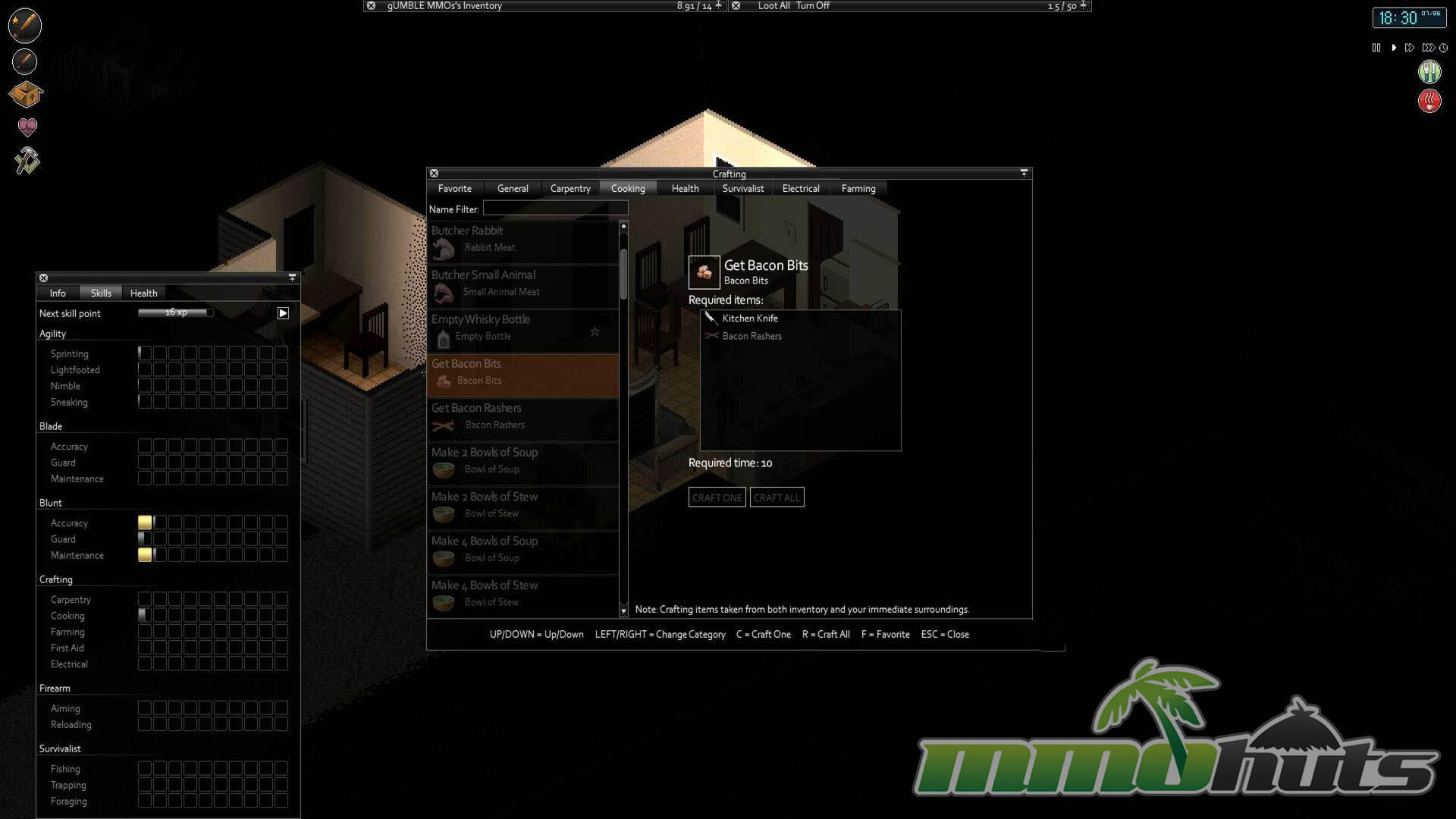
Progression in Project Zomboid is tied to doing. Using tools, cooking food, building barricades, fighting with specific weapon types, all of it contributes to experience and proficiency. Skills improve through repetition, and the system rewards specialization without demanding it. If you rely on blunt weapons, you will naturally become more reliable with them over time, and if you spend your days cooking and preserving food, that becomes a meaningful advantage rather than a cosmetic hobby.
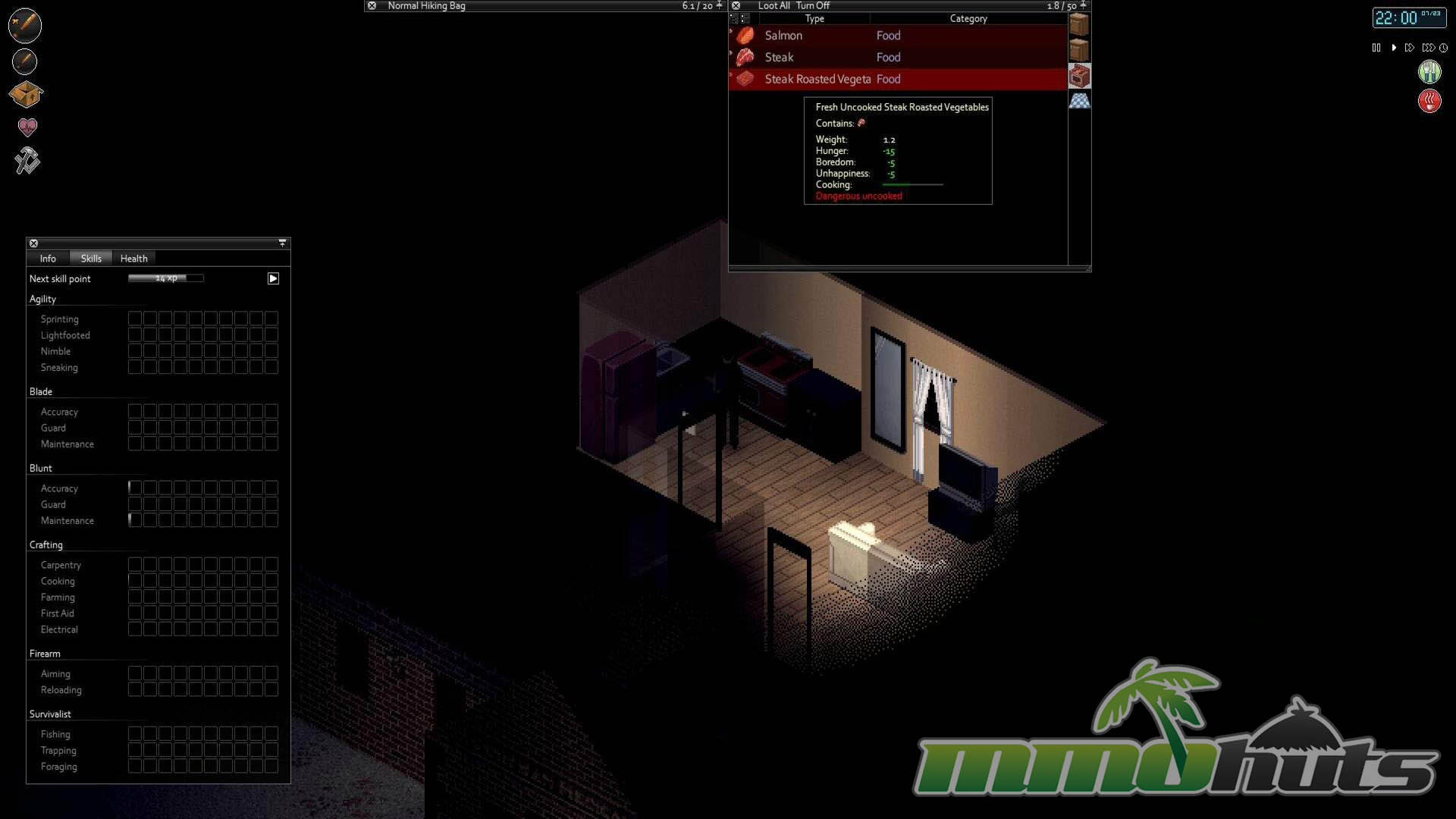
Crafting is where the game’s long-term survival focus really shows. Early on, scavenging can carry you, but resources are not infinite and circumstances change. Once the power goes out, food storage becomes a serious issue, and having the ability to cook, farm, and maintain a safe base starts to matter as much as having a decent weapon. The systems are broad without being overly complicated, and the best runs are usually the ones where you treat crafting and building as daily maintenance rather than a late-game goal.
The game also supports creative problem solving with common materials. Improvised tools, emergency exits, and last-second decisions often define the difference between a clean escape and a fatal cornering. It is a survival simulator at heart, and it rewards players who think like survivors instead of like action protagonists.
Combat and Threat Management
Fighting is intentionally straightforward in terms of controls, but it is rarely straightforward in practice. Melee combat is risky because spacing and timing matter, and a small group can become deadly if they catch you in a bad angle or slow your movement. The threat is not only health loss, it is infection risk, panic, and the chain reaction that follows if you get injured and can no longer move efficiently.
Firearms exist, but they are not a simple solution. Loud shots draw attention, and unless you have a clear plan for what happens next, using a gun can turn a manageable area into a disaster zone. In most situations, staying quiet, choosing fights carefully, and knowing when to disengage is more effective than trying to “clear” everything in front of you.
Multiplayer and Cooperation
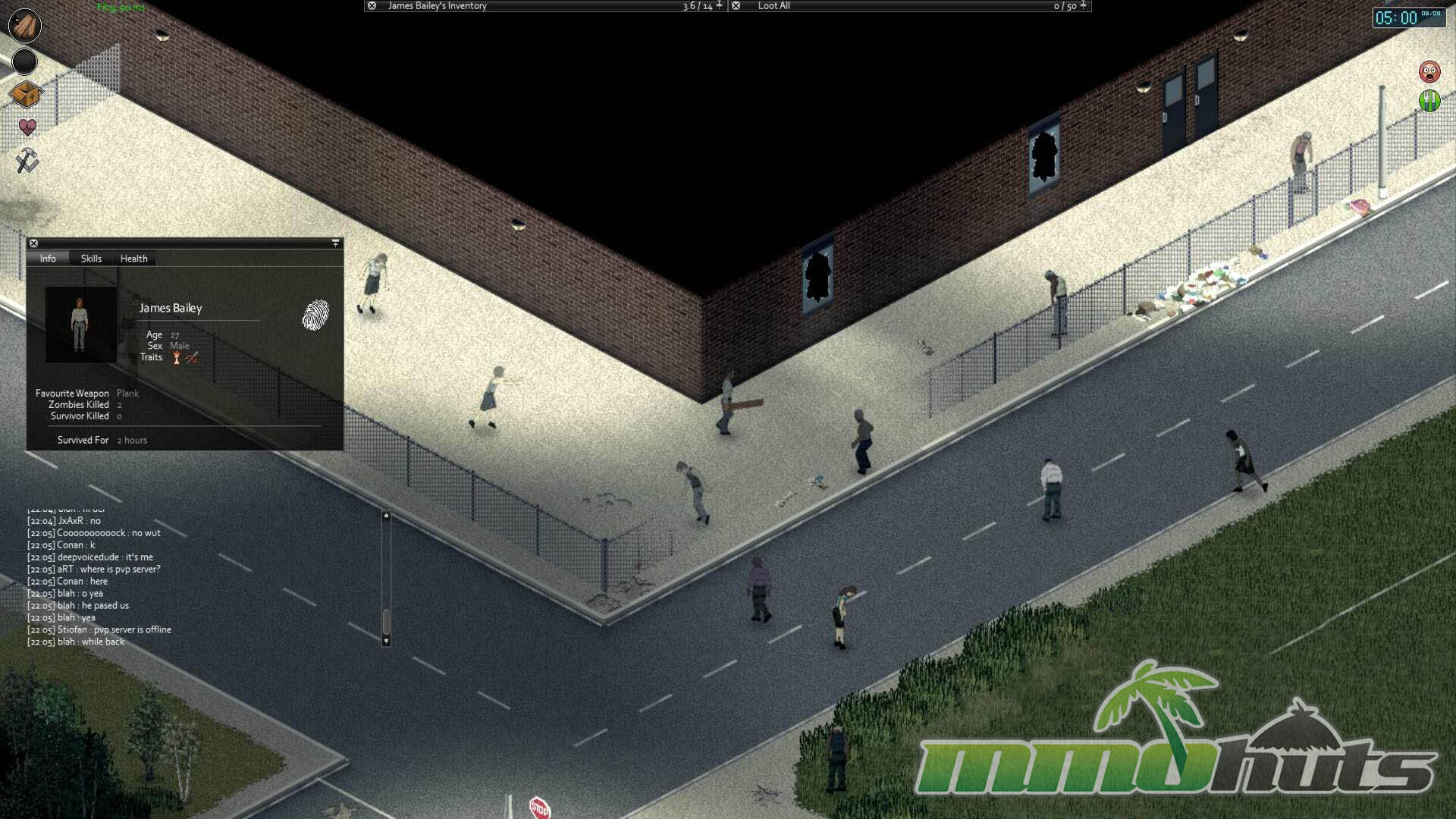
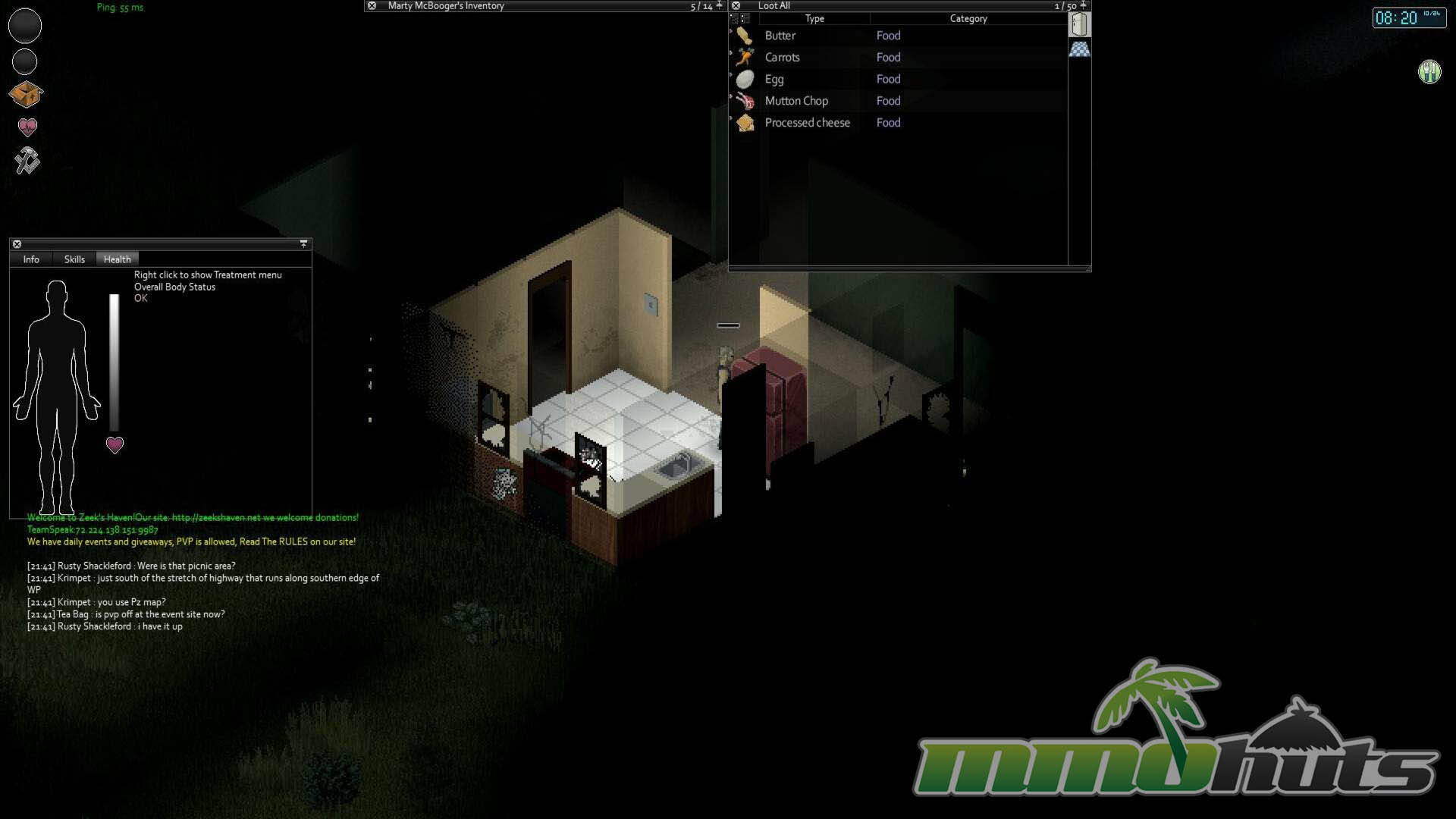
Multiplayer changes the tone significantly. With other survivors around, the game becomes less about solitary dread and more about organization, roles, and shared risk. The top-down view and general pacing tend to make long-range PvP less clean and less dominant than in many other survival games, which can reduce the constant “shoot on sight” dynamic found in some genre peers.
On cooperative servers, specialization becomes valuable. One player focusing on construction, another on food production, and another on scavenging routes can accelerate progress and make base life feel like a real project. Importantly, the zombies still remain the central problem, and the game’s design often nudges groups toward teamwork because the world is harsh enough that wasting resources on needless player conflict can be self-defeating.
Final Verdict – Excellent
Project Zomboid stands out because it commits to the idea of a zombie apocalypse as a survival problem rather than a power fantasy. Its strongest qualities are the constant tension, the believable progression from scavenger to self-sufficient survivor, and the flexibility offered by sandbox settings and multiplayer servers. Combat can feel awkward at times, and customization is not as extensive as some players might want, but those drawbacks are outweighed by how consistently the game delivers meaningful decisions and genuine stakes.
If you enjoy survival simulators that emphasize planning, crafting, and cautious exploration, Project Zomboid remains one of the most compelling entries in the zombie survival space. It is unforgiving, but that is exactly why every extra day you earn feels like an accomplishment.
Project Zomboid Links
Project Zomboid Official Site
Project Zomboid Steam Store
Project Zomboid Wikipedia
Project Zomboid Reddit
Project Zomboid Wiki [Database/Guides]
Project Zomboid Wikia [Database/Guides]
Project Zomboid System Requirements
Minimum Requirements:
Operating System: Windows XP, Windows Vista, or Windows 7
CPU: Intel 2.77 GHz Quad Core or equivalent
Video Card: OpenGL 2.1 compatible dedicated graphics card (GeForce 6600/Radeon 9500)
RAM: 2 GB
Hard Disk Space: 1.23 GB
Project Zomboid is Mac OS X and SteamOS + Linux compatible.
Project Zomboid Music & Soundtrack
Project Zomboid Additional Information
Developer(s): The Indie Stone
Publisher(s): The Indie Stone
Distributor(s): Valve Corporation (Steam)
Engine: In-house Engine
Director(s): Andy “Binky” Hodgetts, Marina “Mash” Siu-Chong, Will “Velvet Owl” Porter, Chris “Lemmy” Simpson
Programmer(s): Chris “Lemmy” Simpson, Romain Dron, Tim Baker, Andy “Binky” Hodgetts, Paul Ring
Artist(s): Marina “Mash” Siu-Chong, Andy “Binky” Hodgetts
Writer(s): Will “Velvet Owl” Porter
Composer(s): Zach Beever
Other Platform(s): Linux, OS X
Alpha Release Date: April 25, 2011
Release Date: November 8, 2013
Steam Release Date: November 8, 2013
Development History / Background:
Project Zomboid is developed by independent video game development team The Indie Stone. The game was initially shared as a tech demo on April 25, 2011 and was distributed through Desura. On October 15, 2011, two developers had their apartment burgled, and laptops containing a significant portion of the game’s code were stolen, which caused major delays. Project Zomboid later arrived on Steam Early Access on November 8, 2013. Multiplayer was introduced on February 10, 2014 and can now be accessed through the in-game server browser. Build 32 of Project Zomboid was released on June 29, 2015.