Continent of the Ninth Seal (usually shortened to C9) is a 3D fantasy MMORPG built around real-time, player-driven action combat rather than tab targeting. It plays closer to an action brawler than a traditional MMO, with manual aiming, dodging, and combo strings that reward timing. Most content is structured around instanced dungeons, so the core loop is jumping into a run, clearing packs quickly, and improving your build through skills and gear.
 | Publisher: Webzen Playerbase: Medium Type: MMORPG Release Date: September 13, 2012 (NA) PvP: Arena / Intrusion System Pros: +Fast, skill-based action combat. +Strong character customization tools. +Multiple PvP formats to rotate through. +Memorable soundtrack. Cons: -Classes are gender locked. |

Continent of the Ninth Seal Overview
Continent of the Ninth Seal is a fantasy MMORPG that leans heavily into hack-and-slash pacing, with progression that is mostly delivered through instanced missions rather than a sprawling open world. You can queue up and run dungeons alone or alongside other players, and many stages offer multiple difficulty settings so you can revisit content for better rewards and a tougher challenge.
Where C9 stands out is how direct the combat feels. Skills are not “fire and forget”, you are actively aiming attacks, positioning to catch multiple targets, and using movement to avoid damage. If you have experience with action MMOs like Vindictus, Dragon Nest, or even the more active side of TERA’s combat, the overall rhythm will feel familiar. That hands-on control also makes PvP a real test of execution instead of simply comparing gear and cooldowns.
Class choice is important because the roster is gender locked, and each base class branches into three job advancements once you hit Level 20.
Continent of the Ninth Seal Key Features:
- Action Combat – attacks require manual input and spacing, with combo chains and well-timed skills driving most fights.
- Dungeon-Based Gameplay – towns act as social hubs, while most adventuring happens in instanced stages with a straightforward, mission-to-mission flow.
- Class Variety – choose from a fighter (M), Hunter (M), Shaman (F), Witchblade, (F), or a Mystic (F), then pick one of three job paths at Level 20.
- Social Features – includes guild-focused housing, crafting, item enhancement, and a legend system that highlights accomplishments with visible recognition.
- Excellent Soundtrack – the music does a lot of work setting the tone, making dungeons feel more dramatic and energetic.
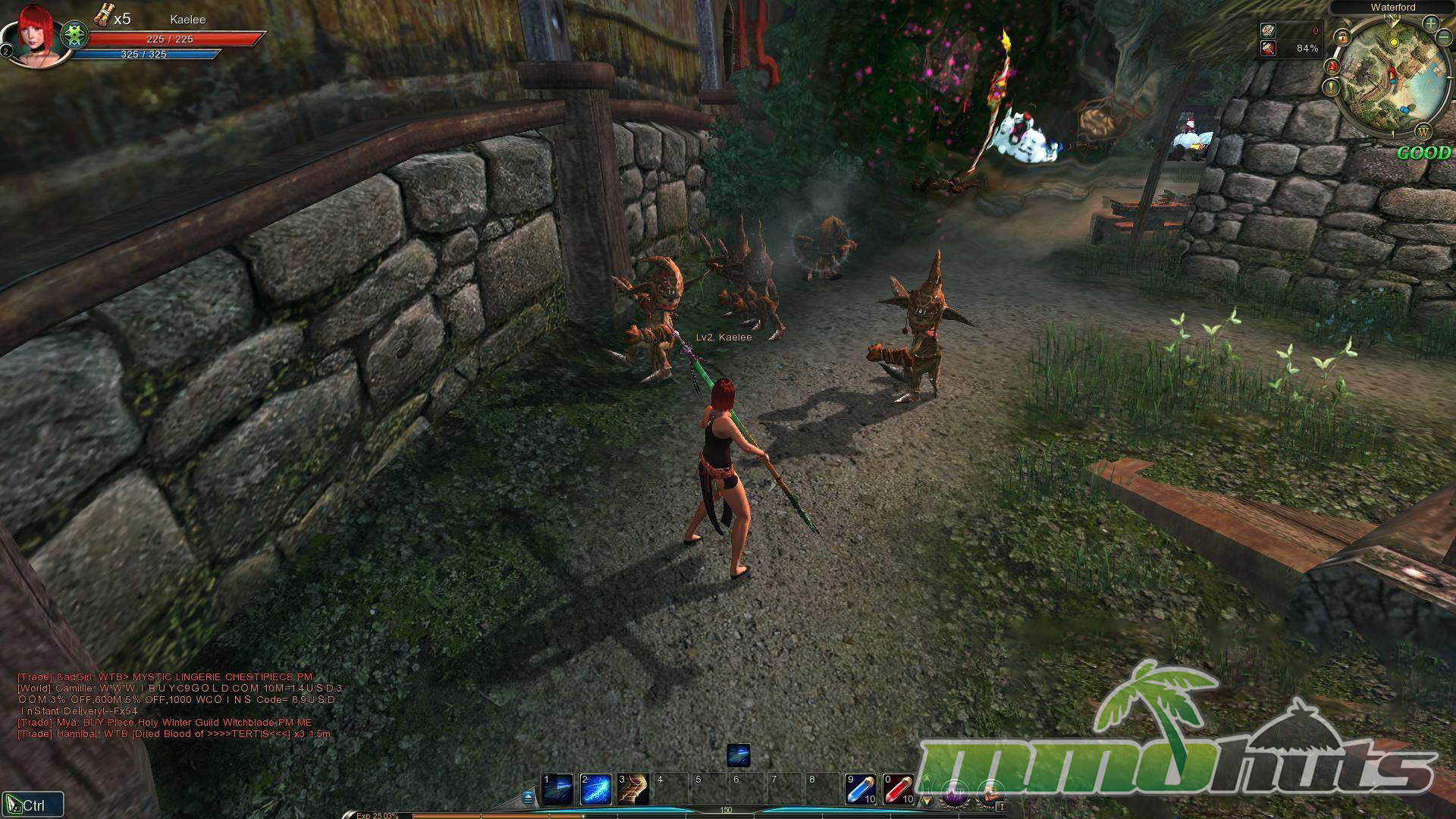
Continent of the Ninth Seal Screenshots
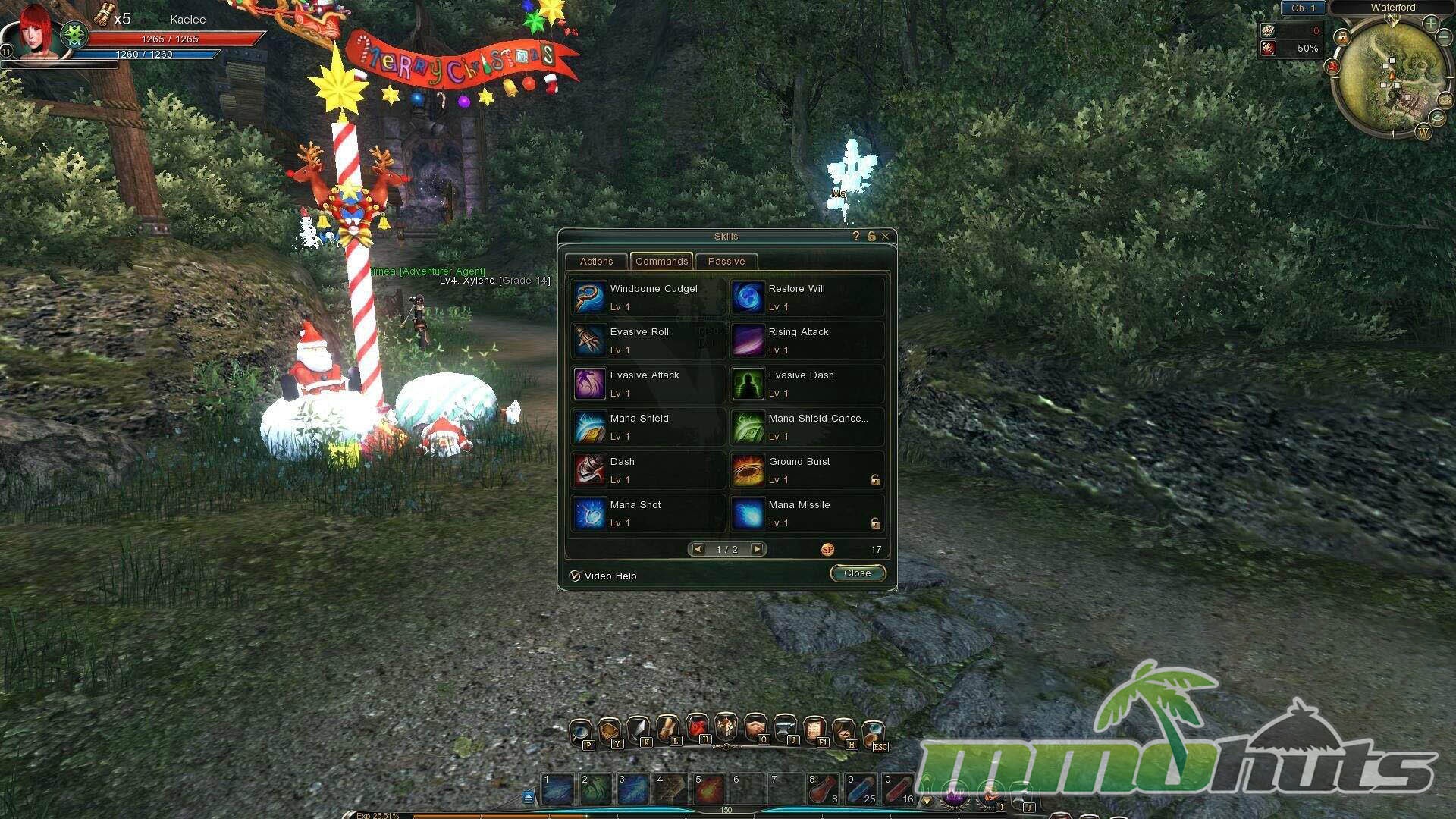
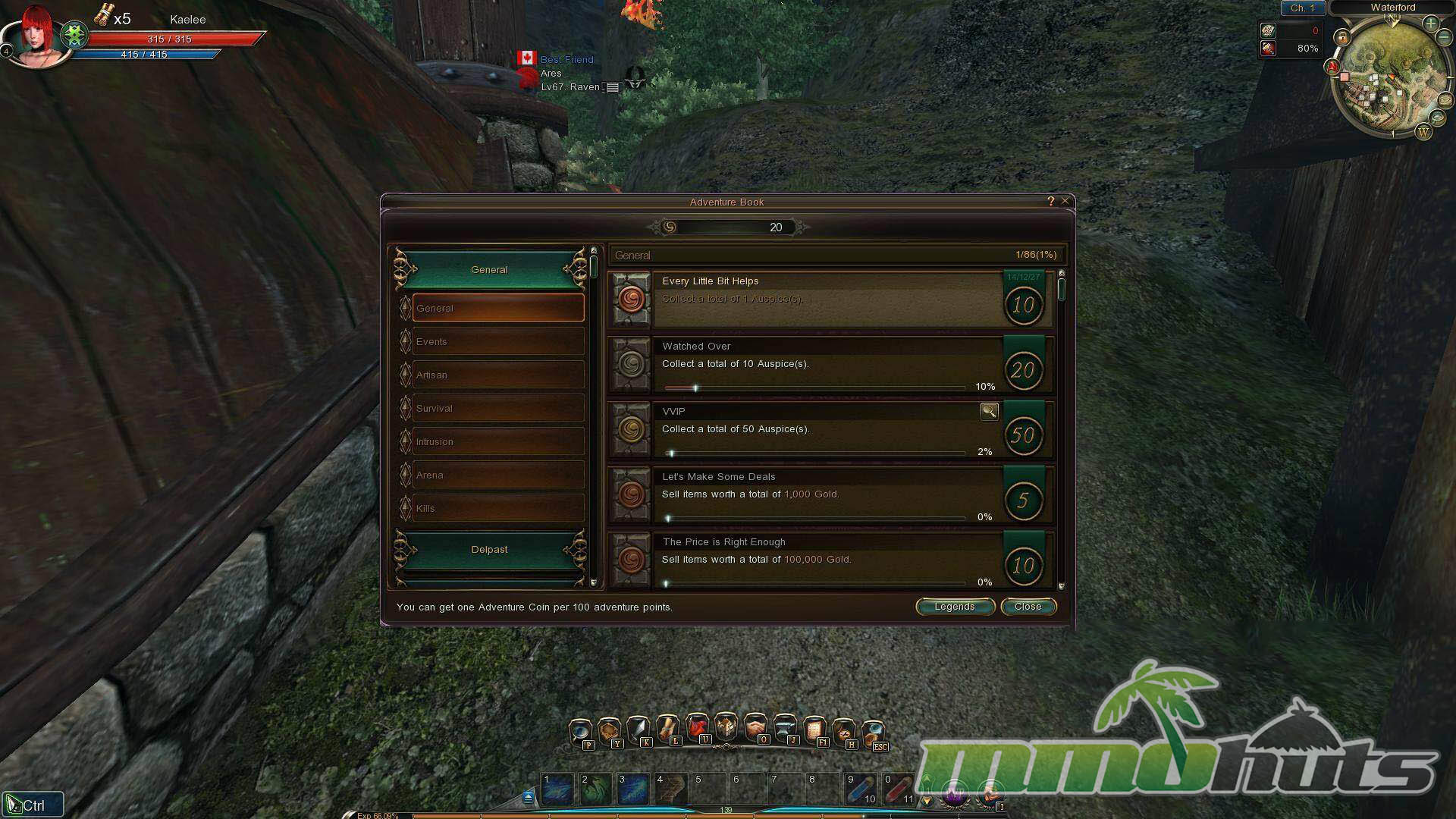


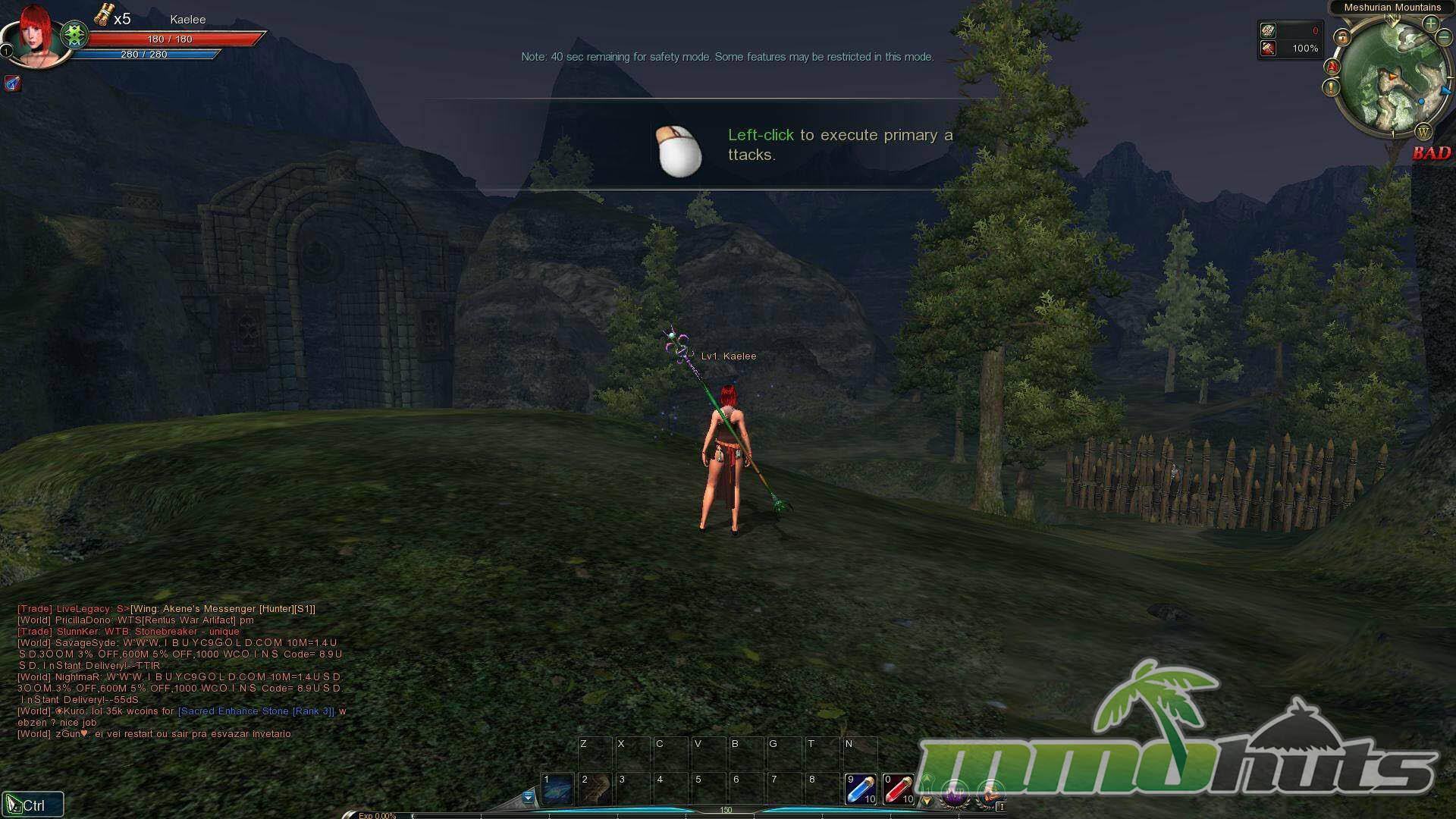


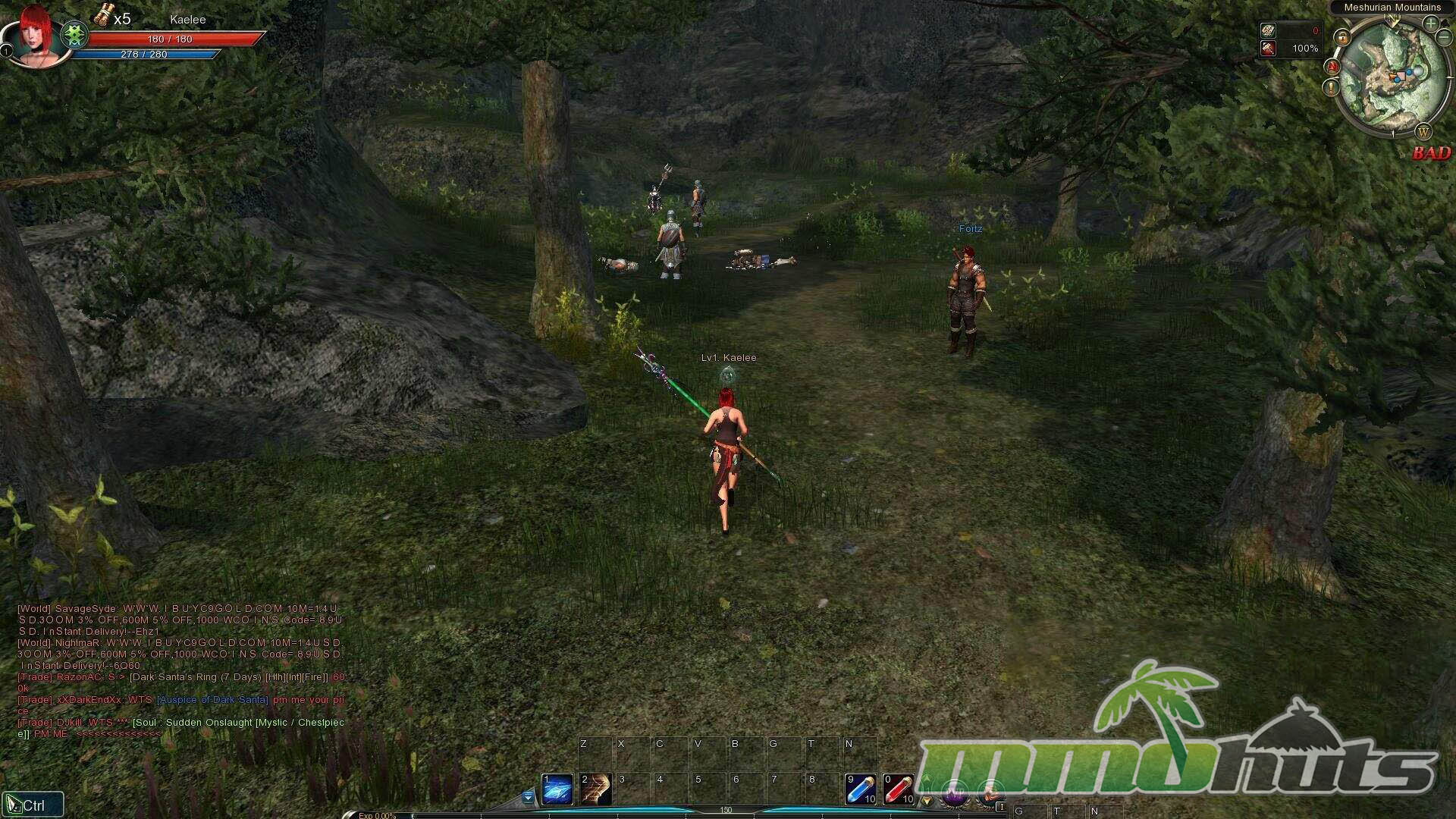

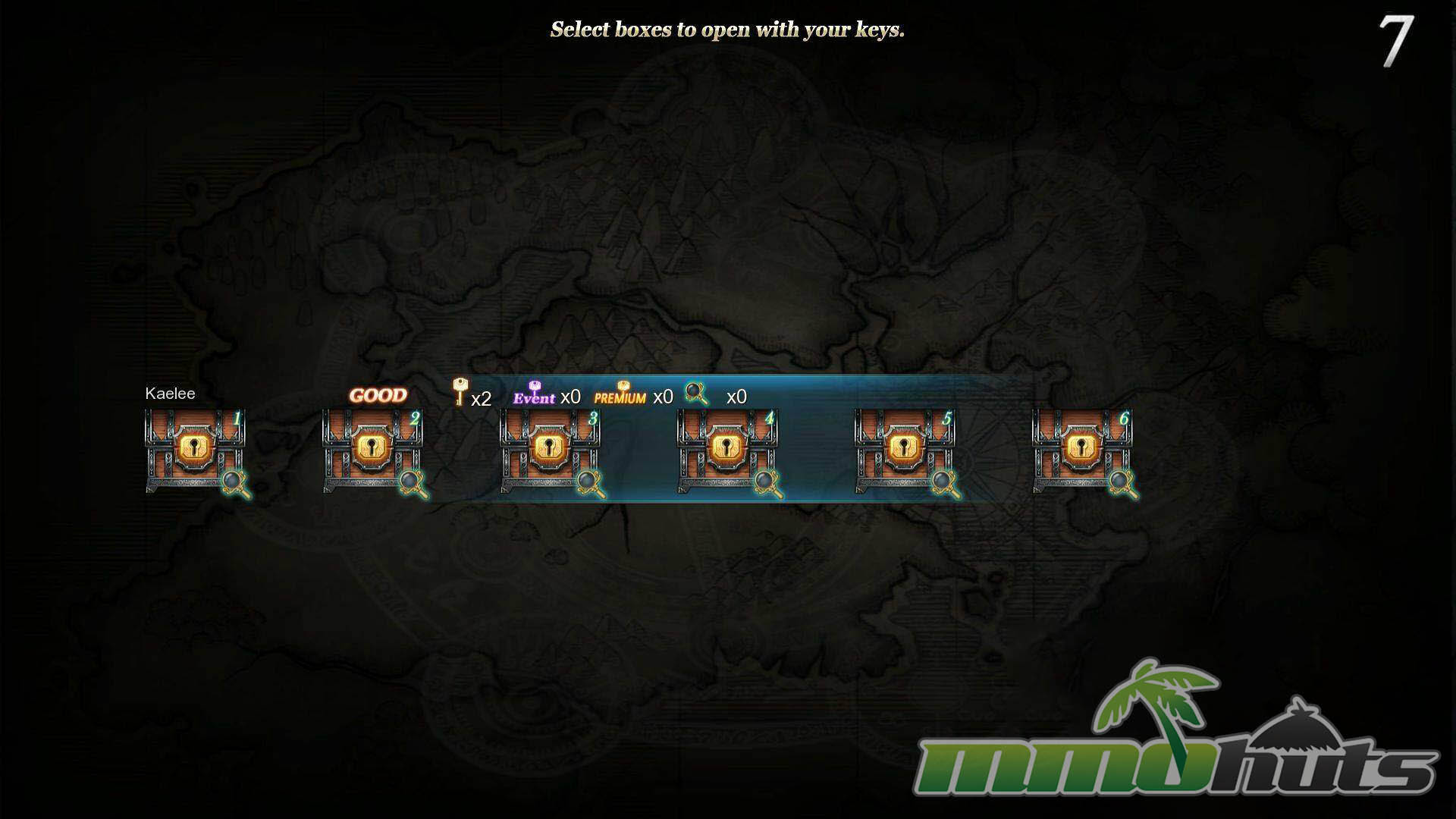

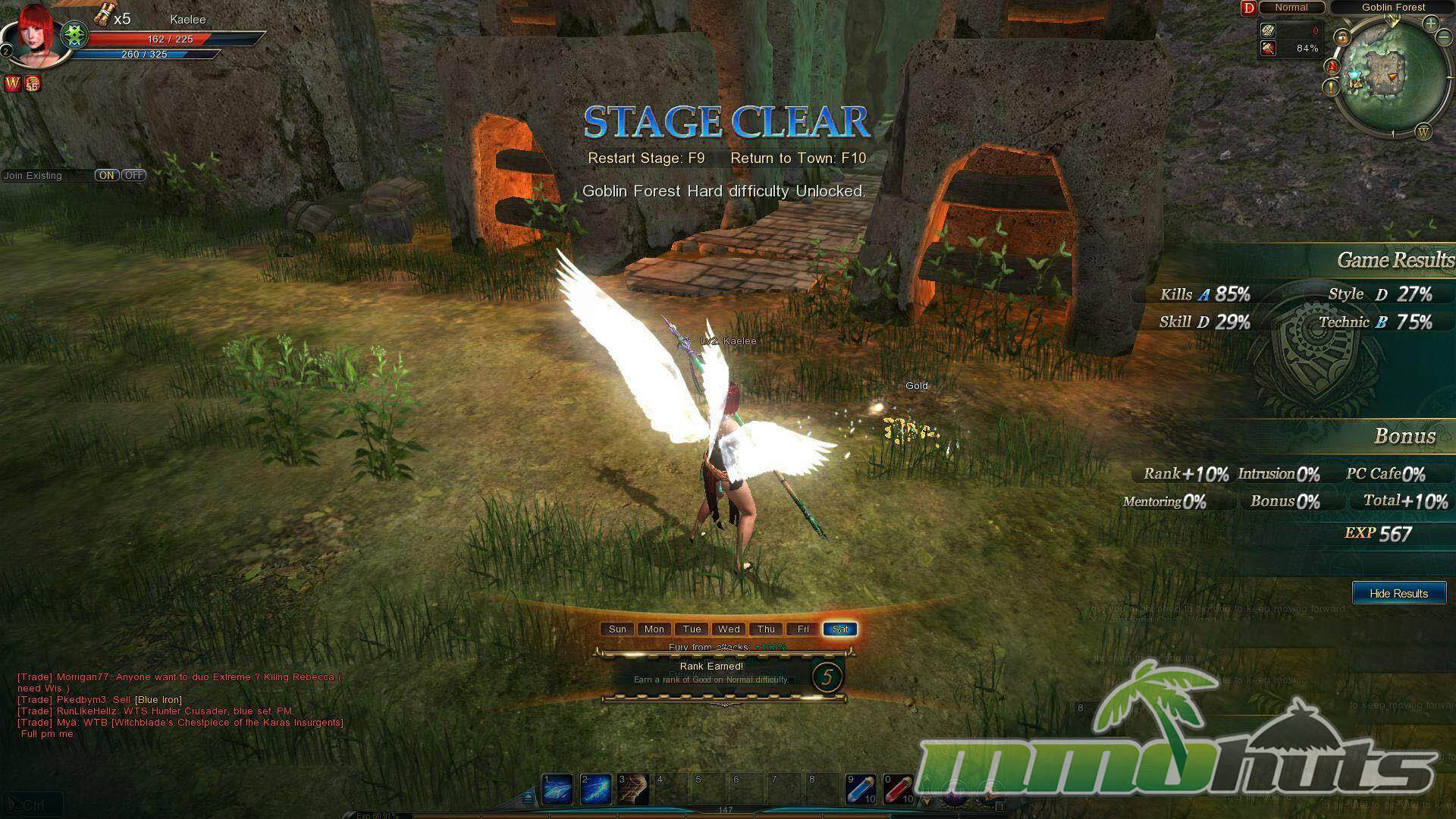
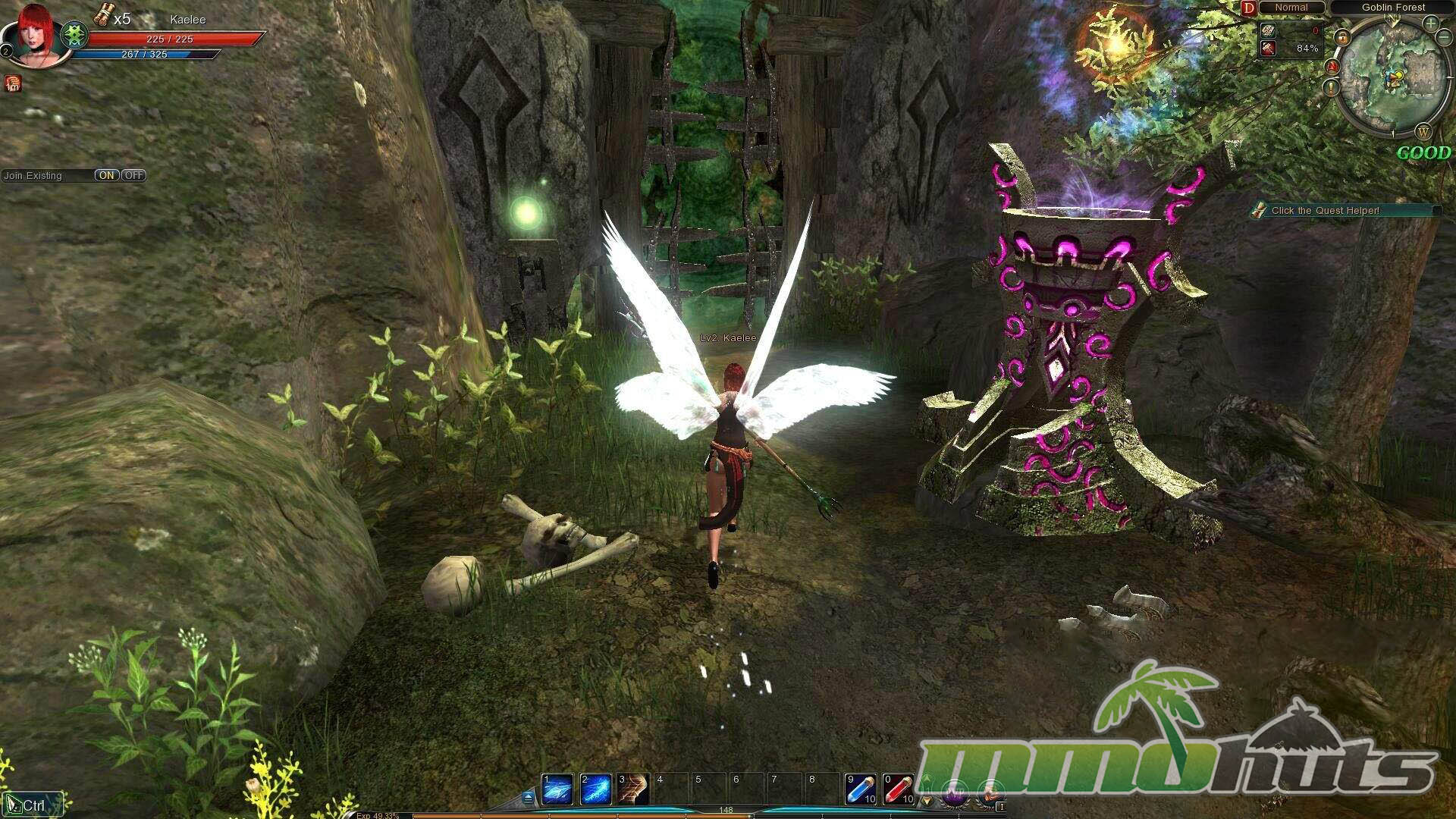
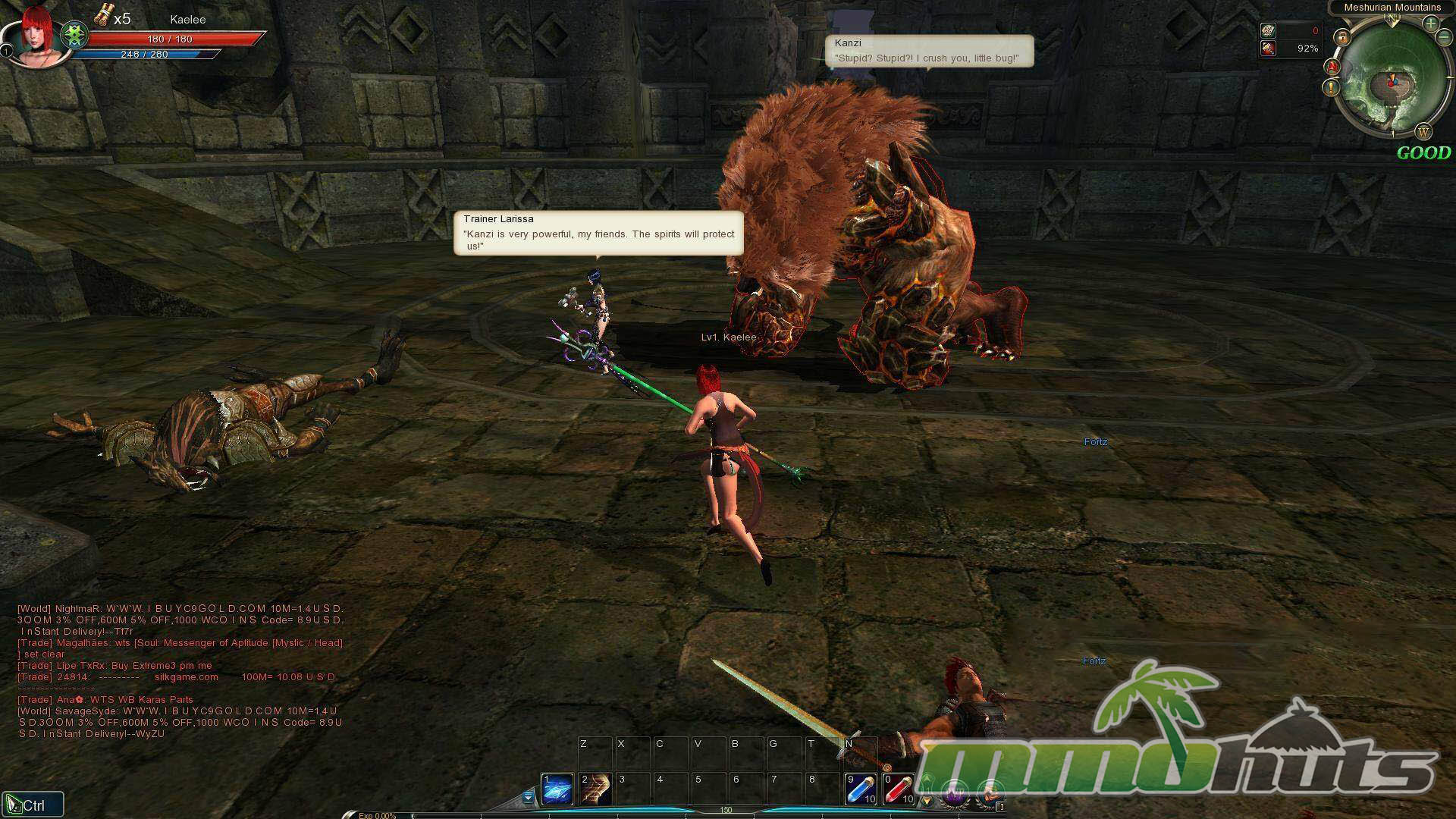
Continent of the Ninth Seal Featured Video

Continent of the Ninth Seal Classes
- Fighters (M) focus on close-range combat with weapon and shield options, built to stay in the thick of fights. They can progress into Blademasters, Warriors, Guardians, or Berserkers. Fighters are male only.
- Hunters (M)mix ranged pressure with quick melee play, using bows and daggers depending on the situation. Their paths include Assassins, Rangers, Scouts, Shadows, or Gunslingers. Hunters are male only.
- Shamans (F)wield a staff and channel spirit power for offense, leaning into magical burst and utility. They can become Illusionists, Elementalists, Taoists, Reaperesses, or Demonishers. Shamans are female only.
- Witchblades (F)combine weapon strikes with destructive magic, functioning as a more physically aggressive spellcasting archetype. They can advance into Bladedancers, Slayers, Wardens, or Nightstalkers.
- Mystics (F)are holy-themed fighters who bring heavy hits with a hammer or rapid cuts with a chakram. Their advancements are Battle Maidens, Valkyries, or Ertas.
Continent of the Ninth Seal Review
Continent of the Ninth Seal (C9) is a 3D fantasy MMORPG developed and published by Webzen, with its North American release dated September 13, 2012. It has also been distributed through Steam. The game’s content structure favors instanced dungeons and story-driven missions, and it adds a few twists to keep runs from feeling purely PvE, including the Intrusion system that allows players to clash inside dungeon instances.
The biggest difference from classic MMO design is that C9 asks you to actively play every second of combat. Attacks do not “lock on” in the typical way, and you are responsible for aiming skills, managing spacing, and reacting to enemy patterns. Good positioning matters because it affects whether your combos connect cleanly, whether you can catch multiple targets, and whether you can dodge a heavy hit without breaking your momentum. The result is a more kinetic style of MMORPG, one that feels closer to an action game than a hotbar rotation simulator.
Getting Set Up
Character creation is one of the areas where C9 shows real effort. Beyond the usual face, hair, and color selections, the editor lets you tune proportions across different body areas, which makes it easier to create characters that look distinct in a crowded hub. Tattoos are also available, with placement options limited to the face area, but still useful for adding a bit of identity. Hairstyles are modular, and parts can be adjusted separately, which adds variety even before you start collecting cosmetics.
Early Progression
The opening hours begin with a tutorial that introduces movement, camera control, and the basics of chaining attacks. Controls are typical for an action MMO on PC, with WASD for movement, mouse buttons for core attacks, and number keys for skills and items. Quests are supported by cutscenes that keep the narrative moving, so the early zones feel like a guided introduction rather than a completely disconnected dungeon playlist.
As you gain levels, you earn skill points to invest at your class trainer, unlocking new abilities and improving existing ones. The pacing encourages you to make choices because higher skill ranks require more points, and new tools arrive as you hit level milestones. The class system also reinforces that sense of growth by adding promotions at key points, with additional abilities and options opening up as you advance.
Your starting class is chosen at creation. At Level 10, you move into an elite version of that base class. At Level 20, you commit to one of three subclass specializations. A Mystic, for example, becomes an Elite Mystic at Level 10, then chooses between Battle Maiden, Erta, or Valkyrie at Level 20. Later, at Level 50, another advancement tier unlocks, such as Battle Maidens progressing into Lumen Empresses.
Crafting and Gear
Vendor equipment tends to be limited, so crafting plays a major role in keeping your character properly geared. You gather or purchase components, pay a fee, and produce weapons or armor through the crafting system. This focus on player-made items helps the economy stay relevant because materials and crafted results retain value. On top of crafting, you can push items further with enhancements, using Enhance Stones, and certain upgrades can also involve Souls obtained through events or the Cash Shop.
Legends and Auspices
C9 includes two collectible systems that provide stat boosts while also serving as visible badges. Legends are earned through completing specific objectives and grant a title displayed above your character name. Auspices appear as icons next to your name and are obtained through Event Soul Gear Sets from the Cash Shop, or from Gold and Silver Coffers. Only one Legend and one Auspice can be active at a time, so you are encouraged to pick bonuses that match your current goal.
PvP Options
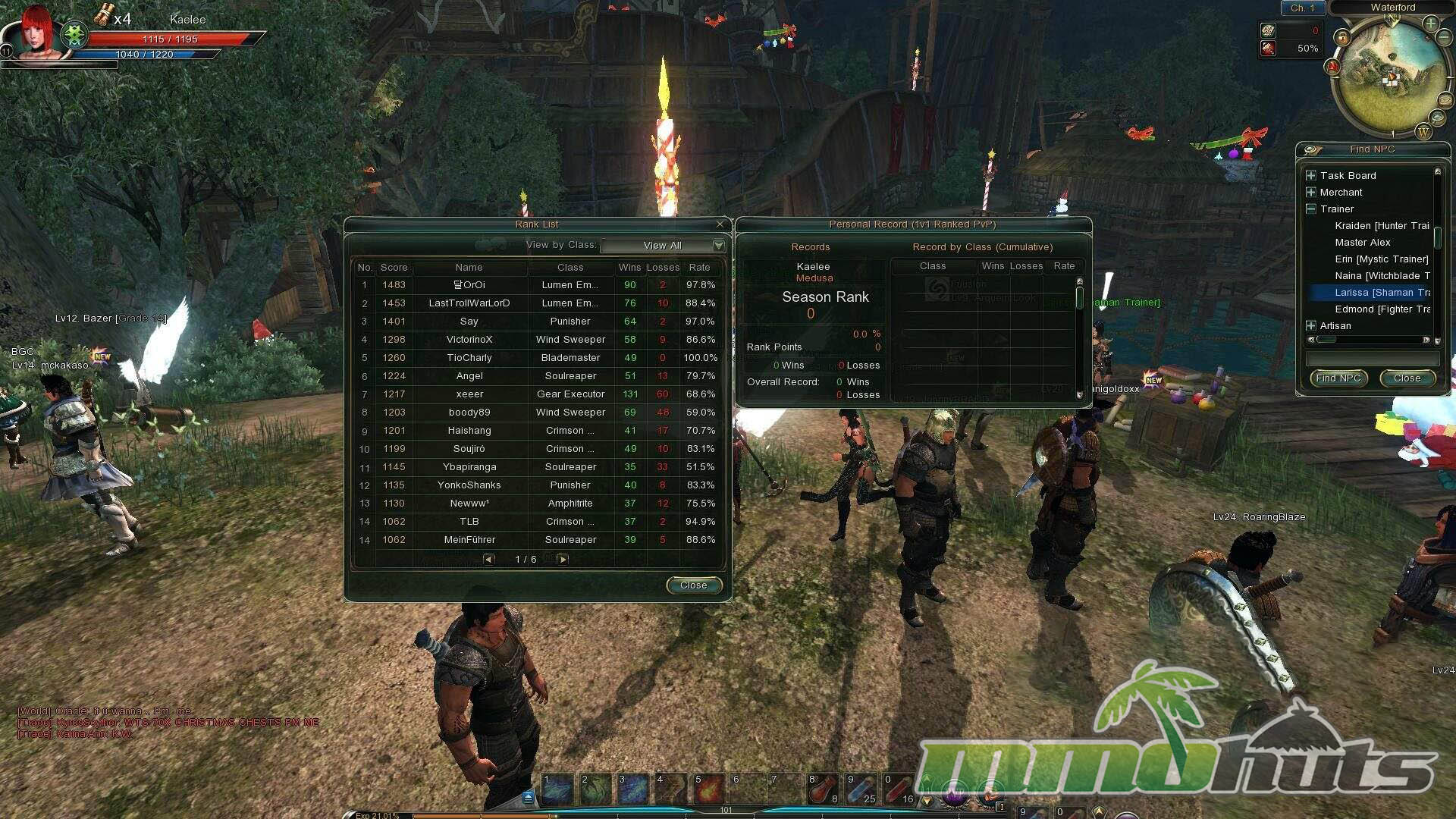
Player versus player becomes available starting at Level 20, and C9 offers several ways to engage. Ranked 1v1 is the cleanest test of execution, with matchmaking based around level and rankings tracked on a leaderboard. For players who prefer larger fights, there are team modes supporting up to 8v8. Team Match is an elimination format where the goal is to wipe the opposing roster, while Deathmatch focuses on kill-based scoring. Relay Match adds a twist by chaining 1v1 bouts in a team lineup, where each winner recovers some health before taking on the next opponent.
The system that gives C9 its own flavor is Intrusion. Instead of meeting only in dedicated arenas, players can enter another player’s instanced dungeon and act as an adversary. An intruder can interfere by fighting monsters and disrupting progress, and they can also directly attack the dungeon runner. Both sides are rewarded depending on the outcome, which creates a risk-reward layer on what would otherwise be a straightforward PvE run. Importantly, players can disable intrusions if they want uninterrupted dungeon clears, which keeps the feature from becoming pure griefing.
Survival Mode
Survival is a PvE challenge mode for up to four players, built around clearing waves under a time limit. Runs can extend up to 20 rounds, and rewards are distributed when the session ends. Fallen players return every five rounds, which encourages teams to stabilize and push for longer streaks rather than giving up after a rough wave. Fortune Survival is a separate variant that requires an entry fee, but provides Fortunes that can be spent in a special shop focused on rarer items.
Cash Shop
The Cash Shop includes a mix of cosmetic offerings and more impactful convenience items. One notable option is class-changing scrolls, useful if you want to experiment after committing to a path. Even then, changes remain within your base class, so an Elementalist can swap to an Illusionist, but cannot jump to a different base archetype. That limitation keeps the identity of your initial choice intact, but still gives flexibility within a class family.
Final Verdict – Great
C9 holds up as a strong example of an action-first MMORPG. Its combat is responsive, movement and positioning matter, and the dungeon format keeps sessions focused without long travel downtime. PvP is varied enough to stay interesting, especially with Intrusion adding unpredictability beyond standard arenas. The trade-off is that players who want a huge open world and long-form exploration may find the instanced structure less immersive. For anyone primarily interested in fast dungeon runs, expressive class play, and competitive modes that reward execution, C9 remains a compelling option.
Continent of the Ninth Seal Links
Continent of the Ninth Official Site
Continent of the Ninth Steam Page
Continent of the Ninth Wikia (Database / Guides)
Continent of the Ninth Seal System Requirements
Minimum Requirements:
Operating System: Windows XP / Vista / 7 / 8
CPU: Intel Single Core 2.4 GHz / AMD Athlon XP 2400+
Video Card: Geforce 6600 Series / ATI Radeon 9800
RAM: 512 MB
Hard Disk Space: 4GB
Recommended Requirements:
Operating System: Windows XP / Vista / 7 / 8
CPU: Intel Dual Core 3 GHz / AMD Athlon 64 X2
Video Card: GeForce 8000 Series / ATI Radeon HD1900 or better
RAM: 1 GB
Hard Disk Space: 4GB
Continent of the Ninth Seal Music & Soundtrack
Continent of the Ninth Seal Additional Information
Developer: NHN Games (Acquired by Webzen)
Closed Beta Date: February, 2012
Open Beta Date: June 30, 2012
Foreign Release: South Korea, 2009. Originally published by Hangame, but Webzen picked up the service after it closed on Hangame.
Development History:
Development on Continent of the Ninth (later renamed Continent of the Ninth Seal) began in South Korea in 2006 under NHN Games. By the time the game reached launch, Webzen had acquired NHN, and C9 ultimately released in South Korea in early 2009 before arriving in the West years later. The game officially launched globally on July 1, 2012, and because Webzen both develops and publishes it, there are no outside IP licensing complications shaping where it can be operated.
In its home region, C9 was originally serviced through the Hangame portal until the service ended on October 18, 2012. After that shutdown, Webzen continued operation in South Korea. With PvP positioned as a major pillar, C9 was selected as an official title for the Game and Game World Championship 2012 global tournament, reflecting Webzen’s long-running push to frame the game in a more competitive, e-sports-friendly light.