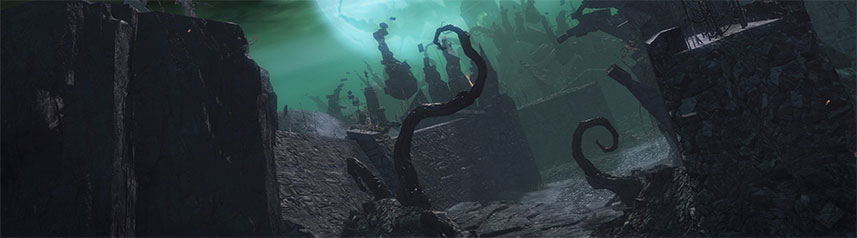
Black Desert Online is a 3D fantasy MMORPG built around real-time, action-heavy combat and a sandbox-style world that rewards wandering off the road. It is best known for its high-end visuals, deep character customization, and a long list of side systems that can easily become your “main game”, including crafting, housing, trading, horse taming and breeding, and large guild-driven PvP.
 | Publisher: Pearl Abyss Playerbase: High Type: MMORPG Release Date: March 3, 2016 (NA/EU) Pros: +Gorgeous visuals and standout character models. +Skill-based, fast combat with aiming and evasion. +Housing that feels meaningful. +Deep life skills and crafting loops. +Huge guild PvP, including castle sieges. Cons: -Onboarding and explanations are weak. -Many classes are gender-locked. |

Black Desert Online Overview
Black Desert Online leans heavily into a “live in the world” approach rather than pushing everyone down a narrow theme-park track. You pick from eight classes and then spend as much time shaping your look as you do your build, thanks to a creator that lets you tweak facial structure, body proportions, and countless small details. Once you step outside town, combat is immediate and physical, with manual aiming, movement-based positioning, and dodges that matter far more than tab-target rotations.
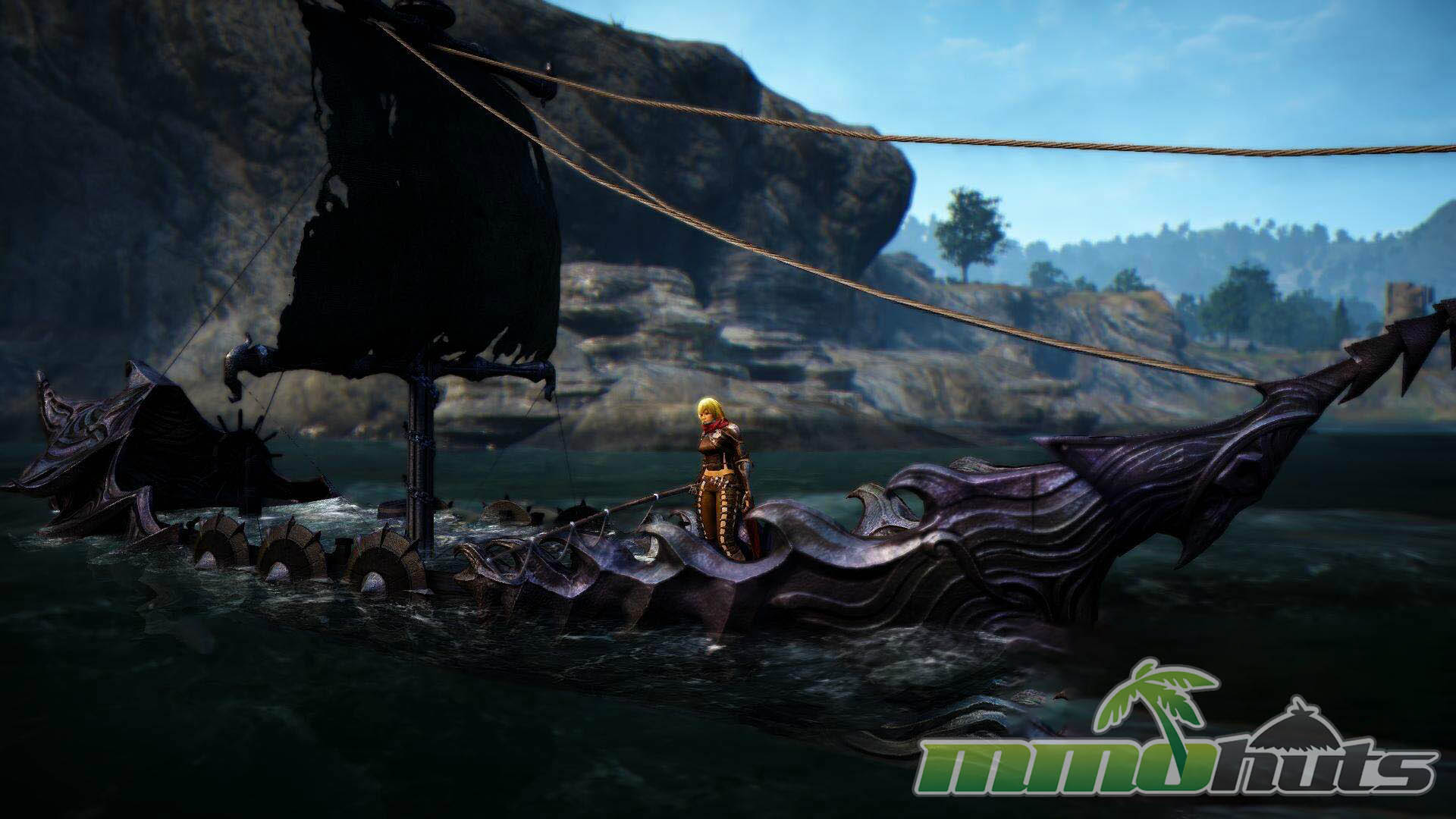
Beyond fighting, the game’s economy and world progression are major pillars. You can purchase property in towns, set up production through workers, and connect areas with trade routes to turn raw materials into profit. NPC interaction is also more involved than typical “click and accept quest” loops, with systems that reward learning about the world and building relationships. Guild play expands into organized PvP, including large battles for control of territory and resources. If you prefer exploration, the world includes coastal waters and island chains you can reach by sea once you invest in a vessel.
- Parkour System – traverse cities and wilderness by climbing and vaulting over obstacles, which makes exploration feel more physical.
- Guild Warfare – team up with a guild to contest resources, fight rival groups, and take on large threats together.
- Robust Trading System – employ workers, gather materials, and link regions into profitable trade routes.
- Active Combat System – action combat focused on aiming, movement, and timing instead of tab-targeting.
- Mount Battles – tame mounts and use them in combat, with breeding as a long-term system for better variations.
- Character Customization – one of the most detailed avatar editors in the genre, built for fine tuning.
Black Desert Online Screenshots

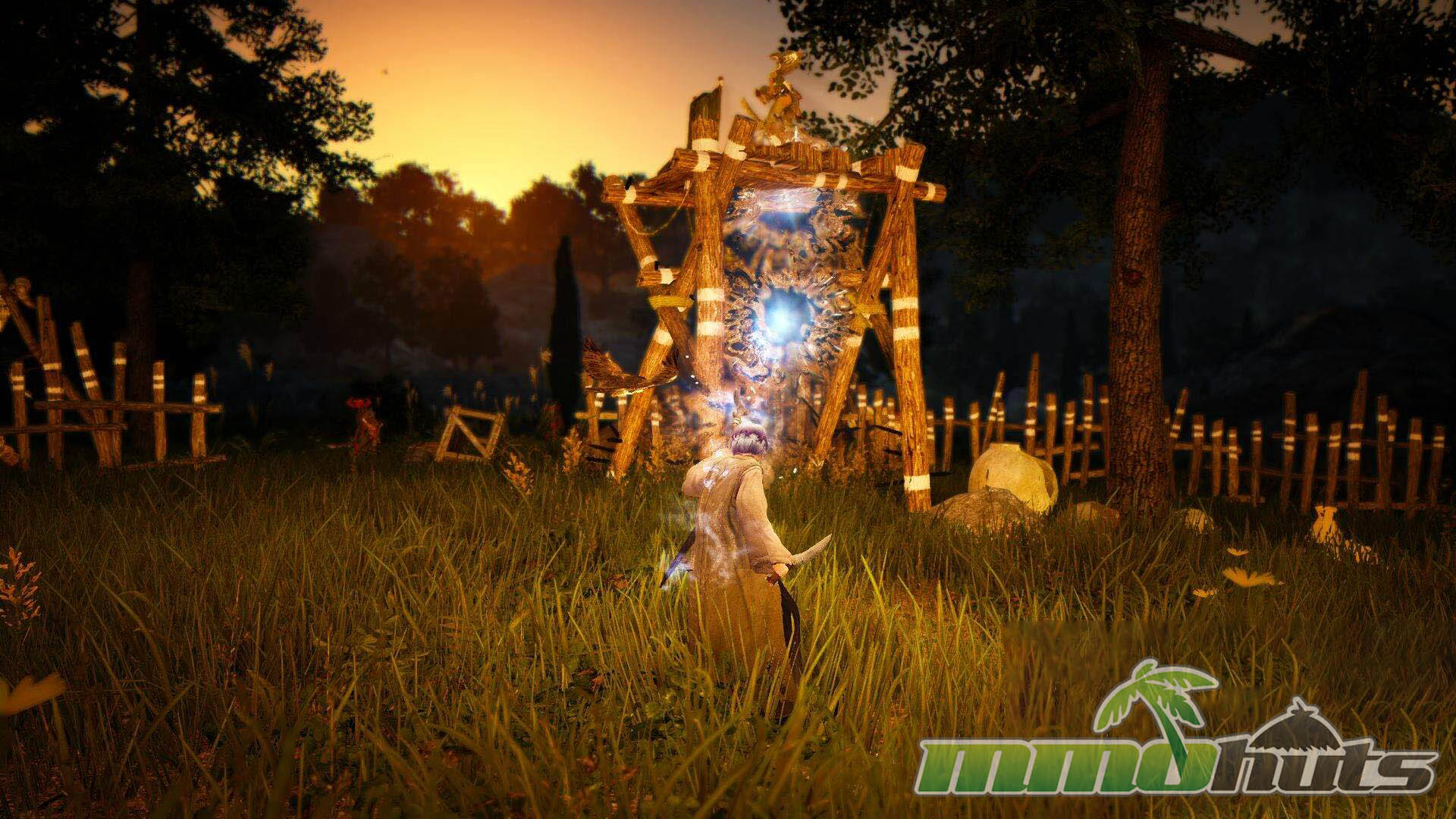
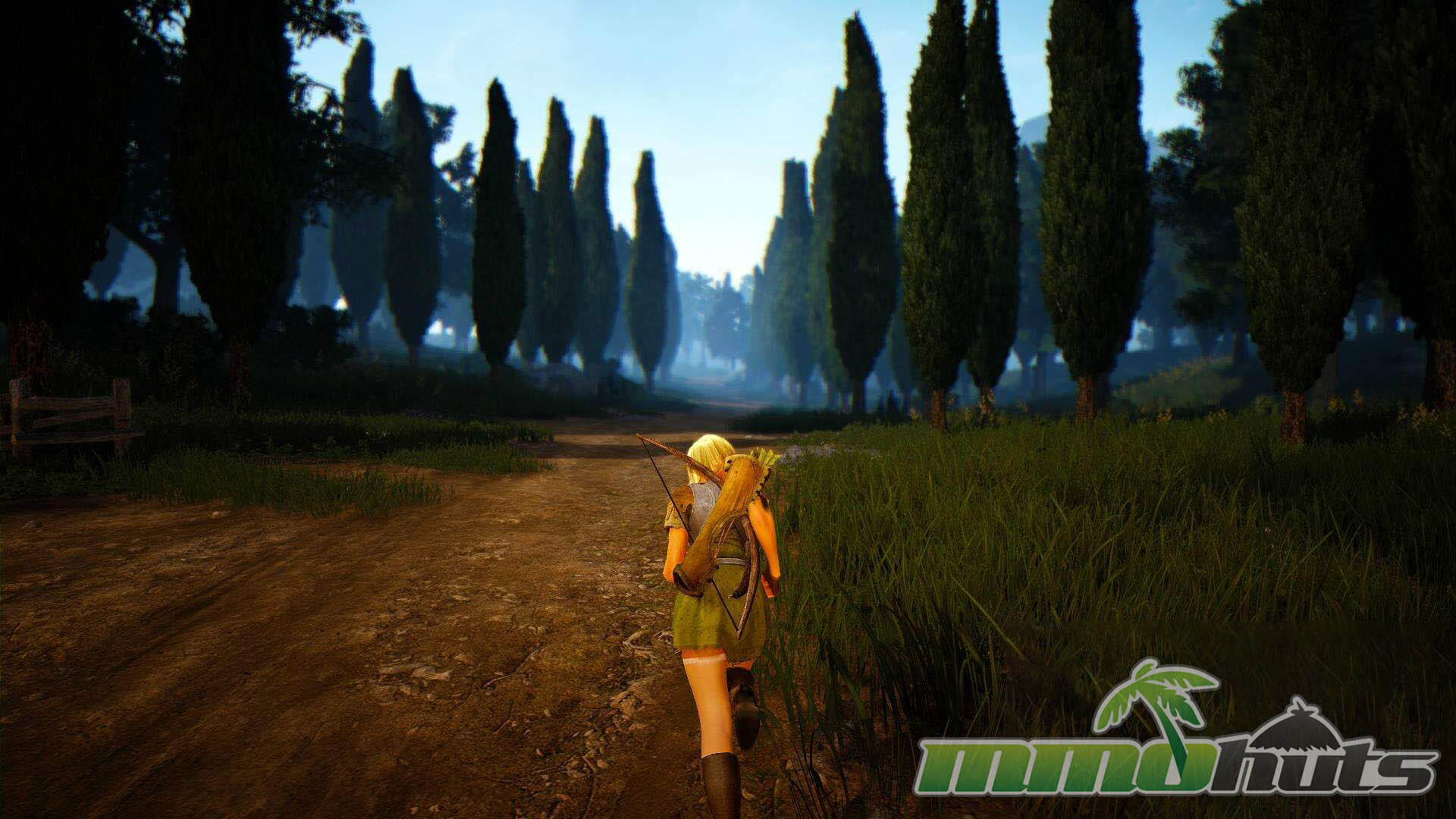
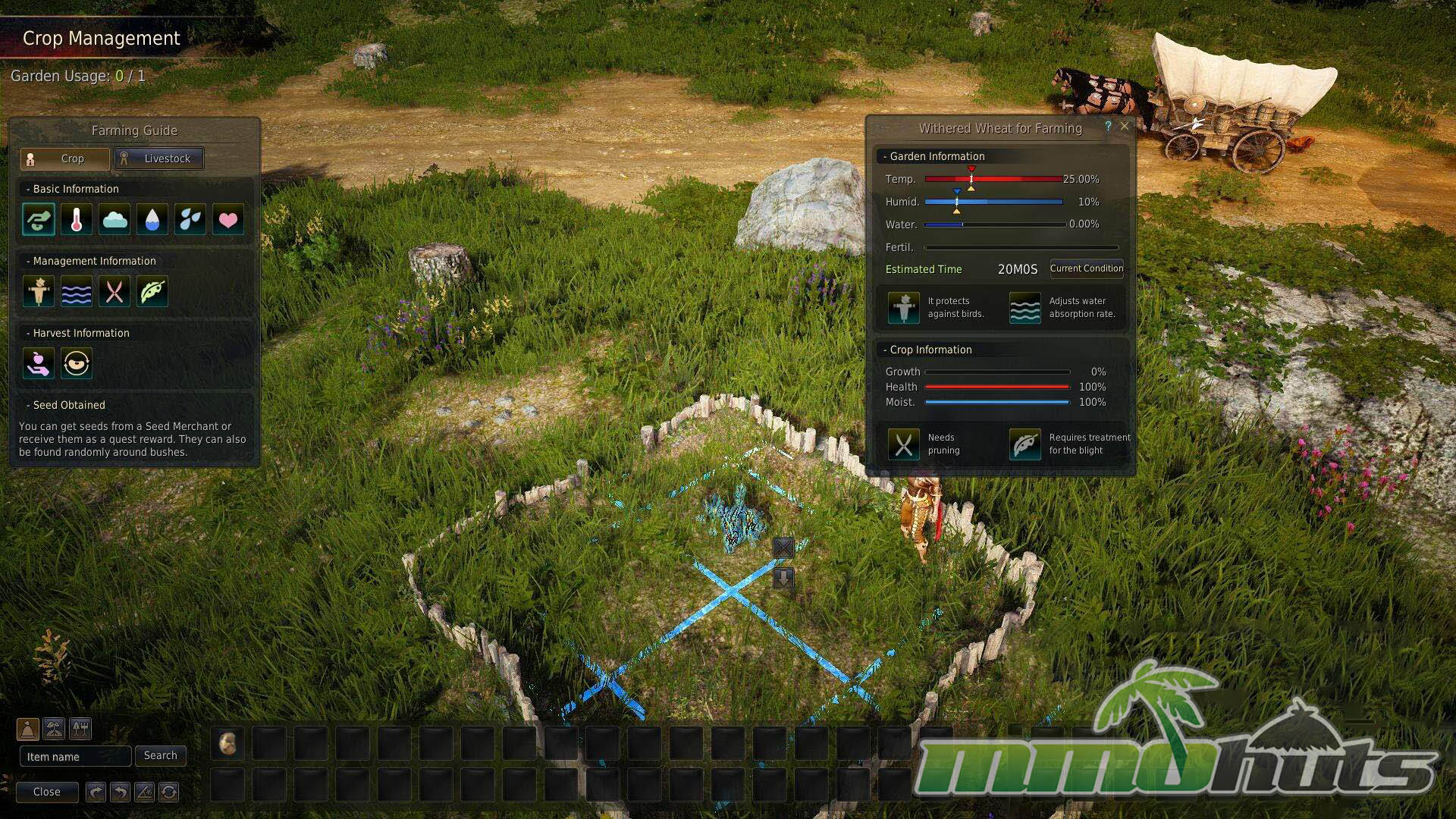
Black Desert Online Featured Video

Black Desert Online Review
Black Desert Online arrived with a reputation that was hard to ignore, largely driven by its visuals and the amount of attention its character creator received. Up close, the game absolutely delivers on first impressions, but the real question is whether the systems underneath that presentation hold up once the honeymoon phase ends. After spending time with its combat, progression, and sandbox tools, BDO feels less like a standard MMORPG and more like a sprawling set of interconnected hobbies that happen to share the same world.
A character creator with real limits
It is easy to see why so many players made videos showing off their avatars before launch. The editor is unusually granular, letting you adjust features most games never expose, and you can produce anything from a polished “hero” look to intentionally strange creations if you push the sliders hard enough. As a pure toolset, it is one of the strongest in the genre.
That said, it is not a blank canvas in the way some players expect. Your appearance is still anchored to the identity of the class you pick, so the overall silhouette and vibe are guided by that template. You can refine and reshape, but you cannot freely turn one class into the aesthetic of another. Within those boundaries, though, it is excellent, and it remains a meaningful part of how players express themselves in a game where gear silhouettes do not always vary dramatically.
Class choice also comes with structural constraints. Many classes are gender-locked, and race options are not separate from class selection. Witch and Wizard are the notable exception, with very similar roles and feel. Some players will bounce off that immediately, but if you can accept it, the benefit is that each class has a clear visual identity and animation style.
Combat that feels great, even when PvE is forgiving
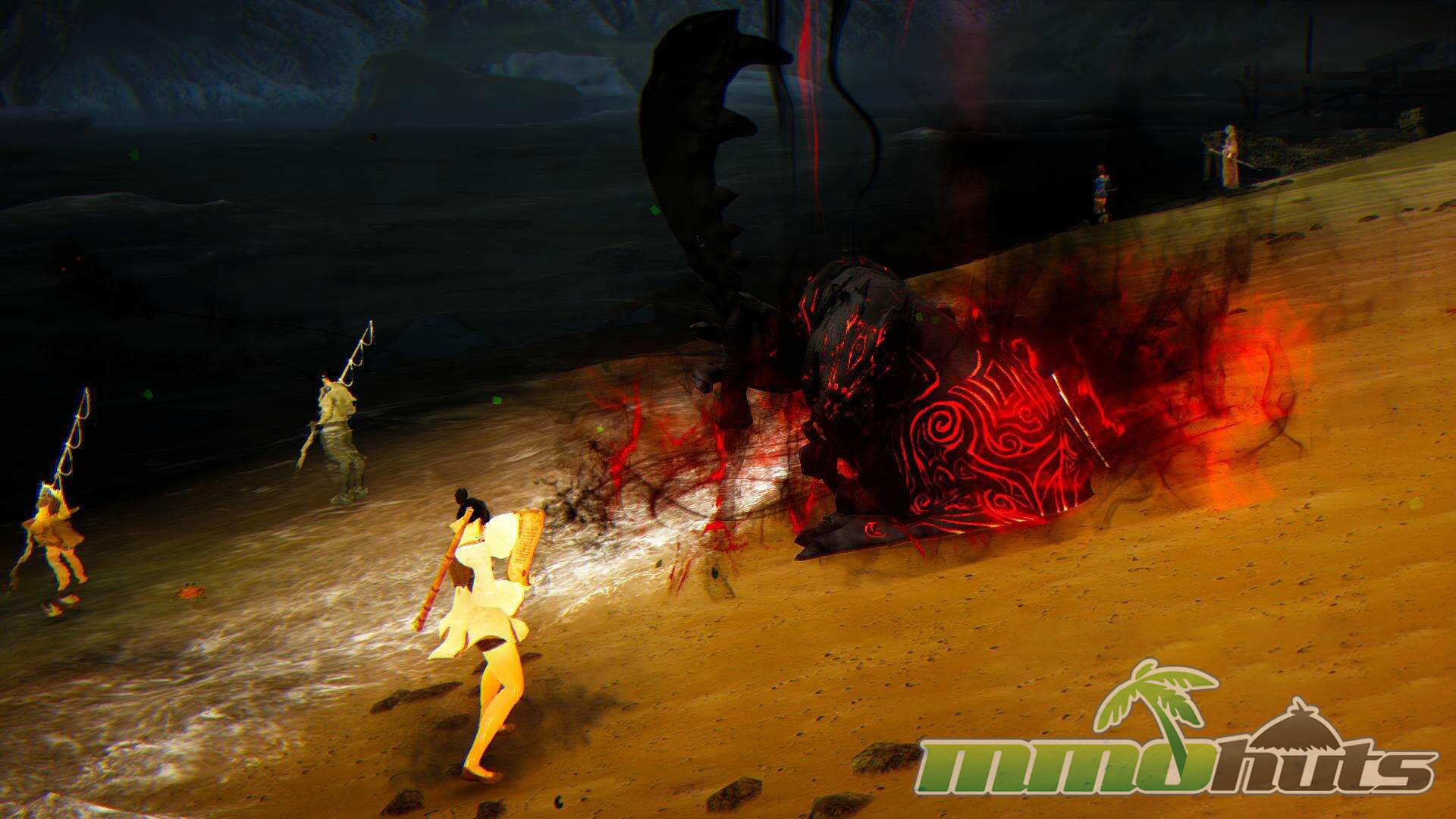
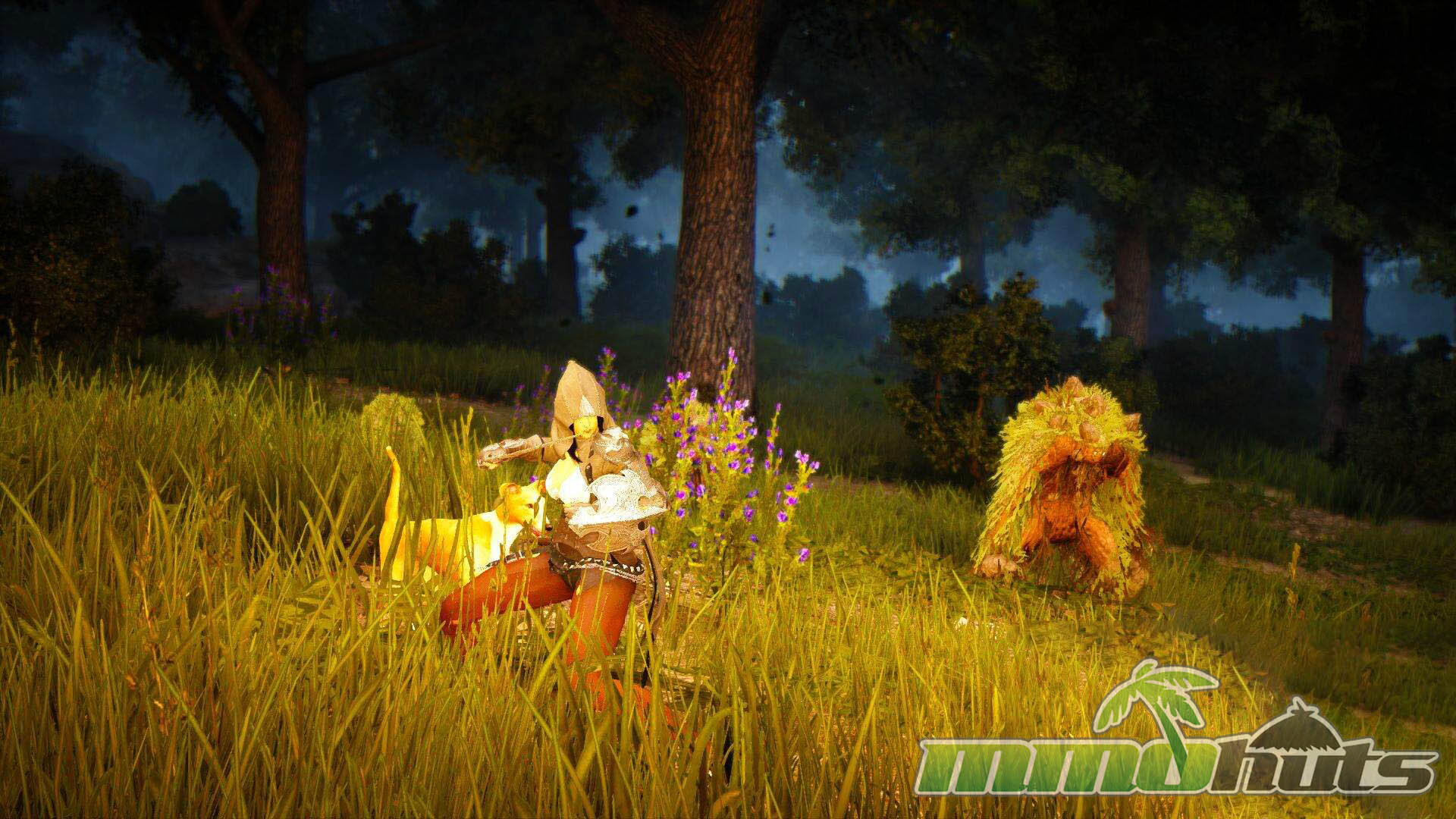
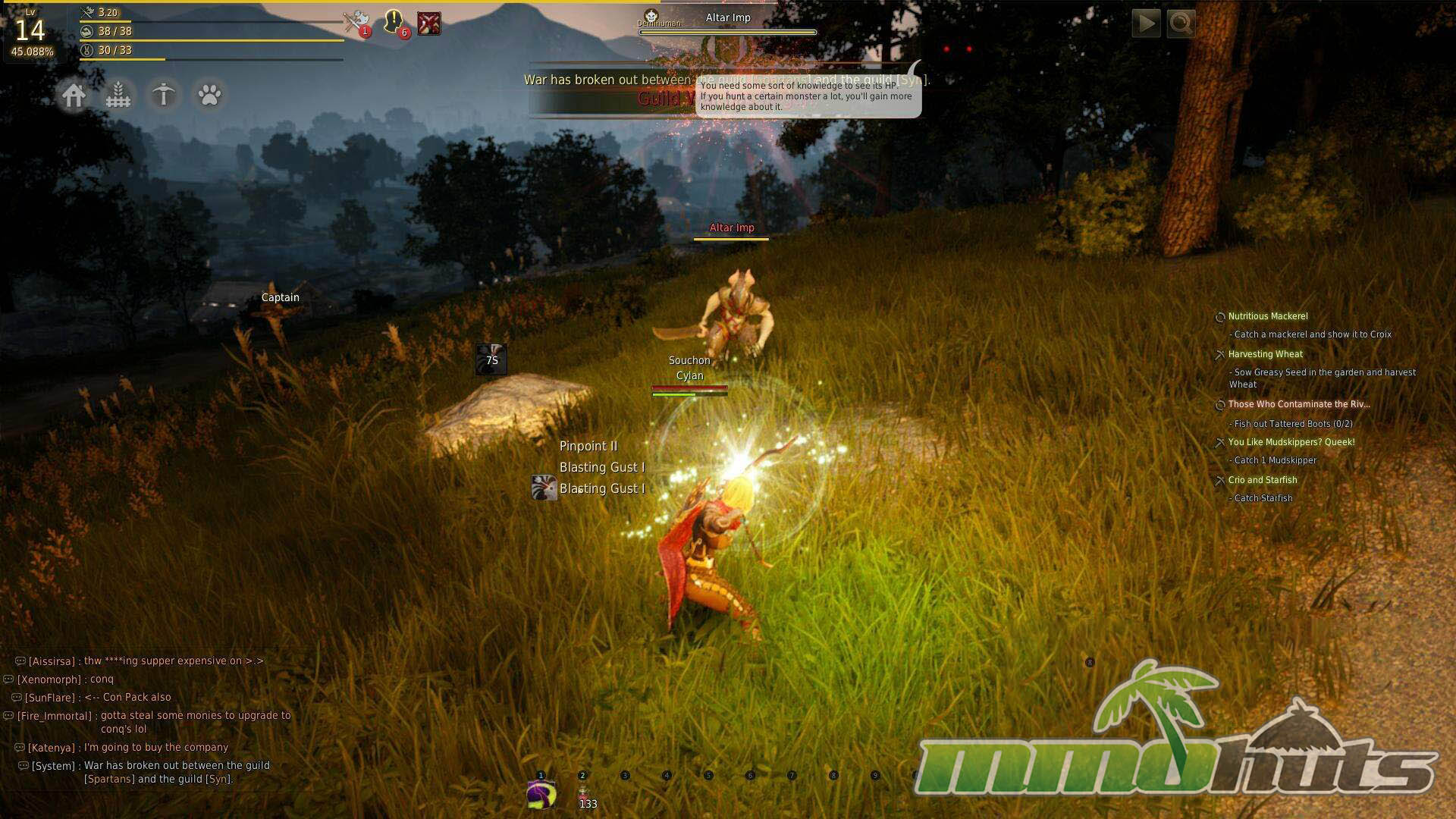
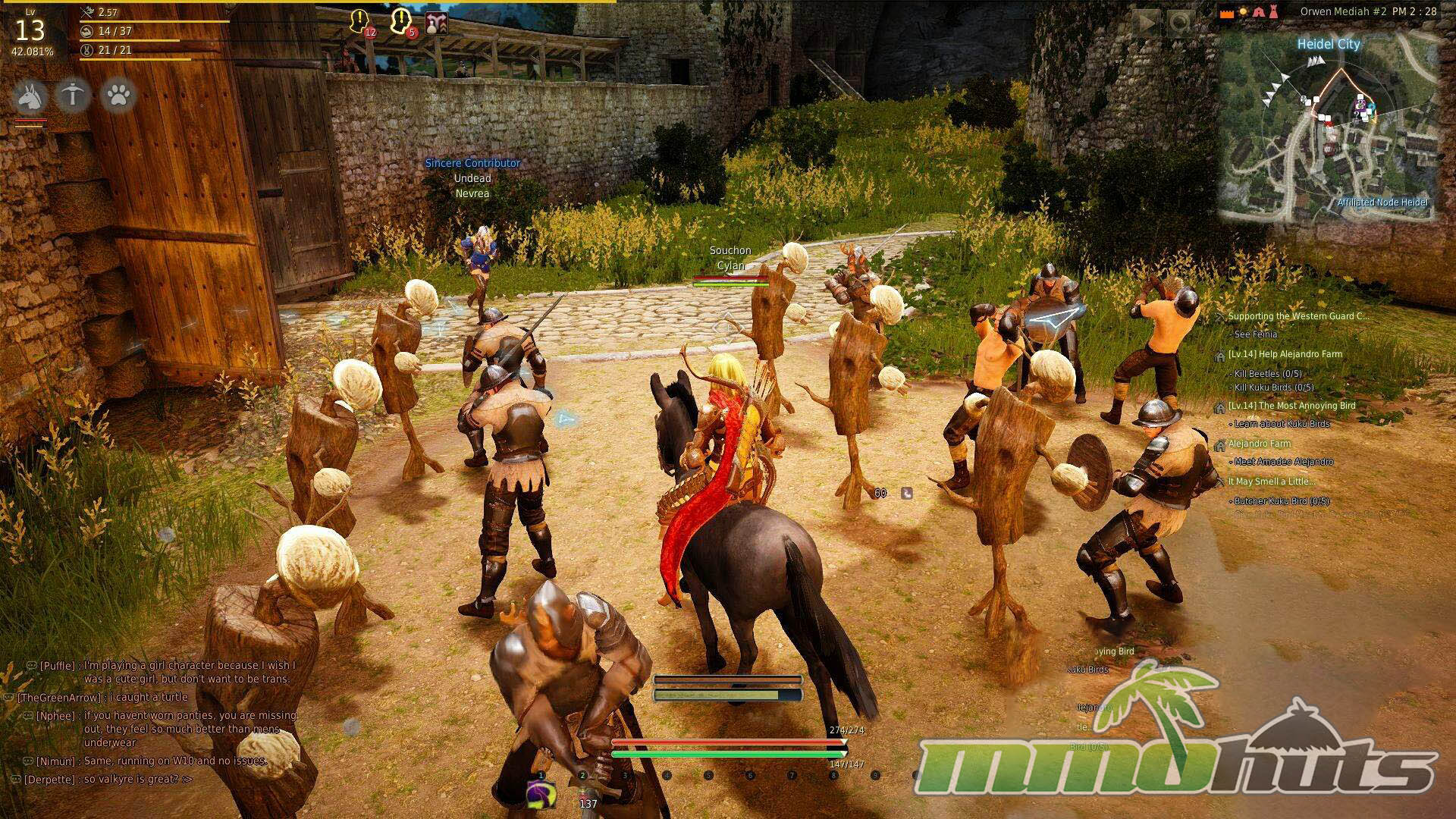
BDO’s combat is its most consistent strength. Attacks have weight, movement is responsive, and skills chain together in a way that rewards learning inputs rather than simply watching cooldowns. Manual aiming and active positioning keep fights from feeling automated, and even simple encounters look and feel stylish because of the animation quality and the speed of transitions.
In the early and midgame, however, enemies rarely demand that full toolkit. A lot of open-world PvE can be handled with basic strings and liberal potion use, which means the game does not always force you to play as well as it allows you to. The system shines most when you choose to engage with it, experimenting with combos, cancels, and mobility to keep grinding from becoming mindless.
Grinding is also a core part of the game’s identity. Instead of questing being the primary leveling engine, BDO often nudges players toward efficient mob routes and area-of-effect clears. If you enjoy settling into a rhythm, optimizing pulls, and refining execution, it is satisfying. If you want curated PvE challenges where enemies push back hard, the open world can feel too soft.
Importantly, combat is only one slice of the experience. BDO’s real appeal is how much it offers beyond fighting, and how those systems feed into each other.
A world that encourages you to roam
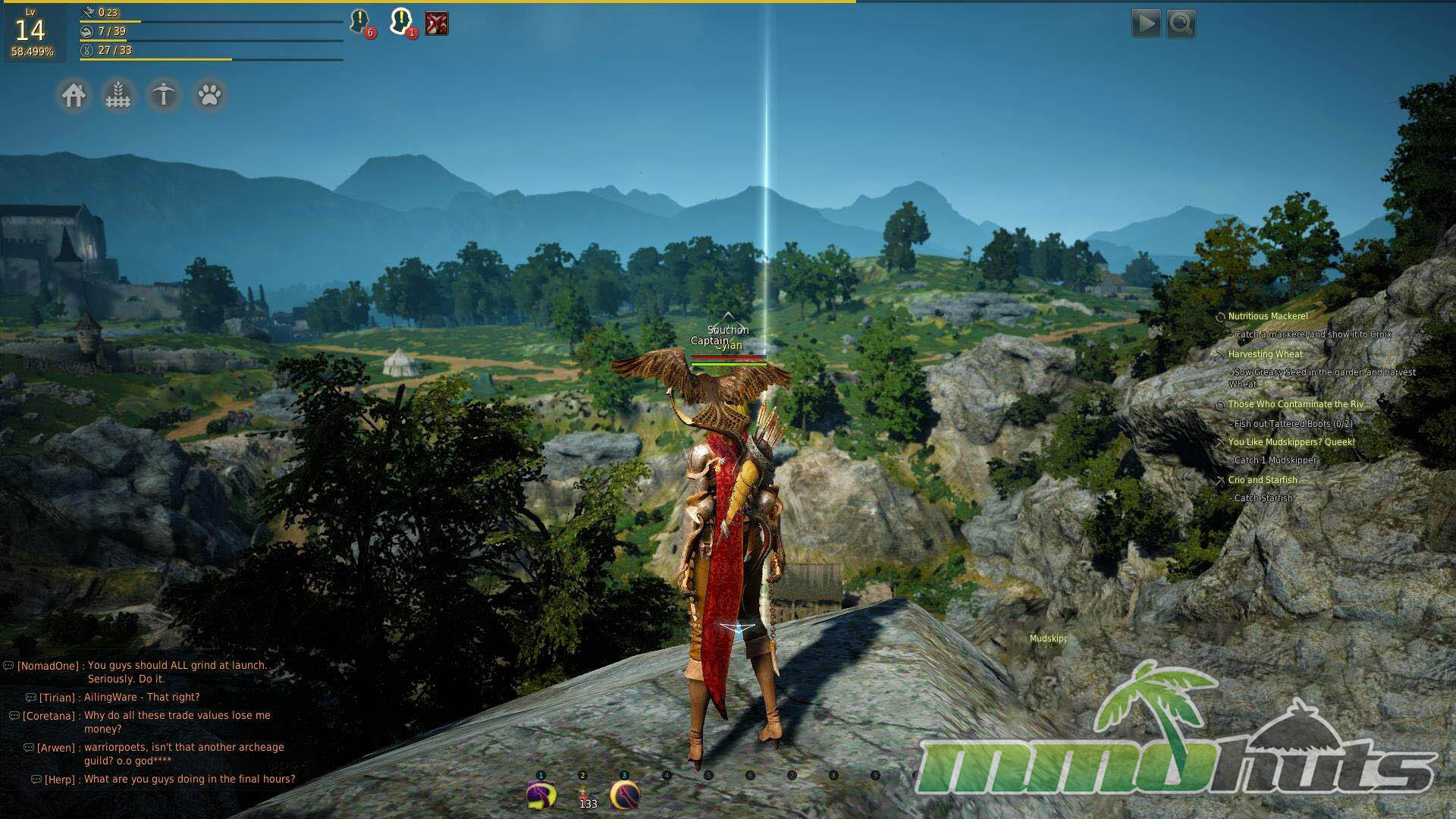
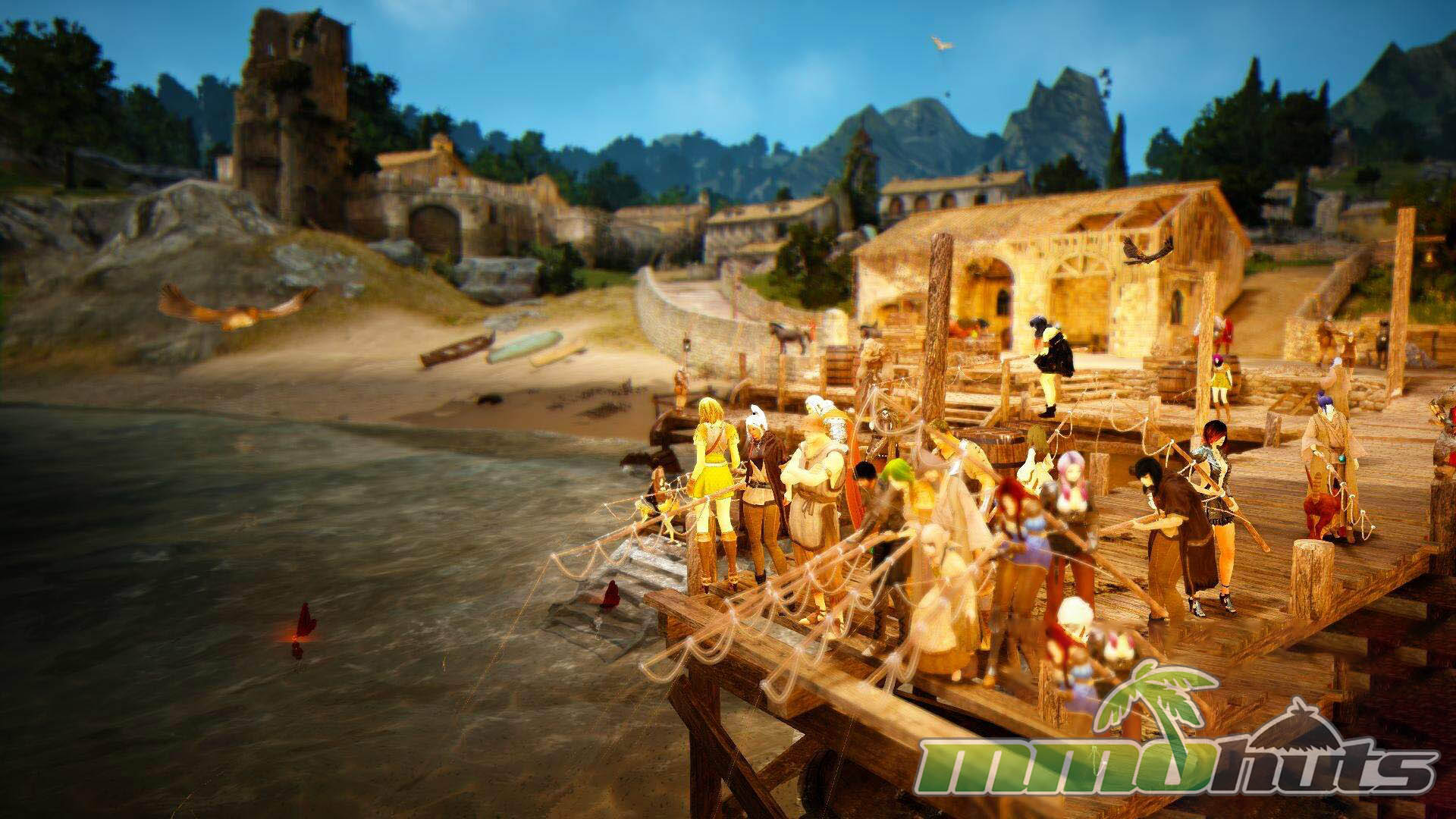
Black Desert Online does an excellent job of selling the fantasy of a busy, functioning world. Towns are packed with activity, NPCs move through streets and along roads, and the environment is full of landmarks that look inviting from a distance. The map suggests scale, especially once you start noticing offshore islands and coastal routes that hint at later adventures by sea.
Exploration benefits from the traversal tools. Being able to climb, vault, and scramble over structures changes how you approach terrain, and it makes cities feel less like static hubs. The lack of fast travel also reinforces the world’s size and texture, even if it can be inconvenient when you are trying to run errands across regions.
The boundaries of the world do show in places, particularly when you reach the edges and encounter invisible barriers. They are not random, but they can still break immersion. Still, for players who enjoy simply moving through a well-rendered world and finding odd corners to investigate, BDO is one of the stronger MMO sandboxes.
The node and contribution structure is far more approachable than it first appears, but the game does not do a great job of walking you through practical examples. Players willing to experiment (or consult guides) will find a satisfying management layer that makes crafting and trading feel purposeful, rather than decorative.
Life skills and crafting that reward patience
Crafting in Black Desert Online is extensive and spread across eight activities: shaking, grinding, chopping, drying, thinning, heating, cooking, and alchemy. The steps are not difficult mechanically, but the breadth is intimidating at first, especially because results are not always communicated in the tidy, recipe-driven way many MMOs use.
In practice, crafting often feels like experimentation. You combine materials, see what processes successfully, and slowly build an understanding of what is worth producing. This is complemented by the housing and worker systems. By investing Contribution Points into buildings, you unlock workshops and production options, then assign workers to create items over time. That approach makes crafting feel like an ongoing operation rather than a single button press.
Production can be slow and resource-hungry, and some items take a long time to complete. It is not mandatory for progression, but it is a powerful way to generate income, support other goals (like shipbuilding), and give meaning to the materials you gather.
Once you are engaged with nodes, workers, and market pricing, trading becomes a steady stream of small decisions. It is one of the deeper economic systems in mainstream MMORPGs, and it can keep sandbox-minded players busy for long stretches. The main limiter on constant activity is the game’s energy system.
Energy as a throttle on nonstop progression
Energy is a shared resource that gates many actions, including gathering and various interactions. You have a maximum energy pool that can grow over time, but when you run out, you either wait for it to regenerate (1 point every 3 minutes) or use repeatable activities to recover small amounts. This creates a natural pace to life skills and encourages players to rotate between different tasks rather than endlessly repeating one action.
Energy ties neatly into the game’s knowledge system. By talking to NPCs, exploring, and encountering new monsters or objects, you gain knowledge, and that knowledge increases your energy capacity. It is an elegant way to reward curiosity and to make the world feel like it is feeding your character’s overall capability.
The restrictions can be frustrating if you want to binge one activity for hours, but they also prevent certain systems from becoming pure AFK routines. Even chat can consume energy, which nudges the social space toward being slightly more deliberate than the typical MMO spam channel.
Conversation and relationship mechanics
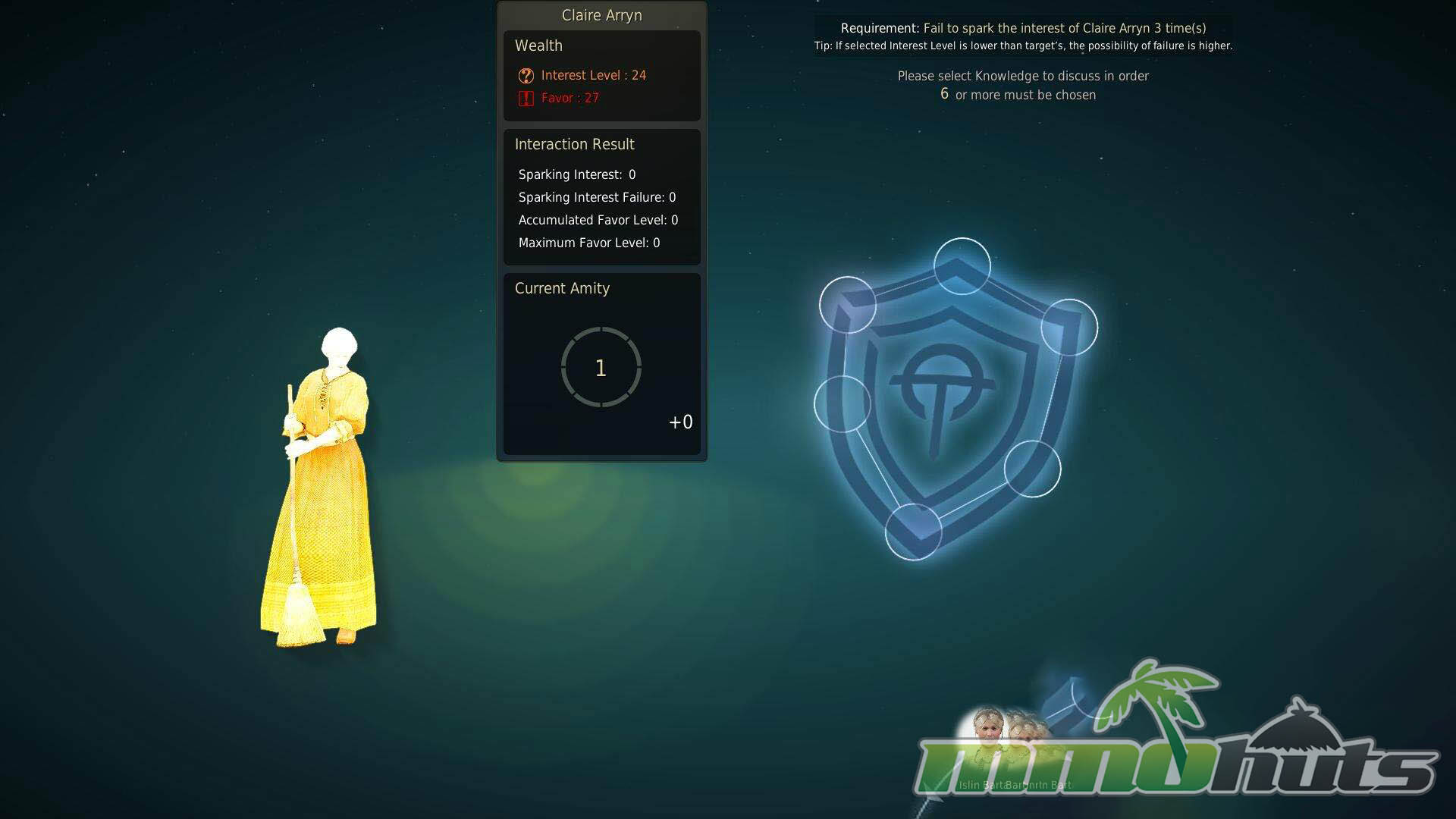
NPC relationships are not just flavor. Through a conversation mini-game, you can spend energy to build Amity with specific characters, which can unlock rewards, items, and additional opportunities. NPCs have preferences, and you need relevant knowledge to engage them effectively, which loops back into exploration and learning.
The mini-game itself can be engaging once you understand it, but, like several BDO systems, it is not explained cleanly in-game. It often takes outside reading or trial-and-error before it feels consistent. When it finally clicks, it becomes another “side progression track” that makes towns feel more like places with people rather than static quest kiosks.
Endgame as a continuation of the sandbox
Black Desert Online does not chase a traditional endgame structure. You will not hit max level and suddenly be funneled into a predictable loop of instance raids and dungeon lockouts. Instead, the game treats “what you did while leveling” as the same set of activities you will keep doing afterward, just with more options and higher stakes.
For many players, endgame revolves around guild participation and large-scale PvP. Territory conflicts and siege-style battles are the headline feature, and they serve as a major motivator for gearing and organization. Alongside that, players grind to gather materials and resources for enhancing equipment. Gear improvement is tied to upgrading and enchanting rather than a steady ladder of new drops, which can compress visual variety among characters of the same class.
There are also structured PvP modes like arenas (including 1v1 and 3v3) for players who want competitive fights without the chaos of open world politics. Open world PvP exists, but the karma system and guard responses create consequences for indiscriminate killing, which helps keep random griefing from being completely unchecked.
The key takeaway is that BDO’s “endgame” is not a separate theme park. It is the same world, with the same tools, and the same set of long-term goals, and that is either its biggest strength or its biggest dealbreaker depending on what you want from an MMO.
Cash Shop, convenience, and the pay-to-win debate
The cash shop is a frequent point of discussion. In broad terms, Black Desert Online is not pay-to-win in the sense of letting players directly purchase unquestionable victory. However, it does sell convenience and efficiency, and those advantages can matter more the more competitive you are. Items that boost progression speed, along with pets that streamline looting during grind sessions, can create a real gap in quality of life and, at the highest levels of PvP focus, a measurable edge.
For most players, the impact is closer to “pay to be less inconvenienced” than outright power buying. Still, the distinction matters less to players who dislike the feeling of being nudged toward spending to smooth out friction.
Cosmetic pricing also draws attention, especially because outfits can be one of the most visible ways to stand out when gear silhouettes are not wildly diverse. The costumes look good, but the cost can feel steep. Inventory space is another sore spot. Even though you can earn additional slots through play and rely on mounts, storage, and other options, starting with limited space can feel like an artificial constraint designed to push microtransactions.
Final Verdict – Great
Black Desert Online is a strong recommendation for players who enjoy MMORPGs as worlds to inhabit rather than checklists to clear. Its combat is among the best in the genre, the visuals remain a major draw, and the sandbox systems (nodes, workers, crafting, trading, housing, and relationship mechanics) offer long-term goals that do not rely on traditional instanced endgame content. The biggest drawbacks are the rough onboarding, the reliance on external learning for key mechanics, and class constraints like gender locks. If you like experimenting, optimizing, and setting your own agenda, BDO stands out in a crowded MMO field.
Black Desert Online Links
Black Desert Online Korean Site
Black Desert Online NA Website
Black Desert Online Developer Page
Black Desert Online Wikipedia Page
Black Desert Online Subreddit
Black Desert Online System Requirements
Minimum Requirements:
Operating System: Windows 7 or 8 (32 bit)
CPU: Intel Core i3-530 2.9 GHz / AMD Phenom 9500 Quad-Core
Video Card: Nvidia GeForce GTS 250 / 9800 GTX / AMD Radeon HD 3870 x2
RAM: 4 GB
Hard Disk Space: 40 GB
Recommended Requirements:
Operating System: Windows 7 or Windows 8 64 bit
CPU: Intel Core i5-650 3.2 GHz / AMD Phenom II X3 740 Black Edition or better
Video Card: Nvidia GeForce GTX 650 / GTX 550 ti / AMD Radeon HD 7750 or better
RAM: 6 GB
Hard Disk Space: 40 GB
Black Desert Online Music & Soundtrack
Black Desert Online Additional Information
Developer: Pearl Abyss
Engine: Custom Built (In-House)
Director: Kim Daeil
Art Director: Seo Yongsu
Closed Alpha: October 27, 2015
Closed Alpha End: November 01, 2015
Closed Beta 1: December 16, 2015
Closed Beta 1 End: December 22, 2015
Closed Beta 2: February 18, 2016
Closed Beta 2 End: February 22, 2016
Release Date: March 03, 2016
Xbox Release Date: March 4, 2019
Development History / Background:
Black Desert Online is developed by Korean game studio Pearl Abyss. Development began in 2010 and the game entered closed beta in South Korea on October 17, 2013, with access restricted by region. Pearl Abyss also built a custom in-house engine for the project, designed to display large numbers of characters on screen at the same time. A publishing agreement with Gamenet supported a free to play release in Russia. For North America and Europe, Daum Games handled publishing, and the game launched in those regions using a buy to play model.
Testing in NA and EU began with a closed alpha from October 27, 2015 through November 01, 2015. Closed Beta 1 ran from December 16, 2015 until December 22, 2015, followed by Closed Beta 2 from February 18, 2016 through February 22, 2016. The full NA/EU release arrived on March 03, 2016, and the Xbox version officially launched on March 4, 2019.
Black Desert Online remains a consistent presence among Steam’s most played MMORPGs, averaging over 15,000 concurrent players since January 2024.