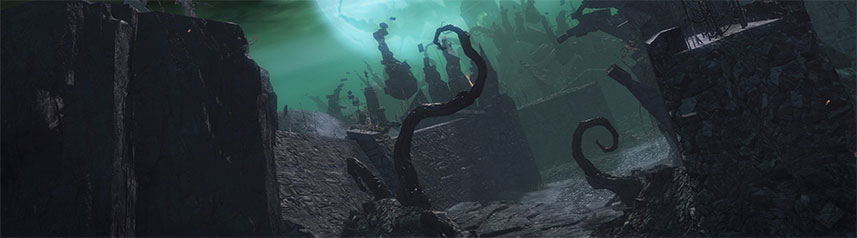
ArcheBlade is a third-person, free-to-play multiplayer brawler where 14 distinct champions clash across several PvP modes. It sits somewhere between arena fighters and online beat em ups, focusing on readable combos, quick reactions, and small team skirmishes. One of its standout conveniences is the ability to host your own servers, letting groups stick to the modes and rulesets they prefer.
 | Publisher: Codebrush Playerbase: Low Type: F2P Fighter Release Date: April 25, 2014 Pros: +Different character kits and playstyles. +Quick, energetic matches. +Low barrier to entry for new players. Cons: -Development support ended early. -Combat depth can feel limited over time. |

ArcheBlade Overview
ArcheBlade drops players into bite-sized PvP matches built around melee-heavy, combo-driven combat, with a few comparisons that make sense if you have played games like Nosgoth or Rakion. The inputs are intentionally straightforward, so you can get functional quickly, then refine timing, spacing, and matchup knowledge as you learn each champion. Compared to other free-to-play brawlers such as Lost Saga or Rumble Fighter, ArcheBlade generally presents cleaner visuals and smoother animation, even if the overall structure remains familiar.
ArcheBlade Key Features –
- Brawler Gameplay – Arena-style action that leans toward Rakion / Lost Saga pacing and chaos.
- Master each warrior – A roster of 14 champions, each with their own moves and roles.
- Host your own games – Player-made servers allow custom lobbies and preferred modes.
- Unleash your rage – Every champion has two rage abilities that can swing fights.
- Make your characters stand out – Cosmetics let you personalize your favorite fighters.
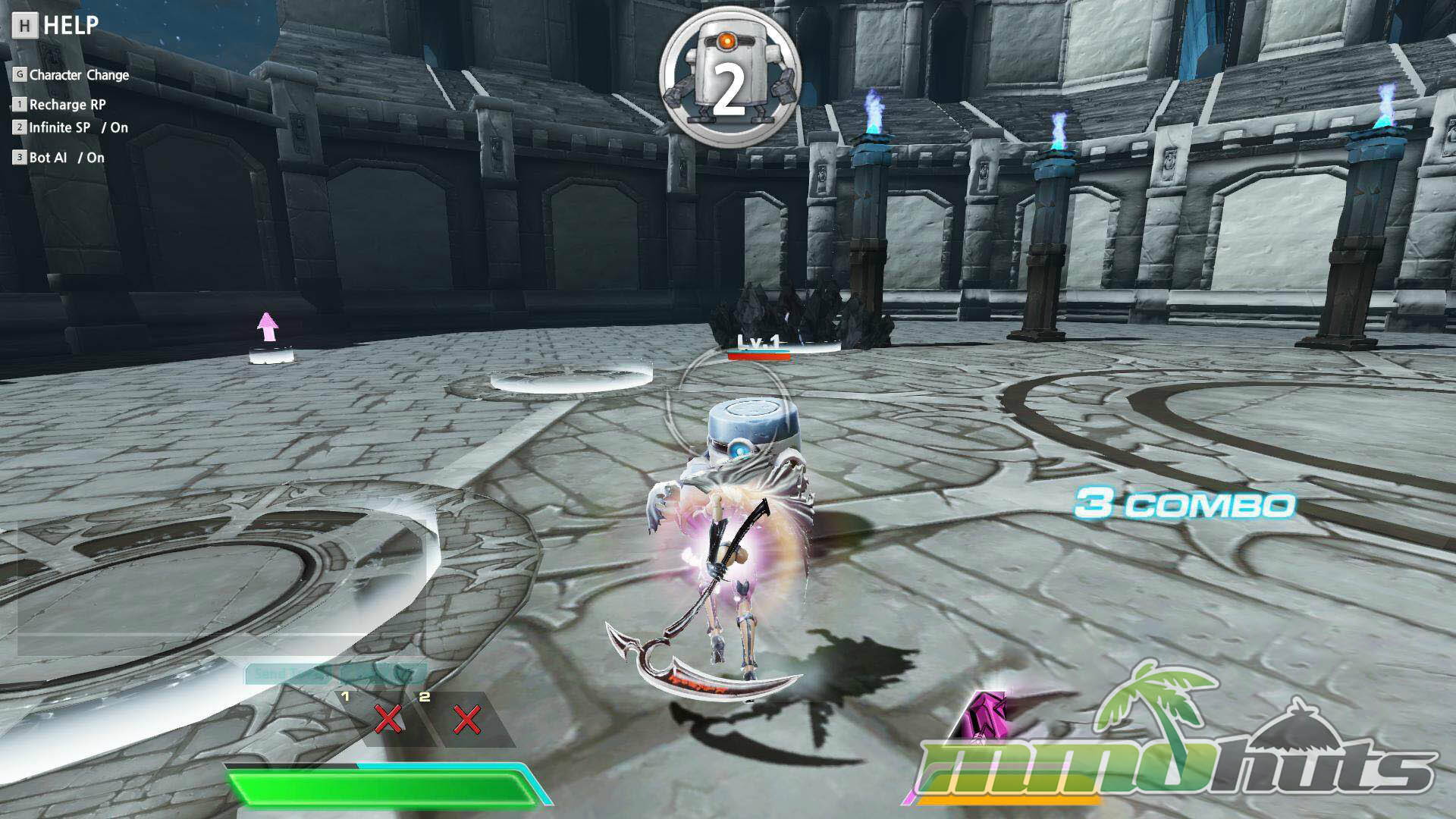
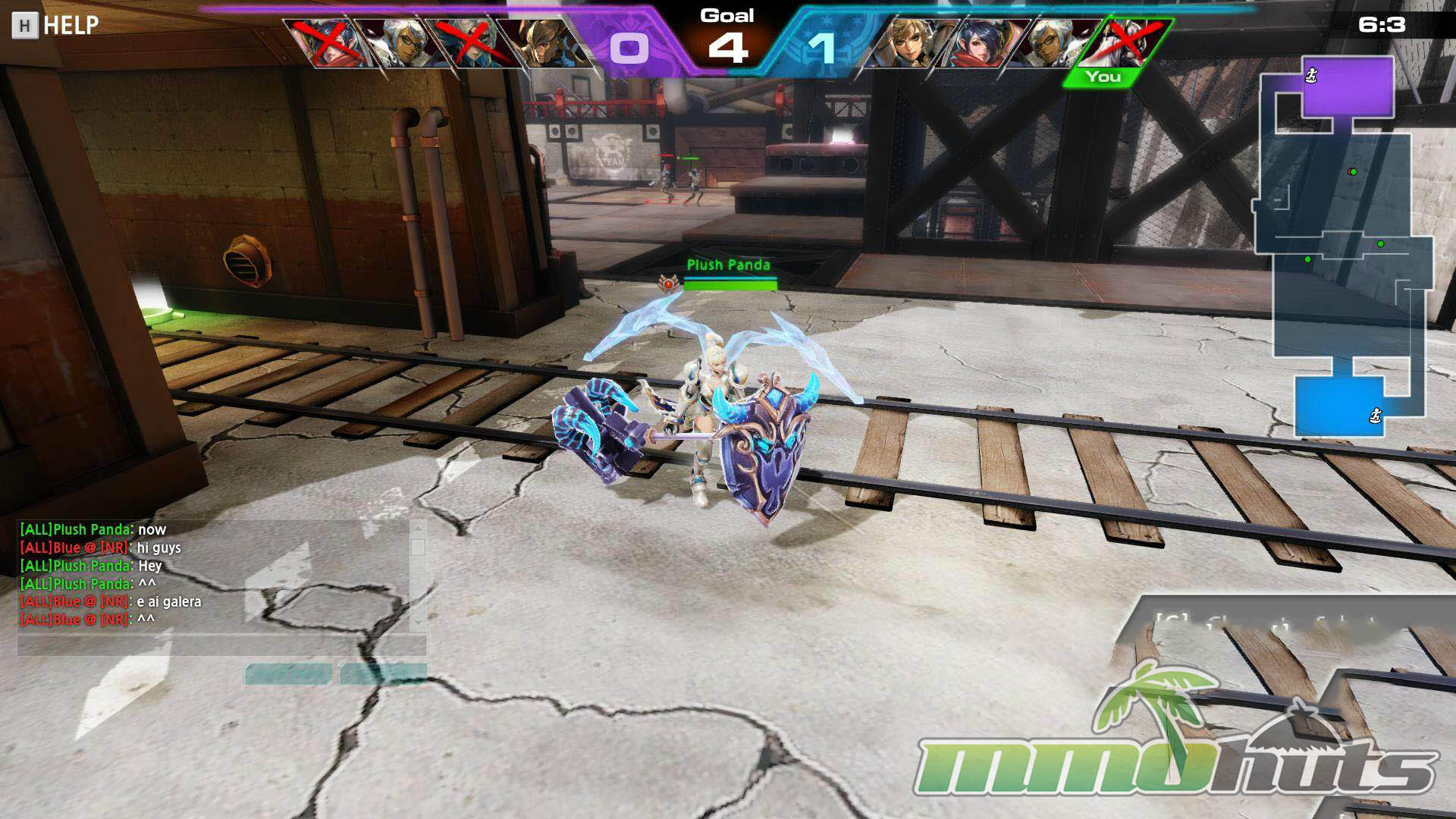
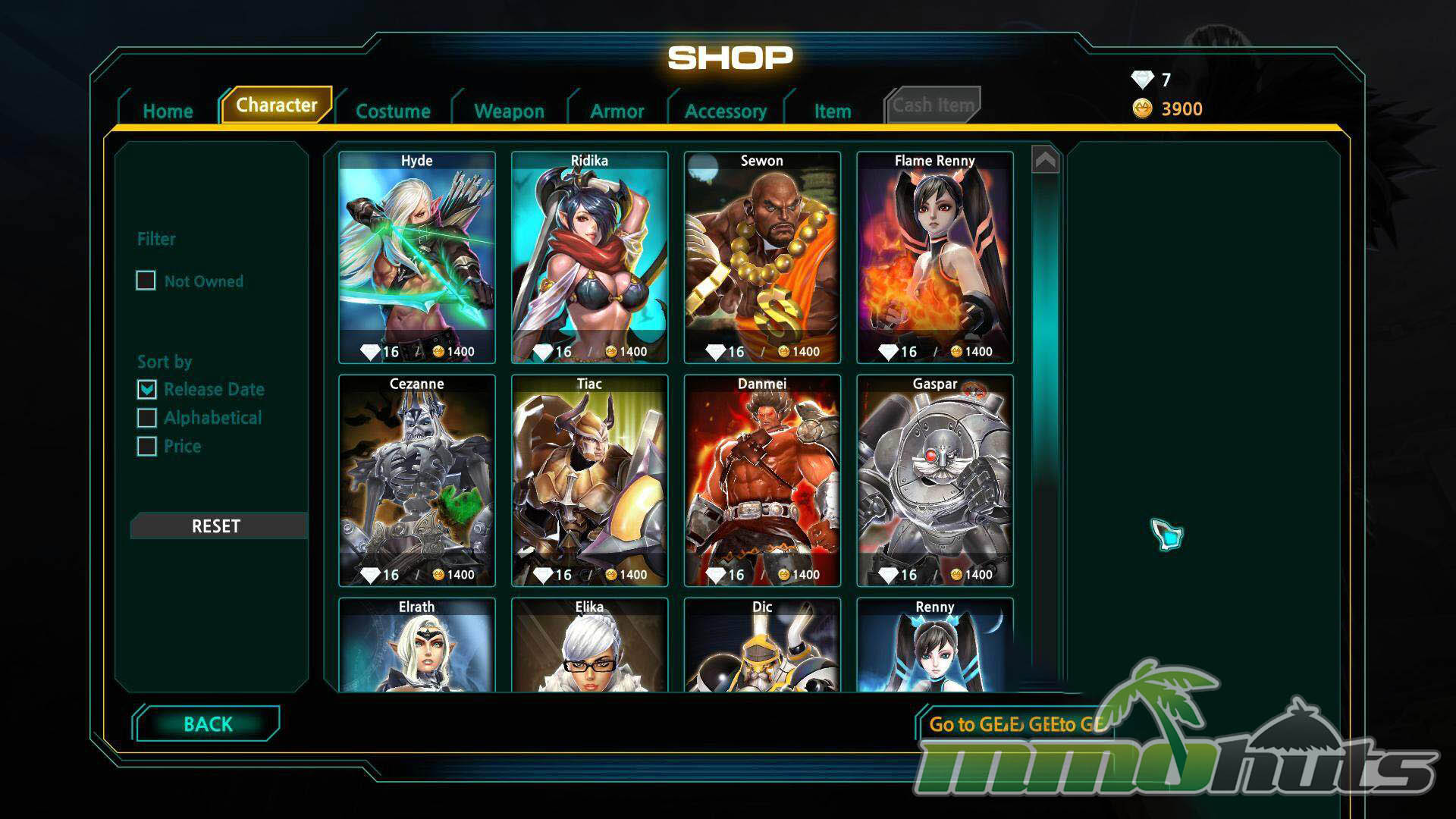
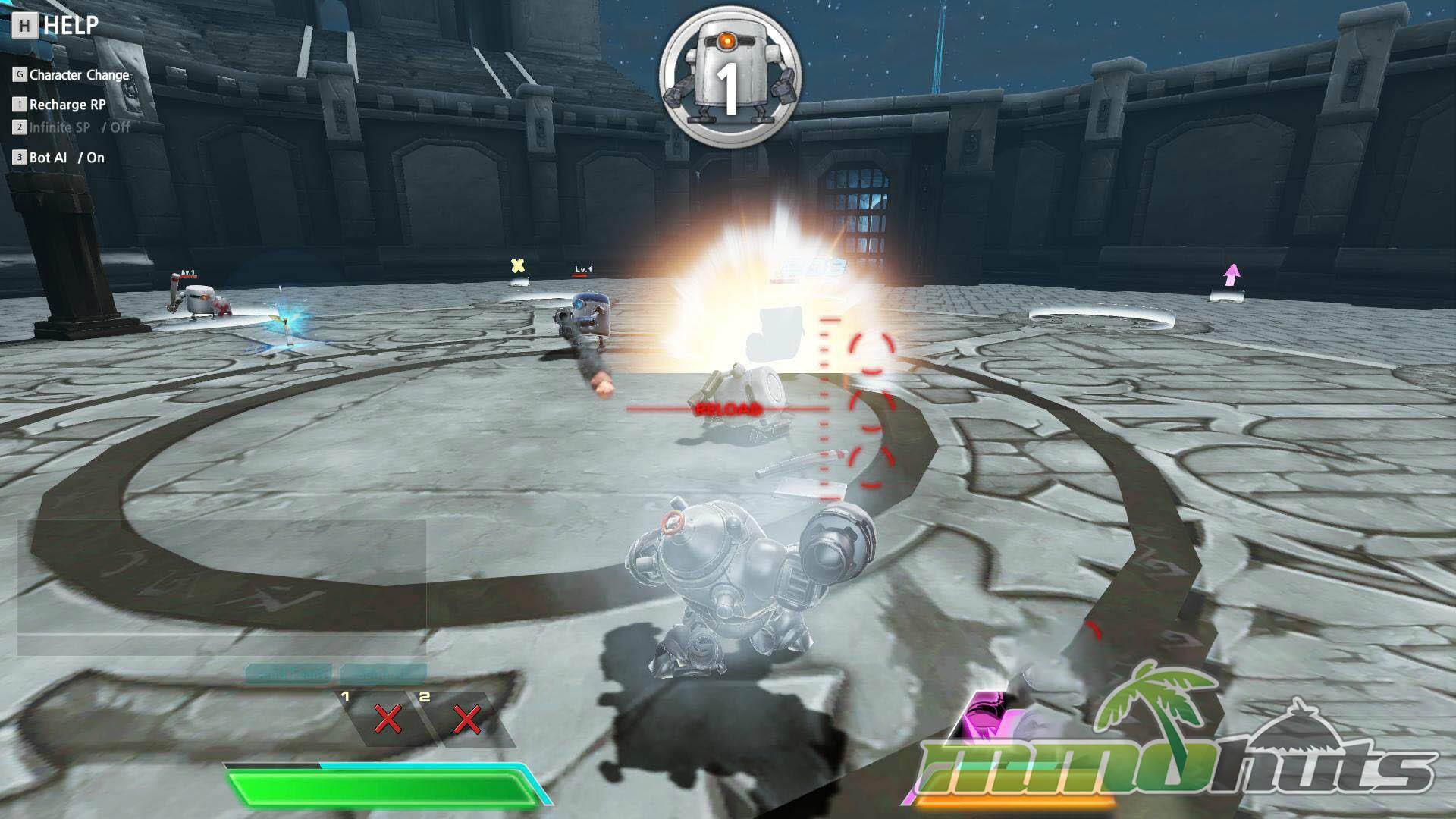
ArcheBlade Screenshots



ArcheBlade Featured Video

ArcheBlade Review
ArcheBlade is a third-person fighting MMO from Codebrush Games, released on Steam on April 25th, 2014 after running beta tests during 2013. The biggest caveat is also the simplest one: the game stopped receiving meaningful developer attention soon after launch, and no updates have been applied since May of 2014. That lack of ongoing support limits long-term variety and is the main reason the experience can feel “finished” rather than evolving.
Getting Oriented
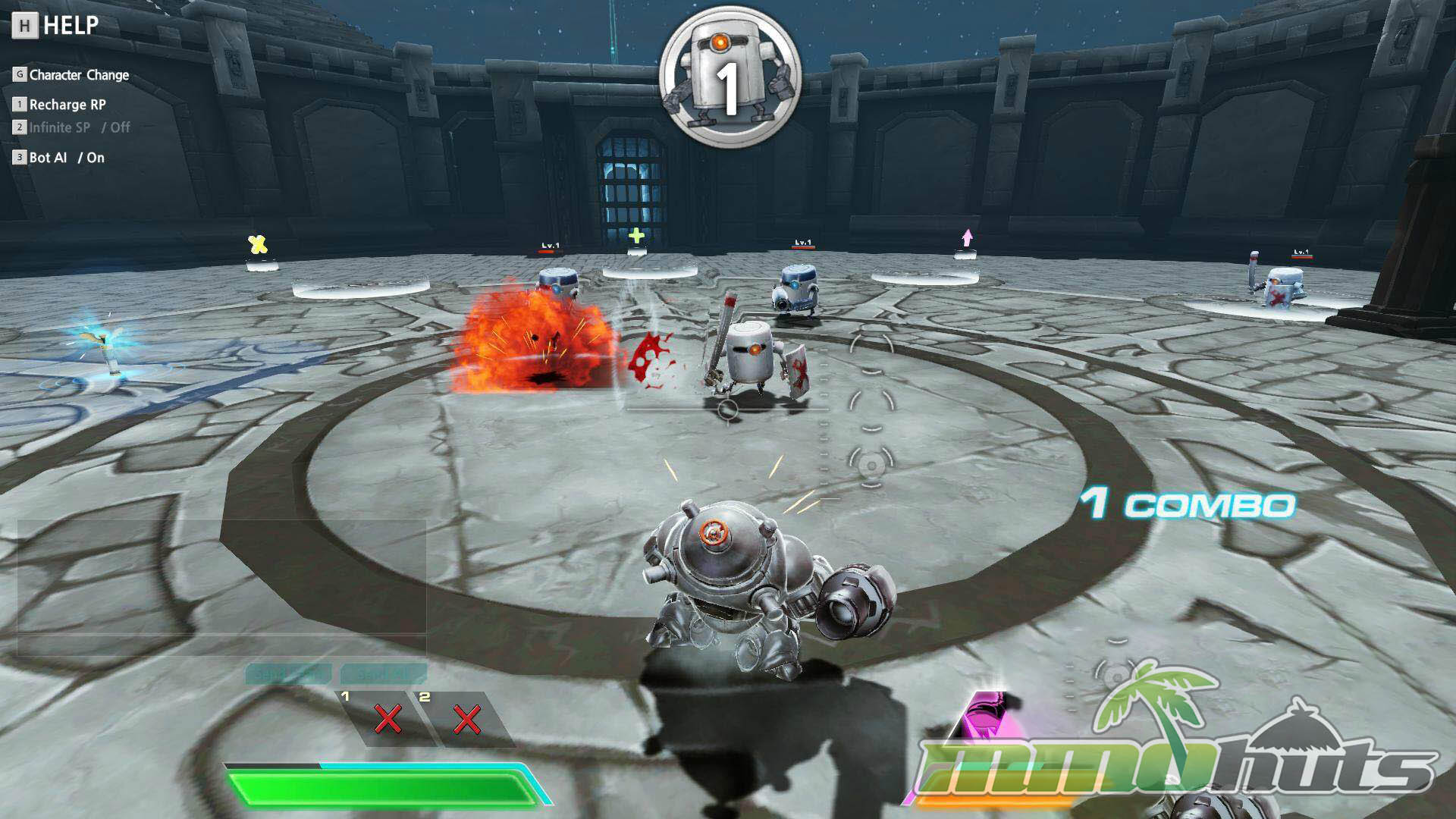
Your first session pushes you toward a tutorial that teaches the fundamentals using the champion Valle. It covers the essentials you need to survive real matches, including basic and special attacks, movement, blocking, rage skills, and how the combo inputs work. Completing it pays out Gems and Meceta. Gems were intended as the premium currency, but with the game’s current state they are effectively obsolete. Meceta remains the practical currency, and the early payout is enough to unlock a single character, which at least gets you started with a champion you actually want to learn.
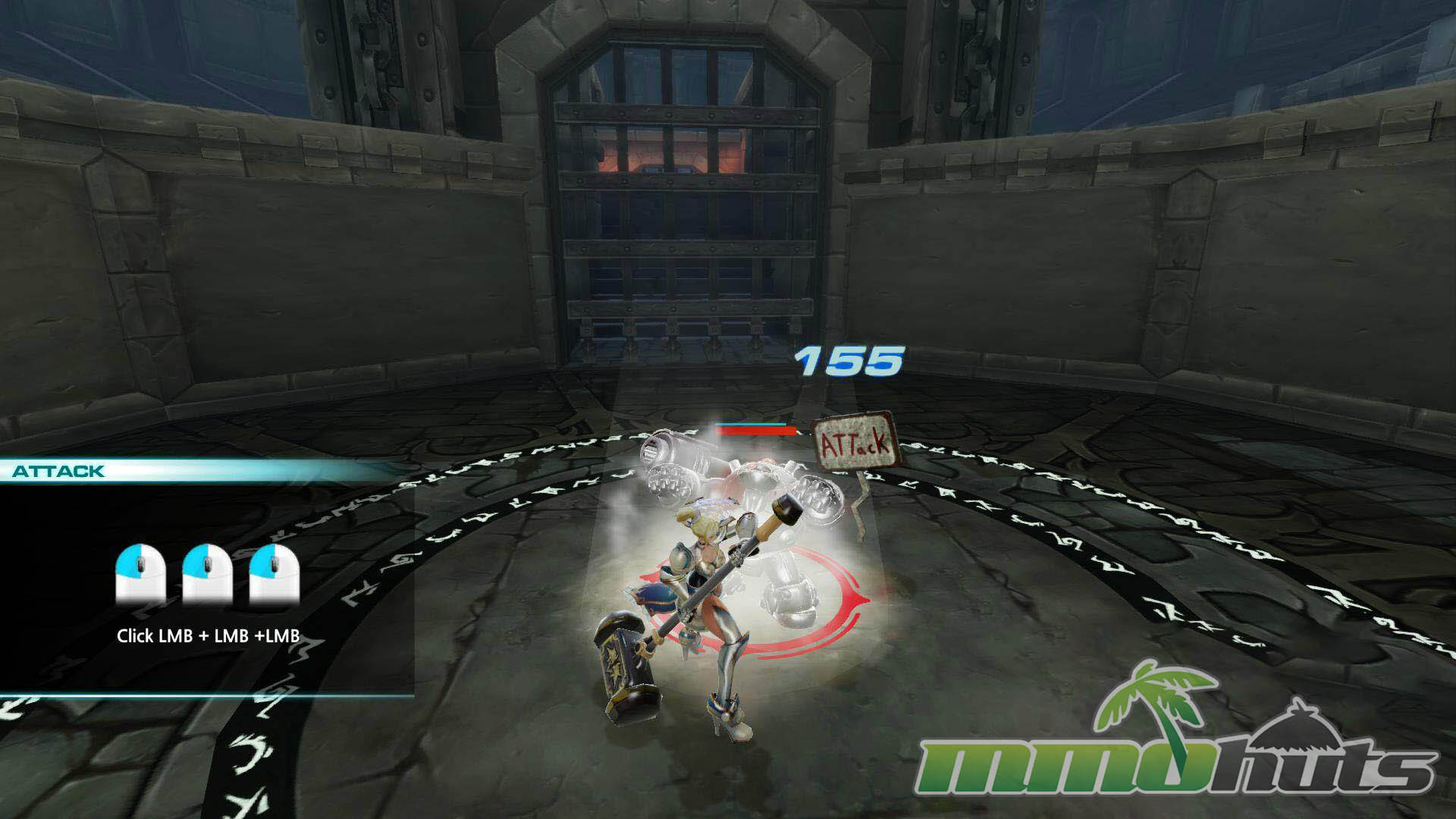
Control-wise, ArcheBlade keeps things approachable. Movement is handled with WASD, while left and right mouse buttons cover your primary attack strings. Combos come from simple sequences, but you still need to pay attention because not every character’s routes and timings match. Some stronger actions involve Alt plus right-click, and defensive play is mapped to the E key for blocking. Rage abilities sit on Q and F, jump is spacebar, and Shift triggers a character-specific trait, depending on the champion. That trait is one of the more important differences between fighters, since it can mean a mobility burst, a stance change, a run or lunge, or a temporary state that alters how you engage. Spending time in Training Mode helps, especially because it is the safest way to understand each kit’s range, speed, and punish windows.
Early Progression
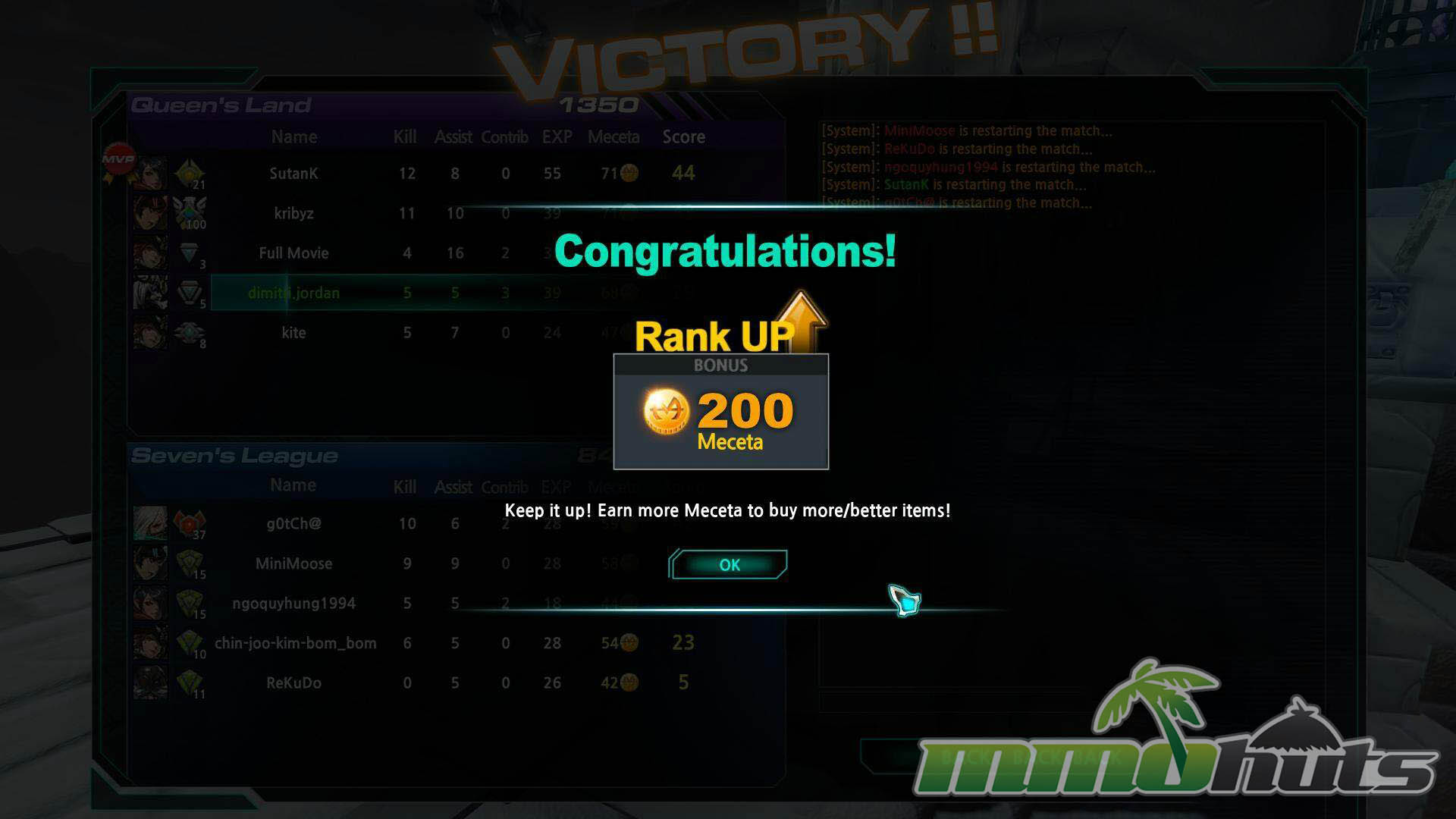
Leveling is tied heavily to match performance. If you are still learning spacing, combo confirms, and how to avoid getting clipped in team fights, the early levels can come slowly. The low playerbase can also make the ramp feel slower, simply because fewer available matches means fewer opportunities to earn experience consistently. Each level grants a 200 Meceta bonus, and later levels unlock the ability to buy equipment for champions. Players who purchase the All Access DLC on Steam bypass much of that gating since it unlocks all champions and equipment, making your level more of a personal indicator of time played rather than a progression barrier.
Gameplay
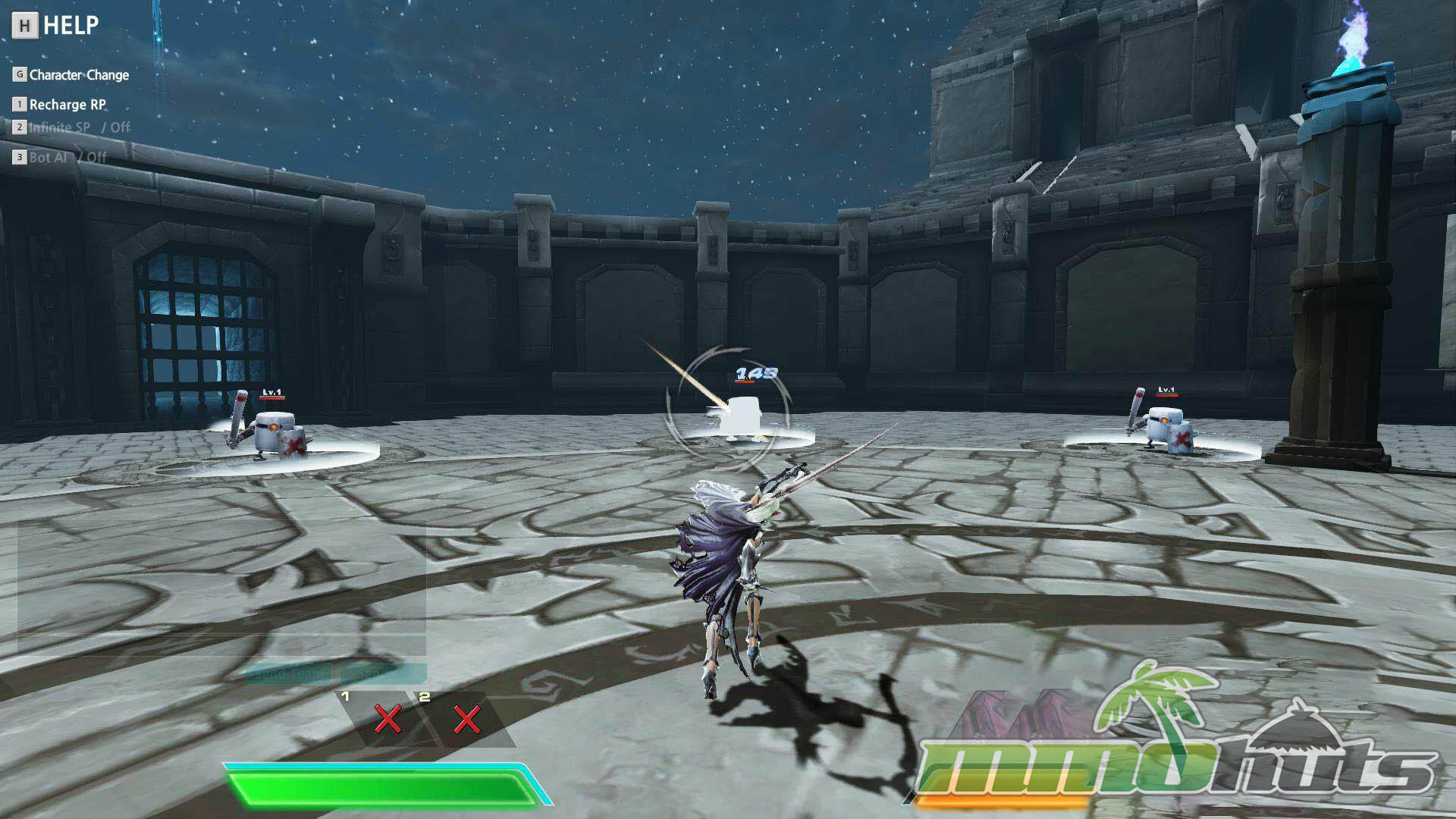
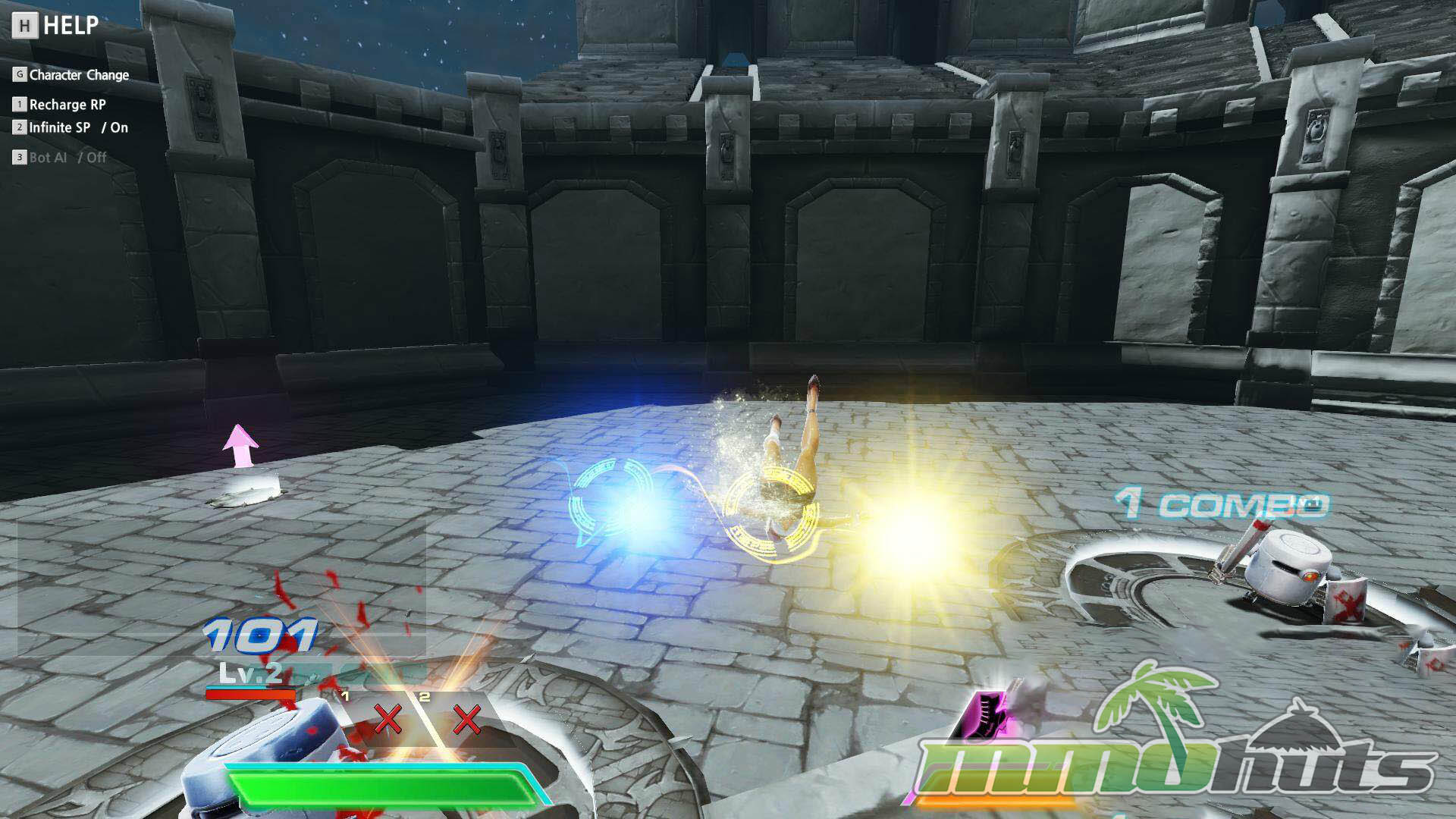
Moment to moment, ArcheBlade is built around quick exchanges and readable strings, with a pace closer to arcade brawlers than traditional 1v1 fighters. The roster variety does a lot of the heavy lifting. Some champions focus on close-range pressure and quick confirms, others rely on magic-like attacks, and a few can play at range. The ranged characters are particularly interesting because aiming can feel closer to an FPS style, especially when using bows or guns, which rewards accuracy and calm decision-making in the middle of chaotic fights.
The combo system is easy to pick up, with each champion having roughly ten distinct combo routes to learn. That accessibility is a strength for new players, but it also explains why the combat can start to feel a bit samey in the long run. Many inputs follow similar patterns across the roster, so once you have internalized the general logic, you may find yourself wanting more complexity, more matchup-specific tech, or more meaningful variation from character to character.
PvP Modes and Match Flow
ArcheBlade includes several PvP modes that change how you approach fights.
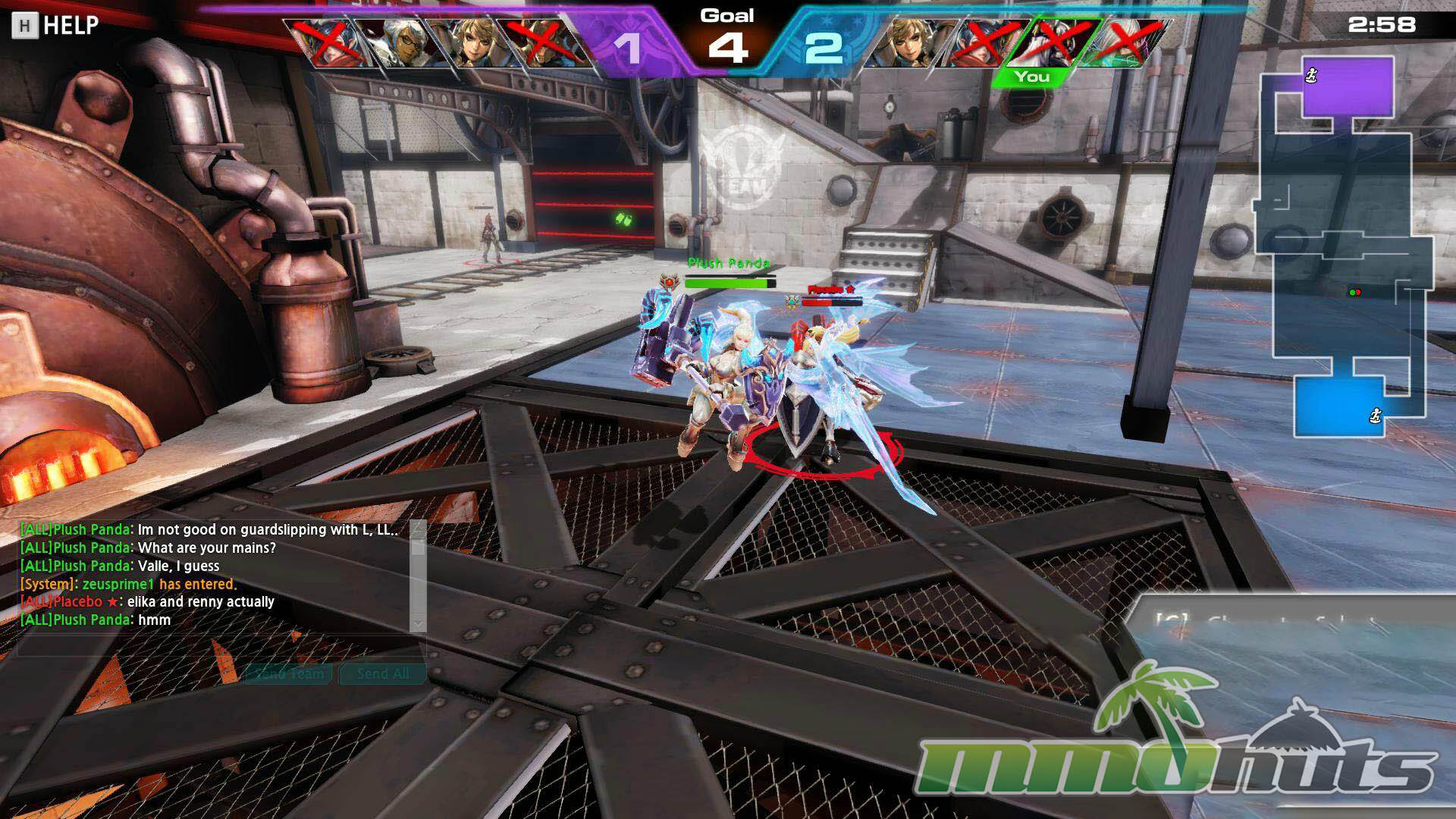
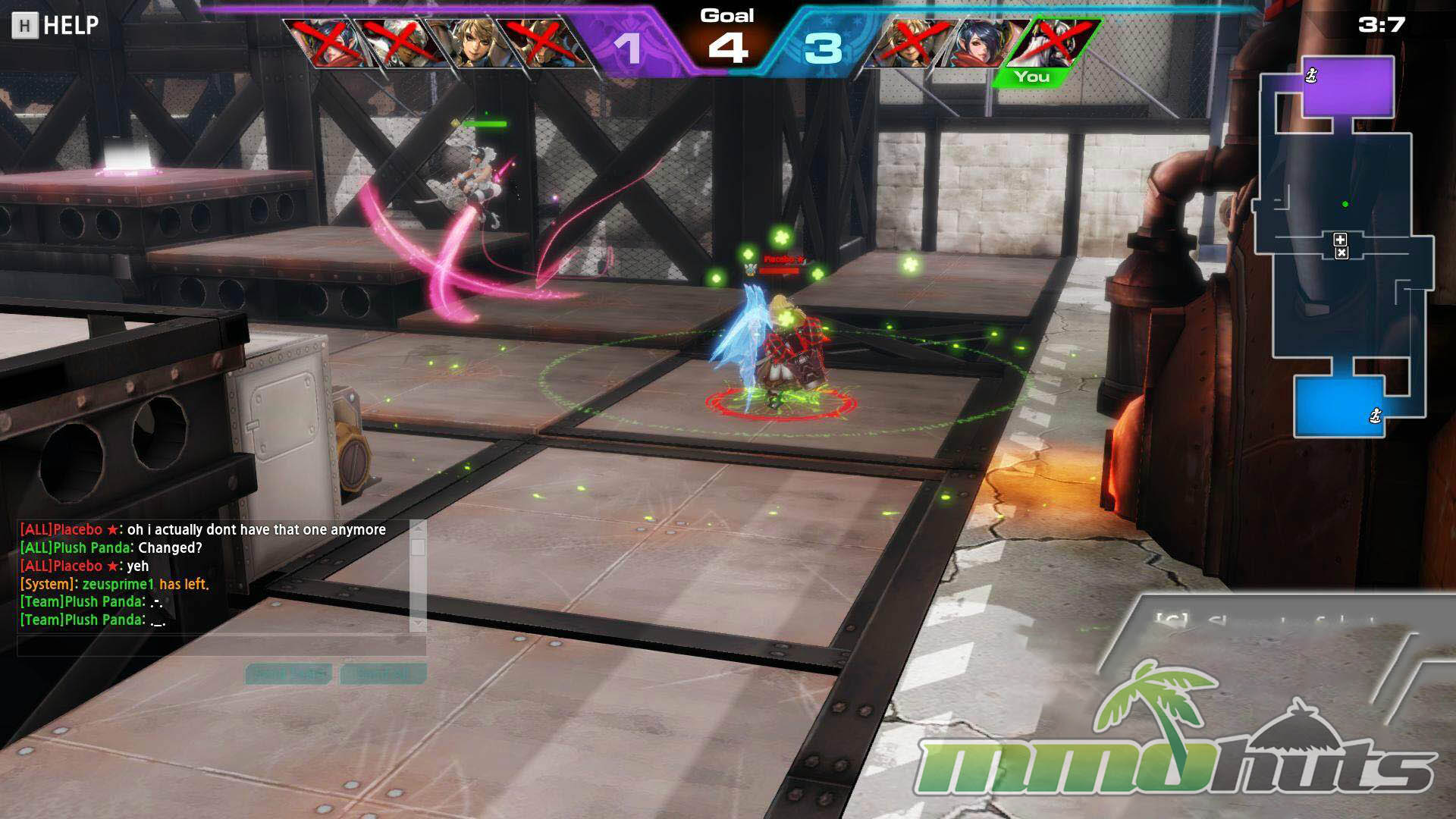
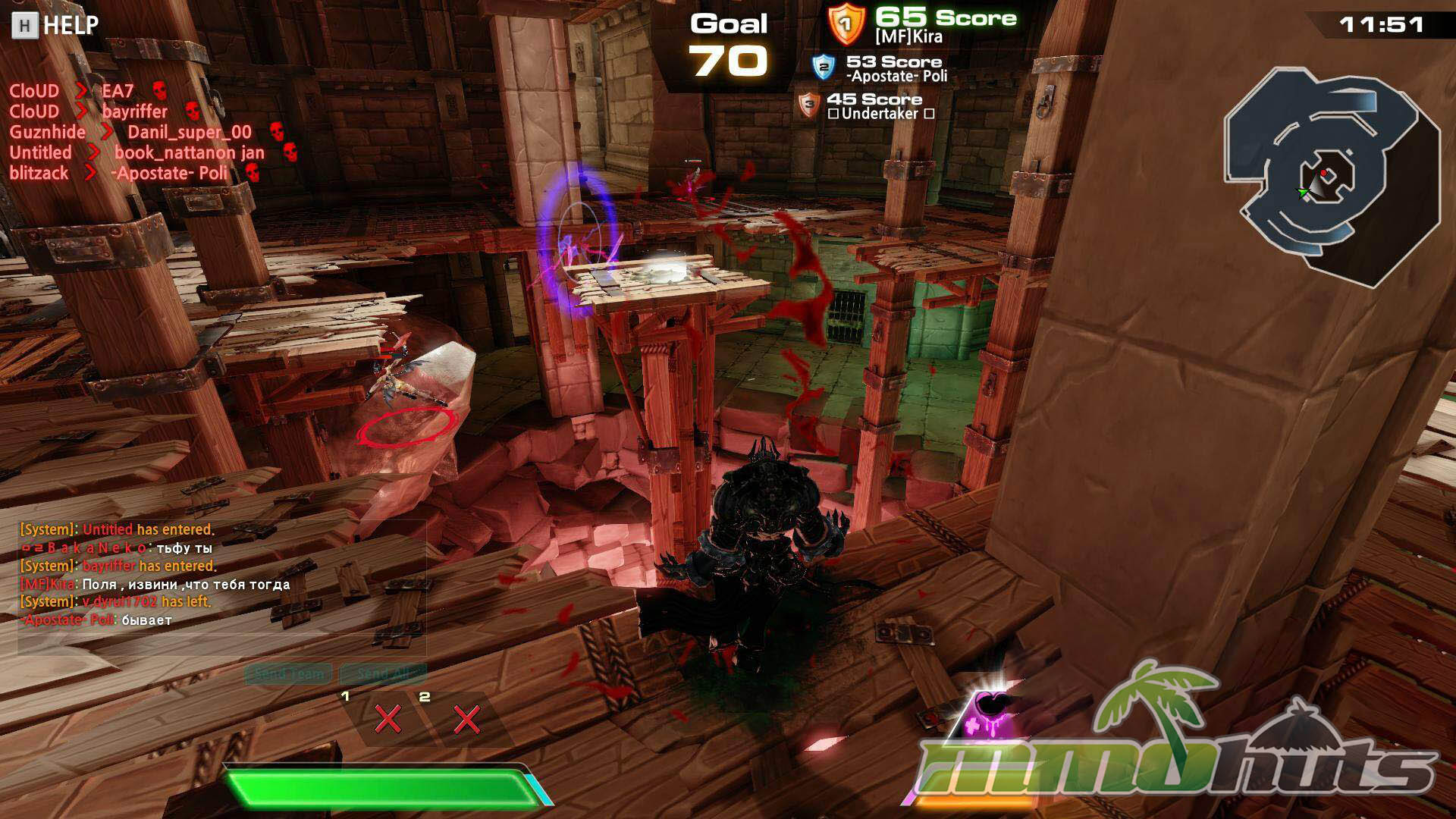
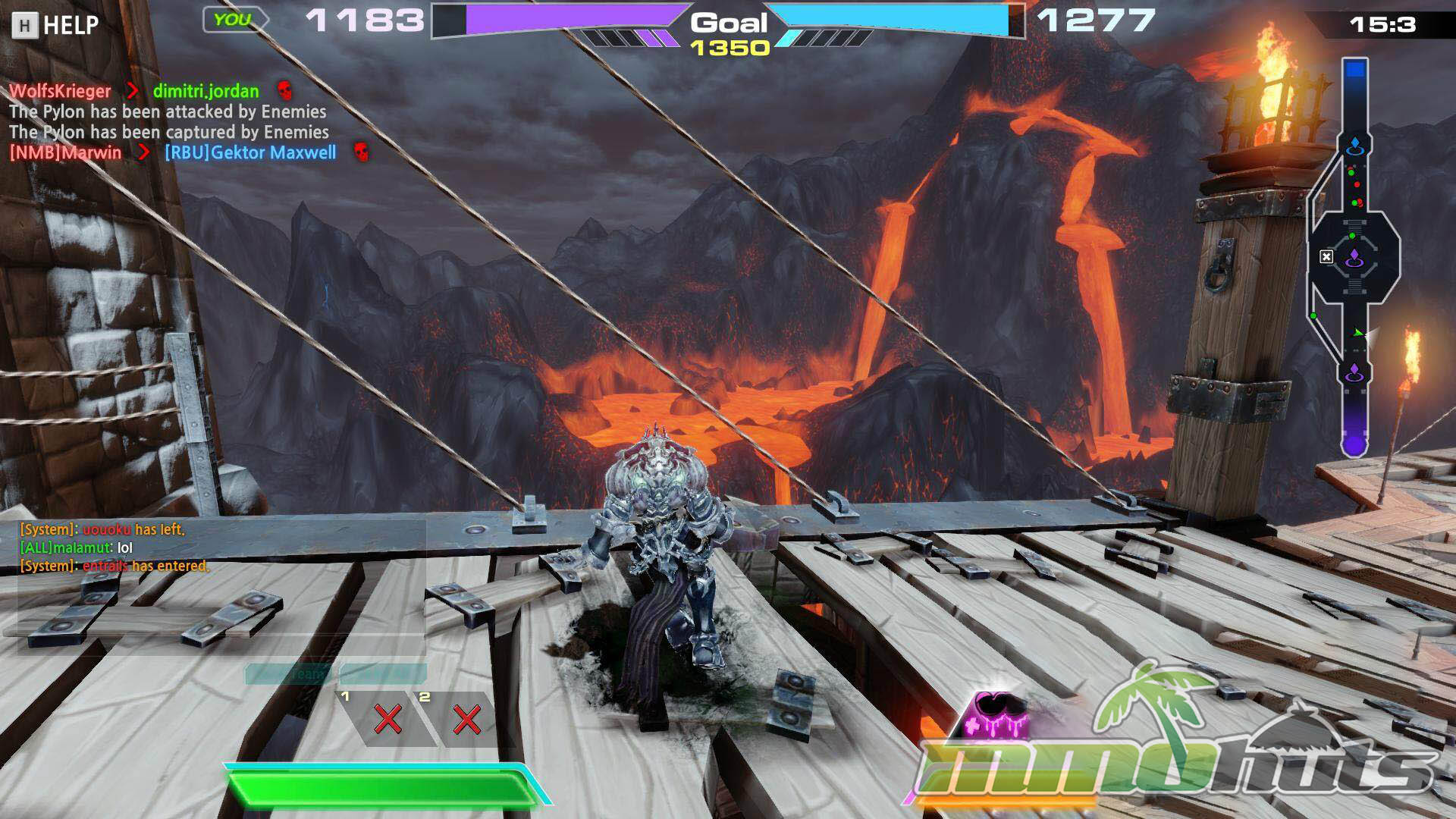
Free-for-All is a race to 70 points. Kills grant 3 points and assists grant 1 point, with the top three players taking the win spots. Team Deathmatch pits two teams against each other to reach 30 kills first. Compared to Elimination, the mode tends to be more chaotic because multiple players frequently collapse on the same target, and positioning matters as much as mechanical execution.
Elimination changes the tone substantially. Teams are formed as either 2v2 or 4v4 depending on the map, and each player only has one life per round. The first team to win four rounds takes the match. In practice, many lobbies follow a common community etiquette where players split into informal 1v1 duels rather than focusing targets as a group. When teams are uneven, extra players will often wait their turn so the duels remain “fair,” which creates a very different rhythm from most team-based PvP games.
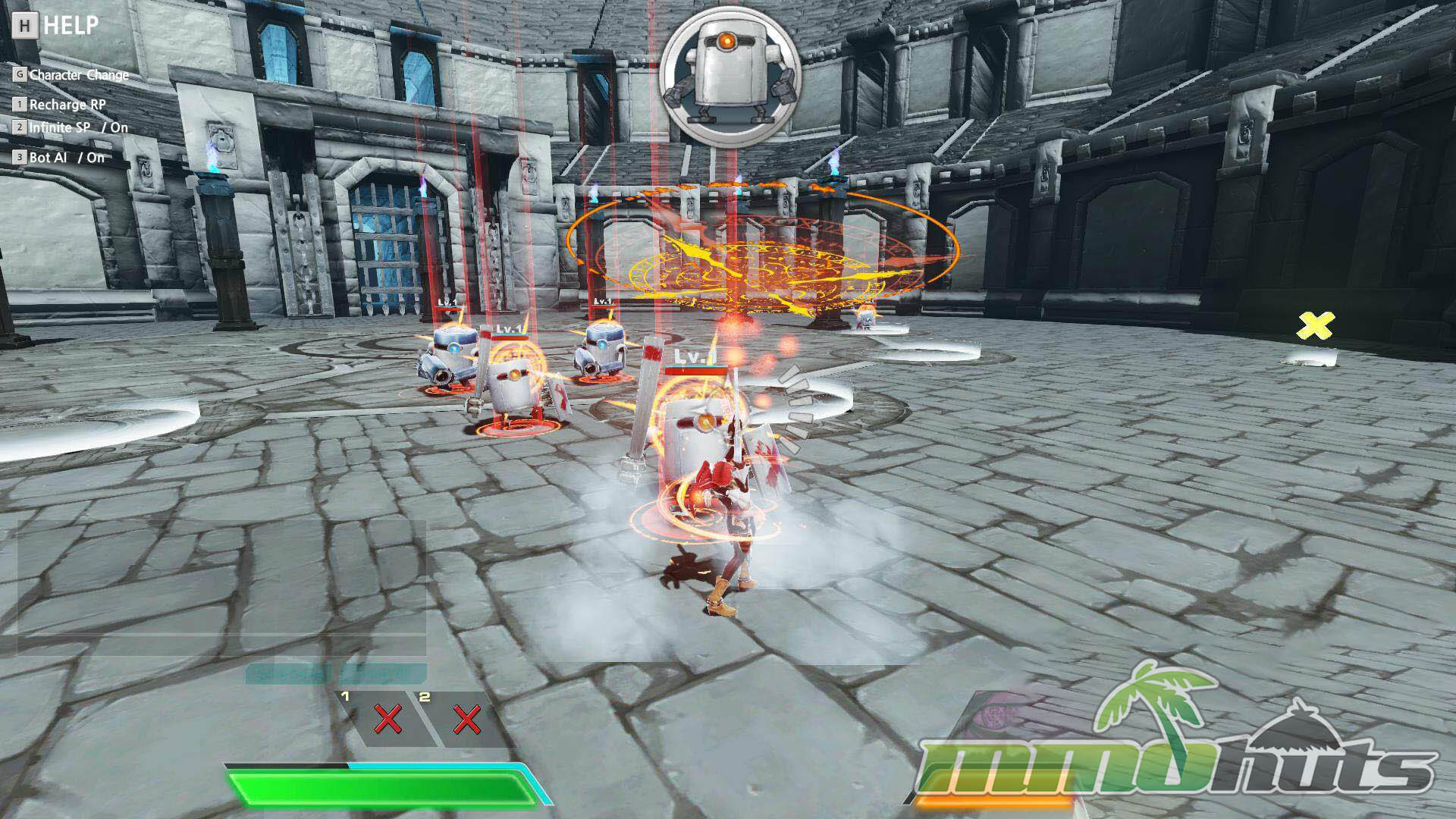
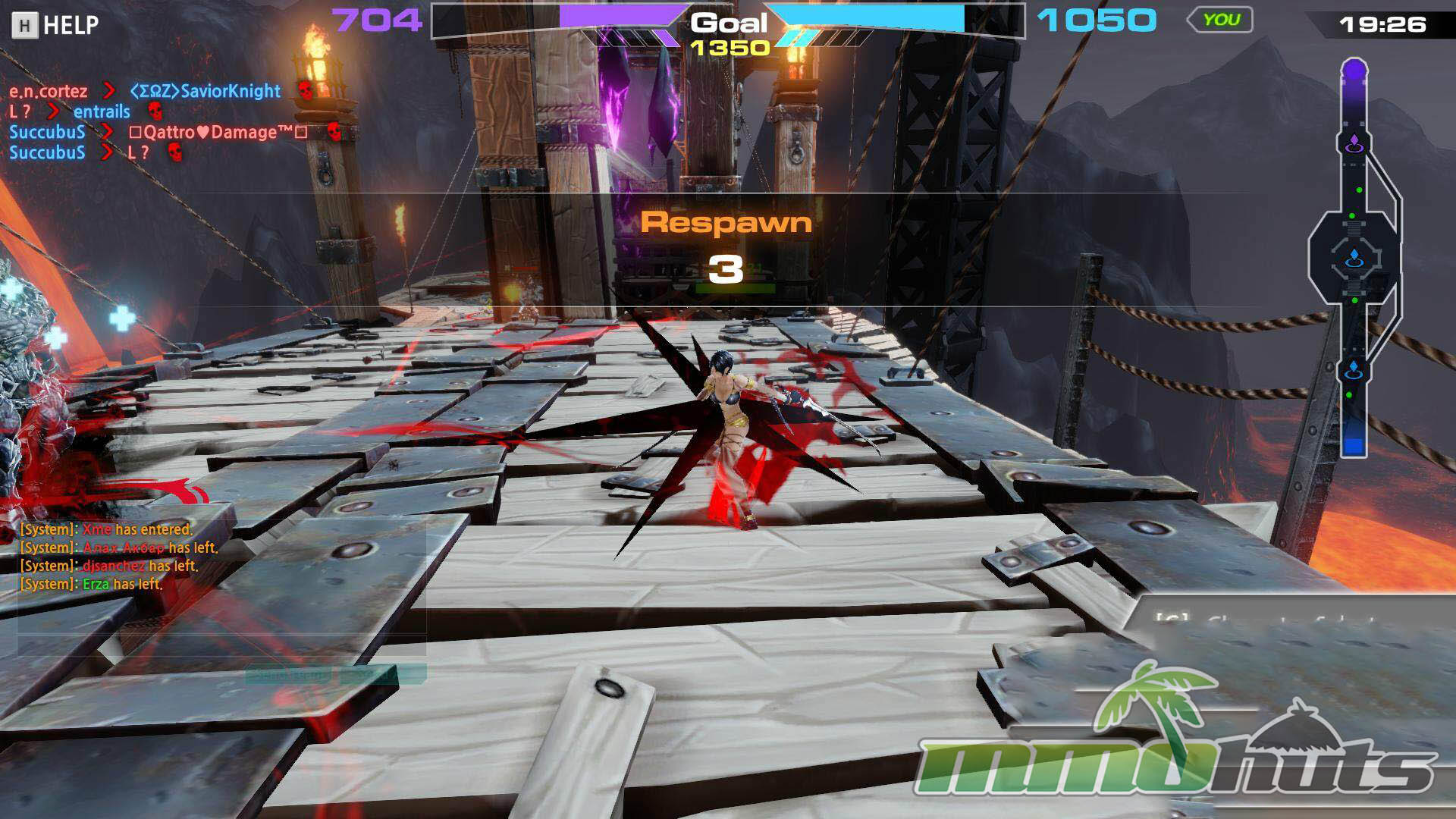
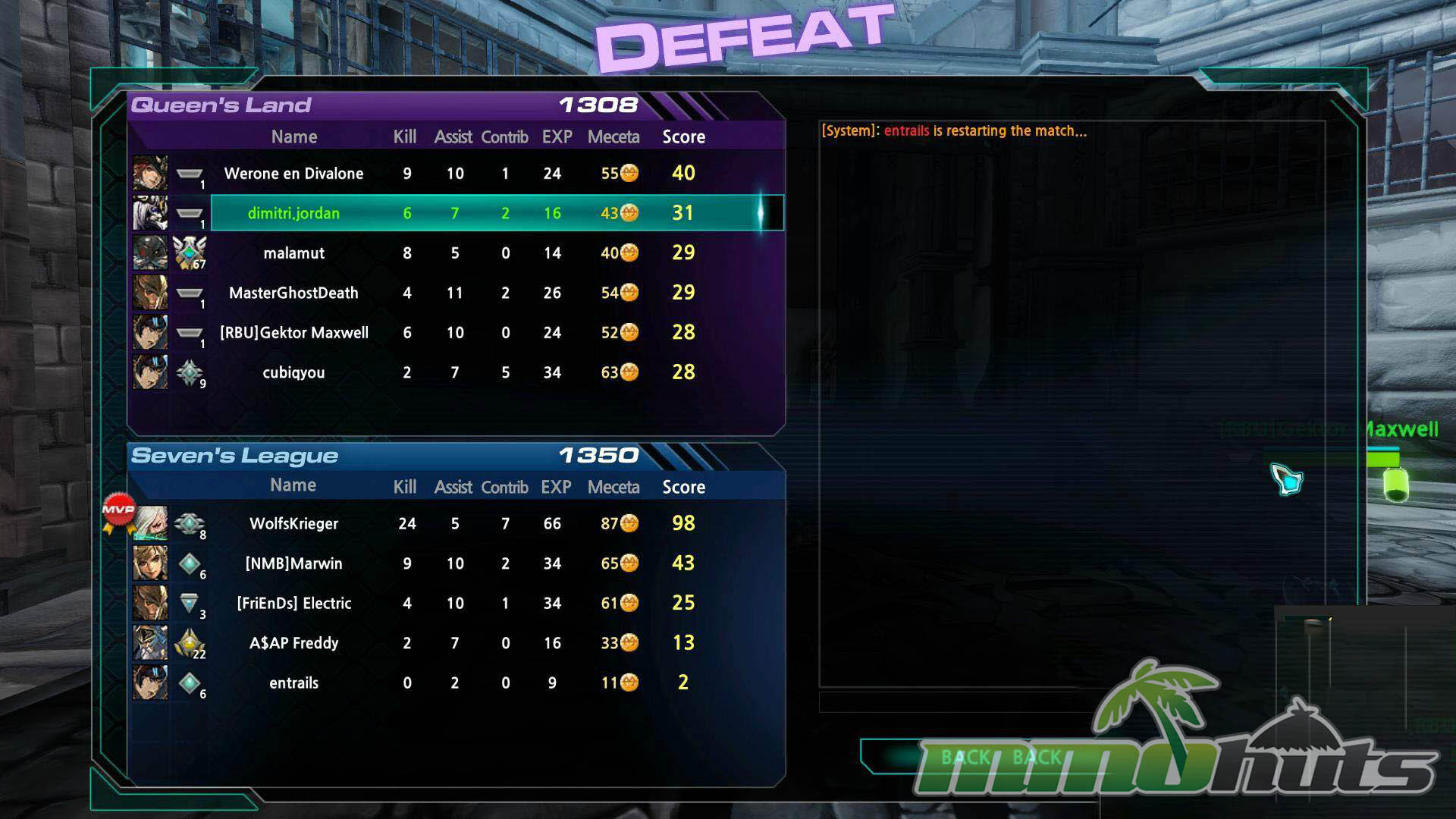
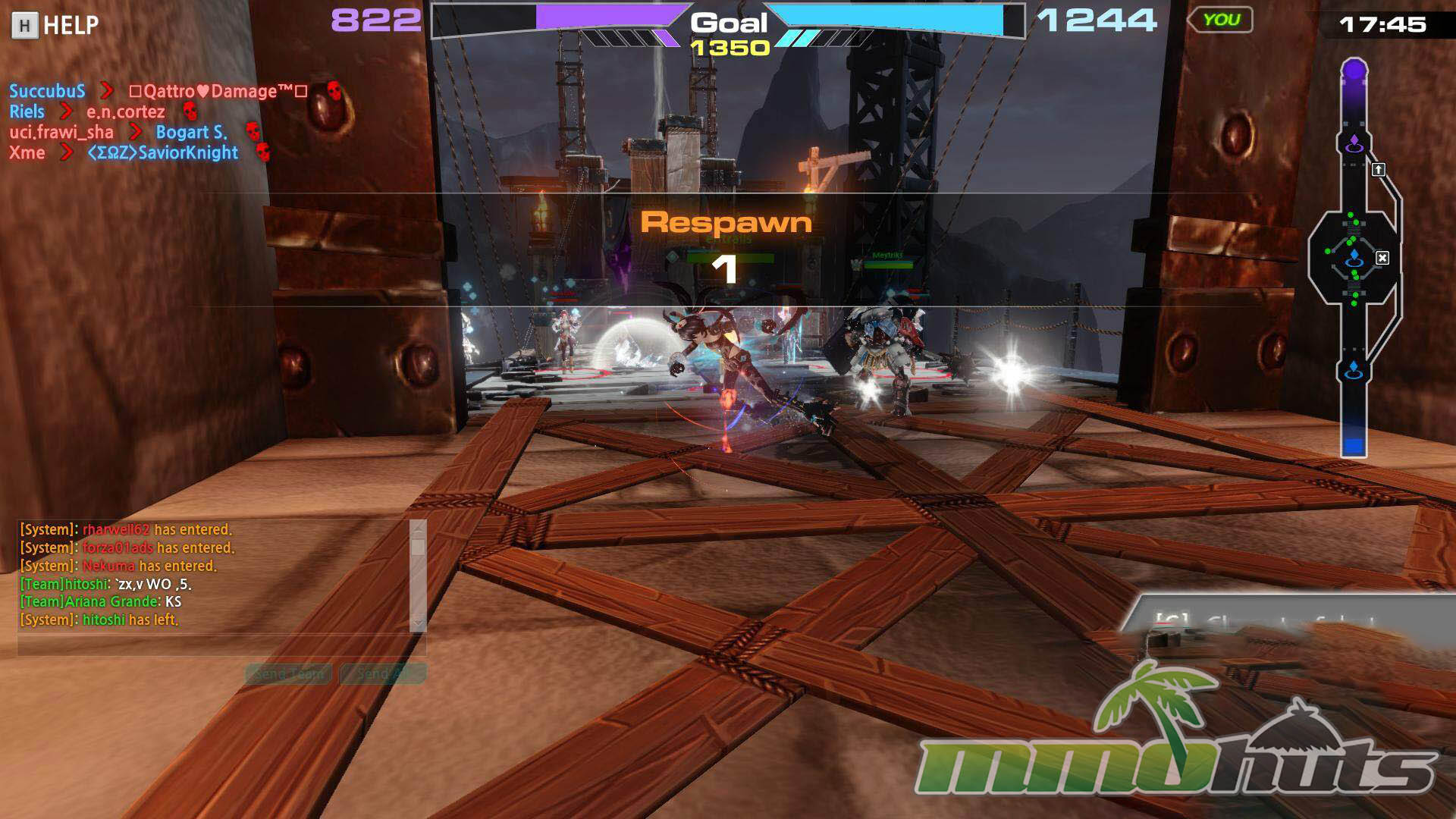
Nether Dale is the objective-focused alternative. Two teams fight over three pylons: one near each spawn and a contested point in the center. Holding a pylon generates 1 point per second, and the first team to reach 1,500 points wins. It is a mode that rewards coordination and awareness, since controlling space and rotating between points often matters more than chasing kills.
A useful quality-of-life feature is the ability to create custom servers. Hosts can adjust certain rules to match the kind of games their group wants to run. For example, you can enforce balanced teams so late joiners cannot stack one side, and you can also prevent duplicate champions on the same team, which helps keep compositions more varied.
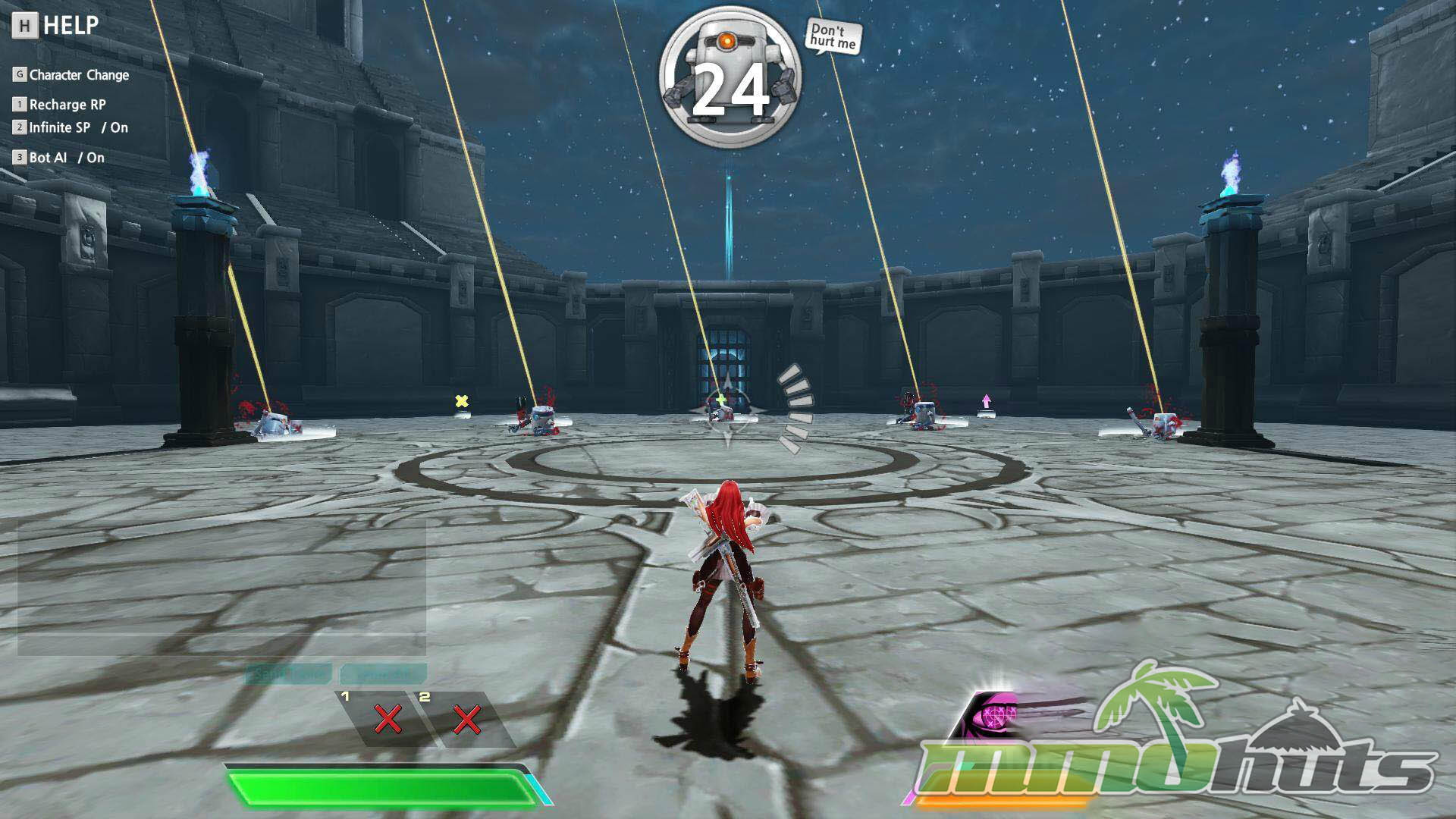
Training Mode is also notable because it allows everyone in the lobby to use all champions, even if they have not purchased them. That makes it easier to learn matchups and experiment before spending Meceta.
Cash Shop
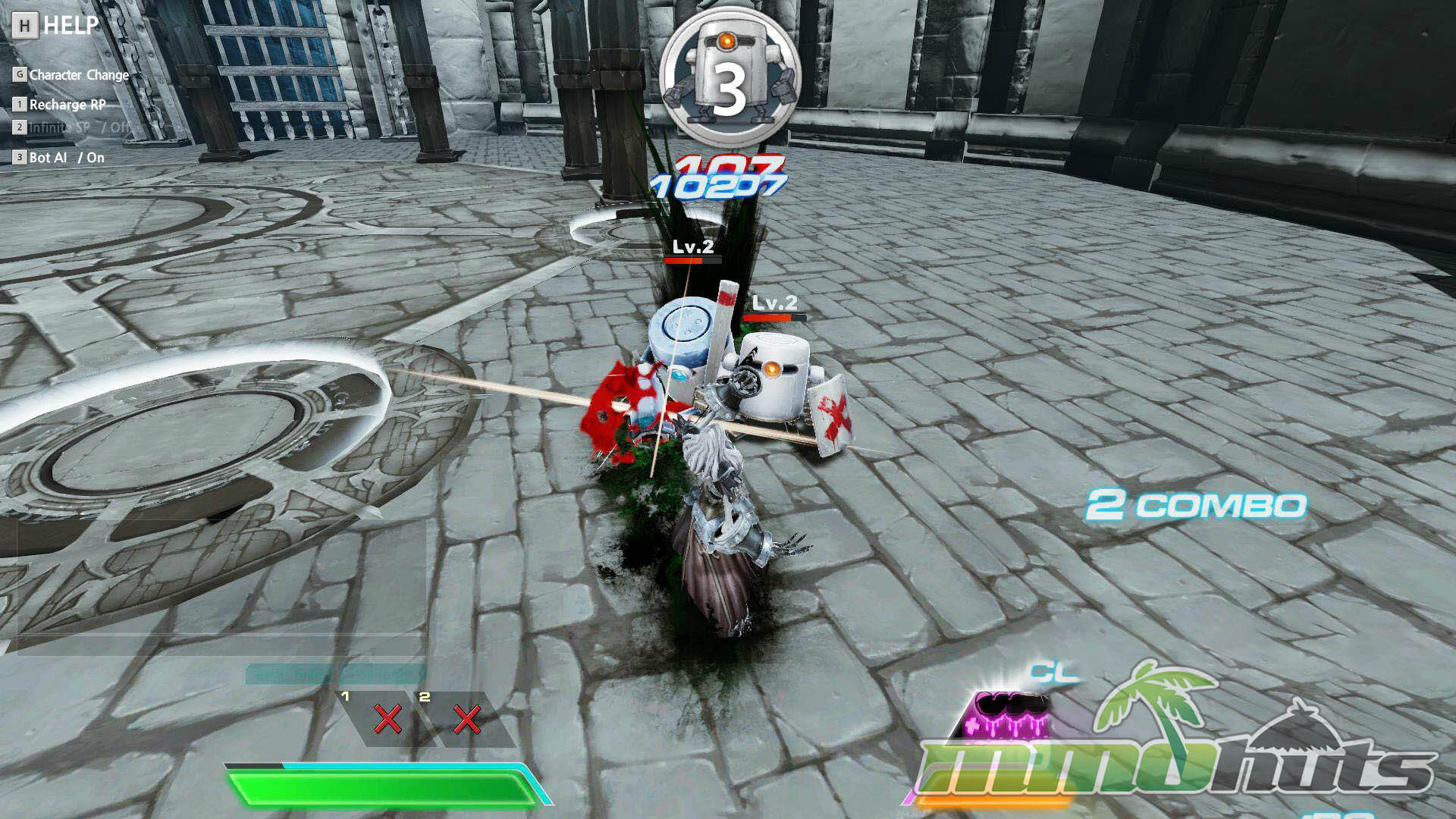
ArcheBlade’s cash shop is limited, largely because the game’s support ended early. Gems originally served as the paid currency, but there is no longer a practical way to acquire them. In the current state, the important point is that champions and equipment can be obtained with Meceta, the standard in-game currency, and players can also buy the All Access DLC through Steam to unlock all champions and equipment immediately. Equipment is cosmetic only, since stat-affecting items were removed to keep PvP more even and to reduce pay-to-win concerns.
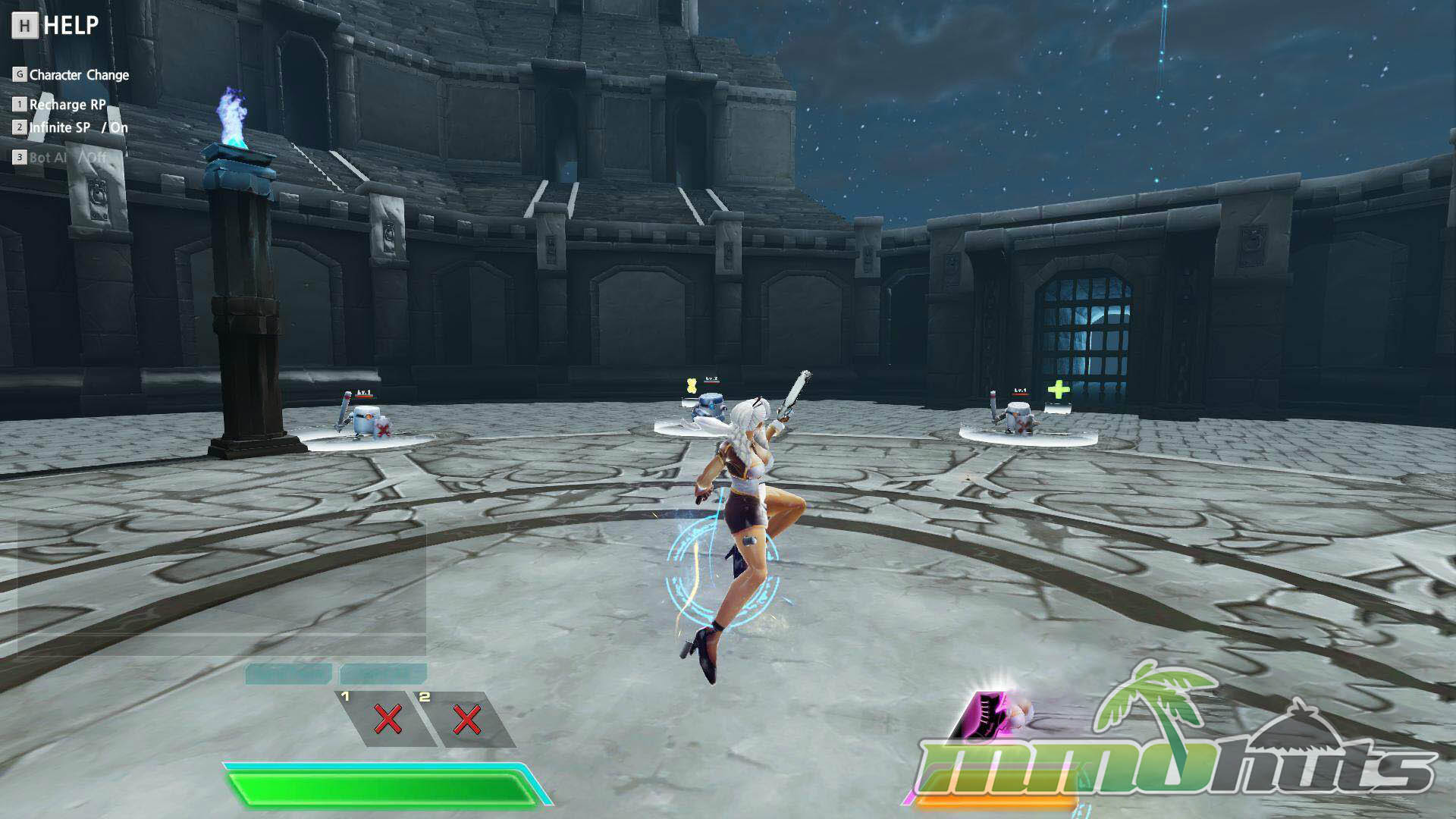
Final Verdict – Fair
ArcheBlade is an enjoyable PvP brawler that is held back primarily by its abandoned state. With only 14 champions and a relatively small selection of cosmetics per character (especially after stat gear was removed), the long-term loop can run out of surprises. The low playerbase can also make matchmaking inconsistent, and some sessions may require patience to find full lobbies.
Still, when matches are populated, the game delivers a satisfying blend of frantic skirmishing and tactical decision-making. The mode variety helps, the remaining community is often welcoming, and regular groups can get a lot of mileage out of hosted servers and informal rulesets. If you want a more modern, actively supported alternative in the broader online brawler space, Rise of Incarnates is a reasonable place to look next.
ArcheBlade Links
ArcheBlade Official Site
ArcheBlade Wikia (Database / Guides)
ArcheBlade Gamepedia Wiki (Database / Guides)
ArcheBlade System Requirements
Minimum Requirements:
Operating System: Windows XP / 7 / 8 / 10
CPU: Core 2 Duo 1.86 GHz / Athlon 64 X2 2 Ghz
Video Card: GeForce GTX 260 / HD 3850
RAM: 2 GB
Hard Disk Space: 1.5 GB
Recommended Requirements:
Operating System: Windows XP / 7 / 8 / 10
CPU: Core i3 3 GHz / Phenom II X2 3 GHz
Video Card: GeForce GTX 460 / HD 4870
RAM: 4 GB
Hard Disk Space: 1.5 GB
ArcheBlade Music & Soundtrack
ArcheBlade Additional Information
Developer: Codebrush Games
Game Engine: Unreal Engine
Release Date: April 25, 2014
Development History / Background:
ArcheBlade was created by South Korean indie studio Codebrush Games using the Unreal 3 Engine. While it found an audience early on, its population declined and active development was eventually discontinued. As a result, ArcheBlade has not received content updates in a long time.