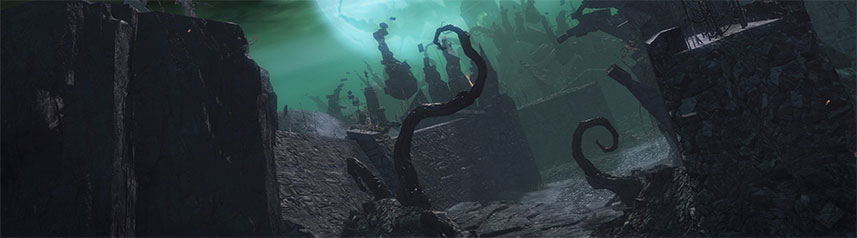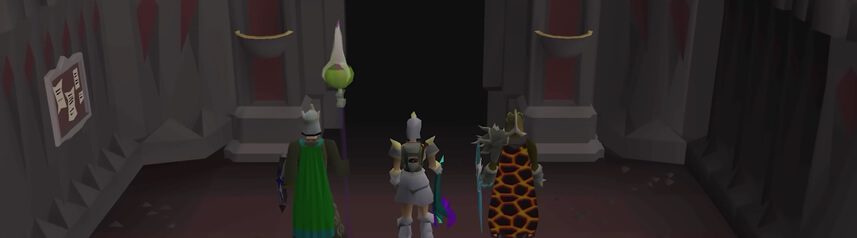
Villagers and Heroes, formerly released under the name A Mystical Land, is a fantasy sandbox MMORPG that leans heavily into crafting, community projects, and cozy progression rather than competitive combat. It is a bright, approachable online world where character expression, home ownership, and contributing to a shared village are the real long-term hooks, making it a good fit for players who want an MMO that feels more like a social hobby than a raid schedule.
 | Publisher: Mad Otter Games Playerbase: Low Type: F2P MMORPG Release Date: April 17, 2014 PvP: None Pros: +Strong voice work for an indie MMO. +Village progression and player leadership add purpose. +Crafting is deep and rewarding. Cons: -Movement and targeting can feel awkward at times. -Class variety is limited. -No PvP options at all. |

Villagers & Heroes Overview
Villagers and Heroes puts the spotlight on building, producing, and collaborating. Instead of pushing players toward duels or endgame PvP ladders, the game encourages you to develop a character through a mix of questing and a surprisingly broad set of gathering and production skills. Combat exists and you will fight plenty of creatures while leveling, but it is not the main attraction, the real identity here is a sandbox-style MMO where crafting and village development are the long-term goals.
If your ideal MMO evening is harvesting materials, improving recipes, decorating a home, and pitching in on community upgrades, this is the type of loop Villagers and Heroes is designed to support. Players who primarily want high-pressure encounters or competitive builds will likely find the pacing and priorities mismatched.
Villagers & Heroes Key Features –
- Play who you want – Shape your character with extensive customization, including backstory and personality choices, plus 8 Primary Combat Class builds available.
- Become a master of crafts – Focus deeply on one discipline or take the completionist route by advancing them all (Mining, Fishing, Bug lore, Plant lore, Blacksmithy, Cooking, Tailoring, Woodcrafting, Gardening and Ranching).
- Create your own village – Join or establish player villages and even step into leadership as mayor.
- Become a hero reborn – Use Rebirth to restart at level one while earning bonuses that accelerate future progression and enhance talents.
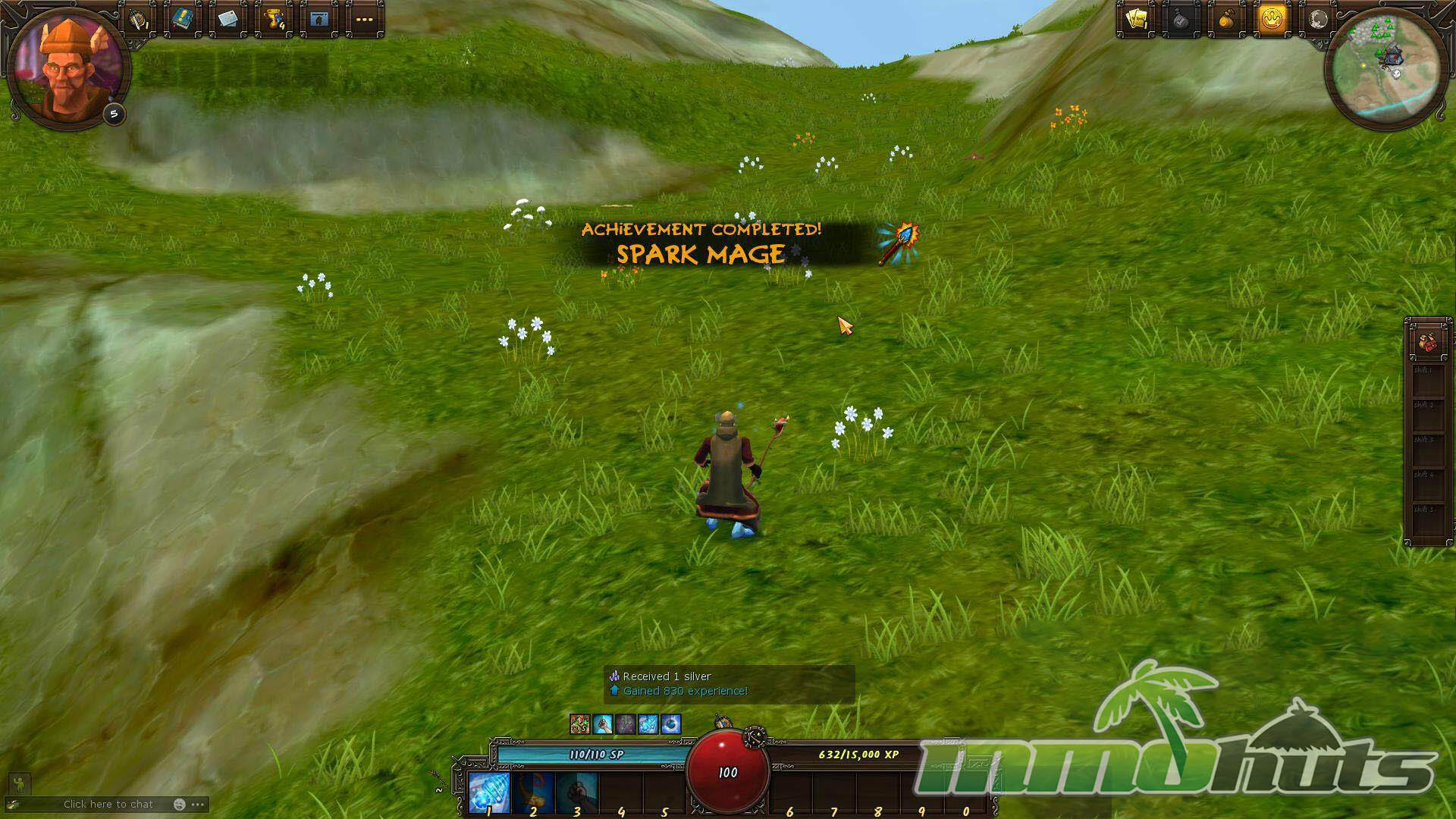
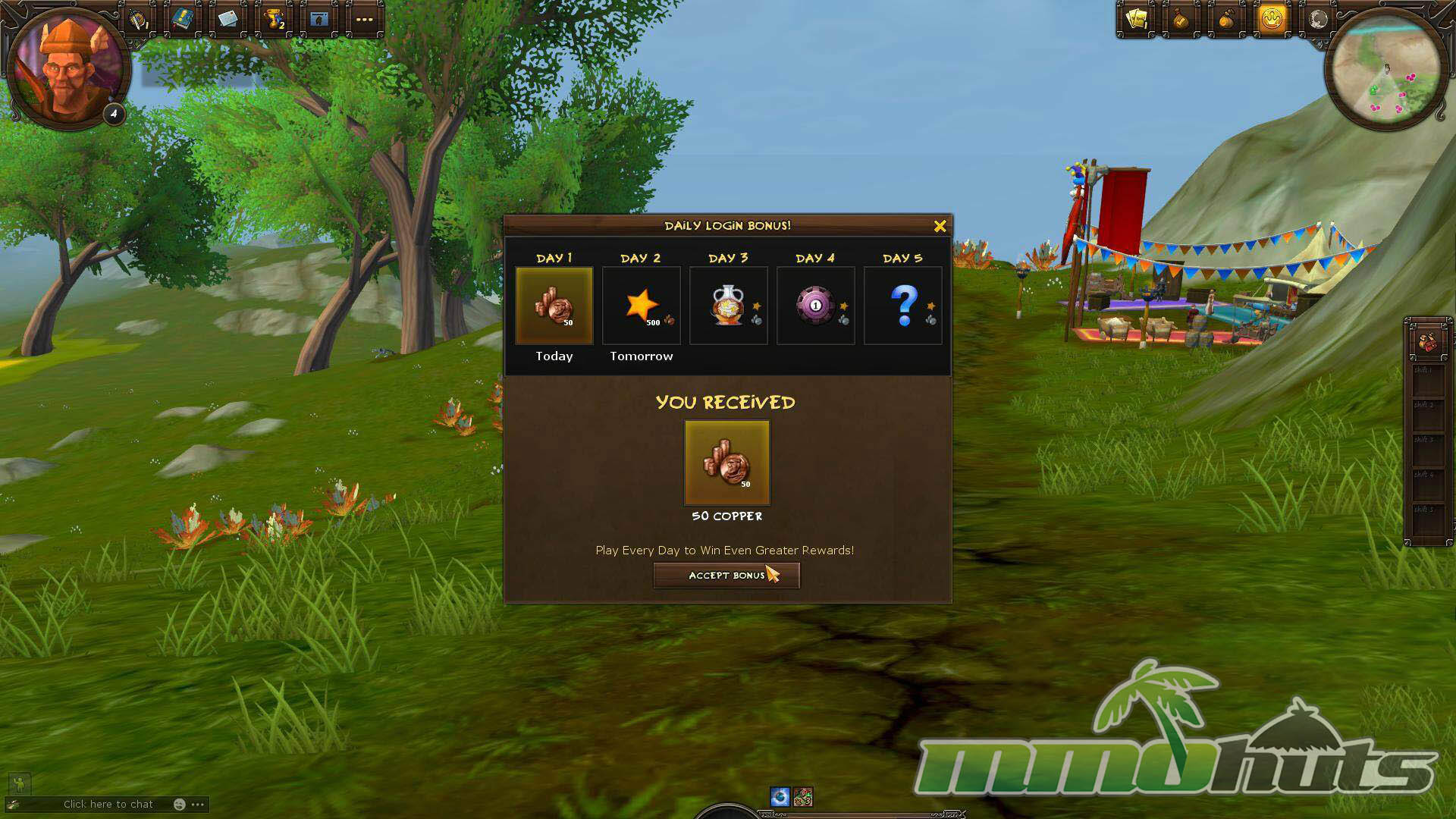
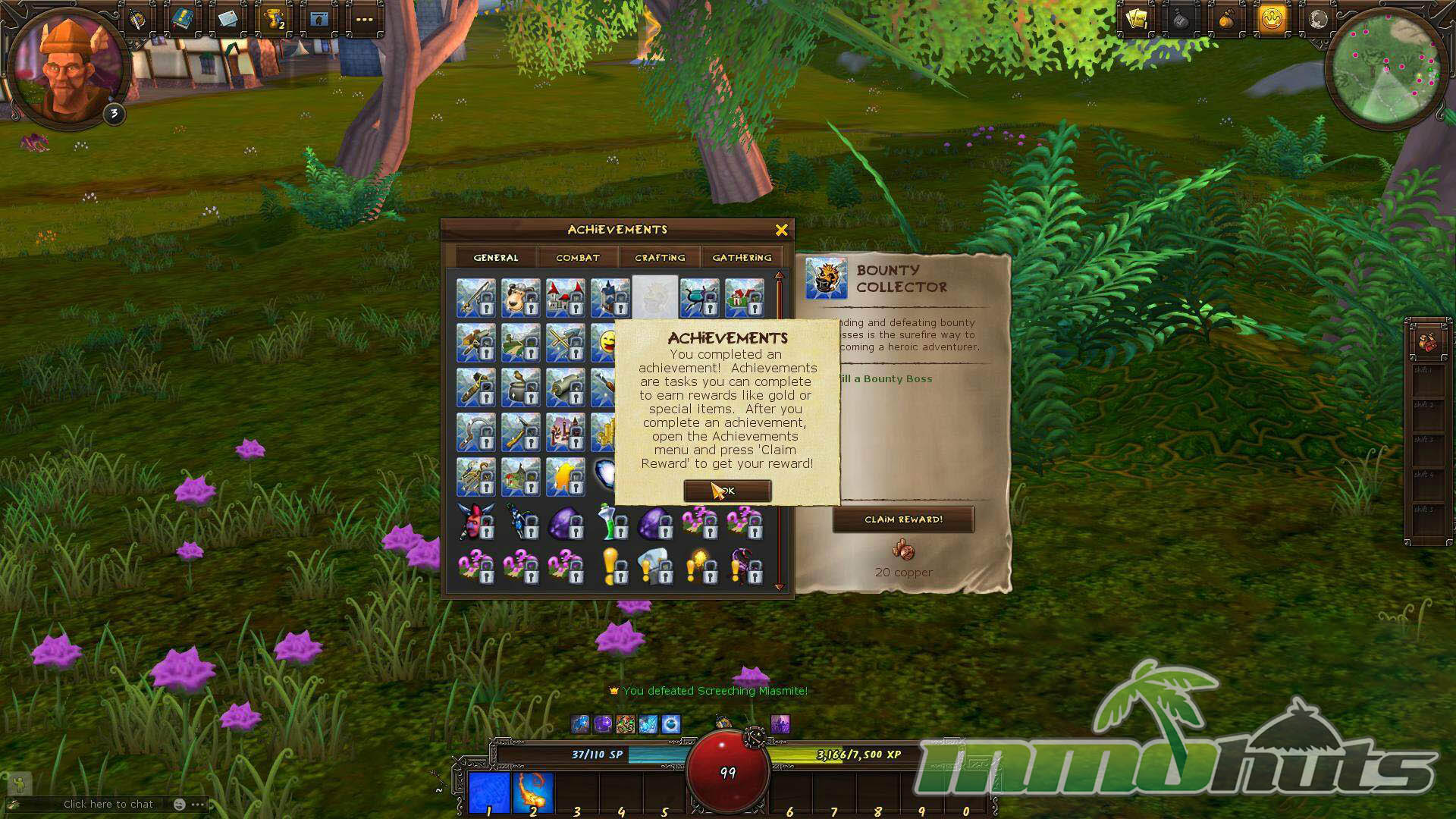
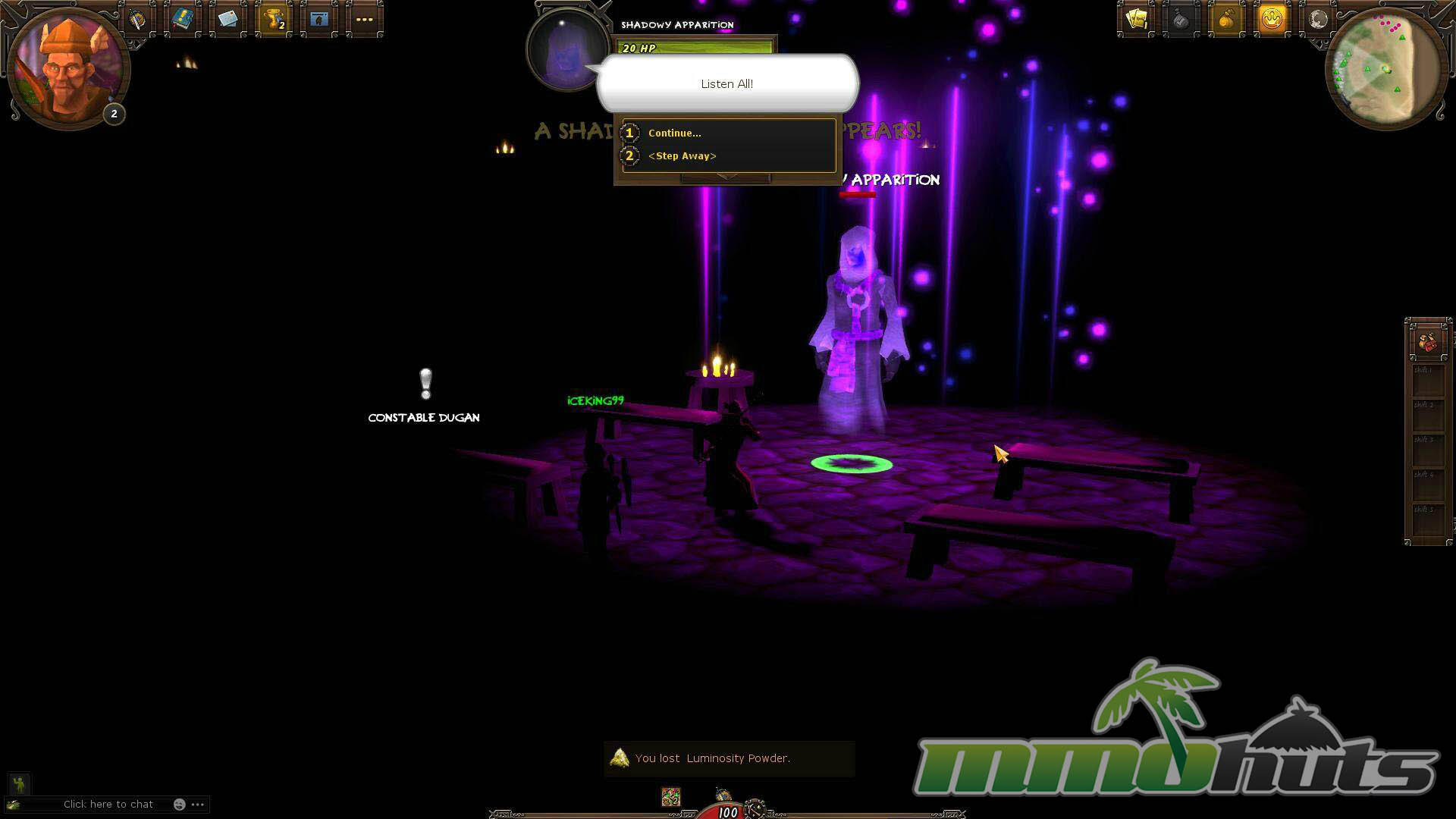
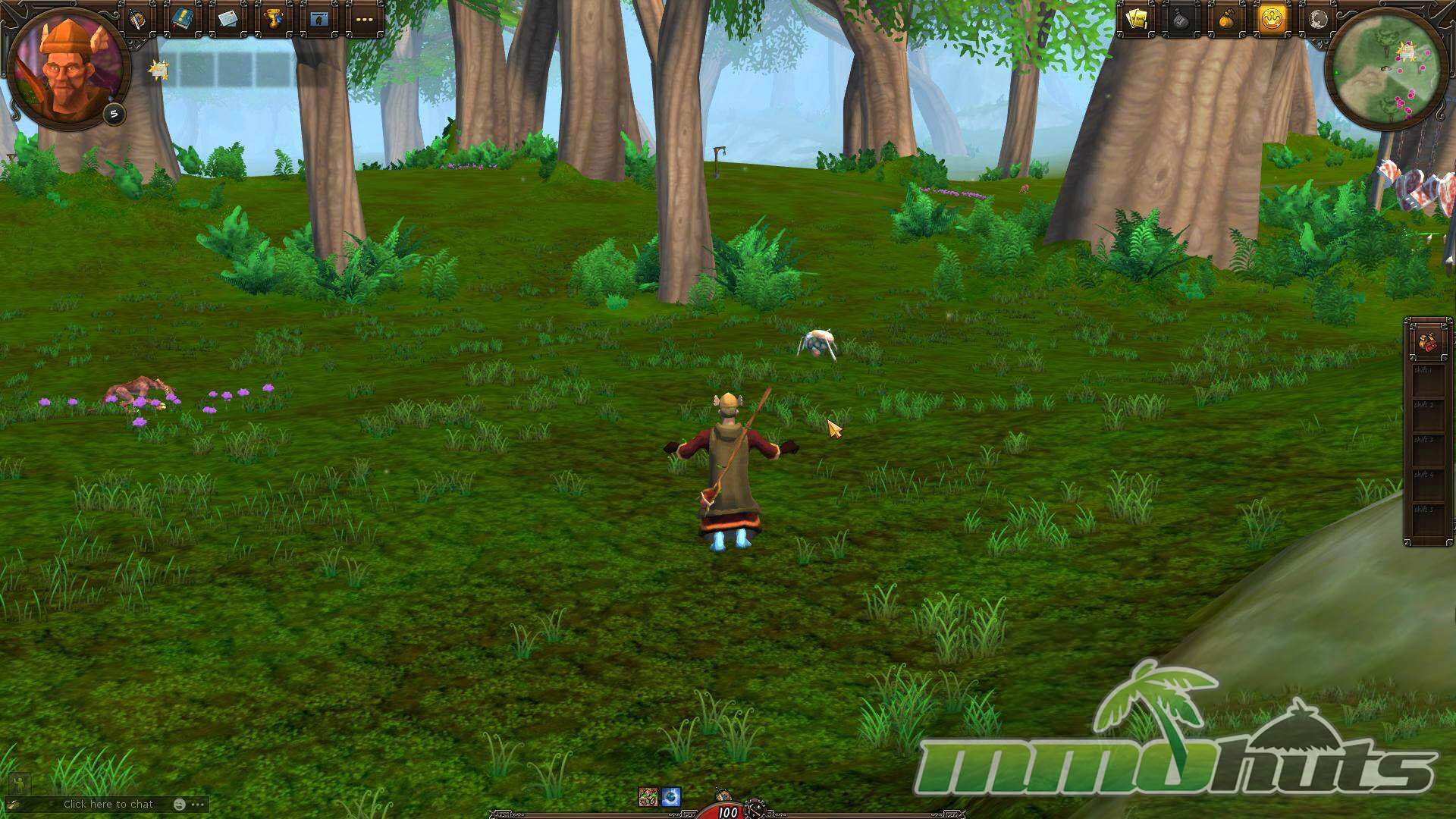
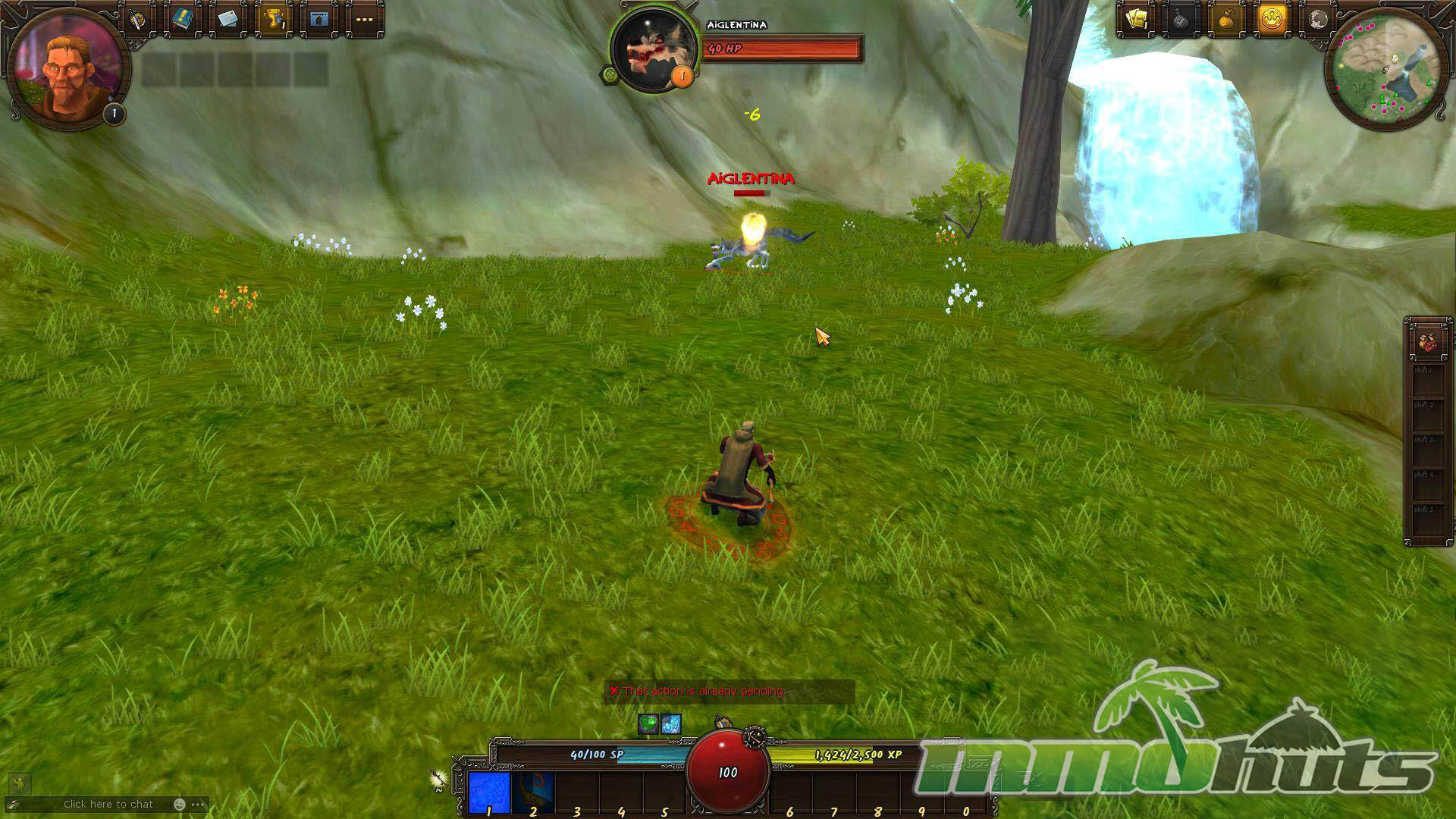
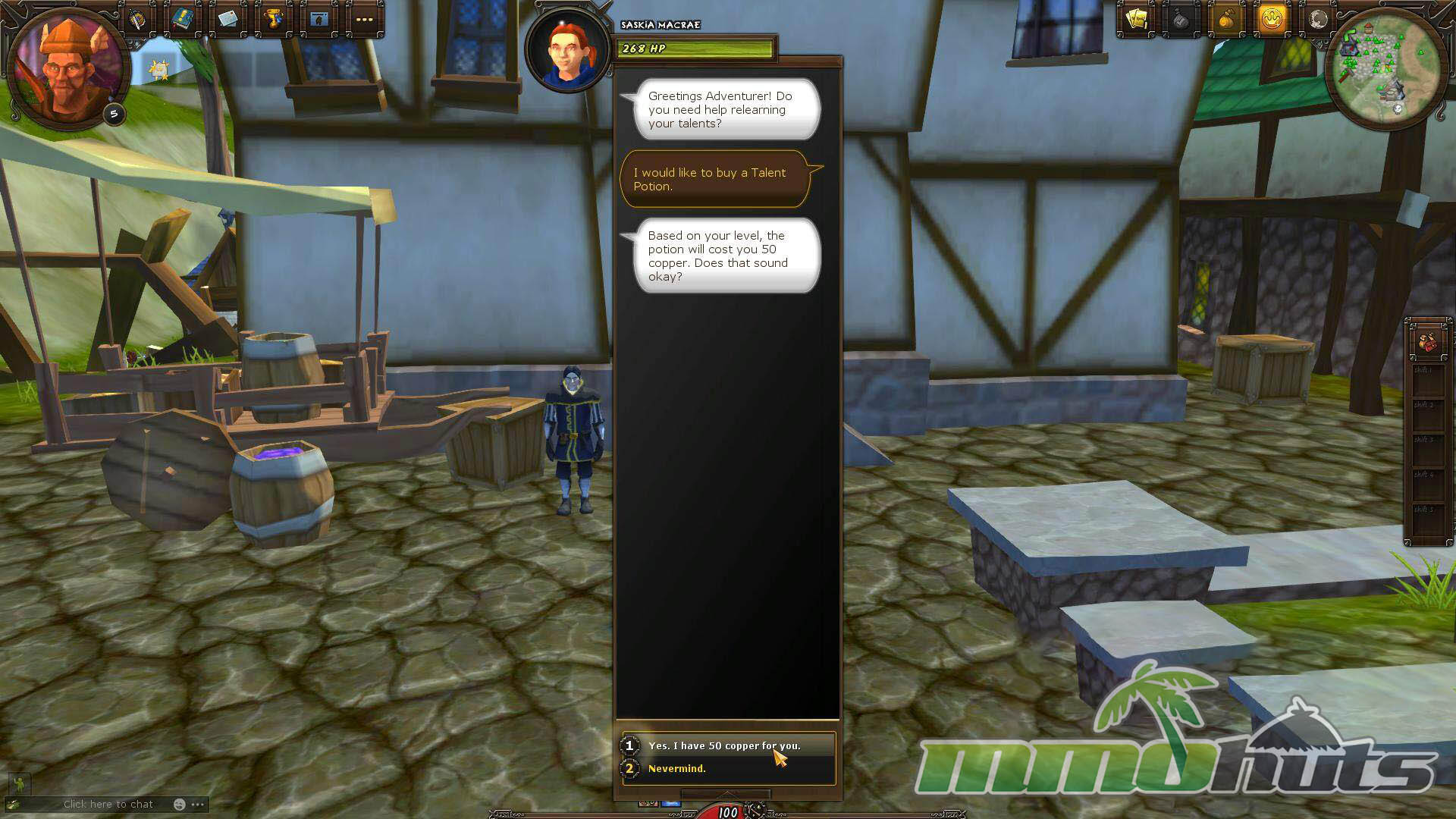
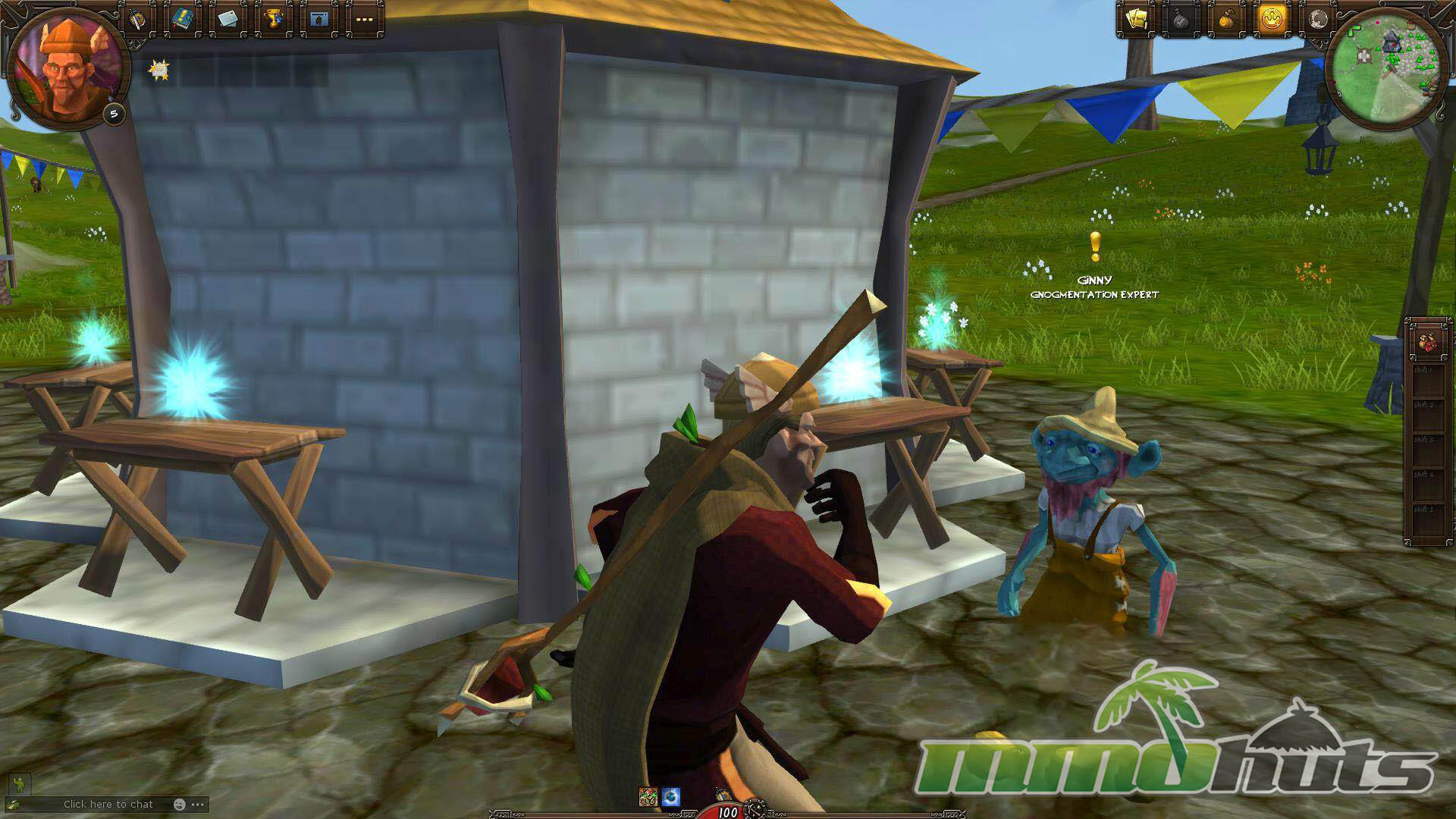
Villagers & Heroes Screenshots
Villagers & Heroes Featured Video

Villagers & Heroes Review
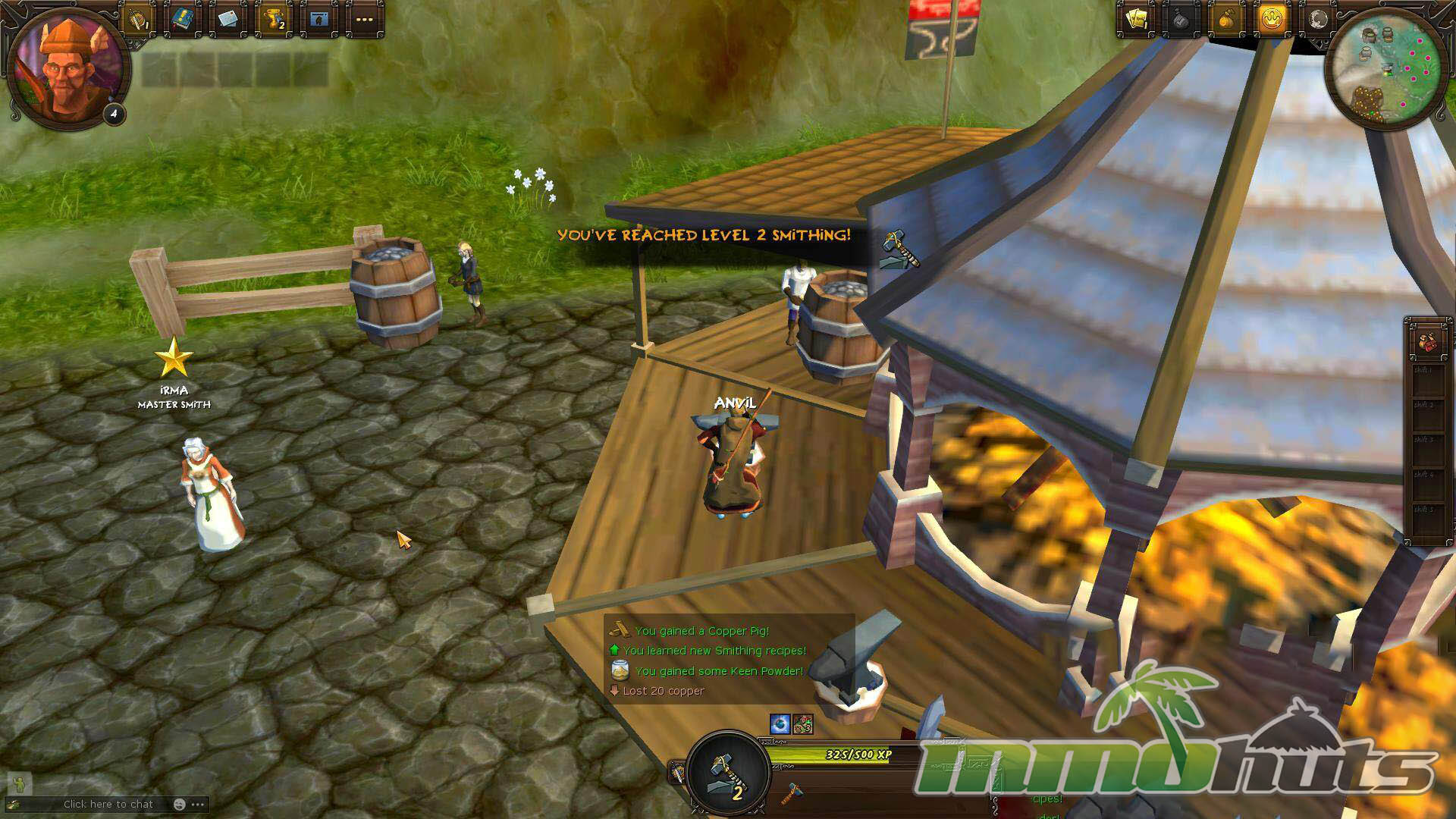
Villagers and Heroes is a fantasy MMORPG developed and published by Mad Otter Games. The project began life in 2011 as a browser-based title under the name A Mystical Land, and from the start it stood out by prioritizing crafting and community play over PvP. The game later re-emerged as Villagers and Heroes, with the Steam release dated April 17, 2014. After that re-release, the game went through notable changes, including a period where stamina-based crafting made the crafting loop feel more restrictive than many players expected from a crafting-forward MMO. The June 8, 2015 relaunch improved presentation, added quests and voice-acting, and reworked crafting into a more satisfying foundation.
Getting Started
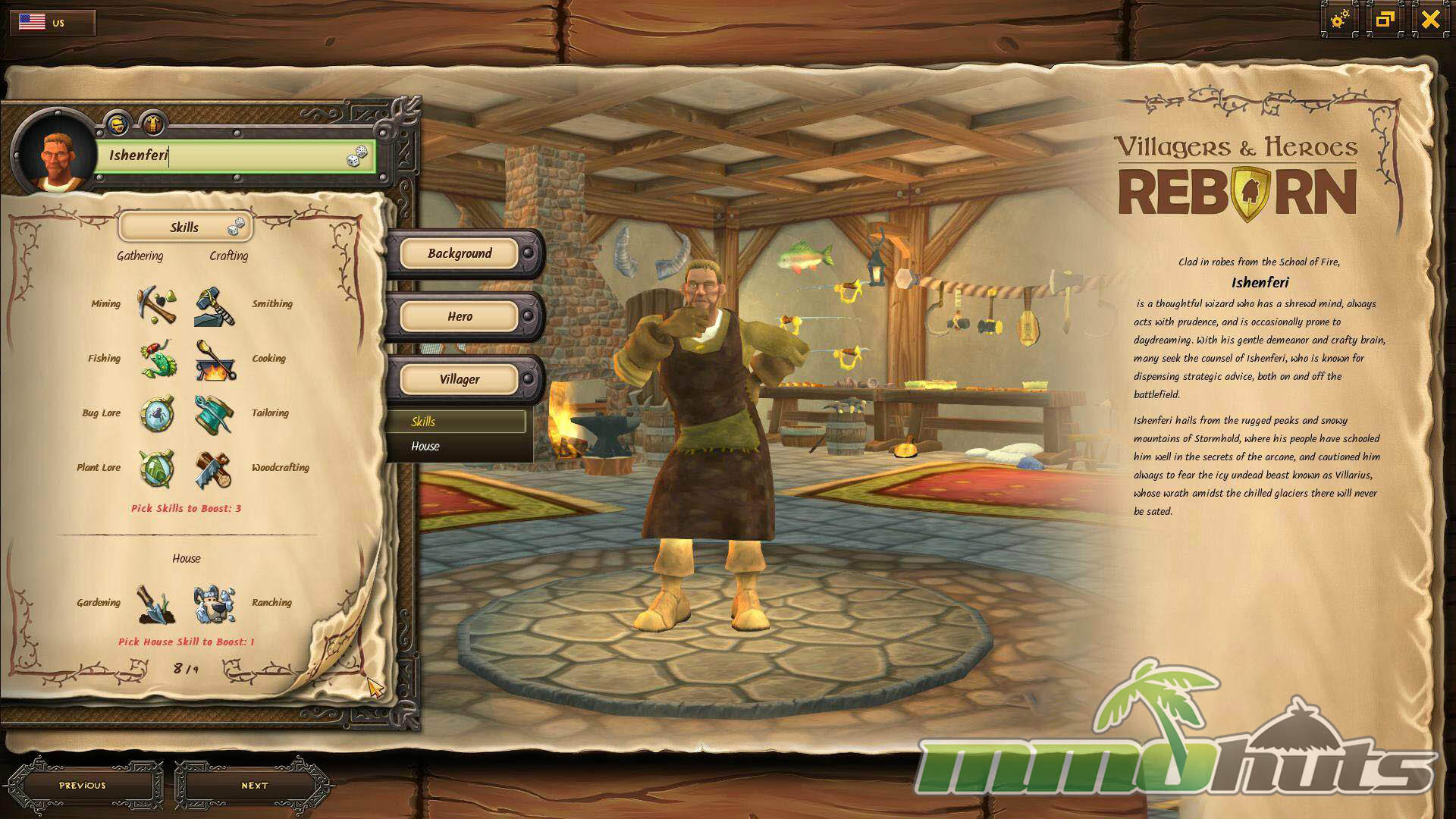
Character creation is one of the first pleasant surprises. Beyond the typical sliders and color choices, the game lets you define things like personality and origin, alongside appearance details such as height, skin tone, facial structure, eyes, and hair. For a smaller-scale MMO, the amount of upfront identity building is impressive and it helps the game land its roleplay-friendly vibe early.
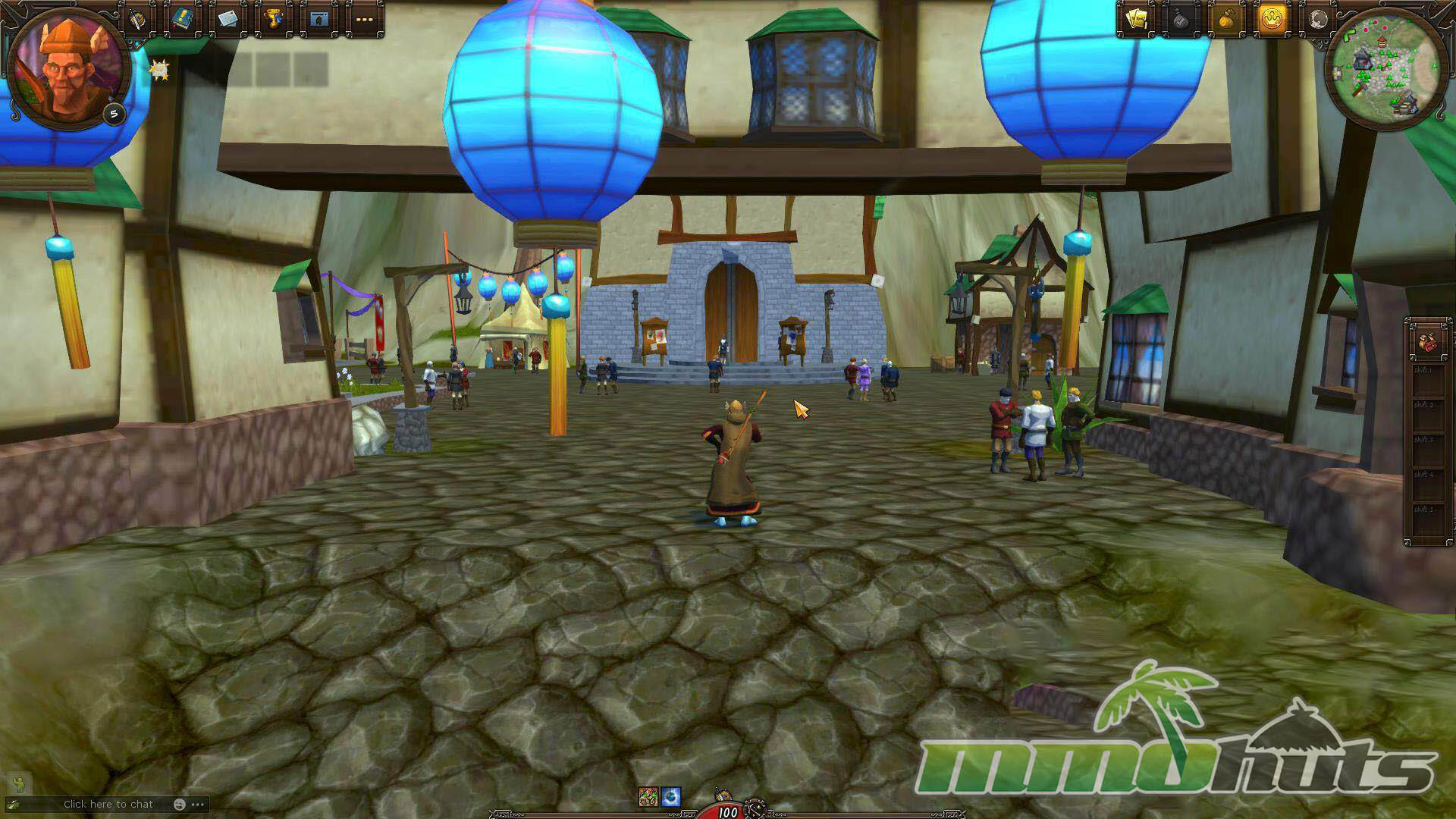
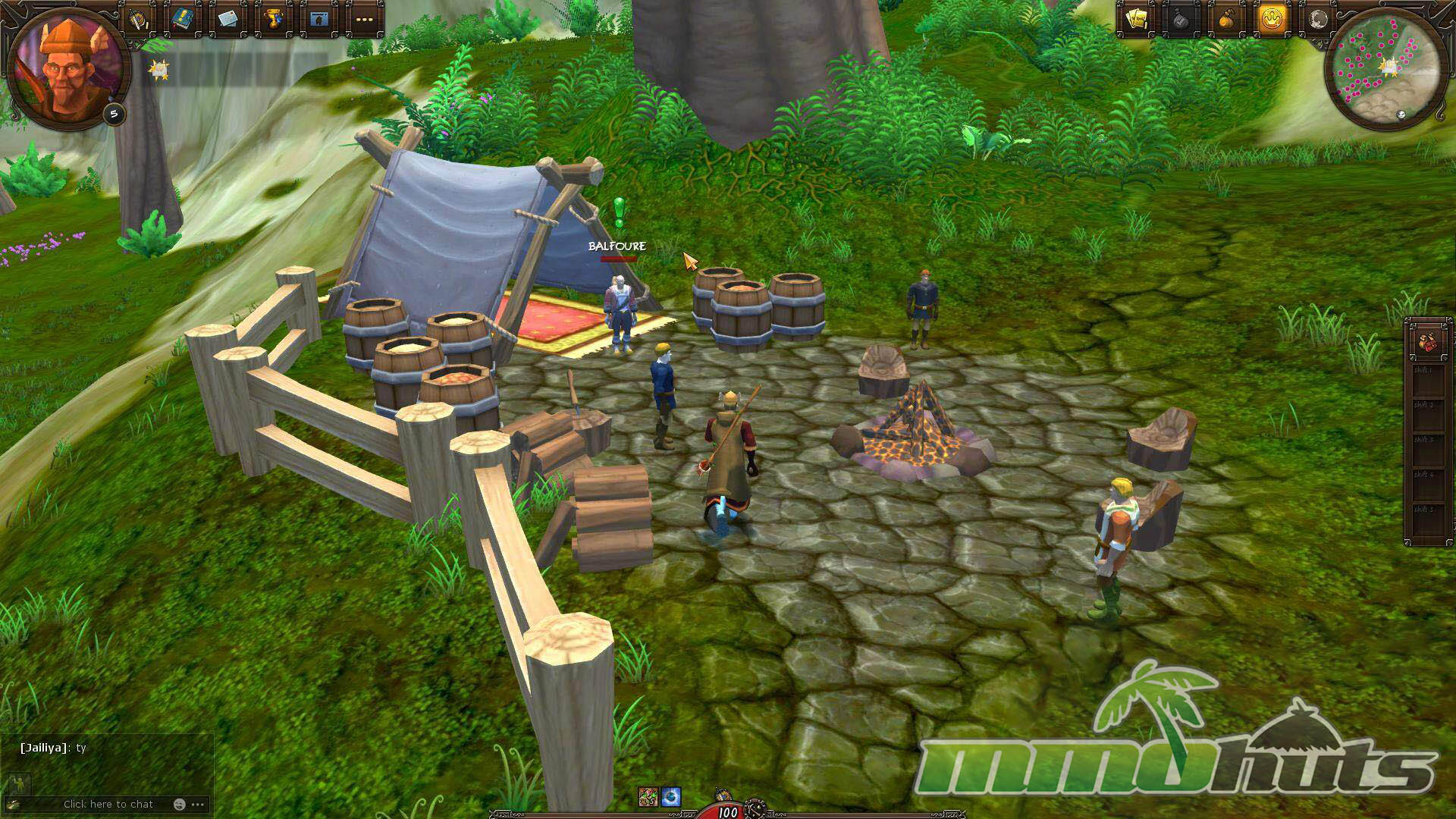
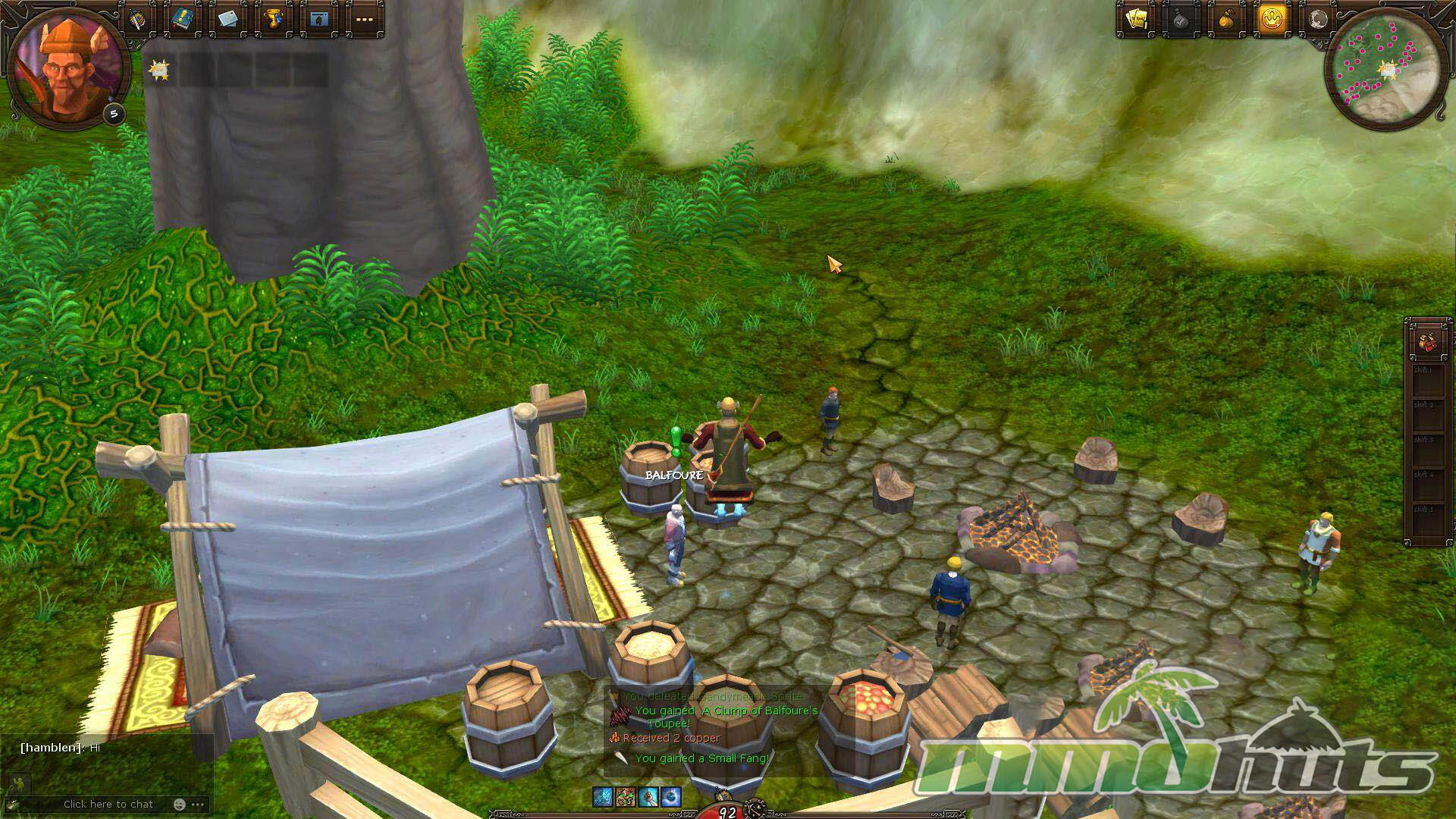
New characters begin on Ethos Island, which acts as a guided onboarding zone. The tutorial flow does a solid job introducing basic systems while still feeling like a quest line, complete with a mystery involving missing people and a troublemaker known as the Malicious Miscreant. The writing and tone are more playful than grim, which keeps the early hours light and readable, especially for players who do not want an overly serious fantasy narrative.
On the control side, it will feel familiar to MMO veterans: WASD movement, a numbered hotbar for abilities, and standard windows for inventory and skills. That familiarity makes the game easy to pick up, although the overall feel can still be a bit stiff in spots, particularly when you are trying to do quick movement adjustments during fights.
Early Progression
Leveling speed is measured, and in practice that works with the game’s design. A lot of the broader systems unlock over time, so you are not bombarded with every mechanic in your first hour. The result is a calmer ramp-up where you can learn crafting, gathering, housing, and talents without feeling forced to min-max immediately.
Each character level grants a talent point, and talents are used to improve both passive bonuses and active abilities. Upgrades are not simply “buy it once and forget it”, several skills take multiple points to fully develop, and stronger ranks also require higher character levels. That structure creates a steady cadence: you unlock something early, then you grow into its better versions as you continue questing and crafting.
Moment-to-Moment Play
Villagers and Heroes is at its best when you approach it as a relaxing routine rather than a high-intensity action MMO. Combat is straightforward and generally forgiving, crafting interactions are intentionally simple, and the world is built to support frequent detours for resources, recipes, and village tasks.
This is the kind of MMO that tolerates inconsistent play schedules well. You can log in daily and chip away at projects, or step away for a while and come back without feeling like the game has sprinted past you. For players who enjoy “slow burn” progression and collecting-based goals, that pacing is a real strength.

Core Systems and Standout Features
If you play Villagers and Heroes for any length of time, it becomes clear that crafting and community infrastructure are the pillars.
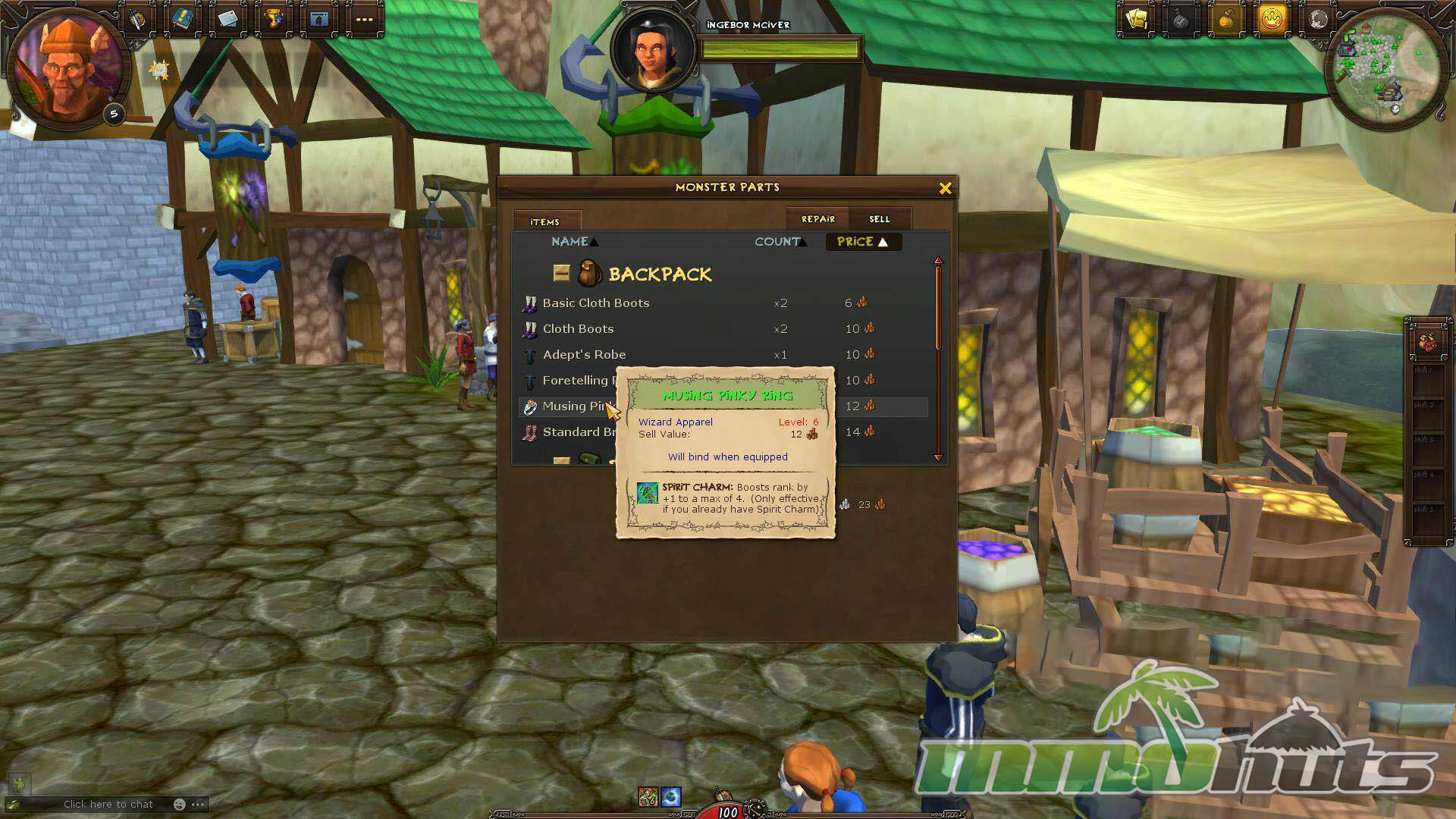
Many MMORPGs push you to choose a single production path, locking you into one or two professions. Here, you are allowed to fully master all ten gathering and crafting skills, which supports experimentation and self-sufficiency. The gathering skills are Bug Lore, Fishing, Mining, and Plant Lore. They provide useful items directly, but they mainly exist to feed the production side with steady materials. The crafting skills are Tailoring, Cooking, Woodcrafting, and Smithing, each covering practical power gains like equipment, consumables, and bonus-granting items.
Housing-related progression expands the loop with Gardening and Ranching. Gardening lets you cultivate crops that feed into cooking, animal care, trade opportunities (including magic seeds), or straightforward selling. Ranching adds livestock management, with animals producing different resources. Chickens and pigs generate ingredients that matter for stronger cooking recipes, while sheep produce fleeces with more specialized uses. Some fleece types feed into class-oriented crafting, and the Gold Sheep provides a more direct way to generate gold over time.
Community play is where these systems connect. Housing and villages are not just cosmetic, they function as social hubs and progression structures that give crafting a broader purpose.
Player housing provides a personal space, plus practical storage via a locker. Homes also come in different styles, and those styles are tied to bonuses, such as increased movement speed or reduced spell costs. That makes housing feel like more than decoration, it is part of your character’s overall utility.
Villages, in turn, group houses and players into a shared project. The game supports two village types, one formed around guild membership and another made from unaffiliated players. Each village has a mayor who can manage village identity (name and welcome text) and assign ranks. As villages develop, they earn benefits similar to house bonuses, and players can work together on community assets like crafting stations or unlockable areas that lead to additional quests. When a village is active, the sense of collective progress is tangible because your contributions visibly push the settlement forward.
Another defining system is Rebirth. Rebirth allows you to reset your hero back to level 1 while keeping your inventory, house, and affiliations. Rebirth becomes available once after level 30, 45, 60, and 75. Each time you rebirth, you gain 5 extra talent points and receive increased experience gain until you pass your previous peak (for example, after rebirthing at 30, the bonus experience lasts until level 31). You also earn a special emblem that displays how many times you have rebirthed, which doubles as a status marker and a quick read of long-term investment.
Cash Shop
The shop offers a wide selection of optional purchases, including convenience items for crafting, cosmetic outfits, and housing-focused additions such as décor and farm-related items. Because the game has no PvP and does not revolve around competitive combat, the cash shop avoids the most common pay-to-win pitfalls. Spending can speed up comfort and personalization, but it does not typically translate into dominating other players.
Final Verdict – Fair
Villagers and Heroes is an MMO with a very specific set of priorities. It downplays PvP entirely and keeps combat relatively uncomplicated, then invests that design space into crafting depth, housing utility, and village progression. For the right player, that focus can be refreshing, especially if you prefer cooperative goals and long-term production systems over competitive endgame loops.
That said, the same focus will be a deal-breaker for anyone who wants challenging fights as the main course. Sandbox fans also have alternatives that go far deeper into complexity, so whether Villagers and Heroes clicks depends on whether you want a gentler, more guided crafting MMO rather than an uncompromising simulation. If community building and making things are your main motivators, it is worth a look, if you are here for PvP or hardcore combat, it is probably not the best match.
Villagers & Heroes Links
Villagers & Heroes Official Site
Villagers & Heroes Steam
Villagers & Heroes Game Guide (Database / Guides)
Villagers & Heroes Wiki (Database / Guides)
Villagers & Heroes System Requirements
Minimum Requirements:
Operating System: Windows XP / 7 / 8 / 10
CPU: Pentium D / Athlon 64 X2
Video Card: On board graphics
RAM: 2 GB
Hard Disk Space: 3 GB
Recommended Requirements:
Operating System: Windows XP / 7 / 8 / 10
CPU: Core 2 duo 2.2 GHz / Athlon 64 X2 2.66 Ghz or better
Video Card: Any GPU with 512 MB or more VRAM
RAM: 4 GB
Hard Disk Space: 3 GB
Villagers & Heroes Music & Soundtrack
Coming Soon!
Villagers & Heroes Additional Information
Developer: Mad Otter Games
Game Engine: Torque 3D Engine
Release Date: October 3, 2011
Release Date (Steam): April 17, 2014
Development History / Background:
Villagers & Heroes was created by the American indie studio Mad Otter Games in Oregon and built using the Torque 3D engine. It first launched in 2011 as A Mystical Land, then later returned in 2014 under the Villagers & Heroes name with a new engine powering the experience. Publishing also changed over time, it was initially handled by Neonga, and it is now self-published with distribution on Steam.