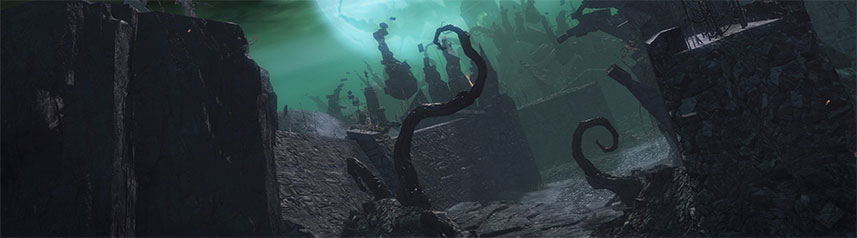
Vainglory is a free-to-play mobile MOBA built around fast, tactical 3 vs 3 matches, responsive tap controls, and a console-like presentation. It stands out on phones and tablets thanks to sharp 3D visuals, smooth animation, and a roster of Heroes that supports both quick casual play and more serious ranked competition.
 | Publisher: Super Evil Megacorp Playerbase: High Type: Mobile MOBA Release Date: November 16, 2014 Pros: +Excellent visuals for mobile. +Tap controls feel accurate and readable. +Plenty of Heroes and viable builds. +Monetization stays largely cosmetic and fair. Cons: -Matchmaking can feel uneven at times. -Limited to a single core map and rule set. -AFKs and early leavers can ruin close games. |


Vainglory Overview
Vainglory is a polished 3D MOBA from Super Evil Megacorp designed specifically for mobile play. Matches focus on 3 vs 3 combat where positioning, timing, and map control matter as much as raw mechanics. You can jump into casual queues for quick games or play ranked if you want a more competitive environment, with typical match lengths hovering around the 20 minute mark.
The core loop is familiar to anyone who has played a MOBA, clear waves, pressure objectives, win team fights, and ultimately push through defenses to destroy the enemy’s base. Where Vainglory differentiates itself is in how cleanly it translates that formula to touch screens. The tap-to-move interface feels deliberate and precise, and the presentation is impressively smooth thanks to Super Evil Megacorp’s proprietary E.V.I.L. engine.
Hero choice and itemization provide most of the long-term variety. With over 16 Heroes available, each character brings a distinct kit and role identity, and item builds let you lean into weapon damage, crystal (ability) damage, durability, or utility depending on the matchup. Outside of the lane, the jungle adds another layer of strategy with monsters, mines, and major objectives that can swing momentum when teams coordinate well. Vainglory also includes collectible cards used to craft cosmetic skins, giving players a progression path that is not tied to power.
Vainglory Key Features:
- Strategic 3 vs 3 MOBA battles built around a single lane plus a meaningful jungle.
- High-end 3D visuals with a steampunk-inspired fantasy style.
- E.V.I.L. engine provides 60 frames per second, sub-30ms control responsiveness, and 1.3 million polygons in the game map.
- A sizeable Hero roster with distinct roles, strengths, and play patterns.
- Deep itemization that supports multiple builds and situational counterplay.
- Casual and Ranked matchmaking with streamlined queueing.
- Jungle objectives and mines that create different macro choices than many traditional MOBAs.
Vainglory Screenshots



Vainglory Featured Video

Vainglory Review
Vainglory is a free-to-play Multiplayer Online Battle Arena built for Android and iOS by Super Evil Megacorp. The iOS version launched on November 16, 2014, and the Android version followed later on July 2, 2015. At the time, mobile MOBAs were still finding their footing, and Vainglory quickly earned attention for feeling less like a simplified imitation and more like a purpose-built competitive game that happened to run on phones and tablets.
What makes it easy to recommend, even now, is how well it nails the fundamentals: readable combat, strong responsiveness, and a match length that respects mobile schedules without stripping away meaningful decision-making. It is not perfect, the limited map variety and occasional rough matchmaking can be frustrating, but the underlying game remains one of the more “serious” takes on the genre for mobile.
3 vs 3 Design That Still Feels Competitive
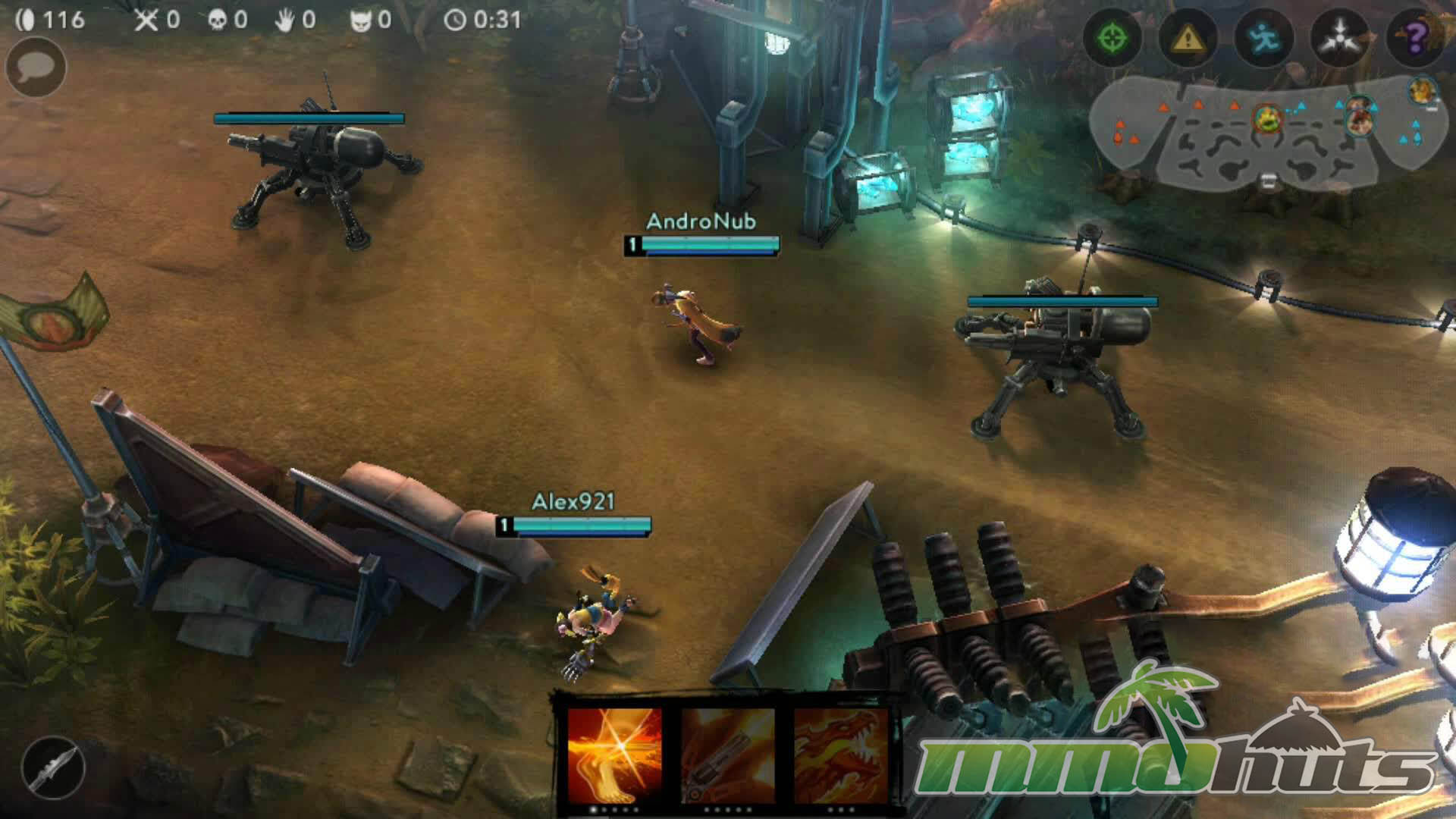
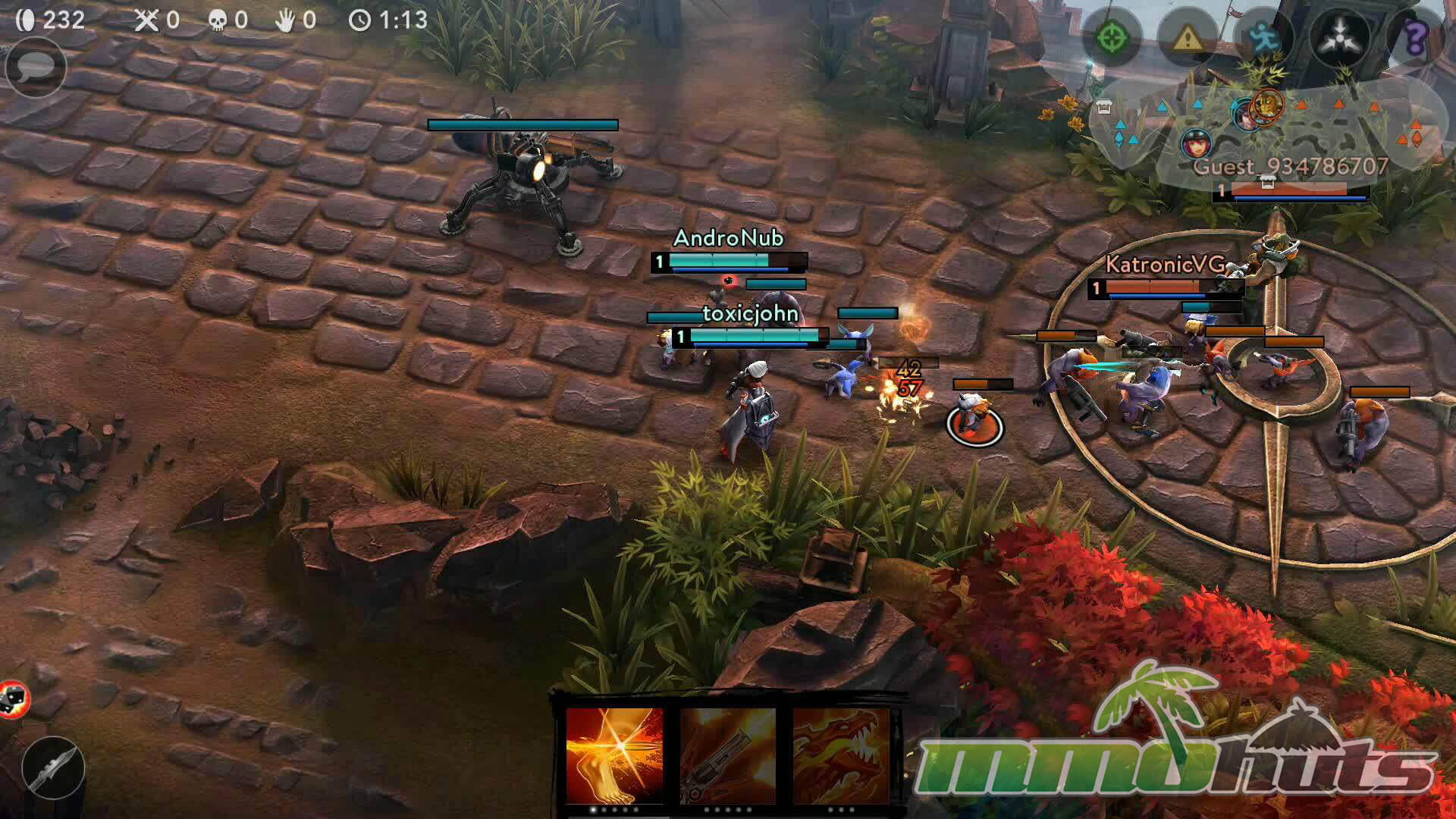
Instead of the genre’s common 5 vs 5, three-lane template, Vainglory is structured around 3 vs 3 on a single lane supported by a jungle. The win condition is straightforward: push through defenses and destroy the enemy Vain Crystal (Core). Between you and that goal are five turrets, constant minion waves, and the opposing trio of Heroes looking to punish mistakes.
Because the map is narrower and the team size is smaller, individual decisions can be very visible. Rotations to and from the jungle, timing your shop trips, and choosing when to commit to a fight all carry weight. Itemization supports that depth, with a wide selection of stat-boosting purchases (attack power, crystal power, armor, health, movement, and more) and build paths that combine smaller components into stronger end items. Even within a single role, you can often tailor a build toward burst, sustain, tankiness, or utility depending on what the match demands.
It is worth noting that the game’s focus on one primary map can make the overall package feel narrower than PC MOBAs with multiple modes, and some players will hit that wall sooner than others. Still, the map itself is tuned for competitive play, and the small-team format keeps the pace brisk.
Jungle Control, Mines, and Map Pressure
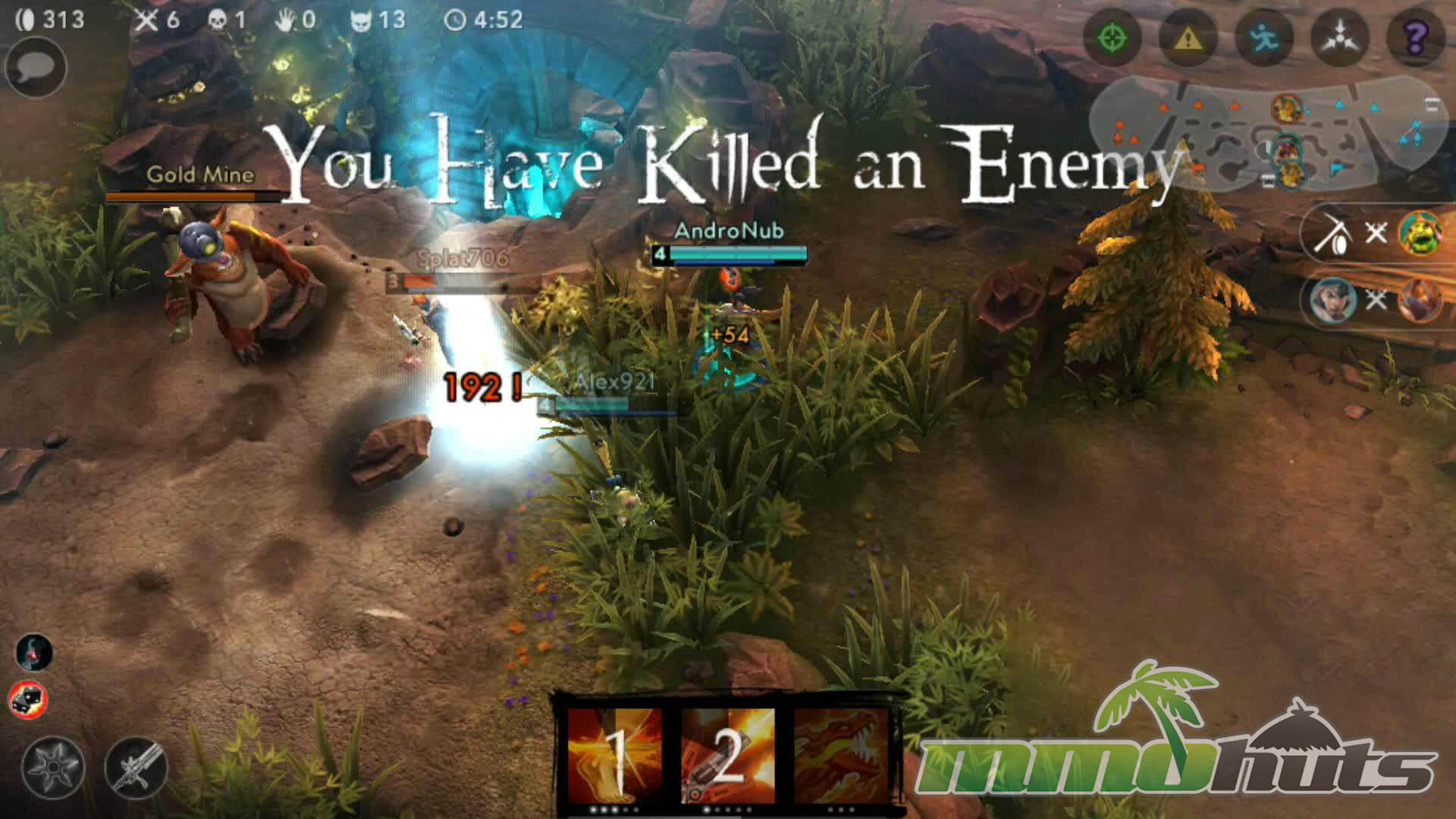
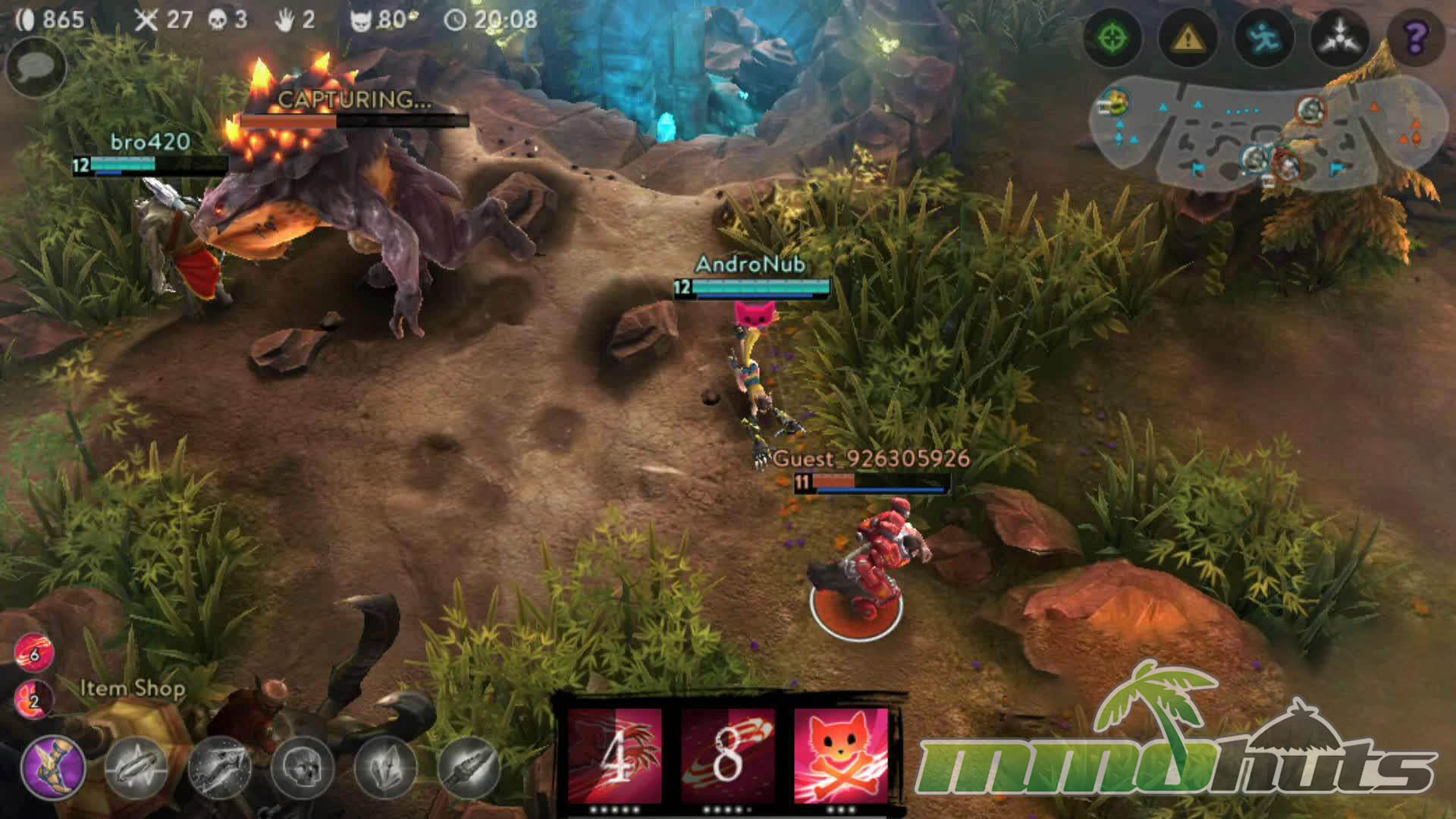
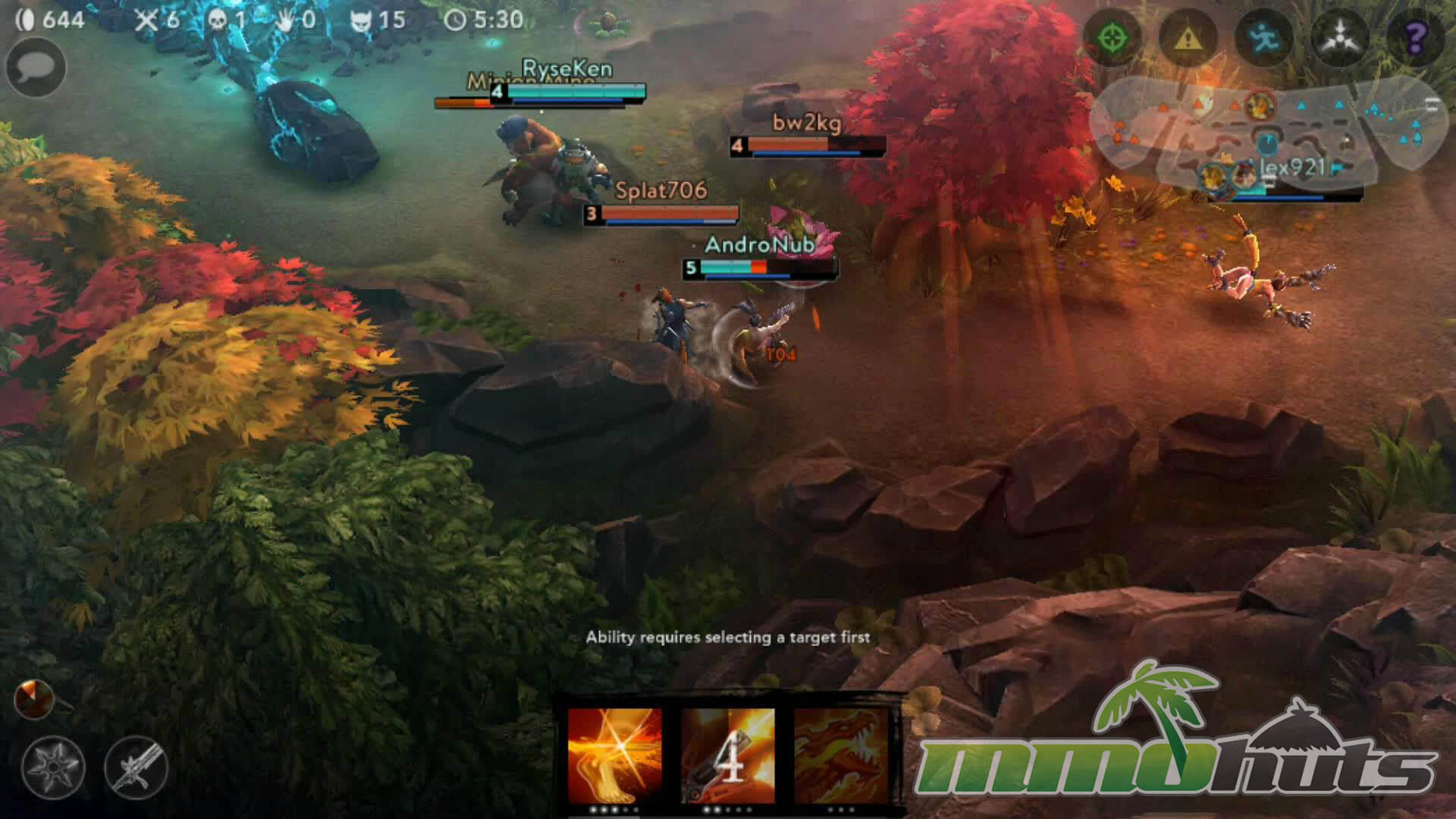
The jungle is where Vainglory’s macro play really comes alive. Neutral monsters provide gold and experience, and because the maximum level caps at 12, early advantages matter but are not automatically game-ending. Clearing jungle camps efficiently, denying them from the opponent, and coordinating ganks into lane are core skills that separate casual play from more organized matches.
A signature twist is the Minion Mines, which appear four minutes into the match. There are two mines, one on each side of the map. Winning the fight at a mine empowers your team’s lane minions, and controlling both mines amplifies that benefit further. It is a powerful tool for tempo and lane pressure, but it also introduces a real tradeoff: stronger minions can hand more gold to the enemy when they are cleared, and pushing the lane too hard can tempt your team into overextending. In practice, the mines create interesting choices about when to accelerate the match and when to keep the lane stable.
The jungle also includes a Boss Gold Mine, a larger neutral target that steadily accumulates value over time. Taking it early is safer but less rewarding, while waiting increases the payout and increases the risk that the opposing team steals it. There is also a shop located in the jungle, allowing mid-map purchases without fully retreating to base, which can subtly change how teams manage pressure.
A Match Ender at 15 Minutes
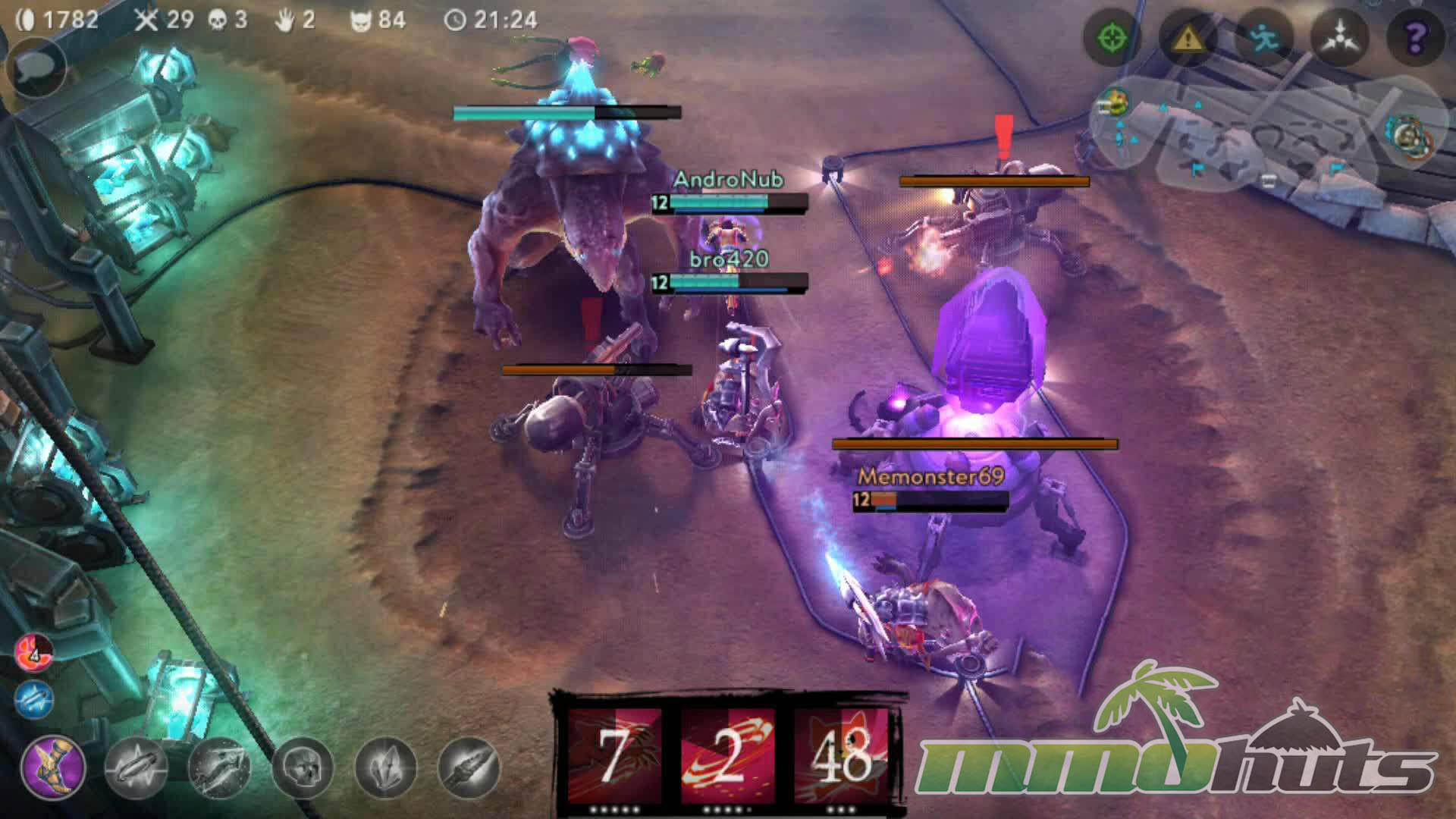
At the fifteen minute mark, the Boss mine gives way to the Kraken, a major objective that exists to force a conclusion. Once captured, the Kraken pushes down the lane and attacks enemy structures, acting like a powerful siege ally. It is not invincible, but it demands an immediate response, and the team that secures it often gains the momentum needed to close out the game.
This objective also creates some of Vainglory’s best moments. Teams tend to group up before the spawn, vision and positioning become critical, and a single fight around the pit can decide the outcome. If you enjoy MOBAs for those tense “one big call” scenarios, the Kraken delivers that feeling in a compact timeframe.
Visuals, Performance, and Audio Presentation
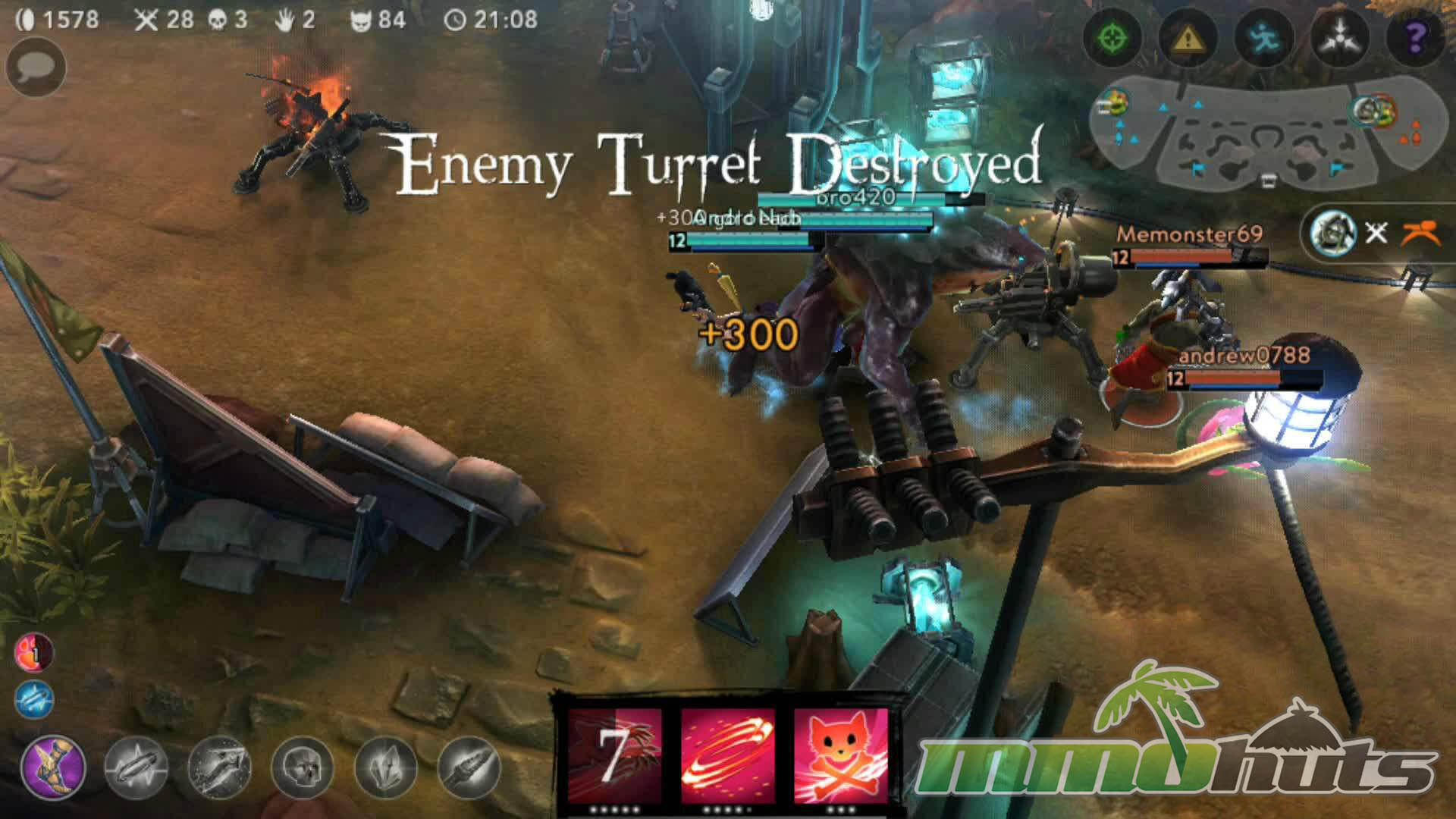
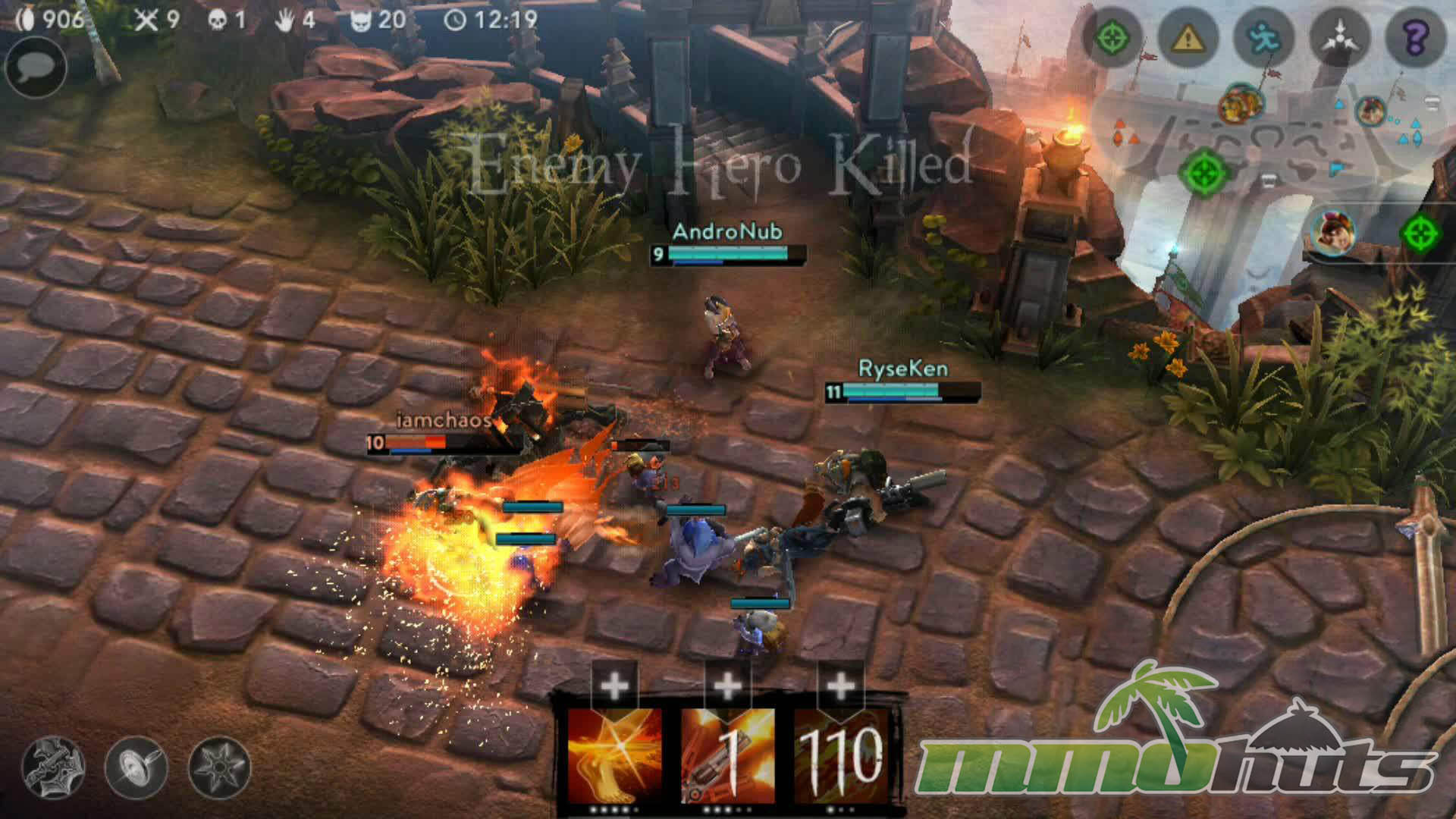
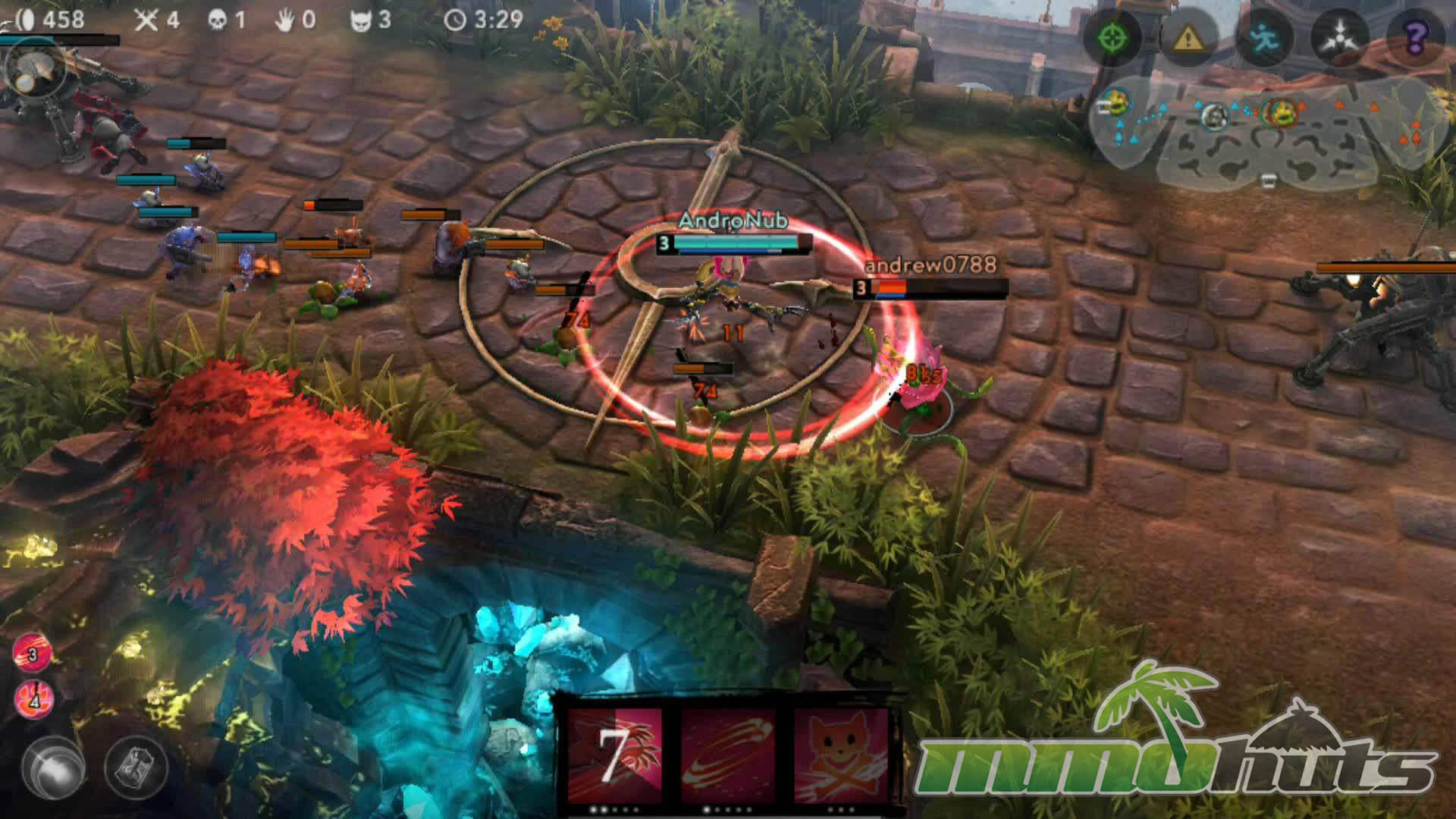
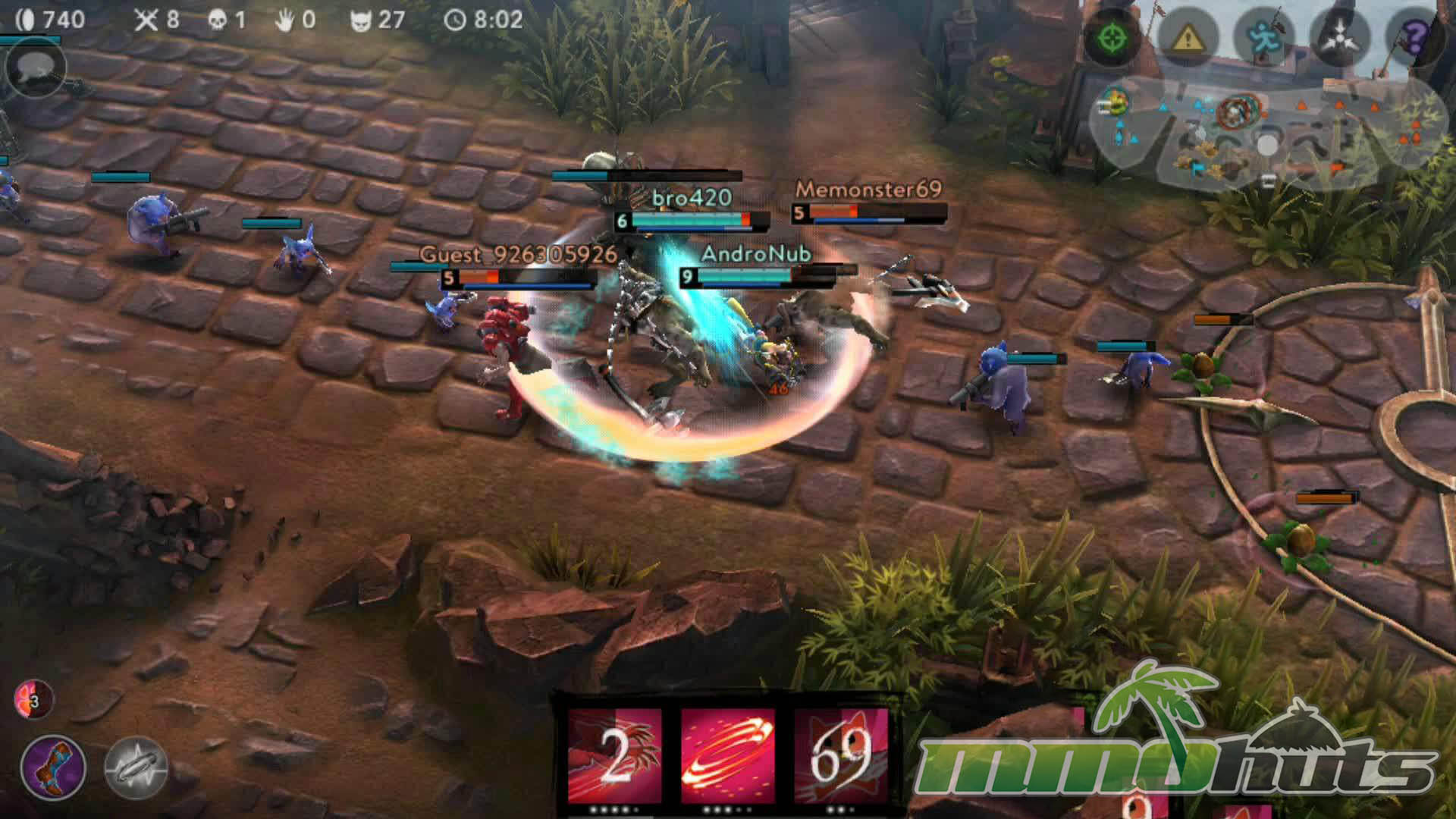
Vainglory’s presentation is a major reason it became a benchmark for mobile MOBAs. The art direction blends fantasy and machinery into a steampunk-like aesthetic, and the map is filled with small details that help it feel more like a “real” battlefield than a minimal mobile arena. Turrets read clearly, effects are distinct enough to follow team fights, and the overall scene remains attractive without being overly noisy.
On the technical side, the E.V.I.L. engine is a key part of the experience, delivering 60 frames per second, high responsiveness, and the stated 1.3 million polygons in the game map. More importantly, it feels consistent, which matters in a competitive game where missed inputs can decide fights.
The sound design supports that polish. The announcer callouts give matches personality, Heroes have voice lines that help them stand out, and the music stays atmospheric without drowning out gameplay cues. It is the kind of audio package that makes the game feel “complete,” not merely functional.
Heroes, Roles, and Build Flexibility
Vainglory offers 16 Heroes with more planned, and the roster leans into clear silhouettes and memorable archetypes, from characters like Koshka (a highly mobile assassin) to Ringo (a ranged damage dealer) and Catherine (a durable frontline with crowd control). The game categorizes Heroes into five roles: Assassin, Mage, Protector, Sniper, and Warrior.
These labels are useful for learning the game, but they do not fully define how a Hero plays. Each character has three abilities, and item builds can shift a kit’s impact. That flexibility is one of the reasons replayability holds up even with a single map. You can revisit the same Hero and try different power curves, or you can draft a composition that emphasizes early skirmishing, late-game scaling, or heavy engage.
For new players, the smaller team size also helps you understand roles faster. You can more clearly see how a Protector sets up fights, how an Assassin punishes poor positioning, and how a Sniper converts gold into team fight damage.
Matchmaking, Ranked Play, and Player Behavior Systems
Queueing is straightforward: choose casual or ranked, accept the match, pick a Hero, and load in. Ranked play is gated behind requirements (account level 10, Karma level 10, and 3 Heroes owned), which helps ensure players have at least some familiarity before entering competitive matchmaking.
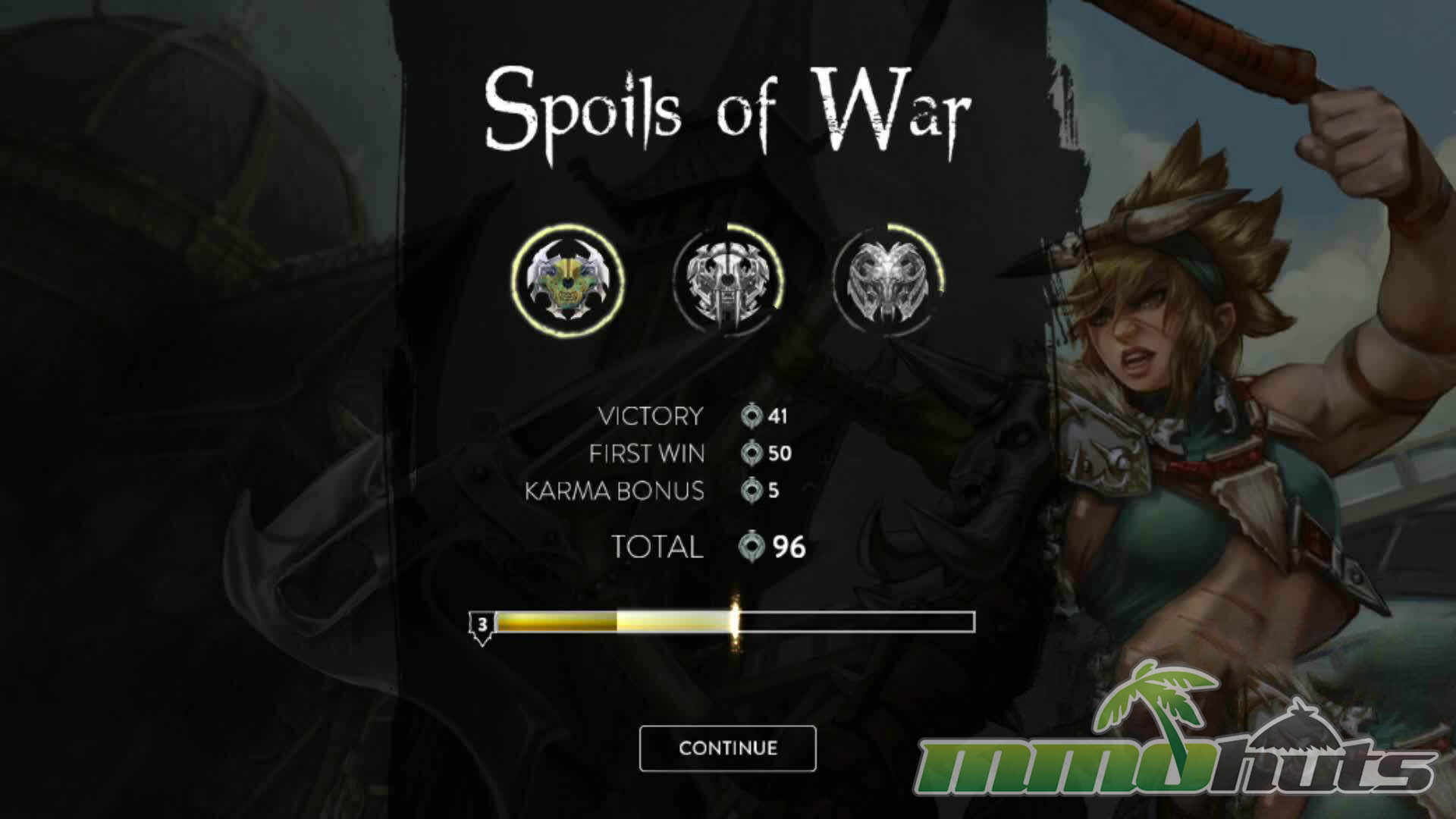
Rank progression is driven by an ELO system that rises with wins and falls with losses, and matchmaking attempts to group players with similar ratings. Alongside that is Karma, a behavior-focused metric tied to whether players finish matches. Completing games raises Karma, leaving early lowers it. Karma also affects post-match Glory rewards, with a maximum 24% Glory boost at Karma level 20, and the system tries to pair high-Karma players together and low-Karma players together.
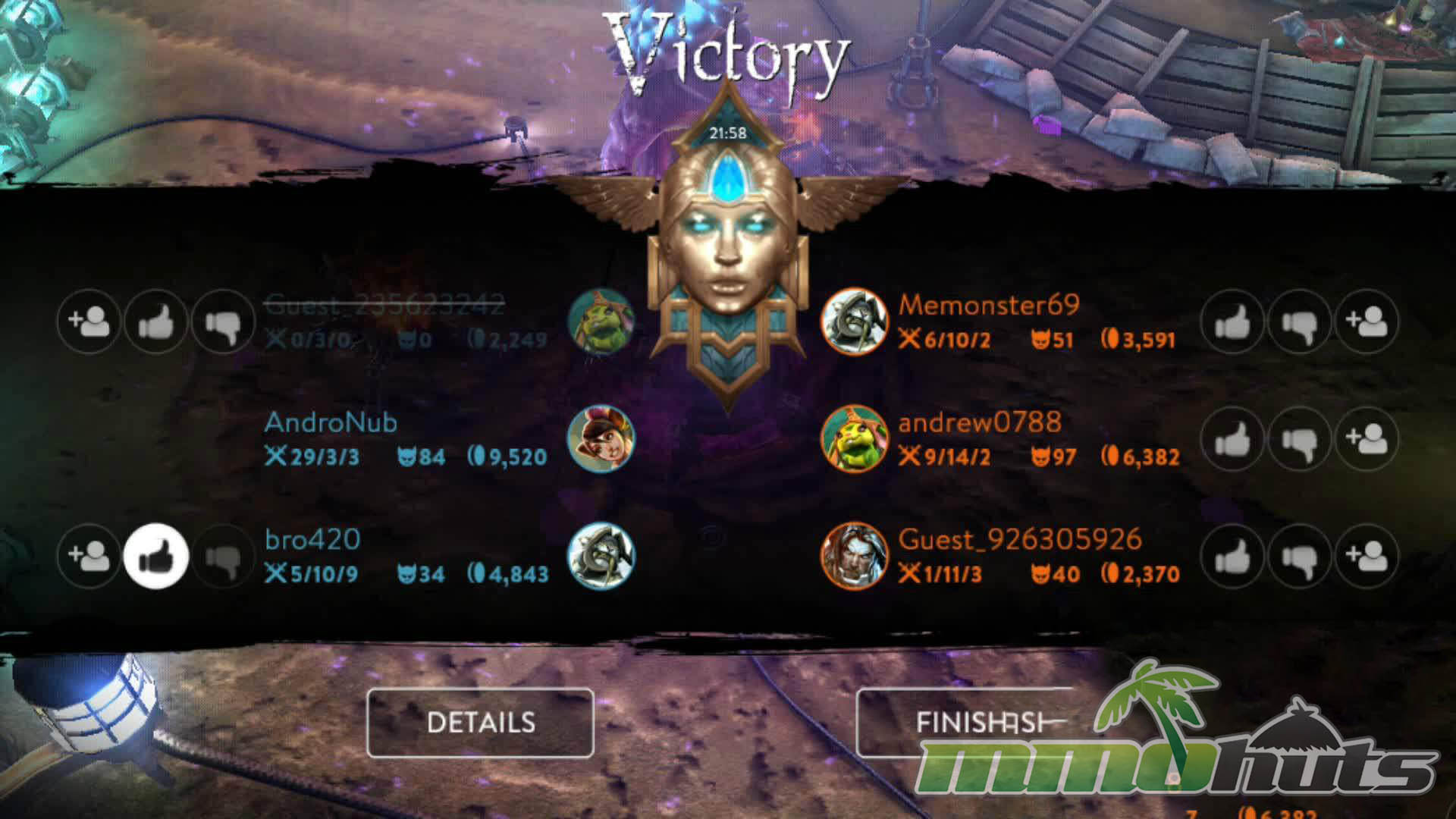
In practice, this is a solid framework, but it does not fully eliminate the frustrations common to online team games. Uneven matches can happen, and leavers still show up. When games are close, that can be the difference between a satisfying comeback and a wasted 20 minutes.
Skins, Heroes, and a Mostly Fair F2P Model
Vainglory’s monetization is one of its stronger points compared to many mobile titles. Real money is primarily used for unlocking Heroes and cosmetic skins, and both can also be earned through play. That keeps the competitive field largely even, with spending acting more like convenience and customization rather than power.
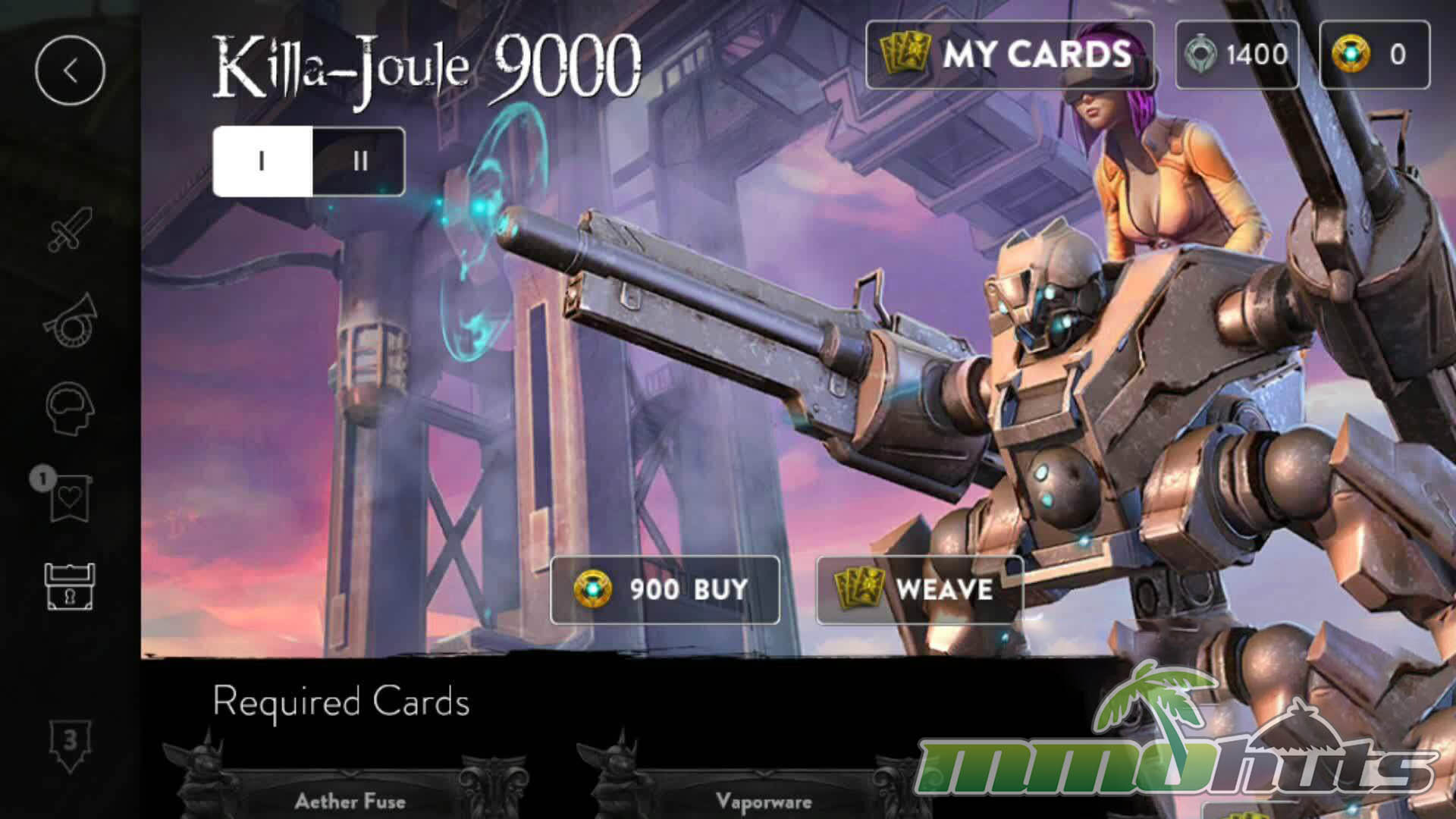
Skins tie into a crafting system based on cards earned from matches. It is a grind, and crafting encourages repeated play on specific Heroes, but it is also a path to cosmetics that does not require payment. If you prefer to skip the process, skins and cards can be purchased, but they remain cosmetic only and do not provide gameplay advantages. A weekly free Hero rotation also helps players try new characters before committing Glory or money.
Overall, the shop design supports long-term play without pushing the game into pay-to-win territory, which is critical for a MOBA where competitive integrity is the main draw.
Final Verdict – Great
Vainglory delivers a notably refined mobile MOBA experience, pairing tight touch controls with strong visuals and a strategic 3 vs 3 format that stays engaging match after match. Its biggest drawbacks are structural, limited map and mode variety, plus the typical issues of leavers and occasional questionable matchmaking. If you want a mobile MOBA that feels genuinely competitive and well-produced, Vainglory remains one of the better options on both Android and iOS.
Vainglory Links
Vainglory Official Site
Vainglory Wikipedia
Vainglory Google Play Store
Vainglory Apple Store
VaingloryFire (Database / Guides)
Vainglory Gamepedia Wiki (Database / Guides)
Vainglory System Requirements
Minimum Requirements:
Operating System: Android 4.4 or later, iOS 6.1 or later
Vainglory Music & Soundtrack
Vainglory Additional Information
Developer: Super Evil Megacorp
Game Engine: E.V.I.L. Engine (Proprietary)
Publisher: Super Evil Megacorp
Platforms: Android and iOS
Release Date (iOS): November 16, 2014
Release Date (Android): July 2, 2015
Vainglory was created by Super Evil Megacorp, a San Mateo, California studio staffed by developers with experience across major companies in the industry, including Riot Games, Blizzard Entertainment, Rockstar Games, EA, and others. The team’s goal was to deliver a premium, AAA-style competitive experience on mobile, and Vainglory launched on iOS on November 16, 2014 after years of development. The Android version arrived on July 2, 2015 and reached over 100,000 downloads on Google Play within one week.
The game runs on the proprietary E.V.I.L. engine, built to support console-quality visuals and highly responsive touch input. Vainglory also earned notable recognition, including the Apple Design Award at WWDC 2015, plus the People’s Choice Award and Best Technical Achievement at the 11th International Mobile Gaming Awards.