Albion Online is a medieval-themed sandbox MMORPG built around player choice rather than fixed classes. Instead of picking a rigid archetype at character creation, you shape your role through what you wear, what you craft, and which weapons and armor you invest time into mastering. Its biggest draw is a fully player-driven economy where gear, buildings, and supplies exist because players gathered the resources and made them.
 | Publisher: Sandbox Interactive Playerbase: Medium Type: Sandbox MMORPG Release Date: July 17, 2017 PvP: Open World / Territory Control Pros: +Flexible, classless progression. +Deep gathering and crafting loops. +Economy shaped by players. +Useful farming and housing features. Cons: -UI feels dated in places. -Premium options can translate into practical benefits. |

Albion Online Overview
Albion Online drops you into a shared, open world fantasy setting that leans heavily into classic sandbox MMO ideas. It takes cues from older titles such as Ultima Online and other full-loot, risk-reward PvP sandboxes, then packages them with modern conveniences like cross-platform play and a cleaner, more readable visual style. Combat, gathering, crafting, trading, and territory warfare are tightly connected, so the activities you choose in safe areas can still feed directly into what happens in the dangerous zones.
One of the defining pillars is that the world’s gear pipeline is almost entirely in player hands. Weapons, armor, consumables, buildings, and upgrades are not simply handed out by loot tables, they are produced and circulated through crafting and commerce. That design makes the market matter, and it also means wars between guilds have real logistical weight behind them, from resource routes to equipment replacement.
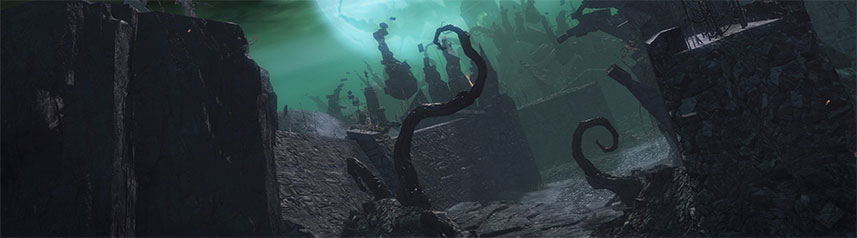
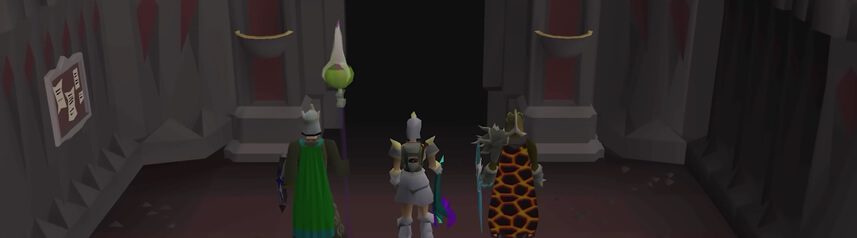
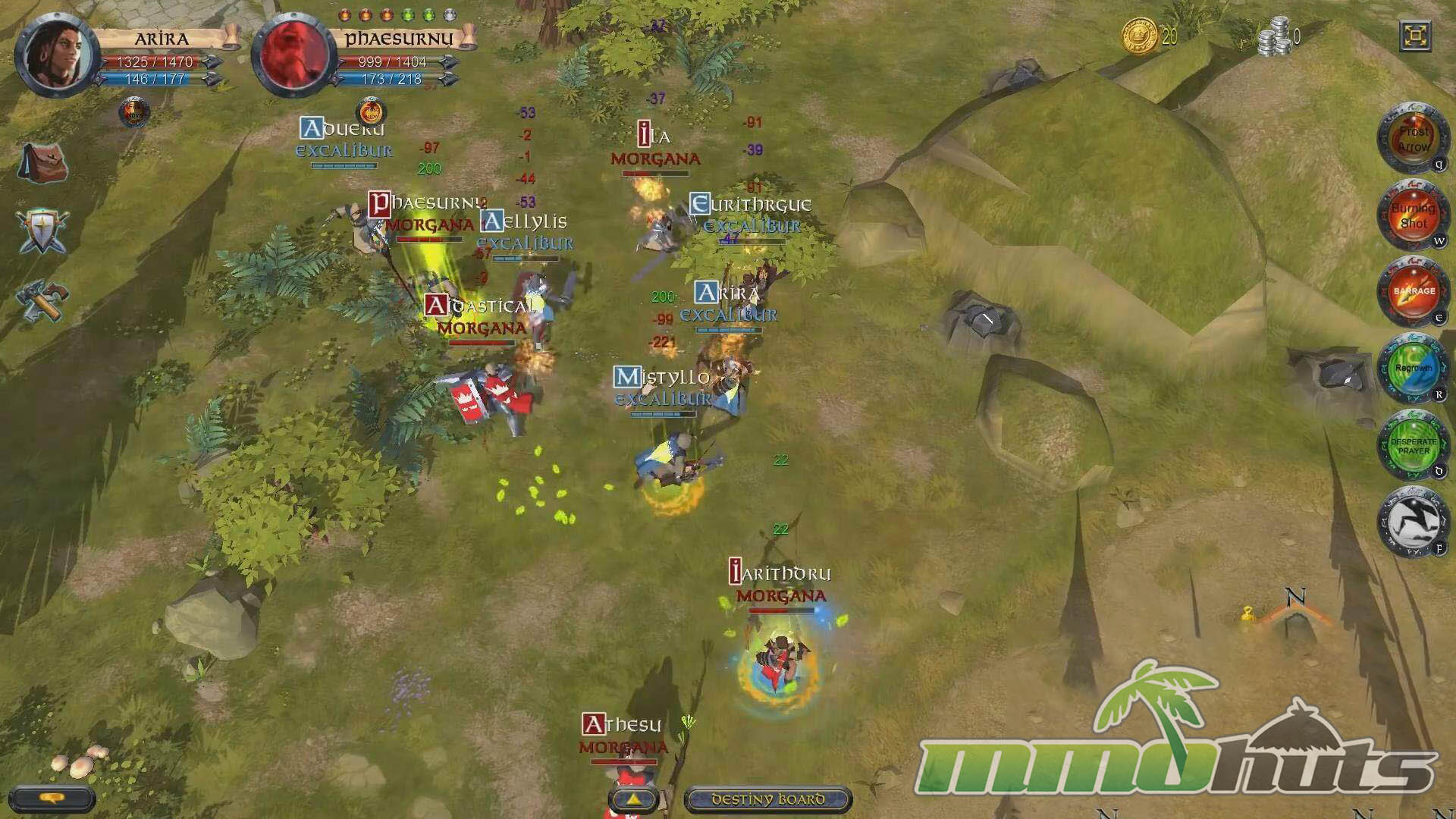
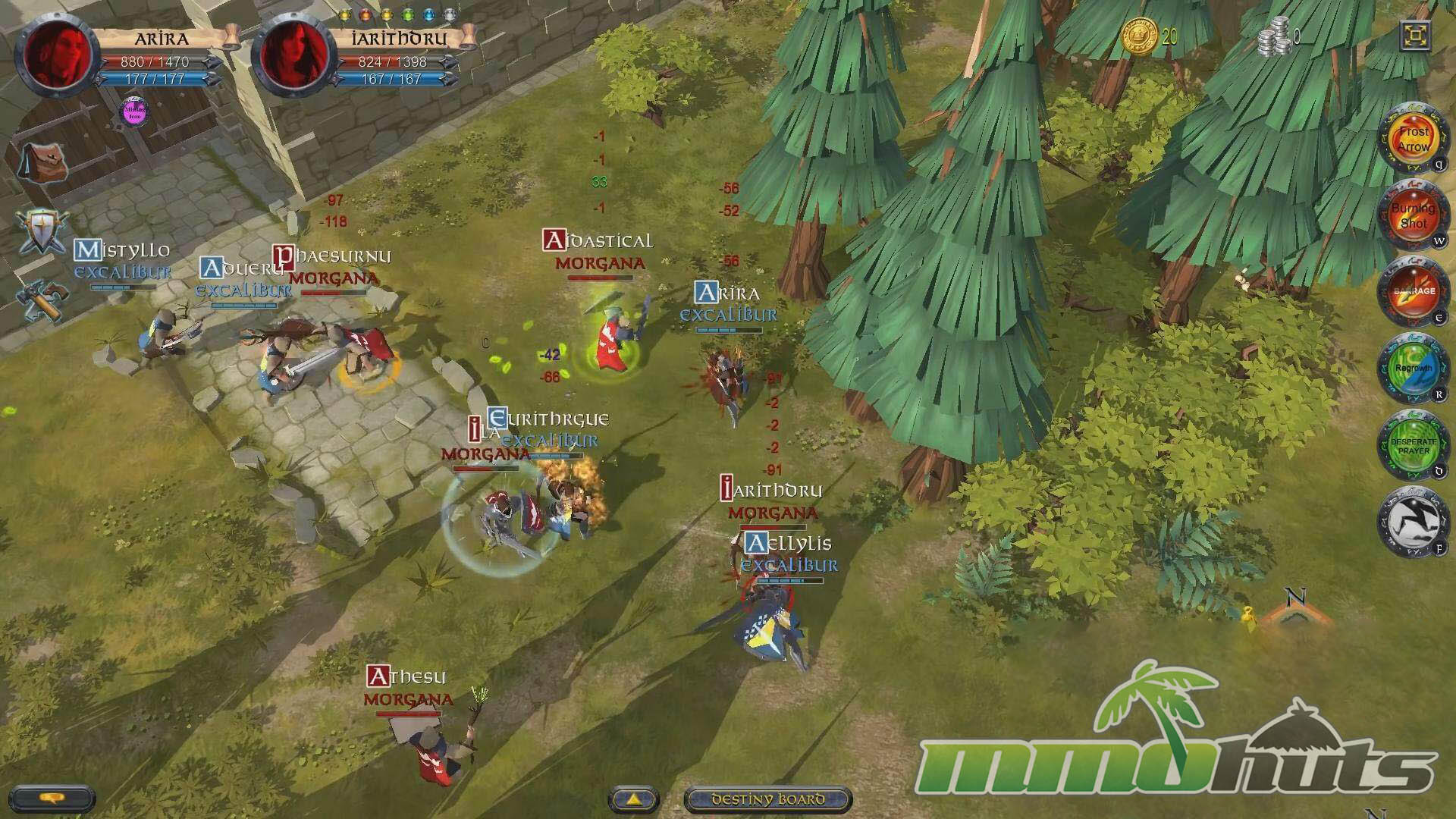
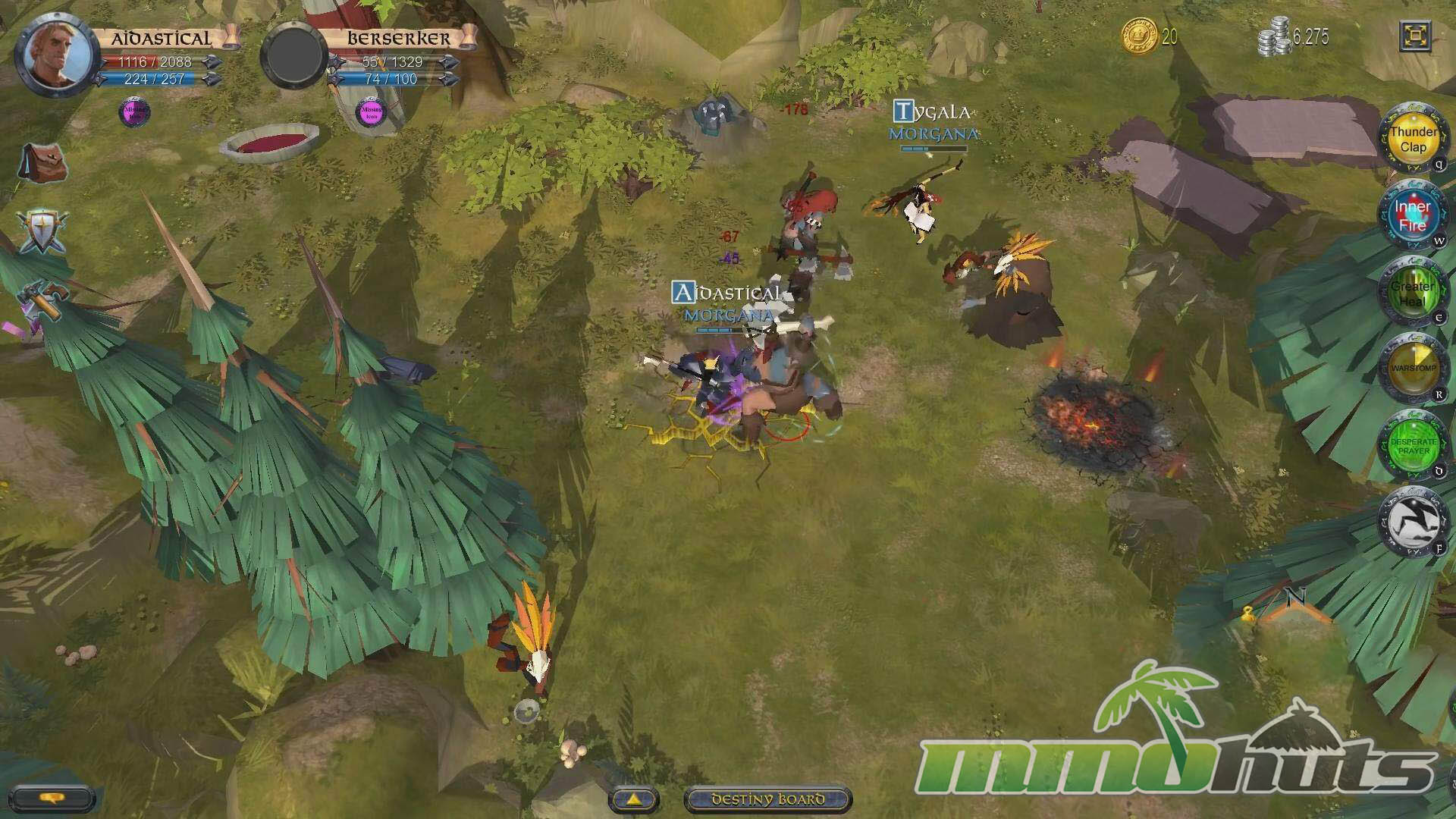
Visually, Albion Online often gets compared to a more polished RuneScape-like presentation, with an isometric viewpoint and clear silhouettes that keep fights readable even when groups clash. If you enjoy MMOs where social organization, crafting specialization, and economic decisions are as important as moment-to-moment combat, Albion is firmly aimed at that audience.
Albion Online Key Features:
- Classless progression – your “build” is defined by your gear and the skills tied to it, not by a permanent class pick. Swapping equipment changes how you function in a party and encourages experimentation.
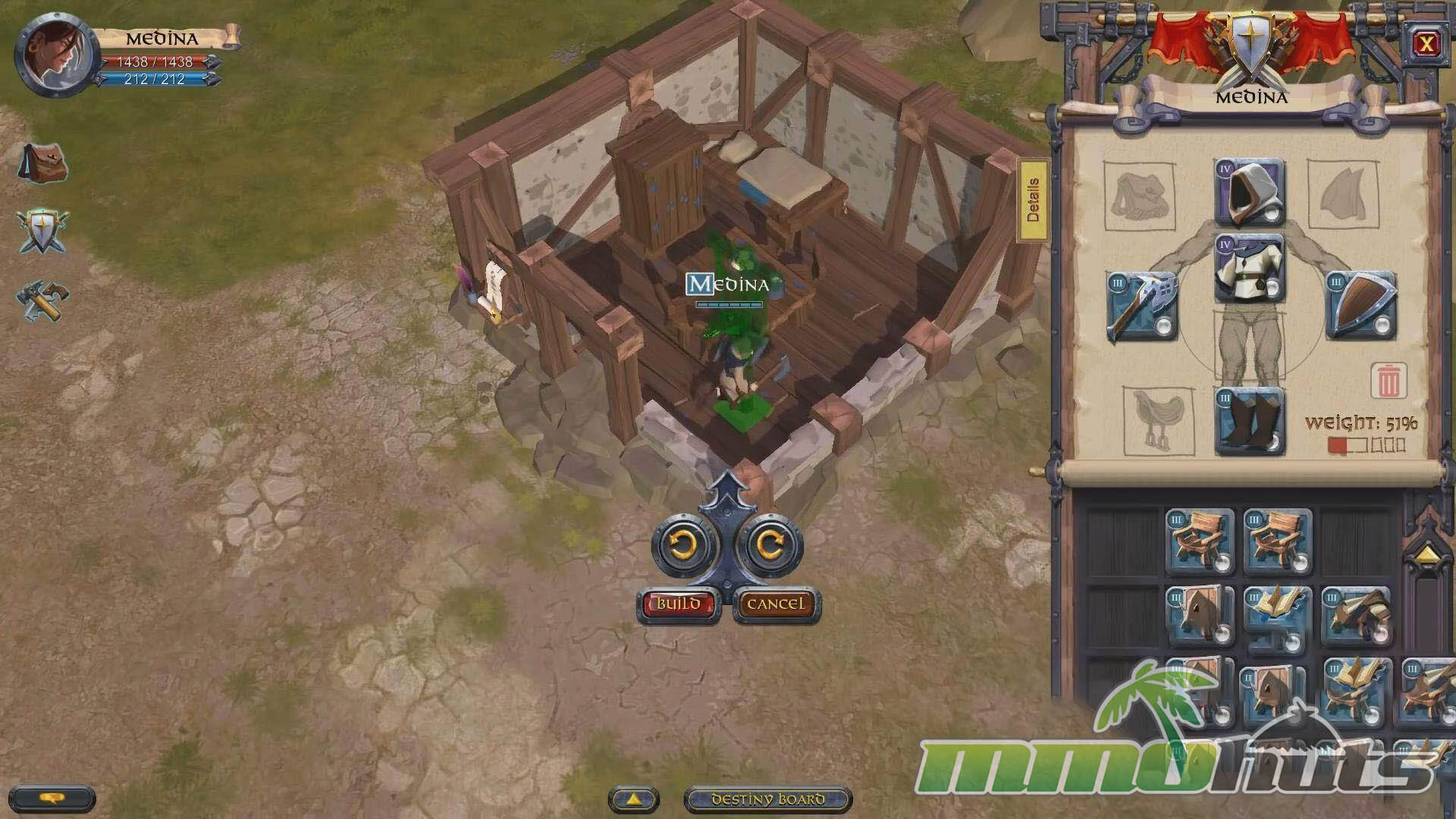
- Player Driven Economy – harvesting and crafting sit at the center of the experience. All items and structures come from players, and you can even set up personal farming to support your supply chain.
- Full Loot MMORPG – in the high-risk areas, defeat carries serious consequences, including the possibility of losing what you are carrying. That tension is a major part of the game’s identity.
- Player Built Cities – own housing, furnish it, and make it functional. Larger groups can also establish settlements and compete with rival guilds for territory and influence.
- True Cross-Platform Support – a single shared server connects Windows, Mac, Linux, iOS, and Android players, letting communities and markets remain unified across devices.
Albion Online Screenshots
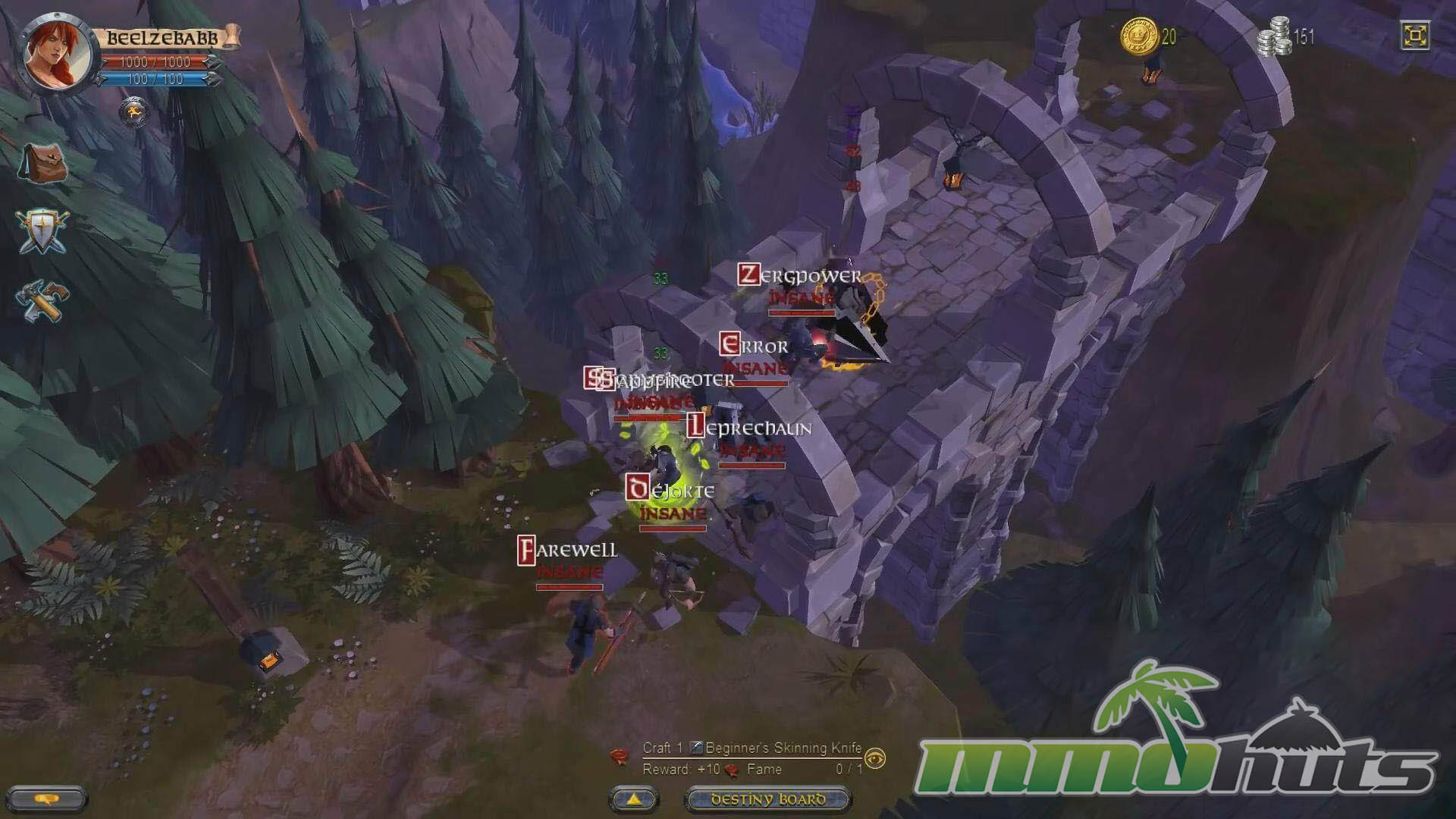
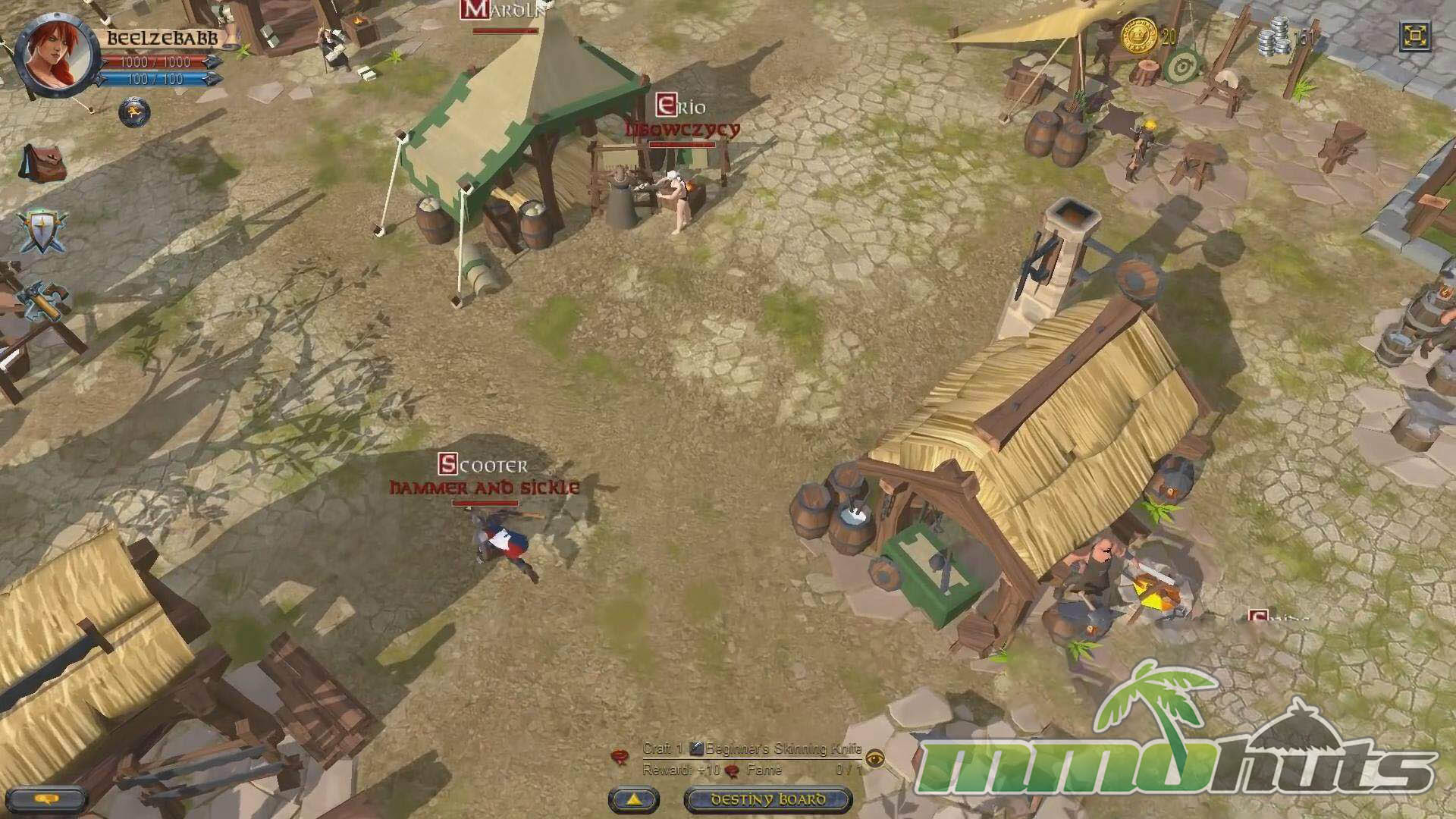
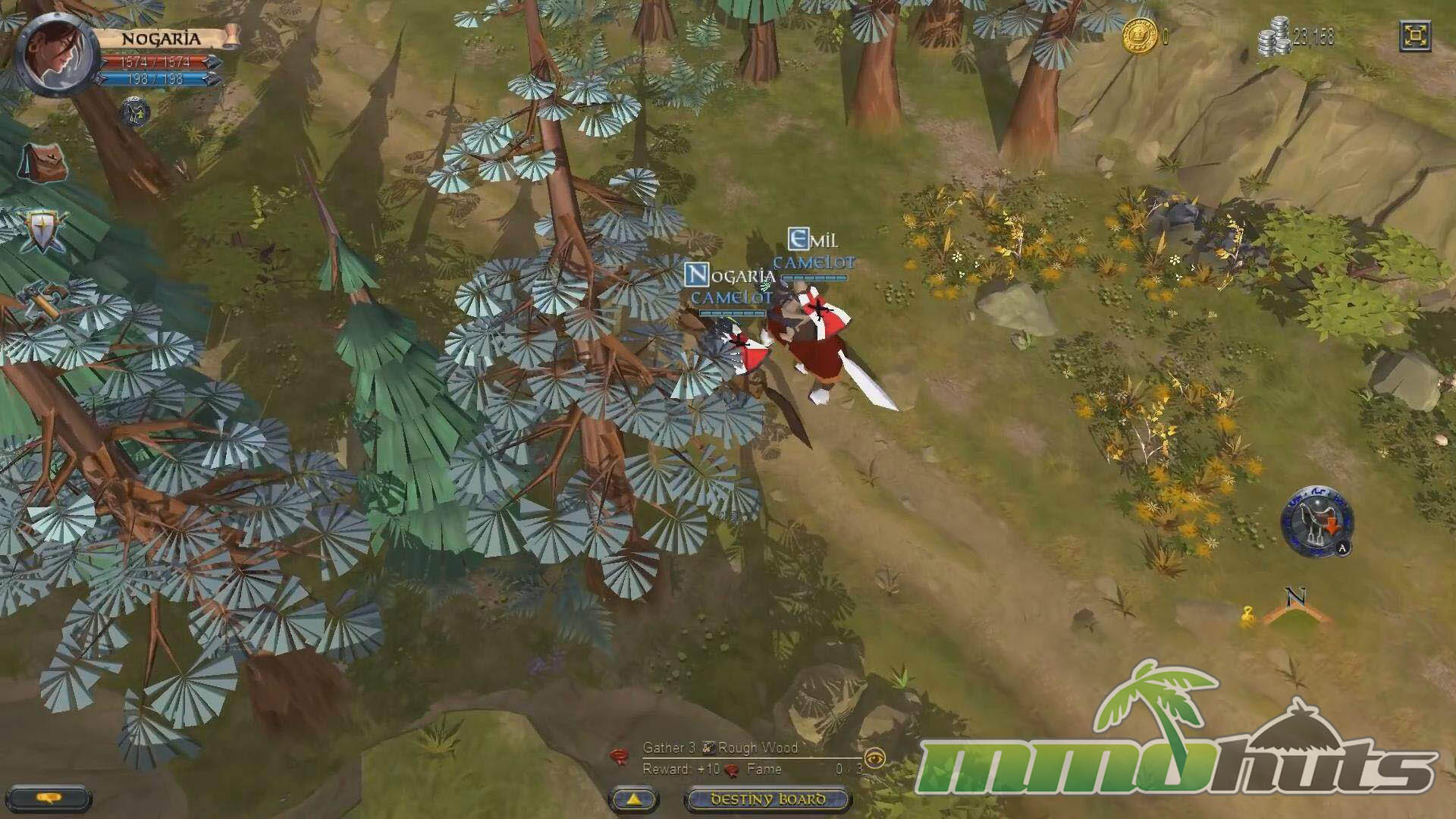

Albion Online Featured Video

Albion Online Review
Albion Online is at its best when you approach it like a living sandbox rather than a theme-park checklist. The core loop is simple on paper, gather resources, craft or trade for gear, venture into more dangerous regions for better materials, then bring value back to safer hubs. In practice, that loop becomes compelling because other players are the main variable. A good run can turn into a tense escape, a spontaneous skirmish, or a guild operation that feels closer to a small campaign than a typical MMO quest chain.
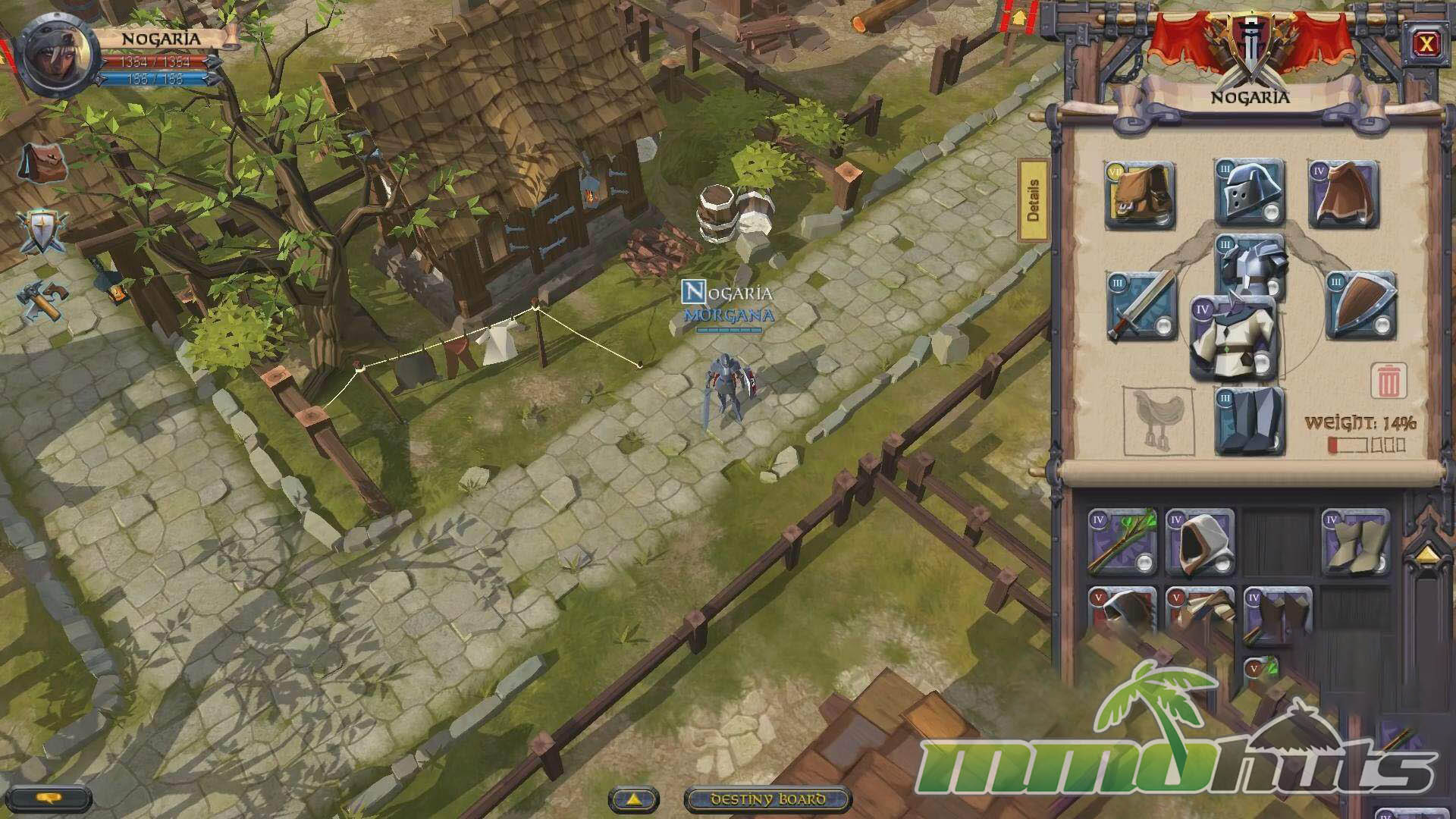
The classless approach is also one of its strongest design choices. “You are what you wear” is more than a slogan, it’s a practical framework for experimentation. Swapping from a staff to a sword or from a tanky armor set to something built for mobility can dramatically change how you contribute. That flexibility is great for players who like adapting to a group’s needs, although it also means learning comes from understanding gear lines and matchups rather than memorizing a single class kit.
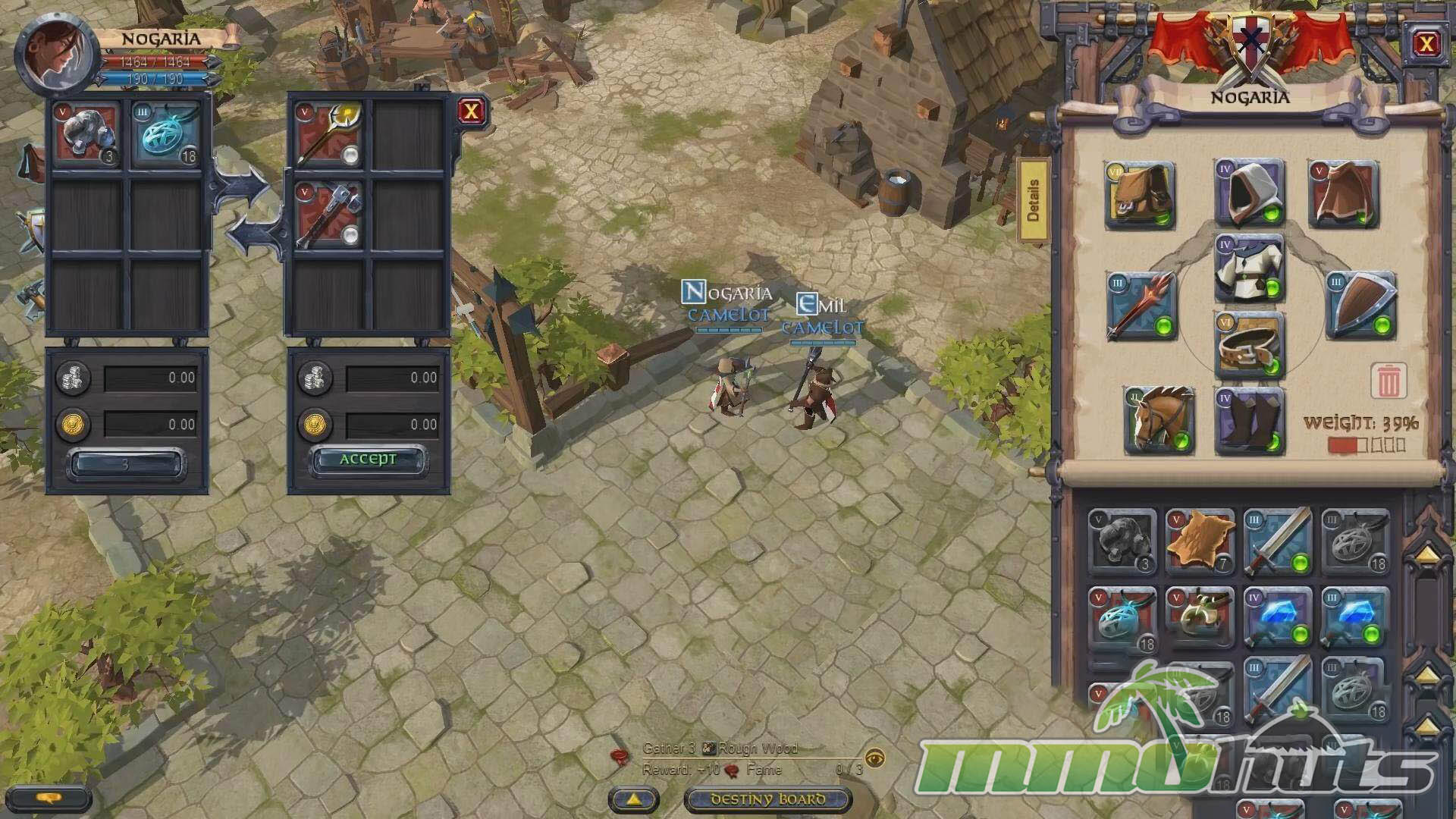
Crafting and the economy are not side activities here, they are the engine. Because equipment has constant demand (especially where PvP is full loot), crafters, gatherers, traders, and transport-focused players can all find meaningful roles. Farming and housing tie into that economy as well, offering steady production and a sense of ownership, even if the larger world is often chaotic.
PvP is the area where Albion becomes most distinctive, and also most divisive. Open-world conflict and territory control give guilds long-term goals and make maps feel contested. At the same time, the full-loot nature of dangerous zones means losses can be costly, particularly for newer players who overextend before they understand the risks. The game rewards preparation, scouting, and group coordination more than impulsive fights.
On the downside, the interface can feel behind the times in places, especially compared to newer MMOs with more streamlined menus and onboarding. The business model also deserves a realistic note: premium currency and premium benefits can translate into practical advantages in progression and convenience. It does not erase skill or organization, but it can shape the pace at which players grow, which some will find frustrating in a competitive sandbox.
Overall, Albion Online succeeds as a modern take on old-school sandbox principles. It is not for players who want a story-driven tour through curated zones, but it is an excellent fit for anyone who enjoys crafting economies, meaningful risk, and guild-driven conflict.
Albion Online Links
Albion Online Official Site
Albion Online Steam Page
Albion Online Reddit
Albion Online Wiki (Database / Guides)
Albion Online Forums (Official Community)
Albion Online Facebook
Albion Online System Requirements
Minimum Requirements:
Operating System: Windows 7 / 8 / 10
CPU: Intel/AMD CPU with SSE2
Video Card: Graphics card with DirectX 10 support or better
RAM: 4 GB
Hard Disk Space: 2GB
Recommended Requirements:
Operating System: Windows 7 / 8 / 10
CPU: Intel/AMD CPU with SSE2
Video Card: Graphics card with DirectX 10 support or better
RAM: 8 GB
Hard Disk Space: 2GB
Albion Online Music & Soundtrack
Coming Soon!
Albion Online Additional Information
Developer: Sandbox Interactive
Game Engine: Unity Game Engine
Platforms: Windows, Mac OS X, Linux, iOS, and Android
Lead Game Designer: Robin Henkys
Designer(s): Matt “Moonchrome” Woodward / Emil Otkins
Technical Director(s): David Salz
Free to Play launch: April 10, 2019
Development History / Background:
Albion Online comes from Sandbox Interactive, a German MMO studio based in Berlin, and it was built with the Unity Game Engine. Founded in 2012, the studio set out to create a modern, player-run sandbox in the spirit of classic MMORPG worlds where community, economy, and conflict shape the experience as much as the developers do. The game has been positioned as a true cross-platform MMORPG, supporting Windows, Mac, Linux, iOS, and Android clients on one shared server, keeping the world and its markets unified.
Prior to launch, Albion Online went through multiple early access alpha phases and was slated for closed beta testing in late 2015. Its full release arrived on July 17, 2017, and the game later transitioned to a free to play model on April 10, 2019.