Zenonia S: Rifts in Time is a free-to-play mobile action RPG that adapts the Zenonia formula into an online, stage-driven format. It keeps the series’ recognizable 2D, anime-styled presentation and fast hack-and-slash combat, then layers on online features like asynchronous Arena battles and co-op Boss Raids. As the sixth entry in the Zenonia franchise, it aims for quicker sessions and repeatable grinding loops rather than the more traditional, exploration-focused structure the older games were known for.
 | Publisher: GAMEVIL Type: Mobile RPG Release Date: November 3, 2015 Shut Down: March 31, 2017 Pros: +Charming chibi art style. +Responsive action-focused combat. +Quick, approachable stage runs. +Fun co-op Boss Raids. Cons: -Gameplay loop can feel grind-heavy. –Monetization gives spenders an edge. |
Zenoia S Shut Down on March 31, 2017
Zenonia S: Rifts in Time Overview
Zenonia S: Rifts in Time is a 2D hack-and-slash mobile RPG developed by GAMEVIL, the publisher also known for titles like Kritika: The White Knights and Dragon Blaze. Players pick from five distinct classes and progress through a quest-driven campaign set across multiple realms, fighting waves of enemies and closing out each stage with a boss encounter. While the core is built around short, instanced runs, the game also leans into online play with asynchronous Arena PvP and a co-op Boss Raid mode designed around quick party matchmaking and repeat farming.
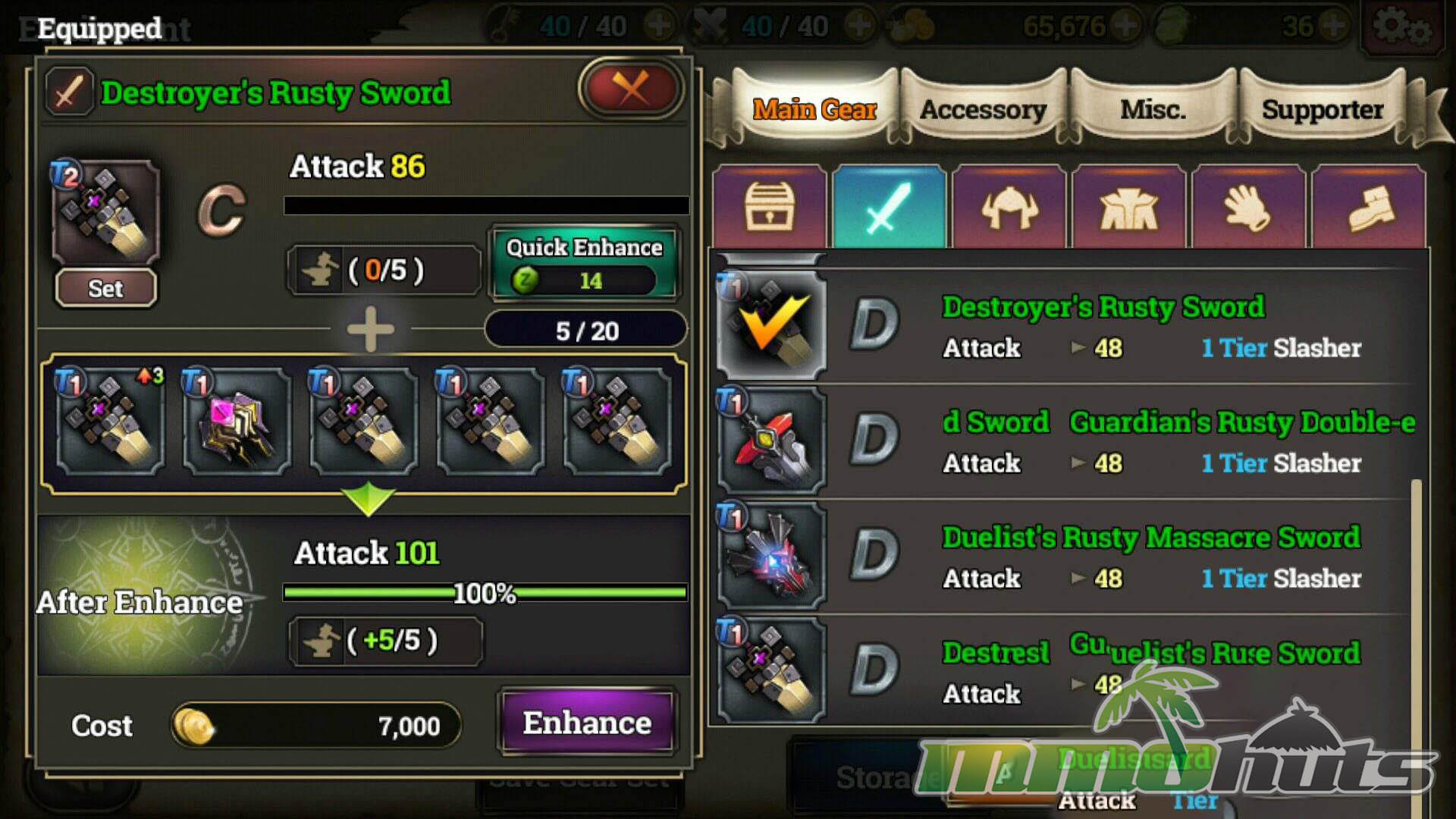
Outside of the story stages, there are extra challenge modes that focus on survival and efficiency, rewarding players who can optimize builds and improve gear. Progression revolves around collecting large amounts of equipment, shaping stats and skills to match a preferred playstyle, then upgrading and enhancing items to keep up with tougher content. In practice, Zenonia S is structured for frequent, bite-sized sessions, with most of its long-term engagement coming from grinding materials, improving builds, and chasing better drops.
Zenonia S: Rifts in Time Features:
- Stage-based Levels – Clear a large number of compact stages featuring different themes, enemy packs, and end-of-stage bosses.
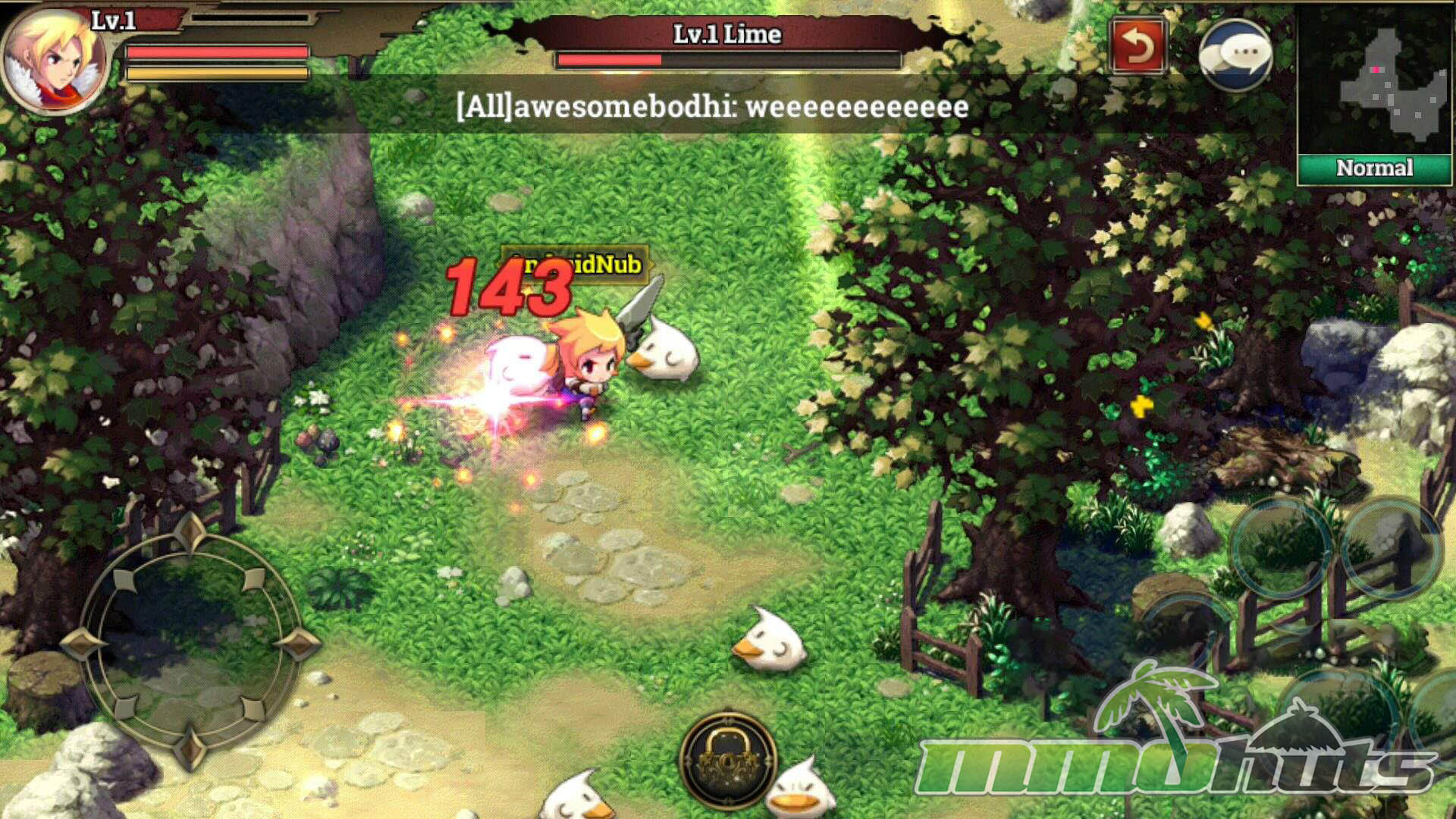
- Cute 2D Graphics – A chibi-inspired look paired with colorful zones, plus a mix of playful and more intimidating monster designs.
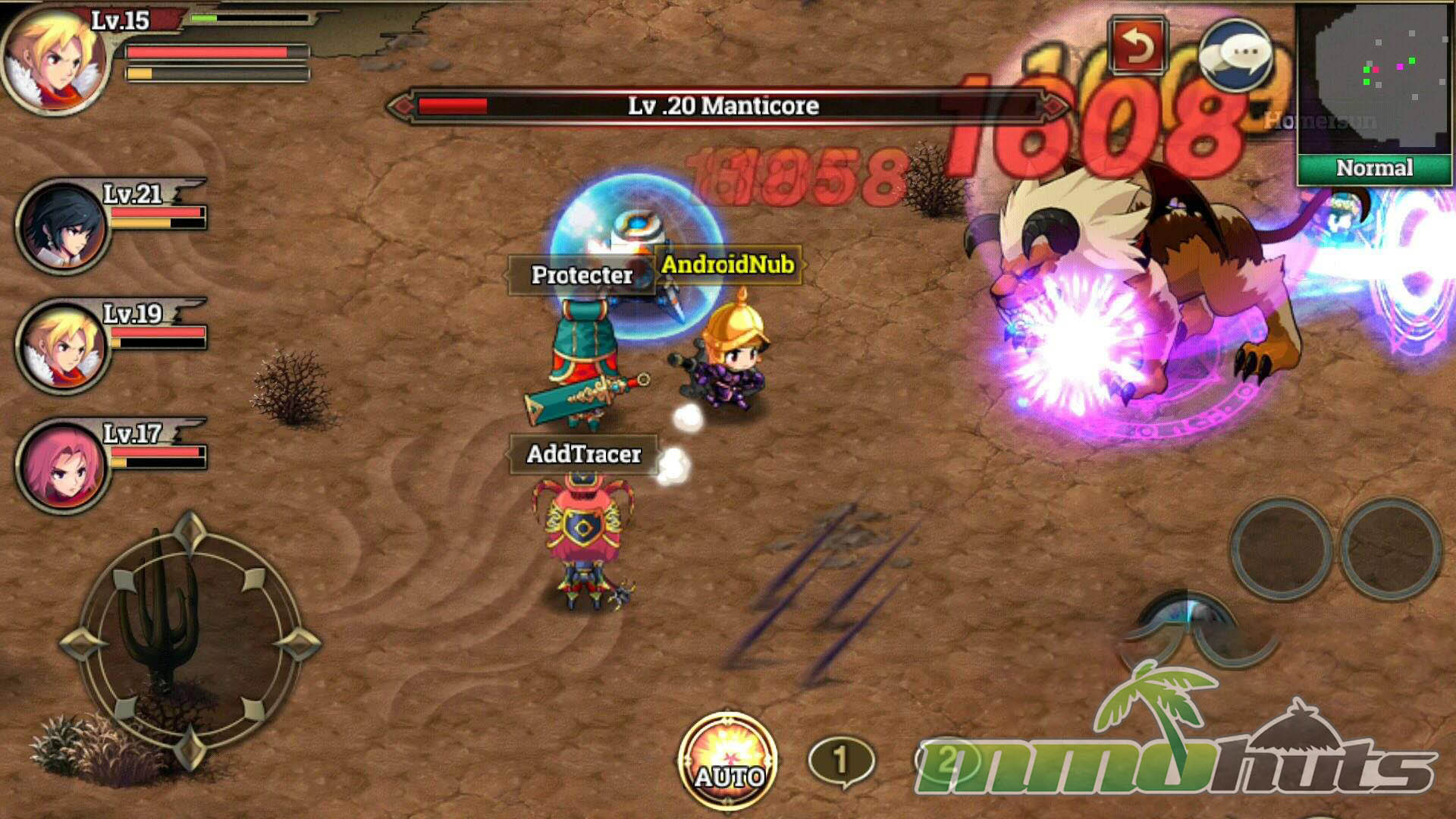
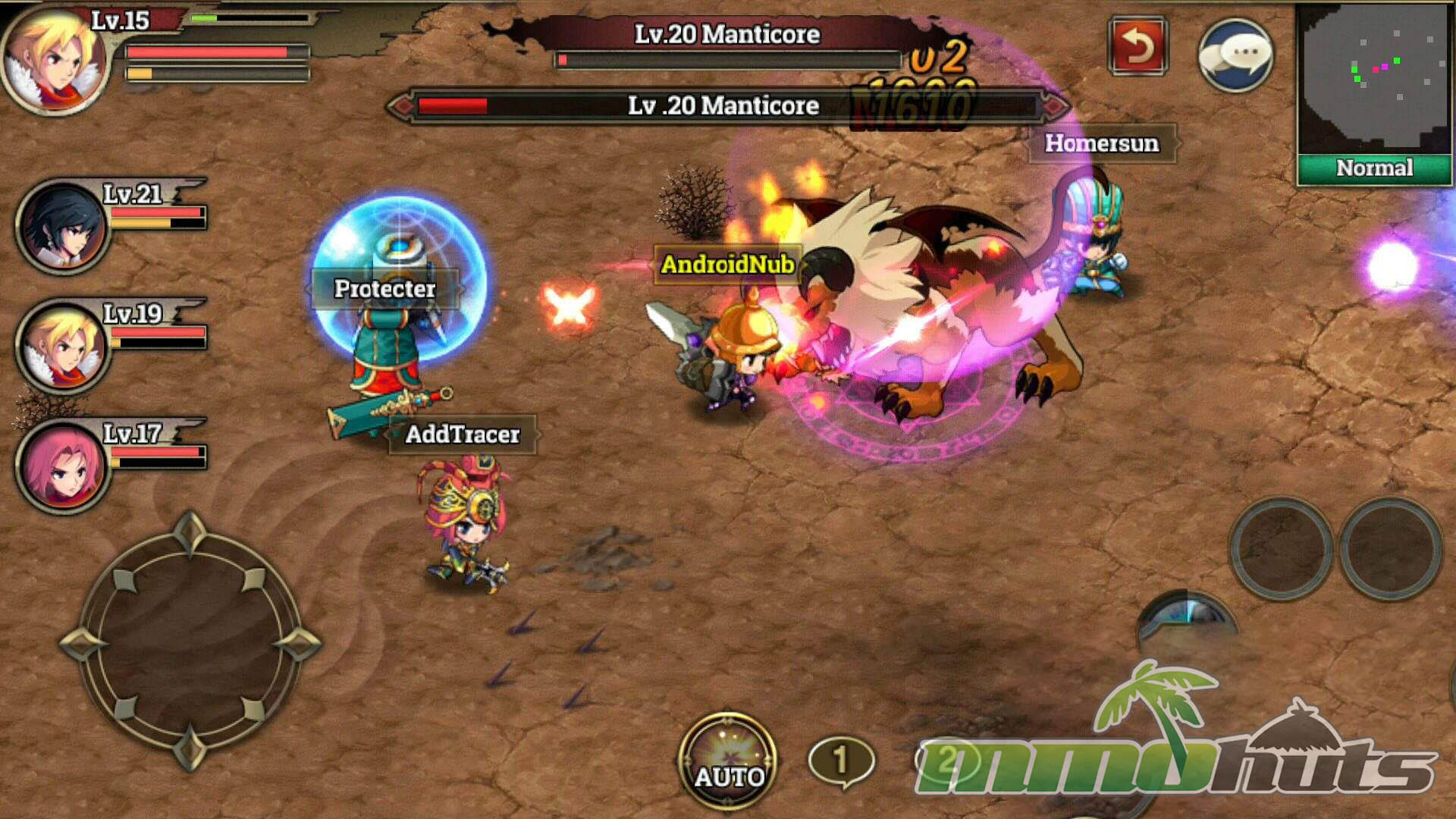
- Fluid, Action Combat – Fast hack-and-slash gameplay with dashes and skills, built around constant movement and frequent enemy groups.
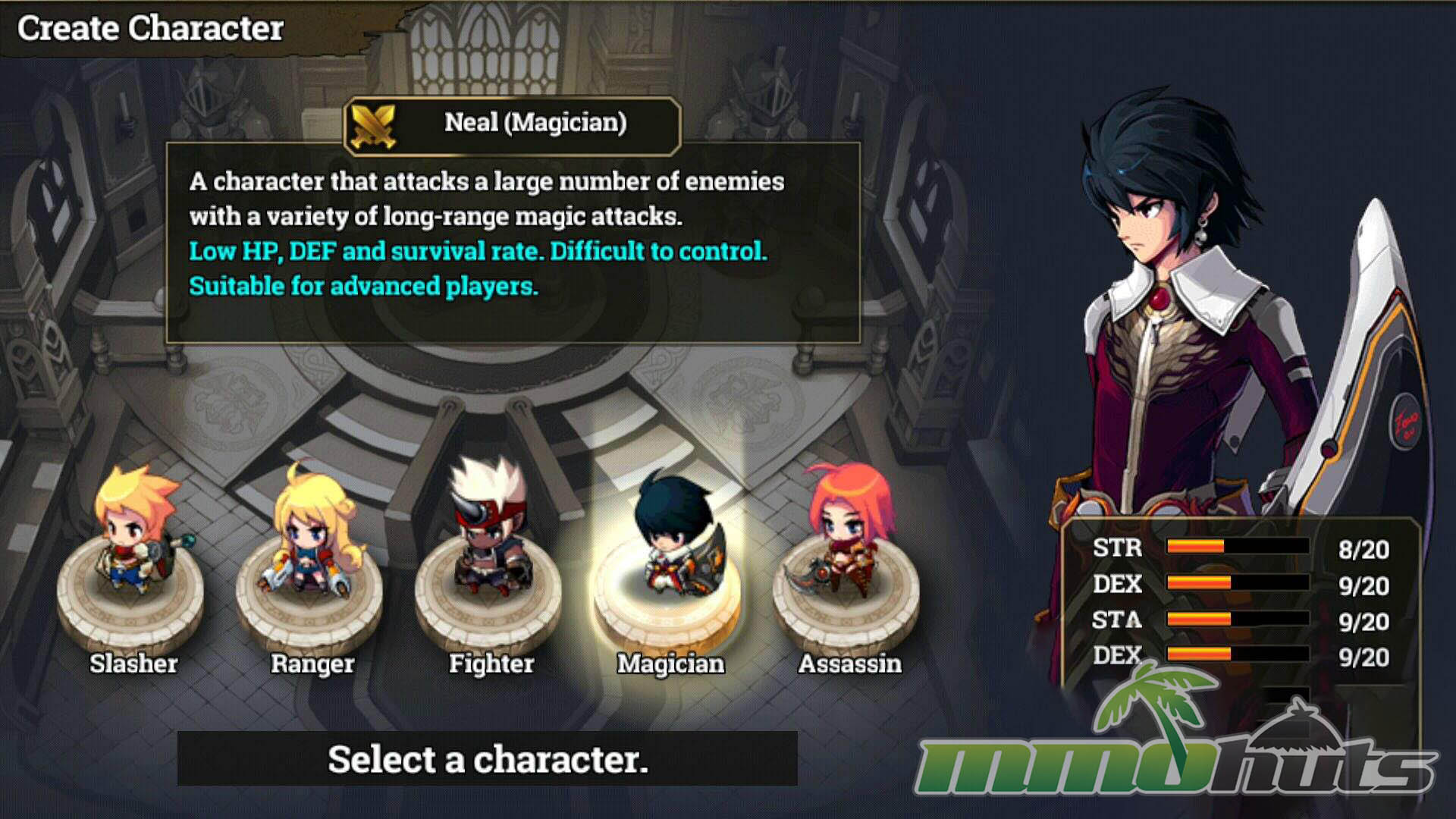
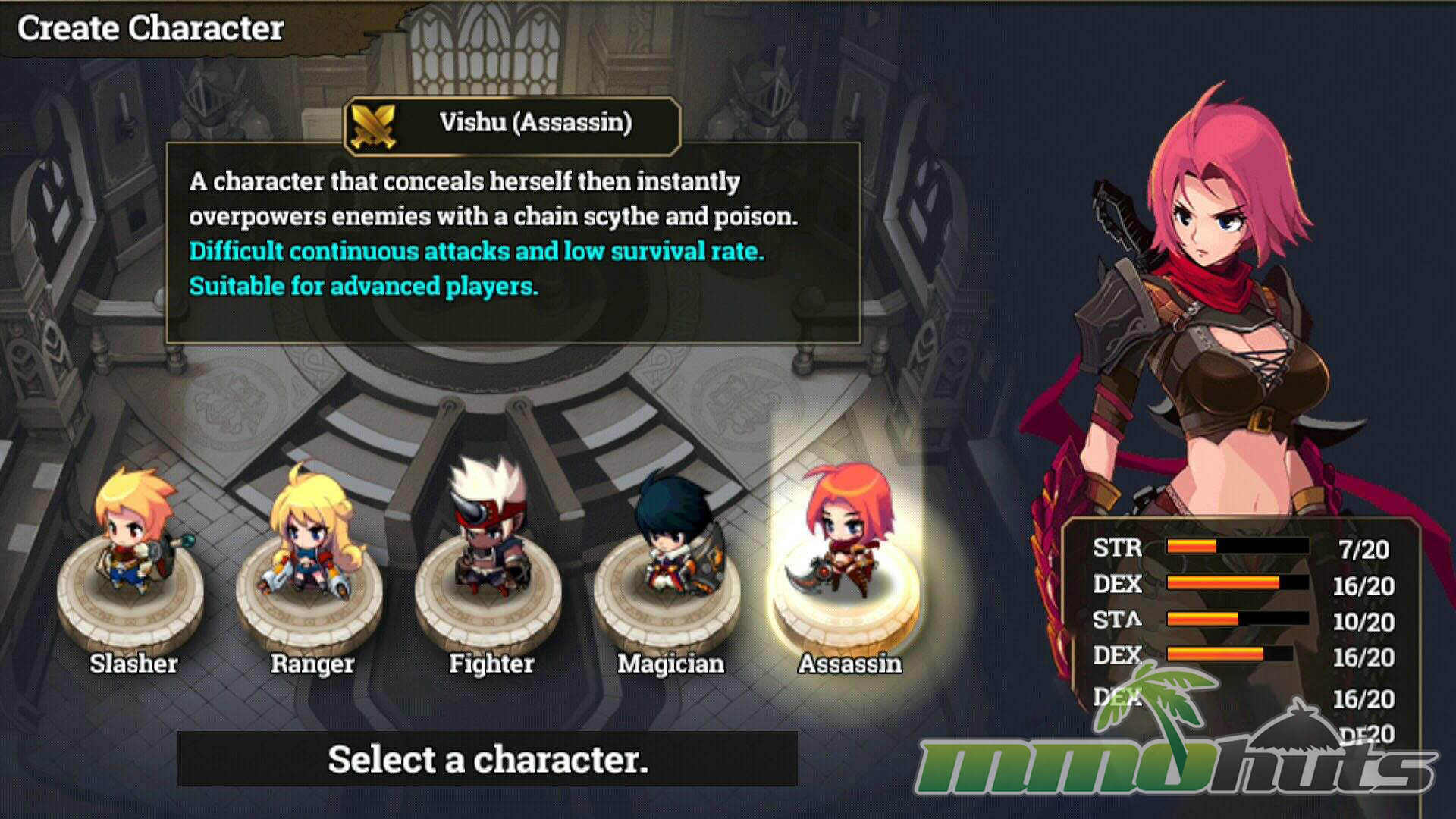
- Five Classes to Choose From – Choose between Slasher, Ranger, Fighter, Magician, or Assassin, each with a different feel and combat role.
- Story and Questing – A dialogue-heavy quest structure that pushes you stage-to-stage while developing the main cast and conflict.
- PVP, Co-op, and Additional Modes – Arena battles run asynchronously, Boss Raids support 4-player co-op, and side modes like Fairy Tower and Monster Wave provide repeatable challenges.
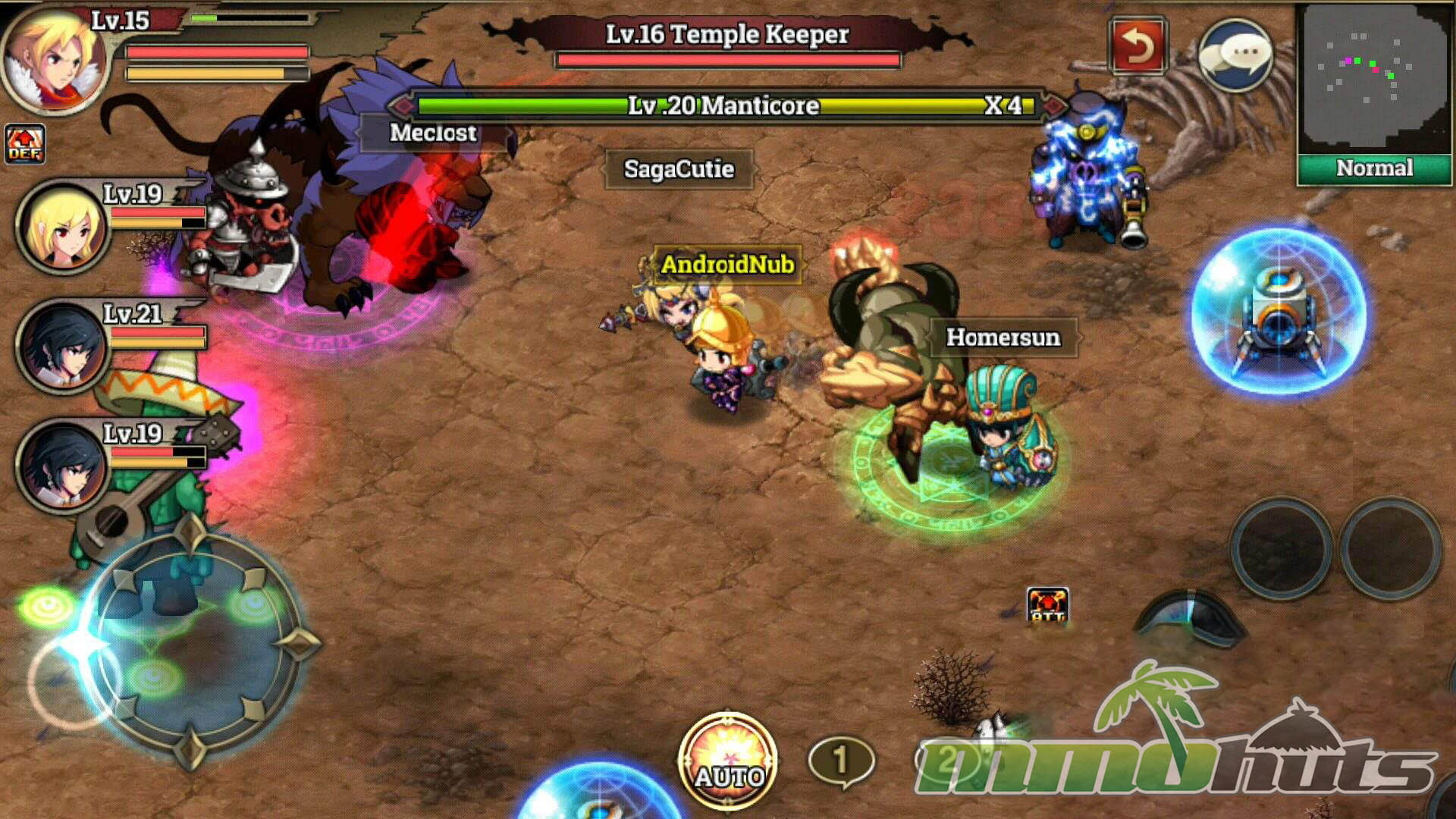
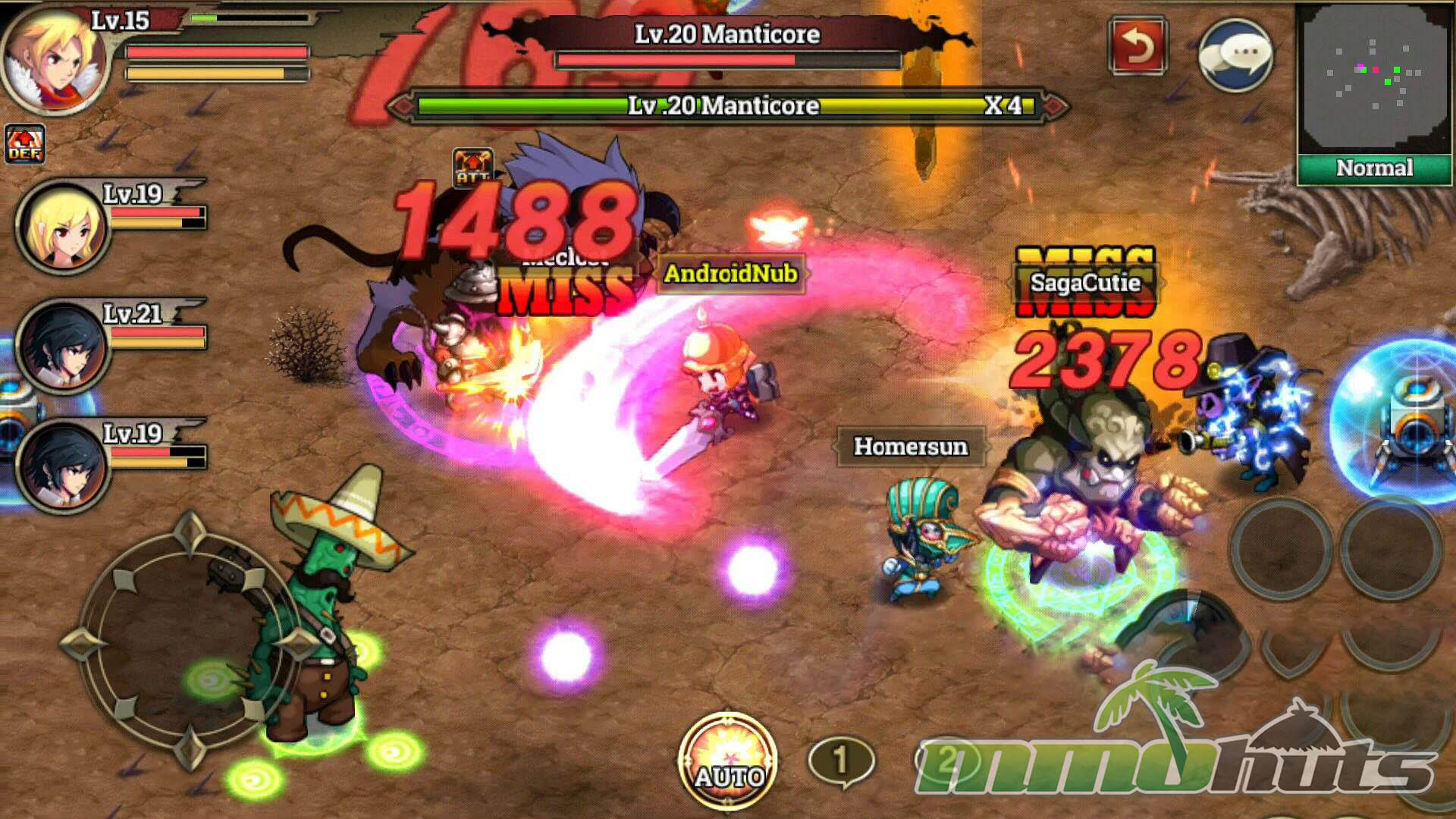
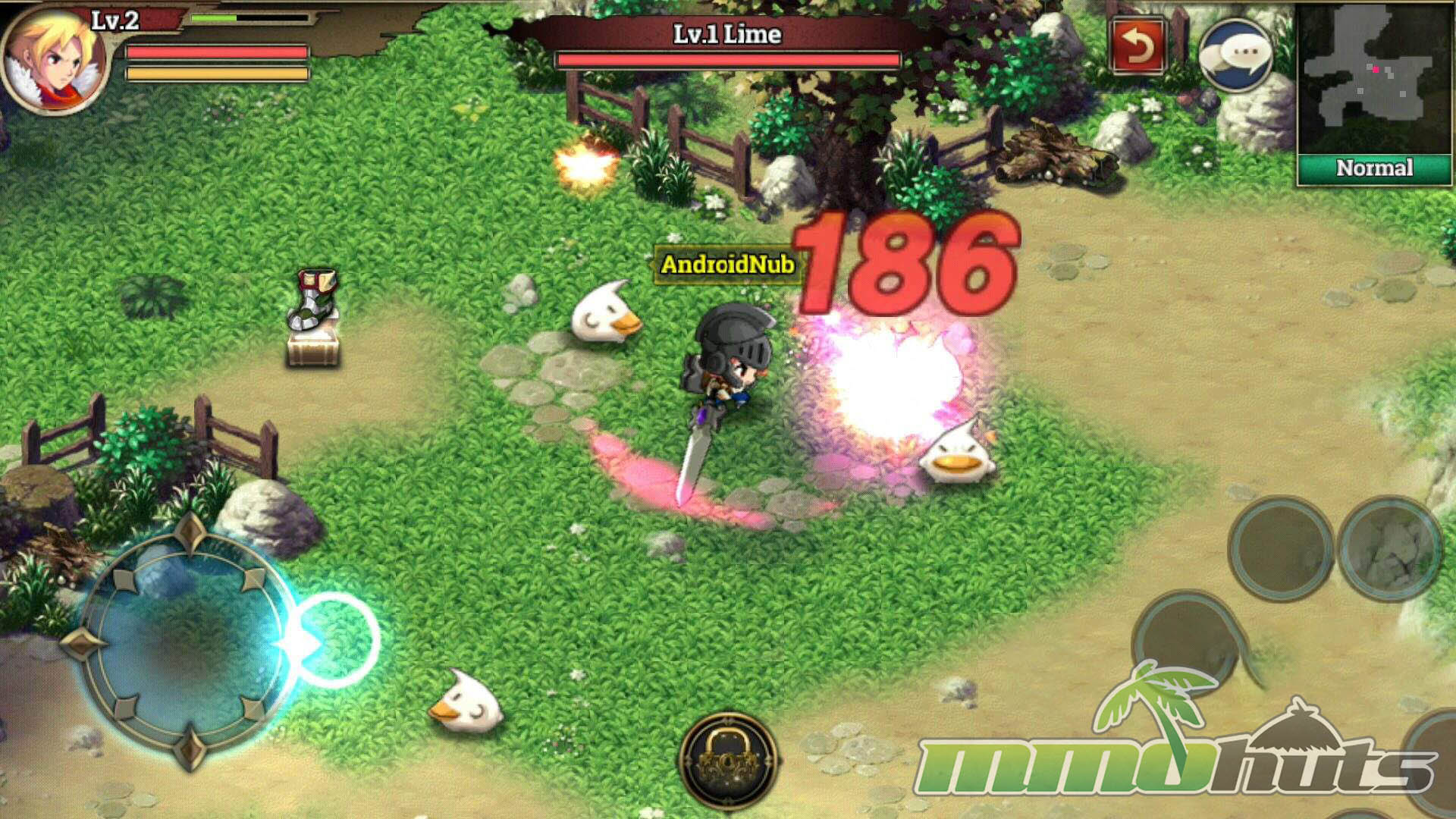
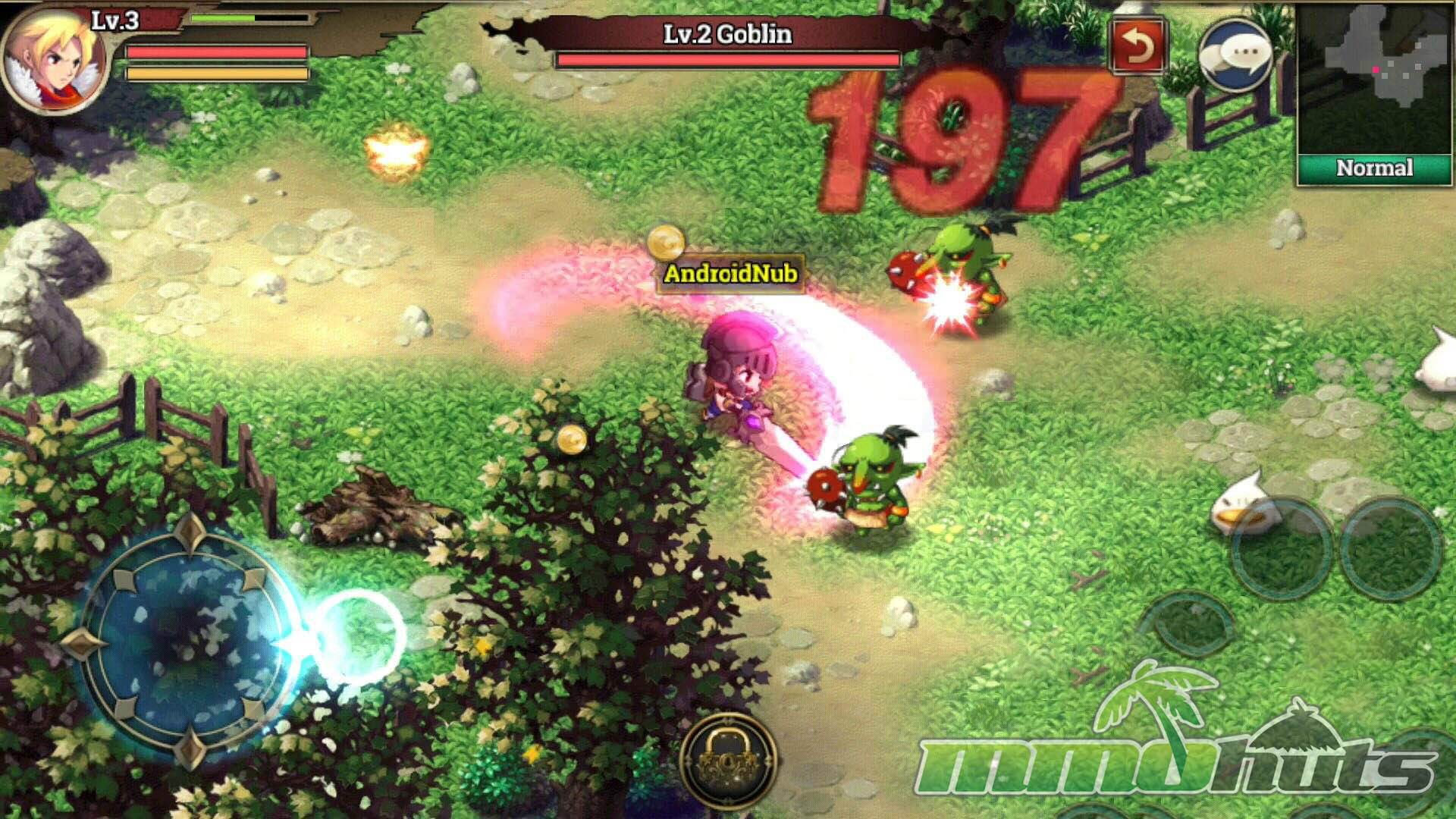
Zenonia S: Rifts in Time Screenshots







Zenonia S: Rifts in Time Featured Video

Zenonia S: Rifts in Time Review
Zenonia S: Rifts in Time is a free-to-play online action RPG for mobile, developed and published by GAMEVIL. Unlike the earlier Zenonia titles that leaned harder into single-player pacing and exploration, Zenonia S is built around instanced stages, repeatable modes, and multiplayer-adjacent systems such as Arena rankings and co-op raids. Historically, the game first appeared in Korea under the name 제노니아 온라인 for Kakao in 2013, then after closed beta testing in early 2015, the global release arrived on November 3, 2015 and reportedly reached almost 500,000 downloads within its first week. It is an interesting pivot for the franchise, offering solid moment-to-moment combat, but also adopting many of the familiar mobile RPG patterns that can make it feel less distinctive over time.
Character Creation and Classes
At the start, players choose one of five classes: Slasher, Ranger, Fighter, Magician, or Assassin. Fans of earlier entries may recognize the character archetypes tied to those roles, even though the narrative context is different here. In broad terms, Slasher plays as a balanced two-handed sword user, Ranger focuses on fast long-range pistol attacks but is fragile and can demand tighter control, Fighter is the tankier brawler with strong survivability, Magician brings wide area spells with high damage potential but low defenses, and Assassin is a high-risk option built around burst damage, poison tools, and low durability.
The class lineup does a good job of keeping combat varied, especially when you consider how much of the game is repeated content for farming. Equipment, stats, and skills all contribute to build identity, so two players using the same class can still feel meaningfully different depending on their upgrades and item choices. Even though everyone runs through the same quests and stages, the class selection adds a layer of replayability, and it also helps Boss Raids feel less monotonous when party members bring different strengths.
A Stage-Based Zenonia
The biggest structural change is the shift to a stage map rather than a more continuous world. Zenonia S uses a hub town as a social space where you can move around, manage menus, and see other players, but most of the actual gameplay happens inside instanced stages. Those stages are generally solo-only for the main campaign, which is a notable limitation for a game marketed around being online. Seeing other players in town does not translate into co-op progression through the story, and that makes the online layer feel narrower than it could have been.
Co-op is primarily reserved for Boss Raids, which becomes the main place where the game’s multiplayer identity shows up in a meaningful way. The result is a structure that will feel familiar to anyone who has played Korean-style mobile RPGs from the same era, efficient, grind-friendly, and designed for quick clears rather than exploration.
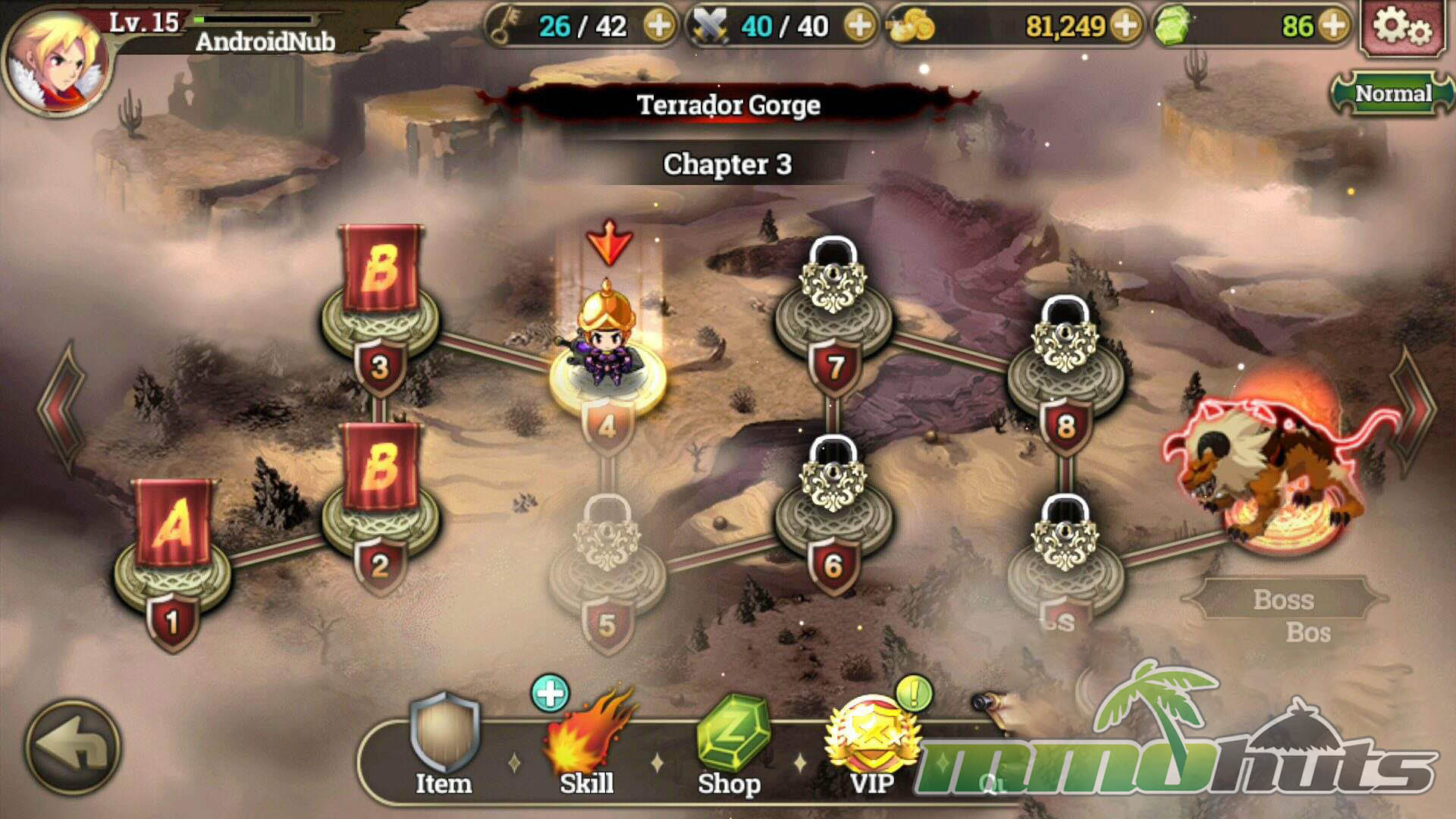
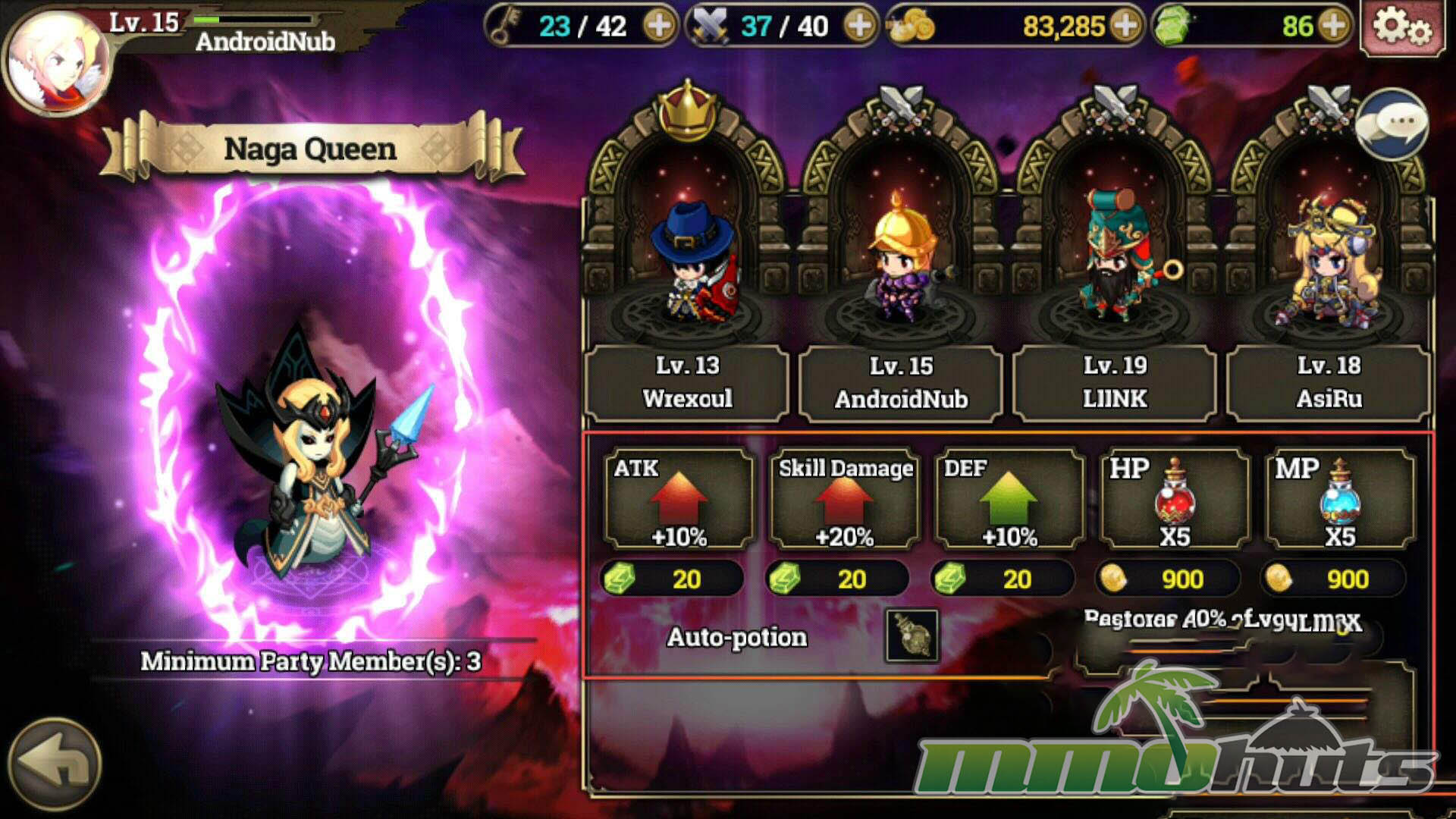
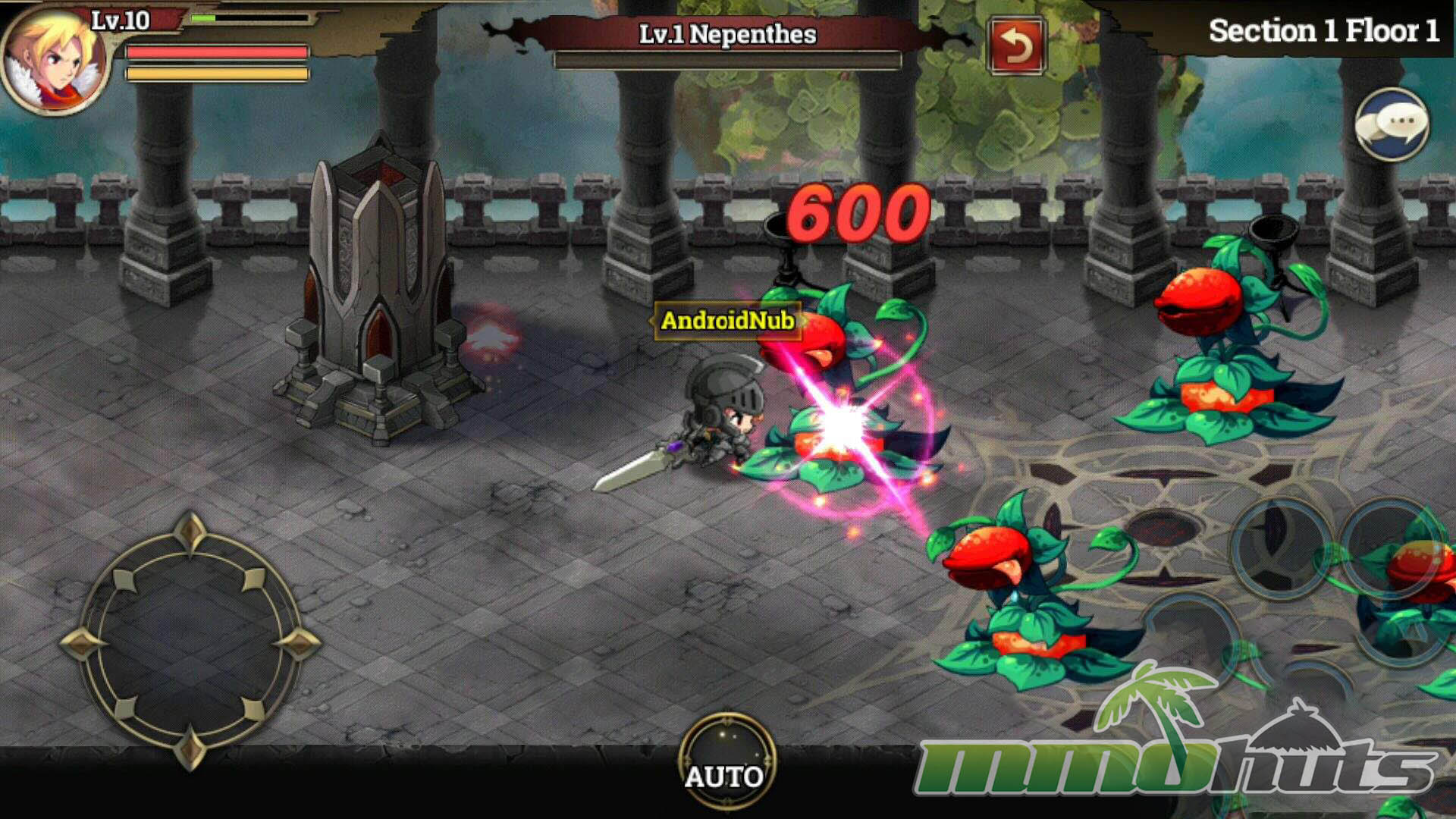
In Story mode, the campaign is spread across 9 maps, each containing 10 stages, and each stage is divided into three zones, ending with a boss fight in the third zone. The flow is straightforward: clear enemies in a zone to unlock the next area, then finish the stage by defeating the boss. Individual runs are short, usually a few minutes, but the bosses are built to soak damage and can extend fights, especially when they reposition often and force you to chase them.
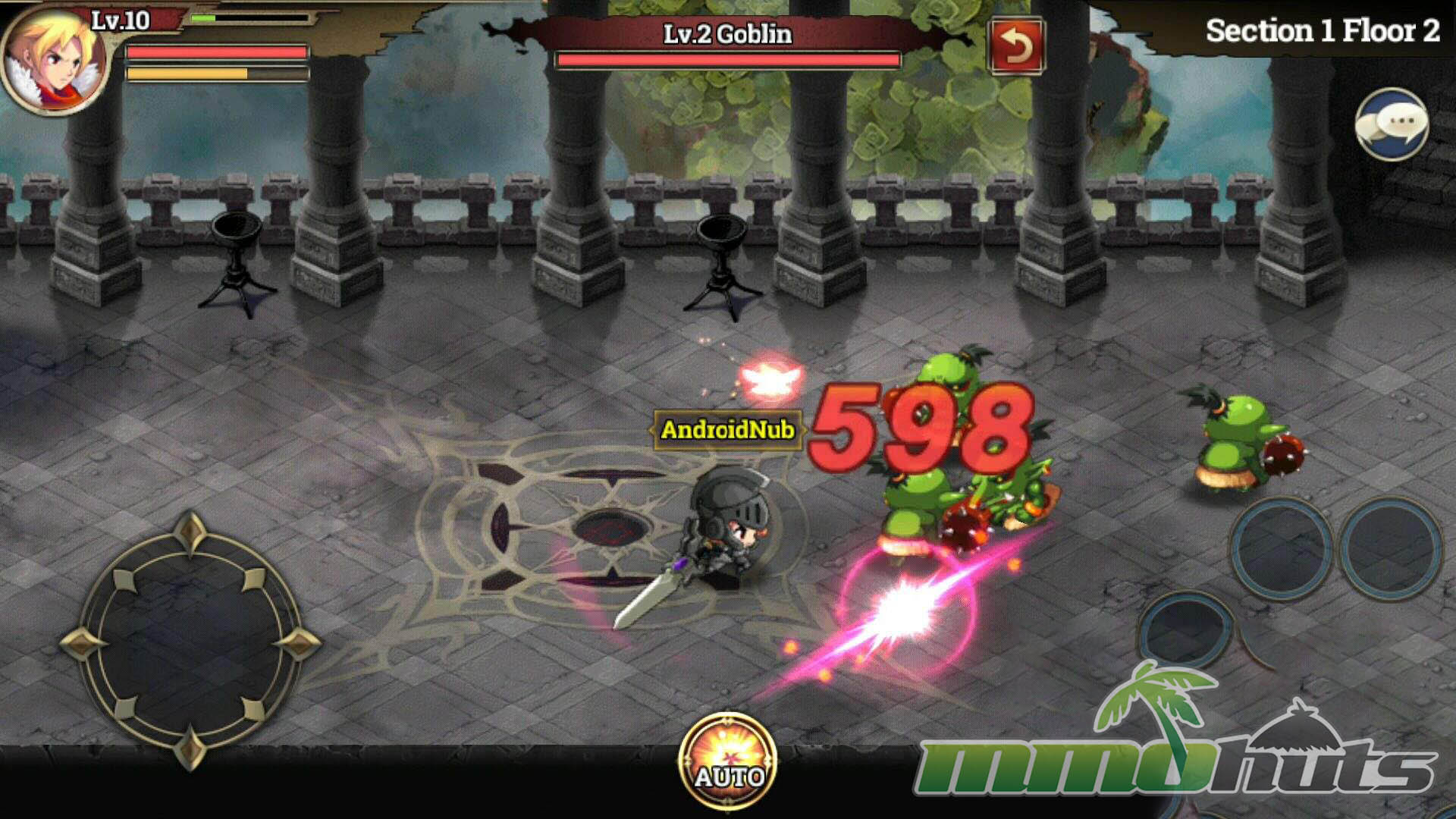
Boss encounters are one of the better parts of the stage format, since they introduce more distinctive patterns than the regular waves. Still, because the overall stage structure stays consistent, the game leans heavily on repetition for progression. An “Auto” option is also available, allowing the character to fight without manual input, which is useful for routine farming but also reduces engagement and can make the loop feel even more mechanical.
2D Action Combat
Combat is presented from an overhead perspective with a virtual joystick for movement and a primary attack button that can be tapped or held. Skills are mapped to buttons as well, and using them efficiently matters because mana is limited and does not naturally regenerate. Movement has an extra layer of responsiveness thanks to a dash activated by double-tapping a direction, and because there is no cooldown, it becomes a core tool for dodging and repositioning.
Fights generally involve pulling groups together, managing spacing, and timing skills for maximum value. Regular enemies can be nudged back by attacks, but they are not locked down completely and can still retaliate, while bosses resist knockback and tend to rely on occasional skill bursts rather than constant pressure. Overall, the controls and pacing are smooth for a mobile action RPG, but the similarity between stage layouts and objectives means combat can start to feel samey after extended grinding. Auto combat and speed options help with efficiency, although they also highlight how much of the game’s progression is designed around repetition.

Questing and Story
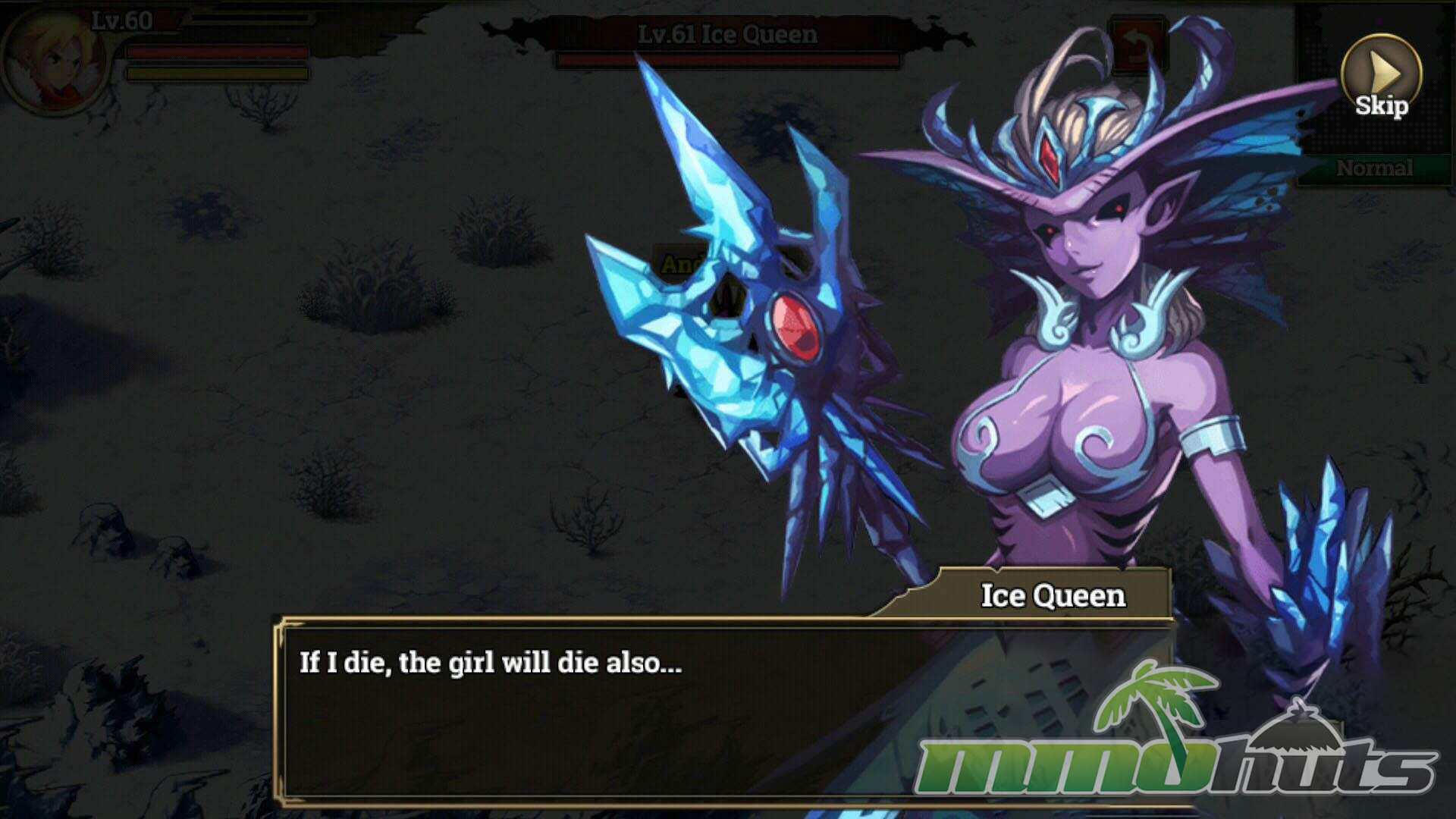
Zenonia S ties its narrative to a steady chain of quests that push you from stage to stage. Most missions have short dialogue segments before and after completion, giving the campaign a consistent sense of forward motion. The writing tends to be light and conversational, with a plot centered on threats facing the Celestial Kingdom and a protagonist arc that moves from self-centered beginnings toward a more heroic role.
Mechanically, the quest tasks are typical for the genre, often asking you to defeat certain enemies or collect items while clearing stages you would be running anyway. The story provides context and a bit of charm, but it does not reach the same level as the stronger single-player entries in Zenonia 1 through 5. It is still a welcome layer for players who like having narrative motivation behind the grind.
Enter the Arena
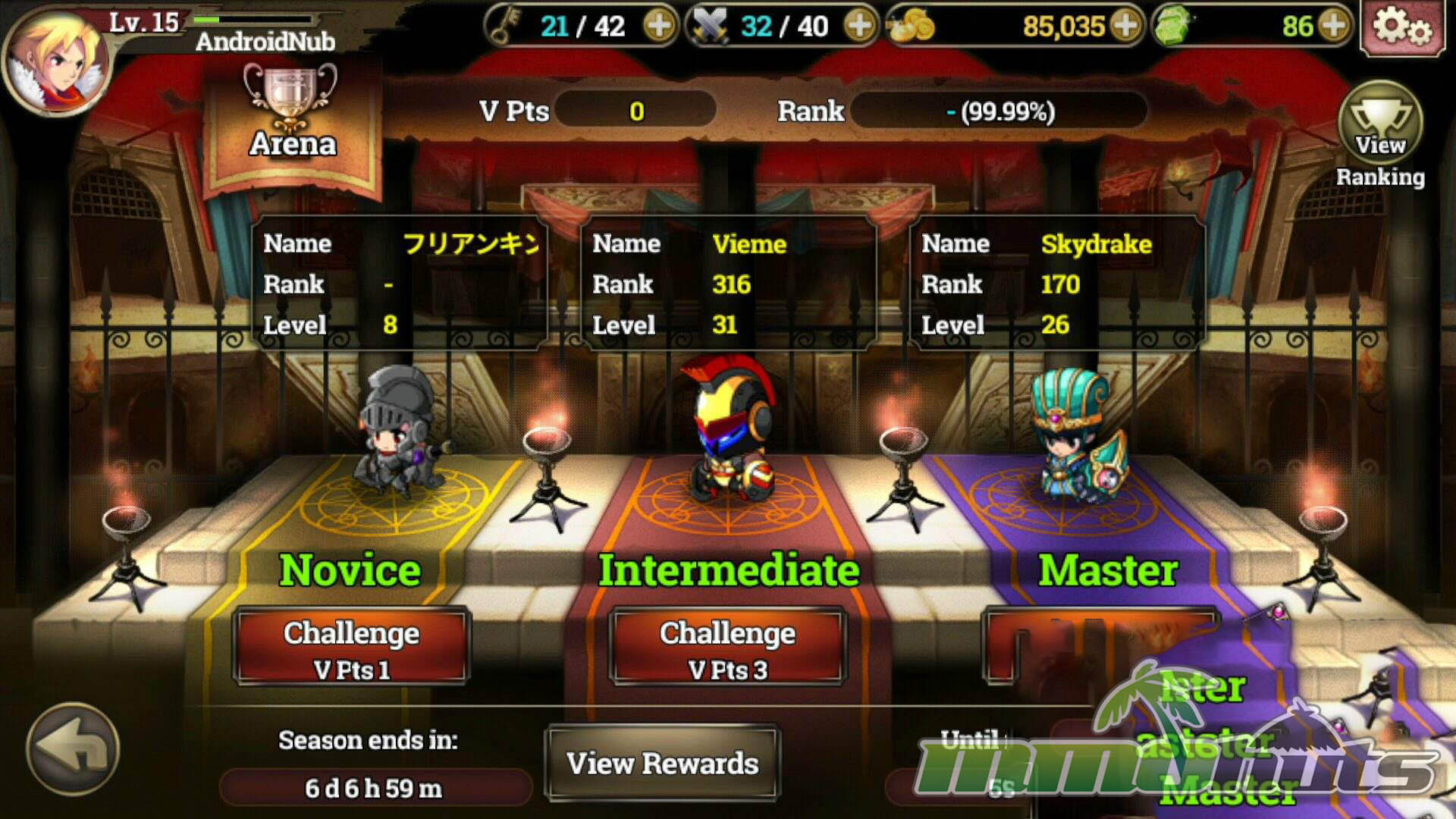
PvP is handled through the Arena as asynchronous battles, where you fight AI-controlled versions of other players’ characters. You still control your own character directly, and the Auto option remains available, which can be practical depending on your build and the matchup. The system offers three opponents to pick from, but matchmaking can feel uneven, and some fights can be decided more by gear gaps than by execution.
Ranking is the main incentive. Players climb by winning battles, and rewards are distributed based on end-of-season placement, using tiers such as “Top 0.1%, 0.5%, 1%, 5%, 10%, 20%, 50%, and Bottom 50%.” Because the payoff is delayed until the season ends, the Arena is more of a long-term routine than a mode with immediate rewards, but it does add a competitive hook for players who enjoy optimizing builds and chasing better placements.
Boss Raids, Fairy Tower, and Monster Wave
Beyond the story stages, Zenonia S offers three main side activities: Boss Raids, Fairy Tower, and Monster Wave. Boss Raid is the standout because it is the primary co-op feature, allowing four players to team up against large bosses tuned for different level ranges. You can queue with friends or match automatically, then work as a group to bring down a target for a chance at valuable rewards, including rarer equipment and Stones used for socketing.
Fairy Tower shifts the focus to survival through increasingly difficult floors, rewarding higher clears with better loot, while also being gated by your character’s level and gear strength. Monster Wave is another survival-style mode, but instead of climbing floors, you hold position against continuous enemy spawns and try to last as long as possible. All three modes are limited to a certain number of attempts per day, which encourages routine play and resource planning, but can also feel restrictive if you want longer sessions.
Cash Shop/In-App Purchases (IAP)
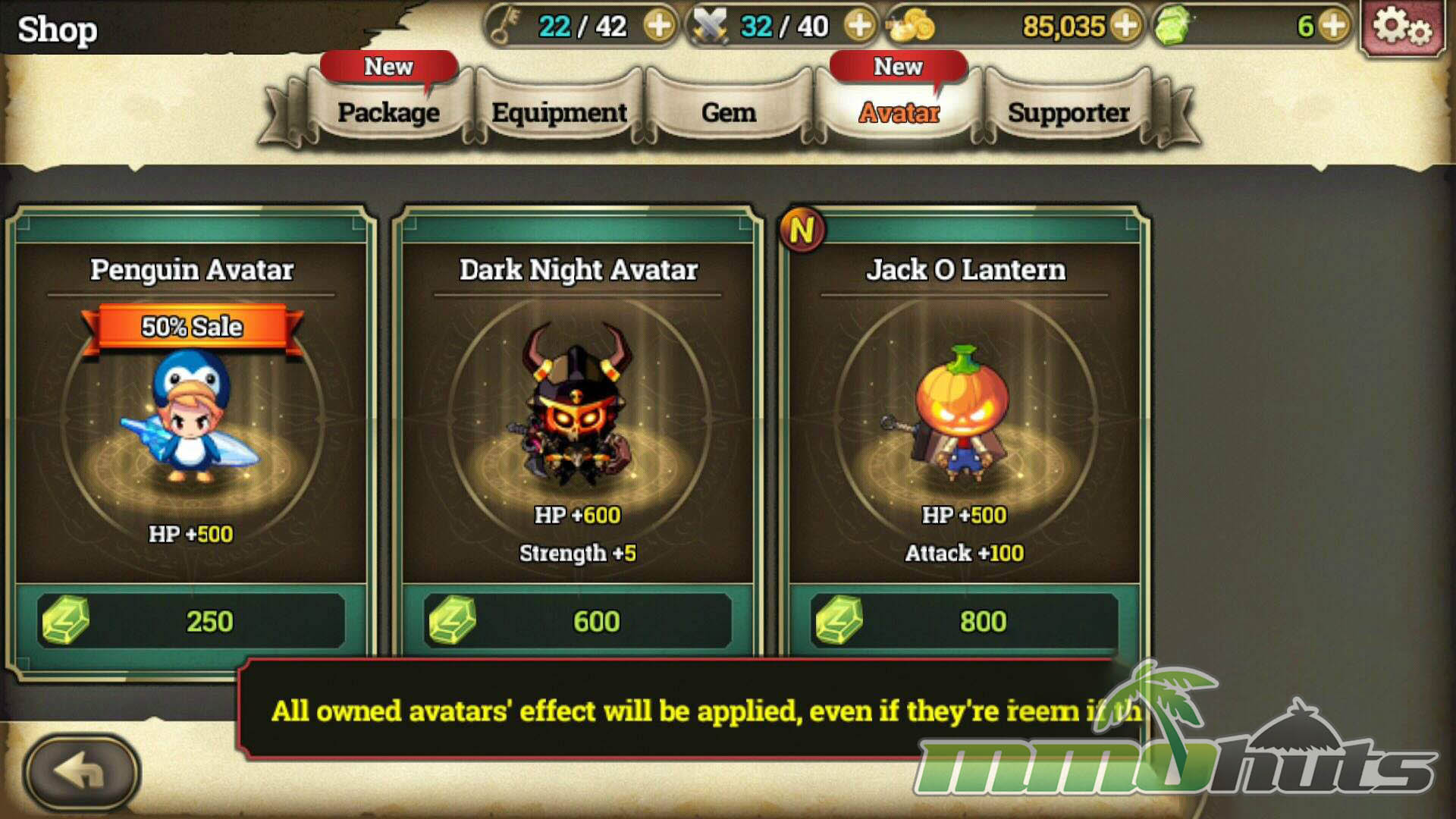
Monetization is built around gacha-style summons and convenience purchases. Using Zen (premium currency), players can roll for random equipment, Stones, costumes that provide small stat bonuses, gold, and Fairies, with item ranks ranging from B to S. Multi-summons include a guaranteed A rank item when summoning 10 at once, and a similar structure applies to Stones. With standard in-game gold, the summon pool is more limited, offering equipment, Gems, and Fairies in the D to B range.
Zen can also be used for practical advantages like buying energy or revives, and the game includes a VIP system that rewards spending with benefits such as daily freebies, additional energy, and extra perks for stages and PvP. The overall effect is that paying players can accelerate power growth and gain an edge, particularly early on or in competitive environments. That said, strong gear can still be reached through enhancement and “tiering up,” but it demands substantial farming and patience, so the gap is mainly in speed and convenience, not total access.
Final Verdict – Good
Zenonia S: Rifts in Time delivers satisfying 2D action combat and a cute visual style, and its Boss Raids provide the clearest reason to engage with its online focus. At the same time, the stage-based structure, heavy reliance on repetition, and mobile RPG monetization elements make it feel less special than earlier Zenonia entries. It is a competent, accessible action RPG for short sessions, but it does not fully recapture the exploration and storytelling appeal that defined the series before this online pivot.
Zenonia S: Rifts in Time Links
Zenonia S Google Play
Zenonia S iOS
Zenonia Official Facebook
Zenonia S Official Forum
Zenonia S: Rifts in Time System Requirements
Minimum Requirements:
Android 2.3 and up / iOS 6.0 or later
Zenonia S: Rifts in Time Music & Soundtrack
Zenonia S: Rifts in Time Additional Information
Developer: GAMEVIL
Publisher: GAMEVIL
Platforms: Android, iOS
Release Date: November 3, 2015
Shut Down: March 31, 2017
Zenonia S: The Rifts in Time was developed and published by GAMEVIL, a Korea-based mobile publisher known for the Zenonia series and games such as Kritika: The White Knights. The title initially launched in Korea as 제노니아 온라인 for Kakao in 2013, and following closed beta testing in early 2015, it released globally on November 3, 2015, reaching almost 500,000 downloads in its first week. GAMEVIL has also published mobile titles including Darkness Reborn, Million Arthur, and Dragon Blaze. The final maintenance for Zenonia S took place on March 15, 2017, and with no further updates announced afterward, service ended on March 31, 2017.