Dragon Blaze is a free-to-play, social hero-collecting RPG for mobile that mixes a side-scrolling, stage-based structure with flashy 2D anime-inspired art. Combat largely plays itself, making it easy to burn through short missions, while the real long-term hook comes from building a five-unit party, collecting a huge roster of Heroes, and upgrading them for tougher difficulties and side modes like Arena, Labyrinth, and Boss Raids.
 | Publisher: GAMEVIL Playerbase: High Type: Mobile RPG Release Date: May 12, 2015 Pros: +Distinctive, high-quality 2D artwork. +Large roster of Heroes to recruit and build. +Active staff presence plus frequent events. Cons: -Core loop can feel grindy over time. –Combat is mostly hands-off. |


Dragon Blaze Overview
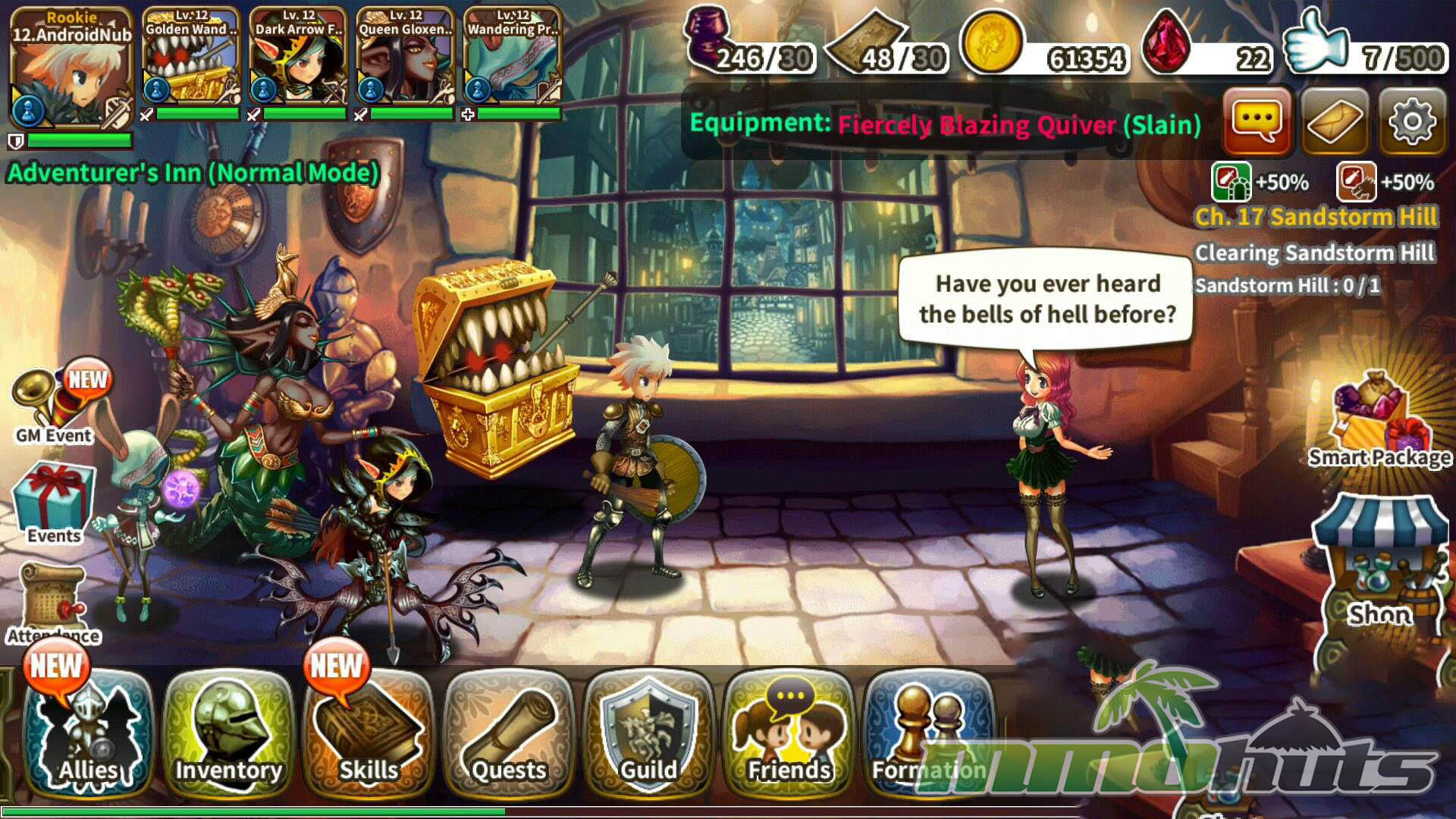
Dragon Blaze is a 2D, stage-driven hero-collecting RPG developed by FLINT and published by GAMEVIL, the publisher known for the Zenonia series. The premise centers on the return of Deathcrown, the King of Dragons, and your character’s journey to uncover buried truths while trying to stop a long-running conflict between humans and dragons. You begin by selecting one of five starter classes and then push through a large number of short stages, where battles are streamlined and mostly automated.
Progression is built around recruiting Heroes, forming a party of up to five, and improving that lineup through enhancement and evolution. Visually, the game aims for a hand-painted, storybook look, drawing clear inspiration from Vanillaware-style fantasy art (particularly Dragon’s Crown in terms of presentation). Beyond the main stages, Dragon Blaze adds repeatable activities, including Arena battles, a survival-focused Labyrinth mode, and limited-attempt Boss Raids designed around high damage checks and strong team building.
Dragon Blaze Key Features:
- Stage-based Levels – A large map packed with hundreds of missions, four difficulty tiers (Normal, Hero, Legend, Myth), plus special dungeons aimed at farming valuable rewards.
- Artistic Anime Graphics – Bold, colorful 2D visuals with an illustrated fantasy style inspired by Vanillaware’s Dragon’s Crown.
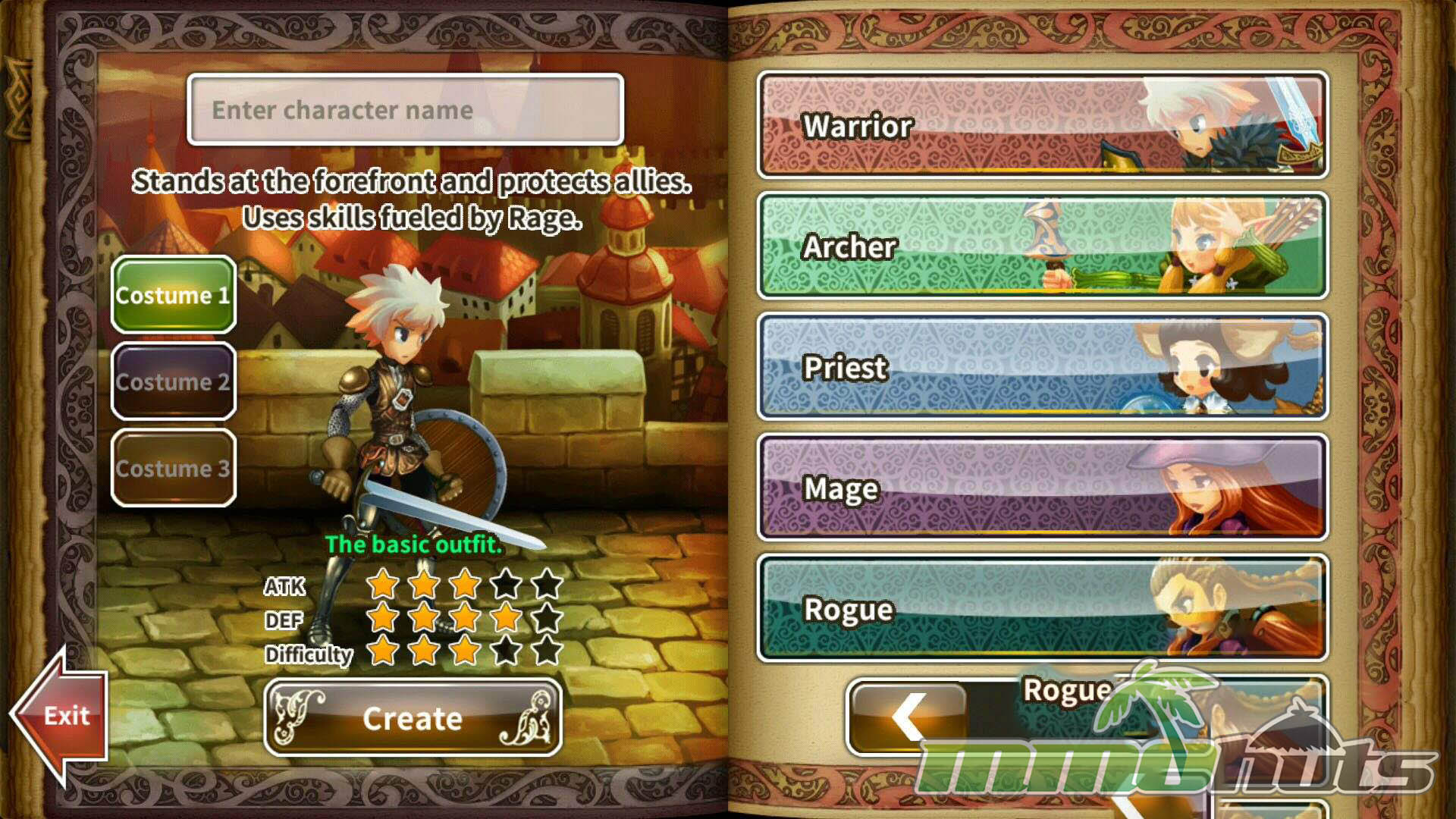
Automated Combat – Battles play out quickly with auto-attacks, while you can still trigger skills manually when you want more input. - Five Classes to Choose From – Start as Warrior, Archer, Priest, Rogue, or Mage, each filling a different combat role, then recruit Heroes that cover your weak spots.
- Many Heroes to Collect – A roster of 100+ Heroes with different looks, kits, and stats, plus upgrade paths through enhancement and evolution.
- Interesting Story – A narrative hook focused on your character’s origins and the mystery around Deathcrown, framed around the larger human versus dragon war.
- Additional Modes – Asynchronous Arena PVP, Labyrinth survival progression, and Boss Raids against oversized enemies with limited entries.
Dragon Blaze Screenshots



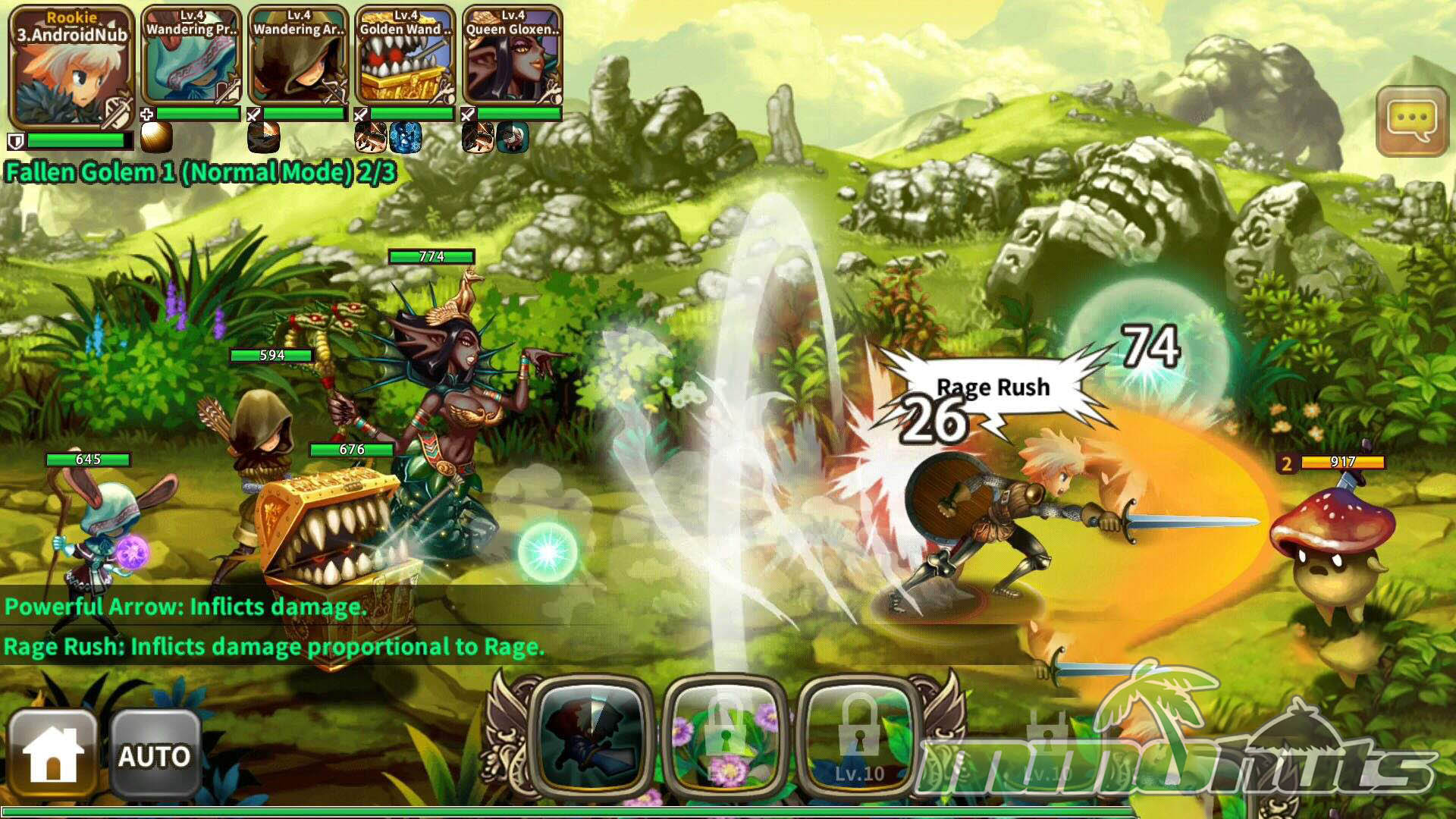
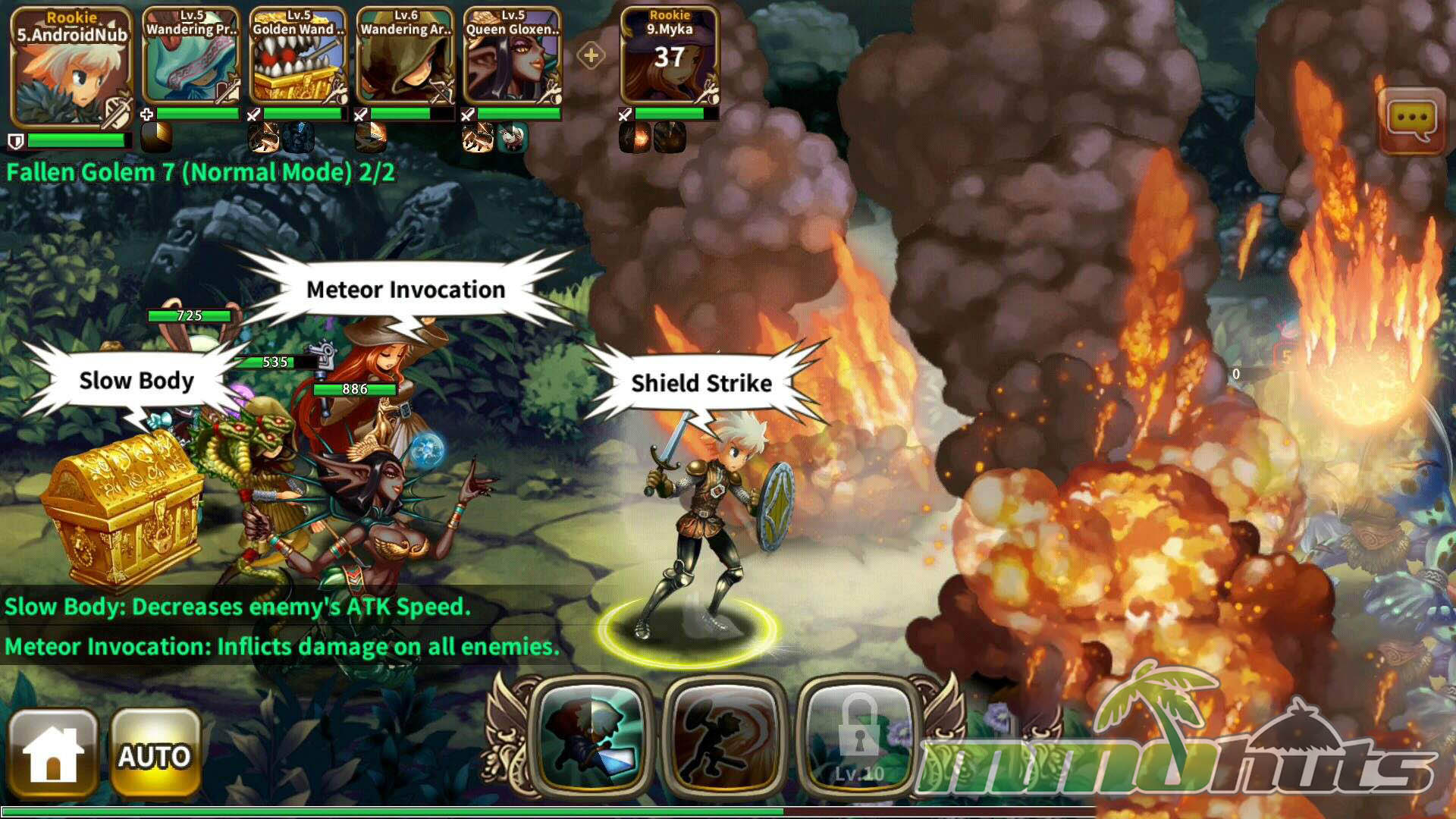
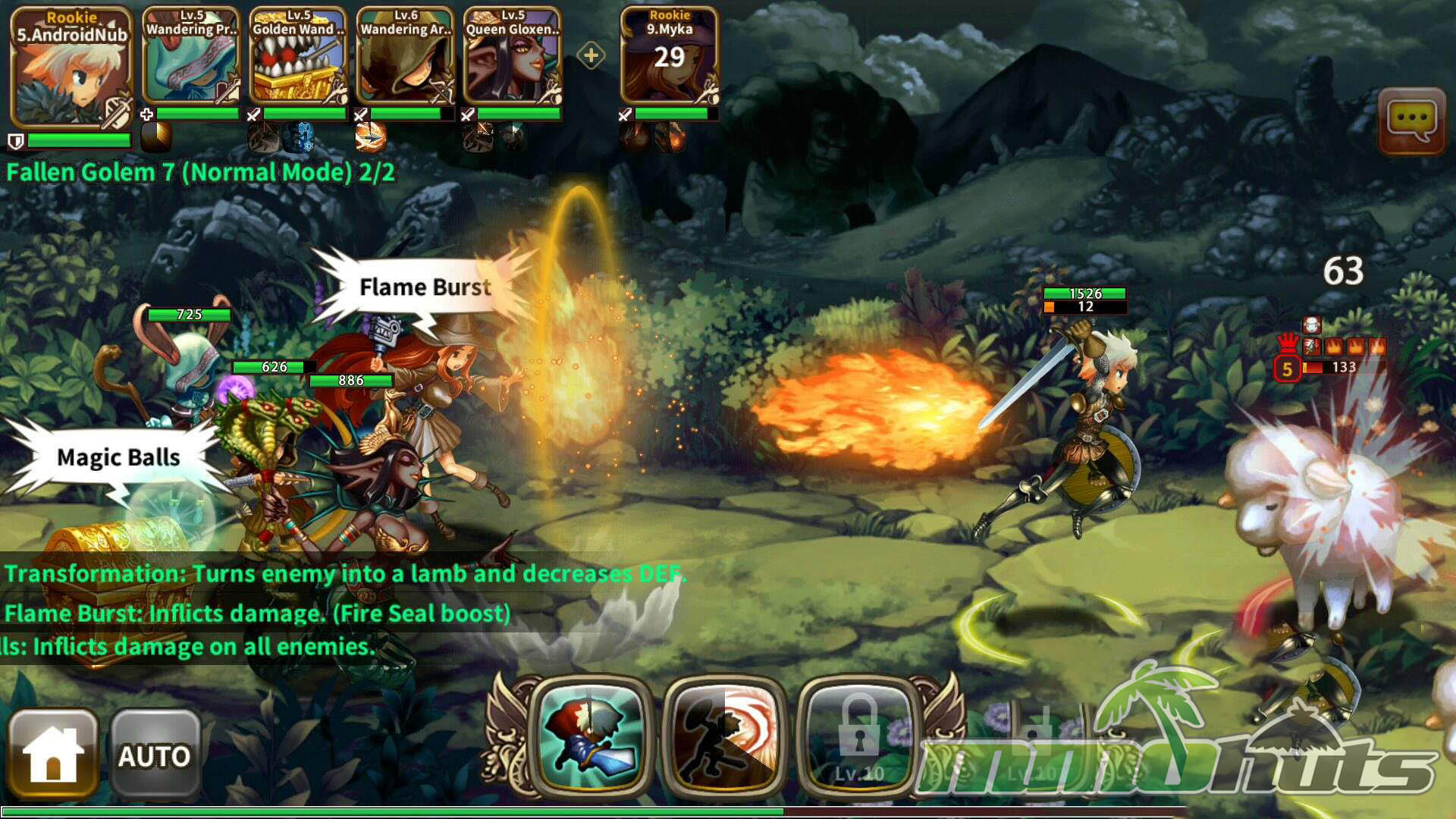

Dragon Blaze Featured Video

Dragon Blaze Review
Dragon Blaze is a free-to-play 2D social RPG from FLINT with publishing support from GAMEVIL, a major Korean mobile publisher also associated with titles like Zenonia, Kritika: The White Knights, and Darkness Reborn. While Dragon Blaze first appeared in Korea in early 2014, its worldwide release landed on May 12, 2015. The game’s strengths are not about reinventing the genre, it follows familiar mobile RPG patterns like auto-battling, stage grinding, and gacha-style collection. What makes it stick is the presentation, a surprisingly strong sense of polish, and enough modes and events to keep the routine from becoming stale too quickly.
A big part of Dragon Blaze’s appeal is how quickly it fits into a daily schedule. Most stages are short, the interface is built for repetition, and progression is clear, even if it leans heavily into farming. If you enjoy roster building and optimizing a party over time, there is a lot here. If you want direct control and skill-based action, the game’s automation will likely be a deal breaker.
Starting Class and Party Roles
At the start you pick one of five classes: Warrior, Archer, Rogue, Mage, or Priest. This choice matters because your created character is a permanent member of your team, and the rest of your lineup is built around it. The Warrior generally anchors the front line with sturdier defenses, the Archer focuses on ranged damage, the Rogue leans into quick melee burst, the Mage specializes in high-impact area attacks, and the Priest brings healing and supportive utility.
Compared to recruitable Heroes, your main character tends to feel more “owned” through equipment and skill progression, and their unique abilities help define how your party functions. Building a balanced team becomes a constant theme, whether you want survivability for tougher difficulties or faster clears for farming.
Stage Progression and Daily Flow
Dragon Blaze is structured around a broad world map filled with instanced stages. Each mission comes in four difficulties (Normal, Hero, Legend, Myth), which turns earlier areas into long-term farming spots as you climb. Before entering, you set your five-member party (your character plus four Heroes) and can also bring a friend’s AI-controlled character for help once per day.
Stages are typically short bursts of 3 to 4 enemy waves, with boss encounters appearing at regular intervals. Story scenes are sprinkled around these boss fights, giving the campaign a sense of purpose beyond pure grinding. The narrative is not told in a particularly fast or dramatic way, but it is more present than in many similar mobile RPGs, and it helps carry you through the early and mid game.
Presentation That Carries the Experience
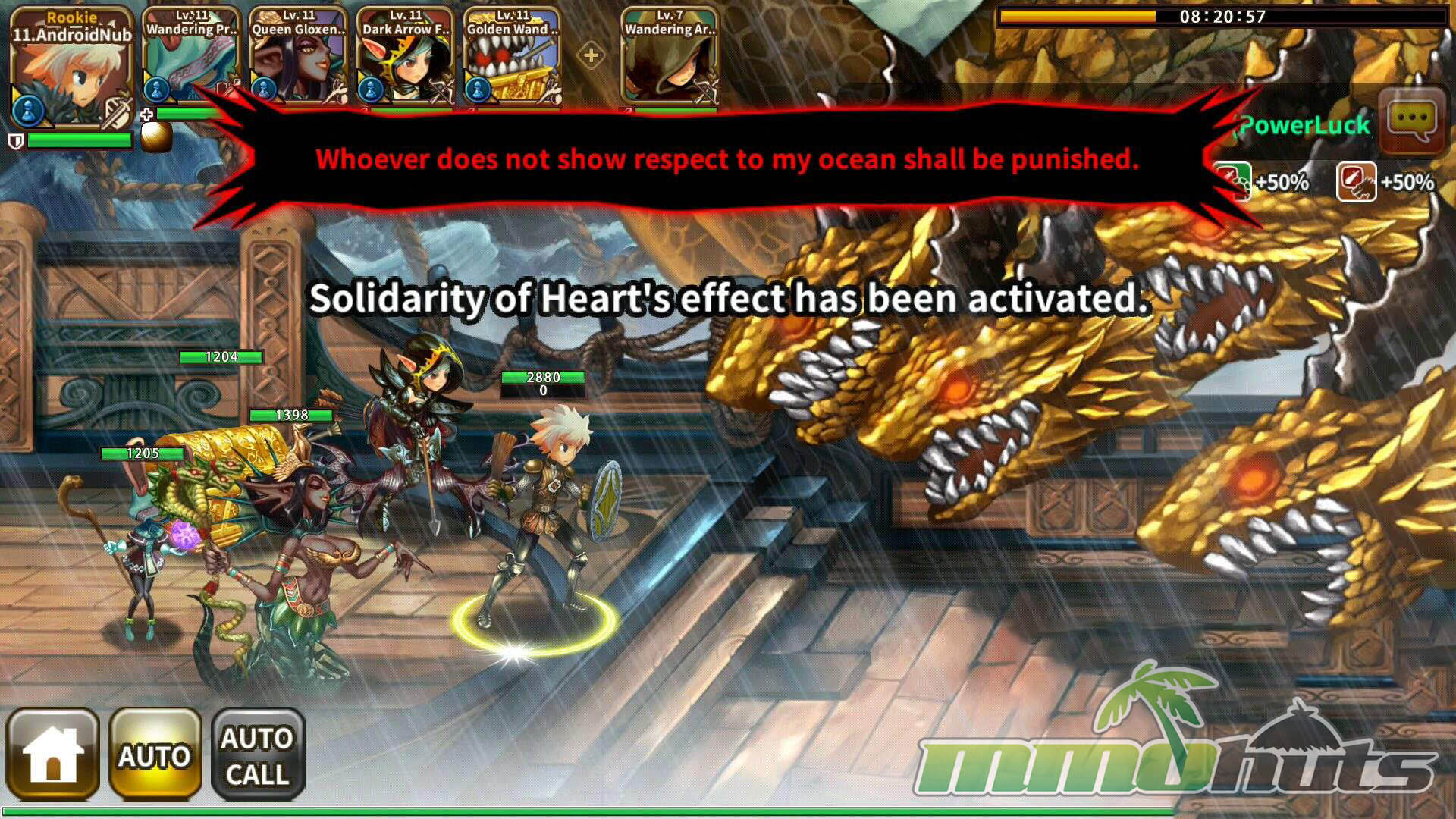
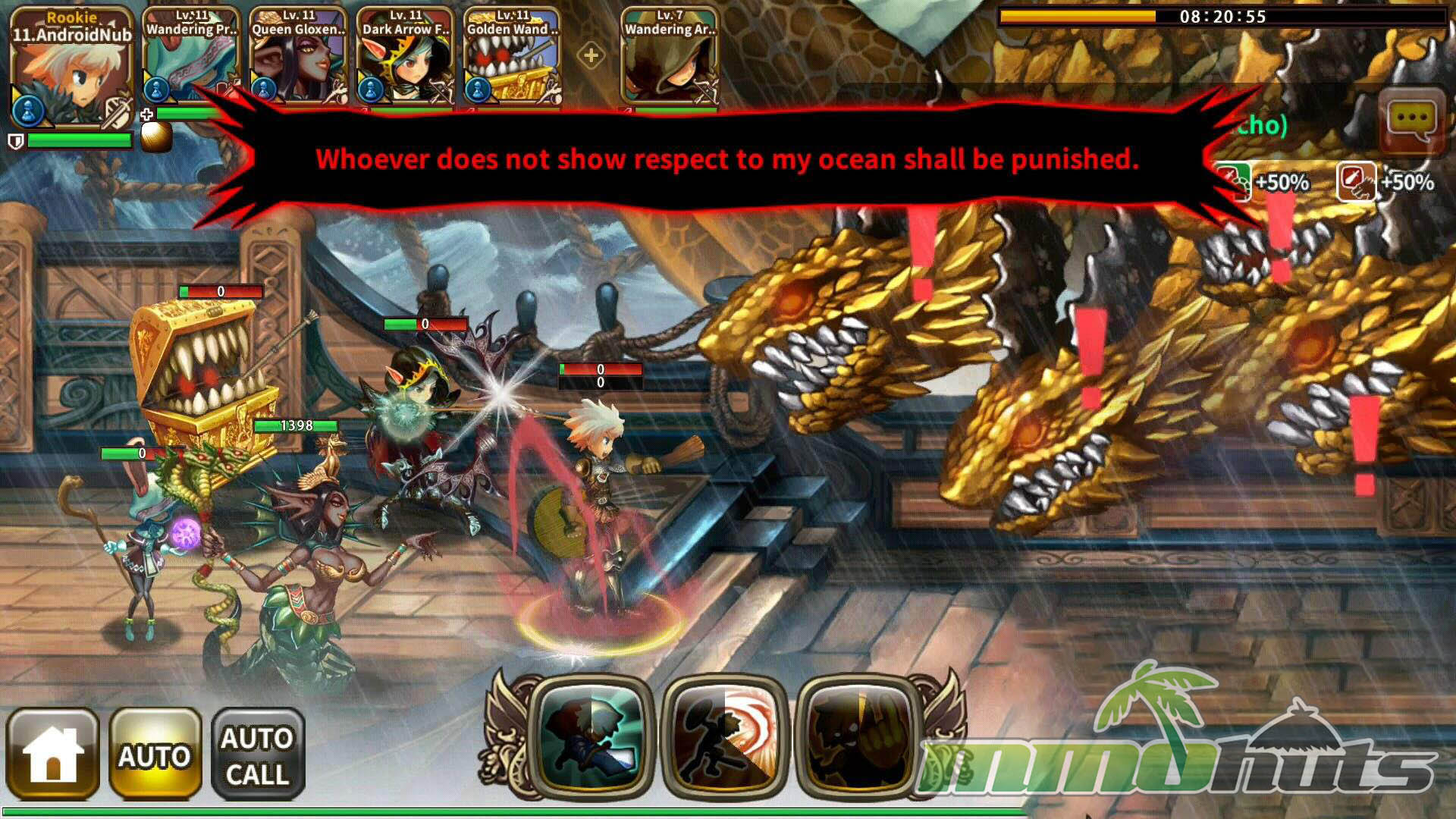
The game’s biggest standout remains its art direction. Dragon Blaze uses richly colored 2D character designs and exaggerated fantasy silhouettes that immediately recall the Vanillaware look, even though Vanillaware is not involved. Characters and monsters have a hand-drawn charm, and skill effects are bright and readable, which is important in a game where you spend so much time watching battles play out.
There is also a clear blend of Western fantasy motifs and Korean mobile RPG styling, including some fan service. Environments and enemy sets change often enough to keep the stage crawl visually varied, and the overall presentation is a major reason the game feels higher-budget than many competitors in the same category.
Combat: Mostly Watching, Sometimes Timing
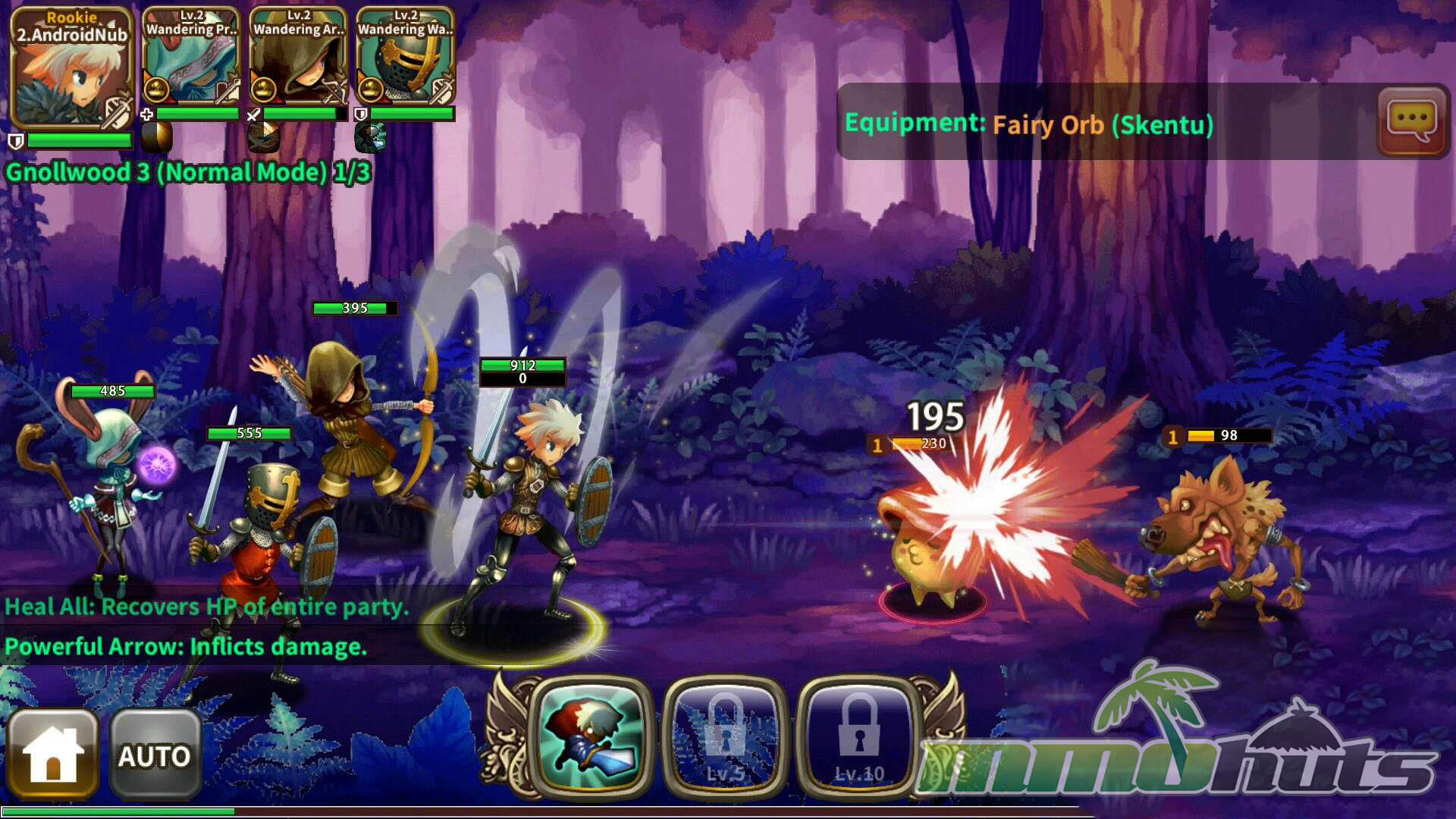
Combat is largely automated. Your party moves forward and attacks on its own, and your direct interaction is mainly tied to activating skills for your main character. The other Heroes act independently, which means team building and power progression matter more than moment-to-moment tactics.
There is also an Auto option that triggers your main character’s skills automatically, turning most content into a fast, hands-off grind. This is convenient for farming, but it also highlights the game’s main limitation: players looking for active control, positioning, or deep tactical choices will not find that here. Still, fights are quick, animations are flashy, and the pacing is tuned for mobile sessions, so the loop can remain satisfying if you like collection-driven progression.
Heroes, Ranks, and the Upgrade Grind
Collecting Heroes is the core progression layer. You can acquire some units through gameplay, while stronger or more desirable pulls typically come from the summoning (gacha) system. Every Hero fits into one of the same five class categories, but they differ in stats, skill sets, and visual style, which encourages experimentation and party tuning.
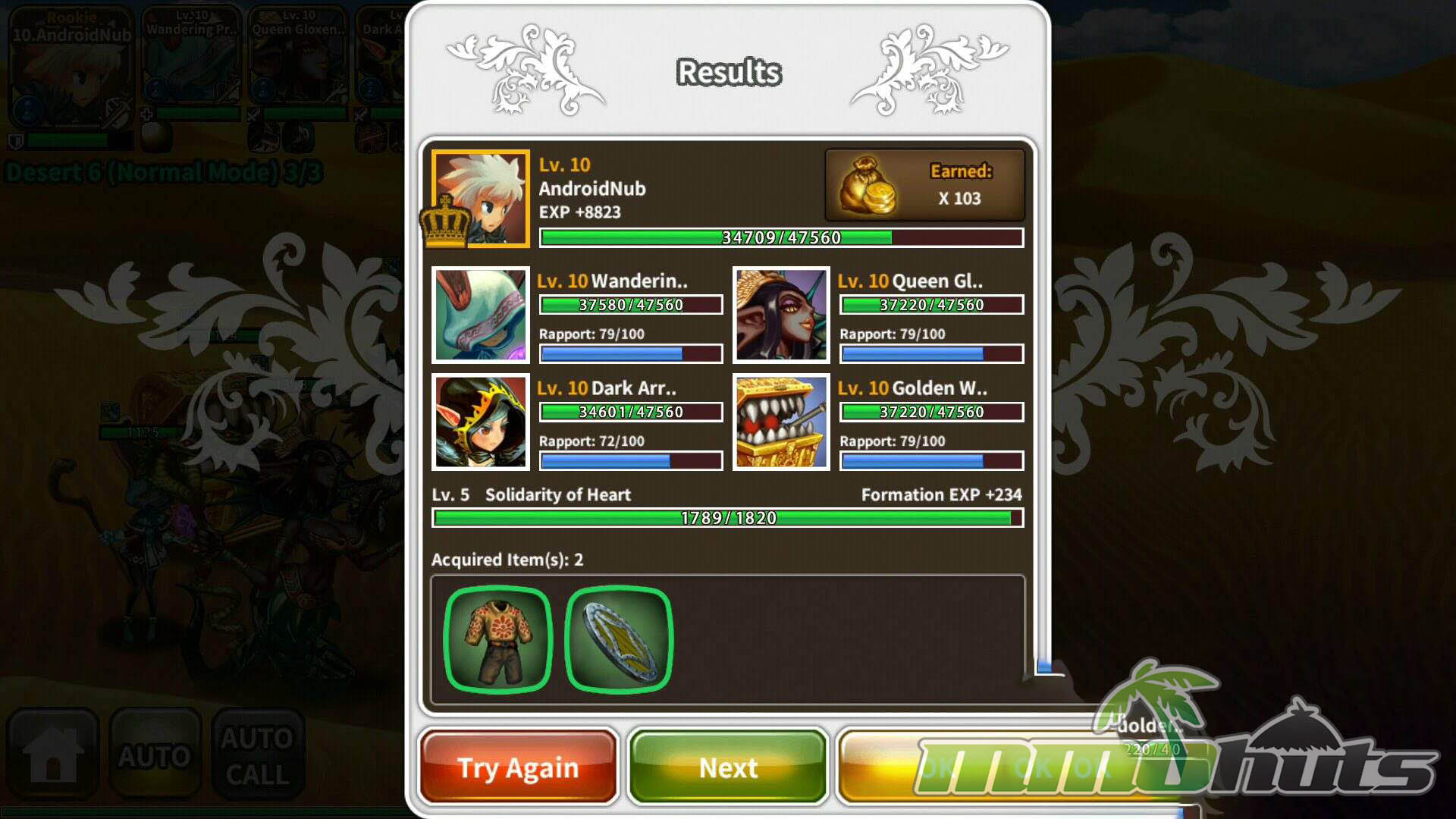
Heroes range from Rank D up to Rank SSS, and moving a roster upward is where most long-term effort goes. Leveling and evolving requires investment and, importantly, sacrificing Heroes of matching ranks, which naturally pushes the game toward repeated farming. Equipment also plays a major role, but it comes with a notable restriction: items are soul-bound, and swapping gear destroys the previously equipped piece. That design choice increases the importance of planning your upgrades, especially once you begin committing gear to higher-rank Heroes.
Arena, Labyrinth, and Boss Raids
PVP exists through the Arena, and it mirrors the main game’s automation. You pick an opponent from a presented list and then watch the two teams clash. In practice, the matchmaking can feel uneven, because the selection may include opponents that are wildly stronger or weaker than you. That randomness can make Arena either a quick series of wins or a frustrating set of instant losses, depending on what the list shows.
Winning earns Arena currency, which can be spent on items such as costumes and Jewels in the Arena Shop. The mode is mostly about ranking and rewards rather than character leveling, since it does not provide the standard experience, gold, or gear you get from stages.
Outside of Arena, Dragon Blaze leans on two main repeatable challenges. Labyrinth functions as a survival climb through dungeon floors, and Boss Raids pit your team against a massive enemy with limited attempts during a set period. Both can pay out meaningful rewards, but they are tuned for stronger accounts, and you will typically need higher levels and solid party investment to make consistent progress.
Cash Shop/In-App Purchases (IAP)
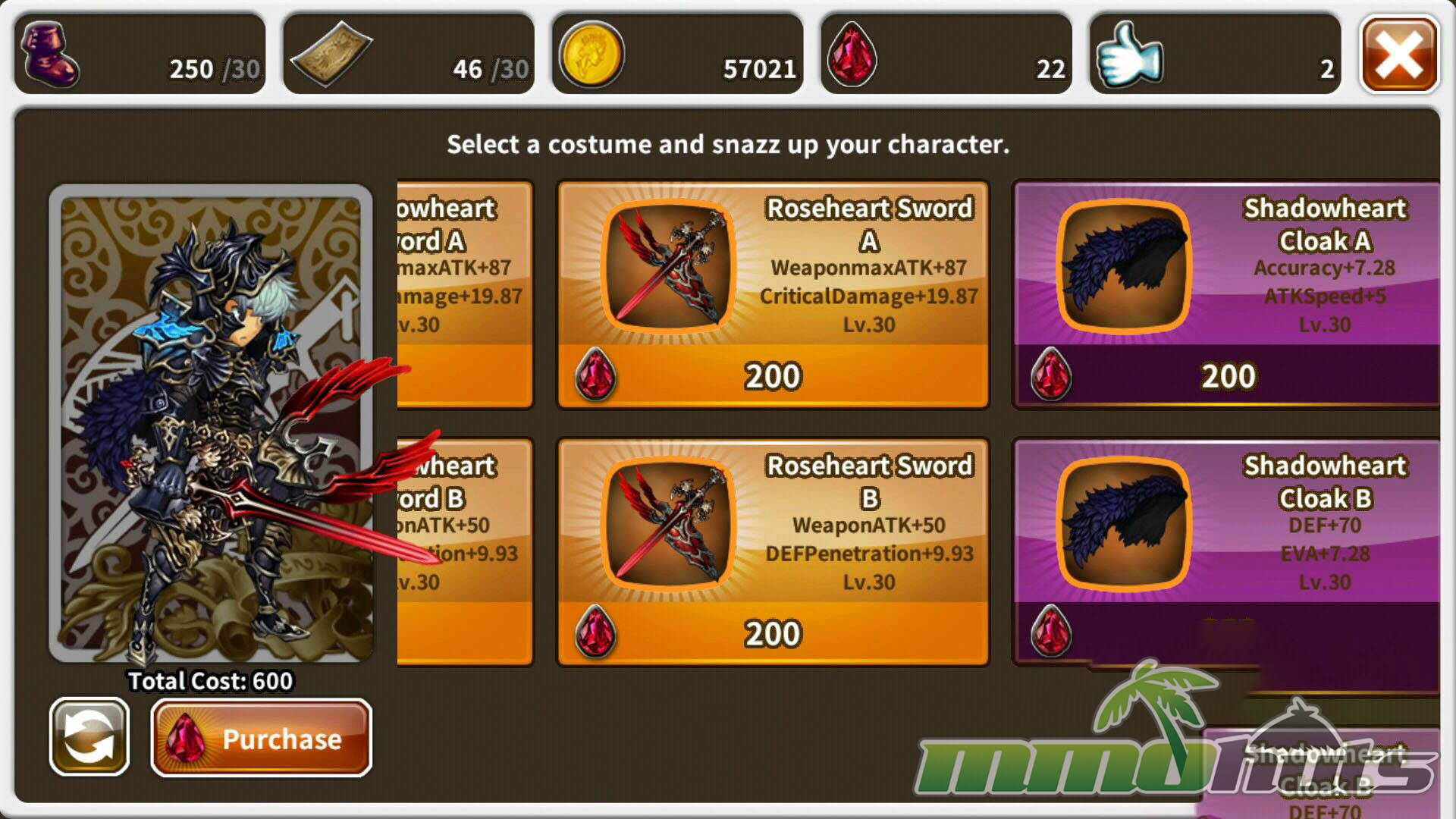
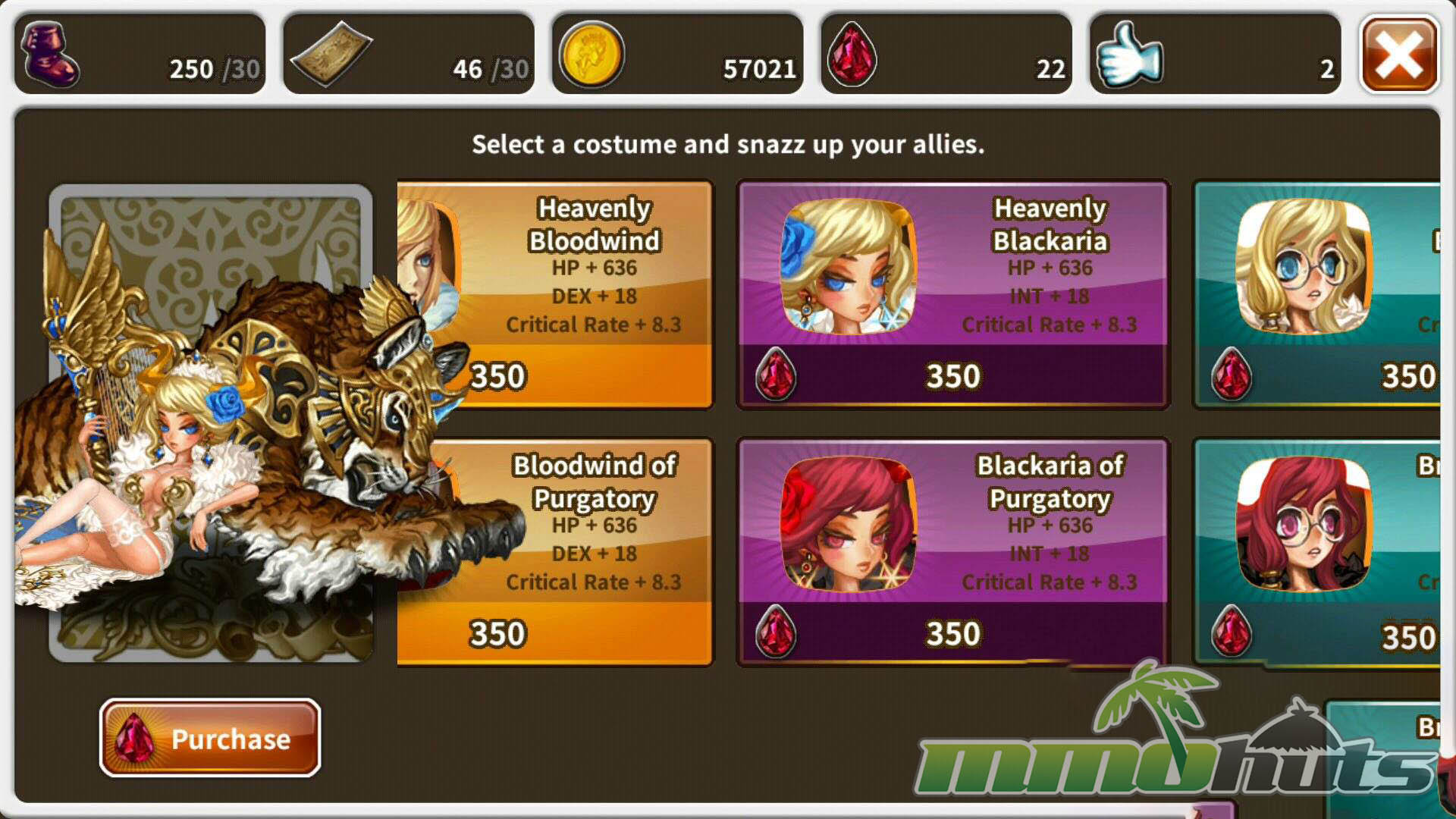
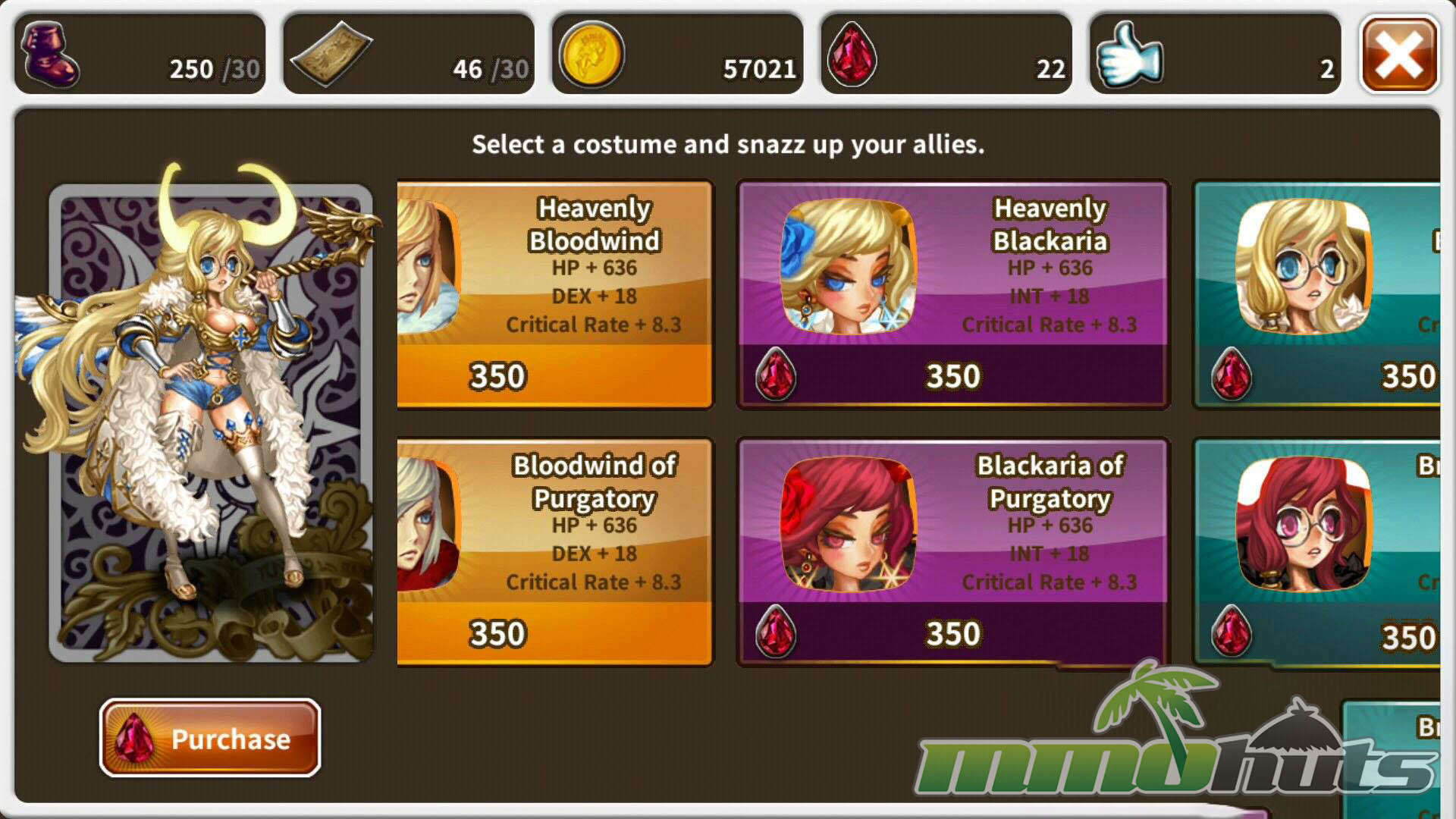
Dragon Blaze can be played without spending, but purchases offer faster progression and extra convenience. Rubies (the premium currency) can be used for summoning Heroes, Jewels, and equipment in the A to SSS range, along with items like Memory Essence, Energy refills for more runs, experience boosts, and stat-granting costumes for your main character and certain Heroes.
The game also provides a non-premium route through friend points, earned by using friends’ characters and through daily exchanges. Those points can be used to summon Heroes, Jewels, and equipment in the C to SS range. As with many gacha systems, the odds of landing top-end results are not generous, so high-rank pulls can be rare. The game does hand out occasional free Gems and premium summons, and patient players can still assemble strong teams through consistent farming. Spending mainly reduces the time needed to reach high-end parties and lets you play longer by refilling Energy, rather than acting as a strict requirement.
Final Verdict – Good
Dragon Blaze follows a familiar mobile RPG blueprint: automated battles, stage grinding, and a heavy emphasis on collecting and upgrading a large roster. Where it stands out is in its striking 2D art, fast mission pacing, and an overall level of polish that makes the routine more enjoyable than it might sound on paper. If you like hero collectors and do not mind watching fights play out, it is an easy game to recommend as a long-term, pick-up-and-play RPG.
Dragon Blaze Links
Dragon Blaze Official Site
Dragon Blaze Google Play
Dragon Blaze iOS
Dragon Blaze Official Facebook
Dragon Blaze System Requirements
Minimum Requirements:
Android 2.3.3 and up / iOS 6.0 or later.
Dragon Blaze Music & Soundtrack
Dragon Blaze Additional Information
Developer: FLINT
Publisher: GAMEVIL
Platforms: Android, iOS
Release Date: May 12, 2015
Dragon Blaze was developed by FLINT and published by GAMEVIL, a prominent Korea-based publisher with other mobile RPGs such as Darkness Reborn and the long-running Zenonia series. After a brief soft launch period, Dragon Blaze released globally on May 12, 2015. Later, on July 20, 2015, the game received its Season 2 update, expanding the experience with additional Heroes, chapters, monsters, bosses, and other new content. Within six months of launch, Dragon Blaze surpassed over 5 million downloads worldwide, cementing it as one of the faster-growing mobile RPGs of its time. GAMEVIL has also published other RPGs including Million Arthur, Spirit Stones, and Dungeon Link.