Wolf Team
 (No Ratings Yet)
Wolf Team is a 3D, lobby-driven tactical FPS that tries to stand out in a crowded MMO shooter space with one standout hook, the ability to shift into a werewolf mid-match for high-mobility melee combat.
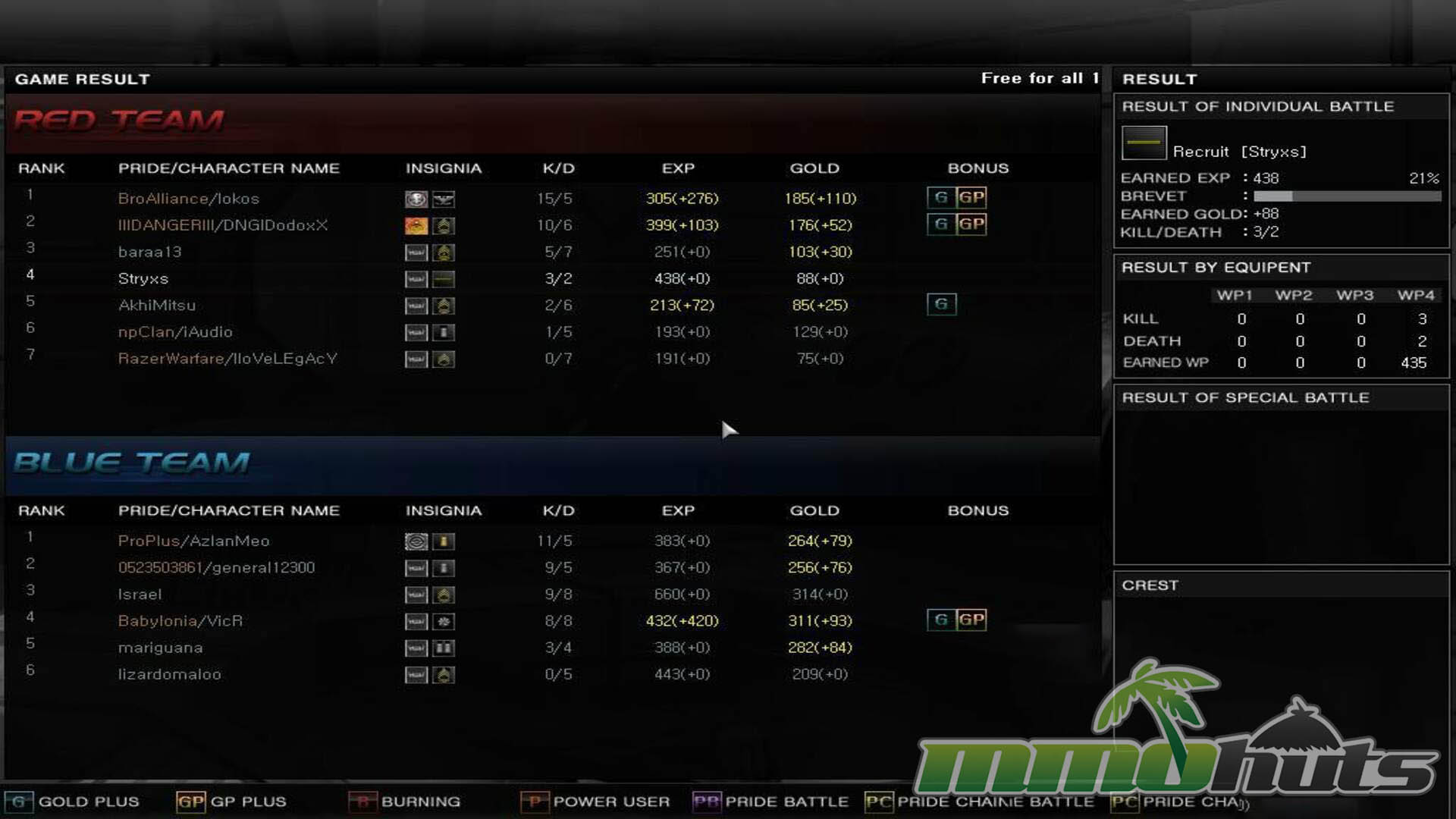
 | Publisher: Softnyx Playerbase: Medium Type: MMO Shooter Release Date: May 11, 2010 (NA/EU) Pros: +Standout werewolf transform mechanic. +Match stats are tracked. +Streak rewards add momentum. +Solid selection of firearms. +Eight wolf mutation options. Cons: -Cash shop power can heavily sway fights. -Most weapons are rentals, aside from starter guns. |

Wolf Team Overview
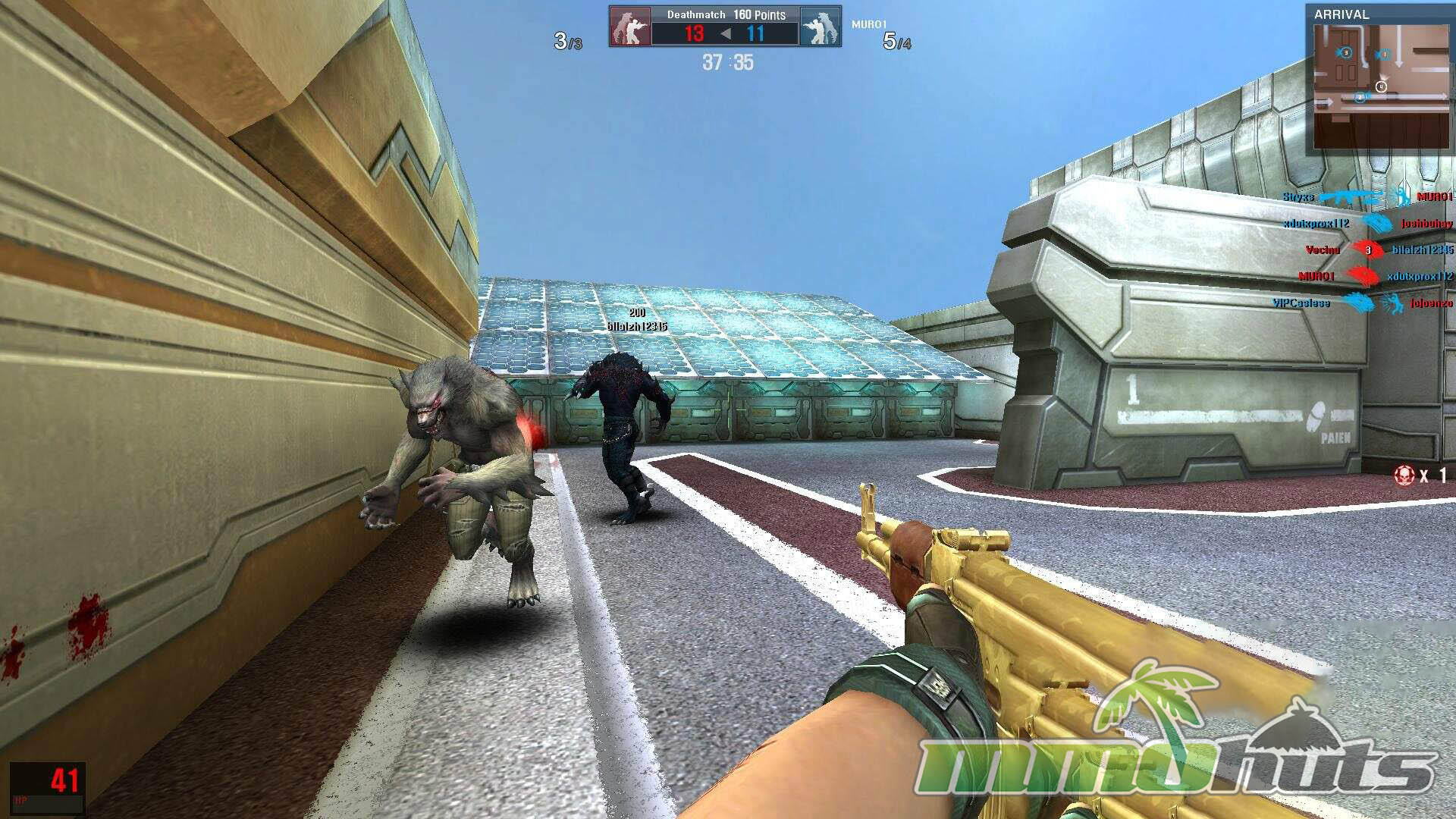
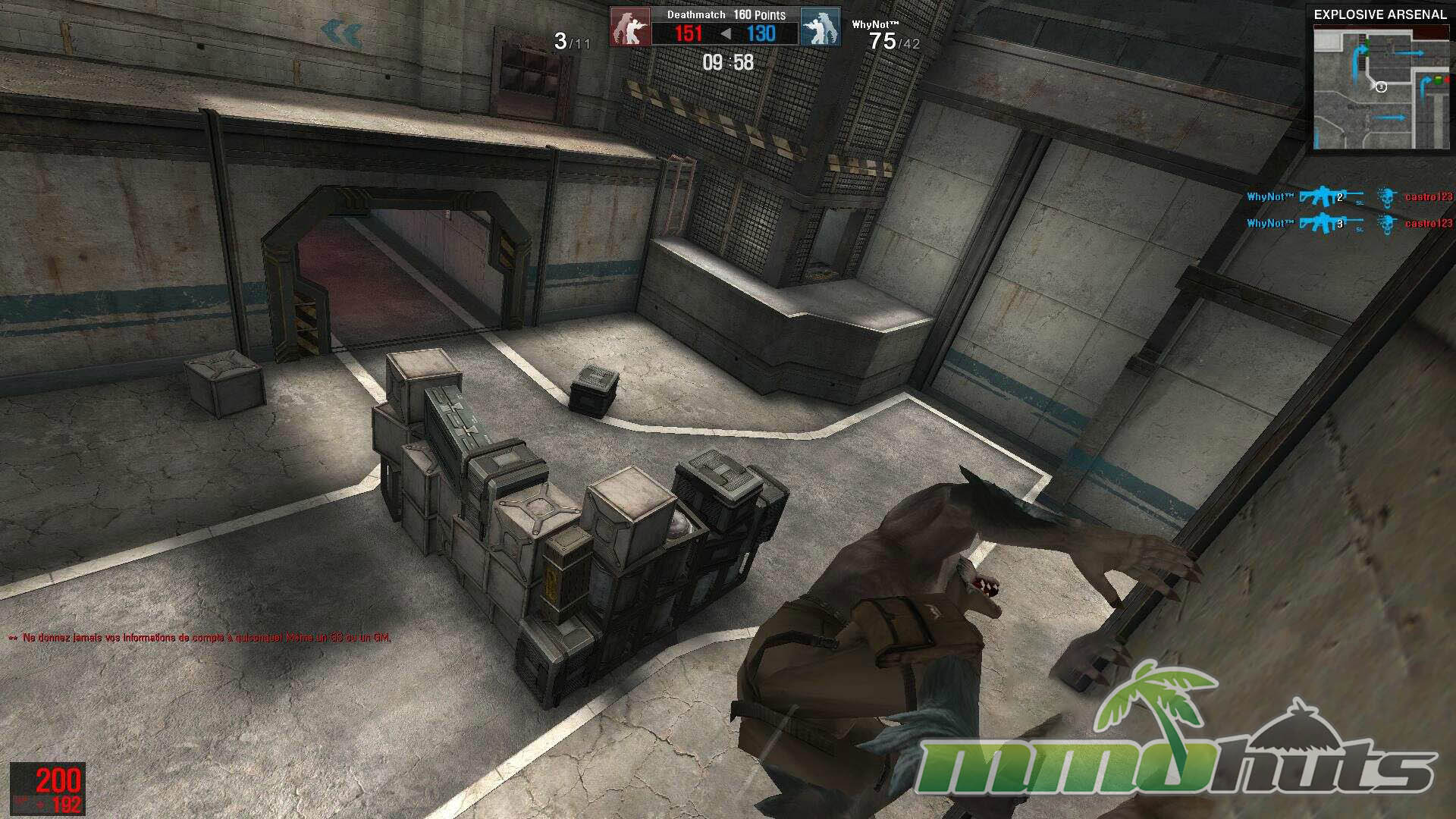
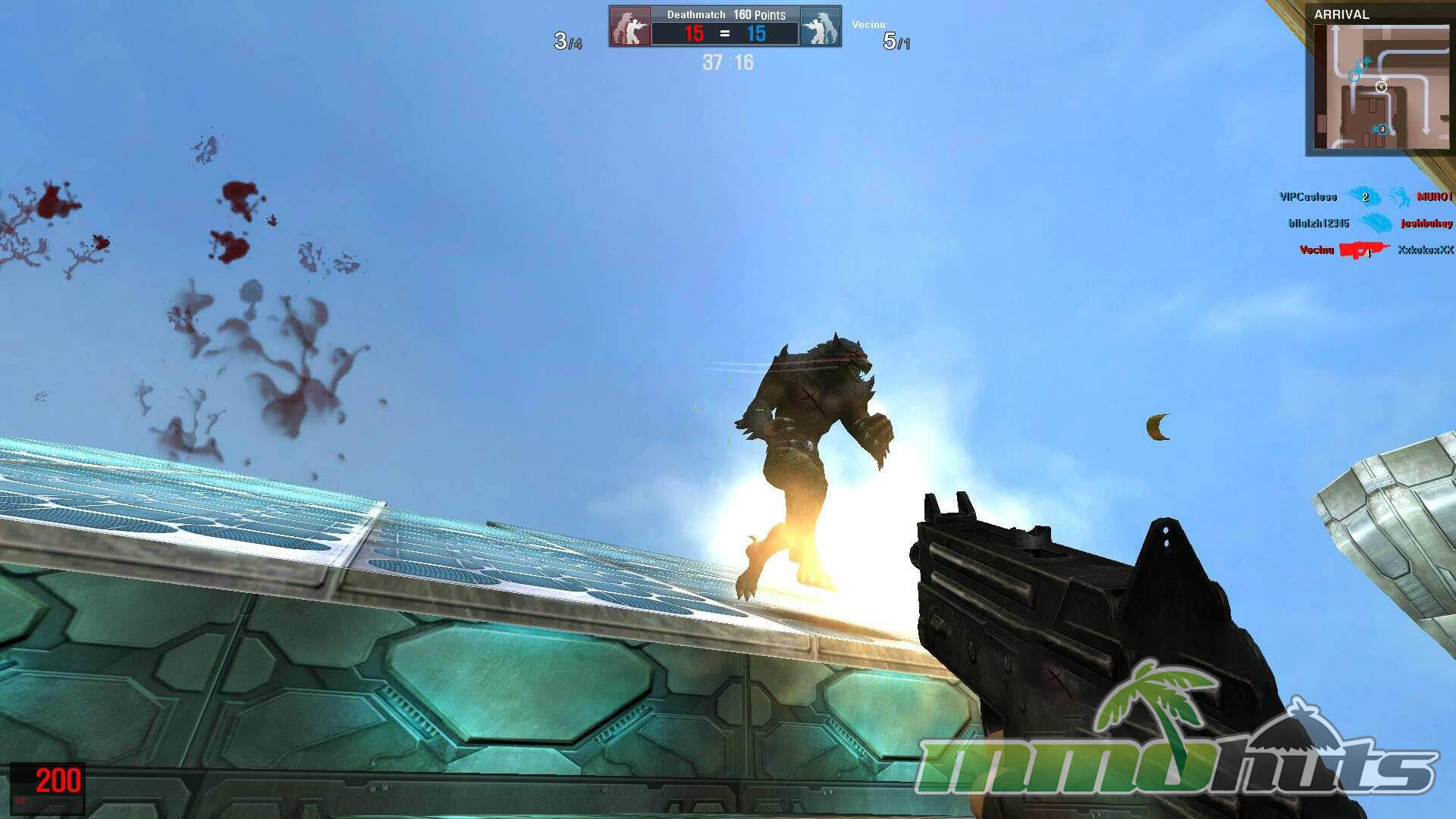
Wolf Team sits in the familiar “Korean lobby shooter” lane alongside titles like CrossFire and Combat Arms, with round-based rooms, quick matchmaking, and a heavy focus on twitch aim. What makes it different is the built-in transformation system: at any moment (depending on room rules), you can swap from a gun-focused human loadout into a werewolf built for speed and close-range burst damage. That tradeoff is the heart of the game, wolves gain mobility and survivability, but give up firearms entirely until you switch back.
Because you can toggle forms on demand, matches tend to revolve around timing and spacing. Holding angles and landing fast headshots matters, but so does reading pushes, baiting transformations, and deciding when it is worth giving up your rifle to become a threat up close. In practice, it plays like a tactical FPS layered with a second, melee-centric movement kit, which keeps fights from feeling one-note compared to many shooters from the same era.
Wolf Team Key Features:
- Unique Transformation Element – traditional tactical gunplay paired with a werewolf form that boosts health, mobility, and melee lethality.
- Variety of Weapons – over 40 weapons, with many supporting up to 4 upgrade levels to improve performance.
- Tons of Different Maps and Modes – 39+ maps and 5+ modes including Death Match, Conquest, Ice Hold, Destruction, and Wolf Hunt.
- Customize Your Game – rooms can be tuned with rulesets like Pistol Only, Sniper Only, Wolf Only, No Wolf transformation, and more.
- 8 Different Wolf Mutations – tattoos offer stat tweaks, and multiple wolf mutation types help keep melee play from feeling identical.
Wolf Team Screenshots



Wolf Team Featured Video

Wolf Team Review
Wolf Team (often written as “Wolfteam” depending on the region and launcher) is a 3D lobby-based MMOFPS developed by Softnyx. If the studio name sounds familiar, it is because Softnyx is also known for Gunbound and Rakion, two online games that built a loyal following long before the current live-service era. While Wolf Team shares plenty of genre staples with other Korean tactical shooters, its defining mechanic, freely swapping between human gunplay and wolf melee, gives it a distinct match flow that still feels different years later.
Even with that originality, the overall package is a mix of smart ideas and dated, sometimes frustrating monetization choices. Players who enjoy experimenting with movement and close-range pressure can find a lot to like, but anyone sensitive to pay-to-win advantages should go in with clear expectations.
Getting Set Up
Your first steps are straightforward. You choose a call sign (your in-game name) and then you are essentially ready to queue into rooms. Character customization in the traditional “appearance slider” sense is not a big part of Wolf Team, most visual differentiation comes from gear and shop items rather than a detailed creator.
There is a tutorial available, but it is easy to overlook because the game does not strongly funnel new players into it. It is worth doing anyway, not because it is especially exciting, but because it teaches the basics for both human and wolf play and typically provides some starter items. Since the game asks you to learn two different combat styles, a short onboarding helps reduce the early confusion.
Core Gunplay and Match Pace
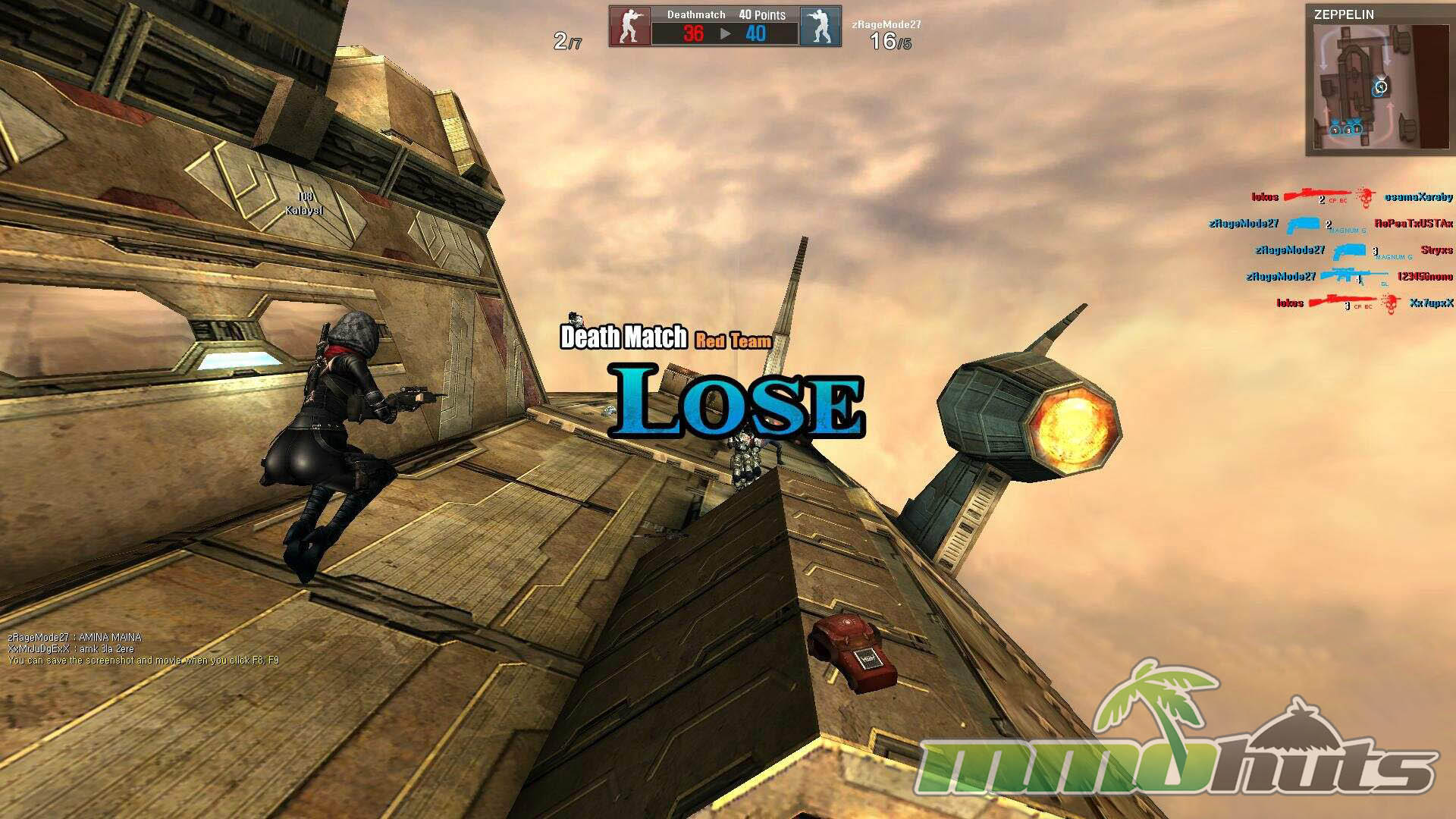
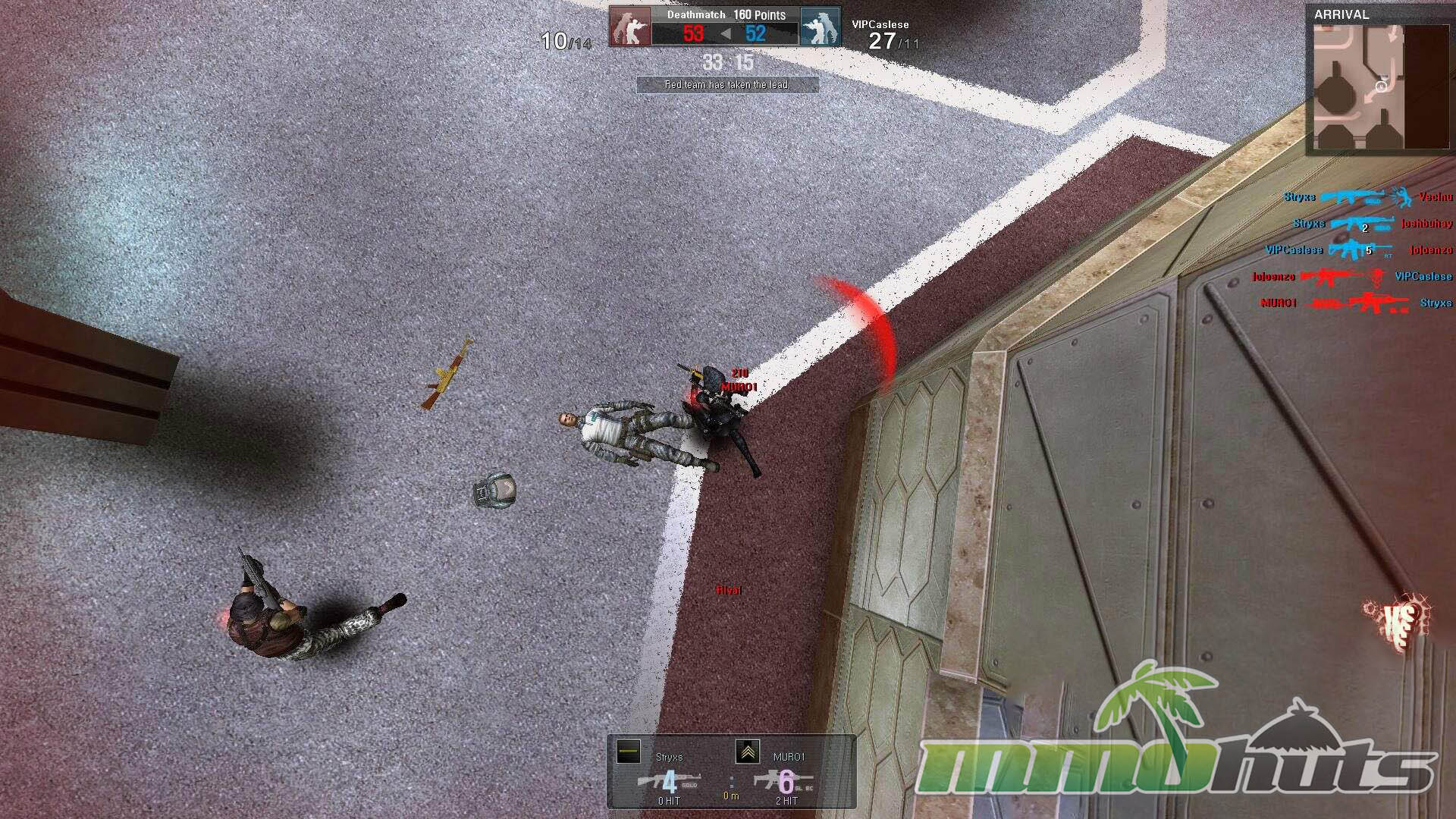
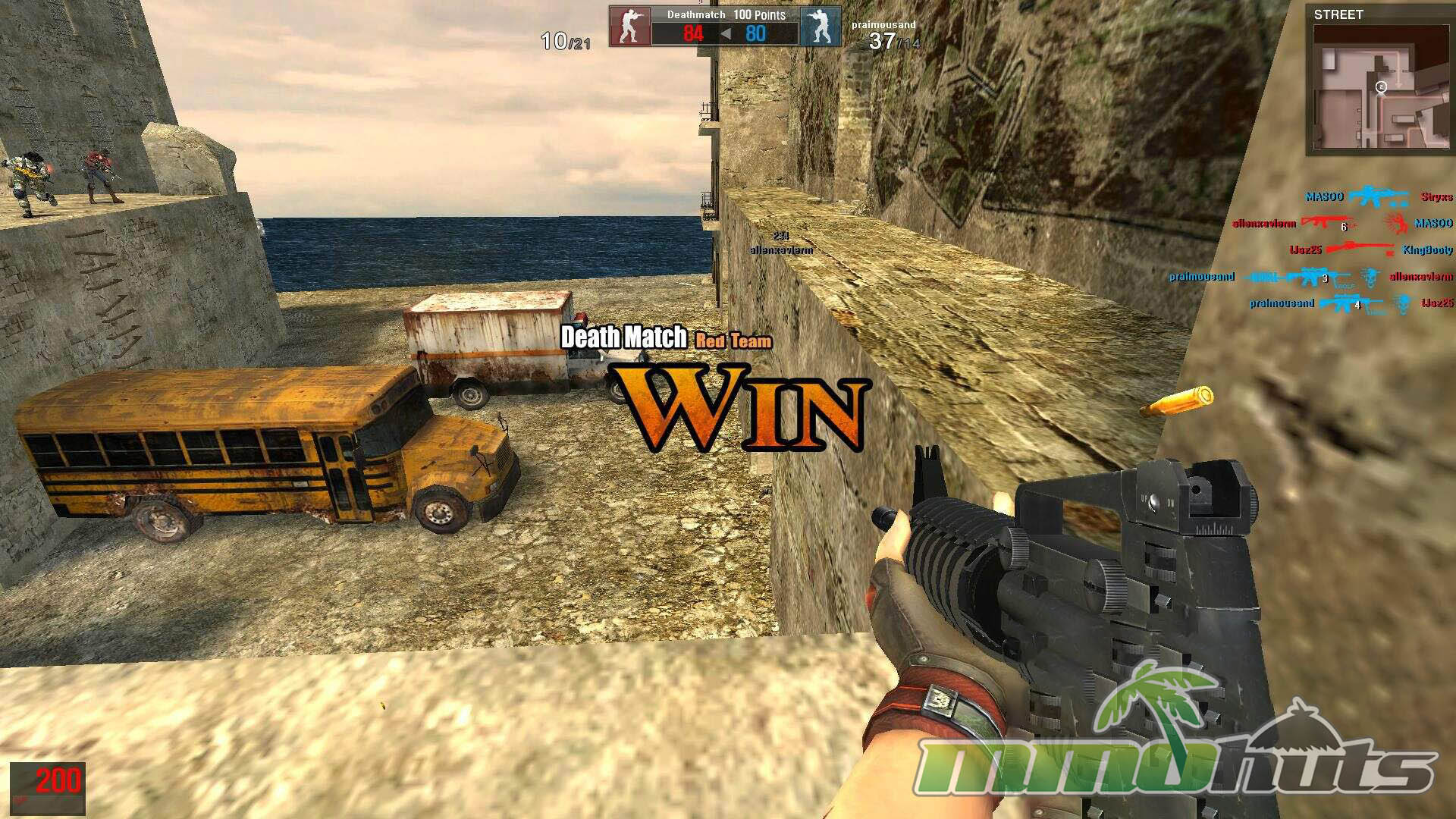
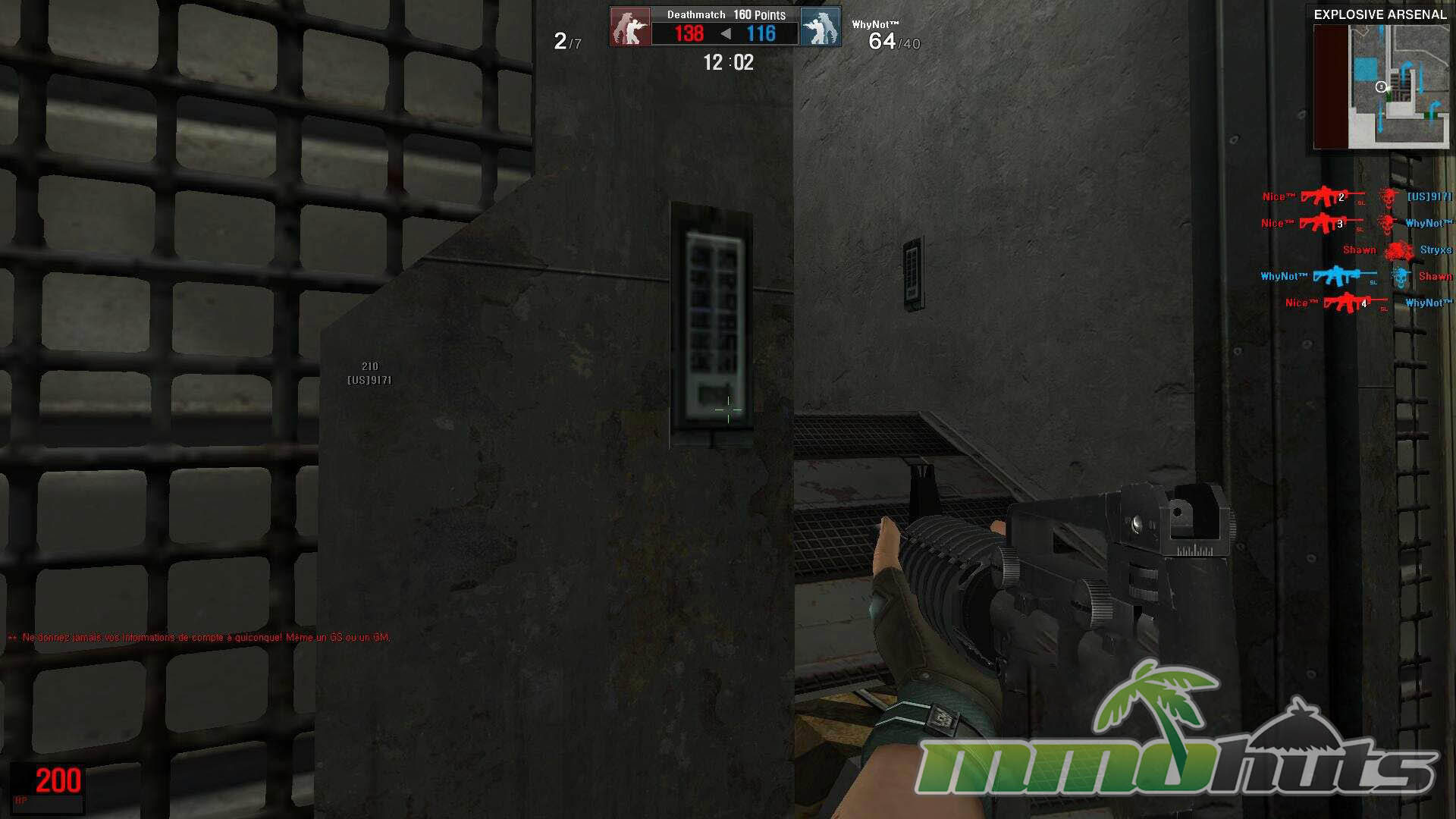
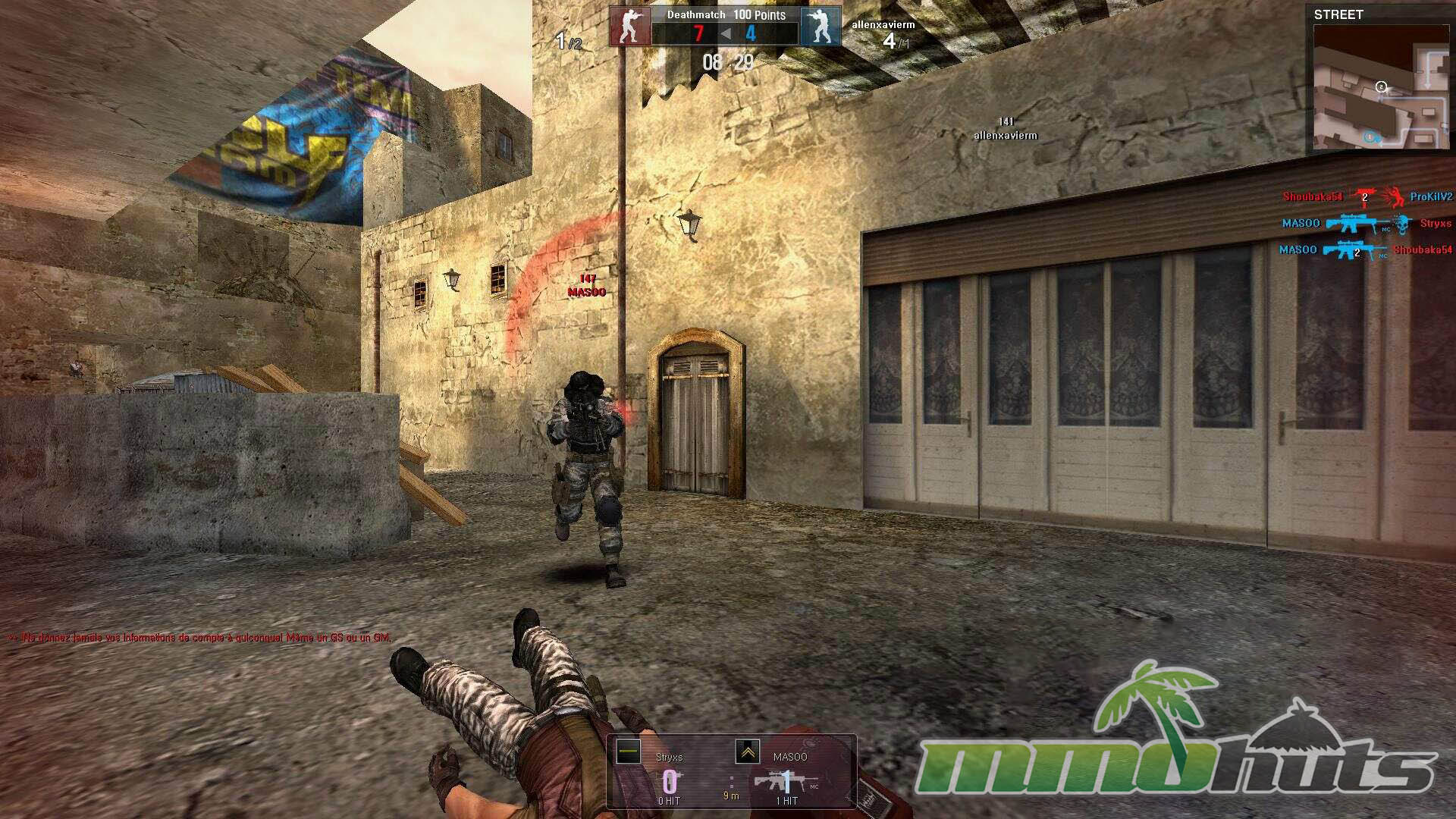
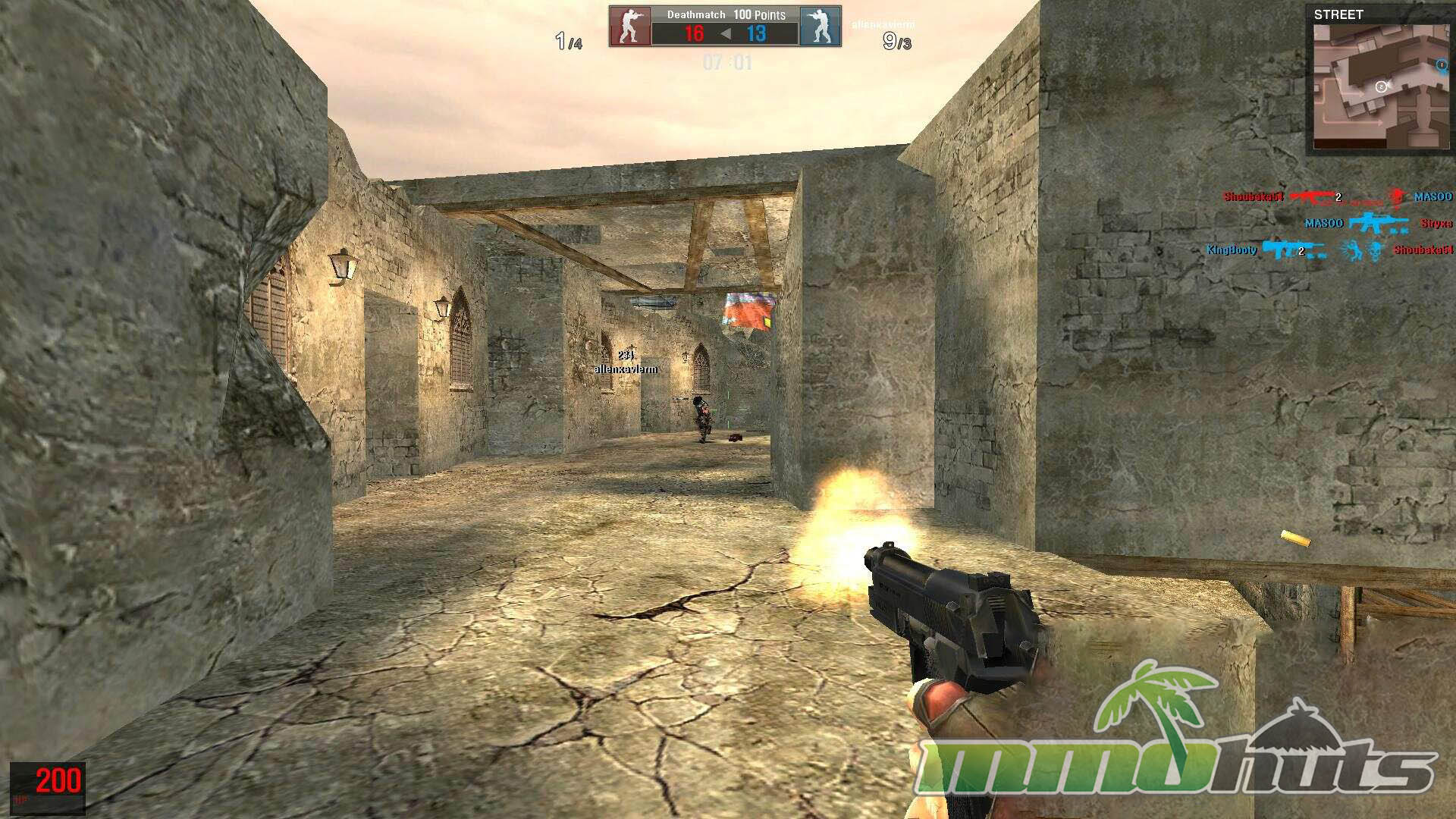
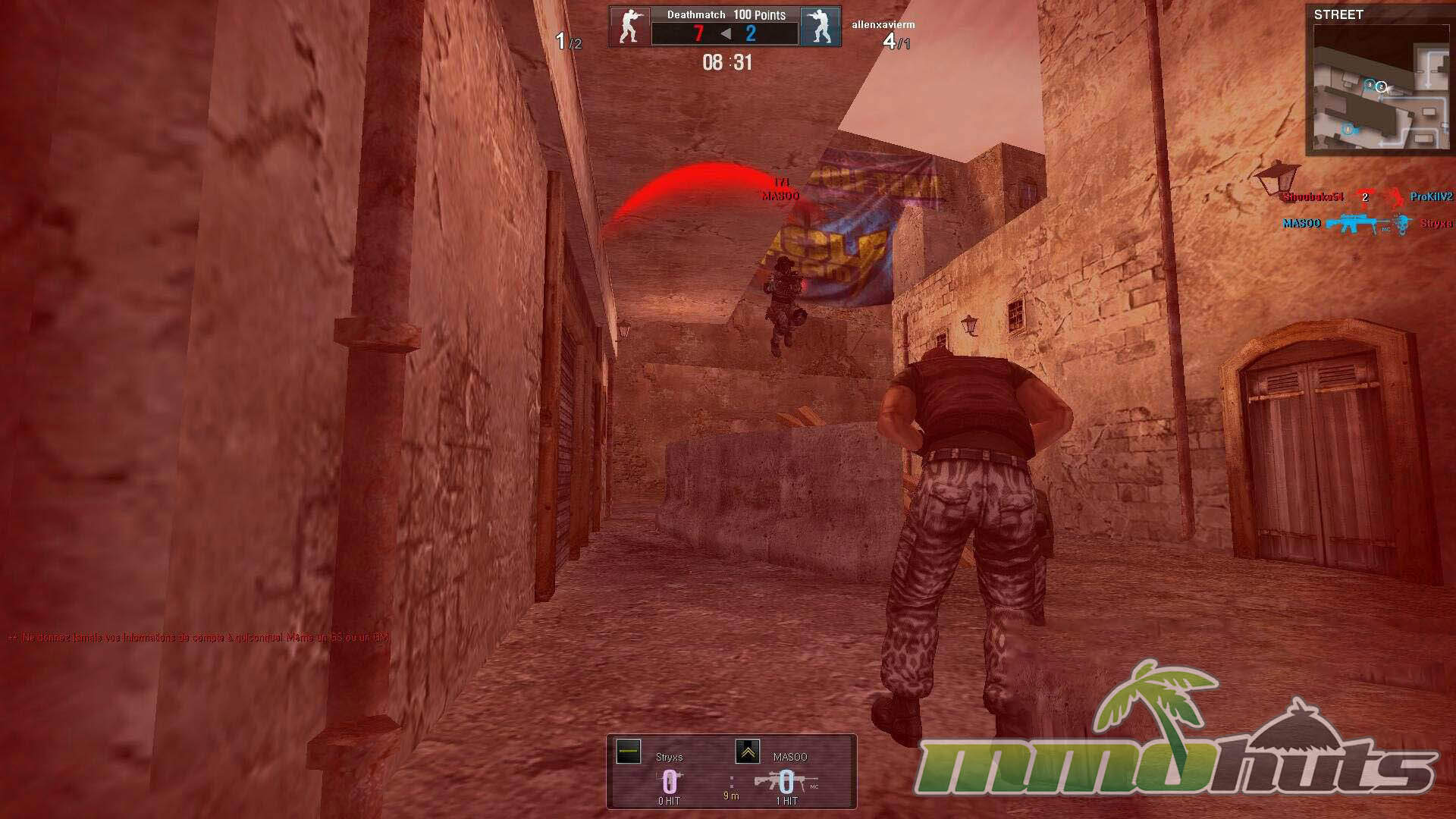
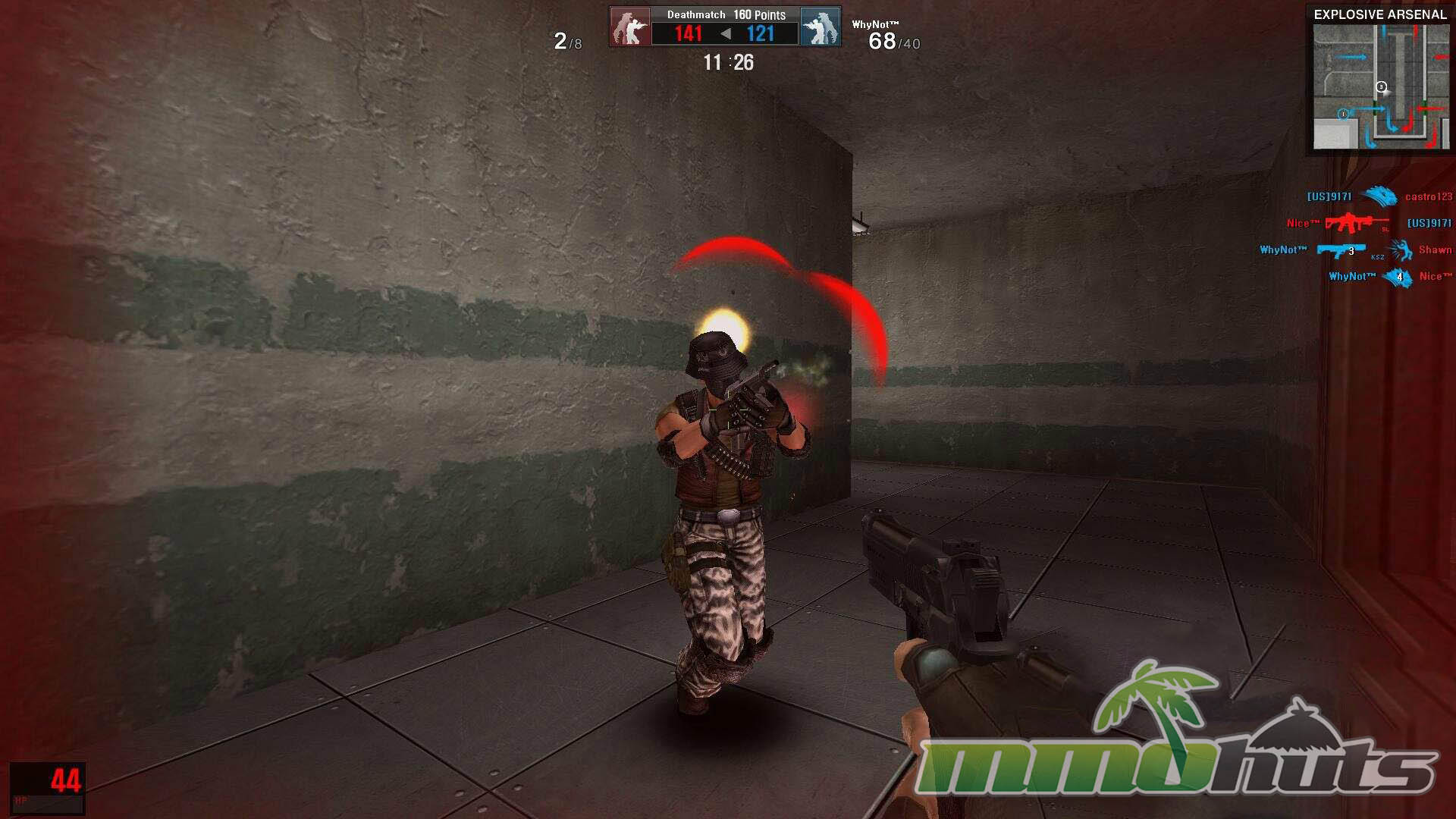
At its base, Wolf Team plays like a classic tactical lobby shooter: movement on WASD, aiming and firing with the mouse, and a time-to-kill that can be very fast if you land clean bursts or headshots. Human-form engagements reward good crosshair placement, quick peeks, and controlling recoil, which makes it immediately familiar to veterans of older free-to-play FPS games.
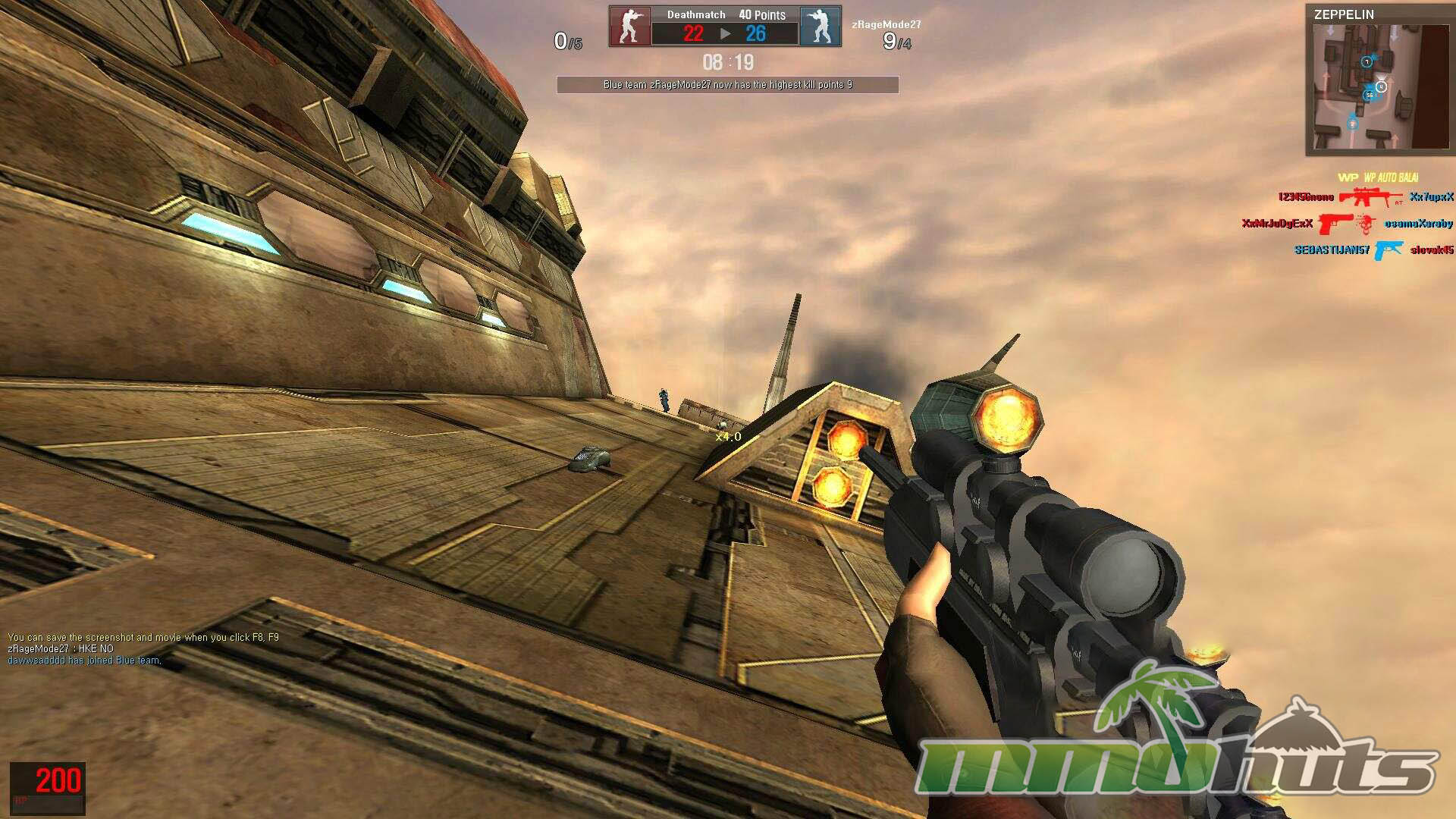
The game offers a decent selection of primary weapons, along with the expected mix of room types and rule variations. Map variety exists, though communities in games like this often gravitate toward a handful of favorites, and Wolf Team is no exception. Many lobbies tend to concentrate around popular maps and straightforward modes, especially Death Match.
Switching to Wolf Form
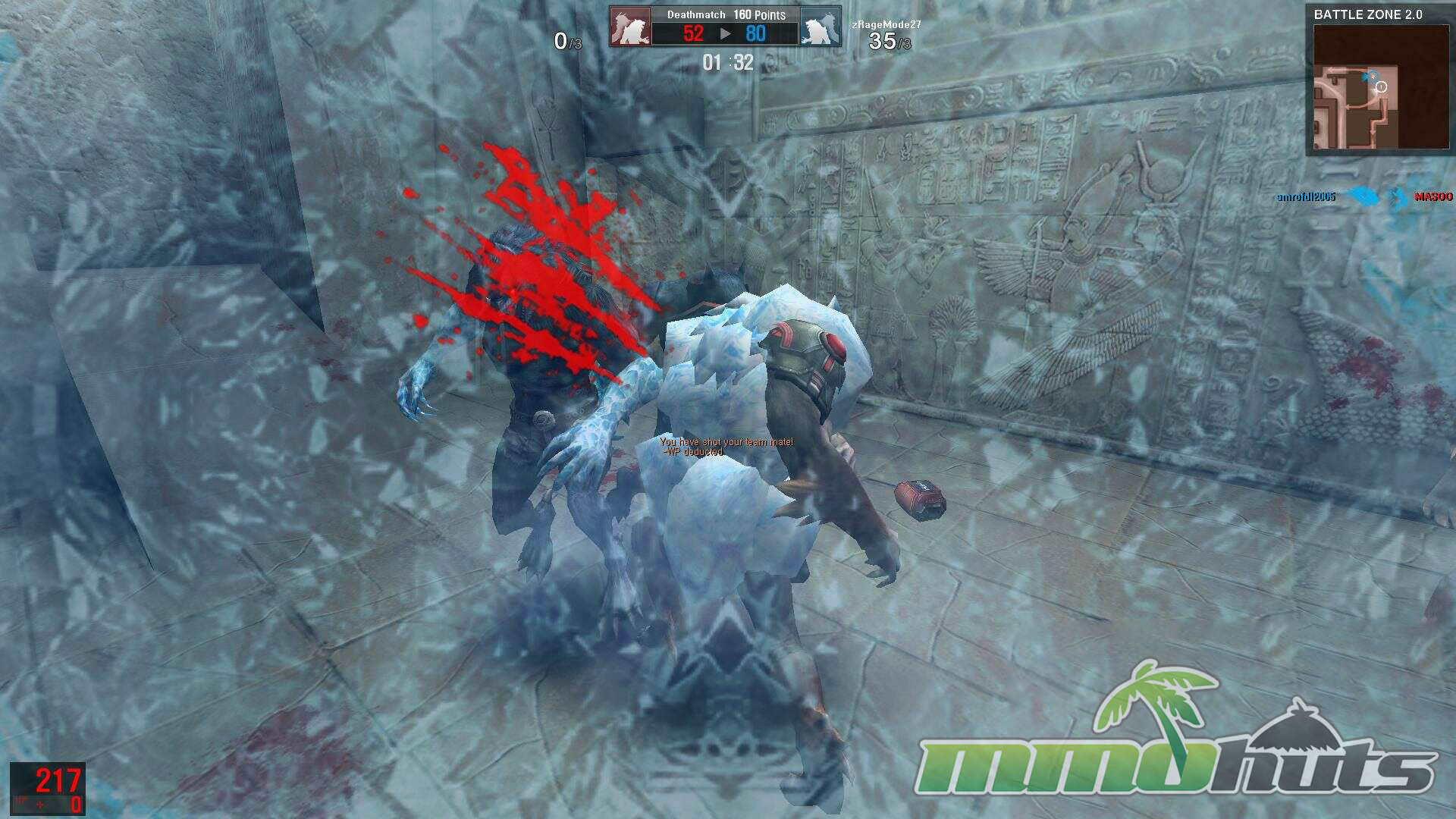
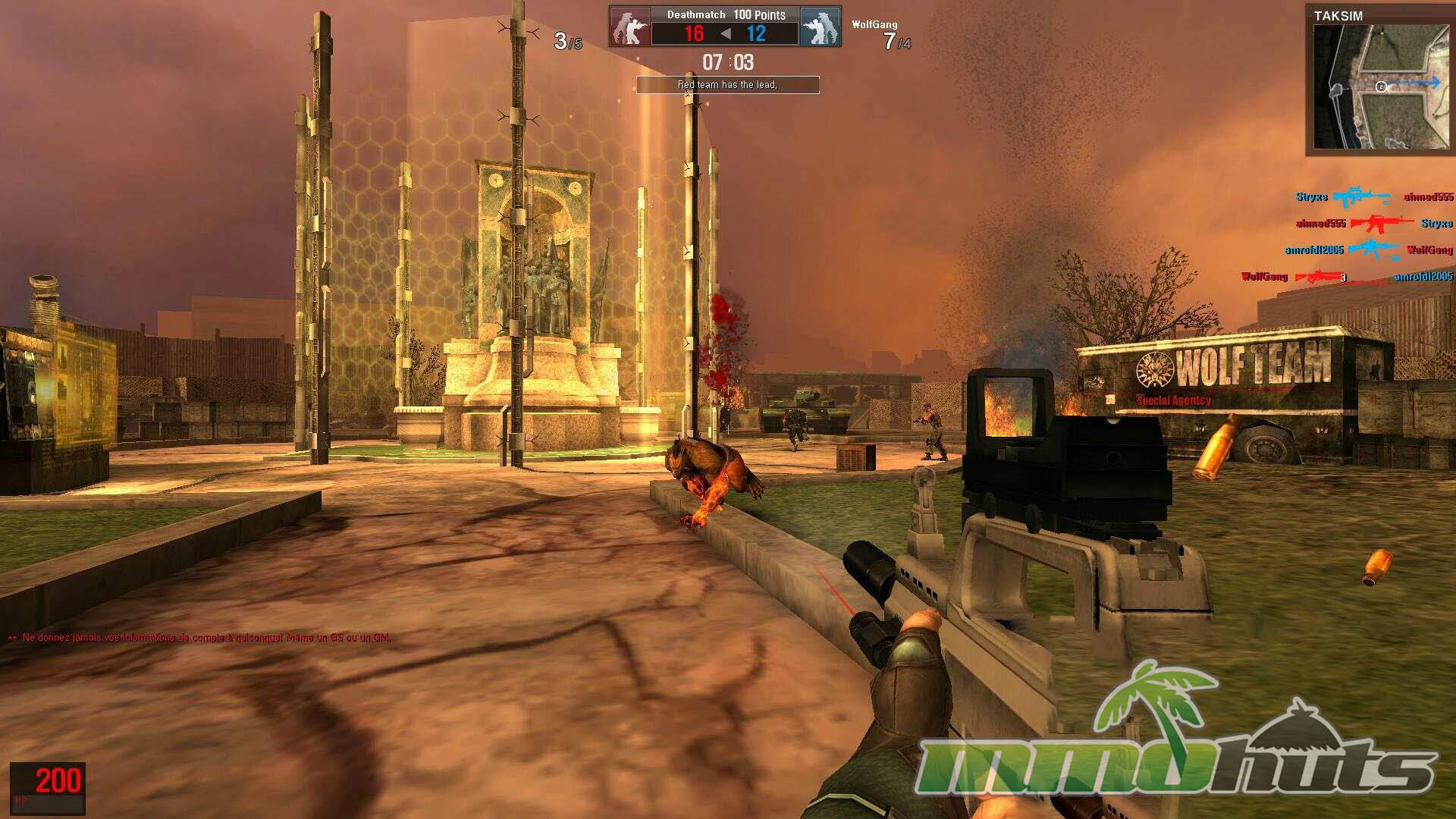
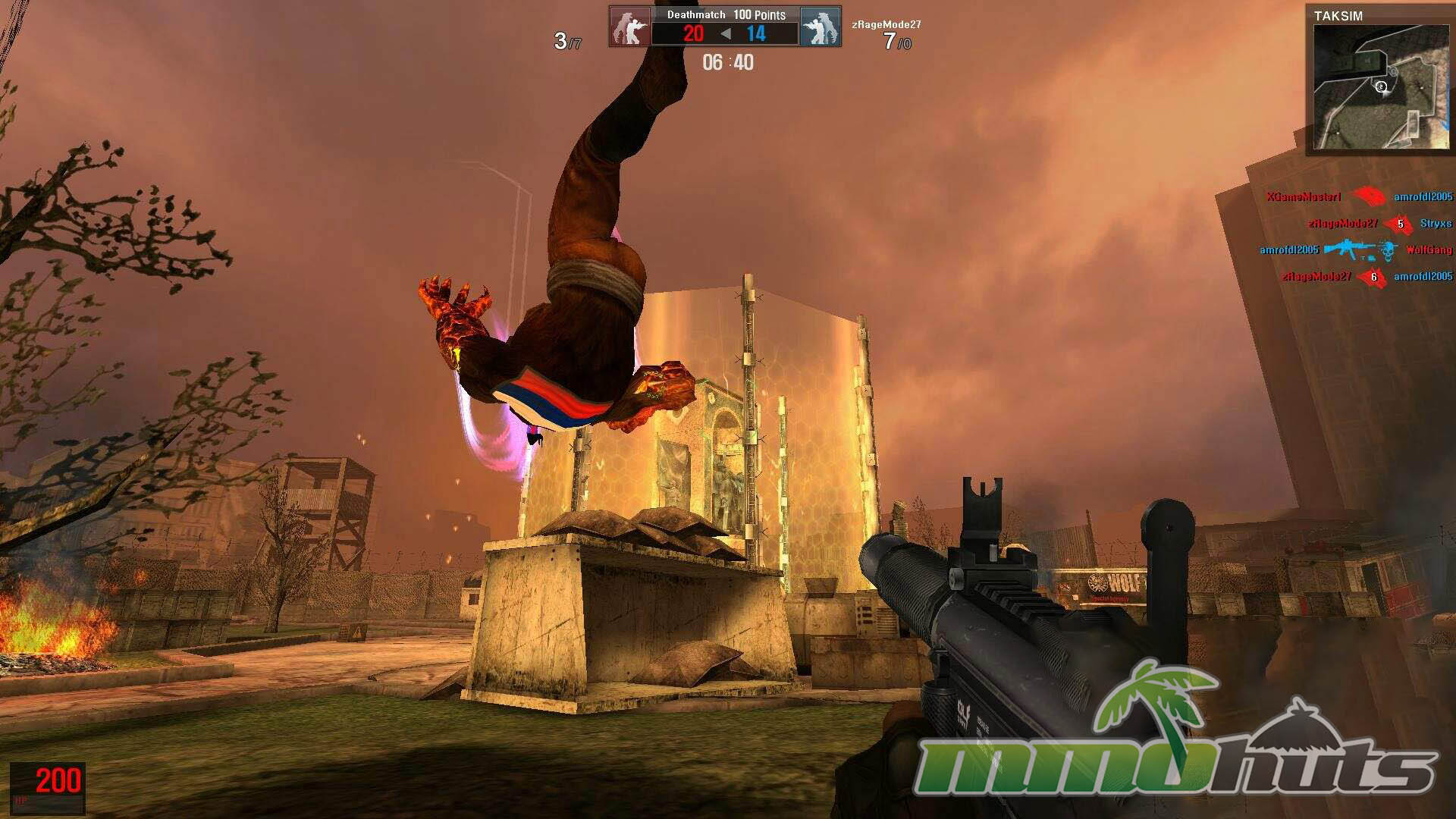
The signature mechanic is the ability to transform into a wolf (commonly via the “3” key in modes that allow it). In rooms where wolves are disabled, that input behaves like a standard knife pull instead. When you transform, you trade your firearms for melee attacks, but you also gain major mobility benefits and a chunk of temporary health that drains over time while you remain in wolf form.
This creates a constant decision point. Staying human keeps your ranged threat and precision lethality, while going wolf is often the right call when the fight compresses into tight angles, when you need to chase, or when you are trying to break a defensive setup. Because transformation takes a moment and leaves you exposed during the animation, it is not just a panic button, it is something you have to time around enemy sightlines.
Movement, Mutations, and Wolf Customization
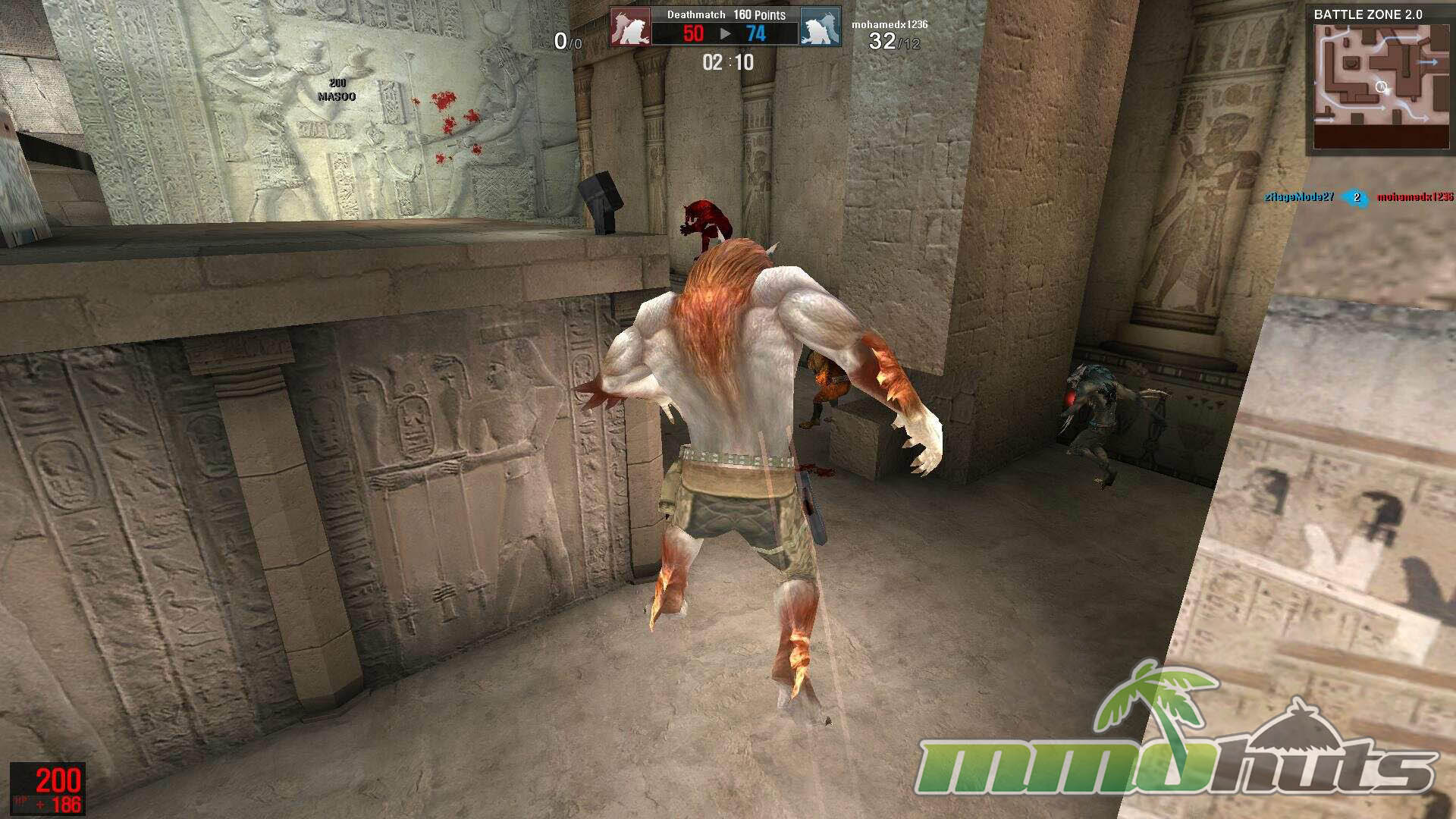
Wolf gameplay is not simply “more HP and a knife.” The movement is the real separator, with wolves capable of aggressive positioning that can feel dramatically faster than human traversal. That enhanced mobility changes how maps play, because routes that are safe against rifles can become dangerous when a wolf can close distance quickly.
Wolf customization adds another layer. Tattoos provide stat adjustments, and the game supports multiple wolf mutation types. The overall effect is that melee combat has its own meta, and strong wolf players often treat it like a second class system rather than a temporary gimmick.
At the same time, this is also where balance concerns can become more obvious. In mixed rooms, the gap between baseline wolves and heavily enhanced wolf options can feel significant, which feeds into the game’s broader monetization problem.
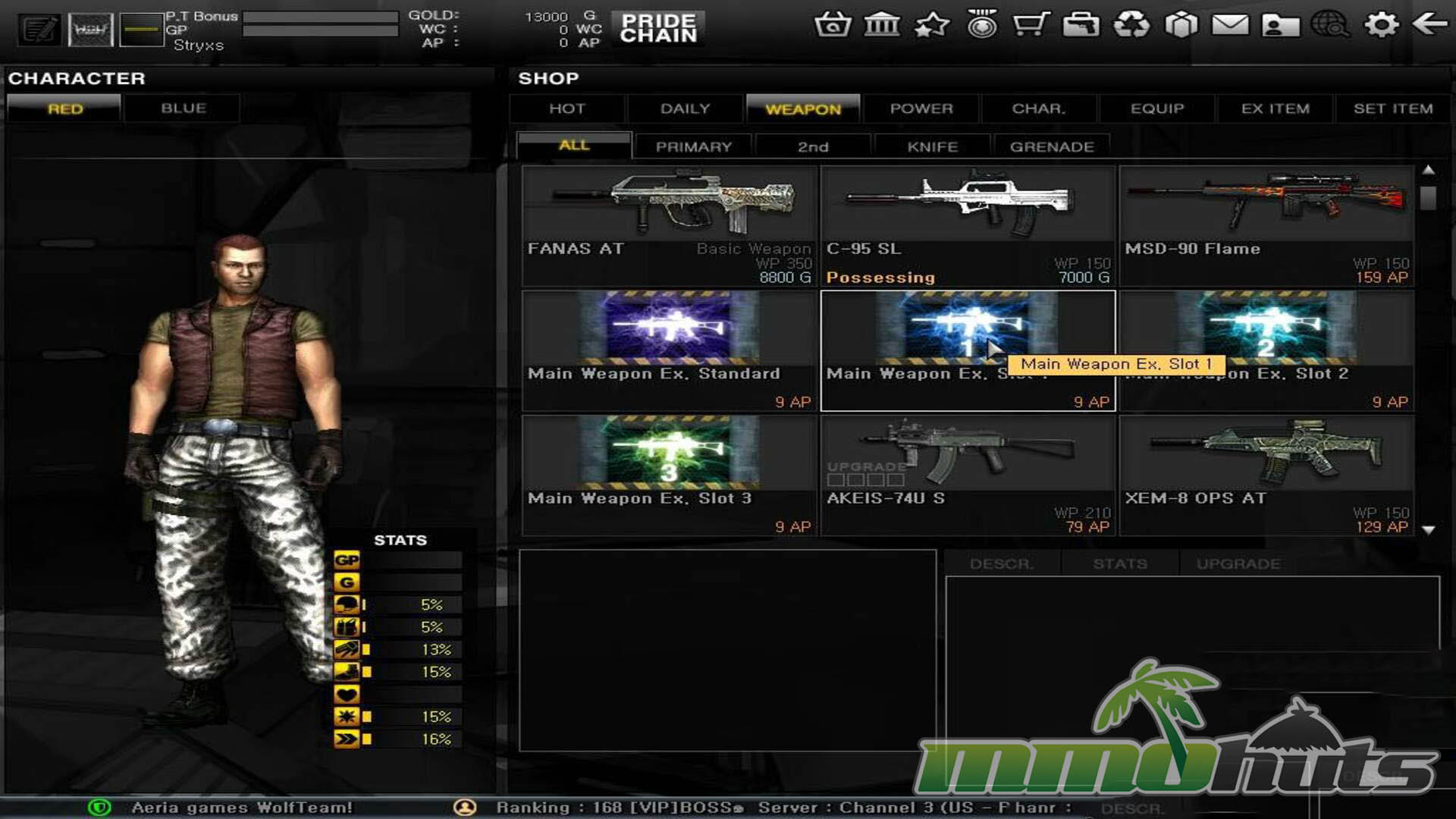
Loadouts and the WP Economy
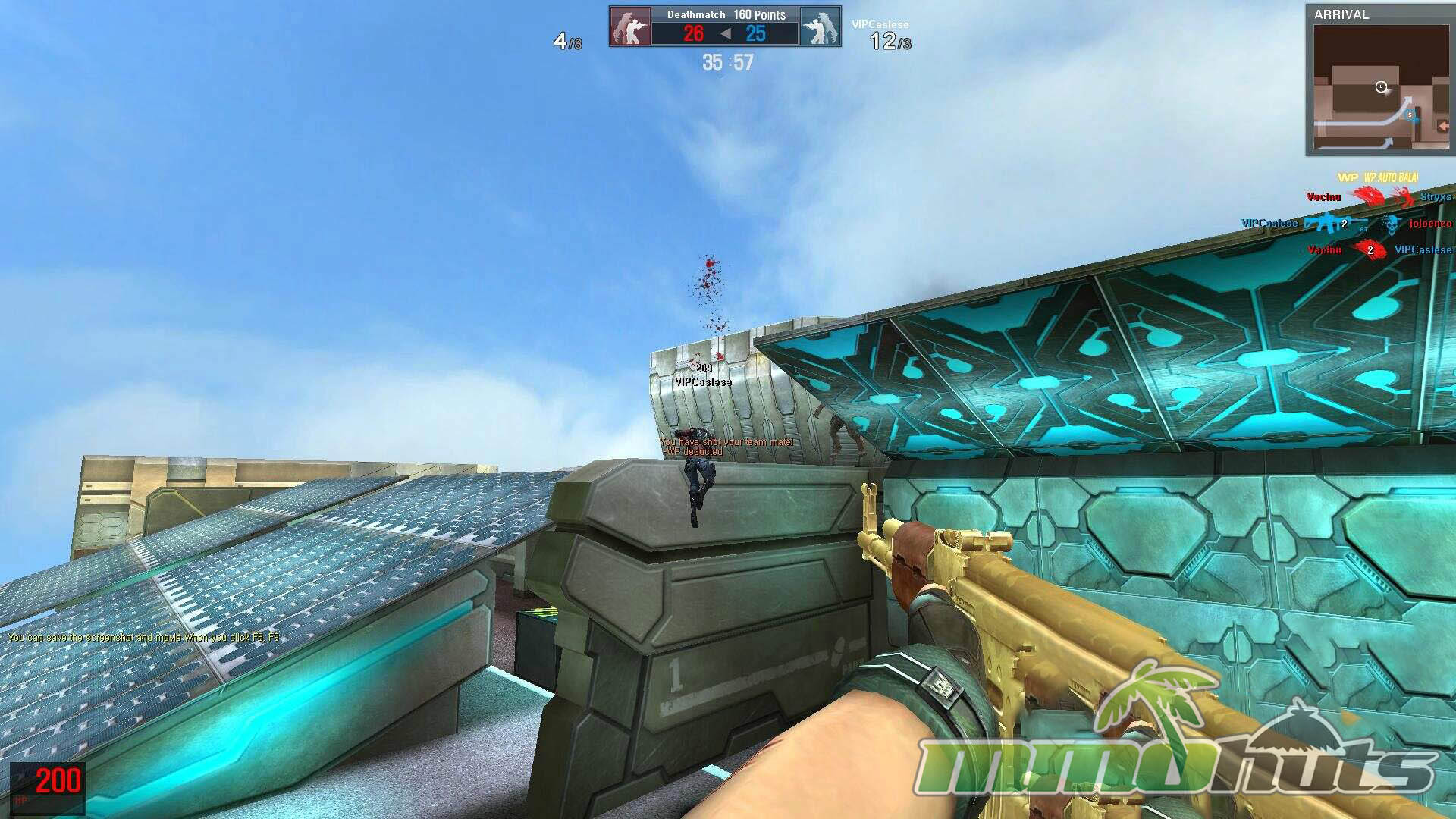
Loadouts in Wolf Team are built around multiple preset slots, each typically carrying a primary weapon, a secondary, and a grenade. The twist is that respawning into a given loadout costs WP, and stronger weapon sets tend to cost more. You earn WP through performance, mainly kills and assists, and it resets with the round.
Conceptually, it resembles a round economy in games like Counter-Strike: early rounds can favor cheaper kits, while strong performance lets you “buy up” into better equipment. In practice, it can work as a soft balancing tool, but it can also create snowball situations when high-performing players keep funding expensive setups.
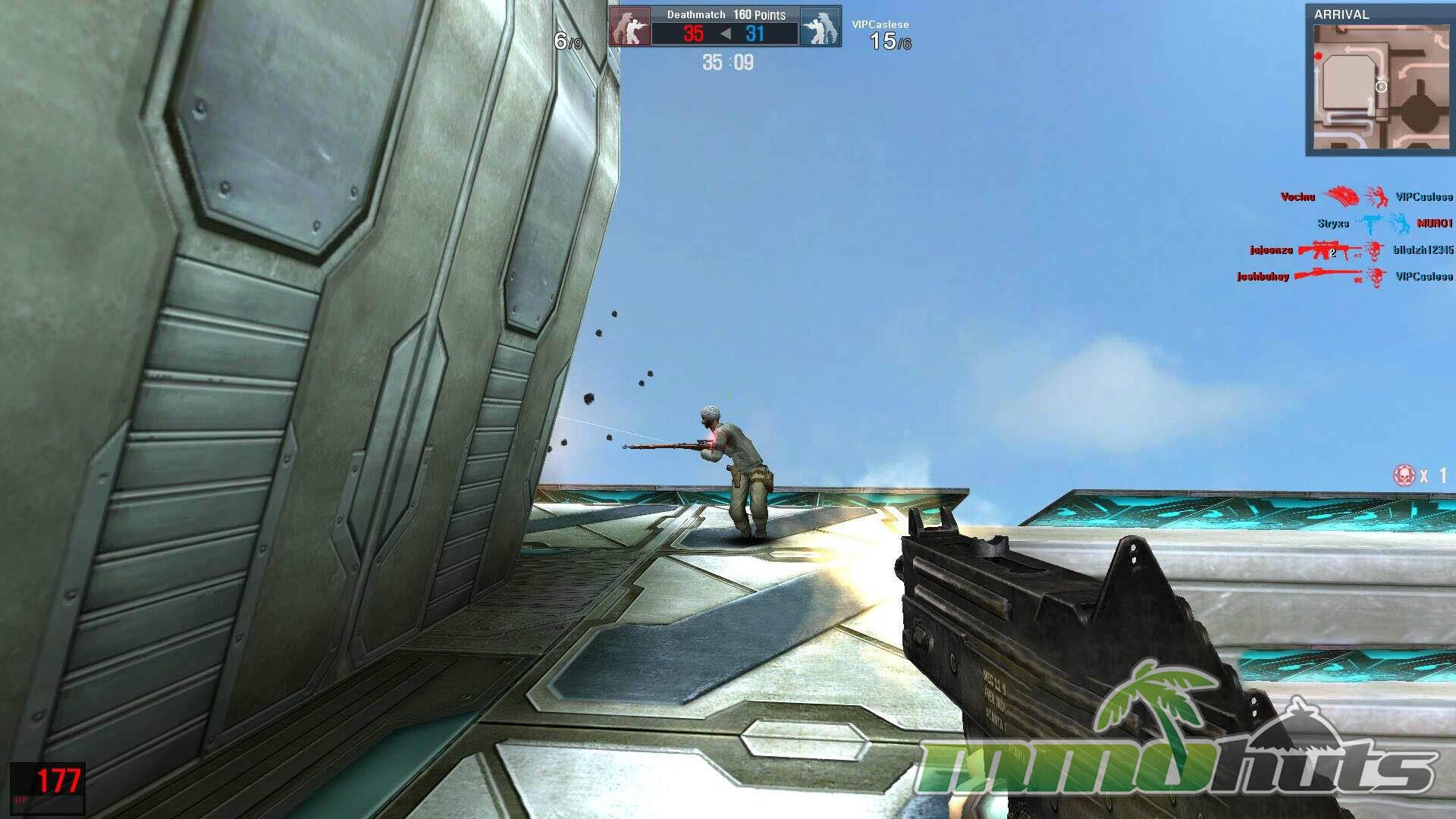
The Cash Shop Problem
Wolf Team’s weakest point is its monetization, because a portion of the item shop crosses the line from convenience and cosmetics into direct power. Defensive gear such as boots, kevlar, and gloves can impact survivability and combat stats, and premium characters can come with bonuses that outclass the starter option. When a game with fast lethality also sells meaningful stat advantages, matches can feel less like a pure test of aim and positioning.
Premium currency-exclusive weapons and the large character roster further complicate the balance perception. Skill still matters, especially in human-form gunfights, but the game makes it hard to ignore the advantage provided by stronger gear and boosted stat packages.

Wolf Coins and the Grind
Beyond standard currency and premium points, Wolf Team also uses Wolf Coins (WC). WC can be earned through time-based play intervals, events, or via premium currency. The issue is pacing: accumulating enough WC through normal play can take a very long time, which can make the system feel like it nudges players toward spending rather than playing.
The WC shop includes items like weapons and wolf-related upgrades (including tattoos). For players who want to compete in wolf-heavy rooms, this can become another pressure point where progression feels tied to either long grinds or real money.
Free-to-Play Weapon Access and Rentals
New accounts begin with 20,000G, the regular currency, which you can use primarily to rent gear. Unlike shooters that eventually let you permanently unlock most weapons through play, Wolf Team leans heavily into time-limited rentals, typically for 1, 7, 30, or 90 days. Outside of the starting guns, permanence is not the norm.
The rental structure does have one upside: you can try many different weapons without committing to a single long unlock path. The downside is that maintaining a strong loadout can demand consistent grinding. Gold income per round varies with performance and match length, commonly landing in the 100 to 400 range, which can make higher-end rentals feel expensive over time.
Miscellaneous Notes and Room Rules
As with many older PC shooters, Wolf Team can be finicky about focus and minimizing, and it does not always behave nicely if you are multitasking. More importantly, room hosts have a lot of control over rules, including restrictions like snipers-only or disabling wolf transformations entirely. That flexibility is great for players who want a specific style of match, but it also splits the community between “pure gunplay” rooms and “full Wolf Team” rooms.
When wolves are enabled, balance and gear disparities become much more noticeable. Facing opponents with top-end wolf options and stacked stat gear can be especially punishing, sometimes to the point where smart play is not enough to overcome raw advantages. This is the main reason the game can feel inconsistent from lobby to lobby.

Final Verdict – Good
Wolf Team delivers a genuinely distinctive twist on tactical FPS combat, and the human-to-wolf switching mechanic still creates memorable moments that most shooters simply do not offer. Unfortunately, the experience is weighed down by pay-to-win elements, especially in matches where stat boosts and premium options matter most. If you can find fair rooms and enjoy hybrid gunplay plus melee mobility, it is easy to see why the game built a dedicated audience.
Wolf Team Links
Wolf Team Official Site
Wolf Team Aeria Official Wiki [Database / Guides]
WolfTeam Softnyx Global Version
Wolf Team System Requirements
Minimum Requirements:
Operating System: XP / Vista / 7 / 8
CPU: Intel Pentium 4 1.4 GHz
Video Card: GeForce 5700 / Radeon 7600
RAM: 1 GB
Hard Disk Space: 3 GB*
Recommended Requirements:
Operating System: XP / Vista / 7 / 8
CPU: Intel Pentium 4 2.2 GHz
Video Card: GeForce 6800 / Radeon 9550
RAM: 2 GB
Hard Disk Space: 3 GB*
The official system requirements state that Wolf Team only requires 800MB, but this is 100% incorrect. The download for the game is over 1 GB by itself and upon installing it, the game takes up ~2.5GB of hard disk space. 3 GB is a much more accurate number for the game’s hard disk requirement.
Wolf Team Music & Soundtrack
Wolf Team Additional Information
Developer: Softnyx
Game Engine: LithTech
Closed Beta: June 24, 2009 (Aeria Games)
Open Beta: July 9, 2009 (Aeria Games)
Foreign Release:
South Korea: October, 2007 (Softnyx)
Global English: October, 2007 (Softnyx)
Global Spanish: June, 2008 (Softnyx)
Global Arabic: July, 2009 (Softnyx)
Turkey: September, 2009 (Joygame)
Germany: June, 2010 (Aeria Games)
China: September, 2010 (TCIPlay)
France: May, 2011 (Aeria Games)
Russia: July, 2011 (Aeria Games)
Poland: September, 2011 (Aeria Games)
Wolfteam is available in numerous different countries in numerous different languages. Those unsure which version to play should try the global version self-published by Softnyx
Development History / Background:
Wolf Team was created by South Korean studio Softnyx using the LithTech engine. The developer is also associated with Gunbound and Rakion, which helps explain Wolf Team’s arcade-leaning style and emphasis on quick matches. The title first appeared as a self-published release through Softnyx in South Korea and other regions in 2007, and later received a North America and Europe service through Aeria Games, which launched its version into open beta on July 9, 2009. The game also developed a notable following in Turkey, where it has been published by JoyGame.
The Western version of Wolf Team shut down on October 27, 2022, but the international version hosted by the developer, Softnyx, remains in operation.