Wakfu is a fantasy MMORPG built around tactical, turn-based encounters on a grid. Instead of treating the world as an endlessly regenerating theme park, it leans into player agency, resources and ecosystems only bounce back when players actively replant, breed, and manage them. Layered on top is a nation system with elections and laws, turning everyday gathering and PvP into part of a larger political tug-of-war.
 | Publisher: Ankama Games, Square Enix Playerbase: Medium Type: Turn-Based MMORPG Release Date: February 29, 2012 Pros: +Player-shaped economy and ecosystems. +Deep, tactical class kits. +Nation politics that matter. Cons: -A lot of combat repetition while leveling. -Localization can be awkward in places. -Camera angle can fight you in battles. |

Wakfu Overview
Wakfu is Ankama Games’ turn-based MMORPG and a follow-up to Dofus. Set long after its predecessor, it positions your character as a would-be savior in a world threatened by Ogrest, a powerful ogre whose actions ripple across the setting. The core loop is built around structured, tile-based fights where positioning, turn order, and resource management matter as much as raw stats.
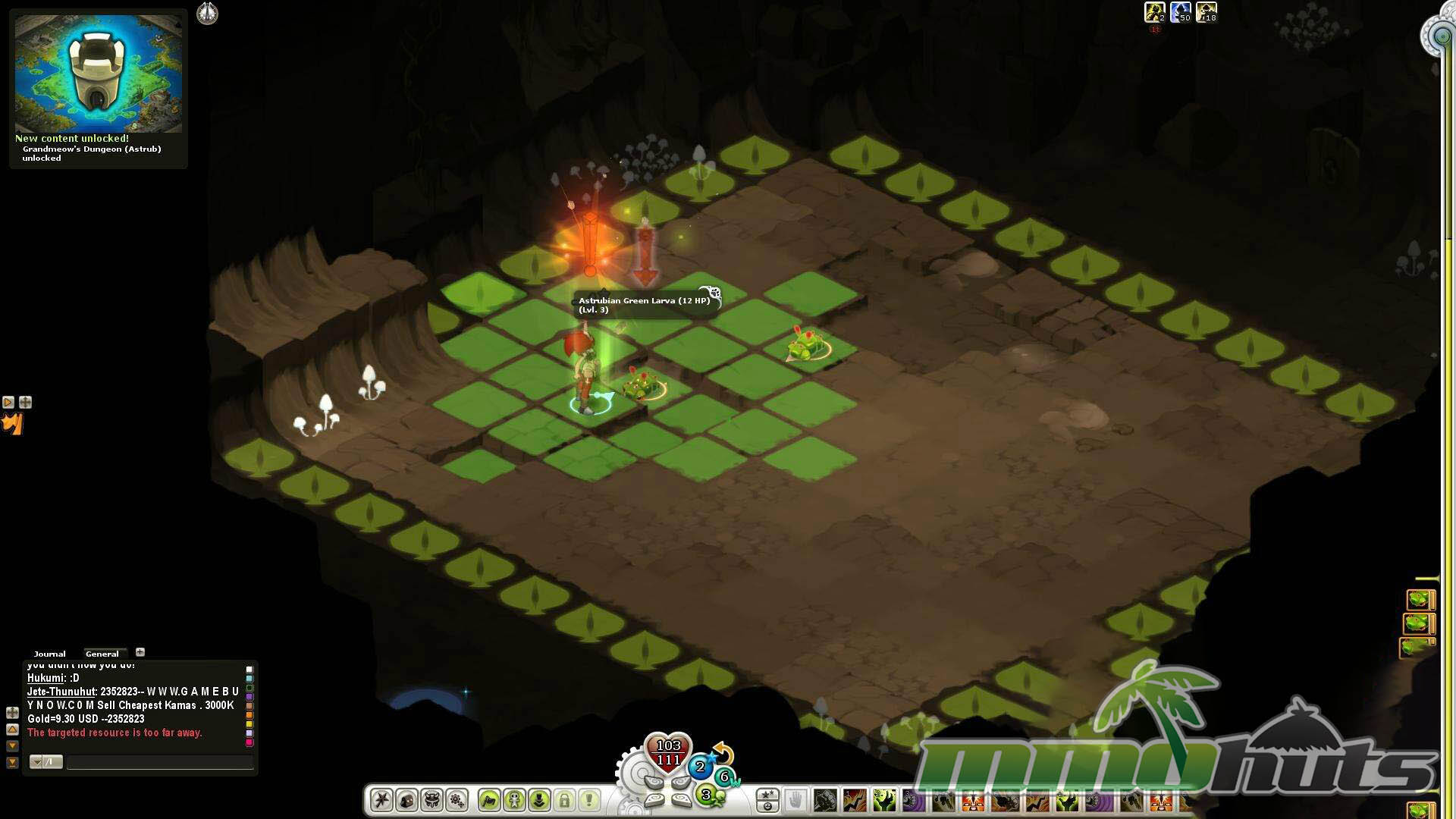
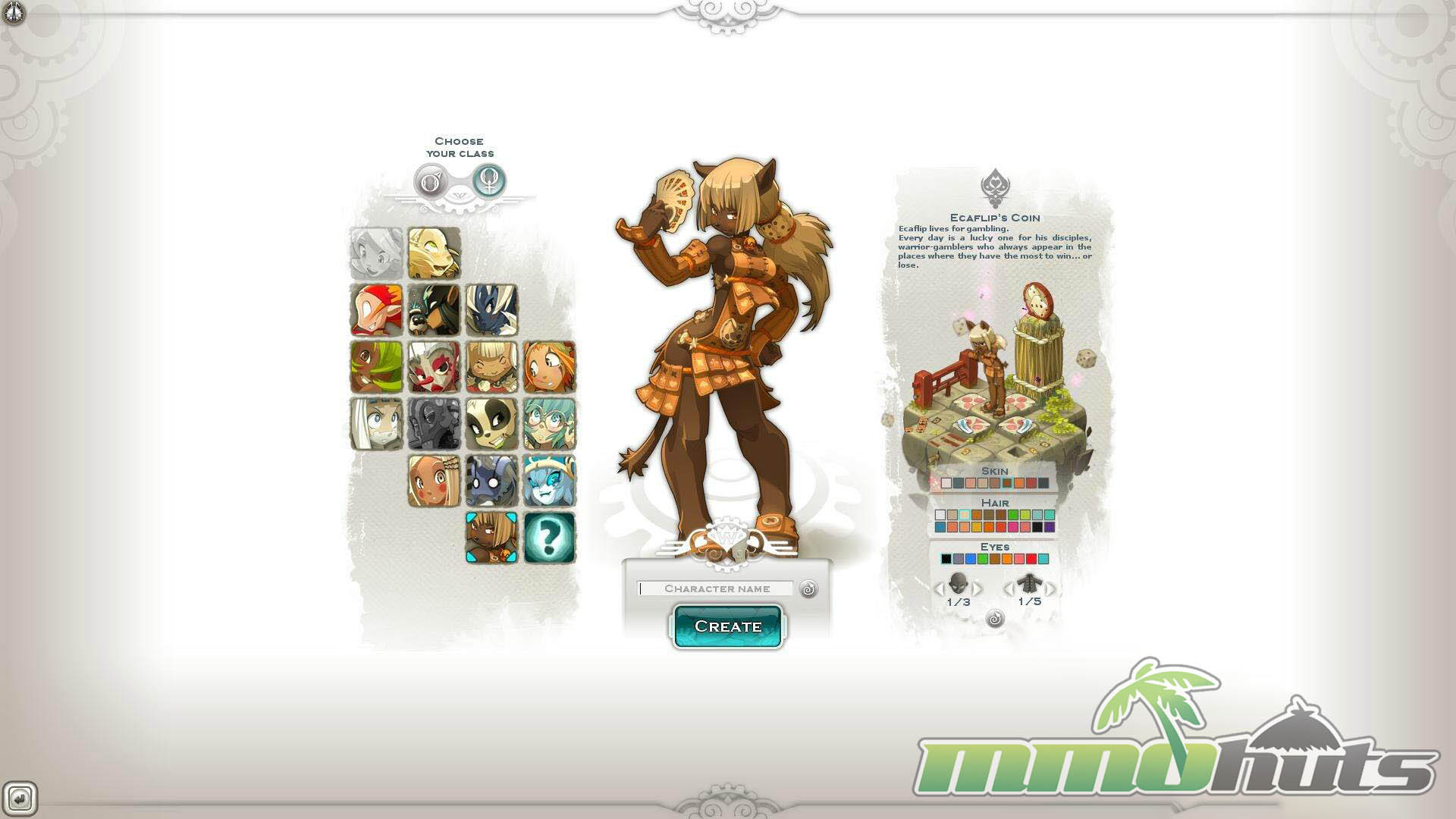
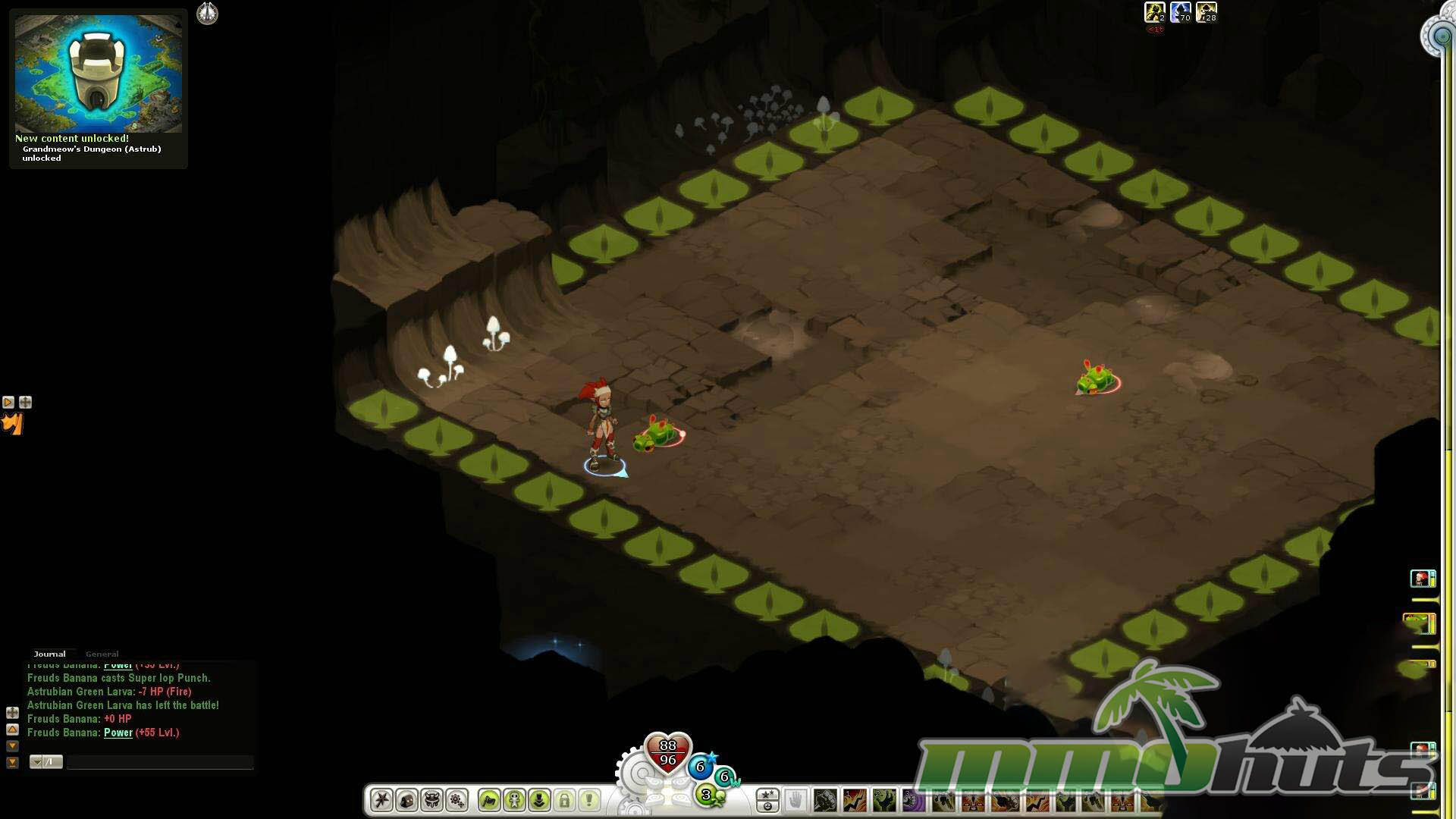
You choose from 16 classes, each designed with its own tactical identity rather than simple “tank, healer, DPS” templates. Every class has 25 abilities to learn and combine, and battles play out on a grid where movement and actions are limited by points each turn. Encounters begin with a placement phase, then proceed in turns with a short decision window, which keeps combat from stalling but also demands attention.
Outside of combat, Wakfu’s world systems are unusually dependent on players. Many harvestable materials and even parts of the ecosystem only return when players replant or manage them, and the weather can influence how practical certain gathering activities feel. At level 15, the game opens into its nation feature: you pledge allegiance to one of four Nations and become subject to laws set by a player-elected Governor, with elections occurring every two weeks. That blend of tactics, economy, and politics is what gives Wakfu its distinct identity among MMORPGs.
Wakfu Key Features:
- 16 Classes – each class has 25 distinct abilities and a clear tactical niche.
- Resources Replenish From Player Input – ecosystems are sustained by players through planting and managing fauna.
- Self-Aware Humor – dialogue regularly leans comedic, from subtle gags to overt jokes.
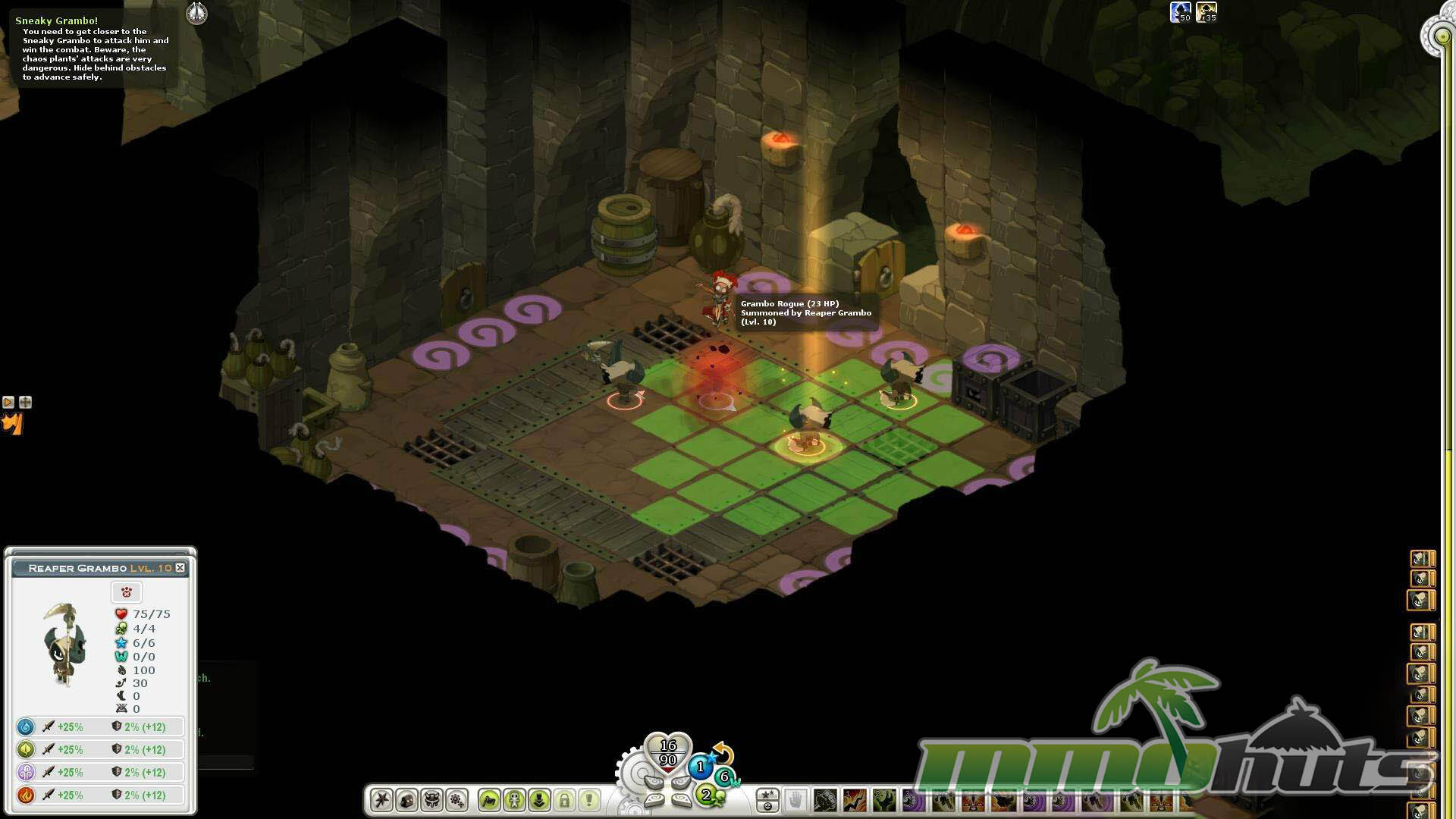
- Strategic, Tile-Based Combat – grid positioning and turn economy define how you win fights.
- Political System – four Nations, player governance, and biweekly elections shape laws and conflict.
Wakfu Screenshots


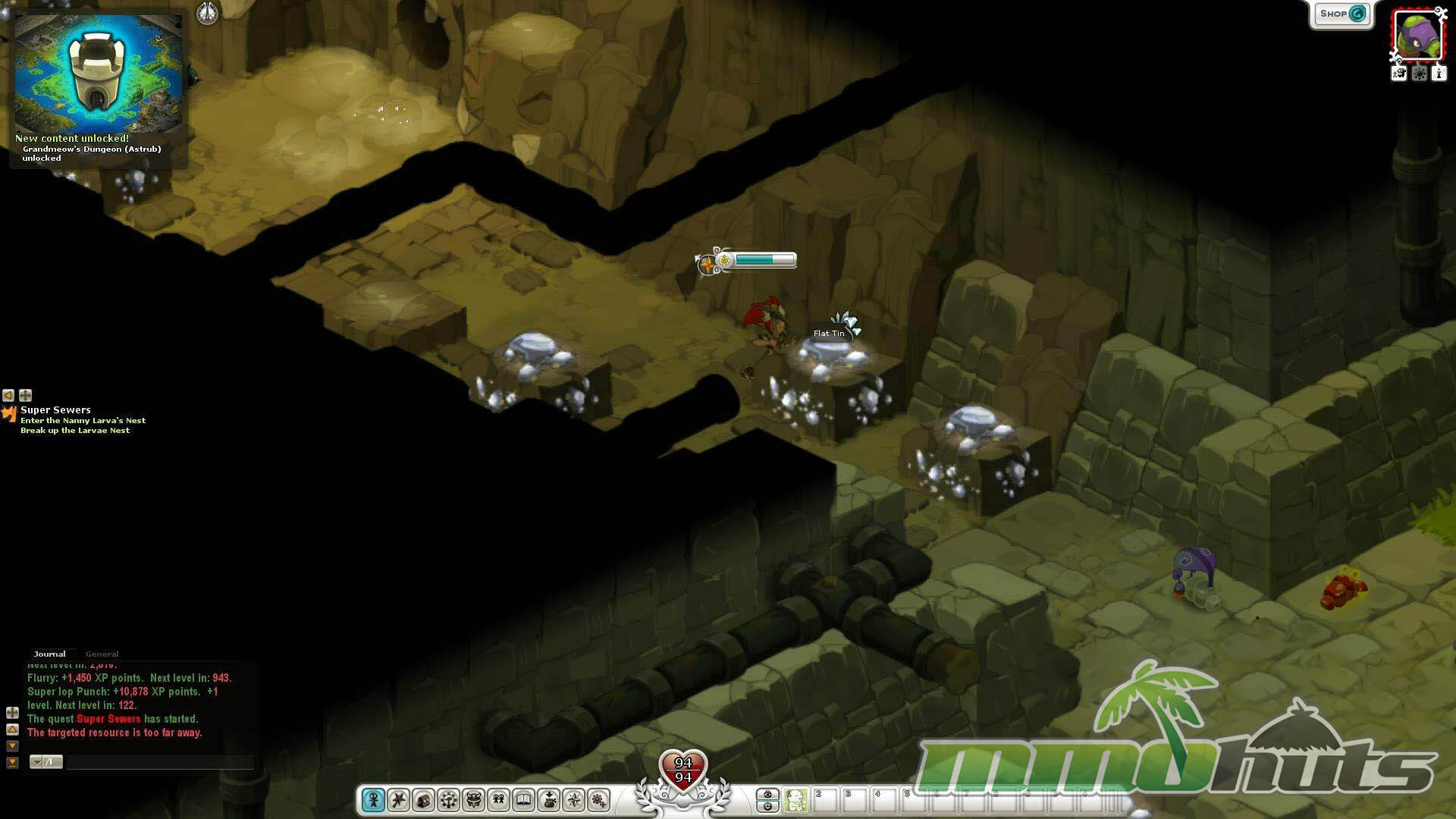
Wakfu Featured Video

Wakfu Review
Wakfu sits in an interesting space: it is unmistakably an MMORPG, but it borrows the pacing and decision-making of classic tactical RPGs. If you miss fights where positioning and turn order are the main skill checks, this game delivers that in a persistent online world, complete with crafting, gathering, and social systems. The result is a title that can feel wonderfully deliberate, even when its rough edges show.
Character creation and class choice are the first big commitment. Wakfu’s classes are built around strong themes and specific combat patterns, so your selection matters more than in many MMOs where roles are interchangeable. The visual style also does a lot of work here, characters and monsters look like they stepped out of an animated series, and that presentation helps the early game feel approachable even when the mechanics get dense.
Turn-Based Combat With Real MMO Stakes
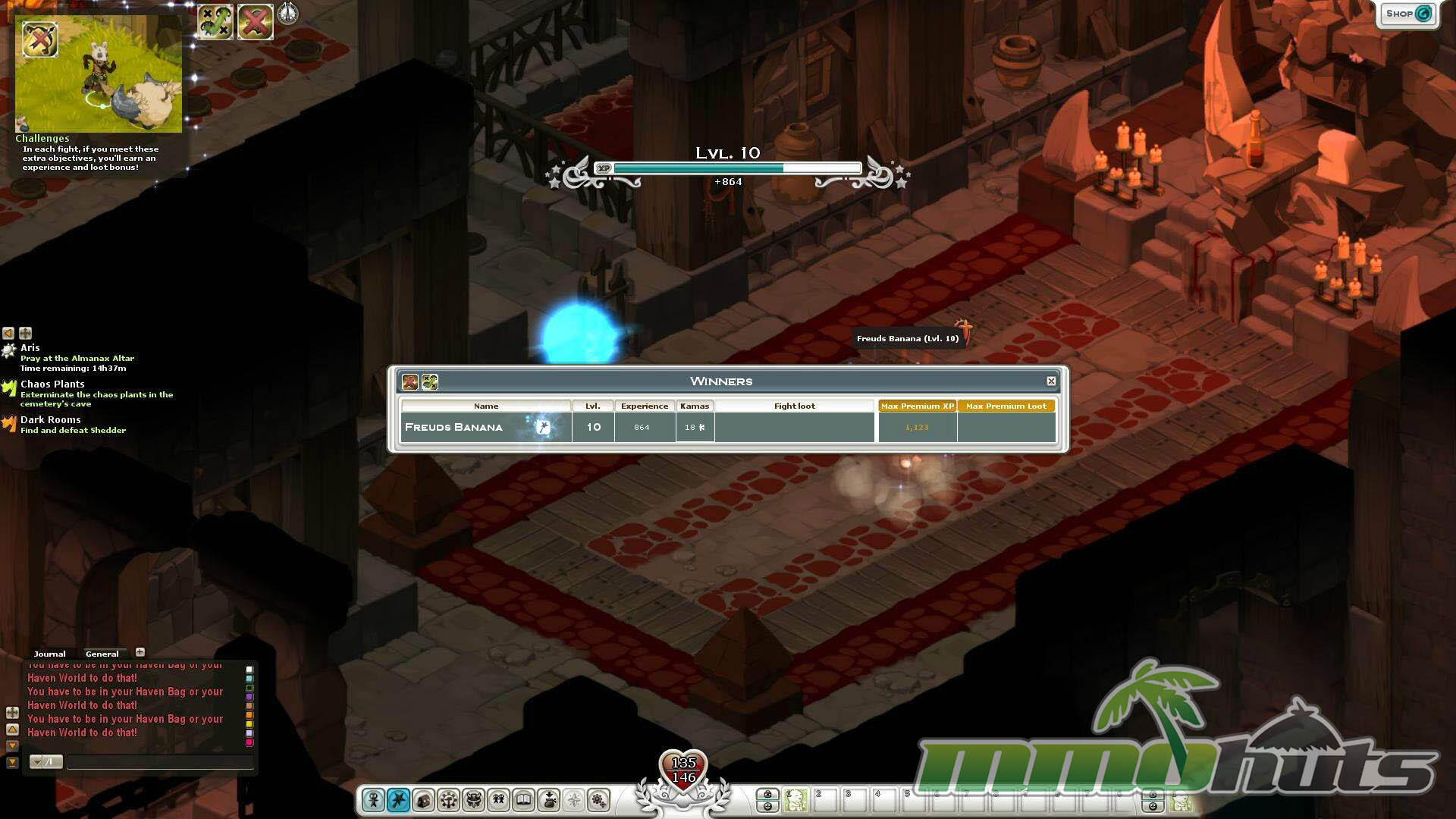
The best part of Wakfu is that its fights are not a mini-game stapled onto questing, they are the game. When combat starts, you are pulled into a contained battlefield that uses the same environment you were just walking through. You choose a starting tile, then take turns spending points on movement and actions. There is also a time limit per turn, which keeps groups moving but can pressure new players who are still learning tooltips and ranges.
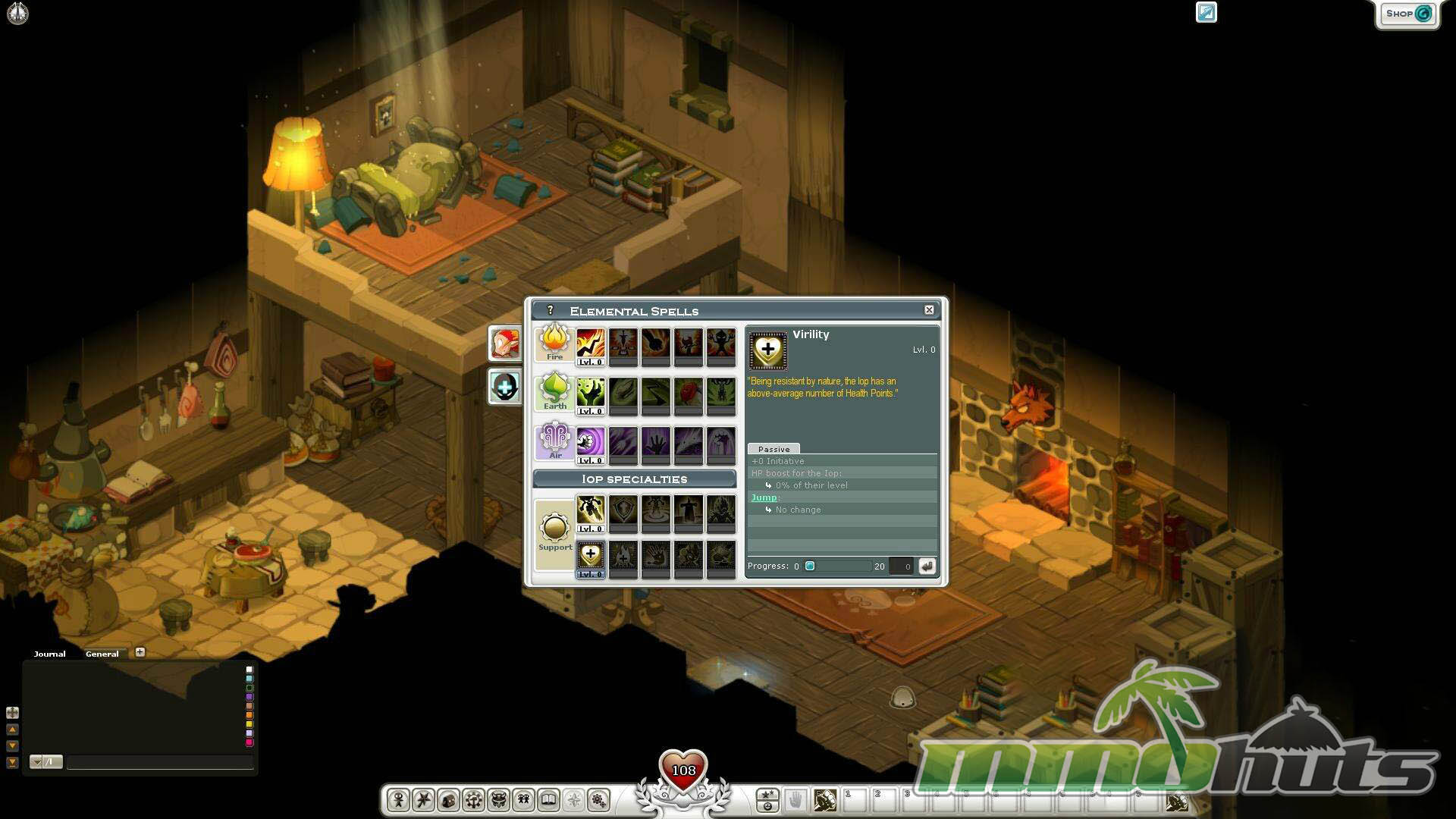
Class design is where the tactics shine. Each class has multiple elemental spell paths, and those paths push you toward different behaviors, some kits want you in melee, others reward careful spacing, and many rely on combos that only make sense once you experiment. Descriptions can be a little too broad at times, so learning often comes from trying abilities in real fights rather than reading a perfectly clear breakdown.
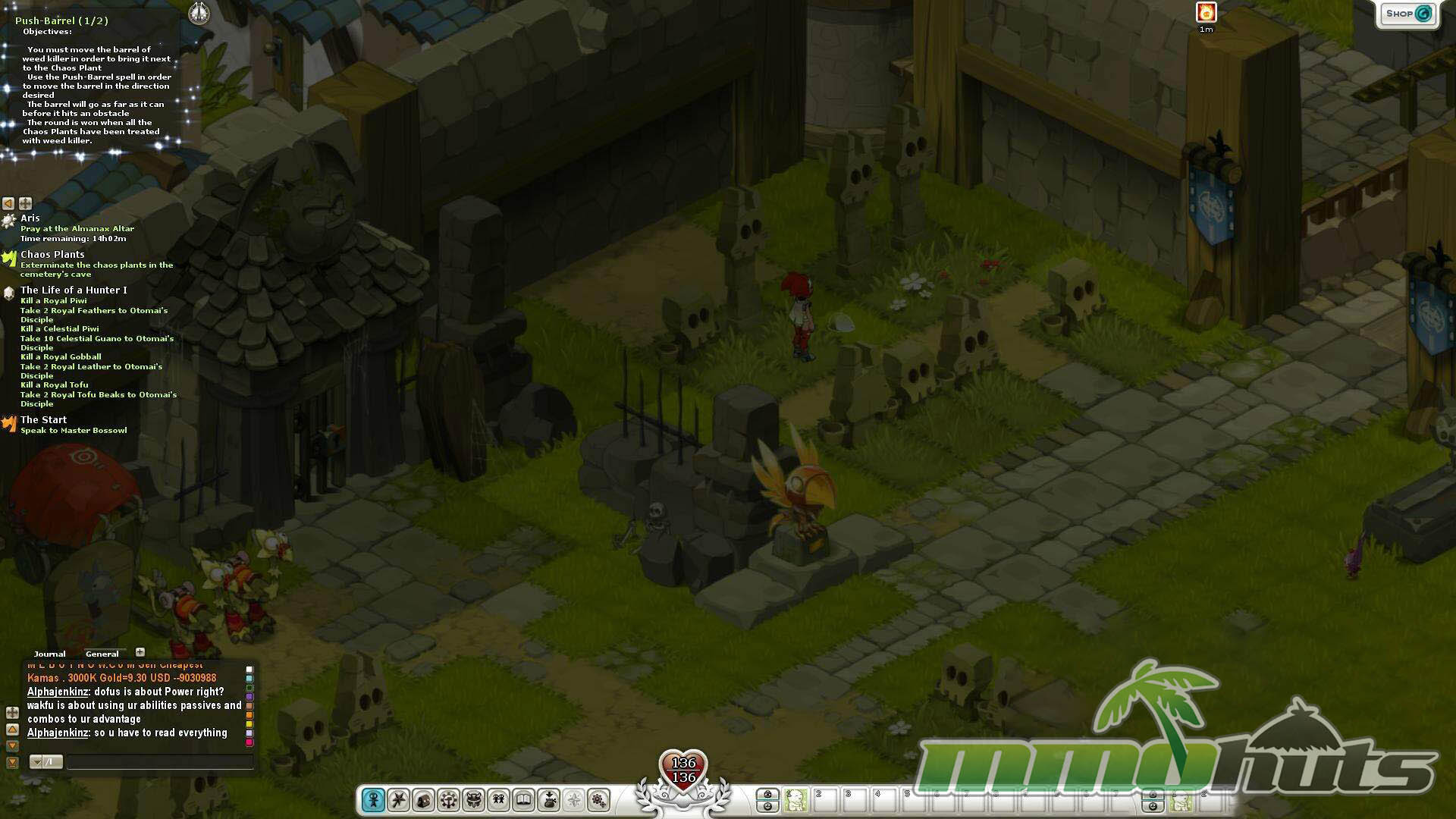
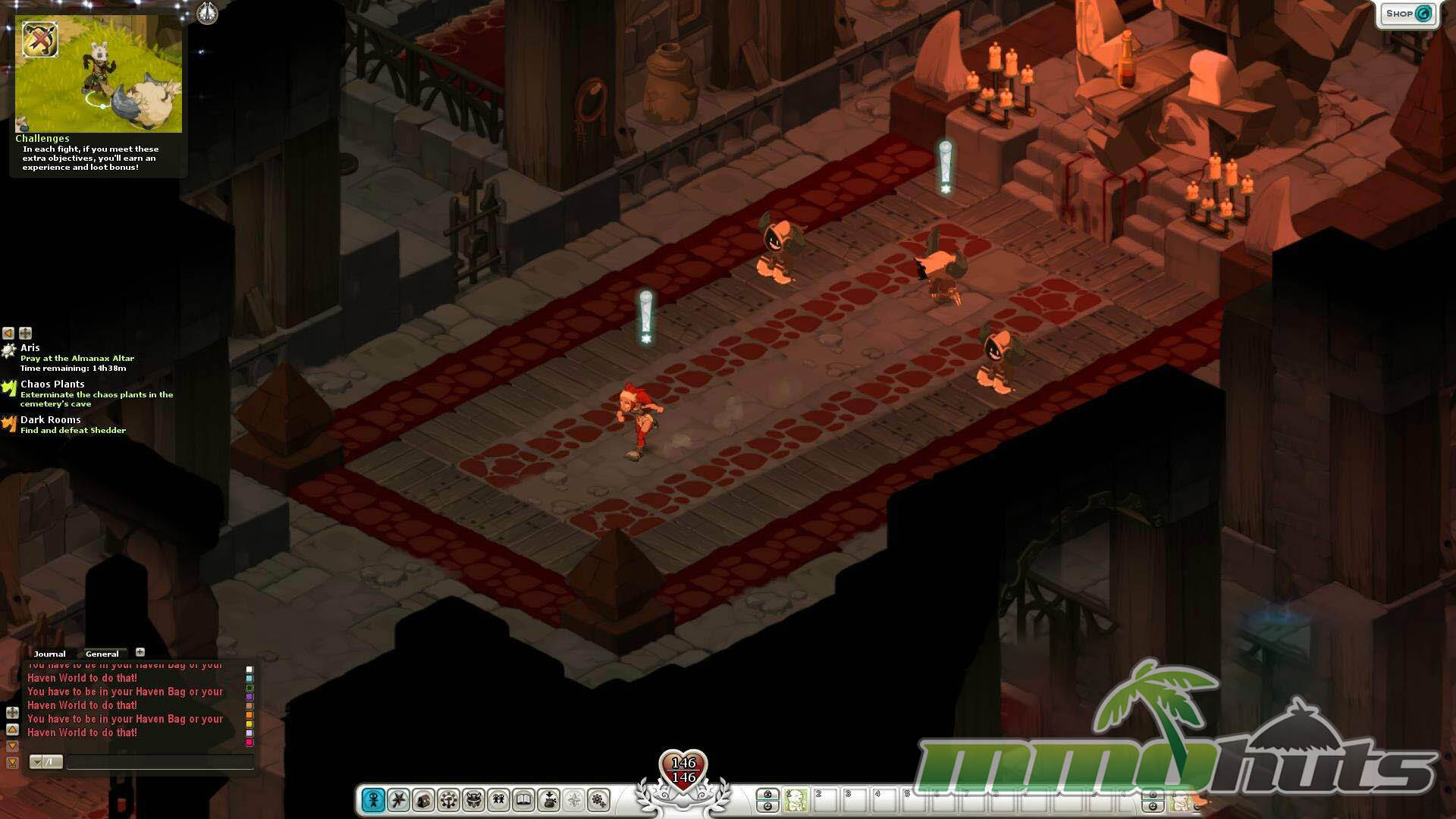
One persistent issue is readability. Because the battlefield inherits nearby props and terrain, line-of-sight and movement options can be harder to judge than they should be. Objects can block your view of tiles, and the camera angle does not always cooperate, which is frustrating in a game where one misread square can change the outcome of a turn.
Solo play can also become repetitive if you spend long stretches controlling only your main character. Wakfu improves as soon as you add complexity, either by grouping with other players or by using sidekicks. Extra units make encounters feel closer to a traditional tactics game, with more positioning puzzles and less of the “get surrounded and trade hits” pattern. The trade-off is pacing, parties take longer because every participant needs time to resolve their turn.
Progression Depth That Can Intimidate
Leveling gives you 10 stat points to assign, and the first time you open the character sheet it can look like a wall of systems. Wakfu splits core stats across five major categories (Intelligence, Strength, Agility, Chance, and Major), and you also invest points into class specialties. It is not quite as wild as it appears at a glance because upgrades have real costs (often 5 points per improvement), which naturally limits how much you can spread out early on.
Once you accept that you cannot max everything, the system becomes more satisfying. Building a character feels like making real trade-offs rather than clicking obvious upgrades. That said, the game does not always do a great job of onboarding players into why one choice might matter more than another for a specific class plan.
Quests That Occasionally Ask You To Think
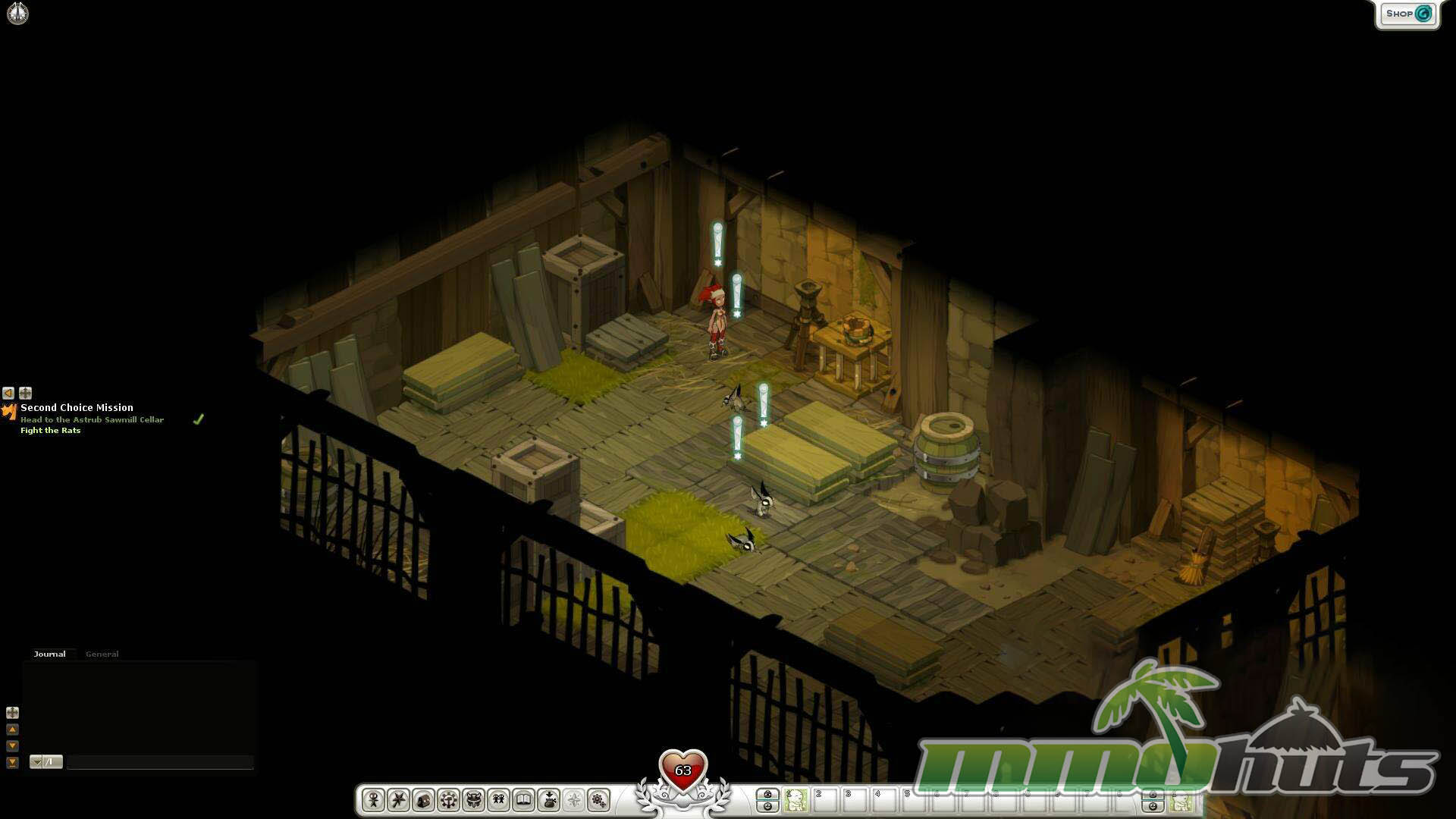
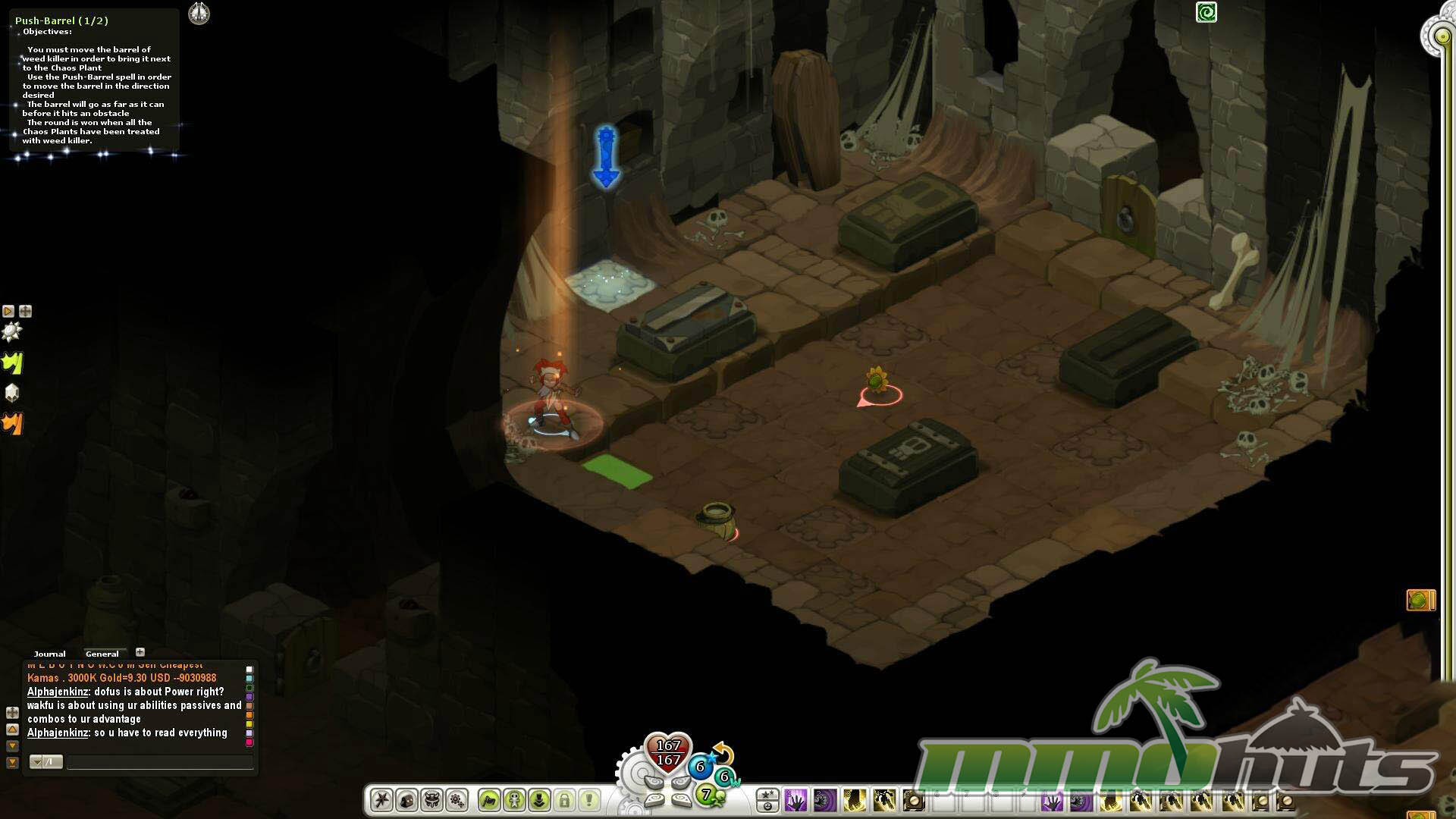
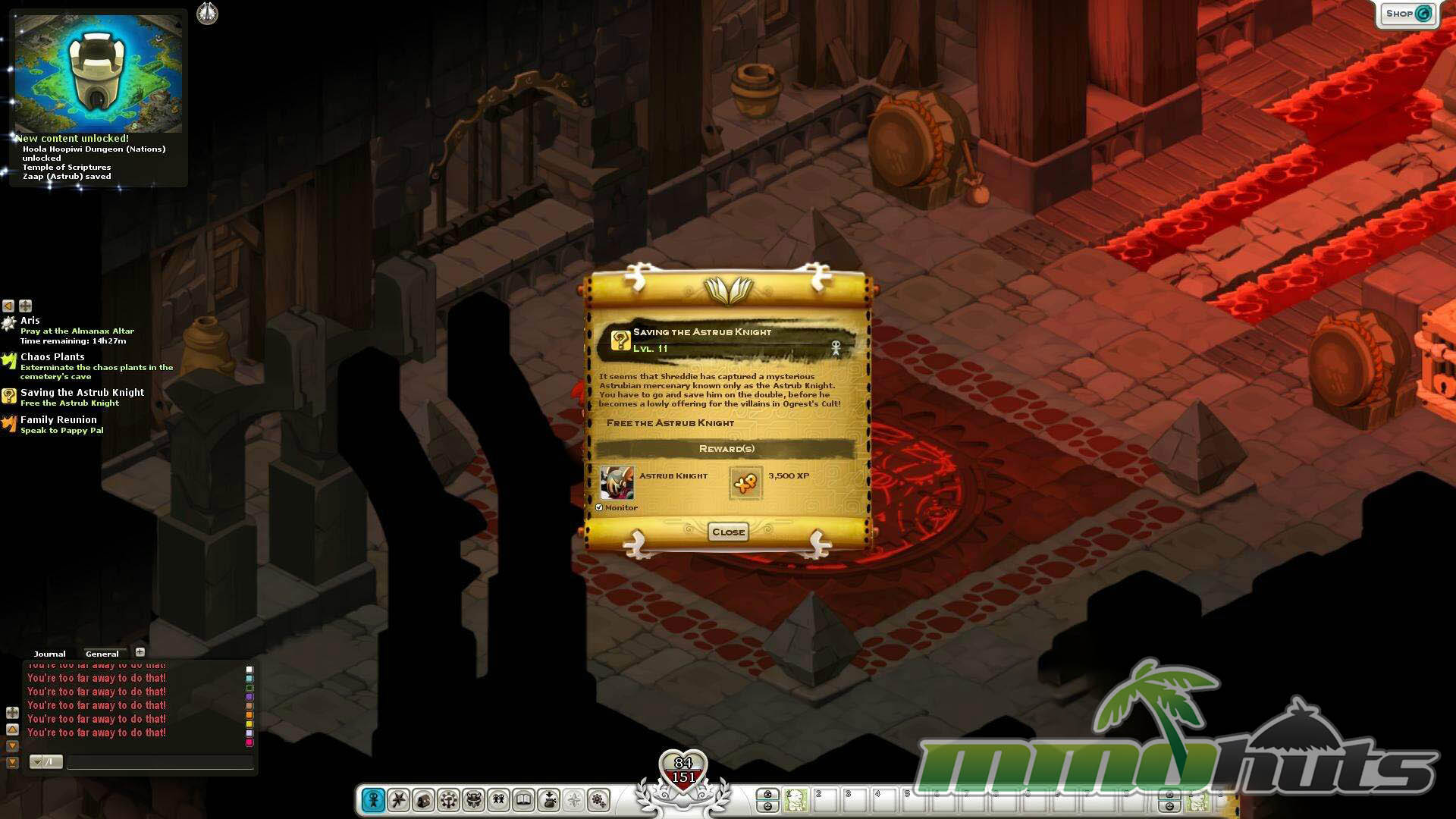
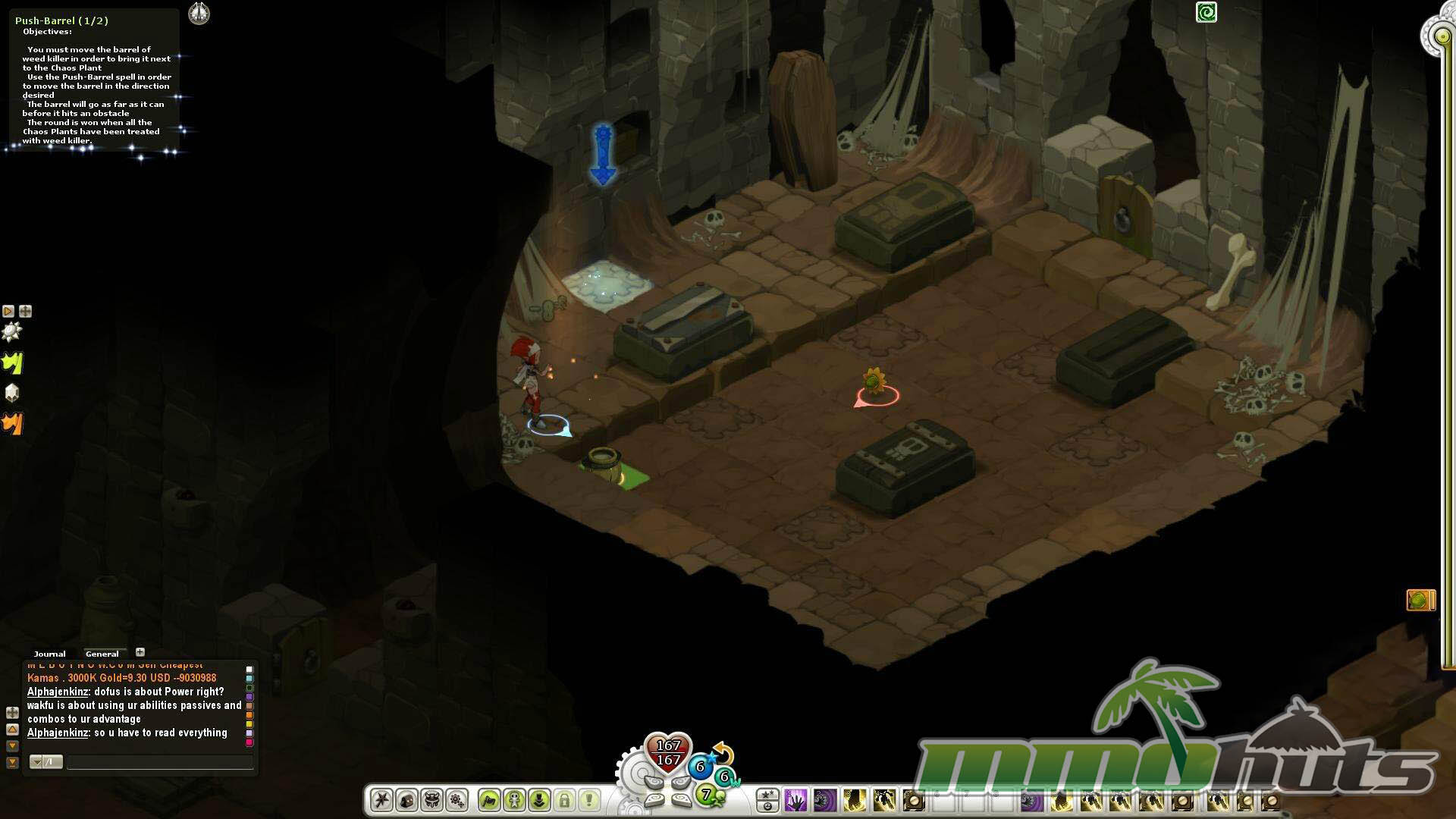
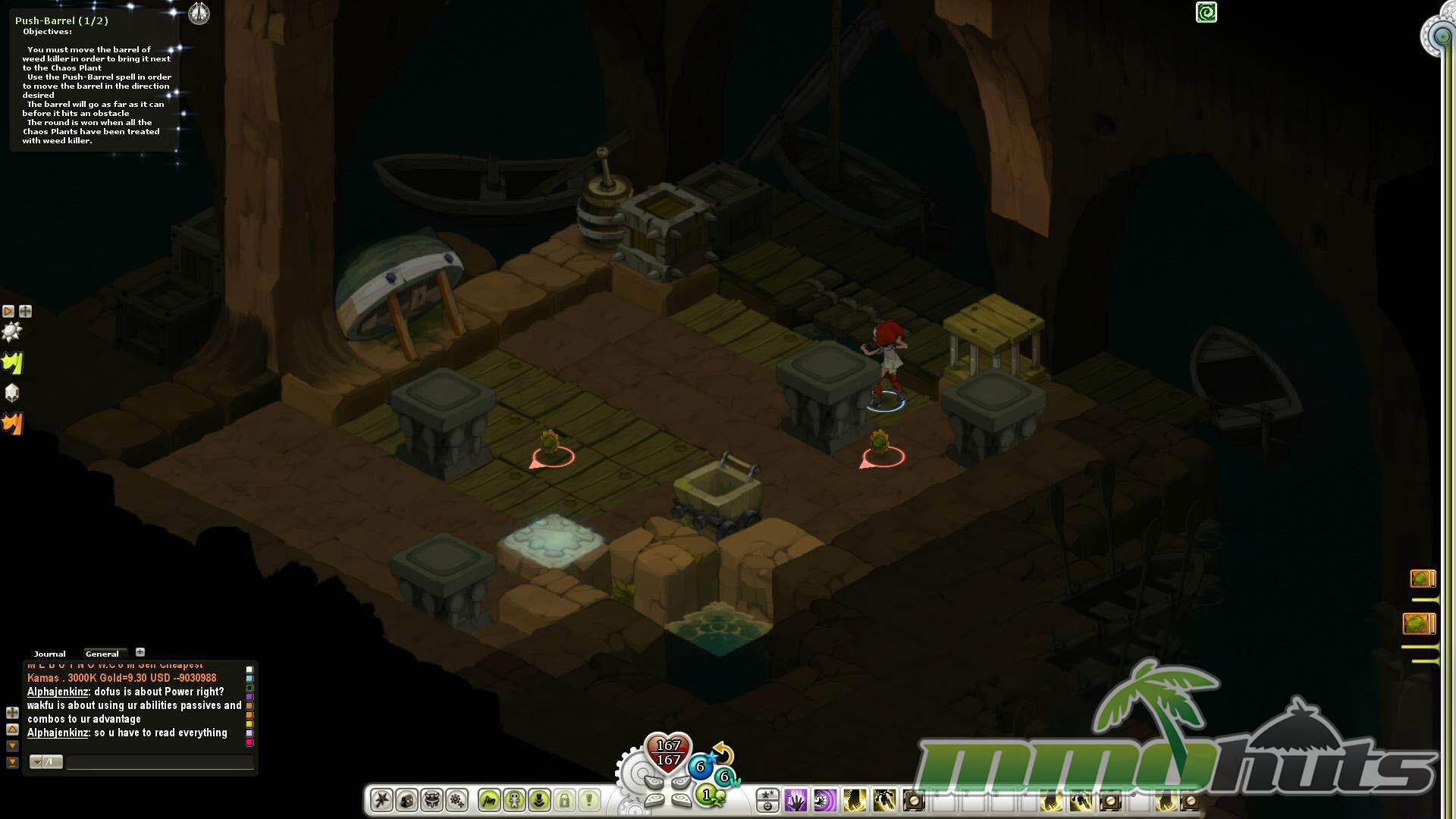
Wakfu’s questing is not purely a checklist of kills and pickups. It periodically breaks the routine with environmental puzzles or encounters that require movement planning rather than damage output. These moments are a good fit for the game’s tactical identity, and they help the leveling experience feel less like a straight grind.
The downside is that the same camera and environmental clutter issues that affect combat can also make puzzle segments harder to read. Some solutions feel clever, others feel like you are wrestling the view until you stumble into the right tile. Still, it is a welcome attempt to vary the moment-to-moment flow.
Animated Charm, With Some Technical Limits
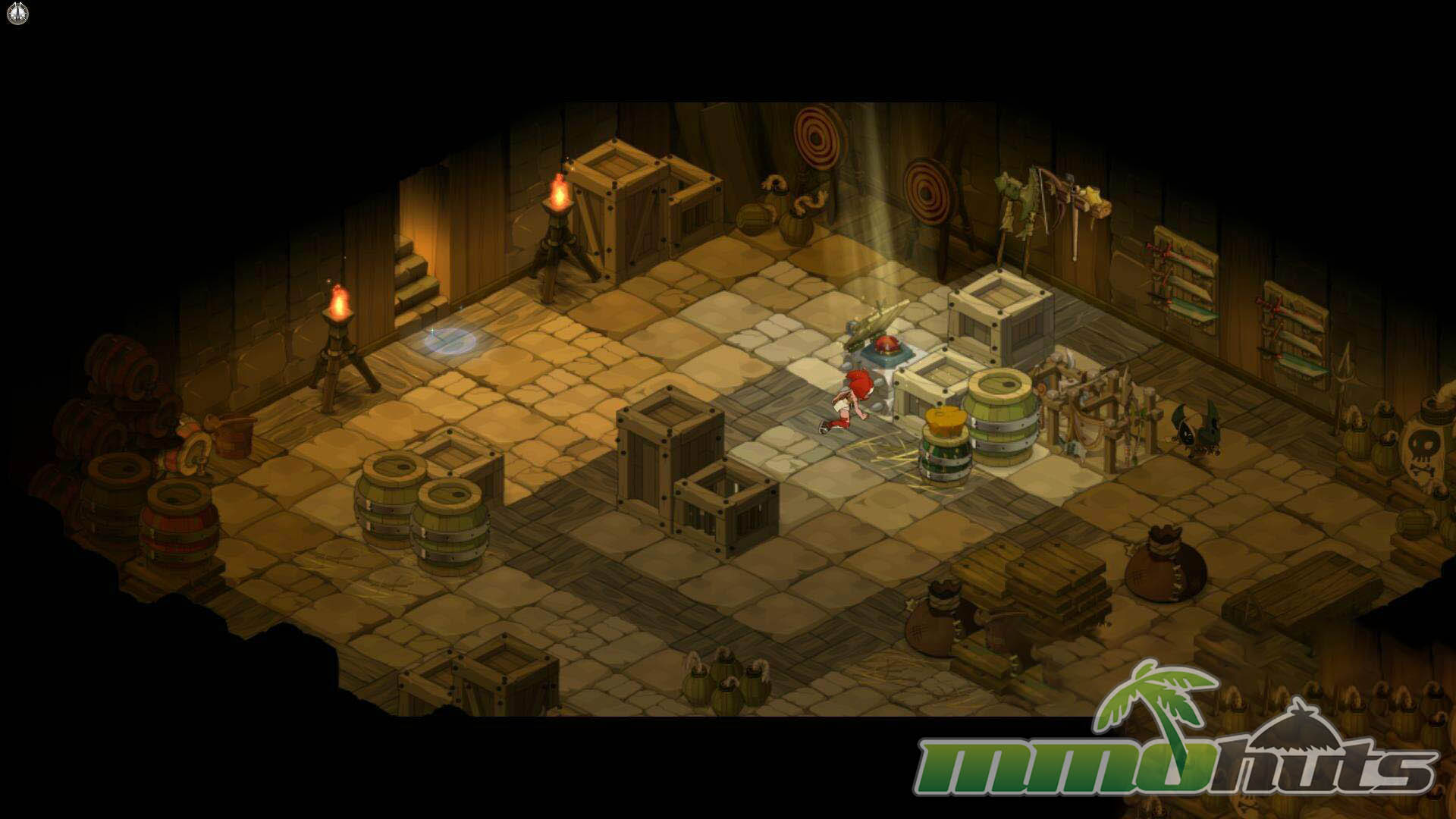
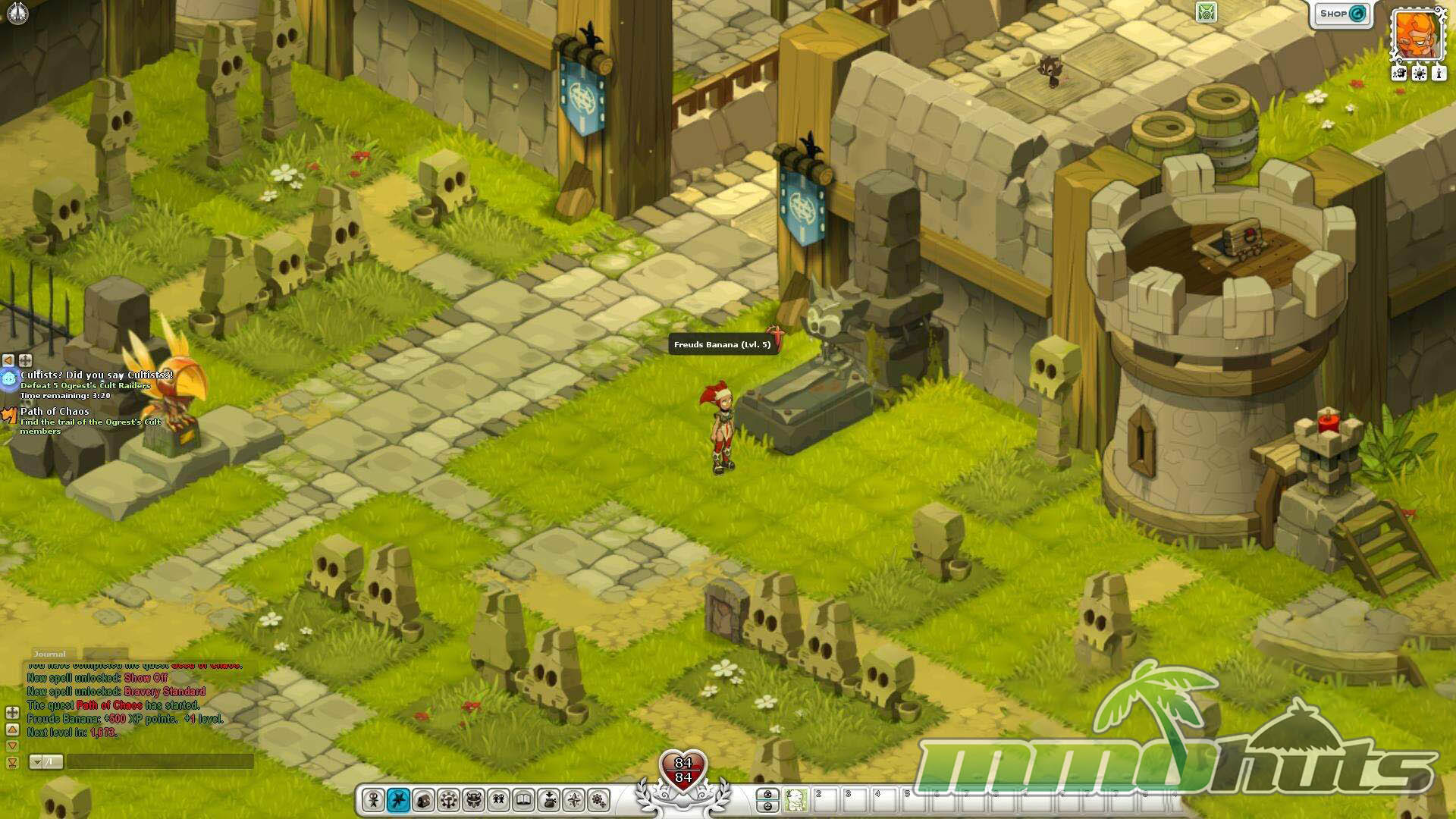
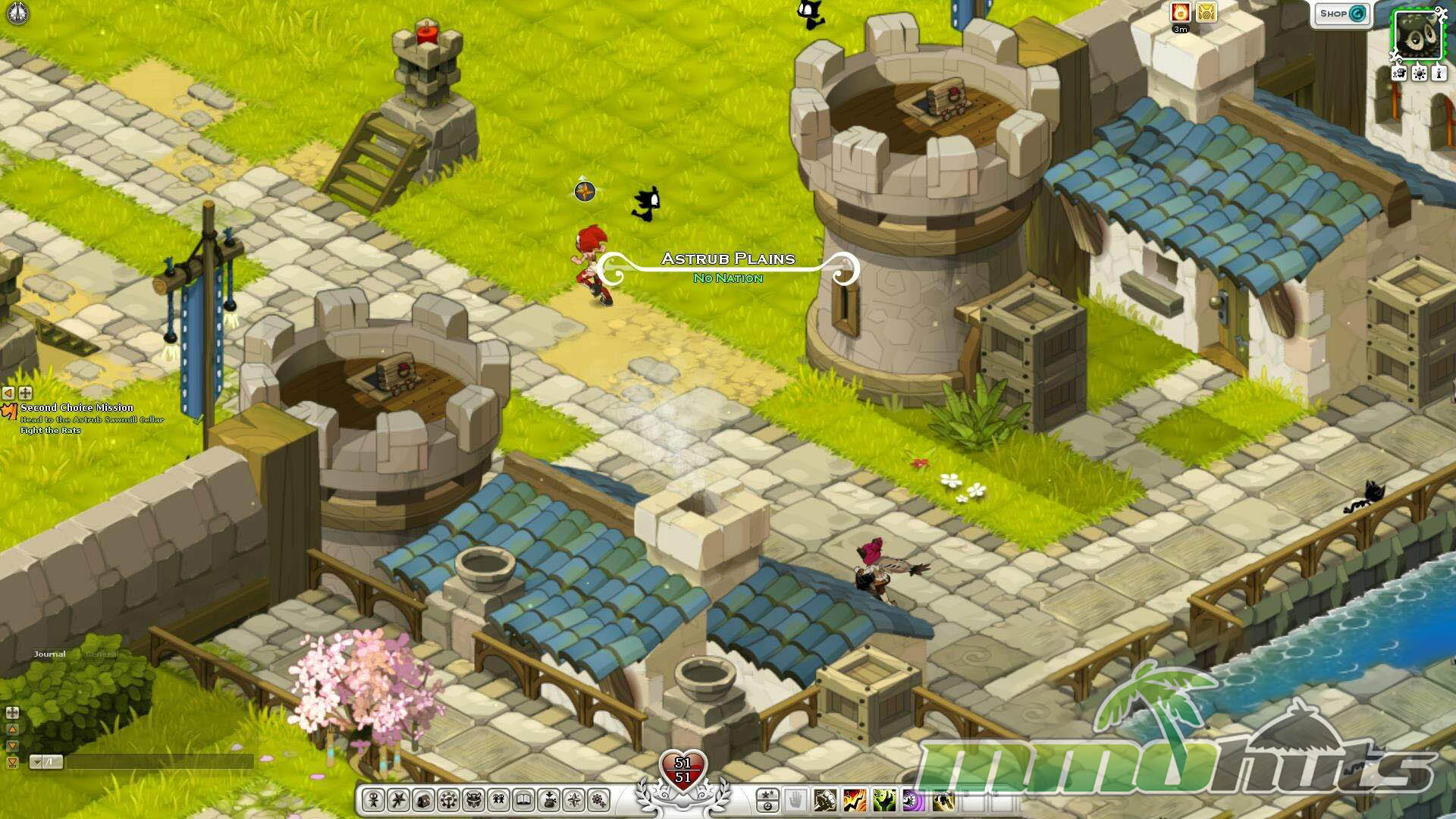
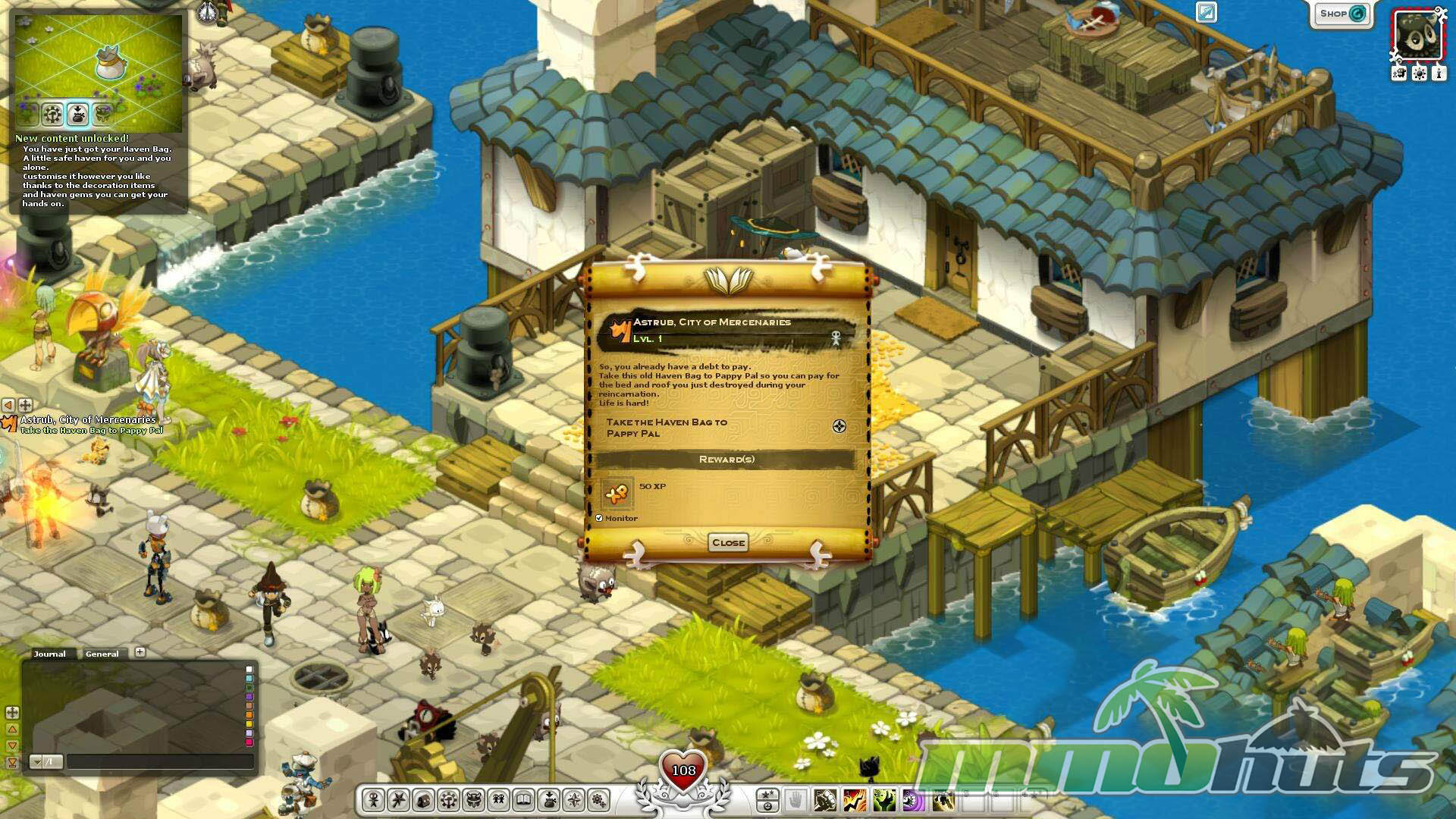
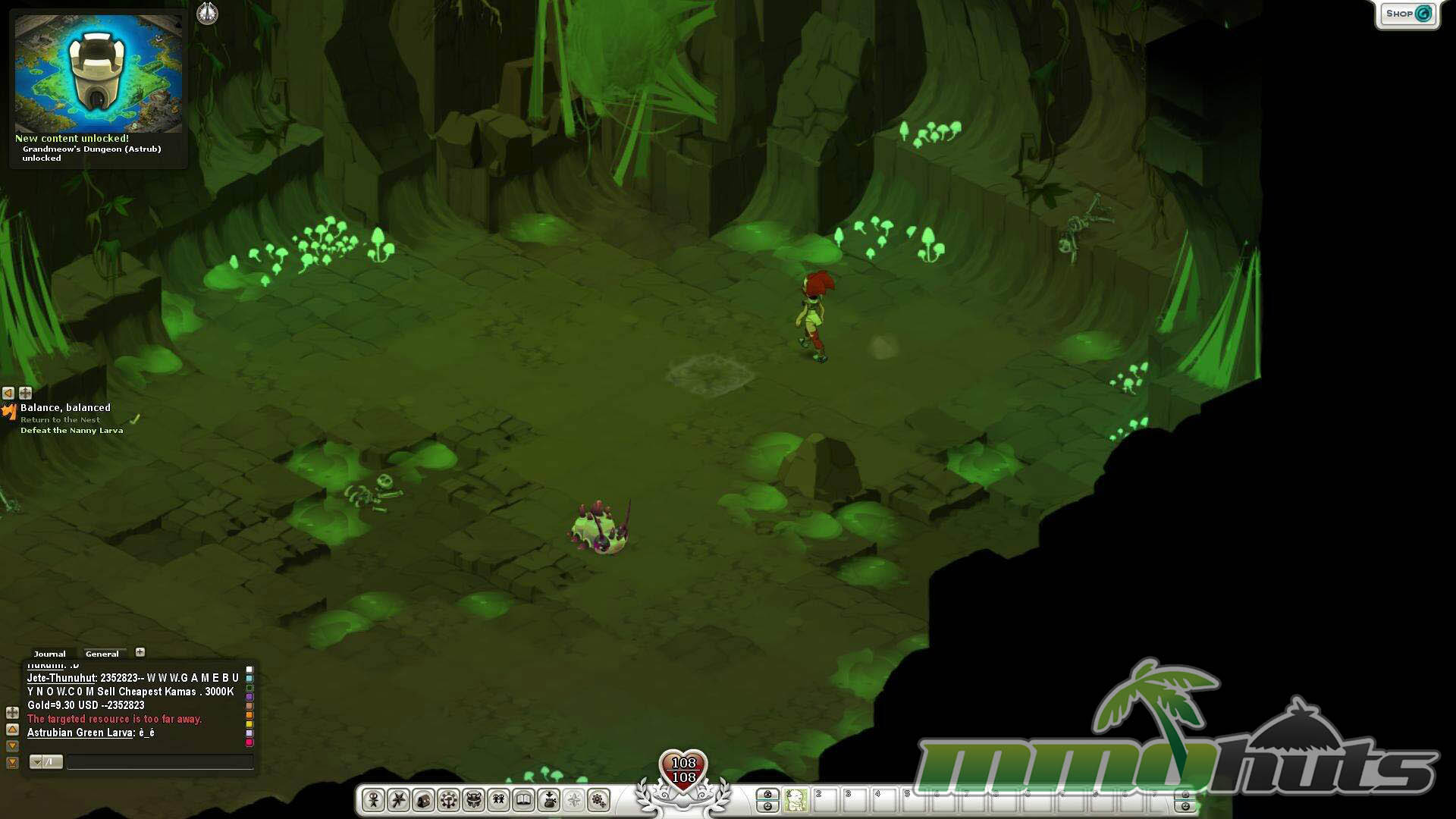
Wakfu’s art direction is one of its strongest assets. The isometric perspective, exaggerated character silhouettes, and bright zones give the world a playful identity that stands out from more serious fantasy MMOs. Monsters in particular are designed to be memorable, sometimes goofy, sometimes oddly intimidating, and often both at once.
If you zoom in too far, the illusion can weaken, textures and models show their age and the crisp cartoon look becomes softer and less detailed. The game generally looks best at a comfortable, pulled-back tactical distance, which aligns with how you want to play anyway.
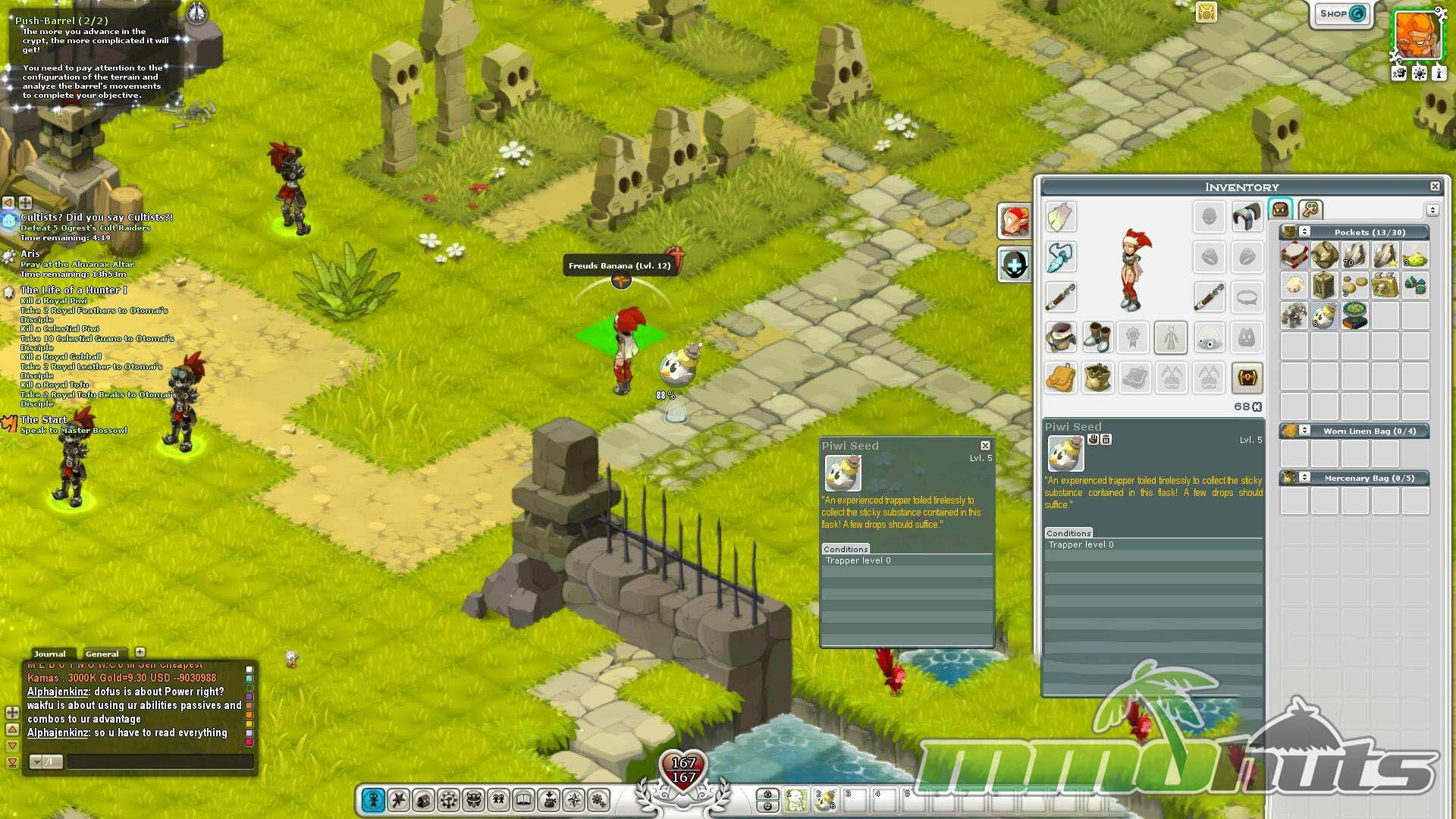
The interface is functional but busy. Text and icons can feel small on modern displays, and important elements are easy to overlook until you have spent time learning where everything lives. There are options to adjust font size, but the overall layout still asks for a bit more patience than many newer MMOs.
An Ecosystem That Depends On Players
The “living world” concept is not just marketing here. Wakfu ties gathering to ecology, many resources do not simply respawn on a timer, they require players to plant, cultivate, and manage them. That creates a sense of responsibility and, occasionally, conflict. If an area is over-harvested, it can genuinely feel depleted until players invest time restoring it.
Weather adds another layer, certain actions are more efficient in the right conditions, which makes gathering feel less like a static routine and more like planning around the world’s state. The system can be rewarding if you like professions and world-building, but it also means progress can slow if you are impatient or playing at odd hours when zones are neglected.
Gathering is streamlined in a convenient way, you can start mining or collecting without dedicating inventory space to tools, and your character simply uses the appropriate equipment automatically. Professions feed into crafting, which requires broader resource variety and tends to reward players who specialize early, even though you can eventually learn multiple crafts.
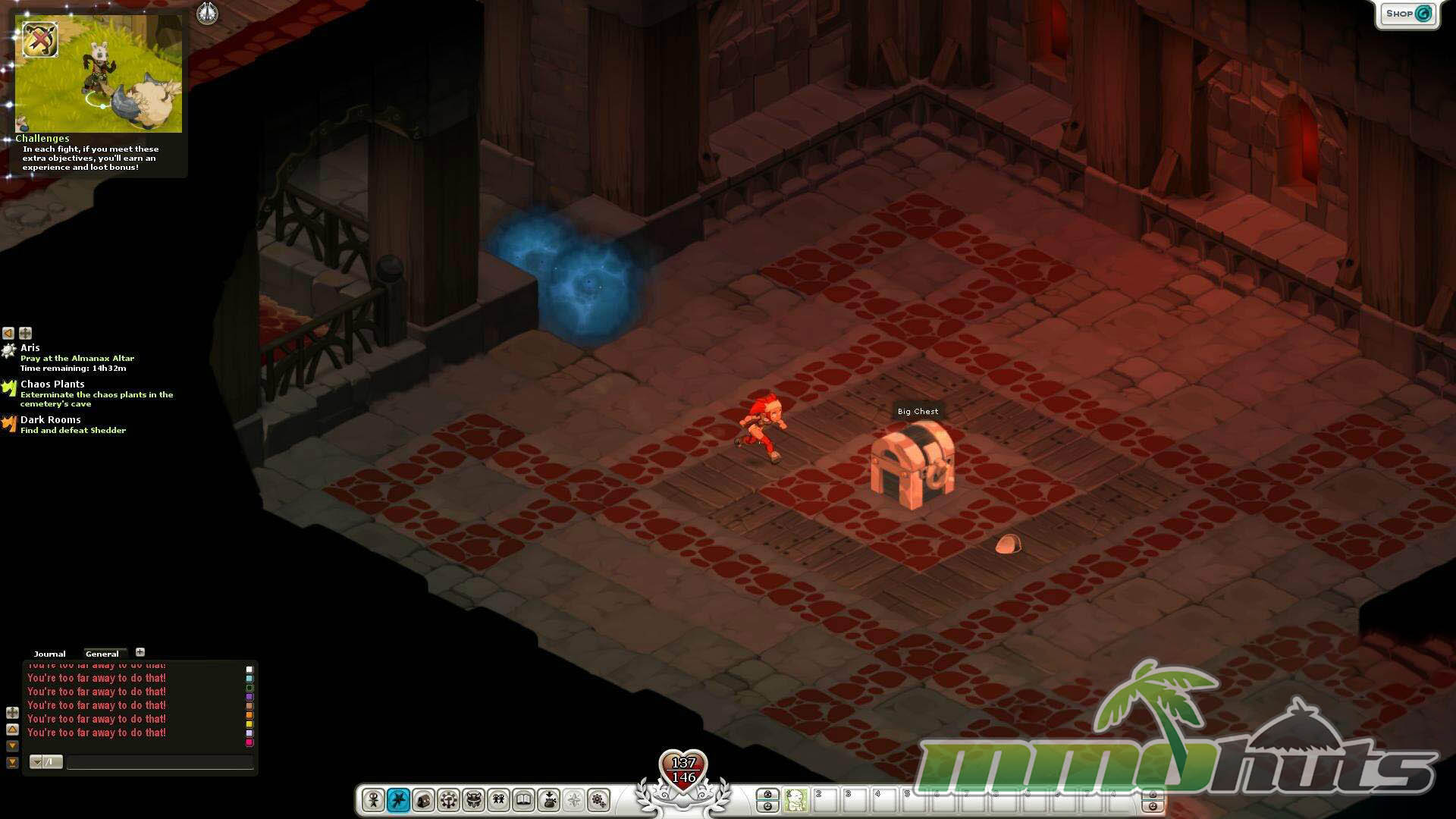
Wakfu also spices up harvesting with occasional interruptions that feel like mini-events. Instead of mindlessly clicking nodes, you can be pulled into special encounters that test mechanics and, if completed successfully, pay out a larger bundle of the resource you were working on. It is a small touch, but it helps professions feel less automated.
Nation Systems And PvP Pressure
At level 15, Wakfu introduces its nation allegiance choice, and this is where the game starts to feel more socially driven. You join one of four Nations and become part of a political structure with laws, taxes, and leadership roles. Governors are players, and elections happen every two weeks, which keeps power from stagnating but can also make policies swing depending on who is active.
Because certain monsters and resources are tied more strongly to specific regions, nation identity matters beyond roleplay. The game also does not wall PvP off into a separate environment, conflict is part of the shared world, and that makes the political layer feel consequential rather than decorative.
One of the most distinctive outcomes is how ecological systems become strategic targets. Damaging another nation’s resources can be an effective form of harassment or warfare, and defending your own ecosystem becomes a community issue rather than a personal one. It is a bold design choice, and it encourages communication in a way many MMORPG systems fail to achieve.
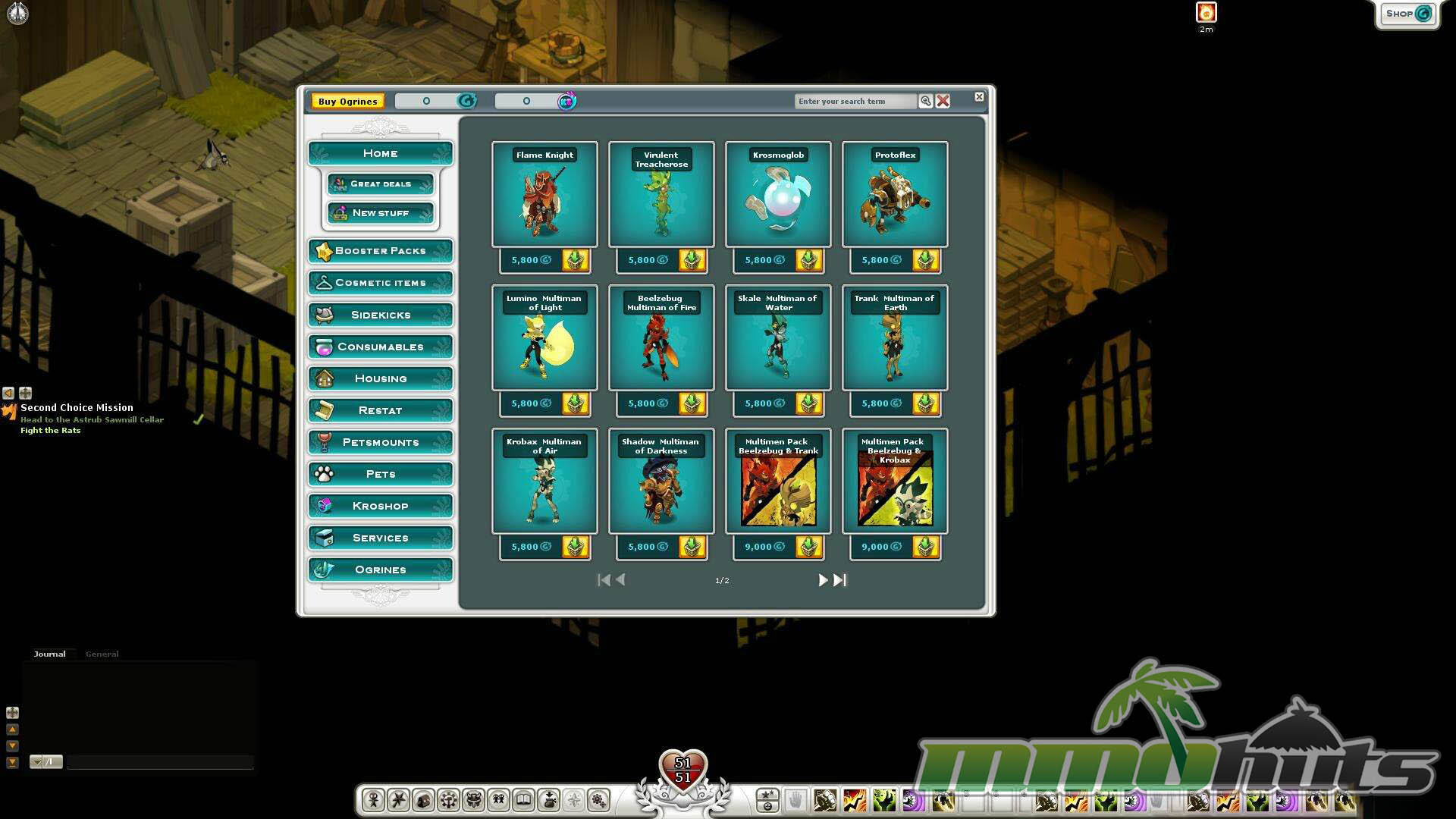
Cash Shop
Wakfu’s shop offers a broad catalogue, cosmetics, sidekicks, housing items, mounts, and pets, purchased with Ogrines. Pricing starts at $2.50 for 1,000 Ogrines, which mostly covers small cosmetics or minor extras, while larger purchases such as sidekicks sit around 5,000 Ogrines. The store is noticeable, but the items generally read as convenience and personalization rather than direct power, which keeps the core progression from feeling invalidated.
Final Verdict – Great
Wakfu is best understood as a tactical RPG that happens to be an MMO. Its turn-based, grid-focused battles are a genuine alternative to the action-heavy direction of most modern online games, and its class kits reward experimentation and planning. The world systems, especially ecology and nation politics, are unusually ambitious and can create memorable player-driven moments.
It is not flawless. Leveling can lean grindy, the camera and environment readability can get in the way during fights, and the English localization is uneven in spots. Still, for players who want a thoughtful combat loop and a world that reacts to what the community does, Wakfu remains a distinctive entry in the genre.
Wakfu Links
Wakfu Official Site
Wakfu Steam Store
Wakfu Wikipedia
Wakfu Wikia [Database/Guides]
Wakfu Neoseeker Wiki [Database/Guides]
Wakfu Reddit
Wakfu Requirements
Minimum Requirements:
Operating System: Windows XP SP3 or higher
CPU: Pentium IV 2.8 GHz or equivalent
RAM: 1 GB RAM
Video Card: GeForce 4Ti or equivalent
Hard Disk Space: 1500 MB available space
Recommended Requirements:
Operating System: Windows XP SP3 or higher
CPU: Intel Core 2 Duo or equivalent
RAM: 2 GB RAM
Video Card: GeForce 6 series or equivalent
Hard Disk Space: 2 GB available space
Wakfu is Linux and Mac OS X compatible.
Wakfu Music
Wakfu Additional Information
Developer(s): Ankama Games
Publisher(s): Ankama Games, Square Enix (NA—Until 03/01/13)
Game Designer(s): Azael
Producer(s): Azael
Game Engine: JAVA
Other Platforms: Linux, Mac OS X, WIndows
Free-to-Play Date: July 24, 2014
Closed Beta (NA): March 17, 2012
Open Beta (NA): April 01, 2012
Release Date: February 29, 2012
Development History / Background:
Wakfu was created by French developer Ankama Games as the successor to the 2004 MMORPG Dofus. The game officially launched on February 29, 2012. In North America, Square Enix served as publisher until March 1, 2013, after which Ankama Games took over publishing responsibilities for the region. Ankama Animation also produced a French-language animated series based on the universe, which began airing on October 30, 2008, with new episodes continuing on France 3 through June 2010. Wakfu later shifted from a subscription model to free-to-play on July 24, 2014. Ankama Games is also developing a mobile title set in the same universe, Wakfu Raiders, planned for mobile devices and tablets.