
Arcane Legends is a free-to-play fantasy MMORPG built for mobile first (with PC and Mac support as well), blending bright, cartoony visuals with fast, tap-friendly hack-and-slash combat, large instanced zones, collectible pets, and quick co-op sessions that fit well into short play windows.
 | Publisher: Spacetime Games Playerbase: High Type: Mobile MMORPG Release Date: November 27, 2012 Pros: +Responsive, action-leaning combat. +Enjoyable pet collecting and bonuses. +A huge amount of gear to chase. Cons: -Premium spending can translate into advantages. -Hits can feel a bit weightless. |


Arcane Legends Overview
Arcane Legends is a 3D, semi-open world MMORPG from Spacetime Games, the studio behind Pocket Legends, Dark Legends, and Star Legends. It drops you into a colorful fantasy setting packed with monsters, hubs full of other players, and a steady stream of quest-driven zones. You can play alone or group with up to three other adventurers, then cut through sprawling maps that are designed to be cleared in bite-sized runs or longer sessions if you feel like chaining objectives together. At the start you pick one of three classes (Warrior, Rogue, or Sorcerer), then build your character through stats, skills, and a constant flow of equipment upgrades.
A big part of the game’s identity is the companion system. Pets are not just cosmetic, they fight, provide bonuses, and can be trained alongside your progression. Between PvE questing, co-op dungeon-style instances, and real-time PvP, Arcane Legends aims to deliver a full MMORPG loop in a format that works well on a touchscreen.
Arcane Legends Key Features:
- Large Persistent World – world is semi-open with many different maps to explore.
- Hack-and-Slash Action Combat – with PvE solo, co-op, or PvP battle.
- Three Different Classes – Warrior, Rogue, Sorcerer.
- Pet System – lots of pets to collect and train that fight by your side.
- Thousands of Players – interact with online in a persistent world.
- Item and Weapon Variety – over a thousand different weapons, armors, and items to discover
- Mounts – lots of mounts to travel on across the maps
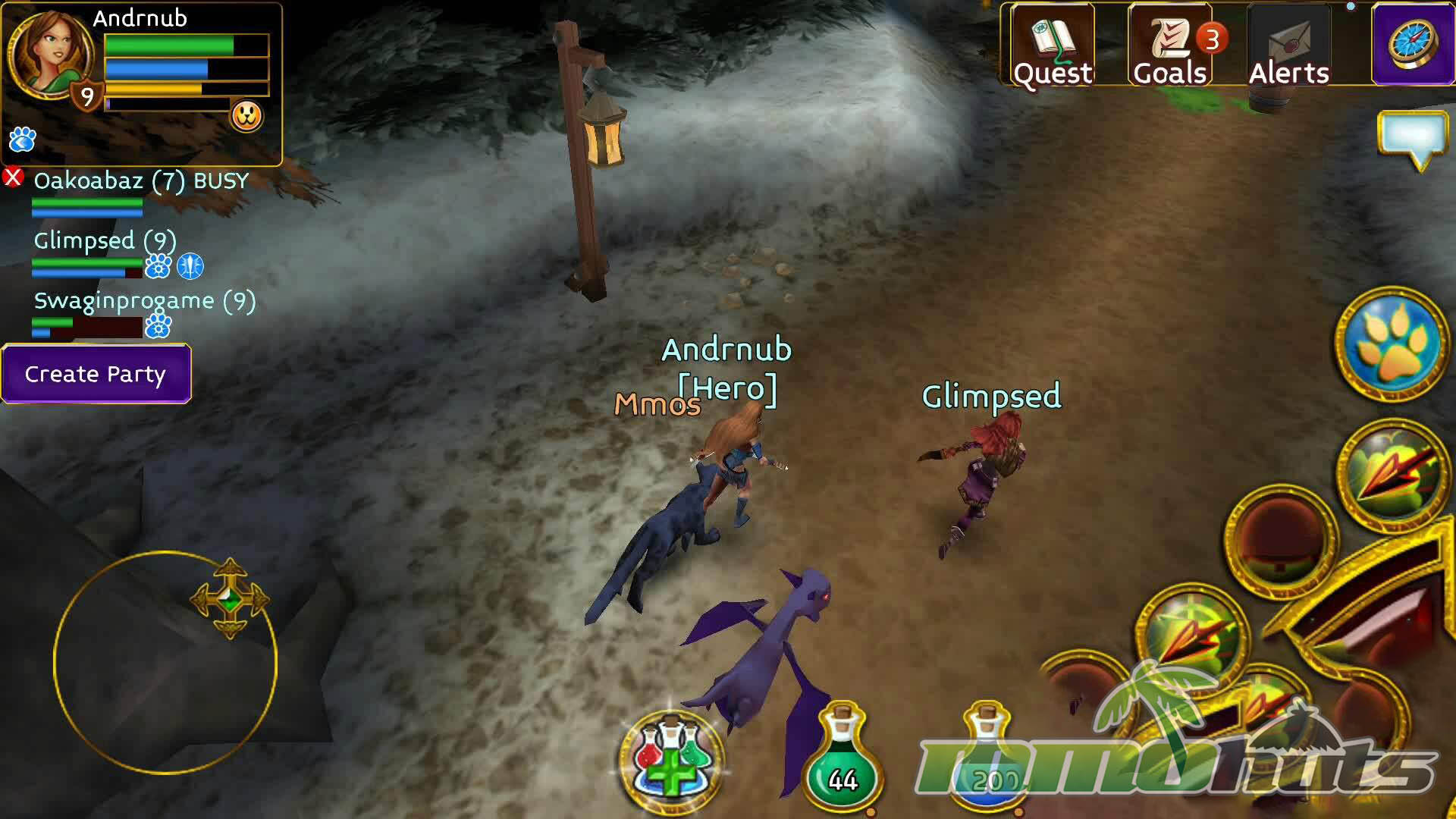
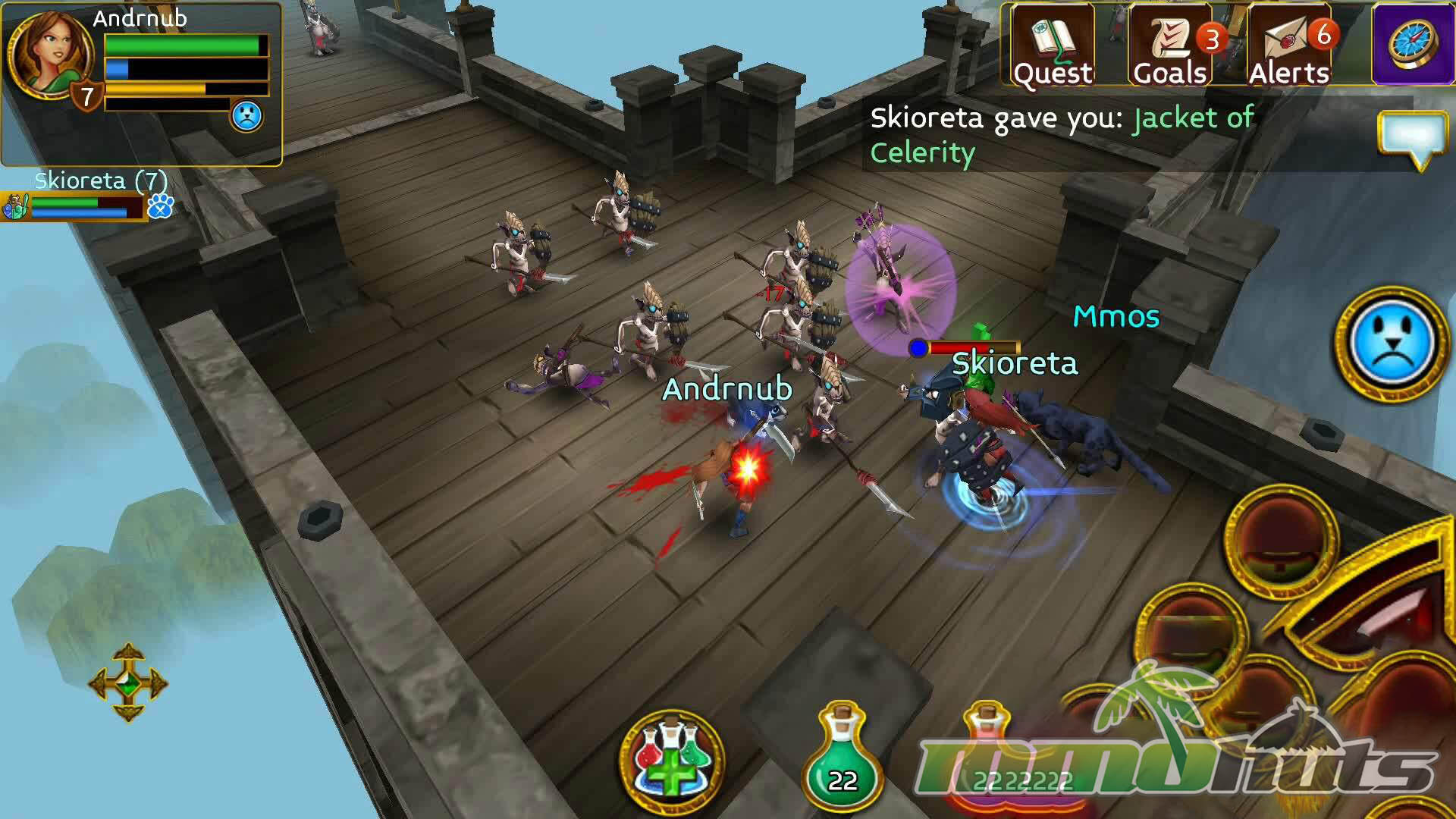
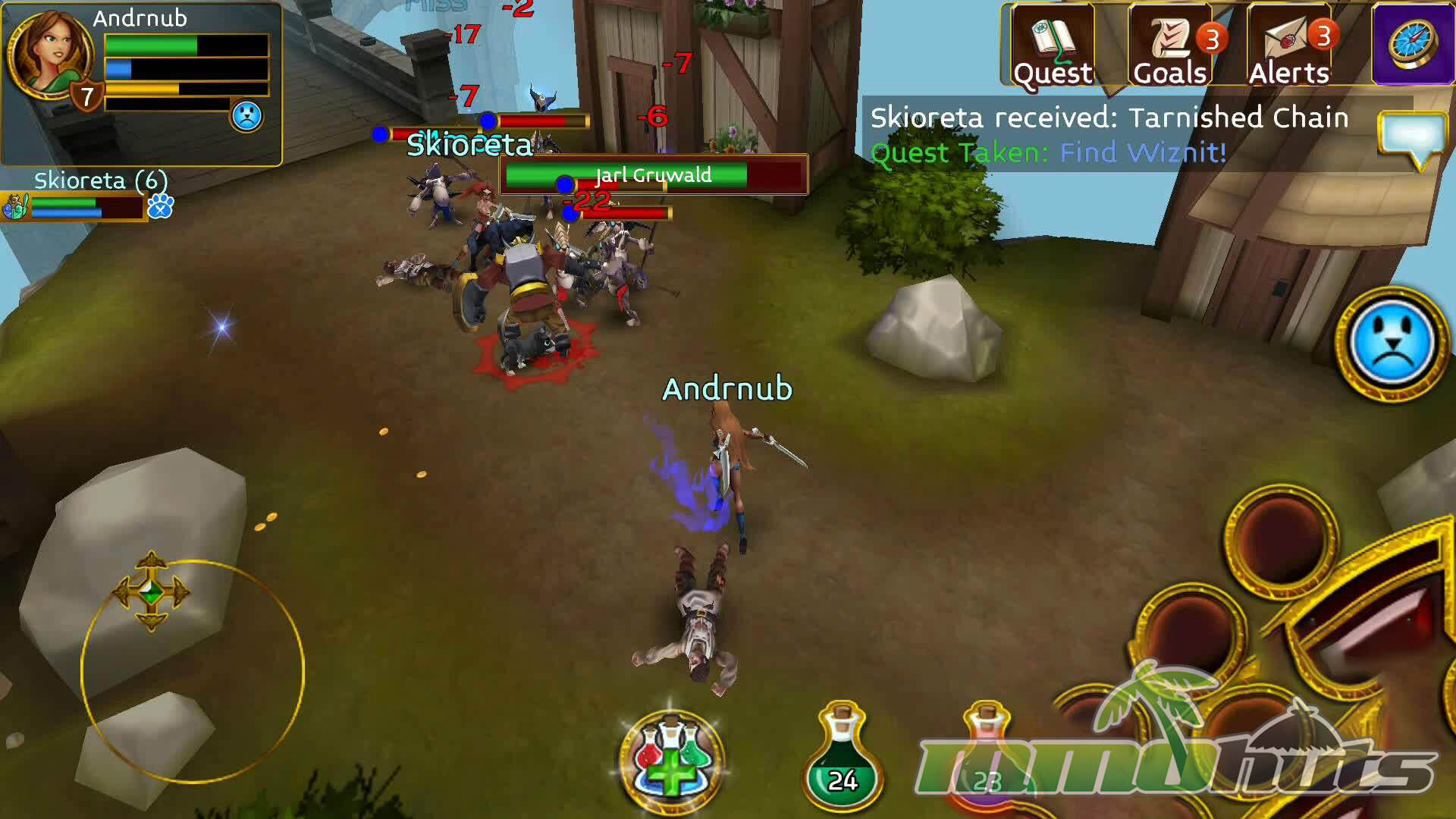
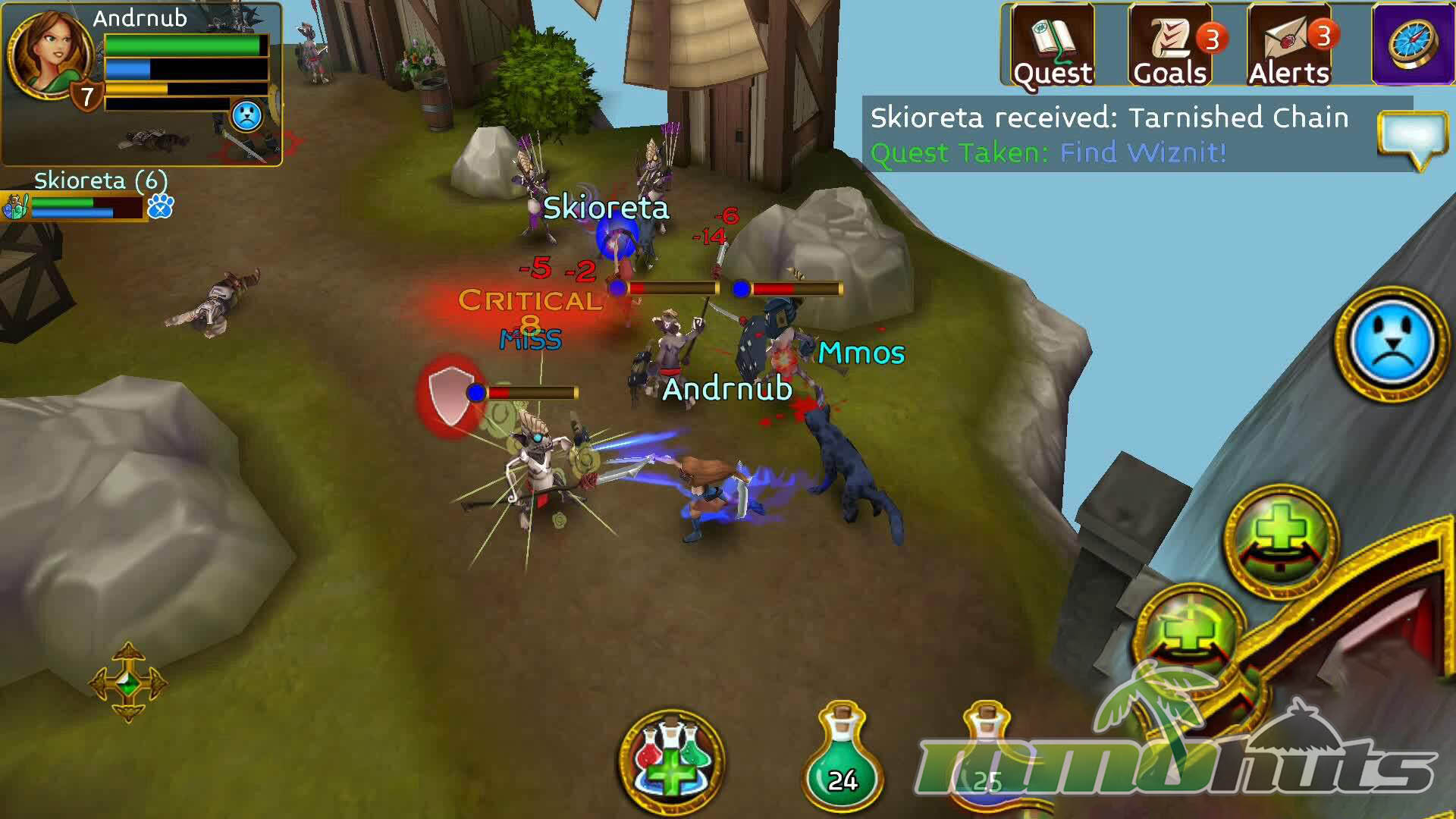
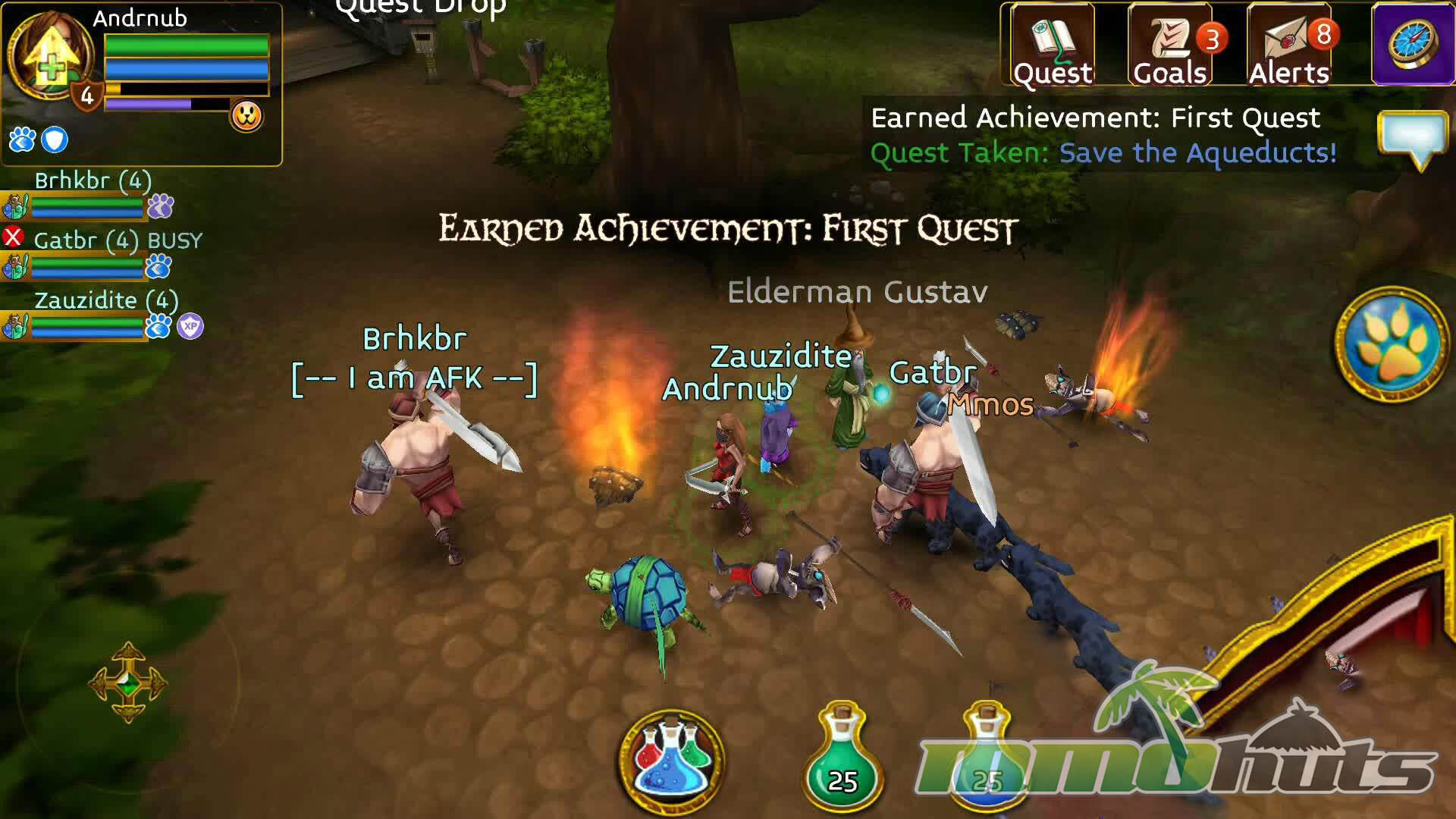
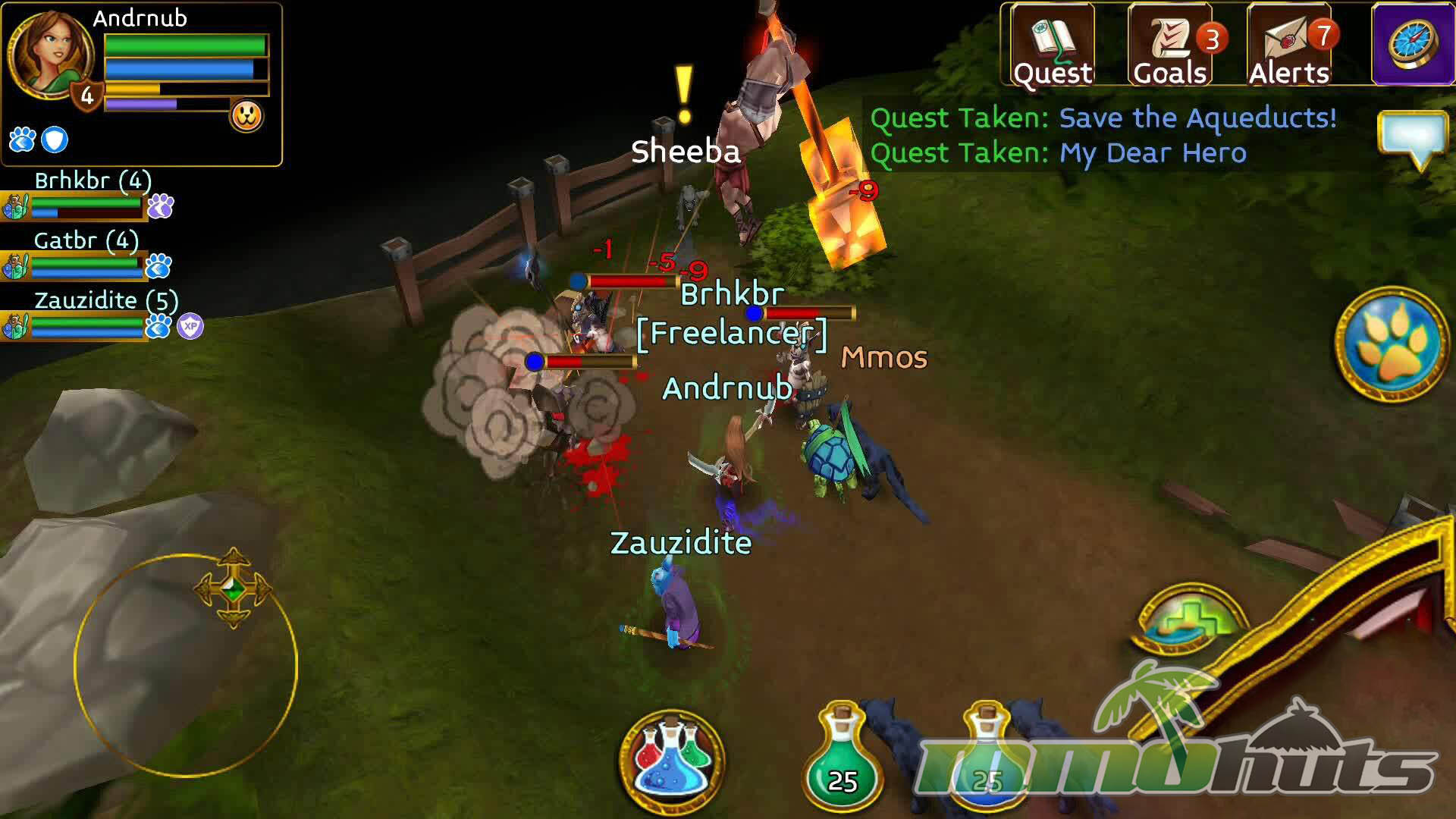
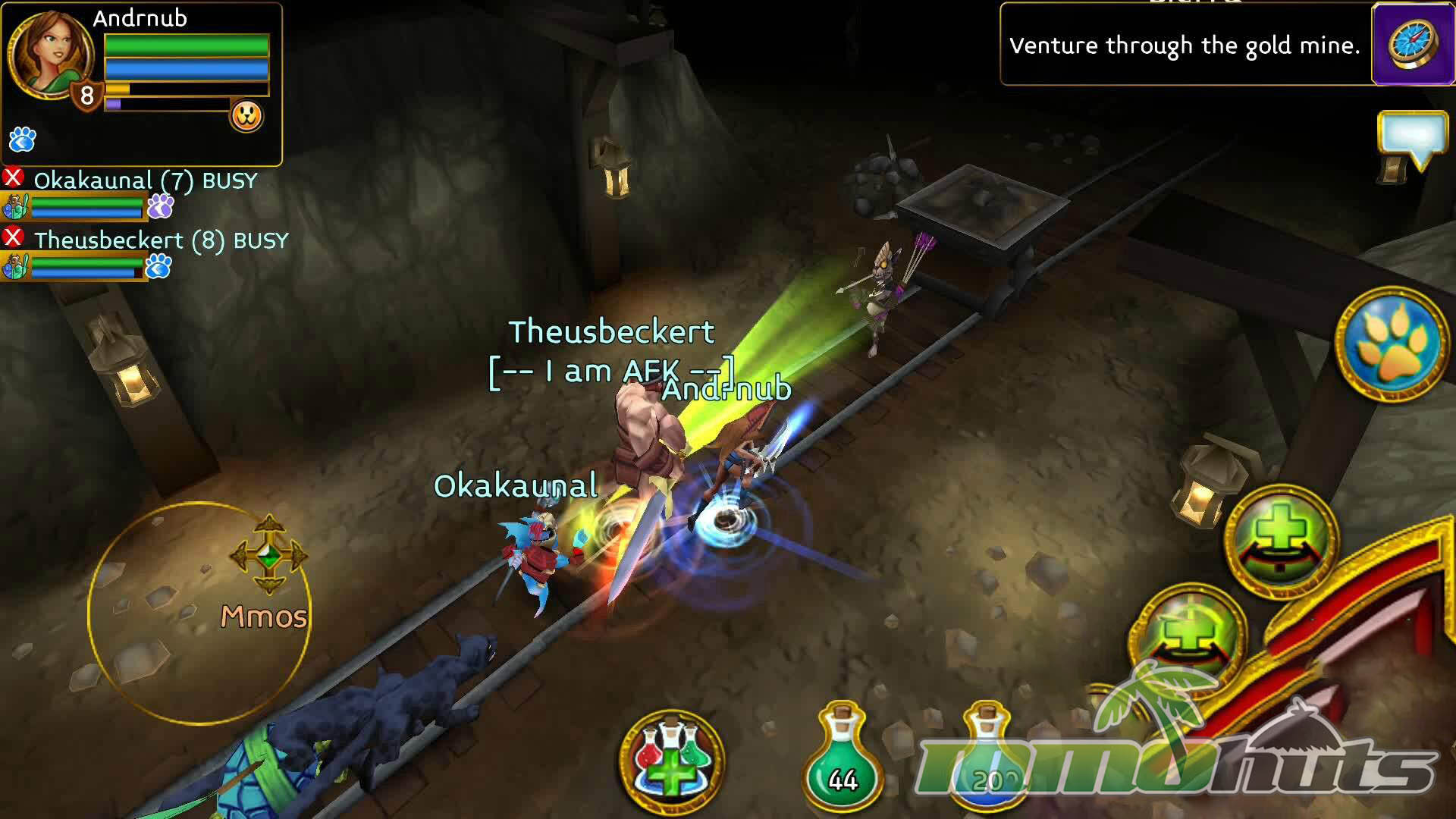
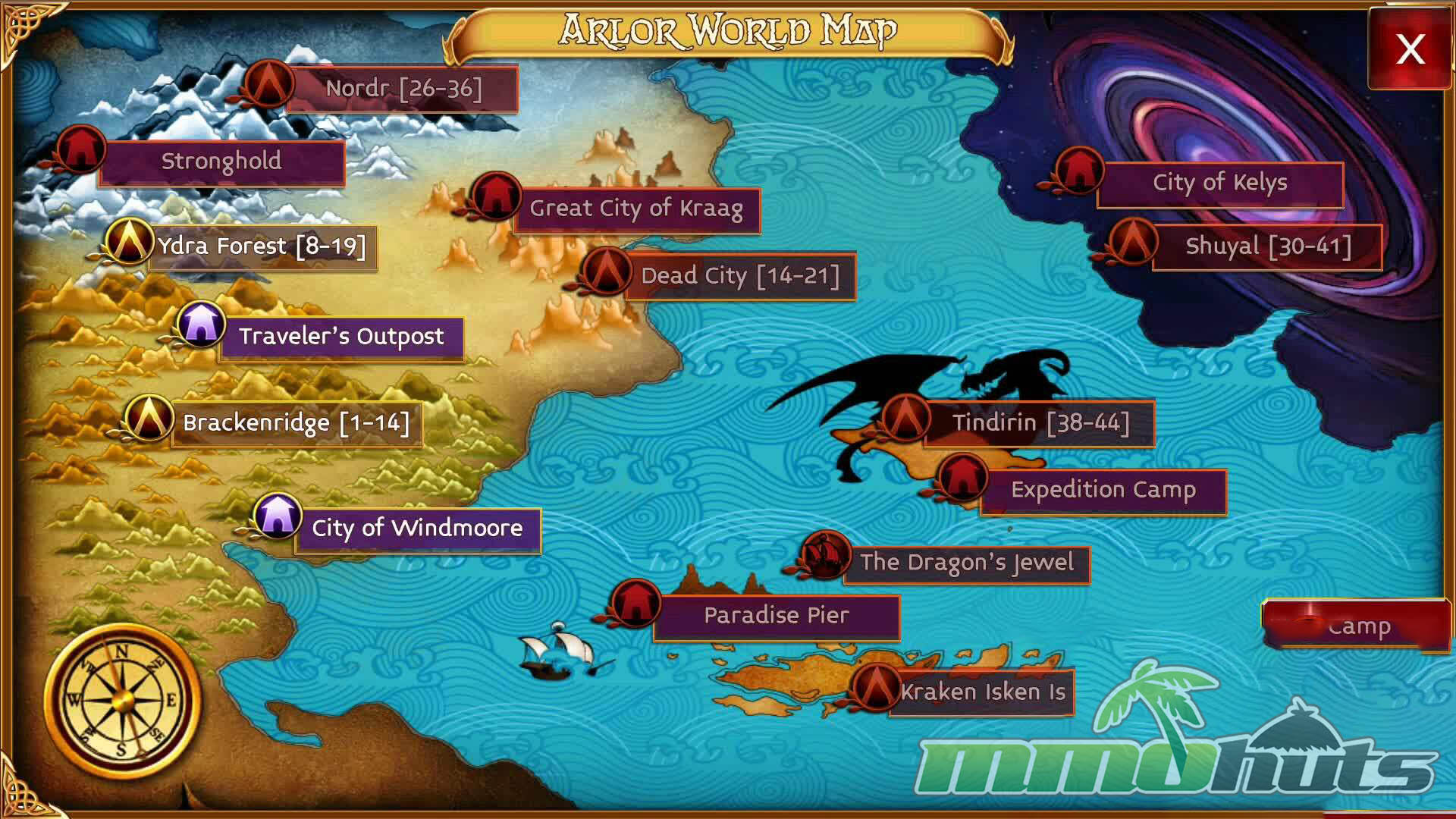
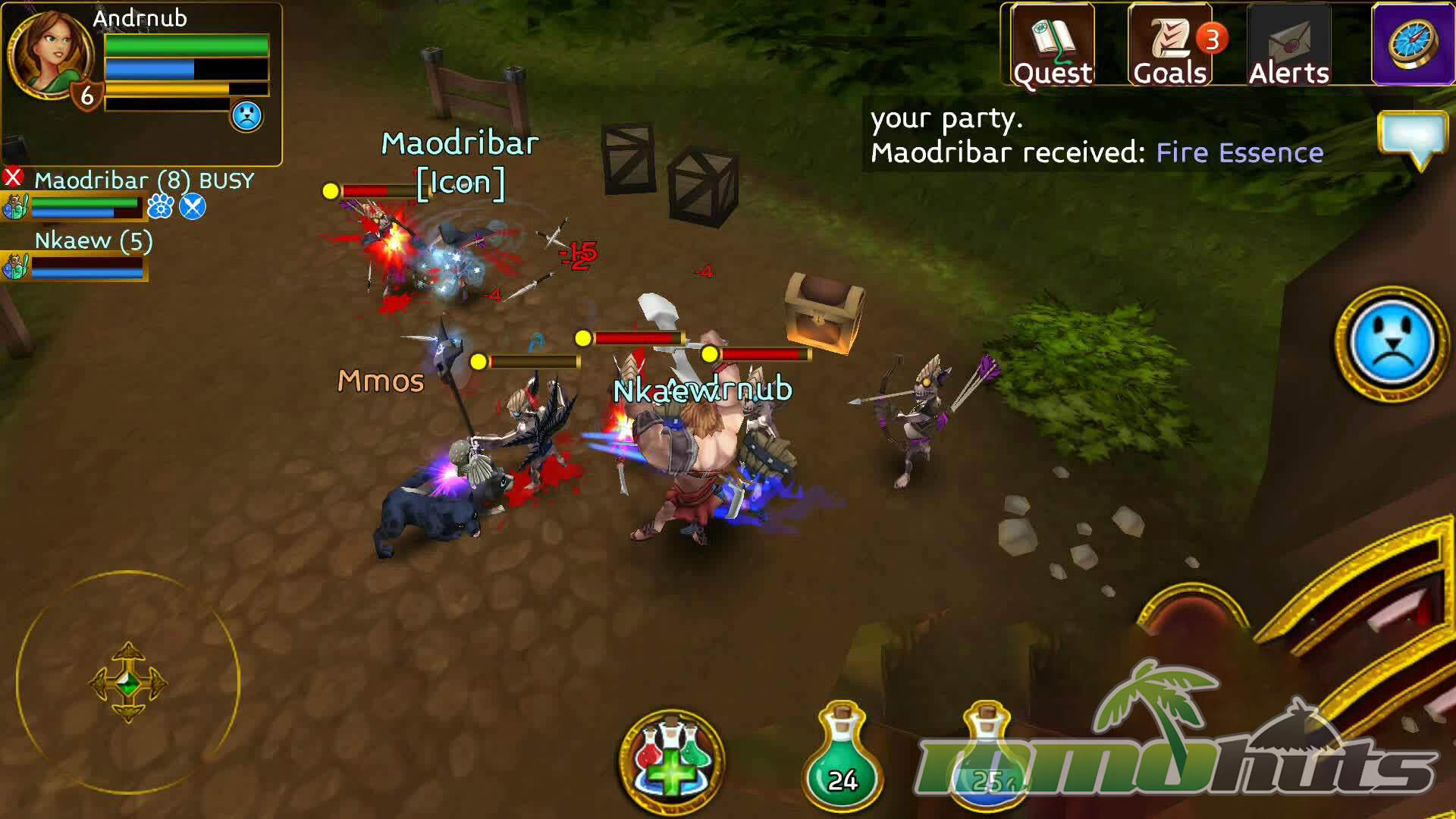
Arcane Legends Screenshots


Arcane Legends Featured Video

Arcane Legends Review
Arcane Legends is a free-to-play 3D MMORPG developed and published by Spacetime Games. If you have played Pocket Legends, Star Legends, or Dark Legends, the overall structure will feel familiar, but Arcane Legends leans harder into classic fantasy and tries to give your questing a clearer narrative thread. Originally released on November 27, 2012, it supports cross-platform play across Android, iOS, PC, and Mac, which helps keep matchmaking and towns feeling busy. It is also one of the better-known mobile MMORPGs, with over 10 million downloads on Google Play, and that popularity shows in how quickly you can find other players in social spaces.
What stands out most is how the game compresses the MMORPG routine into fast loops, grab quests in town, enter an instance, clear objectives, collect loot, repeat, while still letting you party up for co-op runs or dip into PvP when you want a change of pace.
Classes and Character Creation
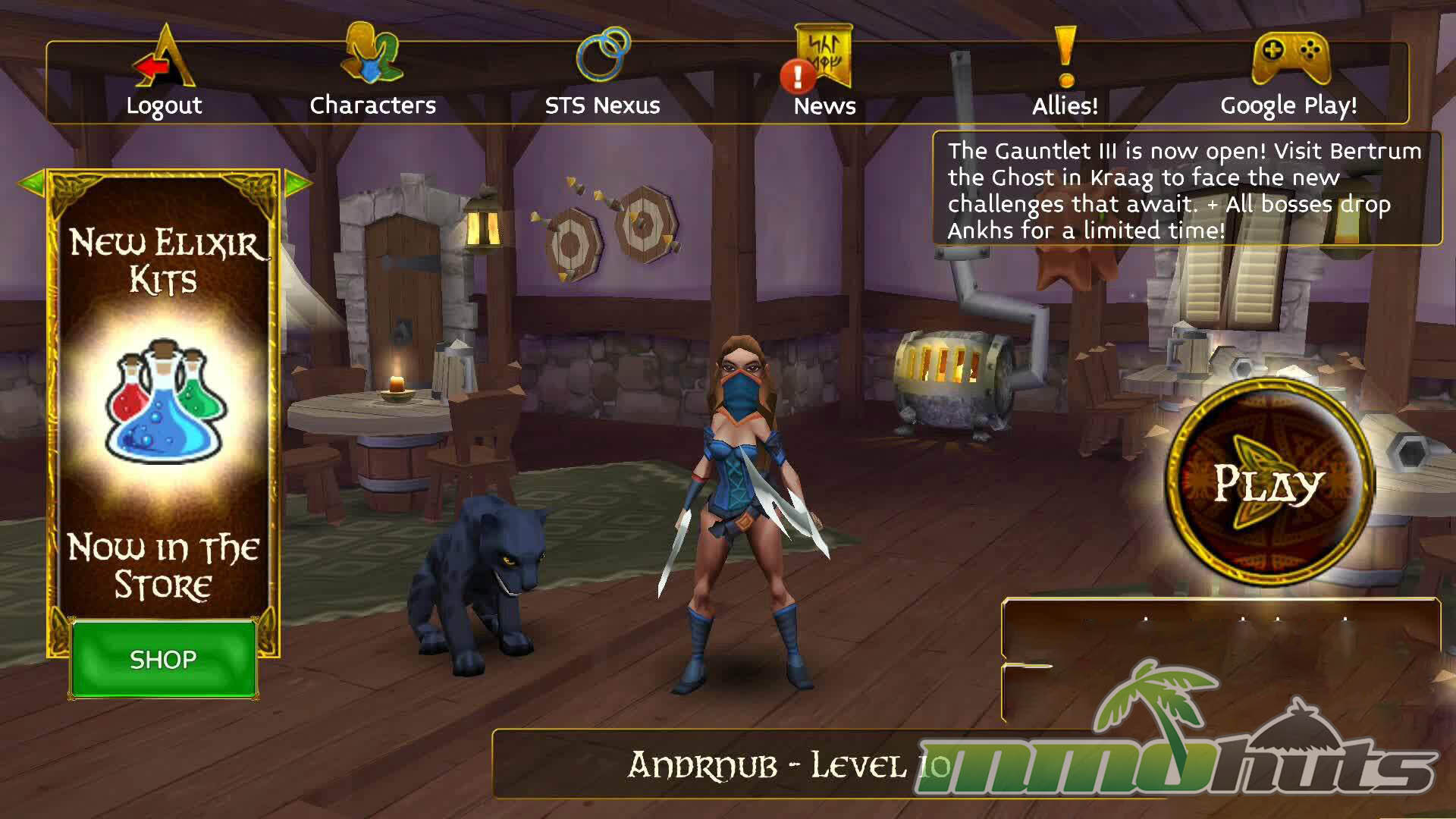
Your first decision is one of three archetypes. Warrior is built to soak damage and control groups with area skills, Rogue focuses on burst damage and flexible weapon choices, and Sorcerer delivers the biggest numbers at the cost of survivability. The class kits feel distinct enough that the game supports multiple characters well, especially if you like swapping between tankier and glass-cannon playstyles.
Character customization is fairly light. Classes are locked to specific gender and race presentations (Warrior is a human male, Rogue is a human female, and Sorcerer is a small blue male creature), so you are mostly choosing minor appearance tweaks like face and hair options rather than building a fully custom avatar. It is functional for a mobile MMO, but players who prioritize deep character creation will notice the limits quickly.
The World of Arcane Legends
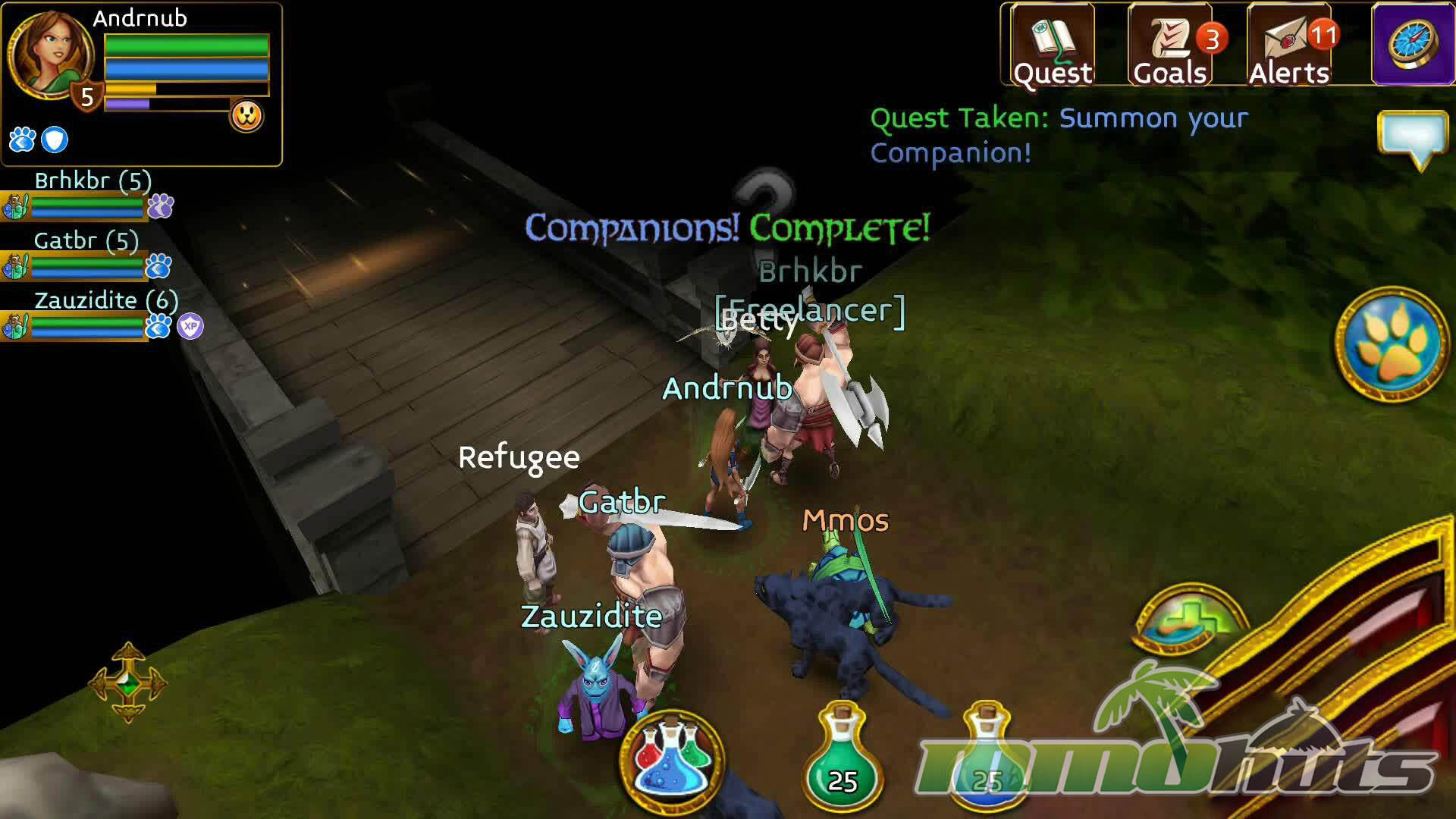
Arcane Legends uses a hybrid approach to its world design. Social areas such as towns, camps, and strongholds act as persistent hubs where players gather, trade, and pick up quests. These spaces are typically lively and unlock as you progress, giving the game a sense of forward momentum as you discover new staging points.
Combat zones, on the other hand, are instanced in a way that resembles Guild Wars. When you enter a map, you are placed with other players who are also running that same area, and each instance supports up to four players. In practice, this makes casual co-op easy, you can jump in and almost immediately have help without needing to assemble a party in advance. The downsides are mostly around scaling and coordination. Enemy difficulty can be influenced by who enters first, and because the group cap is small, a single player declining invites can reduce how smooth the run feels. Even with those quirks, the overall design keeps content moving and avoids the downtime that can plague slower-paced mobile MMOs.
Visually, the game goes for bright, exaggerated fantasy. The cartoony style is readable on small screens and still holds up well, with zones that vary in theme so the quest grind does not feel like you are clearing the same hallway endlessly.
Action Combat and Skills
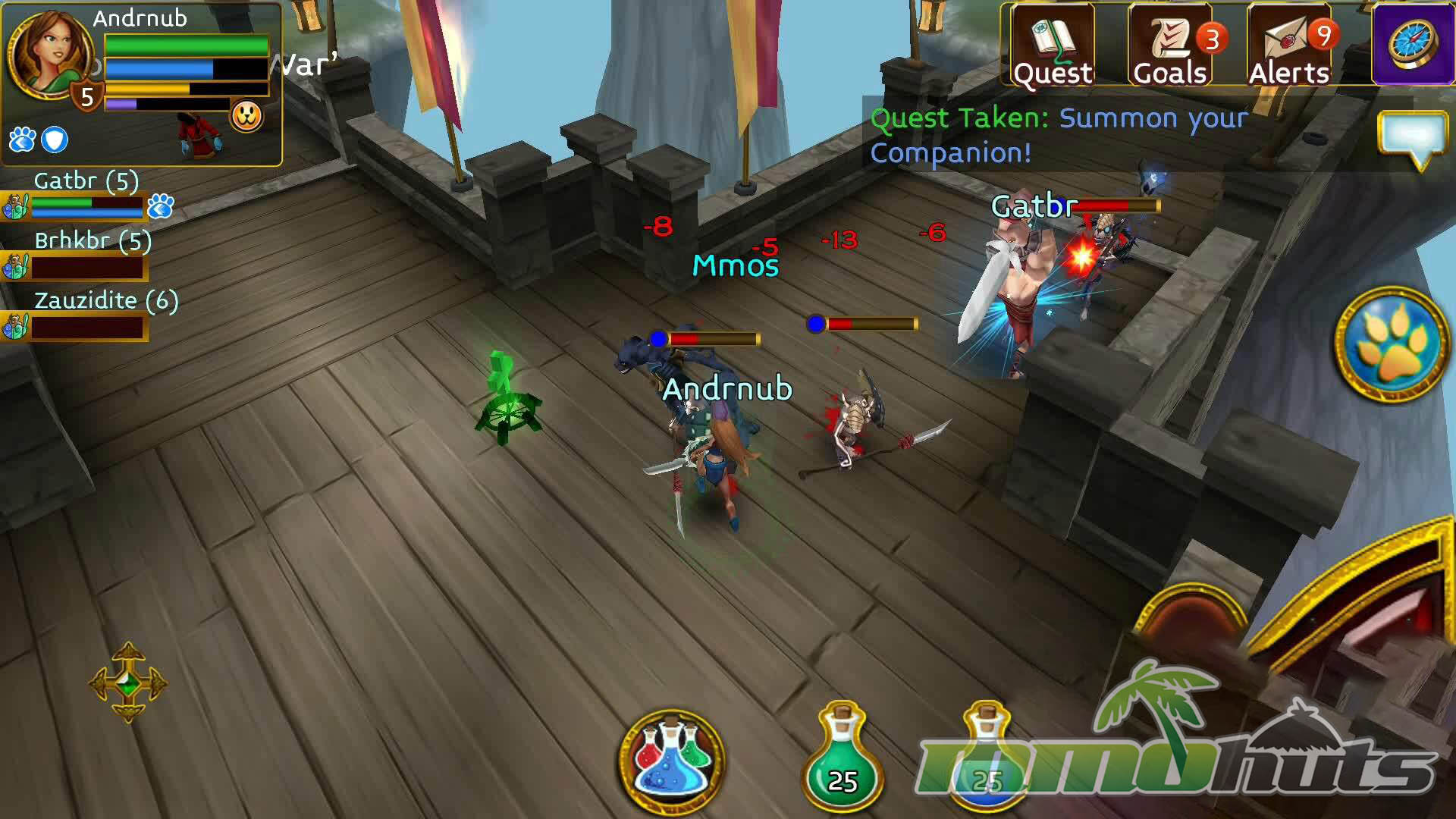
Combat is built for touch controls and quick decision-making. Movement is handled through a virtual joystick, while the camera sits in a fixed isometric view that keeps enemies and effects easy to track. Attacking is mapped to a single button, tap for a basic strike, hold and release for a stronger action, which keeps moment-to-moment play simple while still leaving room for skill timing and positioning.
Progression comes from both gear and character building. Each class invests points into strength, dexterity, or intelligence when leveling, and you also unlock and improve a set of active skills (plus passives). Skills can be upgraded further through multiple enhancement choices, such as improving damage, expanding area coverage, or adding secondary effects. This system does a good job of letting two players on the same class feel slightly different, especially early on when you are deciding which tools to specialize in.
Where combat can fall short is in feedback. Hits do not always feel as if they connect, because enemies rarely react with knockback or strong hit-stun cues. Much of the confirmation comes from floating damage numbers and shrinking health bars rather than satisfying animations or sound impact. Since you can move through enemies and continue attacking while repositioning, fights can sometimes devolve into circling packs and repeatedly tapping, which is effective but not always tactile.
Questing and Loot
The game’s content flow is heavily quest-driven. You typically pick up objectives in town or at the entrance to a zone, then push through the instance completing tasks such as collecting drops, defeating specific monster types, or locating an NPC somewhere in the map. Arcane Legends does include bits of story through dialogue and occasional cutscene-style moments, enough to give your errands context even if the main draw is still the action loop.
Navigation can be a little unclear at times. Without strong guidance tools, certain objectives can take longer than expected simply because an NPC is tucked away or an item is easy to miss. The upside is that grouping does not usually interfere with progress, you can run with random players and still advance quests without awkward conflicts.
Loot is the big motivator, and the game leans into it confidently. With over 1,000 weapons, armor pieces, and items, upgrades drop frequently enough to keep leveling satisfying. Many items come in different stat rolls and visual variations, so two pieces with the same base identity may not be equally valuable. The overall feel is closer to Diablo-style loot chasing than a traditional slow-burn MMO, and that is a major reason the game remains easy to recommend for players who enjoy constant gear turnover.
Companions: Pets That Matter
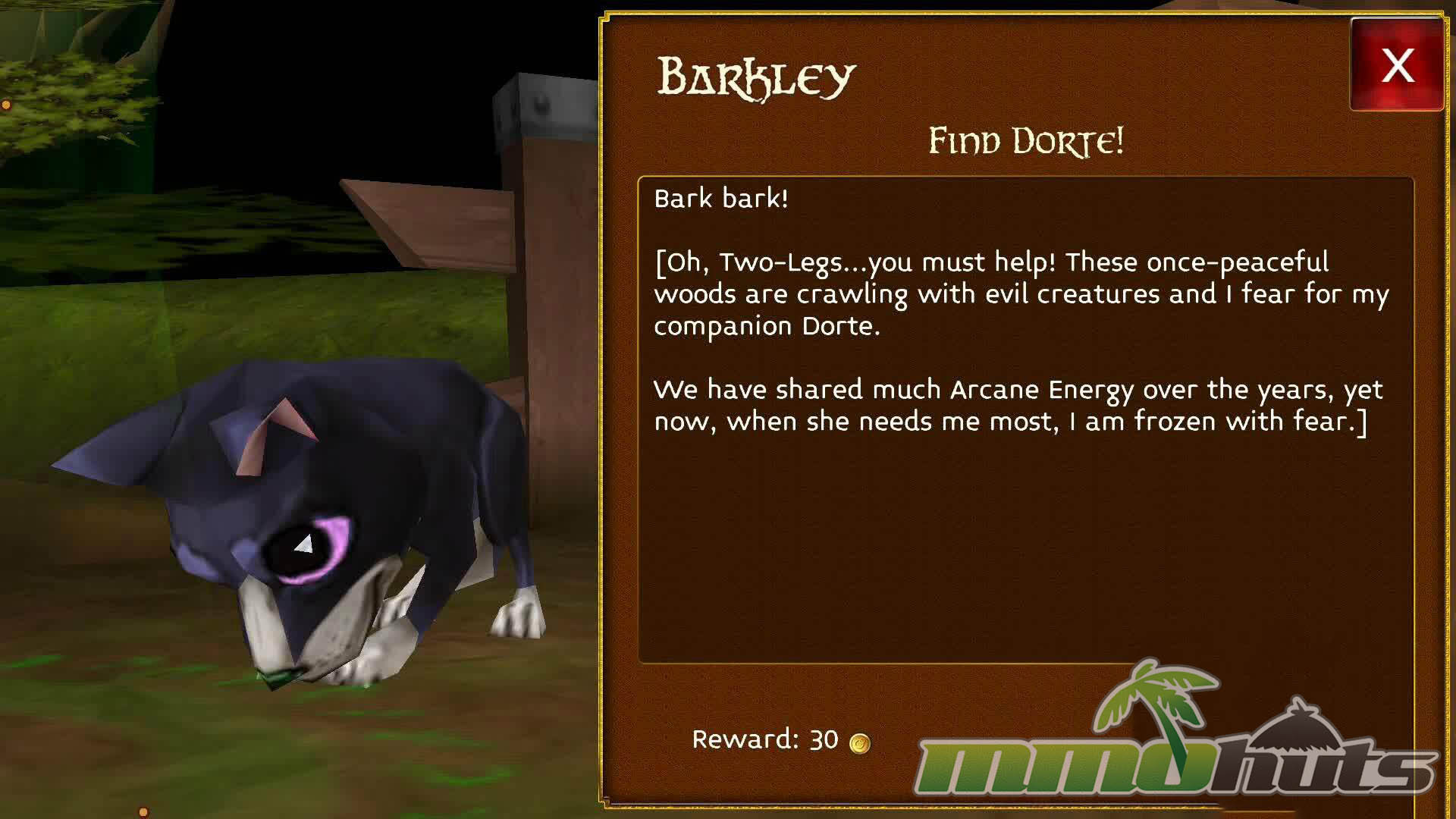
The companion system is one of Arcane Legends’ most distinctive features. Early on you choose a starter pet (wolf, panther, or turtle), each providing different bonuses, and from there the collection expands dramatically. There are just under a hundred pets available through quests, gold purchases, and Platinum, and they range from cute fantasy critters to more outlandish picks like dinosaurs.
Pets are not passive trinkets, they participate in combat and contribute stat boosts that can meaningfully affect your build. There is also a maintenance element: to keep a companion effective, you need to look after it by feeding it (using gold) and interacting with it so it can use its abilities. For collectors, this becomes a long-term progression layer that runs parallel to gear hunting.
Cash Shop/In-App Purchases (IAP)
Arcane Legends uses Platinum as its premium currency, and the store focuses on a mix of convenience, power-adjacent items, and cosmetics. You can buy temporary experience and stat boosts, vanity outfits, potions (which are also obtainable with gold), and special equipment sets. The paid boosts can speed up progression and make your character feel stronger earlier, which is where the pay-to-win concerns come from, even if the game does not hard-wall free players from content.
On the more reasonable side, many strong items are level-locked and comparable alternatives can be crafted through regular play, which helps keep the economy from feeling completely dominated by purchases. Platinum can also be earned in limited ways through leveling, events, and offer-style rewards, so non-spenders are not entirely excluded, but players sensitive to monetization advantages should expect to notice them.
Final Verdict – Great
Arcane Legends made a strong impression on mobile MMORPG fans when it launched in November 2012, and it still works well today as a lightweight, co-op friendly MMO you can play in short bursts. Its visuals remain clear and charming, the pet system adds personality and meaningful bonuses, and the sheer volume of loot keeps the treadmill engaging. Combat feedback could be more satisfying, and the shop can provide real advantages, but for players looking for a fast, approachable fantasy MMO on phone or desktop, Arcane Legends continues to be one of the better-known options in the genre.
Arcane Legends Links
Arcane Legends Official Site
Arcane Legends Wikia (Database / Guides)
Arcane Legends iOS
Arcane Legends Google Play
Arcane Legends System Requirements
Minimum Requirements:
Operating System: Android 2.3 or later, iOS 5.0 or later
Arcane Legends is also available on PC through the Google Chrome App Store as a browser-based MMORPG.
Arcane Legends Music & Soundtrack
Coming Soon…
Arcane Legends Additional Information
Developer: Spacetime Games
Publisher: Spacetime Games
Platforms: Android, iOS, PC, Mac
Release Date: November 27, 2012
Arcane Legends was developed and published by Spacetime Games (also known as Spacetime Studios), a development team based in Austin, Texas. The studio is best recognized for its mobile-focused “Legends” MMORPG lineup, including Pocket Legends, Star Legends, and Dark Legends, each of which surpassed one million downloads on Google Play. Arcane Legends is the most successful entry in that family, with over 10 million downloads on Google Play. In January 2015, Spacetime Studios stated it would stop updating Pocket Legends, Star Legends, and Dark Legends, shifting attention toward Arcane Legends and future projects.