Shaiya is a 3D fantasy MMORPG built around a permanent faction war. From the start you pledge yourself to either the Alliance of Light or the Union of Fury, then level through familiar quest hubs and monster grinding while the opposing side fights for the same territory. Each faction fields its own races and class options, with race-based restrictions shaping what roles are available on each side.
 | Publisher: Fawkes Games Playerbase: Low Type: MMORPG Release Date: December 24, 2007 PvP: Duels & Faction Battles Pros: +Standout “Ultimate Mode” with real stakes. +A solid spread of classic MMO roles. +Faction-wide buffs via the Blessing of the Goddess system. Cons: -Aging graphics and UI. -Old-school quest-and-grind loop with few surprises. -Cash shop can reduce risk and tilt balance. |

Shaiya Overview
Shaiya drops you into an ongoing struggle for control of the world of Shaiya, with players divided between the Union of Fury and the Alliance of Light. Your day-to-day play is split between PvE progression (questing, dungeons, and steady mob farming) and the larger faction rivalry, where fighting the opposing side contributes to your realm’s standing and benefits. The conflict is tied to the blessing of the goddess Etain, the creator of the setting, and that theme carries through the game’s faction systems.
As a free-to-play title from the late 2000s, Shaiya leans into the conventions that defined the era, including familiar hotbar combat, distinct roles, and long-term character growth. Its structure will feel recognizable to anyone who has spent time with games in the same orbit as Lineage 2 or World of Warcraft. If you are curious about an alternate take, “Shaiya Phoenix” is essentially the same game with small balance adjustments and tweaks, rather than a completely different experience.
Shaiya Key Features:
- Varied Gameplay – four races and twelve playable classes. Each race has three class options available. Classes are specific to race in Shaiya.
- Hardcore Mode Available – permadeath in “Ultimate” mode, but rewards are greater.
- Blessing of the Goddess System – defeating members of the opposing faction grants your faction Goddess points which provides a faction-wide buff.
- PvP Options – skirmishes available in neutral areas and large scale battles with relic capturing in PvP battlegrounds.
- Cash Shop – buy mounts, experience boosters, powerful potions that restore HP and MP, items to boost crafting rates, and costumes.
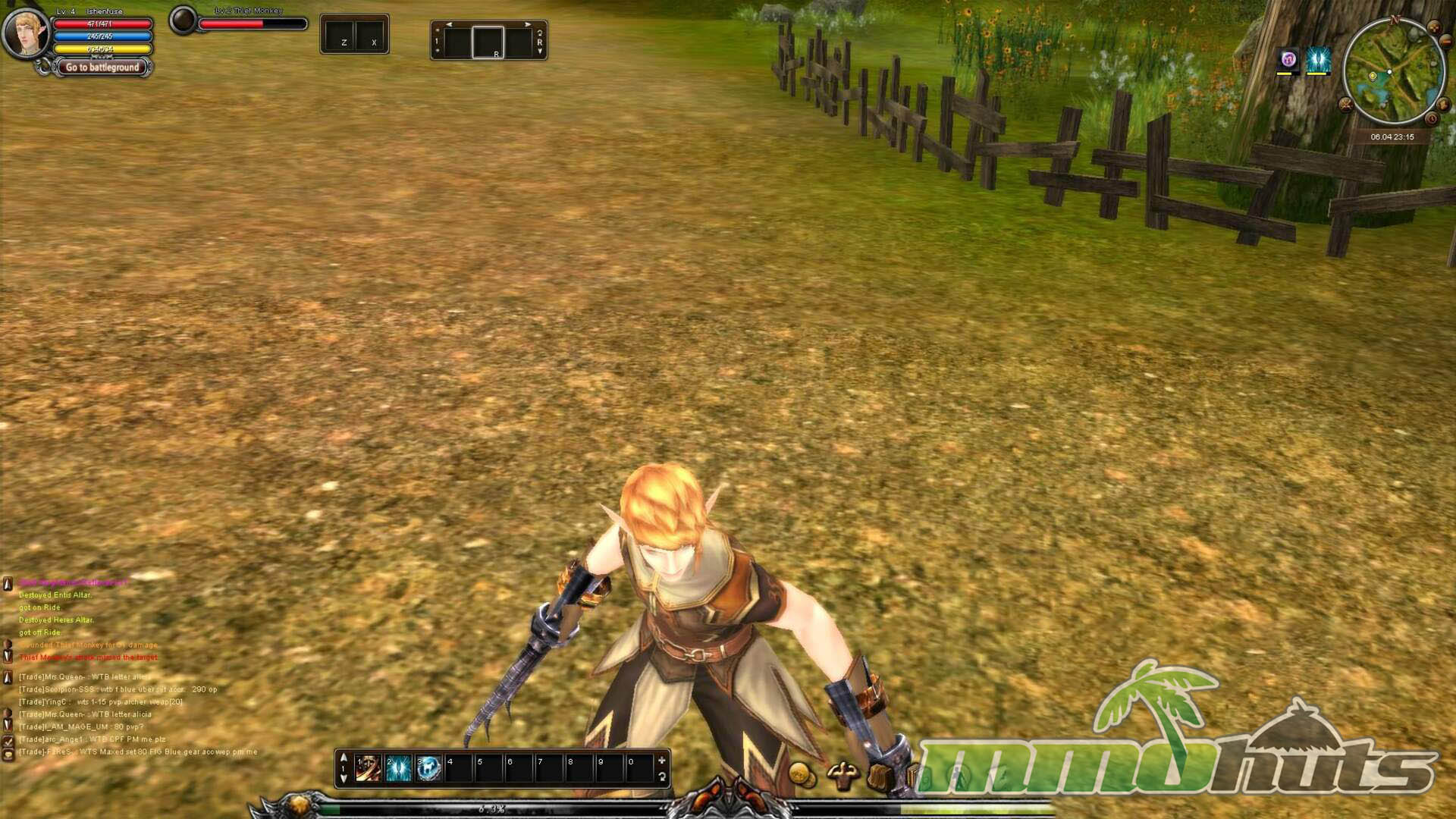
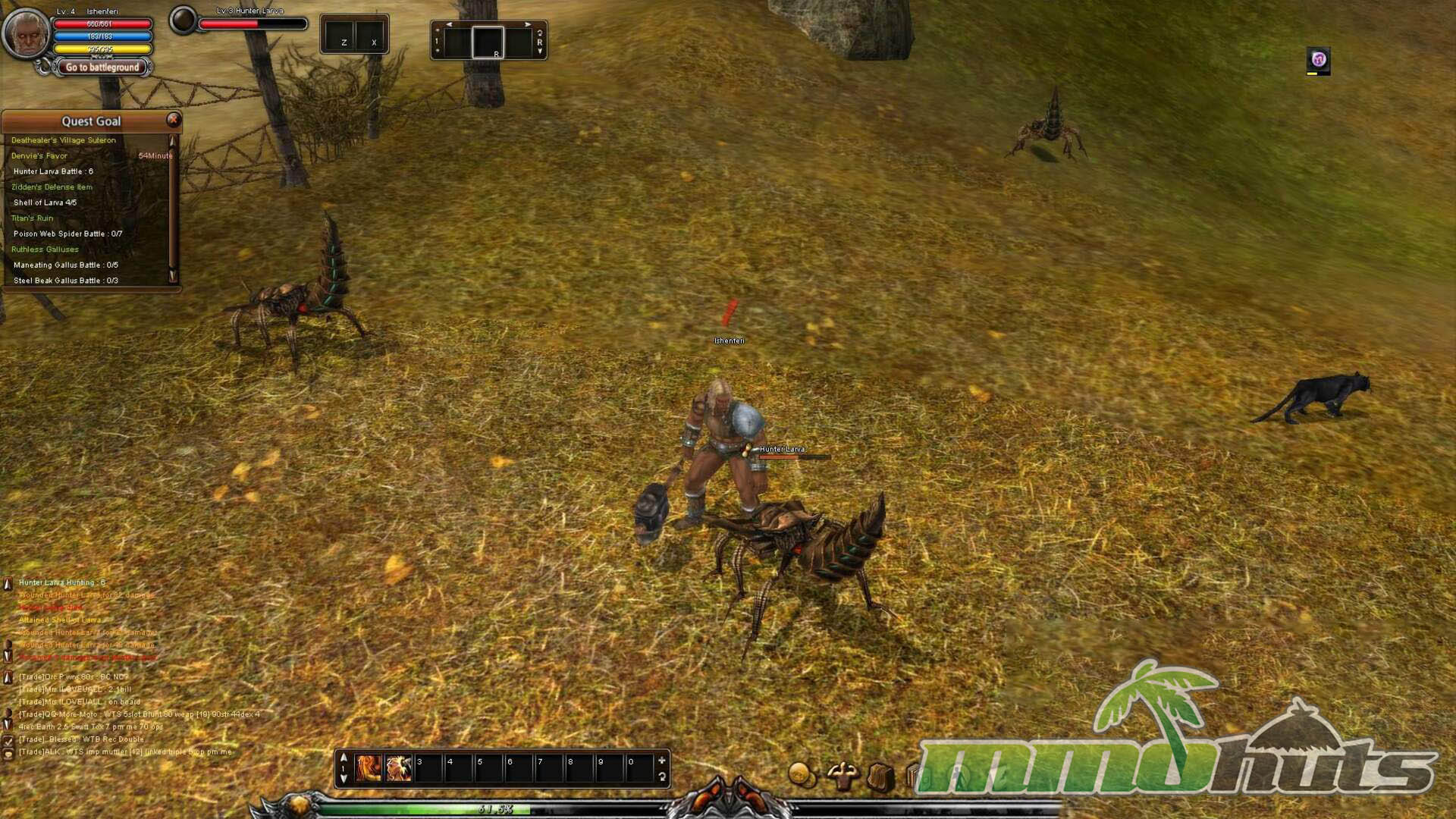
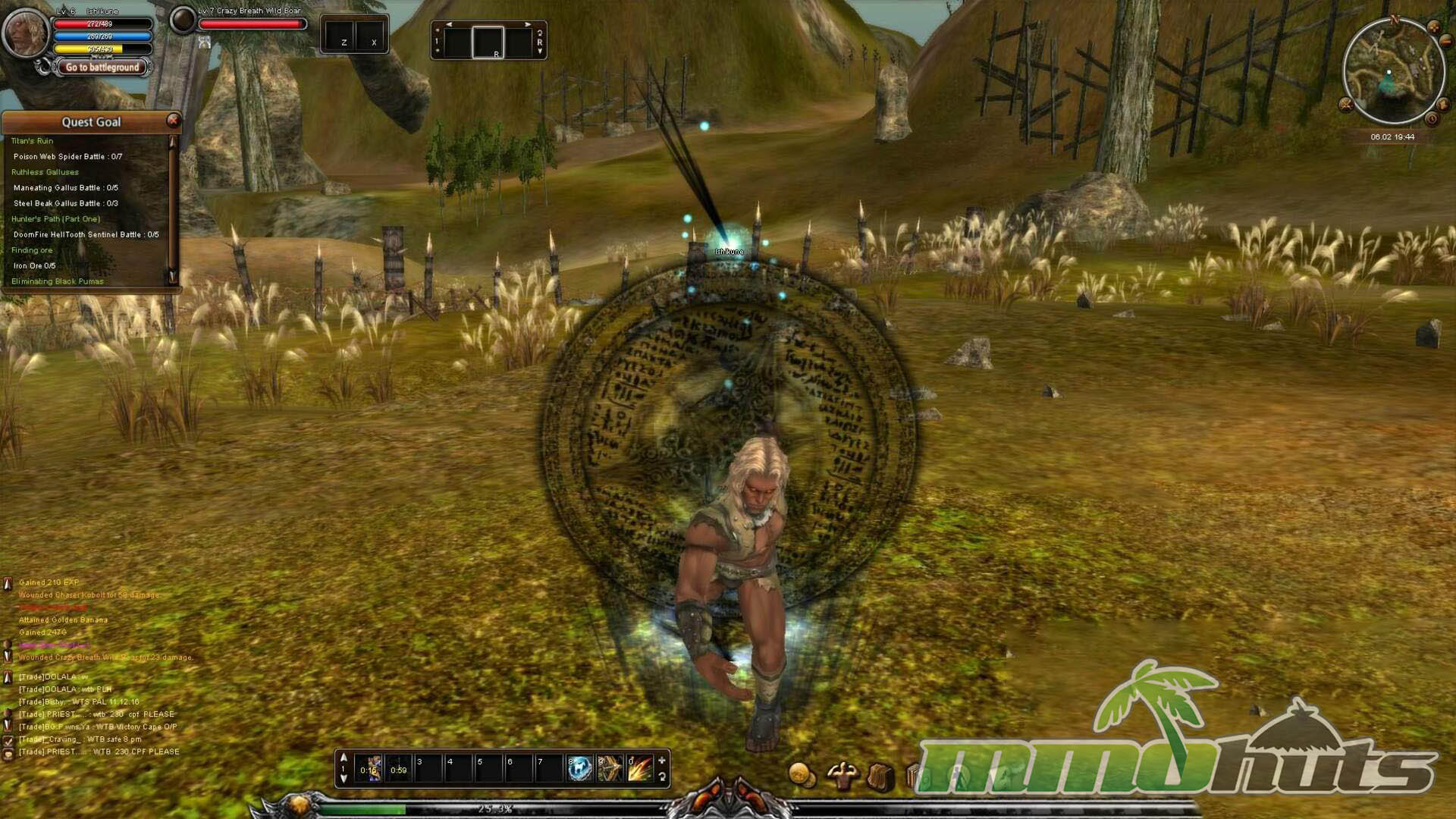
Shaiya Screenshots
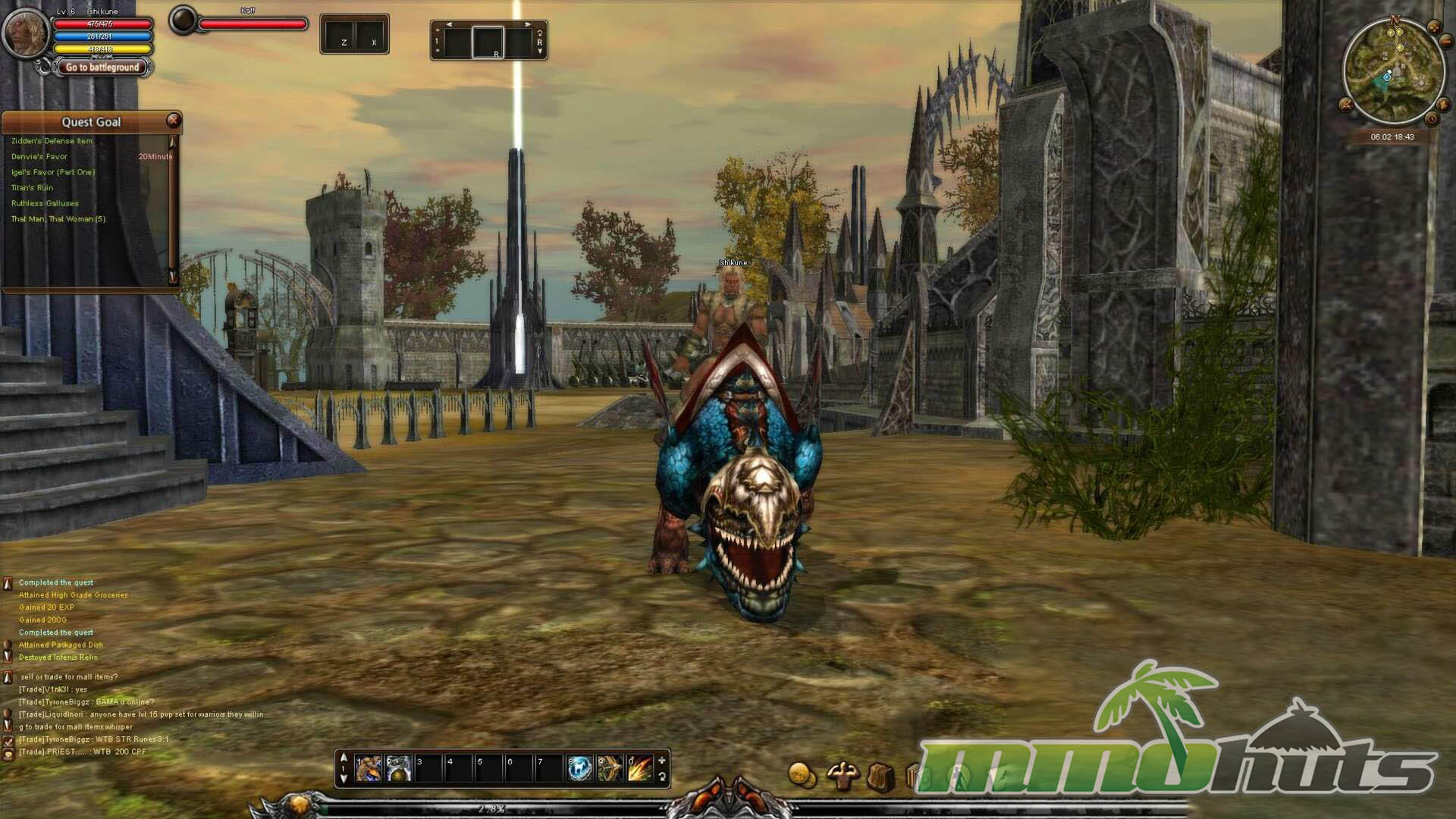
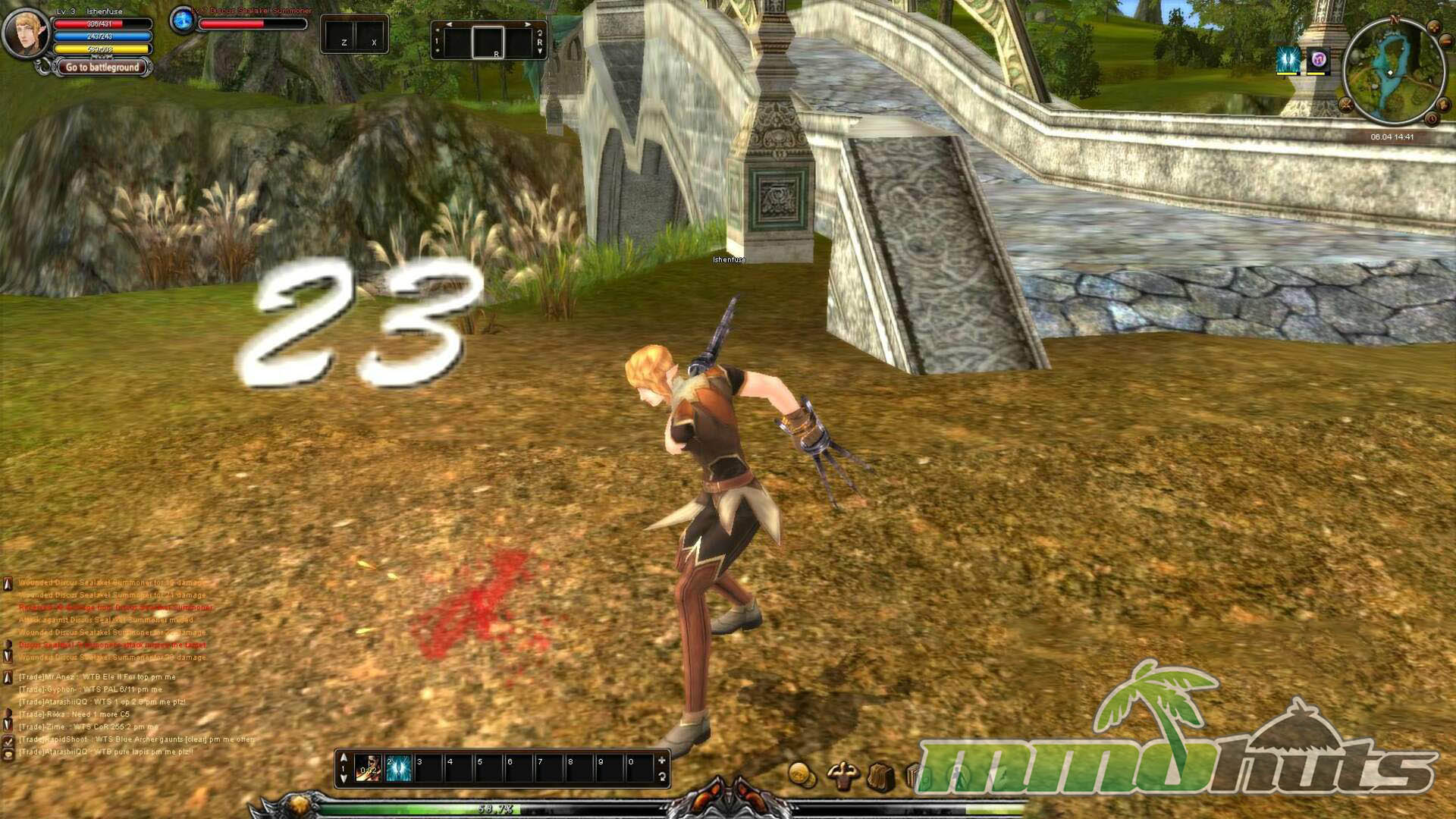
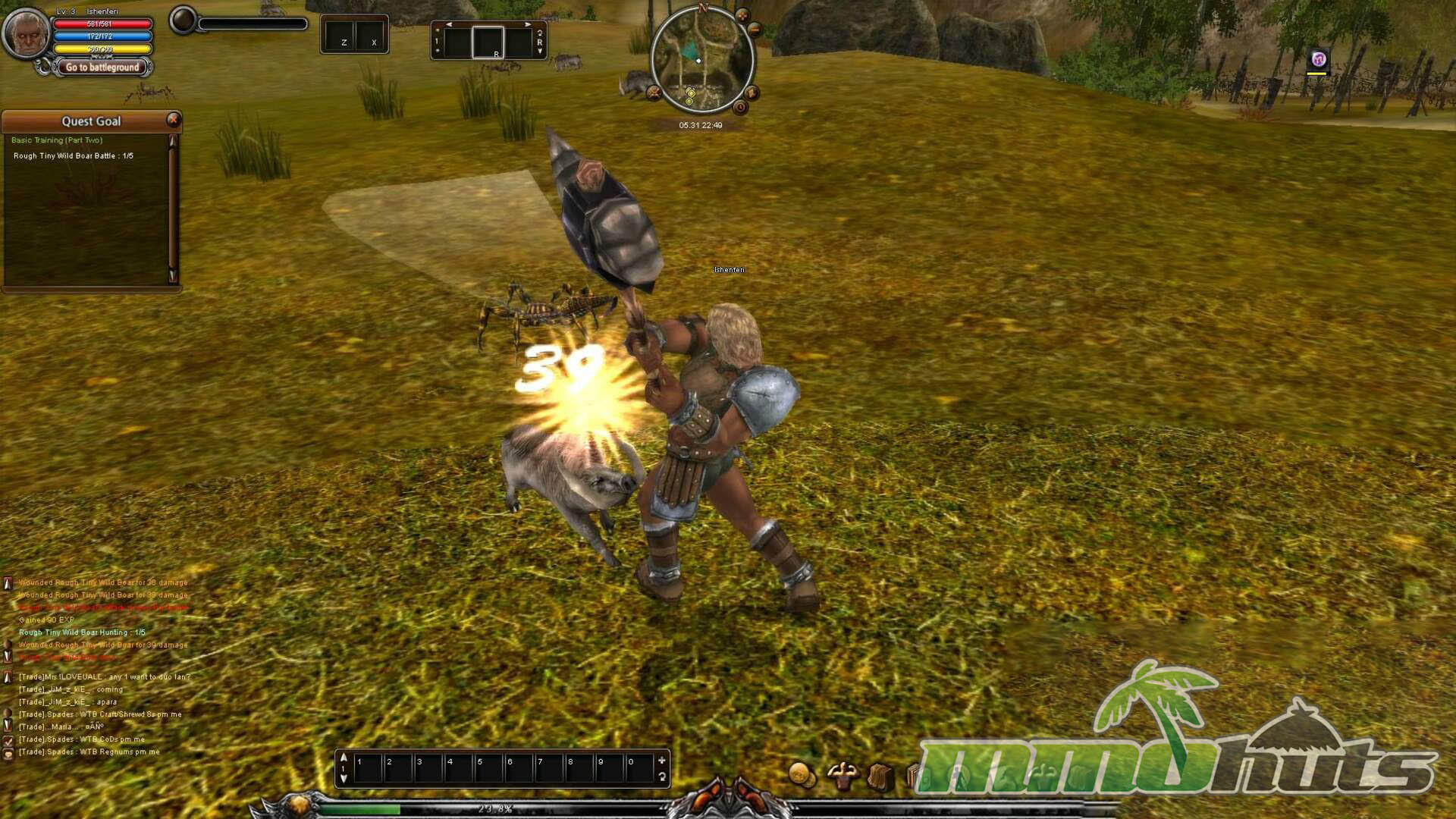
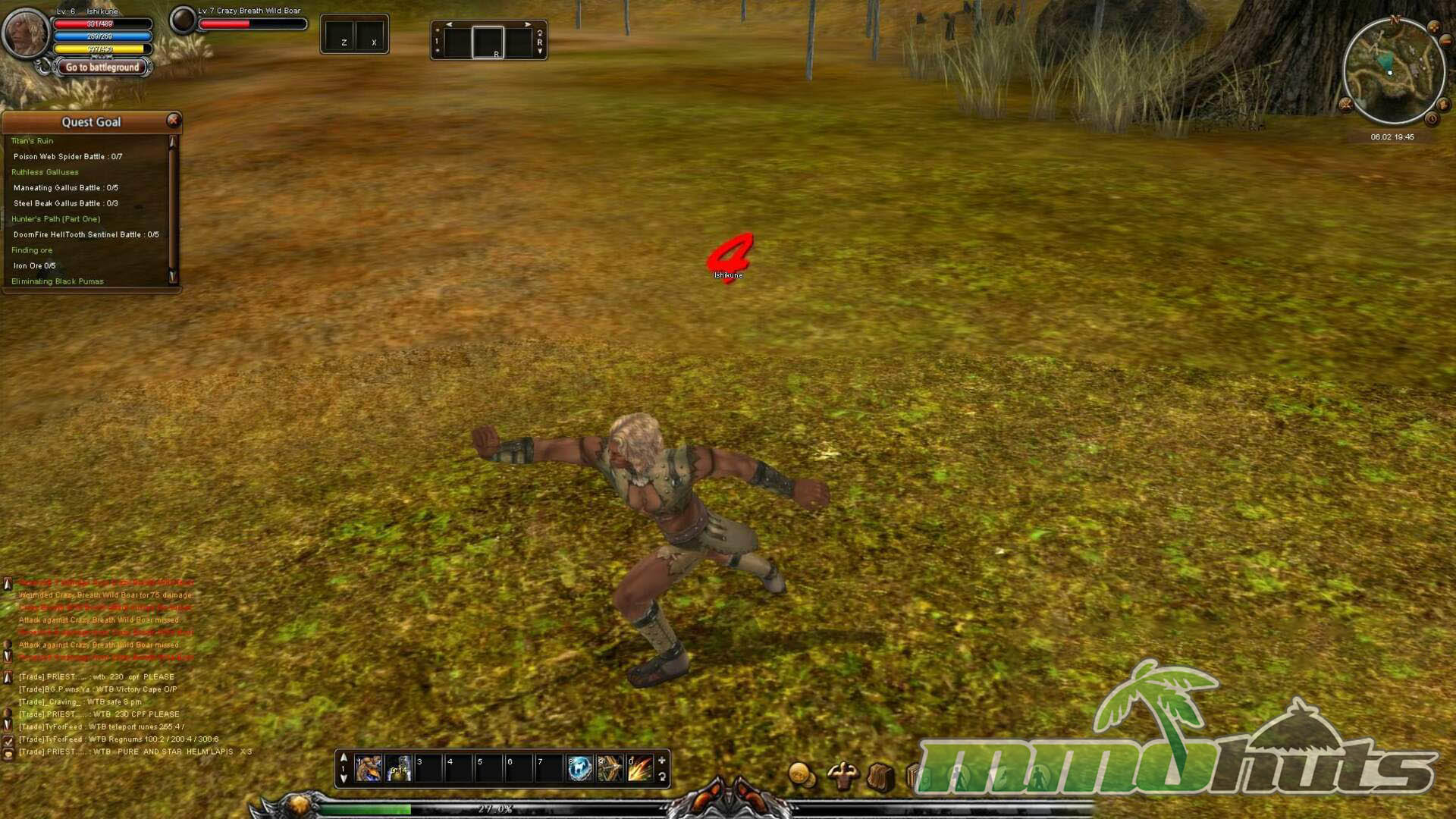
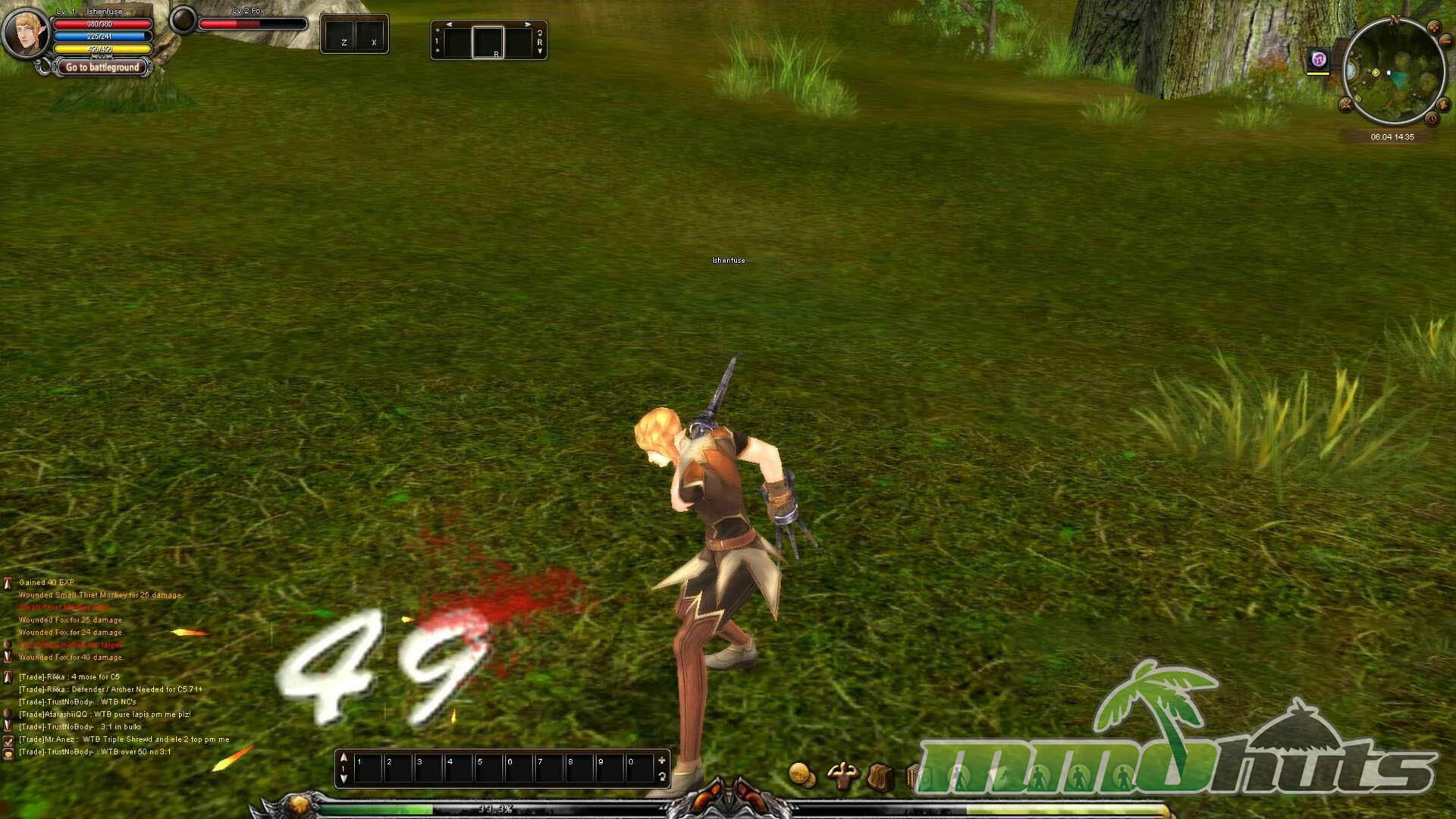
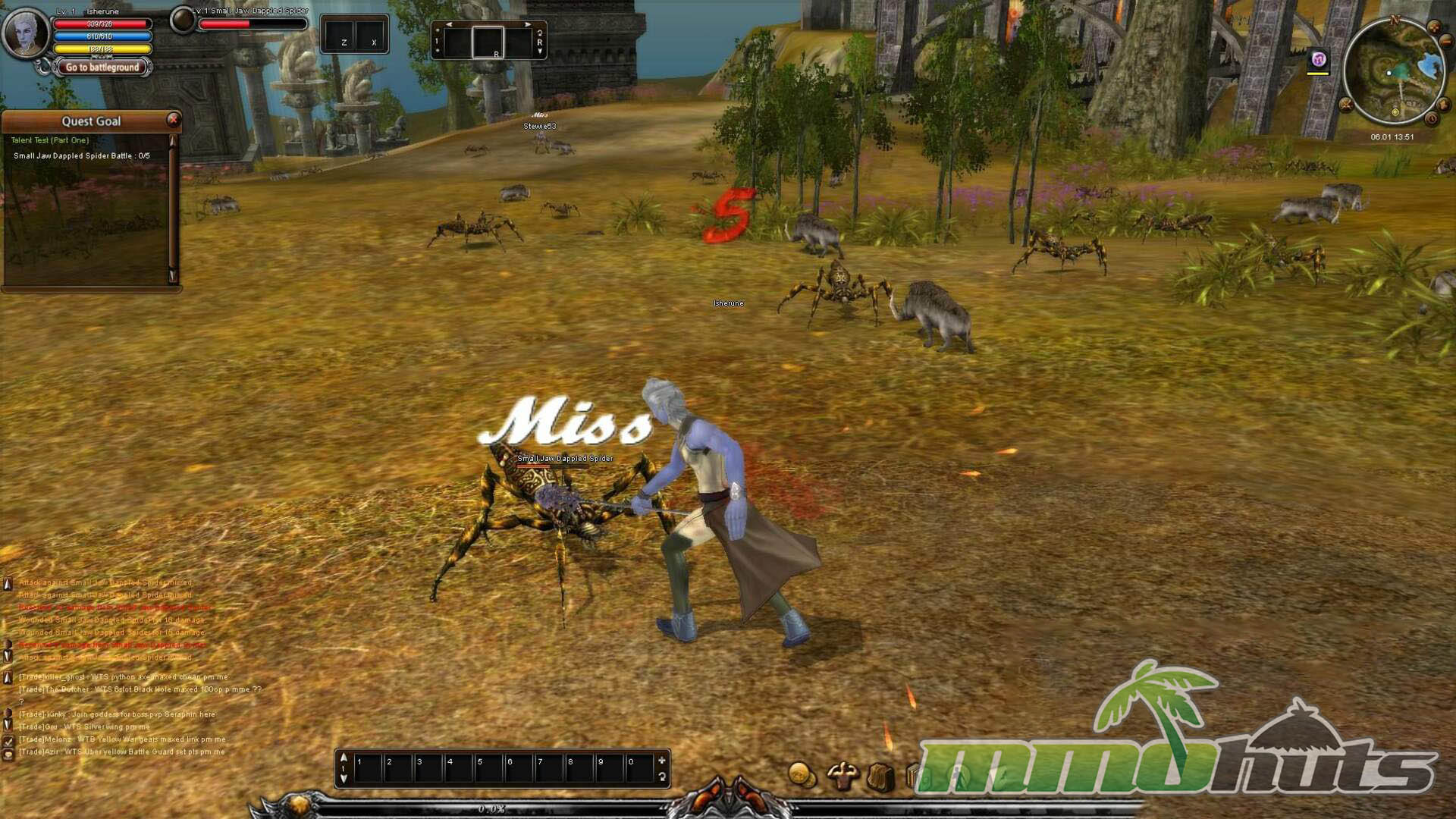
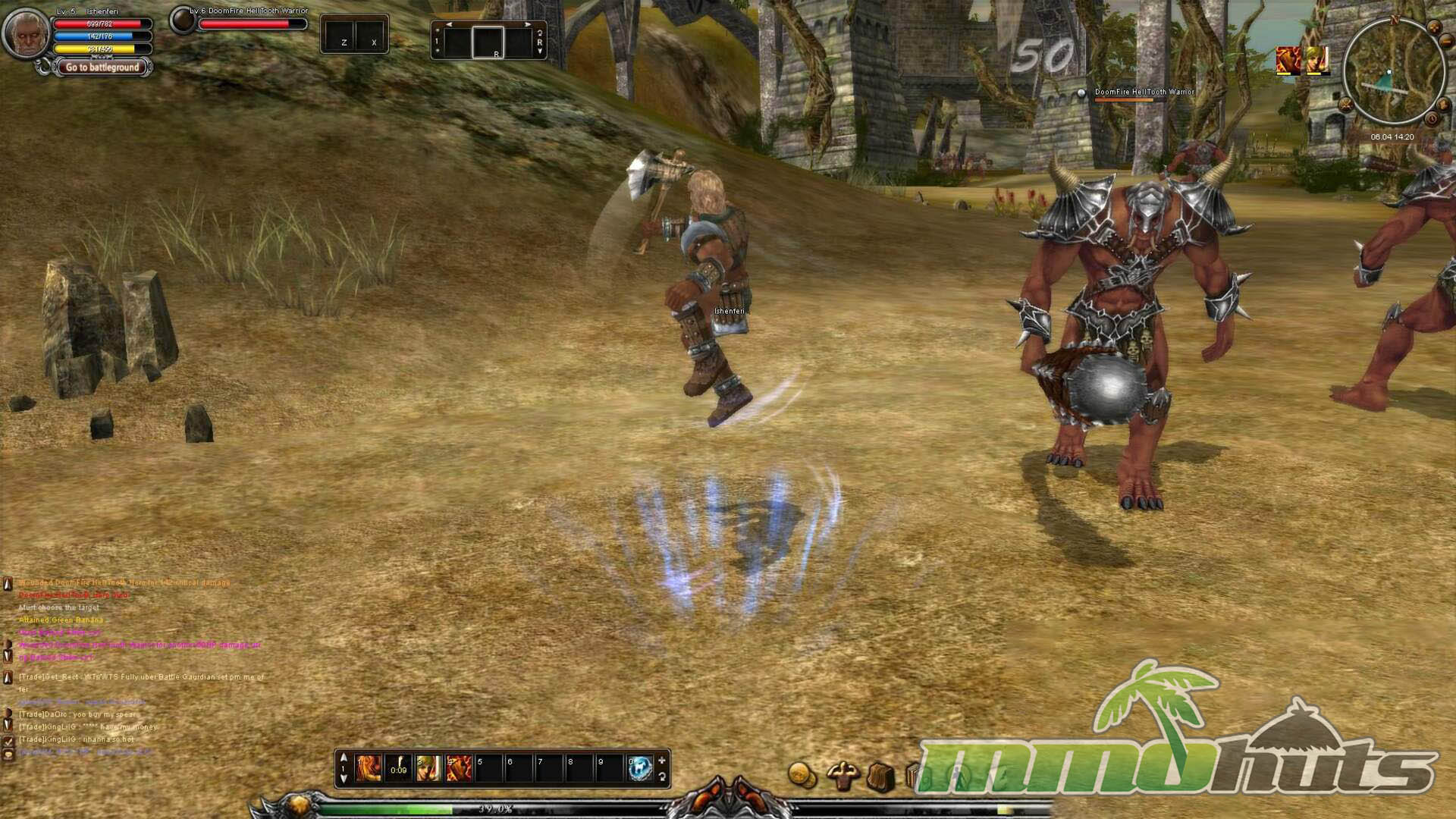
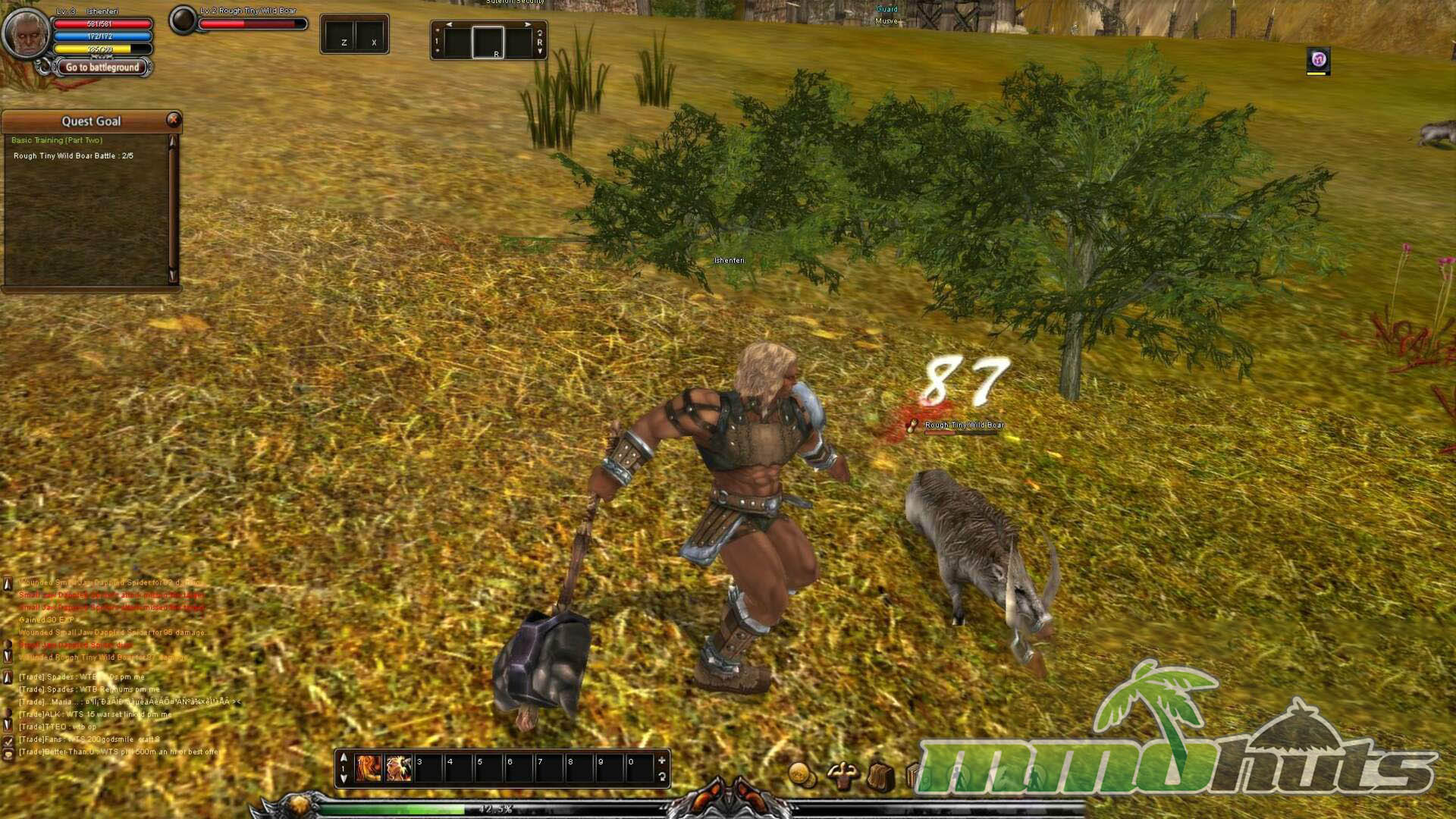
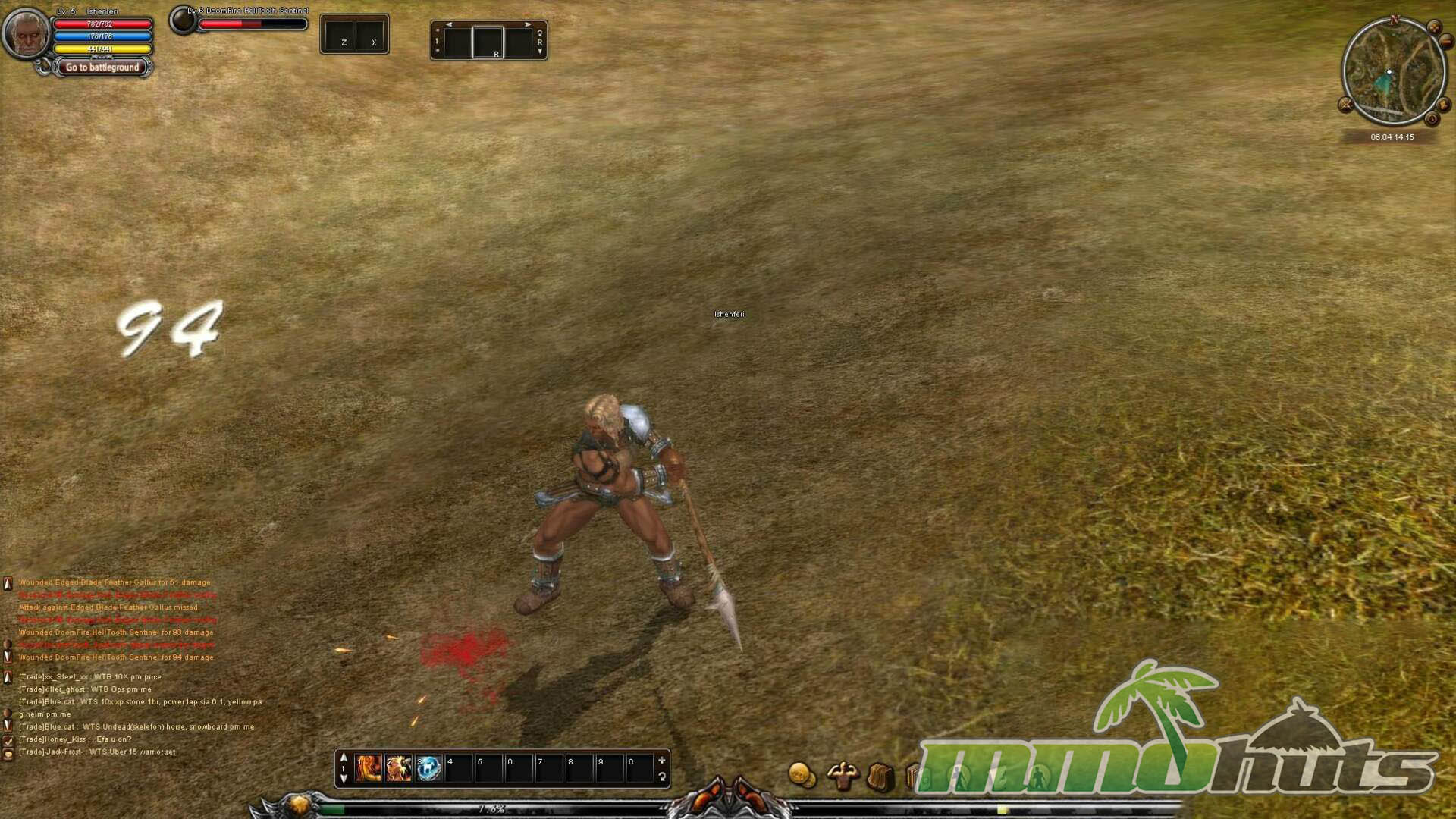
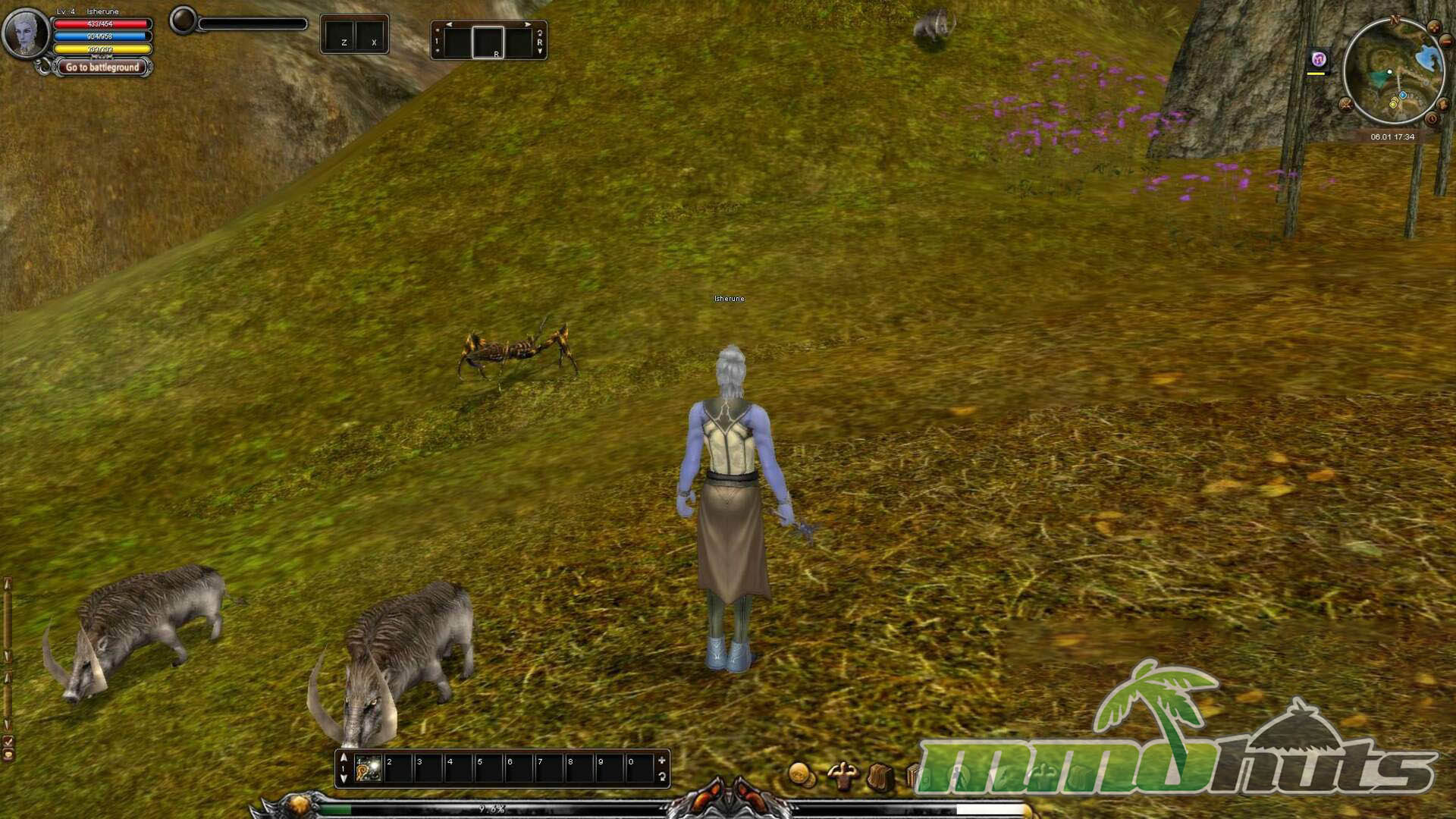
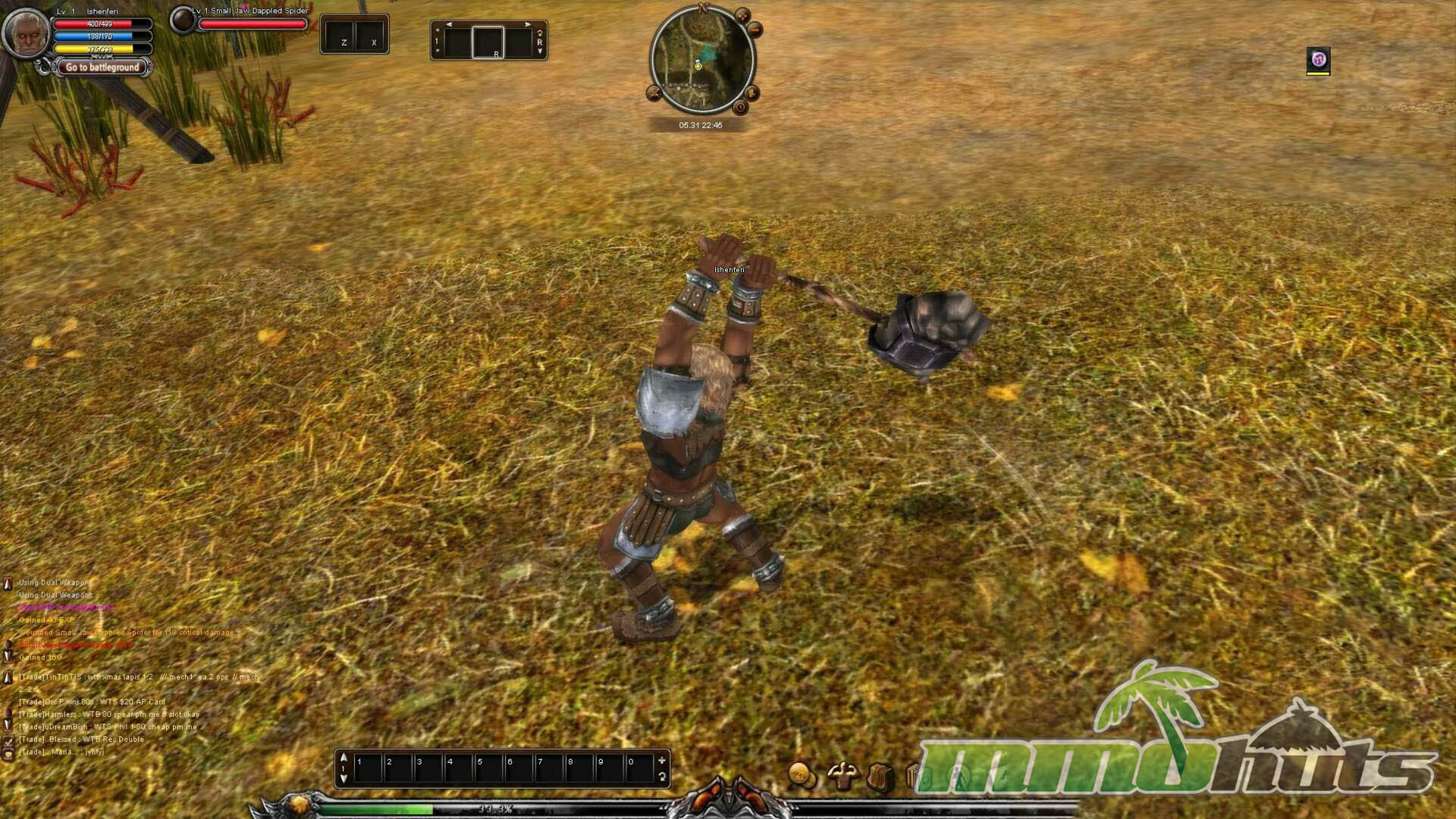
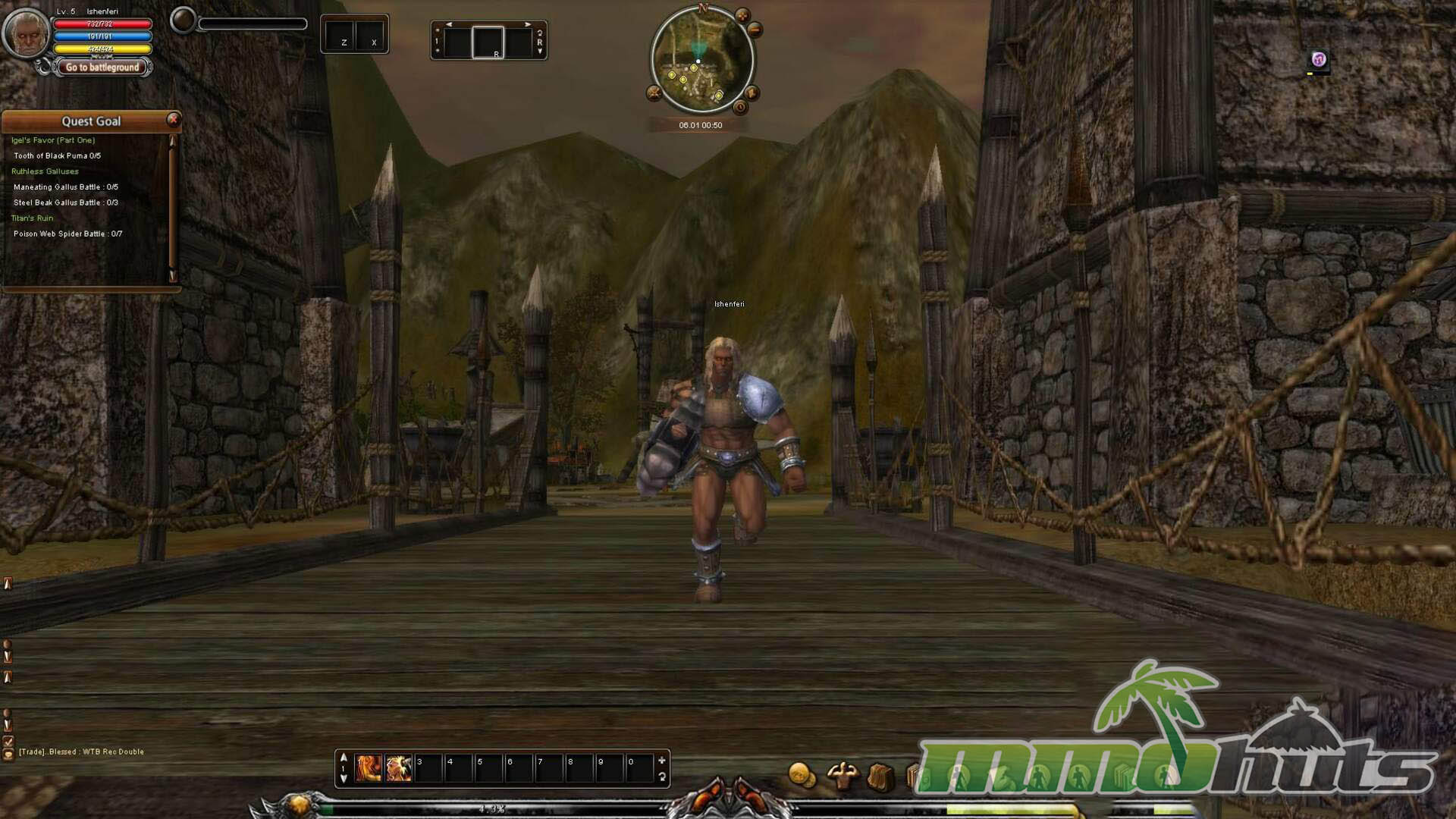
Shaiya Featured Video

Shaiya Classes
- Guardian/Defender – the durable frontline role, built to soak damage with high vitality while still contributing in close quarters. Nordein serve as Guardians for the Union of Fury, while Humans fill the Defender role for the Alliance of Light.
- Hunter/Archer – ranged physical damage dealers using bows, crossbows, and javelins. They lean heavily on accuracy and steady pressure from a safe distance. Nordein become Hunters for the Union of Fury, while Elves take the Archer path for the Alliance of Light.
- Warrior/Fighter – aggressive melee specialists with broad weapon access and straightforward physical offense. They are at their best pushing the frontline and trading blows. Nordein are the Warriors for the Union of Fury, and Humans become Fighters for the Alliance of Light.
- Assassin/Ranger – evasion-focused skirmishers that use stealth and quick weapons to pick targets and disengage. Their toolkit supports ambush play and opportunistic kills. Vail play as Assassins for the Union of Fury, while Elves play Rangers for the Alliance of Light.
- Oracle/Priest – the support backbone, responsible for healing and, crucially, reviving allies. Their value spikes in Ultimate Mode where a timely resurrection can decide whether a character survives. Vail are Oracles for the Union of Fury, while Humans are Priests for the Alliance of Light.
- Pagan/Mage – elemental casters with both single-target and area damage options. They are the main magical damage roles, drawing on fire, water, earth, and wind themed abilities. Vail become Pagans for the Union of Fury, while Elves become Mages for the Alliance of Light.
Class choice is tied to race in Shaiya. Each faction has access to two races (total four races) and each race can play from one of three classes for a total of twelve classes.
Alliance of Light Races:
- Humans
- Elves
Union of Fury Races
- Vail
- Nordein
Shaiya Review
Shaiya is a 3D fantasy MMORPG developed by Aeria Games and originally released on December 24, 2007. It carries many of the era’s staples, opposing factions, race-locked class options, guild play, and the expected social systems like trading and marketplaces. What keeps Shaiya from blending completely into the crowd is its signature “Ultimate Mode,” a ruleset that turns leveling into a higher-stakes commitment rather than a casual climb.
Ultimate Mode characters progress more slowly, but gain more stat and skill points per level, giving them stronger endgame potential than standard characters. The tradeoff is severe: if an Ultimate character dies, they have a three-minute window to be revived. That revival can come from the healer classes (Priest or Oracle) or from cash shop items. Miss the timer and the character is permanently deleted. The closest comparison is a hardcore mode from classic ARPGs, except the payoff is character power and exclusive access, rather than a loot-focused chase.
Shaiya does not attempt to reinvent the genre’s foundations, but Ultimate Mode alone can be a genuine hook for players who want their decisions, party composition, and positioning to matter more than usual.
Getting Into the Game
Character creation is straightforward: pick your faction, then select a class that matches your chosen race, and lock in a name. Beyond that, customization options are minimal, so your identity comes more from your build and gear than from sliders and cosmetics. Immediately afterward you choose between Basic Mode and Ultimate Mode, a decision that defines the entire risk profile of that character from level 1 onward.
Once you are in, the opening flow is traditional: accept quests, clear nearby monsters, and follow the breadcrumb trail between NPCs. New characters also receive a starter gift box with appropriate armor and a selection of weapons to test, which helps the early game feel less bare. Controls are standard for a tab-target MMO of its time, you can move with WASD or by clicking the terrain, and skills are bound to number keys on a hotbar.
Early Progression and Pace
The leveling curve is one of Shaiya’s defining characteristics. The first stretch, roughly up to the early double digits, moves at a reasonable clip, but the tempo slows sharply as you push onward. At that point, quests become the most reliable source of experience, yet even with consistent questing the pace can feel drawn out.
Each level awards both stat points and skill points. Basic Mode grants 7 stat points and 4 skill points per level, while Ultimate Mode grants 9 stat points and 5 skill points. Skills unlock across your level range and require point investment, so progression is not just about acquiring abilities but also about deciding which ones to develop. With the level cap at 80, the long runway makes planning more important than it first appears.
Stat allocation gives you room to shape your character beyond gear. You distribute points across Strength, Recovery, Intelligence, Wisdom, Dexterity, and Luck, and it pays to avoid extreme tunnel vision. Heavy Strength can improve melee output, but without Dexterity you risk missing too often. Casters who ignore Wisdom can find their MP economy punishing, especially in longer fights or during extended grinding sessions.
Core Gameplay Feel
Moment-to-moment play is built around classic MMO routines: travel to quest hubs, eliminate specific enemies, collect drops, and repeat. That structure is serviceable, but it can become repetitive because later progression leans heavily on extended grinding and incremental gains.
Shaiya also gestures toward more active movement in combat, but the implementation is uneven. Many magical attacks track targets, reducing the value of positioning, while melee combat still depends on staying in range and executing rotations rather than truly reactive play. The result can feel awkward rather than dynamic, especially if you come in expecting something closer to full action combat MMOs. In practice it plays more like a conventional older-school fantasy MMO, with only a light emphasis on motion.
Where the game tends to feel more alive is in player conflict, because fighting other players introduces unpredictability and real pressure, particularly for Ultimate characters. That said, Shaiya’s low playerbase affects how often those encounters happen. When battleground queues and contested zones are quiet, the world can seem sparse, and that undercuts what should be the game’s defining faction-war atmosphere.
Even with those caveats, Ultimate Mode remains the most compelling reason to invest time here. It changes how you approach grouping, how you evaluate risk, and how you value support roles, in a way Basic Mode rarely does.
PvP
Shaiya offers three broad PvP formats: duels and same-faction sparring, open faction conflict in contested areas, and structured battlegrounds. In faction-enabled zones you can engage members of the opposing side directly, which supports roaming fights and ambushes alongside routine PvE.
Death in PvP carries penalties, including experience loss and the possibility of losing equipped or inventory items. Ultimate Mode raises the stakes further, because the same three-minute resurrection window still applies, meaning a single mistake can delete a long-term character if help does not arrive in time.
Battlegrounds unlock from level 10 and are divided by brackets. Proelium Frontier covers levels 1 to 15, Cantabilian is for levels 20 to 30, and D-Water Borderlands is for levels 31 to 60. Objectives vary by map, for example controlling a central altar in Proelium Frontier, or competing for relic control and player eliminations in Cantabilian.
Beyond standard battlegrounds, Shaiya also supports Server Battlegrounds, which use the same general modes while pulling opponents from different servers, increasing the potential pool of players for matches.
Cash Shop
The store follows the expected free-to-play template for its time: mounts, experience boosts, consumables that restore HP and MP, crafting-related boosts, and cosmetics. The friction point is how some purchases interact with the game’s core risk systems.
Two quest entries that direct players to the Shaiya website for free Aeria Points feel out of place in normal questing, and come across as more promotional than immersive. More importantly, the availability of Resurrection Runes, which can revive you after death, has clear implications for Ultimate Mode. Because Ultimate characters are stronger by design, anything that reduces the chance of permanent loss can blur the line between challenge and convenience, and can contribute to a pay-to-win perception for players who value the integrity of the mode’s stakes.
Final Verdict – Good
Shaiya is not a modern showcase MMO, and its age is obvious in presentation, interface, and the pace of its progression. Still, it delivers a focused, traditional fantasy MMORPG loop with faction conflict at its center, and it avoids overcomplicating itself with endless side systems.
If you want novelty, cutting-edge combat, or a bustling world, it is likely to disappoint. If you are comfortable with older-school design and you are intrigued by the tension and planning that Ultimate Mode creates, Shaiya remains a distinctive option in the free-to-play MMO catalog.
Shaiya Links
Shaiya Official Site
Shaiya Official Wiki (Database / Guides)
Shaiya Wikia (Database / Guides)
Shaiya Private Server List
Shaiya System Requirements
Minimum Requirements:
Operating System: Windows XP / 7 / 8 / 10
CPU: Core 2 Duo
Video Card: GeForce 8600 GT or better
RAM: 2 GB
Hard Disk Space: 2 GB
Recommended Requirements:
Operating System: Windows XP / 7 / 8 / 10
CPU: Core i5 or better
Video Card: GeForce GTS 250 or better
RAM: 4 GB
Hard Disk Space: 2 GB
Shaiya Music & Soundtrack
Shaiya Additional Information
Developer: ChoiRock Games (Previously known as Sonov Entertainment. Name changed in 2010)
Publisher: Fawkes Games (Previously: Aeria Games)
Closed Beta Date: November 26, 2007
Open Beta Date: December 18, 2007
Release Date: December 24, 2007
Foreign Release:
Shaiya was released in China, Vietnam, Japan, Hong Kong, Malaysia, Singapore, Germany, and France.
Development History / Background:
Shaiya began development under South Korean studio Sonov Entertainment, which later rebranded to ChoiRock Games in 2010. In 2007, it received recognition from GameBorder magazine, winning “Best MMORPG of 2007” and also taking an award for “Best Graphics” that year. Around its original era, it also served as one of Aeria Games’ early free-to-play MMORPG offerings, helping establish the publisher’s presence in the space.
Despite being an older title, Shaiya maintained enough traction to remain commercially viable over the years for both Aeria and ChoiRock. After Aeria Games shut down in February 2023, Fawkes Games acquired the rights to continue operating Shaiya alongside Last Chaos.