
Pocket Legends is a free-to-play fantasy MMORPG built specifically for phones and tablets, featuring bright cartoon-style visuals, large instanced adventure zones, tap-friendly combat controls, and a simple social flow that makes grouping feel effortless. It is also notable historically as one of the earliest mobile MMOs to offer a persistent online town hub, giving it a “real MMO” vibe long before the genre became common on mobile.
 | Publisher: Spacetime Games Playerbase: High Type: Mobile MMORPG Release Date: April 3, 2010 Pros: +Very approachable for new players. +Constant gear drops and collections to chase. +Quick, convenient party matchmaking. +A landmark early persistent-world mobile MMO. Cons: -Visuals show their age. -No longer receiving new updates. |


Pocket Legends Overview
Pocket Legends is a 3D, semi-open world mobile MMORPG from Spacetime Games, the studio behind Arcane Legends, Dark Legends, and Star Legends. It drops you into a playful fantasy setting packed with quirky enemies and themed zones, then asks you to progress through quests, dungeons, and gear upgrades either solo or with a group. The game leans into an all-ages presentation, with animal-inspired heroes and colorful environments that keep things light while still delivering classic MMO loops like leveling, loot hunting, and repeatable content.
You pick from five distinct animal-themed classes (Warrior, Enchantress, Archer, Paladin, and Ranger), each with its own combat role and skill kit. From there, the core routine is straightforward, take quests in town, enter instanced maps to complete objectives, grab drops and rewards, and steadily improve your build with new weapons, armor, and items. Co-op play and PvP are both supported, and the game’s structure makes it easy to run content in short sessions, which fits the mobile format well.
Pocket Legends Key Features:
- Large Persistent (Semi-Open) World – with many different maps to explore.
- Colorful, Cartoony Graphics – designed to be readable and appealing across age groups.
- Point And Click Combat – built around simple touch input and quick learning.
- Five Different Classes – Warrior, Enchantress, Archer, Paladin, and Ranger.
- Cute Animal-Theme and Monsters – with a mix of fantasy and oddball foes (from undead to stranger threats).
- Loot – a large pool of weapons, armor pieces, and items to keep progression feeling active.
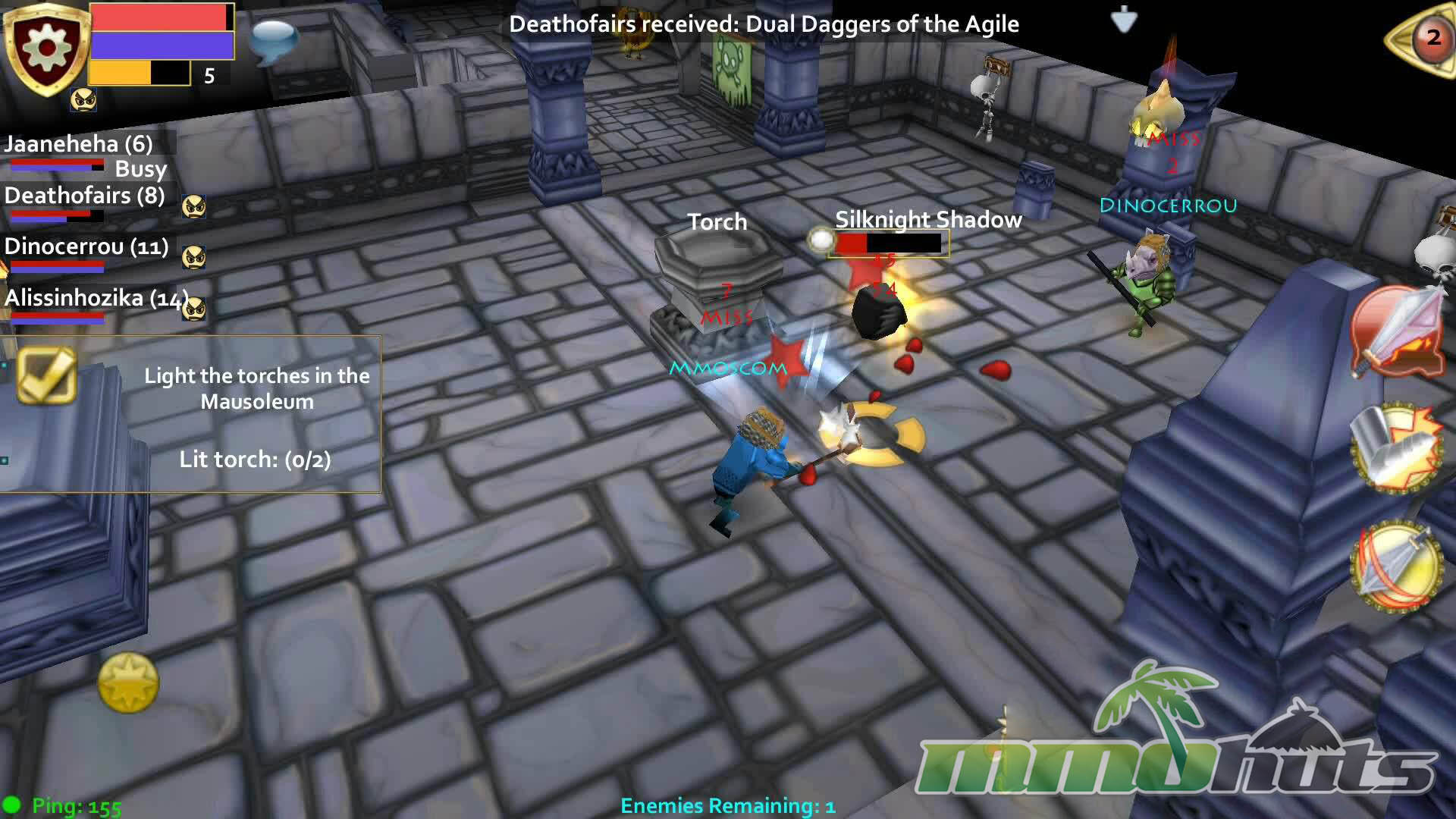
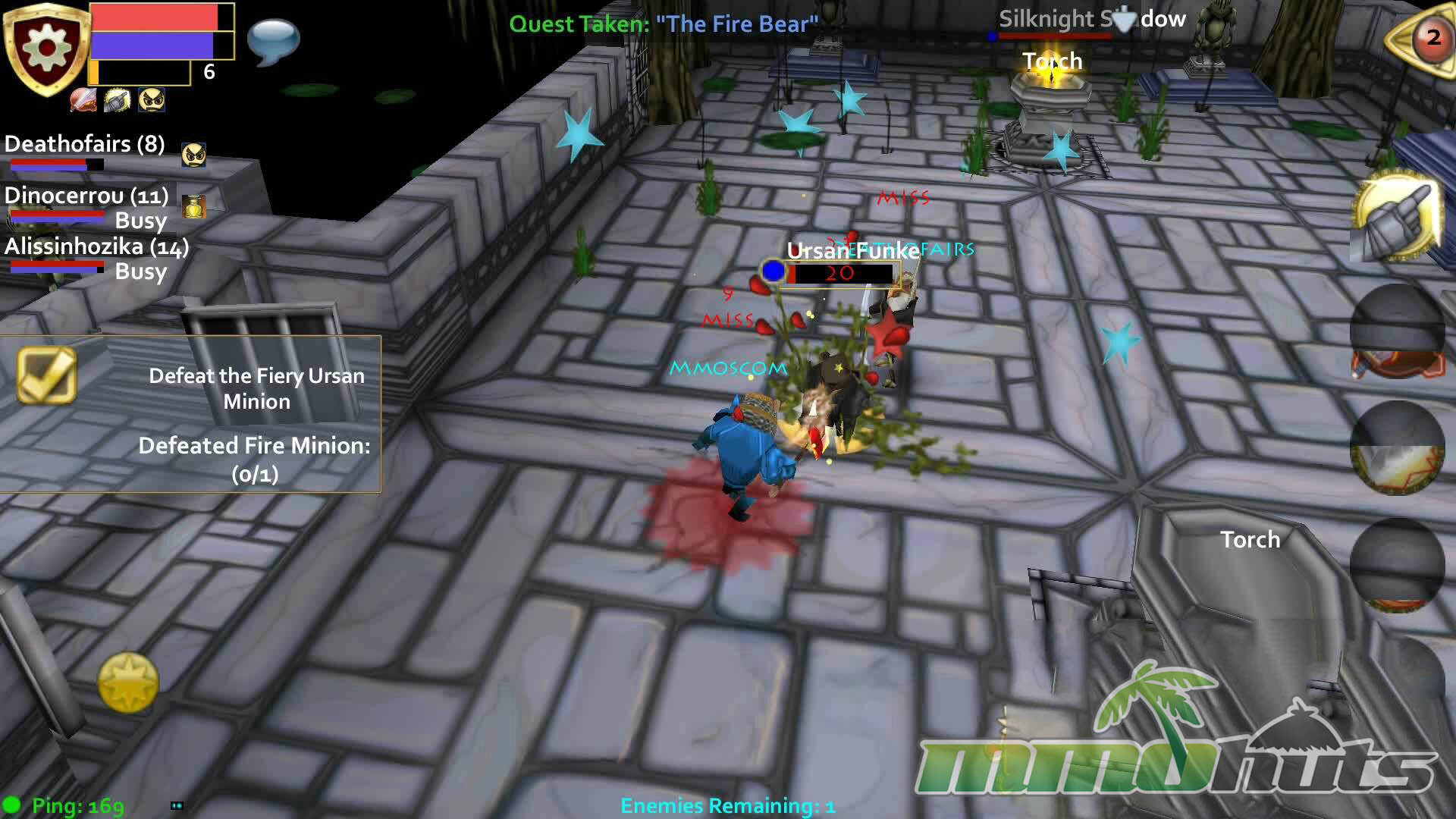
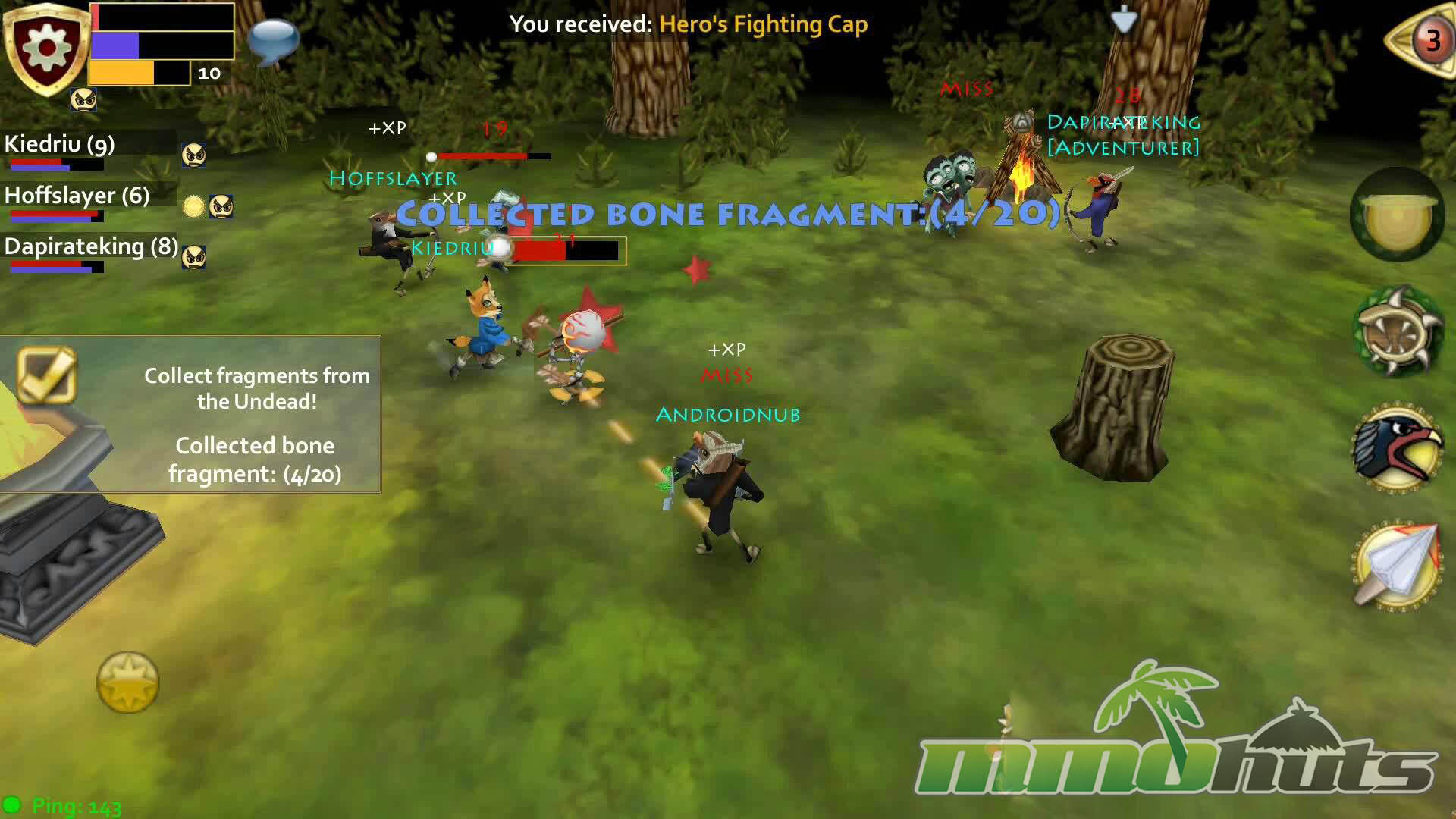
Pocket Legends Screenshots


Pocket Legends Featured Video

Pocket Legends Review
Pocket Legends is Spacetime Games’ original entry in what became their “Legends” line of mobile MMORPGs. It launched on iOS on April 3, 2010 and later arrived on Android on November 11, 2010, at a time when mobile MMO options were limited and often felt like watered-down online RPGs. Pocket Legends stood out by delivering the basics that MMO players expect, a busy online hub, structured questing, repeatable instanced zones, and a steady treadmill of upgrades, all tuned for short touch-screen play sessions.
Even now, the game is easiest to appreciate as a piece of mobile MMO history that still plays smoothly. It is not trying to be a modern action MMO, but it does a strong job of keeping the experience readable, social, and rewarding in a way that suits phones and tablets.
Classes and Character Creation
Class choice is one of Pocket Legends’ strongest hooks, because each option is clearly defined and plays differently in a party. The five classes are Warrior, Enchantress, Archer, Paladin, and Ranger, each represented by a distinct animal archetype and a different approach to weapons and skills. Warriors are the classic frontline bruisers, Enchantresses focus on support and elemental damage, Archers deliver fast ranged pressure, Paladins are built for durability with team-oriented tools, and Rangers fill a rogue-like niche with quick dual-weapon attacks.
Customization is intentionally light compared to PC MMORPGs, but it is enough to make a character feel like your own through a small selection of heads and outfit choices. In practice, the bigger identity builder is your gear, as weapon and armor drops quickly become the main way you visually and mechanically progress.
A Fantasy Animal World
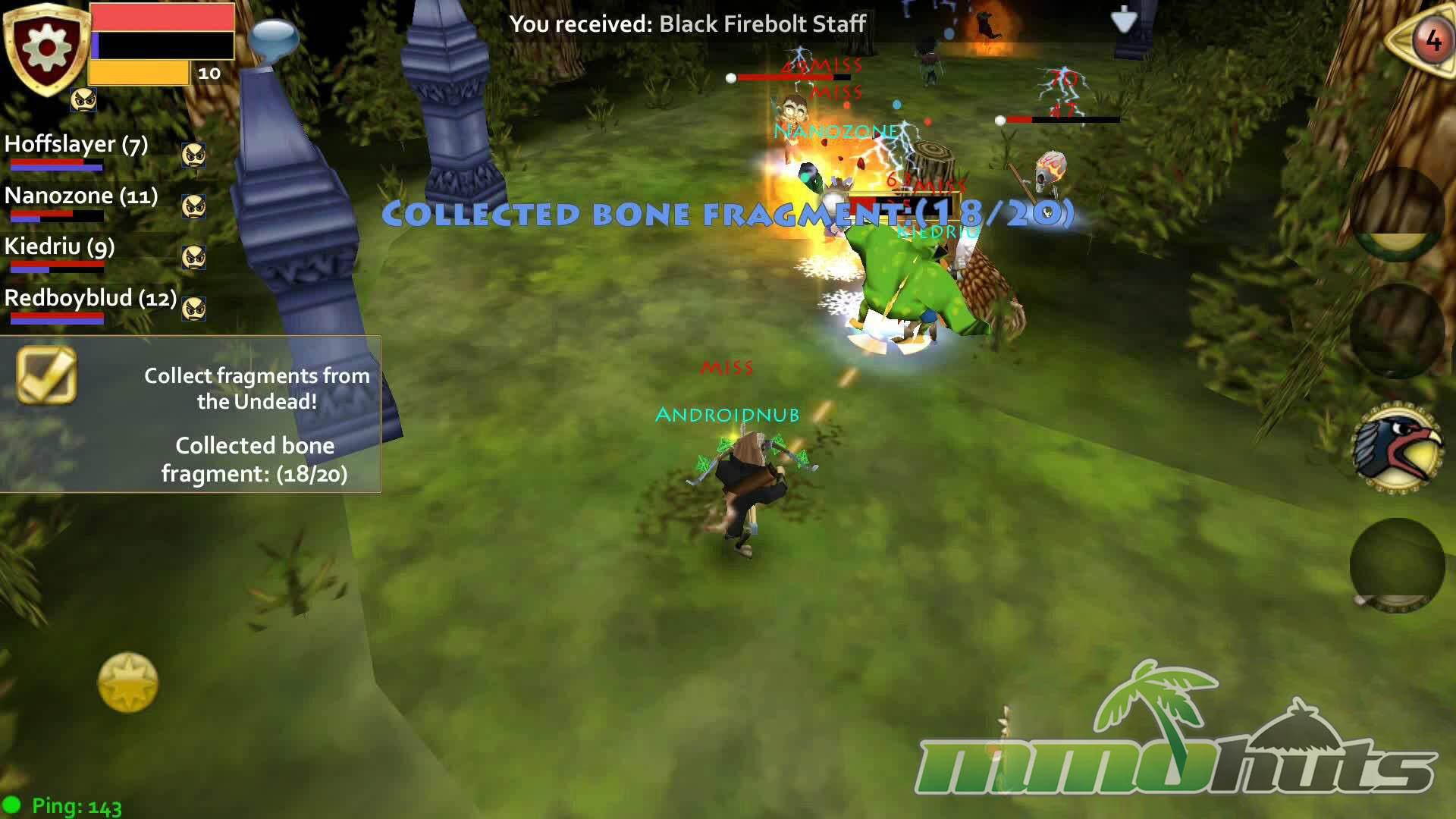
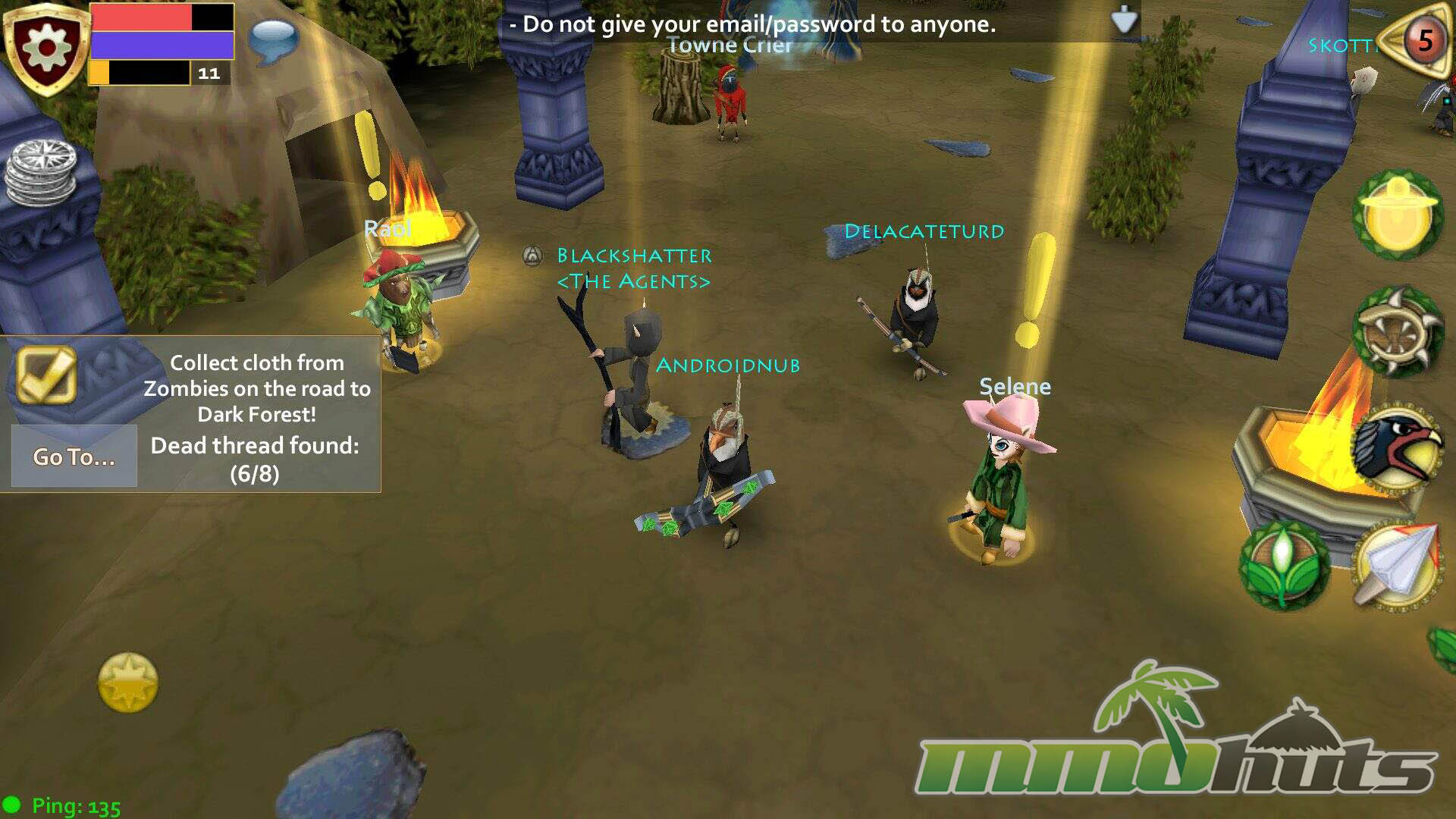
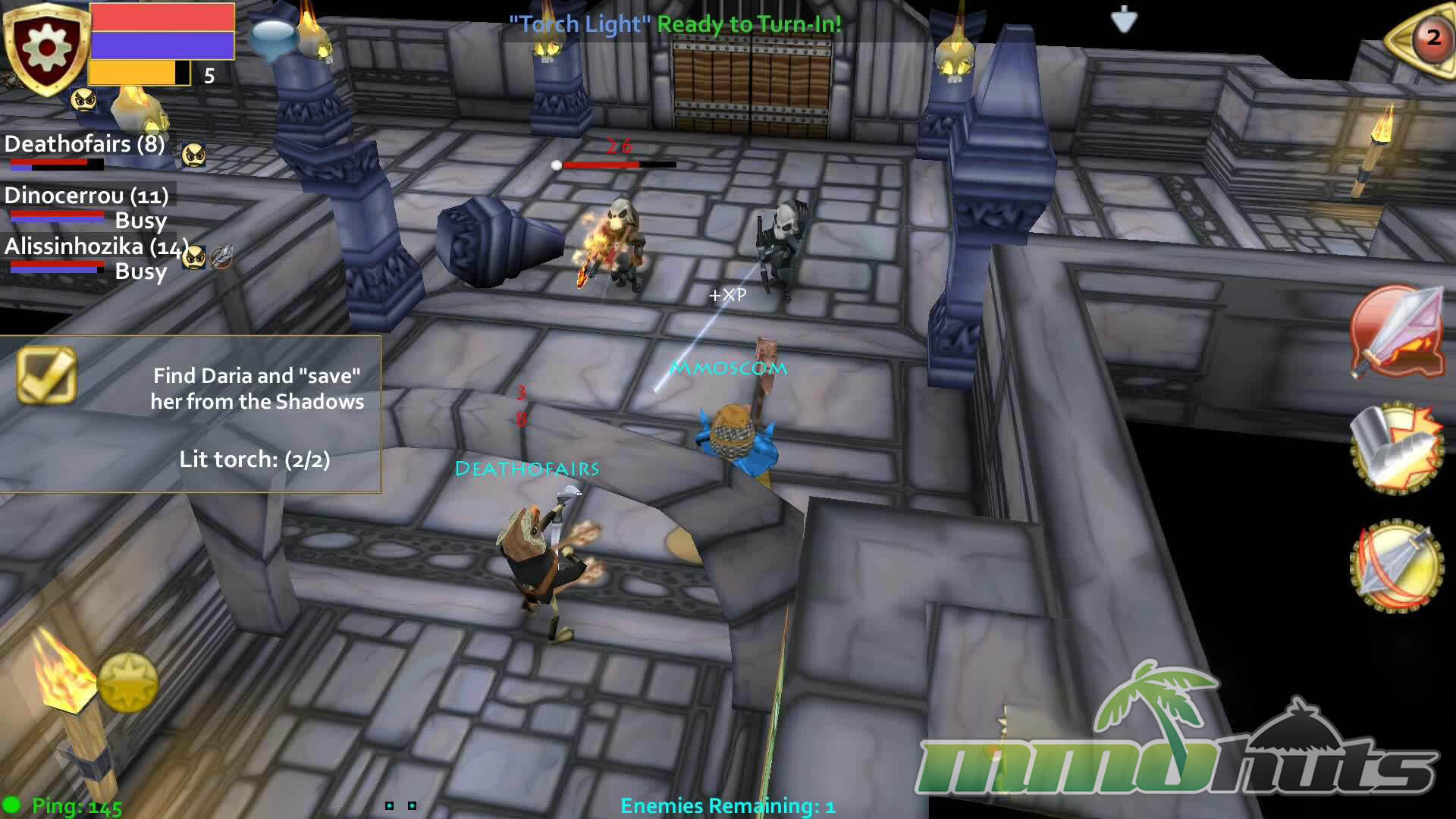
Pocket Legends uses a semi-open structure, a persistent town hub connects out to large instanced zones where quests and combat take place. Early on you move through a few introductory areas, then settle into the main town where players gather, pick up quests, and organize runs. That central hub is a big part of the “MMO feel” here, it is lively, recognizable, and makes the game feel connected even though most adventuring happens in instances.
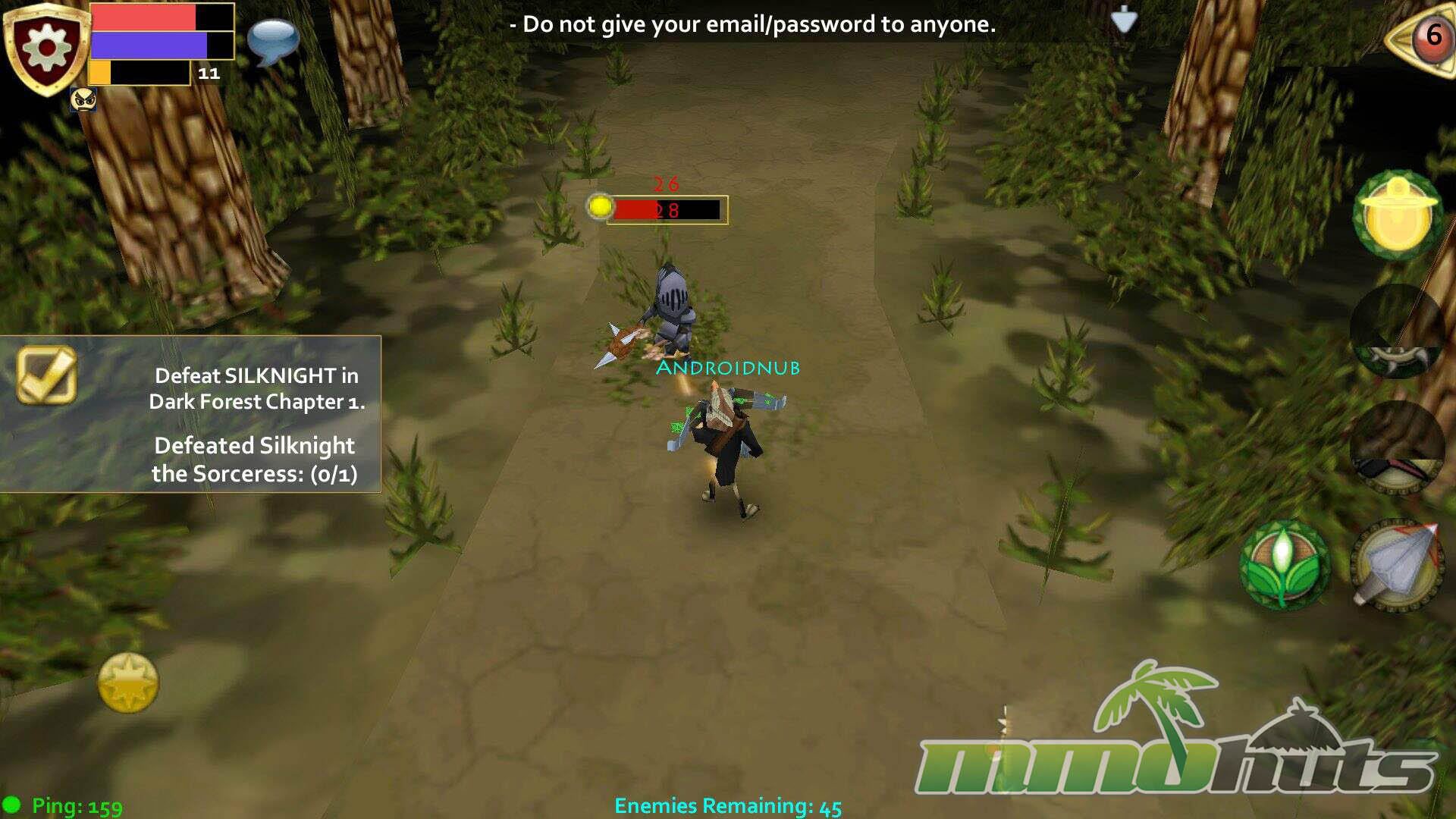
The animal-themed cast gives the world a toybox charm, with NPCs and player characters leaning into friendly fantasy design. The environments themselves are colorful and readable, and while the art direction still has personality, the age shows in simpler textures and less detailed scenery. The upside is clarity, on small screens, enemies and effects remain easy to track, which matters more than raw fidelity in a touch-first MMO.
Zone variety is one of the pleasant surprises. The game cycles through different themes and enemy sets (including undead and stranger, more sci-fi-leaning threats), which helps prevent the early and midgame from blending together. Instances are also roomy enough to feel like proper levels rather than tiny arenas, and groups can include up to four other players, keeping co-op runs active without turning combat into pure chaos.
Partying Done Right
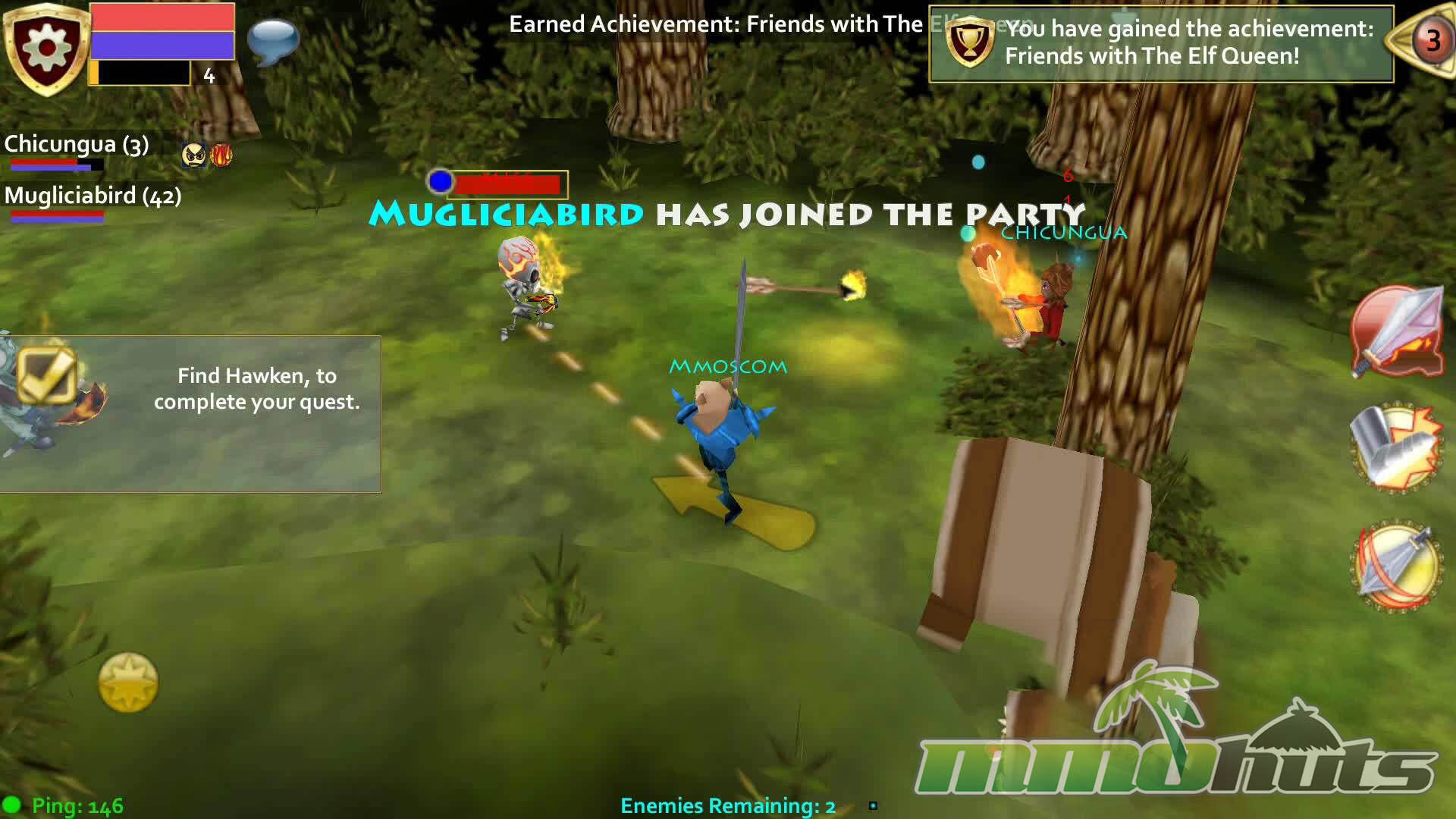
Pocket Legends’ grouping is arguably its signature system. Instead of making you spend lots of time advertising for a party, the game naturally places you with other players when you enter an instanced map. In a genre where mobile players often hop in for short sessions, that “drop in and go” approach works extremely well, it lowers friction, keeps content moving, and makes the world feel populated.
This design also changes the tone of questing. Even routine objectives feel more social when you are clearing alongside others, and it reduces the frustration of difficult pulls or boss fights for newer players. If you like MMORPGs primarily for the cooperative flow, Pocket Legends remains one of the cleaner examples of how to make grouping convenient without turning it into a separate mini-game.
Point-and-click Combat and Skills
Combat is built around touch controls rather than twitch action. You can move via tapping or with an on-screen joystick, and attacks can be directed by tapping targets or by using the “Auto” option to acquire and engage nearby enemies. It is a pragmatic system for mobile, especially in crowded fights where precise tapping can get messy.
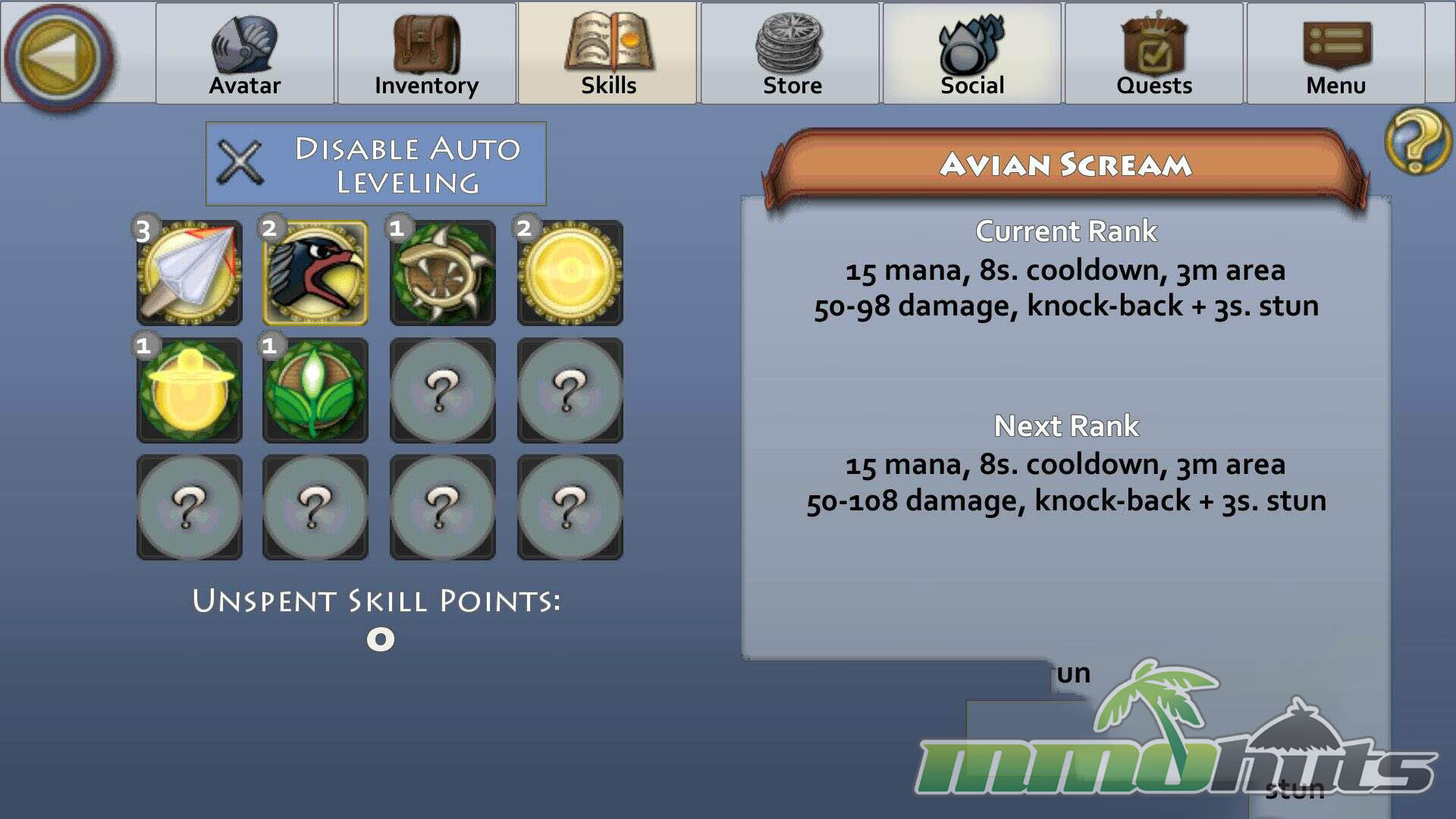
What gives combat texture is skills. Each class has a toolkit that supports different roles, damage, healing, buffs, and utility, and abilities can be placed on hotkeys for quick use. Skills unlock as you level and can be upgraded, so progression is not only about gear, it is also about rounding out your rotation and strengthening key abilities. The game also allows full 3D camera rotation, which helps with situational awareness in ways some later mobile MMOs simplify.
Questing and Loot
Pocket Legends is structured around a steady stream of quests, usually picked up in town, then completed across instanced zones. Objectives range from simple “defeat and collect” tasks to longer runs that push you through an entire map, including boss encounters and rescue-style goals. It is all presented clearly, with guidance that keeps new players from getting lost, and rewards that reliably move you forward with experience, gold, and equipment.
The automatic social flow ties directly into questing. Because players entering the same content are often working on similar objectives, the game naturally creates quick cooperative sessions without requiring much coordination. That makes it particularly welcoming if you are new to MMORPGs or just want something you can play in short bursts without a lot of planning.
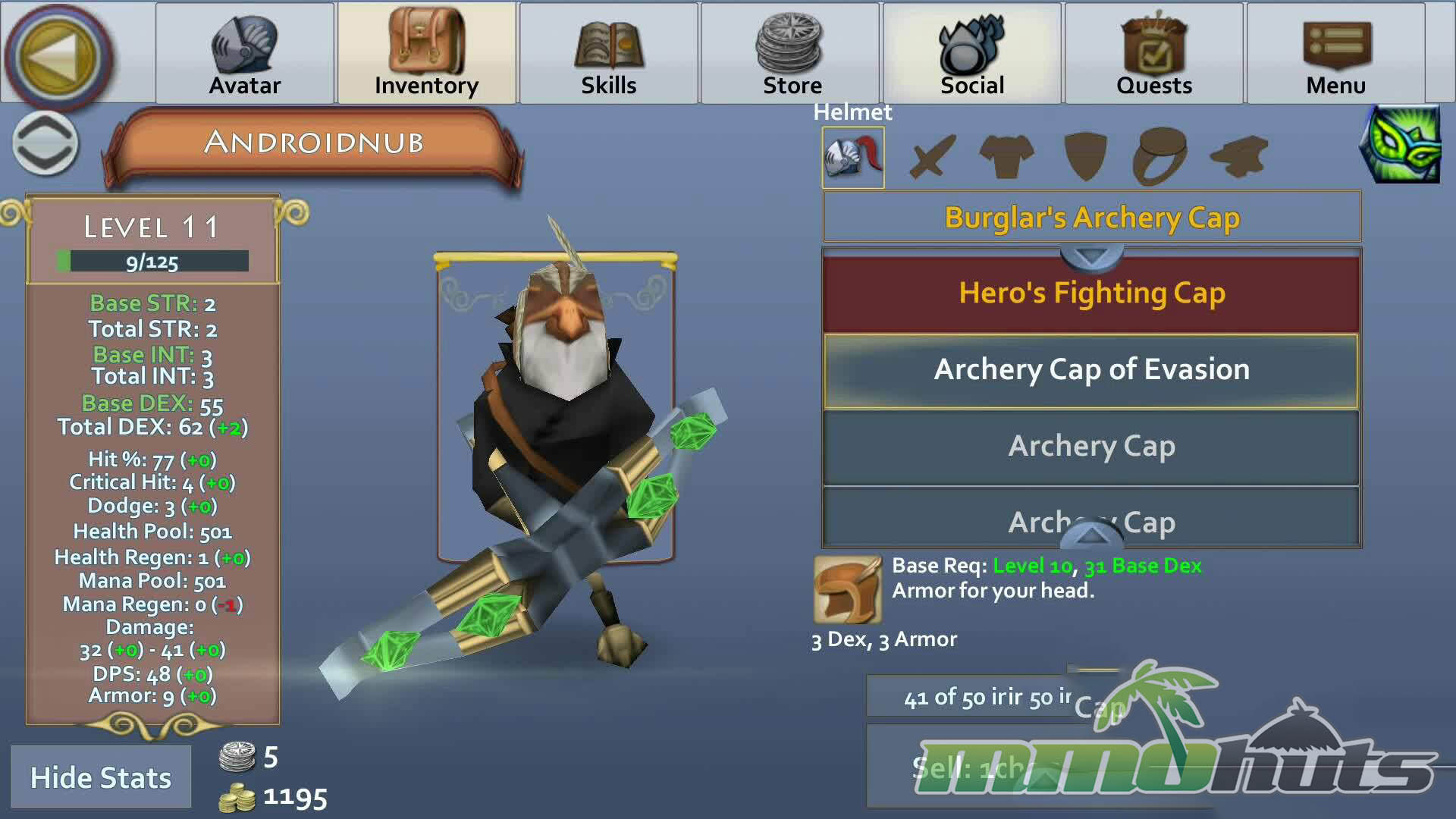
Loot is the other half of the loop, and the game is generous with it. New weapons and armor appear frequently enough that you are almost always evaluating an upgrade or filling out a collection. There is a large pool of items to discover (over a thousand pieces of equipment), and that constant drip-feed does a good job of keeping runs rewarding. Some gear does share similar models, which can make upgrades feel visually less dramatic at times, but the overall cadence of progression remains satisfying, especially for players who enjoy the “one more run” feeling of chasing drops.
Cash Shop/In-App Purchases (IAP)
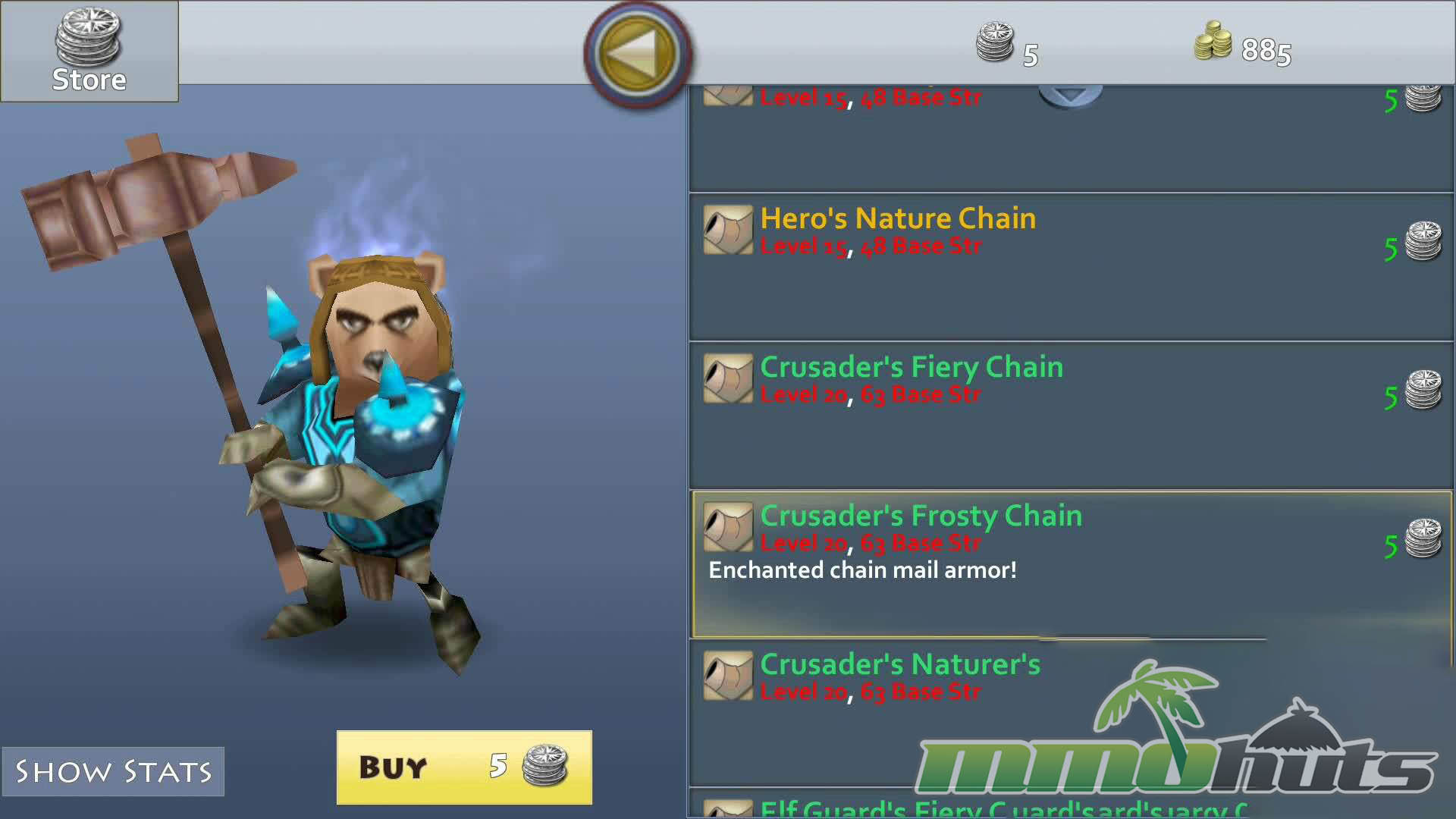
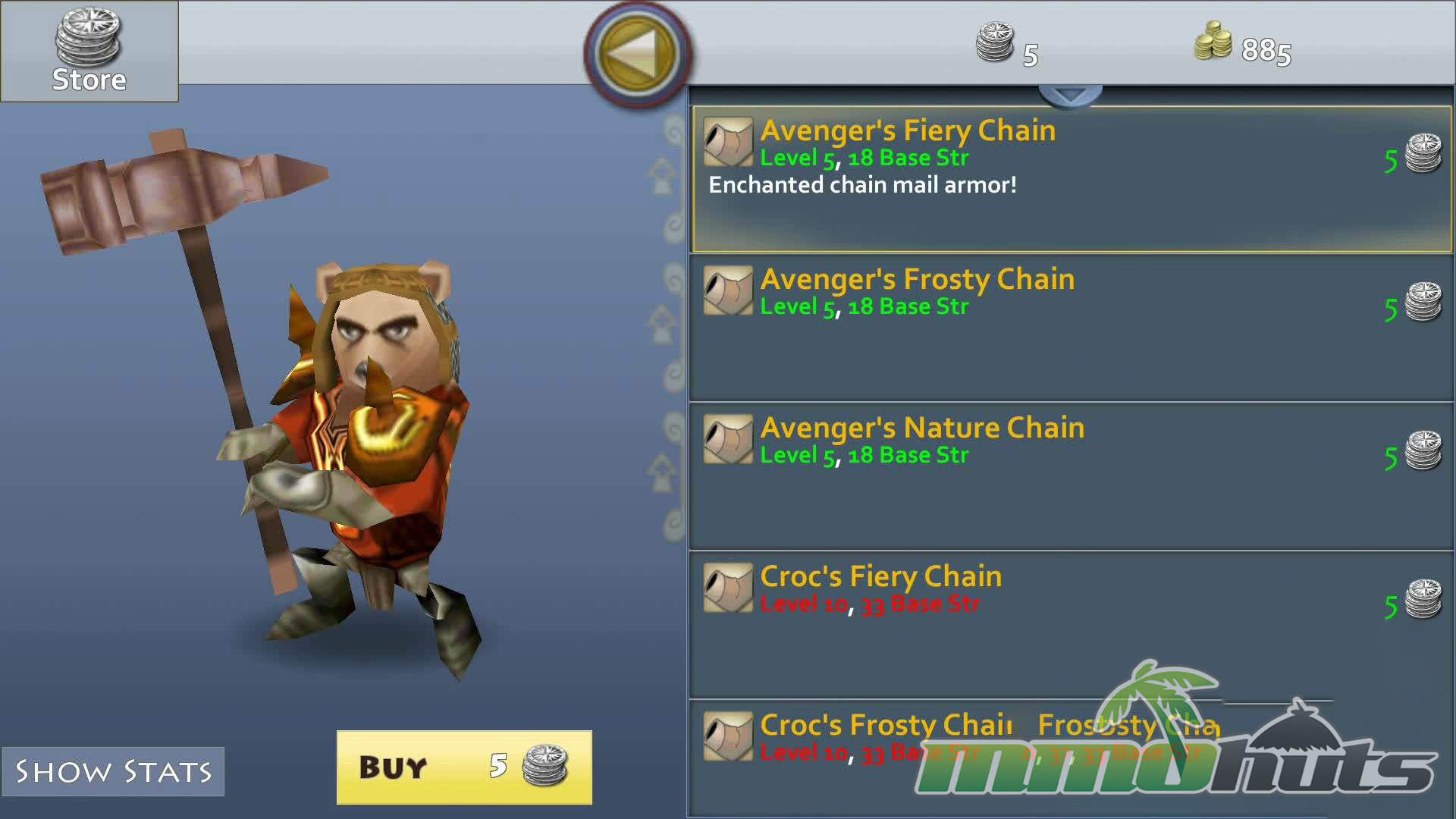
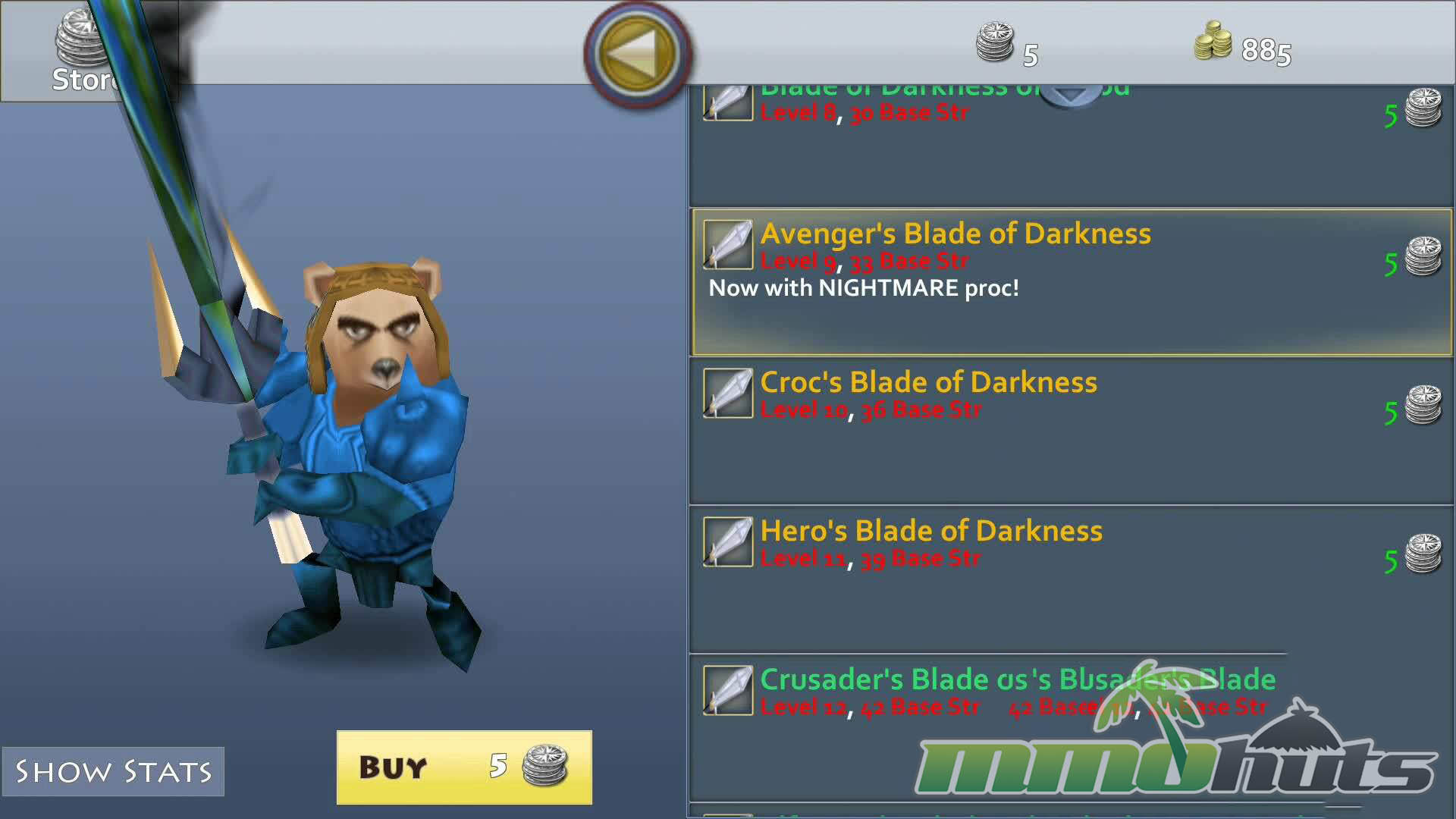
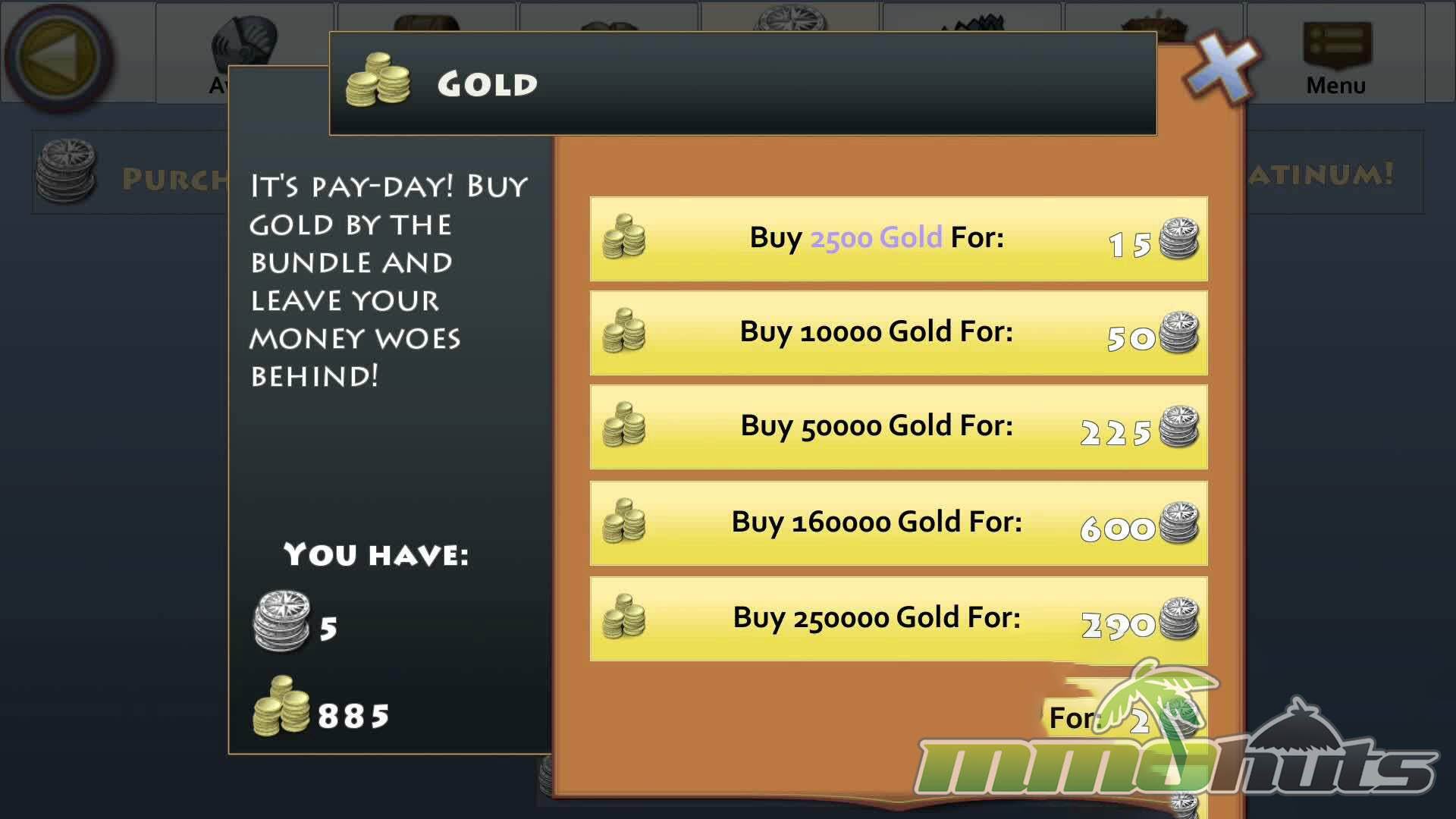
Pocket Legends uses a premium currency called Platinum, and the store focuses on convenience and optional boosts rather than mandatory purchases. Platinum can be spent on items like gold, level-locked gear, rings, crafting materials, class packs, and vanity cosmetics. A notable point is that pricing is not heavily scaled by level, gear tends to fall in a similar Platinum range (often 5 to 10), with the level restriction determining who can equip it.
In practice, you can progress without spending, and the level-locking helps keep the shop from breaking the game’s progression curve. Store gear can be a bit stronger than comparable drops at the same level, but it generally reads as a shortcut rather than a requirement. Platinum is obtained through spending money, and the game also offers ways to earn it through surveys and offers, which can help free players access some premium options over time.
Final Verdict – Great
Pocket Legends still succeeds at what it set out to do, deliver a complete, approachable MMORPG experience on mobile with fast grouping, clear questing, and a rewarding stream of loot. The visuals are undeniably dated, but the art style remains charming enough, and the touch-first combat and party flow are still easy to recommend for casual co-op play.
The biggest caveat is longevity, Spacetime Games is no longer actively updating Pocket Legends, so it is best approached as a classic mobile MMO that remains playable and enjoyable, rather than a live service that will continue to evolve. If you want a straightforward, social dungeon-running MMORPG you can pick up in short sessions, it remains a strong option.
Pocket Legends Links
Pocket Legends Official Site
Pocket Legends Wikipedia
Pocket Legends Google Play Store
Pocket Legends Apple Store
Pocket Legends Wikia (Database/Guides)
Pocket Legends System Requirements
Minimum Requirements:
Operating System: Android 2.2 or later, iOS 4.3 or later
Pocket Legends Music & Soundtrack
Coming Soon…
Pocket Legends Additional Information
Developer: Spacetime Games
Publisher: Spacetime Games
Platforms: Android, iOS
iOS Release Date: April 3, 2010
Android Release Date: November 11, 2010
Pocket Legends was developed and published by Spacetime Games (also known as Spacetime Studios), a mobile-focused MMO developer based in Austin, Texas. The game earned its reputation by being among the first mobile MMORPGs with a persistent world, giving players a shared online space that felt closer to traditional PC MMORPG design than most early mobile offerings.
Spacetime Games later expanded the formula with additional “Legends” titles, including Star Legends and Dark Legends (each reaching over 1 million downloads on Google Play), and eventually found their biggest audience with Arcane Legends, which surpassed 10 million downloads on Google Play and became one of the most downloaded MMORPGs on Android and iOS. In January 2015, Spacetime Studios stated that Pocket Legends, Star Legends, and Dark Legends would no longer receive updates, as the company shifted attention to Arcane Legends and future projects.