Voyage Century Online (also known as Bounty Bay Online) is a historical MMORPG built around the Age of Sail. Set in the 16th century, it mixes land-based adventuring with a heavier focus on ocean travel, ship management, and naval battles, while featuring recognizable coastal cities inspired by real locations. If you want an MMO where your progress is tied as much to routes, cargo, and cannons as it is to character levels, Voyage Century still stands out as a rare nautical option.
 | Publisher: IGG Playerbase: Low Type: MMORPG PvP: Open World Release Date: December 22, 2006 (NA/EU) Pros: +Huge world to sail and explore. +Memorable ship-to-ship combat. Cons: -Rough English localization. -Clunky, dated interface. -Noticeable pay-to-win pressure. |

Voyage Century Overview
Voyage Century Online is a Windows client MMORPG with a historical theme and a strong emphasis on seafaring. After creating your character, you eventually commit to one of five professions: Royal Military Officer, Imperial Guardian, Caribbean Pirate, Treasure Hunter, or Armed Businessman. These professions suggest a direction (combat, piracy, commerce, exploration), but they do not hard-lock you into a single playstyle. In practice, the game encourages hybrid characters who fight, craft, trade, and sail depending on what they want to focus on that week.
Progression is split between standard character leveling and a broad skill system. Players can train weapon skills alongside economic and maritime skills such as bartering and ship-related development. Skills advance through use and experience rather than being restricted to your chosen profession, so a “merchant” can still build into combat tools, and a “pirate” can invest in production or trade if they want a more self-sufficient route.
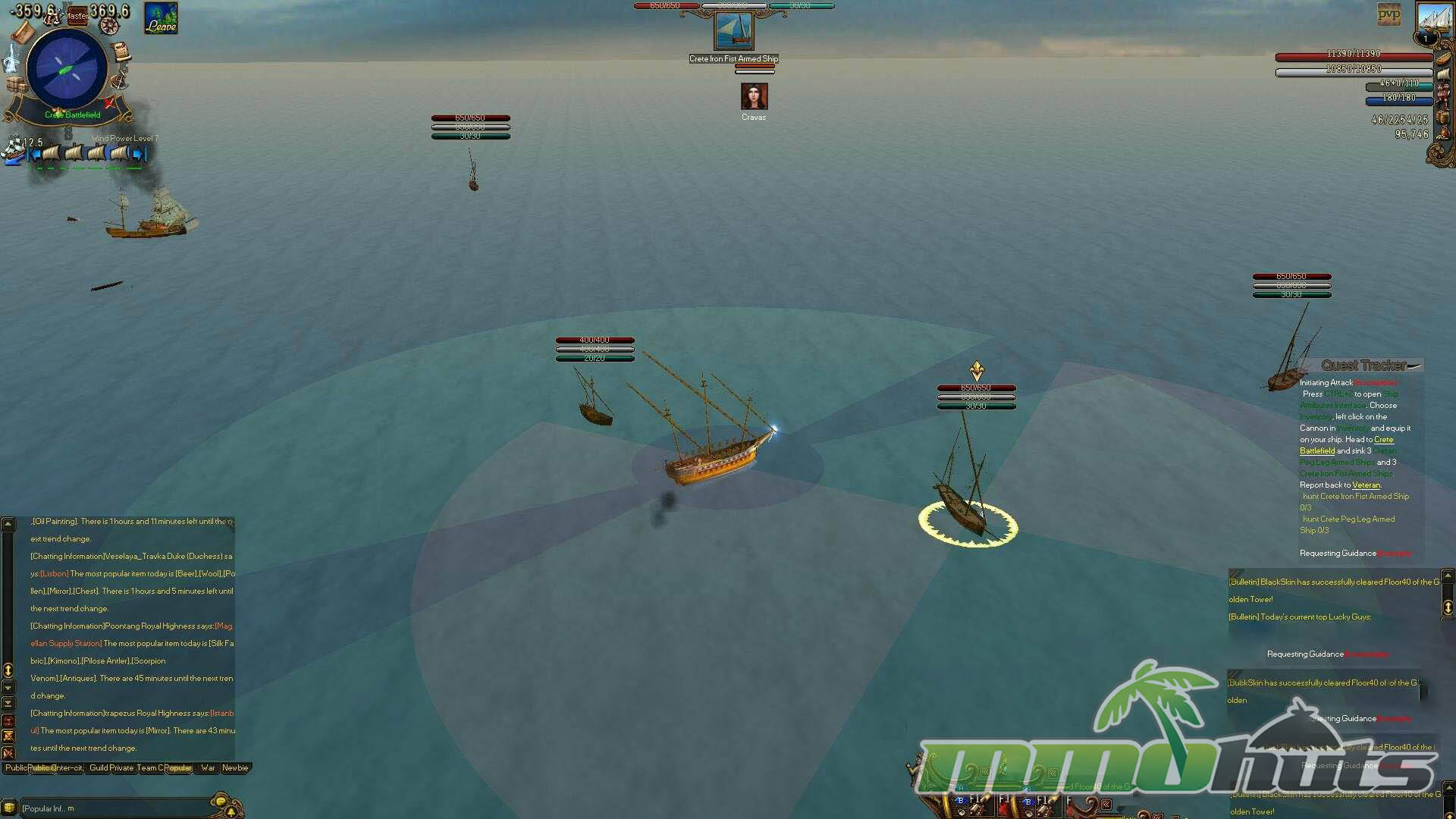
Gameplay is divided between land content and ocean content. On land, you handle quests and MMO-style combat. At sea, the game’s signature systems take over, including ship combat that can end through cannon fire, sinking an opponent, or closing the distance to board and fight up close. As a nautical MMO, Voyage Century sits in a small niche alongside games like Uncharted Waters Online and Pirates of the Burning Sea, offering a scale and travel fantasy that most traditional fantasy MMOs never attempt.
Voyage Century Key Features
- Five classes – Choose a profession for access to distinct abilities, then shape your character further through the skill system. Options include Royal Military Officer, Emperor Guardian, Caribbean Pirate, Treasure Hunter, or Armed Businessman.
- Auto Battle – Includes an auto-combat option that can handle fighting and routine actions for you, similar to the automation found in many older grind-friendly MMORPGs.
- Customizable Skills – Train from a large pool of skills (17+) to tailor how you fight, gather, and produce, rather than relying only on class choice.
- Open world PvP – Player conflict can happen on land and at sea, with a notoriety system that punishes reckless aggression (including the risk of being jailed).
- City-to-City Trading – Run cargo between ports to profit from price differences, and use bartering to improve margins, especially when traveling in groups that can deter pirates.
- World exploration – Sail across a broad world map to uncover treasures and discoveries, complete tasks, and encounter threats along the way.
- PvE Instances – Take on 22 PvE instances for loot, with encounters that span both land missions and ocean scenarios.
Voyage Century Screenshots
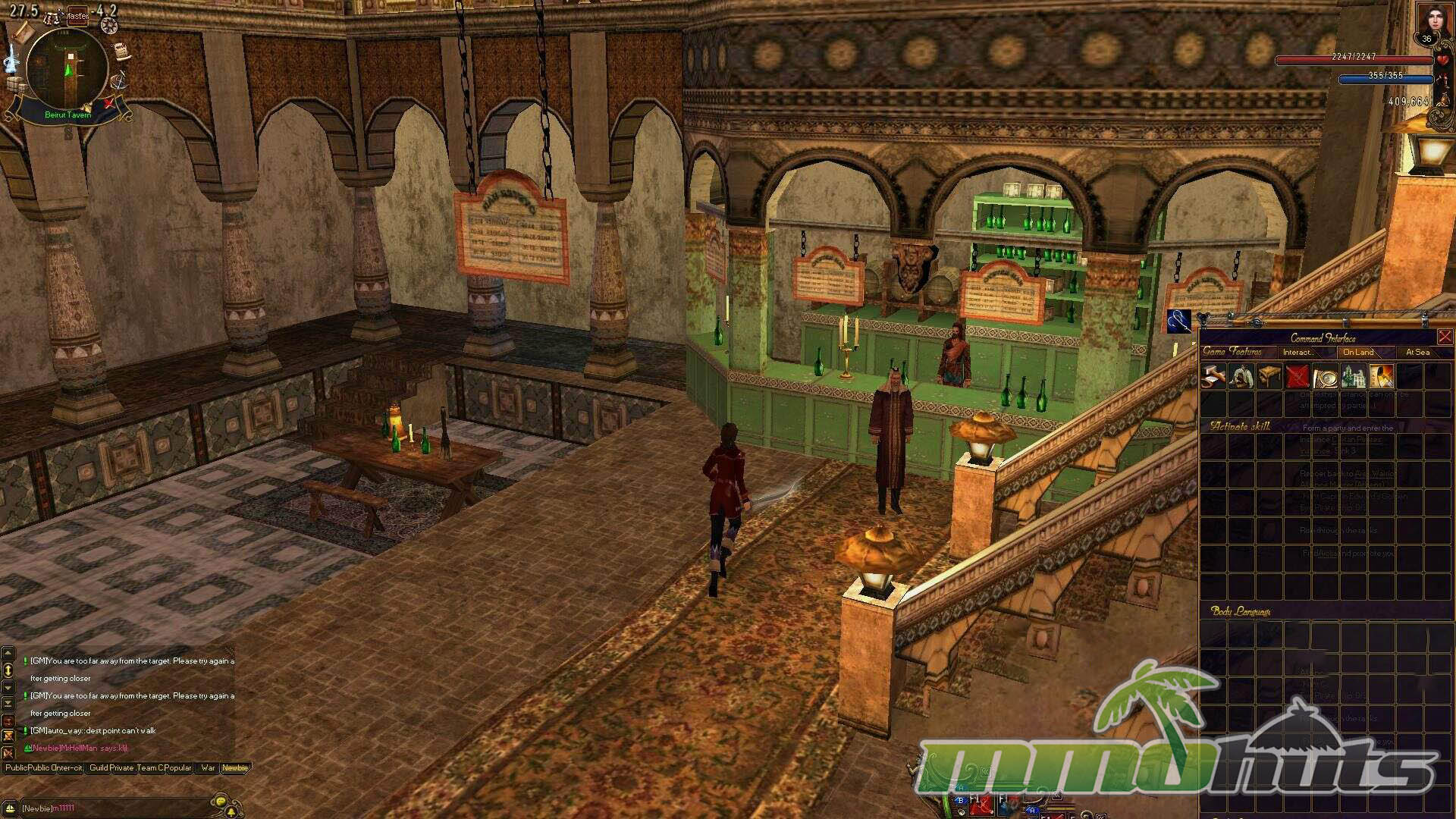
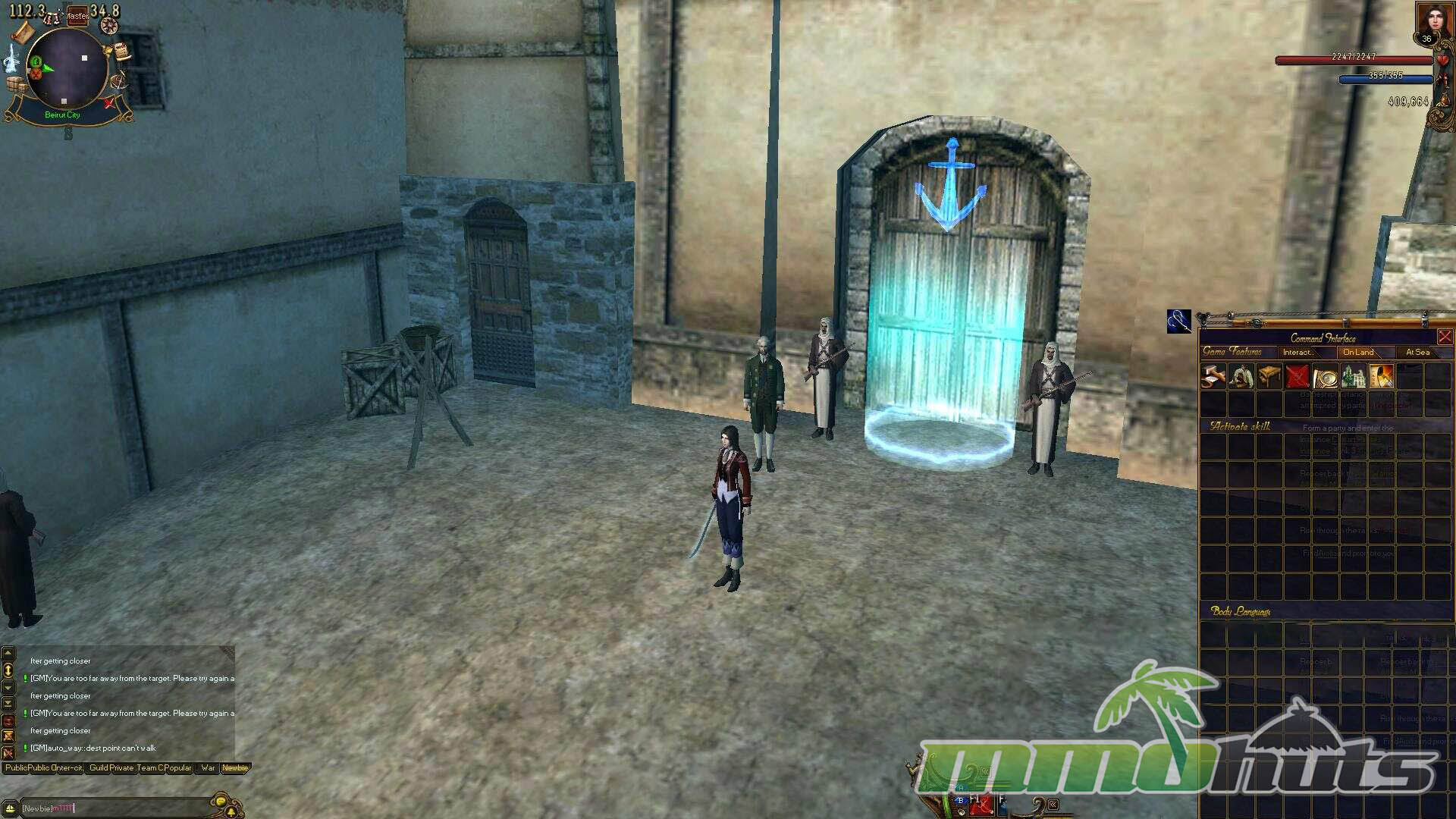
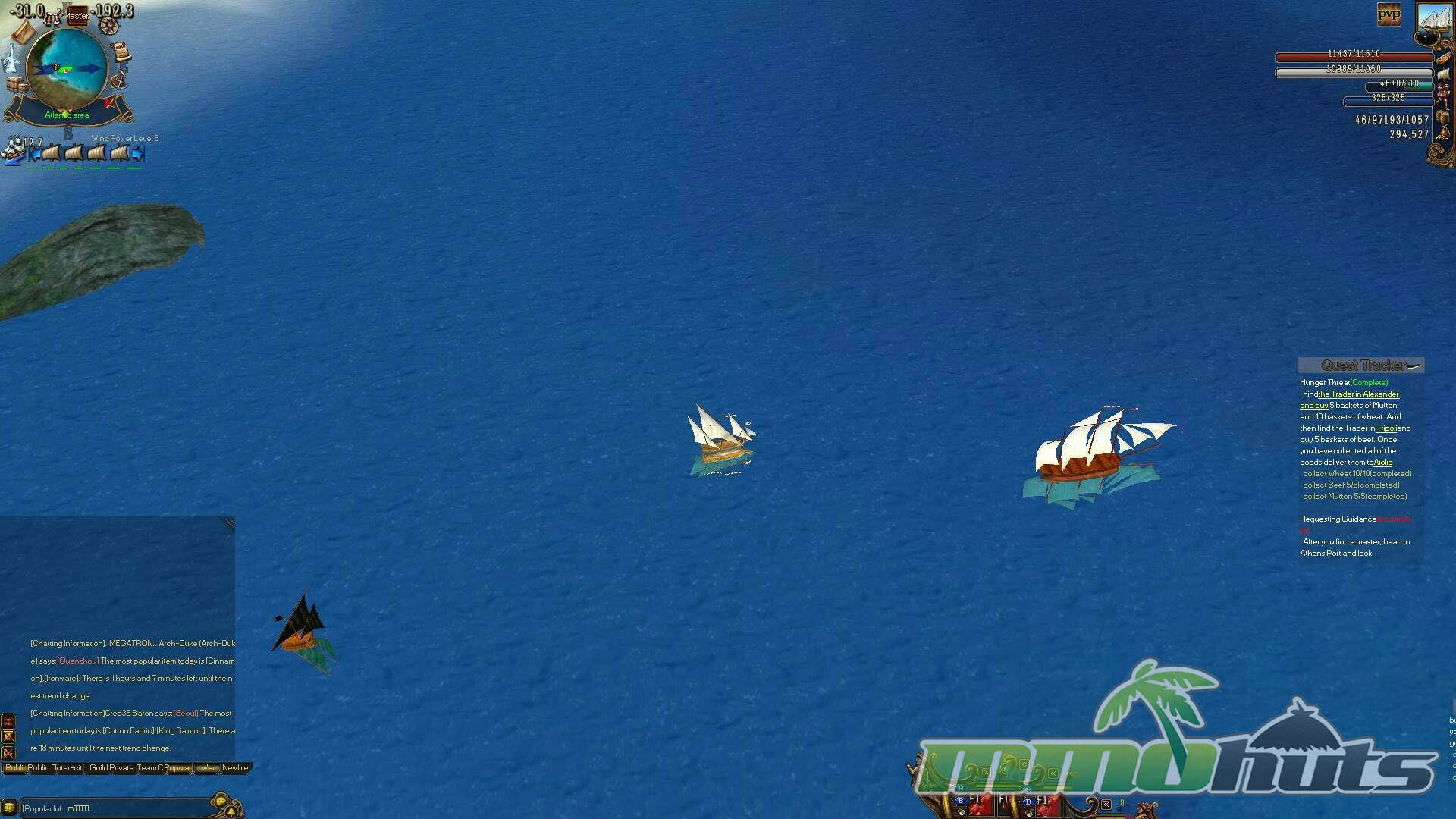
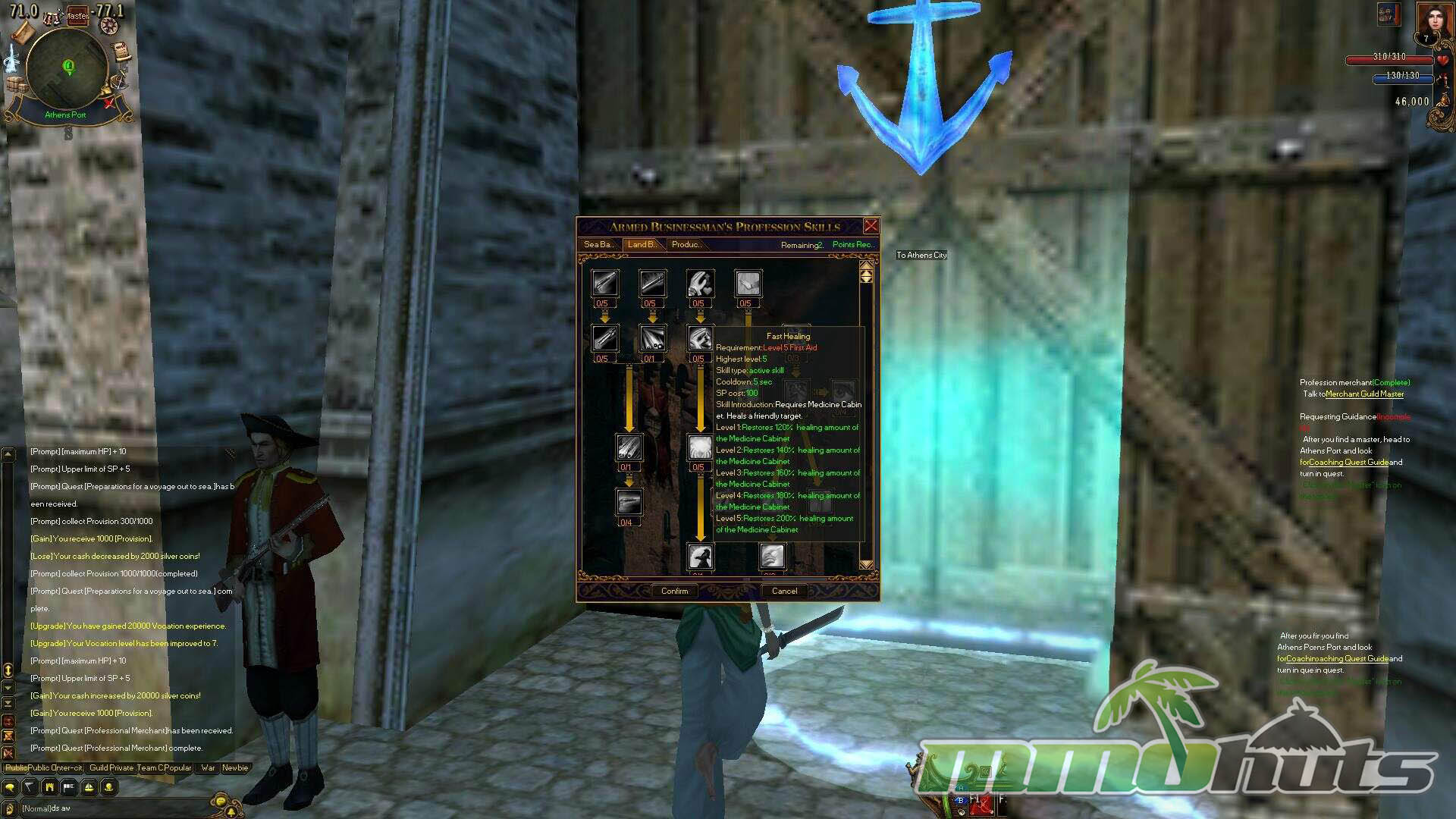

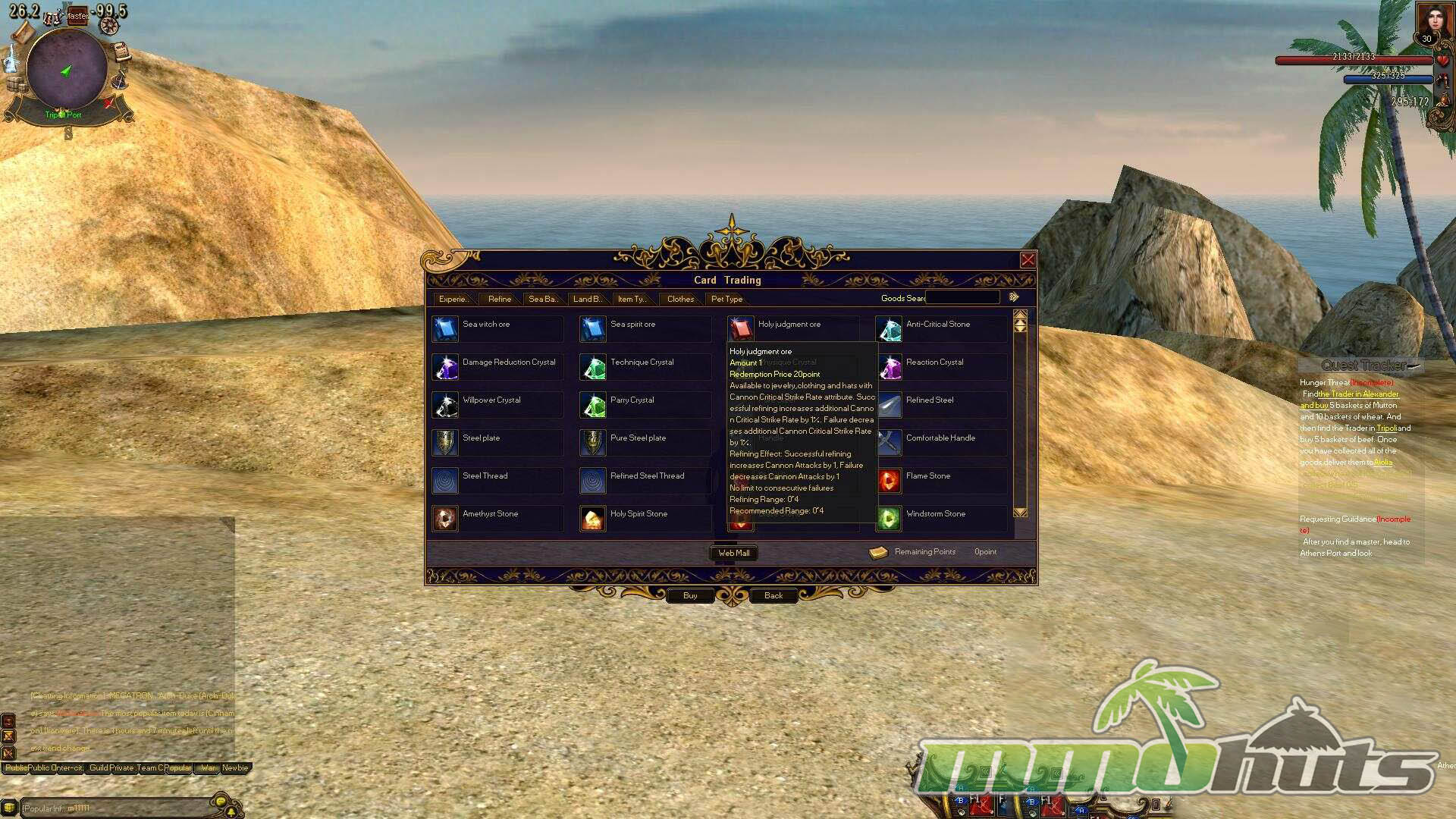

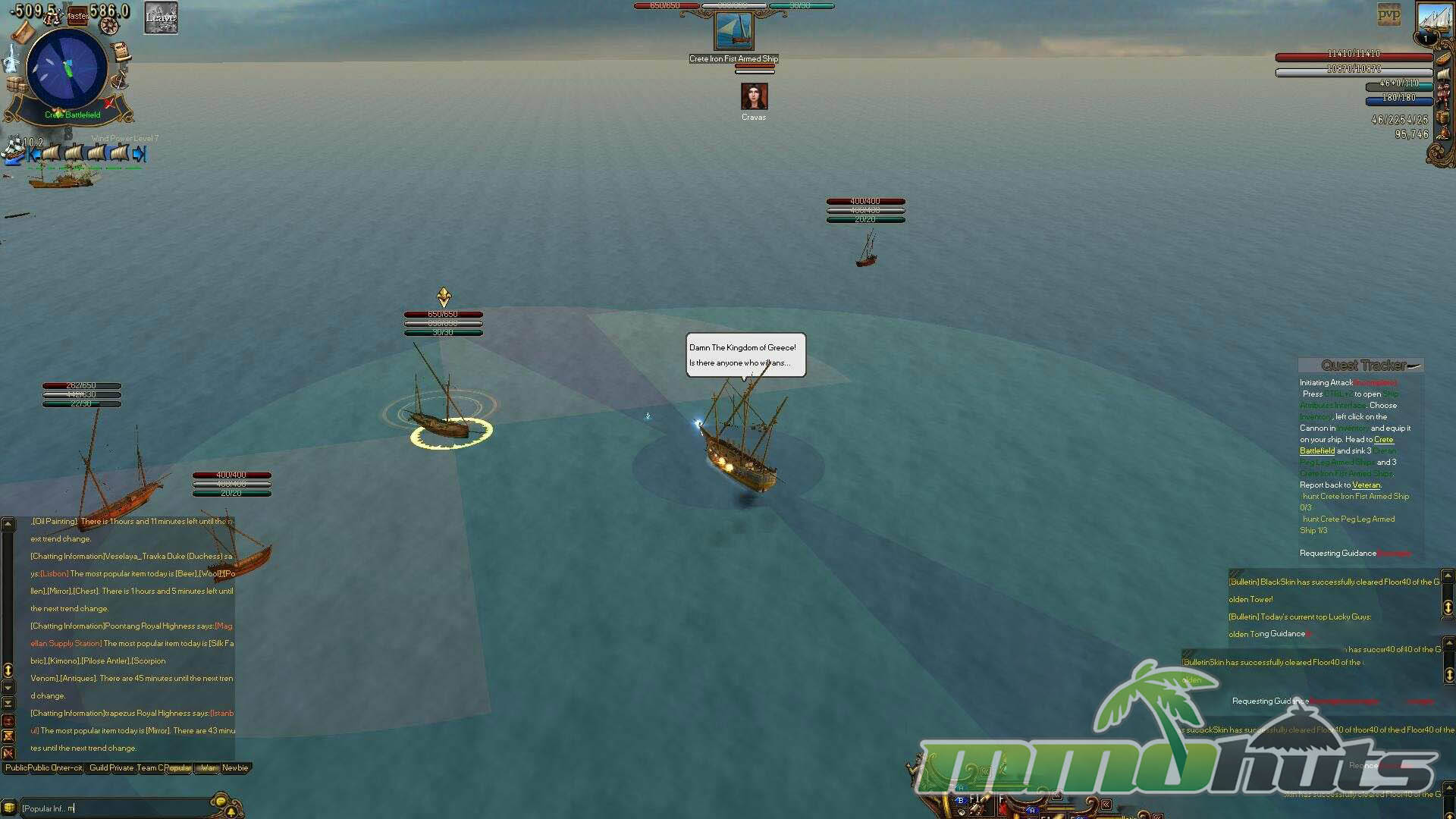
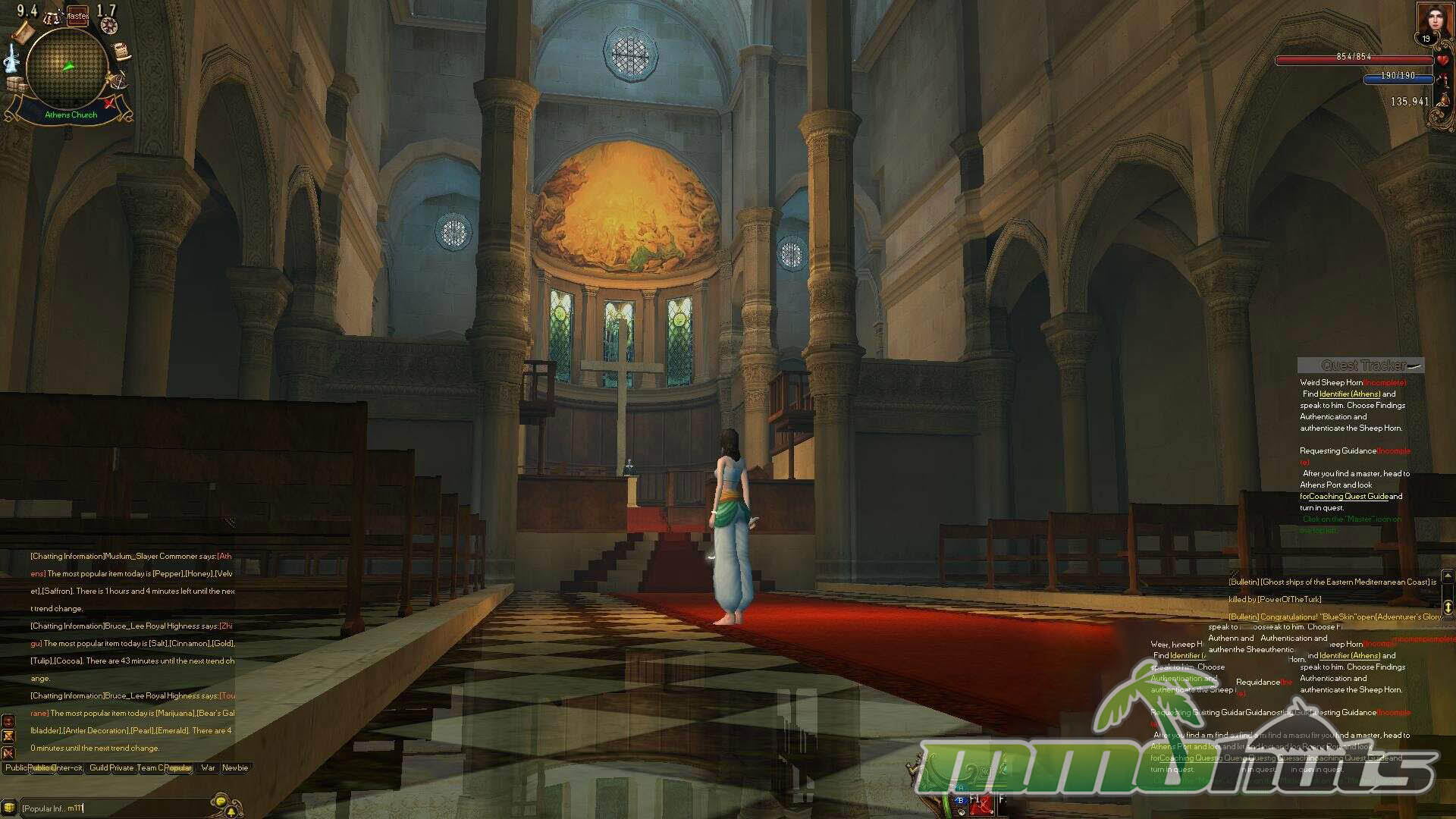
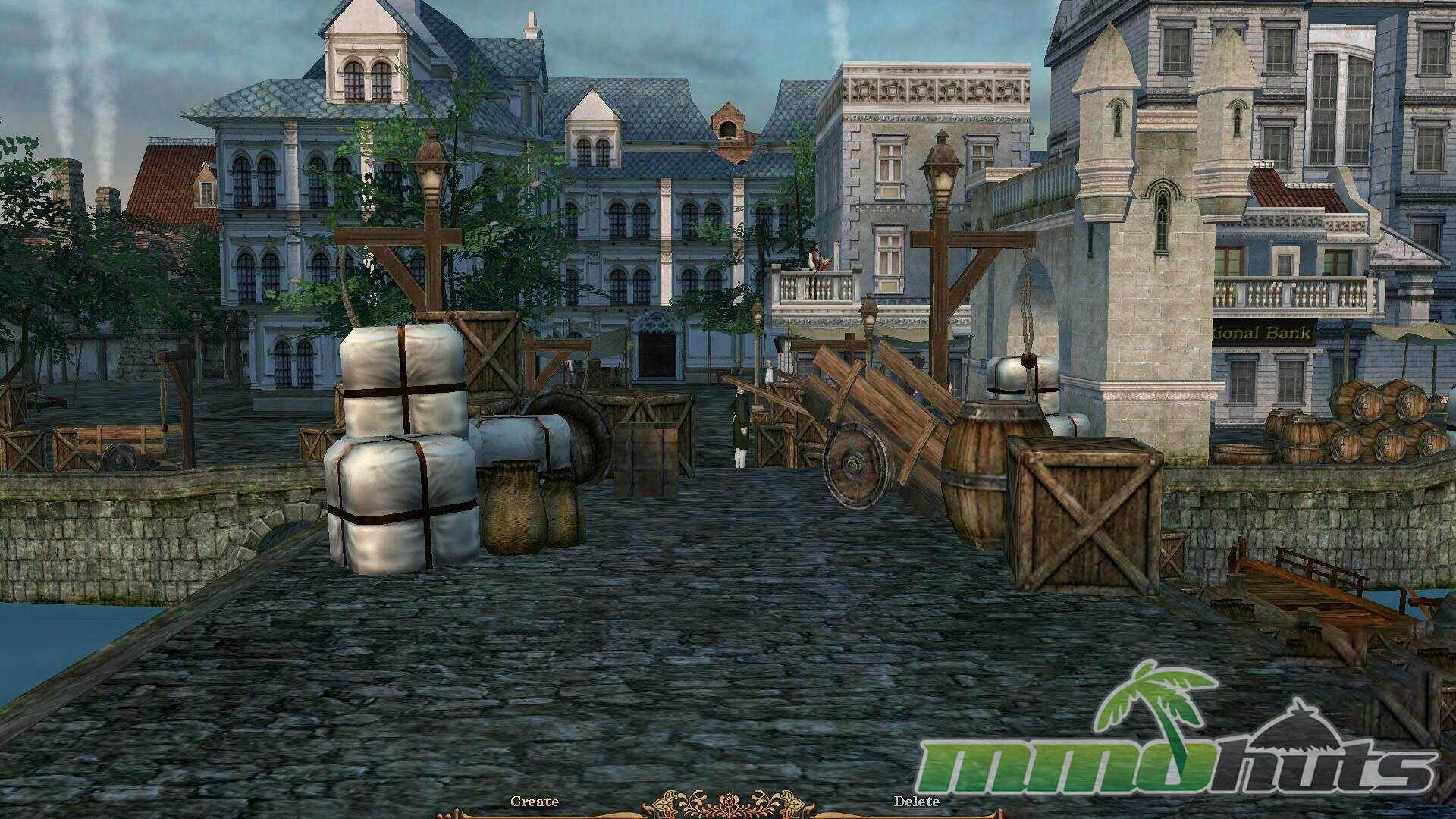
Voyage Century Featured Video

Voyage Century Review
Voyage Century has been around for a long time, and its North American and European release dates back to December 22, 2006 (NA/EU) under IGG. Over the years it has been reworked with major updates that made the early experience more guided than it used to be. The modern onboarding leans heavily on quests to teach the basics, which is important because this is not a simple “quest hub to dungeon queue” MMORPG. The game expects you to learn ports, routes, ship logistics, and a fairly layered skill system, and it rewards players who enjoy gradually mastering a complicated sandbox.
A barebones start for your captain
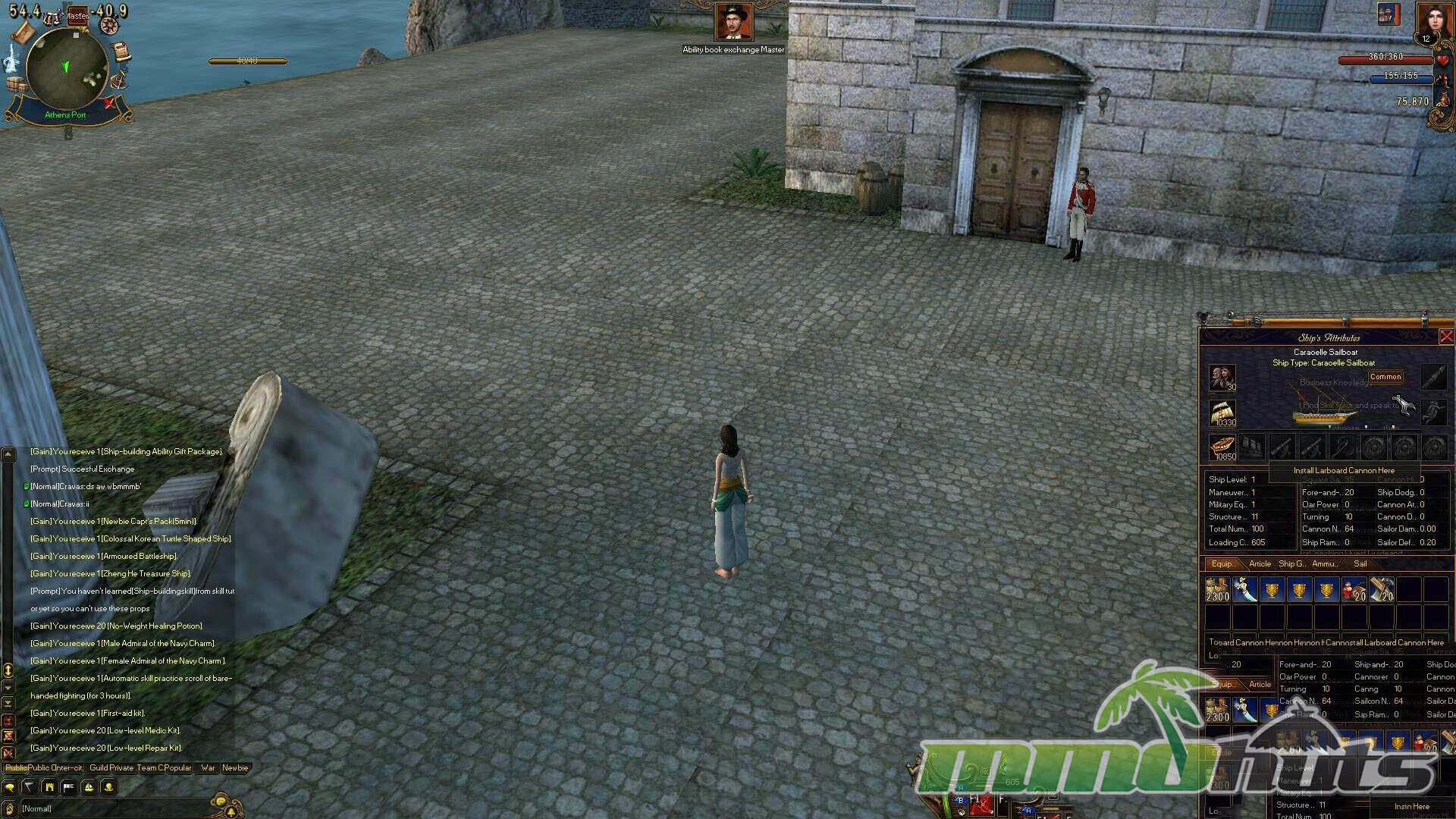
The first place Voyage Century shows its age is character creation. Options are limited, with only a handful of base models and relatively small cosmetic variety. You do get multiple character slots per server, which helps if you want to sample different professions, but do not expect modern levels of personalization. Another thing you will notice quickly is the localization. The game can be charmingly old-school, but the English text is inconsistent and sometimes awkward, which can make learning systems harder than it needs to be.
Picking a profession without being boxed in
You do not immediately “lock in” your identity the moment you make a character, instead the game nudges you toward a profession choice early on through an in-game mentor and prompts. The profession descriptions give a rough idea of what each path emphasizes, but the real flexibility comes from the skill system. Because skills are not strictly gated by profession, the choice matters most for your ability set and your early direction, not for what you are allowed to do long-term. That freedom is one of Voyage Century’s better design decisions, especially in a game that supports combat, trade, crafting, and exploration as legitimate lifestyles.
Questing as the real engine of progression
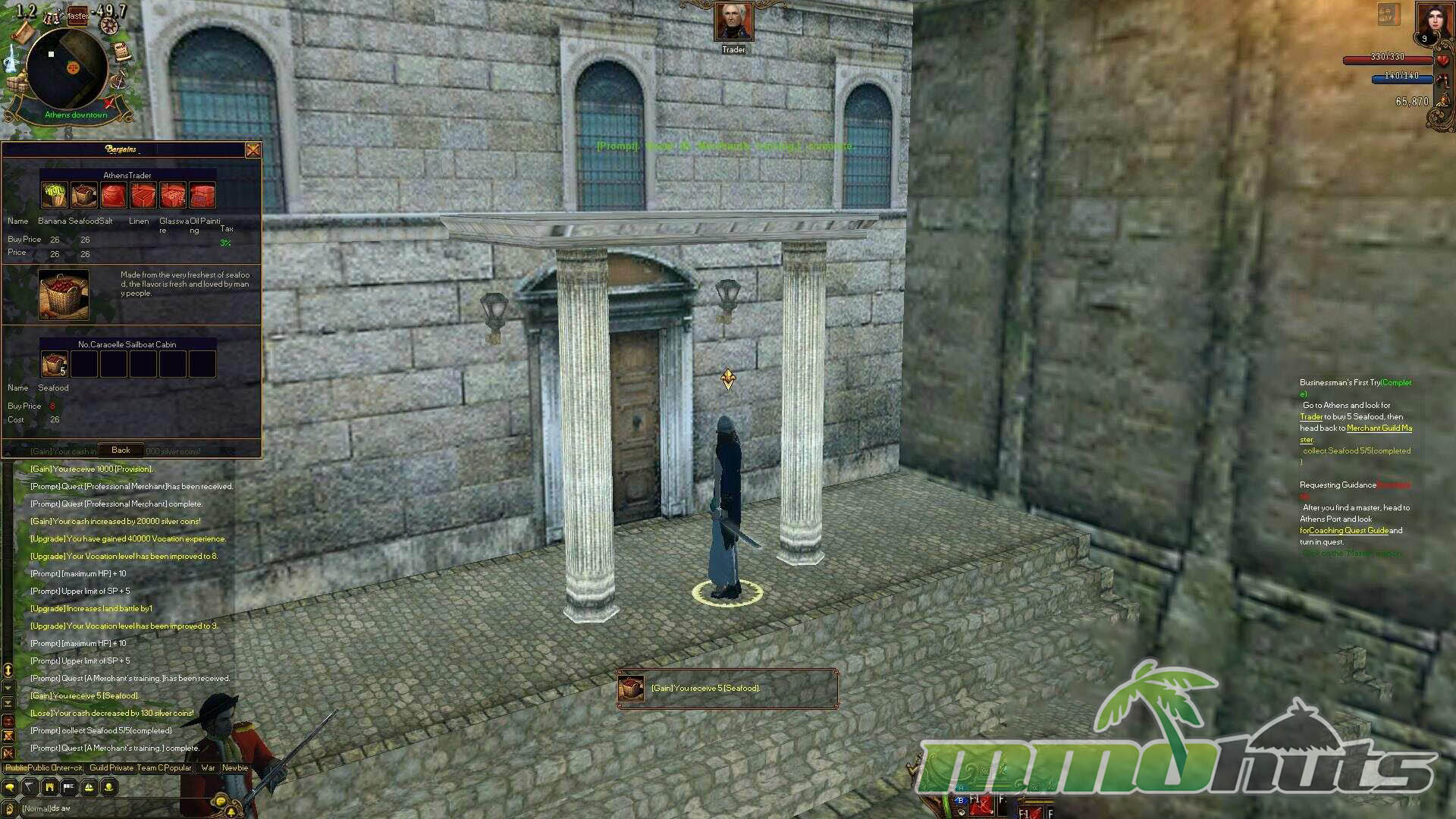
Voyage Century’s early and mid-game leveling is driven primarily through mentor-led quest chains. Compared to the experience you gain from casual monster hunting, quest rewards are the clear fast track, and they function as both tutorial and progression spine. Navigation is helped a lot by automation tools. You can click destinations on the map or interact with quest objectives from your log to trigger auto-pathing, and that pathing can even continue across zone boundaries. It is not flawless and can snag on terrain or odd routes, but given the scale of the cities and how frequently you are asked to travel, it is an important quality-of-life feature.
Land combat: functional, forgiving, and a little flat
On-foot combat follows familiar MMORPG patterns, targeting and attacking with mouse-driven controls. It works, but it rarely shines. Targeting smaller creatures can be finicky due to tight hit detection, especially when both you and the enemy are moving. Difficulty is also on the low side early on, with enemies doing minimal damage and fights ending quickly. The upside is that the game rarely punishes experimentation at the start, but the downside is that land combat alone does not sell the fantasy. The moment the game clicks is usually when it pushes you onto your first meaningful sea route, typically tied to trading or delivery tasks that introduce the economy and travel loop.
Ship handling and the many ways to lose a fight
Sailing is the heart of Voyage Century, and it comes with the usual mix of satisfaction and irritation that ship games tend to produce. Before you even think about picking a fight, you are managing the basics: hiring crew, stocking provisions, equipping cannons, and carrying ammunition. Naval battles are not just about damage output, they are about staying operational. Your hull can be worn down, sails can become unusable, crew can be injured or wiped out by sustained cannon fire, and running out of provisions or ammo can end an encounter regardless of your ship’s health. The logistics are part of the appeal, but they also mean mistakes are expensive until you learn what “overprepared” looks like.
Levels matter, but skills matter more
Progression is a blend of character levels and an extensive skill list (17+) that includes combat styles and ship-related, gathering, and crafting disciplines. Skills improve as you use them and can climb high, but the system is designed around specialization. While you can learn everything, pushing skills past certain thresholds requires upgrades handled through specific NPC interactions, and your number of these upgrades is limited unless you spend money. In other words, the game supports flexible builds, but it also nudges you toward committing to a smaller set of “main” skills if you want to reach the upper ranks efficiently.
Automation and the AFK culture
The game includes built-in automation that can handle combat and routine grinding, which shapes the community in noticeable ways. It can be convenient for players who enjoy long-term progression without constant manual input, but it also creates crowded monster spawns and a world where many characters are effectively unattended. For new players trying to complete early kill objectives, competing with automated grinders can be frustrating. This is one of those features that makes sense in the game’s era and region of design, but it undeniably changes the feel of the world.
PvP with consequences and faction friction
Open PvP is a constant background threat on both land and sea, which suits a game about piracy and contested routes. Importantly, aggression is not consequence-free. Notoriety can bring retaliation from guards and NPC forces, and the game’s reputation and faction structure adds a strategic layer to who you fight and where you operate. Actions can improve your standing with one group while damaging it with another, which makes the world feel less like a static theme park and more like a system you can push against, even if the presentation is dated.
Stunts, boarding, and the tactical side of naval combat
As skills rise, you gain access to specialized techniques (often framed as “stunts”) that deepen both ship and character play. Sea encounters are not only about trading cannon volleys at range. Closing distance for a grapple, forcing a board, or using ramming to overwhelm smaller ships can flip a fight quickly. Different professions tend to favor different approaches, which gives PvP and group play a bit more identity than the class list alone suggests. There is a lot to learn here, but Voyage Century generally introduces systems steadily enough that you can absorb them while playing, rather than needing to read a guide before you undock.
Trading, crafting, and the long-game appeal
Voyage Century is at its best when you treat it like a living maritime sandbox. Trading routes encourage you to pay attention to what each city is known for and where demand is higher. On top of commerce, there are production paths such as gathering and crafting, including ship-related careers that support the wider economy. Exploration also has real weight. Sailing to new locations and logging discoveries can be a substantial meta-goal, and completionists can spend an enormous amount of time filling out their records. The scale is part of the game’s identity, and it is also why the learning curve is steeper than most free-to-play MMORPGs.
Final Verdict: Good
Voyage Century Online remains an uncommon alternative to standard fantasy MMOs. Its mix of land adventuring, naval warfare, trading, and discovery gives it a distinct flavor, and the world feels genuinely large once you begin hopping ports. The dated interface, uneven translation, and monetization pressures can be hard to ignore, but for players specifically seeking an ocean-focused MMO with real sailing systems, it still offers something few games do.
Voyage Century Links
Voyage Century Official Site
Voyage Century Wiki (Database / Guides)
Voyage Century Wikipedia
Voyage Century Requirements
Minimum Requirements:
Operating System: Windows XP or later
CPU: Pentium 3 500 MHz or better
RAM: 512 MB
Video Card: GeForce 2 MX400 Series
Hard Disk Space: 4 GB Free Space
Recommended Requirements:
Operating System: Windows XP or later
CPU: Pentium 4 2 GHz
RAM: 1 GB
Video Card: GeForce 9500 Series
Hard Disk Space: 4 GB Free Space
Voyage Century Music
Voyage Century Additional Info
Developer: Snail Games
Publisher: IGG
Release Date: December 22, 2006
Voyage Century Expansions:
Doom Treasure Released November 30, 2007
Colony Age Released June 24, 2008
New Era of Conquest: Released February 24, 2009
Atlantis Released: March 1, 2010
Harbor Blockade Released: June 27, 2011
The Gate to the Poseidon Temple Released: December 14, 2011
The Pirate King’s Treasures Released: May 9, 2012
Hurricane Island Mystery Released February 12, 2014
Voyage Century Online is developed by Snail Games and published in the US by IGG. It was Snail Games first major project after the company was founded in 2000 by Shi Hai, and it has operated across multiple regions and languages since 2006. Snail Games was among the early Chinese studios producing 3D online games, and later released titles such as Taichi Panda, Ministry of War, and Black Gold Online. The company also expanded its broader technology ambitions through Snail Mobile, focusing on gaming-oriented mobile hardware and related telecom initiatives aimed at a global audience.