Tribal Wars 2 returns to the familiar formula of InnoGames’ long-running browser strategy series, taking the village management and relentless PvP pressure of the original Tribal Wars and presenting it with a cleaner interface, updated visuals, and a handful of new systems. If you enjoy slow-burn empire building where your plans keep running even when you log off, TW2 is built around that constant tension.
 | Publisher: InnoGames Playerbase: High Type: Strategy MMO Release Date: September 2, 2014 (Open Beta) Pros: +Noticeable upgrades over the first game. +More demanding strategic decisions. +Quest-driven Tribe progression. Cons: -Progress can feel very slow without active play. -Core loop becomes repetitive over time. -Veteran players can pressure newcomers after protection ends. |



Tribal Wars 2 Overview
Take control of a single medieval stronghold and attempt to grow it into a regional power in Tribal Wars 2, the follow-up to the classic Tribal Wars browser strategy game. You expand by upgrading your settlement, training troops, and fighting in a persistent, player-driven world where conflict can happen at any hour. Whether you focus on careful defense, aggressive raiding, or political maneuvering, progress comes from making smart decisions about resources, army composition, and alliances, then reacting quickly when rival players test your borders.
Tribal Wars 2 Key Features:
- Real-time PvP – a persistent world where attacks can be launched at any time, including while you are offline, so planning and timing matter.
- Forge Alliances – coordinate with other players through tribes, agreements, and diplomacy to improve your odds of survival.
- Strategic Battles – train unit types with different strengths and roles, then use them to raid, defend, or counterattack effectively.
- New Spy System – gather intelligence on enemy forces and defenses, and use counterplay to reduce what opponents can learn about you.
- Cash Shop – offers convenience boosts purchased with Crowns, the premium currency.
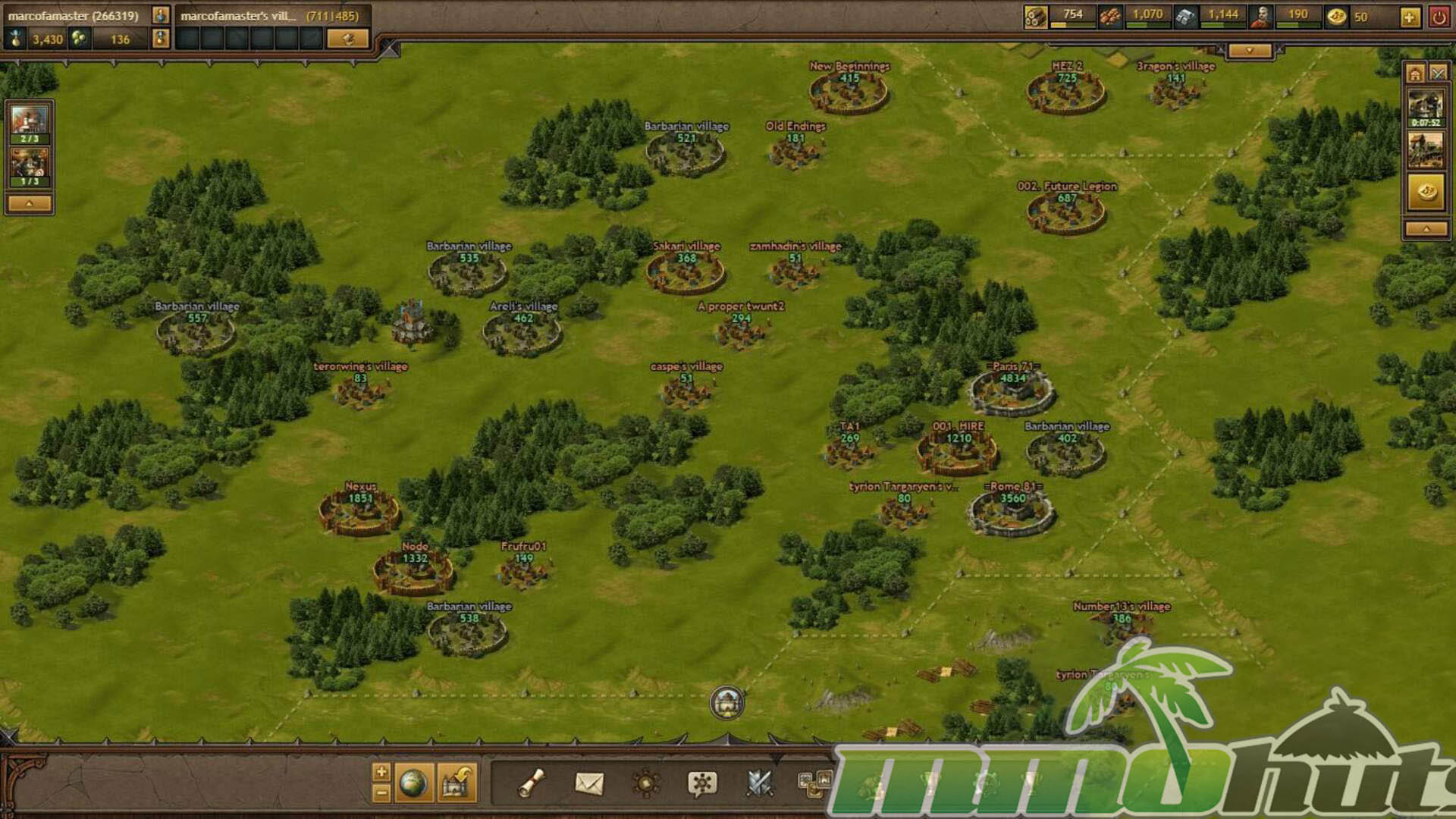
Tribal Wars 2 Screenshots


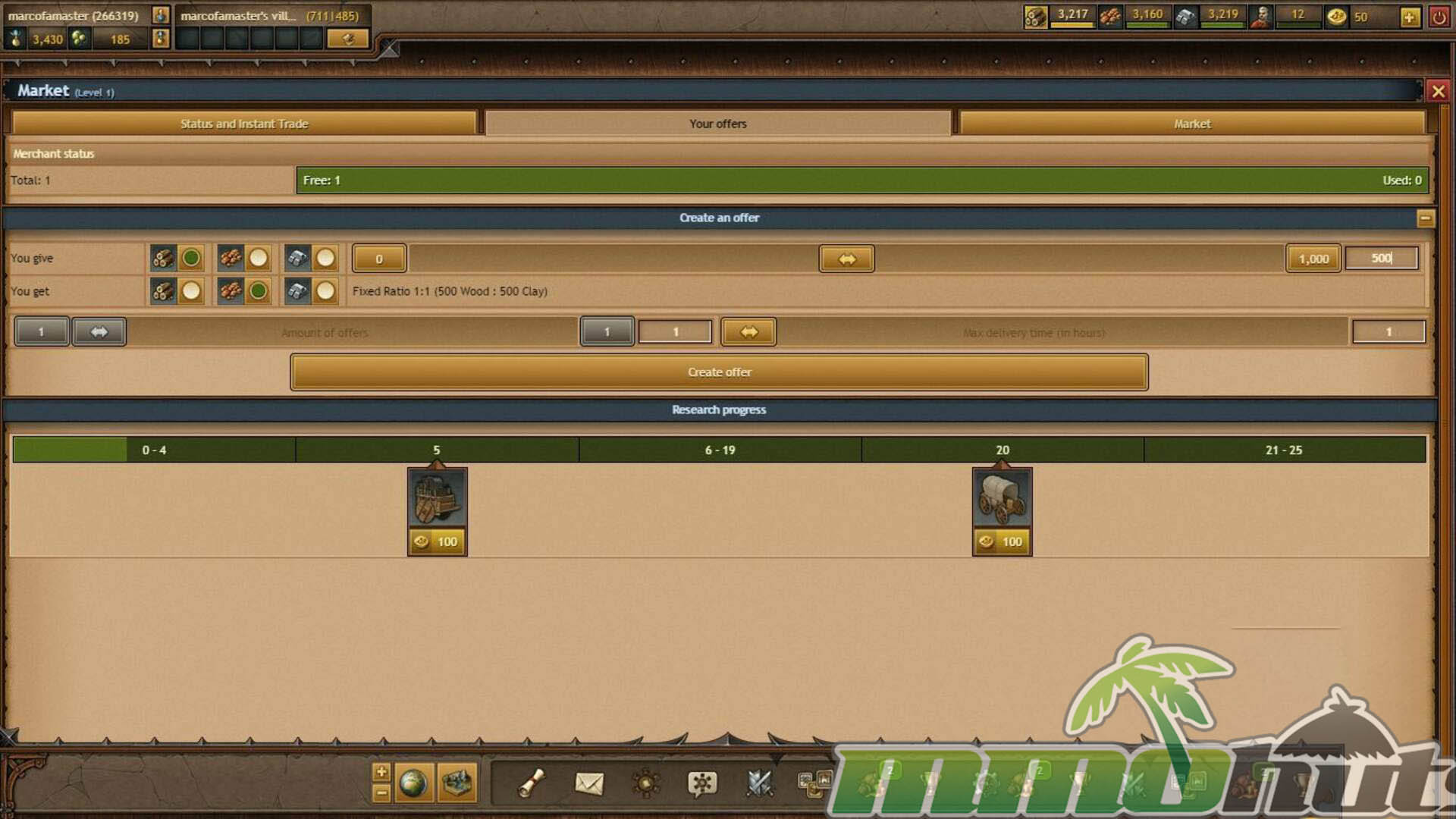
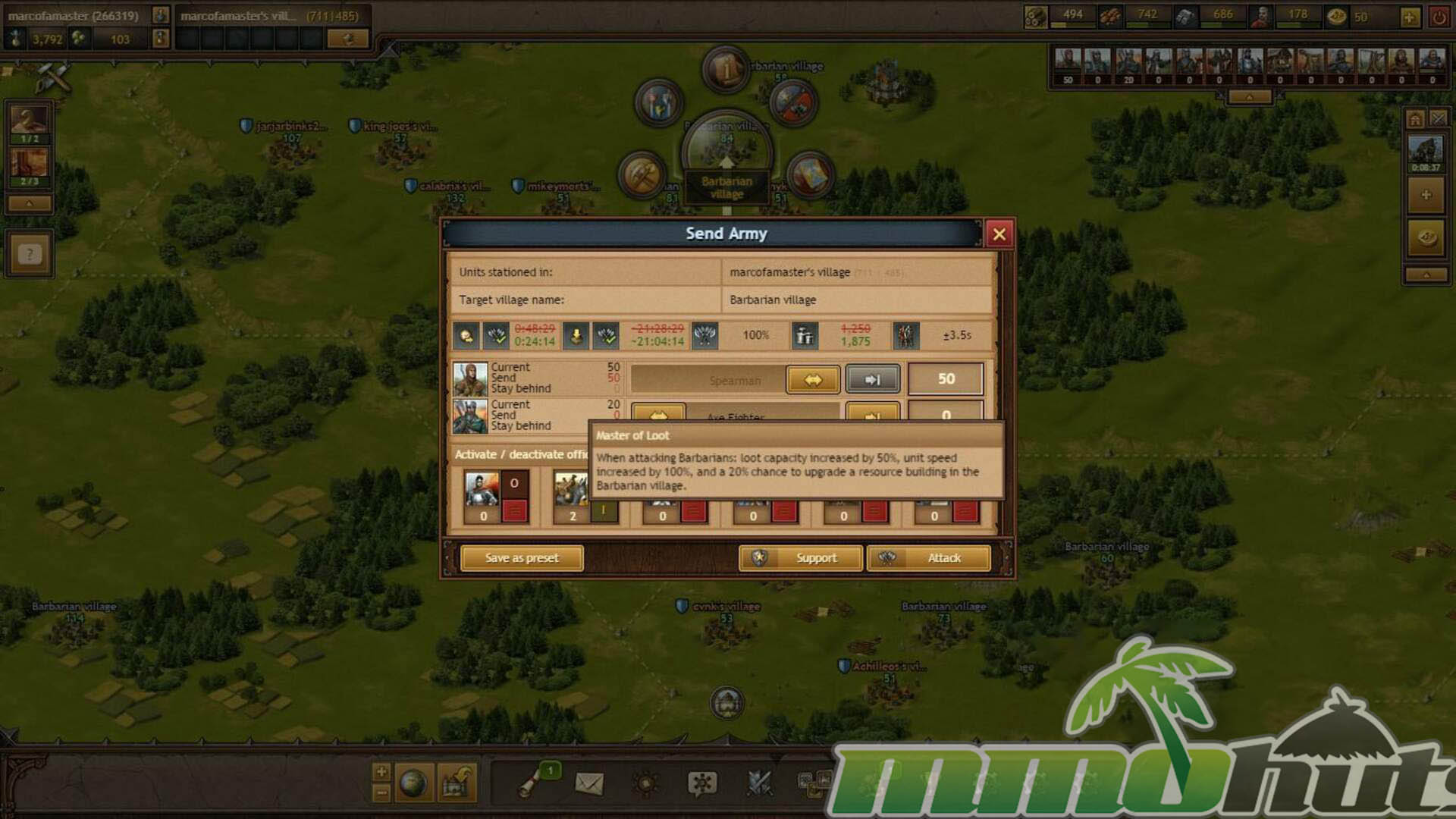
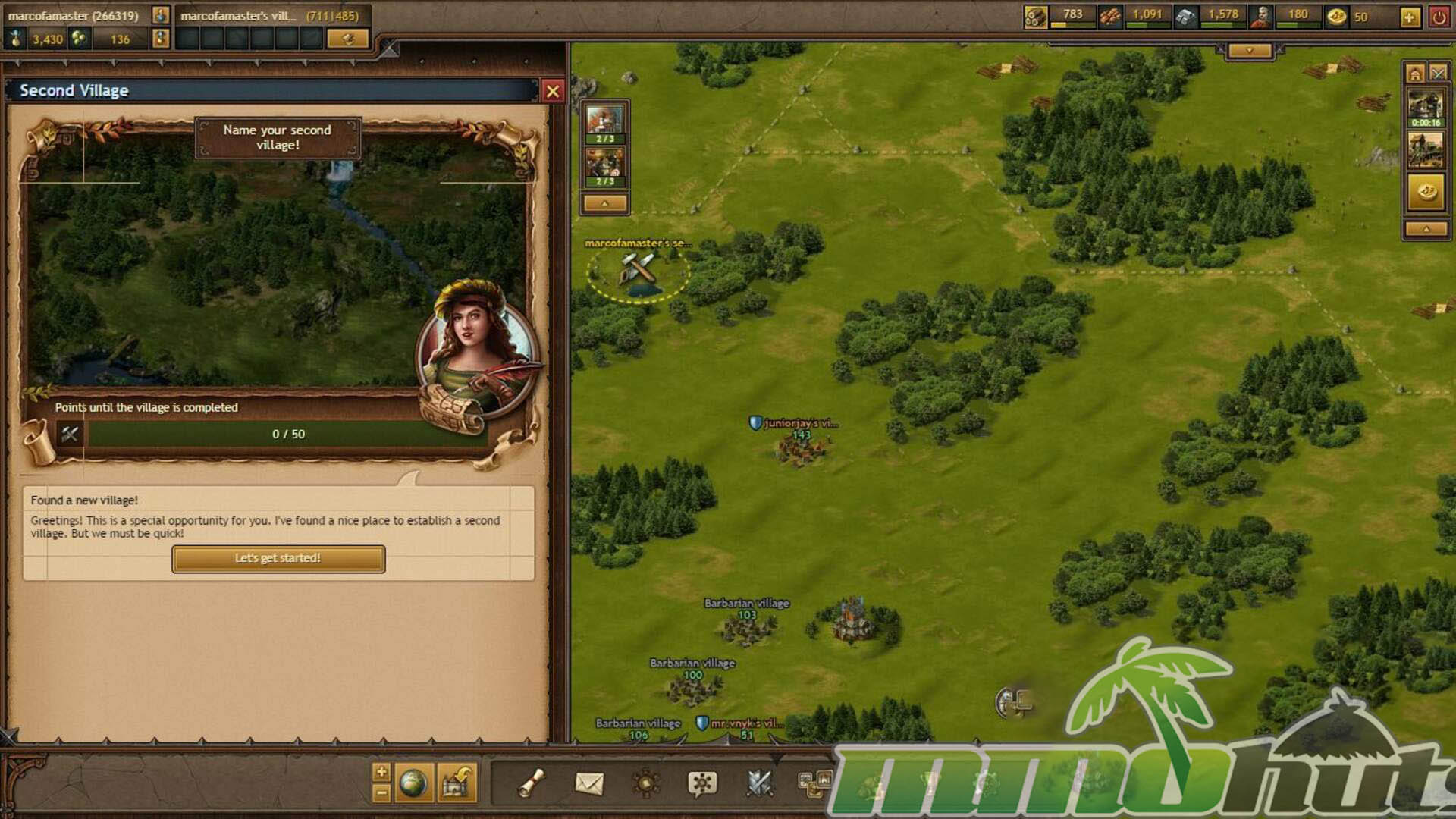

Tribal Wars 2 Featured Video

Tribal Wars 2 Review
Tribal Wars 2 (often shortened to TW2) is a free-to-play, 2D, browser-based strategy MMO developed and published by InnoGames. It entered open beta on September 2, 2014, and it is playable on PC through a web browser, with mobile versions available on iOS and Android.
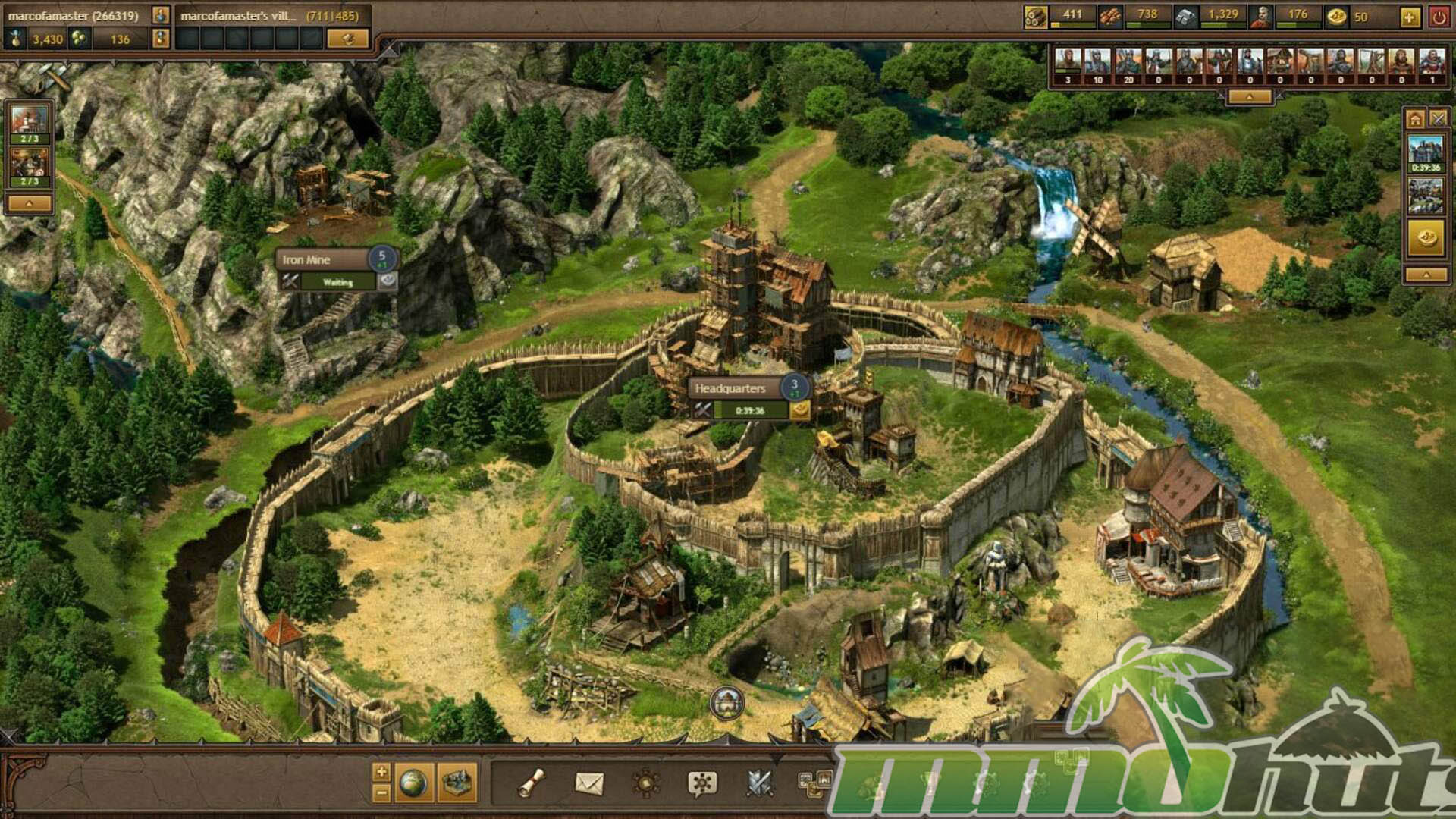
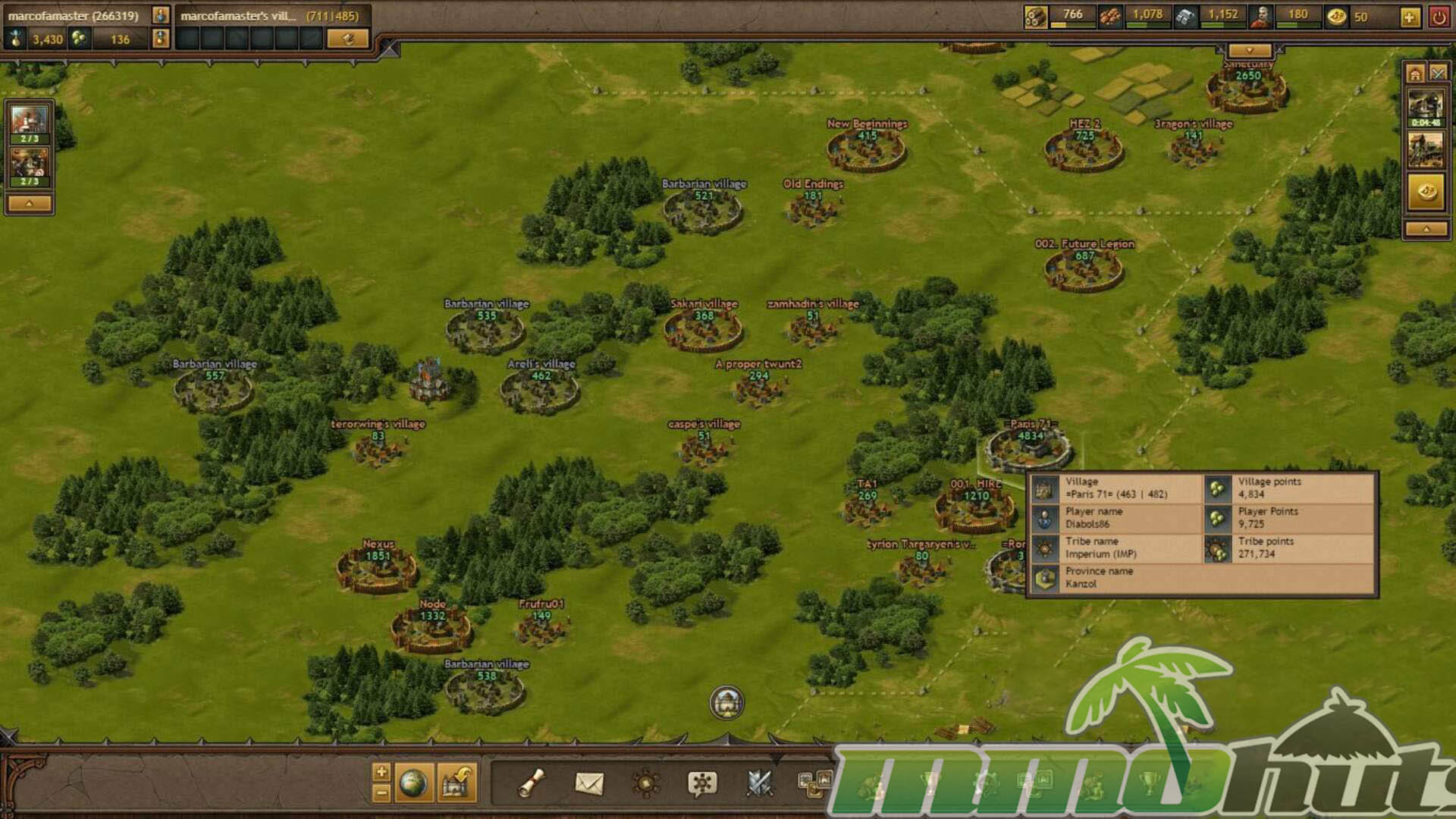
At its heart, TW2 sticks closely to what made the original Tribal Wars so enduring: you manage villages, build up armies, and compete for territory in a world designed around long-term conflict between players. The biggest differences are presentation and usability. The visuals are sharper, the interface is more streamlined, and the map and management screens are more modern. There are also a few added mechanics, such as expanded spying, that give veterans more tools to work with. One series staple remains unchanged, if you lose all of your villages, your run is effectively over.

Choosing a Realm and Surviving the Early Game
Your first meaningful decision is picking a realm. Because TW2 is built around persistent PvP, the age of a realm matters. Newer realms are generally friendlier to fresh accounts, while older ones tend to have entrenched powers with efficient raiding routines and established diplomacy. The game does provide seven days of beginner protection, but once that window closes, you can become a convenient target for players looking to farm resources or secure territory.
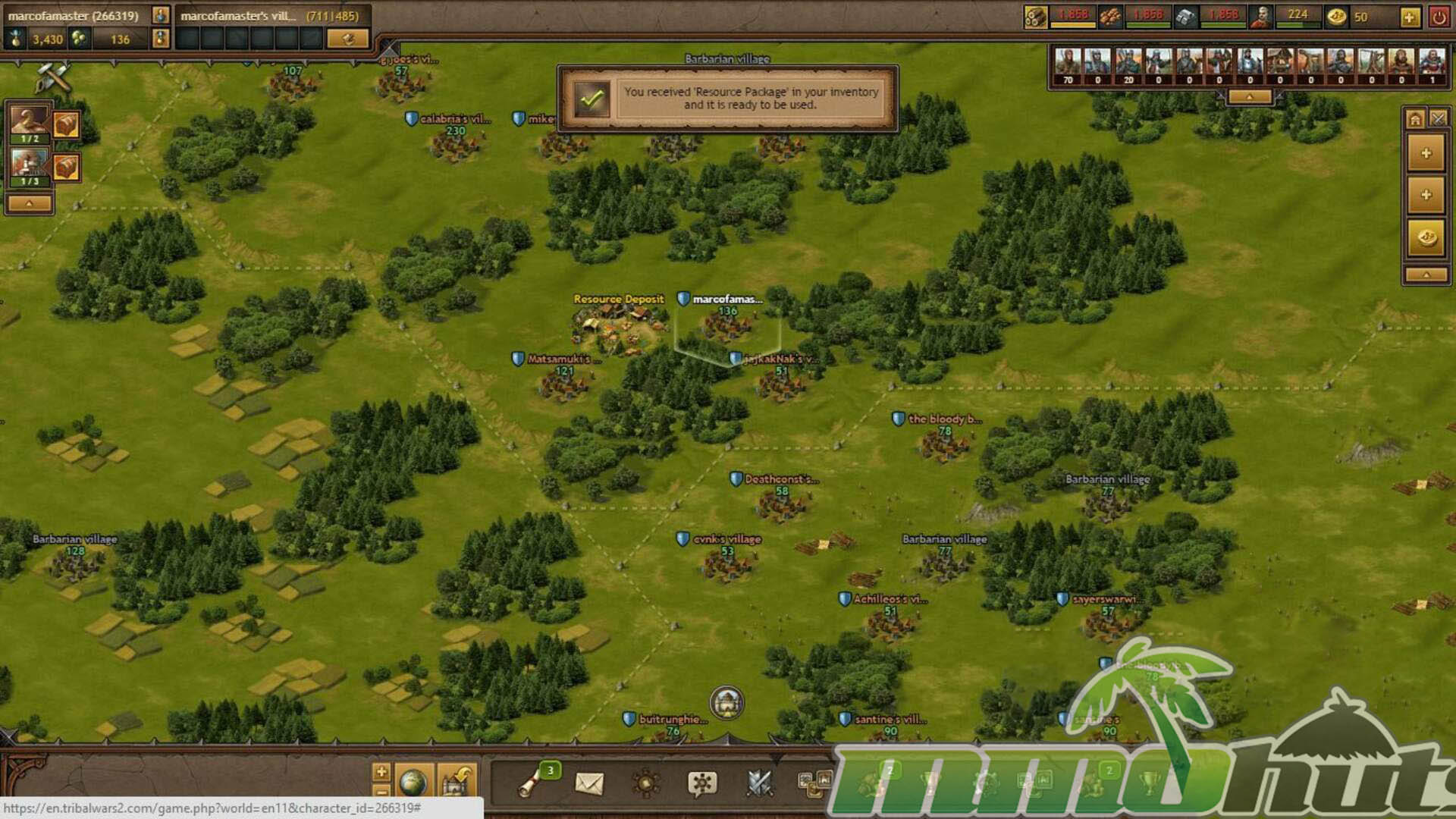
After selecting a realm, you choose where your first village will appear. Your placement influences the kinds of neighbors you will deal with and how quickly conflict reaches you. The world layout also tends to put earlier settlers closer to the center and newer players toward the edges. That can buy you time, since major wars often ignite around dense, older regions first, but it is not a guarantee. A powerful player can still take an interest in your area for strategic reasons, which is why joining a supportive tribe can be as important as your build order.

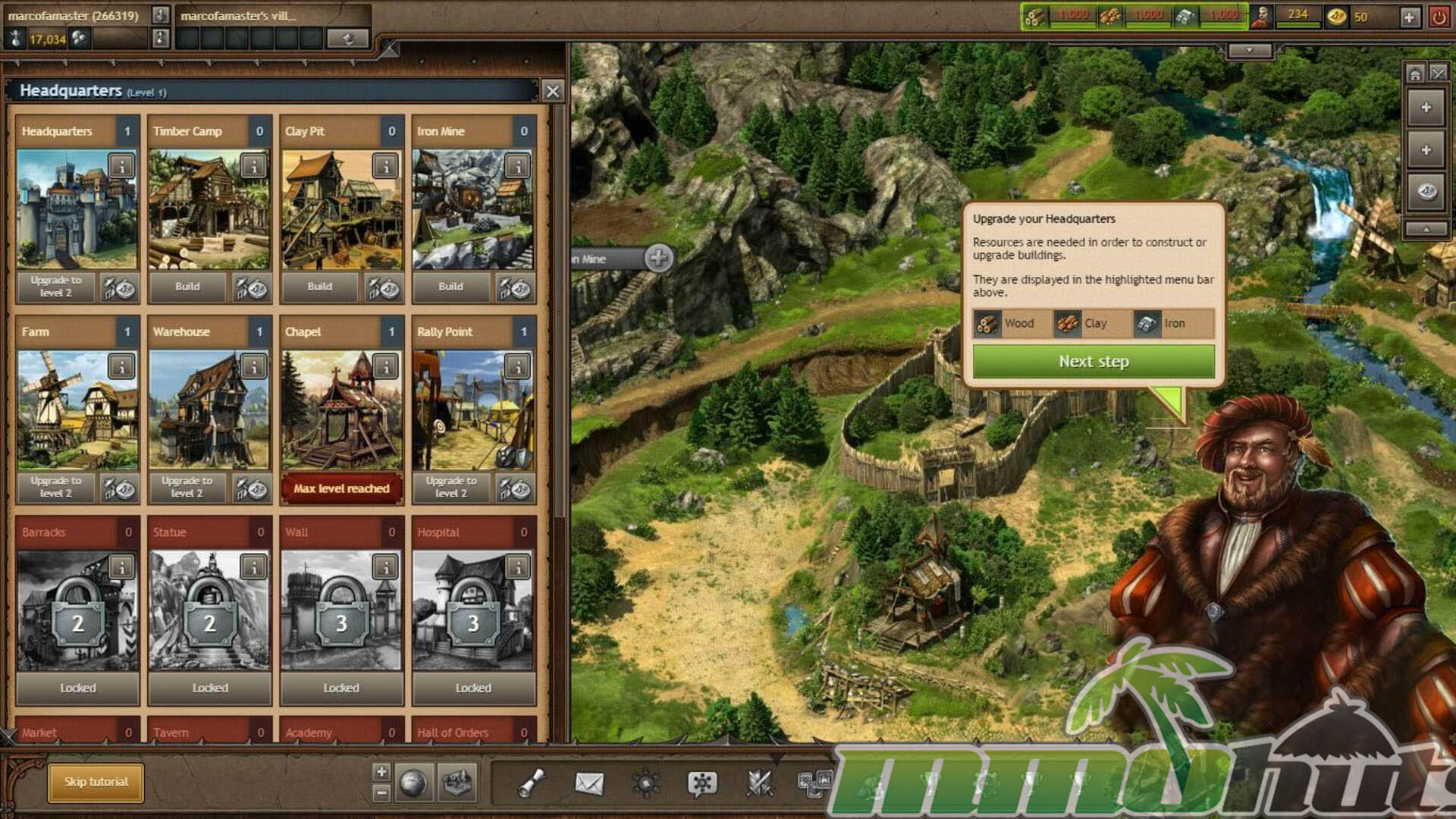
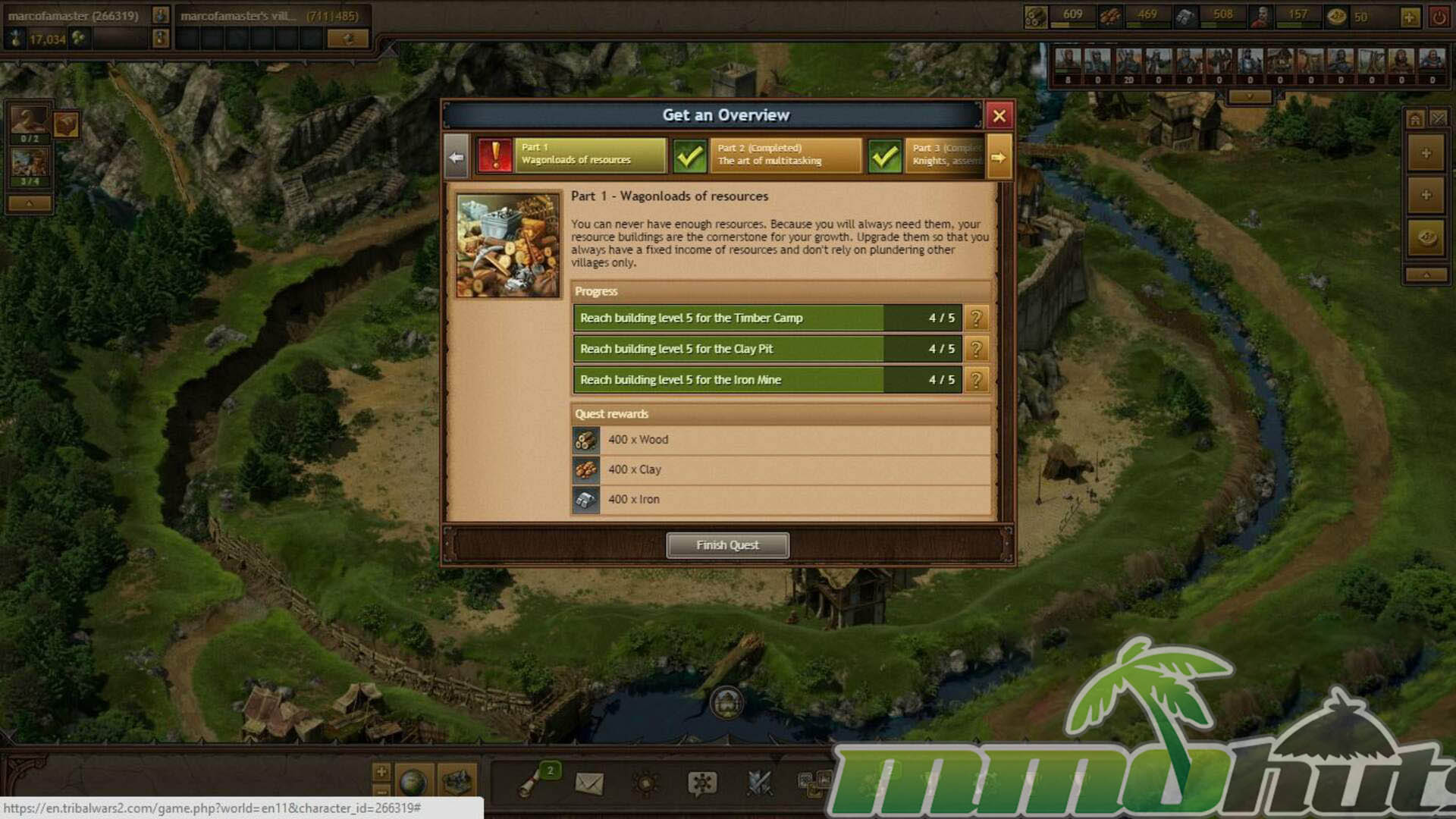
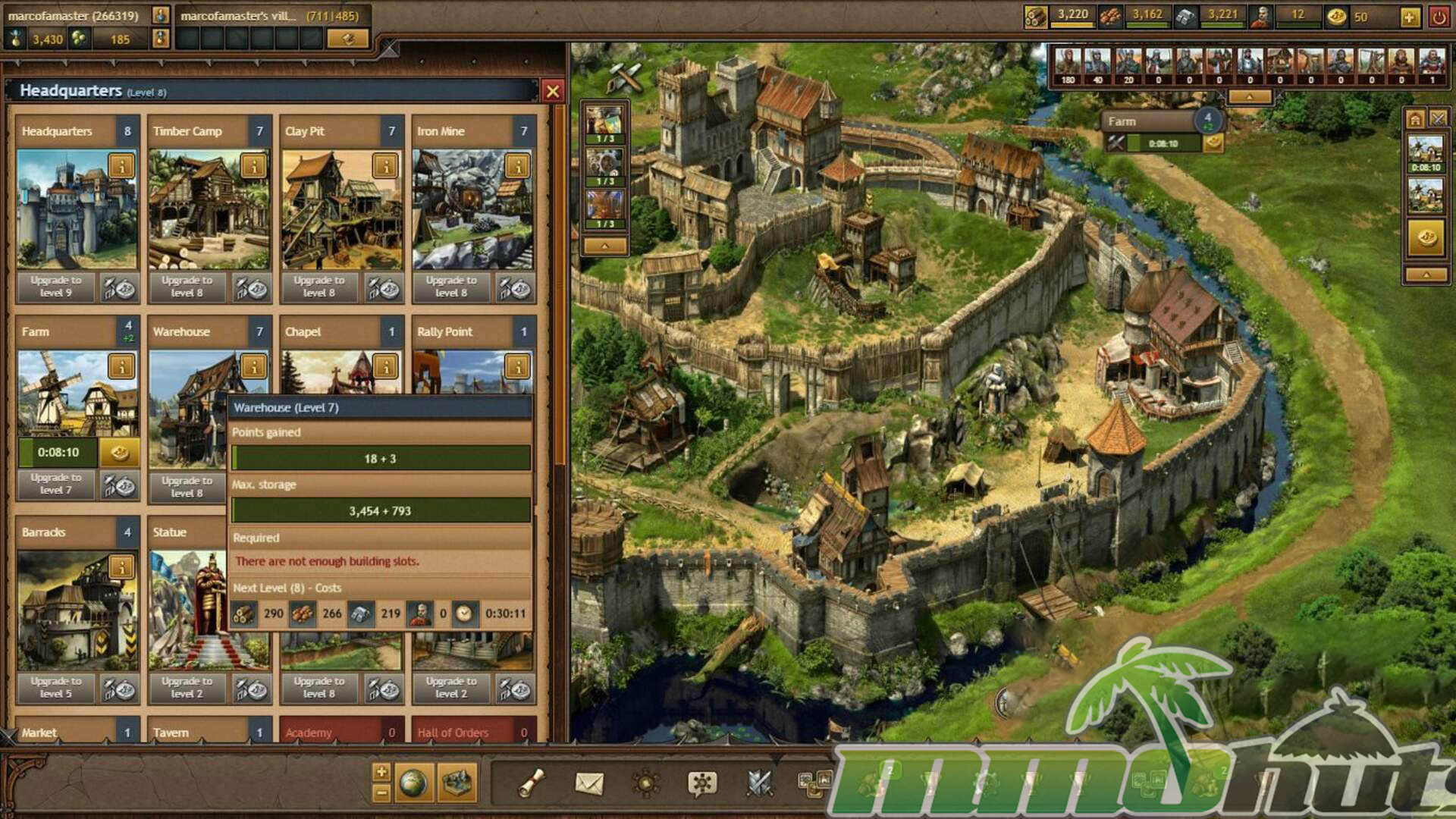
Your starting village begins modestly, anchored by a level 1 Headquarters where construction and upgrades are managed. The opening tutorial covers the essentials: putting up key buildings, improving production, training units, and making your first attacks on nearby barbarian villages. From there, quests become the main onboarding system. They push you toward sensible milestones and pay out helpful rewards such as resources, units, and temporary boosts. It is a strong start for new players, although experienced strategy players will quickly notice that quests are guidance, not a strict optimal path, so deviating for a specific plan is often worthwhile.
Why Raiding Matters More Than Waiting
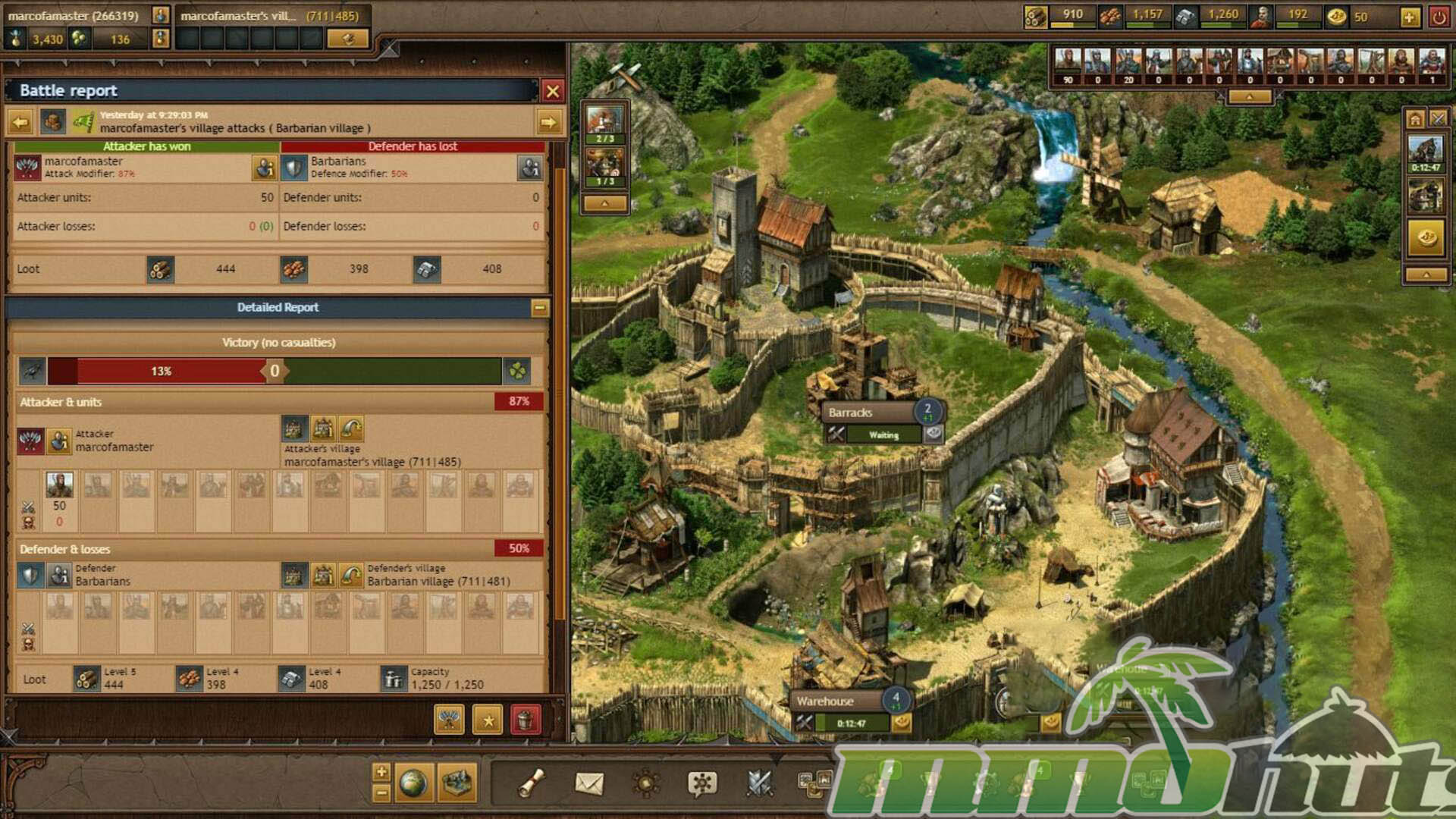
Resource generation in TW2 is passive, tied to your economic building levels. In practice, relying only on production can feel sluggish, especially when upgrades start demanding large amounts of materials. Raiding changes the pace dramatically. Looting nearby targets is faster, more efficient, and keeps your momentum going.
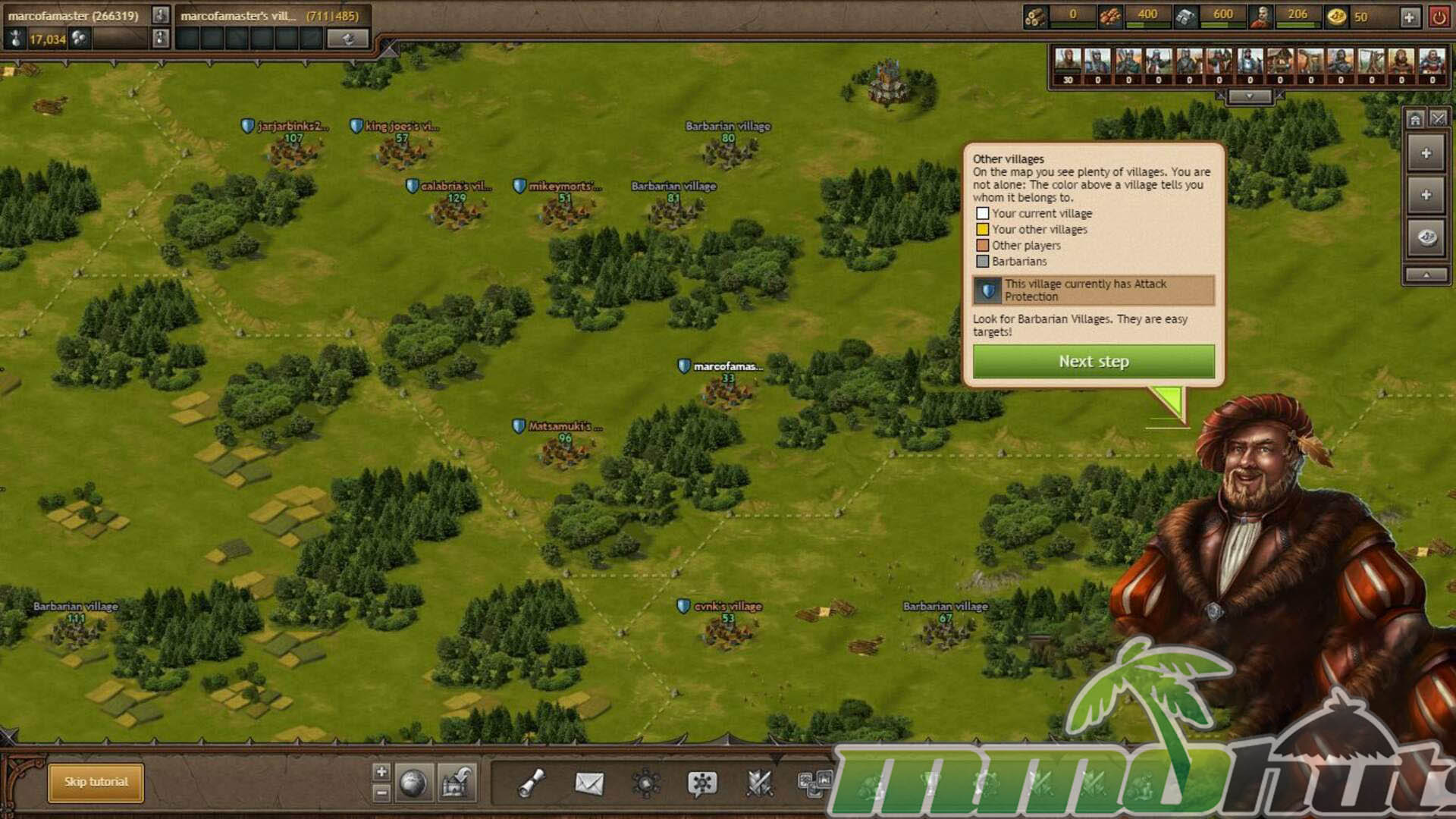
Early on, the game nudges you toward attacking barbarian villages, and for good reason. Striking other players has an important consequence, it ends beginner protection even if you still had days remaining. As a result, barbarians become your safest and most consistent income source until you are prepared to defend yourself, or until your protection naturally expires and the realm becomes more dangerous by default.
Unit Roles and Combat Planning
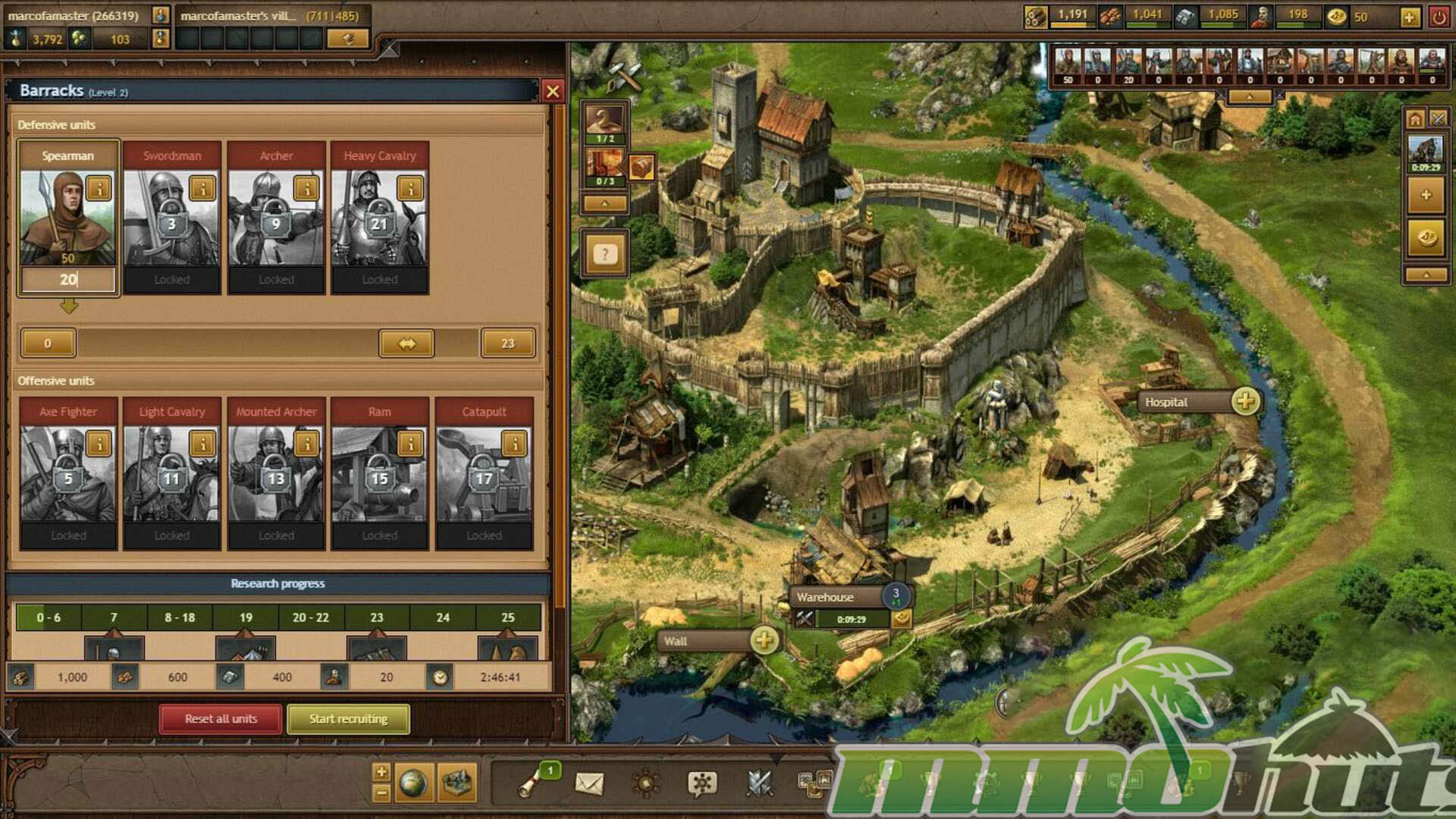
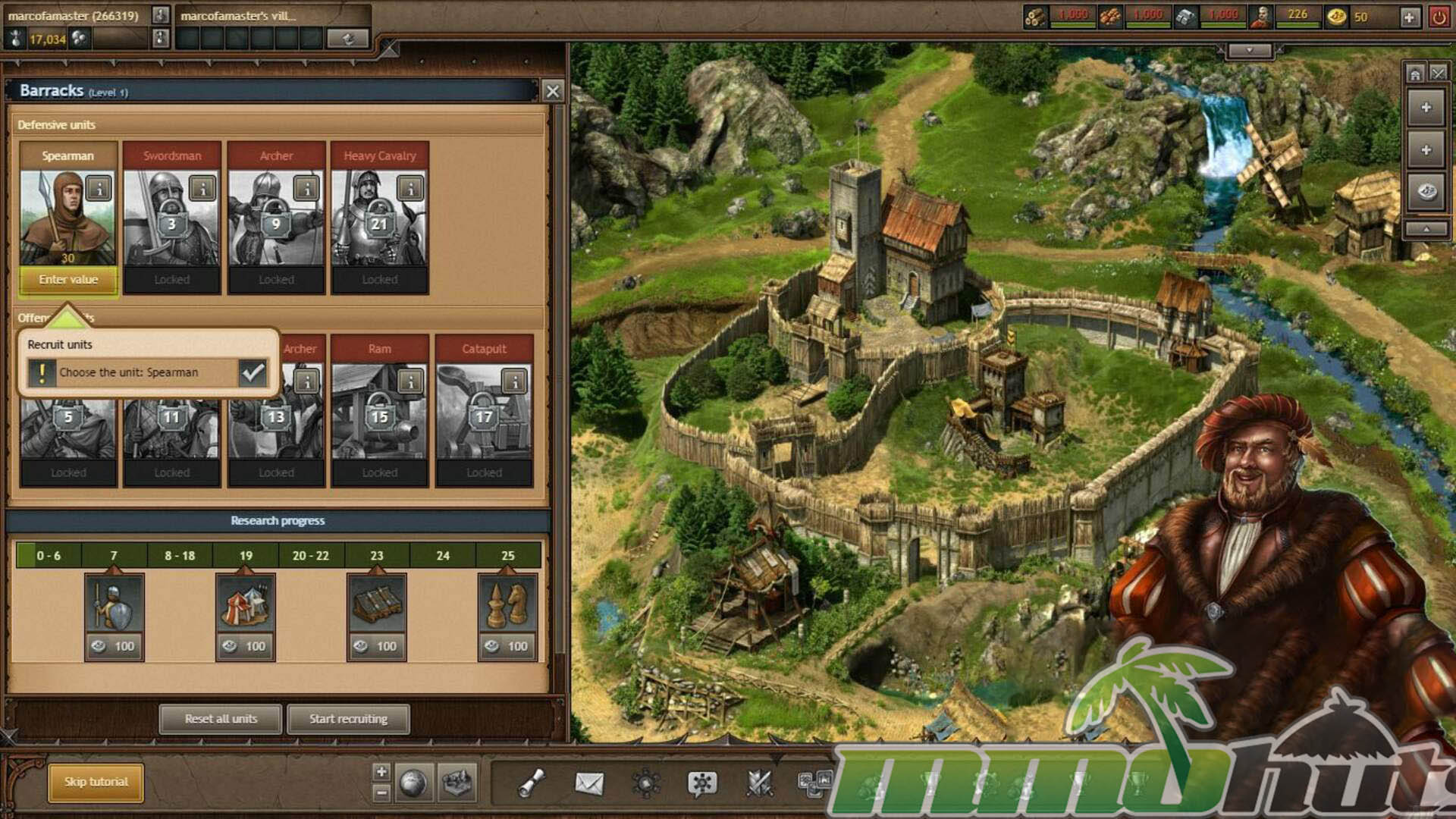
Combat in TW2 is largely about selecting the correct troops for the job and understanding what you are trying to achieve, scouting, raiding, defense, or decisive battles. Units vary in speed, offensive and defensive strengths, and how much loot they can carry. Light Cavalry are among the fastest options, while Spearmen are also quick and useful for early activity. Axemen provide strong offense but are weaker defensively and not as mobile. Archers add another layer of matchup considerations, performing well against many unit types while being vulnerable in specific counters. Spies are vital for information, letting you check what a target is hiding behind its walls, or protect yourself through countermeasures.
Those stats feed directly into strategy. Efficient farming often favors faster units with decent carrying capacity, while cracking a fortified village requires a different approach entirely. Over time, players learn common tactical concepts, such as pulling troops out to avoid losses at the moment an attack lands, or coordinating multiple timed attacks so they arrive in rapid sequence. Even though the game looks simple at a glance, the competitive layer rewards careful planning and coordination.
The Management Loop: Rewarding and Demanding
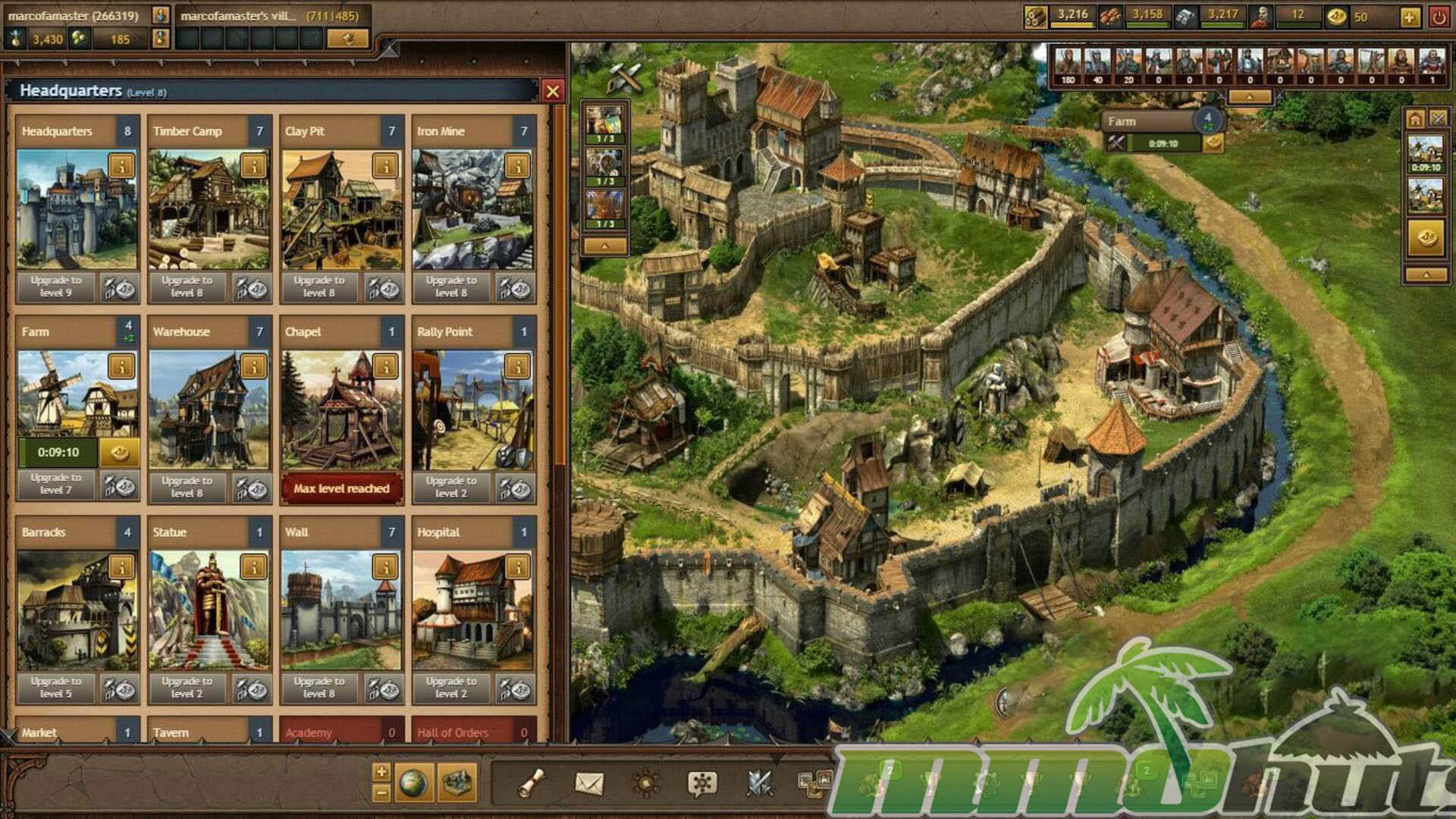
Running a village is a constant balancing act. You are upgrading buildings, keeping resource income healthy, expanding farm capacity to support a growing army, training troops for offense and defense, and repairing damage after fights. On top of that, you are scouting, raiding, responding to threats, and looking for opportunities to expand by conquering additional villages. When one cycle ends, the next begins.
That loop is the reason TW2 can feel both compelling and exhausting. Players who enjoy long-term optimization and steady progression will appreciate the structure, while those looking for quick matches may find the pacing slow. Having mobile access helps, since it makes it easier to keep tabs on attacks and timers without being tied to a desktop, a convenience that many fans wished the original game had earlier in its life.
Tribes, Diplomacy, and the Social Game
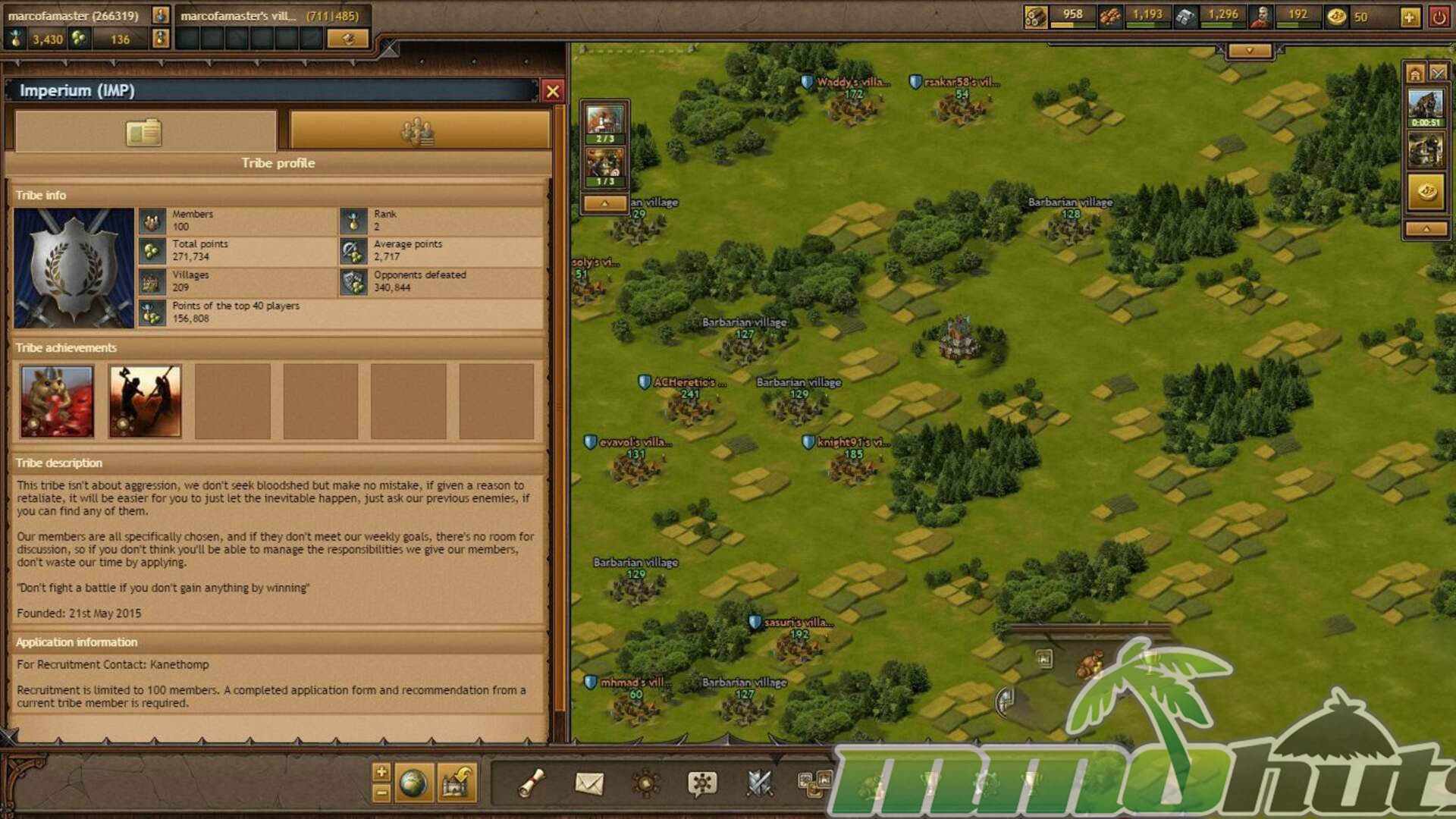
TW2 is not designed for solo play at the top end. The world is full of players pursuing the same goals, and a single village, or even a small cluster, rarely survives without allies. Tribes function as organized groups with leadership, coordination, and shared strategies, and they become essential once conflicts escalate.
Diplomacy is a major part of the experience. Tribes negotiate agreements, create coalitions, and sometimes dissolve them when interests shift. Non-Aggression Pacts can exist, but they are not absolute, so politics and trust become part of your defensive planning. Finding a tribe with compatible goals and active communication often determines whether the game feels like a rewarding strategy sandbox or a frustrating grind.
Crowns and the Cash Shop
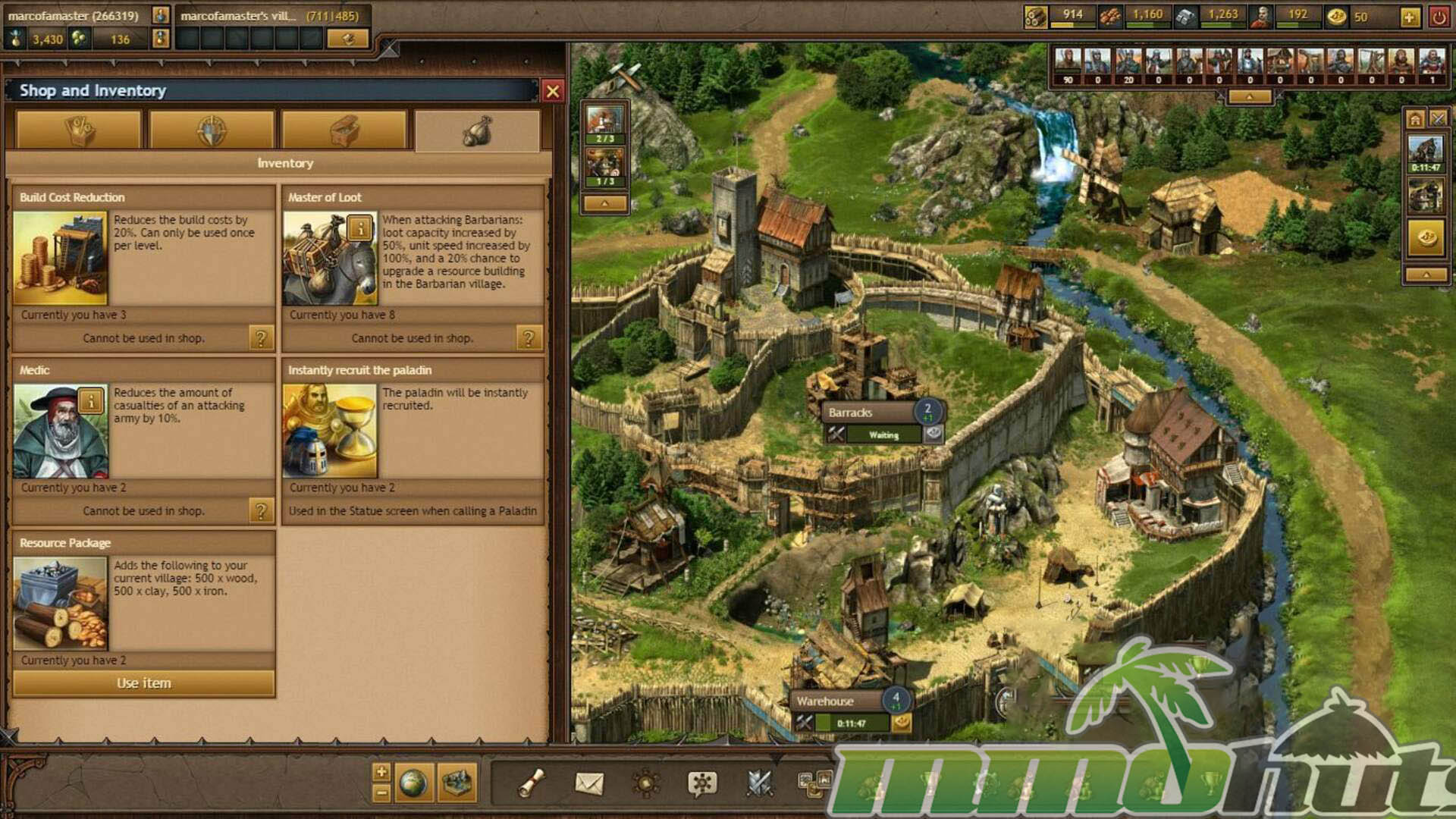
The in-game shop revolves around Crowns, TW2’s premium currency, and it mainly offers boosts and convenience options. Importantly, you can also earn boosts through play, including via quests, which makes the early experience feel less paywalled than some other browser strategy titles.
That said, Crowns can also be used to speed up construction and recruitment instantly, which is a real advantage in a game where timing is critical. The overall ecosystem still leaves room for counterplay, because coordination and numbers matter, and organized groups can bring down stronger opponents. Still, players should expect the usual free-to-play tension between patience, activity, and paid acceleration.
Final Verdict: Great
Tribal Wars 2 succeeds by keeping the core identity of Tribal Wars intact while improving how it looks and feels to play. The updated visuals and cleaner interface make long sessions easier, and the added systems give strategy-minded players more to consider. Not every new element feels equally refined, and the game’s slow progression and harsh PvP environment can be rough on casual players, but for fans of persistent browser strategy and alliance-driven warfare, TW2 remains a strong entry in the genre.
Tribal Wars 2 Links
Tribal Wars 2 Official Site
Tribal Wars 2 Facebook
Tribal Wars 2 Official Wiki [Database/Guides]
Tribal Wars 2 Android App Store
Tribal Wars 2 Requirements
Operating System: XP / Vista / 7 / 8 / 10
CPU: Intel Pentium 4 or AMD Equivalent
Video Card: Any Graphics Card (Integrated works well too)
RAM: 512 MB
Hard Disk Space: 100 MB (Cache)
Tribal Wars 2 is a browser based MMO and will run smoothly on practically any PC. The game was tested and works well on Internet Explorer, Opera, Firefox and Chrome. Any modern web-browser should run the game smoothly.
Tribal Wars 2 Music & Soundtrack
Tribal Wars 2 Additional Information
Developer: InnoGames
Closed Beta Date: June 24, 2014
Open Beta Date: September 2, 2014
Development History / Background:
Announced in December 2013, Tribal Wars 2 was positioned as the next step for InnoGames’ browser strategy flagship. The original Tribal Wars launched in 2003 and helped define an early wave of online, time-based strategy games that could be played entirely through a web browser. Over the years, InnoGames continued to support the first game with updates and releases on additional platforms, eventually bringing it to Facebook as well as Android and iOS devices.
The Tribal Wars brand grew into a major global success, reaching more than 32 million registered users. TW2 also sits alongside other InnoGames strategy titles such as Forge of Empires, Grepolis, and Elvenar, reinforcing the studio’s long-running focus on persistent, community-driven strategy experiences.