Skyforge is a 3D, third person online RPG that mixes sleek science fiction with fantasy themes and fast paced action combat. The adventure unfolds on Aelion, a planet built from both persistent open regions and private instanced missions. Players begin as powerful immortals and, with enough progression, can eventually ascend to full godhood.
 | Publisher: My.com Playerbase: Medium Type: MMORPG Release Date: July 16, 2015 PvP: Duels / Arenas Pros: +Beautiful sci-fi world and environments. +Flexible, distinctive skill and progression system. +Multiple structured PvP modes. +Strong multi class character system. Cons: -Story and lore feel relatively weak. -Unusual interface can be hard to use. -Weekly experience and progression caps. |

Skyforge Overview
Skyforge is a third person, sci-fi themed action MMORPG set on the world of Aelion. Marketed as an “AAA Sci-Fi Fantasy MMORPG,” it offers thirteen different classes and a flexible multi class system that lets one character eventually play them all, instead of forcing players to roll alternate characters. With ten player raids at the high end, several competitive PvP modes, and a far reaching progression system called the Ascension Atlas, Skyforge aims to give players plenty to work toward over time.
Skyforge Key Features:
- Ascension Atlas Progression – a massive web of nodes with thousands of possible paths to tailor your stats and abilities. (The layout will look familiar if you have seen Path of Exile’s passive tree or the Sphere Grid from Final Fantasy X).
- Multi Class System – swap freely between any of the thirteen classes outside of combat, and level every class on the same character.
- Varied PvP options – multiple battlegrounds for 6 to 24 players, including free for all, team deathmatch, payload type modes, and capture the flag.
- High Production Value – sharp visuals, a polished interface, and a fitting musical score.
- Unique Variety of Weapons – a mix of more traditional firearms like SMGs and assault rifles alongside exotic dual wielding weaponry.
Skyforge Screenshots

Skyforge Featured Video

Skyforge Classes
Damage Dealers:
- Cryomancer – Skyforge’s classic ranged caster, using cryogenerators to unleash ice attacks that freeze and shatter enemies.
- Archer – long range physical damage dealers who rely on bows, trick arrows, and traps to keep foes at a distance.
- Berserker – a ferocious melee DPS class focused on raw damage output, fighting with massive chainblades to carve through enemies.
- Kinetic – Kinetics wear gauntlets that manipulate gravity and energy, letting them fling heavy projectiles and bend local gravity fields to protect allies.
- Gunner – extreme long range artillery specialists with heavy weapons, boasting high DPS but vulnerable if enemies close into melee range.
- Slayer – Skyforge’s interpretation of the rogue or thief archetype, a stealthy assassin who darts in and out of combat with high burst damage and light armor.
- Monk – agile staff wielding martial artists who chain together combos for consistent melee damage.
- Warlock / Witch – dark magic casters who specialize in curses and hexes, using their brooms as both weapons in combat and mounts for travel.
Tanks:
- Paladin – a holy warrior who blends offense and defense, able to stand toe to toe with tough enemies while supporting allies with divine abilities.
- Knight – a traditional shield tank, mastering spear and shield to control the battlefield and soak incoming damage for the group.
Support:
- Lightbinder – the primary support class, channeling the power of light to buff allies, amplify their damage, and shield teammates from harm.
- Alchemist – a mad scientist style support who carries a portable laboratory, using acids and flames to debuff and damage enemies while enhancing party performance with various concoctions.
Skyforge Review
Science fiction settings always pull me in, and when a game mixes futuristic tech with gods and mythology, I pay attention. Skyforge fits that niche nicely, so I had my eye on it long before players could step onto Aelion. I even broke my usual habit and registered for beta with my main email, which I rarely do. The first few hours were not flawless, with stiff dialogue and one NPC face that was hard to look at, but over time the game won me over. Unlike some other recent releases that stick close to genre tradition, Skyforge experiments with its structure and systems. Those experiments create both strengths and problems, and a few awkward mechanics may hurt the game over the long haul, but in its current open beta state Skyforge is worth a serious look. Details will naturally shift as new updates land, so impressions of endgame will need revisiting later.
Forging an Immortal
Character creation starts with you shaping a mortal on the path to divinity. The tools follow the usual MMO template, with sliders for height, build, facial features, and so on. A couple of touches help you feel more attached to your avatar, such as the ability to tweak their running animation and basic stance so they move the way you imagine they should. If you later decide your look is not quite right, you can visit the in game stylist at any time and completely rework your appearance without having to reroll.
Instead of forcing everyone into armor that looks like it fell out of a mythology textbook, Skyforge leans into contemporary fashion. You can suit up like a corporate executive or slip into something more casual, like a bright Sunday outfit. The starter wardrobe is limited to a half dozen outfits, but many more can be unlocked either as quest rewards or purchased through the marketplace. One early quest handed me a golf course style polo that would not look out of place on Larry David, and watching immortals in that shirt tear through towering monsters was wonderfully absurd.
For all of its surface options, character creation is more constrained than I would like. Players who enjoy building exaggerated or monstrous avatars will find the body sliders narrow, mostly bouncing between very athletic and very slim. You do not get the kind of extreme proportions often seen in some character creators. You could argue that the limitations fit the theme of idealized divine beings, the way classical statues depict gods, but I still missed the freedom to create a lumpy or otherwise unconventional immortal. Fans of heavily stylized sliders may have to look elsewhere to satisfy that itch.
Story On The Sidelines
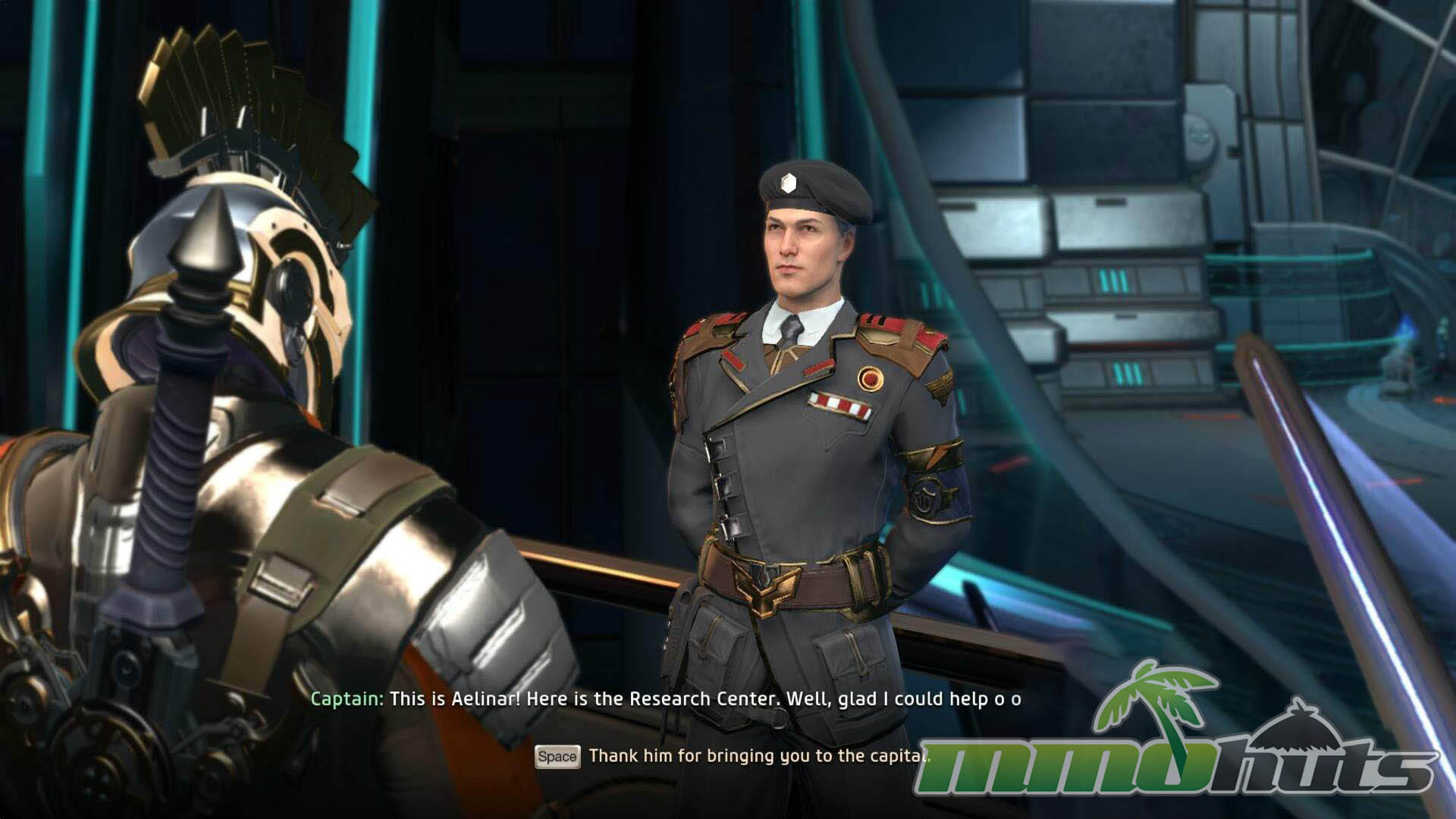
Free to play MMOs rarely stand out for storytelling, and Skyforge follows that pattern. In this universe, anyone can stumble into immortality, seemingly by chance, and you are one of the few lucky ones. From a central divine observatory you are sent down to various regions of Aelion to push back invaders and hostile forces, eventually coming into conflict with a more nebulous darkness. The main plot leans heavily on familiar tropes and recognizable beats, and some of the dialogue is unintentionally comical. It does enough to justify your missions but never becomes a driving reason to log in. Given the genre and business model, that is not surprising; combat systems and class design clearly take priority here.
Switching Your Divine Role
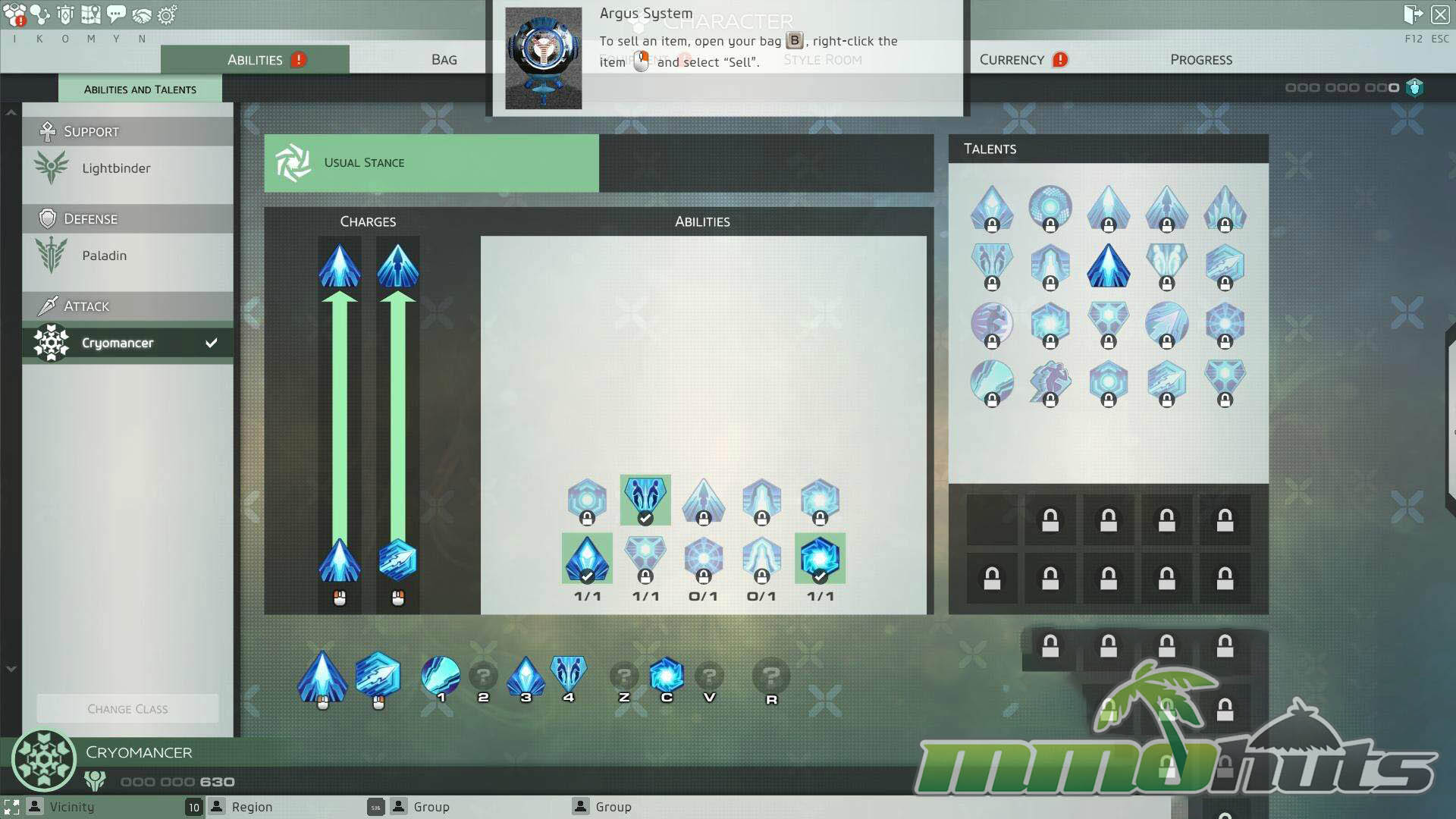
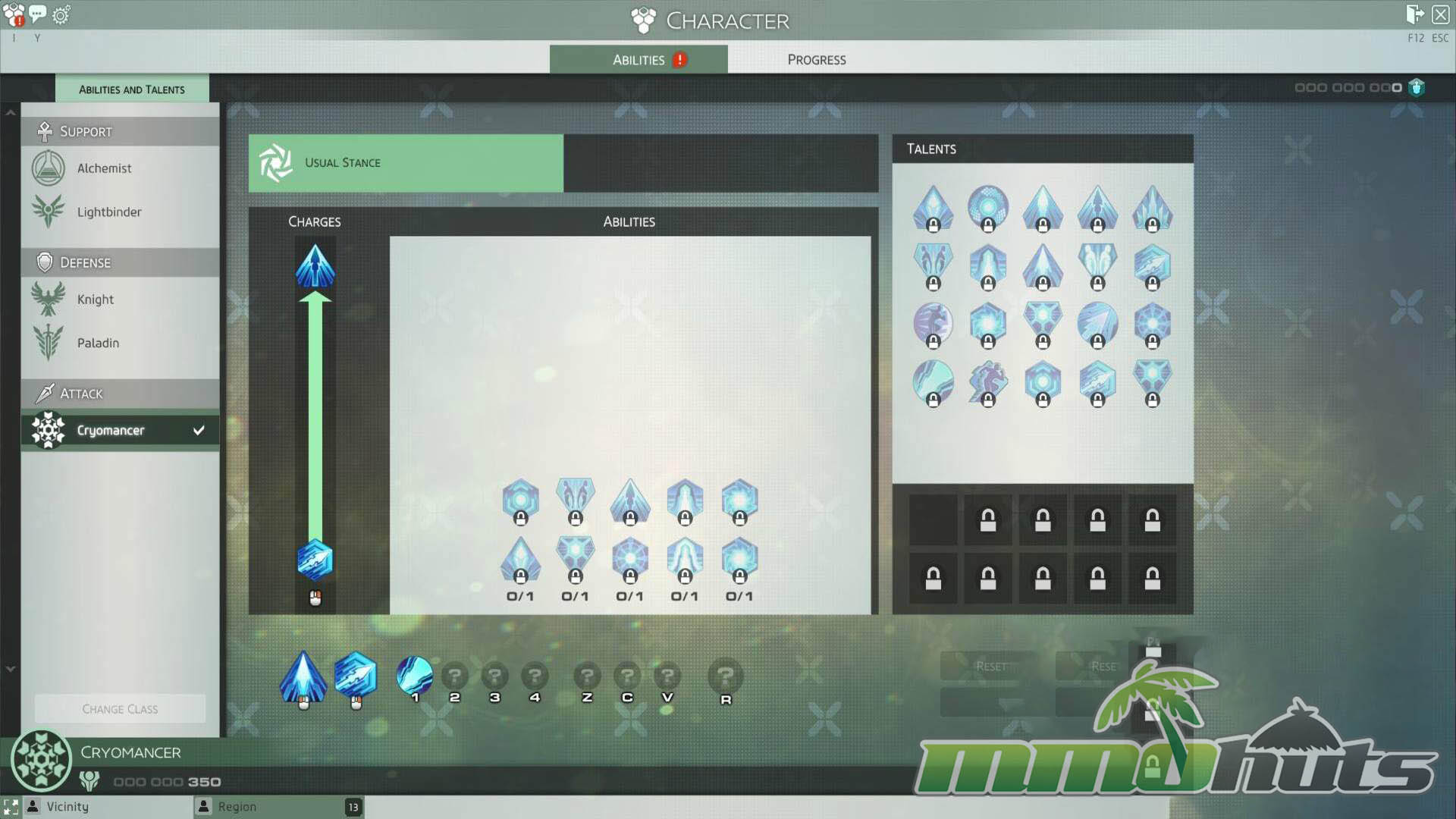
Skyforge’s class system is one of its more interesting hooks. Although the game eventually offers thirteen classes, free players only start with three in the training hall, accompanied by background music that sounds like it was inspired by Deus Ex. The initial lineup consists of the Cryomancer (ranged magic DPS), Paladin (melee tank), and Lightbinder (support focused hybrid). Outside of combat you can swap between any unlocked class at will, similar to how jobs work in some other MMORPGs. Each starting class feels distinct and unlocks more impressive abilities as you progress, and I regularly rotated between them before settling on Cryomancer as my favorite for its flashy, cinematic spell effects.
Ten additional classes round out the roster for a total of thirteen. They must be unlocked through progression, unless you purchase a Collector’s Edition that grants early access to the Knight and Alchemist. With steady play it is possible to open up the second tier of classes, such as Kinetic, Archer, Necromancer, and Slayer, in roughly a week or so. The Knight and Alchemist take significantly longer, on the order of several weeks of focused play. Those numbers are rough impressions rather than exact timings, and the original estimates were presented as speculation.
Classes shine in different situations, which makes swapping worthwhile. As a Cryomancer, one boss quickly chewed through my health bar. Changing to Paladin turned that same encounter into a manageable slugfest thanks to better defenses. On the other hand, when I needed to control groups of smaller enemies, Cryomancer’s crowd control and area damage let me freeze and shatter packs with ease. The lesson is not to lock yourself into a single role too early. Experimenting with multiple classes keeps the gameplay loop fresher and helps you appreciate what the system is trying to do.
Action Combat Without Tab Targeting
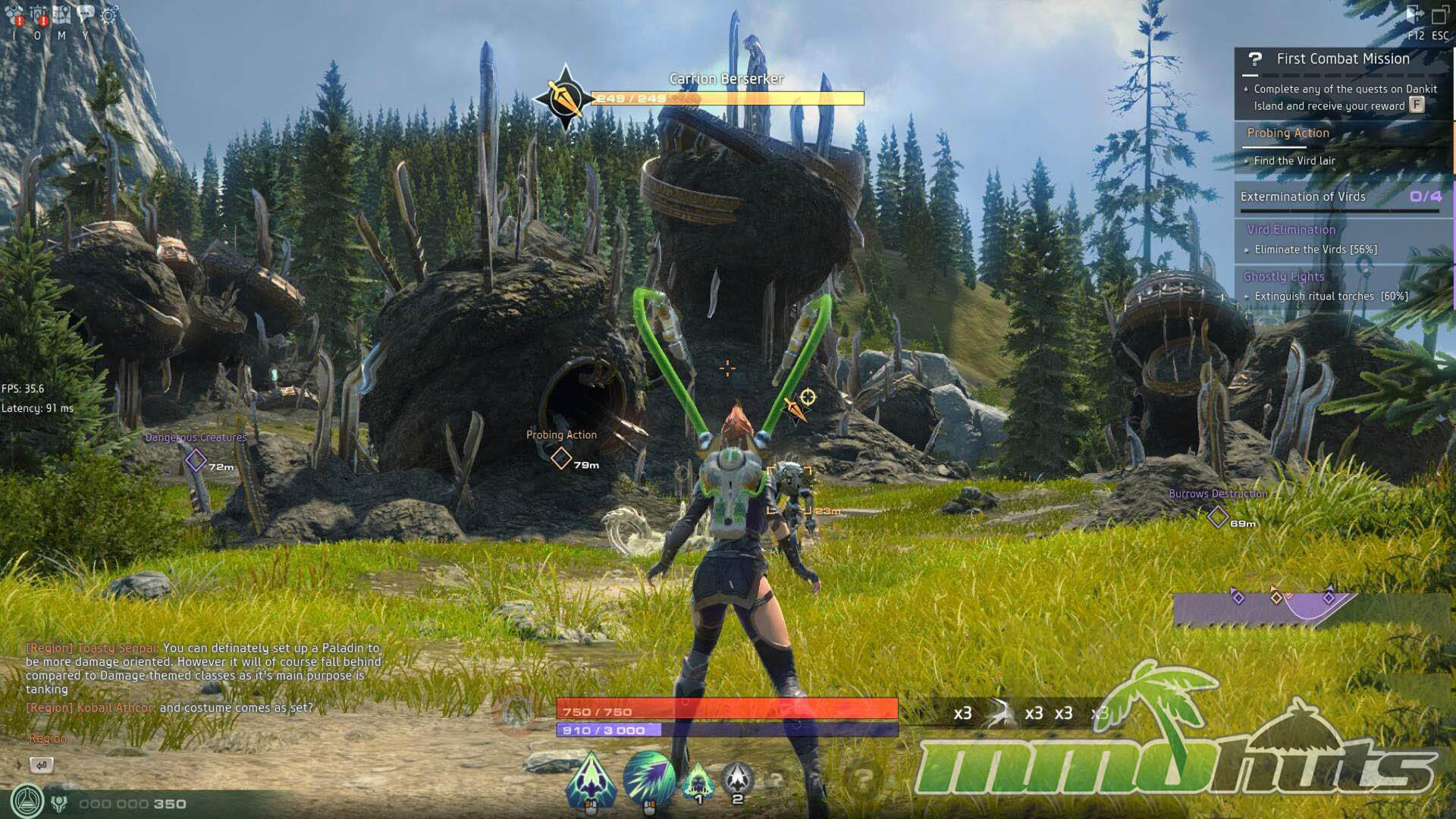
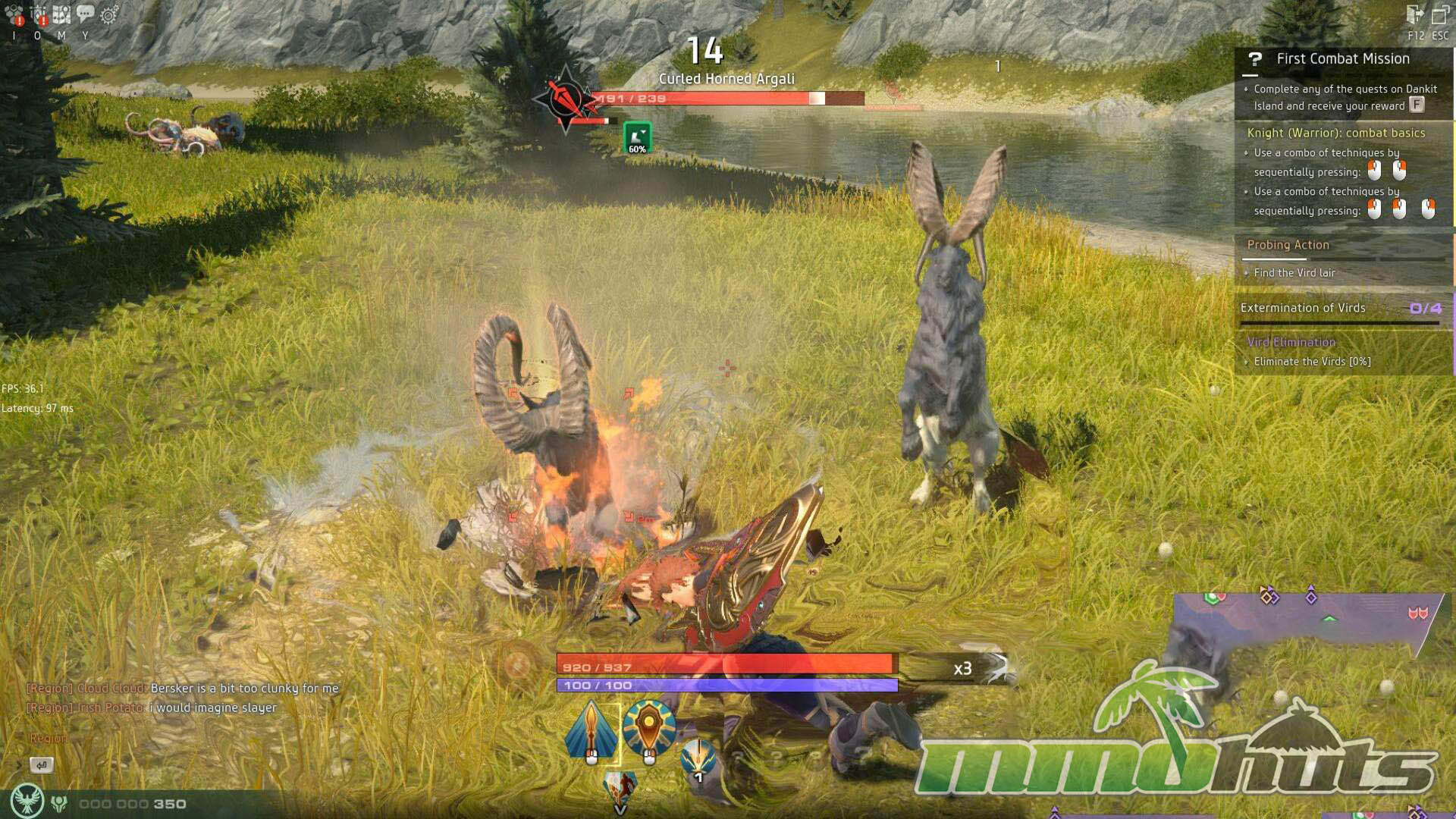
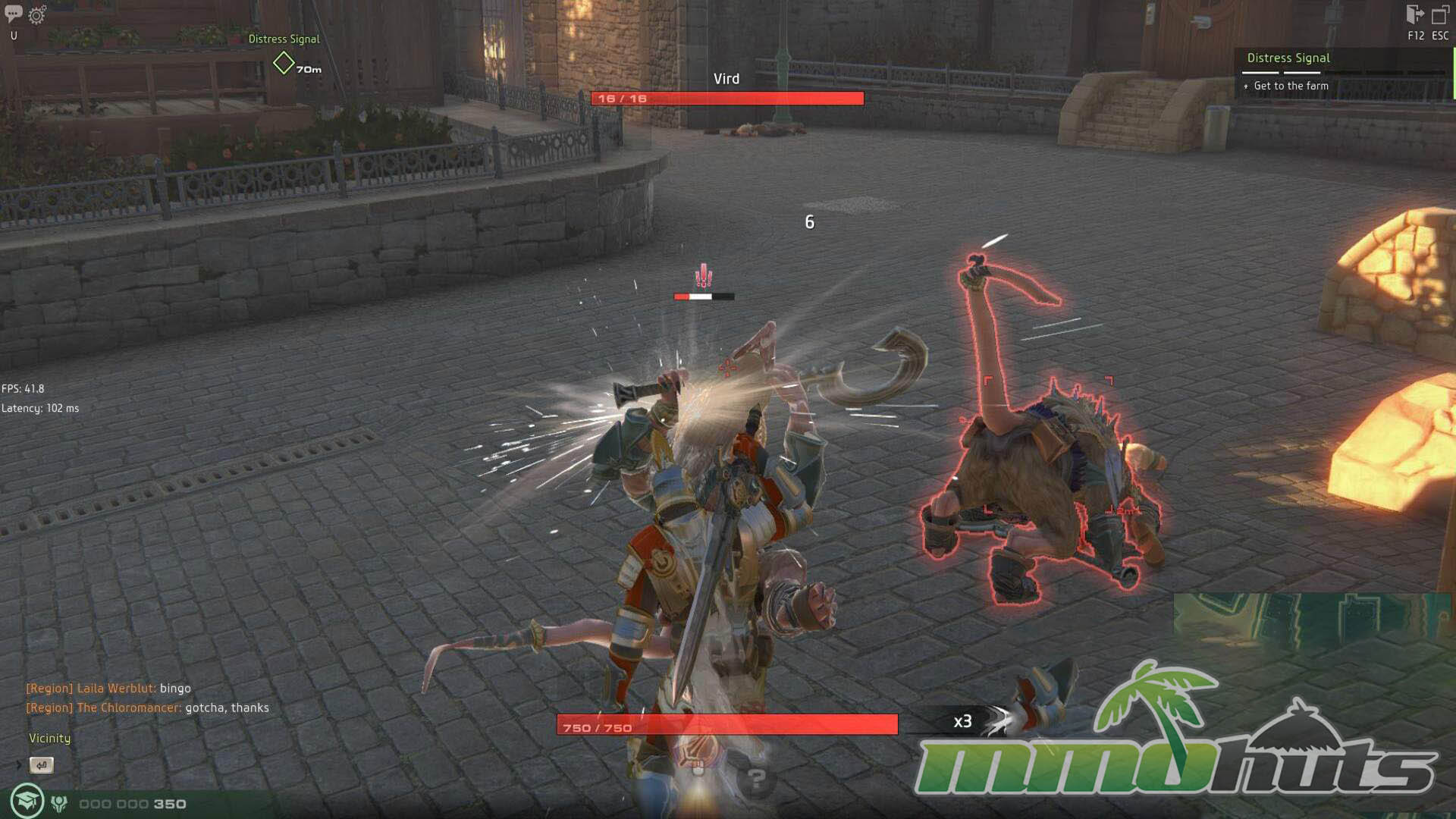
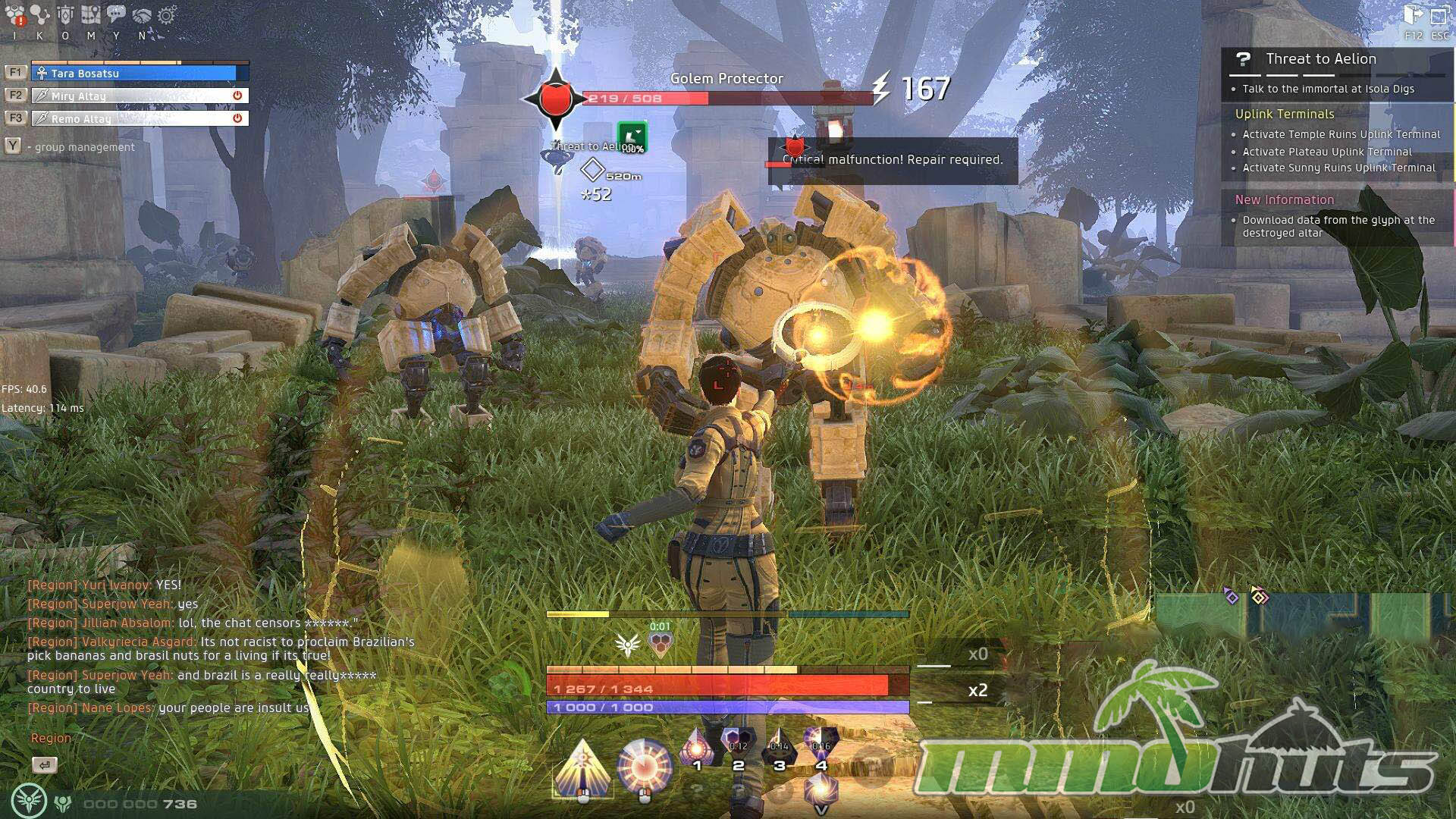
Combat in Skyforge is built around an action model. Attacks feel responsive and look stylish, especially on classes like the Paladin, whose combo chains have a balletic quality as they carve through enemies. Sound and animation sell the impact of each hit. While basic attacks can start to feel samey, new skills unlock quickly enough to keep your rotation evolving. After only a few hours, my Cryomancer was summoning swirling ice storms and spear like shards to nail enemies on Dankit Island.
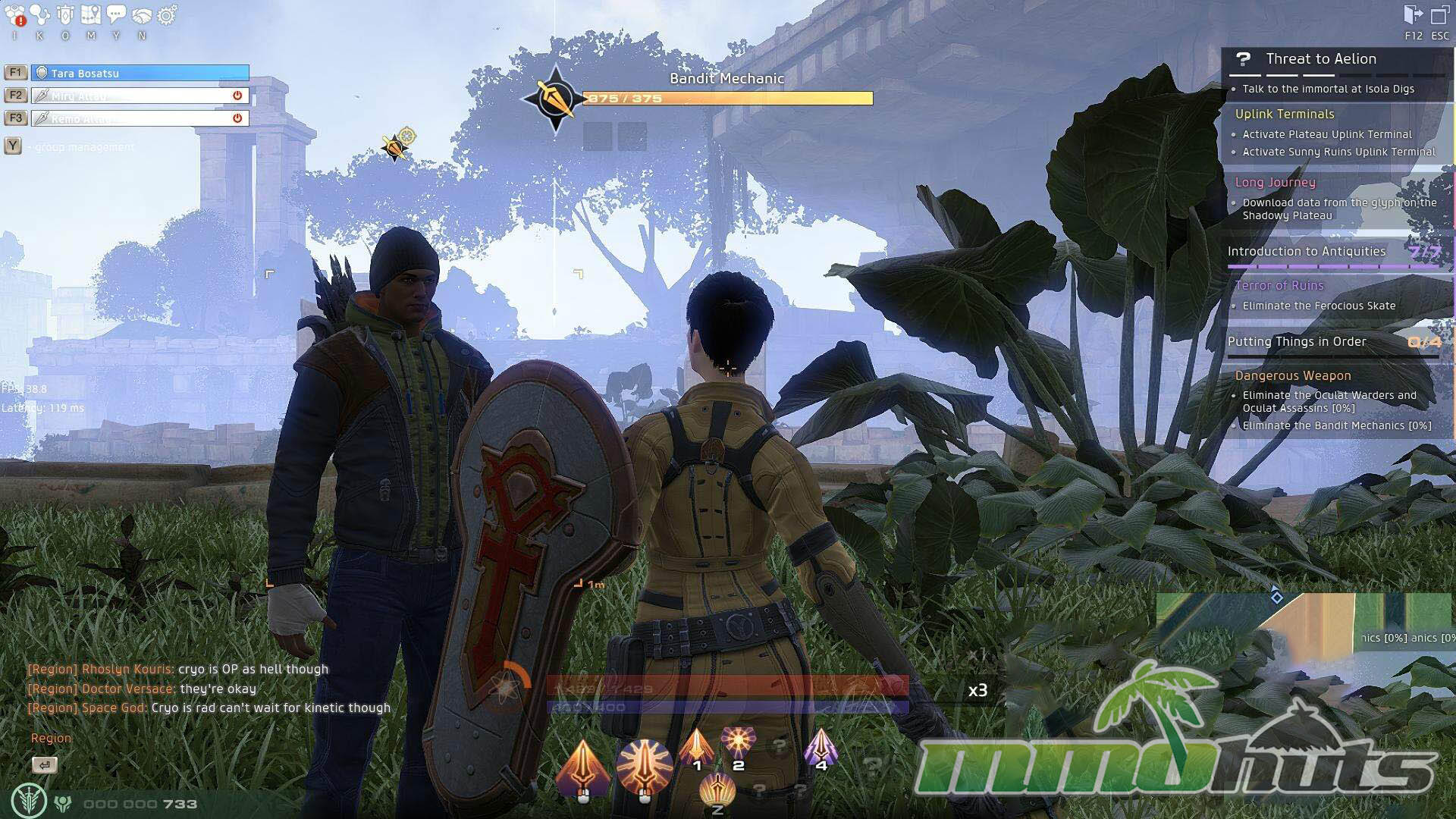
There is no traditional tab targeting. Instead, your crosshair determines what you are attacking, much like in Neverwinter. Enemies that move require you to track them manually, and even durable classes will find themselves dodging, kiting, and repositioning rather than simply standing in place. Some foes come with multiple health bars, reminiscent of fighting game bosses, which can make instance bosses feel a bit drawn out. Even the first group dungeon asked for some effort, partly because a third party member went AFK and left two of us to finish it. We slowly chipped away at each boss and eventually cleared the instance. From reports and design intent, later dungeons and raids ramp up the difficulty further, something challenge focused players may appreciate.
Progression Through the Ascension Atlas
Skyforge does not use traditional character levels. Instead, advancement revolves around the Ascension Atlas, a sprawling grid of interconnected nodes, and a cumulative stat measure called prestige. Skills, passive bonuses, and talents are unlocked by spending various types of Sparks. Sparks of Destruction, Sparks of Creation, and Sparks of Balance correspond to offense, defense, and secondary stats respectively, and together they are grouped as Sparks of Insight. Sparks of Evolution are more flexible and can be used on any class Atlas, while class specific sparks unlock intermediate nodes unique to the class you are actively playing.
The Ascension Atlas itself is split into two layers. Each class has a dedicated lower Atlas where you unlock its specific abilities and talents, and above that lies the larger main Atlas, where you gain broad stat bonuses and universal talents that apply across classes. New classes must also be opened through the main Atlas before you can play them. At first glance the system can look intimidating, but once you understand what each Spark type does and how the paths connect, it becomes fairly intuitive.
One of the system’s strengths is that progression is not strictly linear. Any starter class can work its way toward any advanced class by navigating through the main Atlas, and the stats you earn carry across all your classes. Swapping from Cryomancer to Paladin does not reset your underlying character strength; everything you have unlocked contributes to your overall prestige. The Atlas accounts for only about one third of your total prestige, however, which becomes important when talking about caps and other progression systems.
Establishing Your Order
At 2,000 prestige you unlock the Order System, which is where Skyforge leans hardest into the godhood fantasy. Here you begin recruiting followers, founding temples, and spreading your influence across Aelion’s eight provinces. Each sanctuary or monument you establish grants stat bonuses, giving you another axis of growth layered on top of the Atlas. In practice this slightly undercuts the idea of a completely classless system, since you decide which stats to emphasize, but it is an extra strategic layer for players to engage with. I did not have time to explore every nuance of the Order System, so long term balance implications are still unclear.
Your followers, called adepts, can be dispatched on missions in your name: hunting down bandits, curing plagues, and otherwise dealing with local problems. These tasks function like a side management mini game, rewarding additional influence and bonuses for different provinces. The timing suggests the Order System is partly intended to give players something else to work toward once they are limited by weekly Spark caps.
Weekly Spark Limits
One of Skyforge’s most debated systems is the weekly cap on Sparks. You cannot simply grind indefinitely for progression. Each week there is a maximum amount of Sparks of Insight and class sparks you can earn. Early on, the cap sits at roughly 10,000 Sparks of Insight and 5,000 class sparks, then gradually increases with each subsequent week of play. Exact values can change, and the original numbers were presented as estimates rather than hard data, but the principle remains: you are limited in how much you can advance certain parts of your character in a given week. Because new classes require you to reach the Advanced Atlas, these caps also control how quickly you can unlock additional roles.
The intent seems to be to discourage a pure grind mentality and push players toward a broader range of activities. Even when you hit your Spark limit, you can still increase prestige through better gear, story missions, PvP, and other content. Since Atlas progression accounts for only about one third of your overall prestige, you can keep improving your character in other ways. The caps also tend to cluster players around similar prestige values each week, which in theory keeps queues healthy for dungeons and PvP by ensuring more people are eligible for the same content tiers, helping early instances remain populated.
The system also reins in pay to win concerns. You can purchase items that boost Spark gain, but they do not allow you to exceed the universal cap. Premium status is aimed more at players with limited time who want to hit the cap faster rather than push beyond it. Whether that model will appeal widely is uncertain.
There are, of course, drawbacks. Some players claim they can reach their weekly cap in a short play session, after which Sparks no longer matter until the reset. Eventually highly active players may fill out their Atlas and lose a major source of progression. To keep such players engaged, the developers will likely need to expand the Atlas or introduce some form of post cap progression, similar in spirit to Diablo 3’s paragon levels. On the other hand, Skyforge is clearly built around the expectation that you will rotate between multiple classes, so players who insist on focusing a single class forever will feel the limitations more sharply.
Presentation and Visuals
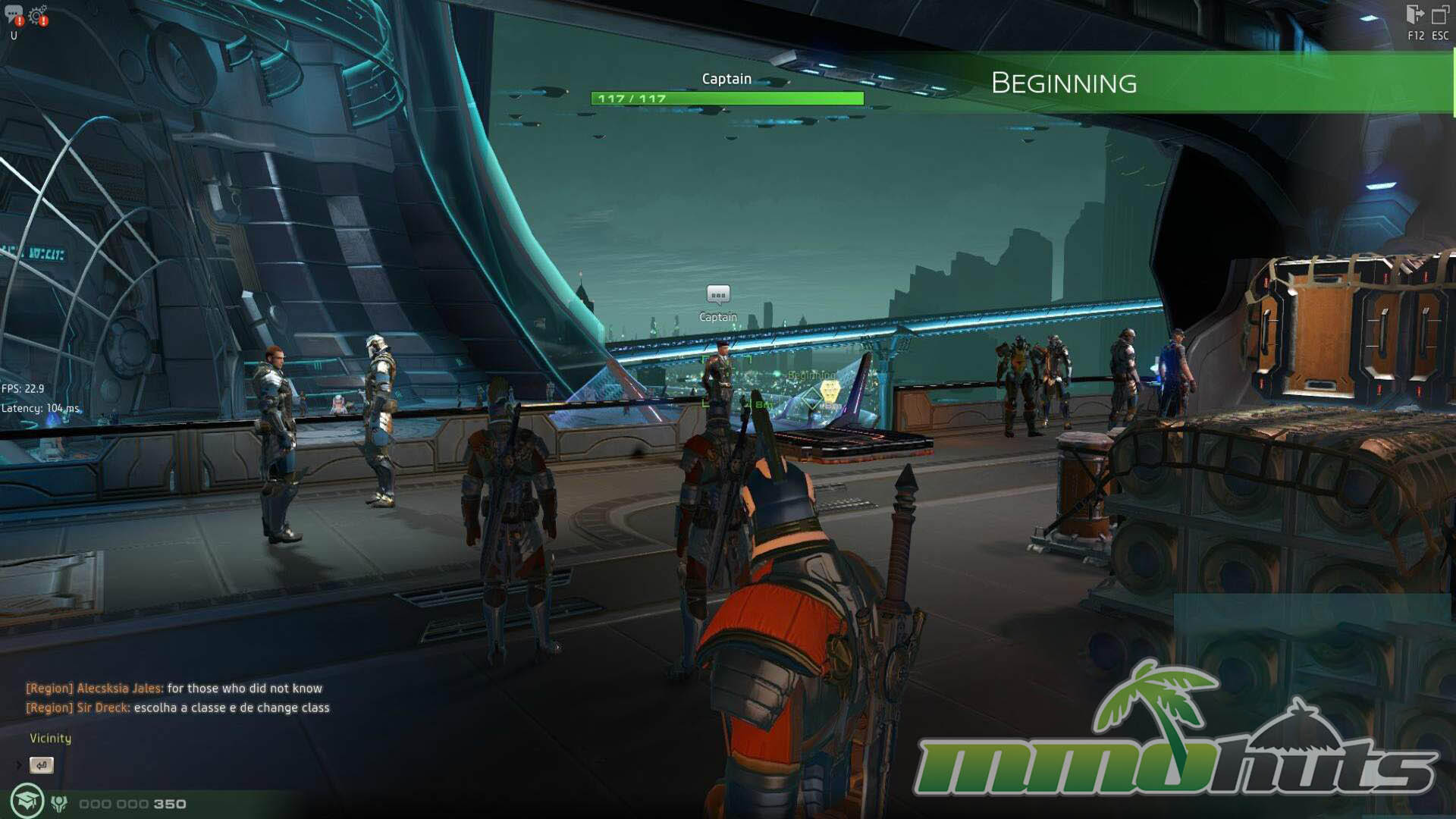
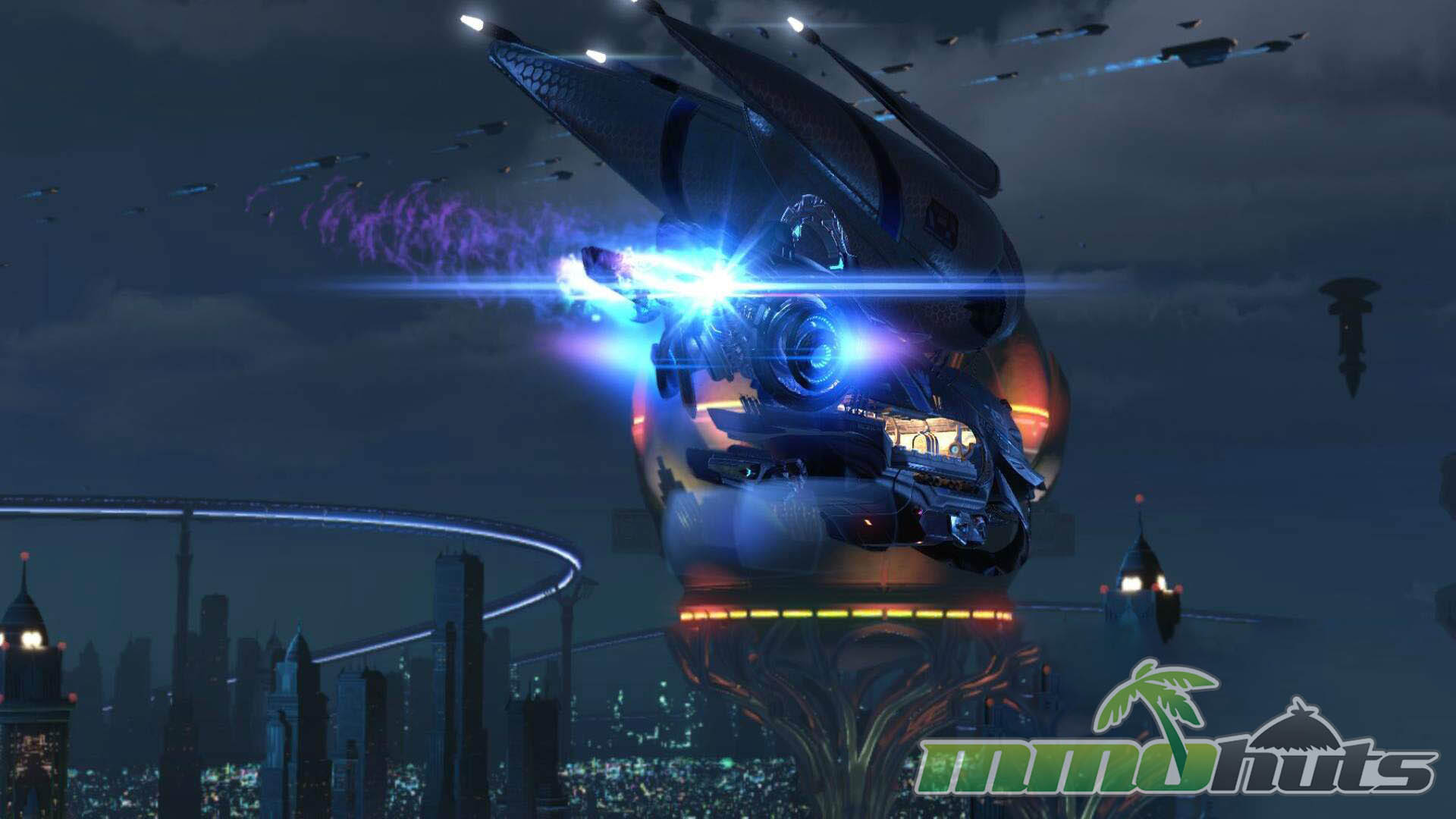
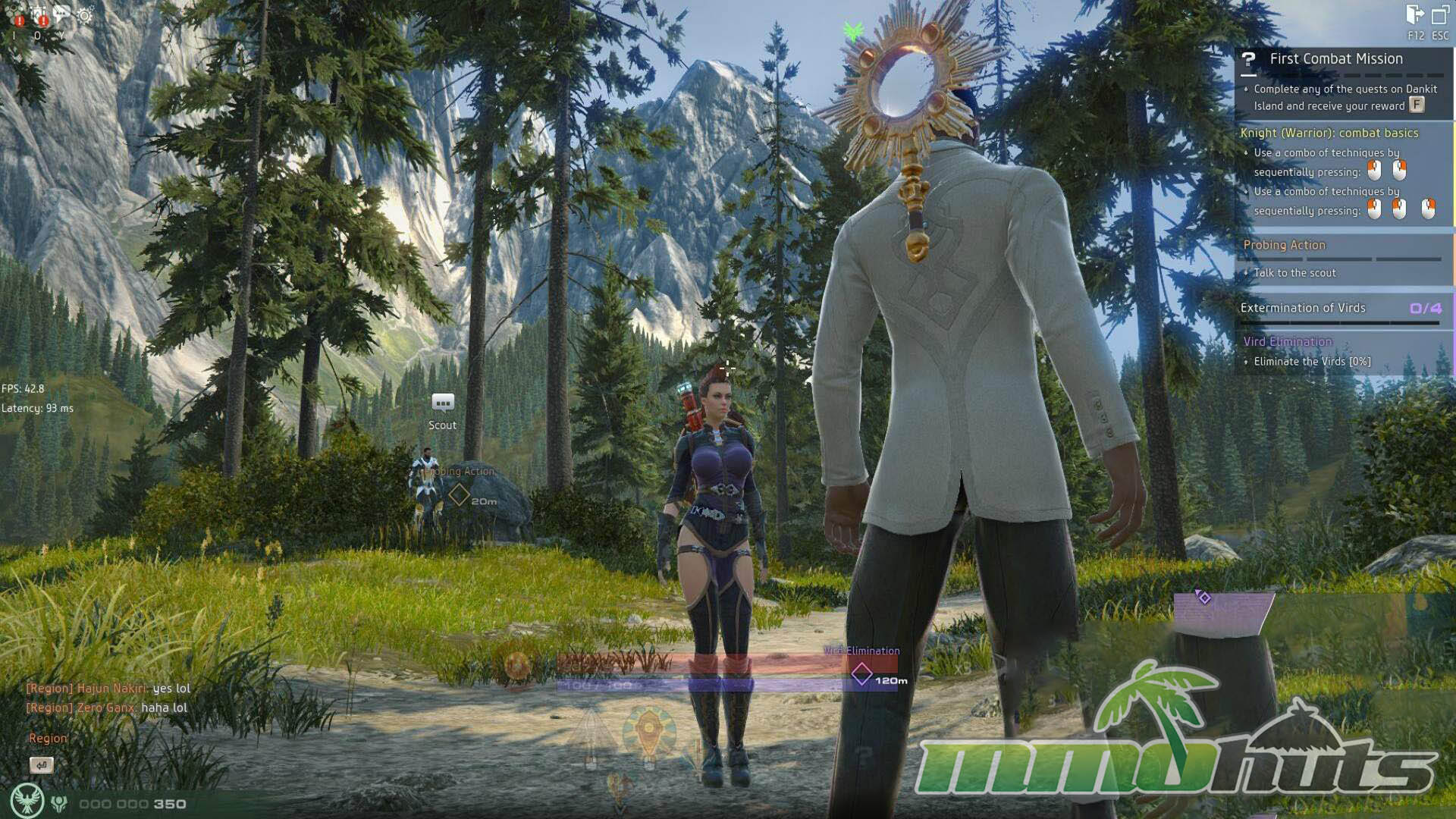
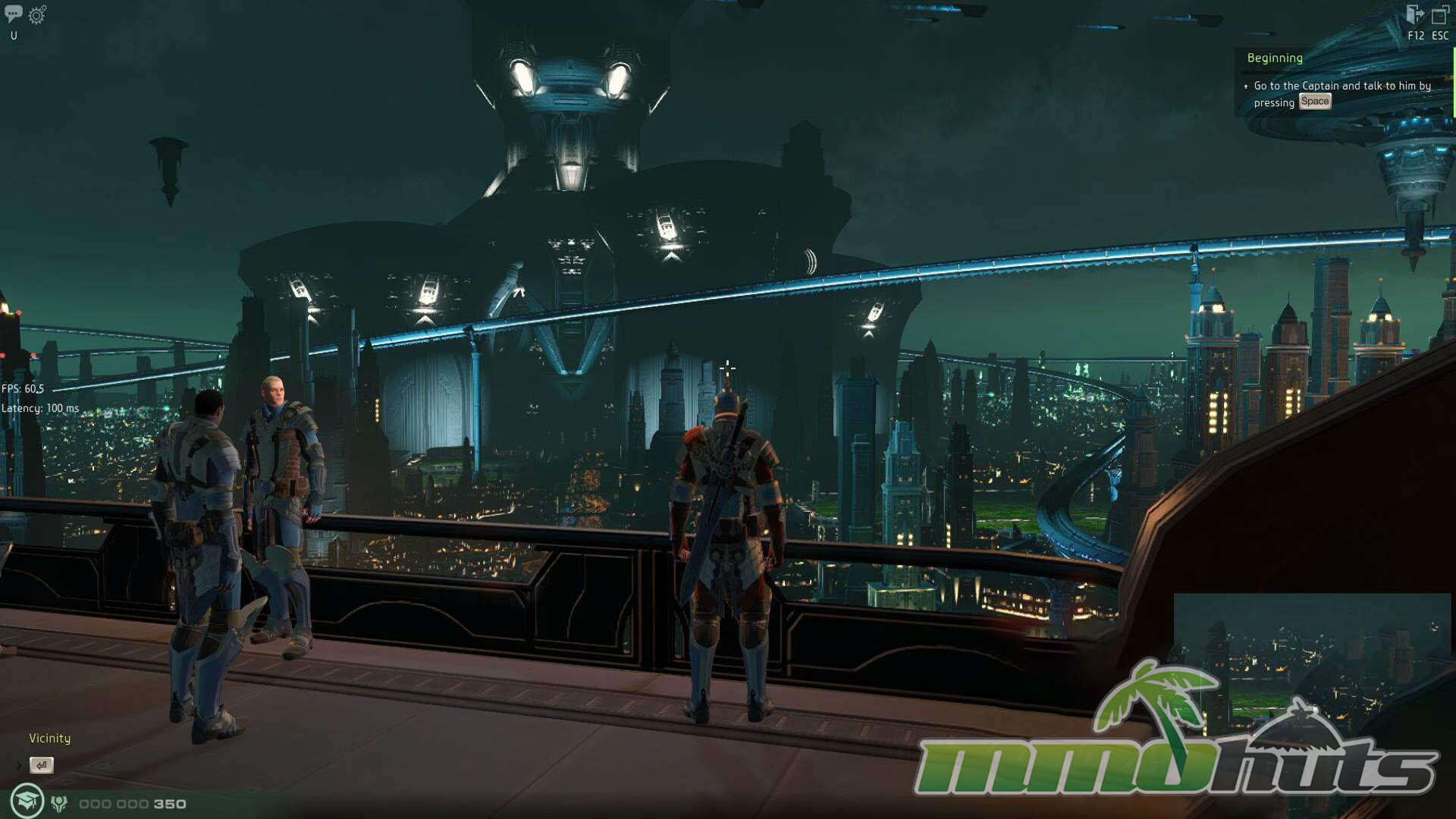
Visually, Skyforge stands near the top tier of free to play MMOs. Environments are crisp and clean, animations are fluid and energetic, and character models are detailed enough that different outfits and styles stand out in a crowd. The art direction walks a line between stylized and realistic, with bright, saturated effects and playful touches, such as loot appearing in ball like containers, contrasting against a generally serious sci fi fantasy tone. It never sinks into grimdark, preferring a more luminous, high tech aesthetic.
The music complements the setting well, even if it does not immediately stand out alongside the most memorable MMO scores like those composed by Jeremy Soule. It supports the atmosphere without drawing too much attention to itself. Since launch, Skyforge has already received numerous large content updates, which speaks to the developers’ sustained support and willingness to expand on the game’s foundation.
An Unconventional Interface
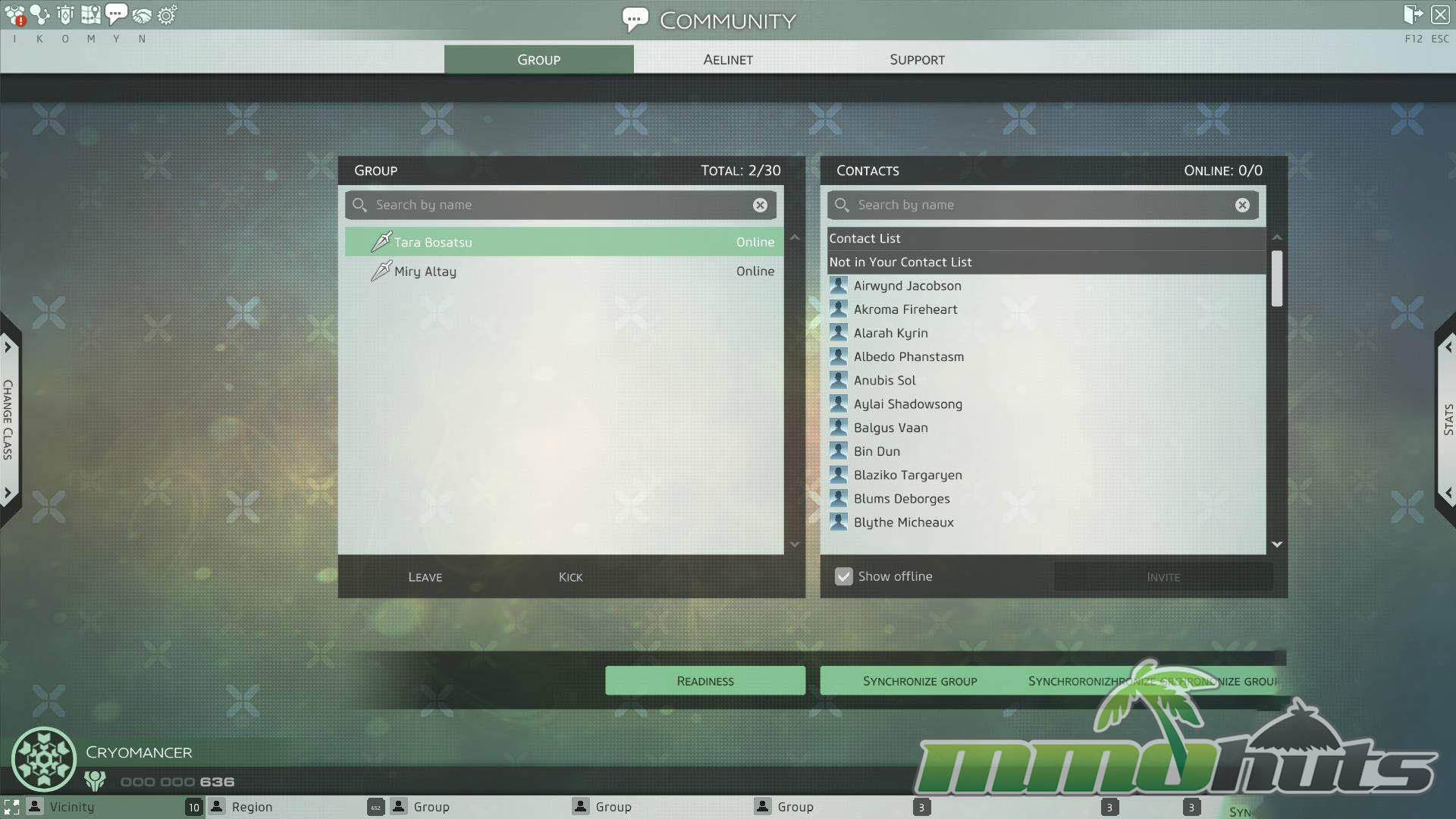
Skyforge’s user interface breaks from the standard template that many MMORPGs share. Instead of instantly feeling familiar, it can seem unusual and even awkward at first. Most major systems live on their own dedicated screens, and navigating between them can feel clunky until you learn where everything is. Some players will find this off putting compared to more traditional layouts.
The UI also gives off a “designed with controllers in mind” vibe, even though the developers have not explicitly marketed it as a console title, aside from mentioning gamepad support. Visually, it fits the game’s futuristic style, resembling a sleek sci fi operating system, but the learning curve is steeper than in many competitors. Expect to spend a little time acclimating before the interface feels natural.
Divine Form and Faith
At around 30,000 prestige, a special quest becomes available that lets you unlock Skyforge’s god form, one of its signature but surprisingly low key features. To reach it, you must fully complete your Atlas, filling in every required node. Once that task is done, you gain the ability to temporarily transform into an overwhelmingly powerful deity.
Activating god form requires a resource called faith. When you have accumulated 70 faith, you can enter this mode for roughly 15 minutes, dealing dramatically increased damage and feeling every bit the unstoppable force the lore suggests. Faith is limited and primarily gained from a weekly quest, and god form is restricted to PvE content, so you will not see it used in competitive PvP. I did not personally reach this stage, so how it feels in long term play remains something to be explored.
Monetization and Premium Access
On the business side, Skyforge aggressively advertises its premium account option, reminding you frequently of the advantages. Premium access speeds up the rate at which you gain various resources, which in practice means you will reach your weekly caps faster. It is clearly aimed at players who cannot invest large amounts of time and want to hit progression limits more quickly rather than grind for hours.
You can purchase premium time directly or fund it with in game currency by converting credits to platinum, then spending platinum on premium. That exchange is driven by the player market, so the rate fluctuates. At the time the original impressions were written, the suggestion was to convert credits early before rates shifted, since a declining exchange rate would later yield less platinum for the same credits.
Two paid editions of the game are available: a Standard Edition and a Collector’s Edition. The Standard Starter Pack costs $15 and provides useful items such as extra credits, additional bag slots, and other conveniences. The $60 Collector’s Edition grants immediate access to the Alchemist and Knight classes, a unique mount, an exclusive title, and 60 days of premium account time. Neither pack is required to enjoy or succeed in Skyforge; they are best seen as ways to support development and get a head start on certain unlocks. All core content and classes remain obtainable through regular free to play progression.
Final Verdict – Great
Skyforge delivers a striking visual presentation and one of the more flexible class systems in the free to play MMO space. While the early combat loop can feel repetitive, unlocking new skills and swapping between classes turns encounters into a fluid, engaging experience. The unusual, somewhat console like interface may initially alienate some players, and the weekly progression caps are a controversial design choice whose long term effects are still uncertain.
Even with those caveats, Skyforge stands out as a strong free to play option. The multi class approach, Ascension Atlas, and Order System give players several ways to grow their characters, and the game’s mixture of science fiction and divine fantasy helps it carve out its own identity. Looking back at my time on Aelion, the essential question is whether it was enjoyable, and for me the answer was yes. For players searching for an online RPG that does a few things differently from the usual fantasy formula, Skyforge is well worth trying.
Skyforge Links
Skyforge Official Site
Skyforge Steam Page
Skyforge Features Page
Skyforge Wikipedia
Skyforge Reddit
Skyforge Wikia (Database / Guides)
Skyforge Gamepedia (Database / Guides)
Skyforge System Requirements
Minimum Requirements:
Operating System: Windows XP / 7 / 8 / 10
CPU: Dual Core E2160 1.8 GHz
Video Card: GeForce 8600 GTS, Intel HD 3000, Radeon HD 4650 or better
RAM: 2 GB
Hard Disk Space: 20 GB
Recommended Requirements:
Operating System: Windows XP / 7 / 8 / 10
CPU: Intel Core i5-4430 3 GHz
Video Card: GeForce GTX 275, Radeon HD 4870
RAM: 4 GB
Hard Disk Space: 20 GB
Skyforge Music & Soundtrack
Skyforge soundtrack information coming soon
Skyforge Additional Information
Developer: Allods Team & Obsidian Entertainment Collaboration
Publisher: My.com
Game Engine: Proprietary Game Engine
Release Date (Open Beta): July 16, 2015
Steam Release Date: April 13, 2017
Development History / Background:
Skyforge was developed through a joint collaboration between Mail.ru’s Allods Team (Nival) and U.S. based Obsidian Entertainment. The game has been in development since 2010 and its first closed beta began on March 11, 2015. Skyforge was first revealed to the world at the 2012 Russian Game Developers conference. After several rounds of closed beta testing, Skyforge launched into open beta on July 16, 2015. Skyforge released through Steam on April 13, 2017.