Runes of Magic, or RoM for short, is a 3D fantasy MMORPG set in the mystical world of Taborea. The game’s visuals and gameplay are inspired by WoW, but the game’s unique dual classing system sets it apart from other games.
 | Publisher: GameForge Playerbase: Medium Type: MMORPG Release Date: March 19, 2009 (NA/EU) PvP: Duels / Open World / Arenas / Guild v Guild Pros: +Flexible multi‑class system that creates many viable builds. +Fully featured player housing with functional bonuses. +Responsive, smooth core gameplay. +Large amount of PvE and PvP content spanning many expansions. Cons: -Cash shop can affect balance and progression for competitive players. |

Runes of Magic Overview
Taborea is a world literally shaped by divine language, where the writings of the god Ayvenas can call entire realms into existence or erase them completely. In Runes of Magic, you hunt down fragments of this sacred script, the runes, while battling unusual creatures and uncovering the setting’s long and often dangerous history. Players choose from three playable races and ten distinct classes, then later combine them into powerful hybrids through the game’s hallmark dual‑class system. This multi‑class approach lets you experiment with different playstyles and construct highly specialized characters instead of being locked into a single role.
Outside of combat, RoM puts a surprising focus on life between adventures. Every character can obtain personal housing very early on, and homes can eventually grow into elaborate residences or even castles that double as storage, crafting hubs, and buff sources. The title deliberately follows a classic fantasy MMO formula, but the layering of class combinations, housing, and years of content updates gives it a different flavor from many of its contemporaries. While the interface and visual style will feel familiar to veterans of older MMORPGs, the flexible build system is what keeps the experience feeling distinct.
Runes of Magic Key Features:
- Wide Variety of Races and Classes – play as one of three races and pick from ten base classes, then later mix them through multi‑classing to form unique character archetypes tailored to specific roles.
- Home, Sweet Home – acquire a personal instance that acts as your character’s home, complete with storage, furnishings, and activity bonuses such as improved crafting efficiency and helpful resting buffs.
- Details Everywhere – Taborea is built with a lot of small touches, from intricate city layouts to dungeon decorations, giving zones and instances a sense of place despite the game’s age.
- Good Customization System – for an MMO from 2009, RoM provides a notable range of character creation options, allowing you to tweak body proportions, colors, and overall appearance.
- Bring It On – test your builds in structured PvP, cross‑server arenas, and guild wars, along with various battleground formats that reward coordination and skill.
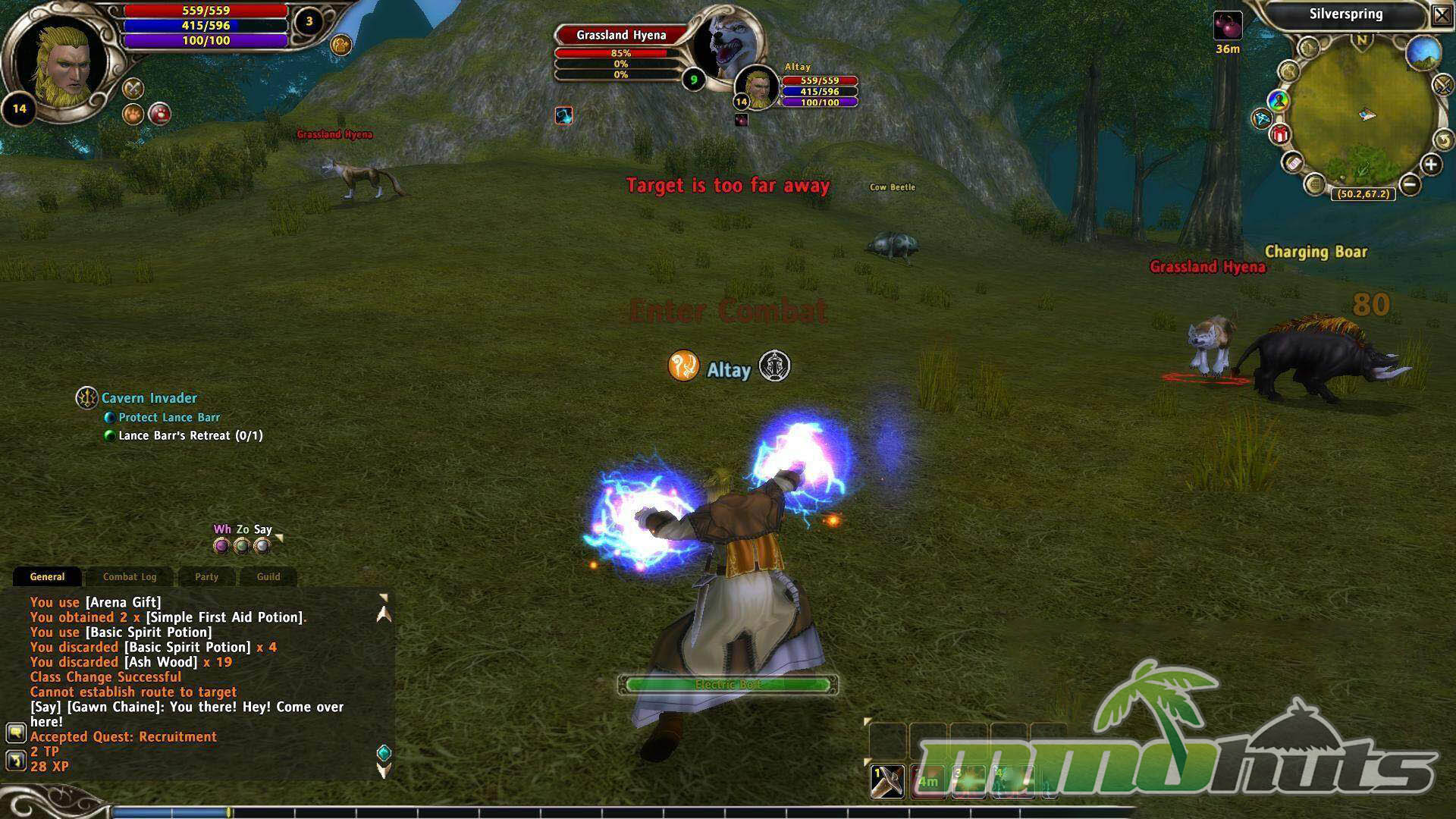
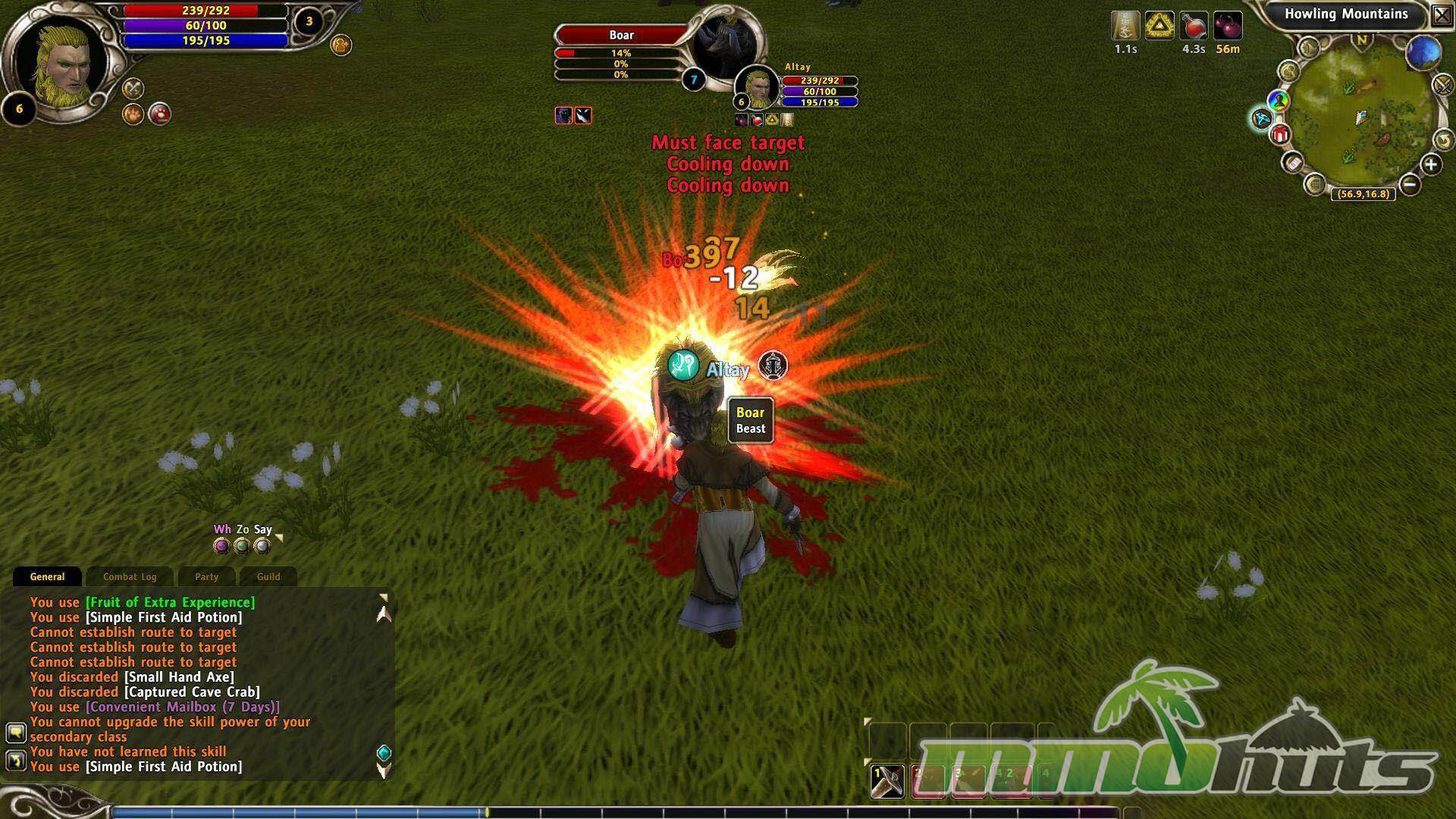
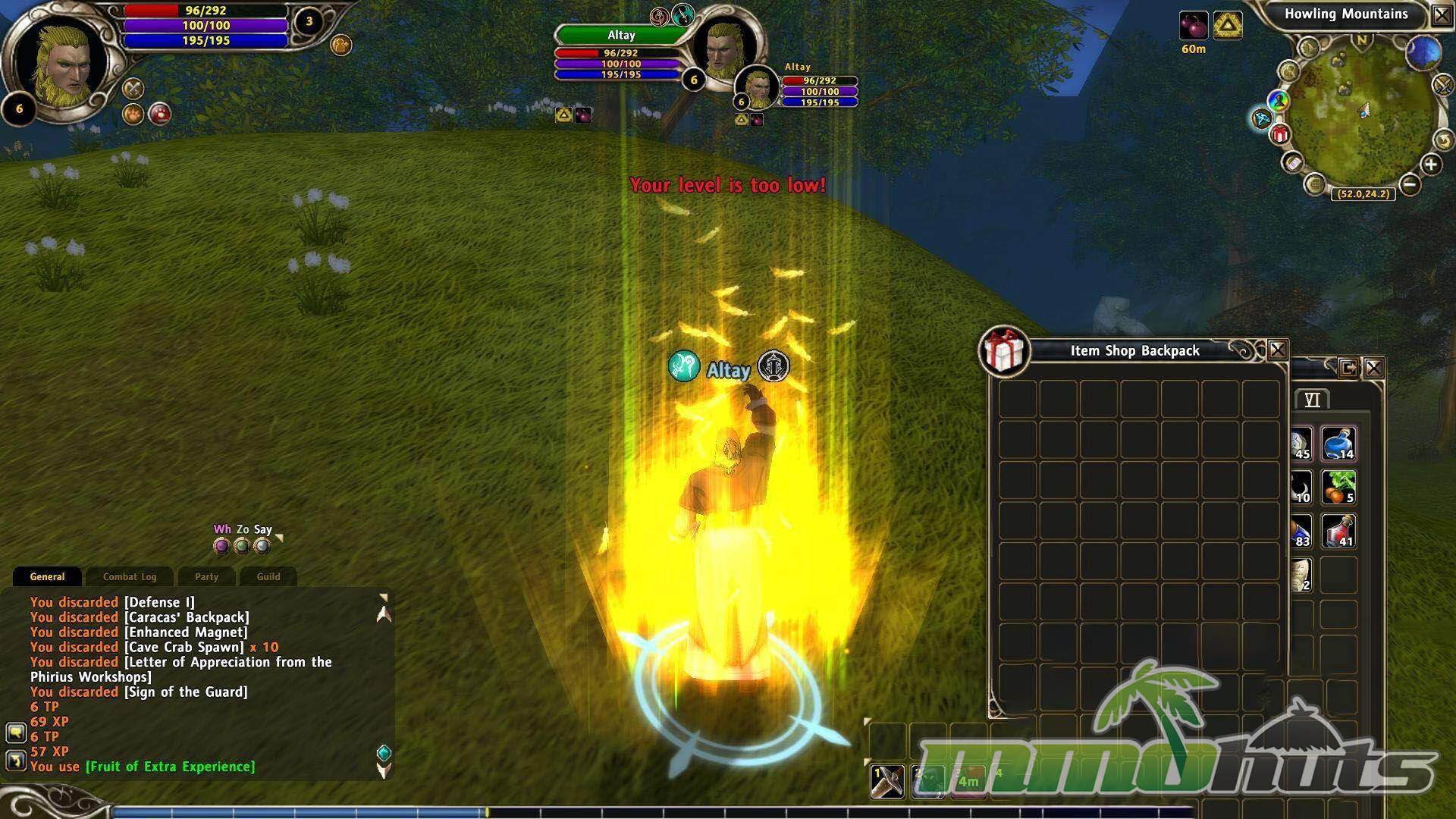
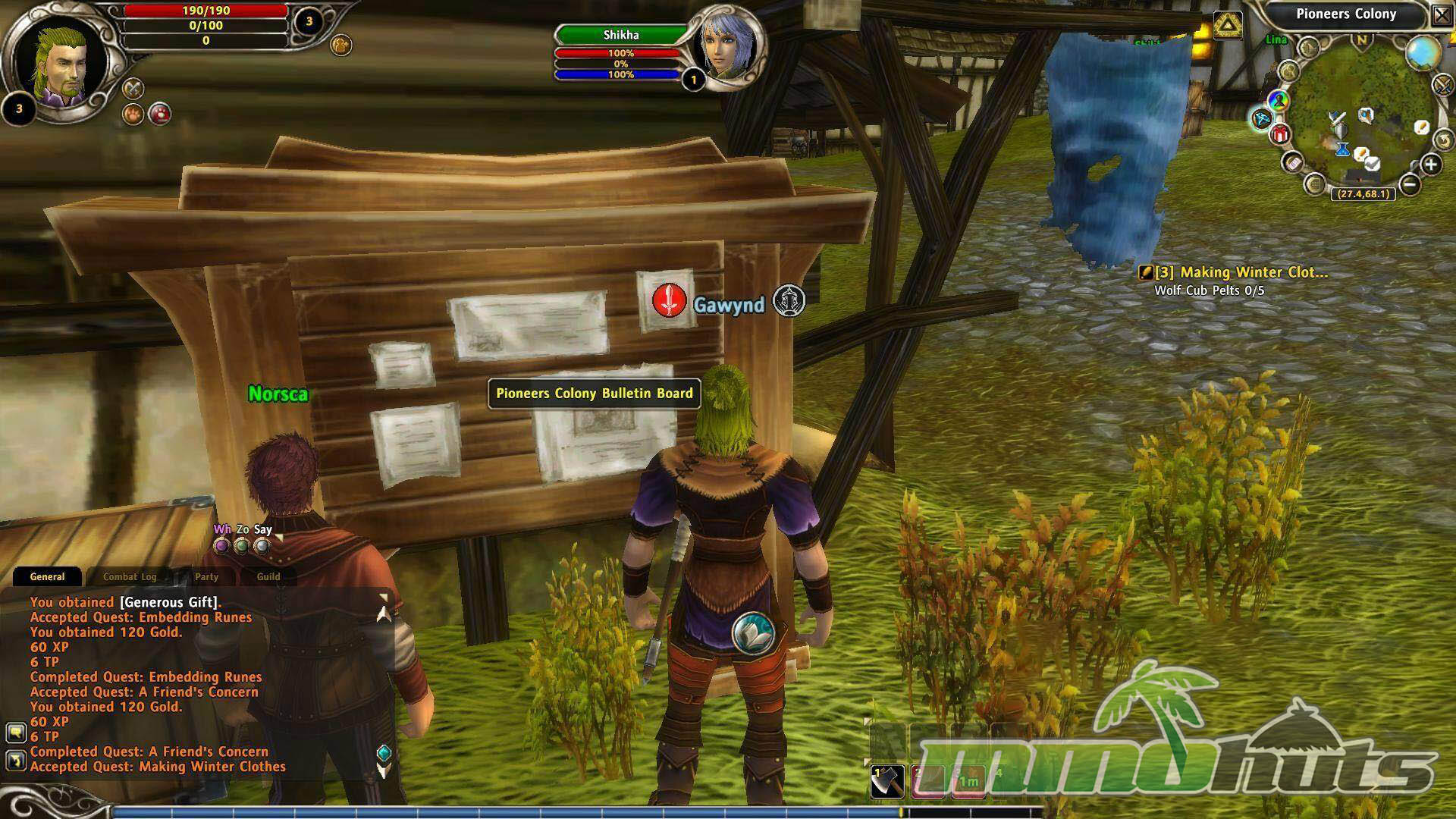
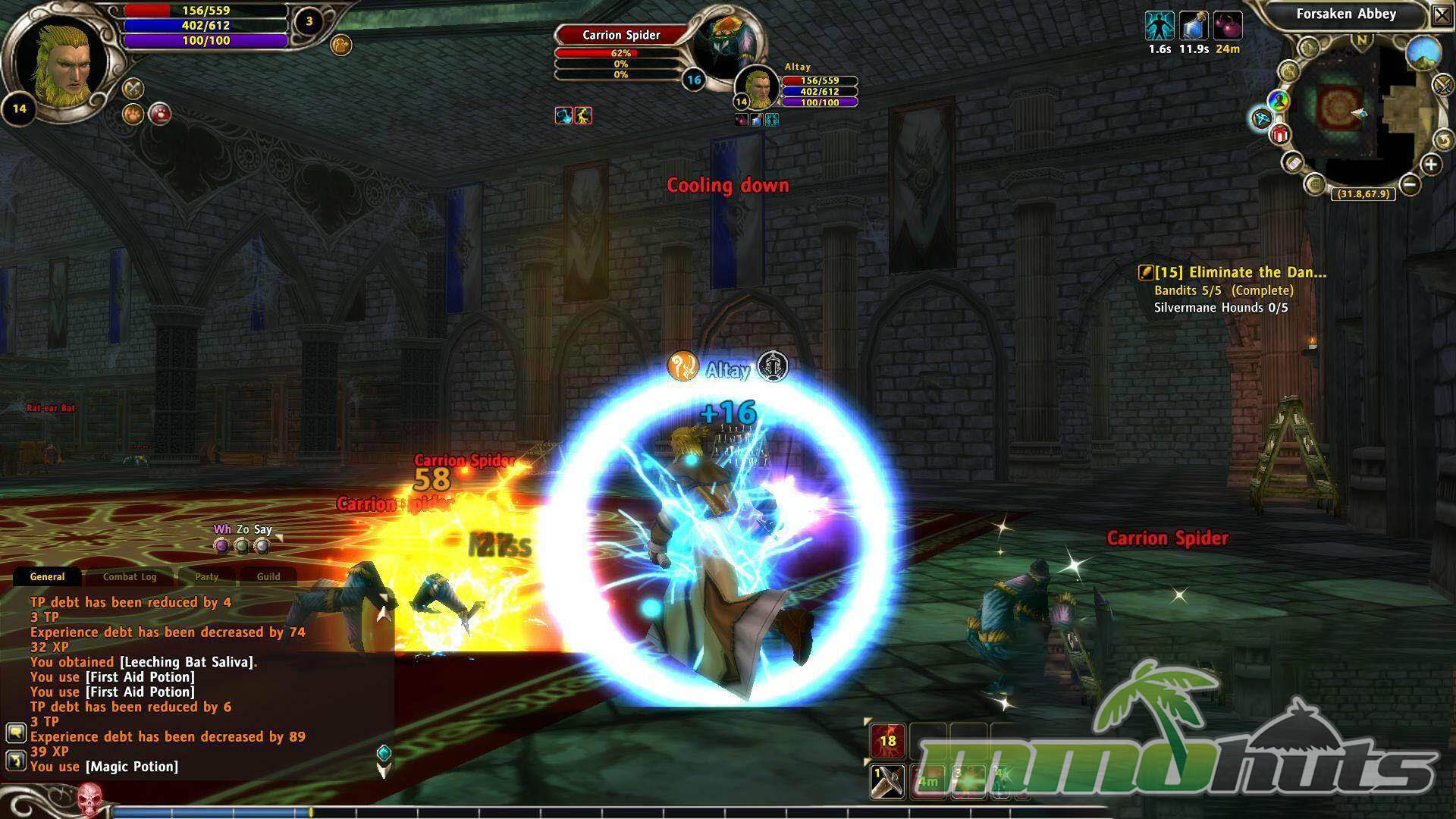
Runes of Magic Screenshots

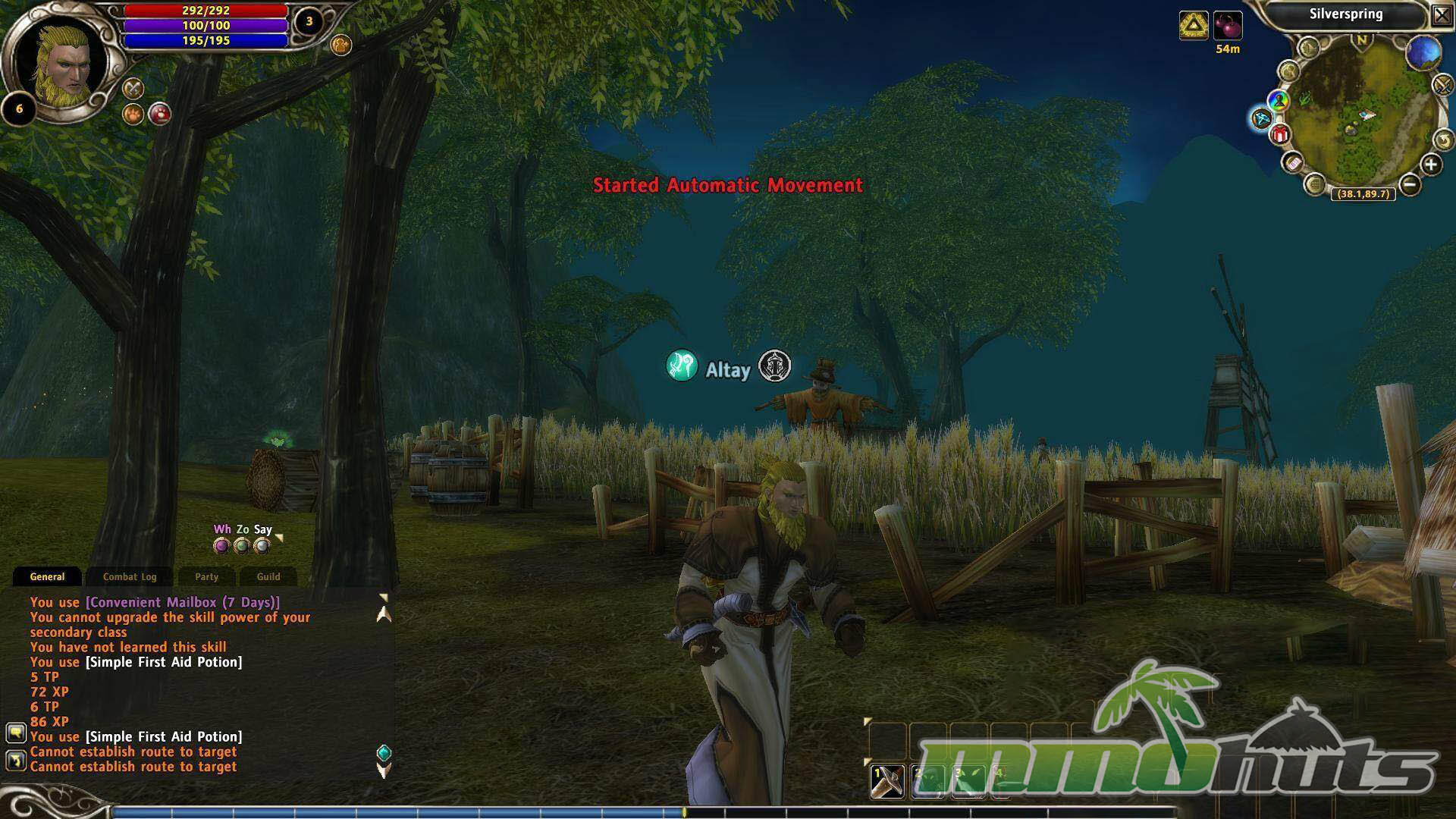
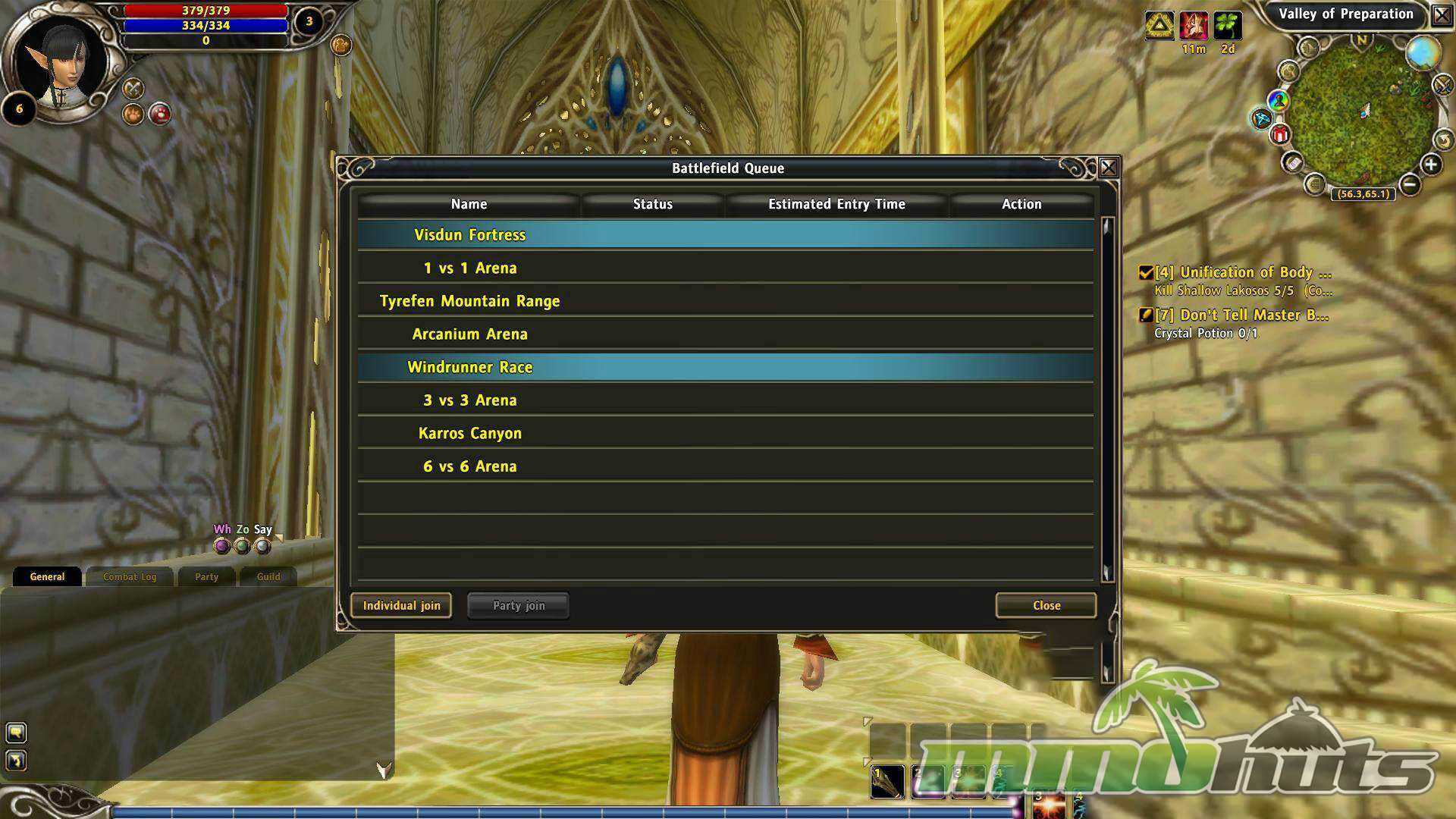
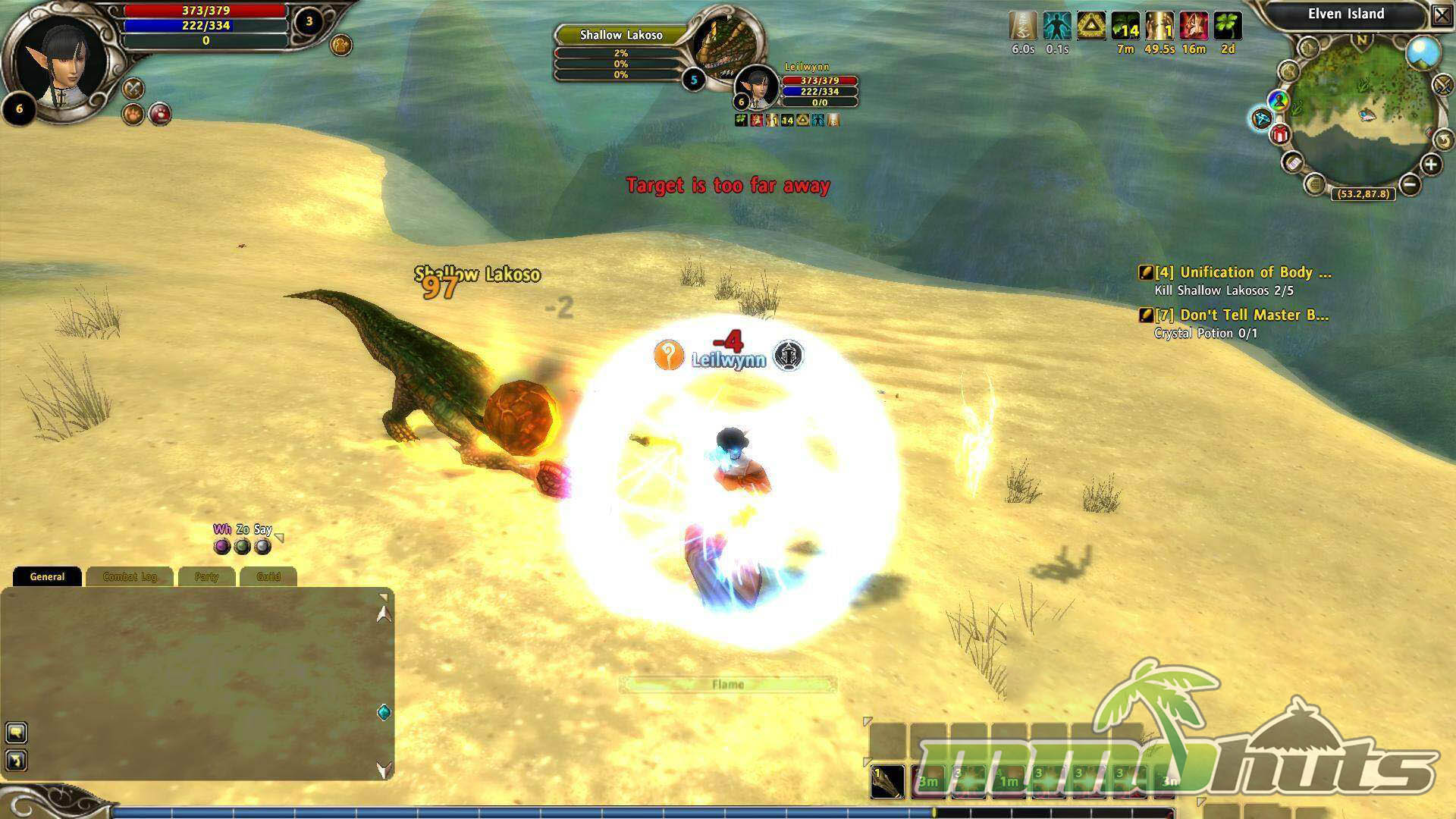
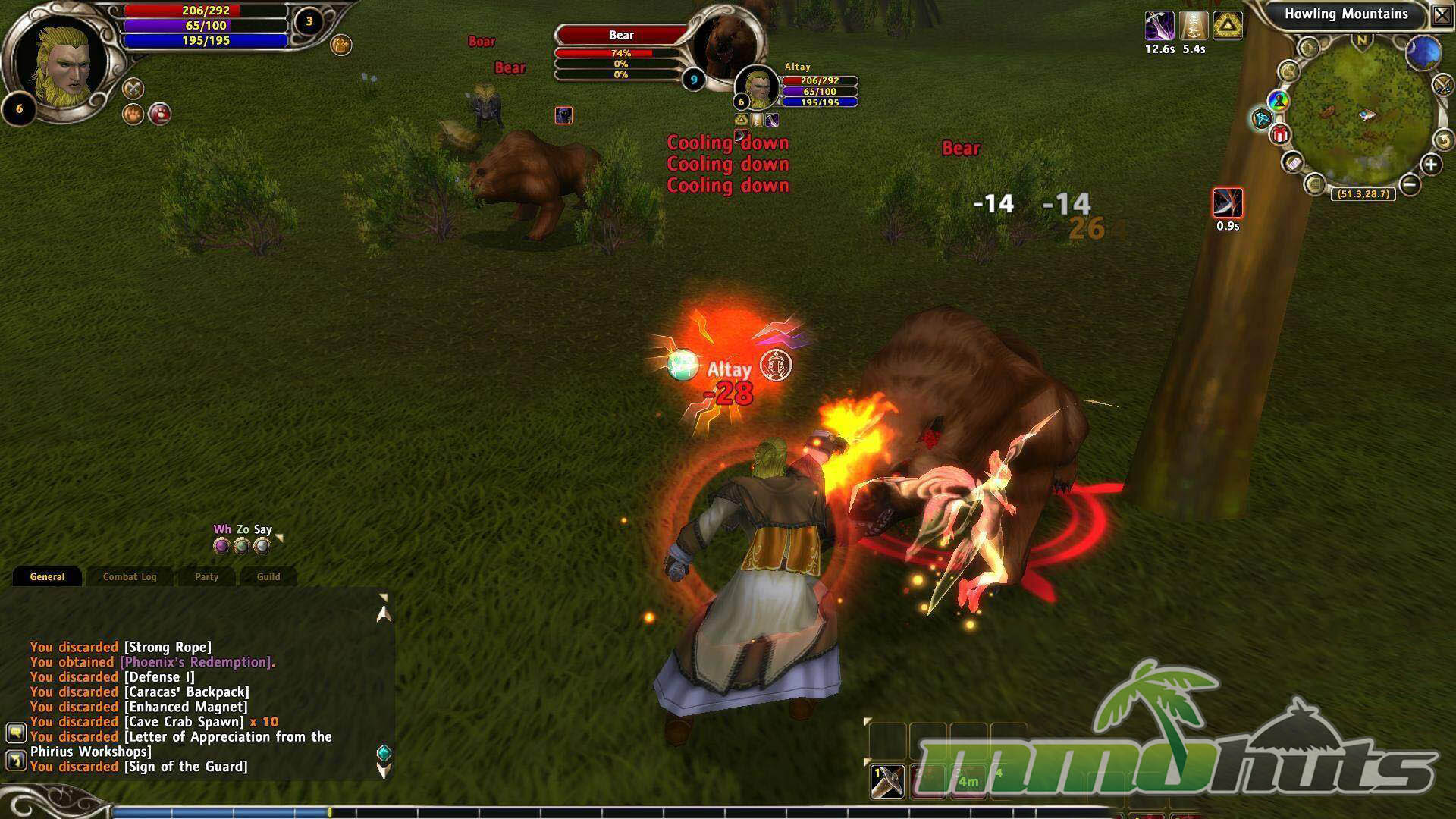

Runes of Magic Featured Video

Runes of Magic Classes
Races:
- Humans – the first people of Taborea, driven by ambition and curiosity. Human characters are unable to choose the Warden, Druid, Champion, or Warlock classes.
- Elves – graceful fighters and keen hunters who rely on agility and finesse. Elven characters cannot become Knights, Priests, Champions, or Warlocks.
- Dwarves – physically small yet renowned for their resilience, faith, and craftsmanship. Dwarven characters are restricted from picking the Knight, Warden, Druid, or Scout classes.
Classes:
- Knight – a heavily armored front‑line protector and the only class able to equip plate armor. Knights specialize in soaking damage, using shields, and calling on holy‑themed abilities to keep enemies focused on them.
- Warrior – a close‑quarters specialist who thrives in melee. Warriors can wear most armor types except plate and use rage to fuel powerful attacks, making them well suited for dealing damage or acting as durable off‑tanks thanks to chain armor access.
- Rogue – a lightly armored assassin who relies on stealth, poisons, and high mobility. Rogues employ rapid strikes and bleed effects to quickly wear down opponents that let them get too close.
- Scout – a ranged combatant who fights with bows or crossbows. Scouts keep foes at bay with snares, knockbacks, and other control skills that help them maintain distance while dealing consistent damage.
- Priest – the core support class, focused on healing and defensive magic. Priests keep allies alive with restorative spells, buffs, and the ability to bring fallen party members back into the fight.
- Druid – a nature‑oriented hybrid with both offensive and supportive magic. Druids can contribute damage, add supplemental healing, and use nature spells to bolster or protect their group alongside Priests.
- Mage – a traditional spellcaster who channels elemental forces like fire and lightning. Mages specialize in high burst and area damage, while also providing magical shields and party‑wide damage buffs through their arcane knowledge.
- Warden – a versatile combatant with access to a wide assortment of weapons. Wardens center on applying buffs and debuffs, fighting in chain armor for extra survivability, and summoning robust pets to assist in battle.
- Champion – a class built around raw strength and ancient Dwarven forging techniques. Champions can shift forms to modify their defensive stats and accuracy, turning them into adaptable front‑line bruisers.
- Warlock – a spell user devoted to curses and debilitating magic. Warlocks weaken opponents over time, then finish them off while also supplying allies with spells that reduce incoming damage and enhance their power.
Runes of Magic Review
Runes of Magic is a free‑to‑play fantasy 3D MMORPG created by Taiwanese developer Runewaker Entertainment. The English‑language service first appeared under Frogster Interactive before later being handled directly by Gameforge. Players were able to try the game during its open beta on December 15, 2008, and the official launch for North America and Europe followed on March 19, 2009.
Set in the lore‑rich realm of Taborea, the game builds its narrative around the divine writings of Ayvenas, a god whose words literally shape reality. Throughout your journey, you track down scattered runes from Ayvenas’ book while exploring zones that reflect centuries of conflict and myth. At a glance, the user interface, visual style, and quest structure clearly echo classic subscription MMORPGs such as World of Warcraft. Over the years, however, RoM has grown into a sizable game that leans hard into its dual‑class mechanics and housing systems, turning what began as a familiar formula into something that feels more experimental once you dive deeper.
Below is a detailed look at how the game holds up today in terms of gameplay, systems, and overall experience.
Gameplay and Core Loop
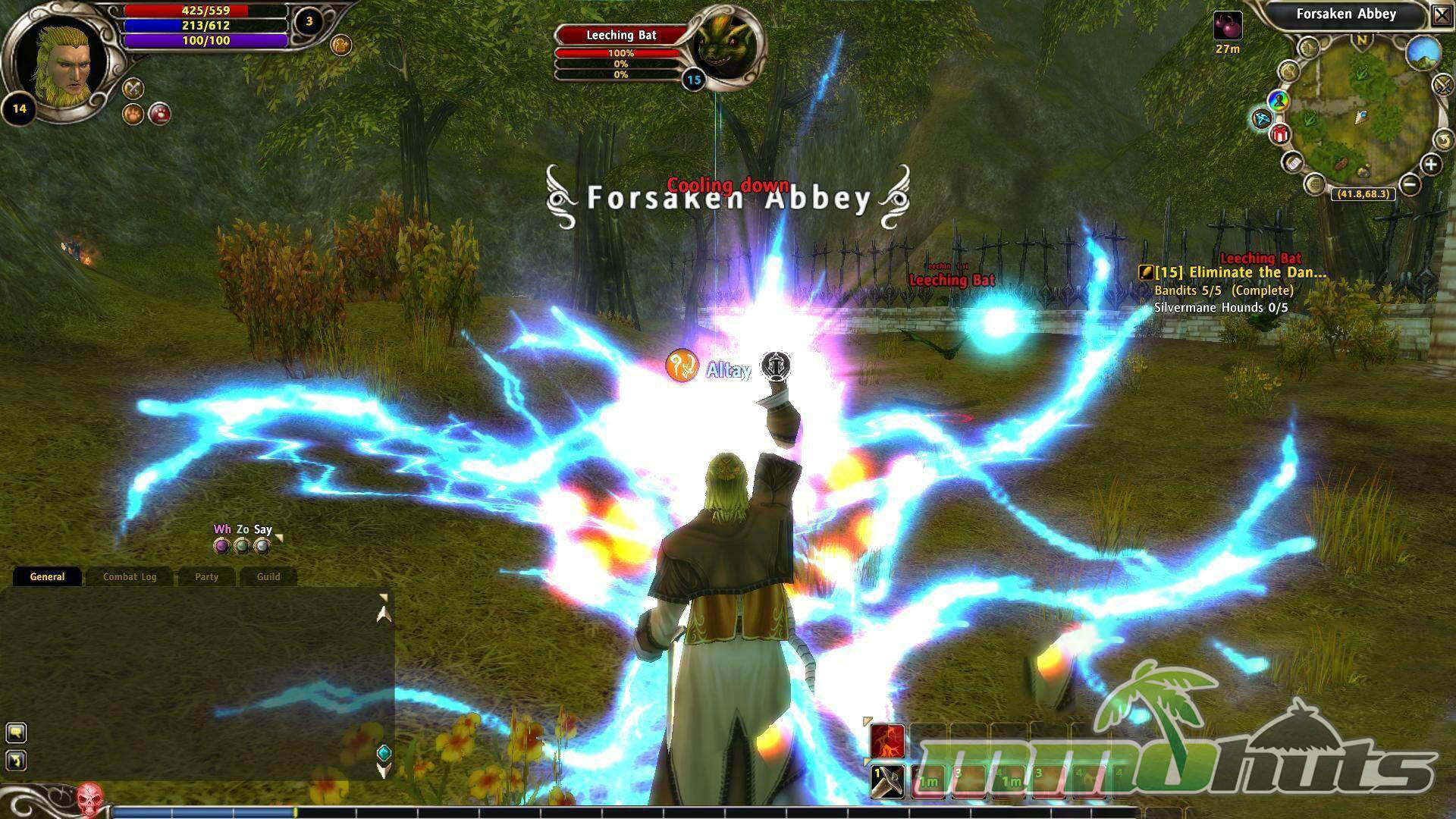
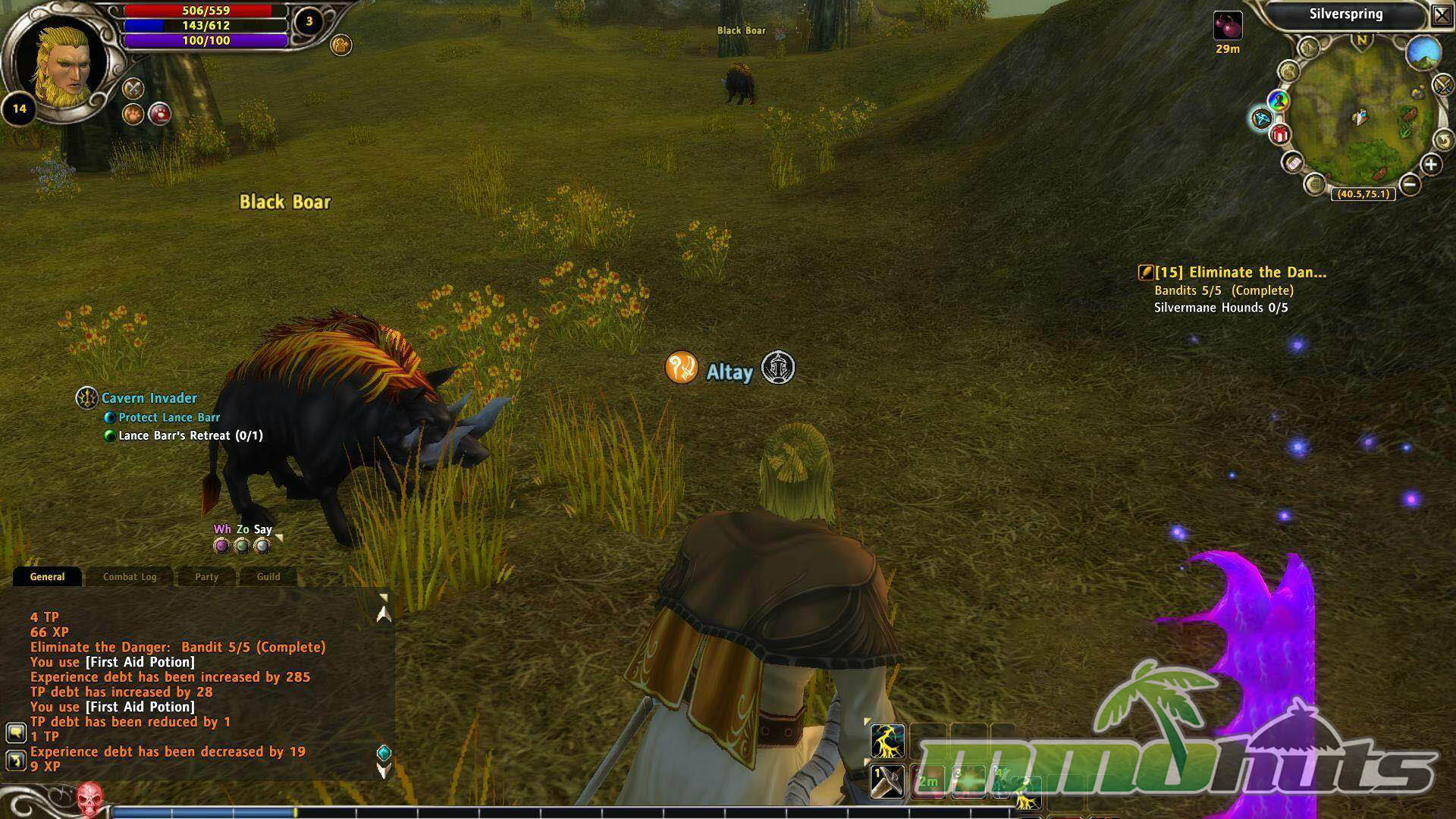
The heart of Runes of Magic revolves around a very traditional MMORPG loop. You pick a race and starting class, move through early tutorial quests, then slowly fan out into larger regions filled with quest hubs, dungeons, and world events. Combat is tab‑target based and skill driven, with a familiar hotbar setup. You queue abilities, manage cooldowns and resources, and rely heavily on positioning and timing in group content.
Early levels are quite fast. Quests are abundant, usually clustered around towns or camps in a way that minimizes excessive travel time. Tasks often follow the classic pattern of killing specific creatures, collecting drops, or interacting with objects in the environment. While this quest design is not revolutionary, the sheer density helps reduce grind and lets you level quickly enough to unlock the more interesting systems, particularly dual‑classing and elite skills.
Movement can be handled either with WASD controls or by clicking to move. The WASD scheme tends to feel more natural during combat, since strafing, backing out of telegraphed attacks, or circling enemies becomes important in tougher encounters. Ranged classes, in particular, benefit from this level of control when kiting mobs or repositioning in dungeons.
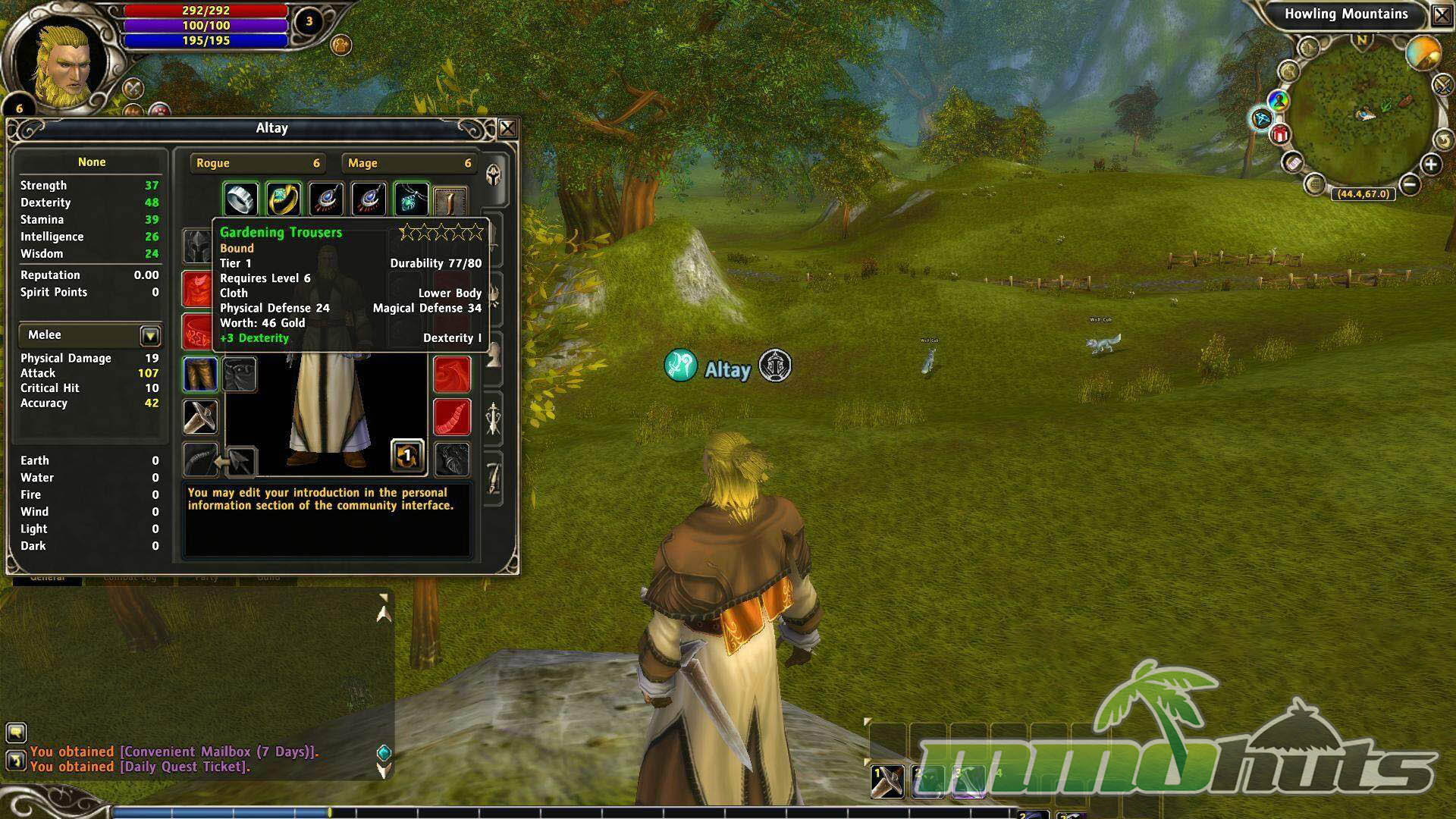
As you gain levels, new skill ranks and abilities unlock, then the Talent Point system comes into play. Talent Points are earned mainly through questing and daily quests, and invested into skill trees to improve your chosen abilities. The pace at which you gain Talent Points is initially generous, which encourages experimentation. Later on, fully maxing out entire skill sets becomes a long‑term project, giving dedicated players a reason to continue running content long after reaching the level cap.
Character Creation and Customization
For a game released in 2009, Runes of Magic offers a surprisingly flexible character creation system. Instead of simply picking a face and hair style, you can adjust a variety of body sliders such as height, limb proportions, and torso size. Color wheels for skin and hair open up a large range of possible looks, so it is possible to avoid running into exact duplicates of your character on every corner.
From the same interface you also choose your race, gender, and initial class. Humans, Elves, and Dwarves each come with certain class restrictions that push them toward slightly different archetypes. Ten available classes provide a broad spread of roles, including tanks, healers, ranged damage dealers, melee specialists, and more hybrid‑oriented options.
Character identity in RoM does not stop at appearance and base class choice. The dual‑class system, unlocked at level 10, drastically expands your build options. Your secondary class selection, combined with later elite skills that are restricted to specific class pairings, is often more defining than your original choice on the character creation screen. Players who enjoy tinkering with builds, edge‑case combos, and theorycrafting will find a lot to play with here.
World Design and Presentation
Runes of Magic embraces a colorful, stylized art direction. Character models, armor sets, and landscapes all lean into a high fantasy aesthetic that will feel comfortable to anyone who has played older Western or Asian MMORPGs. Although the engine shows its age in terms of polygon count and texture resolution, the overall presentation is cohesive enough that Taborea still comes across as a living world rather than a generic backdrop.
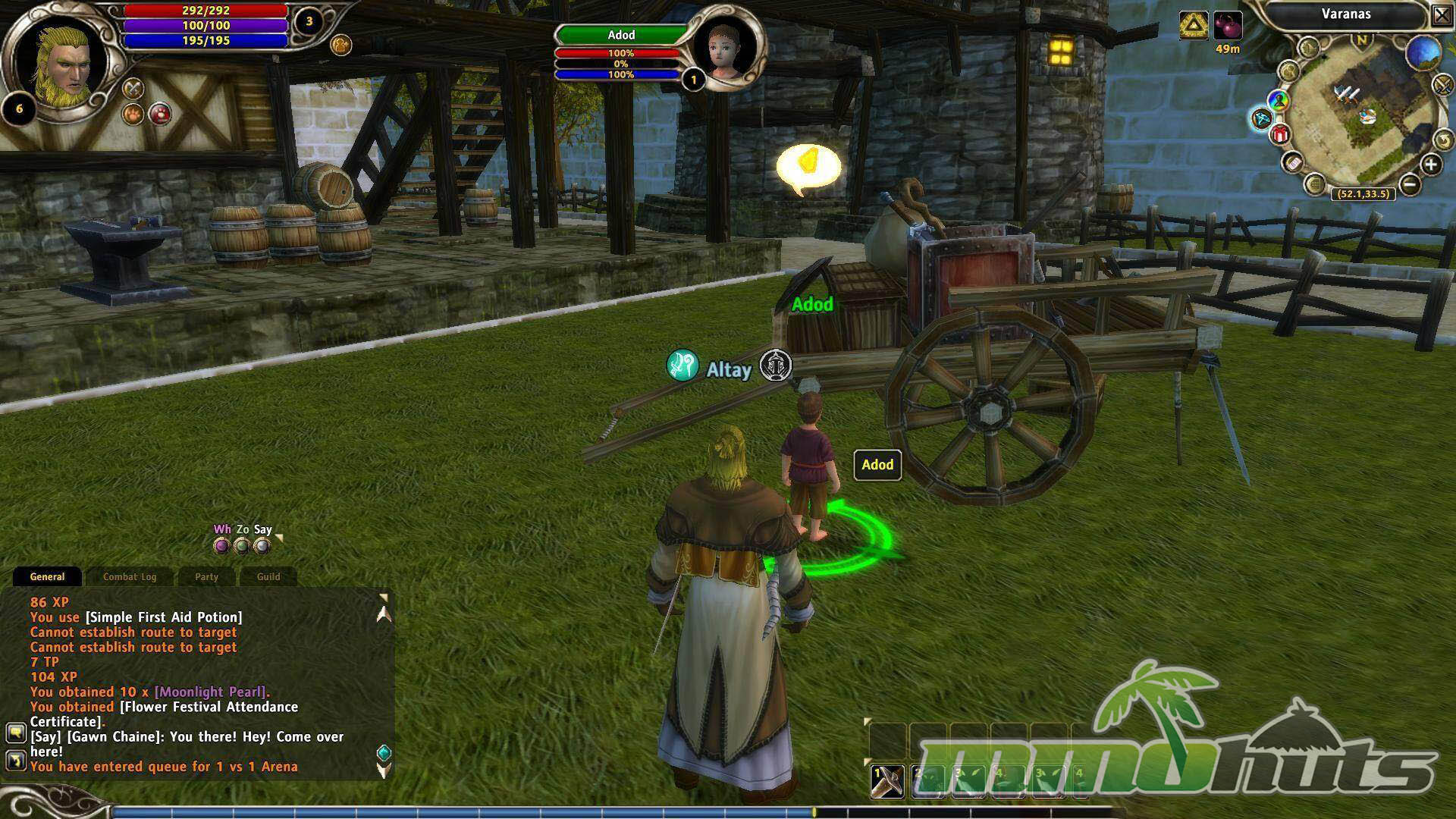
Zones range from quiet forests and rolling plains to darker, more corrupted regions and intricate dungeon interiors. Cities are filled with vendors, trainers, and decorative NPCs that make them feel active despite the game’s age. Monster variety spans familiar fantasy creatures such as wolves and goblins to more elaborate magical constructs and massive raid bosses. Environmental sound effects and a sweeping orchestral soundtrack support the fantasy tone, with each region usually backed by its own musical theme.
While some assets are clearly inspired by genre standards, RoM differentiates itself through the density of its regions and the way expansion content has been layered on over time. Later chapters add new continents, instances, and high‑level zones that extend the world far beyond its original launch size. For players who enjoy long‑term exploration and seeing how an MMO’s world evolves with expansions, this progression is part of the appeal.
Questing, Progression, and PvE Content
Questing is the primary method of progression and is tuned to be efficient. Most areas contain enough missions to carry you through several levels without resorting to grinding, and daily quests inject extra Talent Points and rewards into the loop. With strong gear and an understanding of optimal routes, determined players can advance to very high levels within a relatively short period, especially if they make use of optional boosts or convenience items.
The PvE content offering is broad. Solo players can work through story quests, world events, and easier instances, while groups can tackle full dungeons and raid‑scale encounters that demand coordination. Many boss fights require specific tactics or attention to mechanics instead of simple damage races, which helps endgame content feel more structured and less like simple stat checks.
Endgame is where RoM really expects you to invest time. High‑level dungeons, raids, and long gear progression paths keep players busy, while the dual‑class system continues to open up new configuration options as you reach the requirements for additional elite skills. Gearing up a main character, refining builds, and optimizing rune and enchantment setups can take serious dedication, giving long‑term players plenty of goals.
Player Housing and Non‑Combat Systems
One of Runes of Magic’s notable features is the housing system, which is available almost immediately. Using a special Home Sweet Home rune, you can teleport to your personal instanced house starting at level 1. Homes begin modest, but can be expanded and customized with furniture, decorations, and functional items.
Housing is more than just decoration. Storing gear and valuable drops in house chests helps manage inventory, which becomes increasingly important as you collect crafting materials and equipment for multiple classes. Many activities performed inside your house offer tangible bonuses. Crafting from home can provide efficiency boosts, while logging off in your house can award helpful experience bonuses when you return. These benefits make visiting your home a regular part of your gameplay loop rather than a novelty.
Housemaids add another layer of utility. Beyond providing flavor to the setting, they act as class change NPCs, allowing you to swap your active primary class once you have unlocked multiple classes on a single character. This convenience is important for anyone experimenting with class combinations or rotating between different roles for dungeon groups.
Dual‑Class System and Build Crafting
The dual‑class system is arguably the defining feature of Runes of Magic. At level 10, you select a secondary class to pair with your initial class, creating a hybrid that can access abilities from both sources. This combination dramatically broadens what your character can do. A heavily armored Knight can learn supportive magic from the Priest line, a Priest can take up a Warrior’s more aggressive tools, or a Mage can reinforce themselves with hybrid options from other classes.
Talent Points serve as the main way to power up these abilities. When you earn Talent Points and spend them, you improve skills from whichever class is currently set as your primary. Non‑class‑specific skills can be shared between primary and secondary roles, but class‑exclusive abilities remain tied to the active primary class. Over time, you can theoretically push all your skills to maximum rank, but doing so demands extensive questing and daily progression.
Changing which of your unlocked classes is considered primary is possible by visiting class trainers or using your housemaid. When you switch, the new primary class has its own independent level, which may be lower than your previous main. You retain any non‑specific skills, but your class‑specific toolkit and available gear are limited by the new class level. For example, a level 10 Knight who adds Priest as a secondary can access general Priest abilities up to level 10. If that character decides to promote Priest to the primary slot, they begin leveling Priest from level 1 while leaving the Knight at its former level. Swapping back restores the Knight to its prior state.
As you develop both classes in a pairing, you unlock powerful elite skills that exist only for specific combinations. These abilities often define how a hybrid plays at higher levels, providing synergies that do not exist in single‑class systems. Later, after raising both your primary and secondary classes to at least level 20, you can even unlock a third class. Only two classes can be active at a time, but the third option increases flexibility when you want to respecialize or try a completely different build without rerolling a new character.
For players who enjoy experimenting, this structure adds longevity. You are not confined to a single role, and the possibility of discovering new synergies between class trees keeps the game from feeling too static compared to more rigid MMO designs.
PvP, Arenas, and Guild Warfare
Runes of Magic separates its servers into PvE and PvP types, which significantly affects how open‑world encounters play out. On PvP servers, once a character reaches level 15, they become vulnerable to attacks from other players who choose to engage them in the open world. Each player has a reputation rating that shifts based on their behavior. Defeating other players in unprovoked combat pushes your reputation into the negative, eventually gaining you notoriety. Conversely, hunting down and defeating infamous players grants positive reputation, which can elevate you to a more heroic status.
On PvE servers, casual players have more protection. Open‑world fighting does not occur by default, and direct combat is only possible through consensual duels or by toggling a specific flag that marks you as open for player killing. This makes PvE servers friendlier to players who want to focus on questing, dungeons, and character progression without the constant threat of ganking.
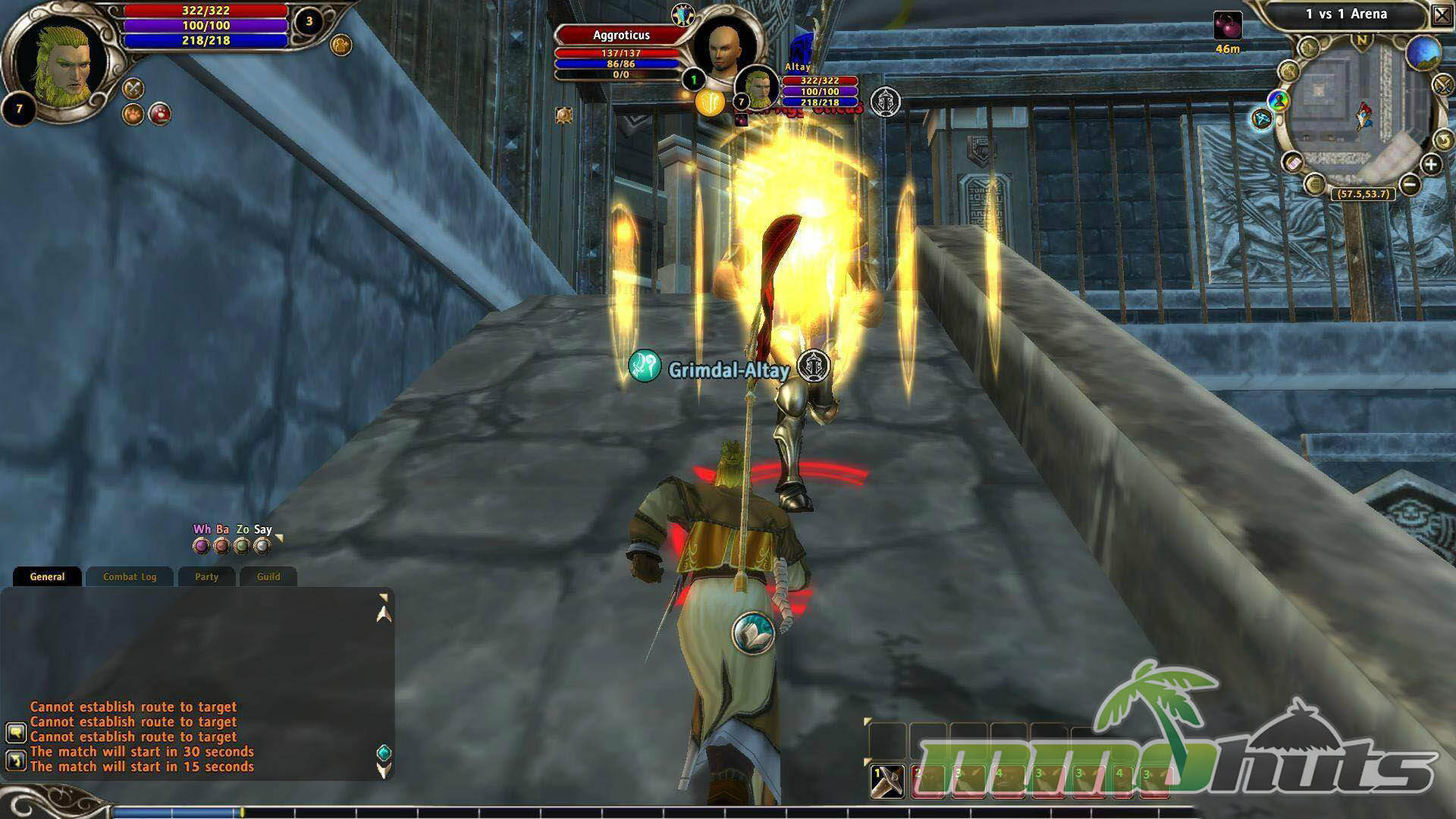
Structured PvP is available across servers through instanced modes. Arenas support both small‑scale 1v1 duels and team matches scaling up to 6v6, letting you test individual skill, group coordination, and class synergy. Battlegrounds feature scenario‑based objectives, including well‑known formats such as Capture the Flag, where organization and map control matter as much as raw damage output.
Guild‑versus‑guild combat is showcased in Siege War. In this mode, two guilds face off to capture and hold Crystal Towers scattered across the map. The guild that controls the majority of these points at the end of the match is declared the victor. Siege War encourages strategic play, as guilds must decide whether to commit forces to offense, defense, or harassment, and rewards groups that can coordinate class roles effectively.
Monetization and Cash Shop
As a free‑to‑play MMORPG, Runes of Magic relies on an item mall for monetization. The premium currency, Diamonds, can be purchased with real money and then spent on a large catalog of items. Many of these are cosmetic, including costumes, mounts, and house furnishings that allow players to customize both their characters and their personal homes.
The shop, however, also offers practical items such as enhancement materials, runes, and endgame‑relevant upgrades. These can accelerate progression or provide power boosts that may be difficult or time‑consuming to obtain purely through gameplay. For players who prefer a level competitive field, especially in high‑end PvP or progression raiding, this aspect of the shop can feel intrusive, as it introduces elements of pay‑to‑advance.
That said, casual and primarily PvE‑focused players may find the monetization more tolerable, particularly if they are content to progress at a slower pace without purchasing performance‑oriented items. The game remains fully accessible without mandatory payments, but the gap between spenders and non‑spenders grows more apparent the closer you get to the top tiers of play.
Community, Longevity, and Server Environment
Having been online for many years, Runes of Magic now sits firmly in the veteran MMO category. Its playerbase is smaller than at launch but still active, particularly on global servers maintained by Gameforge. Many long‑term players are deeply familiar with the game’s systems and can be a good source of guidance for newcomers, especially when it comes to class combinations, gearing paths, and dungeon strategies.
Because the game has accumulated a large number of regions, instances, and systems over time, the learning curve can feel steep if you are entirely new to older MMORPG designs. Fortunately, quest flow in the early game eases you in, and reaching the point where dual‑classing and elite skills become relevant does not take too long. Guilds play a major role in smoothing this transition, offering structured groups for dungeon runs, Siege War, and high‑level progression.
Server events and occasional content updates continue to appear, though at a more measured pace than in the game’s early years. Seasonal activities, in‑game festivals, and limited‑time challenges provide reasons to log in beyond simple grinding, and often offer cosmetics or functional items as rewards.
Final Verdict
Runes of Magic wears its classic MMO inspirations openly, from the interface to the quest structure, and that familiarity can be either comforting or off‑putting depending on what you are looking for. Once you get past the initial sense that you have seen some of these ideas before, the game’s strengths begin to stand out. The dual‑class system, elite skills, and eventual option to unlock a third class give you an unusual amount of control over your character’s identity and role. Player housing, with its meaningful bonuses and deep customization, adds a welcome layer of progression beyond simple gear upgrades.
On the other hand, age shows in certain production values, and the presence of power‑relevant items in the cash shop introduces balance concerns, especially for competitive PvP or top‑tier raiding. Those who want a completely even playing field may find this frustrating.
For players who enjoy traditional tab‑target MMORPGs and like experimenting with multi‑class builds, Runes of Magic still offers a surprisingly deep and content‑rich experience. Newcomers willing to accept an older visual style and a free‑to‑play model with some monetization pressure will find a world with plenty to do, while returning veterans may appreciate revisiting Taborea’s extensive zones, raids, and unique class combinations.
Runes of Magic Links
Runes of Magic Official Site
Runes of Magic Wikipedia
Runes of Magic Wikia (Database / Guides)
Runes of Magic Gamepedia (Database / Guides)
Runes of Magic System Requirements
Minimum Requirements:
Operating System: Windows XP / Vista / 7 / 8
CPU: Intel Pentium 4 2 GHz or AMD equivalent
Video Card: GeForce 7600 GT / ATI x800XT or better
RAM: 512 MB
Hard Disk Space: 15 GB
Recommended Requirements:
Operating System: Windows XP / Vista / 7 / 8
CPU: Intel Core 2 Duo 2 GHz of better
Video Card: GeForce 6800 / ATI X800 or better
RAM: 2 GB
Hard Disk Space: 15GB
Official system requirements list 12GB as the minimum and 15GB as the recommended disk space, but in practice Runes of Magic’s full installation is quite large. Expect the complete client, patches, and additional content to occupy around 20GB on your hard drive, with the installer itself already close to 15GB.
Runes of Magic Music & Soundtrack
Runes of Magic Additional Information
Developer: Runewalker Entertainment
Closed Beta Date: August 28, 2008
Open Beta Date: December 15, 2008
Foreign Release(s):
Taiwan: October 22, 2009 as Oracle War (Gamania Digital Entertainment)
China: October, 2009 as Magic Date (Moli Group Ltd)
South Korea: October 30, 2009 (Frogster Asia)
Singapore: July 29, 2009 (Run Up Games)
Turkey: September 24, 2009 (GamersFirst)
Japan: September 9, 2009 (Aeria Inc)
Most localized regional services have since been shut down. The global version of Runes of Magic is now operated by GameForge and serves as the primary way to access the game.
The following expansions, called chapters, launched for Runes of Magic:
Chapter II “The Elven Prophecy” launched September 15, 2009
Chapter III “The Elder Kingdoms” launched April 22, 2010
Chapter IV “Lands of Despair” launched June 16, 2011
Chapter V “Fires of Shadowforge launched on June 12, 2012
Development History / Background:
Runes of Magic was created by Taiwanese studio Runewaker Entertainment, which is also known for developing Dragon’s Prophet. The title proved highly successful for the company, being licensed to multiple publishers and translated into more than 16 different languages at its peak. In North America and Europe, the game originally operated under Frogster Interactive, before German publisher GameForge acquired Frogster and took over the Runes of Magic franchise. Today, the game is globally available through Gameforge’s platform.
At launch, Runes of Magic drew considerable attention as one of the more ambitious free‑to‑play MMORPGs on the market, combining a familiar quest‑driven structure with innovations like dual‑classing and robust housing. The game received several awards, including “Best International PC Game of 2009” from the German Developers Awards. While its overall popularity has gradually declined compared to its heyday, it remains a notable example of an early free‑to‑play MMO that managed to compete with larger subscription titles through systems depth and a steady stream of chapter‑based expansions.