Granado Espada is a 3D fantasy MMORPG that stands out thanks to its multi-character party controls and its Baroque, Age of Exploration inspired backdrop. Rather than adventuring as a lone hero, you command a small squad, exploring the Kingdom of Vespanola while chasing influence, wealth, and progress for your growing household.
 | Publisher: T3Fun Playerbase: Medium Type: MMORPG Release Date: July 10, 2007 (NA) PvP: Duels / Open World / Arenas Pros: +Distinctive three-character control (run a full mini-party solo). +Memorable, high-quality soundtrack. +Uncommon colonial-era fantasy presentation. Cons: -Built-in automation can make progression feel less earned. |

Granado Espada Overview
Granado Espada drops you into a romanticized colonial frontier where the “New World” is equal parts opportunity and danger. You play as a Pioneer representing a “Family,” a roster-based account identity that you expand over time by recruiting a huge range of characters and specialists. The headline hook is control: you actively command three family members at once, forming a flexible, self-contained party for questing, grinding, and instanced content. The adventure takes place during the Age of Exploration, under the fictional Kingdom of Vespanola, and leans heavily into Baroque aesthetics in its cities, costumes, and music.
Granado Espada Key Features:
- Unique Setting – a Baroque, exploration-era fantasy theme with period-inspired fashion, architecture, and an especially strong musical identity.
- Control Them All – manage a three-character team simultaneously, giving the game a hybrid feel that sits somewhere between MMO and squad-based combat.
- Let’s Make a Family – build a growing Family roster, swapping members in and out to cover different roles and weapon styles.
- Colony Wars – take part in scheduled, large-scale clan conflict where groups fight for control of colonies during a weekly two-hour PvP window.
- Collect Them All – recruit hard-to-find characters using collectible cards, creating long-term goals beyond leveling.
Granado Espada Screenshots
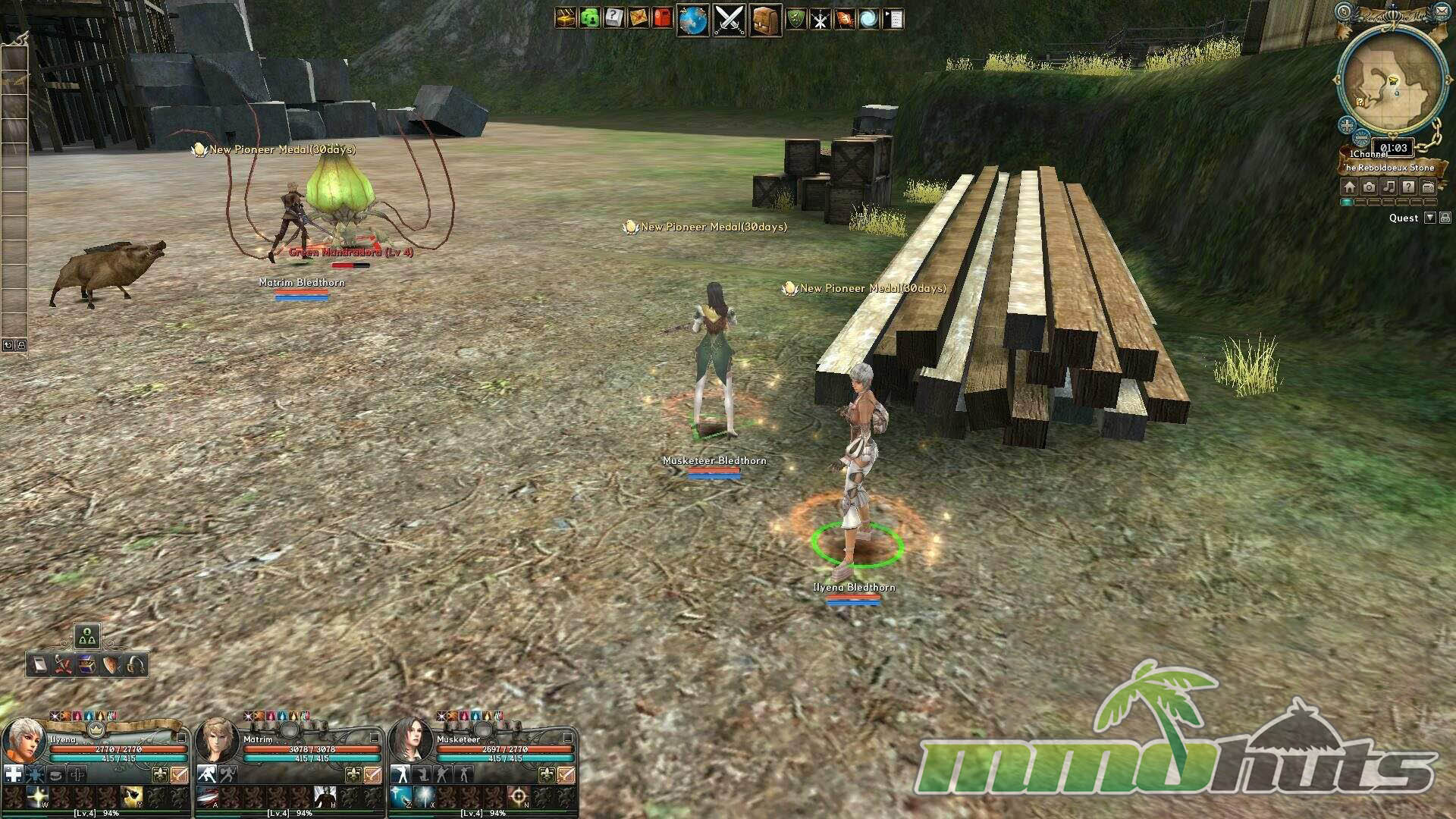
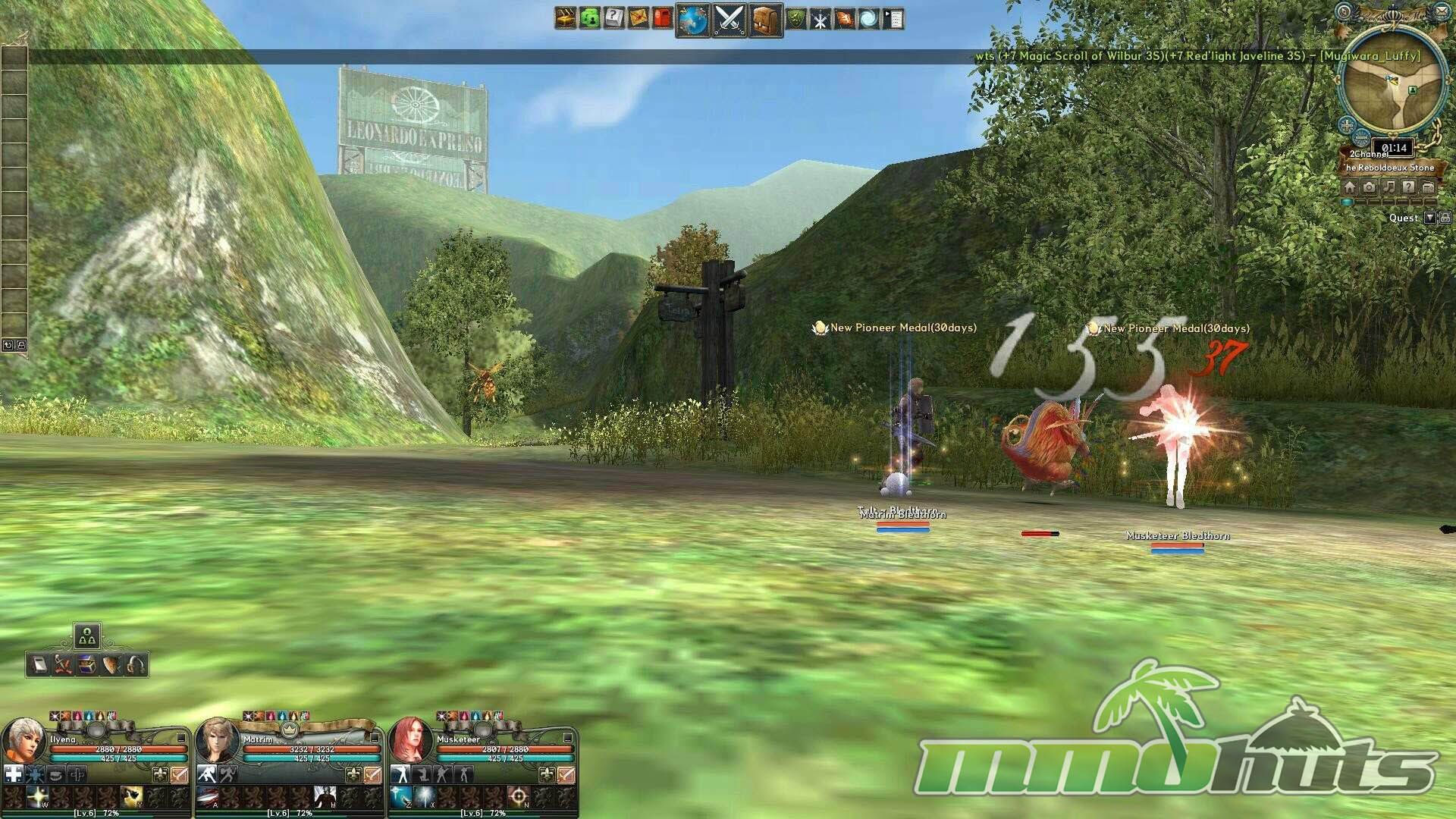
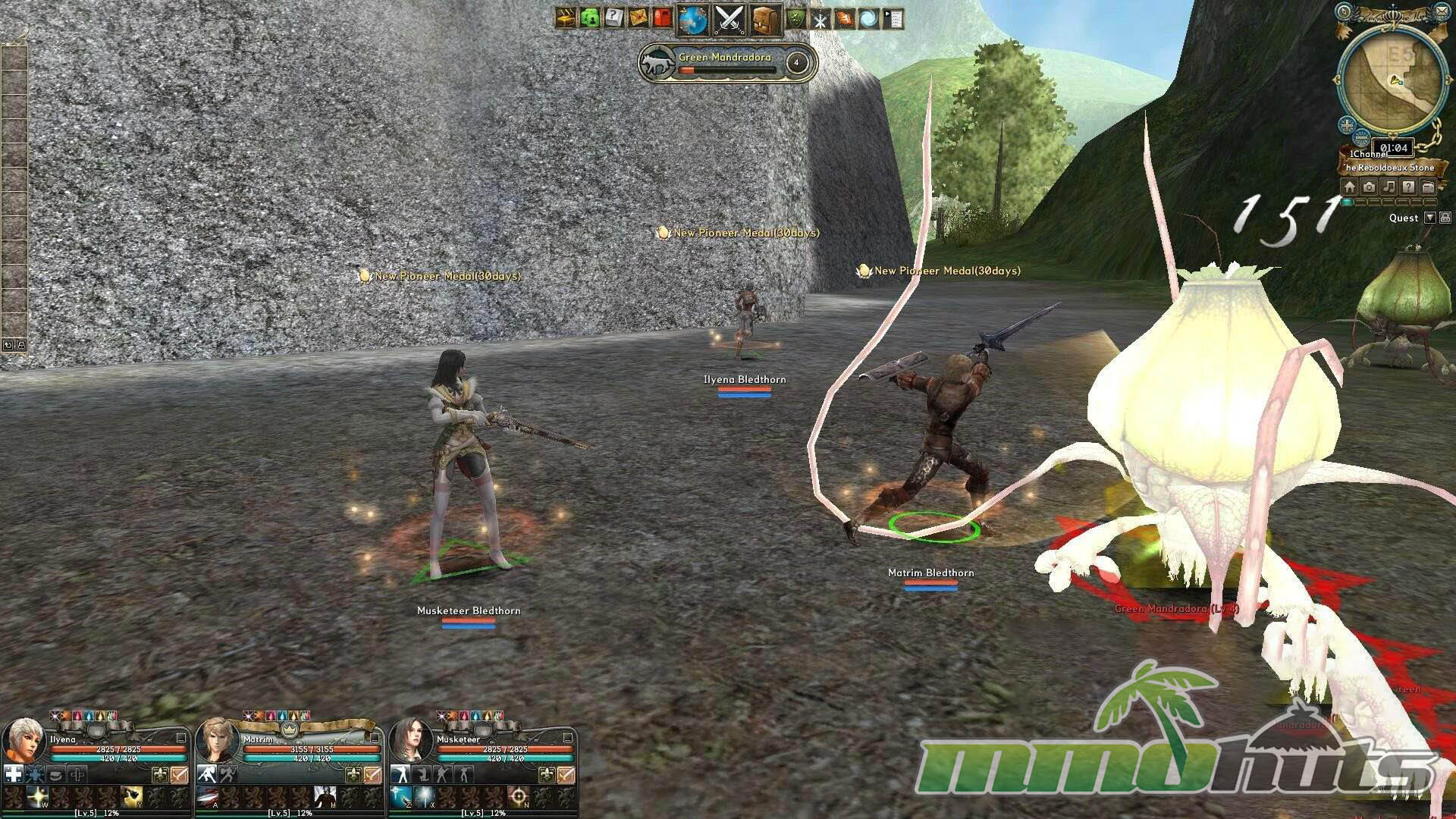
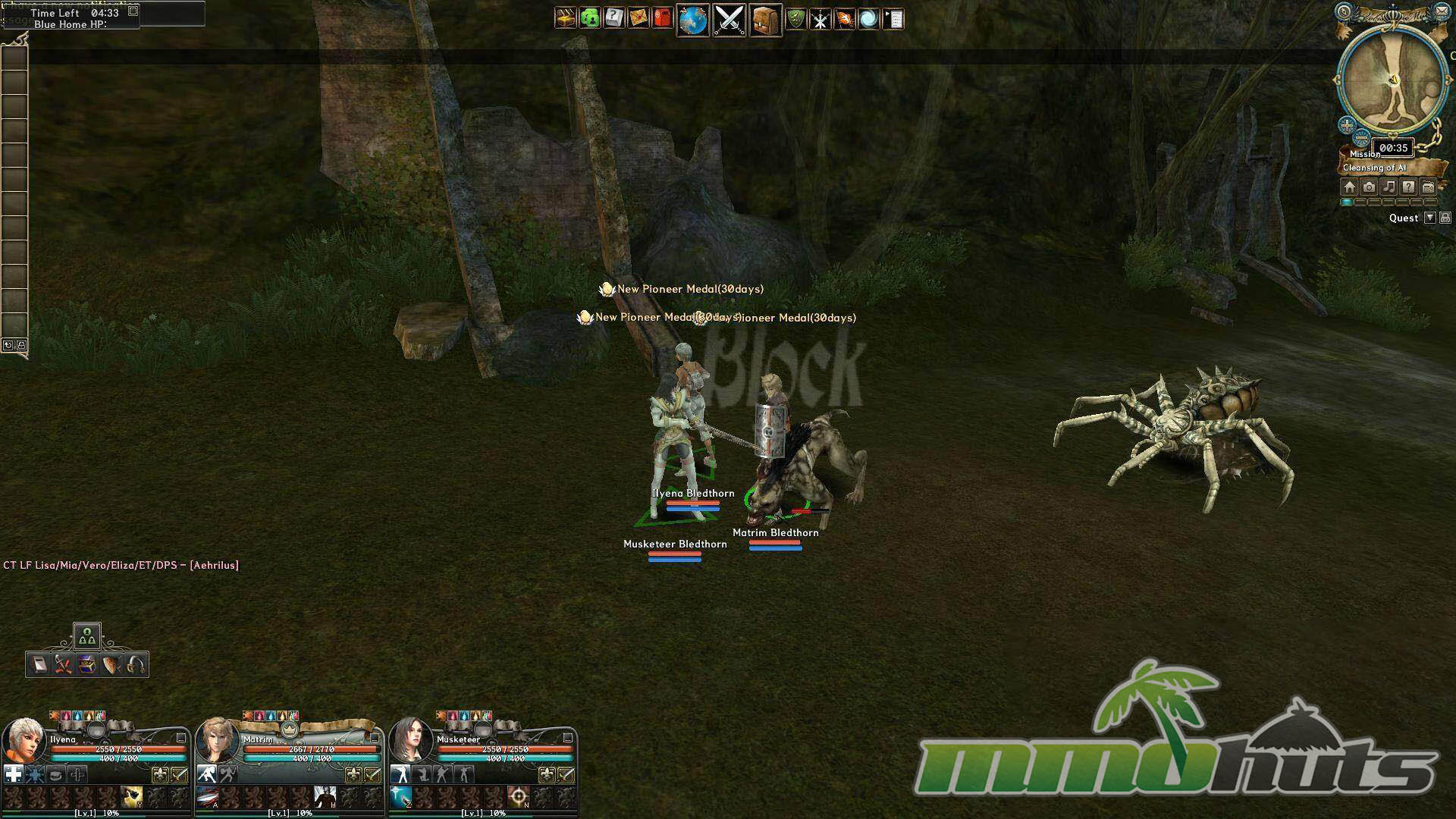
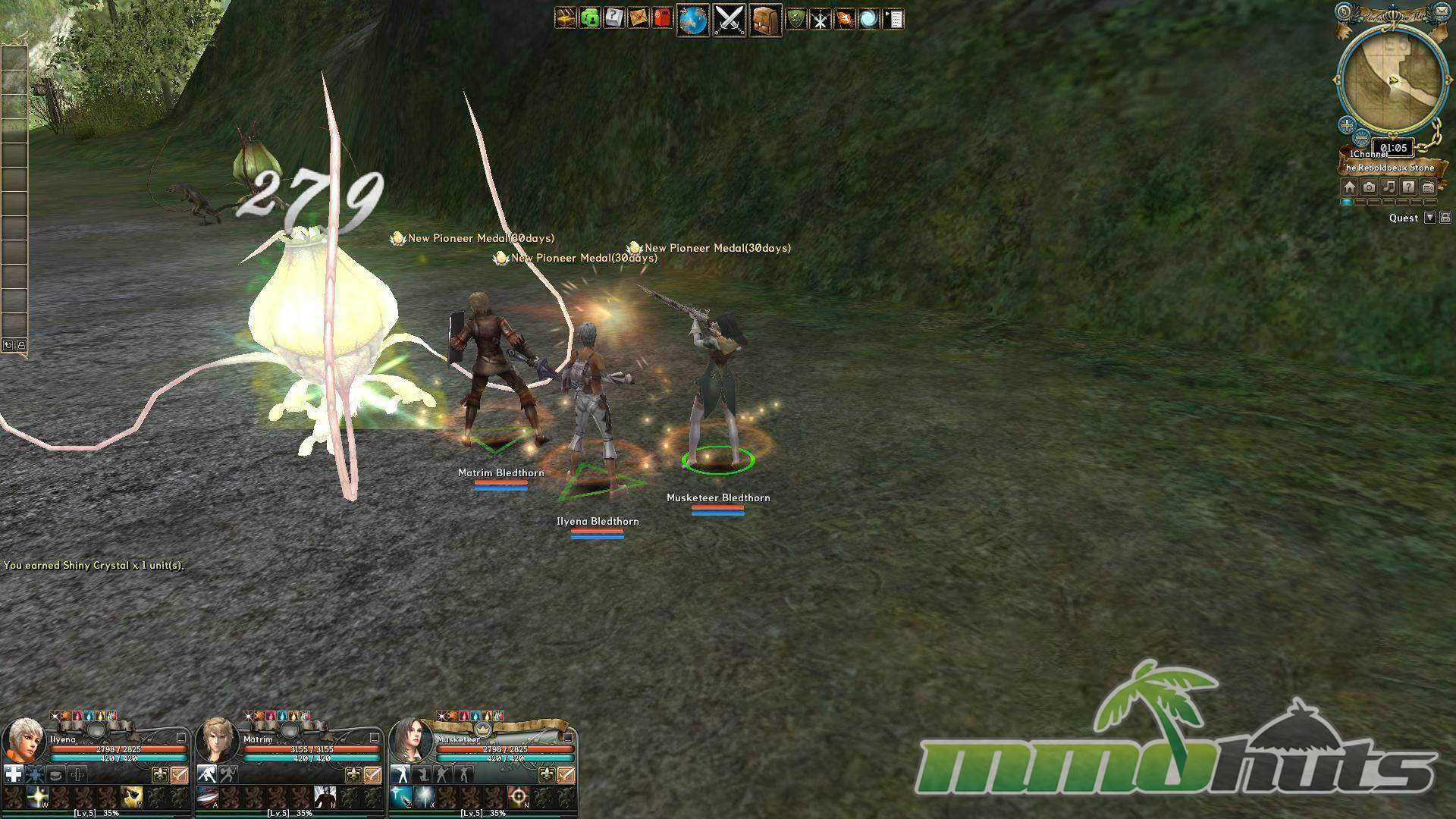
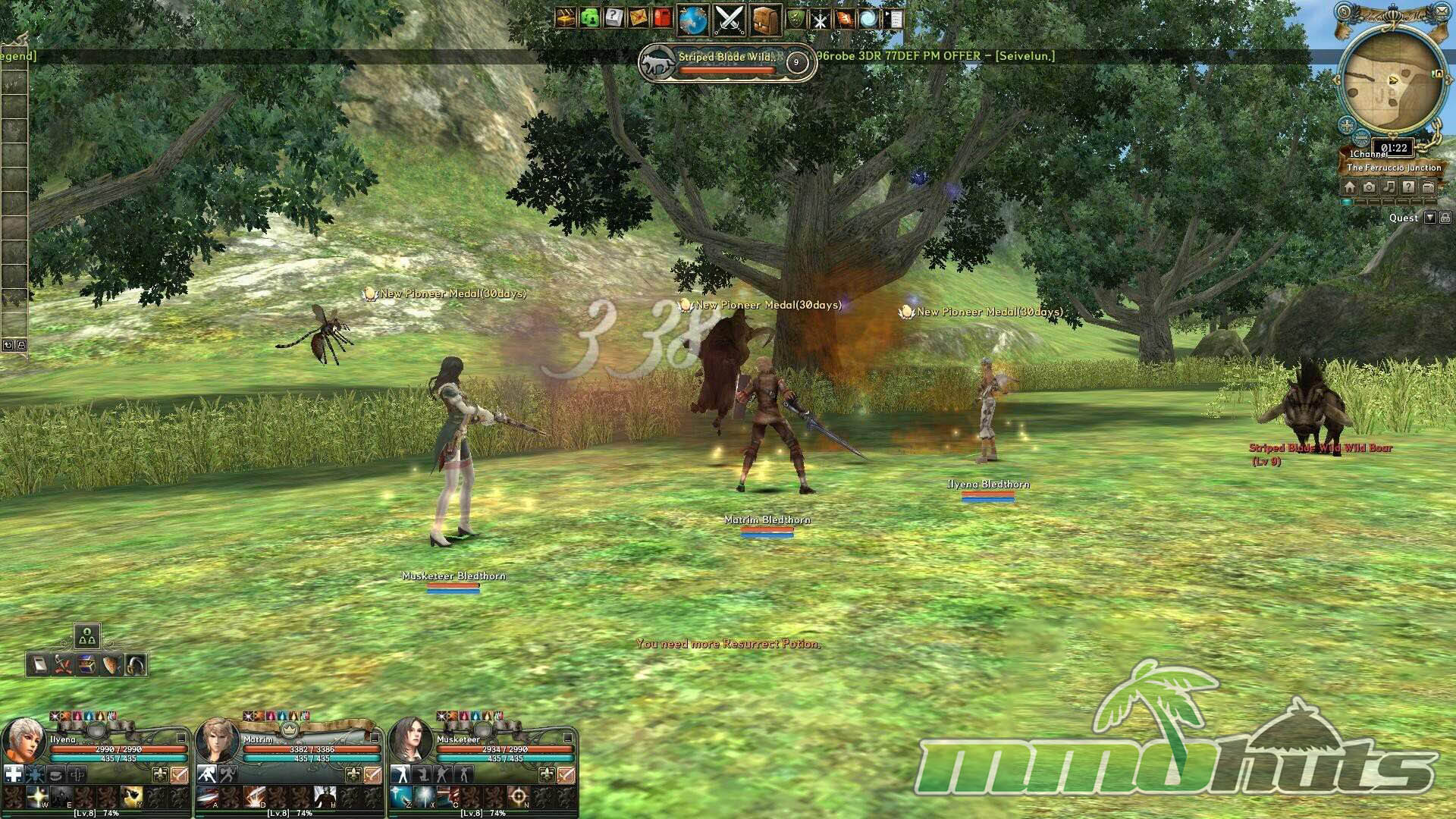

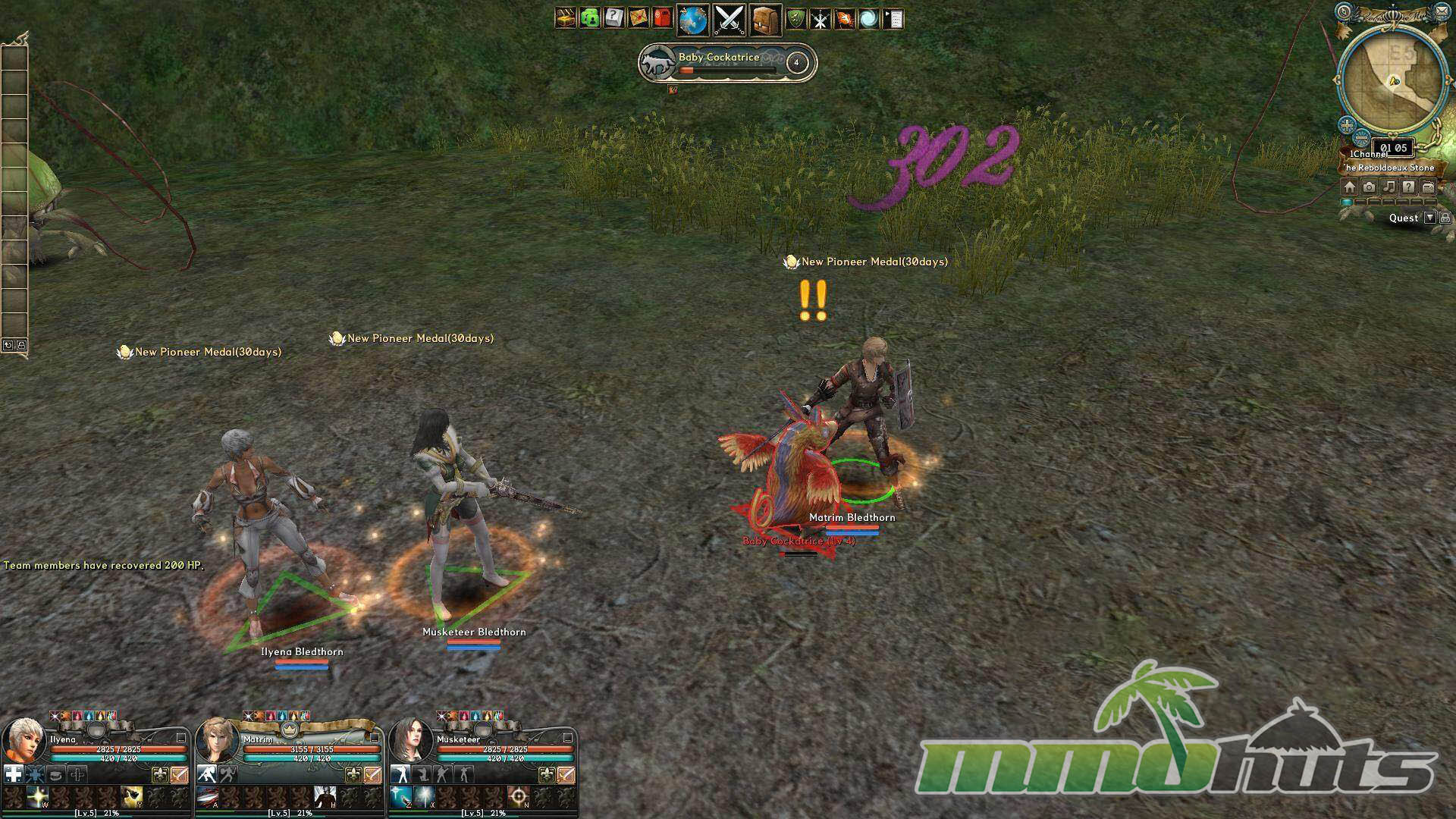
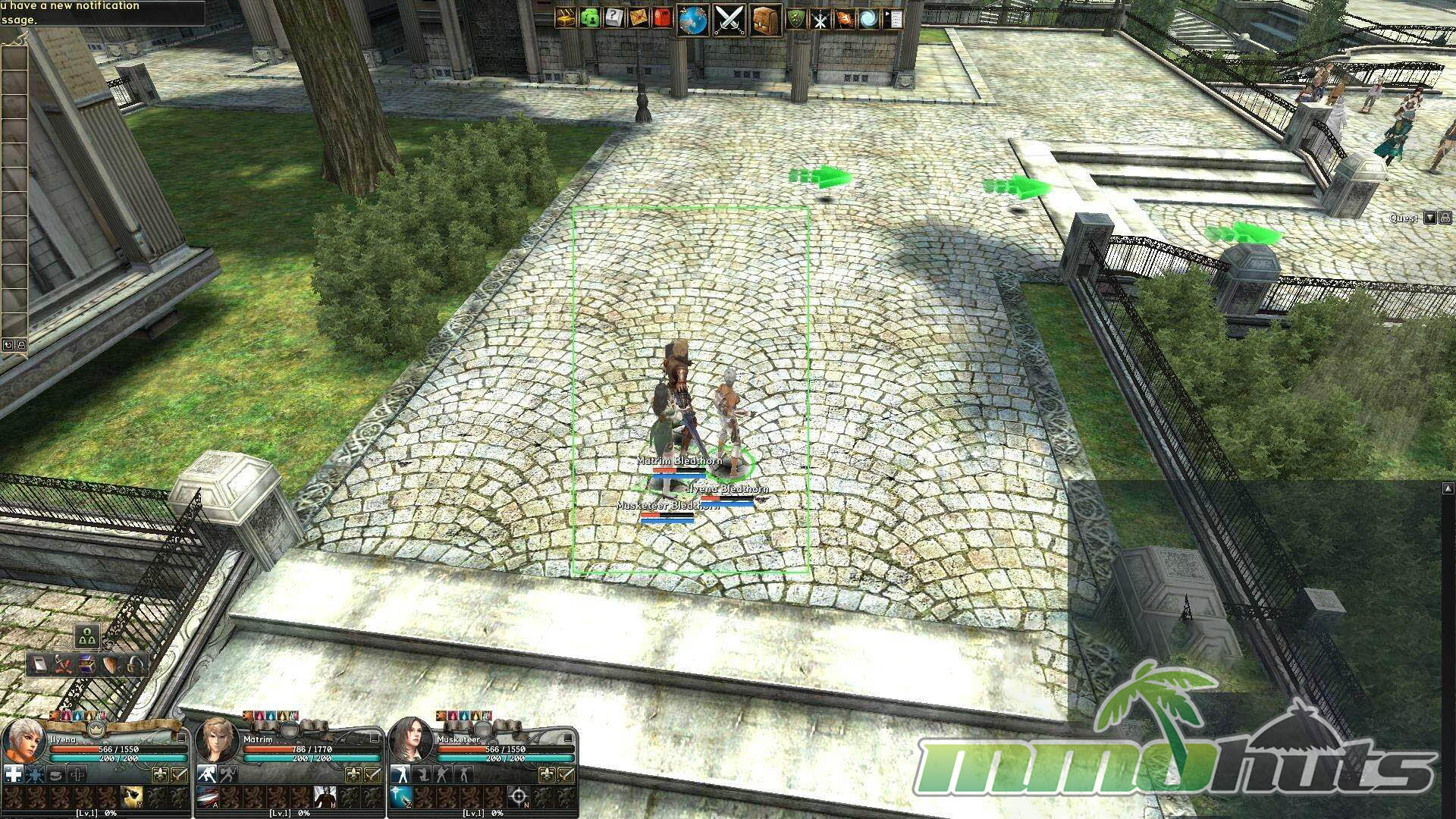



Granado Espada Featured Video

Character Classes:
- Fighter – a well-rounded frontline option for close-range fighting, with access to many weapon types and a dependable mix of offense and durability.
- Wizard – a spellcaster built around area damage and control, bringing curses and debuffs alongside wide-reaching magic.
- Scout – the game’s primary support toolkit, combining healing with utility, traps, and dagger-based combat options.
- Musketeer – a ranged damage dealer specializing in firearms, focusing on high pressure from a safe distance.
- Elementalist – an AoE-focused caster using fire, ice, and lightning to clear groups quickly, with some of the strongest damage potential.
While the starting selection is limited to five base jobs, the real variety comes from the roster system. Granado Espada offers 150+ recruitable NPC characters, which dramatically increases party-building possibilities once you start collecting and mixing specialized units into your three-character lineup.
Granado EspadaReview
Granado Espada is a free-to-play fantasy MMORPG developed by IMC Games. It debuted in South Korea in 2006 through HanbitSoft, and later arrived in North America via GamersFirst (formerly K2 Network) under the name Sword of the New World, later rebranded as Sword 2. The North American open beta began on June 27, 2007, followed by an official release in July 2007, and it moved to a free-to-play model on August 21, 2007. After GamersFirst’s licensing ended on October 31, 2012, publishing and operations transitioned to T3Fun, which restored the original title, Granado Espada.
Where many MMORPGs default to medieval castles and generic high fantasy, Granado Espada commits to a Baroque-era European mood, with colonization and frontier expansion as its central theme. You arrive as a Pioneer in the New World, building up a “Family” of playable characters and using that squad to complete missions that strengthen the colony and your own reputation.
Building Your First Roster
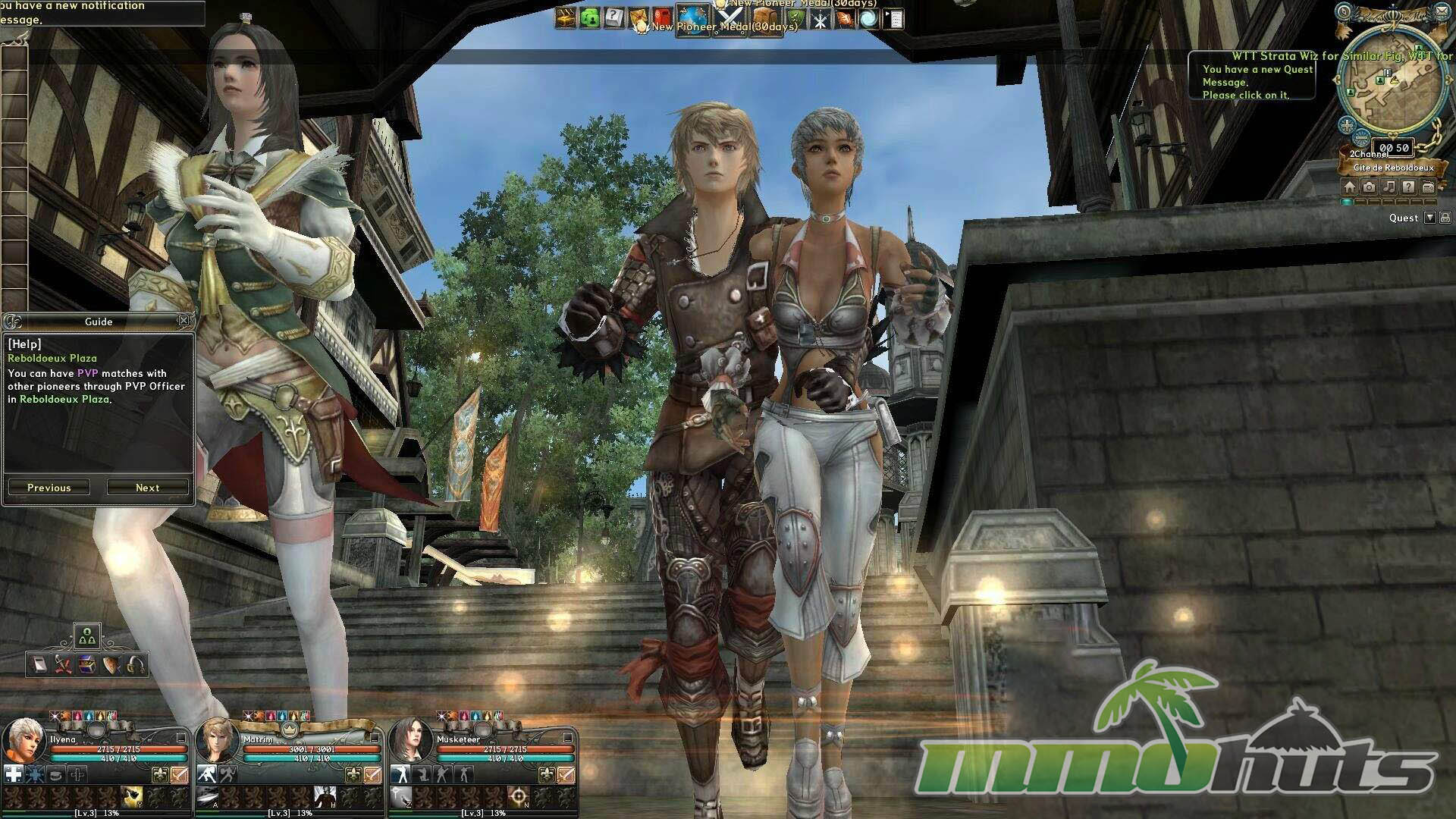
The Family system is the game’s defining feature, and it changes the rhythm of play from the first hour. Instead of a single avatar, you maintain a stable of characters and directly control three at a time, with additional members available for swapping once you have them. Your Family name effectively becomes your identity, functioning as the name other players see and interact with.
Character creation is straightforward but also restrictive. You begin by making your first trio from the five starter jobs: Fighter, Wizard, Scout, Musketeer, and Elementalist. Visually, customization is minimal, with very limited control over appearance beyond a couple of face options. The game also pushes you into making a Scout as part of the initial setup, though you can replace or sideline that character later once you are properly established.
As you progress, your roster can expand dramatically through RNPC (Recruitable NPC) and UPC (Unique Playable Character) cards earned via quests and other in-game goals. Using a card adds that character to your Family, often bringing unique Inherent Skills that set them apart from basic recruits. These Inherent Skills fully unlock as the character levels (maxing at Level 45) and do not require spending skill points, which helps give recruited characters a distinctive identity. With more than 150 cards available and the ability to trade them, collecting becomes its own long-term pursuit, even if completing the full set is a serious time investment.
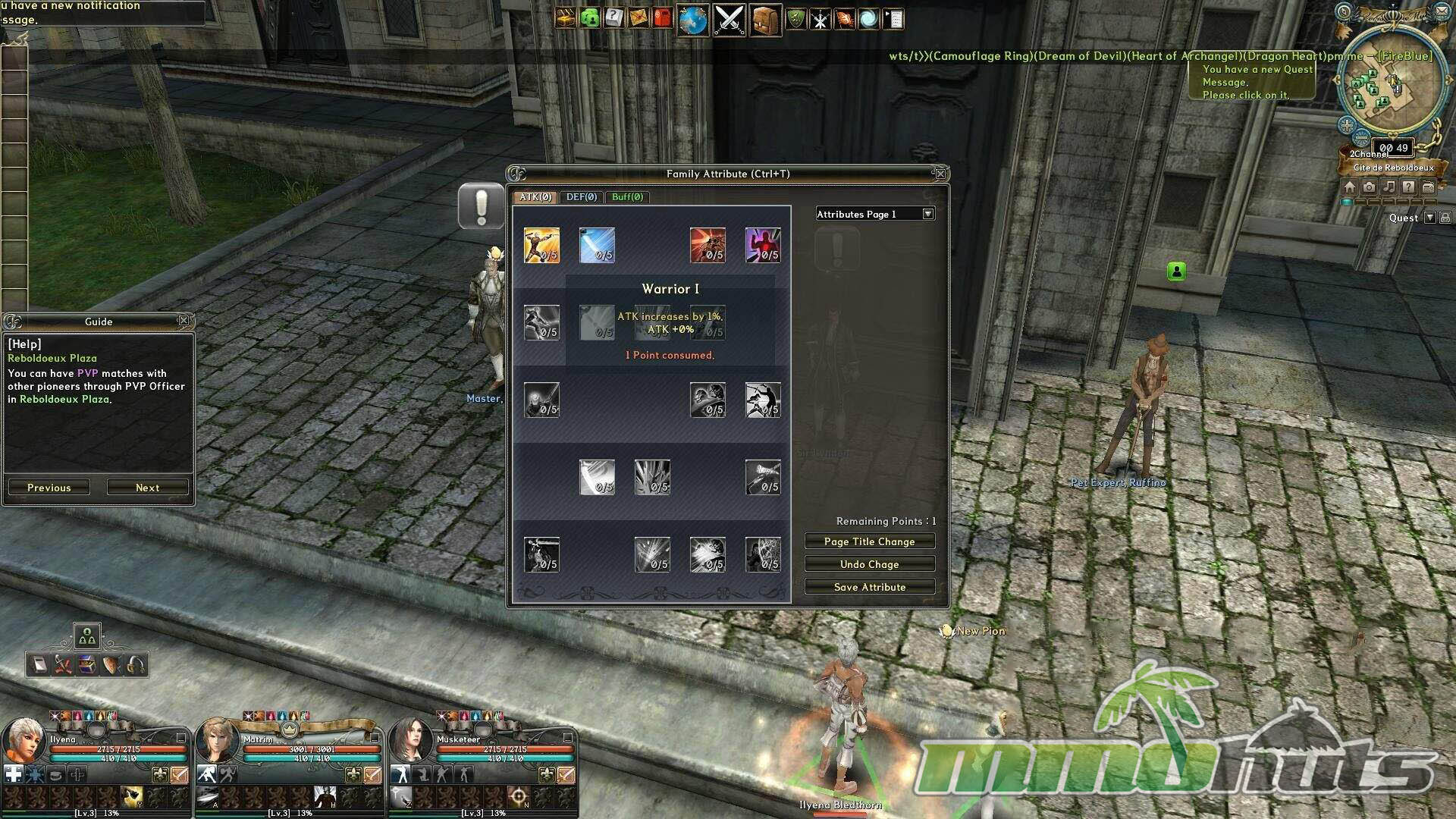
Beyond individual members, Families also develop Family Attributes, which are passive bonuses applied across the roster. These are improved using Family Points earned when your Family level increases, with one point granted per Family level. It is a simple system, but it adds an account-wide progression layer that makes continued play feel more cumulative.
The Barracks as Your Hub
Your off-field characters live in the barracks, which serves as the game’s management screen and home base. This is where you review your roster, set up your active three-person team, create additional characters, and travel to selected locations. It is also the first place you load into on login, making it a constant part of the play loop.
Slot limits matter here. Players begin with 4 character slots, and each additional set of 4 requires Quarter Slot Permits. These can be obtained through the item shop or purchased from other players using Vis, the in-game currency, which creates a familiar free-to-play pressure point without completely blocking progression for non-spenders.
Exploration Without Much Hand-Holding
Your early steps take you through Startonia and then onward to Reboldeaux, but the game does not do much to ease newcomers into its systems. Tooltips appear as you encounter new mechanics, and there is a keyboard help overlay you can toggle with F12, but it does not function like a modern guided tutorial. Because Granado Espada blends MMO staples with light RTS-like control expectations, the learning curve can be steeper than expected. The command layout is dense, with many keys mapped and additional inputs tied to Alt, Shift, and Ctrl modifiers, so players unfamiliar with micromanaging multiple units may need time, experimentation, or external guides to feel comfortable.
The presentation, however, does much of the heavy lifting. Even by today’s standards, the game’s environments and city design have real character, and the Baroque influence comes through in architecture and costume work. The soundtrack is a standout element, leaning into classical orchestration that fits the setting unusually well for the genre, and it does a lot to sell the game’s atmosphere during long sessions.
Questing, Dungeons, and the Grind
Progression is built on familiar MMO foundations. Quests generally follow the expected kill-and-collect structure, moving you from zone to zone as the colony expands. Instanced dungeons follow the standard loop of fighting through packed enemy groups to reach the endpoint.
Leveling to the cap (currently 120) is a long-term commitment, and grinding is a major part of that path. In practice, early experience gains from defeating mobs can outpace quest rewards, which nudges players toward repeated combat loops. That approach can be satisfying if you enjoy building efficient farming setups for your three-character party, but it can also become monotonous if you prefer narrative-driven progression.
Managing Three Characters at Once
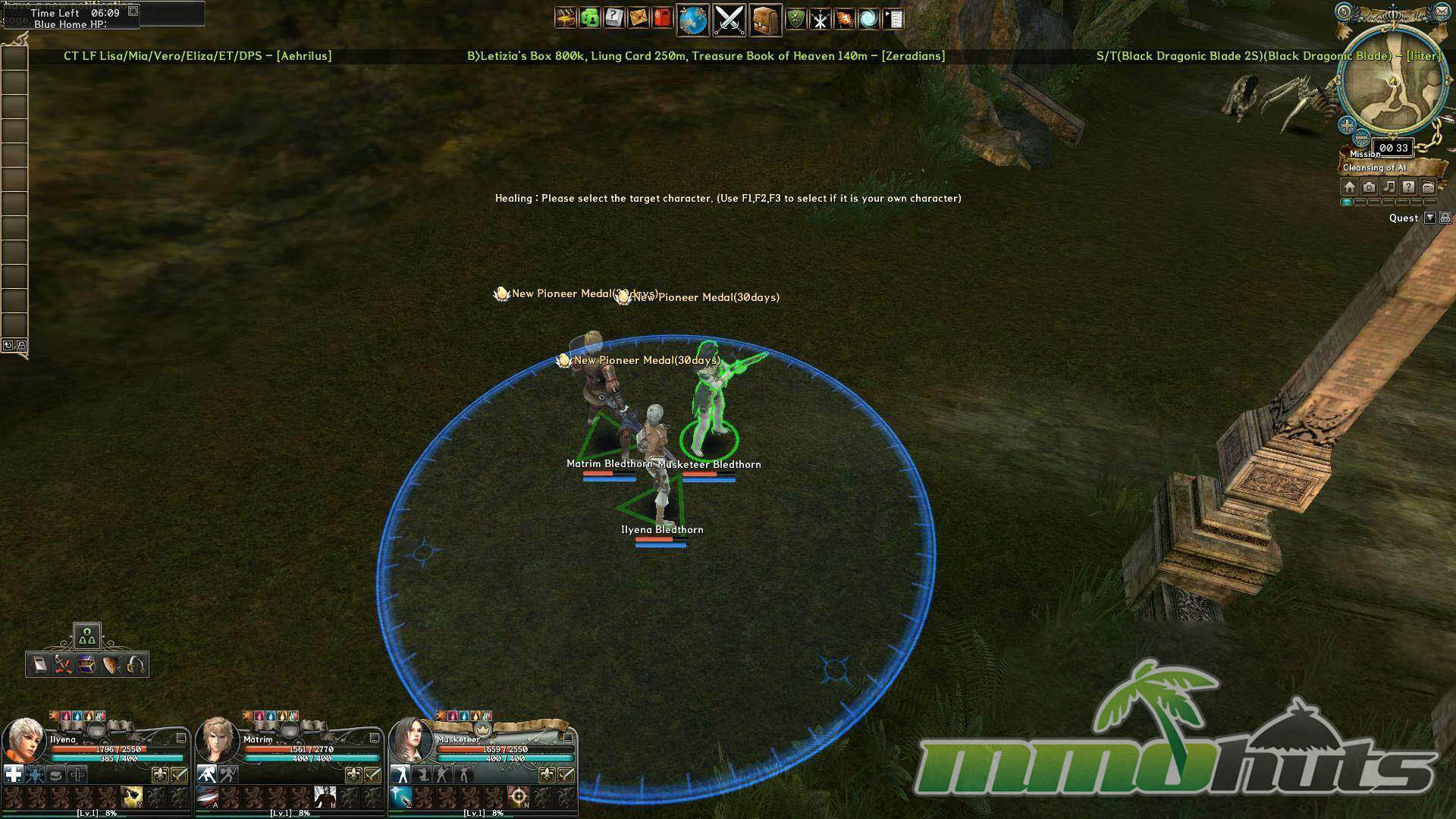
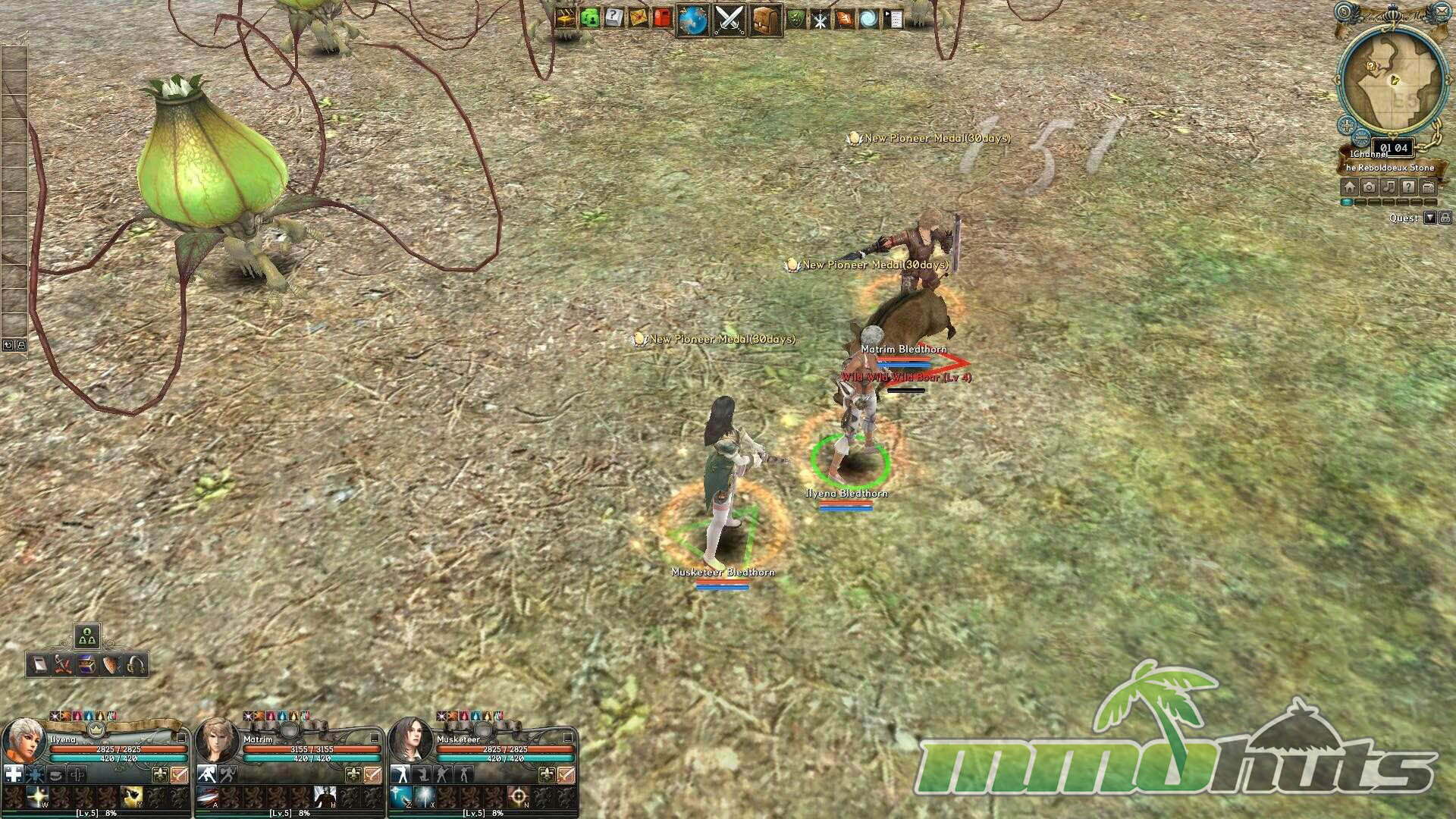
Controlling a full team is both Granado Espada’s biggest strength and its biggest filter. When it clicks, it feels empowering to run a self-sufficient party that can cover damage, support, and utility without waiting on matchmaking or relying on strangers. When it does not click, the constant need to reposition and coordinate skills can feel like more work than play, especially with hostile enemies frequently pressuring your formation.
The default control scheme reinforces the squad concept by splitting hotkeys across the keyboard. One member’s skills are tied to QWE, another to ASD, and the third to ZXC, which makes sense once learned but can be disorienting at first. To smooth this out, the game includes an auto-combat system that can handle routine fighting, with configurable behavior such as using potions under certain health thresholds. It is extremely helpful for new players and for grinding sessions, but it can also undermine the sense of mastery, and its AFK-friendly nature contributes to the perception that the game bakes “bot-like” behavior into normal play. Manual looting remains a limiting factor, which at least preserves some player interaction with the moment-to-moment loop.
Stances and Combat Identity
Stances add a welcome layer of tactical customization. Each job has multiple stances that can be swapped on the fly, changing how that character behaves and what their kit emphasizes. Scouts, for example, can shift between a more supportive healing posture and a more active combat role using debuffs. Musketeers can adopt a stance that limits movement for higher damage or choose options that allow more mobility while attacking. In a game built around running a three-person team, stances help you tune roles without needing to rebuild your party from scratch.
The Cash Shop and Convenience
The item shop follows the established free-to-play pattern: experience boosts, consumables, and cosmetic options like costumes and pets. It also ties into roster management through purchases such as additional barracks slots, and it can include certain exclusive cards. Spending can provide meaningful convenience and some power edge, but it generally does not feel like it invalidates non-paying players, especially if you engage with the player economy and Vis-based trading.
PvP Options
PvP comes in several flavors. For direct competition, you can challenge other players to instanced duels through UI options tied to their Family name or via PvP officers in major towns. On the organized side, Clans function as guilds, and they can declare war and compete during Colony Wars, a weekly two-hour event where groups fight over colony control.
For players who prefer higher risk, PK servers and Baron Mode introduce open conflict. Flagged Barons appear hostile to others and drop items upon death, turning PvP into a more dangerous, loot-influenced proposition than simple duels or arenas.
Final Verdict – Good
Granado Espada remains notable for how confidently it commits to its setting and for how different it feels from standard one-character MMORPGs. The visuals have aged better than expected, the soundtrack is genuinely excellent, and the three-character system gives solo players a unique kind of freedom.
At the same time, the RTS-like micromanagement can be intimidating, and the built-in automation makes parts of progression feel less engaging, even if it is practical for grinding. The road to the level cap is also heavily grind-oriented, which will not appeal to everyone. For players who enjoy roster building, party optimization, and a distinctive historical-fantasy tone, it is still an easy recommendation. For those who want a guided, story-forward MMO with minimal repetition, it can be a tougher fit.
Granado Espada Links
Granado Espada Official Site
Granado Espada EU/Russia Official Site
Granado Espada Wikipedia
Sword of the New World Wiki (Same game. Great wiki with guides, databases, and more)
Granado Espada System Requirements
Minimum Requirements:
Operating System: Windows XP / Vista / 7 / 8
CPU: Intel Pentium 4 3 GHz or AMD equivalent
Video Card: GeForce 6600 GT / ATI X1600 Pro 256 MB
RAM: 2 GB
Hard Disk Space: 10 GB
Recommended Requirements:
Operating System: Windows XP / Vista / 7 / 8
CPU: Intel Core 2 Duo Dual Core CPU or better
Video Card: GeForce 8800 / ATI Radeon HD3870 512 MB
RAM: 4 GB
Hard Disk Space: 10GB
Video card must support Dirext X 9.0c or above. Granado Espada supports 32-bit and 64-bit operating systems.
Granado Espada Music & Soundtrack
Granado Espada Additional Information
Developer: IMC Games Co. Limited
Game Engine: PathEngine
Closed Beta Date: June 4, 2007
Open Beta Date: June 27, 2007
Foreign Release(s):
South Korea: February 14, 2006 (HanbitSoft)
Southeast Asia: August 30, 2007 (IAHGames)
Thailand: March, 2007 (Playpark)
Taiwan: October, 2007 (Wayi)
China: November, 2007 (The9 / 9hgame)
Several localized versions are no longer available. The global version of Granado Espada is published by T3Fun/HanbitSoft.
Development History / Background:
Granado Espada was created by South Korean developer IMC Games Co. Limited and first launched in South Korea in February 2006 through HanbitSoft. It earned major recognition in 2006, including a Korean Presidential award for “Best Graphics” and “Game of the Year,” and its early success led to licensing across multiple territories. In North America it was operated by GamersFirst (K2 Networks) as Sword of the New World, later renamed Sword 2, before that service ended. Publishing responsibilities later moved to T3Fun, a global publisher owned by HanbitSoft, which continued service under the original Granado Espada branding. Several regional versions have existed over the years, including the IAHGames service covering areas such as Singapore, Malaysia, the Philippines, Australia, and New Zealand. Granado Espada initially operated as a pay-to-play title before transitioning to a free-to-play model on December 5, 2007.