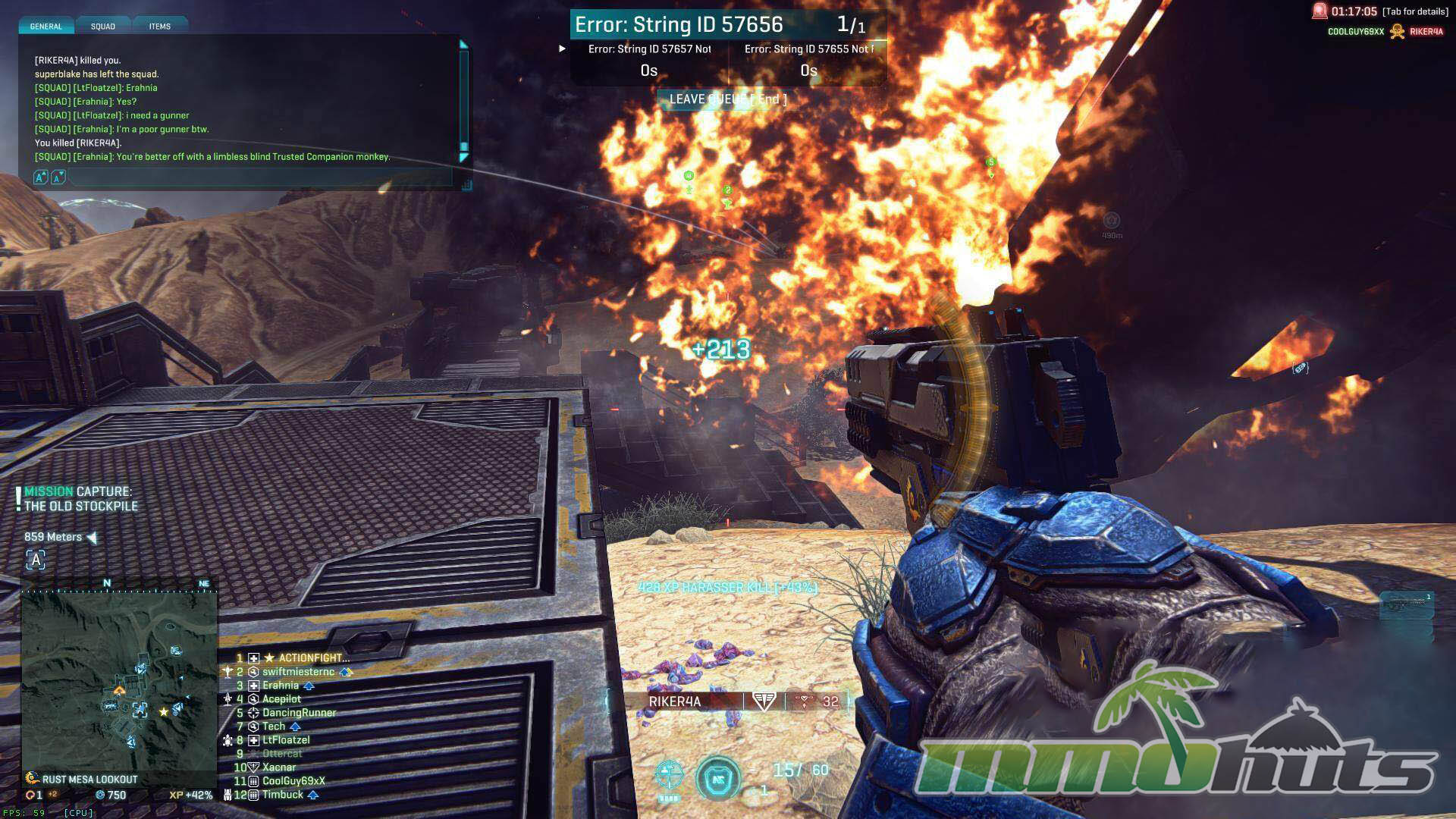
PlanetSide 2 is a free-to-play MMOFPS built around a persistent war where three factions constantly push for map control. Instead of match-based rounds, the action plays out across huge continents, with combined-arms firefights that regularly involve armor columns, aircraft, and infantry squads all colliding at once. When the battles are at their best, it feels like an FPS scaled up to a battlefield size most shooters never attempt, with as many as 1,200 players fighting on a single continent and a deep pool of weapons, vehicles, and upgrades to chase.
 | Publisher: Daybreak Game Company Playerbase: Medium Type: MMOFPS Release Date: Nov. 20, 2012 (NA/EU) Pros: +Enormous continents built for large fights. +Truly massive engagements (up to 1,200 on one continent). +Responsive FPS gunplay. +Strong visuals for a large-scale MMO shooter. +Rewarding loadout tuning and progression. Cons: -High barrier to entry for new soldiers. -Occasional latency and performance hiccups. |

PlanetSide 2 Overview
PlanetSide 2 is a large-scale sci-fi MMOFPS that drops you into an ongoing, continent-spanning war between three rival empires. Rather than funneling players through short matches, it runs as a persistent conflict where territories change hands continuously and where logistics, positioning, and coordination matter as much as aim. Infantry skirmishes, tank pushes, and aerial dogfights all happen simultaneously, often in the same fight, with battles swelling into chaotic multi-platoon assaults when an objective becomes important.
The game takes place across four major continents, each with its own terrain and base layouts, and each designed to support everything from small squad raids to full-on zerg clashes. Teams fight to capture and hold facilities, link territory through the lattice, and leverage the landscape, cover, and base defenses to tilt fights in their favor. With a broad arsenal of weapons and vehicles, plus flexible class swapping, PlanetSide 2 leans heavily into player choice, whether you prefer stealthy disruption, frontline brawling, or support-focused play.
PlanetSide 2 Key Features:
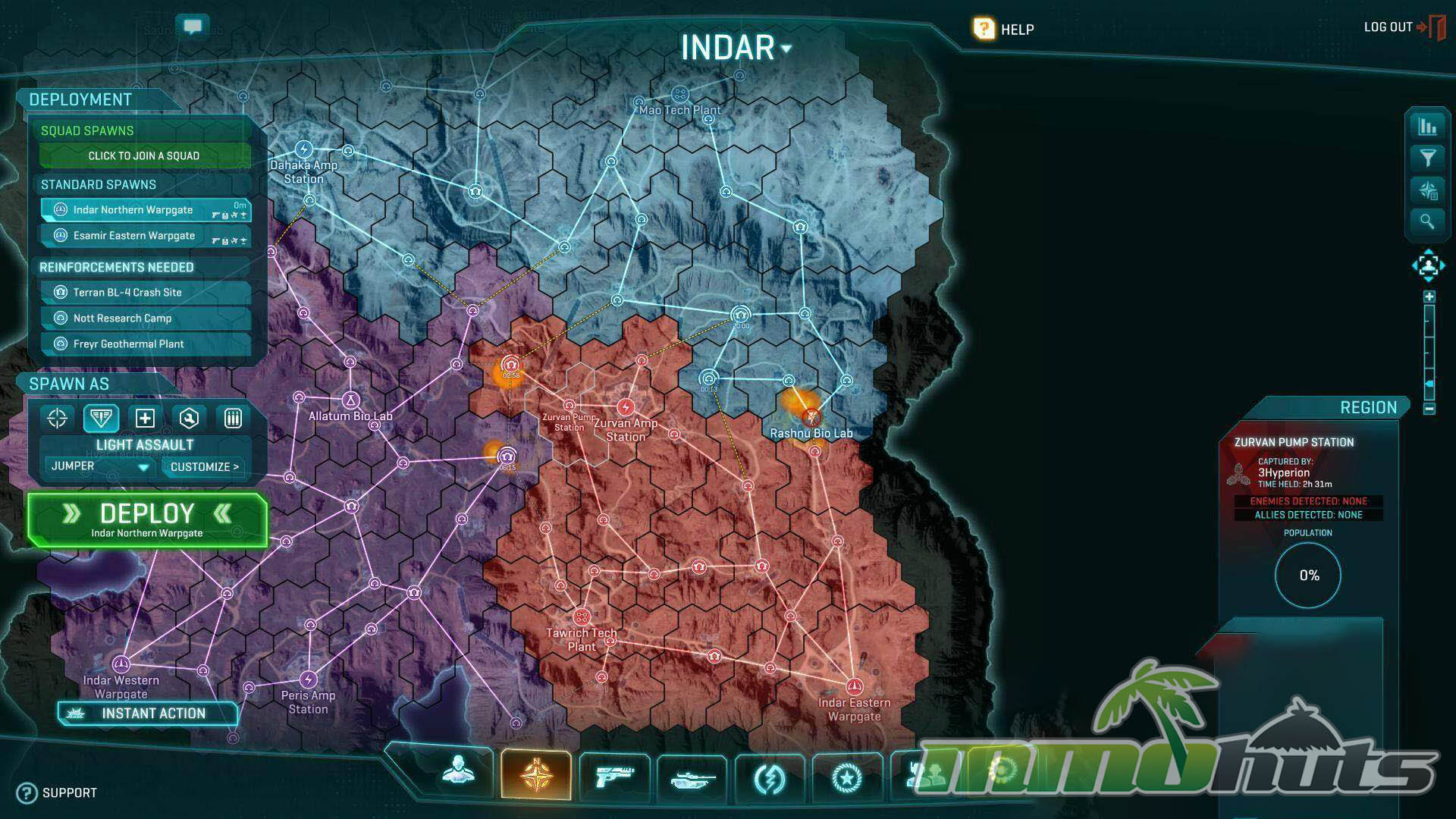
- Persistent State World Gameplay – factions vie for control over continents (Amerish, Esamir, Hossin, and Indar).
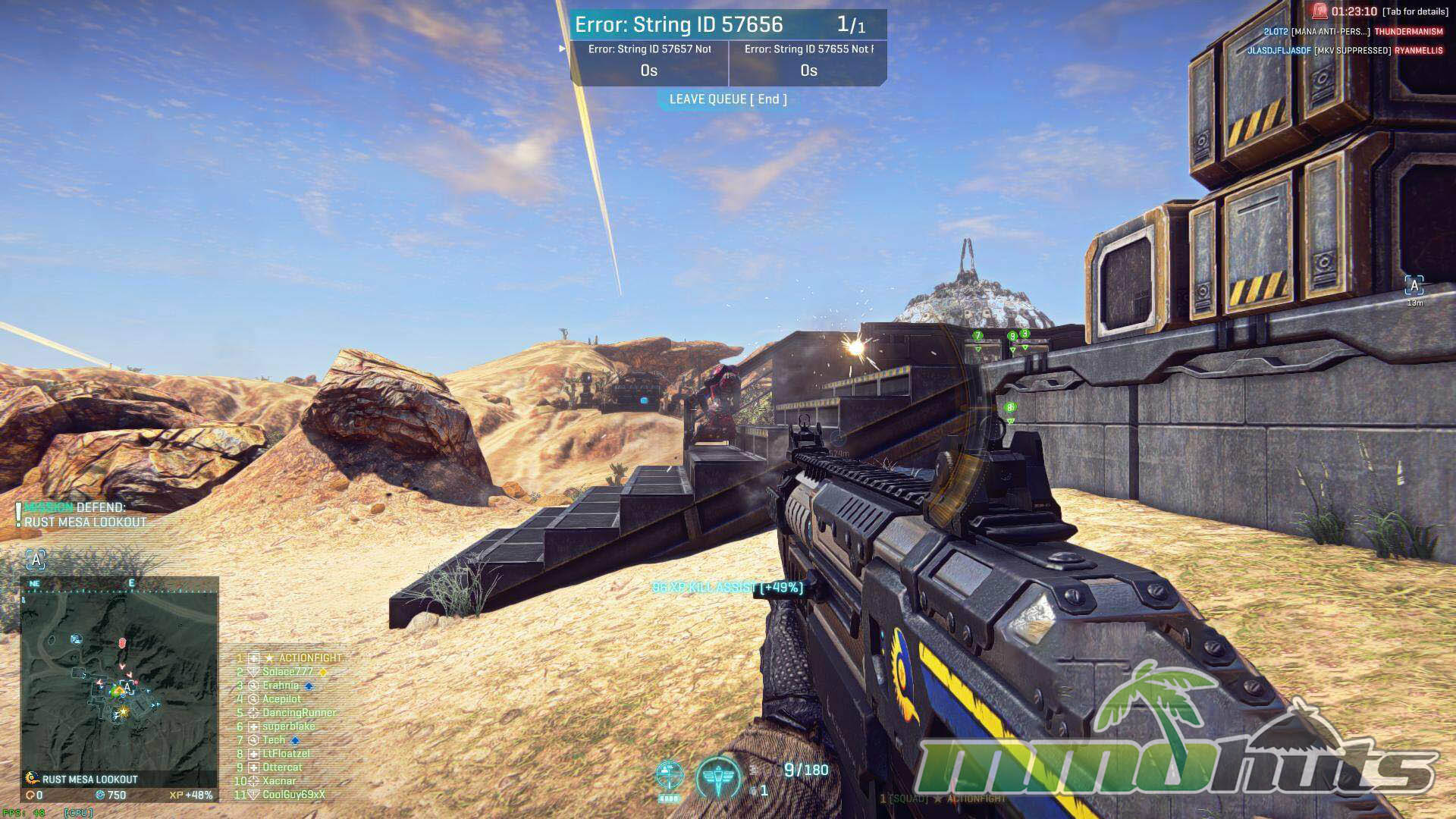
- Large-Scale Battles – PlanetSide 2 supports hundreds of players on the screen battling at once in massive battles.
- Three Factions Waging War – fight for the Vanu Sovereignty, New Conglomerate, or the Terran Republic.
- 6 Playable Classes – Infiltrator, Light Assault, Combat Medic, Engineer, Heavy Assault, and MAX.
- Varied Gameplay – players can switch classes at will and wage war using land and air vehicles.
PlanetSide 2 Screenshots
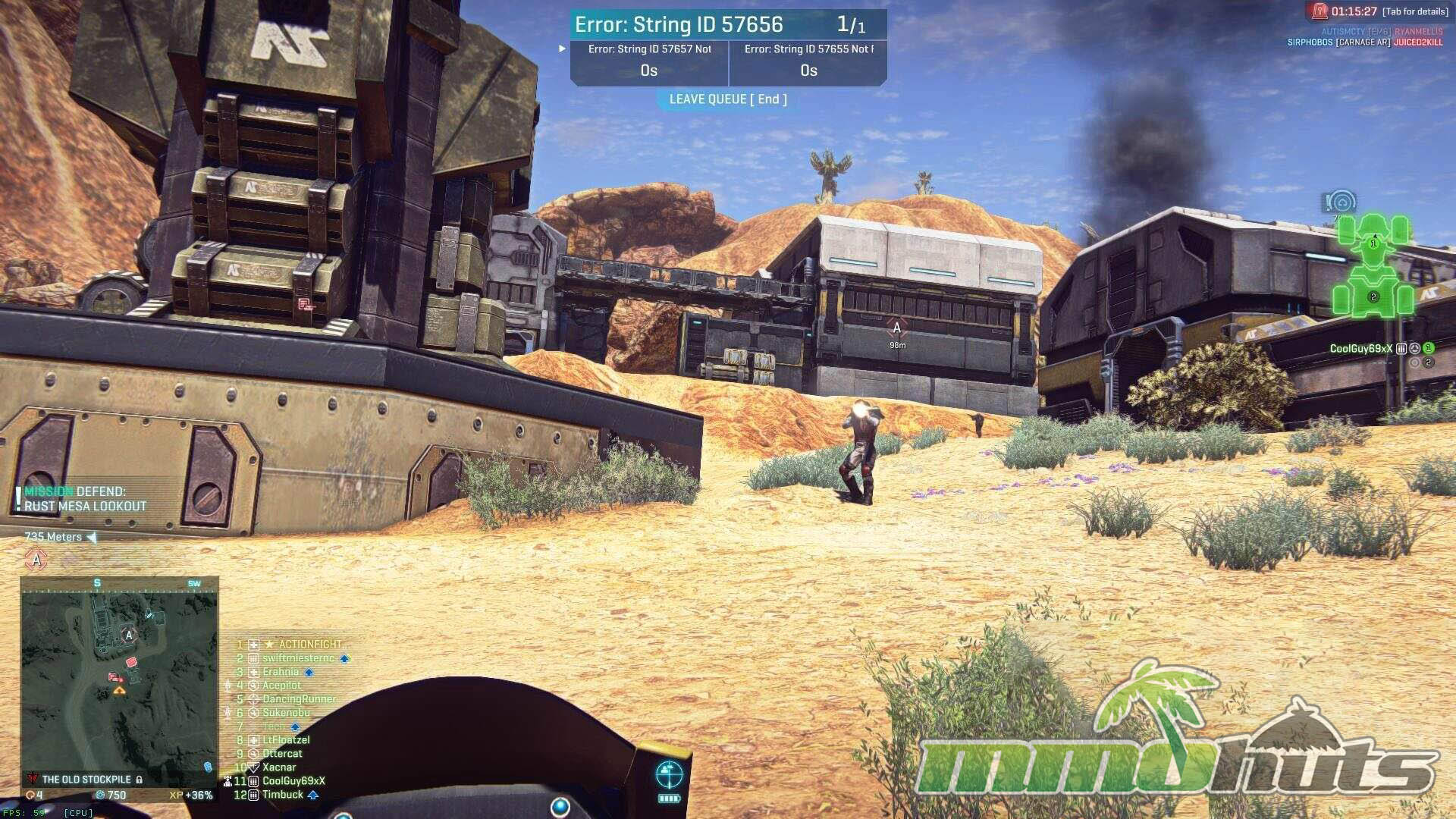


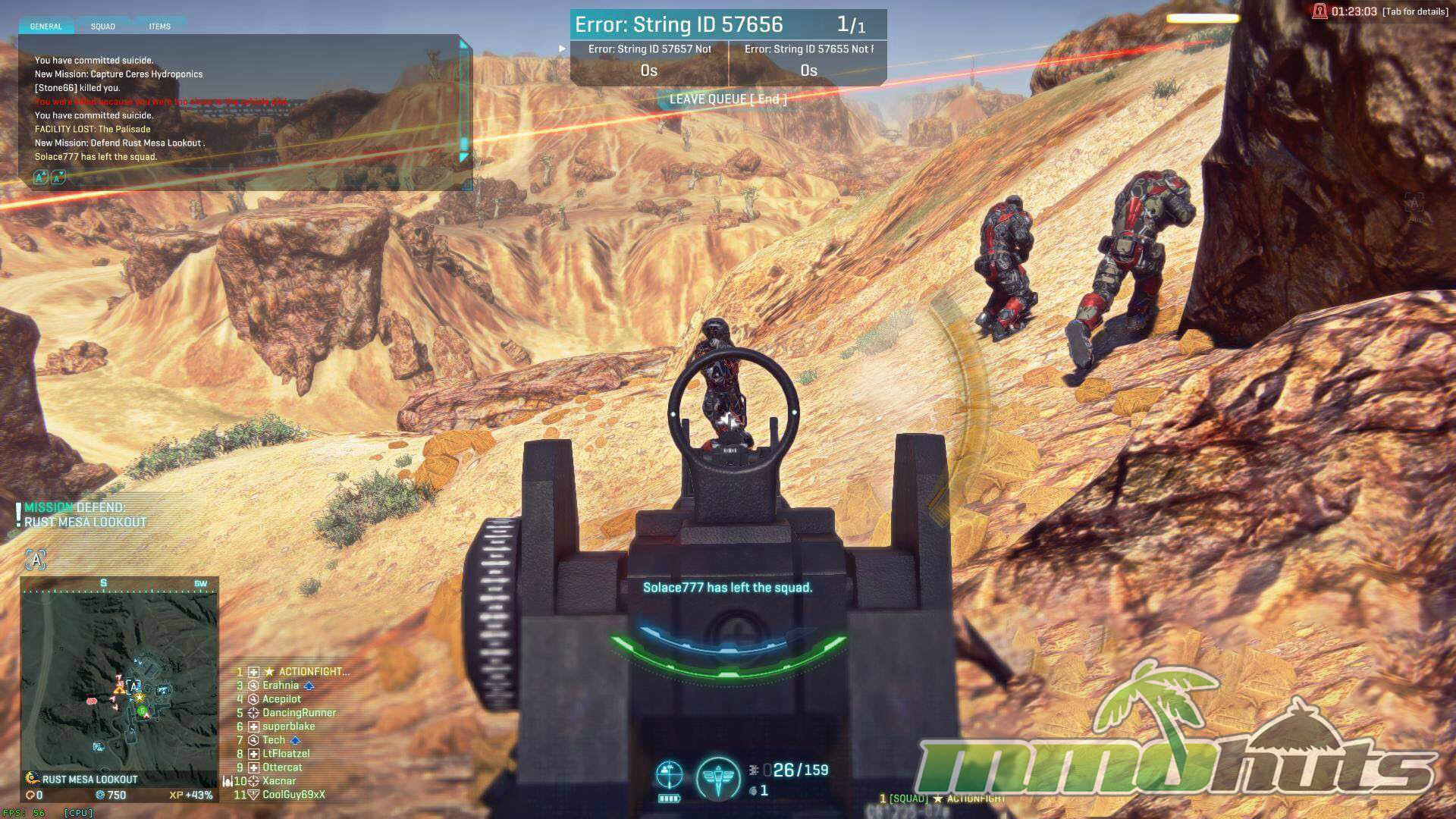

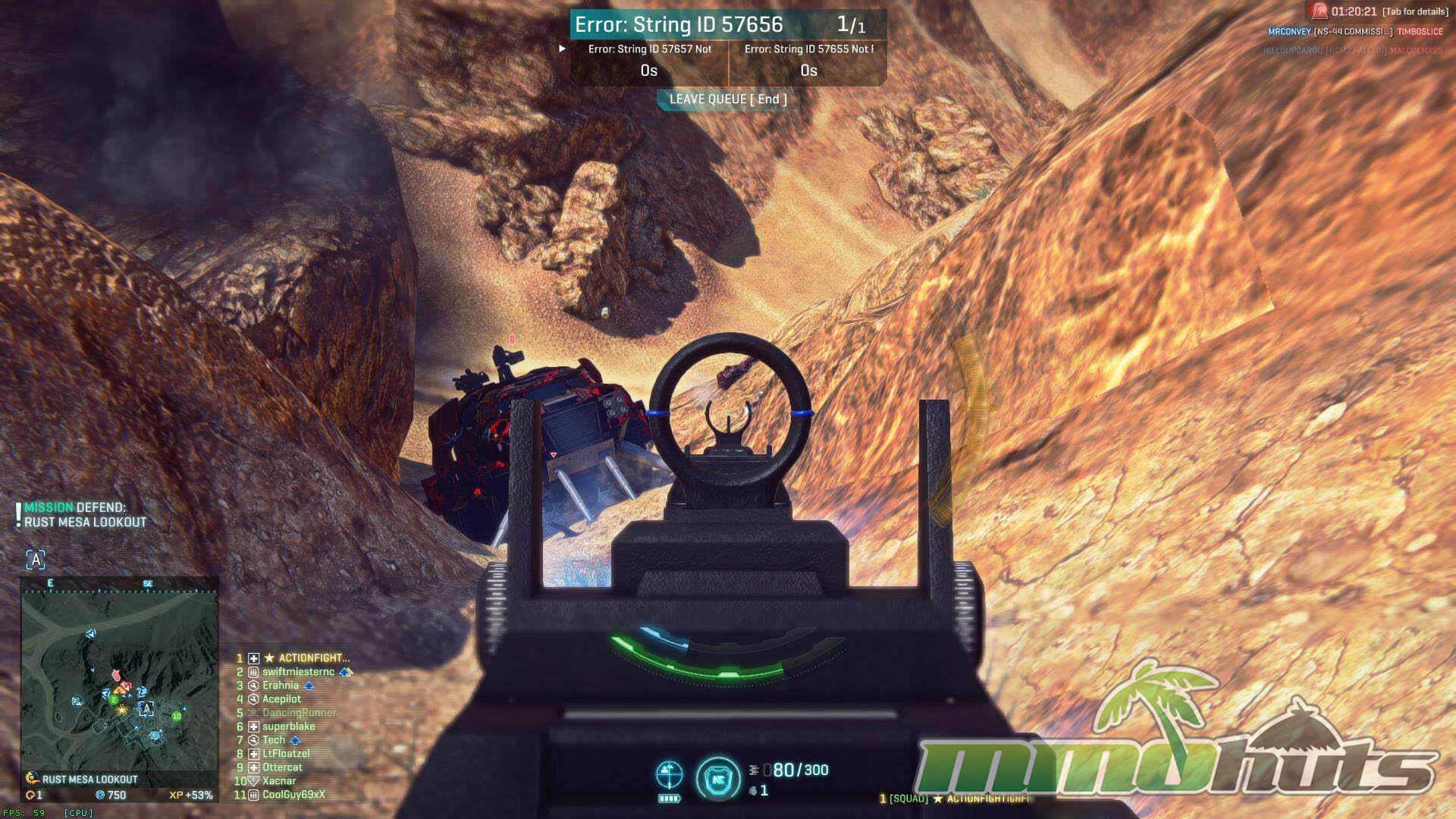
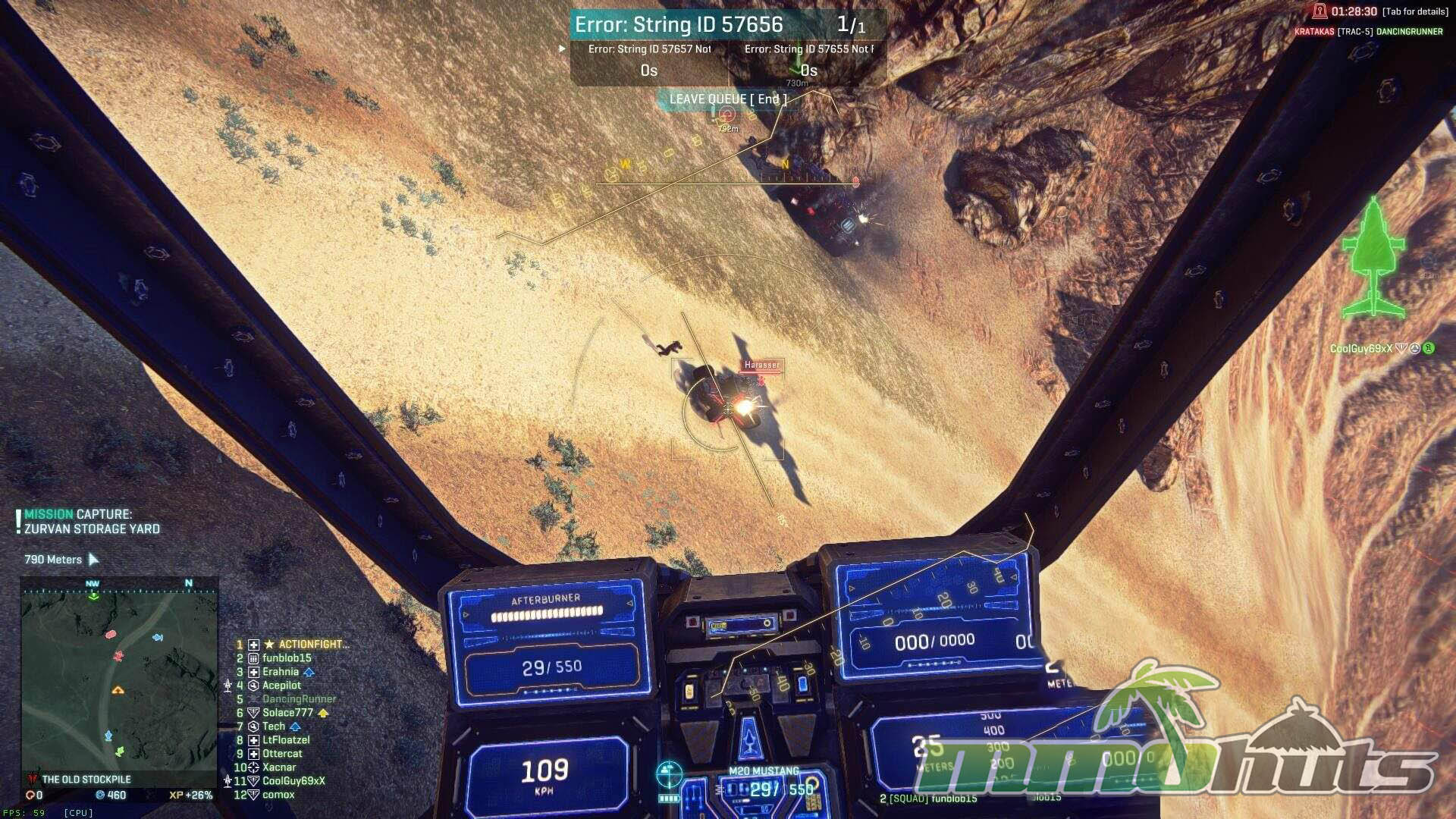



PlanetSide 2 Featured Video

PlanetSide 2 Review
PlanetSide 2 is a free-to-play science fiction MMOFPS developed and published by Daybreak Game Company (formerly Sony Online Entertainment). It launched for Microsoft Windows on November 20, 2012, and it has also been in closed beta for the PlayStation 4. One of its biggest claims to fame is scale, it even holds the Guinness World Record for the largest FPS battle, with 1158 players participating in a single fight.
As a follow-up to 2003’s PlanetSide, the sequel returns to Auraxis and keeps the same three-way faction conflict: the alien-tech leaning Vanu Sovereignty, the rebellious New Conglomerate, and the highly regimented Terran Republic. The setting leans hard into industrial sci-fi, with heavy armor silhouettes, energy shields, hulking MAX exosuits, and familiar modern weapon archetypes reimagined with futuristic styling. Even before you fire a shot, the presentation makes it clear that this is not a small-arena shooter, it is a war machine built to keep running.
First Steps in a Never-Ending War
Getting started is straightforward: pick a faction, choose a server, and make a character. Free accounts can make up to three characters, while subscribers can unlock up to three more slots, and those extra slots remain available if you later stop subscribing (as long as characters are already created in them). The character creator itself is functional rather than expressive, you select basics like gender and face type (with a limited set of options), then jump in. There is also an option to bypass the tutorial if you already know your way around.
The tutorial covers the essentials well enough: movement, shooting, basic objectives, redeploying, and how vehicle acquisition works. What it cannot fully communicate is the reality of a real fight, where dozens of angles, explosive spam, and coordinated squads can erase new players in seconds. Early sessions can feel disorienting, especially when you are being picked off by threats you did not even see. With time, you start to read the flow of a base assault, learn common firing lanes, and understand when to push, flank, or simply fall back and regroup. The game becomes dramatically more enjoyable once those fundamentals click.
Life on Auraxis
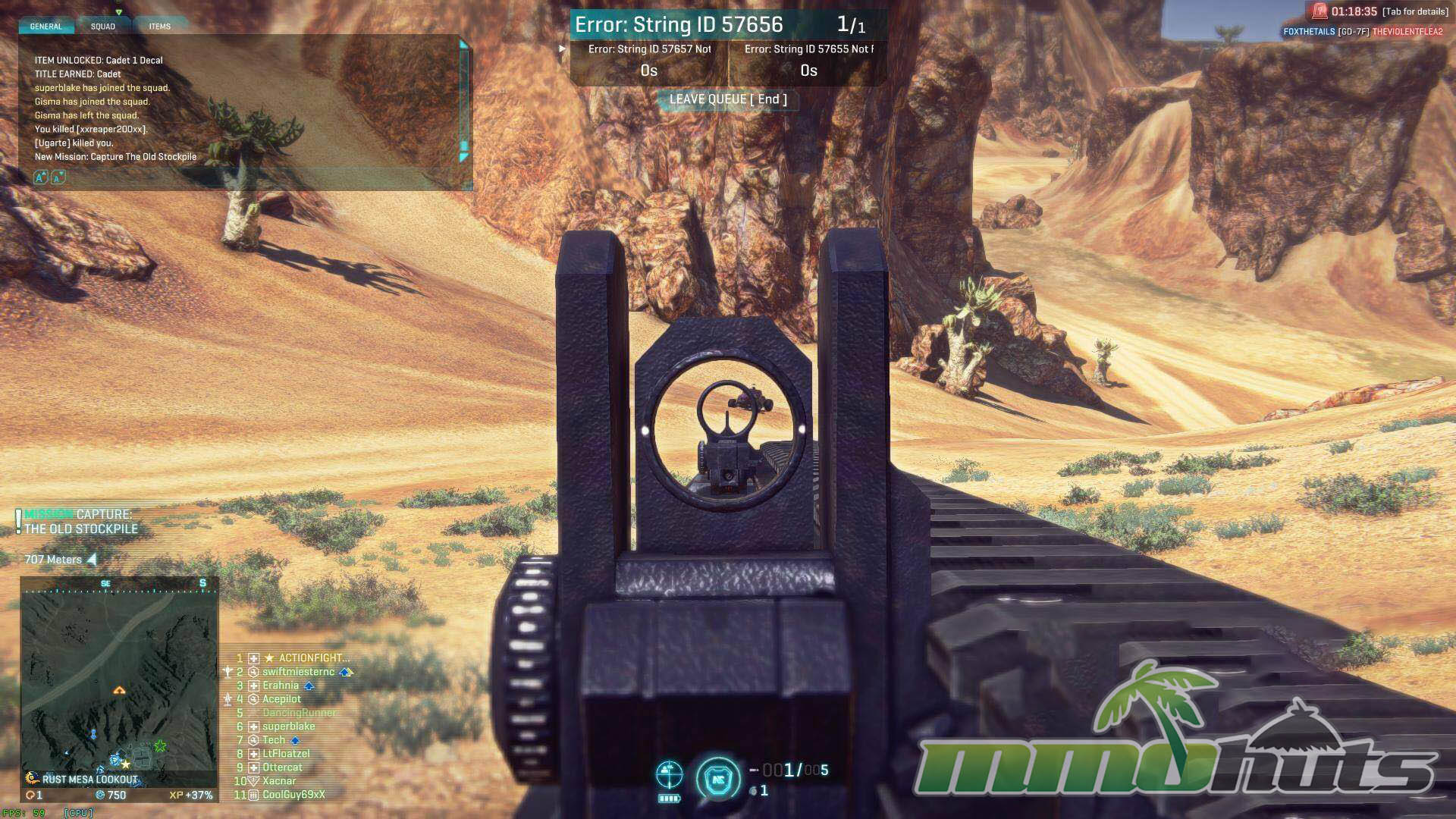
Auraxis is divided into four sprawling continents, each offering a large area of contestable territory with distinct geography. Terrain is not just scenery here, it affects sightlines, vehicle routes, and the kinds of fights you are likely to encounter. Indar’s canyons and open desert encourage long-range exchanges and vehicle columns, Esamir’s tundra tends to support sweeping armor movement, Amerish mixes elevation and cover for ambushes and infantry play, and Hossin’s dense rainforest favors close-quarters chaos and concealment.
The continents are visually striking, and for a game that routinely renders large battles, the detail on weapons, armor, and vehicles holds up well. Audio design sells the scale too, from distant firefights to the roar of engines overhead. The downside is that in packed fights the layered voice barks, squad comms, music, and battlefield effects can blur into a wall of sound. It is atmospheric, but it can also become fatiguing during extended sessions, especially in the most crowded base sieges.
Combat That Rewards Roles
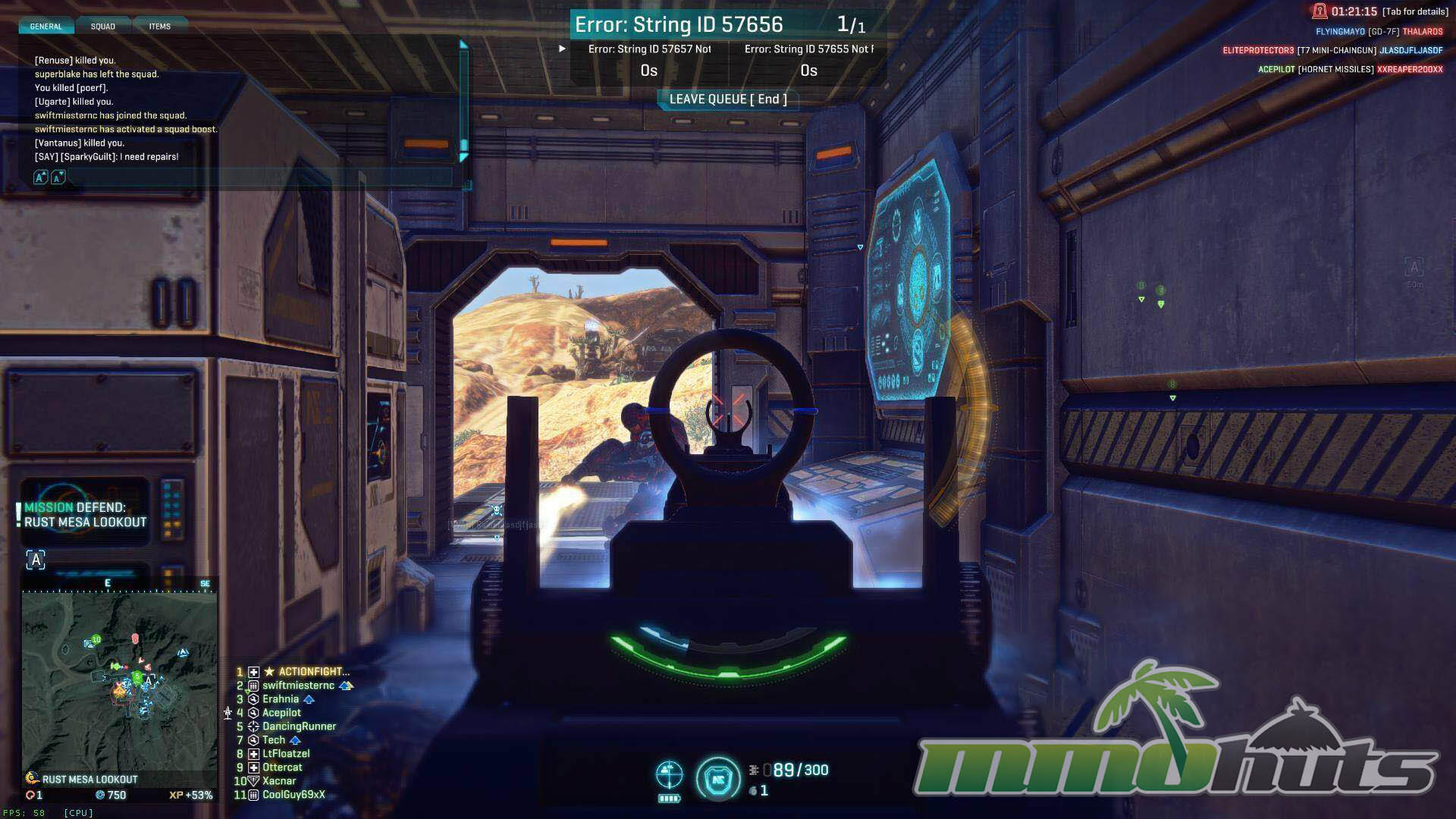
At its core, PlanetSide 2 plays by recognizable FPS fundamentals: use cover, manage angles, and aim down sights when you need precision. The twist is that decision-making extends beyond gun skill. Your class choice, your tool loadout, and whether you are on foot, in armor, or in the air can matter just as much as reflexes. Charging a vehicle as the wrong role is a fast way to get deleted, but swapping to a Heavy Assault, pulling a MAX, or coordinating with Light Assault explosives can flip the outcome quickly.
Teamplay is not optional in most meaningful fights. The game is not a mil-sim in the Arma sense, but objectives are built around coordinated pushes, medics sustaining momentum, engineers keeping vehicles and MAX units running, and squads holding angles while others capture points. Lone-wolf play can work on the edges of a fight, but trying to take major facilities solo is usually a dead end unless the area is barely defended. Friendly fire also exists, so crowded firefights can produce accidental team kills and the occasional painful run-in with allied vehicles.
Character growth comes through Certification Points (certs), which you earn via experience and in-game accomplishments. Those certs unlock and upgrade class abilities, suit slots, and utility options, letting you shape each role toward how you actually play. Medics can lean into stronger sustain, engineers can specialize into support tools, and infiltrators can tune cloak behavior depending on whether they prefer patient ambushes or mobile harassment. While progression does give veterans more options, it does not replace fundamentals, awareness and positioning still decide most duels.
Loadouts, Attachments, and Personal Tuning
PlanetSide 2 is light on facial and body customization, but it makes up for it with an enormous amount of equipment personalization. Weapons can be modified with optics and attachments to suit different ranges and playstyles. Thermal optics can make nighttime and cluttered environments easier to read, while magnified scopes support longer-range lanes. The key constraint is class identity: certain weapon types are locked to specific roles (for example, infiltrators with bolt-action rifles or heavy assaults with launchers), which helps keep the battlefield readable and ensures each class maintains a distinct purpose.
Territory Control as the Main Objective
The heart of PlanetSide 2 is territorial capture. Facilities are more than just points on a map, they provide faction-wide advantages that shape what can be fielded and how efficiently your side can operate. Tech plants, Bio-labs, and Amp Stations each offer strategic value, and controlling them can change the tempo of an entire continent. Warp Gates serve as protected staging areas and are also where you move between continents.
Outposts make up much of the map and often act as stepping stones for larger objectives. Even without special bonuses, they matter for positioning, spawning, and controlling the approaches to major facilities. Captures typically revolve around controlling key terminals and points, sometimes alongside secondary steps like dealing with shields or other defenses, depending on the facility type.
Capturing also ties into the lattice network: you generally cannot take a base unless your faction holds the connected territory leading to it. This structure helps guide the front line and creates predictable conflict zones, but it still leaves room for smart squads to create pressure by choosing the right lane, timing a push, or hitting a weak link while the enemy is distracted elsewhere.
Station Cash and the F2P Economy
PlanetSide 2 offers subscriptions and a cash shop, with Station Cash used for items like weapons, attachments, and cosmetics. Cosmetic purchases, such as camouflage patterns, helmets, and vehicle designs, are clearly aimed at players who want to personalize their look. For practical gameplay items, the experience is generally fair for free players because most non-cosmetic shop items can also be earned through certs if you are willing to invest time.
Final Verdict – Excellent
PlanetSide 2 succeeds at something few shooters can deliver: large-scale, real-time warfare that feels persistent and player-driven. The learning curve is real, and early hours can be punishing, especially when performance or latency spikes during peak chaos. Still, once you understand the rhythm of base fights, how to redeploy intelligently, and how to contribute through a role, the game becomes uniquely compelling. If you want an FPS where teamwork, vehicles, and huge player counts are not marketing bullet points but the entire identity, PlanetSide 2 remains an easy recommendation.
PlanetSide 2 Links
PlanetSide 2 Official Site
PlanetSide 2 Wikipedia
PlanetSide 2 Wikia (Database / Guides)
PlanetSide 2 Universe Wiki (Database / Guides)
PlanetSide 2 Subreddit
PlanetSide 2 on Steam
PlanetSide 2 System Requirements
Minimum Requirements:
Operating System: Windows 7 or newer
CPU: Intel Core i5-760 or Better / AMD Phenom II X4 or better (Quad Core CPUs)
Video Card: nVidia GeForce GTX 260 or better / ATI Radeon HD 4850 or better
RAM: 4 GB for 32-bit / 6 GB for 64-bit
Hard Disk Space: 20 GB
Recommended Requirements:
Operating System: Windows 7 or newer
CPU: Intel Core i5 or Better / AMD Phenom II X6 or better (Quad Core CPUs)
Video Card: nVidia GeForce 540 or better / AMD HD 6870 or better
RAM: 6 GB
Hard Disk Space: 20 GB
A 64-bit operating system is strongly recommended for optimal performance in PlanetSide 2.
PlanetSide 2 Music & Soundtrack
PlanetSide 2 Additional Information
Developer: Daybreak Game Company (Previously known as Sony Online Entertainment)
Game Engine: Forgelight Engine (Developed by DayBreak Game Company)
Other Platforms: Playstation 4
Composers(s): Don Ferrone / Jeff Broadbent
Closed Beta Date: August 6, 2012 – November 17, 2012
Open Beta Date: November 20, 2012 (Full release)
Foreign Release(s):
China: June 25, 2013 (The9)
Development History / Background:
PlanetSide 2 was developed by American game developer Sony Online Entertainment (SOE) with an estimated budget of ~$50 million USD. Work on the project began in 2009, and the first public hints surfaced in December 2010 when Sony Online Entertainment’s CEO referenced a new shooter planned for the following year. During development it was known as PlanetSide Next, before ultimately being released as PlanetSide 2. The launch timeline shifted when the team decided to move to the newer Forgelight Engine partway through development, delaying the original schedule. When it finally released on November 20, 2012, the game drew significant attention and quickly rose to become one of the most prominent MMOFPS titles. Unlike the original PlanetSide, this sequel was designed as a free-to-play game from the start. Its first major foreign release in China, licensed to The9, performed extremely well, with SOE’s CEO noting via tweet that the Chinese launch day outpaced the U.S. counterpart. PlanetSide 2’s PlayStation 4 version entered beta on January 20, 2015.