
Path of War is a free-to-play mobile strategy title built around the familiar loop of constructing a fortified headquarters, gathering resources, and launching raids to steal what you need for the next round of upgrades. It mixes asynchronous PVP and AI targets with a lane and grid style deployment system, and it adds a travel mechanic that lets you reposition your base across a large U.S. map when you want a new set of nearby opponents.
 | Publisher: Nexon Playerbase: Low Type: Mobile Strategy Release Date: January 28, 2016 Pros: +Distinct lane-based battles compared to typical base raiders. +A wide roster of troops and plenty of buildings to progress toward. +Both AI raids and player raids are available. +Base can be moved around the world map when needed. Cons: -Core loop becomes samey over time. -Premium shortcuts can influence progression. -Social and community systems feel thin. |


Path of War Overview
Path of War is an online base-building strategy game developed by Envision Entertainment (known for Command & Conquer: Tiberium Alliances) and published by Nexon. The premise leans into near-future military fiction, where a hostile regime has seized control and your role is to expand a rebel foothold, defend it from retaliation, and push back by raiding enemy holdings across the country.
On the management side, you construct and upgrade production buildings, storage, and a growing set of defensive tools to protect your Headquarters. On the offensive side, you scout targets, then launch short raids that reward you with the resources needed to keep improving your base and unlocking new combat options. A notable twist is the ability to relocate your base around the U.S. map, which changes what targets are within reach and gives the game a sense of movement that many similar mobile strategy games do not offer.
Path of War Features:
- Rebel Campaign Across the Map – Hit Regime outposts and rival player bases to gather resources and keep your uprising funded.
- Build and Fortify – Place structures, tune your layout, and set up defenses to protect the Headquarters from raids.
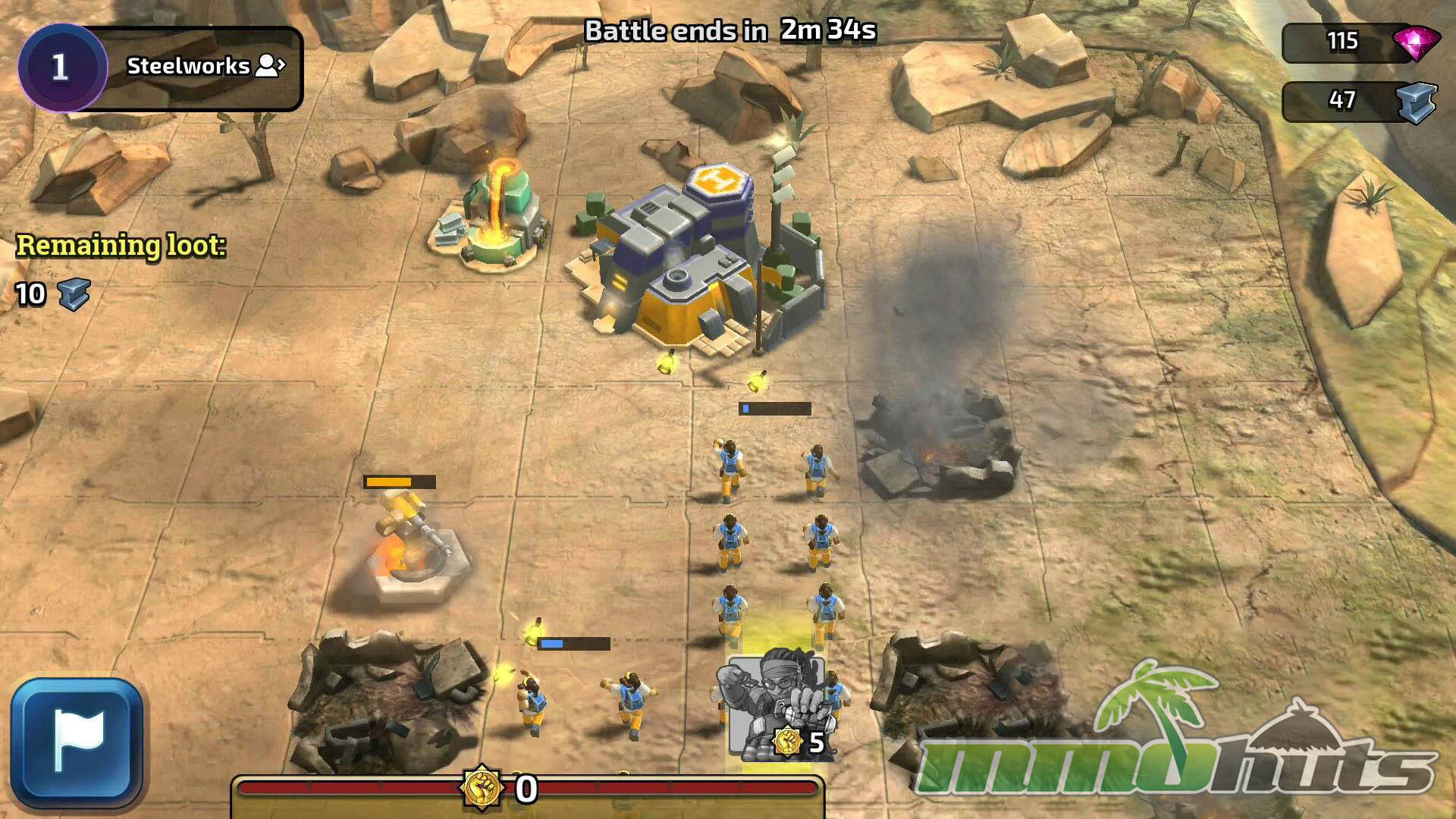
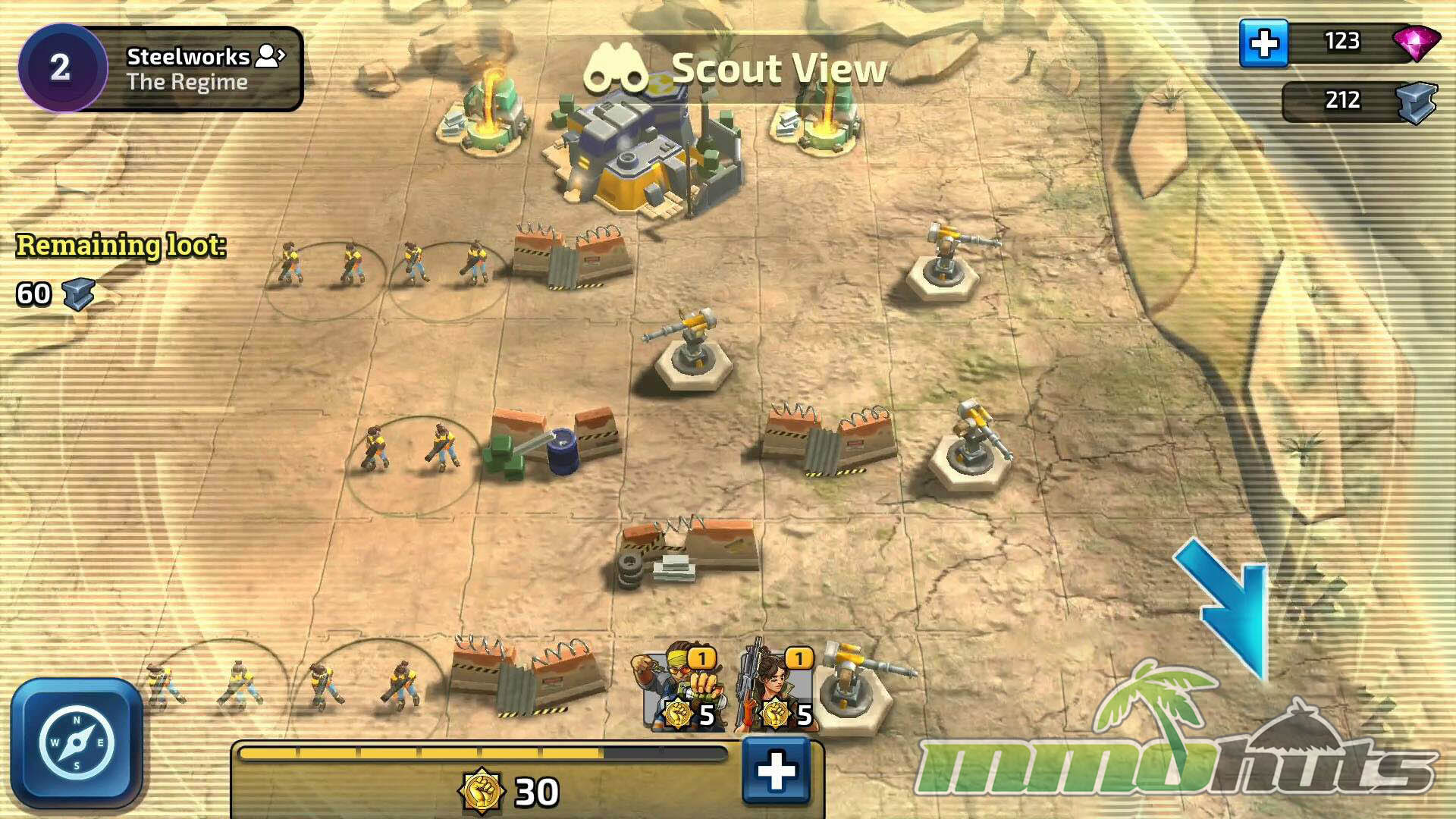
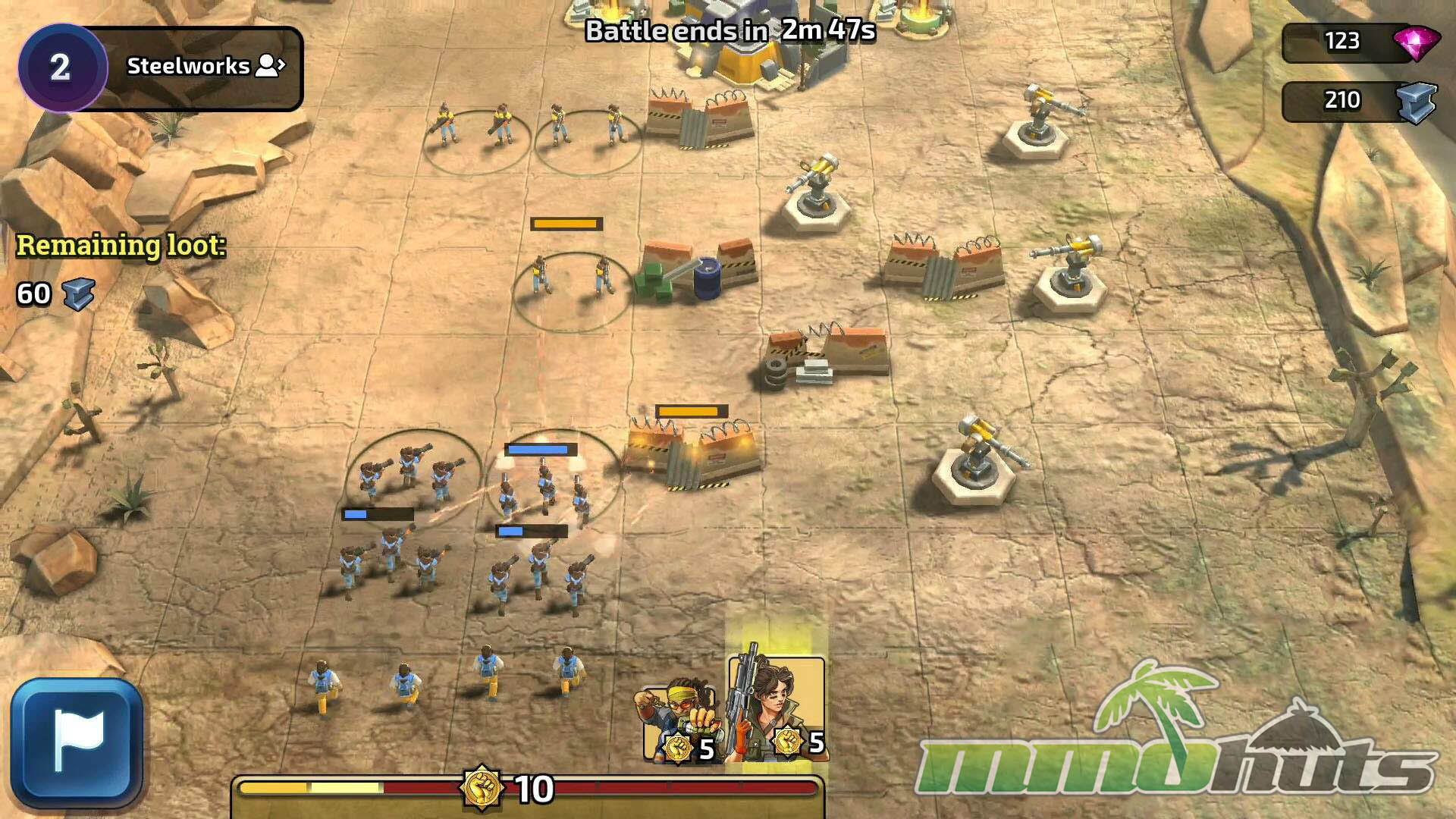
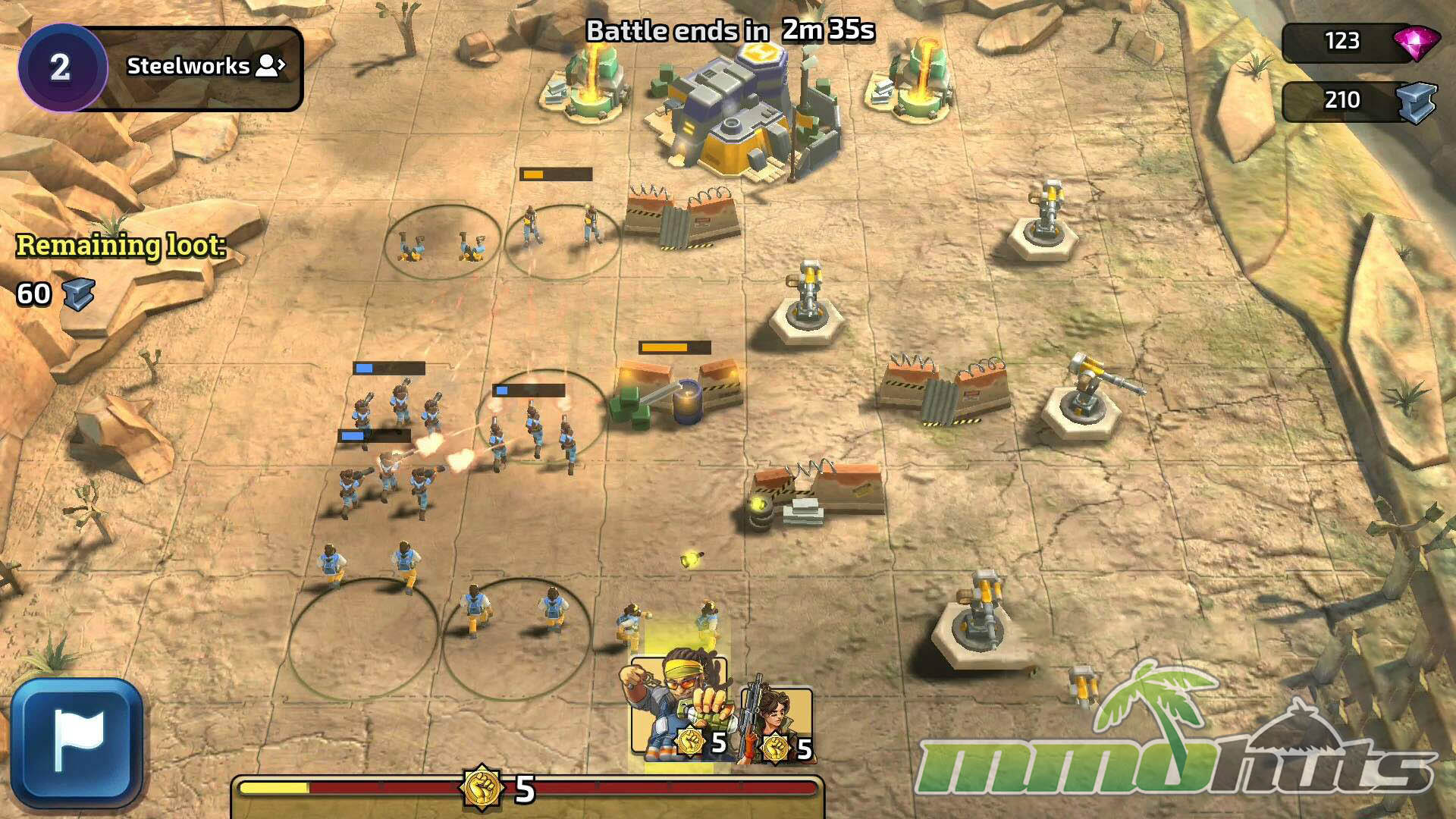
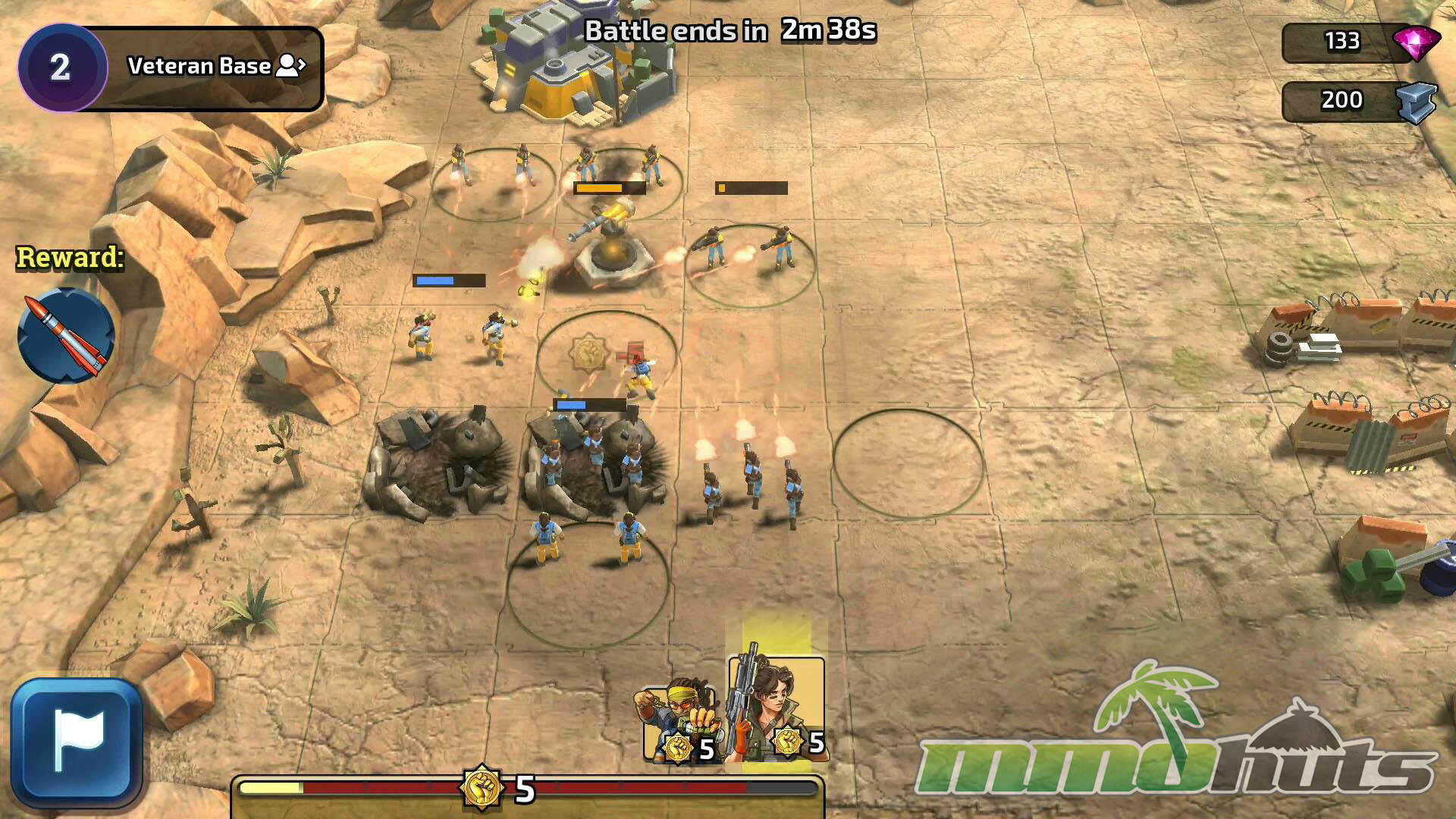
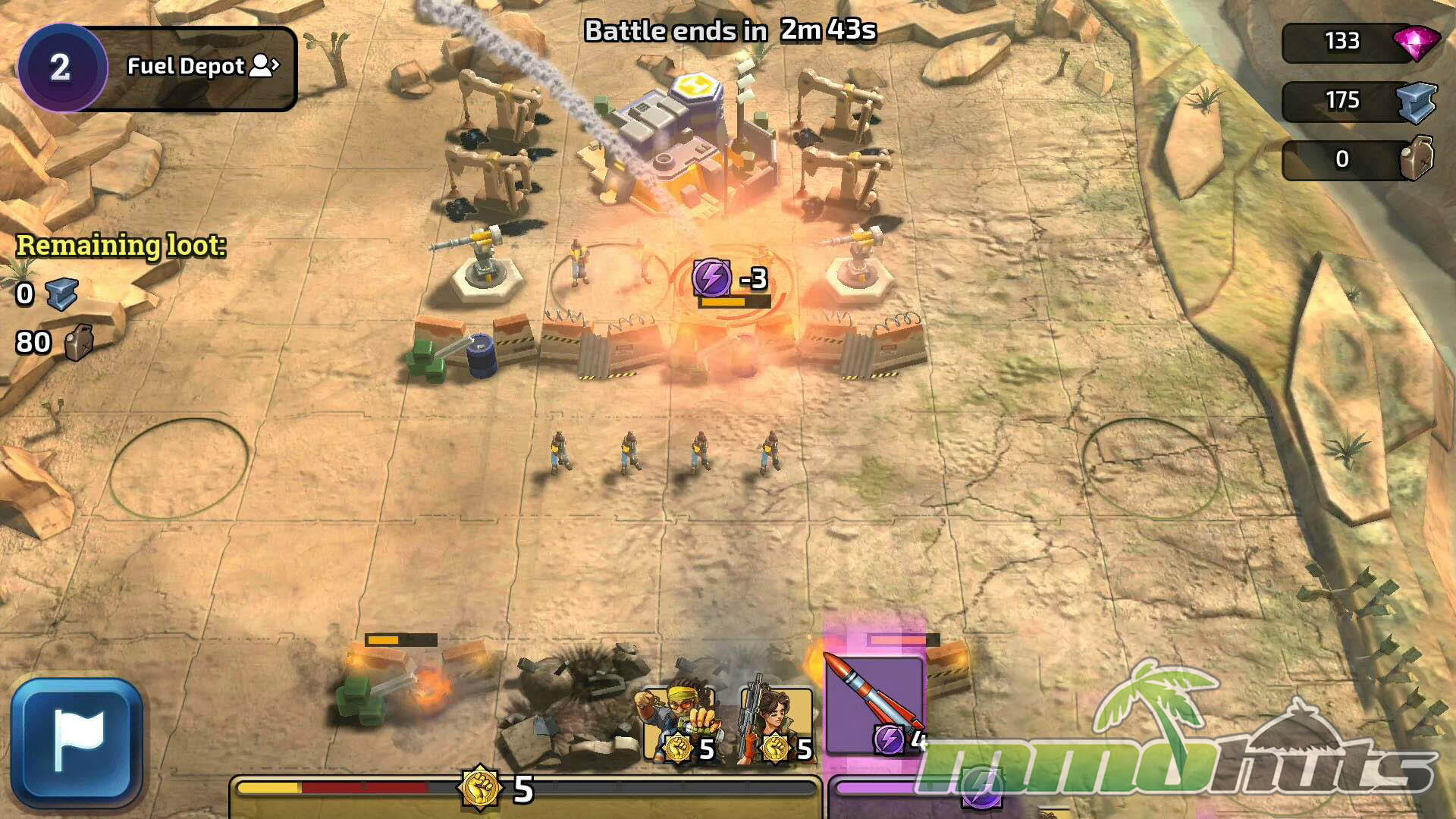
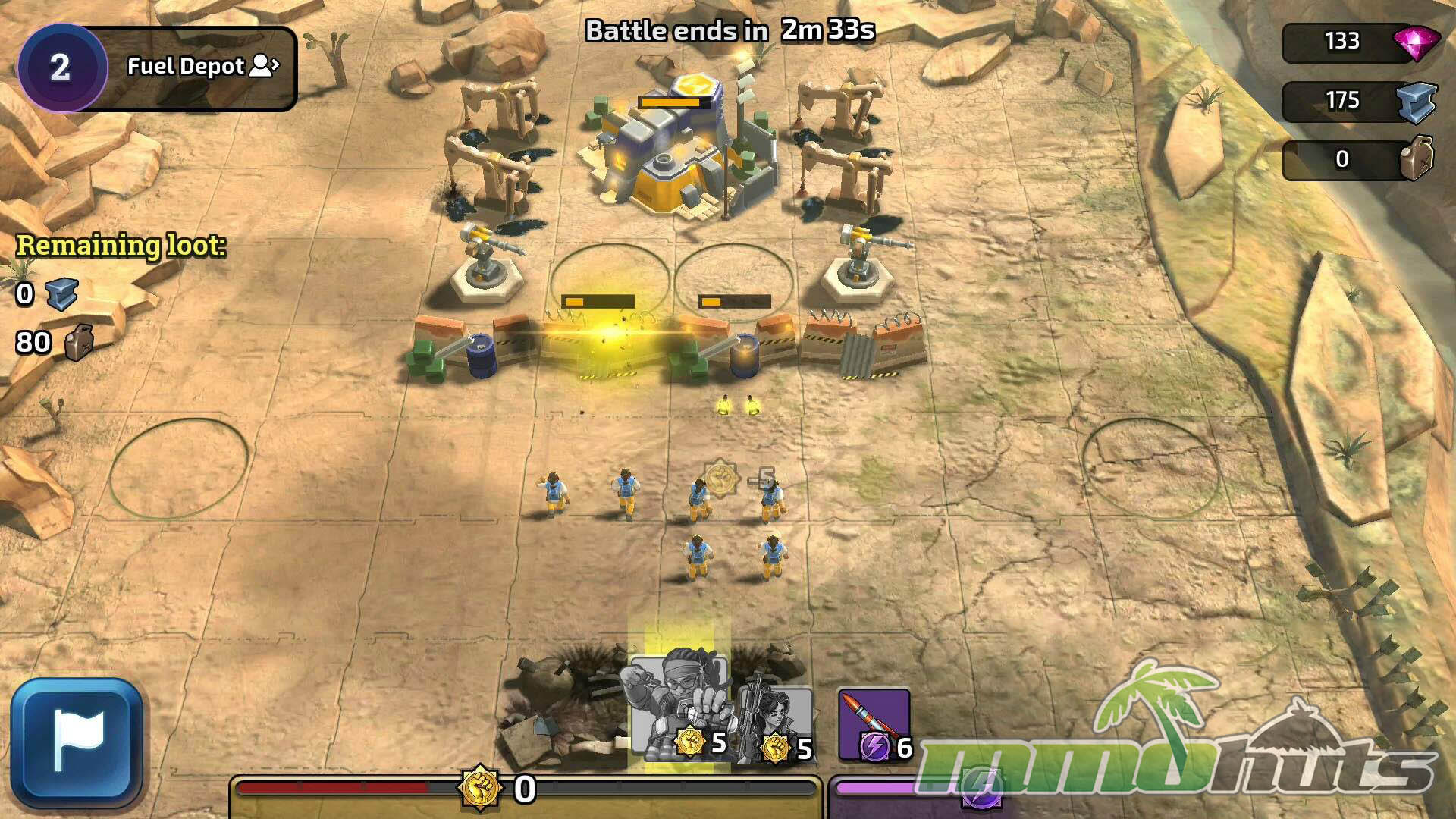
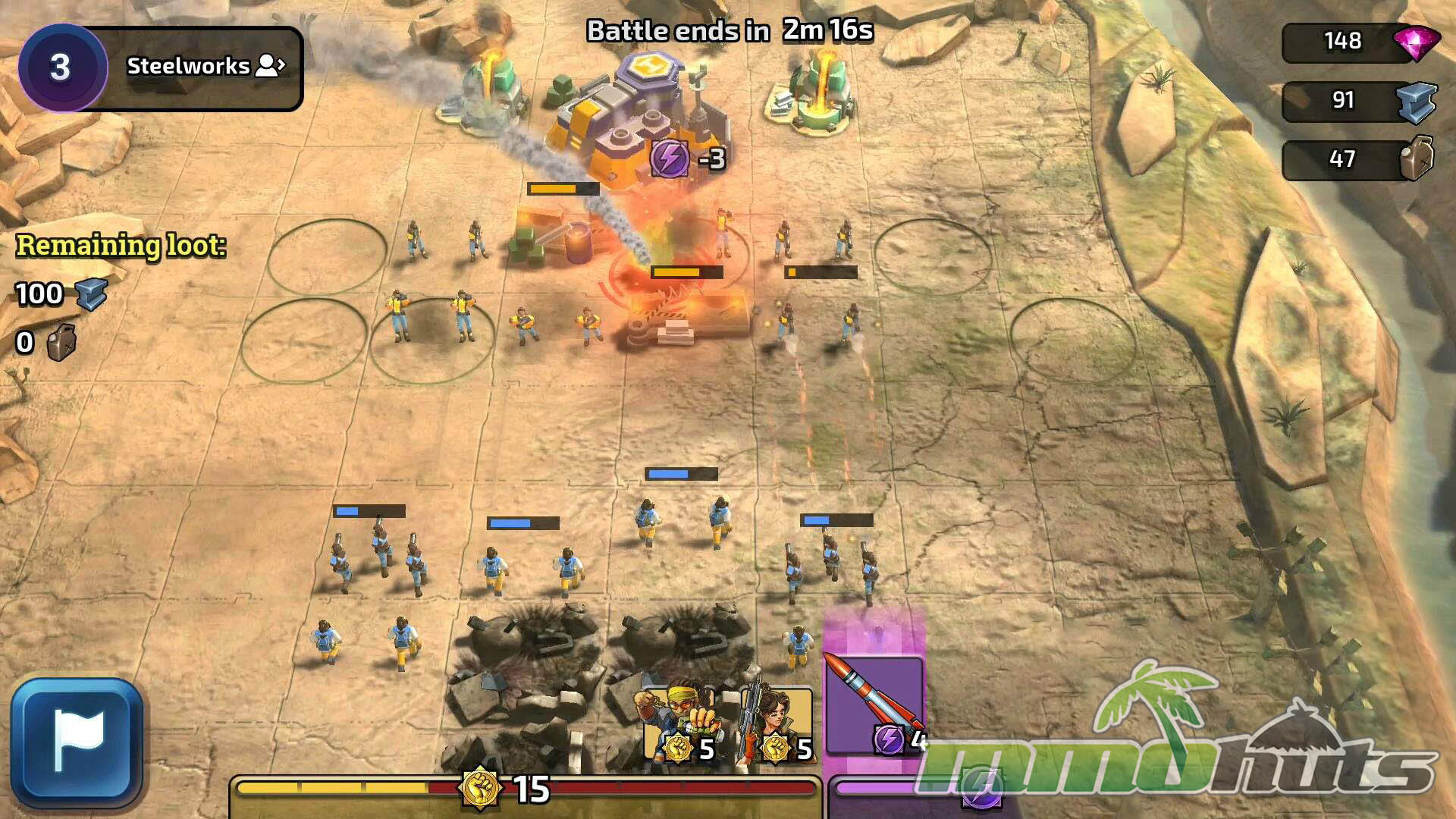
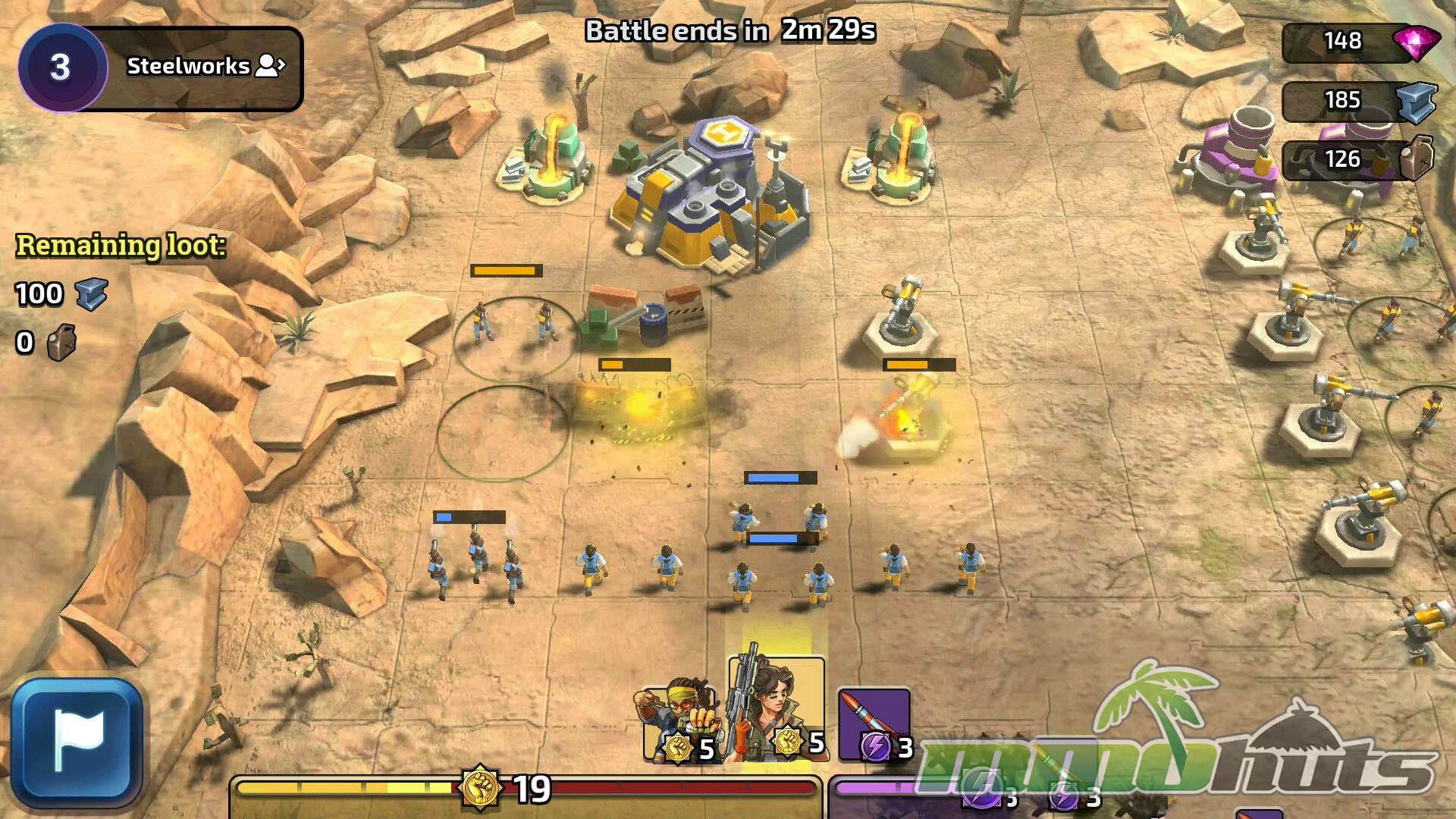
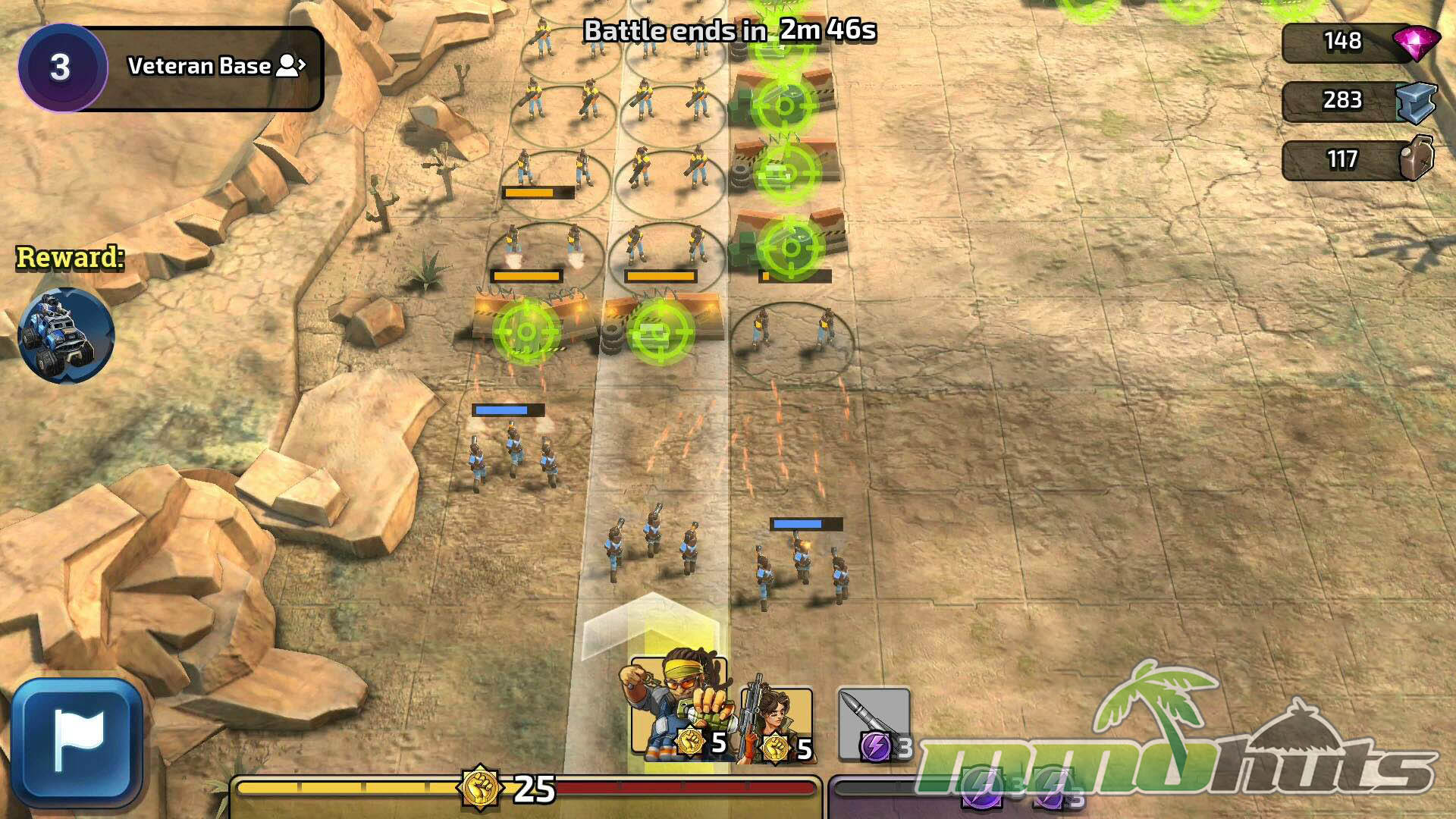
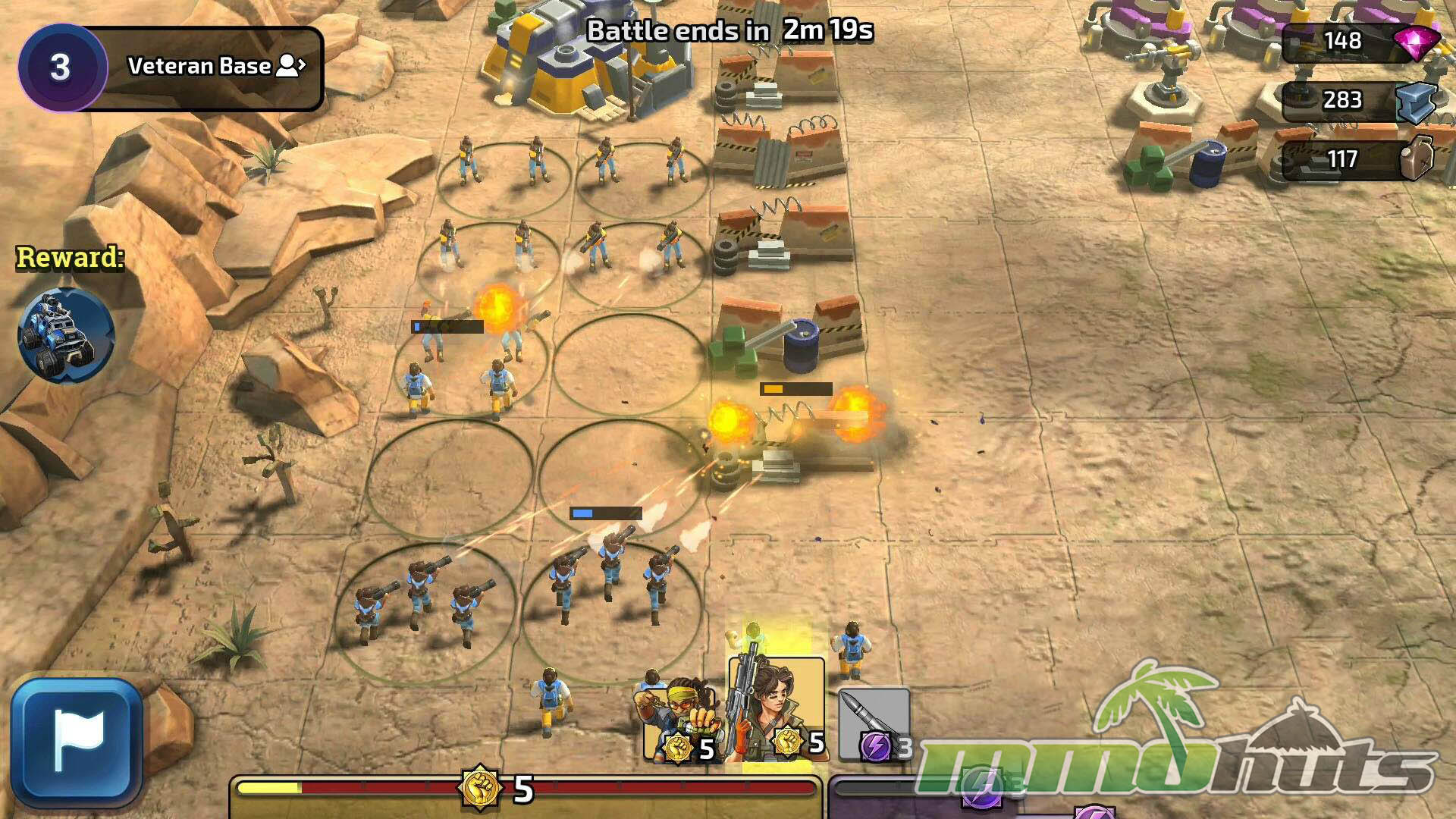
- Lane-Driven Raids – Scout first, then deploy units onto a vertical lane grid to dismantle defenses and push toward the core objective.
- Expand Your Army – Unlock infantry, vehicles, and aircraft, each suited to different threats and target types.
- AI Targets and Player Targets – Mix PVE and PVP in fast battles that typically wrap up in 1 to 3 minutes, with a noticeable emphasis on PVE.
Path of War Screenshots
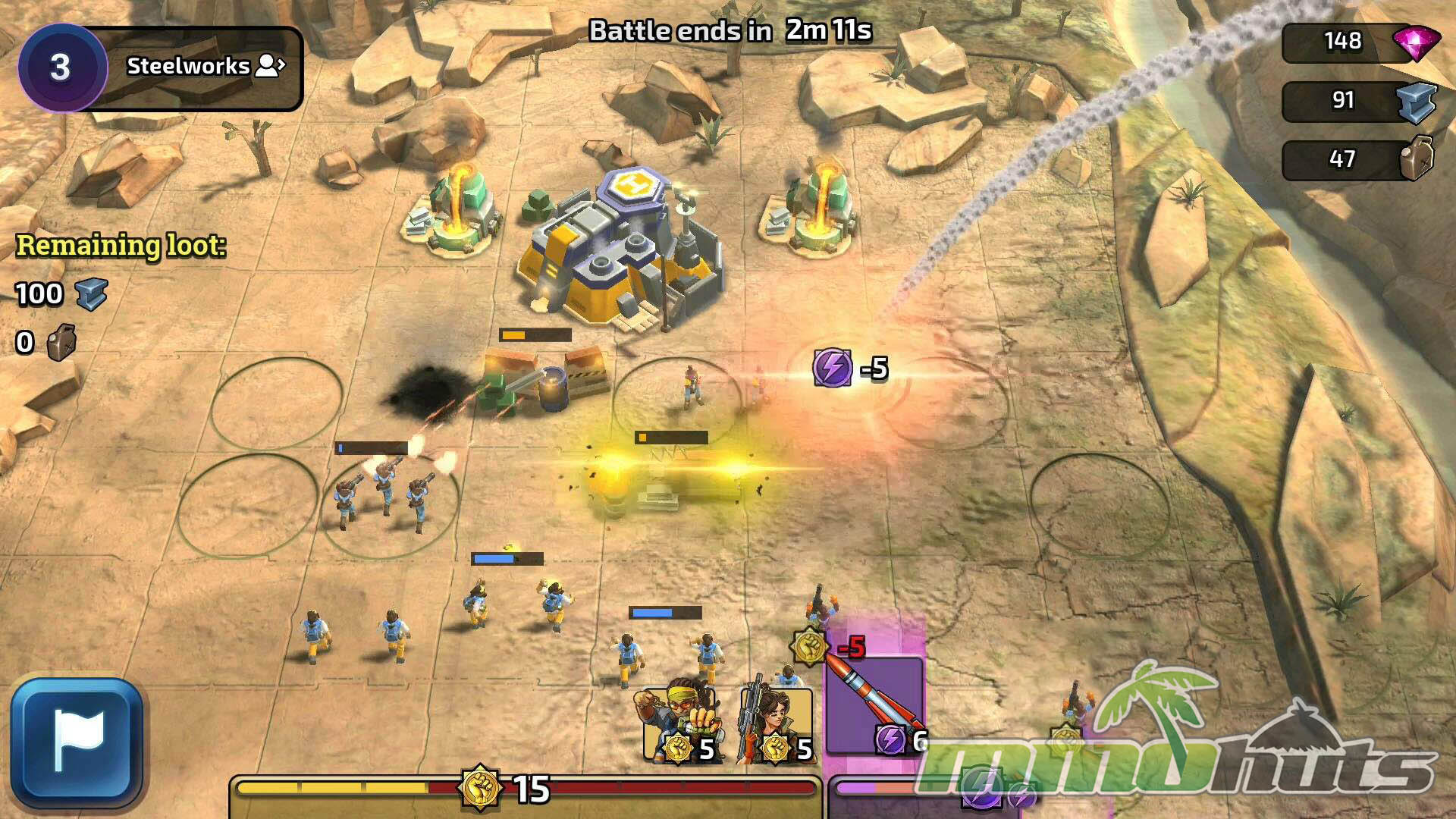
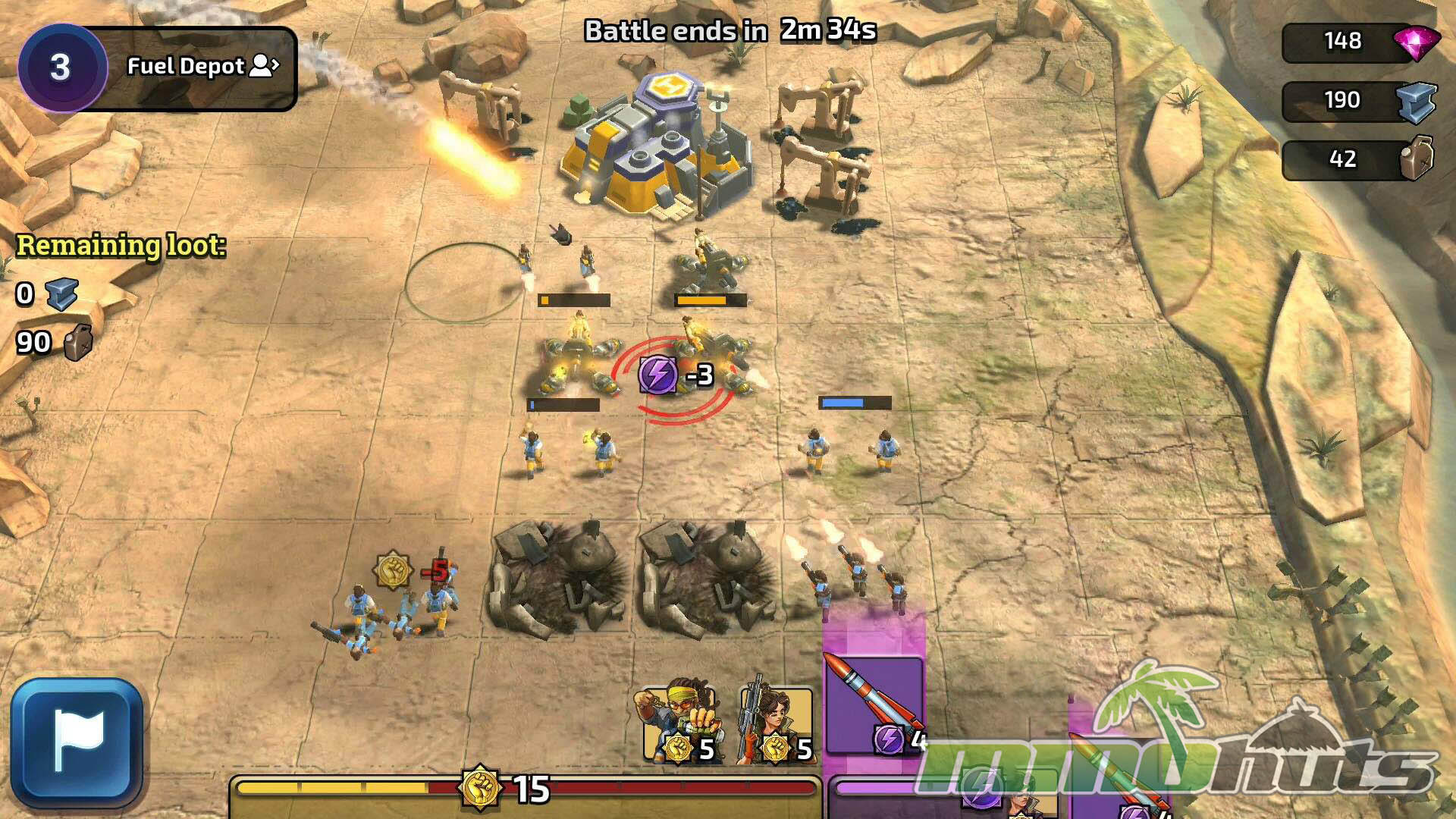
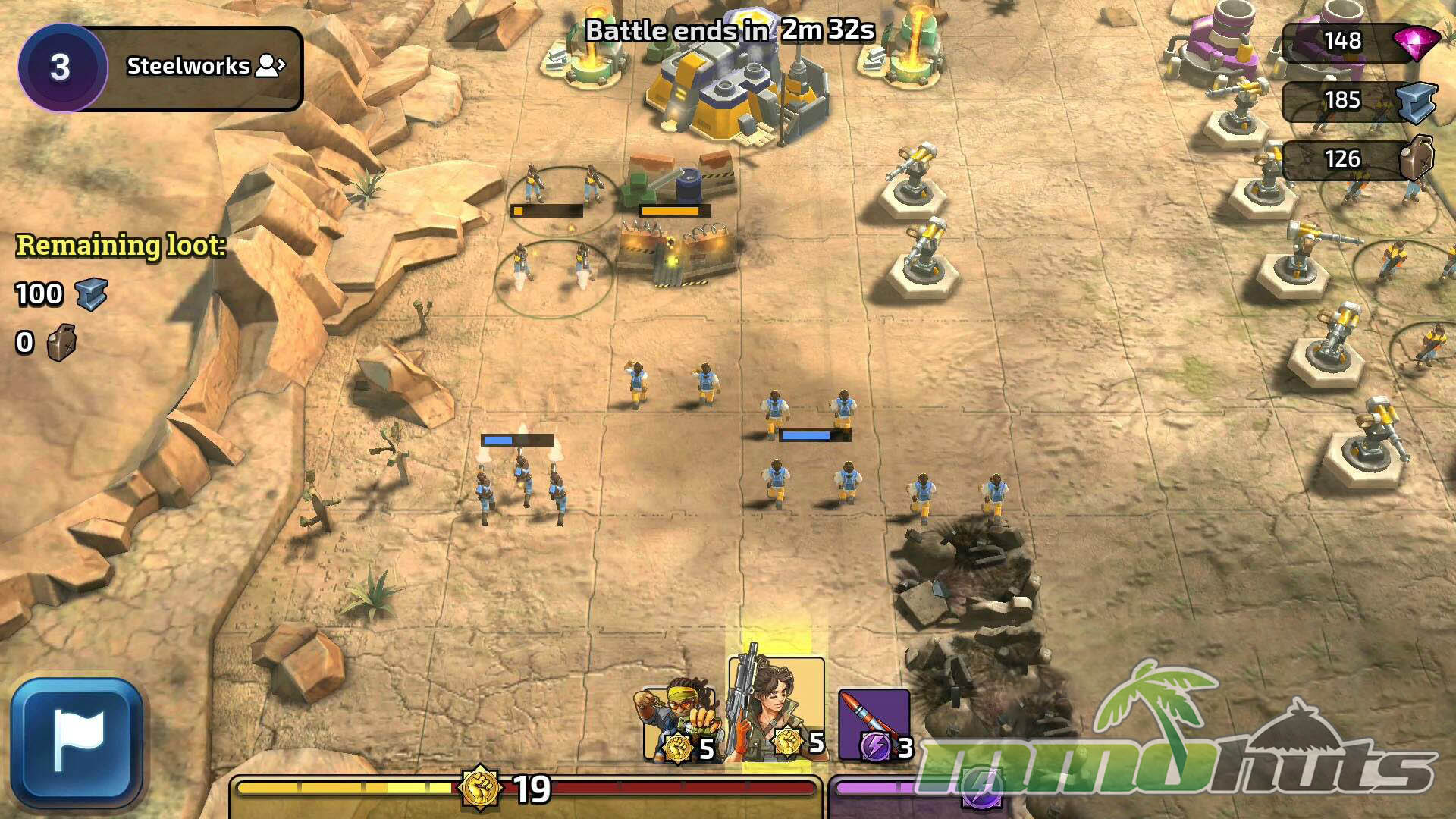
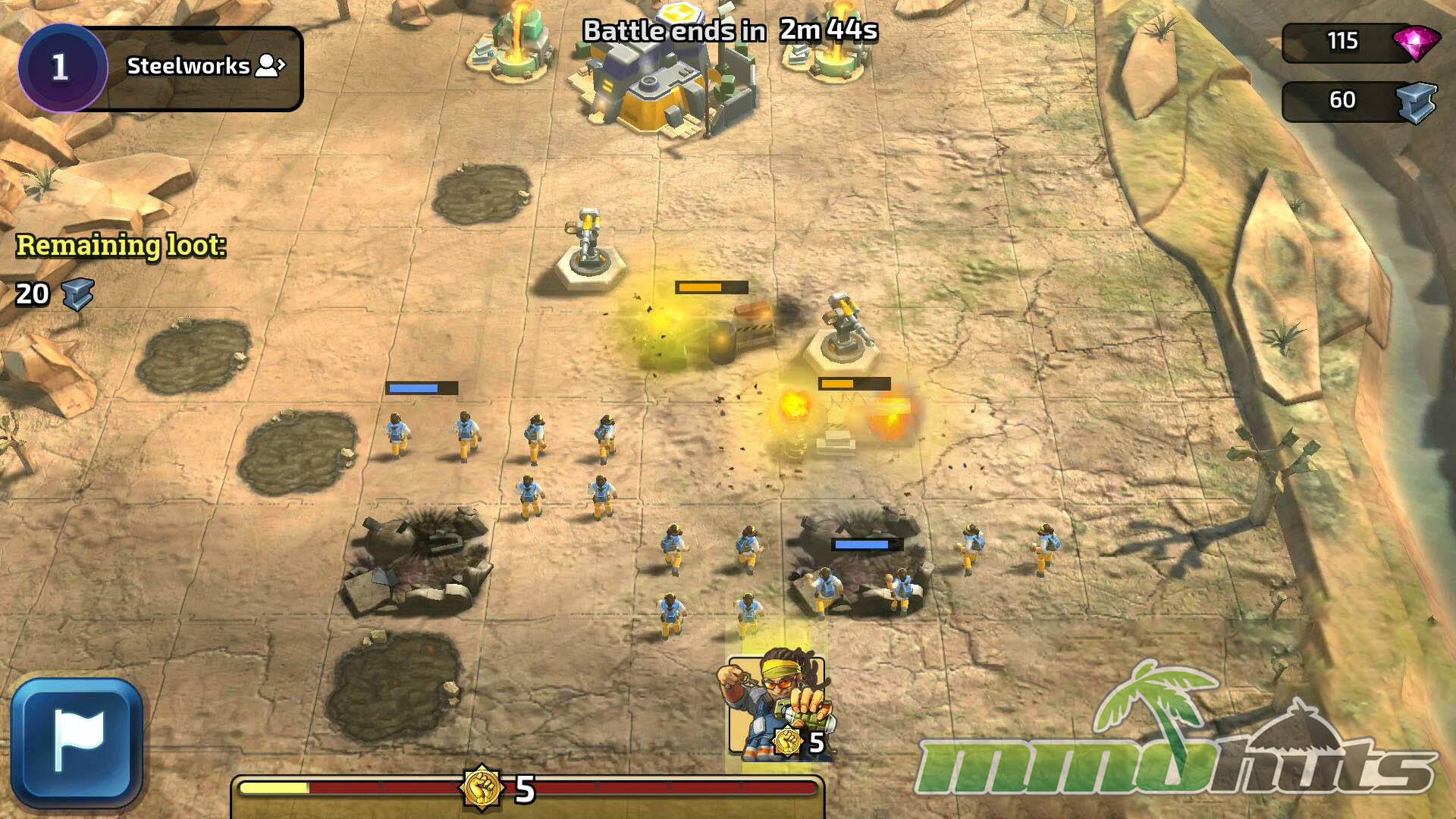
Path of War Featured Video

Path of War Review
Path of War arrives from Envision Entertainment and Nexon with a clear goal, deliver a mobile-friendly base builder in the same broad space as Clash of Clans, while introducing a more structured lane deployment system and a heavier reliance on AI encounters. In practice, it is approachable and functional, but it struggles to separate itself from a crowded genre for long. The moment-to-moment battles can be satisfying at first, yet the broader progression loop leans heavily on repetition.
A familiar setting with a straightforward objective
The game frames your progress as a fight to reclaim a future United States from an oppressive regime. That backdrop mostly serves to justify the constant cycle of building, defending, and raiding. Early on, Path of War guides you through an extended tutorial phase before turning you loose on the map, where enemy and player bases are scattered around your current location.
Base development follows standard mobile strategy conventions. You place resource production, storage, and defensive structures, then spend time and resources to upgrade them. Defensive placement matters because attacks can come from both AI forces and other players, and your Headquarters is the key structure that needs protection. When your base is raided, damaged buildings recover over time, so the game encourages a steady rhythm of improving your layout and keeping defenses current.
One of the more useful quality-of-life features is the ability to relocate your base across the map. Movement costs resources, but it is an important tool because your pool of potential targets depends on proximity. If nearby bases feel too strong or too weak, moving can refresh your options without requiring a complete restart.
Raids built around a vertical lane grid
Combat is where Path of War tries to carve out its own identity. Instead of fully freeform deployment, troops are placed along a vertical lane system. Before you commit, you can scout the target to see defensive coverage and plan a route. During the attack you tap to deploy units onto the grid, and they advance toward the enemy Headquarters, engaging threats in their lane and, in some cases, nearby lanes as they push forward.
This structure adds a light tactical layer, especially when you are choosing which units to spend your limited command points on and where to place them. Battles are also intentionally short, capped at three minutes, with an option to speed up the action. The downside is that the decision-making can start to feel routine once you have a preferred approach, since many raids boil down to repeating the same opening and adapting only slightly based on defense placement.
The resource economy reinforces this loop. Successful raids fund upgrades and future attacks, but you are also constrained by Fuel, which limits how long you can chain battles in one sitting.
Progression through unlocks: units, defenses, and utility
Path of War offers a respectable amount to unlock, and this is one of its stronger long-term hooks. Troops are split into infantry, vehicles, and aircraft, and they are designed with rock-paper-scissors style roles in mind, with certain units performing better against specific target types such as structures or other troop categories. Unlocking new options is tied to clearing key milestones, including tougher Veteran Bases that function like periodic skill checks.
Your base grows alongside your roster. Buildings fall into broad categories, including resource-focused structures, military defenses (like stationary weapons and garrisons), and additional obstacles and protective tools such as walls, traps, and terrain modifiers. Upgrading the Headquarters is the central progression gate, since it opens new structures and raises upgrade caps across your base. The result is a steady sense of accumulation, even if the core activities remain consistent.
Where the game loses momentum
Even with the travel system and lane deployment, Path of War often feels like it is leaning on genre standards rather than building a strong identity of its own. The biggest factor is the overall tilt toward PVE. A constant stream of AI targets keeps the game accessible and ensures you always have something to raid, but it also reduces the tension that typically makes base raiding games compelling.
Because AI bases can provide comparable rewards, there is less practical pressure to seek out player targets, and the experience can drift toward a solo grind. Over time, many raids blur together, with Veteran Bases standing out as the more memorable encounters. Without stronger social hooks or a more meaningful PVP ecosystem, progression can start to feel like you are upgrading primarily for the sake of unlocking the next upgrade.
Cash Shop/In-App Purchases (IAP)
The monetization in Path of War is familiar for the genre. Premium currency (Diamonds) is largely used to skip timers on building and upgrades, which otherwise range from minutes to hours. This does not prevent non-paying players from progressing, but it clearly rewards spending by accelerating development.
Diamonds can also be used to buy Construction Cranes to increase how many projects you can run at once, and to recover resources that have spoiled over time. None of this is unusual for mobile base builders, but it does create a noticeable advantage in pace, particularly for players who want to ramp up quickly or keep multiple upgrade tracks moving.
Final Verdict – Fair
Path of War is a serviceable mobile base-building war game with a couple of good ideas, especially the vertical lane deployment and the option to move your base across the map. However, the broader experience is held back by repetitive raiding and a PVE-heavy structure that reduces the competitive energy many players look for in this genre. If you want a casual, short-session strategy game with steady unlocks, it can be worth a try, but players seeking deeper social features or more engaging PVP will likely move on quickly.
Path of War Links
Path of War Official Site
Path of War Google Play
Path of War iOS
Path of War Facebook
Path of War System Requirements
Minimum Requirements:
Android 4.0.3 and up / iOS 8.0 or later
Path of War Music & Soundtrack
Path of War Additional Information
Developer: Envision Entertainment
Publisher: Nexon
Platforms: Android, iOS
Release Date: January 28, 2016
Path of War was developed by Envision Entertainment, a German studio recognized for the browser-based Command & Conquer: Tiberium Alliances, and published by Nexon. Envision is often described as the spiritual successor to EA Phenomic, and the partnership with Nexon positioned Path of War as the studio’s second release since 2012. For Nexon, it also landed during an active period of mobile publishing, alongside other mobile titles such as Pocket Maplestory and Mabinogi Duels, and within the same broader catalog that includes games like DomiNations and Fantasy War Tactics.