
PangYa
 (No Ratings Yet)
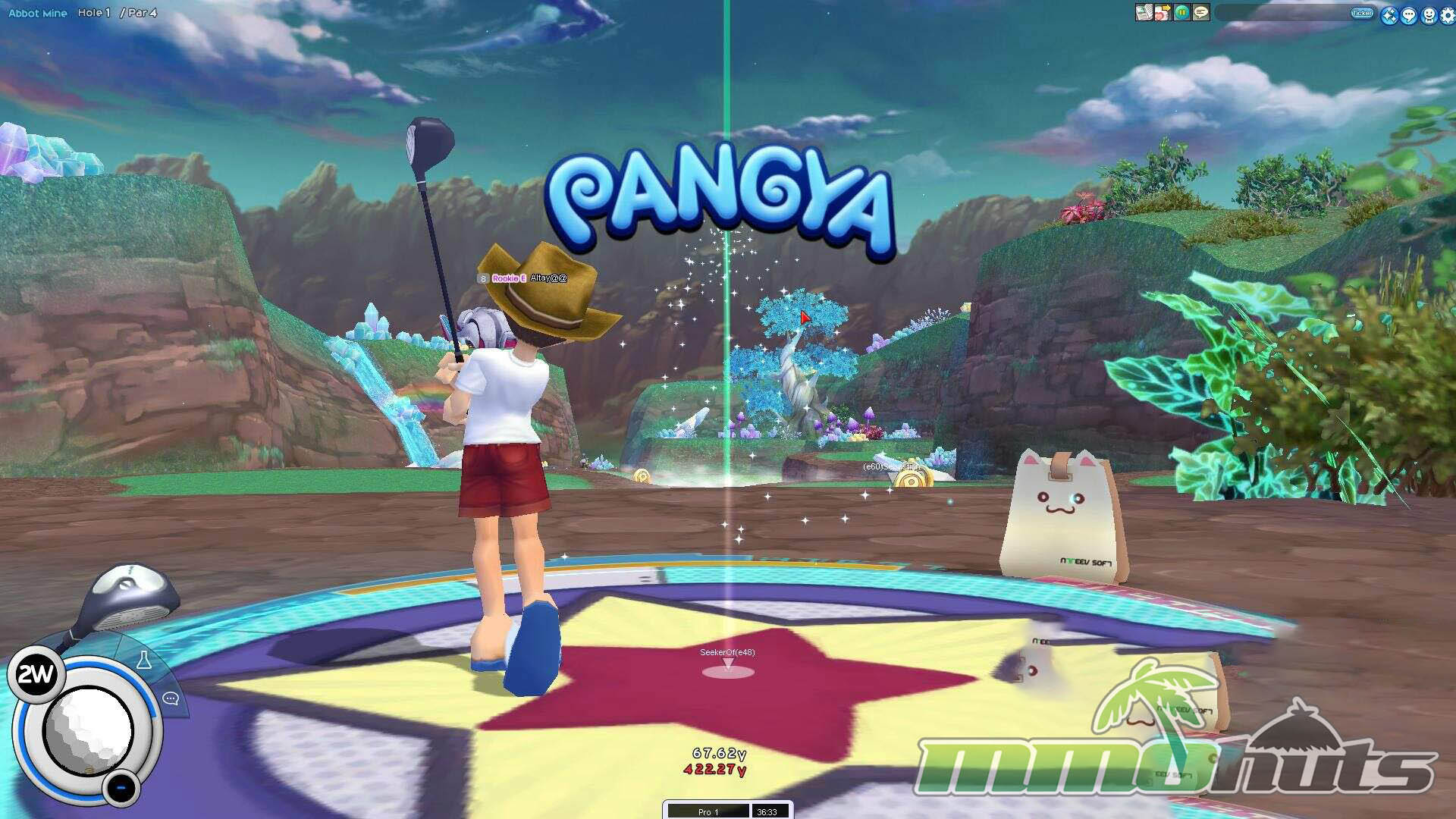
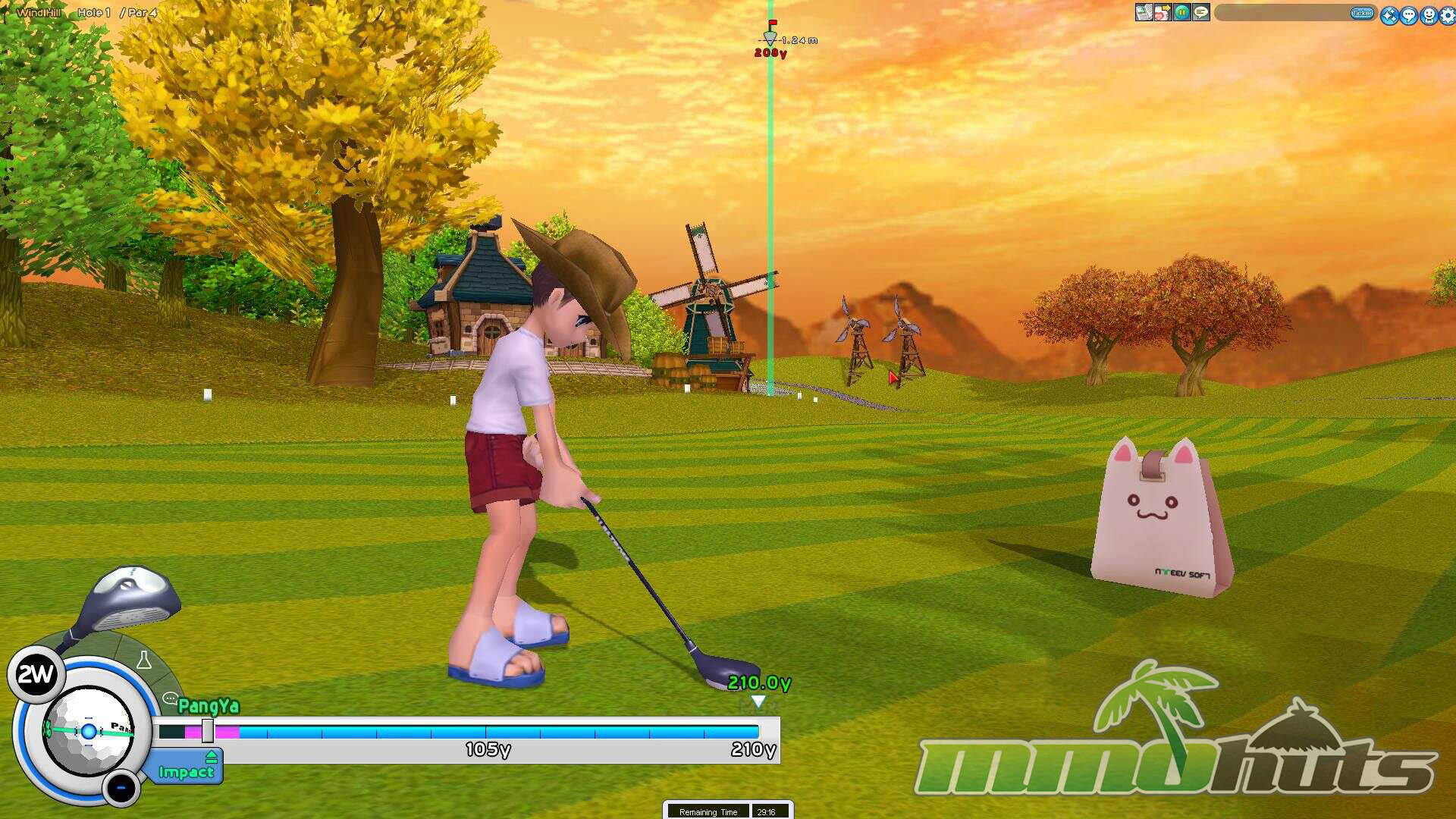
PangYa is a stylized 3D golf MMO that blends arcade-friendly swing mechanics with bright anime character designs and a touch of fantasy. Matches are built around timing and consistency, with a steady stream of clubs, outfits, and other cosmetics offered through the in-game shop, letting players personalize both look and performance while competing against golfers worldwide.
 | Publisher: GameRage Playerbase: Shut Down Type: MMO Golf Release Date: August 18, 2014 Pros: +Beginner-friendly controls with real depth for skilled play. +Plenty of modes and a strong selection of courses. +Includes training options like tutorials and practice. Cons: -A slower match flow that can feel repetitive over time. -Limited population, which can affect matchmaking. -Grinding for currency can be frustrating. |
PangYa Overview
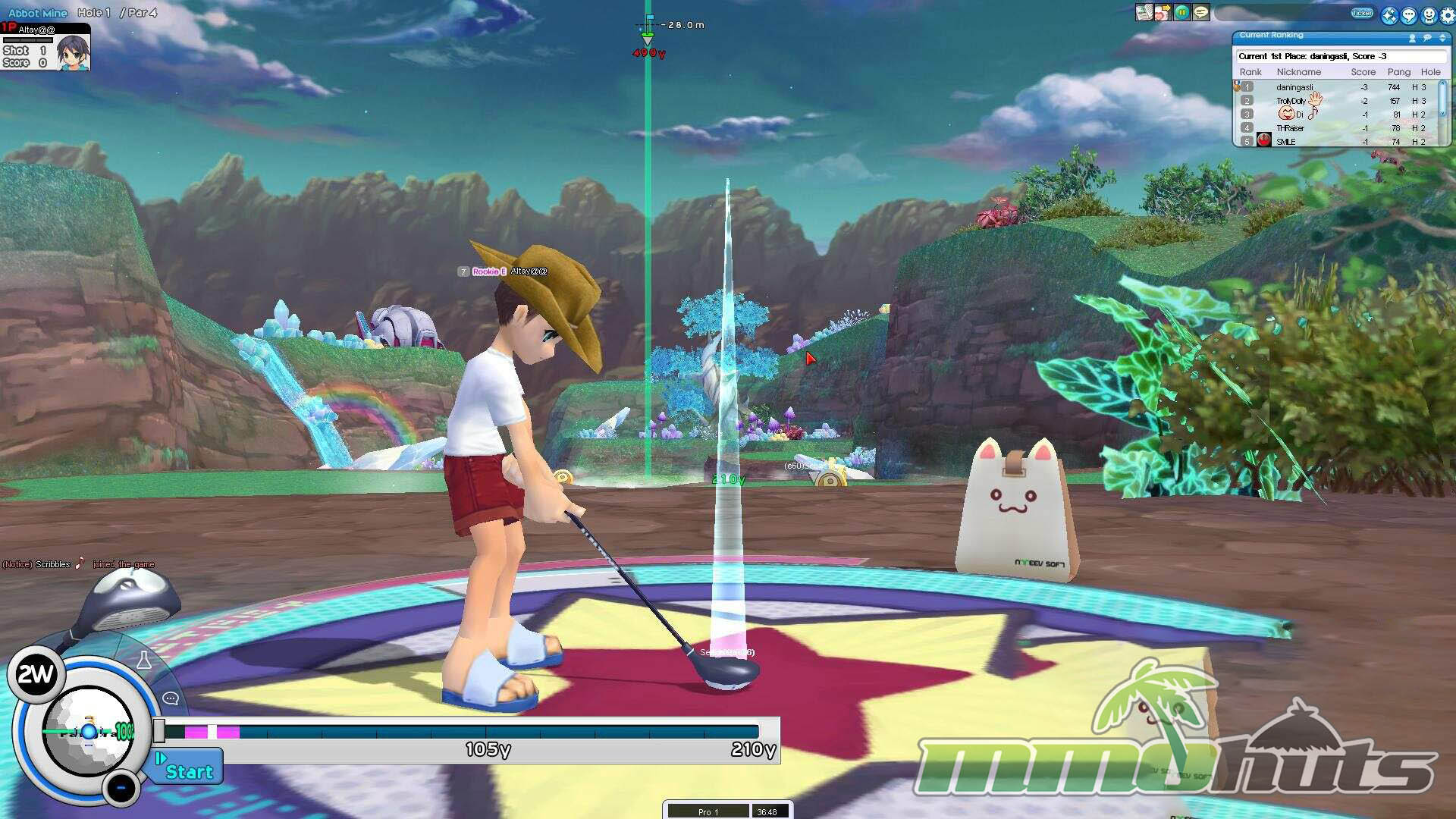
PangYa is a long-running free-to-play golf title presented through an anime-inspired lens, built to feel welcoming rather than simulation-heavy. Many players outside Korea first knew it as Albatross18, and even with its cute character art and flashy shot effects, the core loop is still recognizable as competitive online golf: line up, read the wind, manage power, and try to outscore a lobby of real opponents. Like other free-to-play golf MMOs such as Shot Online, it leans into progression systems, stat tuning, and repeatable play rather than strict realism.
One of PangYa’s defining strengths is breadth. After its 2005 debut in Korea, the game kept receiving updates for years, which is why it accumulated a sizable set of modes and a large course list (20+). Depending on what you queue for, the experience can be a laid-back round with friends, a time-efficient points grind, or a more serious attempt to climb rankings where tiny execution mistakes add up quickly.
Pangya Key Features:
- Multiple Game Modes – a range of modes that support quick casual rounds as well as more competitive formats.
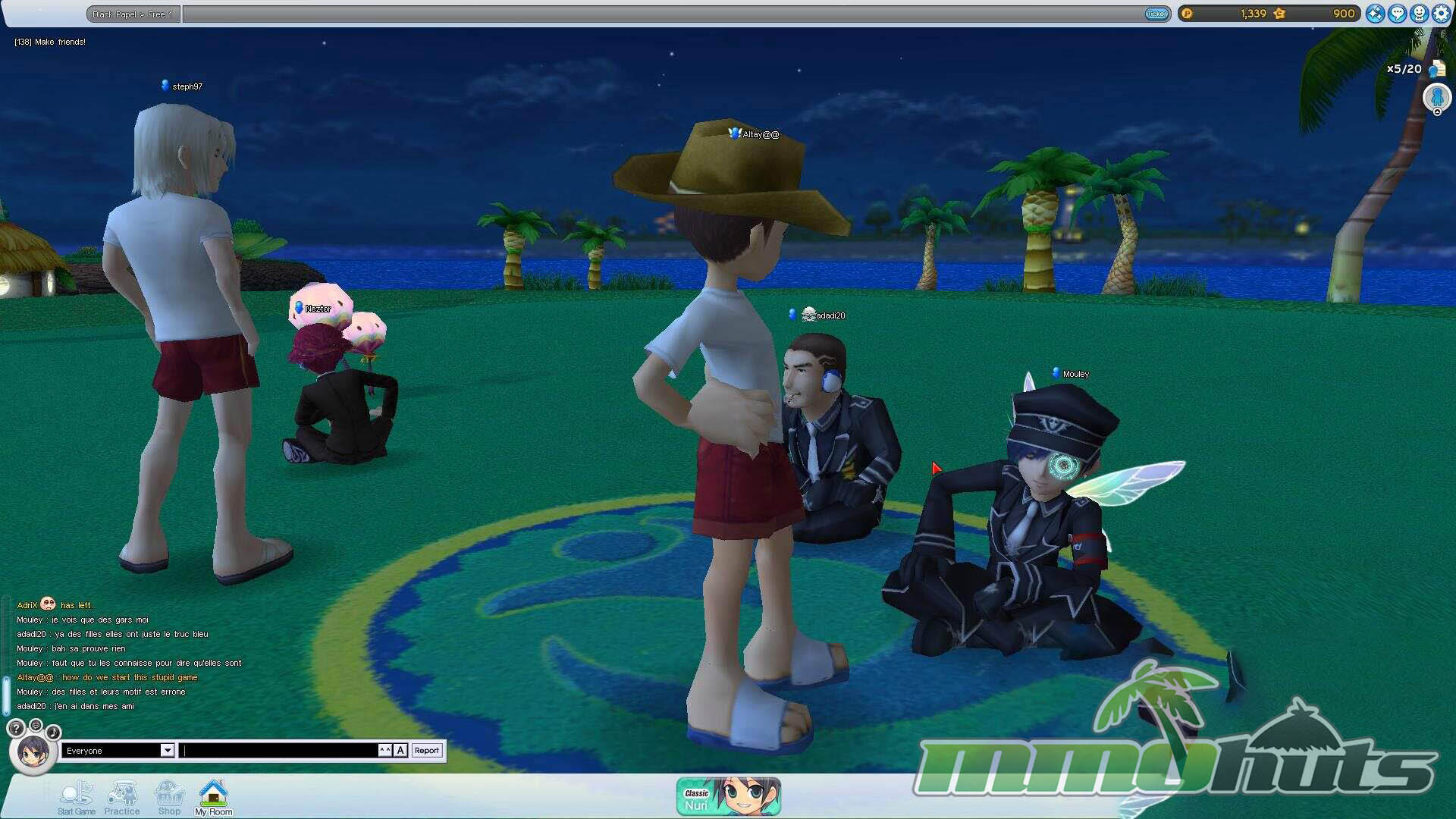
- Wide Variety of Characters – a roster of distinct characters with their own looks and gameplay stats.
- Anime Style – colorful, character-driven presentation with light fantasy flair.
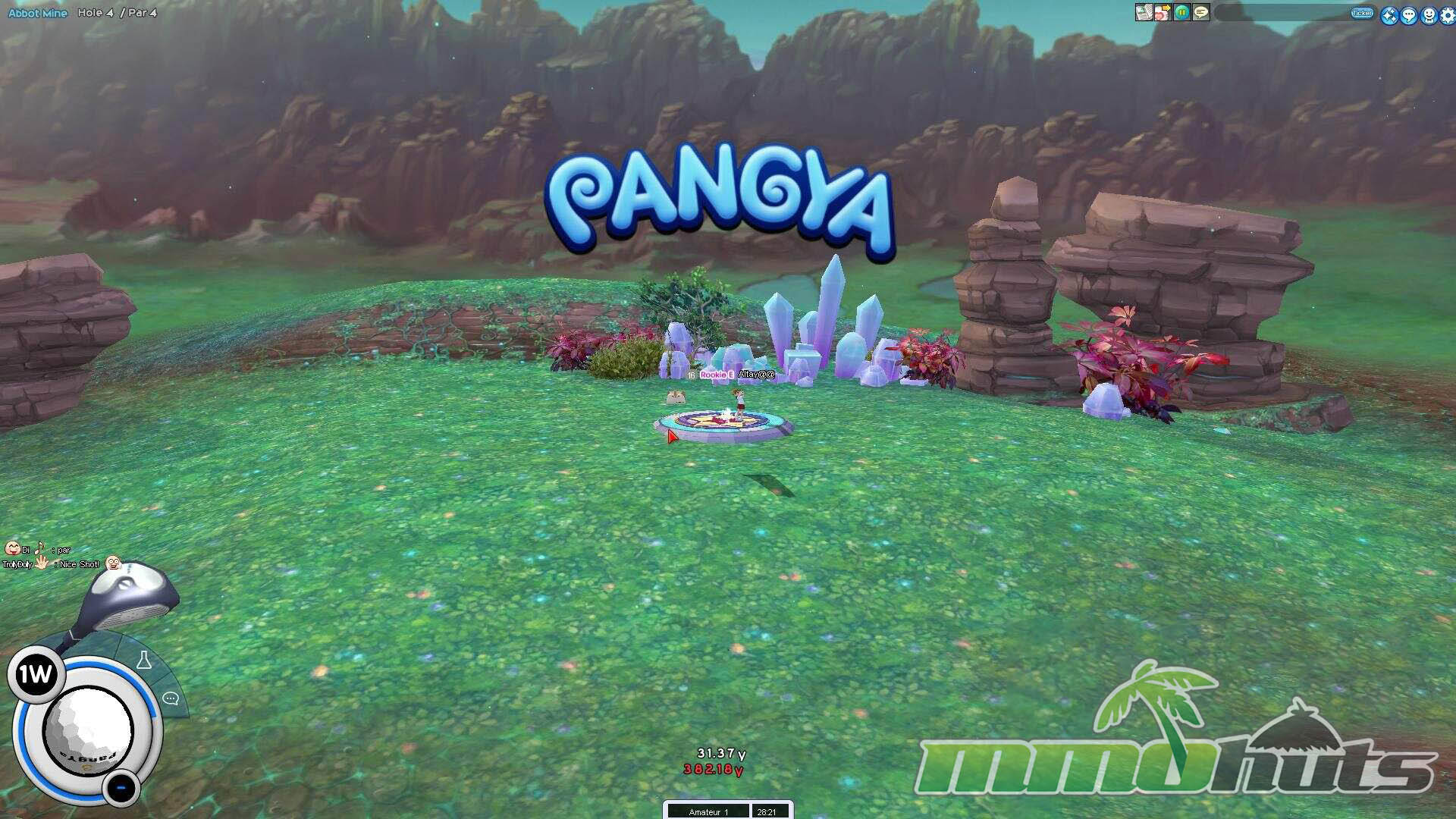
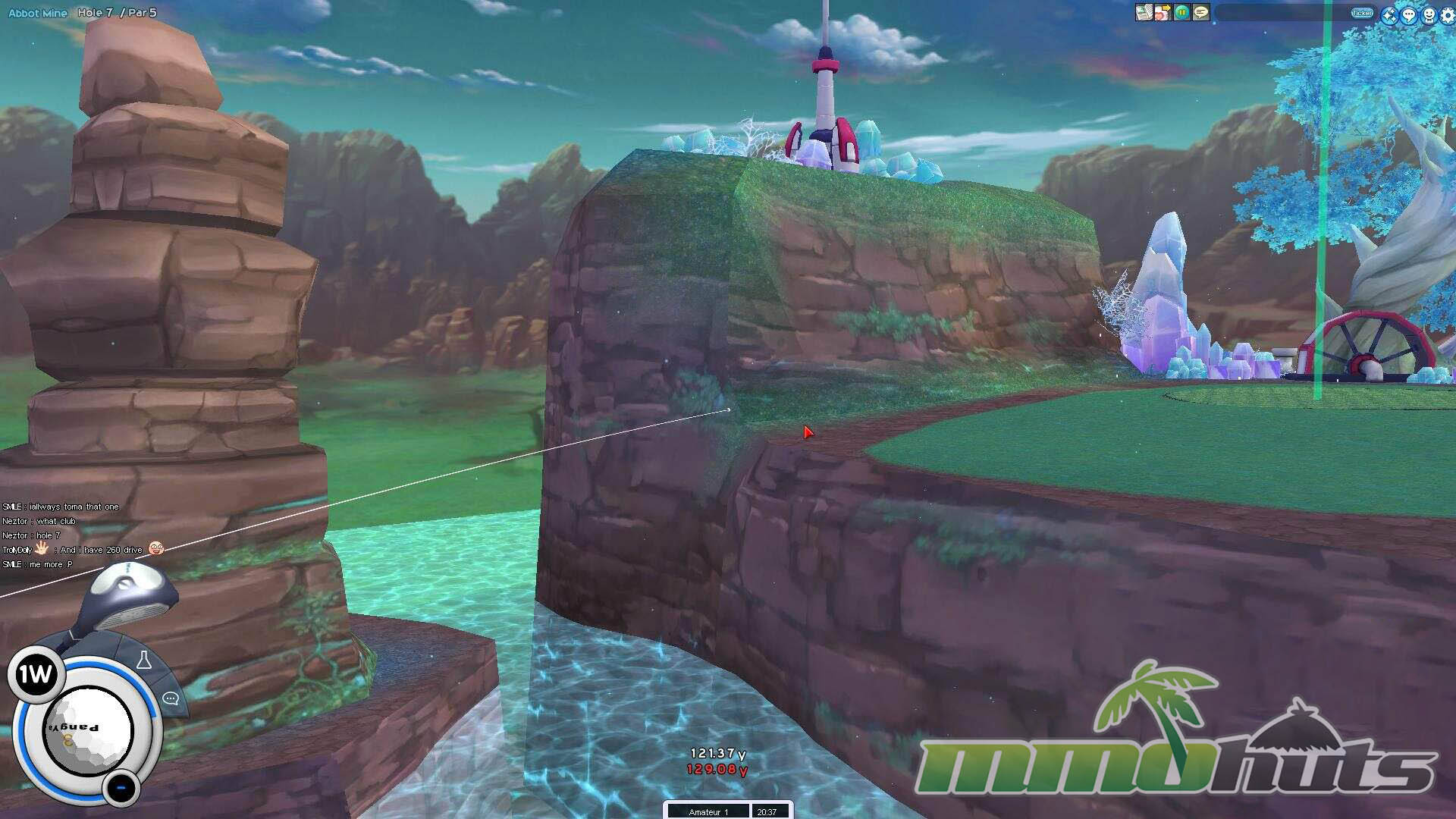
- Numerous Courses – 20+ themed courses with varied layouts and lively visual effects.
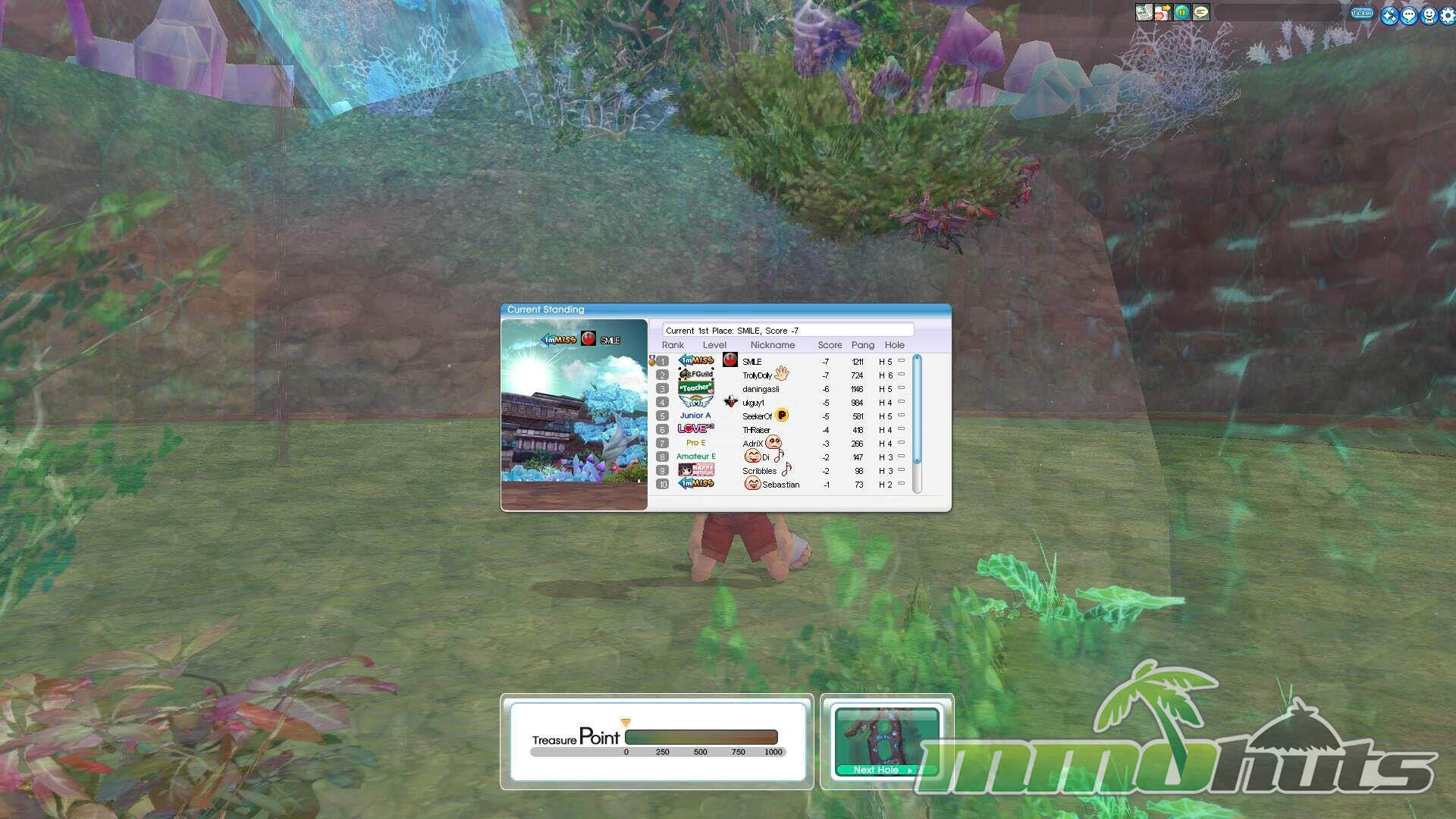
- Competitive Ranking System –leaderboards and ranking features aimed at long-term competition.
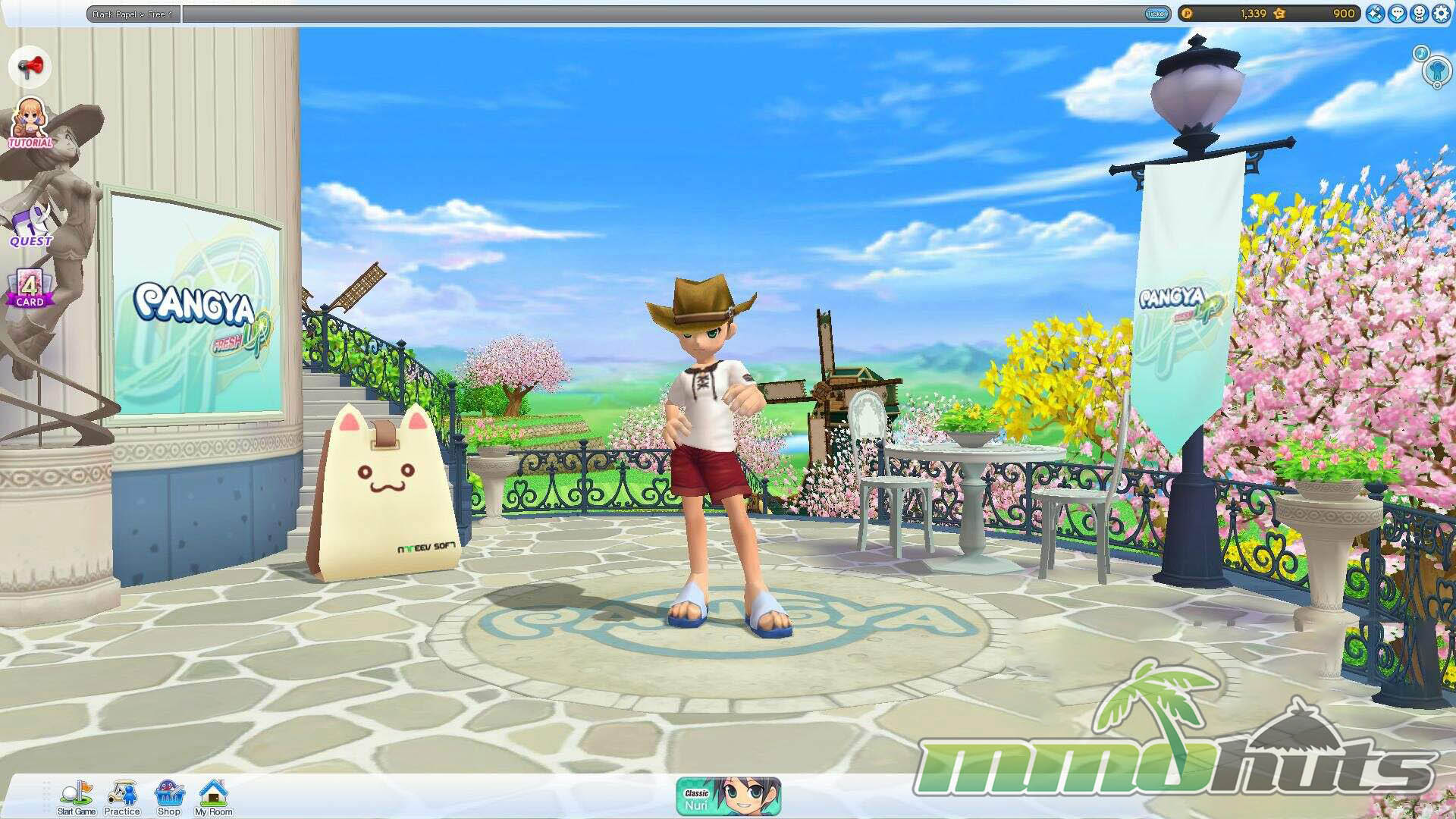
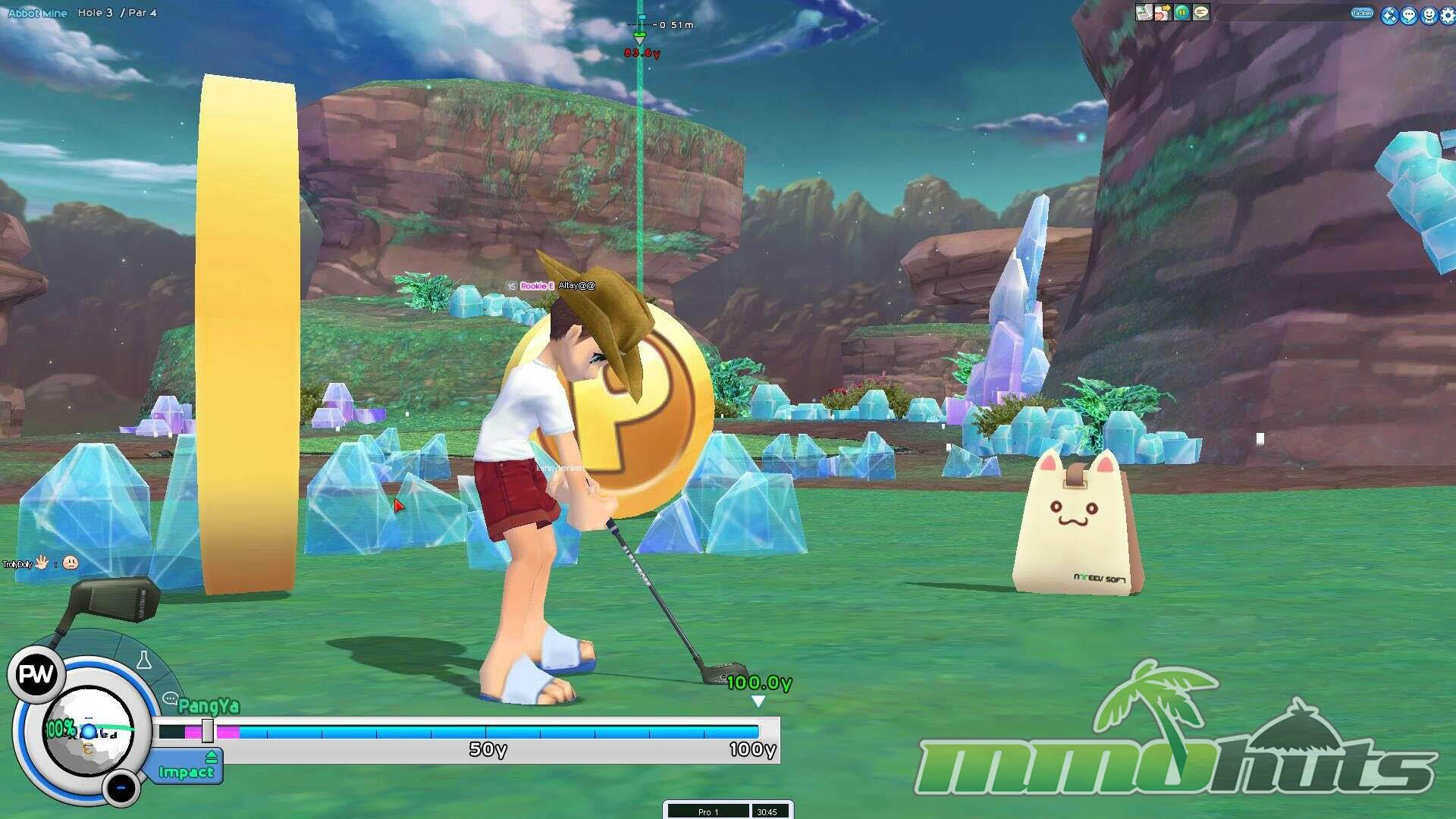
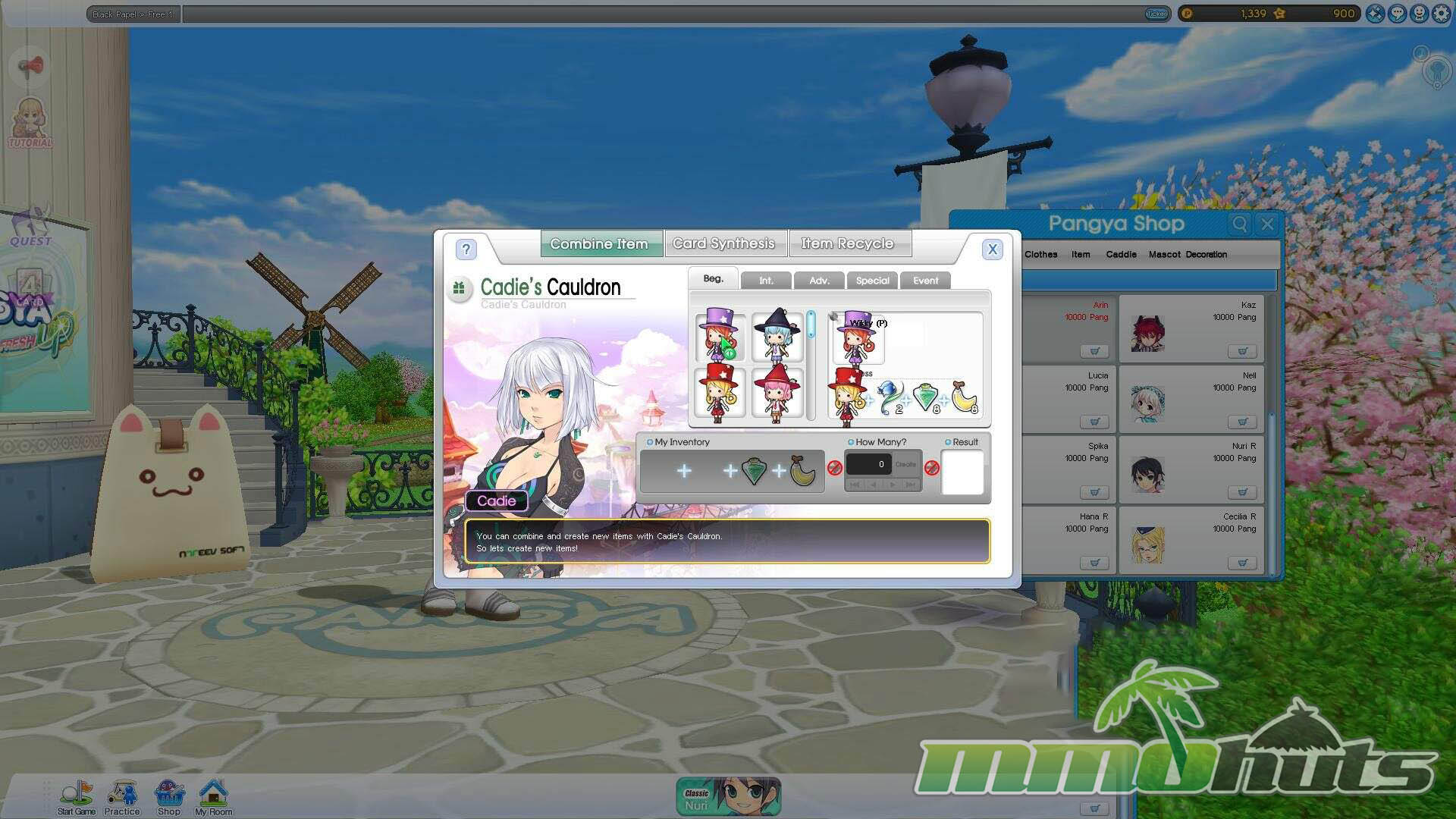
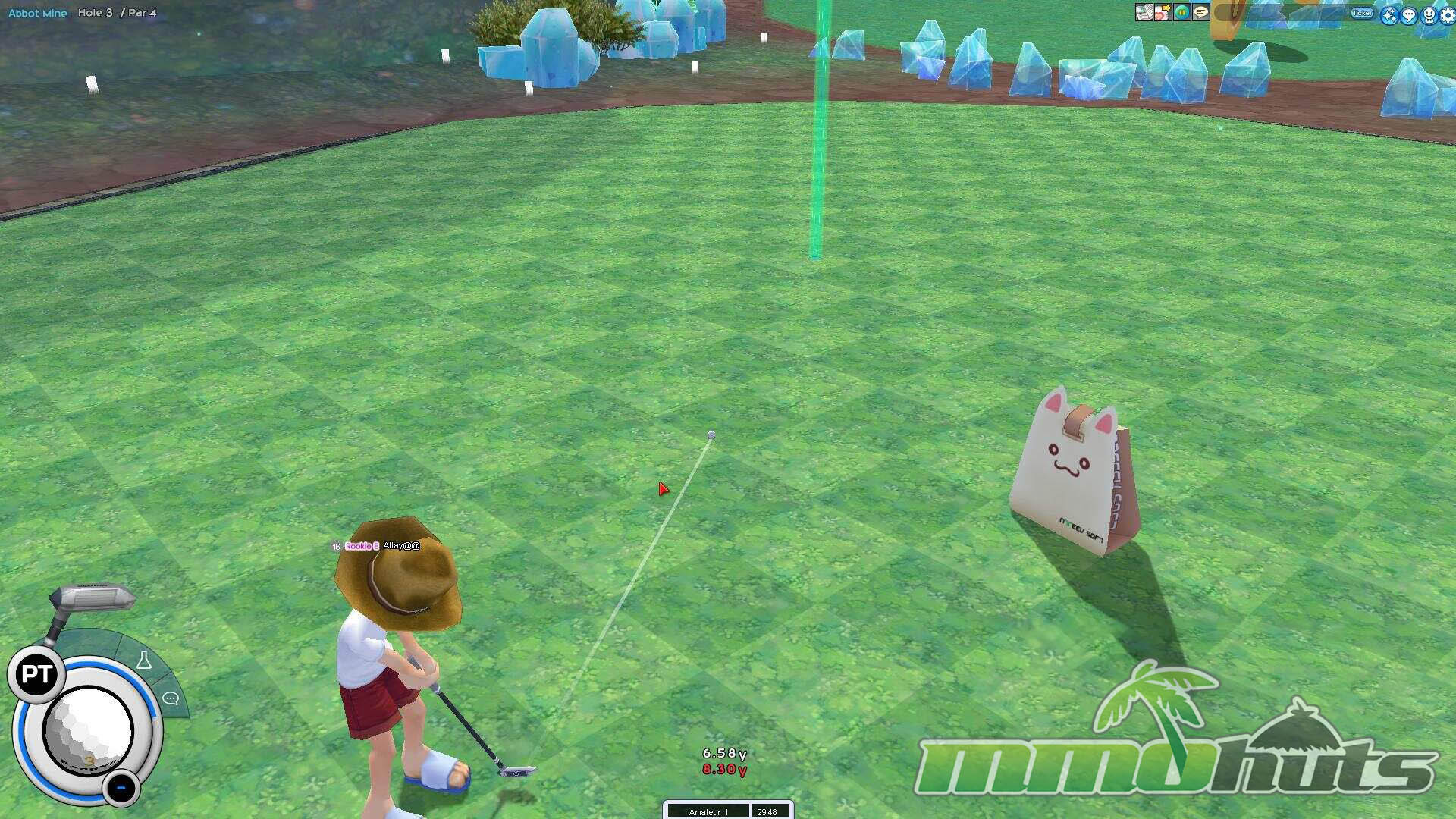
PangYa Screenshots



PangYa Featured Video

PangYa Review
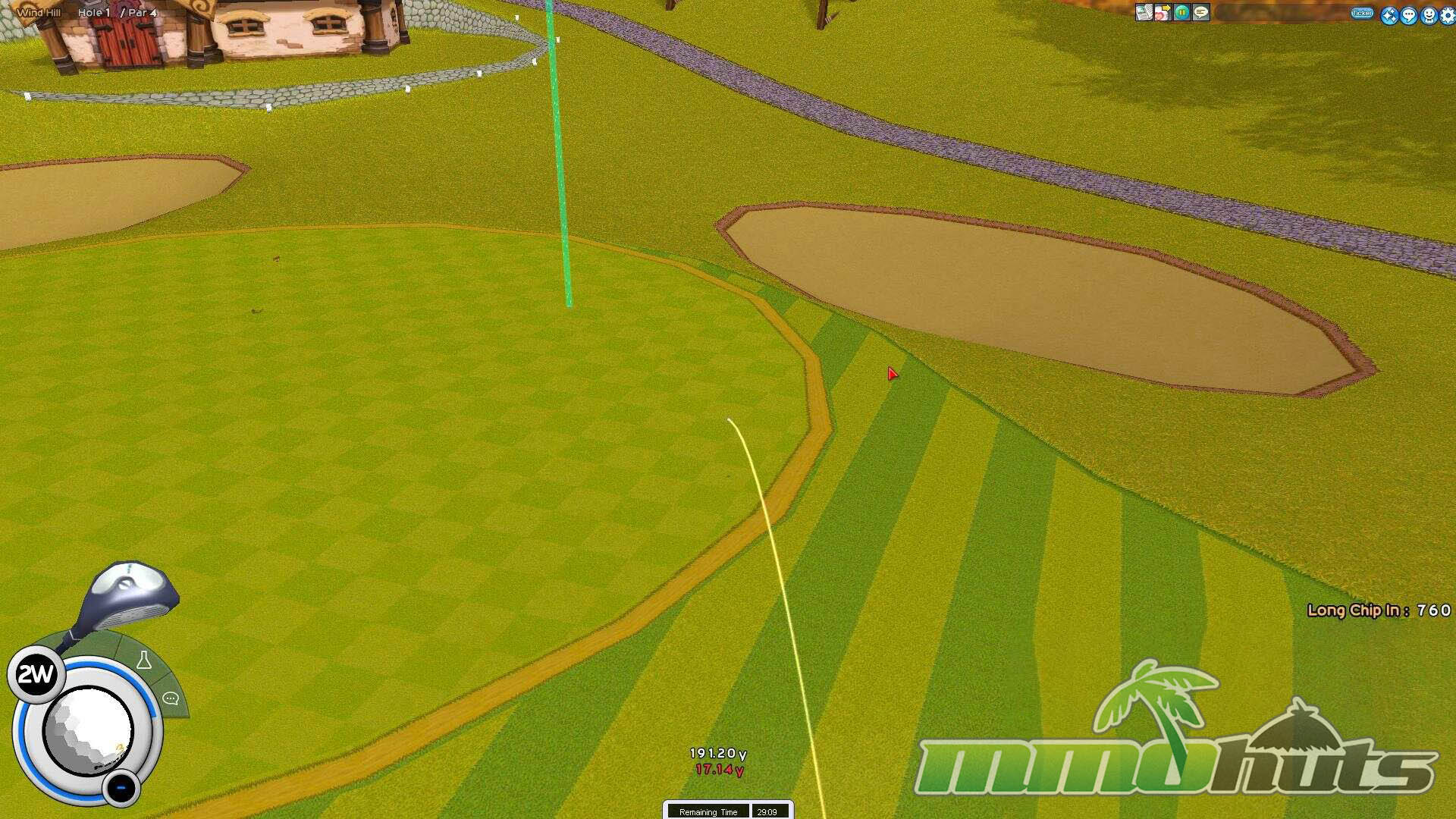
PangYa sits in an interesting middle ground between party golf and MMO progression. The actual act of hitting the ball is intentionally approachable, but it is not mindless. Good play depends on learning the game’s timing, judging elevation and slopes, and adapting to wind. You can get through early matches on feel alone, yet consistent scoring, especially in competitive lobbies, demands precision and familiarity with the courses.
On the course, the pacing is deliberate. Turns, shot setup, and the general rhythm of a lobby-based golf MMO can feel slow compared to action-heavy online games. For players who enjoy relaxing, chatty rounds, that tempo is a benefit, but if you prefer constant movement and rapid-fire decision making, PangYa can start to feel repetitive. The best sessions tend to be when you are chasing personal improvements, learning lines on tricky holes, and dialing in shot choices rather than simply playing round after round on autopilot.
Progression is where the MMO layer shows most clearly. Characters come with stats, and equipment provides room for optimization. That structure makes the game sticky over time because there is always something to tune, whether it is improving consistency, unlocking options, or building a preferred loadout. The downside is that earning currency can be a grind, and the shop presence is noticeable. The game generally gives you tools to learn, including practice and tutorial options, but long-term goals may feel slower if you are trying to stay purely free-to-play.
Content variety is a strong point. With multiple modes and a large set of courses, PangYa can keep things fresh longer than you would expect from a straightforward golf premise. Different formats also help accommodate mixed skill groups, where newer players can still have fun while veterans chase efficient scoring and rankings.
Community size is the biggest practical limiter. A smaller population can affect matchmaking quality and the sense of a living MMO world. When lobbies are active, PangYa’s social and competitive sides shine; when they are not, the game can feel like a niche title that is harder to enjoy as intended.
Overall, PangYa is best suited for players who like arcade golf with long-term progression, enjoy optimizing performance through gear and stats, and do not mind a slower, turn-based match flow. If you want a golf game with personality, lots of modes, and a deep pool of courses, it delivers, but it asks for patience with repetition, grinding, and population constraints.
PangYa Links
PangYa Official Site
PangYa Wikipedia Entry
PangYa Official Wiki [Database/Guides]
PangYa Metacritic Page
PangYa System Requirements
Minimum Requirements:
Operating System: Windows Vista / 7 / 8
CPU: Intel Pentium 4 3.0 GHz / AMD Athlon 3400
Video Card: Nvidia GeForce FX
RAM: 512 MB
Hard Disk Space: 3 GB
Recommended Requirements:
Operating System: Windows 7 / 8
CPU: Intel Core 2 Duo / AMD Athlon 64 X2 or better
Video Card: Nvidia GeForce FX 6100 or better
RAM: 2 GB
Hard Disk Space: 4 GB
PangYa Music & Soundtrack
PangYa Additional Information
Developer: Ntreev Soft / NCSoft
Publisher: GameRage
Composer: SoundTeMP (Company behind Granado Espada and Ragnarok Online OSTs)
Beta: 2003 (Korea)
Foreign Release Date:
Korea: 2004 (Ntreeve / NHN)
Japan: 2004 (Gamepot)
Thailand: 2004 (Ini3 Digital)
North America: 2005 (OGPlanet 2005-2009, SmileGate Europe)
Update History:
Season 1 (2004)
Season 2 (2006)
Season 3: Revolution (2007)
Season 4: Delight (2008/2009)
Open Tournament (2009/2010) – Introduced the Special Shuffle mode, card pack #2, tournament tokens, caddie stat improvements, and the character Nell.
PangYa United (2011) – Consolidated earlier updates so regions were more aligned in patch timing, simplifying future development.
PangYa Tomahawk (2012) – Added the Grand Zodiac mode and additional systems such as the Black Papel Shop, plus a reworked Family Mode.
PangYa Challenges (2012/2013) – Expanded the mode lineup, introduced a different approach to leveling, added the character Spika, and brought in the Abbot Mines course.
PangYa Grand Prix (2014) – Implemented Grand Prix Tournament Mode, built around competing within a time window against other players and bots.
PangYa Natural Wind / Fresh Up (2014) – Delivered graphics-related improvements (lighting, shading, textures, UI) and refreshed the Natural Wind System with more varied wind behavior to increase shot-to-shot variety.
Development History / Background:
In North America, PangYa originally launched as Albatross18 through OGPlanet, later returning under its original name in 2009 via Ntreev USA. After 2014 the publishing rights changed hands again, moving from SG Interactive to MAYN Interactive in May, then shifting to SmileGate Europe in September 2014.
PangYa also hosted an international tournament in Tokyo, Japan on January 22, 2011, featuring a $15,500 prize pool with $5000 awarded to first place. The 2012 championship took place in Bangkok, Thailand on January 14. After 2012, no further championships were held, largely due to the game’s declining popularity.