Neverness to Everness (also called NTE for short) is a free-to-play supernatural urban open world action RPG from Hotta Studio, the team behind Tower of Fantasy. Set in the sprawling modern metropolis of Hethereau, the game drops you into the shoes of an amnesiac Anomaly Hunter who works out of a rundown antique shop called Eibon, taking on paranormal odd jobs while building a life in the city through housing, vehicles, businesses, and a growing crew of colorful companions.
 | Publisher: Perfect World Games Playerbase: High Type: Mobile / PC / Console RPG Release Date: April 23, 2026 (China) / April 29, 2026 (Global) Pros: +Beautiful modern urban setting. +Unique gacha system. +Voiced protagonist with real dialogue and personality. +Incredible variety of side activities: housing, car modding, city tycoon, minigames, prison system. +Strong character writing with well-produced, expressive anime cutscenes. Cons: -Driving physics feel stiff and car handling needs work. -Combat leans heavily toward melee, making fights feel samey across different characters. -PC requirements are steep. |

Neverness to Everness Overview
Neverness to Everness comes from Hotta Studio, the same developer behind Tower of Fantasy, and it is hard to overstate just how different this game feels from that debut. Where Tower of Fantasy was a sci-fi MMO-lite that wore its inspirations on its sleeve, NTE is an urban supernatural adventure set in Hethereau, a dense, neon-lit metropolis where humans and anomalies coexist in a fragile, often chaotic balance. You play as an Appraiser, a freshly recruited Anomaly Hunter with no memories but a rare ability to sense and neutralize the strange phenomena that keep disrupting city life.
The game is ambitious in a way that borders on reckless. It tries to be an action RPG, a life sim, a city tycoon, a racing game, and a gacha character collector all at once, wrapped in a package that looks like someone poured a bottle of anime over Grand Theft Auto. That sounds like a recipe for disaster, and in a few spots the cracks do show, but the sheer confidence of the production and the quality of the writing make it hard not to root for.
Neverness to Everness Key Features:
- Supernatural Open World – Explore Hethereau, a living city with districts ranging from old-town market streets to gleaming financial towers, all crawling with anomalies that warp reality.
- Esper Combat System – Build a party of characters with unique supernatural abilities called Esper powers, swap between them mid-combo, and use the Esper Gauge to have two characters attack simultaneously.
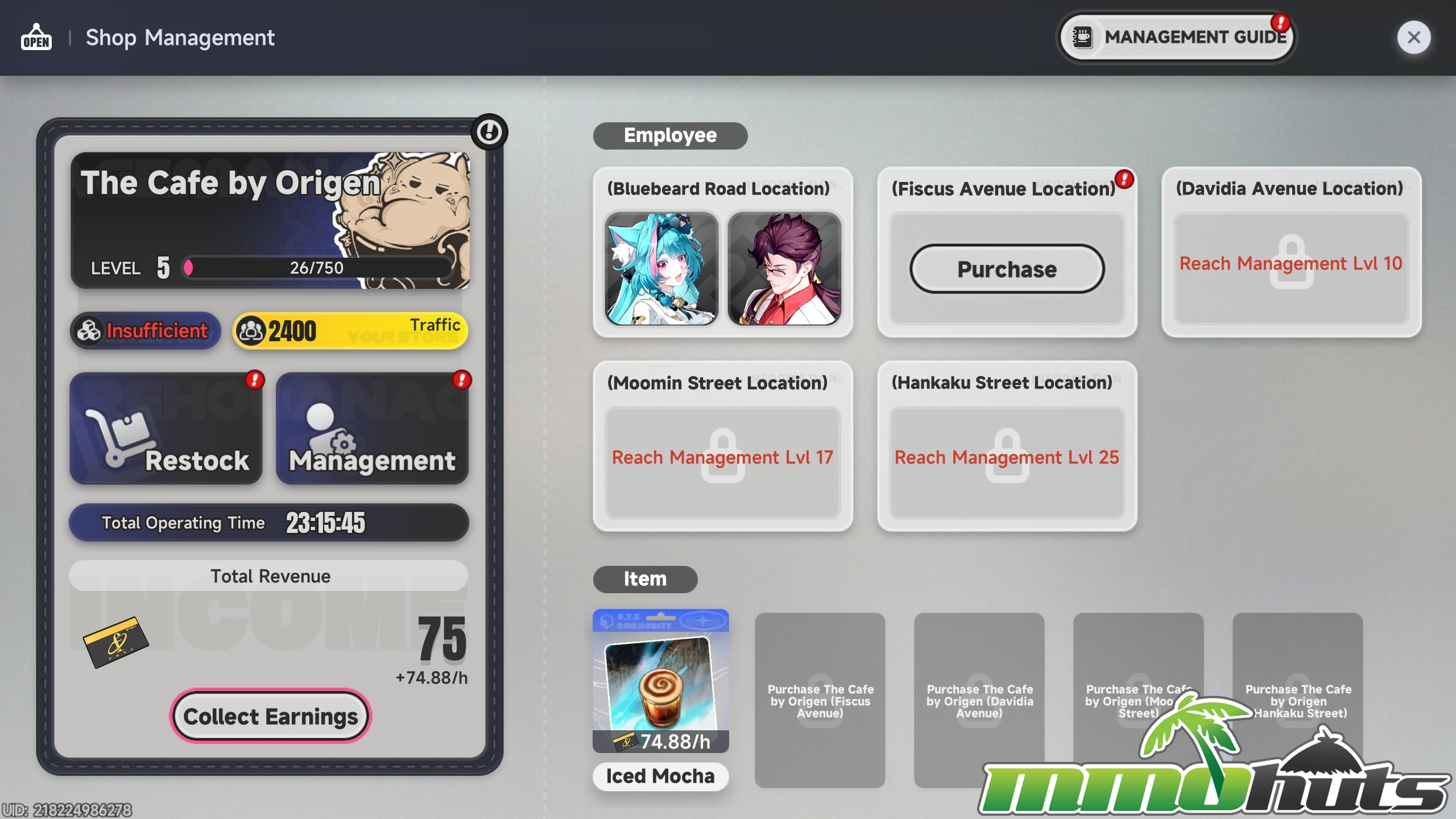
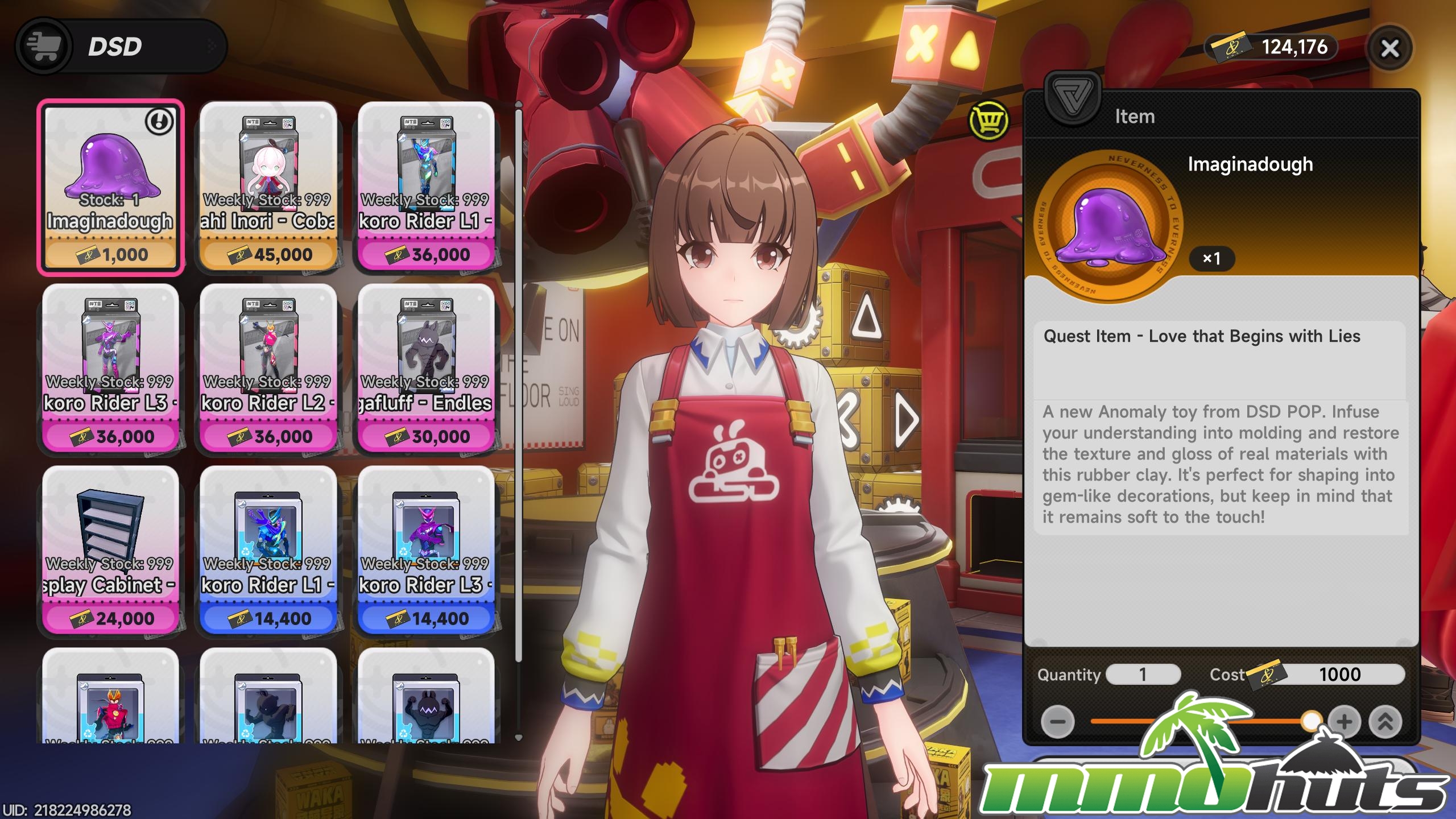
- City Tycoon Mode – Earn the in-world currency (fons) by running a coffee shop, buying and furnishing apartments, investing in properties, and growing your own little business empire.
- Vehicle Ownership – Collect, customize, and drive cars and motorbikes through the city. Paint jobs, spoilers, suspension tuning, the works.
- Wanted System – Cause enough chaos on the streets and the police will come for you. Get caught and you actually serve prison time, which is itself a whole minigame with rewards and escape routes.
Neverness to Everness Screenshots
Neverness to Everness Featured Video

Neverness to Everness Review
By, Kipp Stryxs
Neverness to Everness is a free-to-play supernatural urban open world action RPG developed by Hotta Studio and published by Perfect World Games. It launched first in China on April 23, 2026, with the global release following on April 29 for PS5, Windows PC, Mac, iOS, and Android, with full cross-platform progression. If you know Hotta Studio from Tower of Fantasy, set those expectations aside. NTE is a ground-up rebuild in tone, polish, and ambition, a game that feels like the studio took every lesson from its first project and applied it to something much bolder.
First Impressions and Setting
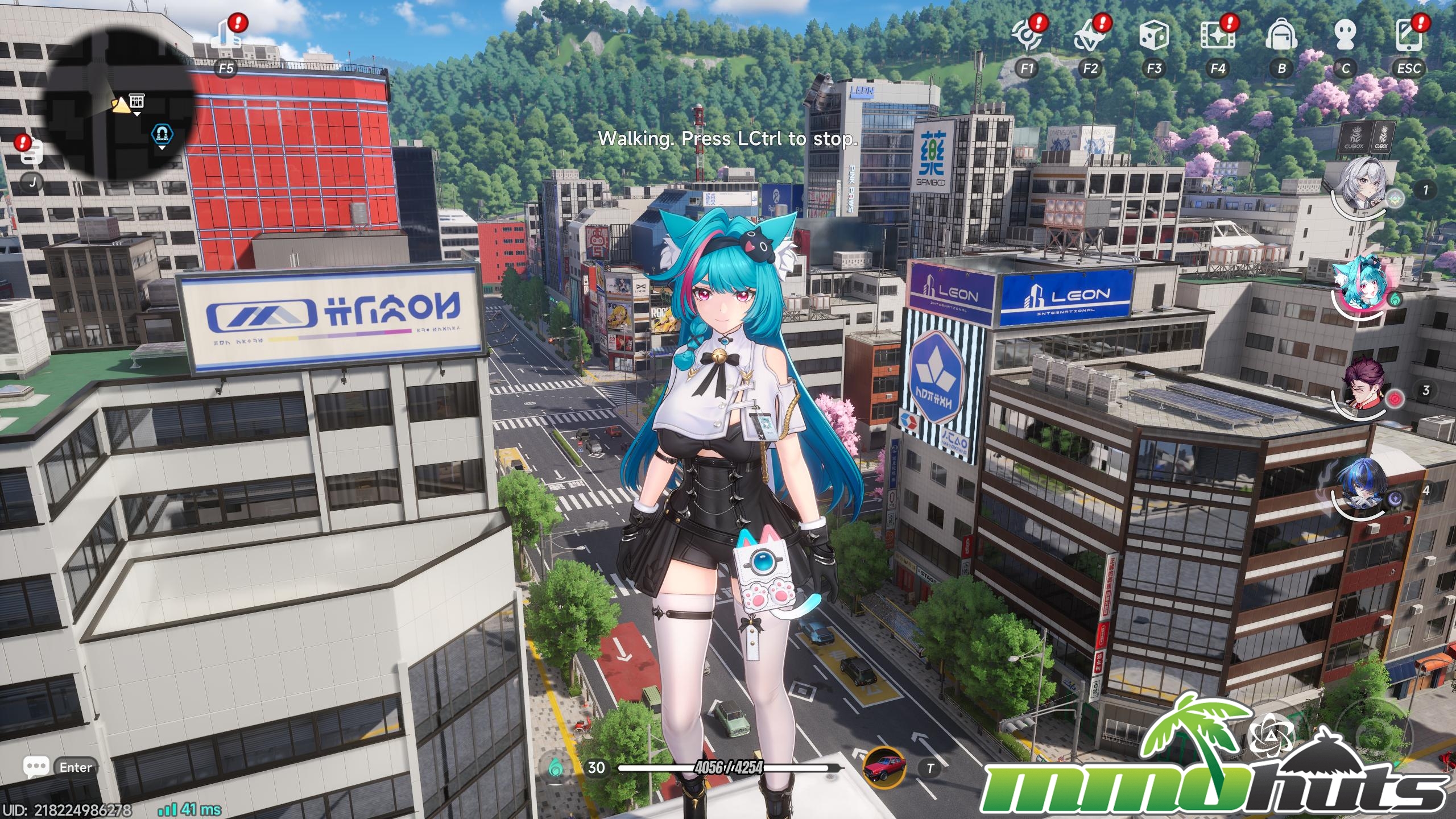
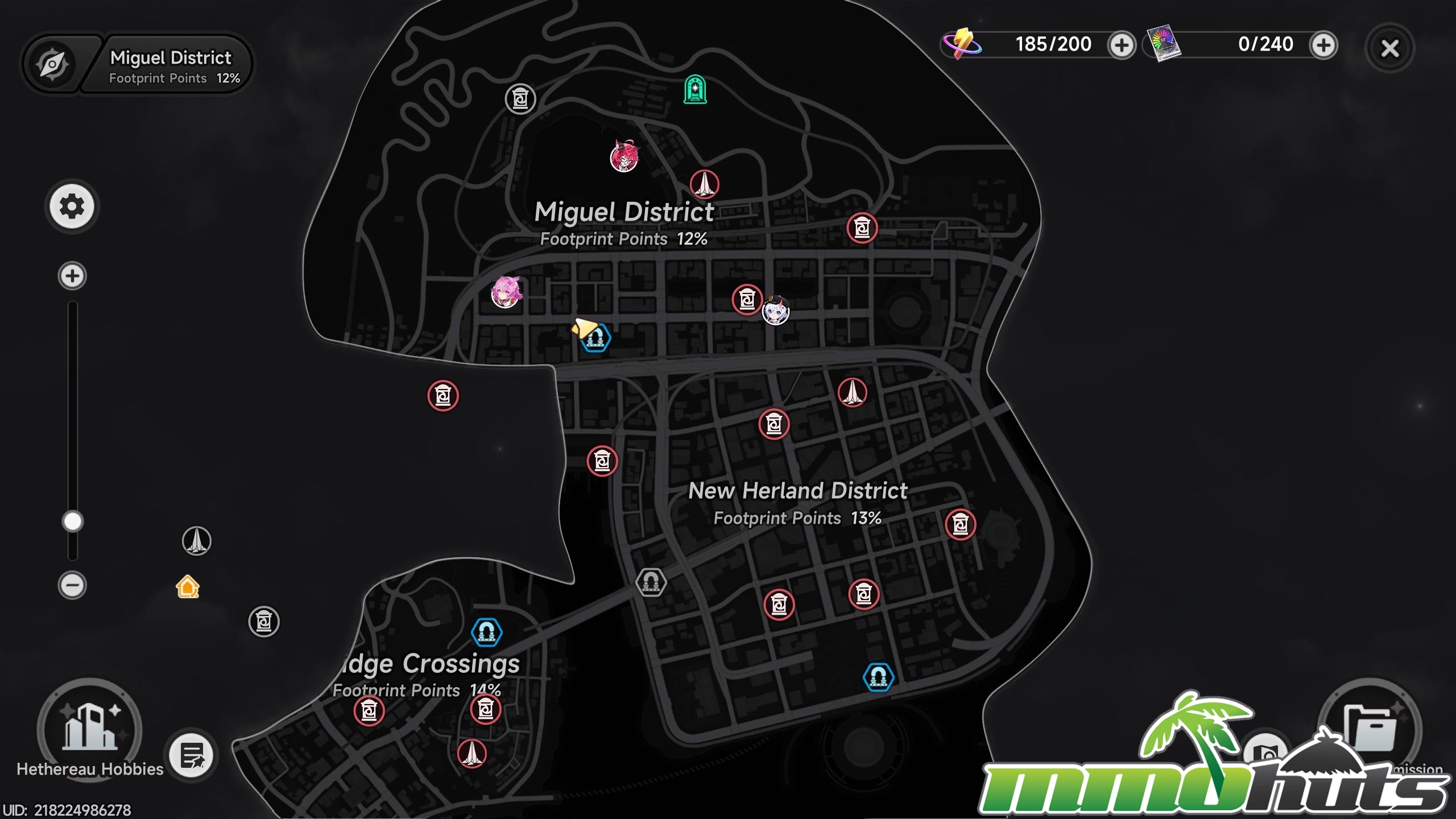
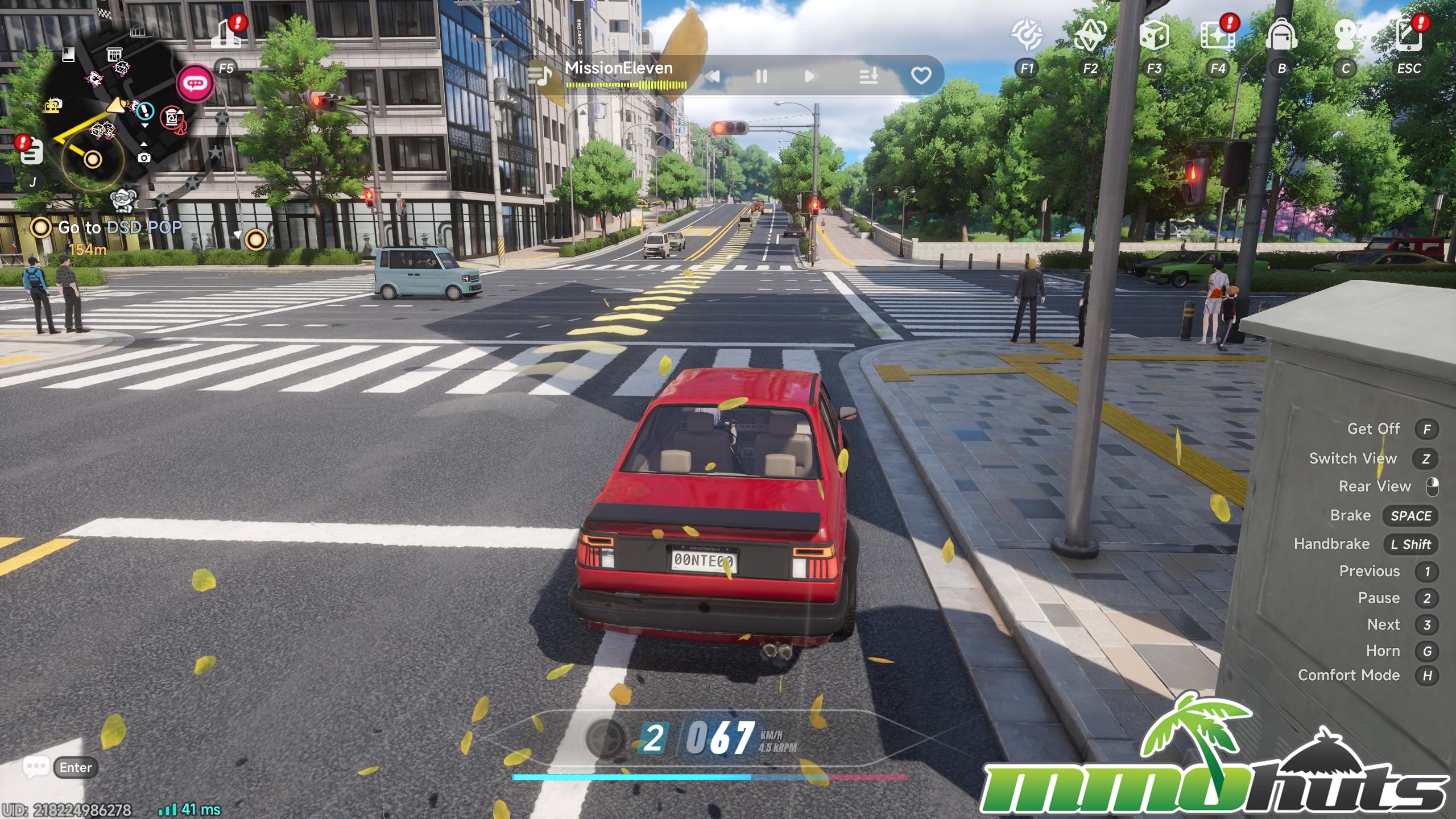
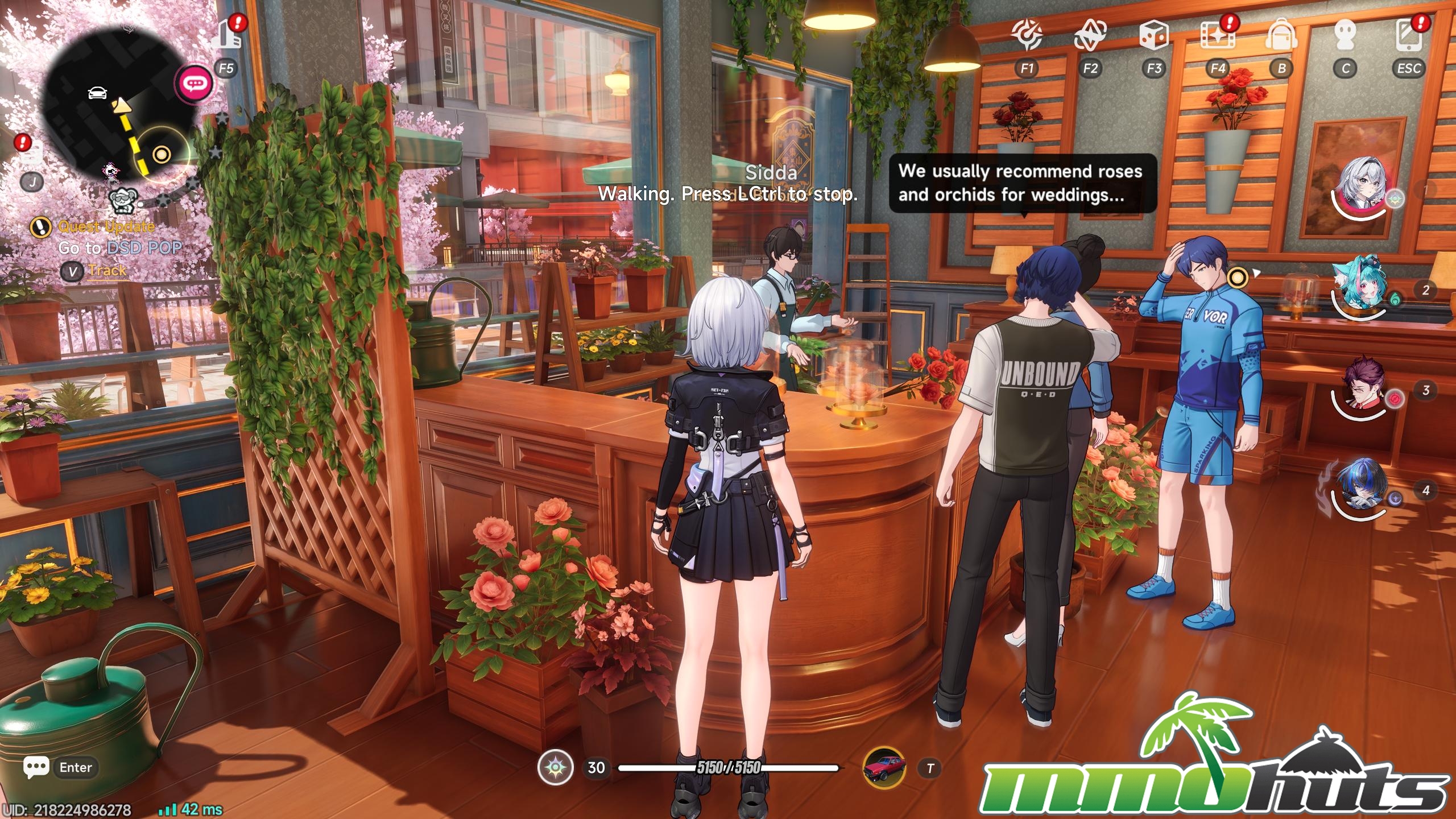
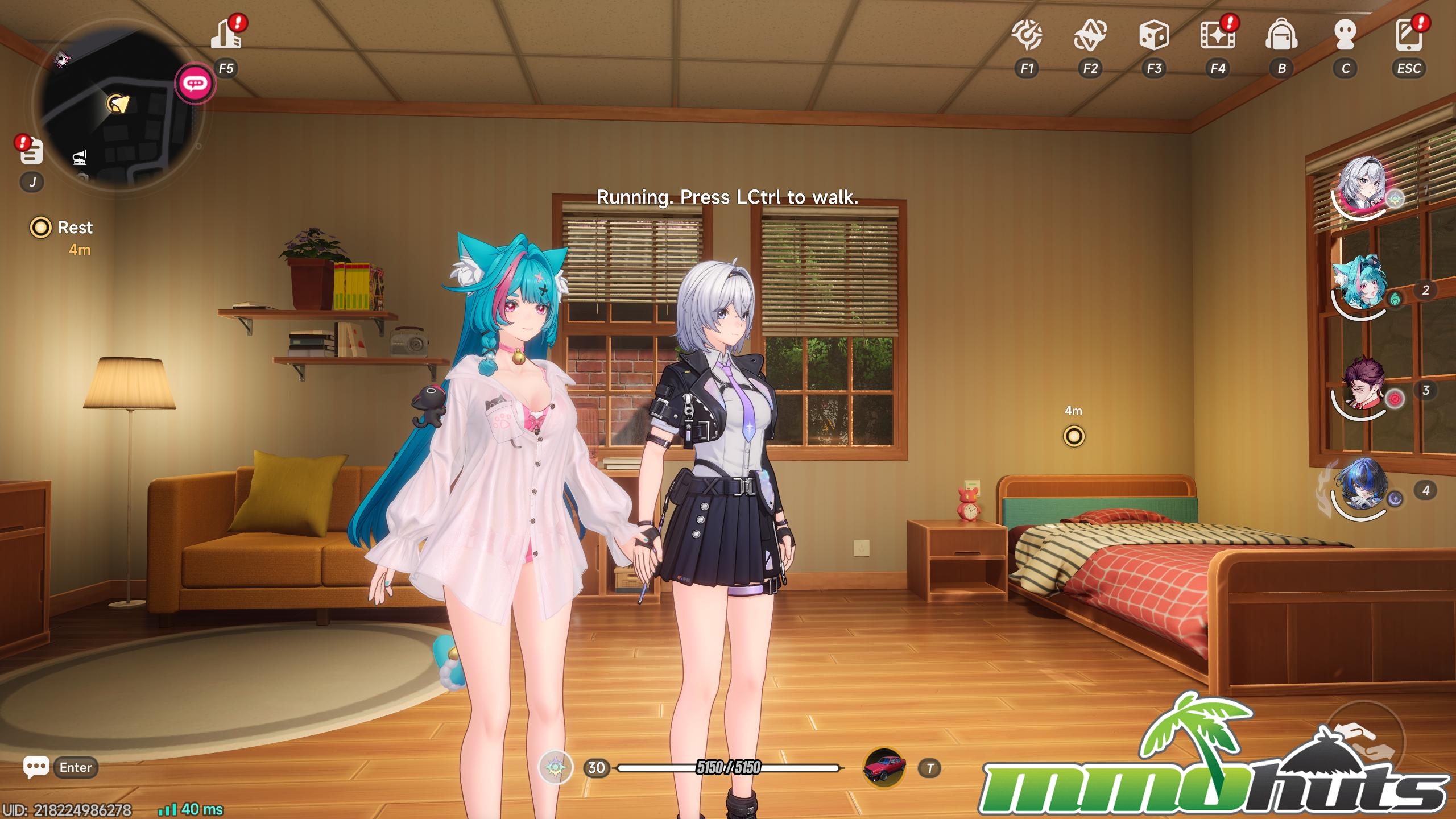
Hethereau is the star of the show, full stop. The city is a dense urban sprawl built in Unreal Engine 5, with wet pavement reflecting neon signs, elevated highways threading between skyscrapers, and narrow market alleyways packed with tiny shops. It feels lived-in. NPCs go about routines, cars obey traffic laws (mostly), and the whole thing hums with the kind of ambient detail that makes you want to just walk around and soak it in. The first time you step out of Eibon Antique Shop and onto Hankaku Street, the sense of place is immediate and specific in a way most gacha games never achieve.
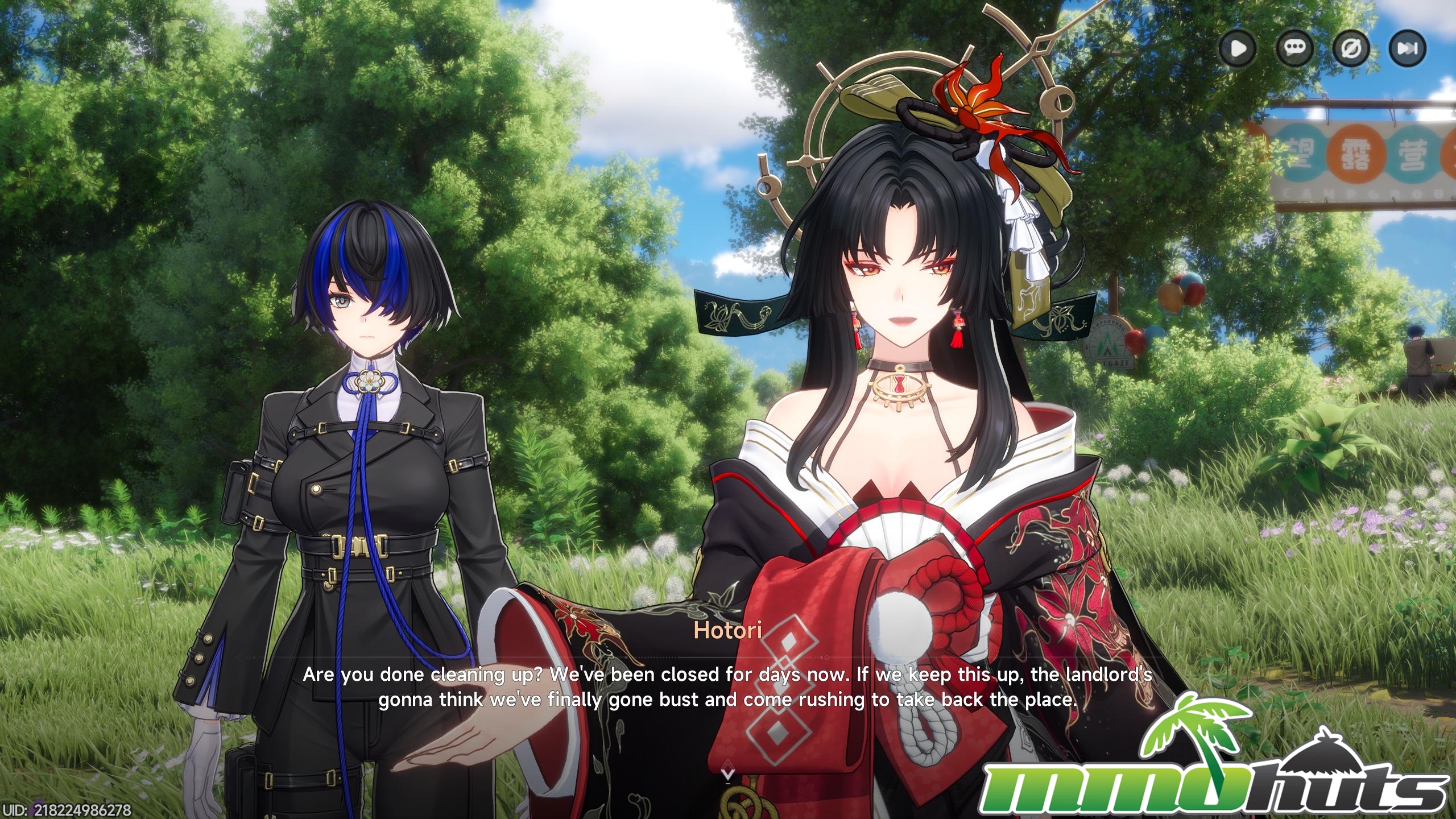
The premise is that anomalies, distortions in reality that range from creepy to catastrophic, have become a fact of life in Hethereau. The Bureau of Anomaly Control exists to contain them, and you are their newest recruit, assigned to the scrappy, underfunded Eibon branch. Your character, the Appraiser, has no memories but a strong resonance with anomaly wavelengths. The opening hour throws a lot of exposition at you, and the tutorial sections drag a bit, but once the game loosens its grip and lets you explore freely, it clicks.
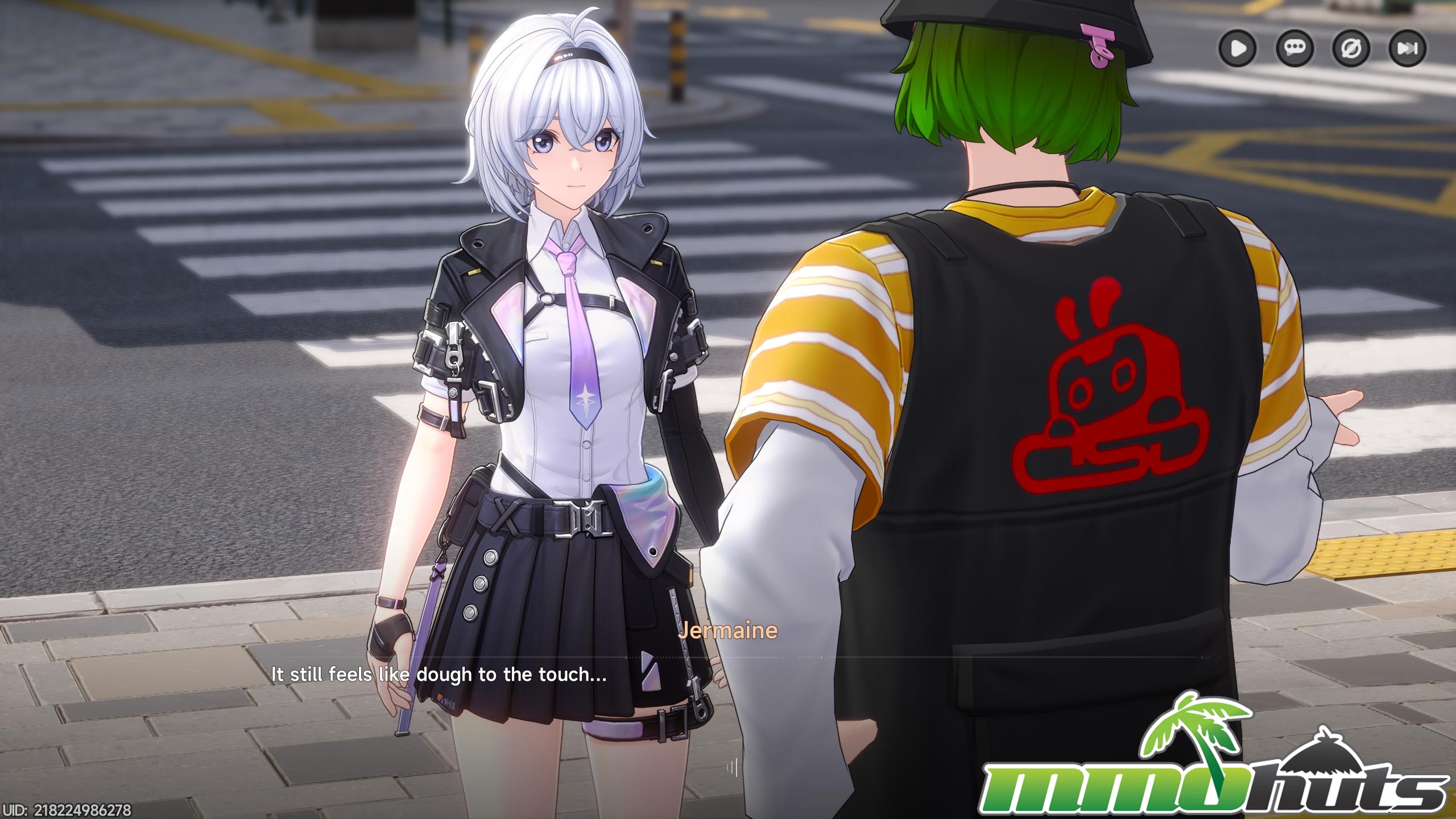
The English voice cast is genuinely good, and the Appraiser actually speaks their dialogue choices out loud instead of standing there like a mannequin while a fairy creature talks for them. That alone makes cutscenes flow better than in most gacha competitors.
Combat and the Esper System
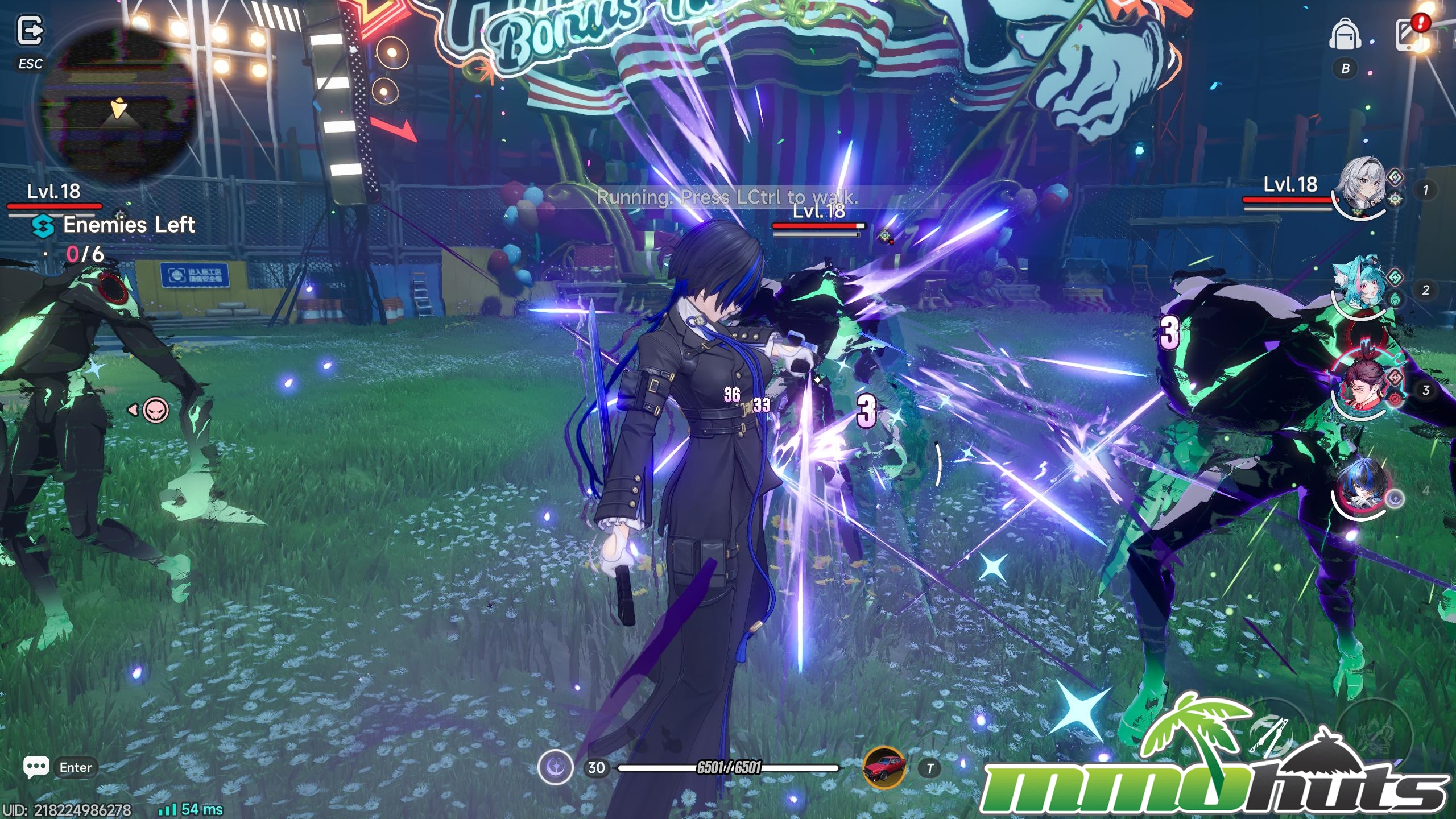
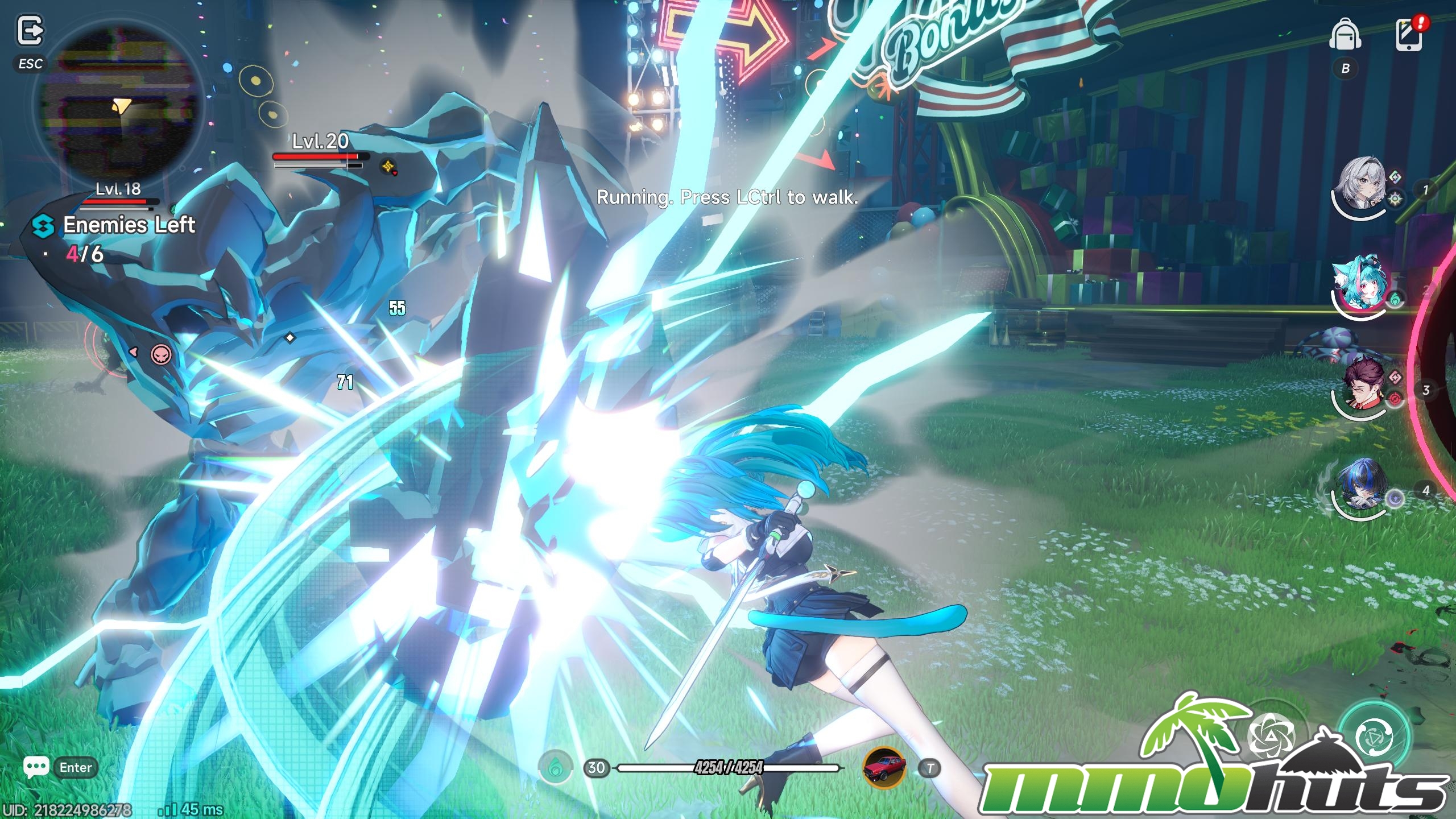
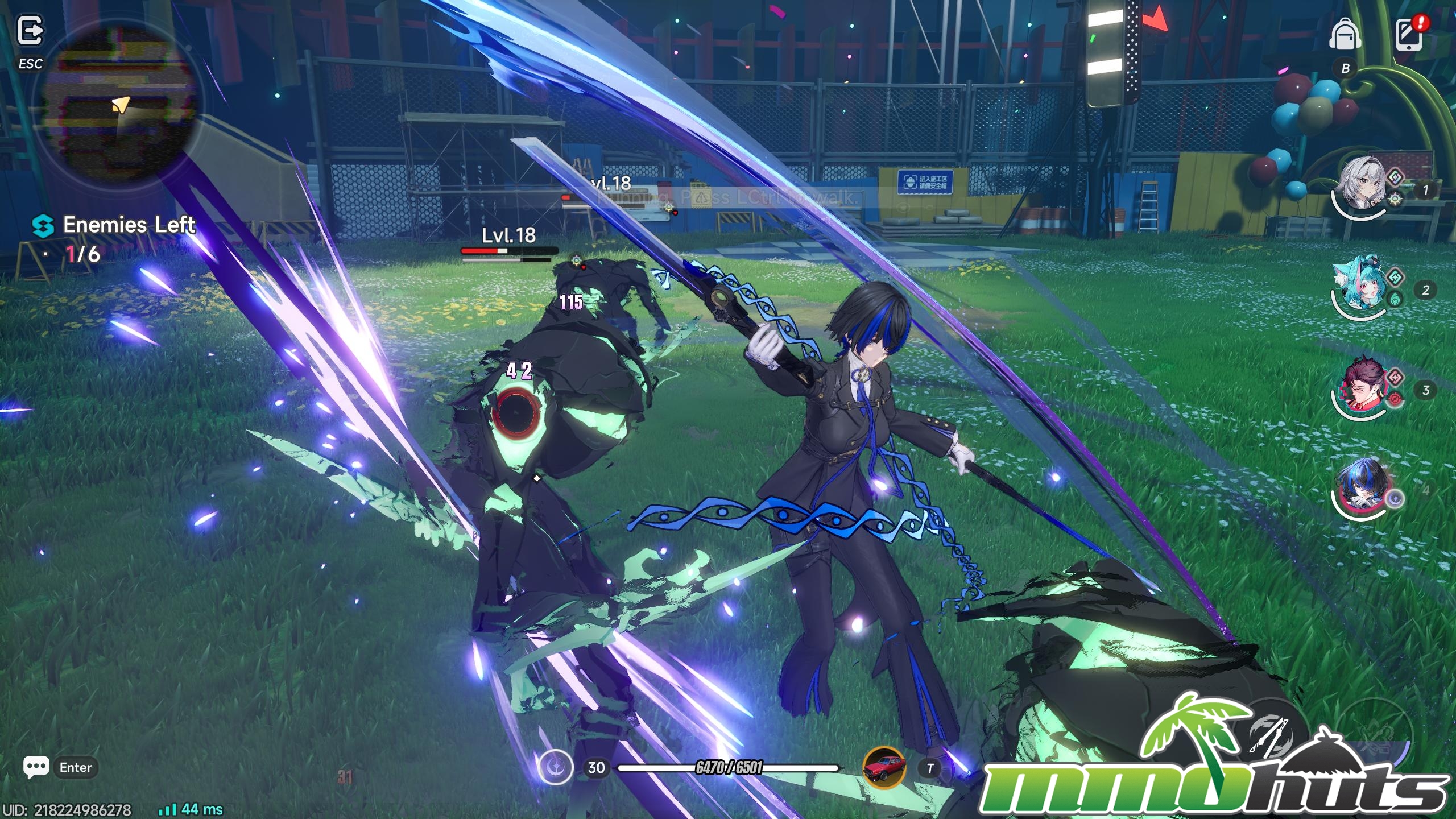
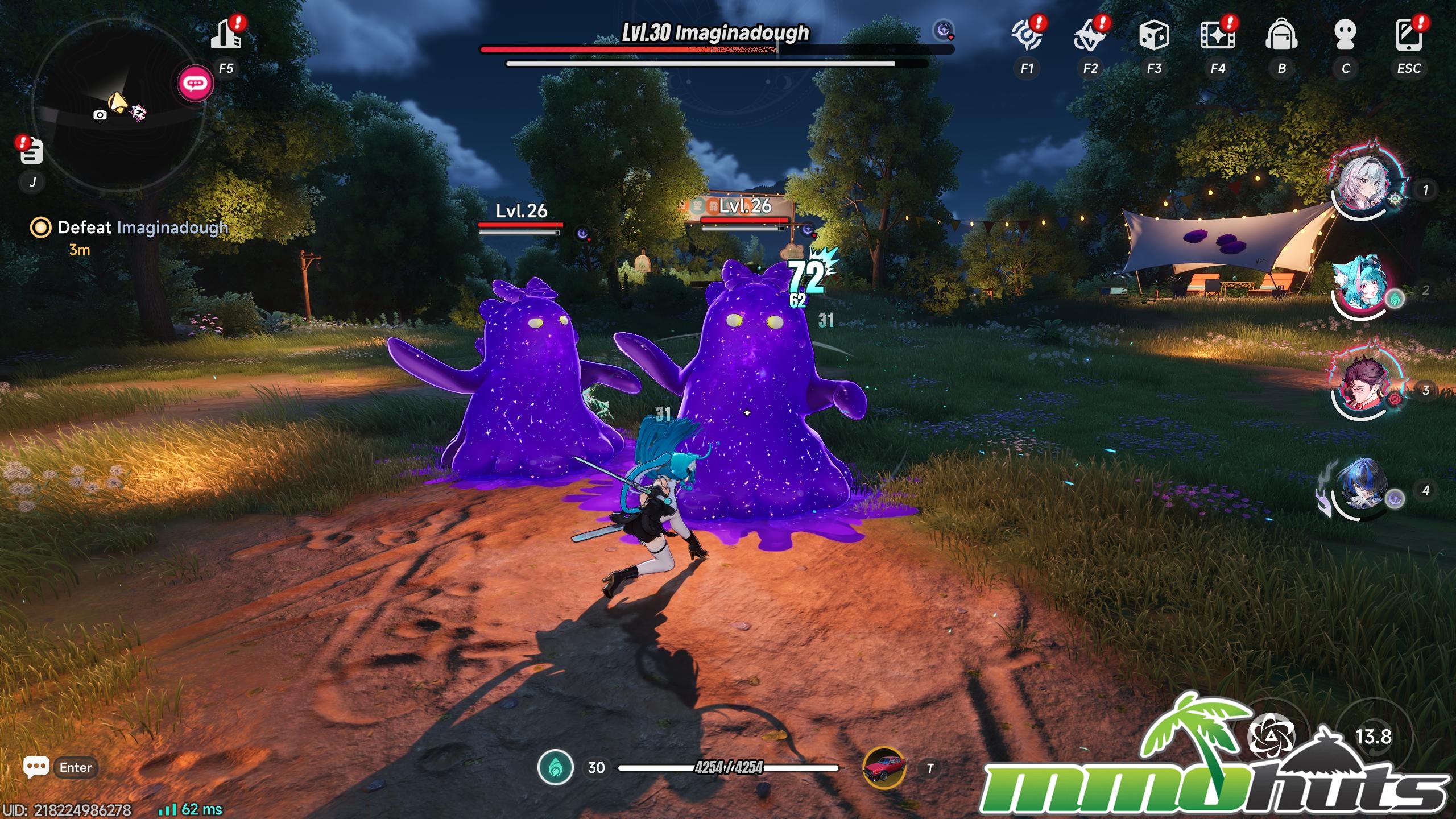
Combat is real-time action with a party of characters you swap between freely. Each character has a basic attack string, a skill, an ultimate, and a dodge that doubles as a parry when timed right. The marquee mechanic is the Esper Gauge, which lets you call in a party member for a joint attack while your current character is still on the field. When it works, it looks spectacular, two characters occupying the screen at once in a coordinated burst before the swap completes.
The tradeoff is that almost every character in the current roster fights in melee range. A few have ranged skills, but their default attack strings put them in the enemy’s face alongside everyone else. Over long play sessions, the lack of distinct combat roles starts to grate. You are dodging, striking, building meter, and swapping, and the loop is satisfying on a moment-to-moment basis, but the variety comes from visual flair more than tactical difference. The combat also borrows heavily from Zenless Zone Zero in its swap timing and parry indicators, and while that is not a bad template to follow, NTE does not quite match the polish or impact of that game’s combat feedback yet.
Boss fights and anomaly encounters are where the system shines brightest. Enemies have clear attack patterns, the dodge windows are fair, and the Esper Gauge encourages you to stay aggressive rather than waiting for cooldowns. The difficulty is higher than average for a gacha game, and you will die if you mash buttons against the tougher encounters.
The Gacha System
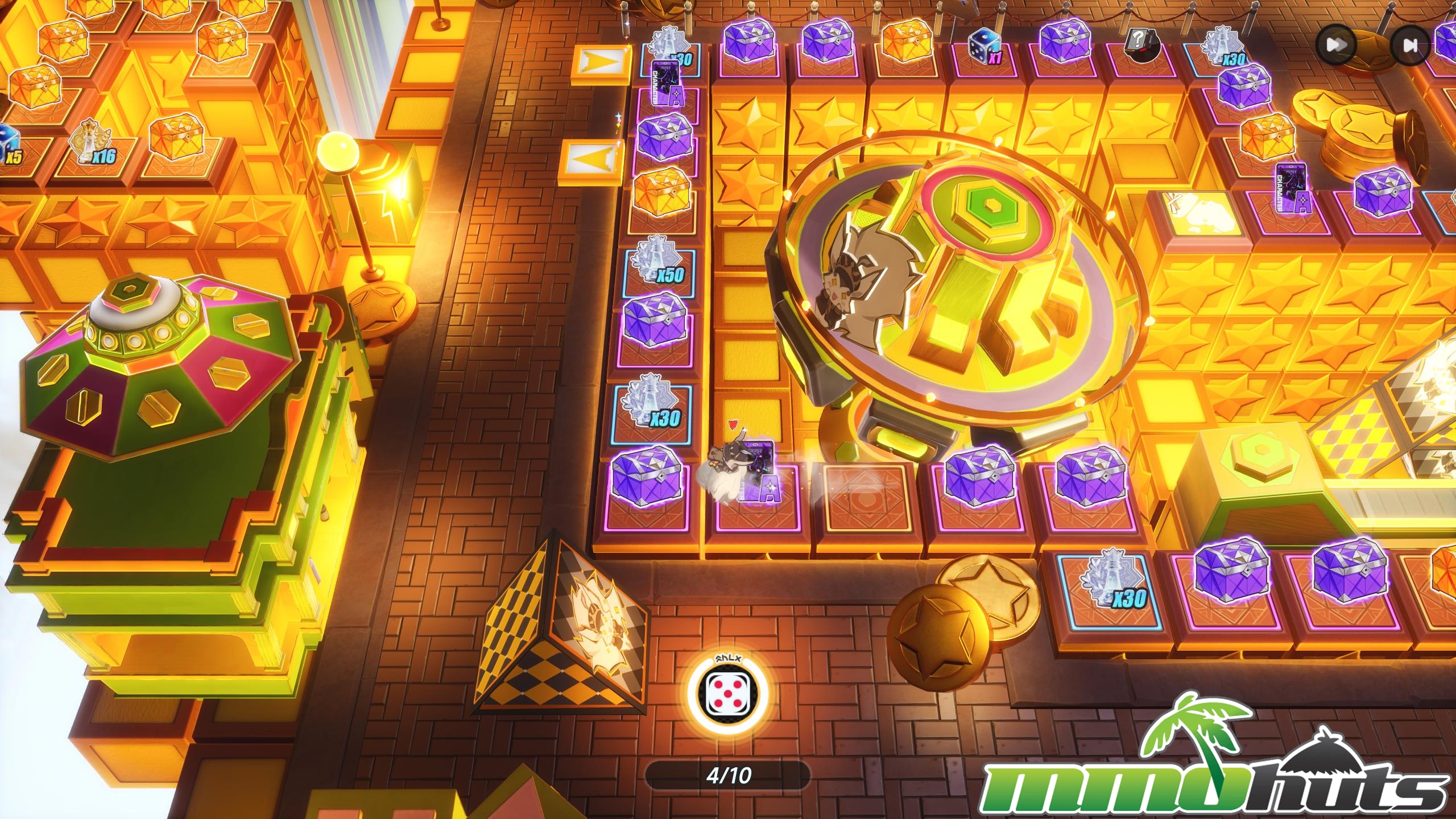
This is the part that deserves real attention because NTE does something genuinely novel. Pulling for characters is presented as a board game. You roll dice (your pulls), move across a game board, and land on tiles that correspond to rewards. Limited banners use red dice, standard banners use blue dice, and hard pity sits at 90 pulls. The kicker: limited banners have a 100 percent guarantee on the rate-up character. No 50/50. If you hit pity, you get the featured unit, period.
Whether this generosity survives the live service economy long-term is an open question, but at launch it sets NTE apart from most competitors. The board game presentation also makes the act of pulling feel more interactive and less like staring at a slot machine. It is a small thing, but it changes the emotional texture of the gacha loop in a way that makes it less punishing to lose a few rolls.
The broader progression systems are dense, maybe too dense. Character upgrades, weapon enhancements, Esper skill trees, and a constellation-style dupe system all feed into each other, and the UI for navigating all of this on a controller is genuinely frustrating. The menus were clearly designed for touchscreens first, and on PS5 or PC with a gamepad, you feel it.
City Life and Side Activities
This is where NTE gets strange and wonderful. The game is not just about fighting anomalies. A huge chunk of the experience is about living in Hethereau. You buy apartments and furnish them. You invest in a coffee shop and manage its daily operations as a city tycoon minigame. You customise cars with new bumpers, spoilers, paint jobs, and suspension tuning. You can go to prison. Actually, you should go to prison, because the prison system is weirdly one of the best parts of the game.
If you cause enough trouble, attacking NPCs or stealing cars, your Wanted level rises and the police come after you, up to and including a flying dog officer and an almost comically overpowered Executioner boss. Get caught, and you do not just fade to black. You wake up in a prison with a daily schedule, traders to barter with, at least two escape routes to discover, and a power-washing minigame that earns you rewards. It is the kind of system that should not exist in a gacha RPG, but here it is, fully built and bizarrely fun.
Side quests are another highlight. One mission shrinks you down to mouse size and makes you fight a house cat as a raid boss. Another has you join a band for a rhythm game sequence. The variety is genuine and the writing is often funny without undercutting the main story’s more serious beats. There are also collectibles everywhere, street crimes to stop, weird crows to chase, and faction reputation to grind.
Driving and Traversal
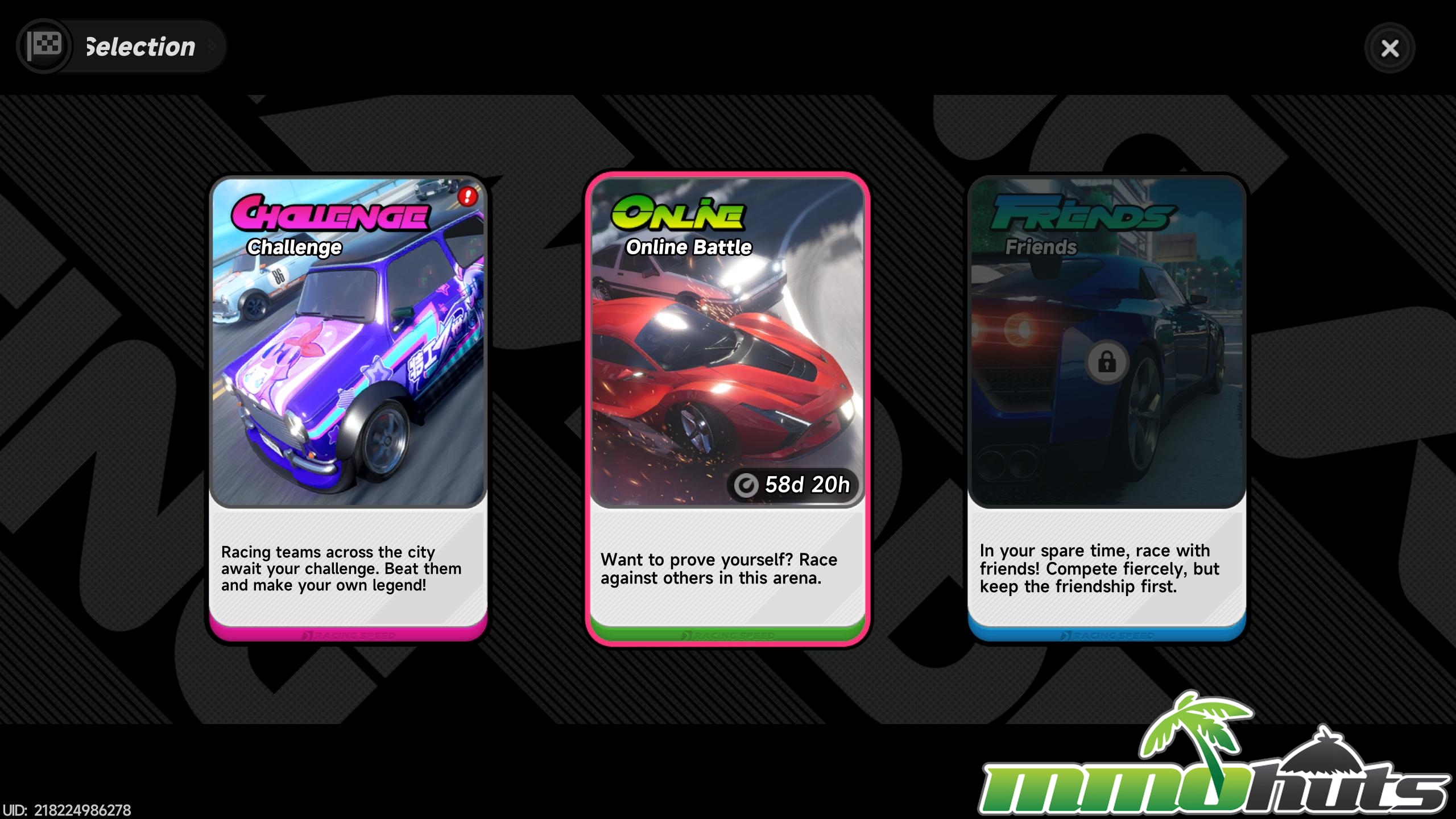
You can drive in NTE, and it is one of the areas where the ambition outruns the execution. Cars are summonable on demand, they pull up to you autonomously, and you can take them anywhere across the city’s highways and streets. The problem is that the driving physics feel stiff. Steering is twitchy, especially on controller, and the cars lack the weight and momentum that make open world driving satisfying. Racing minigames exist but they are more frustrating than fun right now.
On foot, traversal is better. You can double jump, wall run, and glide across the city, and the game supports a full first-person mode for walking, driving, and even some cutscenes. The first-person view is surprisingly well implemented, with visible character arms and chest, and it genuinely changes how you experience the city. Not many gacha games bother with this, and it is a welcome option.
Story and Characters
The story is told through an episodic case file structure. Each main quest revolves around investigating and resolving a specific anomaly, and the game takes its time walking you through the investigation before the combat starts. It gives the narrative a procedural, almost SCP Foundation flavor, and the anomalies themselves are visually creative enough to keep each arc feeling distinct.
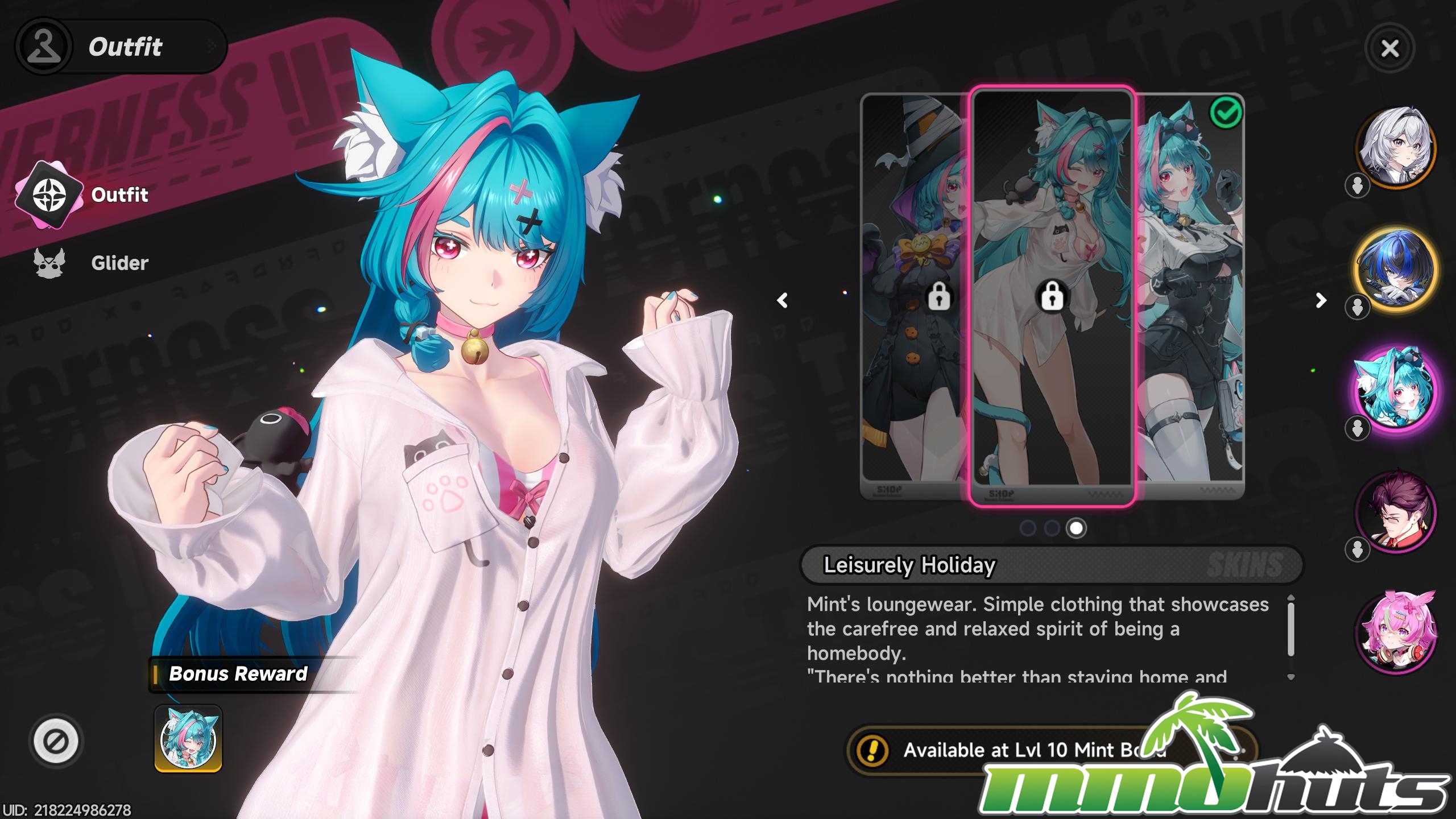
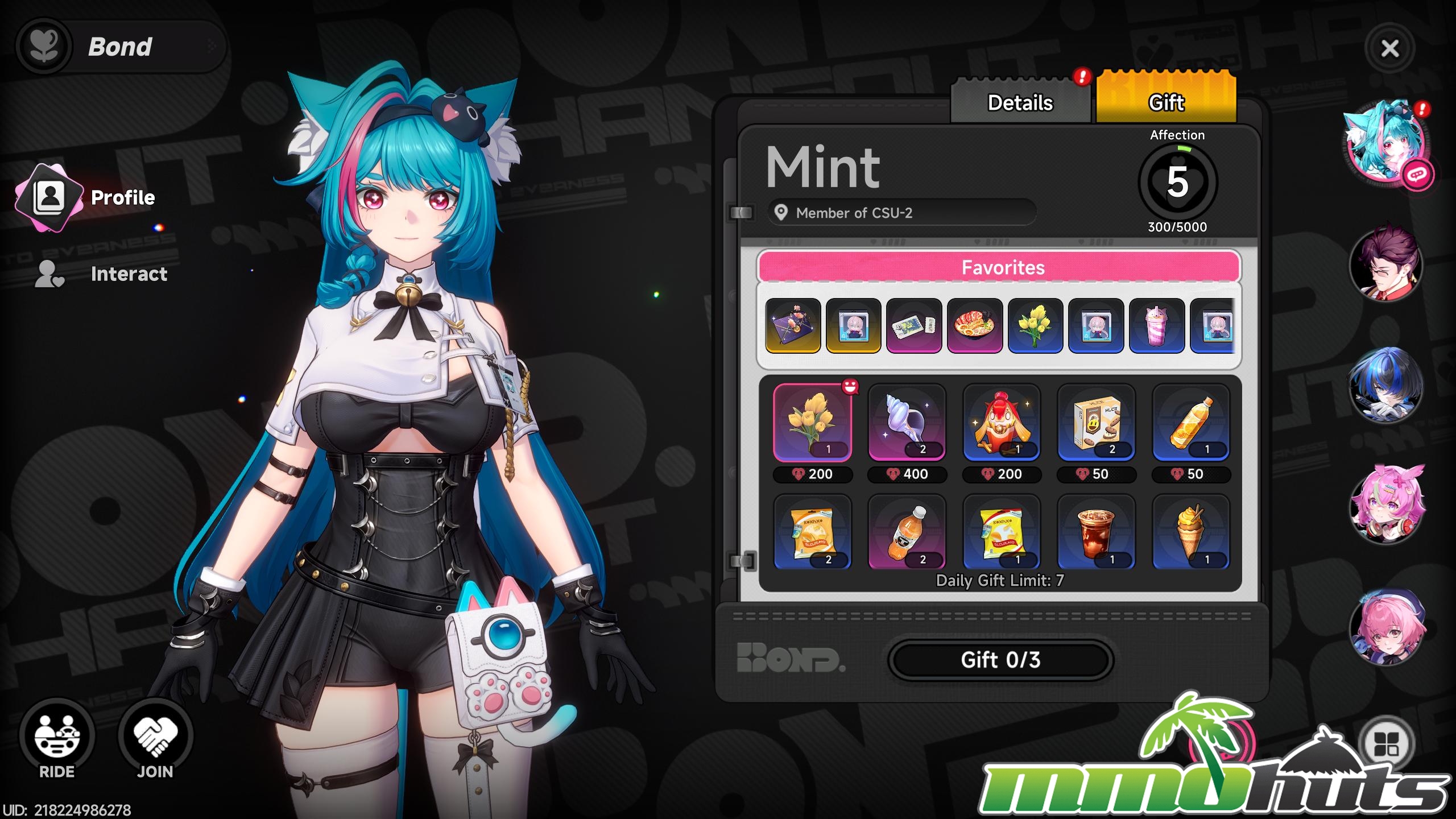
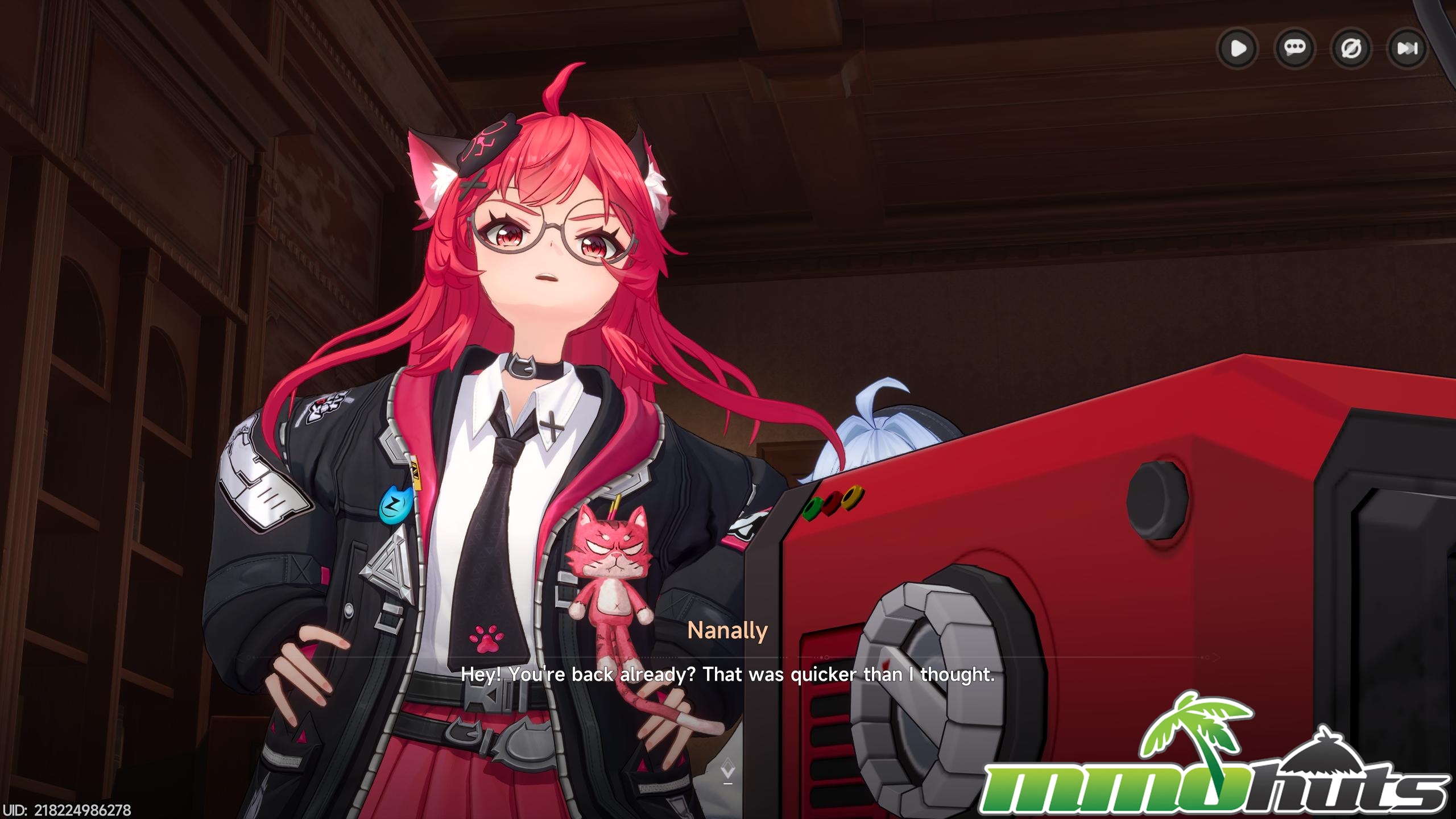
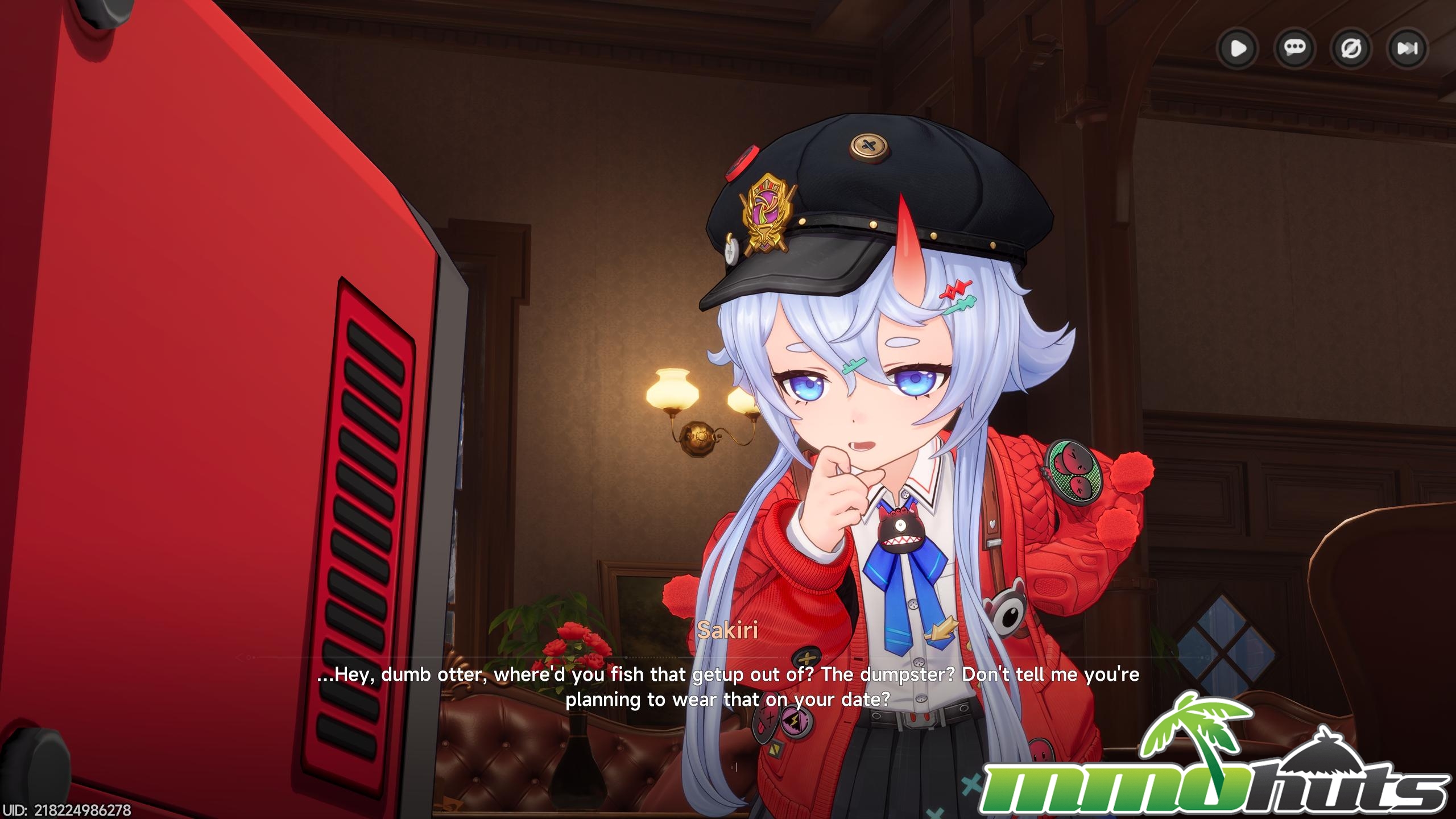
The cast is where NTE really pulls ahead of its peers. The Eibon crew includes a drunkard boss who is sharper than she seems, a tiny mob boss with delusions of grandeur, a sharp-tongued hammer-wielder named Sakiri, a stoic butler, and a lovesick otter Oddity named Taygedo. These characters banter with each other during downtime walks across the city, and the game uses small character moments to build relationships rather than dumping lore through text boxes. The anime-style cutscenes are expressive and well-directed, full of exaggerated facial expressions and comic timing that land more often than they miss. Players can also bond with their favorite characters to unlock romantic gestures like hand holding, ear cleaning, and hugging.
The Appraiser, your player character, has a defined personality and voice. They are not a blank slate, and they react to the absurdity around them with a dry, grounded presence that holds the chaos together. It is a small thing, but after years of silent protagonists in this genre, it feels like a luxury.
Neverness to Everness vs Zenless Zone Zero
These two are going to be compared constantly because they share an urban setting, real-time character-swapping combat, and a stylized anime aesthetic. ZZZ has the edge in combat polish, no question. Its animations are tighter, its parry feedback is more satisfying, and its combat loop is more focused. NTE, on the other hand, offers far more to do outside of combat. Where ZZZ funnels you through TV screens and instanced dungeons between fights, NTE gives you an open city to drive around, apartments to decorate, businesses to run, and a wanted system to mess with. If you want a tight, stylish action game, ZZZ is the cleaner package. If you want a game where you can spend an entire evening just living in the city without touching a single combat encounter, NTE is the only thing in the gacha space that delivers that right now.
Final Verdict – Great
Neverness to Everness is the most ambitious gacha game to launch in years, and that ambition cuts both ways. The urban setting is a breath of fresh air, the characters are memorable, the gacha system is generous and presented with actual creativity, and the sheer number of things to do outside of combat is staggering. It also has stiff driving, melee-heavy combat that needs more variety, and menus that feel like they are fighting you on controller. Hotta Studio has built something that feels special even when it stumbles, and if the post-launch support is consistent and the rough edges get sanded down, this could easily become one of the best games in the genre. For now, it is a messy, charming, wildly creative debut that is absolutely worth trying, especially if you have been waiting for a gacha game that does not just default to fantasy or sci-fi.
Neverness to Everness Links
Neverness to Everness Official Site
Neverness to Everness Reddit
Neverness to Everness X
Neverness to Everness Facebook
Neverness to Everness Instagram
Neverness to Everness Discord
Neverness to Everness YouTube
Neverness to Everness System Requirements
PC Minimum Requirements:
Operating System: Windows 10 64-bit
CPU: Intel Core i7-10700 (10th Gen) / AMD Ryzen 7 3700X
Video Card: NVIDIA GeForce GTX 1660 / AMD Radeon RX 5600 XT / Intel Arc A580
RAM: 16 GB
Hard Disk: 60 GB SSD required
PC Recommended Requirements:
Operating System: Windows 10 / 11 64-bit
CPU: Intel Core i7-12700 (12th Gen) / AMD Ryzen 7 5800X
Video Card: NVIDIA GeForce RTX 3060 / AMD Radeon RX 6600 XT / Intel Arc B580
RAM: 32 GB
Hard Disk: 60 GB SSD required
Android Minimum Requirements:
OS: Android 10.0 or above
CPU: Snapdragon 855 / MediaTek Dimensity 8000 or equivalent
RAM: 8 GB
Storage: 20 GB
Android Recommended Requirements:
OS: Android 10.0 or above
CPU: Snapdragon 8 Gen 2 / Gen 3 / MediaTek Dimensity 9200 or above
RAM: 8 GB or more
Storage: 20 GB
iOS Requirements:
Minimum: iPhone 12 Pro Max / iPhone 13 or newer, iOS 15.0 or later, 20 GB storage
Recommended: iPhone 14 Pro or newer, iOS 17.0 or later, 20 GB storage
macOS Requirements:
Minimum: macOS 14.0, Apple M1 chip or later, 4 GB RAM, 10 GB storage
PlayStation 5:
Storage: 30 GB or more (PS5 and PS5 Pro supported)
Neverness to Everness Music & Soundtrack
Coming soon!
Neverness to Everness Additional Information
Developer: Hotta Studio
Publisher: Perfect World Games
Engine: Unreal Engine 5
Director: Kee Zhang (Producer)
China Release Date: April 23, 2026
Global Release Date: April 29, 2026
Platforms: Windows PC, macOS, Android, iOS, PlayStation 5, PlayStation 5 Pro
Development History / Background:
Neverness to Everness is the second major title from Chinese developer Hotta Studio, following their debut MMORPG Tower of Fantasy. The project was first revealed in July 2024 through an announcement trailer and a PlayStation Blog post from producer Kee Zhang. Built from the ground up in Unreal Engine 5, the game marked a deliberate pivot away from the sci-fi aesthetic of Tower of Fantasy toward a modern urban setting, with the studio citing a desire to create a city that felt both familiar and strange, where supernatural anomalies are woven into everyday life.
The game went through multiple closed beta phases including a Containment Test and the final Co-Ex Test in February 2026, which gave players their first hands-on look at the full scope of the project. Early comparisons to Grand Theft Auto and Zenless Zone Zero followed the game through its testing cycles, with the “anime GTA” label sticking in community discussions. The global launch on April 29, 2026 arrived with full cross-platform support and a notably consumer-friendly gacha system that guarantees the featured unit on limited banners with no 50/50 mechanic, a design choice that surprised many in the gacha community. Hotta Studio has stated that Hethereau will continue to grow with new districts, characters, and features added through regular post-launch updates.