
Mortal Online
Mortal Online is a hardcore sandbox MMORPG built around skill training instead of character levels. It drops you into a harsh medieval fantasy setting where your progress comes from what you practice, whether that is fighting, crafting, trading, or building, and where danger, including other players, is never far away.
|
Publisher: Mortal Online Factory Playerbase: Low Type: MMORPG Release Date: June 9, 2010 Pros: +Player-driven sandbox design. +Classless, skill-based characters. +Full open-world PvP Cons: -Skill ceiling without subscribing. -Rough edges and recurring bugs. -EU server location can mean higher latency. |

Mortal Online Overview
Mortal Online is a sandbox MMORPG set in a grim medieval fantasy world that expects players to learn by doing, and sometimes by failing. After picking a race, you are largely left to define your own goals. There are no conventional quests pushing you along a directed path, and there is no level ladder to climb. Instead, your character improves through skills that rise with use, so the time you spend matters more than the storyline you follow.
That freedom is the game’s core appeal and also its primary warning label. You can live as a roaming fighter, a dedicated crafter, a resource gatherer, or a merchant who profits by moving goods between settlements. Progress is tied to practice and planning, not to hitting a level cap, and long-term survival is much easier with allies. Guilds can form the backbone of the experience, from organizing trade and crafting chains to building strongholds and contesting territory.
PvP is always part of the equation. Mortal Online is designed around open conflict and meaningful risk, including the threat of being attacked and looted in the open world, and even the possibility of trouble close to civilization. For players who want a player-driven world with real stakes and minimal guardrails, it offers a style of MMO that is increasingly rare.
Mortal Online Key Features:
- Sandbox World – spend your time however you like, from gathering and crafting to monster hunting or seeking fights with other players.
- Guilds – team up to establish power, including building forts and clashing with rival groups for control and resources.
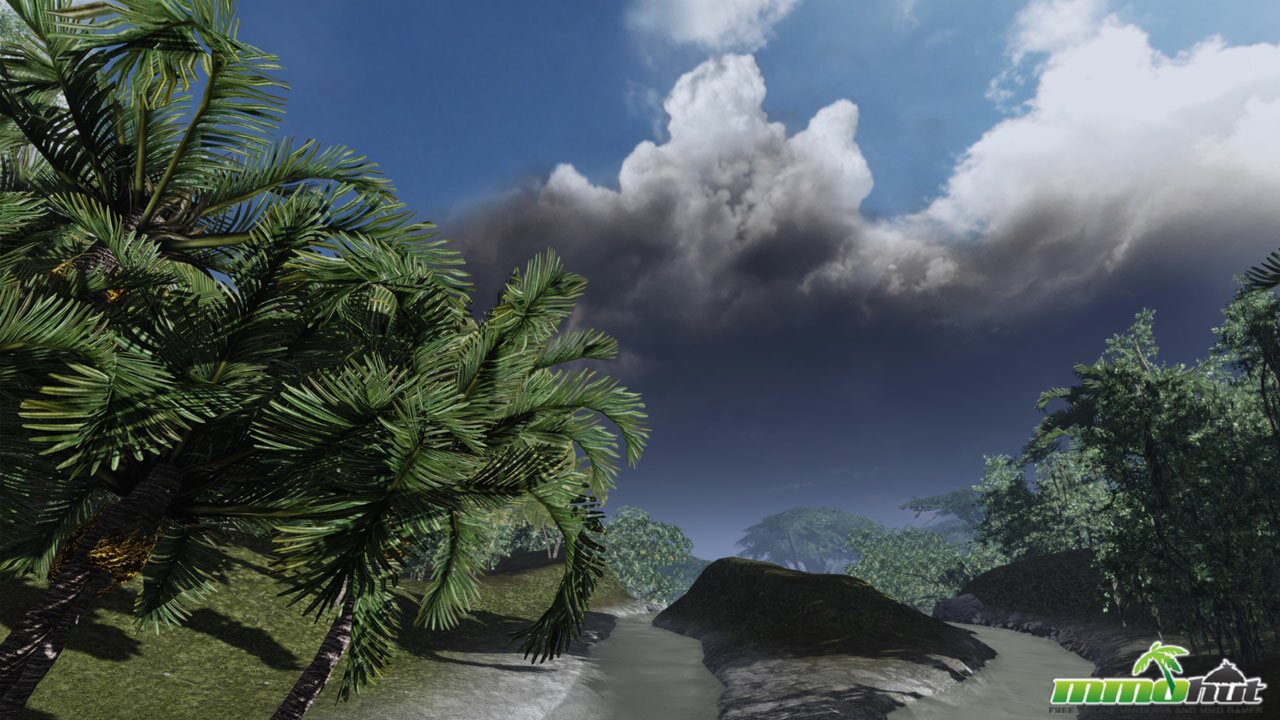
- Expansive World – travel across a large landmass with varied regions, including deserts, ruins, and other hostile frontiers.
- In-Depth Crafting – meaningful crafting requires commitment, with progression that rewards specialization and planning.
- PvP – combat, theft, and looting can occur between players, and danger is not limited to remote wilderness.
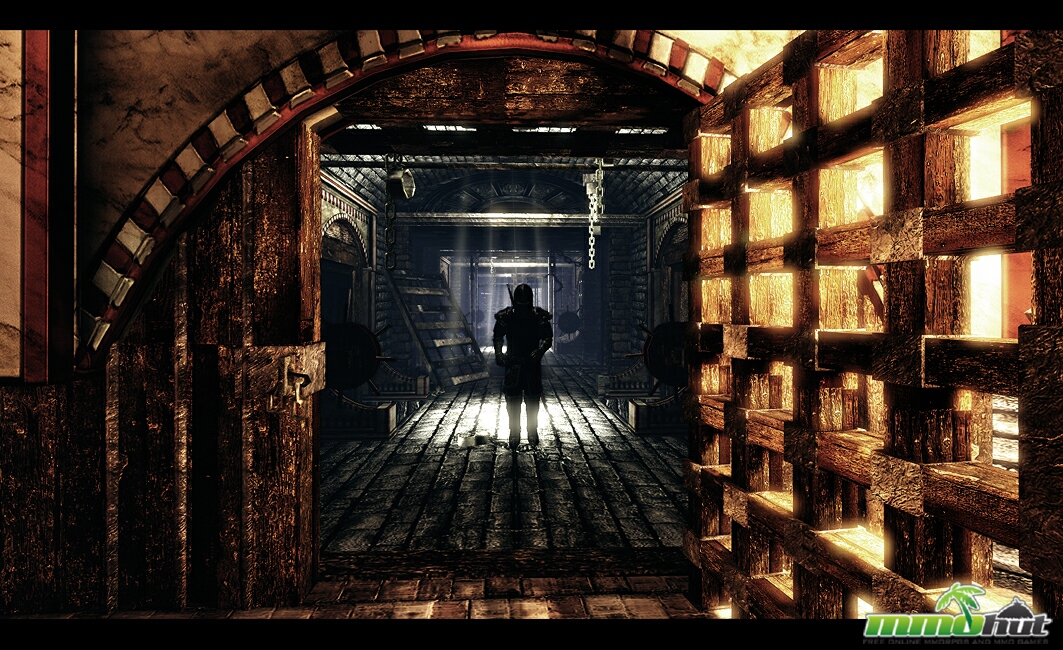
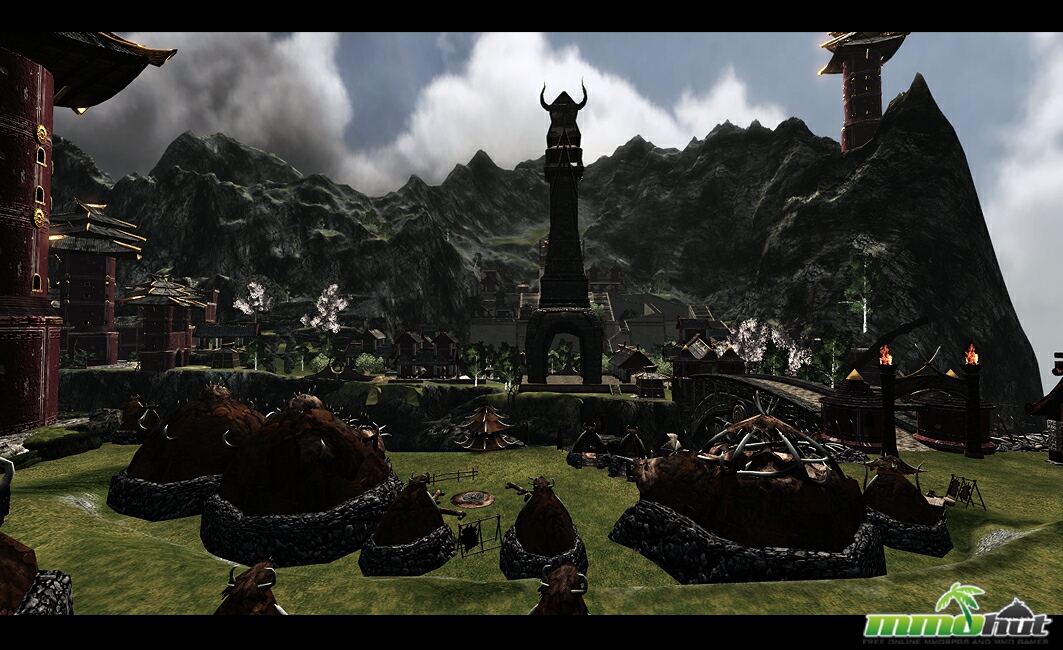
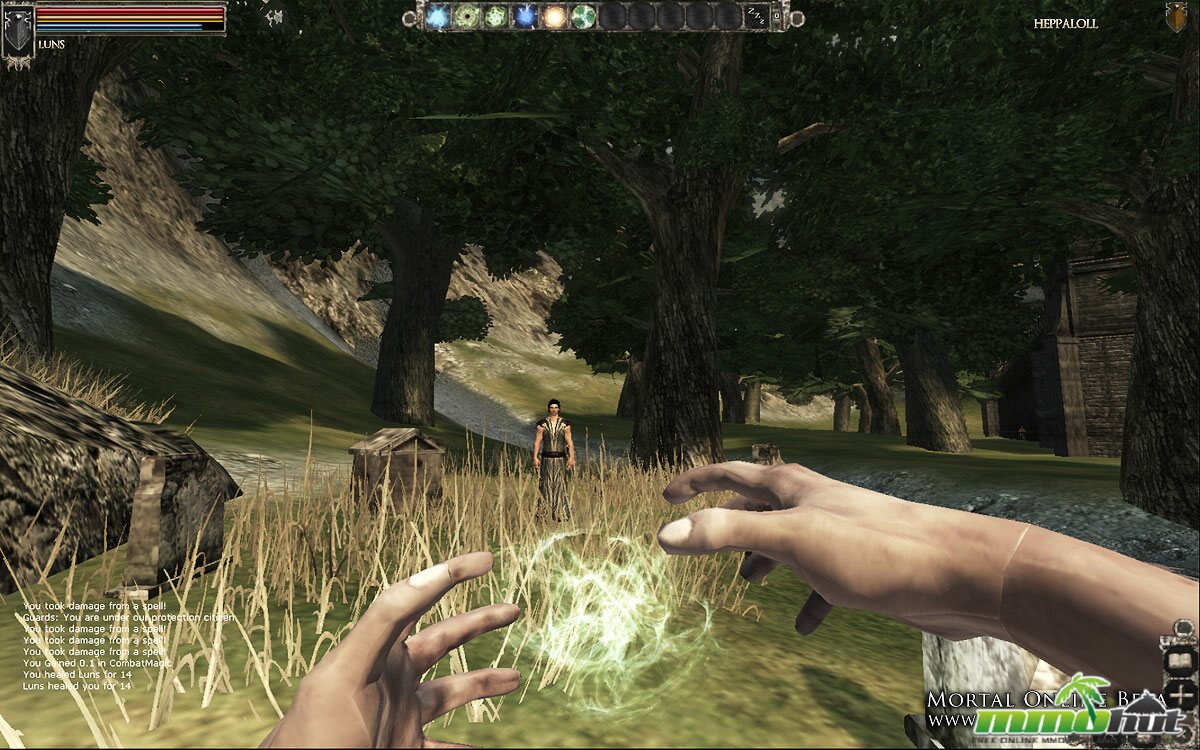
Mortal Online Screenshots

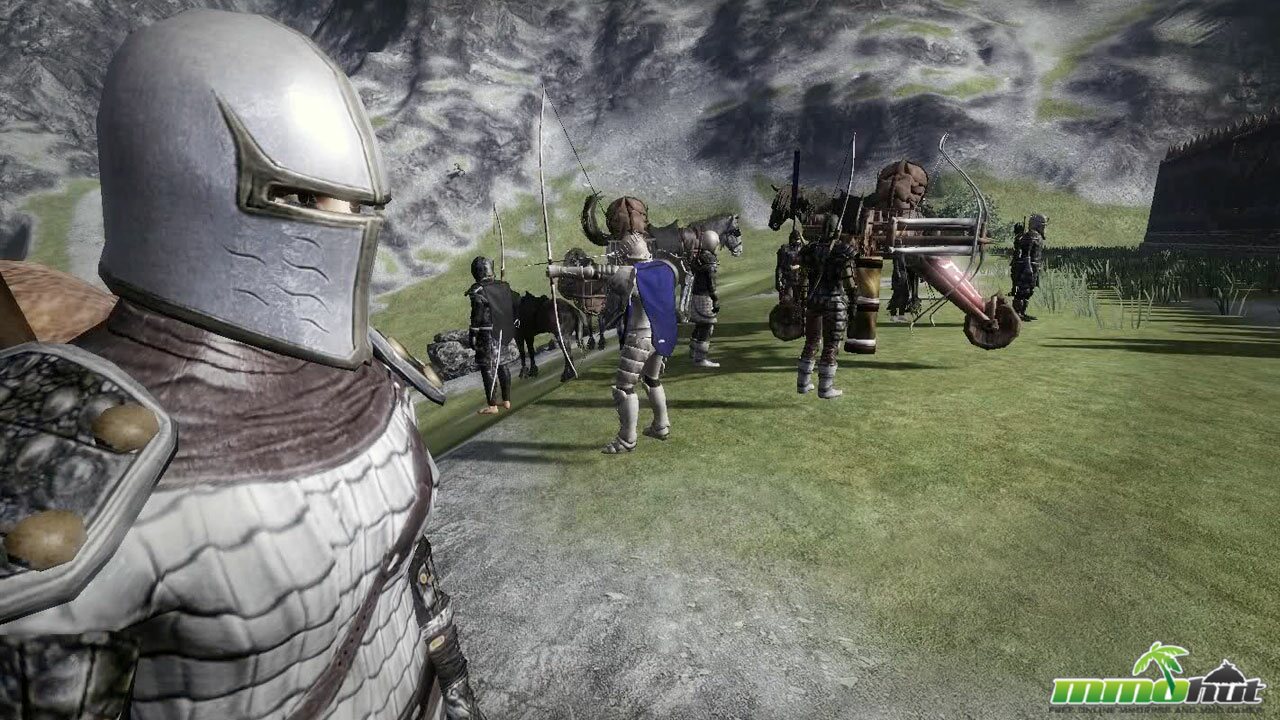
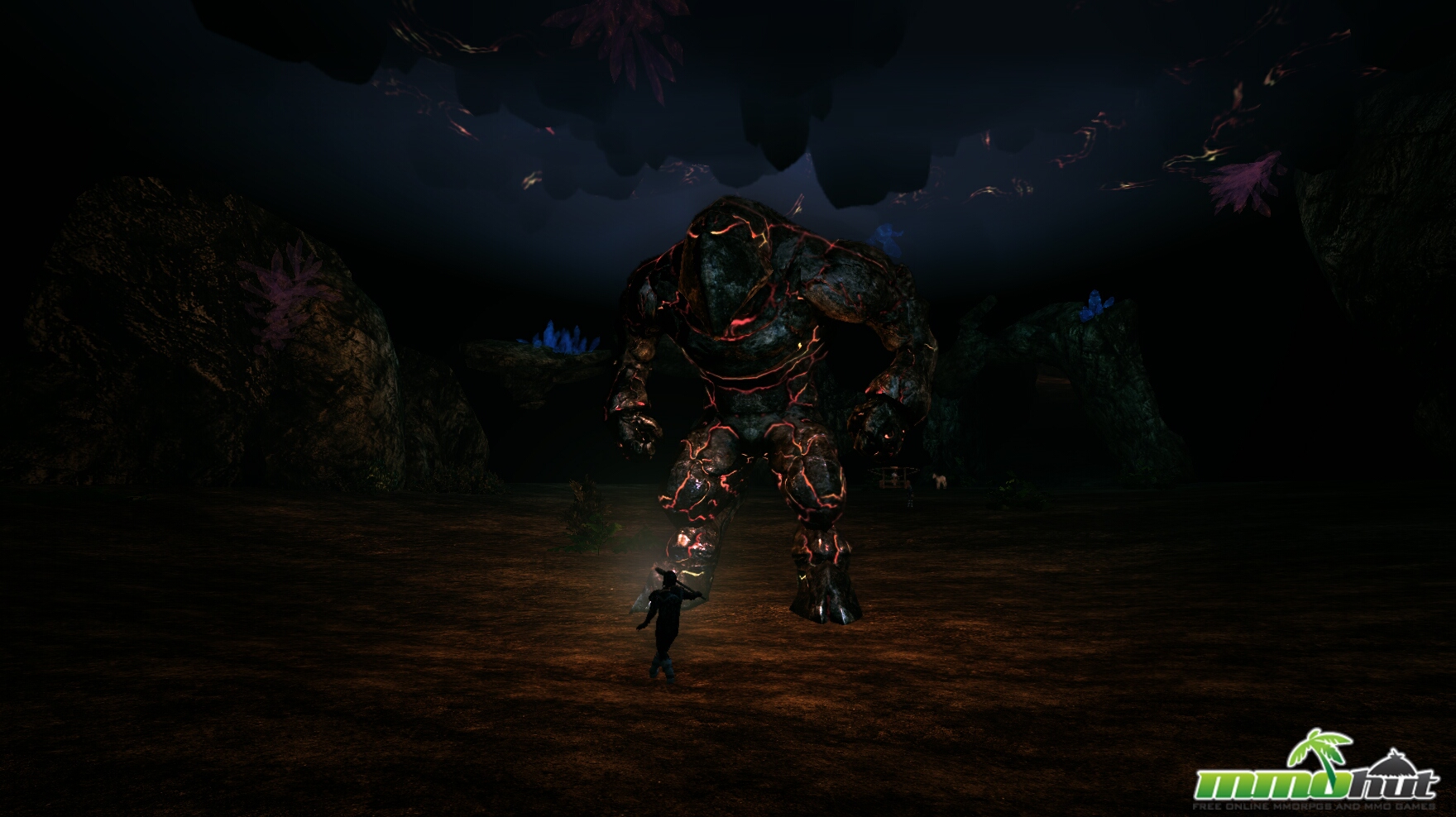

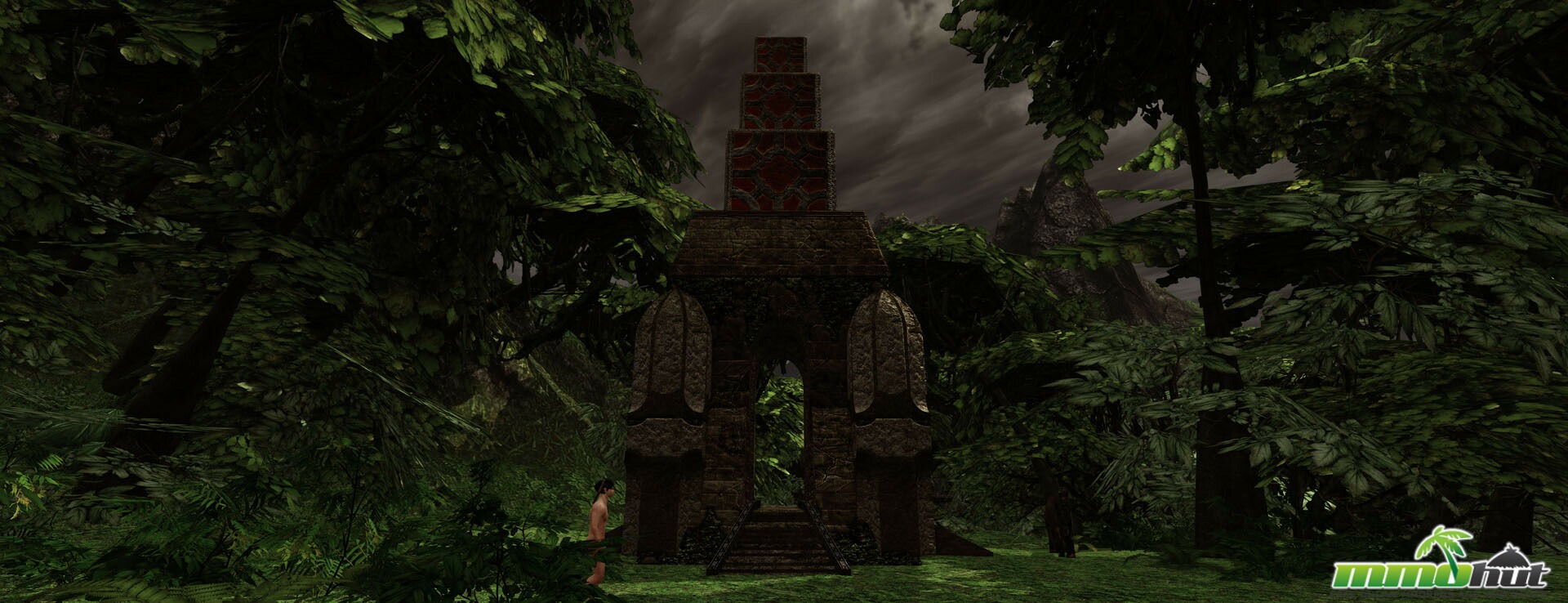
Mortal Online Featured Video

Mortal Online Review
Mortal Online is one of those MMOs that feels deliberately out of step with modern convenience. It aims for the older sandbox tradition associated with games like Ultima Online, where the world is a framework and the players provide the stories, economies, rivalries, and disasters. It also shares some of the methodical pacing seen in other survival-leaning sandboxes, where building a capable character takes patience and repetition.
That design philosophy can be refreshing if you want a world that does not constantly reward you with scripted milestones. At the same time, it can be punishing for players who expect smooth onboarding, polished combat, and strong guardrails. Mortal Online is best approached as a niche sandbox with a committed community, not as a broadly accessible theme park MMO.
Building Your Character From the Ground Up
At the start you choose from four races: Oghmir, Alvarin, Thursar, and Human. The game frames them with familiar fantasy strengths, with some leaning more toward magic or physical prowess. Your choices matter, and the character creator leans into that idea in an unusual way. Rather than simply picking a face and sliding a few bars, you also select your grandparents’ races. Those selections influence your final look and your underlying stats, such as Strength, Psyche, and Movement Speed, among others.
Age selection also plays into your starting profile, which makes the process feel more like shaping a build than picking cosmetics. After those ancestry decisions, you still get the expected appearance options, including gender and preset facial features. The visuals are dated, but there is enough flexibility to create a distinct identity, which matters in a game where reputation and recognition can be part of survival. Once finished, you pick a starting city and the real learning process begins.
An Unfriendly First Hour
Mortal Online’s opening tutorial tries to cover a lot of ground, but it is not a strong introduction. The pace is slow, the presentation is rough, and the first minutes can leave a harsher impression than the rest of the game deserves. It does explain key systems, yet it is easy to come away thinking the experience is more tedious than it actually becomes once you are free to set your own priorities.
After you push through the starter area, you choose a pre-made skillset that provides an initial boost. It is not a strict class choice, but it nudges you toward a direction. From there, the gates open and you can begin testing the world, whether that means picking fights, learning gathering routes, or trying to find a safe loop for early money and materials.
Combat: Functional, but Not Elegant
Combat is one of the areas where the game’s age shows most clearly. Ranged fighting in particular can feel unsatisfying at low skill, both in feedback and effectiveness. The mechanics also emphasize that bows require substantial strength and proficiency to perform well, so early ranged play can come across as weak and awkward until you invest heavily in the relevant skills and stats.
Melee combat is closer to the first-person style associated with older Elder Scrolls entries, with basic attacks, charged swings, and blocking. In practice, it can feel repetitive during long skill grinds, especially when you are fighting the same types of enemies to push incremental gains. It works, and it supports the game’s risk-focused PvP ecosystem, but players looking for crisp, modern action combat may find it lacking in responsiveness and variety.
Skills, Specialization, and the Long Grind
Mortal Online does not use traditional classes, yet it still encourages specialization. Skills rise through use, so the character you become is shaped by the tasks you repeat. After the tutorial, the initial skillset choice gives you momentum in a particular direction, but it does not permanently lock you out of other paths. The practical limitation is time, because improving many disciplines at once is slow.
Crafting and gathering are structured around commitment. If you want to be an artisan, you are expected to dedicate your character to that lifestyle rather than dabbling casually. The game reinforces this through systems like skill books, where you may need prerequisite knowledge to even understand what you are reading. The result is a progression model that feels closer to the long-term planning of a skill web than to a straightforward leveling track.
For players who enjoy methodical advancement and self-set goals, that pacing can be satisfying. For everyone else, it can feel like a wall of repetition, especially if you are trying to become competent quickly in a world where other players may already be far ahead.
A Gritty World Worth Exploring
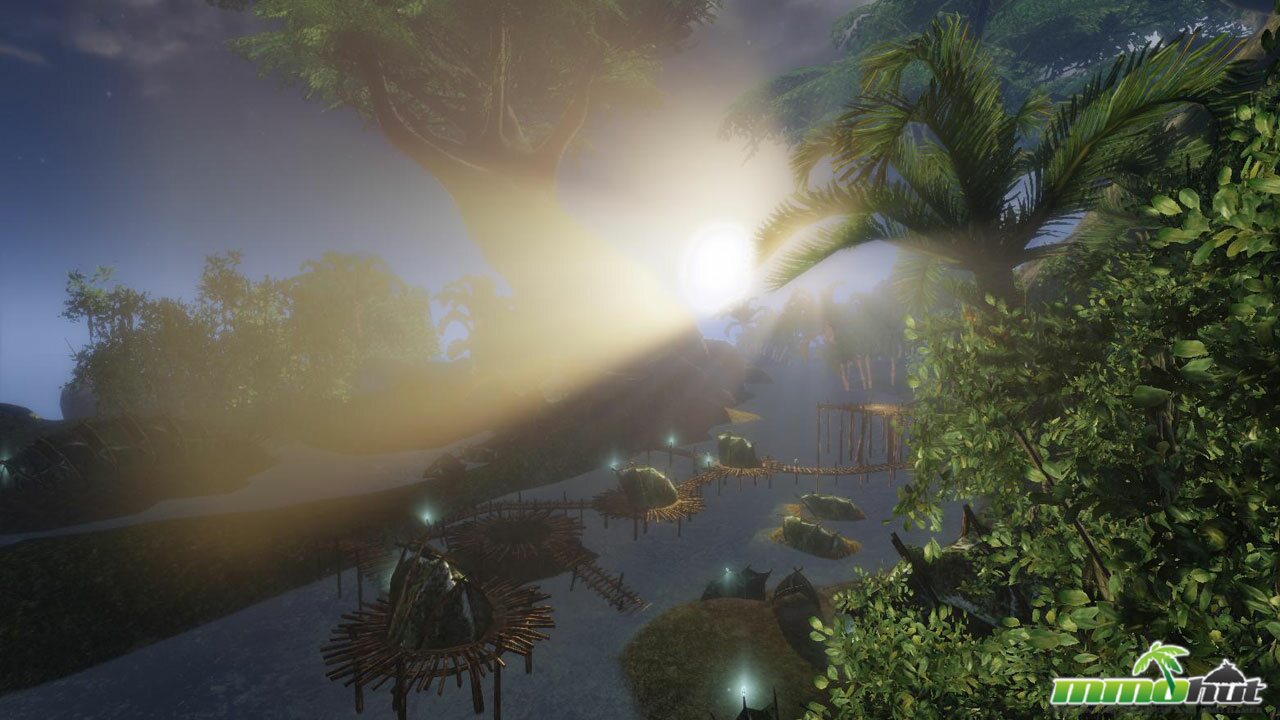
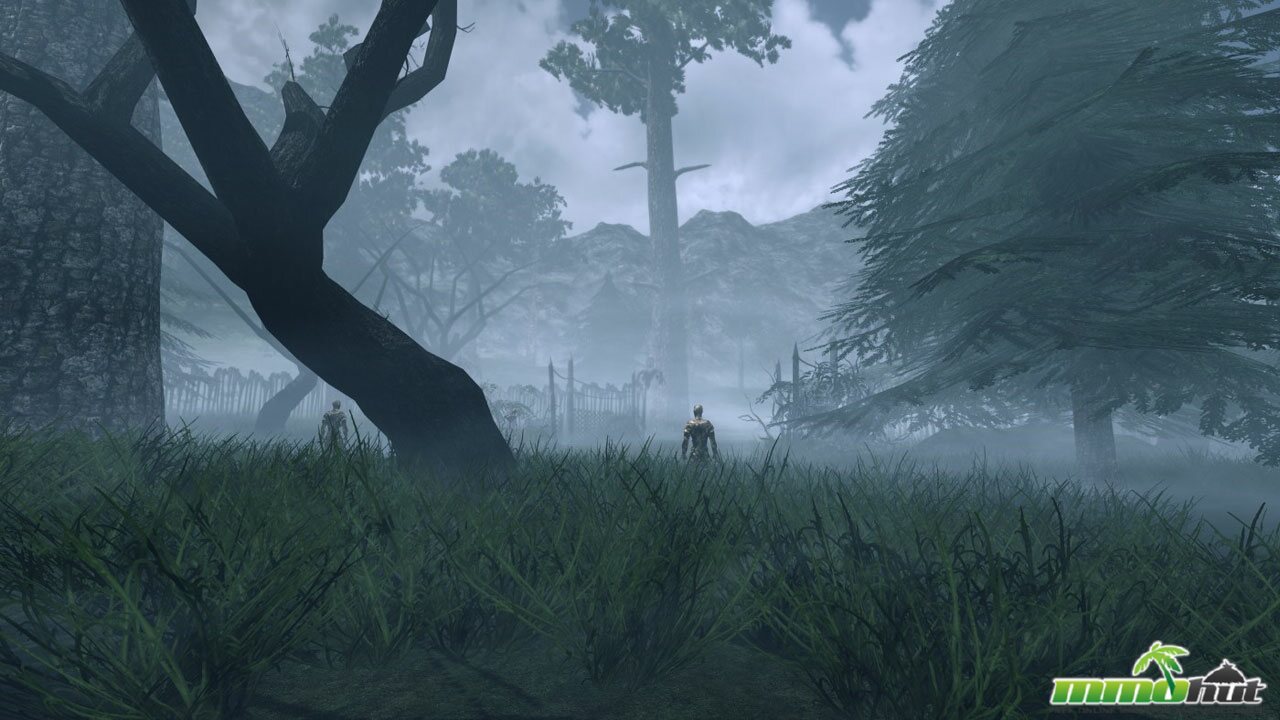
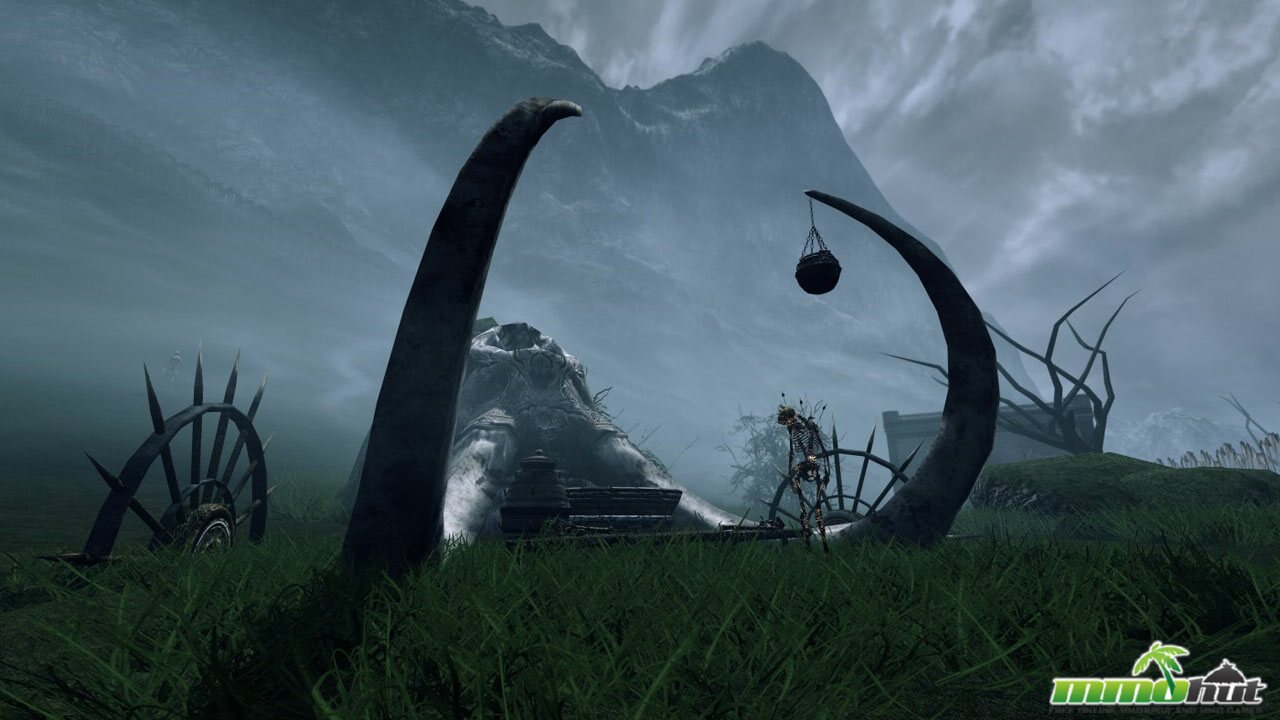
Visually, Mortal Online is undeniably an older title, but its atmosphere still carries weight. The world has a dark fantasy tone that leans gritty rather than colorful, and the landscapes have a worn, grounded quality that suits the game’s unforgiving mechanics. If you appreciate the look and feel of older PC RPGs, there is a certain charm here, even when the edges are rough.
Travel, however, can test your patience. Movement is slow by default, and sprinting offers only a modest burst that drains stamina quickly. That deliberate pacing does help sell the scale of the world and the danger of moving between settlements, but it also means routine errands can feel like expeditions. Whether that is immersive or frustrating depends heavily on what you want from an MMO.
Life Is Cheap Beyond the City Walls
Because PvP rules are permissive, Mortal Online can be hostile to newcomers. Players can be attacked in many places, and even towns are not guaranteed to be safe havens. That reality shapes the social side of the game, with new players often learning quickly that solo play is risky and that trust is a valuable currency.
The upside is that the danger creates genuine tension and memorable encounters. The downside is that it can also produce discouraging experiences, especially when veterans prey on inexperienced characters. If you thrive on risk and do not mind losses, the open PvP environment is one of the game’s strongest hooks. If you prefer structured PvP modes or clearer protections while you learn, Mortal Online can feel relentlessly punishing.
Guild play is where this system becomes more than random ganking. Organized groups build castles, claim influence, raid rivals, and defend territory. Large-scale conflict and politics are central to the long-term appeal, and even NPC settlements can become part of player-driven power struggles.
Where the Subscription Matters
It is important to understand that Mortal Online’s free access functions more like an unlimited trial than a full free-to-play model. You can explore the game and learn its systems, but the design clearly expects dedicated players to subscribe if they want the complete experience. Pricing follows a familiar subscription structure, with one month at $14, and a lower effective monthly cost when paying for longer periods (6 months at $12 per month).
The biggest practical limitation is the skill cap for non-subscribers. Without a subscription, skills are capped at level 60. If you subscribe, raise skills beyond that point, and then stop paying, your skills are reduced back to 60, and only return to their higher values if you resubscribe. Character slots also start at one, with additional slots available for purchase up to four. In a game that rewards deep specialization, many players will focus on one character unless they have a specific reason to maintain multiple builds.
In competitive terms, free players are at a clear disadvantage against subscribers, and the age of the game compounds that gap because many long-time players have had years to develop their characters. The system is not traditional pay-to-win in the sense of buying direct power, but it is a firm progression gate. If you reach the point where the cap is holding you back, the game is essentially asking whether you are committed enough to pay for the long haul.
Final Verdict – Good
Mortal Online is a strongly opinionated sandbox MMO, and it does not try to be for everyone. It offers a player-driven world with skill-based progression, meaningful risk, and the kind of open PvP that can create real stories, rivalries, and lasting communities. It also comes with dated presentation, uneven combat, and a new-player experience that can be brutal without allies.
If you want a guided MMO with polished convenience features, this is an easy skip. If you are drawn to uncompromising sandboxes, do not mind grinding skills over time, and enjoy the idea of joining a guild to carve out influence in a dangerous world, Mortal Online still delivers the kind of freedom that few modern MMOs attempt.
Mortal Online Links
Mortal Online Official Site
Mortal Online Steam Page
Mortal Online Steam Greenlight Page
Mortal Online Wikipedia
Mortal Online Reddit
Mortal Online Wikia [Database/Guides]
Mortal Online System Requirements
Minimum Requirements:
Operating System: Windows 7 x64
CPU: Dual Core 2.4GHz
Video Card: NVIDIA GeForce 8800 GT or equivalent
RAM: 4 GB
Hard Disk Space: 16 GB
Recommended Requirements:
Operating System: Windows 10 x64
CPU: Quad Core 3.4GHz
Video Card: GeForce 7600 GT 256MB or Radeon X800 GT
RAM: 8 GB
Hard Disk Space: 20 GB
Mortal Online Music & Soundtrack
Mortal Online Additional Information
Developer: Star Vault AB
Publisher: Star Vault AB
Engine: Unreal Engine 3, Grome (Terrain)
Composer: Patrik Jarlestam
Release Date: June 09, 2010
Free-To-Play Date: Novemeber, 2012
Steam Greenlight Posting: December 11, 2012
Steam Release Date: August 31, 2015
Expansions:
- Dawn – 2011
- The Awakening – August, 2012
- Sarducca – May, 2015
Development History / Background:
Mortal Online is developed by independent studio Star Vault, and it was positioned as a deliberate return to sandbox MMO fundamentals associated with Ultima Online. The game launched on June 09, 2010, and within a few months the team rebuilt the engine to support features that were not feasible in the original version. In 2011, the first expansion, Dawn, arrived. The title was later posted to Steam Grenlight on December 11, 2012, and the second expansion, The Awakening, released in August, 2012. Star Vault introduced a free-to-play option beginning in Novemeber, 2012, framed as a way to let new players try the game while keeping the full feature set behind a subscription.
In May 2015, Sarducca released, adding a new continent and effectively doubling the size of the game world. Mortal Online then launched on Steam on August 31, 2015. Despite its age, it has continued to receive updates, and its long-term identity remains anchored in player-driven conflict, crafting specialization, and an open world that rarely feels safe.