Grand Sphere was a free-to-play, online, card-focused RPG for mobile that blended anime-style presentation with a story-first structure, Japanese voice acting, turn-based tactical battles, a sizable card roster to chase, multiple regions to clear, and an Arena mode for PvP encounters.
 | Publisher: Silicon Studio Type: Mobile Card RPG Release Date: August 24, 2015 Shut Down: February 27, 2019 Pros: +Strong anime art direction. +Enjoyable narrative with quality voice work. +Plenty of cards to earn and upgrade. +Strategic, hands-on combat. Cons: -Core loop can start to feel samey. –Energy (AP) limits longer play sessions. |
Grand Sphere Shut Down on February 27, 2019
Grand Sphere Overview
Grand Sphere is a 2D TCG-RPG blend created by Silicon Studio, the Japanese developer recognized for Age of Ishtaria and its work on the Bravely console series. The game casts you as a “Grand Sphere,” a knight-like hero tied to powerful abilities, and sends you across the fantasy world of Astrum through a sequence of maps and bite-sized stages. Progression revolves around building a party from collectible cards, tuning them for elemental matchups, and making tactical decisions in turn-based battles rather than relying on full automation.
A big part of the appeal was how much attention went into presentation for a mobile card RPG. The campaign leaned heavily on character banter and plot scenes supported by Japanese voice acting (with subtitles), and the card art followed a bright, anime-inspired style. On the multiplayer side, the game offered co-op boss fights with up to five players, plus an Arena mode where you could test your squad against other players’ teams to earn Medals and exchange them for useful items.
Grand Sphere Features:
- Many Maps to Explore – Travel across Astrum through a chain of themed maps and staged encounters as you advance the rescue-driven questline.
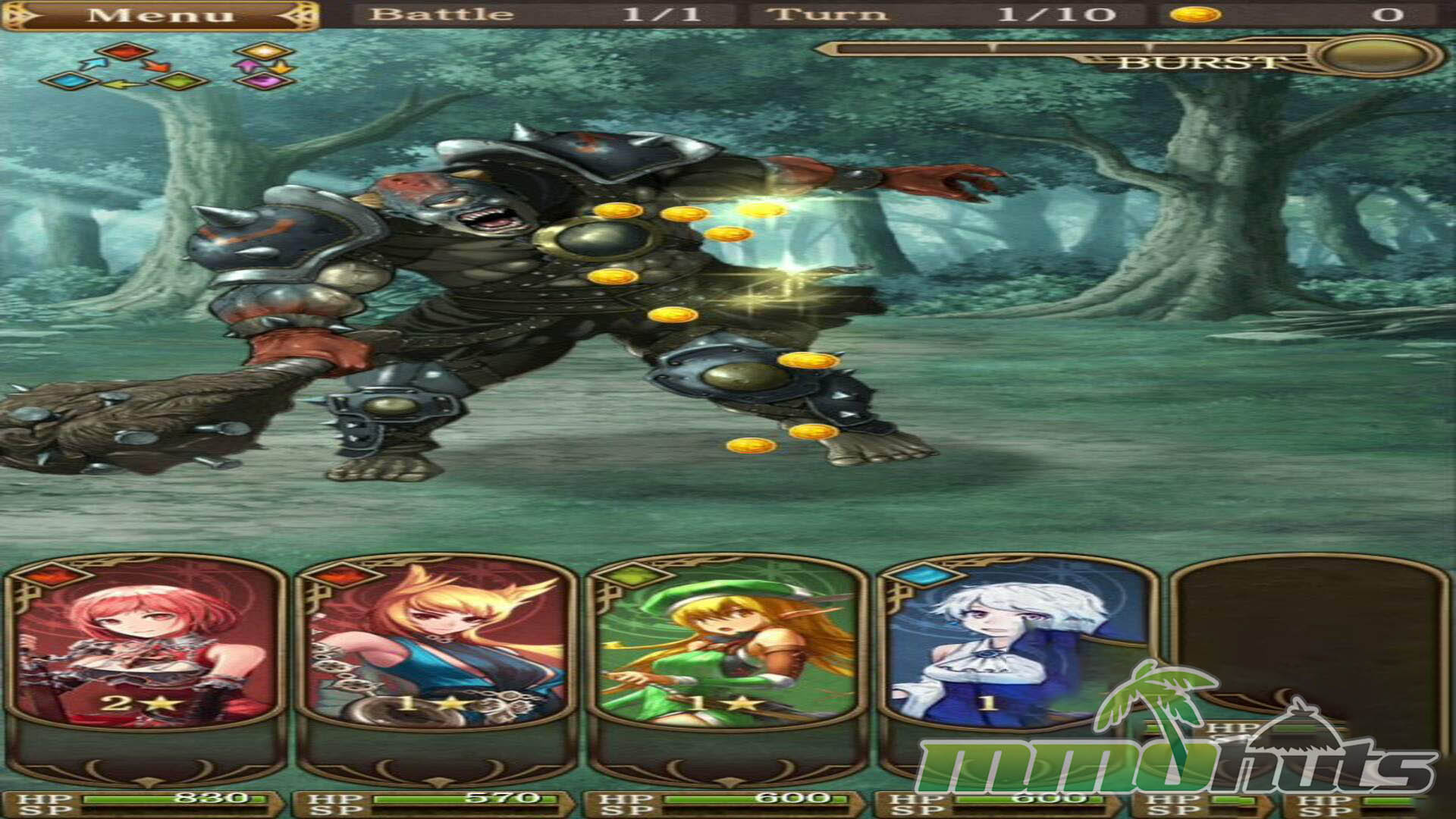
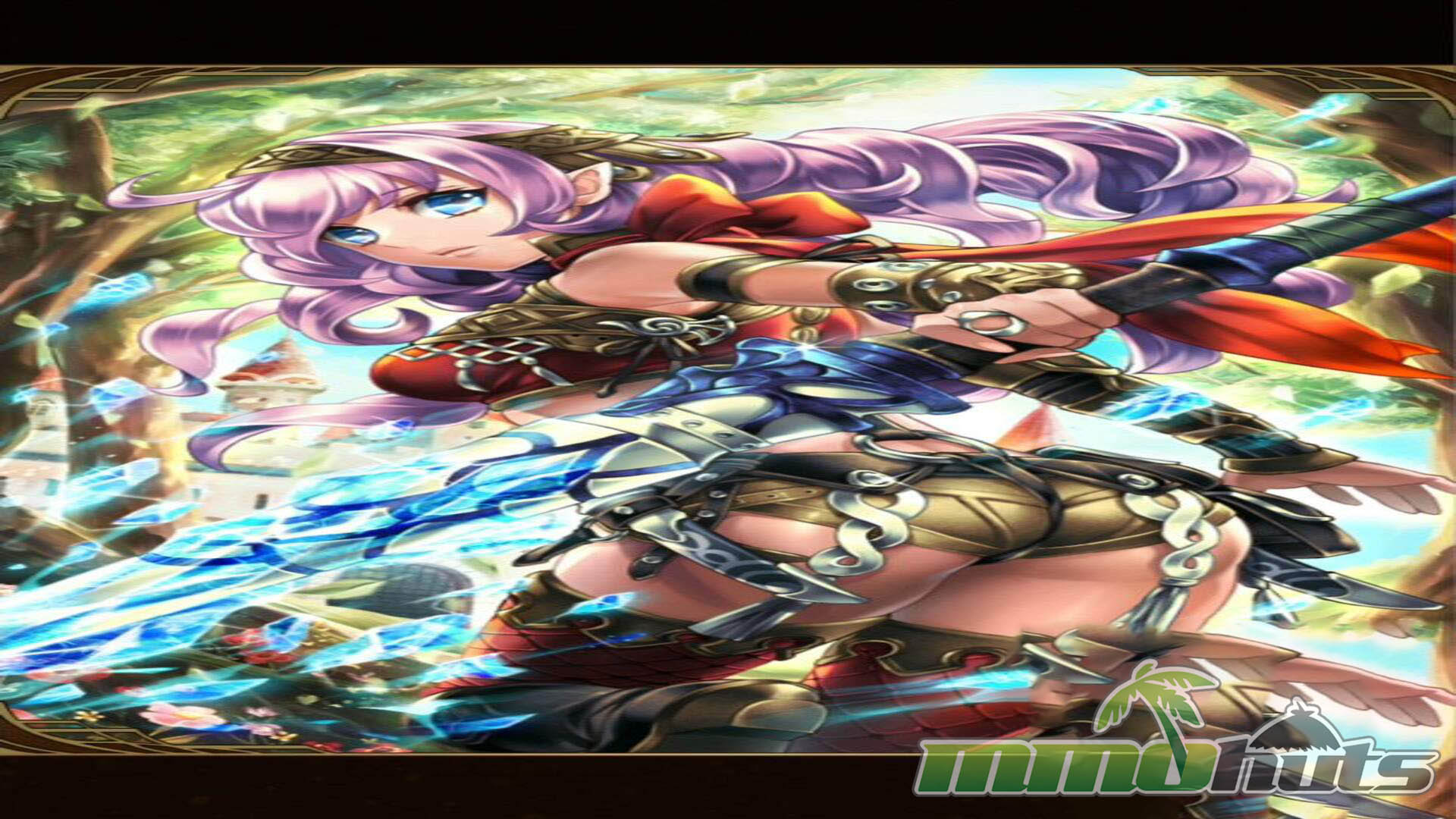
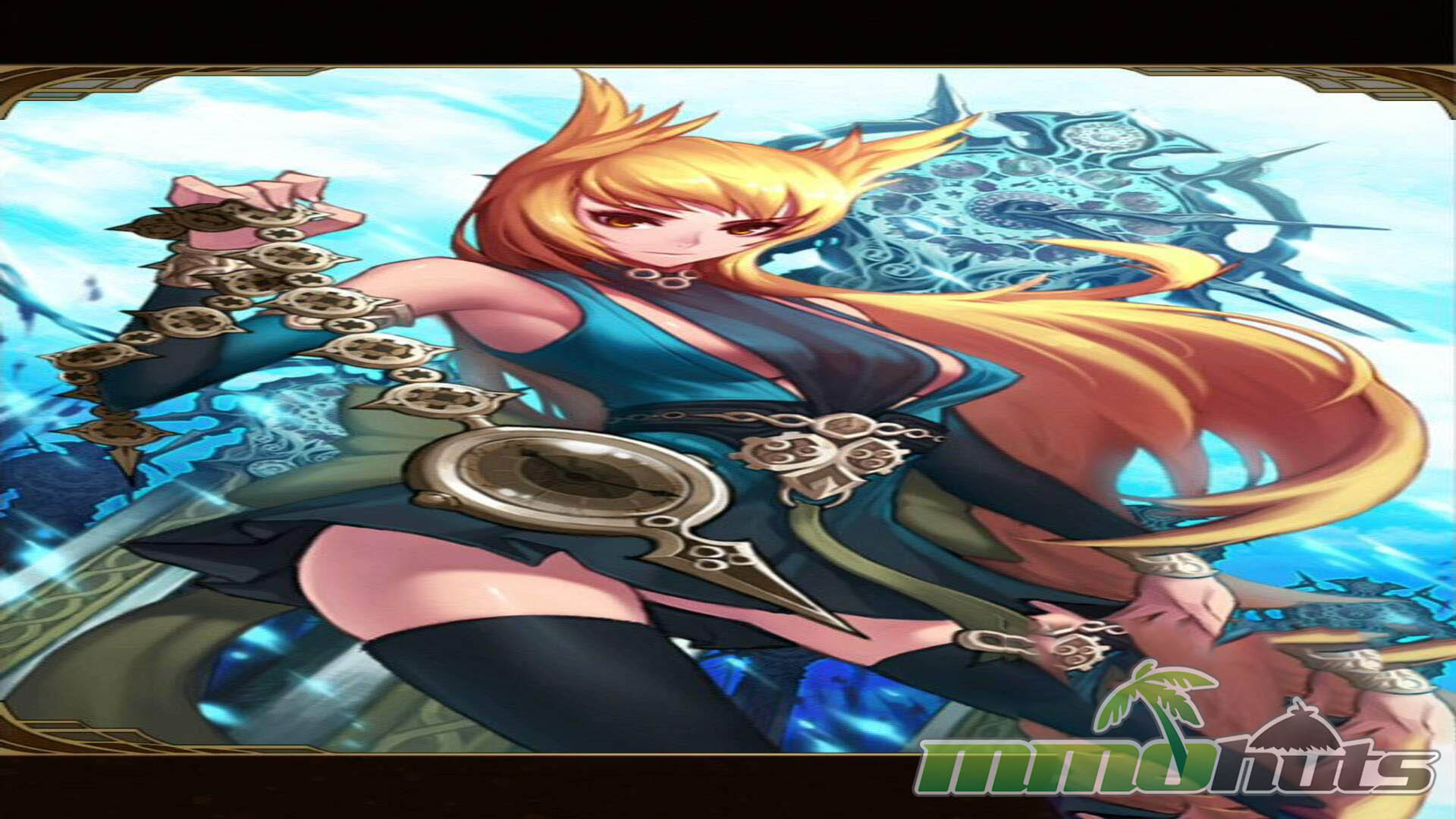
- Anime-inspired Artwork – Cards feature polished anime-style illustrations, and enemies are presented with multi-frame animation that gives battles extra life.
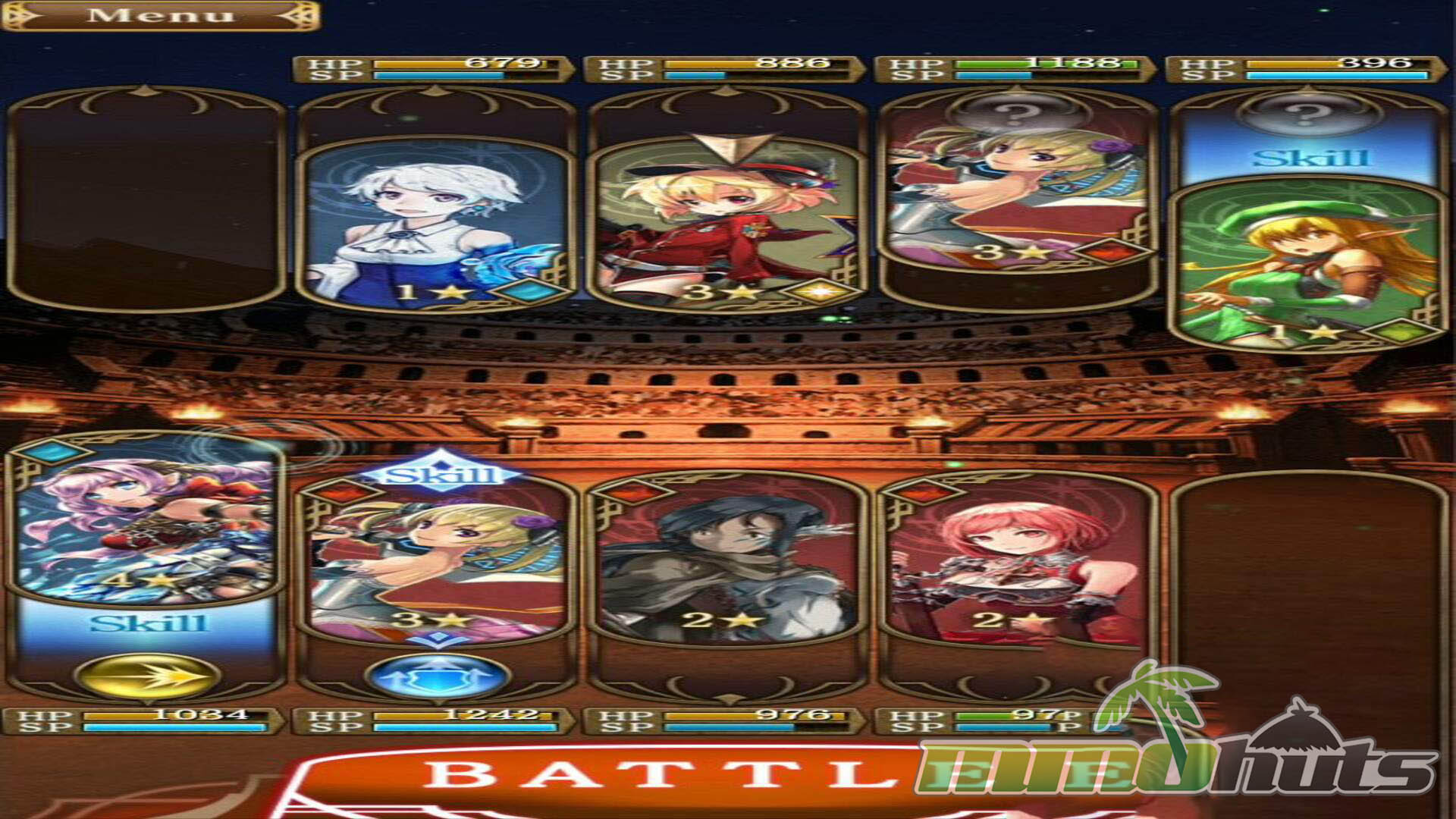
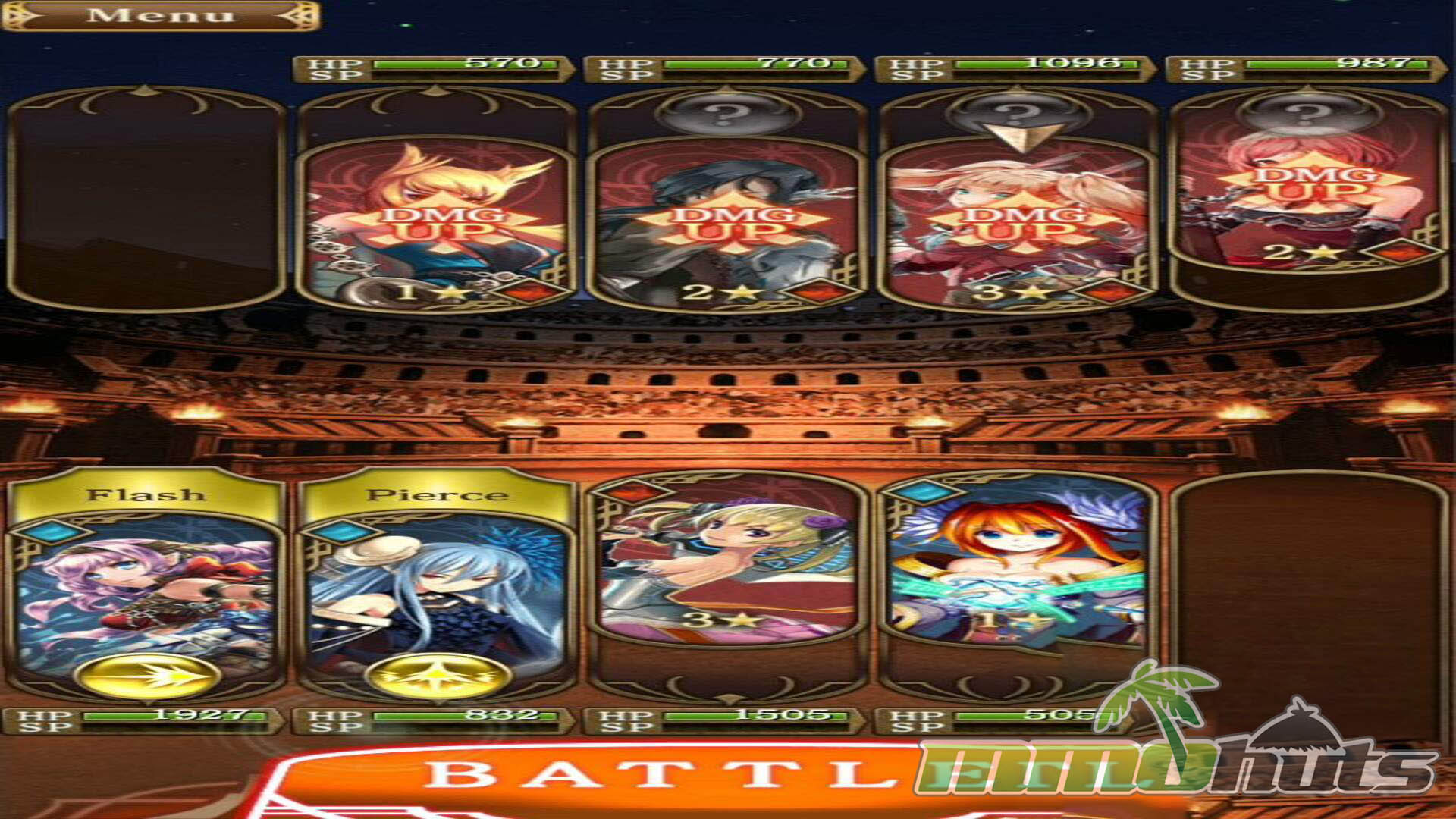
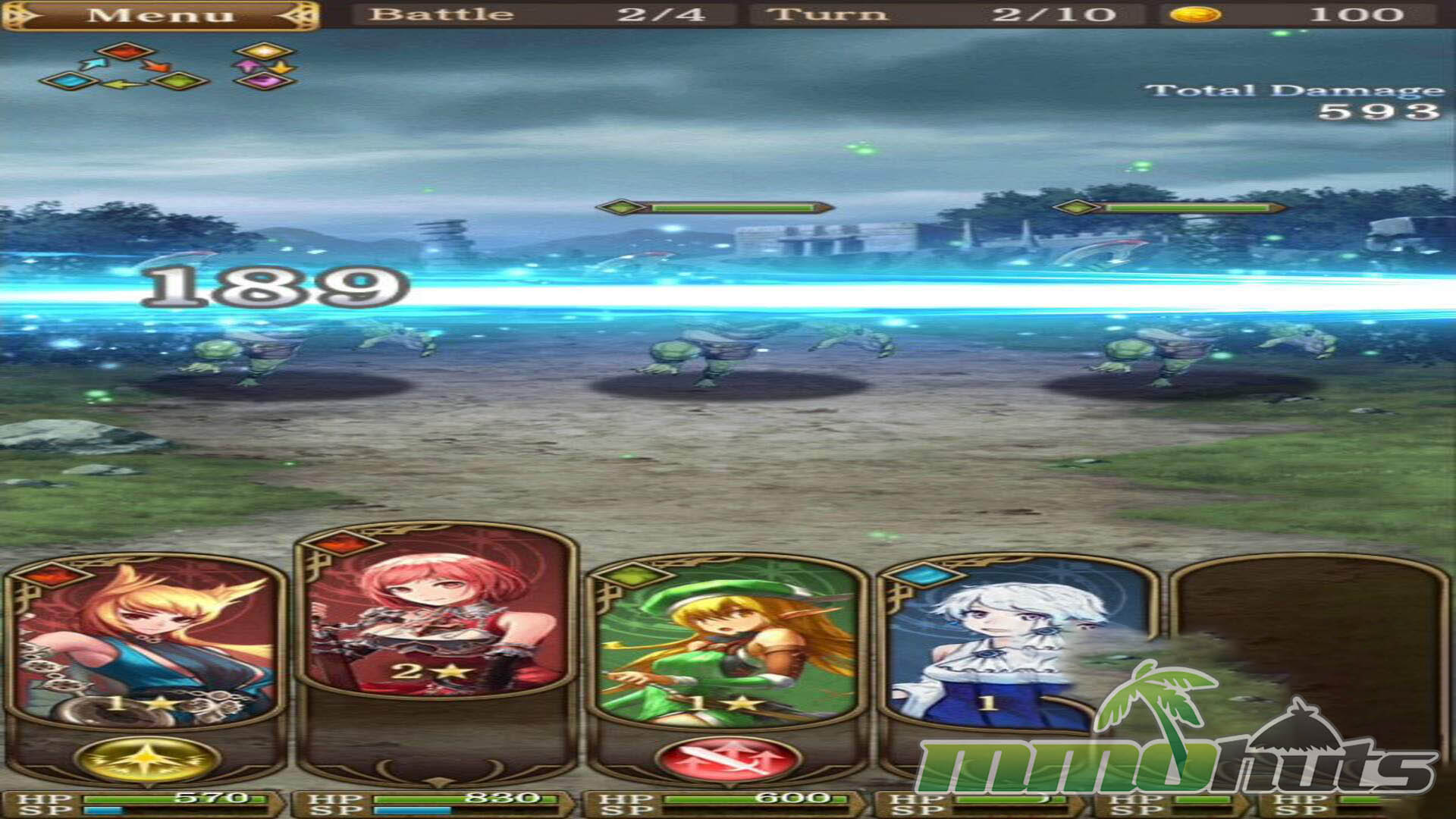
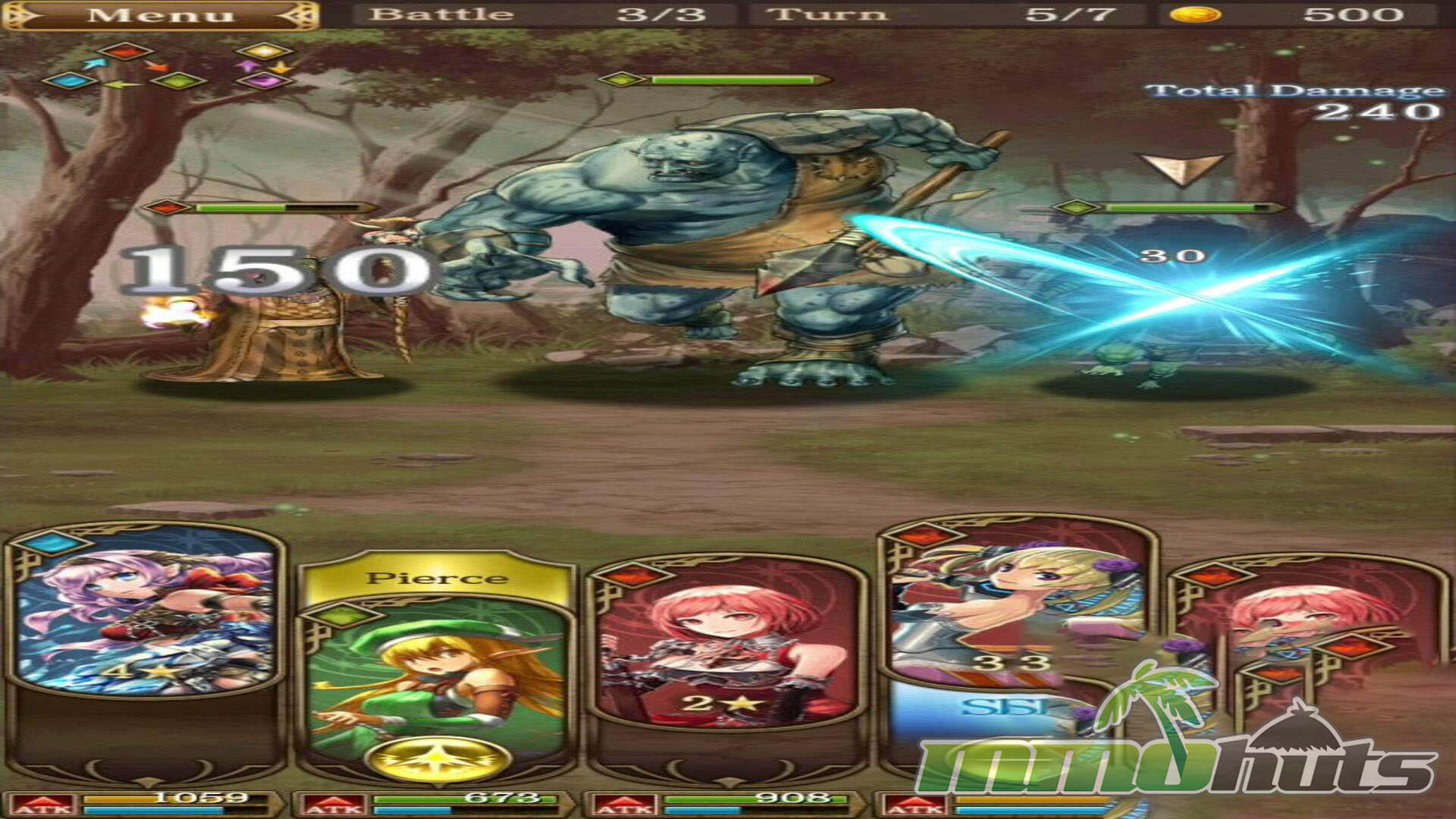
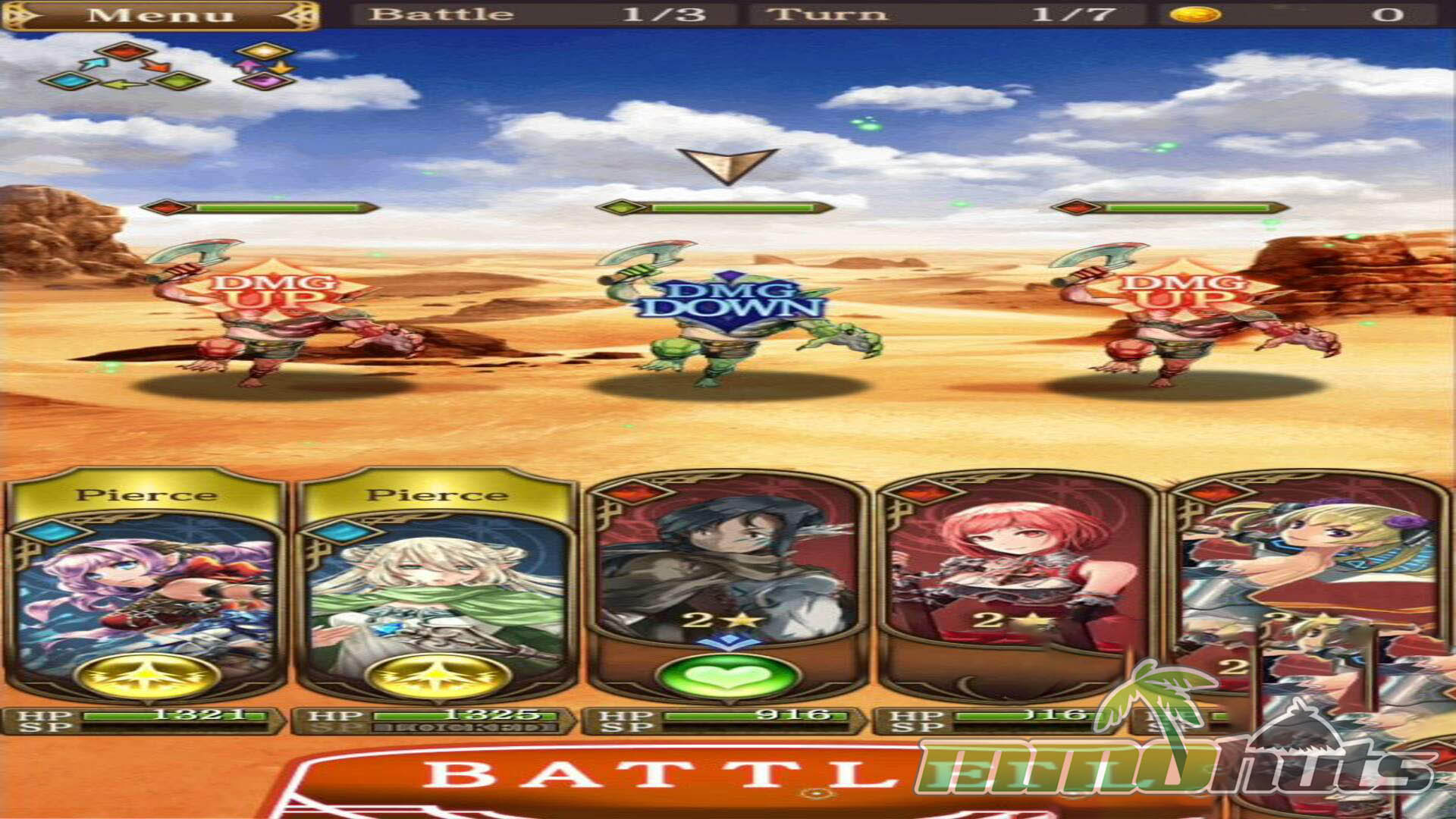
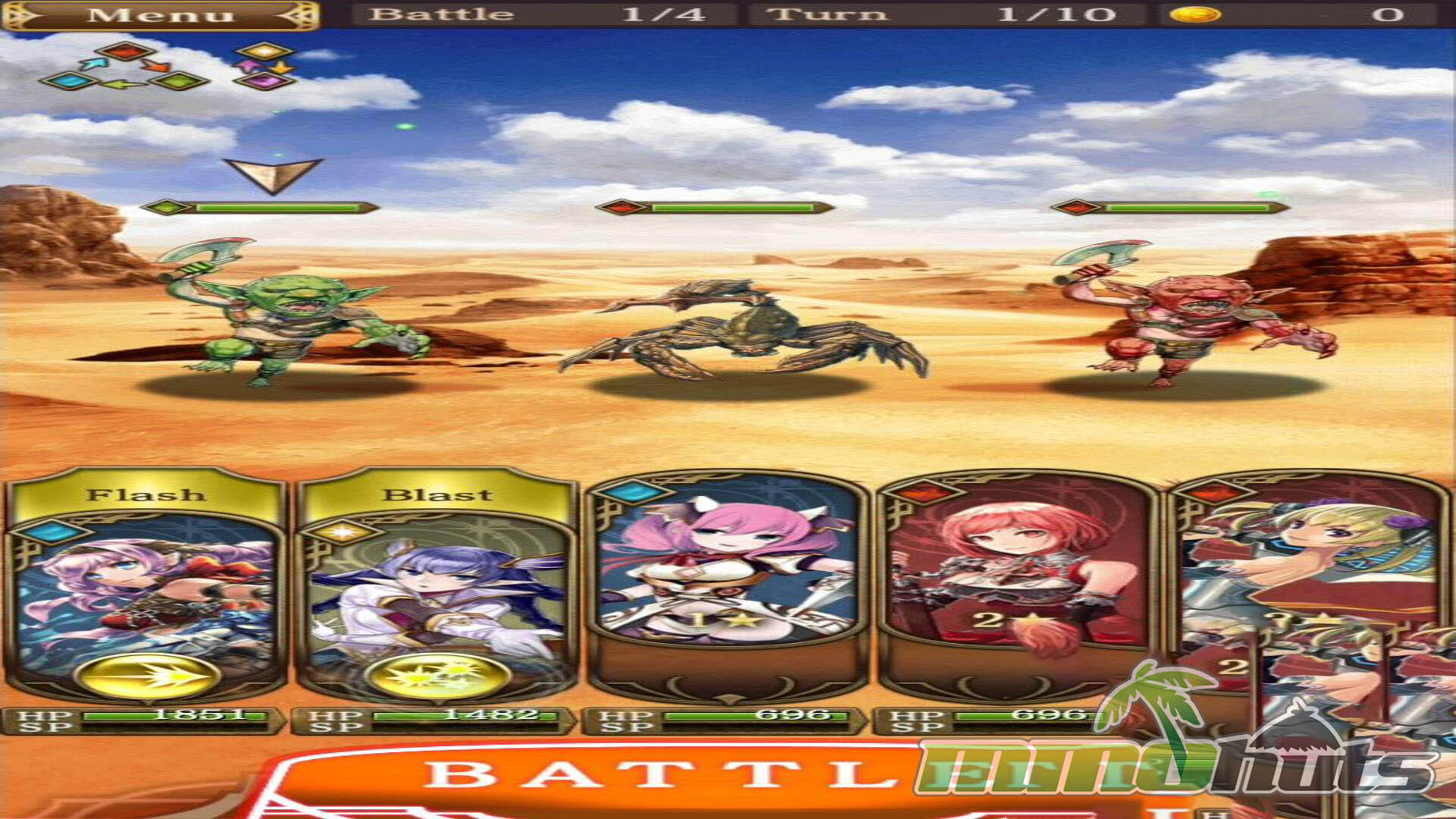
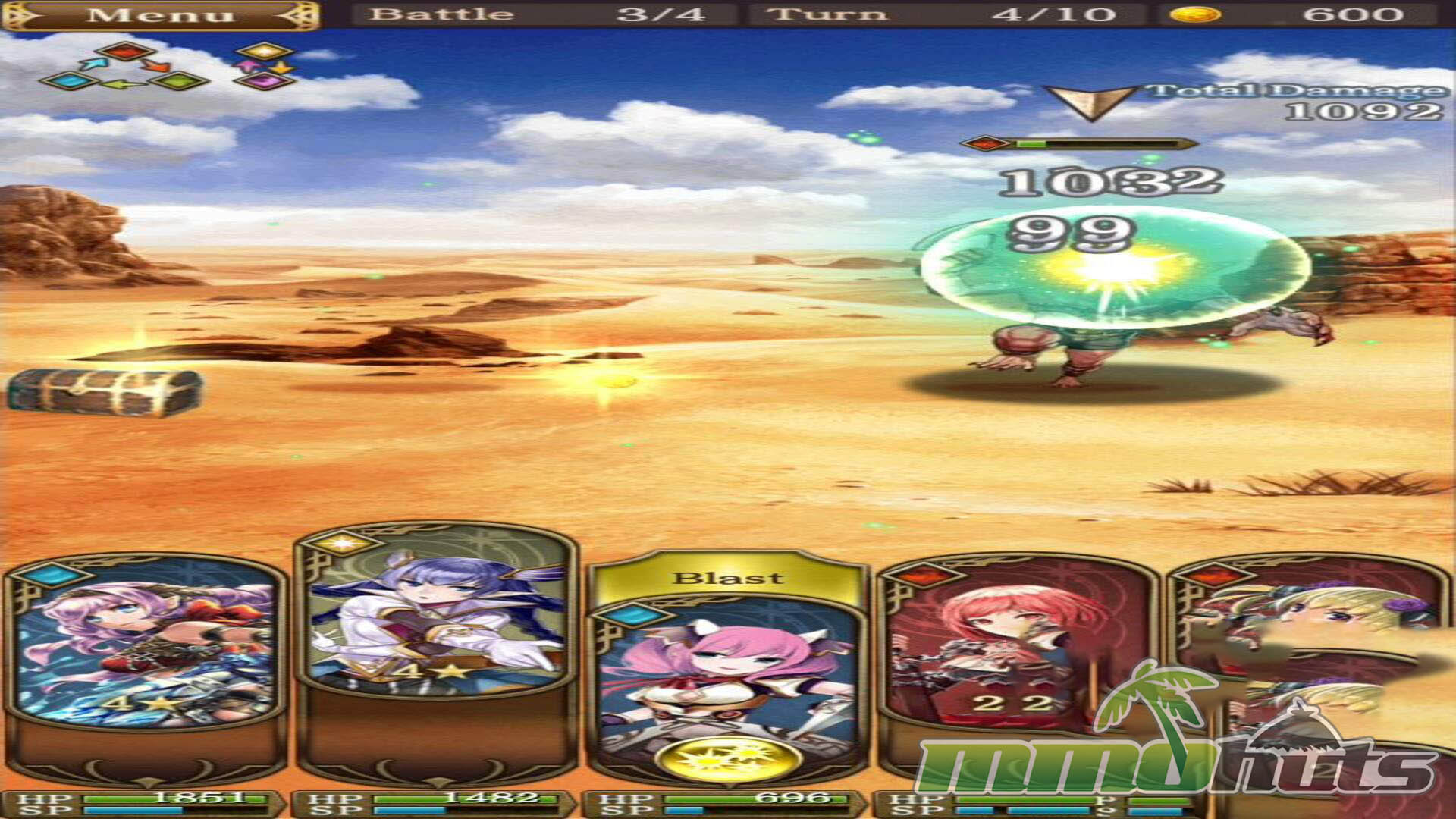
- Tactical Combat – Turn-based fights emphasize planning around elements and the Sphere skill draws each round, rewarding smart positioning and target choices.
- Many Cards to Collect – Build squads from a large pool of cards, then level, enhance, and evolve favorites to handle tougher story stages and bosses.
- Engaging Story – A dialogue-heavy campaign backed by extensive Japanese voice work adds personality and momentum between maps.
- Online PVP – Arena battles pit your team against other players’ lineups, with manual decision-making that makes matches feel more interactive than typical auto-battlers.
Grand Sphere Screenshots

Grand Sphere Featured Video

Grand Sphere Review
Grand Sphere was a free-to-play mobile card RPG developed and published by Silicon Studio. While it shared some DNA with the studio’s other card-driven title, Age of Ishtaria, it aimed for a different identity through its setting, a more guided story experience, and a battle system that asked for player input instead of leaning on automated routines. It released worldwide on August 24, 2015, and positioned itself as a more “playable” take on the collect-and-battle formula, pairing gacha acquisition with tactical, turn-based decision making.
Story and presentation that carry the early hours
Where many mobile card RPGs treat narrative as light flavor, Grand Sphere put story scenes front and center. Dialogue is frequent, easy to follow, and supported by high-quality Japanese voice acting with subtitles, which gives even smaller scenes more energy. You play a knight who is also a Grand Sphere, traveling with a small robotic companion named Comette, and the opening chapters quickly establish a rescue motive when Princess Stella is taken, pushing the party onward through new areas.
The writing leans into a mix of humor and drama, and the game uses its characters to keep the pacing moving between maps. Story beats typically return after map progress, with additional snippets appearing around certain stages, so it feels structured like a campaign rather than a loose sequence of battles. For players who enjoy mobile RPGs that offer a clear narrative thread, this was one of Grand Sphere’s strongest hooks.
Map-based progression with quick, repeatable stages
Astrum is presented through multiple maps, each split into several stages that follow a pathing layout. You select nodes along routes, and along the way you can run into events and treasure chest branches that add small rewards and breaks from the straight line. Stage design is built for short sessions, most fights take only a few minutes, and each attempt consumes energy (AP), which naturally limits how long you can grind in one sitting.
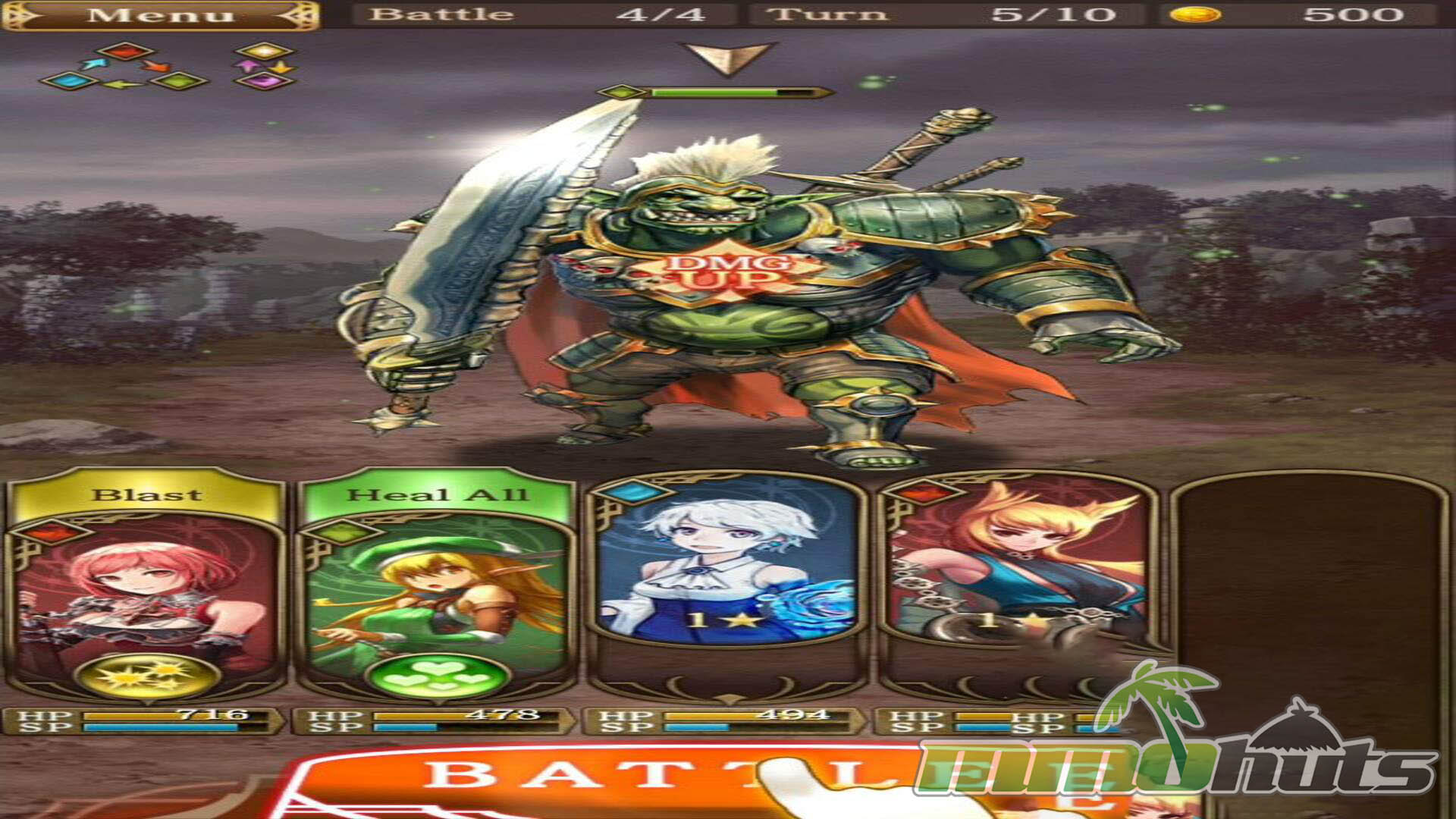
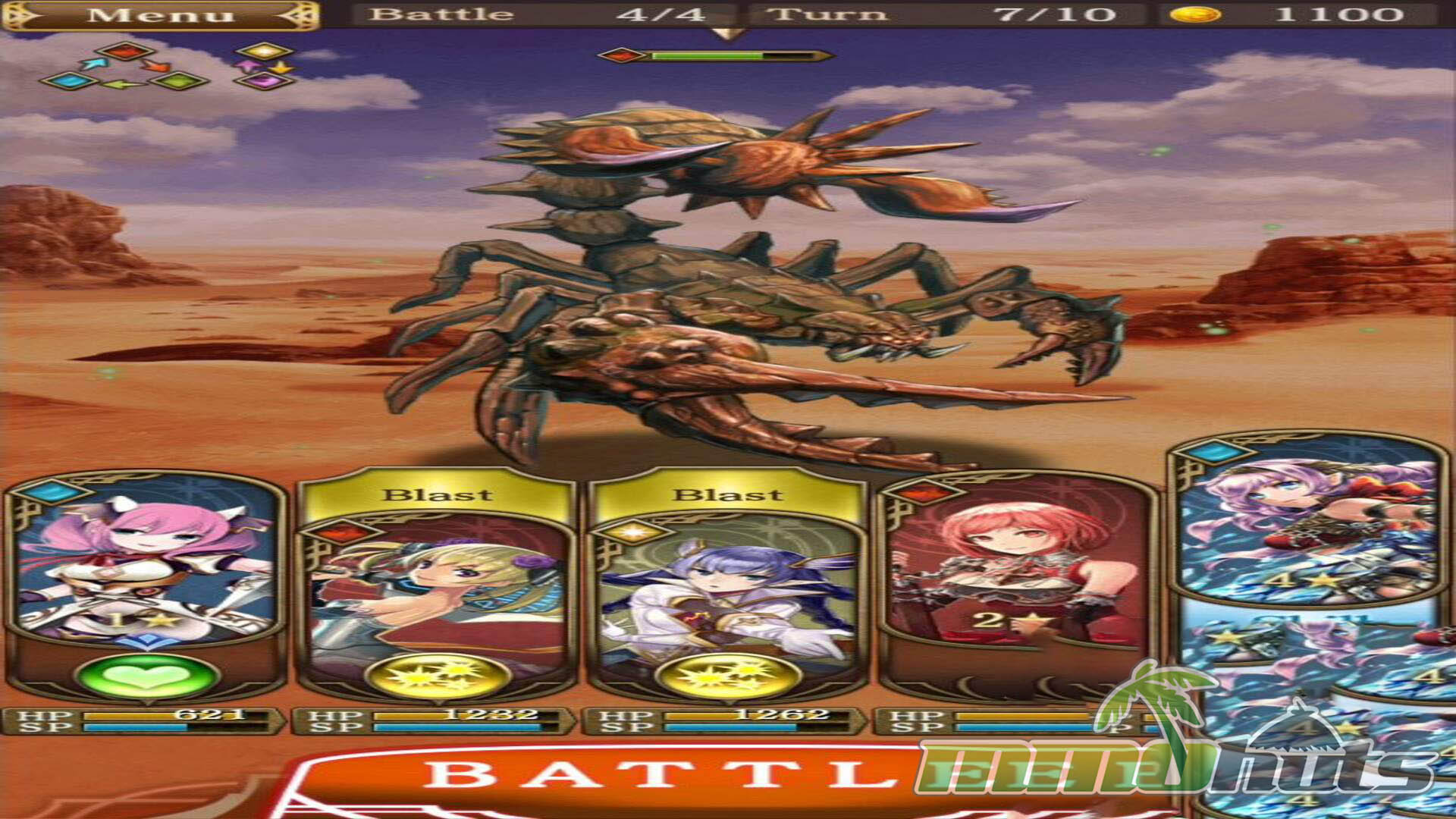
Combat encounters are organized into waves. Standard stages run through three waves, typically culminating in a boss in the final wave, while the main boss stage at the end of a map stretches to four waves. Rewards include gold, experience, occasional card pickups, and materials used for crafting and upgrades. Visually, the game is fully 2D, but monster animation is surprisingly lively for the format, and the JRPG-like music and flashy effects help battles feel punchy rather than flat.
A turn-based system that actually asks you to think
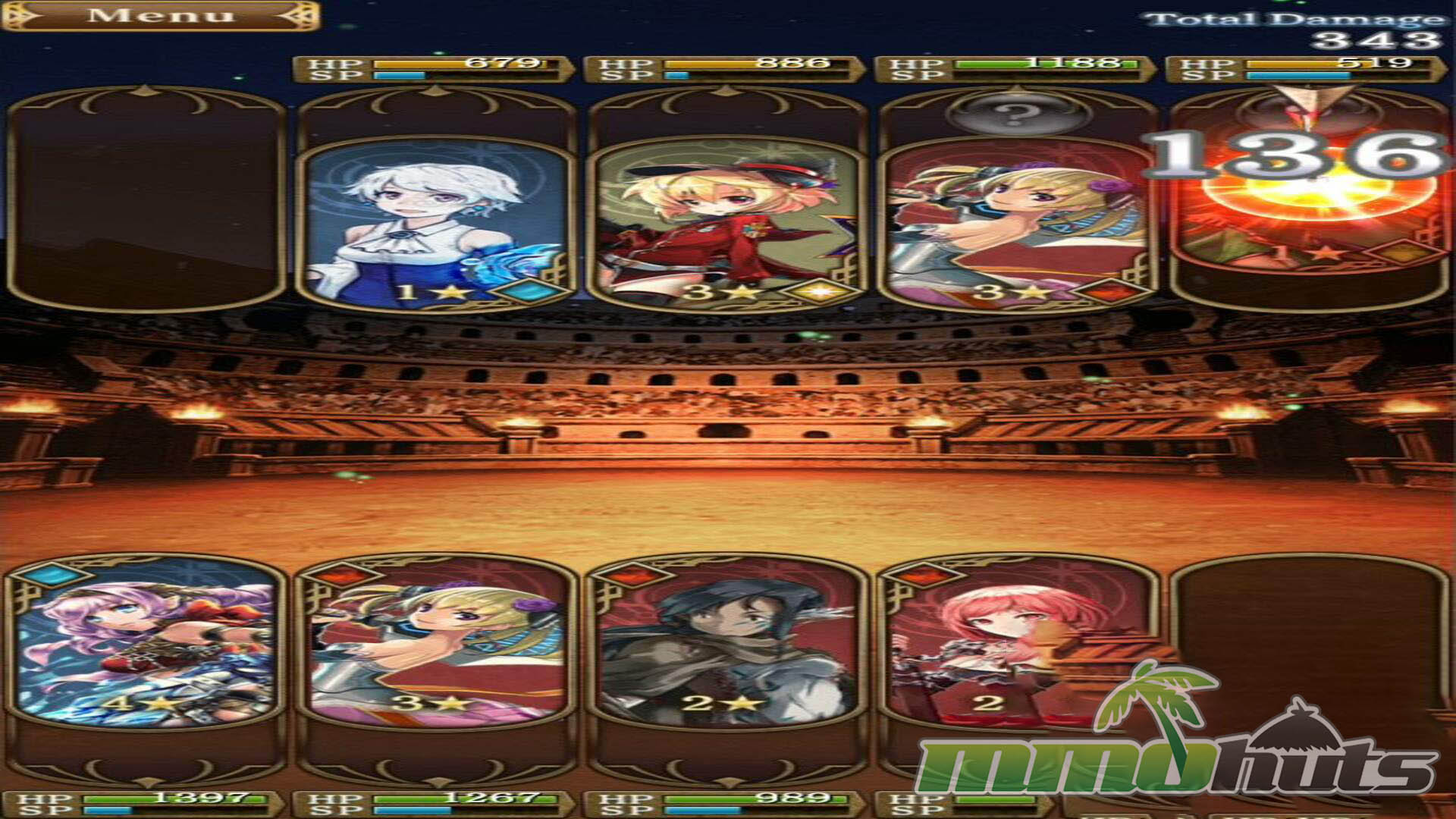
Grand Sphere’s combat is the clearest reason it stood out in a crowded mobile card RPG field. You bring up to four cards into a fight, and you can add a fifth ally by borrowing another player’s card, with a friend option available on a daily cadence. Instead of watching an auto-resolve, you make choices each round, reposition cards, select targets, and decide when to use skills.
The signature mechanic is the Sphere skill system. At the start of each round, a set of Sphere skills appears as randomized options. You then assign your cards to those Spheres by positioning them, effectively deciding who receives which effect. These skills are not limited to simple buffs, they can include attacks with special properties (such as hitting lines or piercing) and support tools like healing. Because the Spheres change from round to round, the system creates a steady stream of small, tactical puzzles.
Elemental planning matters as well. The game uses an element relationship where Fire beats Earth, Earth beats Water, and Water beats Fire, while Light and Dark counter one another. Picking the right lineup before a stage, then applying Sphere skills with the best elemental matchups, can swing a battle quickly. Cards also carry their own special abilities that trigger once an SP gauge fills, adding another layer of timing. The overall result is a combat loop that is approachable on mobile but still rewards paying attention to positioning, targets, and skill allocation.
Card collection, limits, and long-term upgrading
Card hunting and development are the backbone of progression. Each hero card comes with an element, core stats (Attack and HP), a special skill, and a rarity tier measured in stars (1 to 6). Cards gain levels through play, and you can accelerate growth by enhancing them using other cards as fodder. The visual design leans heavily into colorful, anime-styled fantasy characters, and the roster is large enough to support experimenting with different compositions rather than locking into a single team.
The system also avoids letting players stack only the highest-cost power cards early on. Each card has a Cost, and your deck is constrained by a Cost Limit that increases as you level up. On top of that, equipment can be crafted or earned from stages to push stats higher, and endgame-focused growth comes from evolving cards using Evo items and Faeries after reaching max level (level 50). Between stage drops, chest finds, and summons, the game offered multiple ways to expand your collection, even if the gacha remained the fastest path to high-rarity pulls.
Arena PvP that stays interactive, even when asynchronous
The Arena is where Grand Sphere’s hands-on combat design pays off against other players’ lineups. Matches are not real-time head-to-head; instead, you fight teams built by other players while the opponent side is controlled by AI, which helps keep battles fair given uneven card strength and availability. Even so, you still make the meaningful choices, moving cards, assigning Sphere skills, and focusing targets like you would in story content.
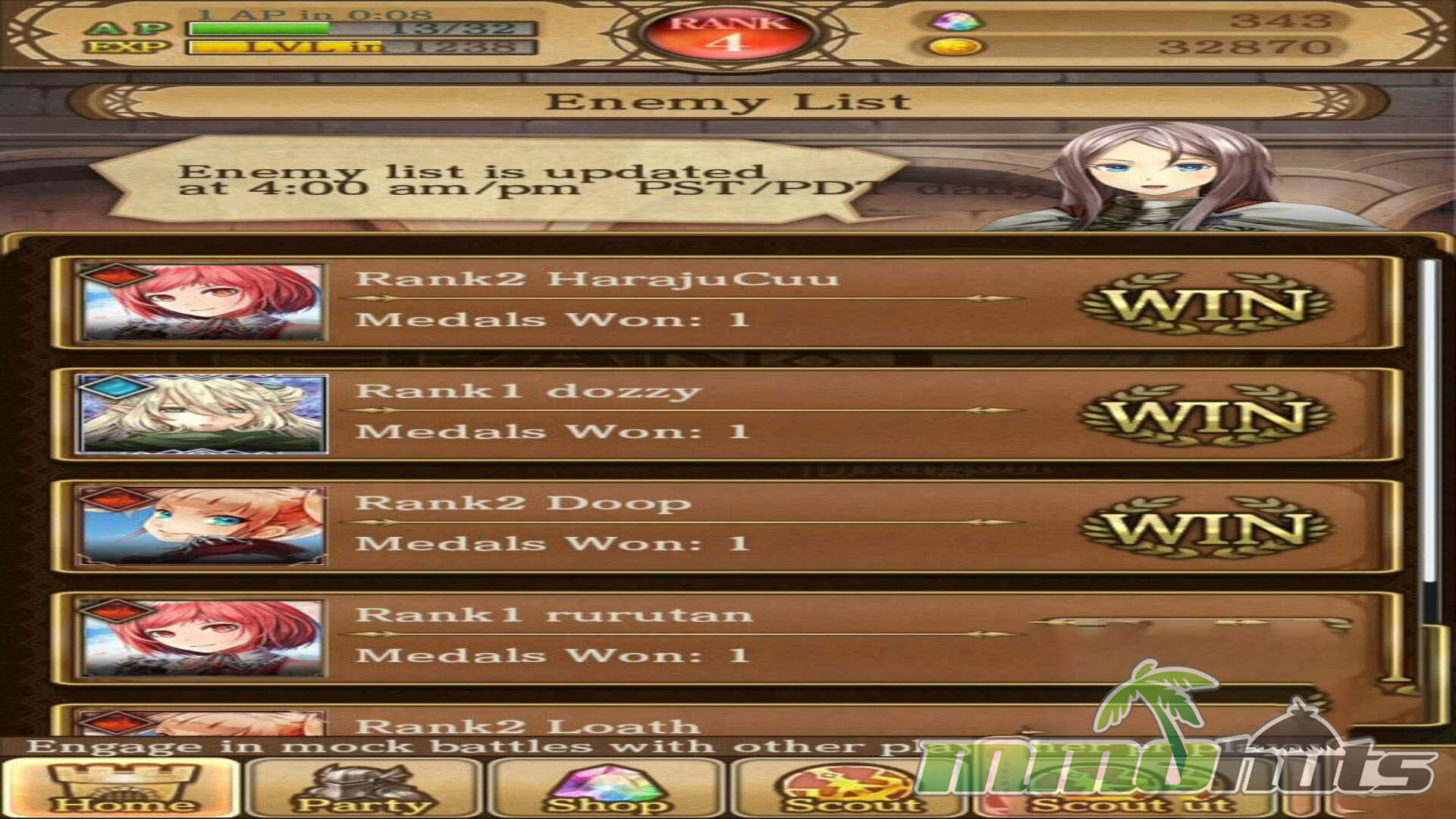
Opponents are selected from a list that refreshes daily at 4 pm PST. Winning grants Medals, which are then spent on items in the Arena shop (including cards, Faeries, and materials). With no leaderboard pressure, the mode feels more like a steady side activity than a cutthroat competitive ladder, and it provides a useful alternate progression route for players who enjoy testing their builds.
Cash Shop/In-App Purchases (IAP)
Monetization centered on “Scouting,” the game’s gacha summon system. Players could spend premium Gems on Rare Scouts that draw cards in the 3 to 6 star range, while Link Points (earned through play and social actions like adding friends) fuel Normal Summons that draw 1 to 3 star cards. As with most gacha designs, the odds favor lower rarities, making top-tier pulls comparatively uncommon.
That said, the game did distribute Gems through regular play. Stage completion awards Gems, and saving up to the 300 Gem cost for a Rare Scout was a realistic goal for active players. Gems could also be used for convenience purchases such as gold and energy. Overall, Grand Sphere followed familiar mobile RPG economics, but it provided enough free currency through progression to keep non-spenders engaged, especially early on.
Final Verdict – Great
Grand Sphere delivered a notably engaging mobile card RPG package, pairing a voiced, story-driven campaign with attractive anime art and a turn-based combat system that rewarded active decision making. While the repetitive stage structure and AP limitations could slow longer sessions, the Sphere mechanic and manual control helped the game feel more strategic than many genre peers, making it an easy recommendation for players who wanted a more involved card battler on mobile.
Grand Sphere Links
Grand Sphere Japanese Official Site
Grand Sphere Google Play
Grand Sphere iOS
Grand Sphere System Requirements
Minimum Requirements:
Android 3.0 and up / iOS 5.1.1 or later.
Grand Sphere Music & Soundtrack
Grand Sphere Additional Information
Developer: Silicon Studio
Publisher: Silicon Studio
Platforms: Android, iOS
Release Date: August 24, 2015
Shut Down: February 27, 2019
Grand Sphere was developed and published by Silicon Studio, a Japan-based studio known for co-developing the Bravely series with Square Enix and for its mobile card RPG Age of Ishtaria. The title arrived in Japan prior to the English release, then launched worldwide in English on August 24, 2015. In line with the studio’s broader design tendencies, it emphasized tactical, turn-based play rather than fully automated battles. Silicon Studio has also published the mobile puzzle game Pixel Rain, which has surpassed 1 million downloads on Google Play. Grand Sphere’s service ended on February 27, 2019.