Metro Conflict is a 3D tactical shooter that leans into near-future sci-fi tech while keeping matches quick and lethal. Instead of a one-loadout-fits-all approach, it pushes you toward specialized classes with signature skills and weapon access, which gives each round a slightly different rhythm depending on team composition.
 | Publisher: Red Duck Playerbase: Shut Down Type: Shooter Release Date: November 8, 2017 (Re-release) Pros: +Distinct sci-fi backdrops. +Class skills add tactical variety. +Weapons can be kept permanently. Cons: -Limited selection of modes. |
Metro Conflict: The Origin Overview
Metro Conflict is a tactical first-person shooter with a science-fiction coat of paint, set in a near-future United States. It was created by Red Duck Inc, a studio many players recognize from Alliance of Valiant Arms, and it aims to blend grounded gunplay with futuristic gadgets and visual flair. That theme helps it stand apart from the many contemporary military shooters that dominated the genre around the same era. Even though the title includes the word “metro,” it is not connected to the Metro single-player franchise in any way. Metro Conflict officially shut down on April 25, 2016.
One of the biggest design pillars is the class-based setup. Similar in spirit to games like Dirty Bomb, each class comes with its own weapon access and a defining ability, which encourages teams to mix roles rather than stack identical loadouts. In practice, this means you are often thinking about ability timing and positioning in addition to traditional aim and recoil control.
Metro Conflict Key Features:
- Tactical Shooter – A round and mode structure reminiscent of titles like Alliance of Valiant Arms and Combat Arms, but framed by a sci-fi setting.
- Class System – Choose from 8+ classes, each tied to different weapons and a unique skill that can swing fights when used well.
- Varied Matches – Standard FPS staples are represented, including Team Deathmatch, Demolition, and Cube Rush.
- Augment Reality Vision – A special vision mode that alters how you read the battlefield and spot threats.
- Unique Variety of Weapons – A mix of familiar firearms like SMGs and assault rifles alongside less typical options such as dual-wielded weapons.
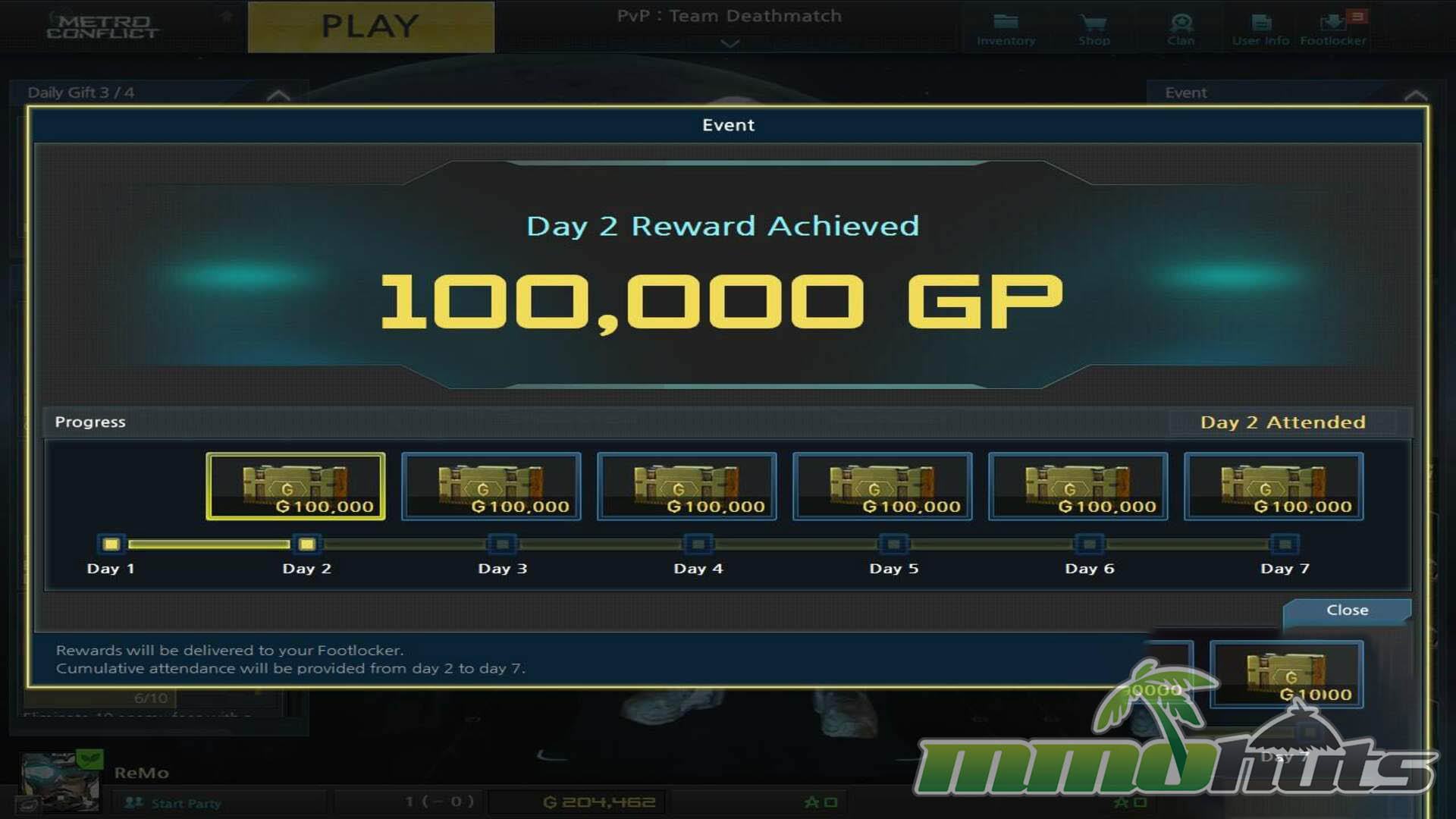
Metro Conflict: The Origin Screenshots
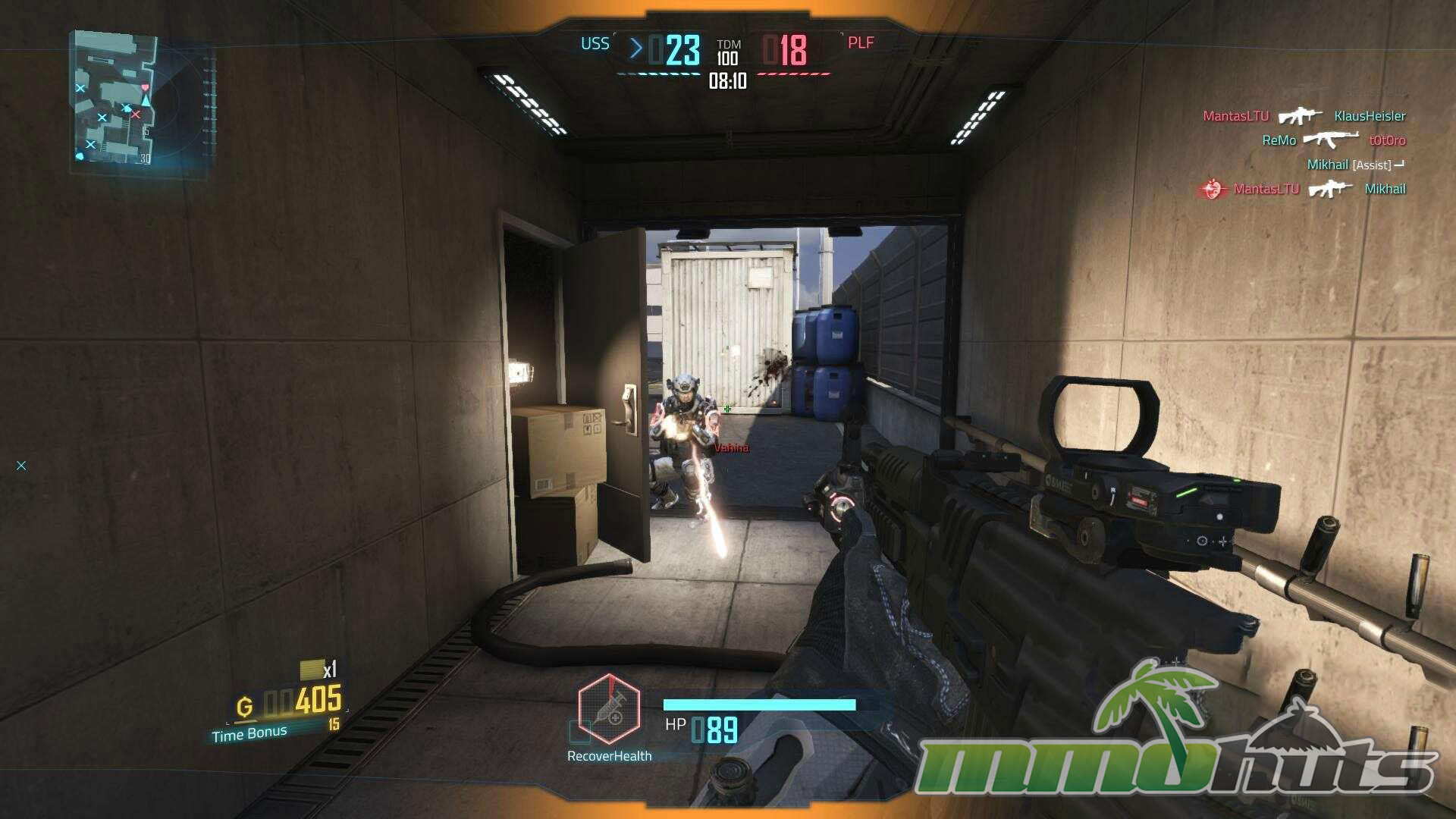

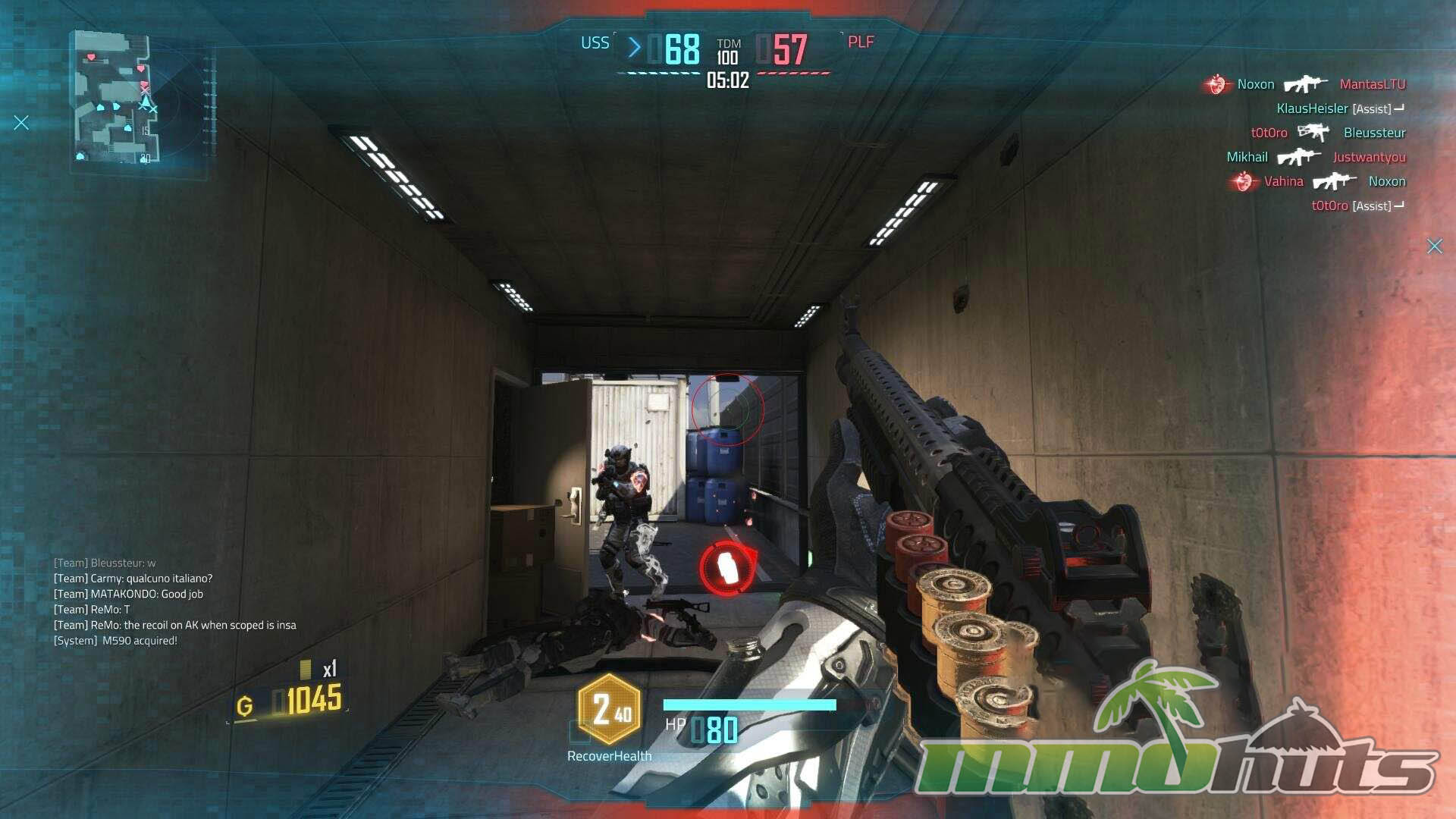
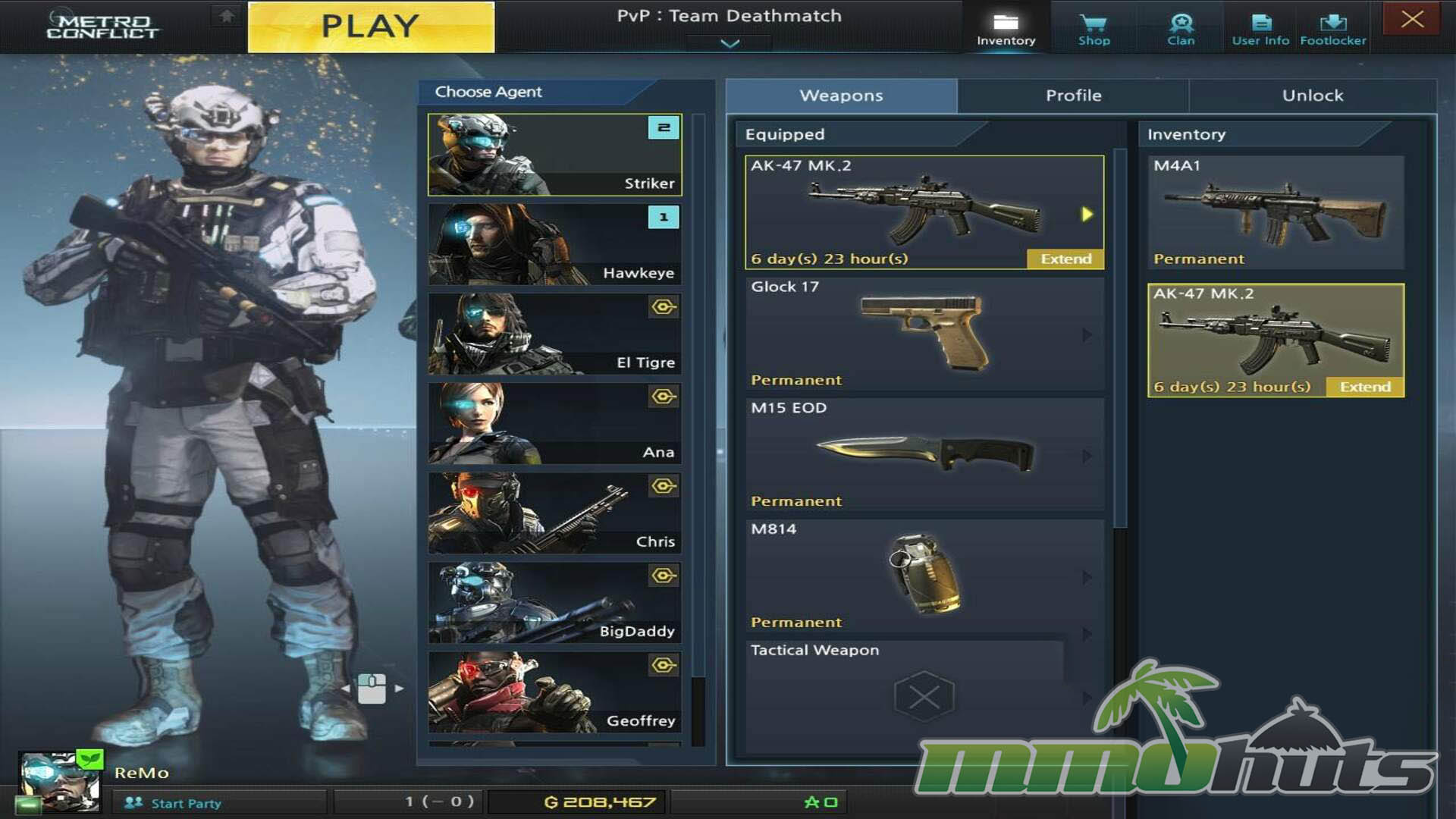
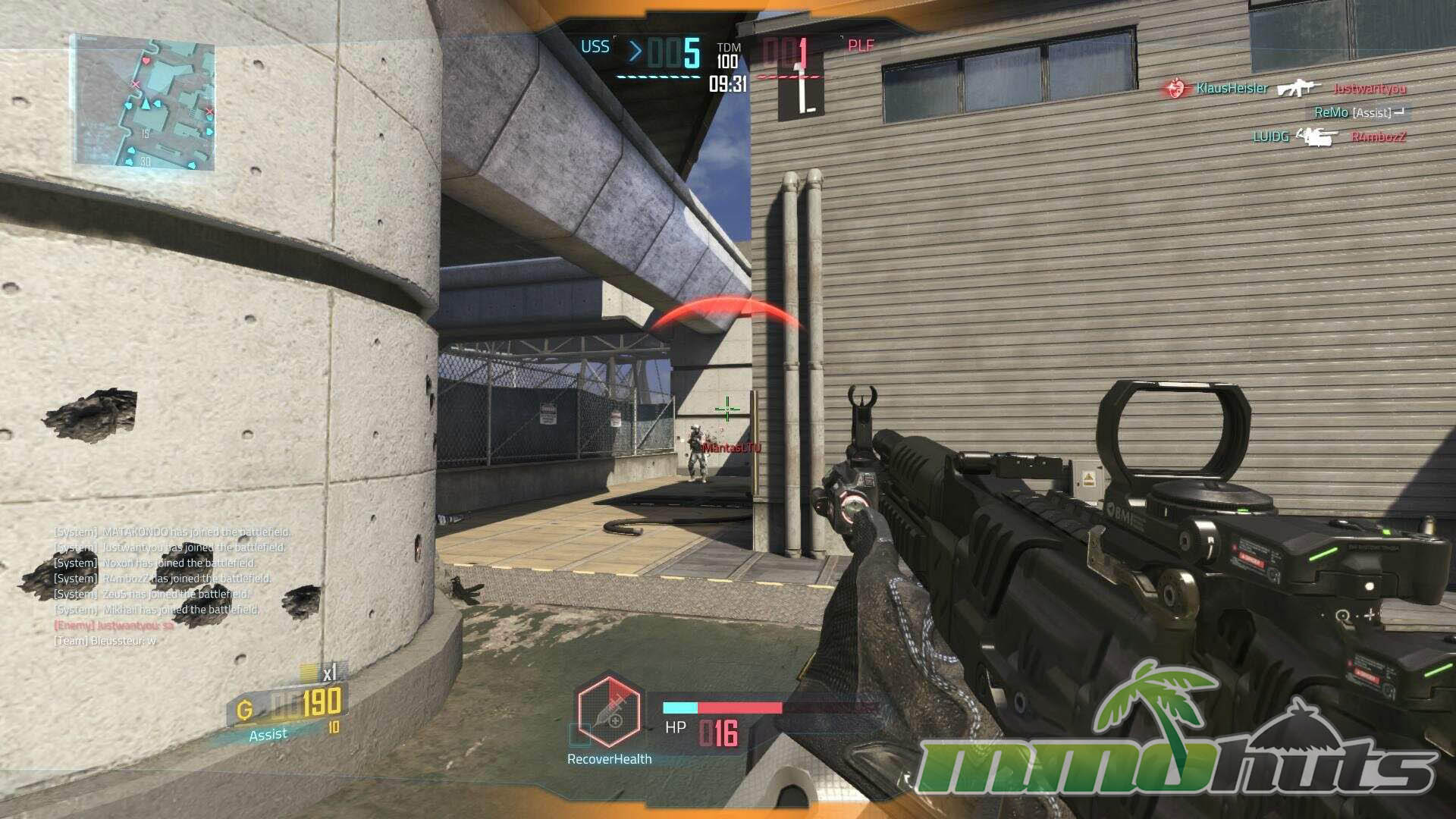
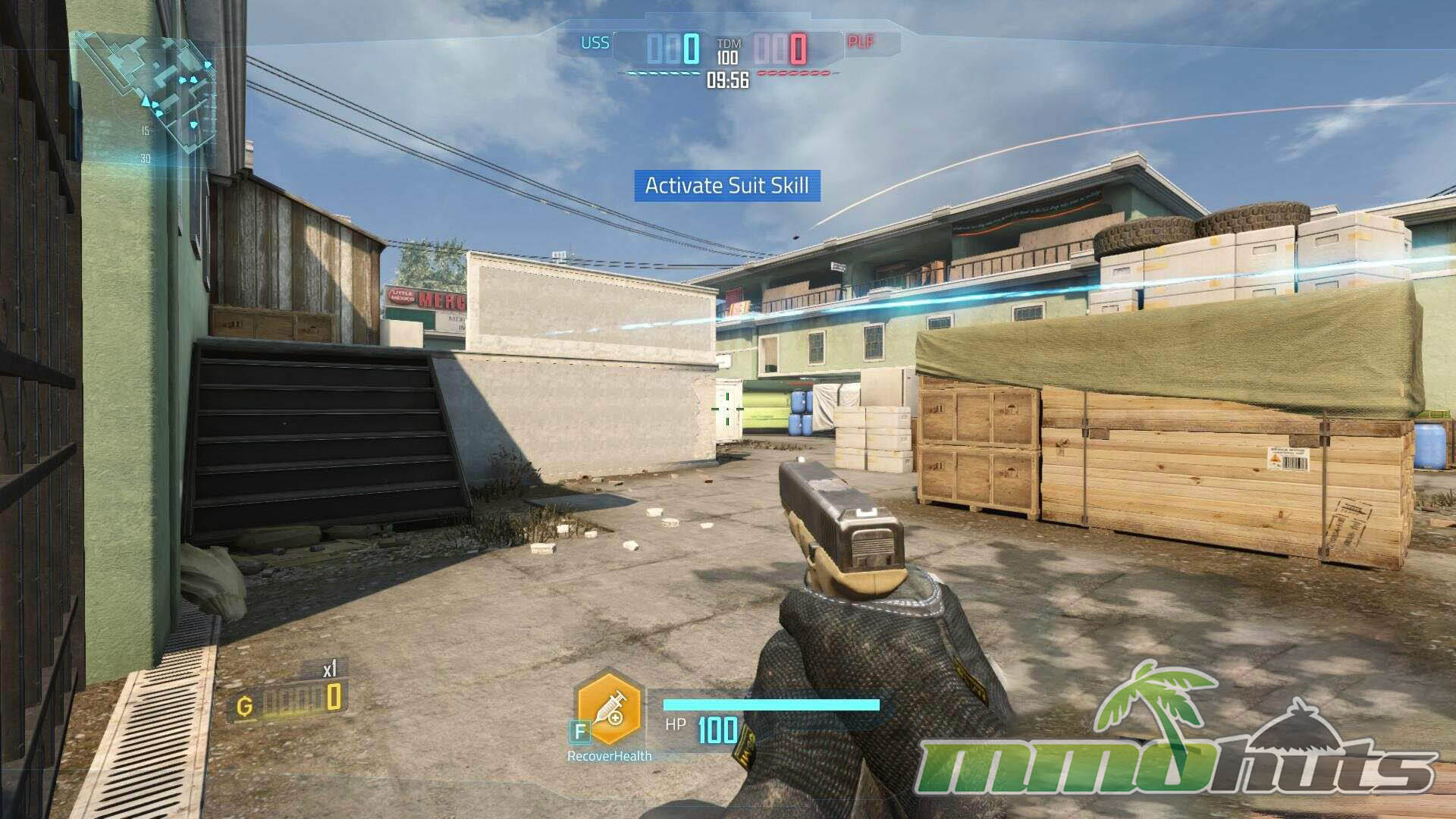

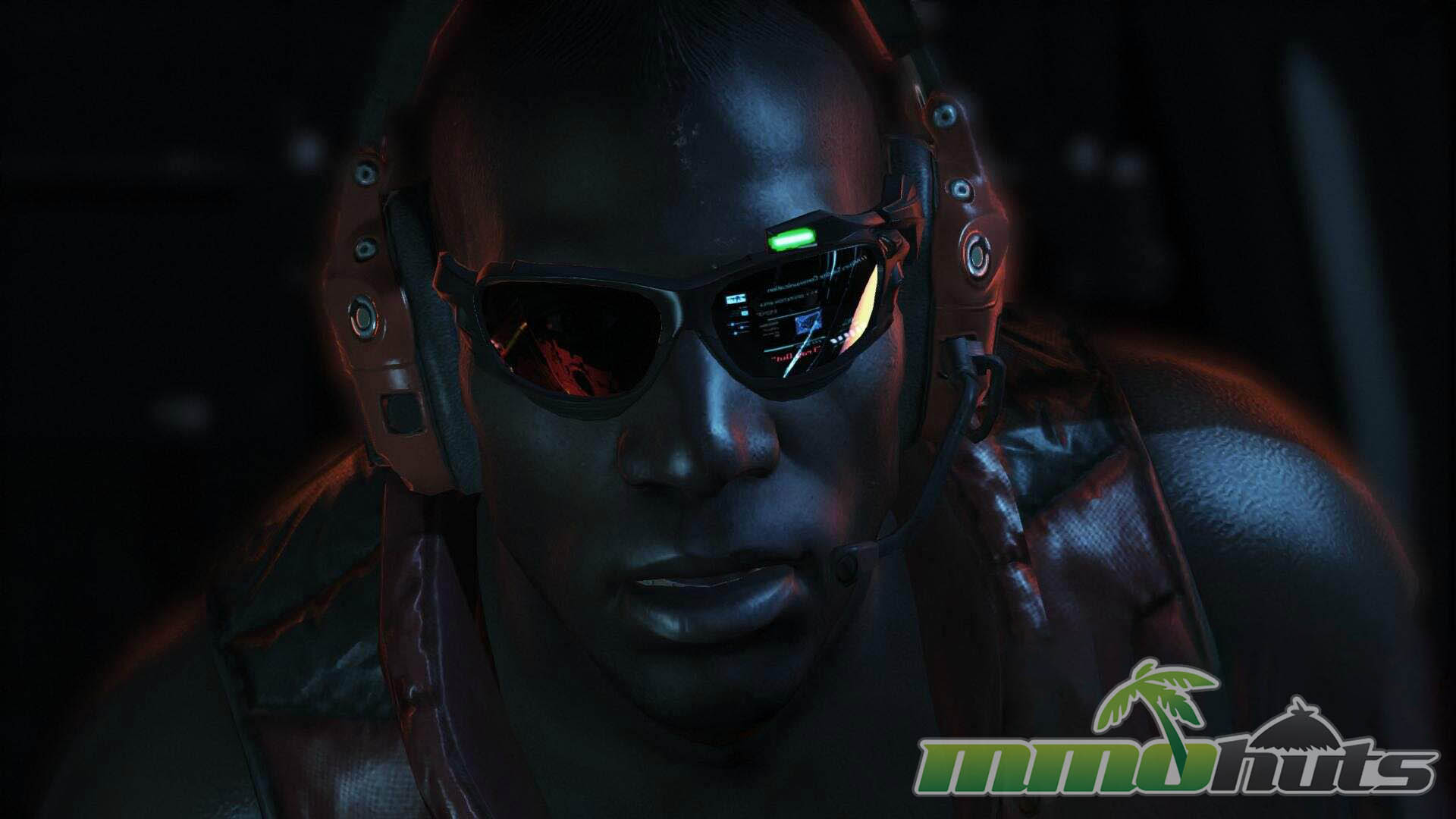
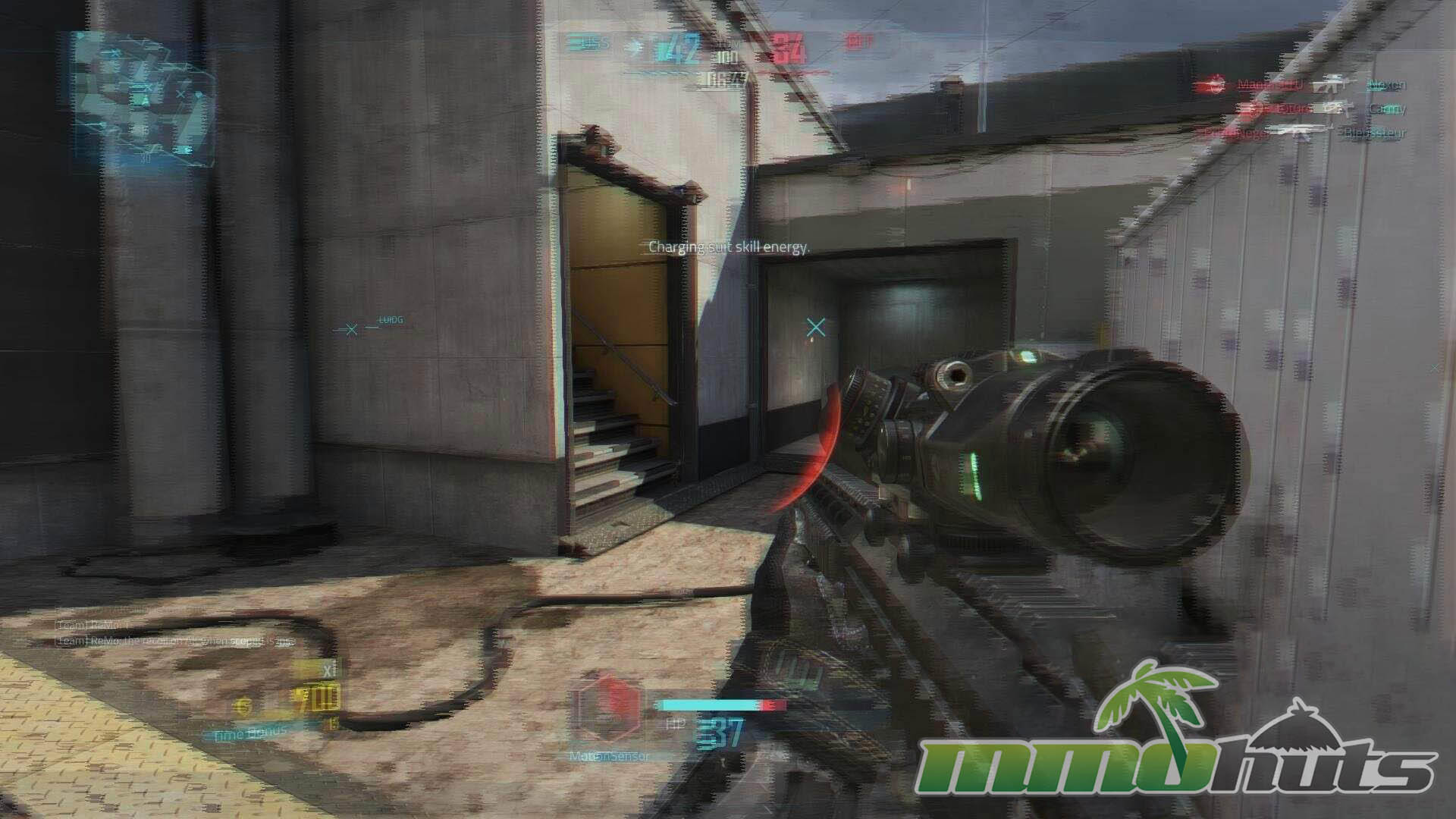
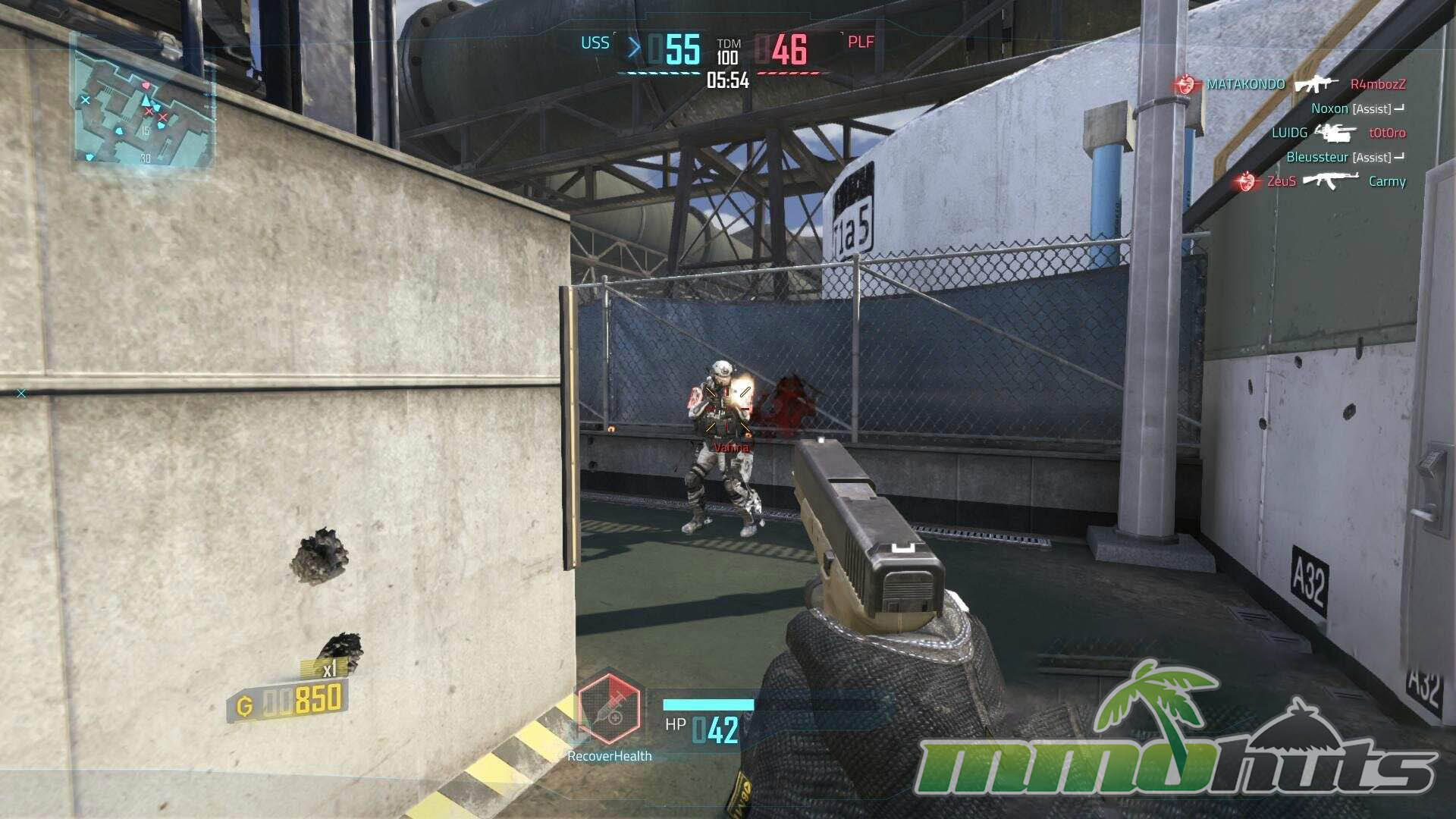
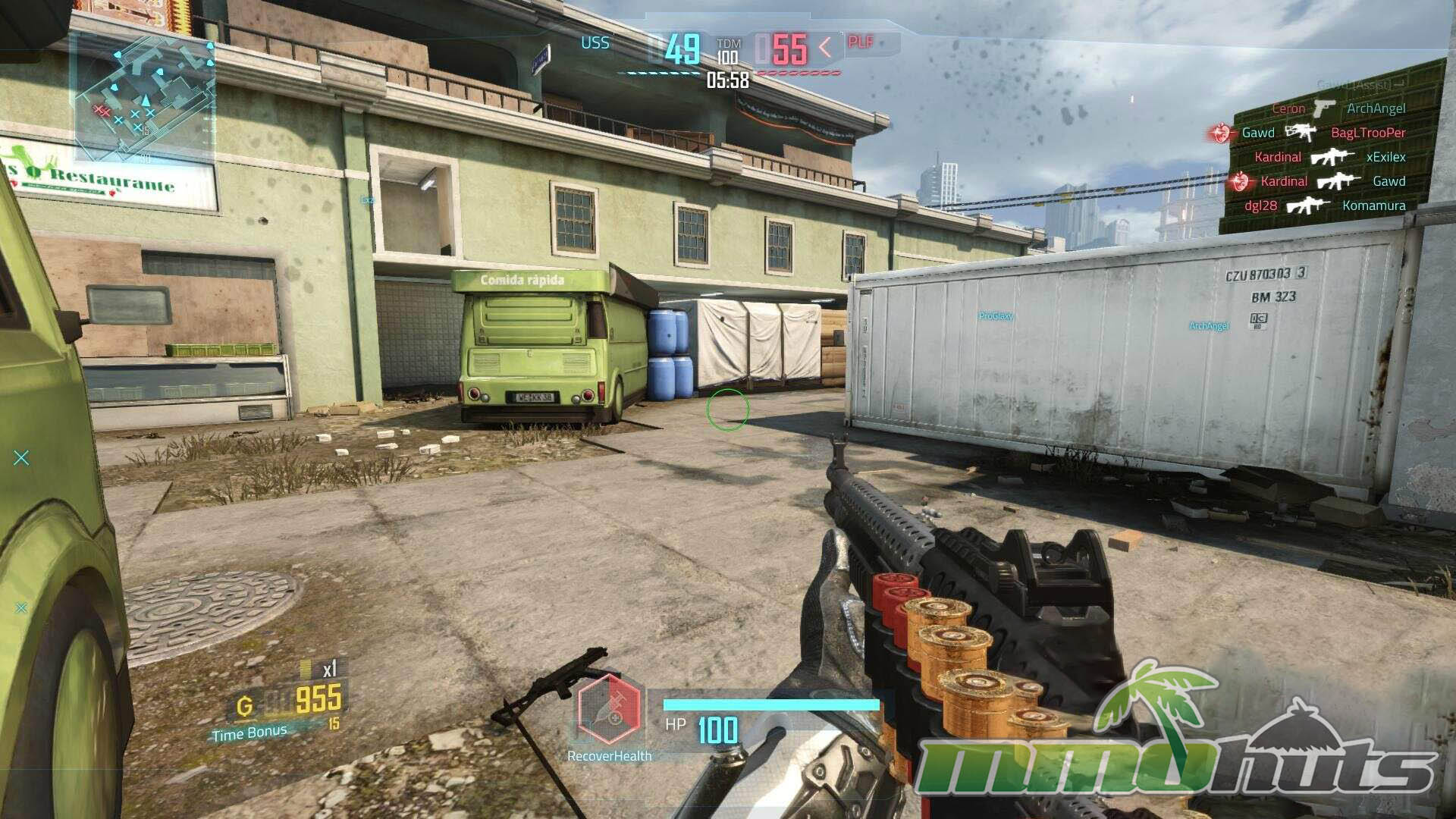
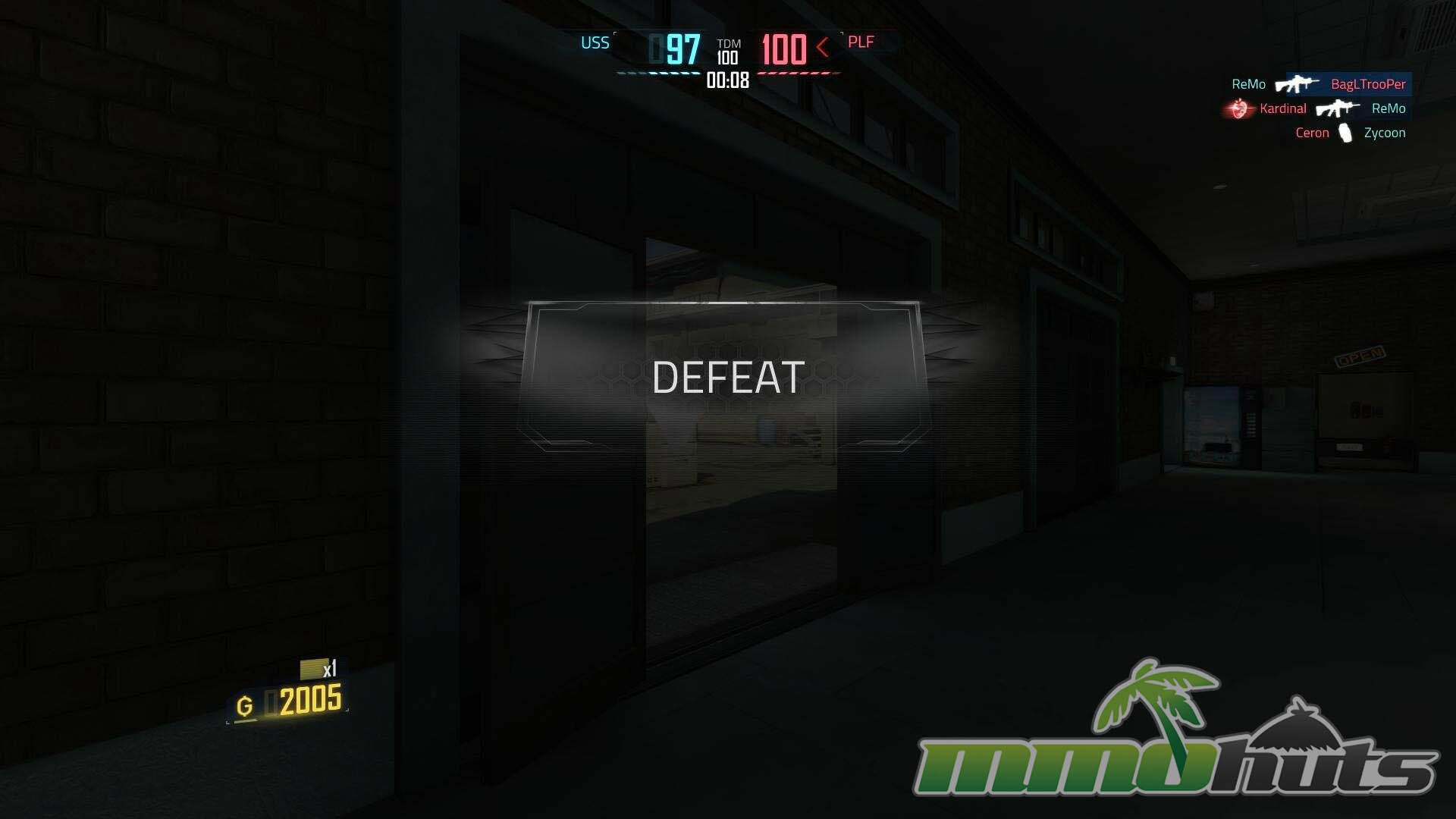
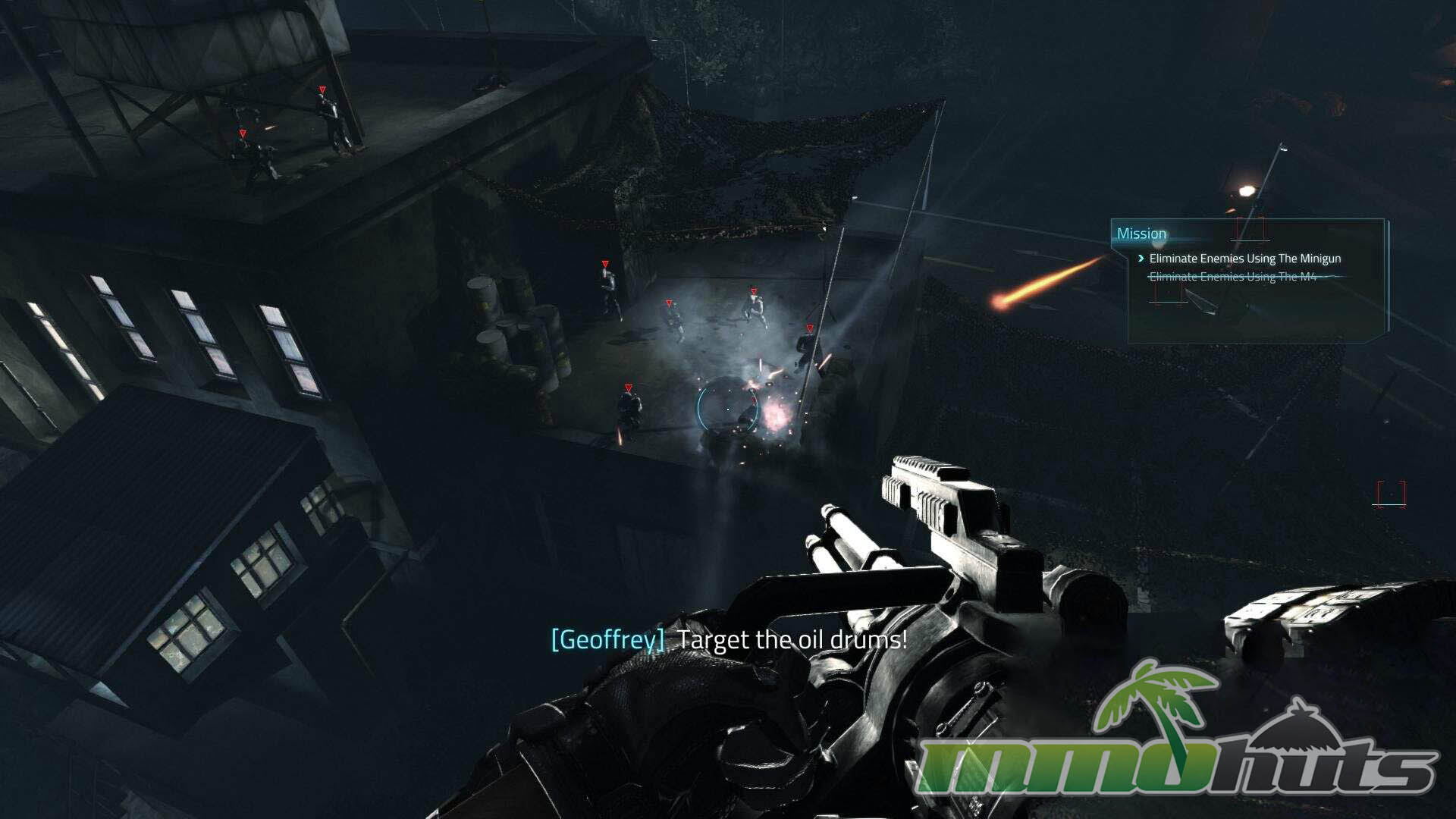
Metro Conflict: The Origin Featured Video

Metro Conflict: The Origin Review
Metro Conflict: The Origin is built around quick firefights where positioning and reaction time matter, but it tries to avoid feeling like a purely twitch shooter by tying power moments to class abilities. When the class tools are used intelligently, engagements become less about who sees who first and more about who controls angles, pushes at the right time, or forces opponents out of cover.
Gunplay is generally in the tactical-FPS lane rather than the arena-shooter lane. Time-to-kill trends toward being fast enough that mistakes are punished, especially if you peek carelessly or commit to a fight without support. The sci-fi elements are more about utility and readability than turning the game into a full ability brawler, so the shooting remains the core skill test.
The class system is the most distinctive part of the package. Because each class has a constrained weapon pool and a signature skill, your choice has real consequences. It also gives the game a clearer identity than many lobby shooters that simply offer cosmetic differences between characters. The downside of this approach is that variety depends heavily on having enough players and enough team coordination to let those roles shine. When matchmaking is thin or teams ignore composition, matches can start to feel repetitive.
Mode variety is serviceable but not expansive. Team Deathmatch and Demolition cover the basics for players who want familiar objectives, while Cube Rush adds an extra twist for those who prefer something a bit different. Still, the overall selection is not large, and long-term interest typically relies on enjoying the core shooting loop rather than chasing constant new modes.
As a historical note, the game’s Western service did not last. Metro Conflict shut down in NA and EU on April 25, 2016. It later returned as Metro Conflict: The Origin on November 8, 2017, and that re-release context is important when judging community health and ongoing support.
Metro Conflict: The Origin Links
Metro Conflict Official Site
Metro Conflict Steam page
Metro Conflict Facebook Page
Metro Conflict: The Origin System Requirements
Minimum Requirements:
Operating System: Windows 7 / 8 / 10
CPU: Dual Core 2.4 GHz
Video Card: Intel HD 3000 or better
RAM: 4 GB
Hard Disk Space: ~5 GB
Recommended Requirements:
Operating System: Windows 7 / 8 / 10
CPU: Dual Core 2.4 GHz
Video Card: GeForce 9800 GT or better
RAM: 4 GB
Hard Disk Space: ~8 GB
Metro Conflict: The Origin Music & Soundtrack
Coming Soon!
Metro Conflict: The Origin Additional Information
Developer: Red Duck Inc
Publisher: OGPlanet
Game Engine: Unreal 3 Engine
Beta Date: June 22 – June 29, 2015 (Open Beta)
Shut Down Date: April 25, 2016 (NA/EU)
Re-Release Date: November 8, 2017 (As Metro Conflict: The Origin)
Foreign Release:
China: 2015 (Published by Tencent’s QQ)
South Korea: 2015 (Published by Hangame)
Development History / Background:
Metro Conflict was produced by South Korean developer Red Duck Inc and runs on the Unreal 3 engine. Players familiar with Red Duck often associate the studio with Alliance of Valiant Arms, and Metro Conflict can be viewed as a genre-adjacent project that swaps modern military themes for near-future tech. In the West, OGPlanet served as the publisher and brought the game to open beta on June 22. Ultimately, it struggled to maintain a playerbase large enough to justify continued operation, leading to the NA and EU shutdown on April 25, 2016.
Red Duck later brought the title back as Metro Conflict: The Origin on November 8th 2017, initially positioning it as buy to play. That approach did not sustain momentum, and it shifted to a free to play model not long after, reflecting the difficulty of rebuilding a stable audience for the re-release.