
Fiesta Online
Fiesta Online is a cel-shaded, anime-flavored fantasy MMORPG that has been running in the West since 2007. With a colorful presentation, lighthearted tone, and a classic quest-and-grind structure, it offers six classes to grow into, plus a lively set of social and side systems that help it stand out among older free-to-play MMOs.
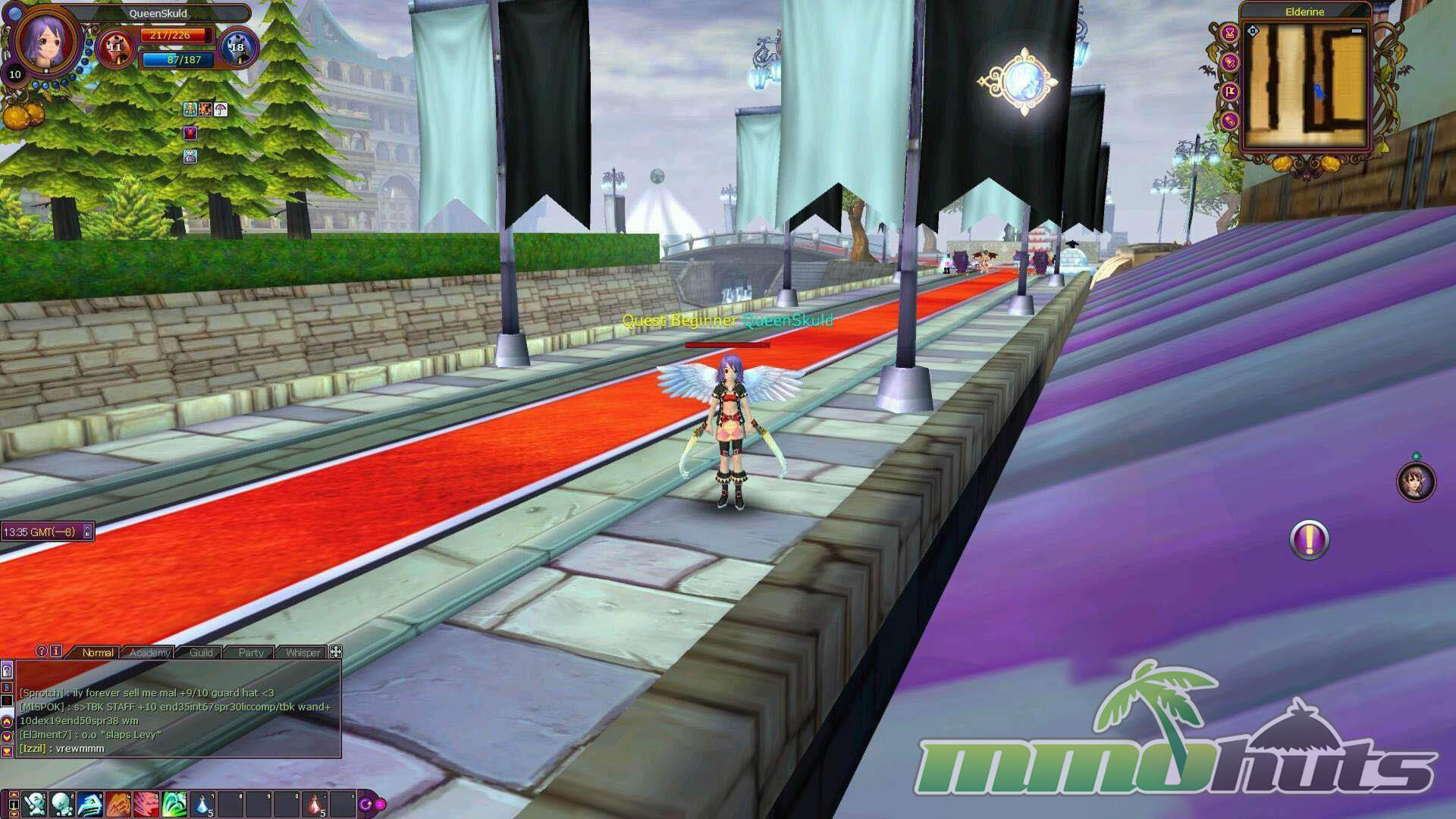
|
Publisher: Gamigo Playerbase: Medium Type: MMORPG Release Date: Nov, 7, 2007 (NA/EU) PvP: Duels / Open PvP Zones / Guild Wars Pros: +Large world with lots of zones and activities. +Strong player housing via Estates. +Entertaining Kingdom Quests. +Satisfying skill and stat growth. Cons: -Cash shop can provide major power. -Leveling becomes extremely grindy after 70. -No built-in auction house. |

Fiesta Online Overview
Fiesta Online is a 3D fantasy MMORPG built around bright, cartoon-like visuals and a consistently upbeat soundtrack. Progression follows a familiar structure of quests, monster hunting, gear upgrades, and party play, with a class system that expands through job changes at Level 20 and Level 60. There are six total classes, with one of them only becoming available after you have already advanced another character far enough.
Fiesta Online Key Features
- Anime MMO – a traditional theme park MMORPG core wrapped in cel-shaded, anime-inspired art direction.
- Class Variety – choose from six classes (Fighter, Cleric, Archer, Mage, Trickster, and Crusader) and grow through job advancements at Level 20 and Level 60.
- High Level Cap – a 115+ level cap designed for long-term progression, with stat and skill points earned each level for ongoing build shaping.
- Social Features – a marriage system for committed duos and a Master & Apprentice program that pairs newer players with veterans for guidance and perks.
Fiesta Online Screenshots

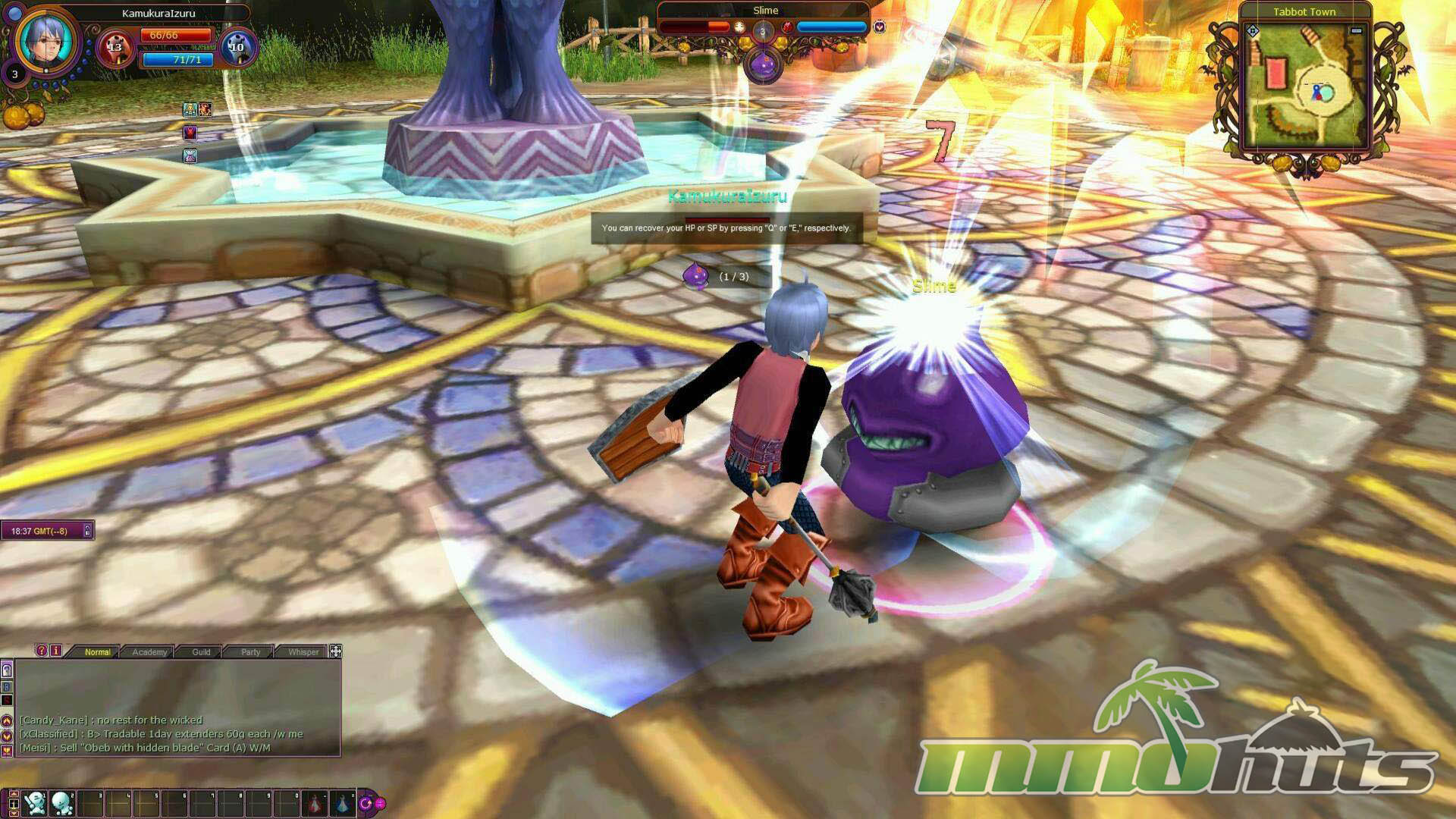
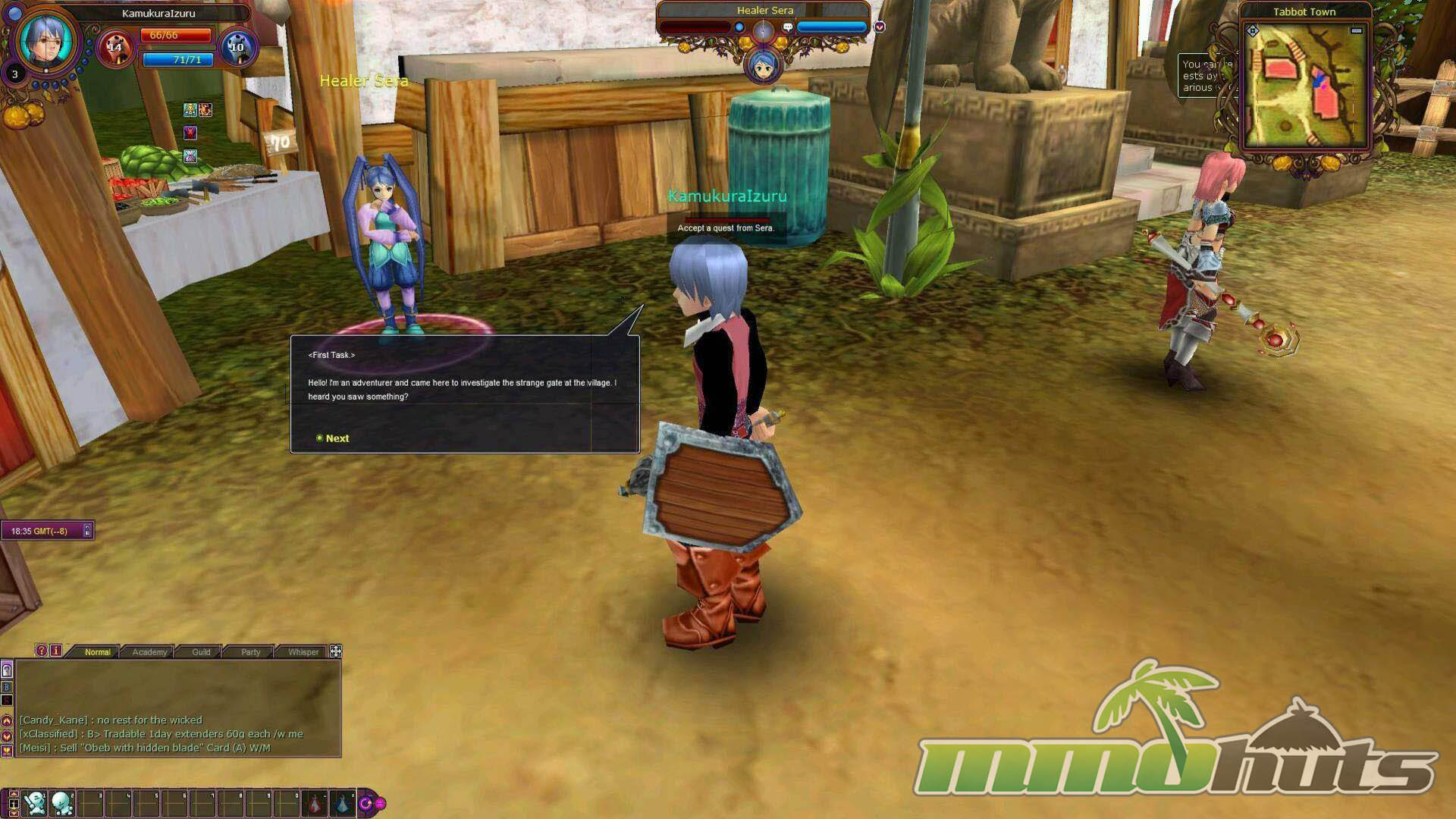


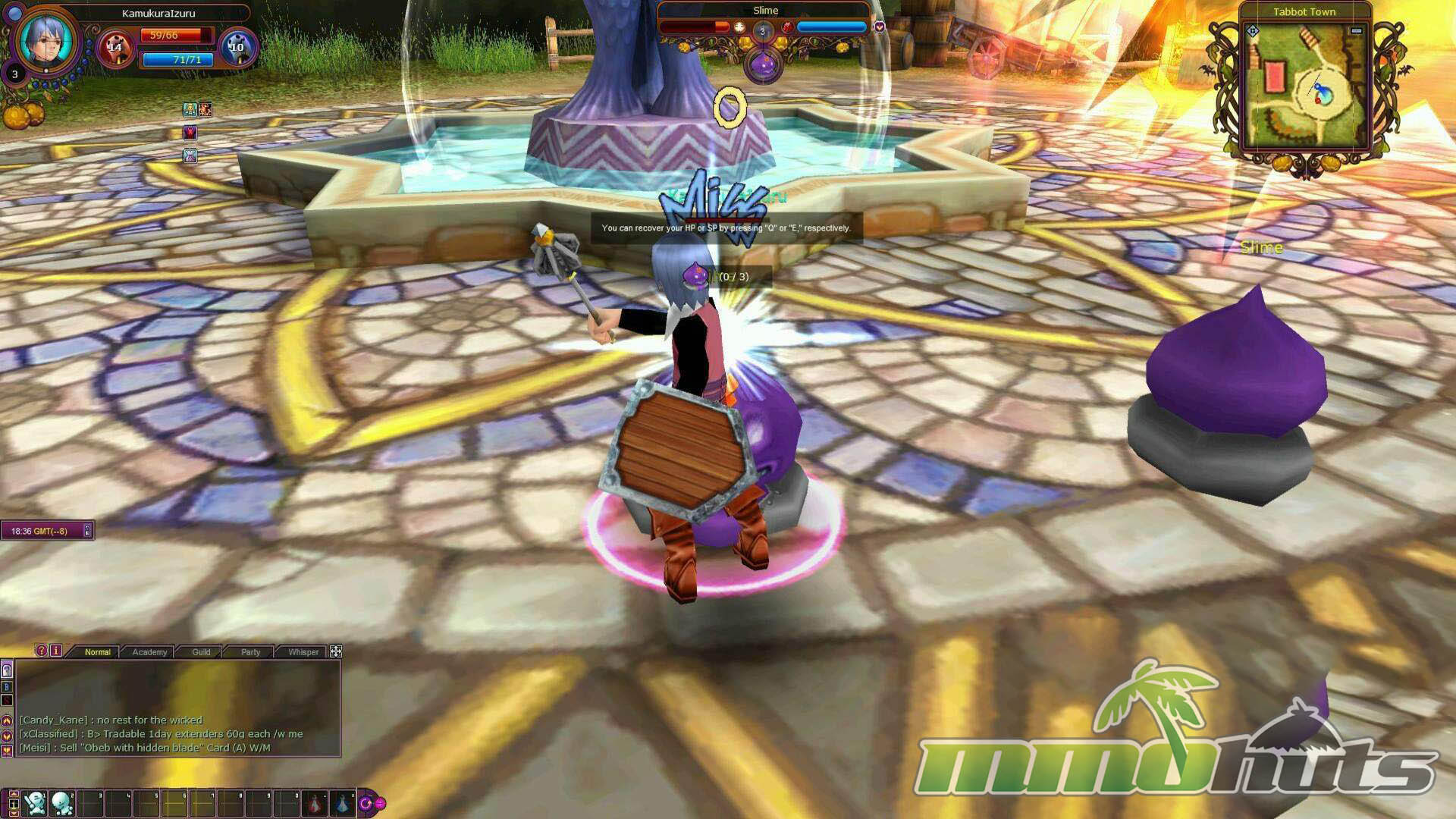
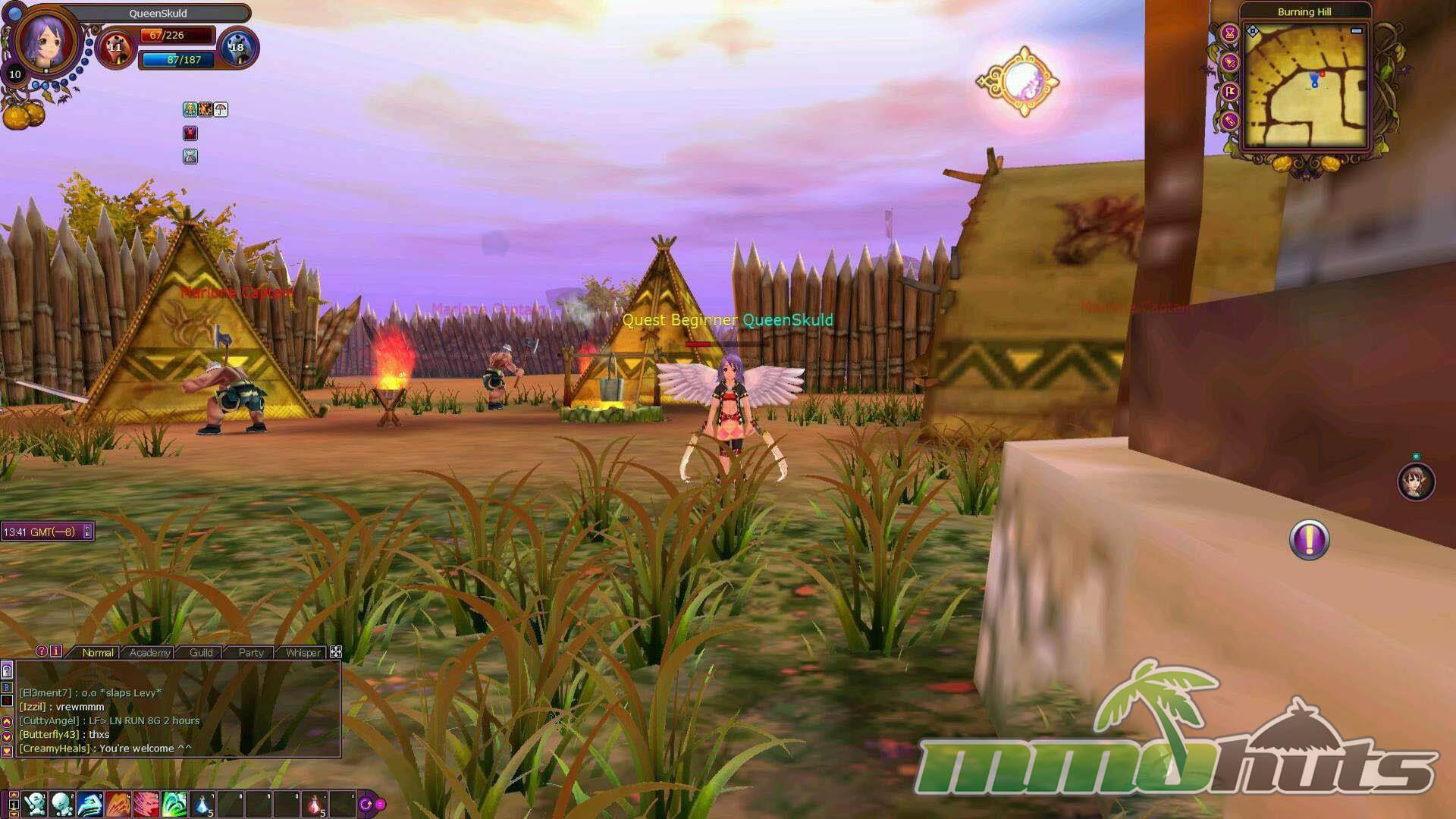
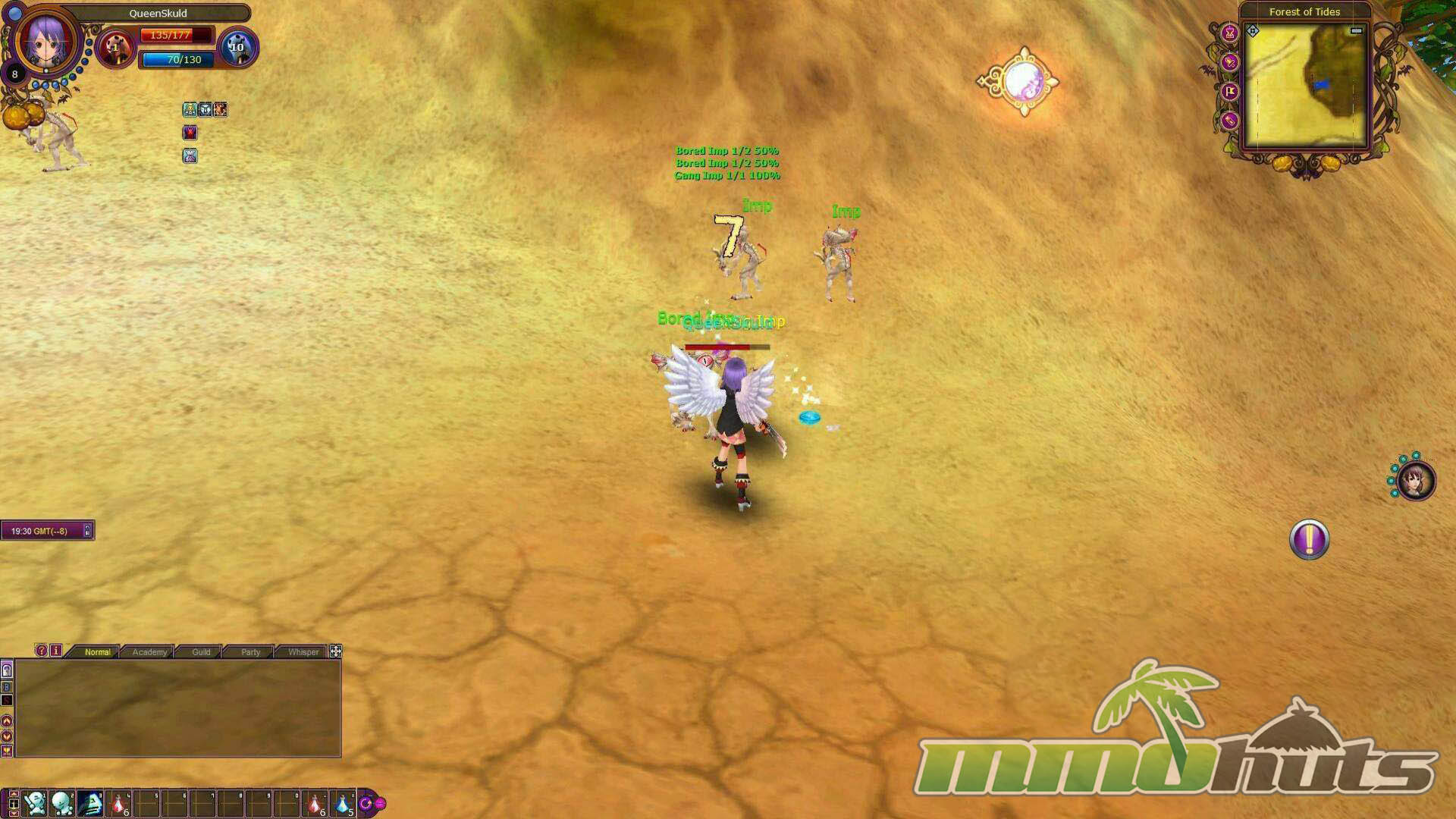
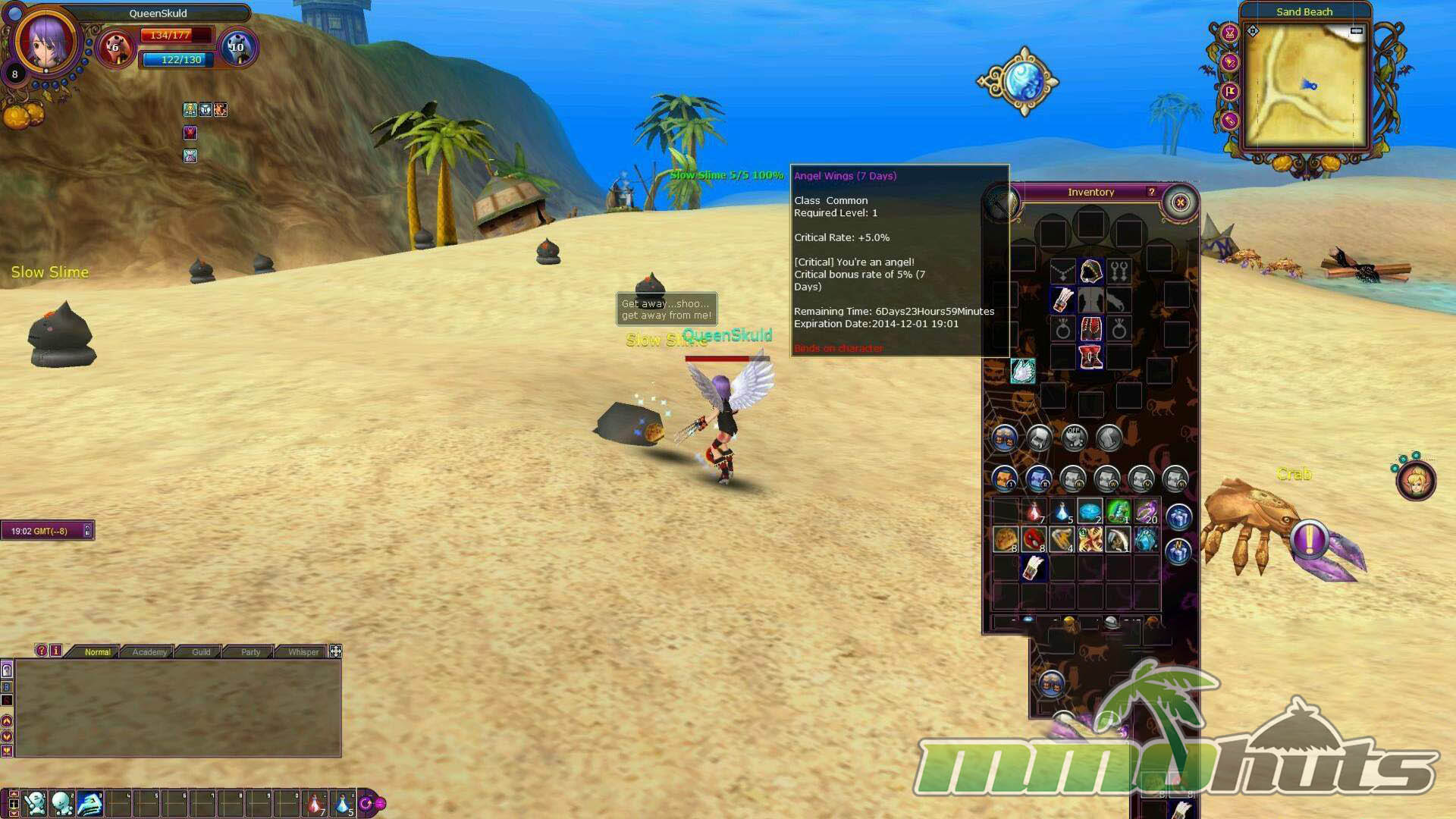


Fiesta Online Featured Video

Fiesta Online Classes
- Fighter – Fiesta’s front-line melee bruiser. Fighters favor close combat and can go with a sword-and-shield style or opt for heavier two-handed weapons like swords or axes to push damage.
- Cleric – the primary support healer, bringing restorative magic and buffs. Clerics typically wield a one-handed mace or hammer with a shield, staying durable while keeping parties alive.
- Archer – a ranged damage dealer specializing in bows or crossbows. Archers lean offensive and can pressure multiple enemies from a safer distance.
- Mage – a long-range spellcaster focused on magical burst and consistent damage. Mages use staves or wands and are notable for starting with access to a spell immediately.
- Trickster – a fast-paced melee class built around rapid hits and aggressive play. Tricksters uniquely dual-wield and are known for some of the quickest damage output in close quarters, using paired swords or claws.
- Crusaders – an unlockable class that requires another character to reach Level 60 first. Crusaders are a hybrid-style option, capable of healing while still contributing meaningful damage.
Fiesta Online Review
Fiesta Online began life in Korea under the name Shine Online, and its North American and European service has changed hands over time. It first launched in NA on November 7, 2007, was initially published in the West by Outspark, and is now operated by Gamigo, which took over the license on February 7, 2013 after Outspark closed. Today, Gamigo maintains both the US and EU versions. Even with its age, Fiesta still carries a cheerful identity, with a light story tone and a gameplay loop that will feel familiar to players who have spent time with titles like Flyff or Grand Fantasia. Years of updates have also left it with a substantial amount of content to work through.
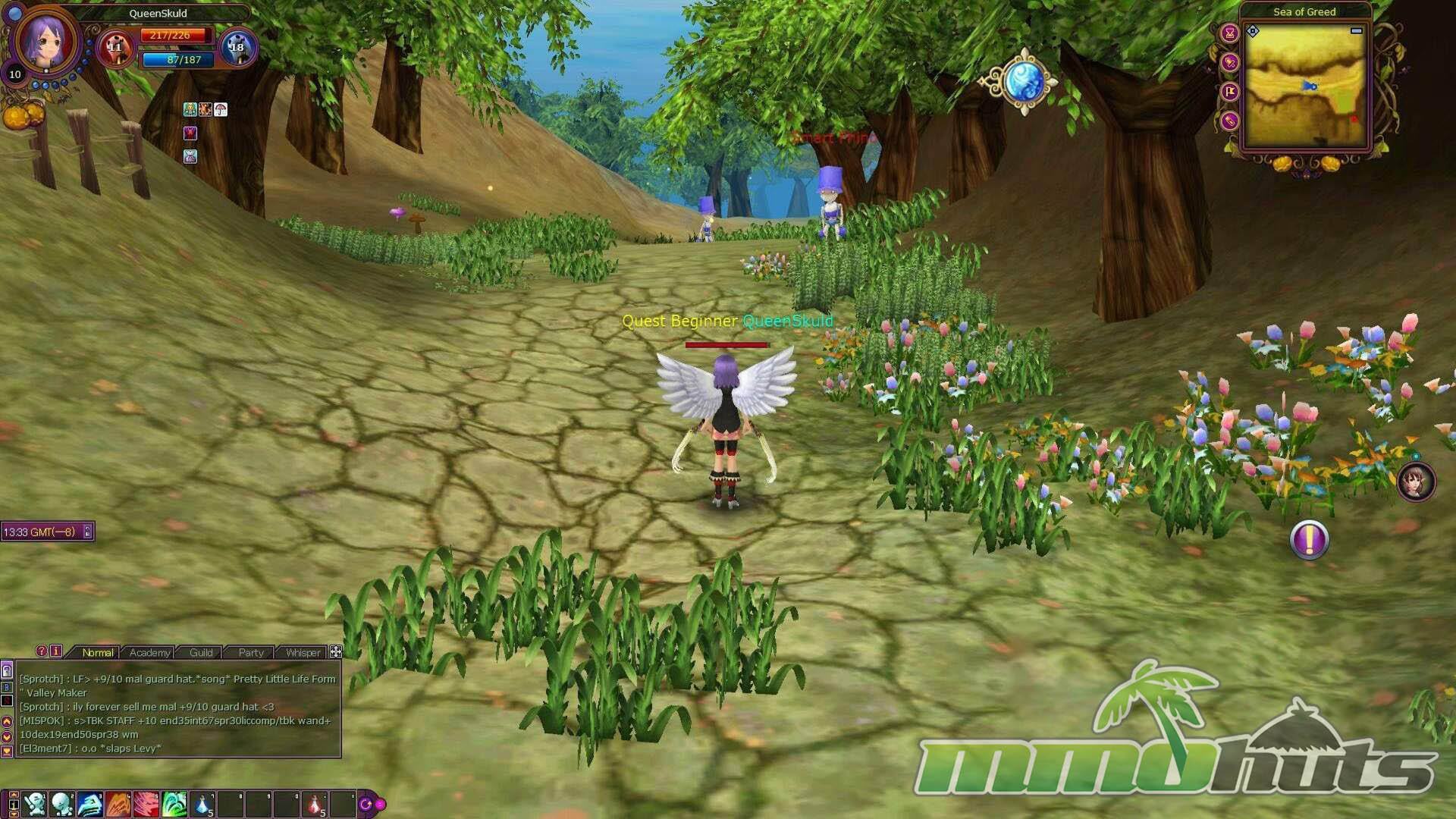
First Hours and Early Flow
Your time in Fiesta starts with character creation and a fairly simple customization suite. You pick a class (five available by default, with a sixth opening up later once you have a character at Level 60 or higher), then choose basic appearance options such as gender, face, hair style, and hair color. The tools are functional but limited, with small sets of choices rather than deep sliders, so players who enjoy detailed character creators may find it restrictive.
After that, the game places you into a tutorial that works as a short prologue. It introduces core controls, combat basics, and essential NPC services like shops. The tutorial is longer than it needs to be, but it does a decent job of onboarding, and the framing helps it feel more like an introduction to your character’s journey than a pure checklist of mechanics.
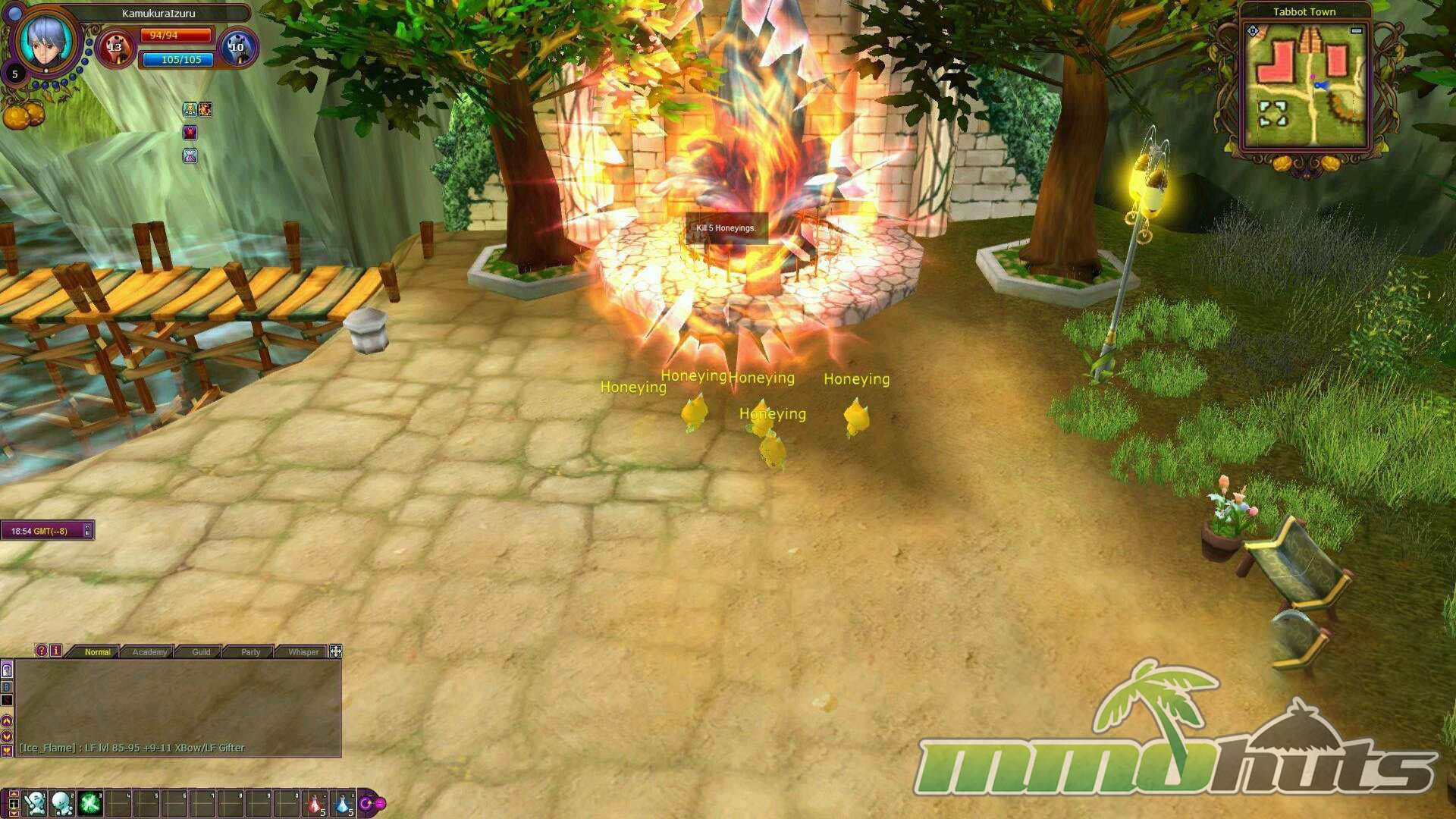
Once you reach the main world and arrive in Roumen, the game opens up quickly. Questing begins almost immediately, and the early levels move at a comfortable pace. That said, Fiesta’s progression curve becomes more demanding as you climb. The twenties already start to feel slower, and later the grind becomes the defining feature. Money-making also tends to lag behind your gear needs, which can make upgrading equipment feel like a hurdle as you move into tougher zones.
Social Systems that Matter
Fiesta includes several social features, and some of them provide real gameplay value rather than being purely cosmetic. The marriage system is the most notable. Players can marry other players and receive practical benefits, including a stat boost when grouped together and the convenience of summoning between spouses. There is also a themed pet tied to the system.
The downside is the monetization around it. A wedding application requires real-money spending, while the engagement ring can be purchased with in-game currency. The result is a system that feels rewarding once you have it, but less friendly to players trying to remain fully free-to-play.
Job Changes and Long-Term Progression
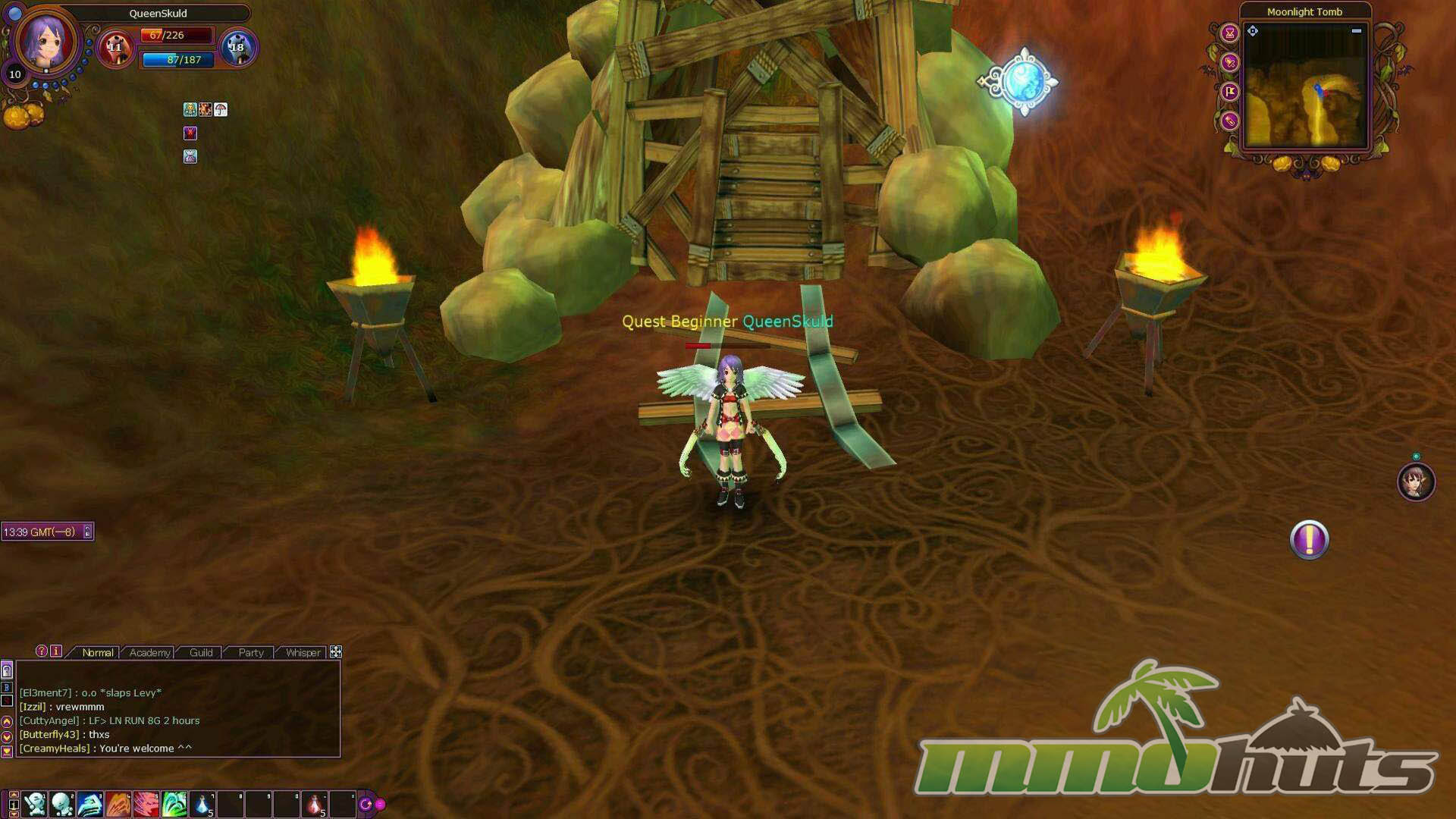
Character growth in Fiesta is structured around two job advancements, one at Level 20 and another at Level 60. These promotions help define your role and keep your class evolving over time. At Level 60, most classes choose between two paths. Fighters branch into Knights or Gladiators, Clerics become Holy Knights or Guardians, Archers advance into Sharpshooters or Rangers, and Tricksters choose between Spectres or Reapers. Crusaders work differently, promoting straight into Templars at Level 100, with a single, later advancement rather than the same two-step path.
Reaching Level 60 is manageable, but the game’s pacing changes dramatically once you hit Level 70. Experience gain slows to a crawl, and the grind can start to feel like the core activity rather than one option among many. While it is possible to keep progressing without paying, the temptation to use cash shop XP boosts becomes very apparent at this stage, especially with a maximum level around 115.

Titles as Build Tools
One of Fiesta’s more interesting long-term systems is its title collection. Titles function similarly to achievements, earned by doing a wide range of activities, including chatting, trading, enhancing items, completing quests, and even tracking streaks such as repeated deaths or long stretches without dying.
What makes titles more than just bragging rights is that they affect stats. Some provide bonuses, while others can impose tradeoffs, which means titles can be used as another layer of optimization depending on your build goals. Since Fiesta has been live for many years, there are plenty of titles to chase, and completion-minded players can find a lot to work toward.
PvP and Risk Zones
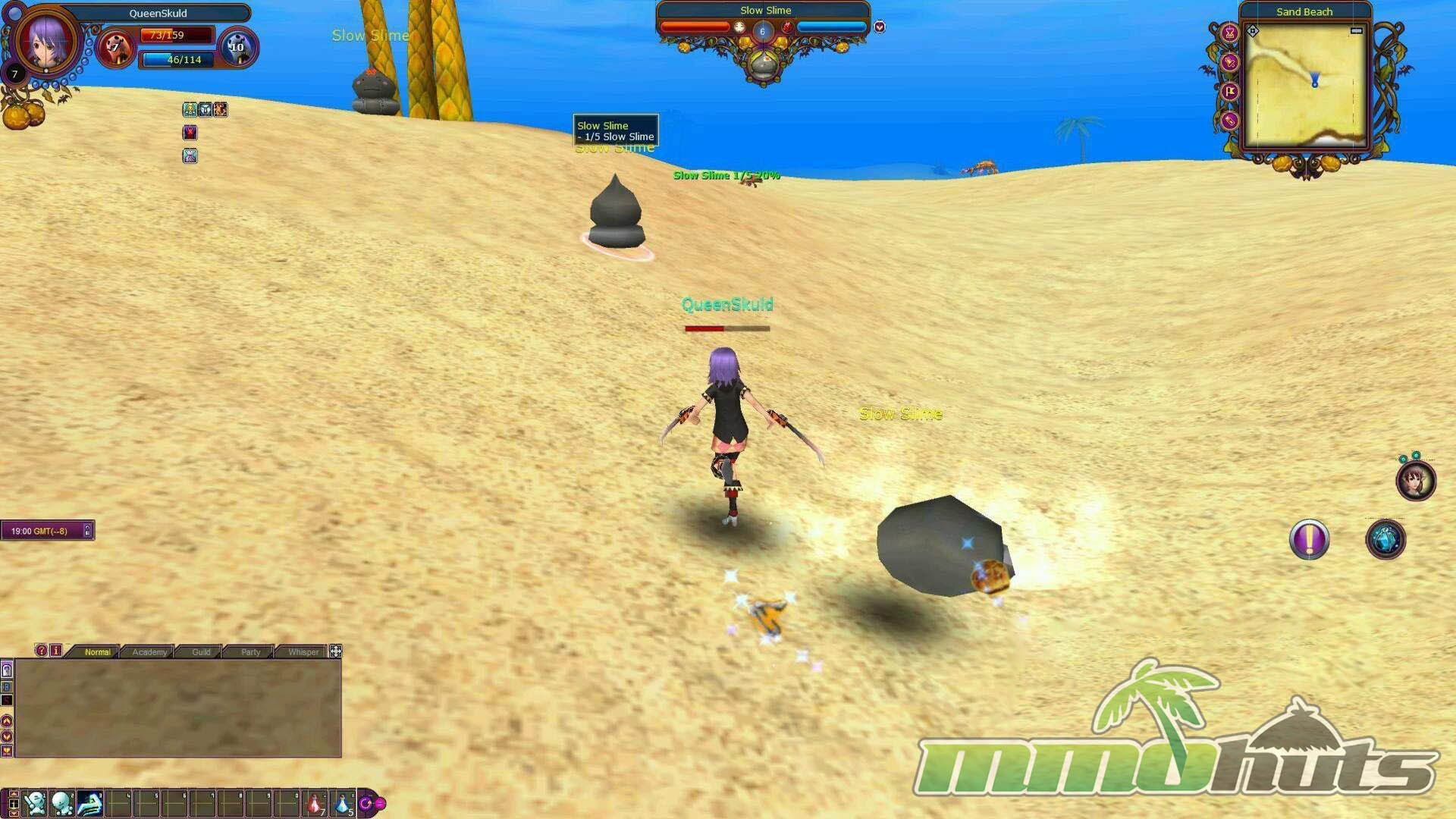
Player versus player combat is present, but it is not the main focus of Fiesta’s endgame. Towns include designated open PvP areas, and the game also offers Abyss Maps, which combine monsters with open PvP rules. These zones raise the stakes by offering better rewards, higher experience, and improved drops, but they also invite interruptions from other players.
One important caveat is that the game does not strongly protect lower-level characters from higher-level players in these areas, so entering Abyss Maps is a deliberate risk. If you are there to grind, situational awareness matters, because an unexpected fight can quickly erase the advantage of the better rewards.
Side Activities: Kingdom Quests, Cards, and Estates
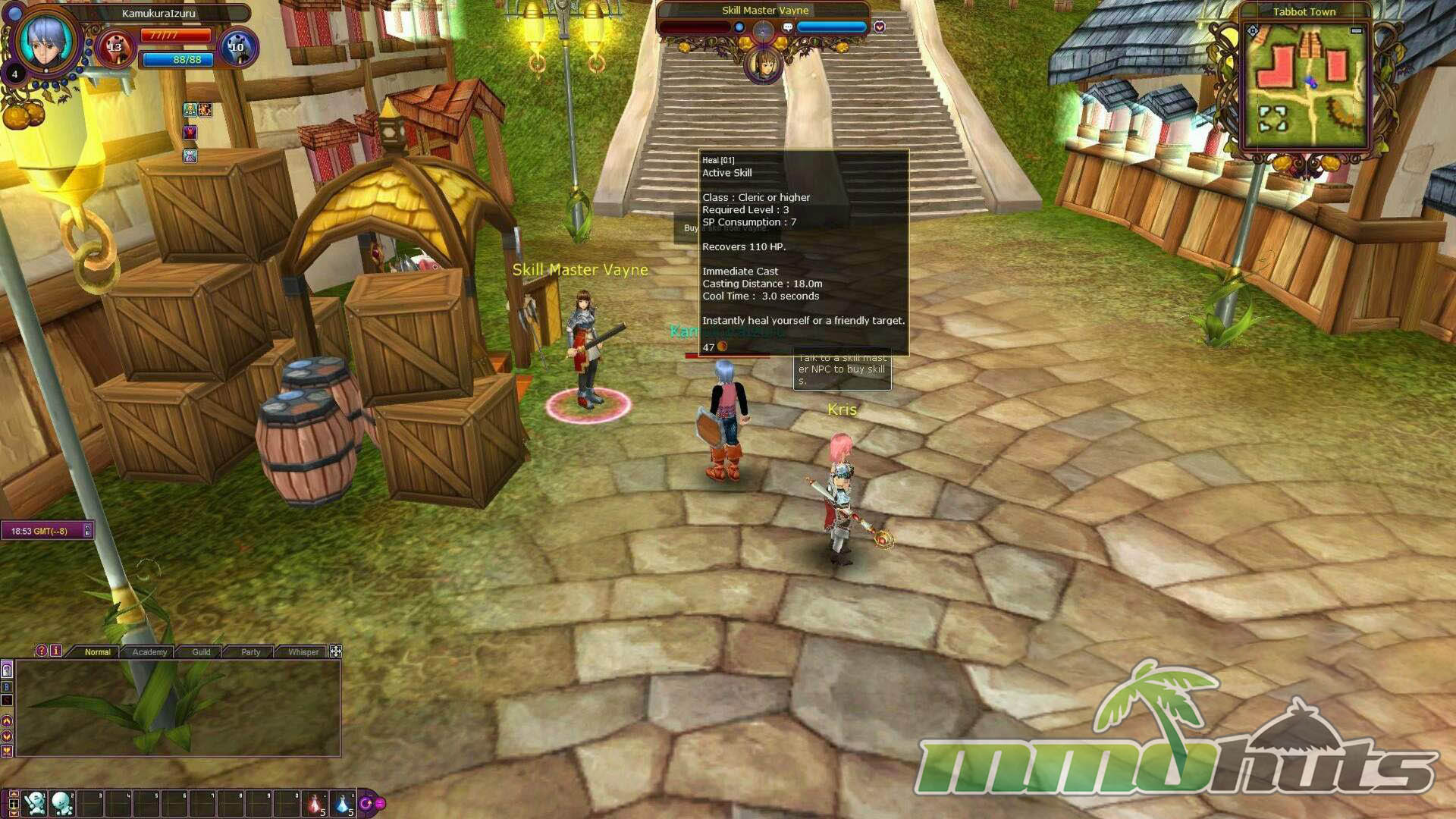
Fiesta’s longevity shows in its breadth of side systems. Kingdom Quests are instanced, timed dungeons with specific objectives, designed to be approachable content for groups. They are a fun change of pace from regular overworld grinding, though participation can depend heavily on server activity and what the current community prefers doing for experience.
The game also features a collectible card system. Monsters can drop cards at low rates, and collecting them ties into long-term rewards such as titles and rare pets. Because titles impact stats, card hunting can feel like more than a collection hobby, especially for players who like incremental advantages.
Finally, Fiesta’s housing feature, the Estate system, is a genuine highlight. Players unlock access through a quest available at Level 10, then can host up to 15 visitors. Decoration options allow for personalization, making estates a practical social hub rather than a forgotten menu feature.
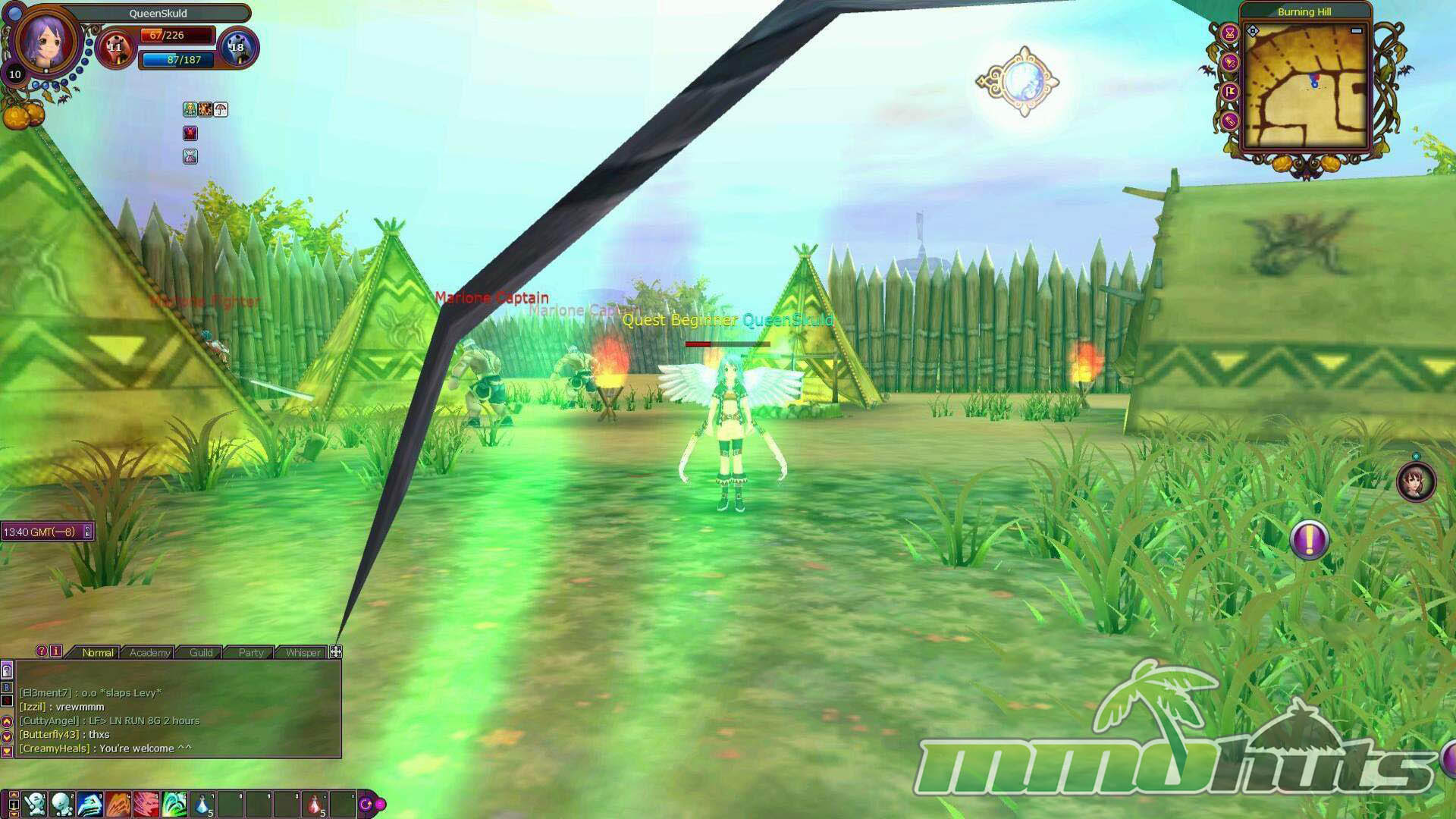
Final Verdict – Good
Fiesta Online remains an enjoyable, colorful MMORPG with a friendly atmosphere and several memorable systems, especially estates, titles, and Kingdom Quests. Its class structure and job advancements give the game a satisfying sense of growth, and the overall presentation still has charm.
At the same time, it is hard to ignore the friction points. Character customization is thin, earning currency can feel sluggish, and the leveling curve becomes punishing, particularly after Level 70. Players who enjoy older-school grind and long-term progression goals will likely appreciate what Fiesta offers, while those looking for faster pacing and stronger quality-of-life features may struggle to stick with it.
Fiesta Online Links
Fiesta Online Official Site
Fiesta Online Steam
Fiesta Online Wikipedia
FiestaFan Wiki (Database / Guides)
Fiesta Online Wikia (Database / Guides)
Fiesta Online System Requirements
Minimum Requirements:
Operating System: Windows XP / Vista / 7 / 8
CPU: Pentium 4 1.6 GHz
Video Card: GeForce MX
RAM: 512 MB
Hard Disk Space: 4 GB
Recommended Requirements:
Operating System: Windows XP / Vista / 7 / 8
CPU: Pentium 4 2 GHz
Video Card: GeForce Ti
RAM: 2 GB
Hard Disk Space: 4 GB
Fiesta Online Music & Soundtrack
Fiesta Online Additional Information
Developer: Ons On Soft
Game Engine: Gamebryo
Closed Beta Date: July 25, 2007
Open Beta Date: August 27, 2007
Foreign Release(s):
South Korea: July, 2007
Japan: July, 2006 (Published as Bright Kingdom by Hi-Five Entertainment)
Taiwan: May, 2007 (Run Up)
China: August, 2007 (GTGame)
Philippines: November, 2008 (MicroGames)
Several localized versions of Fiesta Online are no longer available.
Development History / Background:
Fiesta Online was created by South Korean studio Ons On Soft and runs on the Gamebryo engine. Development began in 2005, and the game has had an unusually long lifespan for a free-to-play MMORPG, supported by years of updates and continued operation across multiple regions. Interestingly, it appeared in Japan first under the title Bright Kingdom before the game’s service began in South Korea.
In the West, Fiesta Online was originally offered through Outspark. After Outspark shut down, Gamigo acquired the license on February 7, 2013 and has since operated both the US and EU versions.