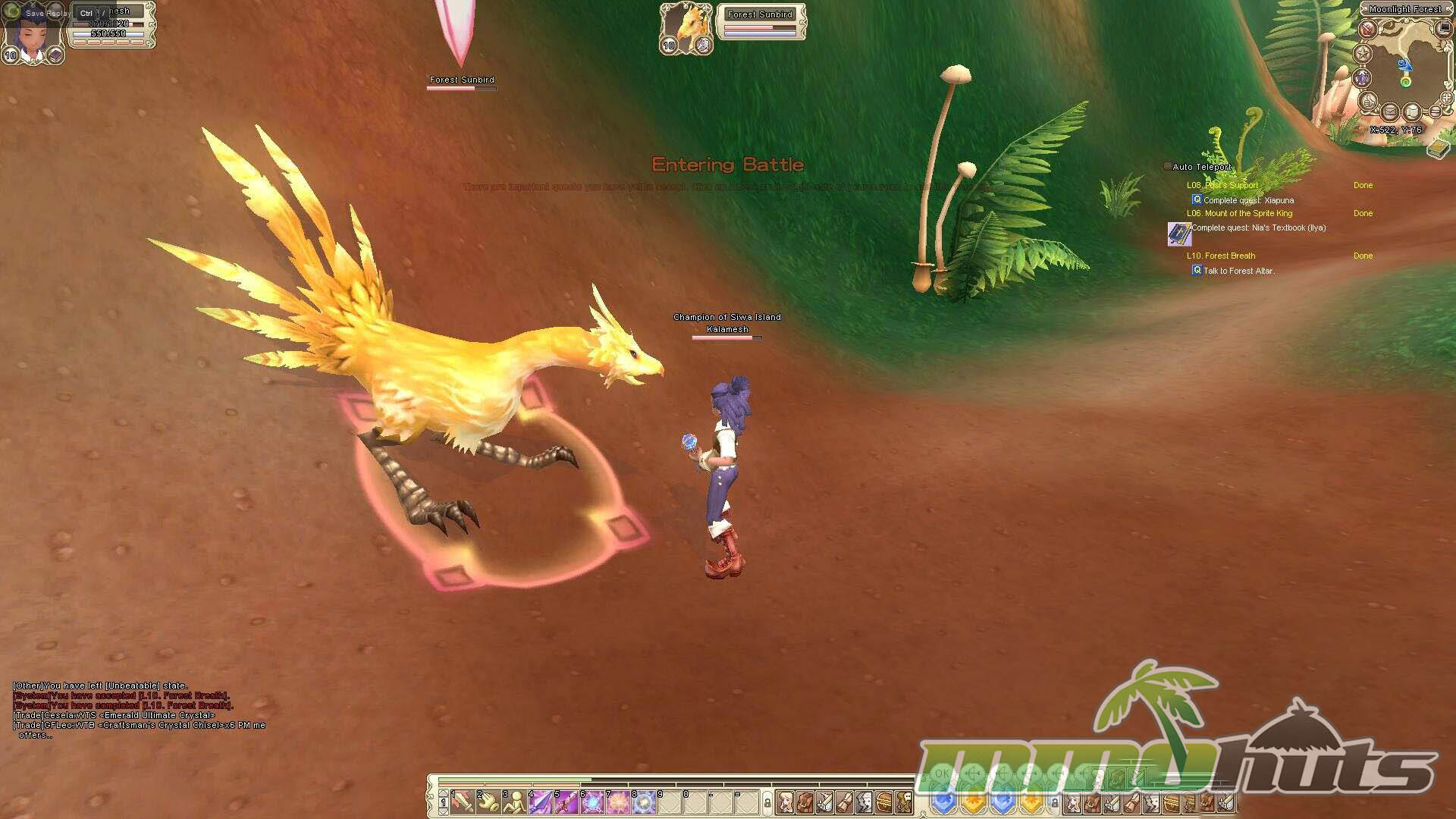
Grand Fantasia is a 3D, anime-styled fantasy MMORPG known for its colorful presentation and straightforward questing. Its defining hook is the Sprite companion system, a set of tiny helpers that can forage materials and craft equipment, taking much of the usual gathering and production busywork off the player’s shoulders.
 | Publisher: Aeria Games Playerbase: Medium Type: MMORPG Release Date: Dec 1, 2009 (NA/EU) PvP: Duels, Arenas, Sprite Arenas Pros: +Excellent Sprite companion and crafting loop. +Questing content is plentiful. +Mount selection is surprisingly broad. +Strong spread of class paths. Cons: -Visuals show their age. -Familiar anime fantasy setting and tone. |

Grand Fantasia Overview
Grand Fantasia is a 3D MMORPG that arrived in 2009, developed by X-Legend and published in the West by Aeria Games. It opens with character creation and, importantly, the creation of your first Sprite companion. Sprites are more than a cosmetic pet, they act as your personal gatherer and crafter, sourcing materials and producing items based on the abilities you select for them. You keep your original “guardian” Sprite, but you can also maintain up to three Sprites at once, which encourages players to build a small roster that matches their preferred crafting and resource needs.
Progression starts simply: you begin as a Novice without a dedicated role, then at Level 5 you commit to your first class. From there, job advancements arrive at Levels 15, 30, 65, and 85, with a notable branching decision at Level 30 that sets you on one of two long-term paths. Historically, this title also stands out as X-Legend’s first game to be officially published in Western regions.
Grand Fantasia Key Features:
- 5 Starting Classes – four job advancements available at Level 15, 30, 65 and 85. Players can choose from one of two paths at Level 30.
- In-Depth Sprite System – Sprites are used for foraging, crafting, battling, and more.
- Varied PvP Options – players can test their strength in various PvP capacities, including Sprite battles.
- Master System Skills – the Master system unlocks unique passive skills at Level 45, 60, and 75.
- Tons of Content – players will find themselves busy with all the quests available for completion.
Grand Fantasia Screenshots
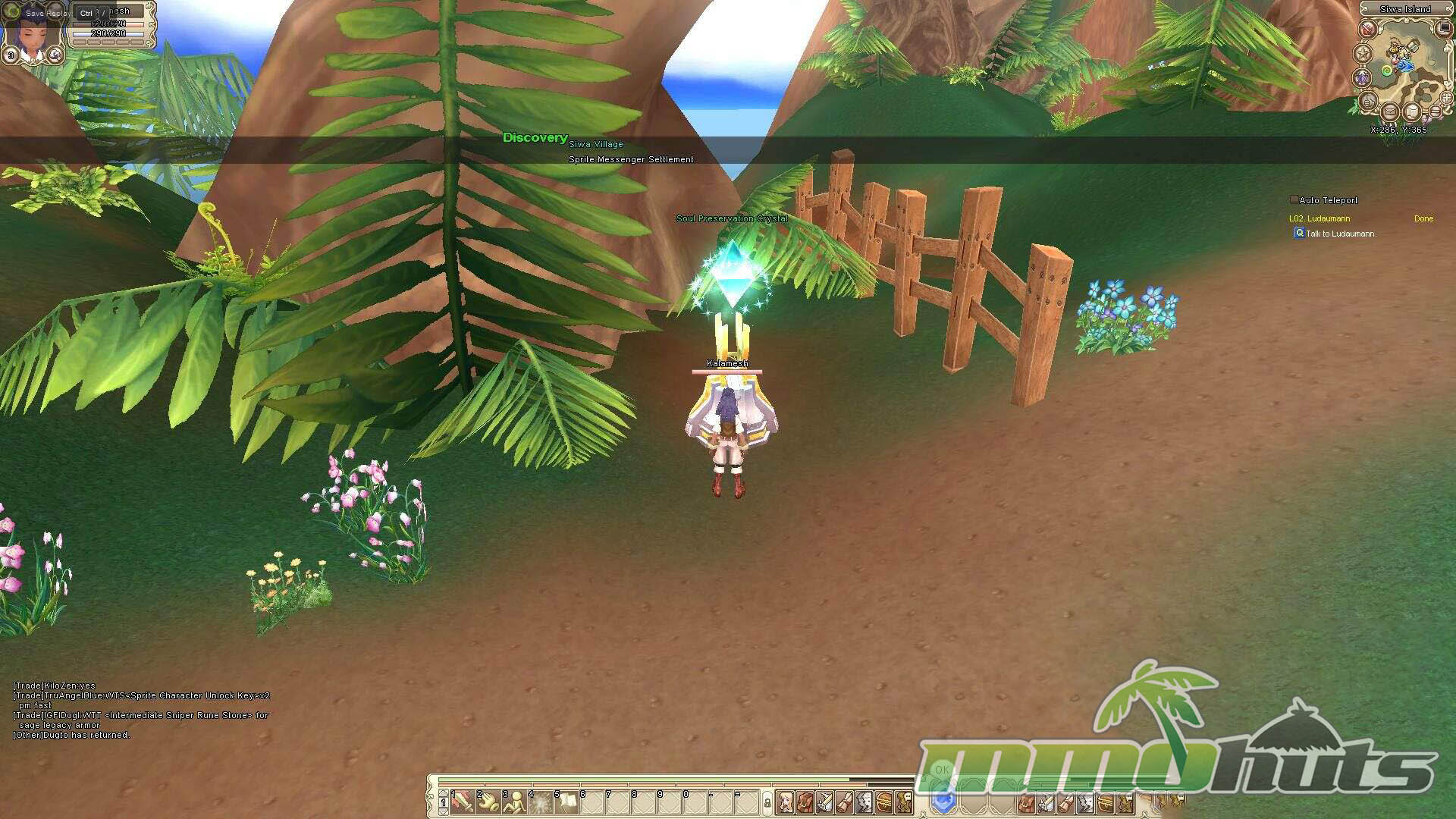

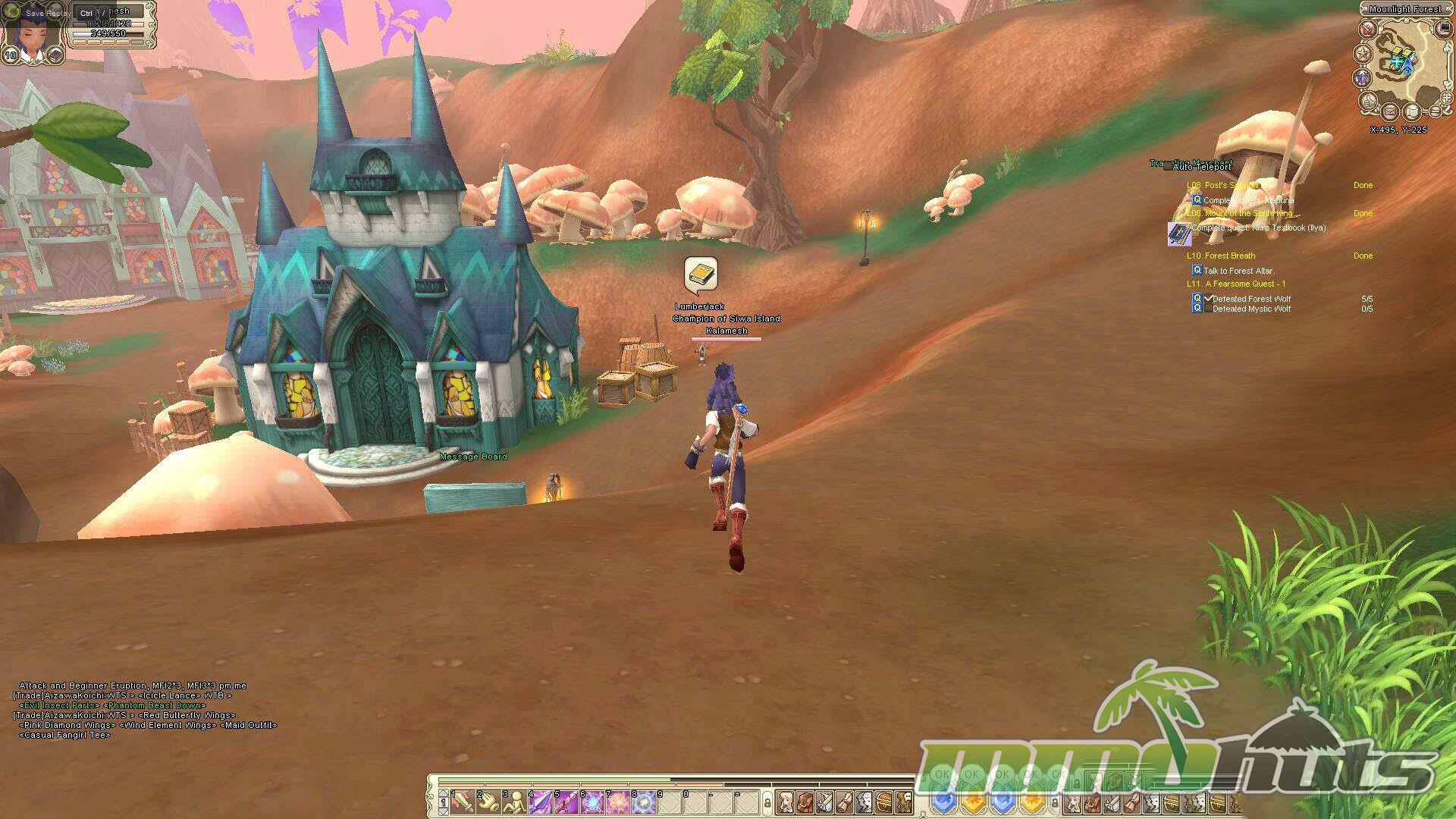

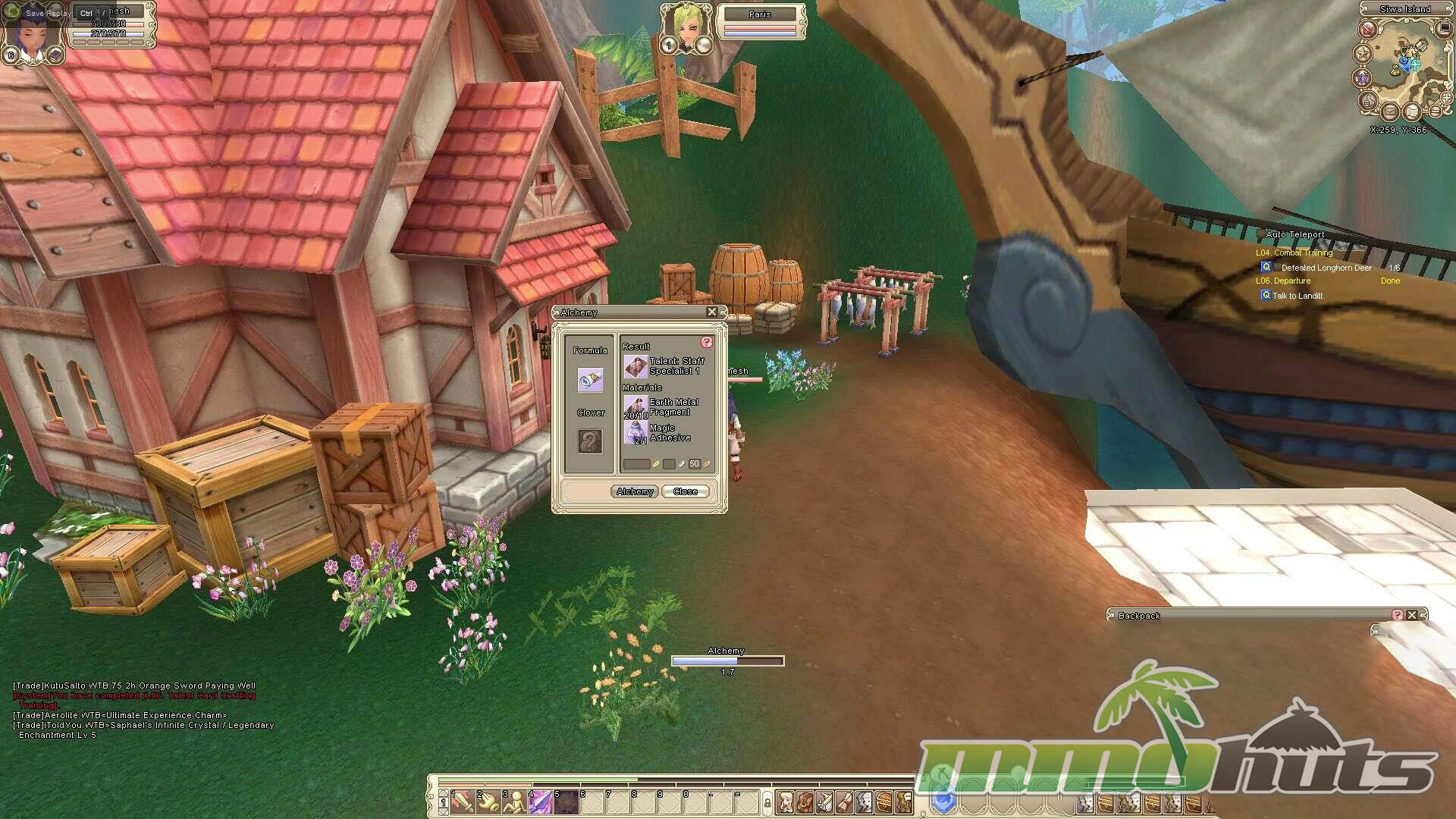

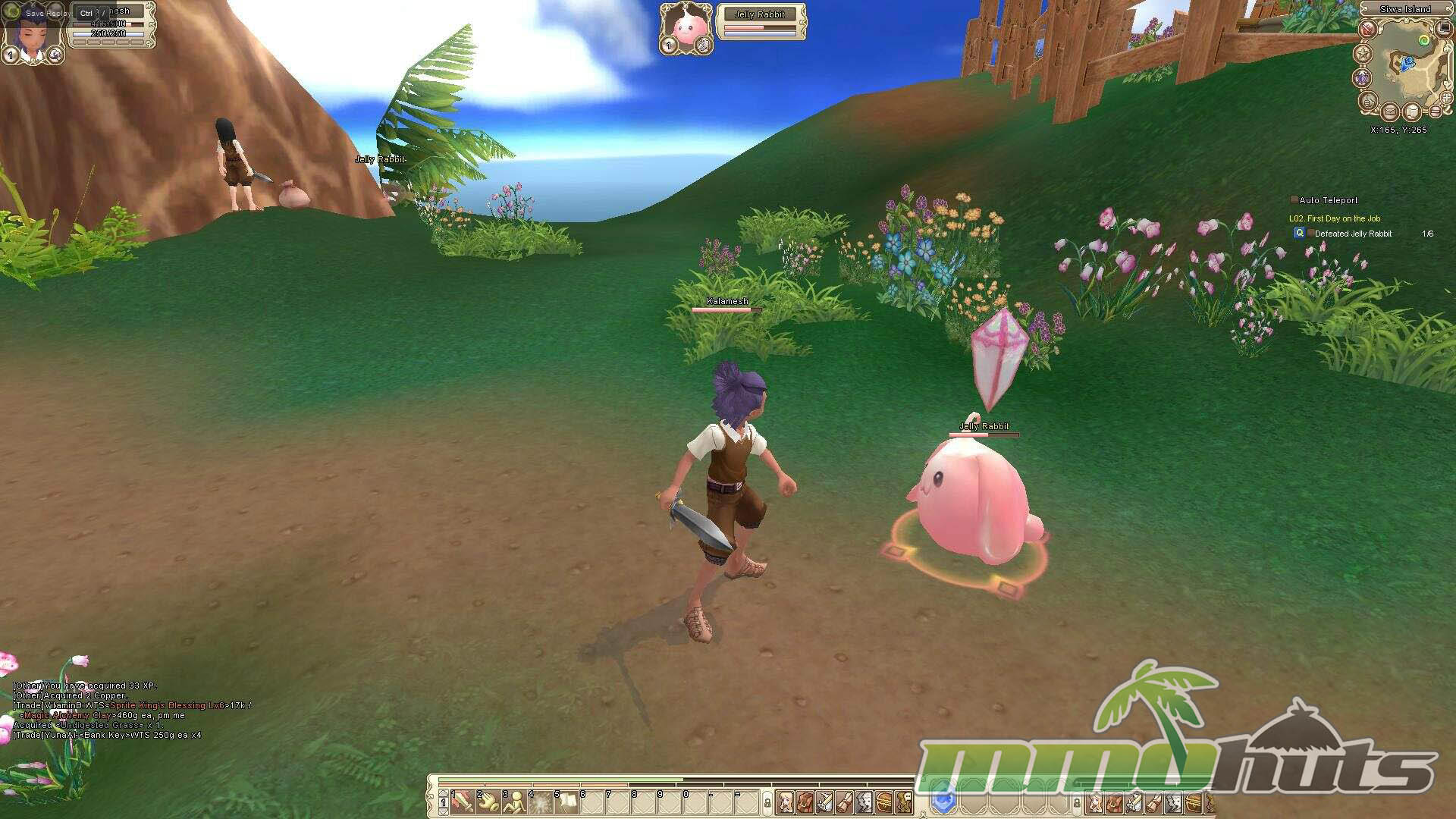
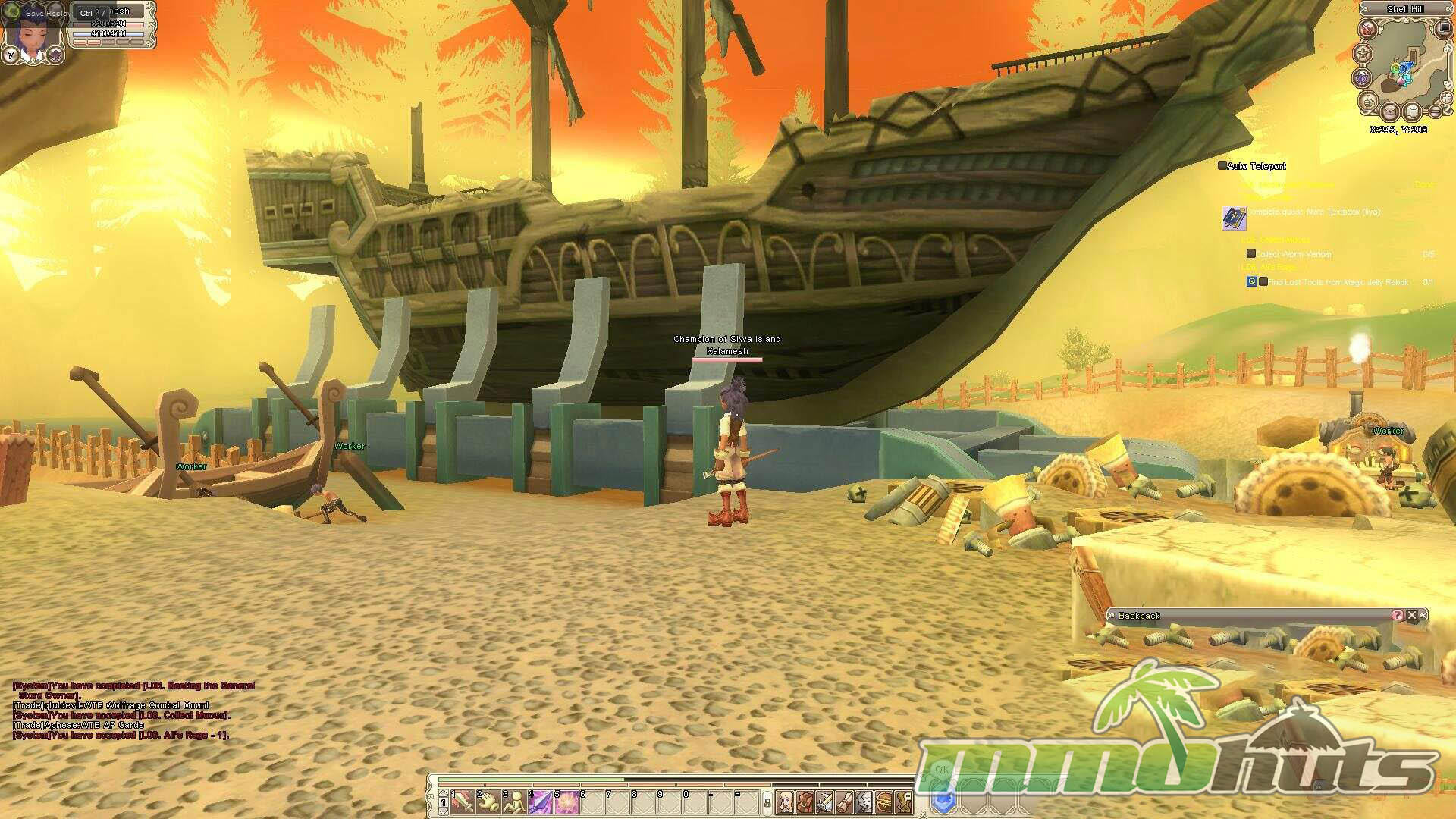
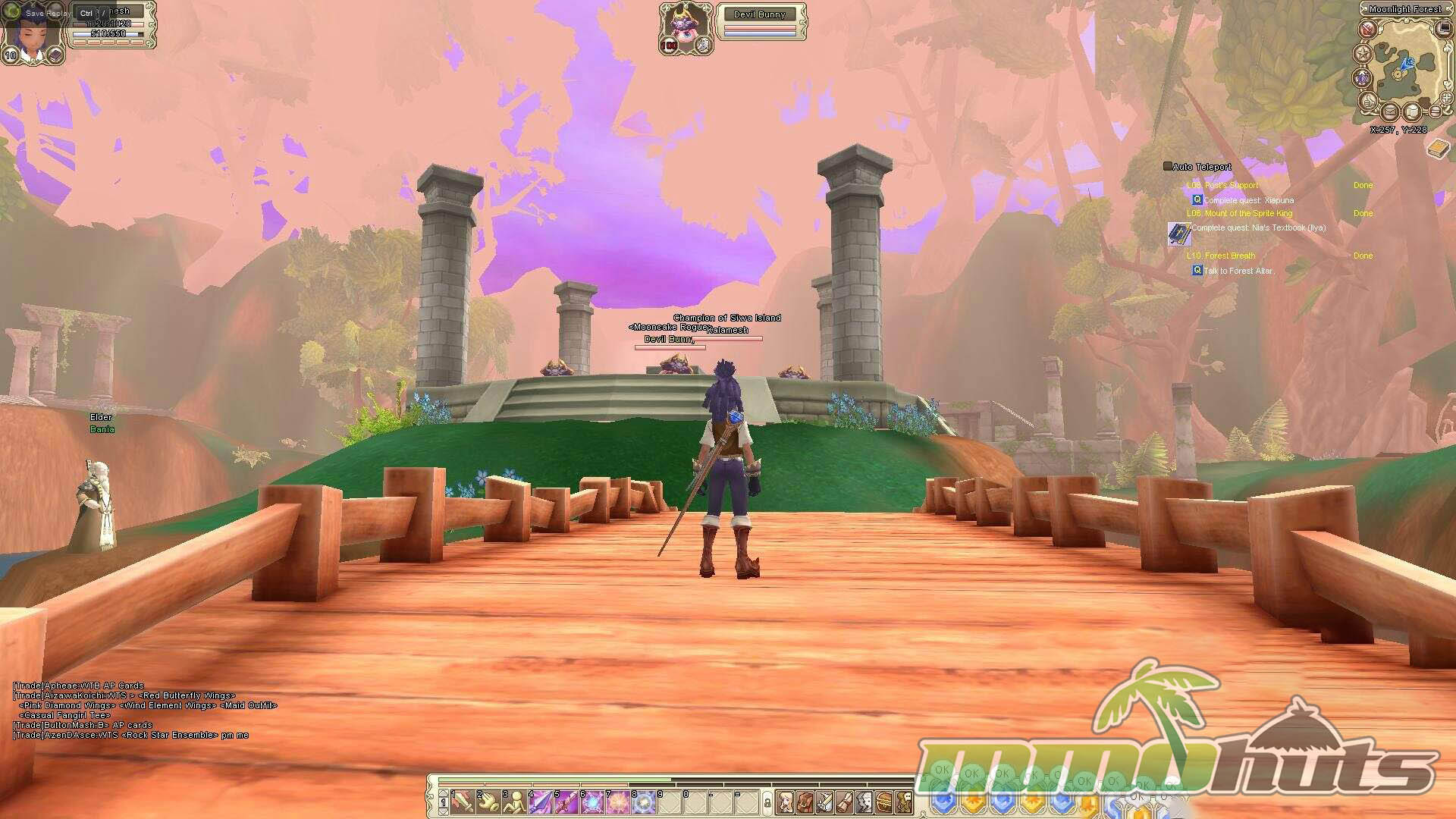


Grand Fantasia Featured Video

Grand Fantasia Classes
- Acolyes – the classic support archetype, built around healing, revives, and cleansing negative effects from allies. Acolytes promote into Priests at Level 15 and later specialize into:
- Cleric – the most dedicated healing path, focused on keeping groups alive through heavy restoration. Clerics become Prophets at Level 65, then Saints at Level 85.
- Sage – a more unusual support line with transformation abilities, leaning into shapeshifting to handle threats. Sages become Mystics at Level 65, and Shamans at Level 85.
- Fighter – the frontline melee option, emphasizing raw physical power and flexible weapon use. Fighters advance to Warriors at Level 15 and then branch into:
- Berserker – a damage-first melee route, designed to pressure enemies with high close-range output. Berserkers become Warlords at Level 65 and DeathKnights at Level 85.
- Paladin – a sturdier hybrid that mixes defense with supportive utility, trading burst for staying power. Paladins become Templars at Level 65 and Crusaders at Level 85.
- Hunter – specialists in sustained damage with ranged tools, including swords, guns, and bows. Hunters are often associated with strong DPS and promote into Archers at Level 15, then choose:
- Ranger – a distance-focused damage line that leans into ranged pressure and precision. Rangers become Sharpshooters at Level 65 and Hawkeyes at Level 85.
- Assassin – a more aggressive path that shifts toward close-range offense and fast takedowns. Assassins become Darkstalkers at Level 65 and WindShadows at Level 85.
- Spellcaster – the primary magic user, built around offensive spellcasting and elemental or dark-themed toolkits. Spellcasters become Mages at Level 15 and later pick between:
- Wizard – centered on elemental damage and traditional caster gameplay. Wizards become Archmages at Level 65 and Avatars at Level 85.
- Necromancer – a summoning-oriented caster with debilitating effects and undead allies. Necromancers become Demonologists at Level 65 and ShadowLords at Level 85.
Grand Fantasia Review
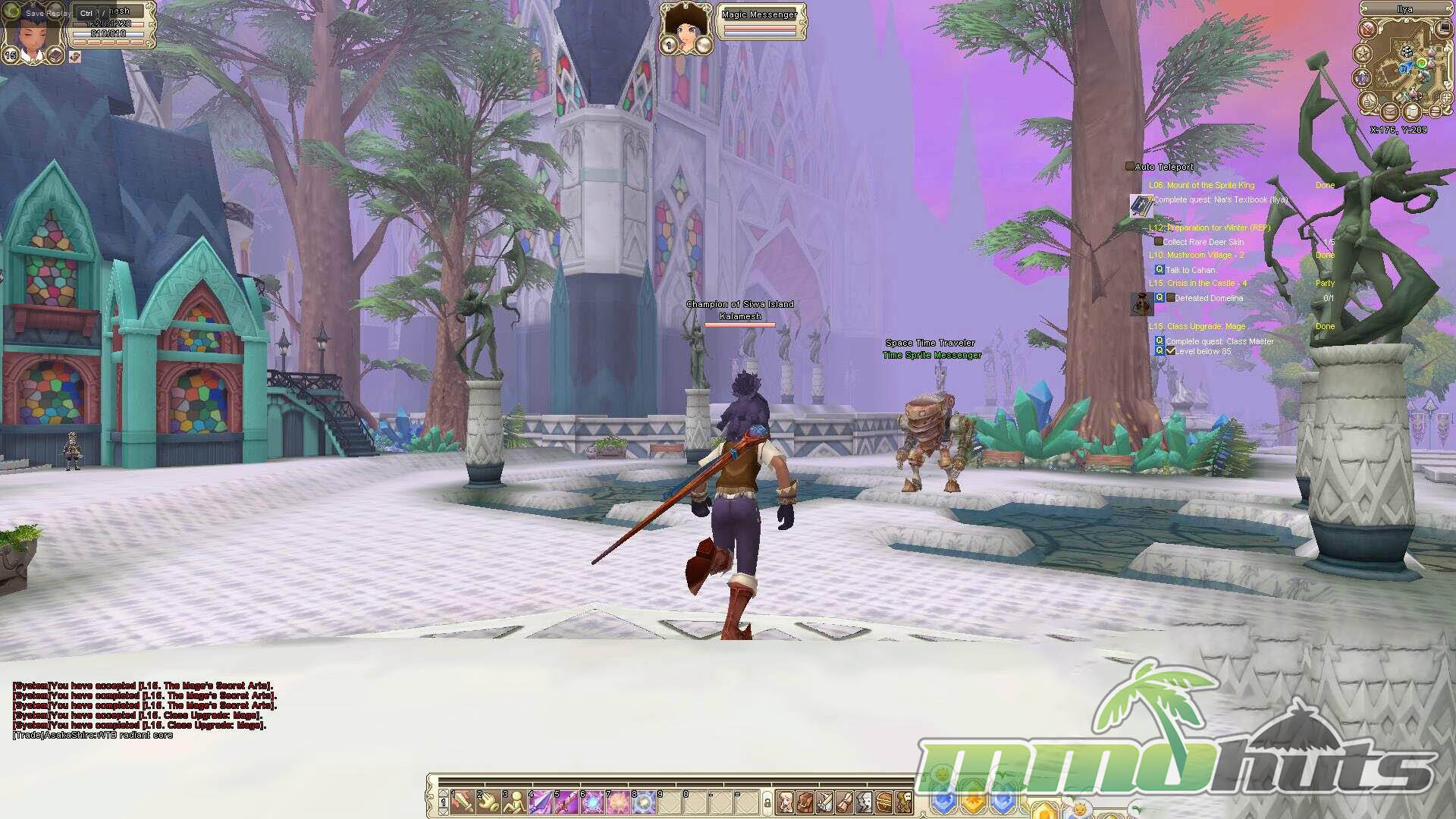
Grand Fantasia is a 3D MMORPG from X-Legend, published for NA and EU by Aeria Games, and released in 2009. It leans into bright, anime-flavored fantasy and a very quest-forward leveling structure. While the setting and overall combat rhythm are familiar for the era, the game’s strongest identity comes from its Sprite companions, which tie together gathering, crafting, and even some combat utility in a way that keeps downtime manageable.
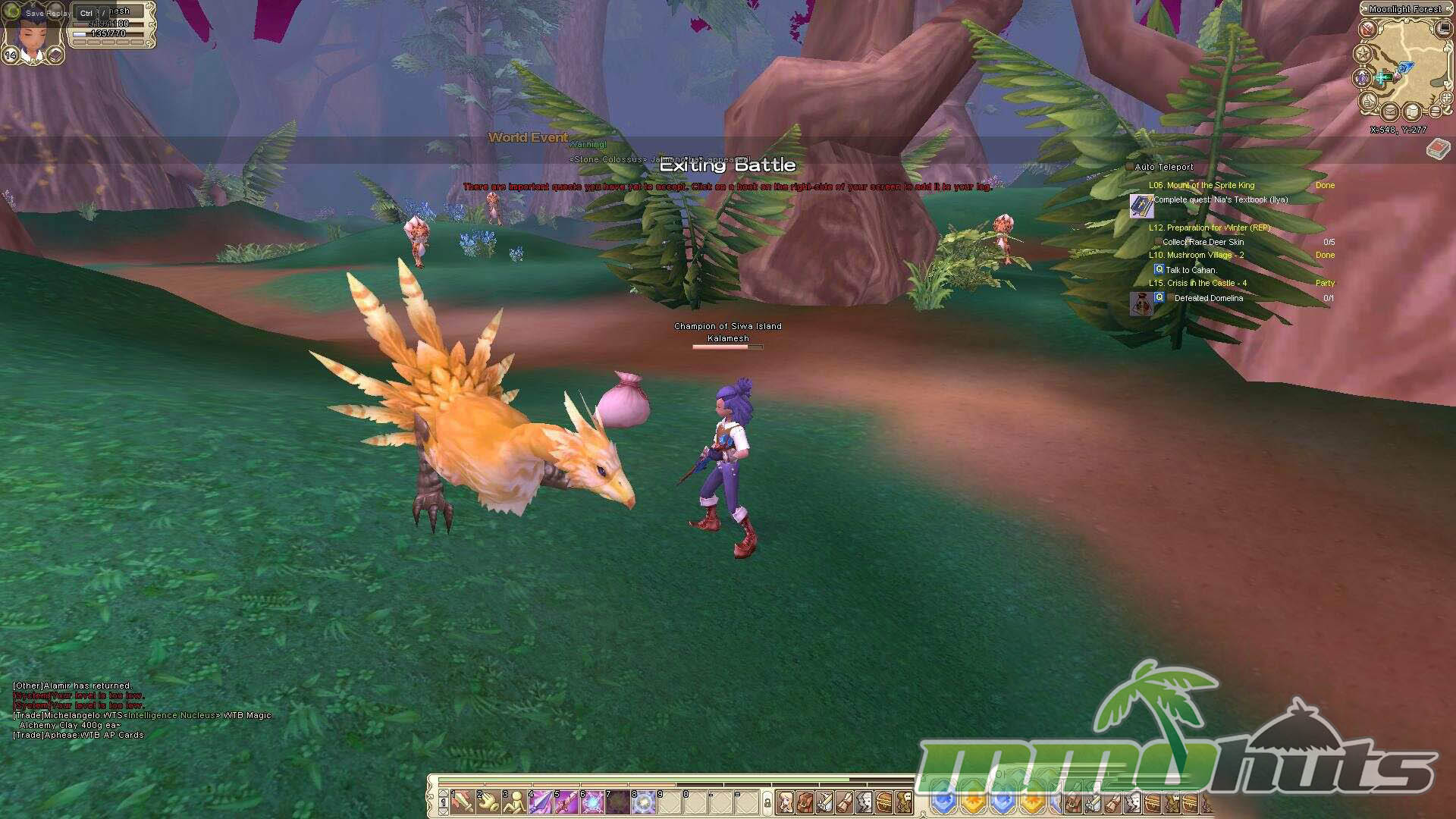
Questing takes place across the world of Saphael, divided into level-appropriate regions with their own enemy types and hubs. Travel is helped along by a surprisingly wide set of mounts, ranging from conventional animals to more whimsical rides, which fits the game’s playful tone. Players interested in competition are not left out either, with duels and multiple arena-style PvP modes available.
Getting into the game
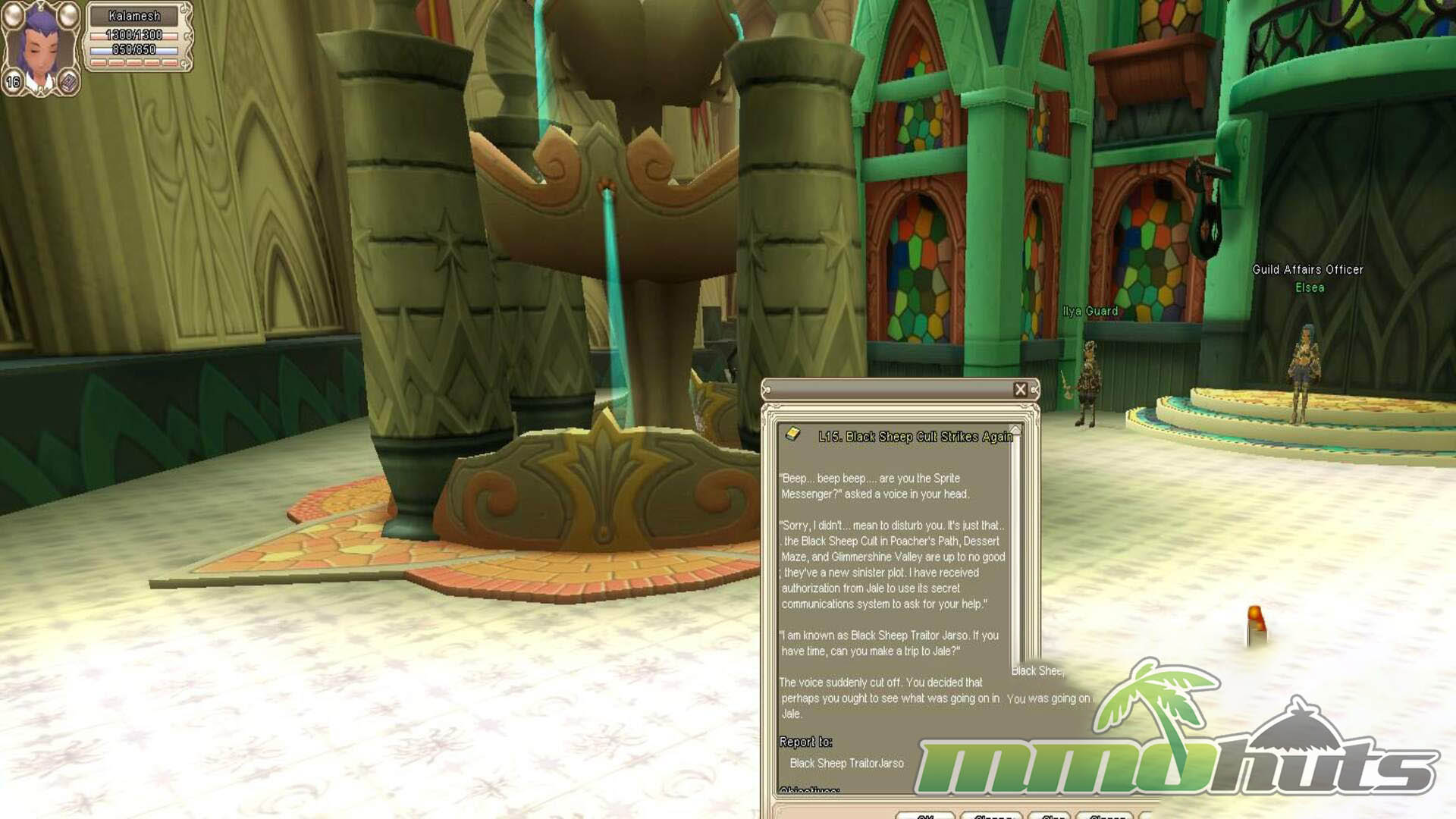
Your first minutes are spent creating both a character and a guardian Sprite, after which the early quest chain doubles as a tutorial for basic combat and the Sprite features. NPC dialogue is presented with a storybook style, including descriptions of expressions and reactions. It can feel long-winded at times, but it also gives the world a lighter personality compared to many more sterile quest logs.
Movement supports both click-to-move and standard keyboard controls, and combat abilities are mapped to the number keys by default. Importantly, the controls are not locked down, most bindings can be adjusted, which helps the game feel less dated once you start settling into a routine.
As you gain levels, you purchase skills and upgrade many of them through multiple ranks. The structure is traditional: higher ranks unlock at higher character levels, and the cost rises accordingly. The end result is steady progression without complex build crafting, which suits the game’s approachable style.
Early leveling pace
The opening stretch moves quickly, and reaching Level 5 to select your class is a noticeable turning point, both in identity and efficiency. The first real slowdown tends to appear around the Level 15 advancement, but Grand Fantasia compensates with volume: there are enough quests to keep momentum, and the steady change in environments helps prevent the “same field, same mobs” fatigue.
At Level 30 you make the game’s most important long-term choice, selecting one of two specializations that continues along a fixed advancement line up to the level cap of 100. One of the more helpful touches is that the skill interface shows broader class skill information, letting you plan ahead without leaving the client. Even if you roll alts, that transparency makes it easier to understand what you are working toward.
Questing and moment-to-moment play
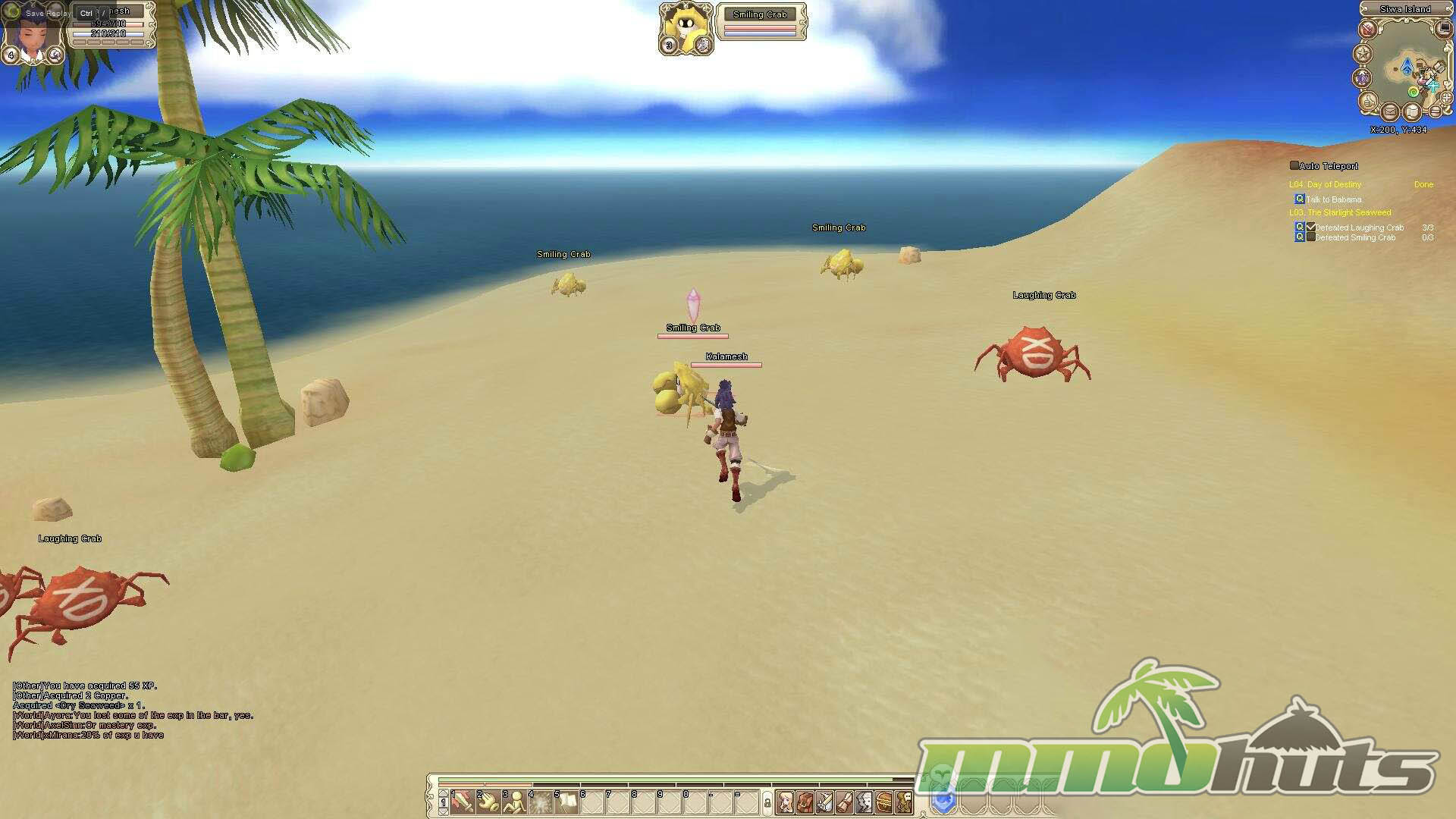
The core loop is a familiar region-to-region climb: new zones bring tougher enemies, higher level quests, and better opportunities for improved Sprite materials. Combat is serviceable rather than revolutionary, with most of the satisfaction coming from building a reliable skill rotation and keeping your gear current through crafting and quest rewards.
Two convenience features do a lot of work in keeping the pace smooth. The first is auto-travel to nearby NPCs within the same region, which is accurate enough to navigate around obstacles instead of getting stuck on them. The second is clear quest mapping, which highlights relevant areas for mobs and items with visible markers, reducing time lost to vague directions and guesswork.
Sprites as the game’s core system
Sprites are where Grand Fantasia separates itself from many similar MMORPGs. Your guardian Sprite is created at the start and remains your long-term companion. You choose its abilities, and those choices determine what it can gather and what types of gear or materials it can produce. Over time, the guardian Sprite evolves visually and mechanically: it gains a body at Level 21, wings at Level 51, and sparkles at Level 71. As it performs tasks, its relevant skill levels rise, increasing the quality of what it can obtain or craft. Evolution increases its skill cap as well, so the Sprite’s growth stays aligned with your character’s progression.
Sprites operate out of cottages that function as a management space. From there you can send them to collect resources, craft equipment, or bring them out into the field. Cottage decoration is not purely cosmetic either, some items provide practical bonuses such as increased experience gain for the Sprite while it gathers.
Beyond your guardian, monsters can drop wild Sprites with randomized abilities. These are useful for rounding out your roster when you want different production options or efficiency perks. Wild Sprites do not evolve like the guardian Sprite, which makes them more disposable as you move into higher level crafting tiers. Releasing Sprites can affect your reputation with the Sprite King based on their mood and skill levels, and higher reputation unlocks access to special purchases, giving the system a long-term incentive beyond simple crafting.
PvP options
Grand Fantasia offers several ways to fight other players, including Duels, Sprite Arena, Fire Hell Arena, and the weekly Kaslow Guardian Contest.
Duels work as expected for the genre: one-on-one challenges with no death penalties, and protection from outside interference. The main limitation is that both players need to be out of combat with monsters, which naturally pushes dueling into safer areas around towns.
Sprite Arena and Hell Fire Arena become available at Level 31 and are divided into four level brackets: 31-40, 41-50, 51-60, and 61-70. Sprite Arena places players into red and blue teams of 15. Matches revolve around capturing five crystals and scoring through objectives and kills, with victory going to the first team to 250 points or the leader at the 20-minute mark.
Hell Fire Arena uses a similar scoring structure but shifts the objective to attack and defense. Teams are 10v10, with red assaulting a central crystal and blue defending, then swapping roles after a capture. A roaming flying dragon adds an extra layer of risk and reward, and its lair contains eggs that grant temporary power boosts, creating side objectives that can swing fights if contested.
The Kaslow Guardian Contest is the largest-scale PvP activity, featuring the top 8 guilds, each allowed up to 3 allied guilds. Battles take place on Saturday at 3pm and 8pm EST and begin with Quarter Finals featuring 75v75 fights. Teams score by securing kills, capturing crystals, and destroying quartz growths across the map. The standard win condition is 5,000 points, but there is also an instant win if a team holds all five crystals for five consecutive minutes. Finishing in under 30 minutes of the 60-minute limit grants a bonus to points awarded.
Cash Shop
The Cash Shop is a mixed topic. On the positive side, it offers a large selection of consumables, crafting items, mounts, and costumes, plus accessible pricing hooks like a $1 section, sales, and buy-one-get-one mystery boxes. For players who enjoy cosmetics and convenience, there is a lot to browse.
The drawback is the presence of stat-boosting gear. Because Grand Fantasia supports multiple PvP modes, power items sold for real money risk tipping the experience toward pay-to-win, especially at higher tiers. Lower tier sets can be inexpensive (around $5), but high level armor can reach $50. These pieces also provide set bonuses and scale as the character levels, and they are not obtainable through normal in-game methods, which can be frustrating for players who prefer fully earned progression.
Final Verdict – Good
Grand Fantasia’s biggest strength is that its systems are easy to understand and consistently supported by the Sprite companion loop, which makes crafting and gathering feel more integrated than in many older MMORPGs. It also delivers a large quantity of quests, a fun mount collection, and several structured PvP activities for players who want competition.
If you can accept an older presentation and the complications introduced by stat-based cash shop gear, Grand Fantasia remains a solid option for players who enjoy anime-styled fantasy MMOs and like the idea of managing a small team of Sprites alongside their main character.
Grand Fantasia Links
Grand Fantasia Official Site
Grand Fantasia Official Wiki [Database / Guides]
Grand Fantasia Facebook Page
Grand Fantasia Wikia
Grand Fantasia System Requirements
Minimum Requirements:
Operating System: XP / 2000 / Vista / 7 / 8
CPU: Intel Pentium 4 2.4 GHz or AMD Equivalent
Video Card: GeForce FX 5200 / ATI Radeon 9600
RAM: 512 MB
Hard Disk Space: 2 GB
Recommended Requirements:
Operating System: XP / 2000 / Vista / 7 / 8
CPU: Intel Pentium 4 2.6 GHz
Video Card: GeForce FX 5700 / ATI X1600
RAM: 1 GB
Hard Disk Space: 2 GB
Grand Fantasia Music & Soundtrack
Grand Fantasia Additional Information
Developer: X-Legend Entertainment
Game Engine: Gamebryo
Closed Beta: November 19, 2009
Open Beta: December 1, 2009
Foreign Release(s):
South Korea: March, 2010
Taiwan: December 4, 2008 (X-Legend)
Japan: May, 2009 (Aeria Games Japan)
Hong Kong: January, 2009 (Alta Multimedia)
Thailand: August, 2010 (Published as GF Online by Winner Online Co)
Development History / Background:
Grand Fantasia (also known as GFO Online or Grand Fantasia Online in certain regions) was created by Taiwanese studio X-Legend Entertainment using the Gamebryo engine. The title first entered open beta in Taiwan on December 4, 2008 and quickly built a strong local following. It later received recognition including the 2010 Best MMORPG Bronze award and the Bahamut Best Domestic Online Game award for three years, along with Japanese awards such as the Japan 2009 Online Game Award and the Japan Online Gamer MMORPG 2nd place award. With momentum established in Asia, the game expanded overseas and launched in the United States and Europe through Aeria Games on December 1, 2009. Grand Fantasia’s performance also helped pave the way for similar X-Legend MMORPGs with anime-inspired styling, including Eden Eternal, Aura Kingdom, Glory Destiny Online, and other related releases.