Elder Scrolls Online is a fantasy MMORPG that drops you into Tamriel during a turbulent era, with three alliances battling for dominance and plenty of room to play your character your way. You pick from multiple races and four base classes, then build out your approach through weapon lines, armor choices, and a flexible skill system that feels closer to a traditional Elder Scrolls toolkit than a rigid MMO role. Whether you spend your nights clearing delves, pushing objectives in large-scale faction warfare, or living as a wanted criminal in town, ESO is designed around freedom, consequences, and constant activities.
 | Publisher: Bethesda Softworks Playerbase: High Type: MMORPG Release Date: April 4, 2014 PvP: Alliance Wars (Faction Wars) Pros: +Quest decisions can alter local outcomes. +Action-oriented combat that rewards timing. +Crime play is supported with stealing and murder systems. +Cyrodiil offers broad, objective-driven PvP. Cons: -Persistent bugs and oddities. -Very large download and storage footprint. |

Elder Scrolls Online Overview
The Elder Scrolls Online (ESO) is an MMORPG built on the Elder Scrolls setting, aiming to blend MMO structure with the series’ signature freedom. At character creation you select from nine races and one of four classes (Dragonknight, Templar, Sorcerer, and Nightblade), but your class is only part of your build. Your weapon choice, armor type, guild lines, crafting lines, and world skill lines all contribute to your identity, so it is entirely plausible to run a nontraditional setup like a melee-focused caster or a heavily armored archer.
Faction identity is tied to race, and that matters because the overarching conflict revolves around three alliances struggling for control of the Imperial Throne. PvP is not framed as small arena rounds, it is built around a large contested region where capturing and defending objectives, gathering resources, and supporting war efforts are as important as winning duels.
Questing is also designed to feel more reactive than typical MMO chains. Many story arcs ask you to make decisions with unclear moral framing, and while the broader world will not transform into a different game, towns, NPC fates, and the tone of an area can change in ways that make your path feel personal. On top of that, ESO supports a criminal playstyle through its Justice mechanics, letting you steal, pickpocket, and kill NPCs, then live with the consequences if guards or witnesses catch you. Originally launched simply as Elder Scrolls Online, the game later adopted the Elder Scrolls Online: Tamriel Unlimited name when the subscription requirement was removed.
Elder Scrolls Online Key Features:
- Meaningful Decisions – quest outcomes can influence NPCs and local environments.
- Crime and Consequences – steal, pickpocket, and kill NPCs while managing bounties and guards.
- Fully Voiced World – extensive voice work across major and minor characters.
- Flexible Character Building – mix class tools with weapon, armor, and multiple skill lines.
- Objective-Based Alliance PvP – a large war zone with sieges, missions, and scouting.
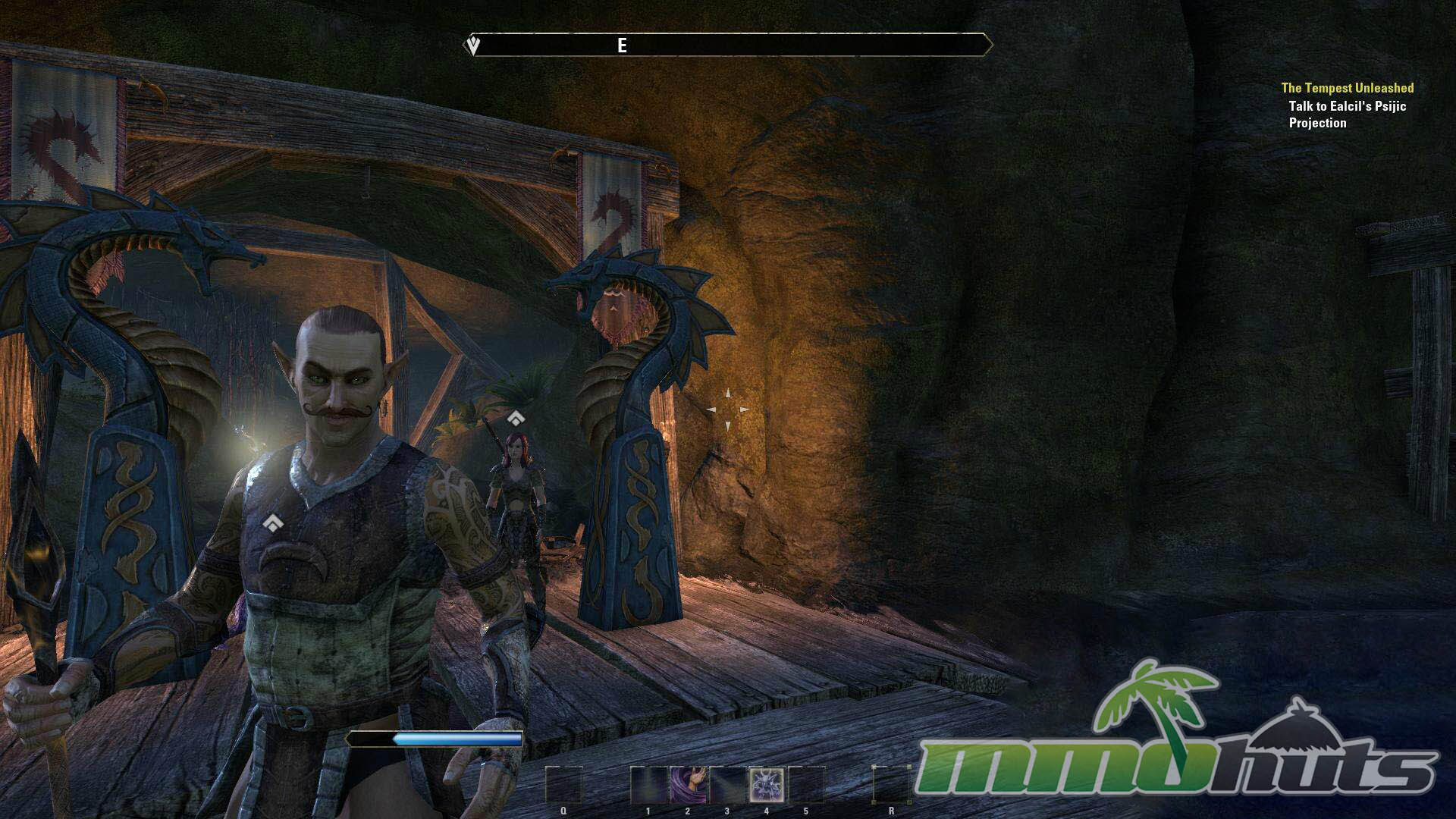
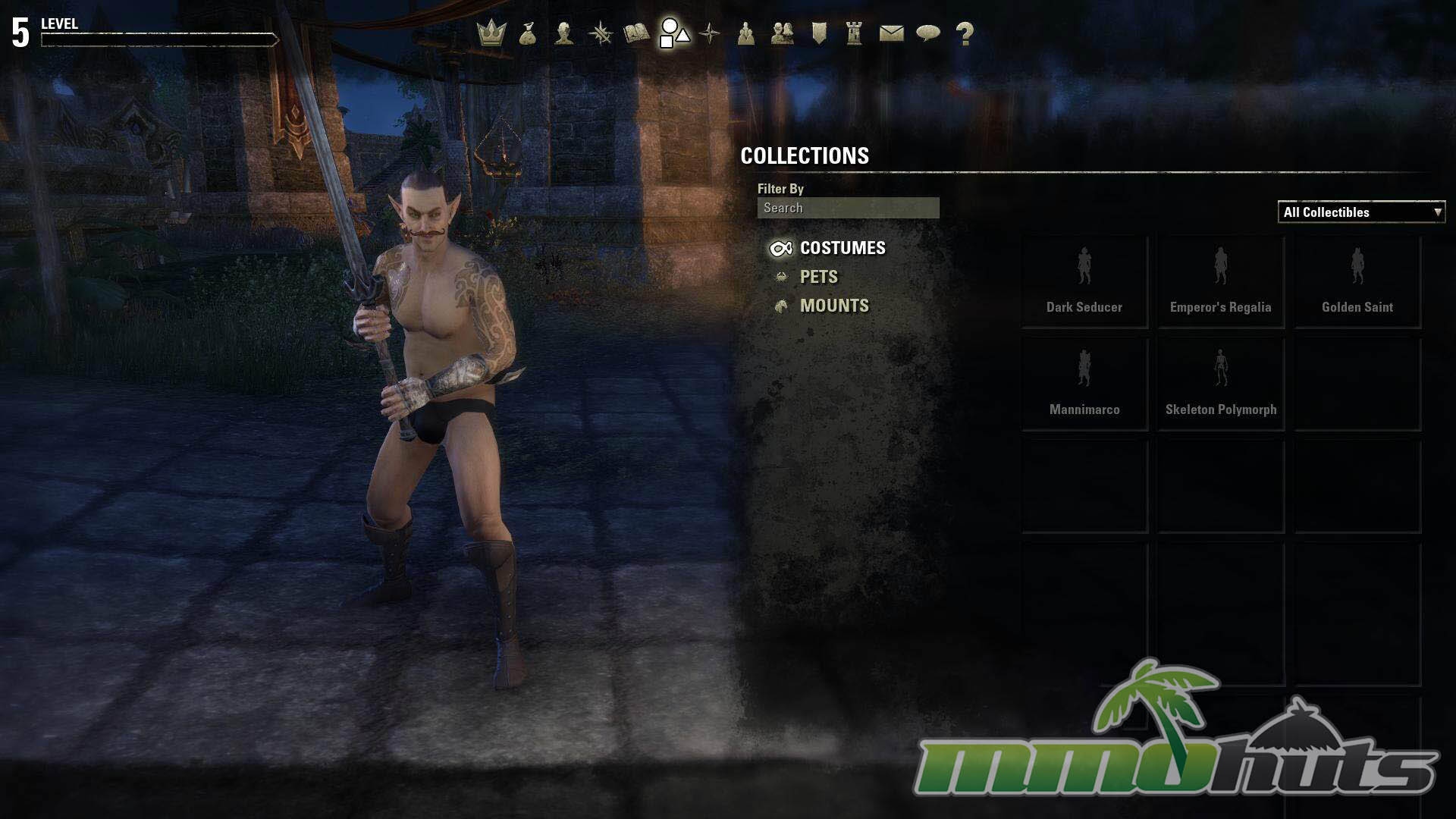
Elder Scrolls Online Screenshots
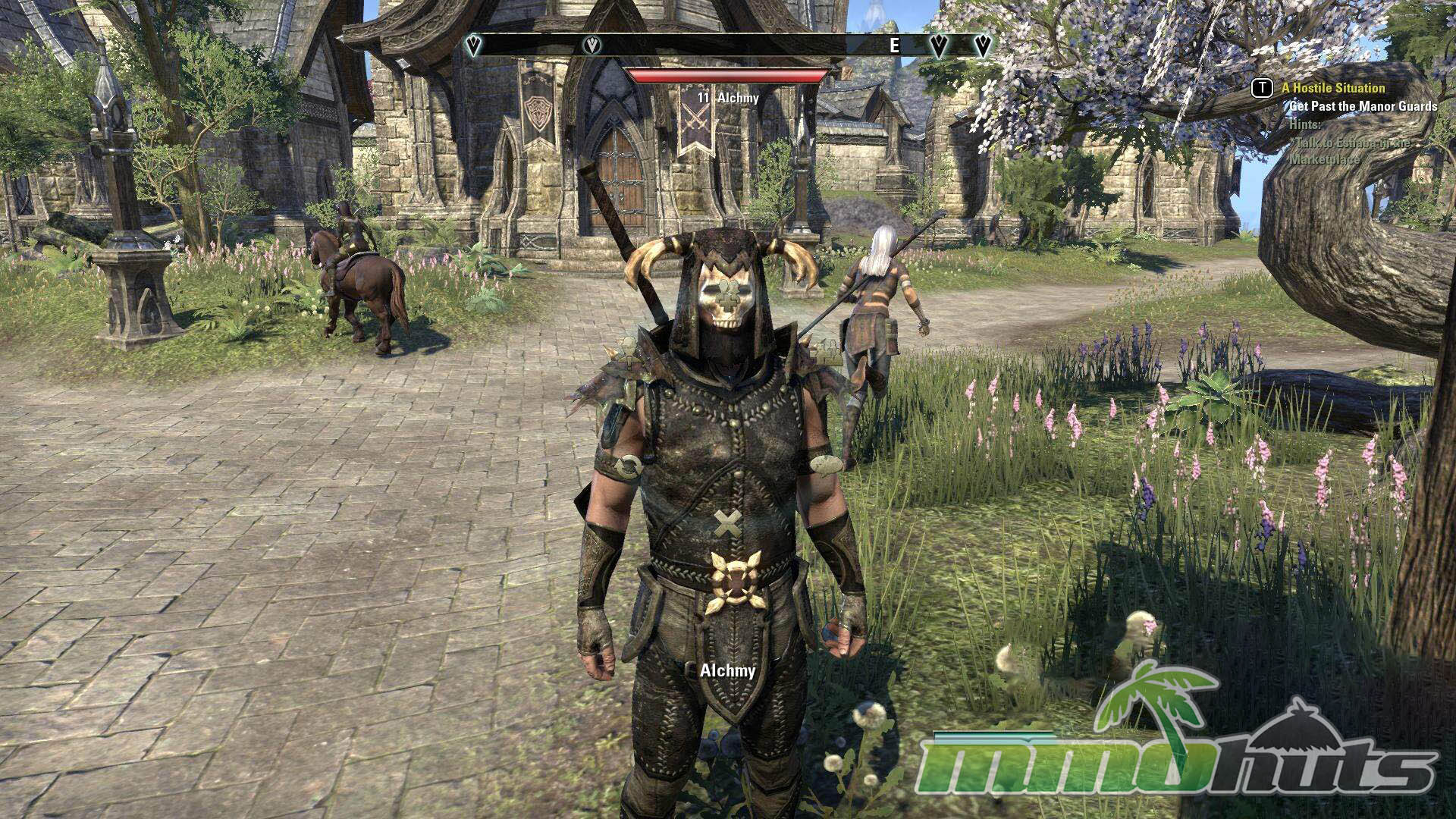

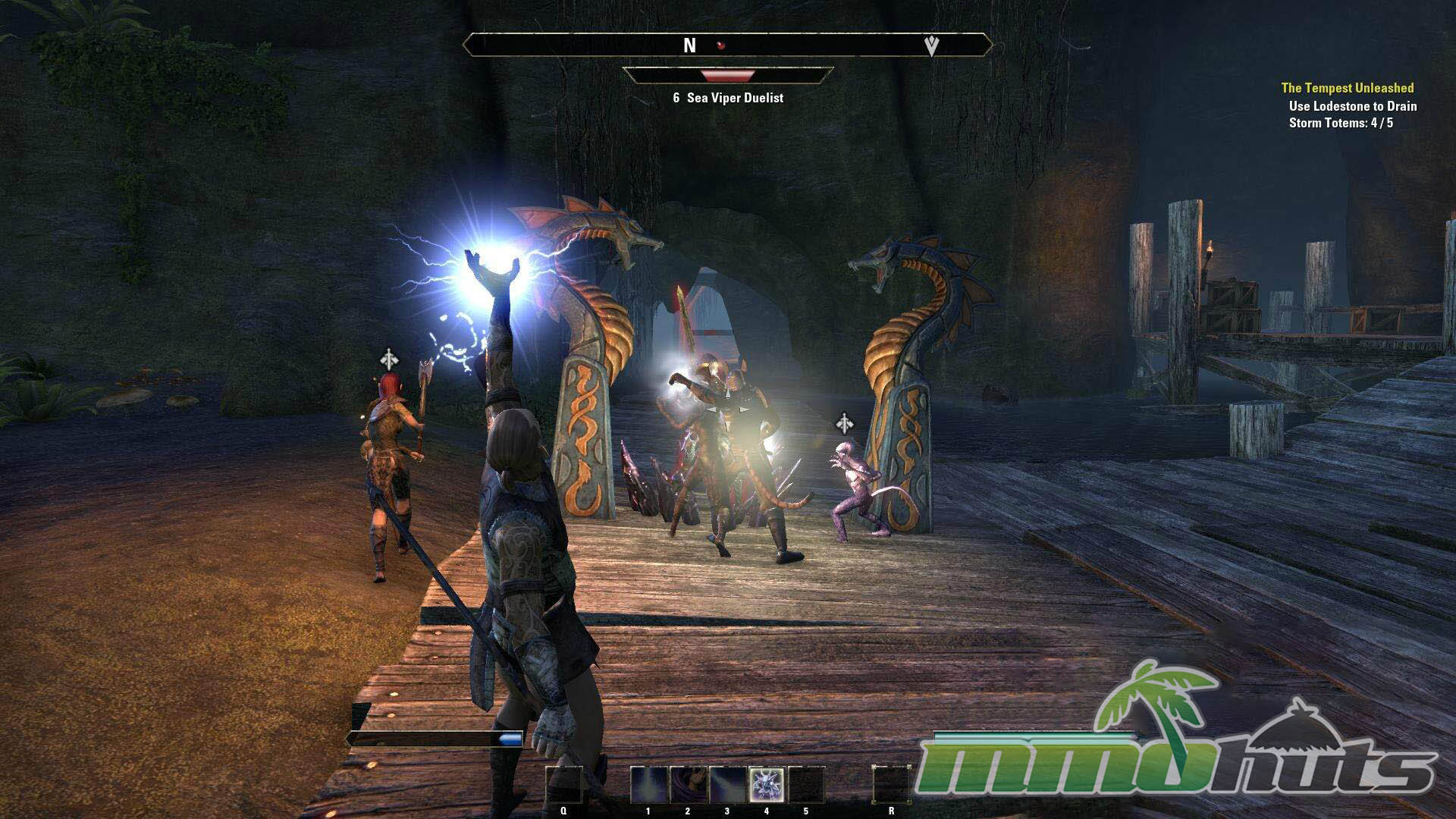
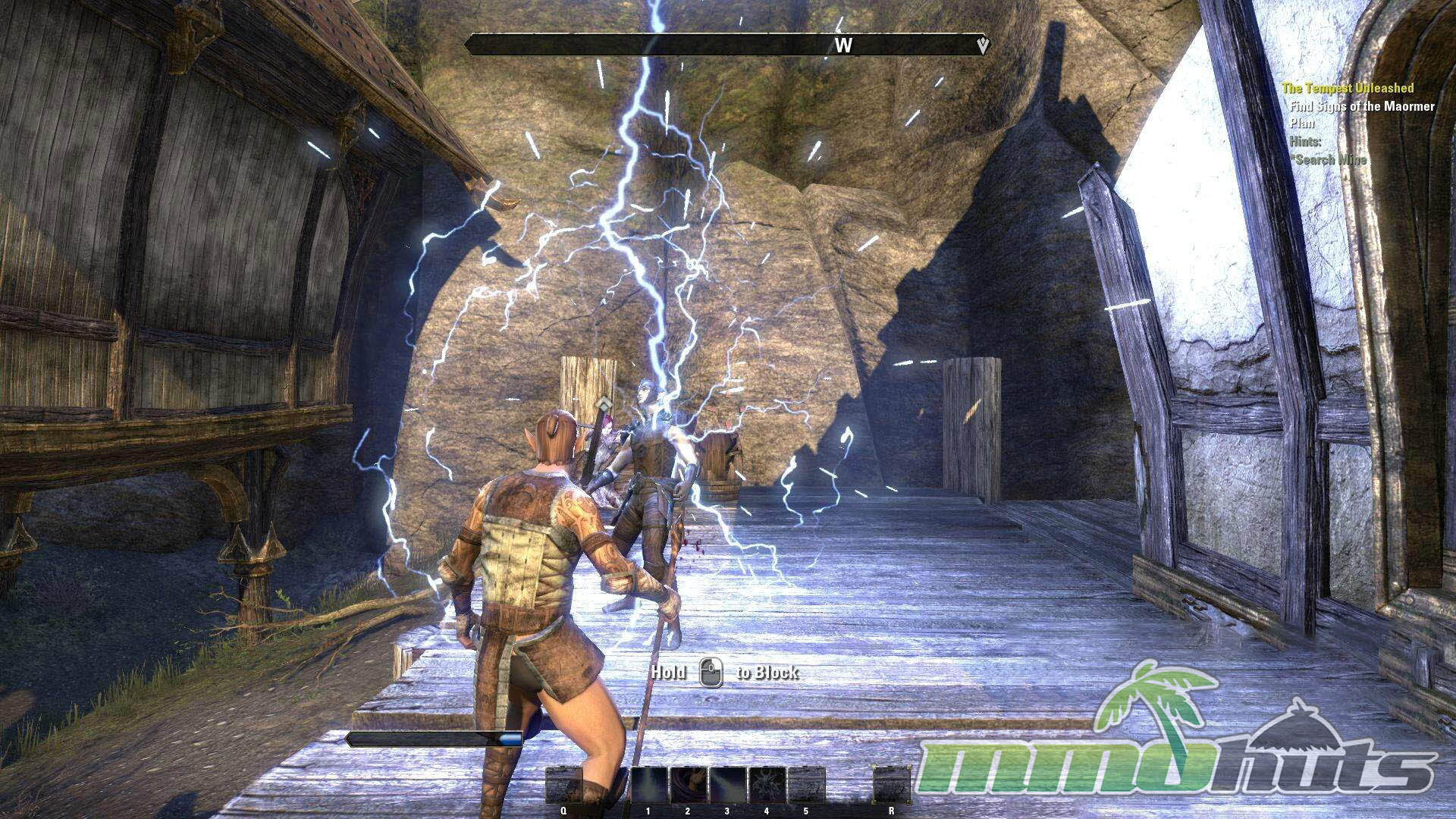
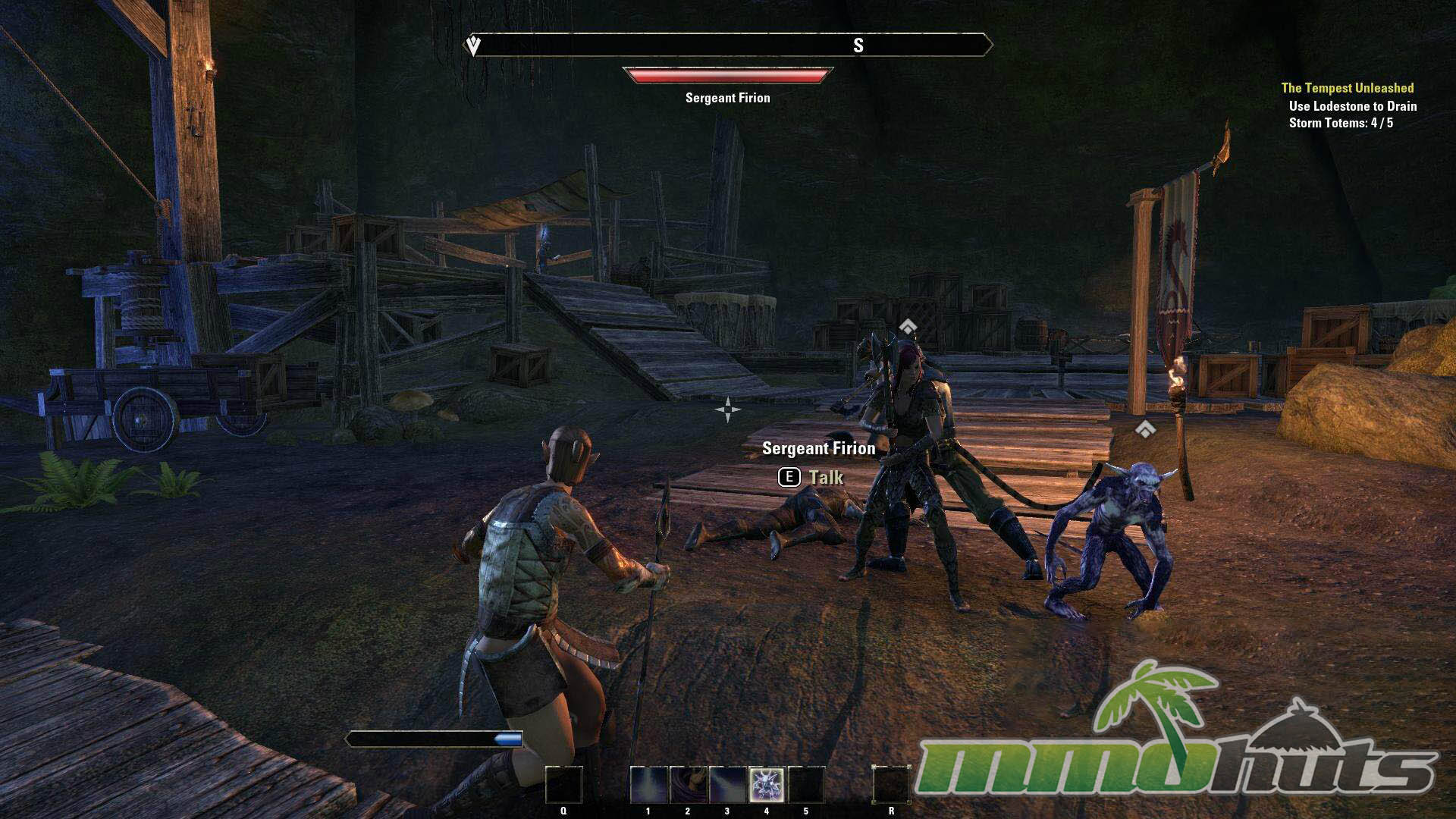
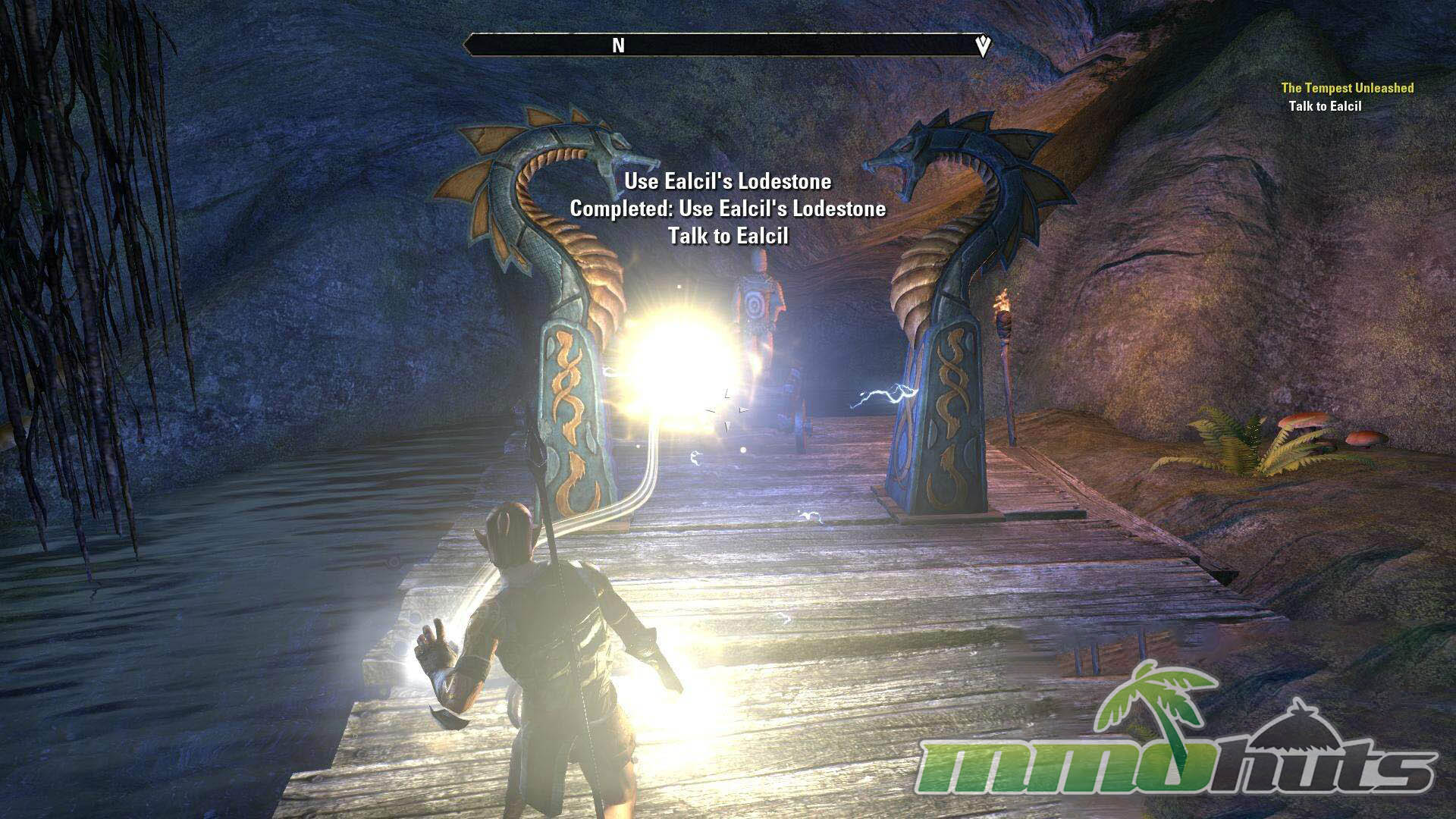

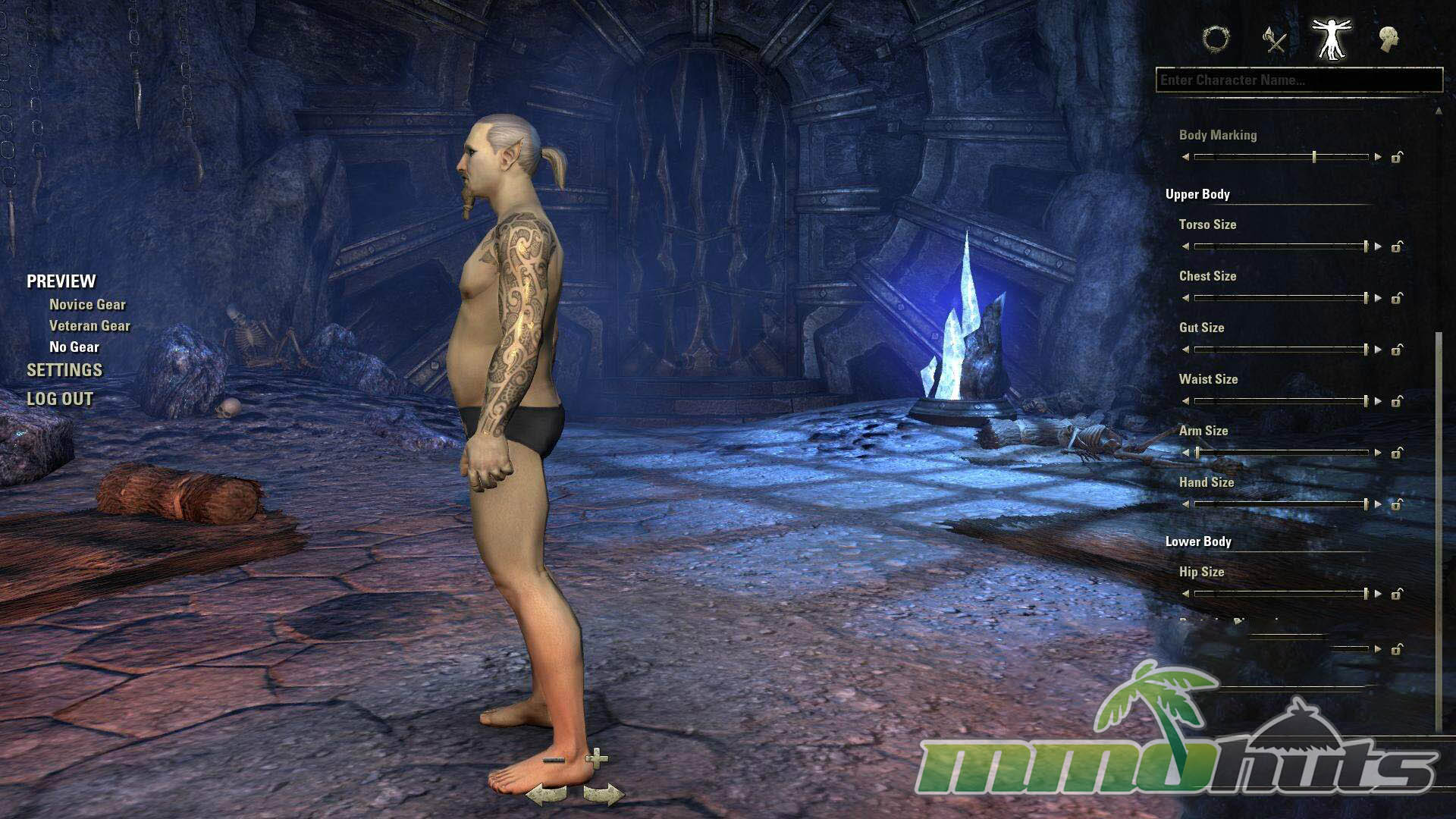
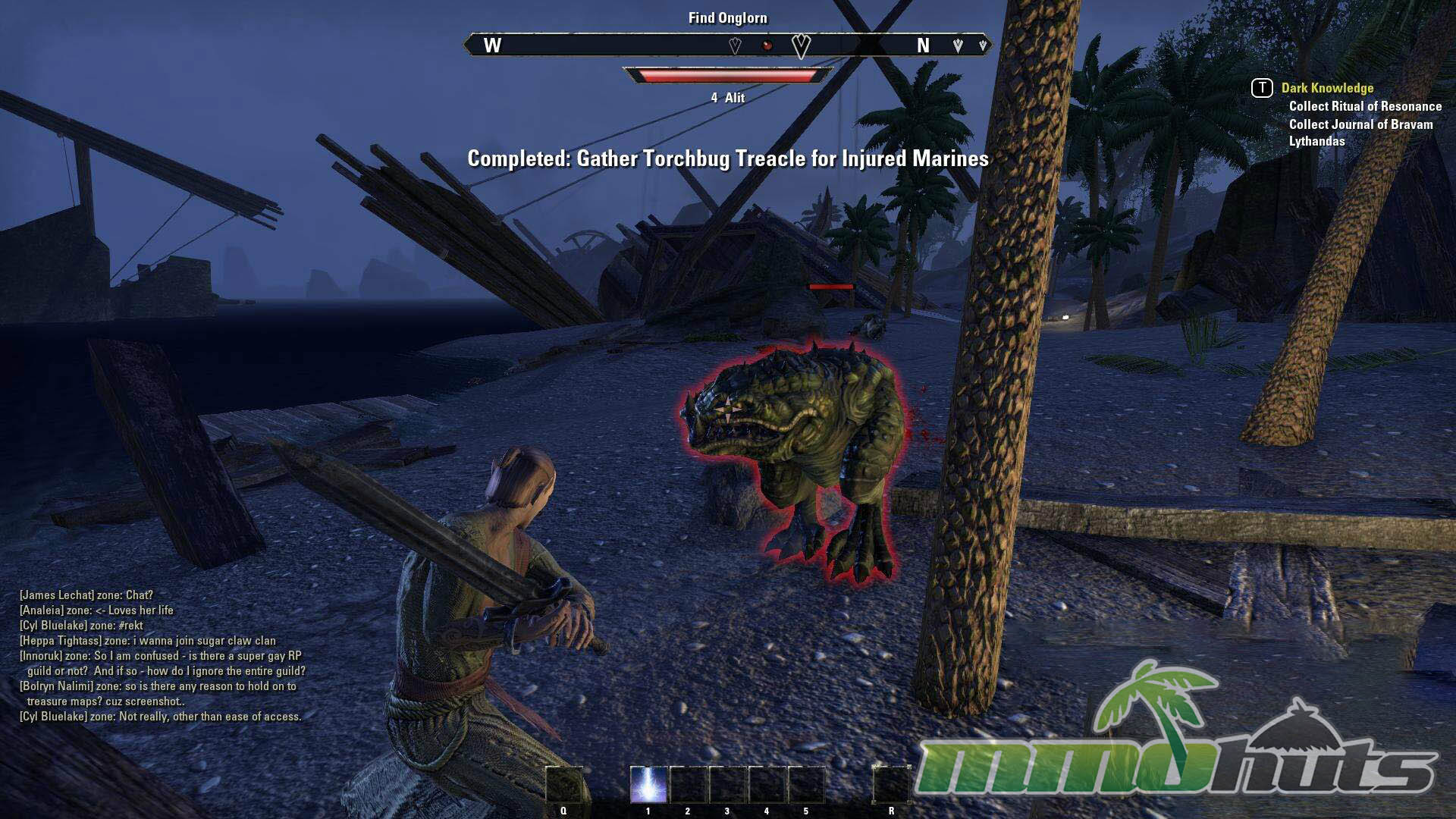
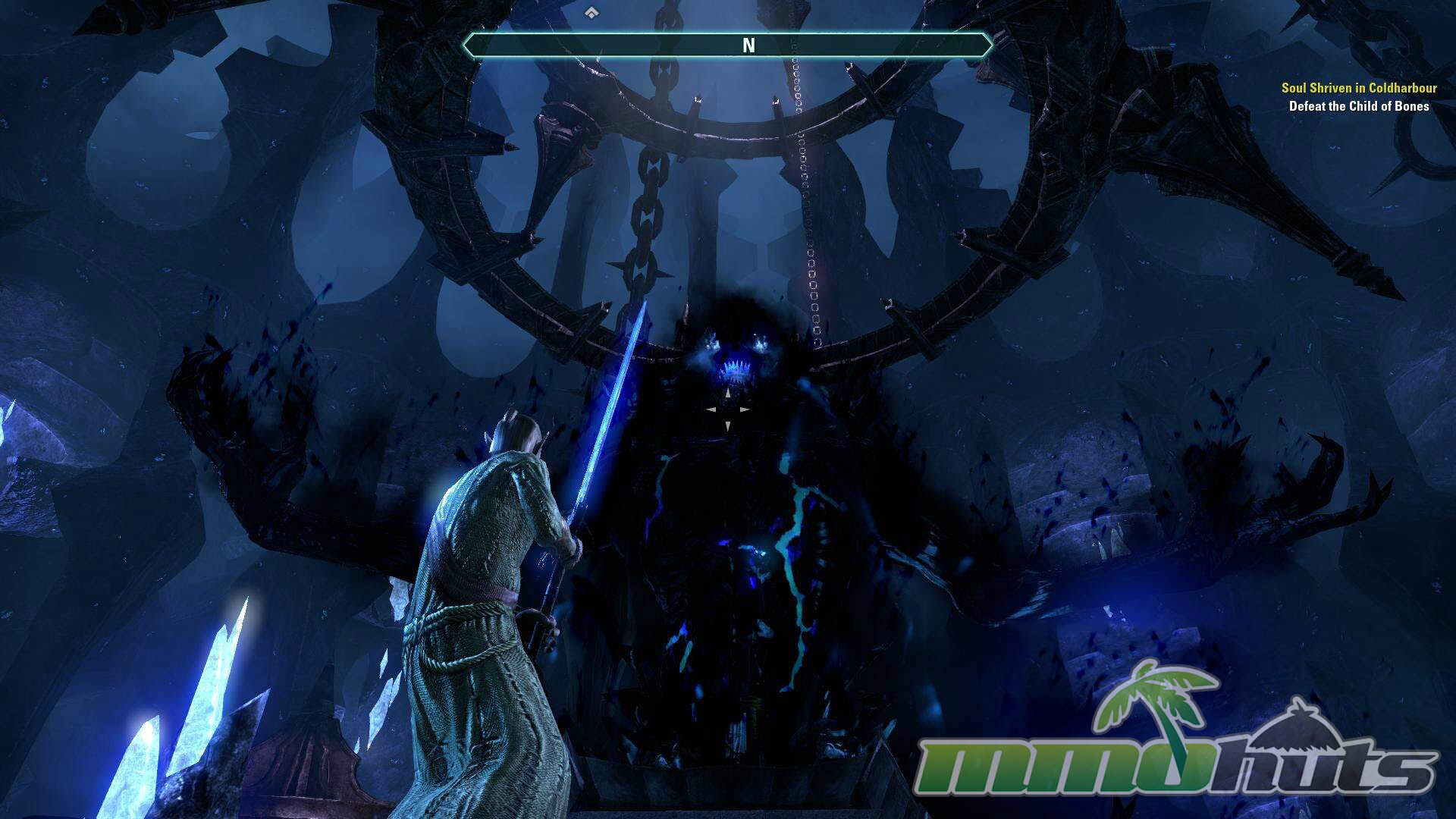
Elder Scrolls Online Featured Video

Elder Scrolls Online Review
Returning to Elder Scrolls Online after its early era highlights how much the game benefits from time and iteration. At launch, the cost and subscription model made it harder to justify sticking around if the first impression did not immediately click. With the subscription requirement removed and the overall experience more cohesive, it is easier to appreciate what ESO does well: it is not a single-player Elder Scrolls game transplanted online, but it is a confident MMORPG that borrows enough of the series’ DNA to feel distinct in a crowded genre.
Alliances, Races, and Identity
ESO frames its world conflict around three alliances competing for control of the Imperial City, and your race selection determines where you stand in that war. That choice is more than lore flavor because it affects who you can naturally fight alongside in faction PvP, so coordinating with friends before committing is wise.
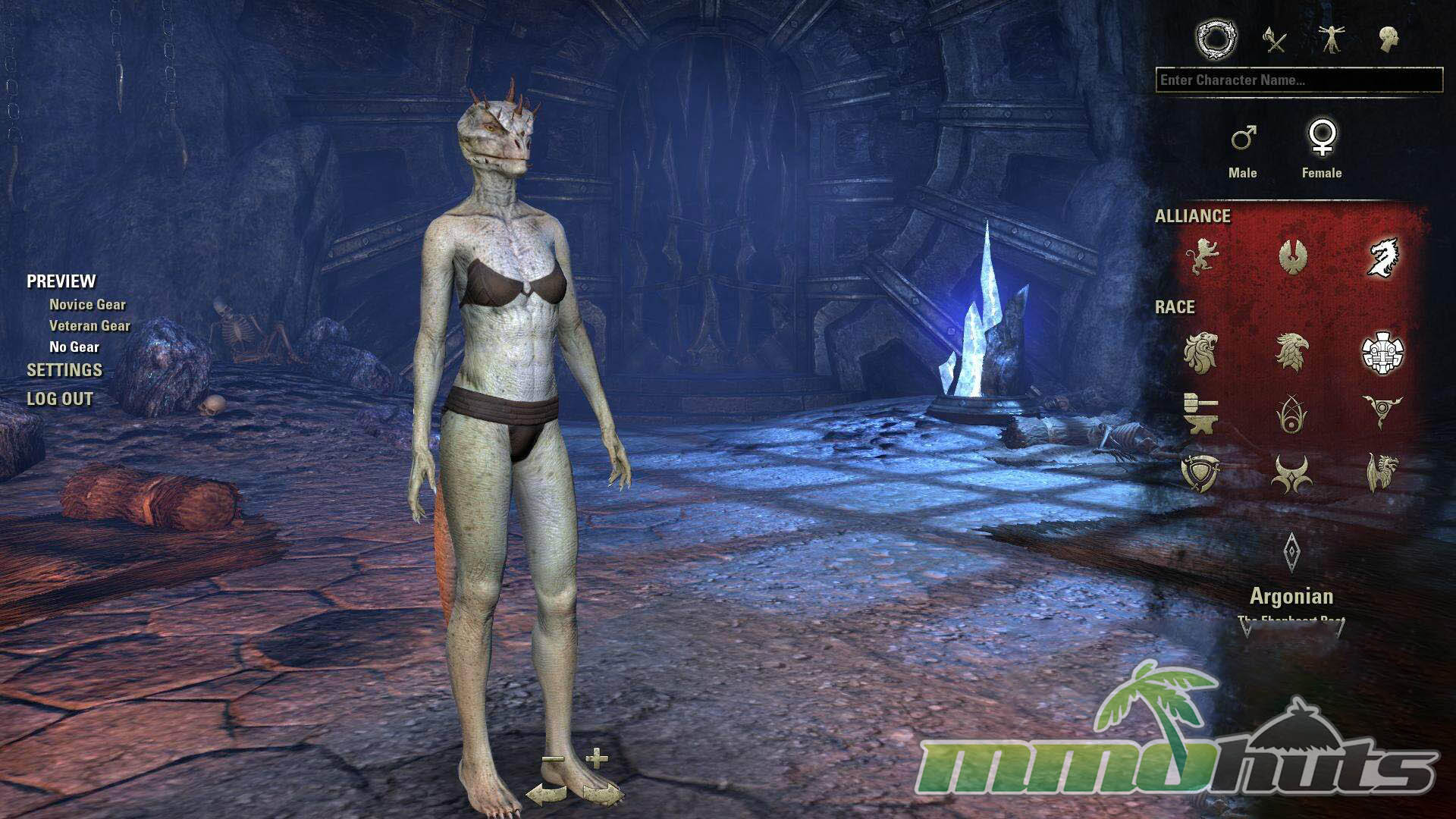
The alliances are split clearly: the Aldmeri Dominion (Altmer, Bosmer, Khajiit), the Daggerfall Covenant (Bretons, Orsimer, Redguards), and the Ebonheart Pact (Nords, Dunmer, Argonians). These affiliations do not lock you into a strict role, but they do inform racial passives and the broader political framing of your character.
Character creation offers enough sliders and options to produce a recognizable avatar rather than a generic template. The tools are not the most advanced in the genre, but they are functional, and the end result matters because ESO frequently places your character front and center in dialogue scenes and story moments.
Combat
Combat is one of ESO’s strongest hooks, especially for players who prefer active input over tab-target rotations. Basic attacks and blocks are immediate, heavy attacks reward commitment, and timing tools like interrupts and dodges add a layer of mechanical responsibility that many MMOs reserve for endgame encounters. Stamina management is important because dodge rolling and other actions demand it, and learning when to spend stamina versus saving it becomes a real skill.
Your primary abilities sit on a limited hotbar (1 to 5 plus an ultimate), which sounds restrictive on paper. In practice, it pushes you to build a focused kit rather than a sprawling list of situational buttons. The feel is closer to an action RPG rhythm than a traditional MMO piano, and once you settle into the cadence, fights become quick and readable without losing depth.
Death penalties are comparatively forgiving. You may deal with equipment damage and a less convenient respawn, but the game generally encourages experimentation and forward momentum rather than punishing you for trying new approaches.
Skills and Build Craft
ESO’s progression shines through the sheer number of skill lines and the way they intersect. Your class lines define a core identity, but weapon skills, armor passives, racial passives, crafting lines, and world skills create a large matrix of choices. The result is a system that supports both conventional builds and personal experiments, even if some combinations are more efficient than others.
A particularly smart detail is how skill experience works: abilities on your bar advance as you play, and the broader line they belong to grows alongside them. This keeps progression feeling active, and it makes it possible to invest in a line by using a handful of representative skills rather than forcing constant swapping.
Skill points also come from more than just leveling. Quest rewards and exploration incentives like Skyshards encourage you to engage with the world instead of grinding in a single loop. It is a simple structure, but it complements the game’s open zone design and helps make roaming feel worthwhile.
Questing and World Reactivity
ESO still contains the familiar MMO staples: combat errands, collection tasks, and delivery objectives appear frequently. Where it distinguishes itself is in presentation and in occasional decision points that change how a storyline resolves. The best quests lean into morally uncertain choices, and the game generally avoids turning decisions into obvious “good” or “evil” buttons.
The outcomes are usually localized rather than globally transformative, but they do matter for immersion. NPCs can live or die, settlements can feel restored or haunted, and your actions can shape how an area reads as you pass back through it. Combined with strong voice work, it gives the impression of a world that responds, even if the mechanics remain MMO-like under the hood.
If you take time to listen rather than rush through dialogue, ESO’s questing holds up well. The writing is not uniformly brilliant, but the consistency of voice acting and the overall tone helps even routine objectives feel like part of a larger adventure.
Audio: Voice and Score
ESO’s commitment to voice acting is not just a marketing bullet point, it meaningfully changes how the world feels. Conversations are easier to follow, minor characters have personality, and towns gain texture through incidental dialogue. The cast work is strong enough that even quick side interactions often land better than comparable MMOs that rely on text boxes.
The soundtrack does equally important work. It supports exploration with quieter, atmospheric pieces and gives cities and dramatic scenes a more cinematic lift. The overall audio package also helps justify the game’s large install footprint, there is simply a lot of voiced content and environmental sound design packed into the experience.
Crafting
Crafting in ESO is approachable at first glance, but it can become a serious long-term system if you lean into it. Gathering is integrated naturally into questing and exploration, with resources coming from nodes and enemies as you travel. Town crafting stations are straightforward to use, and the game communicates clearly what materials are required and what you will receive.
What makes crafting feel relevant is that crafted gear can be genuinely competitive compared to random drops and quest rewards at similar levels. That alone gives the system a purpose beyond money-making, especially for players who enjoy self-sufficiency or want to support alts and friends.
Graphics and Interface
Visually, ESO is a strong-looking MMORPG with solid performance most of the time. Spell effects are readable and stylish, lighting gives dungeons and interiors a convincing mood, and zones often feel expansive without becoming empty. When crowded hubs fill with players and effects, you may see occasional hiccups, but the game generally holds together well.
The world design is detailed, though it is not immune to repetition. Some structures and interiors can feel templated, which becomes noticeable when you spend time moving between similar buildings in the same settlement. It is a small blemish against otherwise impressive environments, but it stands out precisely because much of the world is crafted with care.
The UI deserves credit for restraint. It keeps the screen relatively clean and surfaces information when it is needed, which suits exploration and helps the world remain the focus instead of the interface.
Justice System and Champion Progression
The Justice System is one of the features that best communicates “this is Elder Scrolls, but online.” Crime is supported mechanically, and it comes with consequences that create tension in everyday spaces. Stealing, pickpocketing, and murder can place a bounty on you, and guards can become a real threat if you are careless. Stolen goods also require the right channels to profit from, pushing criminals toward fences and outlaw spaces rather than standard merchants.
On the long-term progression side, the Champion System provides a post-50 advancement track. Every 400,000 XP earned after level 50 grants a point used for passive bonuses. The structure is divided into Soldiers, Mages, and Thieves, visually echoing the constellation theme familiar to Elder Scrolls fans. Importantly, Champion points are shared across your account, which makes alternate characters feel more viable and reduces the sense of starting from nothing.
PvP
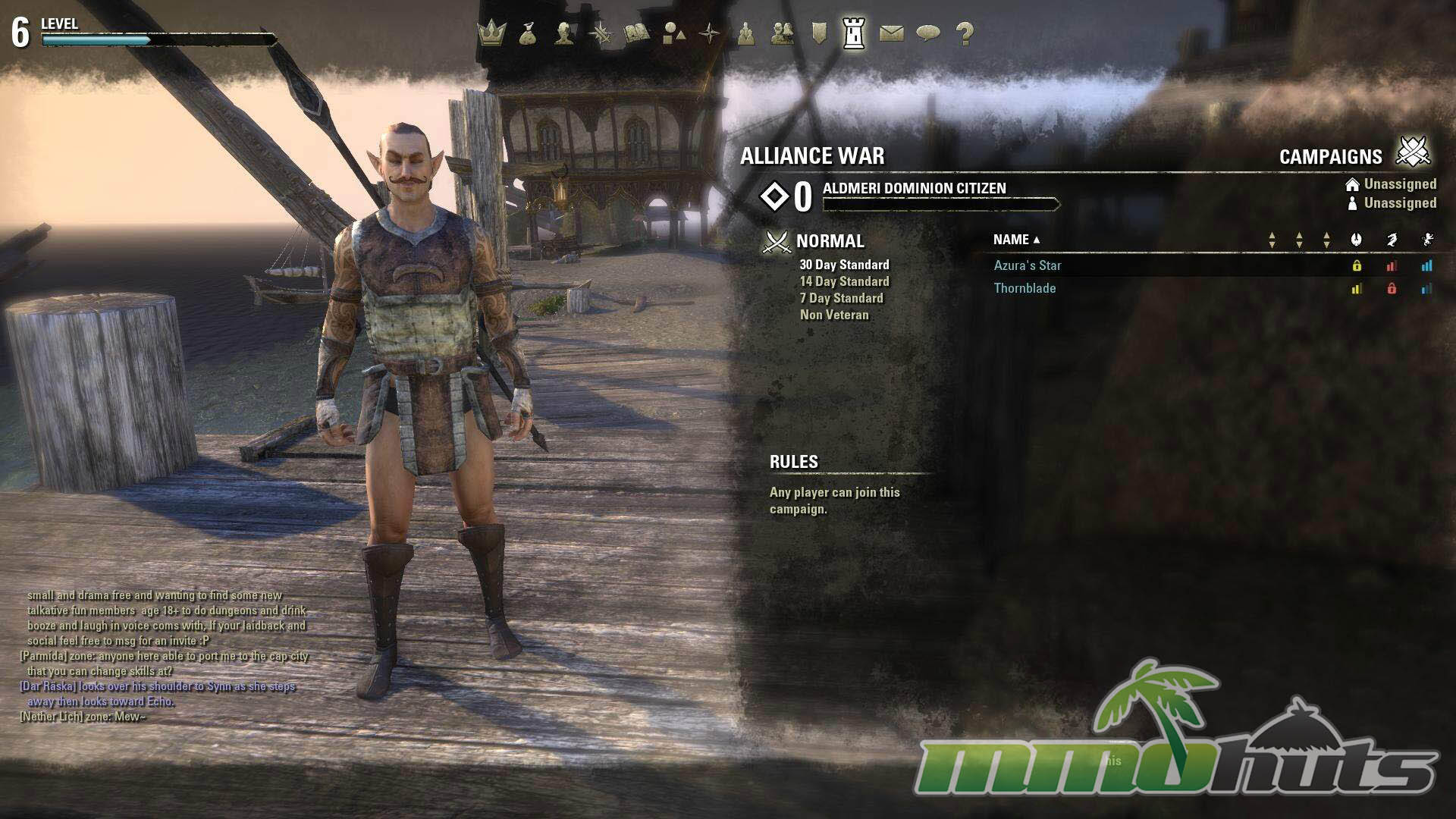
Alliance War PvP is not treated like a side activity, it is woven into the setting and designed as a large, persistent conflict. Cyrodiil functions as a full zone with objectives, keeps, and missions rather than a short match format. You can enter PvP from level 10, and the early experience does a decent job teaching the basics of taking and defending positions.
The separation of level 50+ characters into their own PvP environments due to the Champion system helps keep lower-level PvP from being completely dominated by long-time accounts, although coordination and gear still matter. For players who enjoy siege warfare and map control more than dueling arenas, Cyrodiil remains one of ESO’s defining experiences.
Guilds and Trading
ESO’s guild structure is unusually flexible: you can join up to five player guilds simultaneously, which supports social play, raiding, trading, and casual communities without forcing hard choices. The most distinctive element is the economy model. With no universal auction house, guild traders become the backbone of buying and selling.
Once a guild reaches 50 members, it can bid for a guild merchant location, and placement matters. A trader in a busy hub offers more visibility than one on a quiet roadside, and that creates interesting competition between guilds. It also encourages players to explore markets and compare prices, making the economy feel more “regional” than a single global listing board.
Cash Shop
ESO’s buy-to-play approach is paired with a cash shop that is largely cosmetic in nature. You will find convenience items like repair kits or consumable bundles, but the shop generally avoids handing out overwhelming combat advantages. For players wary of pay-to-win pressure, the store is less intrusive than many modern MMO equivalents, even if the cosmetic offerings will not appeal to everyone.
Final Verdict – Excellent
Elder Scrolls Online is easy to recommend for MMO players who want active combat, flexible character building, and a world that feels more reactive and story-driven than the genre average. Its visuals, music, and voice work do a lot of heavy lifting for immersion, and systems like Justice and Alliance War PvP give it a recognizable identity beyond standard quest hubs and dungeons. It is not flawless, with occasional technical issues and some repetitive environmental assets, but the overall package is a polished, content-rich MMORPG that has clearly benefited from long-term support.
Elder Scrolls Online Links
Elder Scrolls Online Official Site
Elder Scrolls Online Wikipedia
Elder Scrolls Online Wikia [Database/Guides]
Elder Scrolls Online Gamepedia [Database/Guides]
Elder Scrolls Online Reddit
Elder Scrolls Online Requirements
Minimum Requirements:
Operating System: Windows XP 32 bit
CPU: Core 2 Duo E4400 2.0GHz or Athlon 64 X2 Dual Core 4600+
RAM: 2 GB GB RAM
Video Card: GeForce 8800 GT or HD i7 2600
Hard Disk Space: 60 GB Free Space
Recommended Requirements:
Operating System: Windows 7 64 bit
CPU: Core 2 Quad Q6600 2.4GHz or Phenom 9750 Quad-Core
RAM: 4 GB RAM
Video Card: GeForce GTX 560 Ti or Radeon HD 6950
Hard Disk Space: 80 GB Free Space
Mac Minimum Requirements:
Operating System: OS X 10.7.0 or later
CPU: Intel Core 2 Duo
RAM: 4 GB RAM
Video Card: Intel HD Graphics 4000, GeForce GT 330M, or Radeon HD 6490M or better
Hard Disk Space: 60 GB Free Space
Mac Recommended Requirements:
Operating System: OS X 10.7.0 or later
CPU: Intel i5
RAM: 4 GB RAM
Video Card: GeForce GT 650M or Radeon HD 5770 or better
Hard Disk Space: 60 GB Free Space
Elder Scrolls Online is compatible with Mac OS X
Elder Scrolls Online Music
Elder Scrolls Online Additional Information
Developer(s): ZeniMax Online Studios
Publisher(s): Bethesda Softworks
Engine: HeroEngine
Release Date: April 4, 2014
Steam Release Date: July 17, 2014
Announcement Date: May 3, 2012
Subscription Cessation Date: March 17, 2015
- Morrowind Expansion Release Date: June 6, 2017
- Summerset Expansion Release Date: May 21, 2018
- Elsweyr Expansion Release Date: June 4, 2019
- Greymoor Expansion Release Date: May 26, 2020
- Blackwood Expansion Release Date: June 1, 2021
Other Platforms: Mac OS X, PS4, Xbox One
The Elder Scrolls Online was developed by ZeniMax Online Studios and published by Bethesda Softworks. The studio was founded in 2007 under Matt Firor, who previously spent 11 years at Mythic Entertainment. For technology, ZeniMax Online partnered with Simutronics to use the HeroEngine 3D engine. ESO is the company’s first MMORPG and was formally revealed on May 3, 2012 through an interview with Game Informer. The PC and Mac OS X release followed on April 4, 2014. At first, the game required an ongoing subscription, but that requirement was later removed after an announcement on January 21, 2015, taking effect on March 17, 2015. ESO also launched on consoles, and it does not support cross-play between platforms.