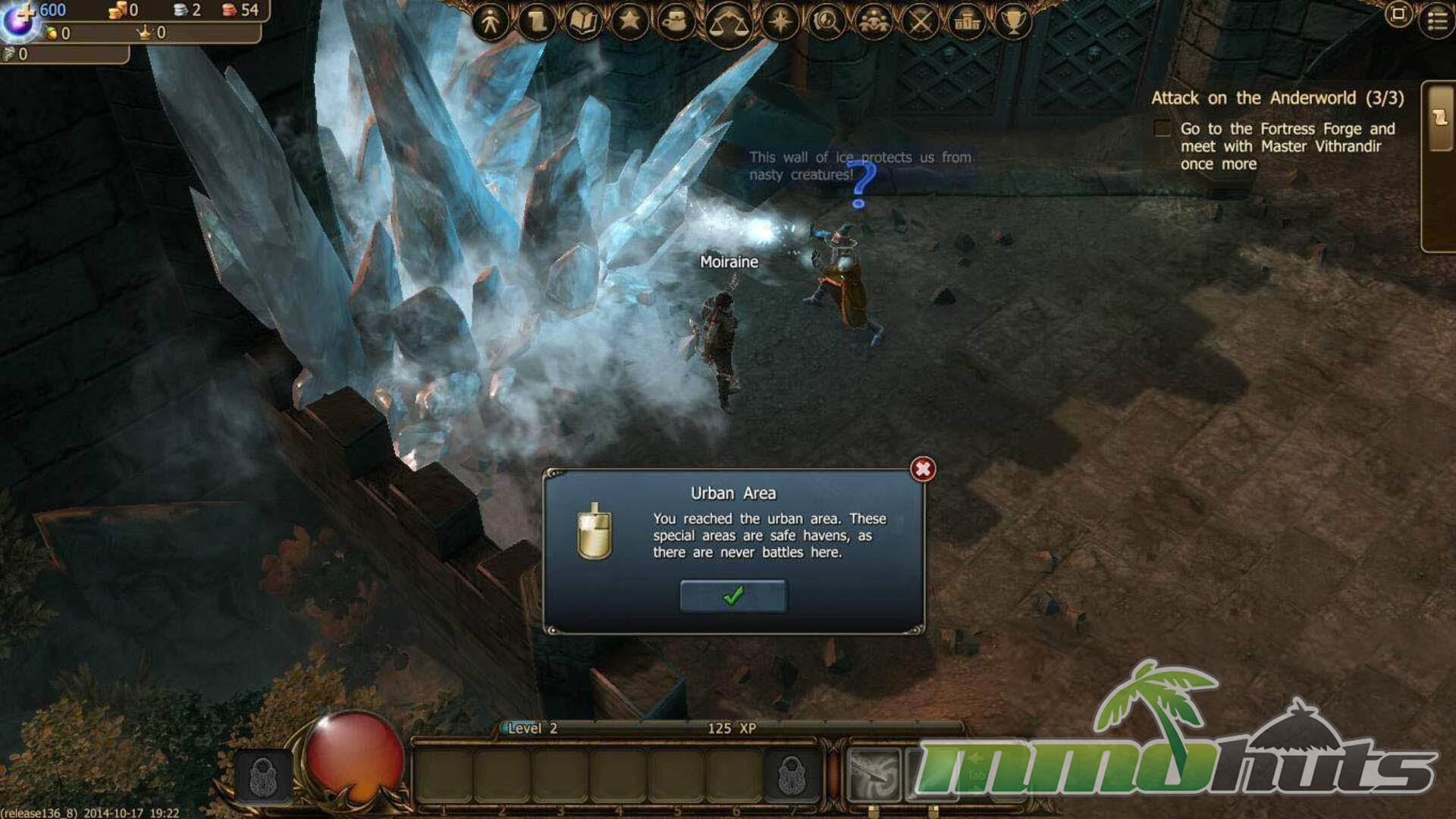
Drakensang Online is a 3D, browser-friendly action MMORPG that leans heavily into the Diablo-style loop of clicking through swarms of enemies, hoovering up loot, and constantly tuning your build. It supports both in-browser play and a dedicated client, and it uses an isometric, top-down viewpoint that will feel immediately familiar to anyone who enjoys hack-and-slash dungeon crawlers.
 | Publisher: Bigpoint Playerbase: Low Type: MMORPG PvP: Arenas Release Date: August 8, 2011 (NA/EU) Pros: +Premium currency can be earned from drops. +Plenty of quest content. +Satisfying Diablo-like loot and upgrades. Cons: -Monetization can feel influential. -Limited options in character creation. -Progression can become repetitive and grind-heavy. |

Drakensang Online Overview
Drakensang Online is a 3D fantasy MMORPG tied to the Drakensang name, but its moment-to-moment play is much closer to an action RPG than a traditional hotbar MMO. Combat is built around quick engagements, dense packs of enemies, and a steady drip of gear upgrades, with clear inspiration from Blizzard’s Diablo games and similar dungeon-crawlers. A major convenience is how easy it is to access: you can jump in through a browser for a near-instant start, or use the stand alone client if you prefer a more stable, polished presentation.
Drakensang Key Features:
- Grind for Currency – premium currency can drop from enemies, letting free-to-play players slowly work toward Item Mall purchases through regular play.
- Available on the Web – play directly in a browser or use a standalone client, making it easy to log in from almost any compatible machine.
- Fast-Paced Combat – encounters are designed to be active and kinetic, with frequent fights against groups rather than slow, single-target duels.
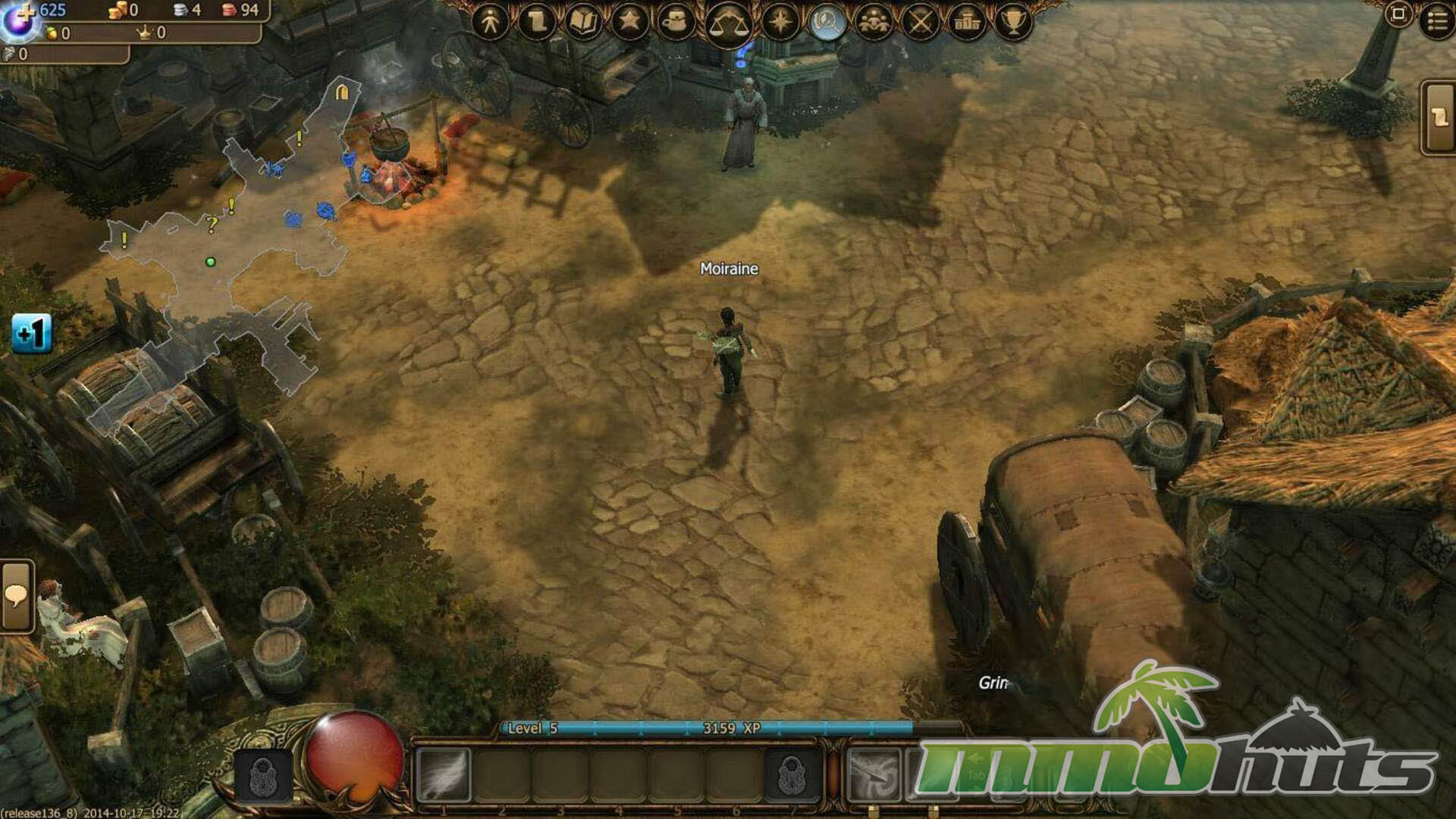
- Great Graphics – for a browser-capable MMO, the visuals are surprisingly clean, with most hiccups happening during zone loads.
- Good Class Balance – the roster is small, but the roles are distinct and generally feel tuned to work well across PvE and PvP.
Drakensang Online Screenshots


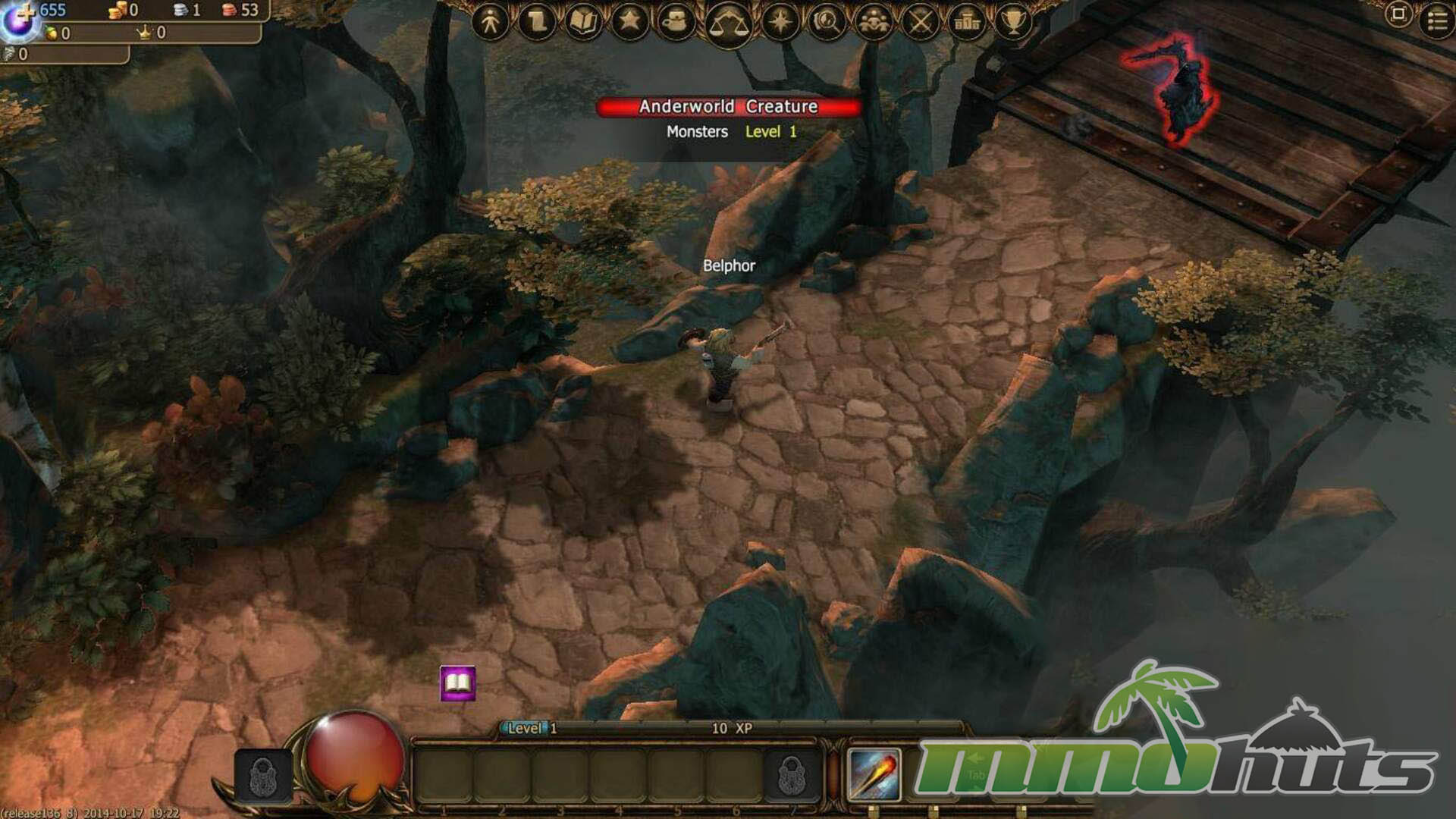
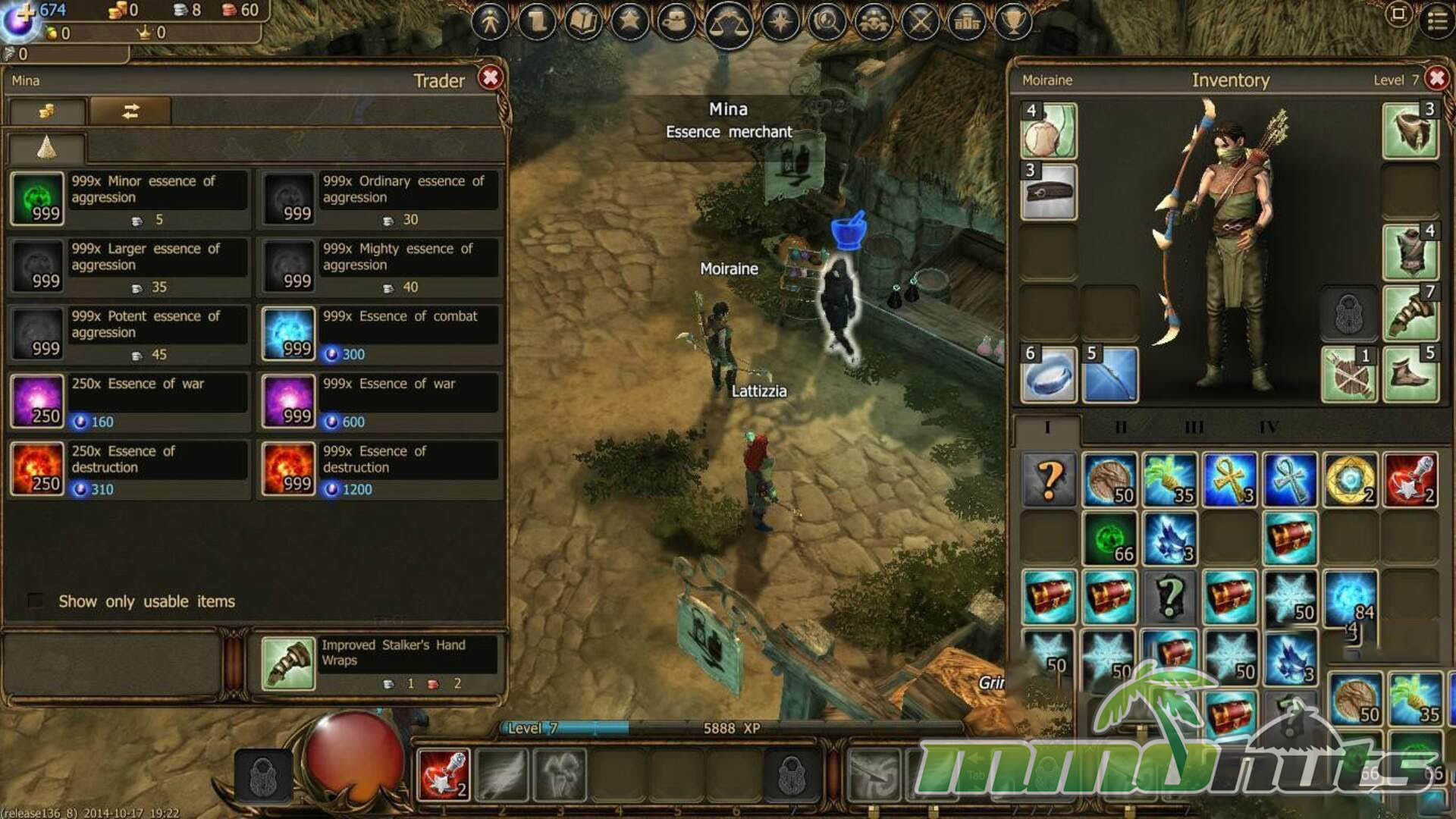
Drakensang Online Featured Video

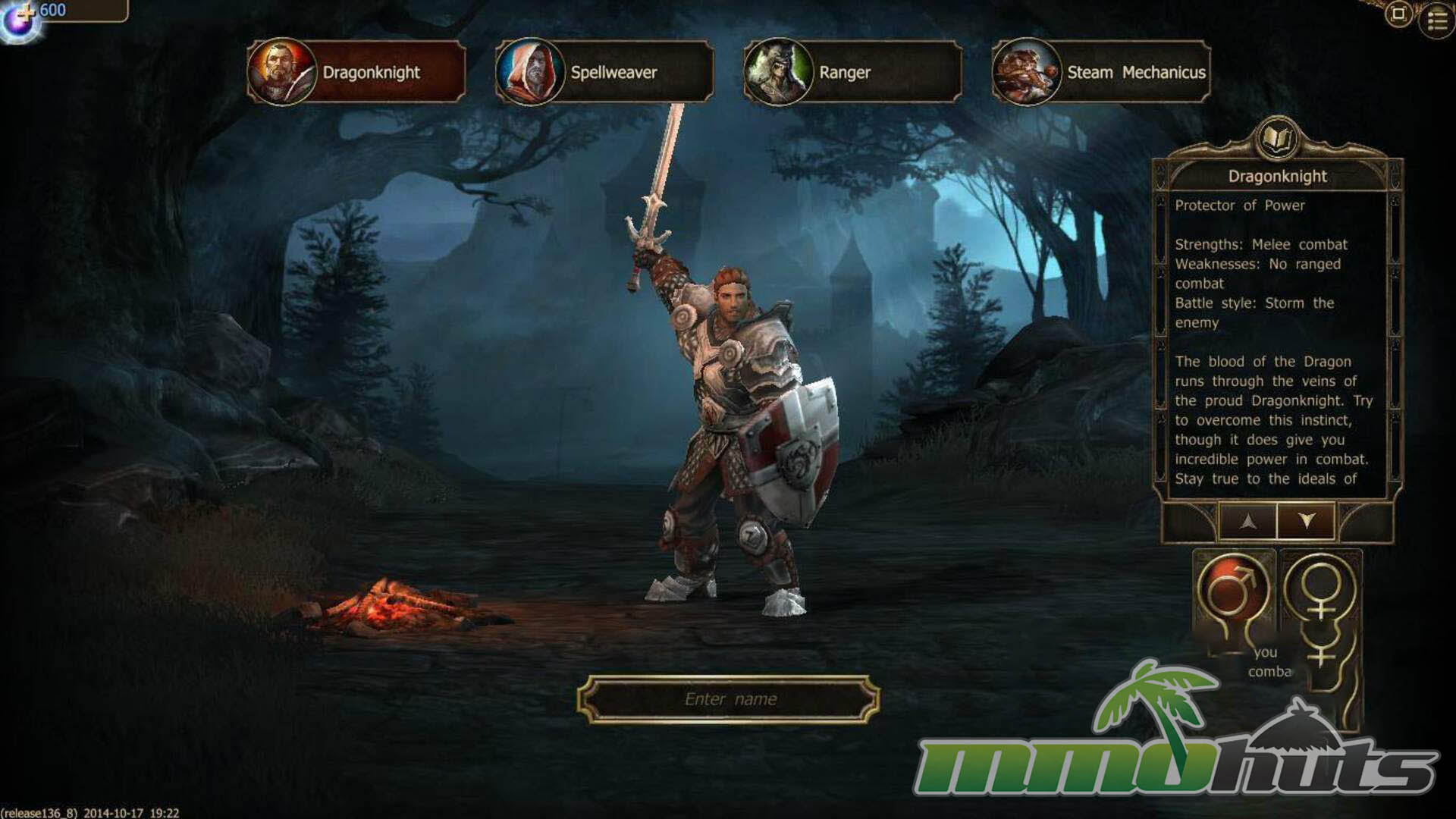
Drakensang Online offers four classes to choose from, including the Steam Mechanicus as the newest addition.
- Spellweaver – The dedicated caster archetype, focused on high ranged damage through elemental magic like fire, ice, and lightning.
- Dragonknight – The classic front-liner, built for close combat and sturdiness, with the strongest defensive profile of the four.
- Ranger – A ranged physical damage dealer using bows, with the flexibility to finish off weakened foes up close using blade bows and strong crowd control tools.
- Steam Mechanicus – A dwarf engineer who fights from mid-range with gadgets and firearms, supplemented by mechanical devices such as turrets, explosives, and other contraptions.
Drakensang Online Review
Drakensang Online is a browser-based, fantasy action MMORPG set in the medieval-flavored world of Dracania. It is developed and published by Bigpoint Games, a German studio known for browser and social-oriented titles like Battlestar Galactica Online and Farmerama. The game entered open beta in August 2011. In practice, it plays like a hack-and-slash dungeon crawler in the Diablo or Path of Exile mold, with the key difference being how lightweight it is to access. If you prefer not to play in a browser, Bigpoint also provides a stand-alone client that generally feels smoother and more robust, particularly for visuals and audio.
Getting Started
The onboarding is built around the game’s biggest advantage: you can begin immediately, since the browser version requires no download. Early on, you pick from the four classes and step into a guided set of quests that explain core interactions as they appear. The tutorial flow is clear and heavily supported by tool tips, and it can be disabled in the settings if you want a cleaner interface. The one drawback is that the opening sequence is tied into the narrative, so experienced players creating new characters cannot simply bypass it.
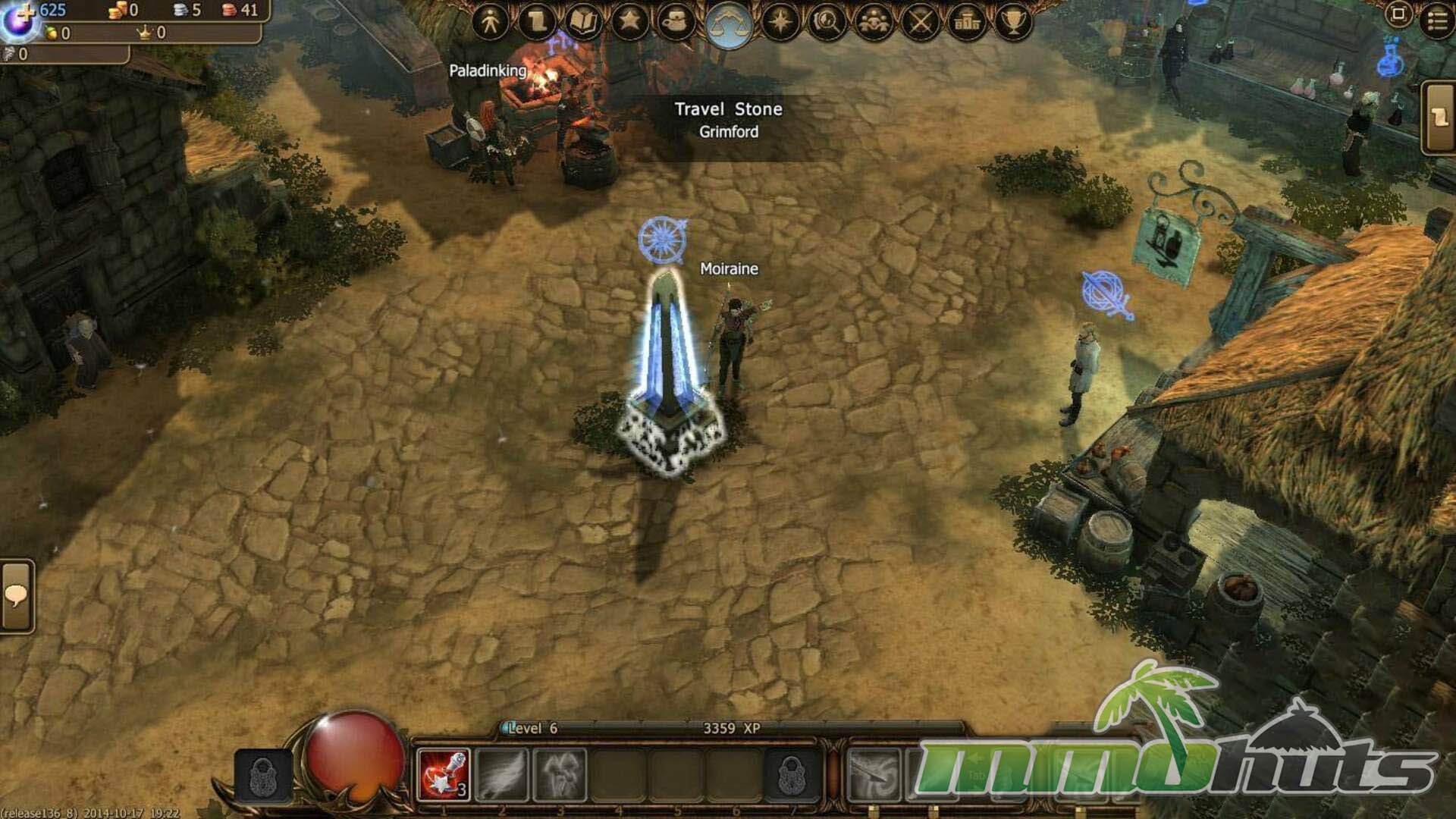
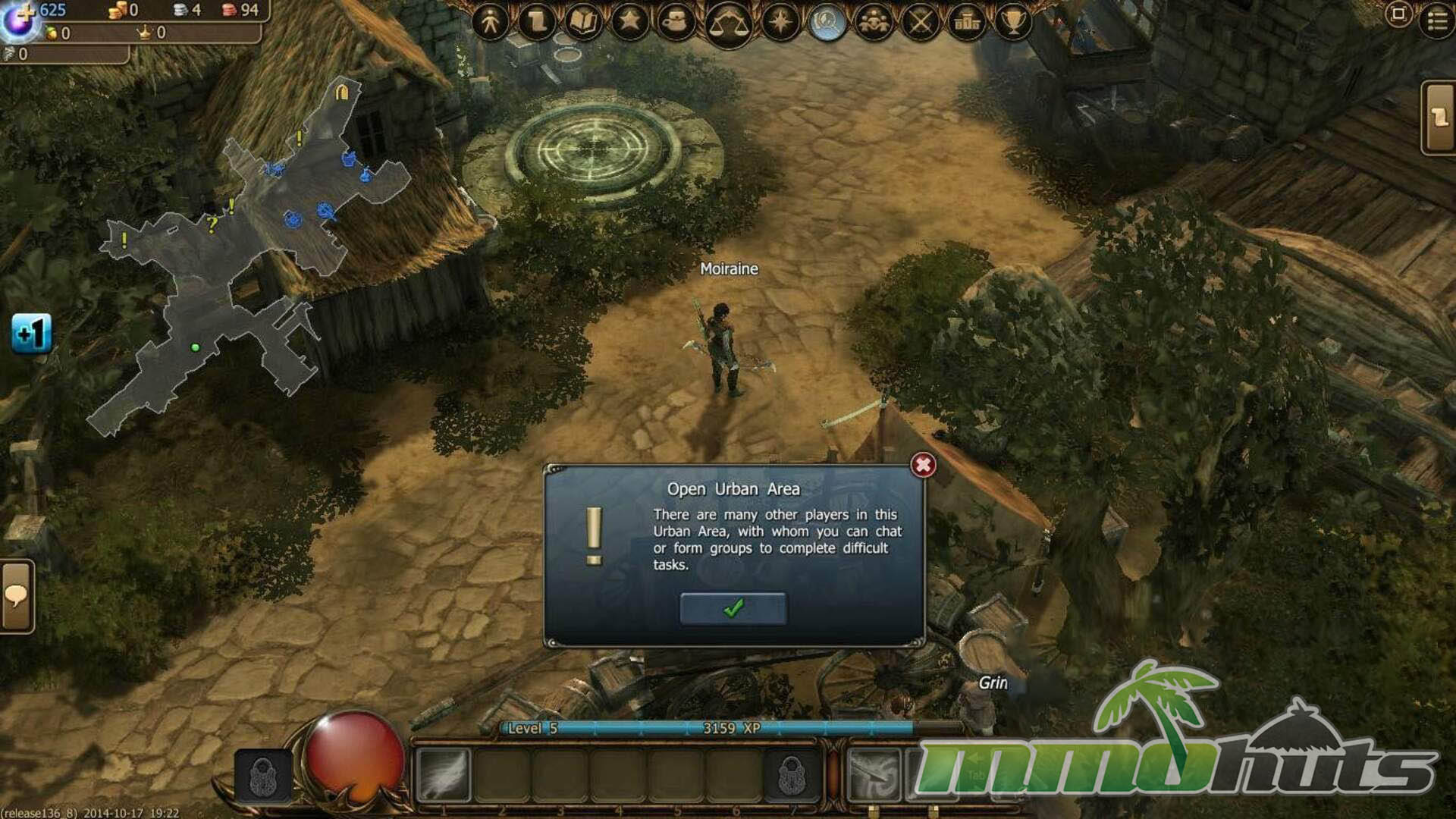
Character creation is functional but not especially deep. You can adjust a few cosmetic details such as hair styles, plus facial hair options for male characters, but the focus is clearly on loot and progression rather than visual identity. After the introductory stretch, you arrive in Grimford, which acts as the first social hub where grouping, trading, and regular multiplayer activity start to become part of the routine. The early story also uses NPC party moments to demonstrate what cooperative play looks like before you begin relying on real players.
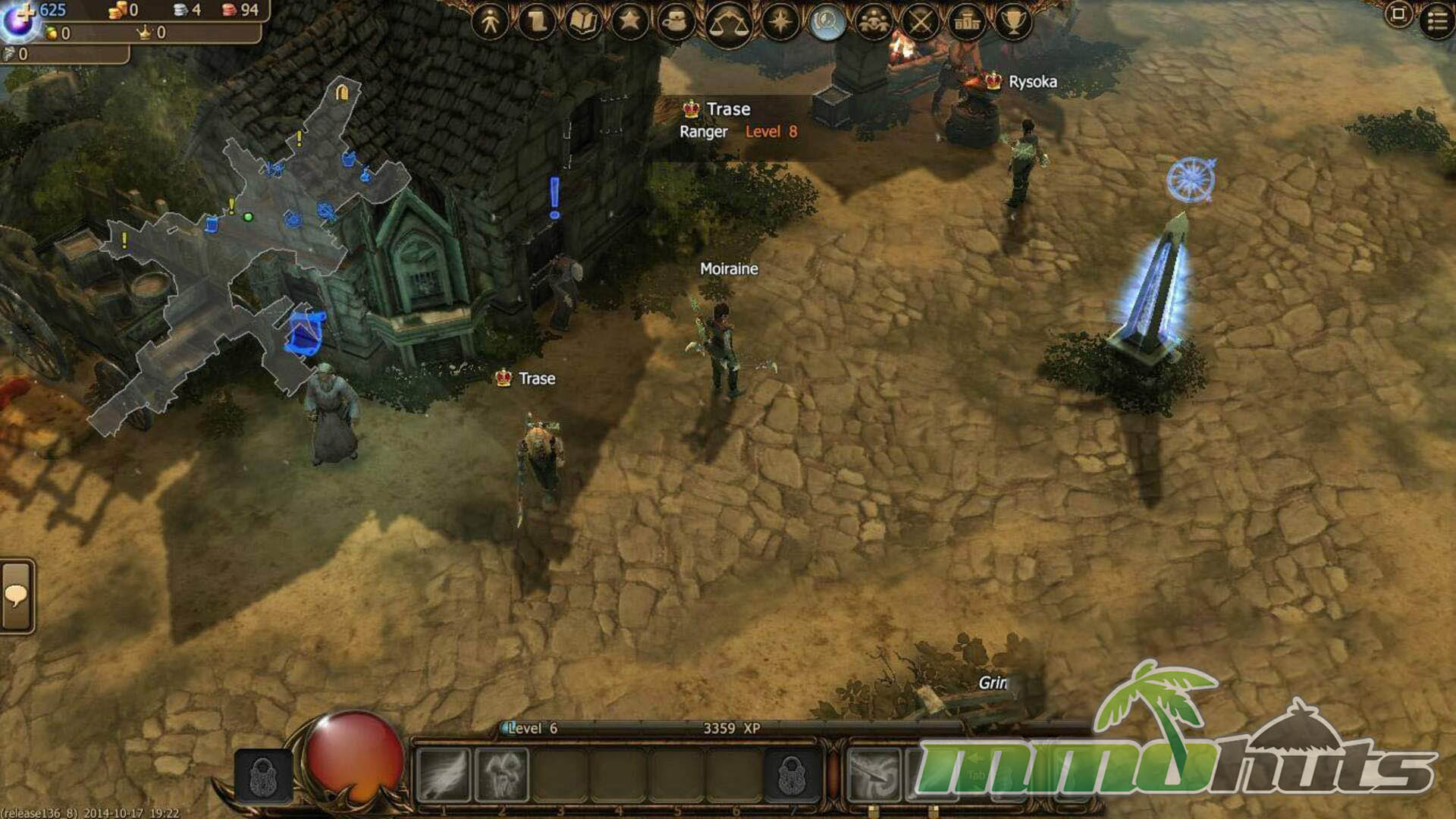
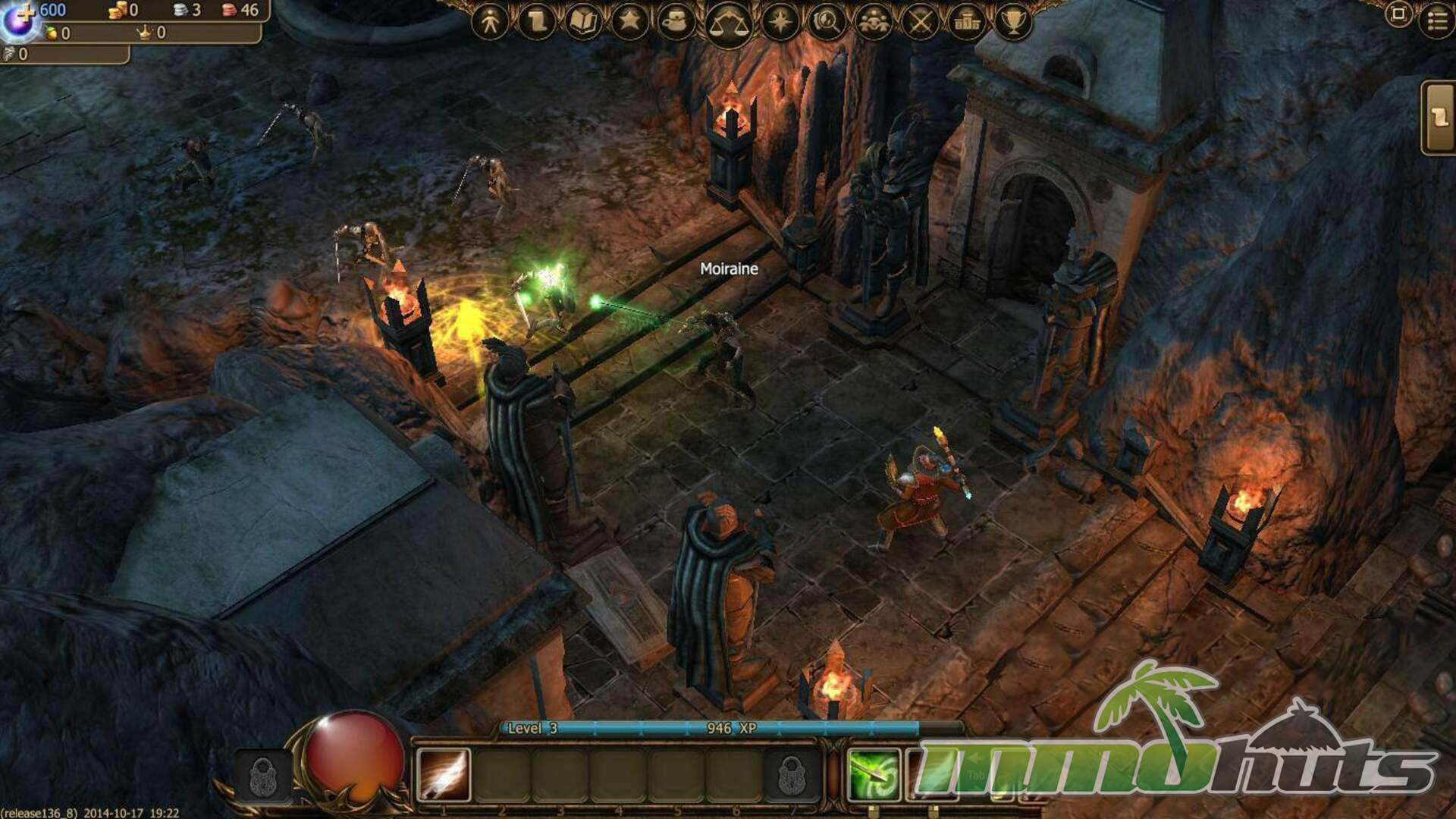
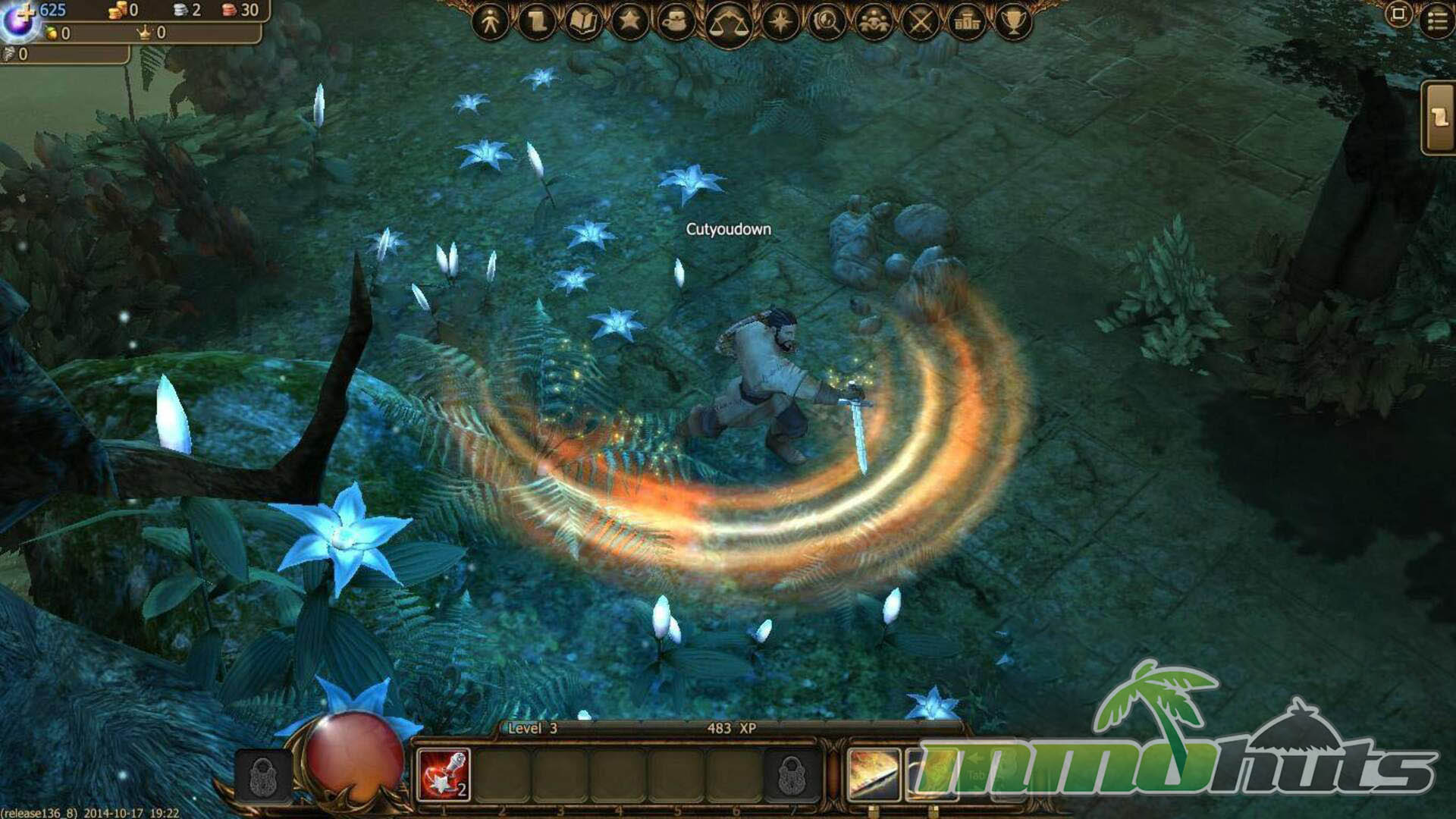
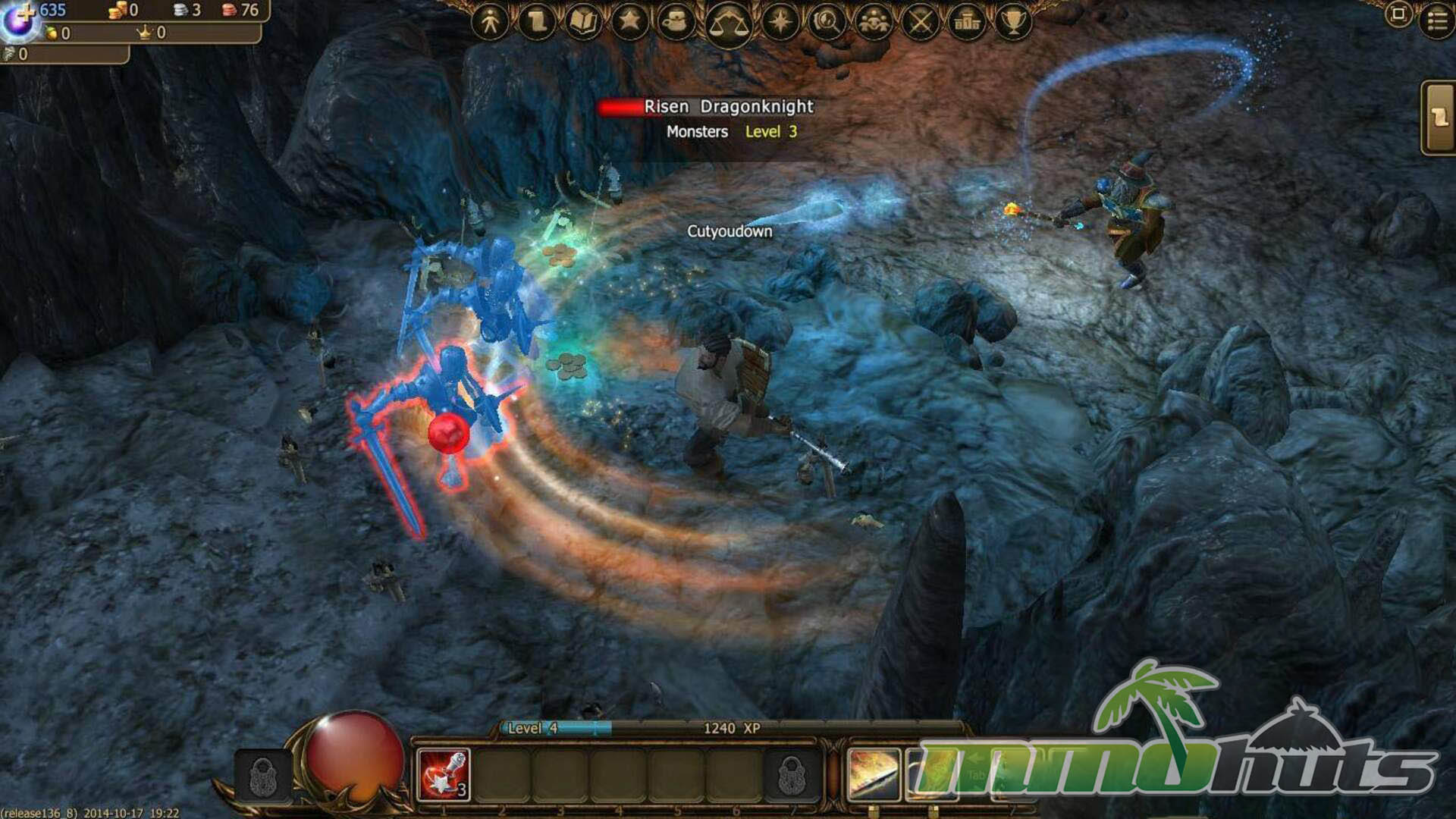
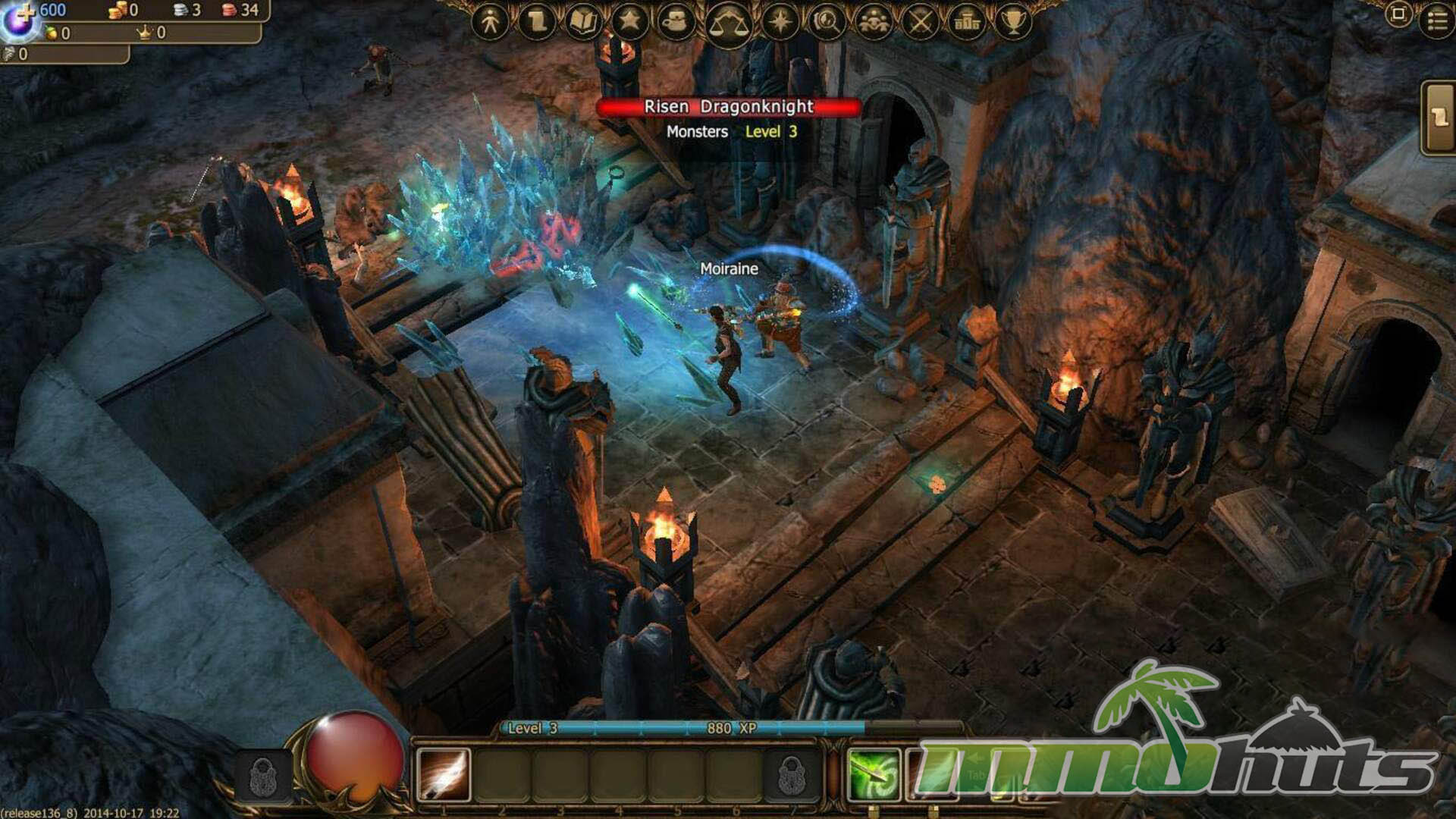
Visually, Drakensang Online routinely exceeds expectations for a game that can run in a browser. Character models, spell effects, and environments have enough detail to avoid the “thin” look many browser MMOs suffer from. The main reminder of its delivery method comes during transitions, when new areas may take a moment to load. The soundtrack is also a highlight, doing a good job of reinforcing the tone of each location, while the general combat sounds are serviceable but not particularly memorable.
Gameplay
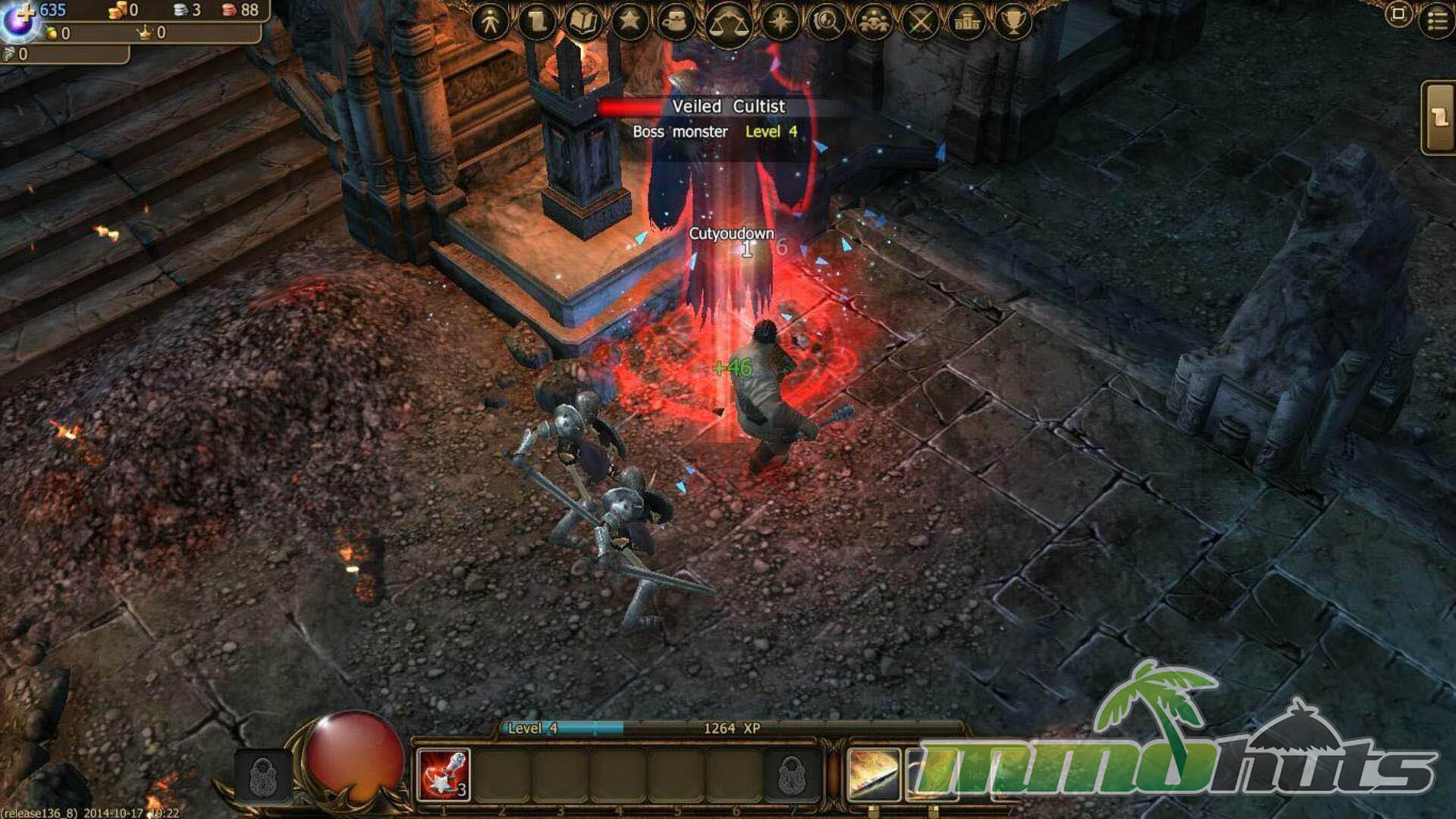
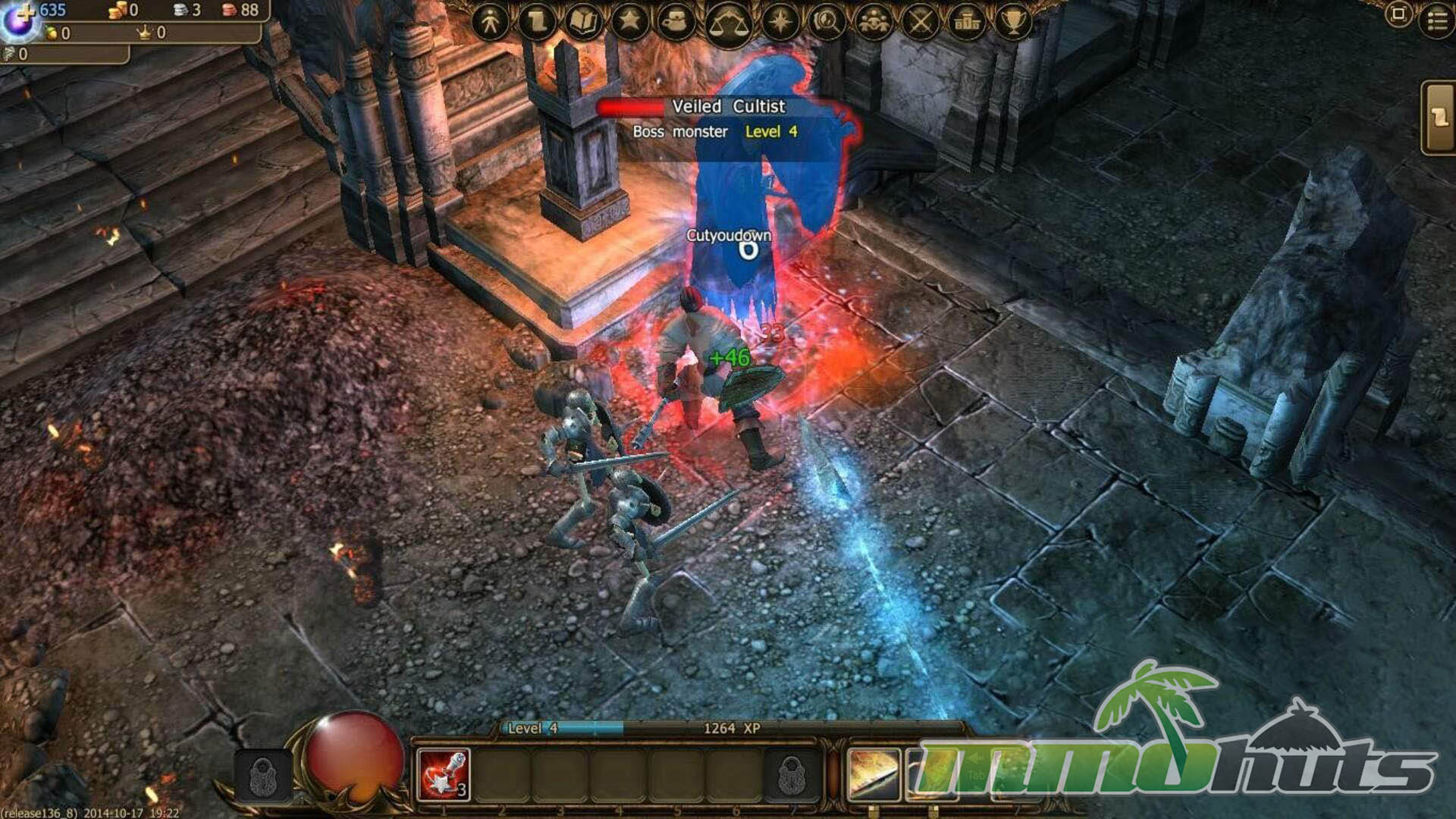
Combat starts out forgiving, but it quickly shifts into the intended rhythm: frequent ambushes, large enemy packs, and a steady push to keep moving. That pacing is where the game feels most like an ARPG, especially when you are chaining fights together and watching loot and resources pile up. Experience gain is steady, and while you can farm monsters efficiently, the game clearly wants you to follow quests, since a large portion of leveling progress comes from quest completion.
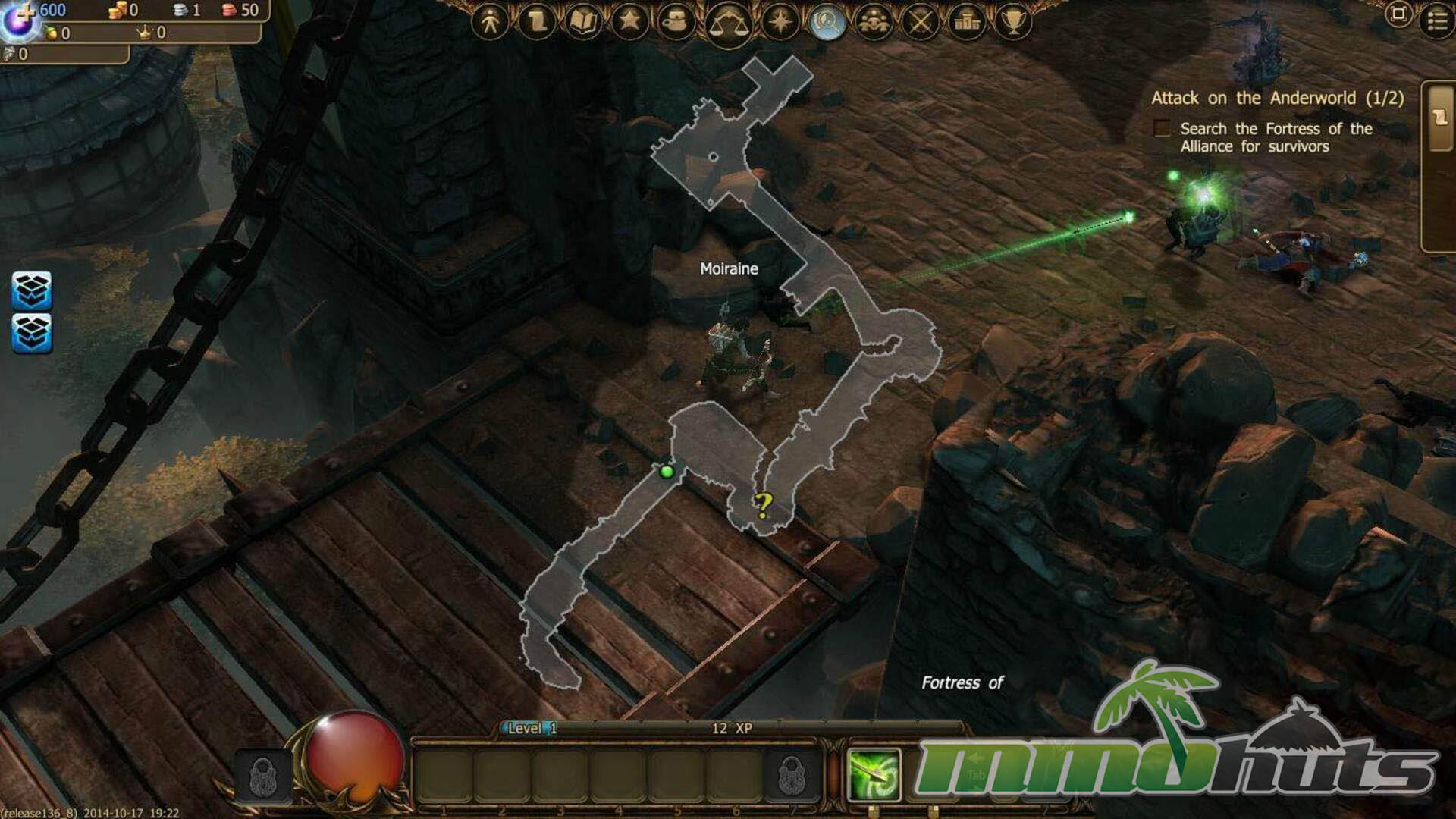
Questing also provides the connective tissue between zones and introduces the central “light versus darkness” storyline. It is not a particularly original plot, but it is structured well enough to give players a reason to move forward rather than grind the same corridor endlessly.
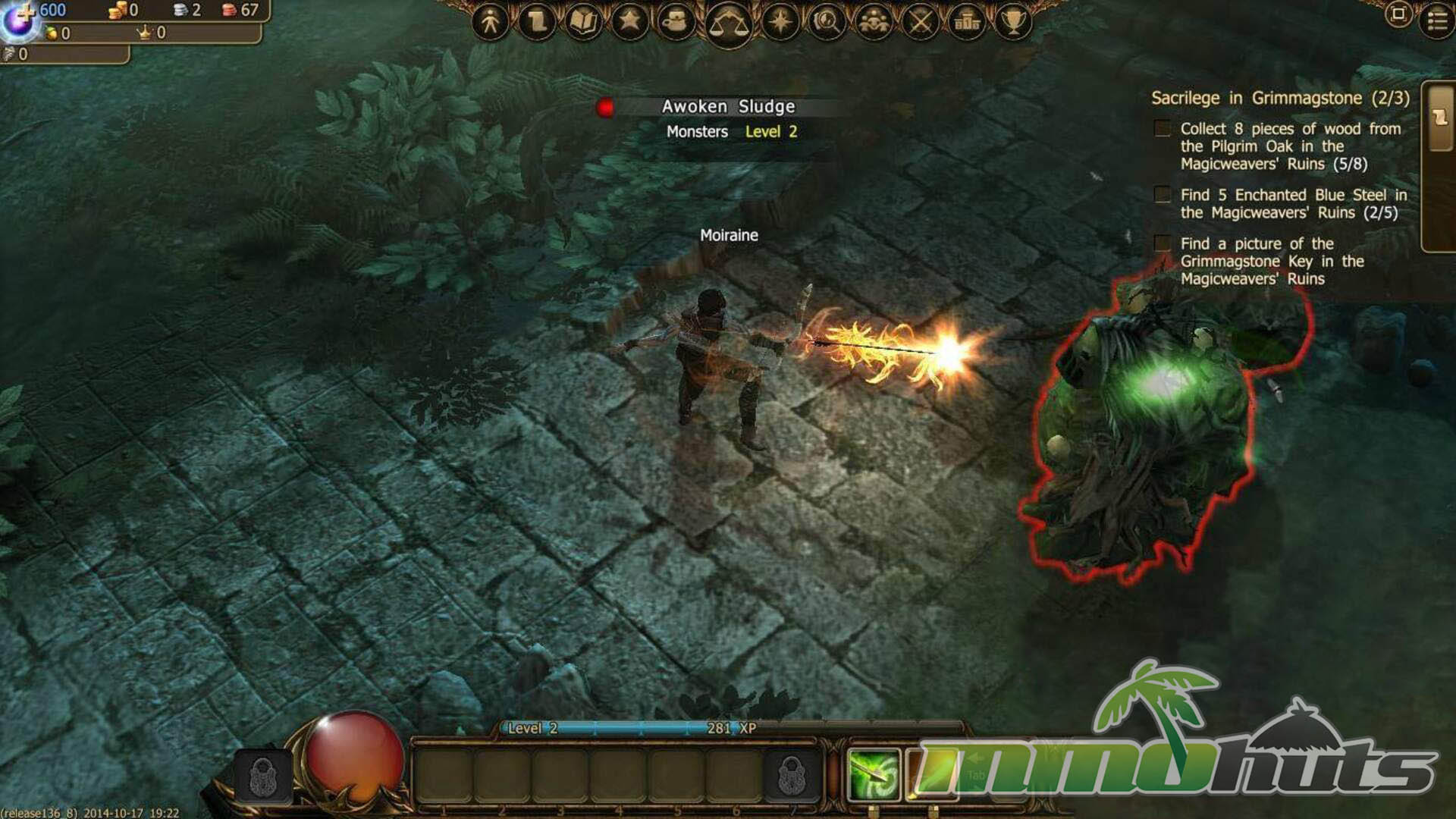
Class design is one of Drakensang Online’s stronger points. Dragonknights serve as the primary melee tanks, built to stand in the middle of trouble and soak hits. Spellweavers embody the glass-cannon role, deleting groups with elemental attacks while paying for it with fragility. Rangers sit comfortably between those extremes, with strong ranged pressure and the ability to swap into close-range finishes, plus reliable crowd control that can make them feel like offensive support. Steam Mechanicus leans into mid-range fighting and positioning, since their guns operate within a particular effective distance. They compensate with a toolkit of deployables and explosives that can control space and keep damage flowing.
Where the game feels more constrained is in the skill and build system. You do get new abilities as you level (and can also buy some with in-game currency), but the overall selection remains fairly narrow. The “choice” element is present, yet limited, since the game tends to present only two skill options at set intervals (every five levels), which makes experimentation feel more guided than truly open-ended.
Economy
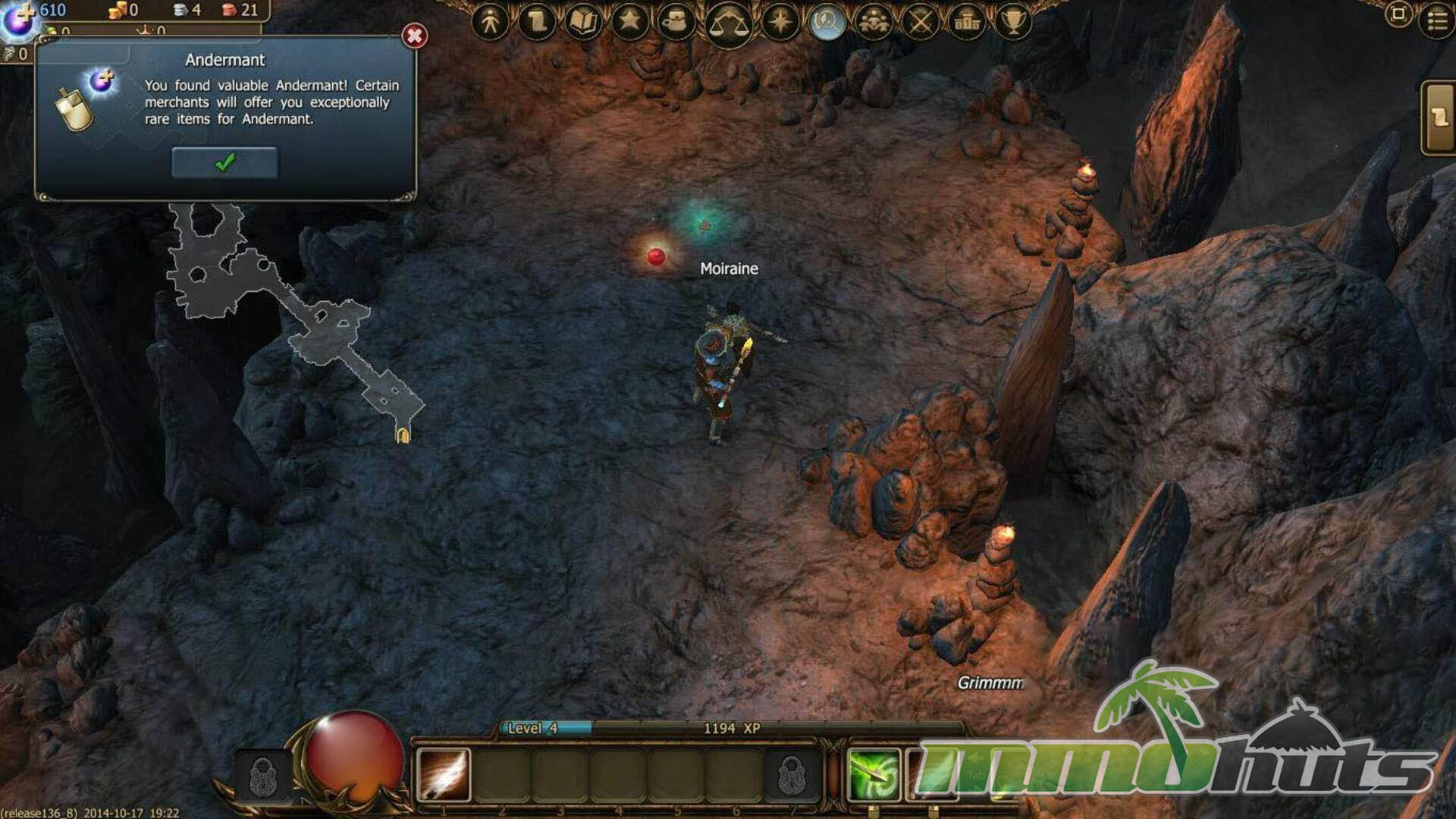
Dracania uses a standard coin ladder of gold, silver, and copper, which covers everyday needs such as gear purchases, consumables, and repairs. Alongside that sits Andermant, the premium currency that can be purchased with real money. Andermant is used for premium conveniences and upgrades such as rare items, gems, and instant travel options like teleporting between towns.
The pay-to-win concern is partly softened by the fact that Andermant can also be earned through gameplay, both as monster drops and as quest rewards. Paying players will still accelerate their progress, but the existence of a legitimate in-game path to premium currency helps keep the economy from feeling completely locked behind spending. The tradeoff is time, because saving enough Andermant for high-end purchases can be a very long-term grind.
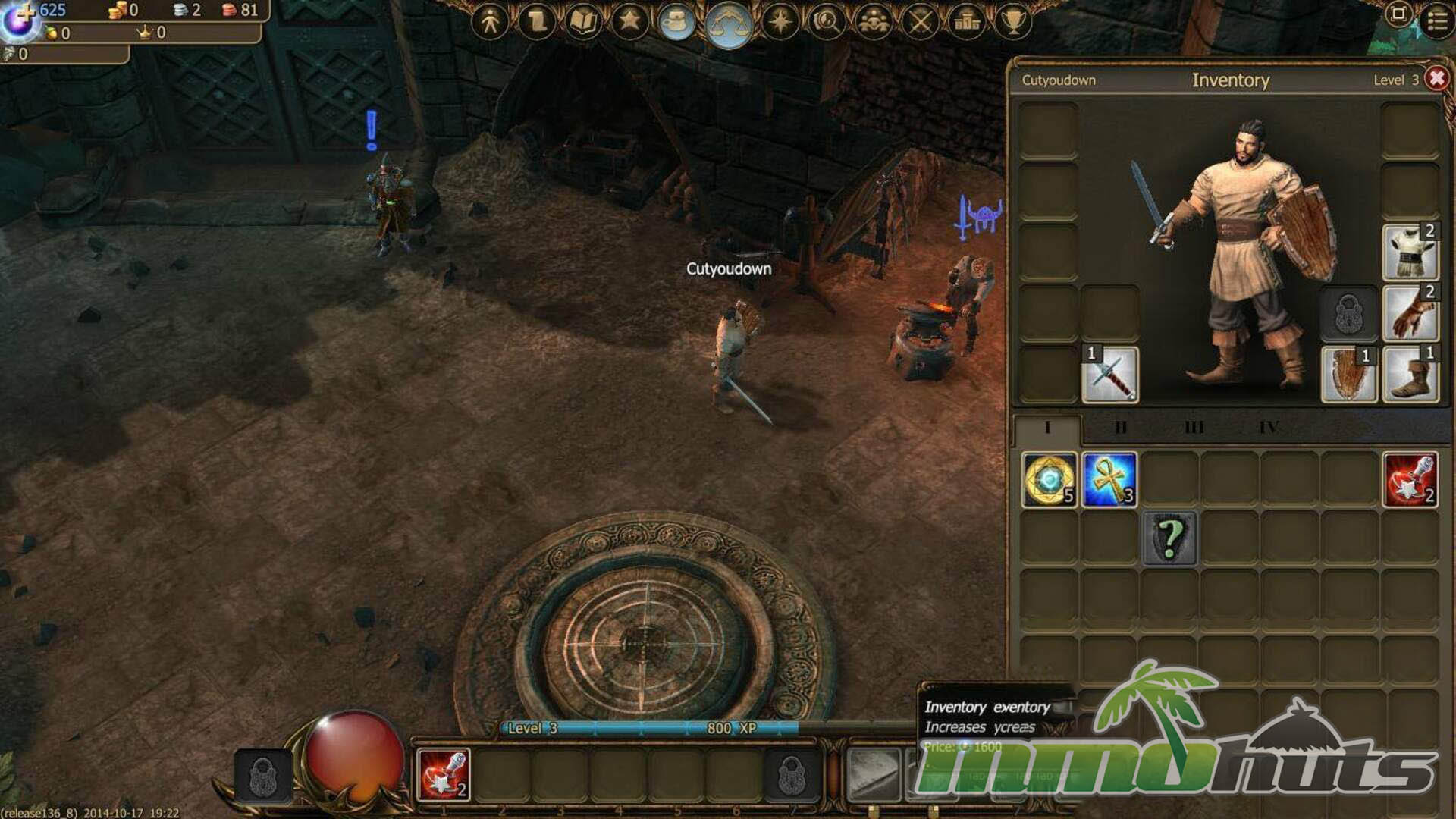
It is also worth noting that the developers have shown some willingness to address longstanding pain points. Earlier versions drew criticism for forcing players to identify loot before they could equip it, a process that could demand extensive farming for crystals of truth or nudged players toward premium membership. As of Release 139, identification is free, removing one of the most frustrating gear-management barriers.
Gems & Essences
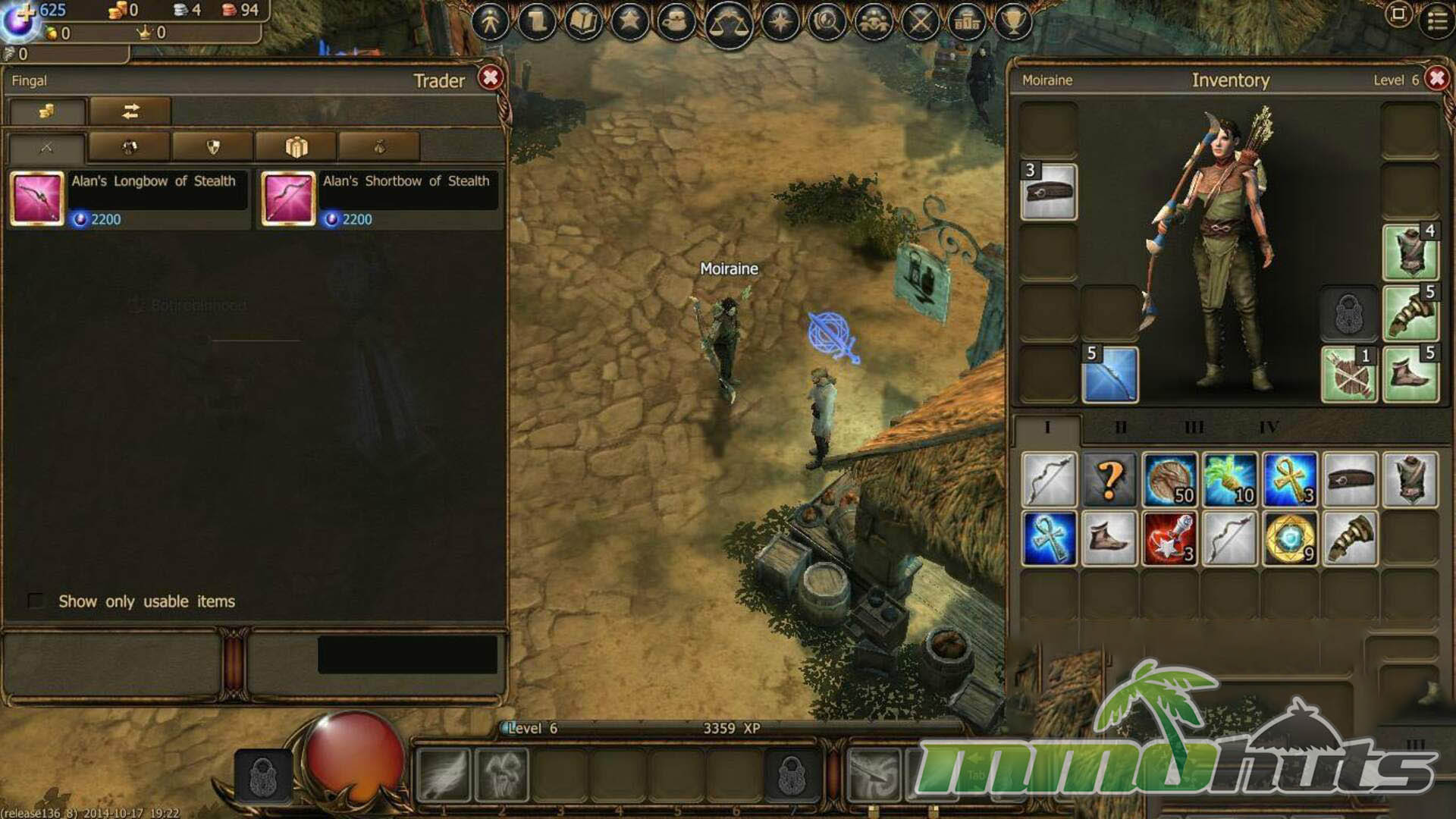
Gems work much like they do in Diablo-style games, providing direct stat boosts when socketed into compatible equipment. They can be found as drops, earned through daily log-in rewards, or purchased from Jeweler NPCs using coins or Andermant. The Jeweler also handles gem removal, making it possible to keep upgrading without permanently “wasting” good stones.
Progression for gems is tiered, and each type has nine ranks: Flawed, Splintered, Simple, Gem, Polished, Radiant, Flawless, Sacred, and Royal. Combining is central to the system, since three gems of the same type and tier can be fused into a higher tier, and the only way to reach the top four tiers is through combination.
Essences are a separate layer of power that functions as a consumable damage enhancer. They are spent as you attack or use offensive skills, which makes them a tactical resource rather than a permanent stat source. You can acquire essences from enemy drops or buy them from essence merchants.
PvP
Player versus player combat is centered on the PvP Arena, a structured mode that will feel familiar to anyone who has tried arena formats in games like World of Warcraft. Registration is handled through the Battle Registration menu, and you can queue at essentially any time. Matches support team sizes from 1v1 up to 6v6, with varying objectives and rulesets depending on the scenario.
After each match, participants receive Badges of Honor, which can be spent to advance the Fame Tree or used as currency to purchase gear from the Battlemaster. There is also an option to use Andermant to enable open PvP outside the arena across Dracania, with the important exception of safe zones such as towns and cities.
Final Verdict – Good
Drakensang Online is not trying to reinvent the genre, and many of its themes and progression beats will feel familiar to action RPG and MMO veterans. Still, judged on what it sets out to do, it delivers a capable hack-and-slash MMO with strong presentation for a browser-capable title, satisfying combat pacing, distinct classes, and a PvP mode with enough structure to keep competitive players engaged.
Its biggest weakness remains how much the cash shop can influence comfort and progression. Even though Andermant is obtainable through regular play, the pace of earning it can be slow enough that the premium economy still looms over the experience. If you enjoy Diablo-like loot chasing in a lightweight, accessible MMO format, Drakensang Online is worth a look, especially for players who want something easy to jump into without a heavy install.
Drakensang Online Links
Drakensang Online Official Site
Drakensang Online Wikipedia Page
Drakensang Online Wikia [Database / Guides]
Drakensang Online System Requirements
Minimum Requirements:
Operating System: Windows XP / Vista / 7 / 8
CPU: Pentium 4 1 GHz
Video Card: Any GPU with 256 MB Video Ram
RAM: 512 MB
Hard Disk Space: 400 MB
Mac OS X Requirements:
Operating System: Mac OS X Mavericks 10.9 or later
CPU: Any 1 GHz processor
Video Card: Any GPU with 256 MB Video Ram
RAM: 512 MB
Hard Disk Space: 400 MB
Drakensang is a browser based MMORPG that also features a stand-alone client. The game is compatible with both Microsoft Windows and Mac OS X. The download version of the game features better graphics and higher quality music.
Drakensang Online Music & Soundtrack
Drakensang Online Additional Information
Developer: Bigpoint
Game Engine: Nebula Engine (Proprietary game engine)
Other Platforms: Mac OS X
Closed Beta Date: April 11, 2011
Open Beta: August 8, 2011
Development History / Background:
Drakensang Online was created by German developer and publisher Bigpoint and runs on the proprietary Nebula Engine. It stands as the MMO entry in the Drakensang series and remains the only title in the franchise built specifically as an online action RPG. Bigpoint moved forward with the project after acquiring Radon Labs, the studio behind the original Drakensang games, following the studio’s bankruptcy announcement. A browser-based MMO adaptation was publicly revealed in September 2010. Within roughly a month of launch, the game surpassed 850,000 registered accounts worldwide and quickly established itself as one of the faster-growing browser MMOs of its era. Drakensang Online entered open beta on August 8, 2011, and later received the “German Developer Prize” in 2011 along with other notable awards.