
Apex Legends

 (1 votes, average: 3.00 / 5)
Apex Legends is a free-to-play, squad-based battle royale hero shooter developed by Respawn Entertainment and published by Electronic Arts. Set in the Titanfall universe, the game drops 60 players into a shrinking arena where three-player squads pick from a growing roster of unique Legends, each with their own tactical abilities, and fight to be the last team standing.
 | Publisher: Electronic Arts Playerbase: High Type: Free-to-Play Battle Royale FPS Release Date: February 4, 2019 Pros: +Tight, satisfying gunplay inherited from the Titanfall lineage. +Unique Legend abilities create genuine squad synergy and tactical depth. +Smooth movement with sliding, climbing, and ziplines. +All Legends earnable through gameplay. Cons: -Persistent cheating problem. -Solo queue matchmaking can be punishing and inconsistent. -Audio issues remain an ongoing frustration across seasons. -Server tick rate and performance lag behind competitive standards. |

Apex Legends Overview
Apex Legends launched as a surprise release in February 2019 with zero advance marketing, and within a week it had racked up over 25 million players. Set in the Outlands, a frontier region of the Titanfall universe, the game takes the battle royale formula and layers hero shooter mechanics on top. You do not just drop in as a generic soldier. You pick a Legend, each with a passive, a tactical ability, and an ultimate that can swing fights when used at the right moment. Squads of three (or two, in Duos mode) fight across a series of large, detailed maps that rotate each season.
What separated Apex Legends from the pack at launch and honestly still does is the ping system. You can mark enemies, loot, locations, and intentions with a single button press, and your character speaks contextual voice lines to relay the information. No microphone needed. It sounds small but it fundamentally changes how strangers can cooperate, and other games have been copying it ever since.
The game runs on a heavily modified version of the Source engine and has expanded across nearly every platform imaginable. It started on PS4, Xbox One, and PC via Origin, then grew to include Steam, Epic Games Store, Nintendo Switch, PS5, Xbox Series X/S, and most recently the Nintendo Switch 2. A mobile version launched in May 2022 but was shut down in May 2023 after the developers determined it was not meeting quality expectations.
Apex Legends Key Features:
- Legend-Based Squads – Pick from over 25 unique characters across five classes (Assault, Skirmisher, Recon, Controller, Support), each with a passive, tactical, and ultimate ability that define your role in the team.
- Ping Communication System – Contextual, non-verbal communication that lets you mark enemies, loot, and locations with full voice lines, making random squads far more playable than in most team shooters.
- Battle Royale and Mixtape Modes – Classic 60-player battle royale alongside rotating modes like Team Deathmatch, Control, and Gun Run, plus seasonal limited-time events.
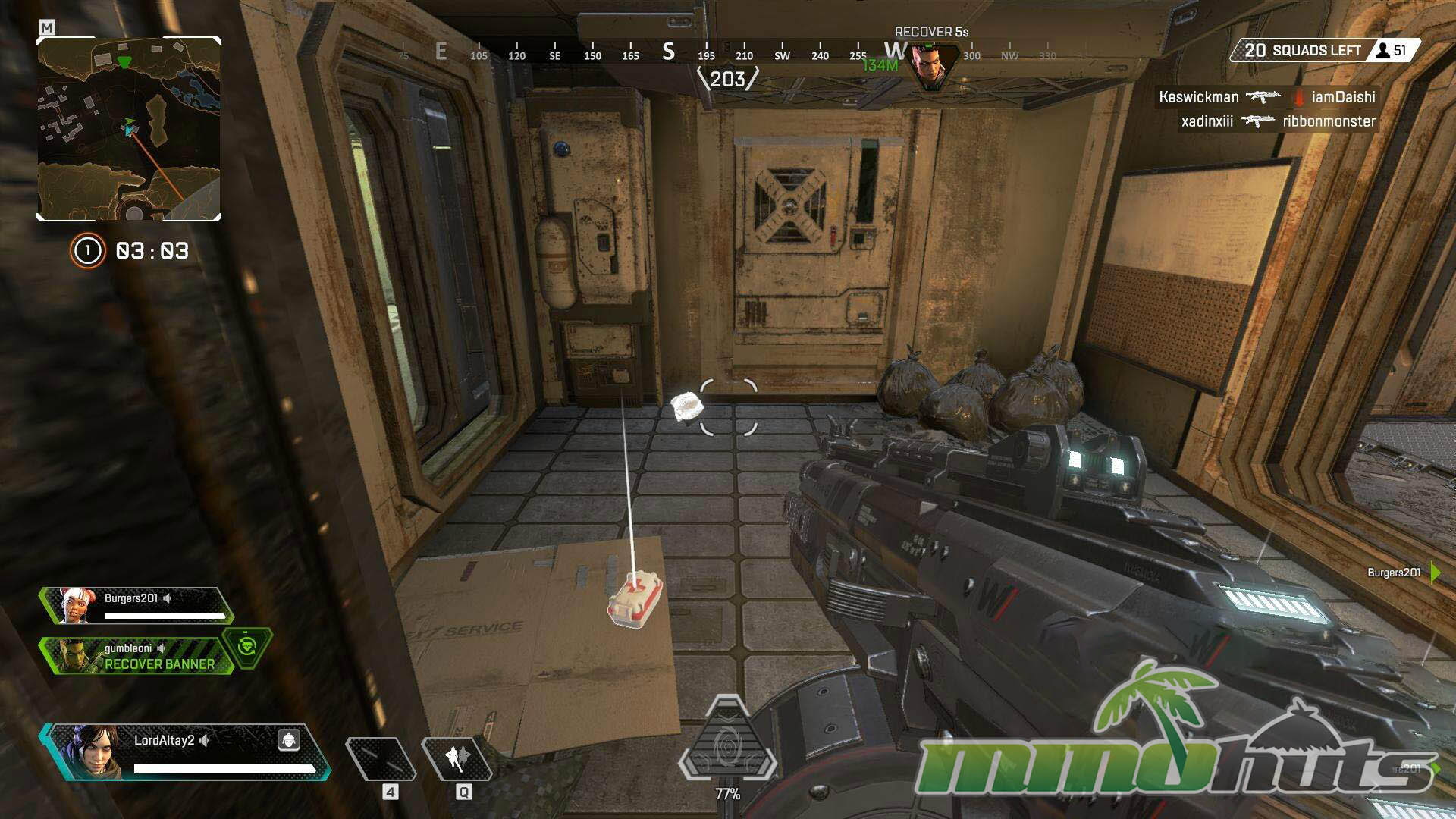
- Respawn Mechanic – Dead teammates are not gone forever. Grab their banner card and bring it to a Respawn Beacon to bring them back into the match.
- Seasonal Live Service – New Legends, weapons, map updates, battle passes, and limited-time events drop every season, typically every three months.
Apex Legends Screenshots



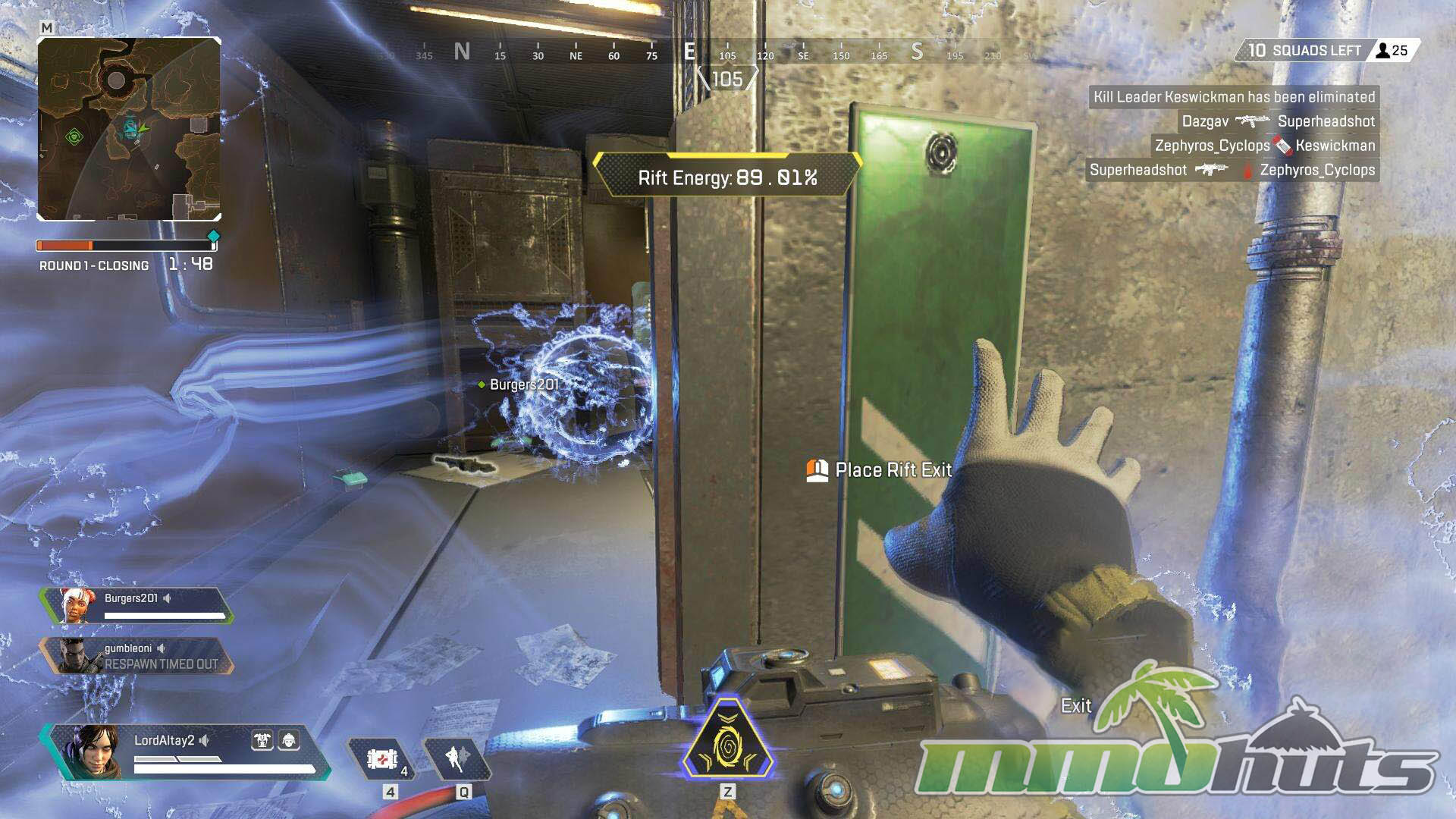
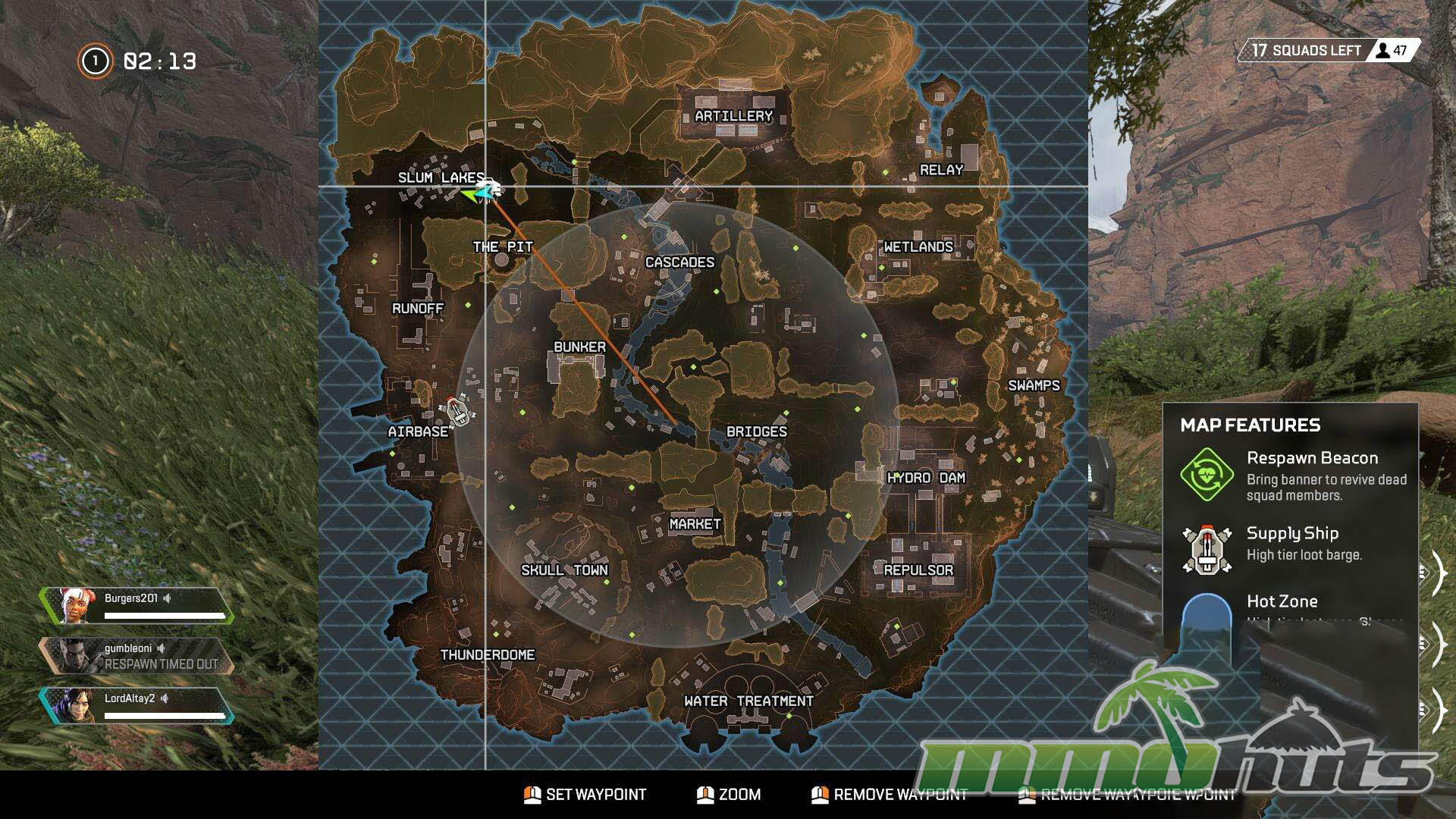

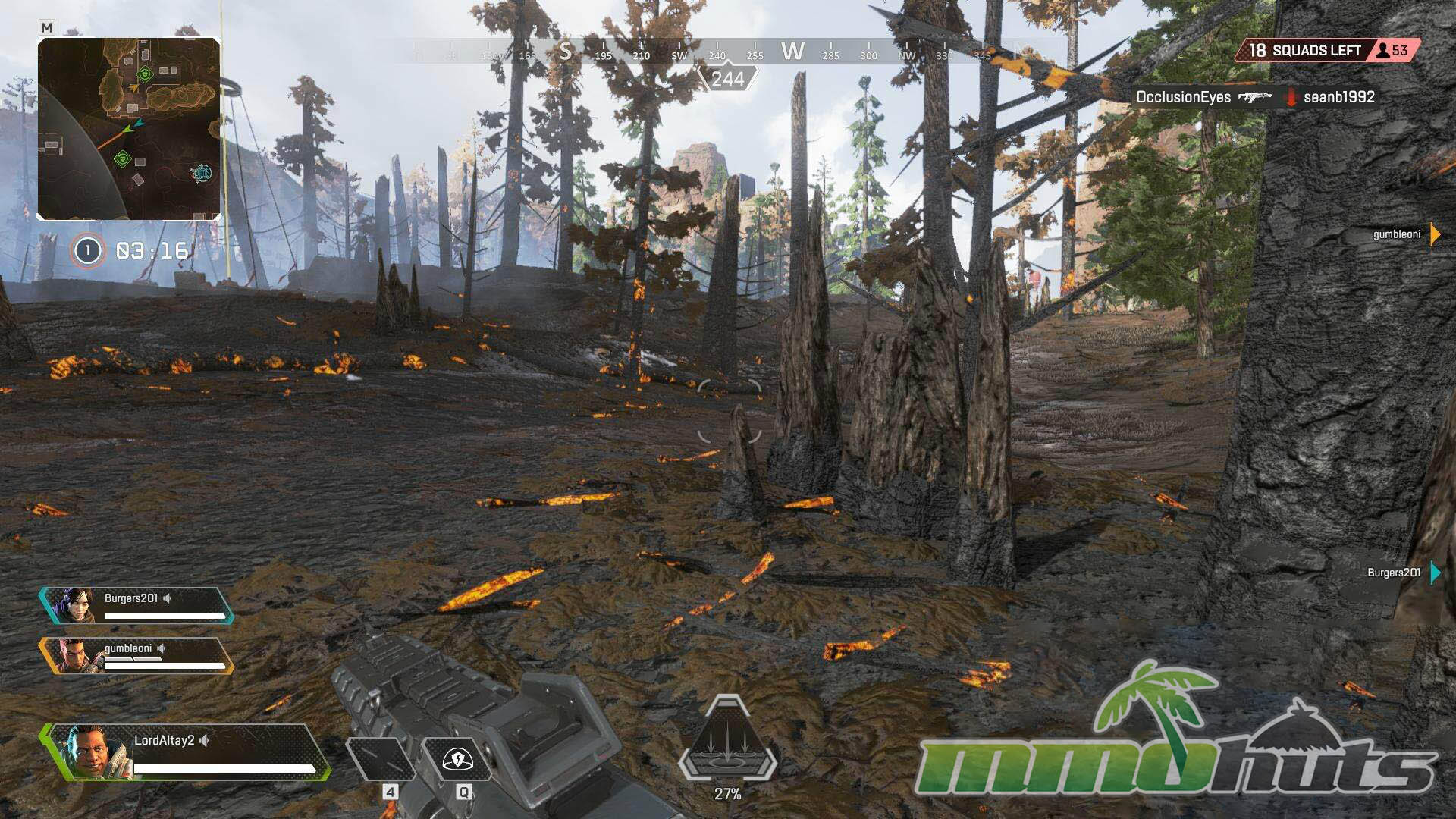
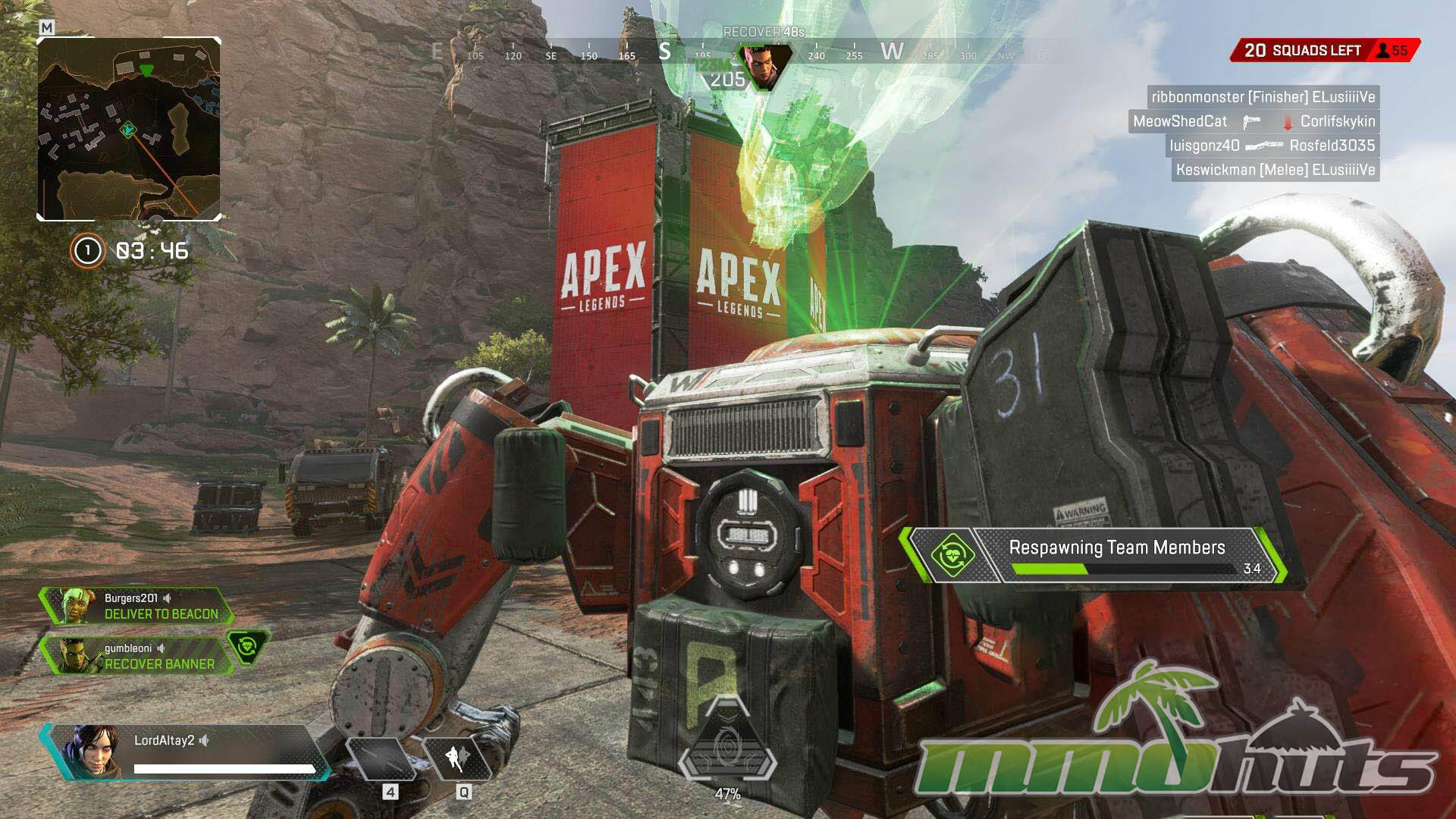
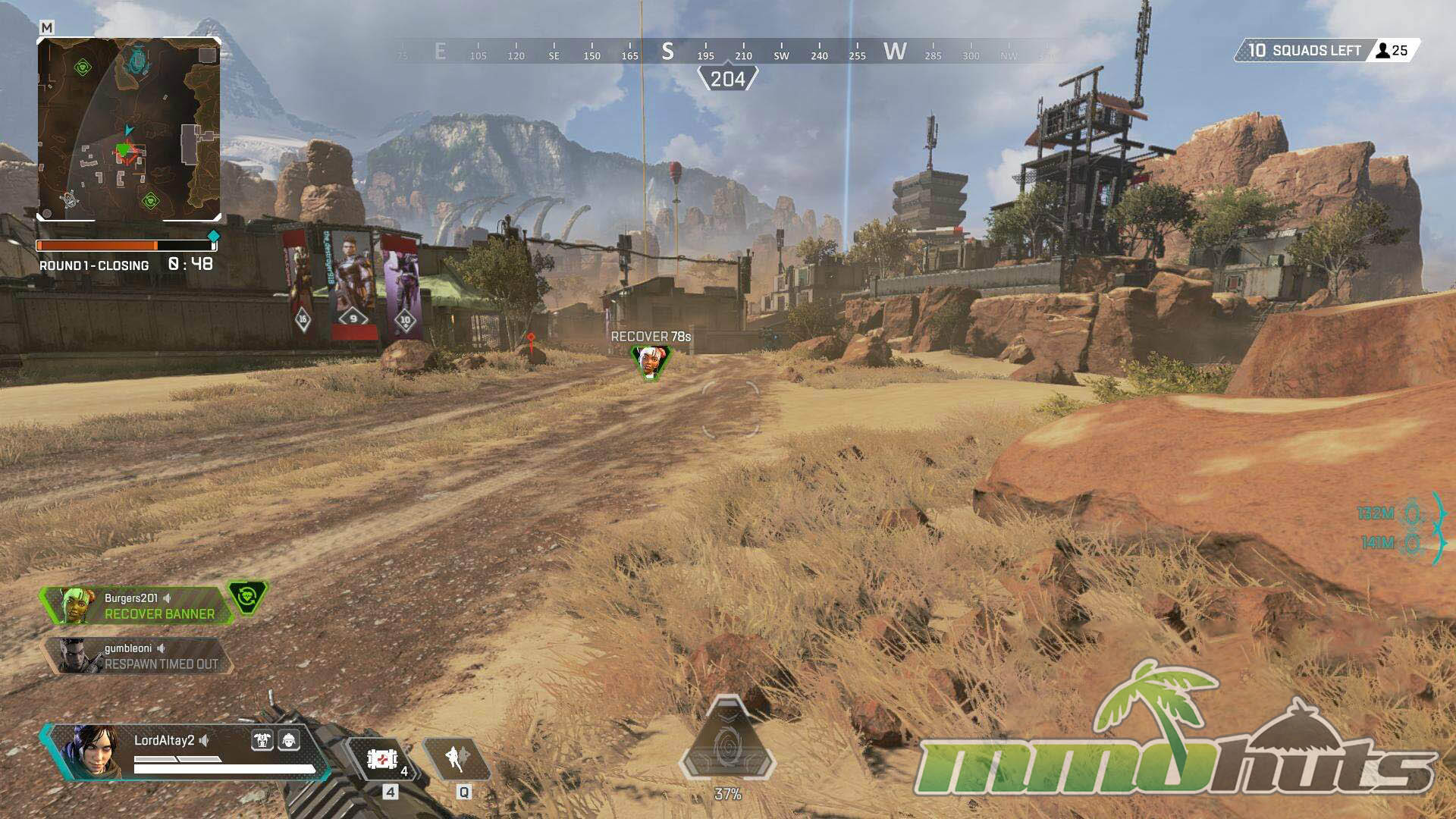
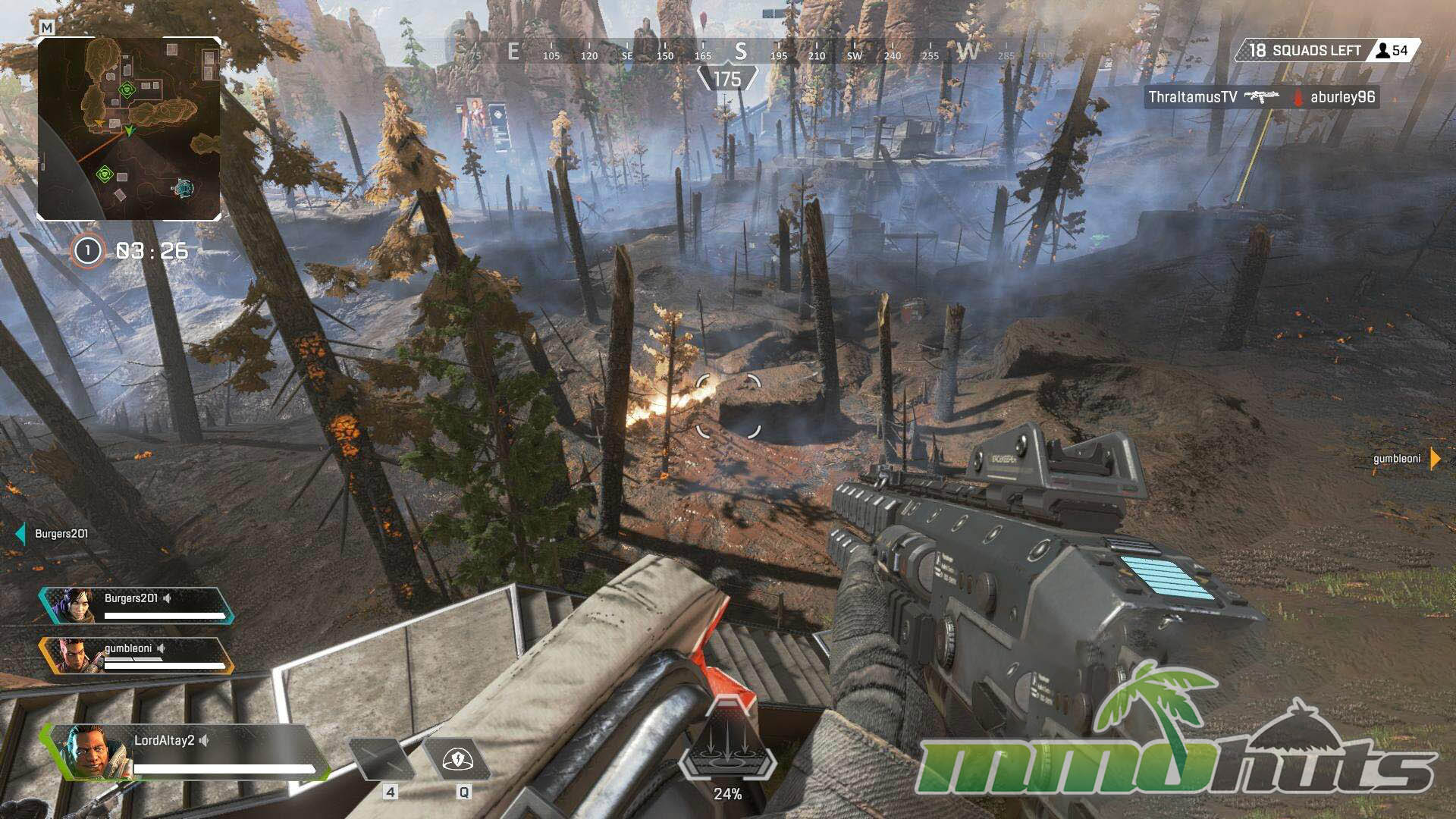
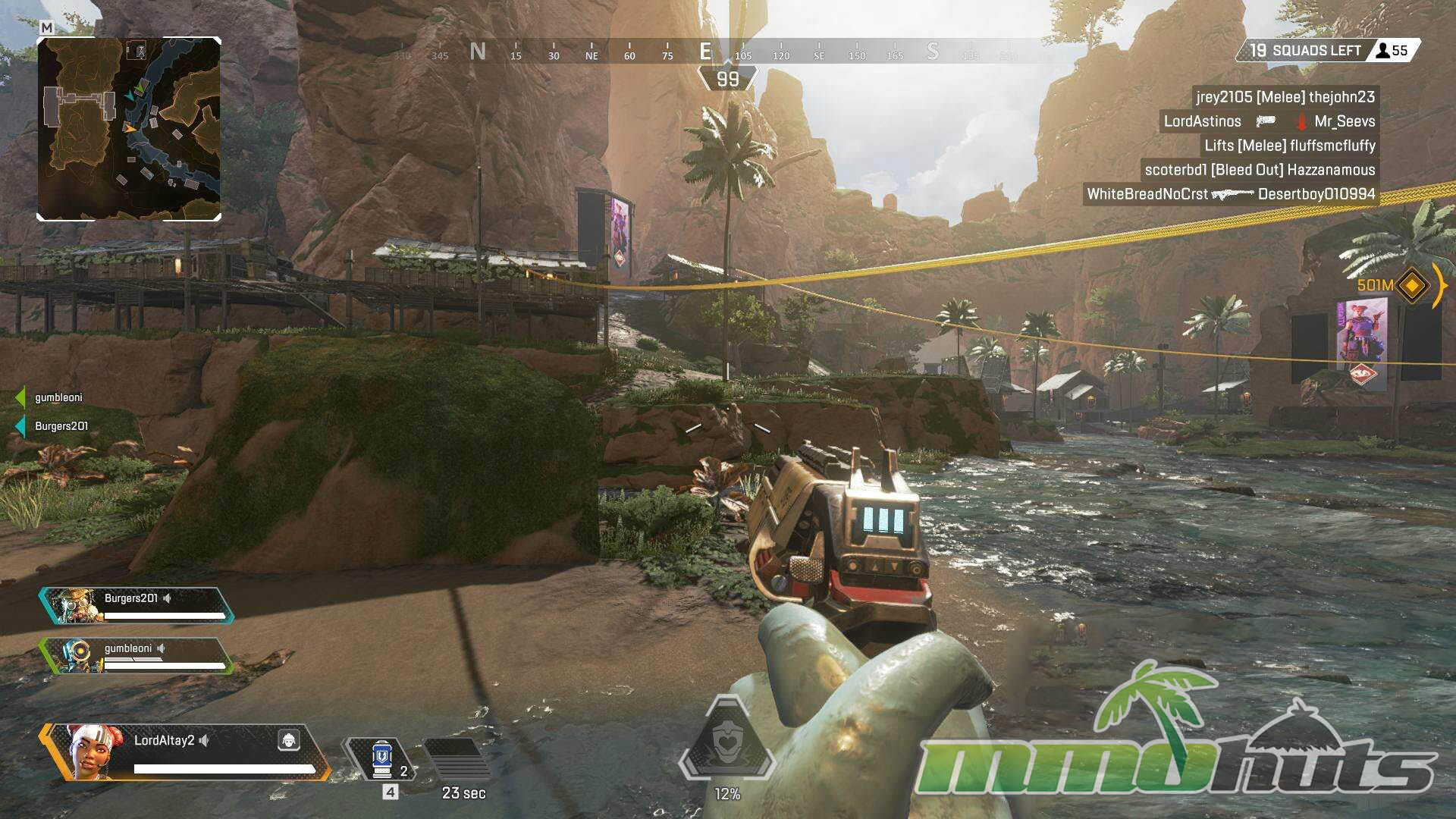
Apex Legends Featured Video

Apex Legends Review
Apex Legends is a free-to-play battle royale hero shooter developed by Respawn Entertainment and published by Electronic Arts. It originally launched on February 4, 2019 for PS4, Xbox One, and PC, and has since grown into one of the most widely available live-service shooters on the market. A Steam release followed in November 2020, the Switch version landed in March 2021, native PS5 and Xbox Series X/S versions arrived in March 2022, and the Nintendo Switch 2 got its own version in August 2025. An attempt at a standalone mobile version came and went between May 2022 and May 2023, but that is the only platform that did not stick. As of 2025, the game is alive and actively updated across all major consoles and PC storefronts.
First Impressions and the Drop
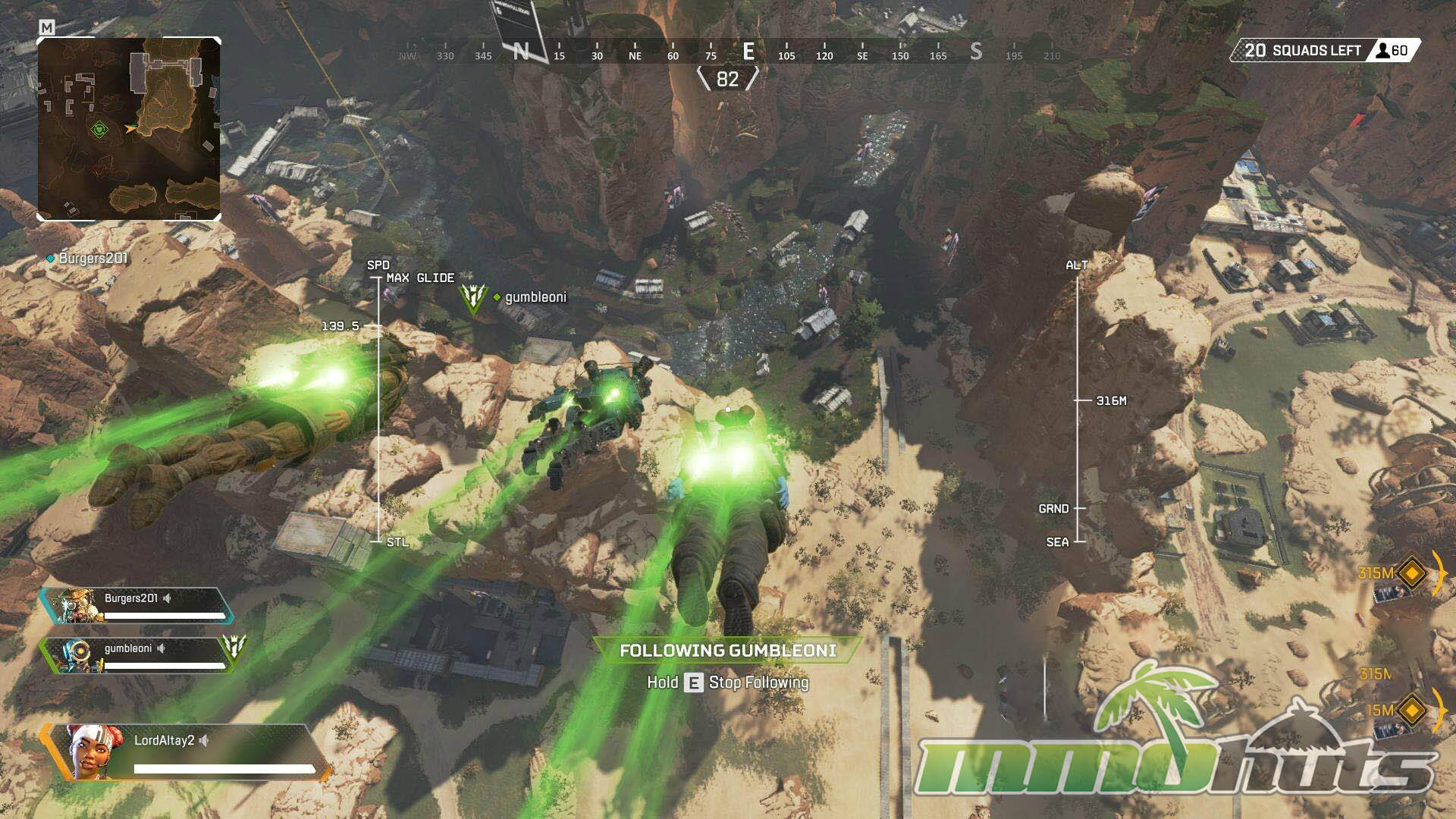
The first thing that hits you about Apex Legends is how good it feels just to move. Respawn built their reputation on Titanfall, and even without wall running and giant mechs, the slide-hopping, ledge-climbing, and zipline flow carry over in a way that makes crossing the map feel kinetic rather than tedious. The tutorial does a decent job of teaching you the absolute basics, but the real learning happens in the firing range and in actual matches where you figure out that the Wingman is a hand cannon that rewards precise aim and that standing still for more than half a second is basically a death wish.
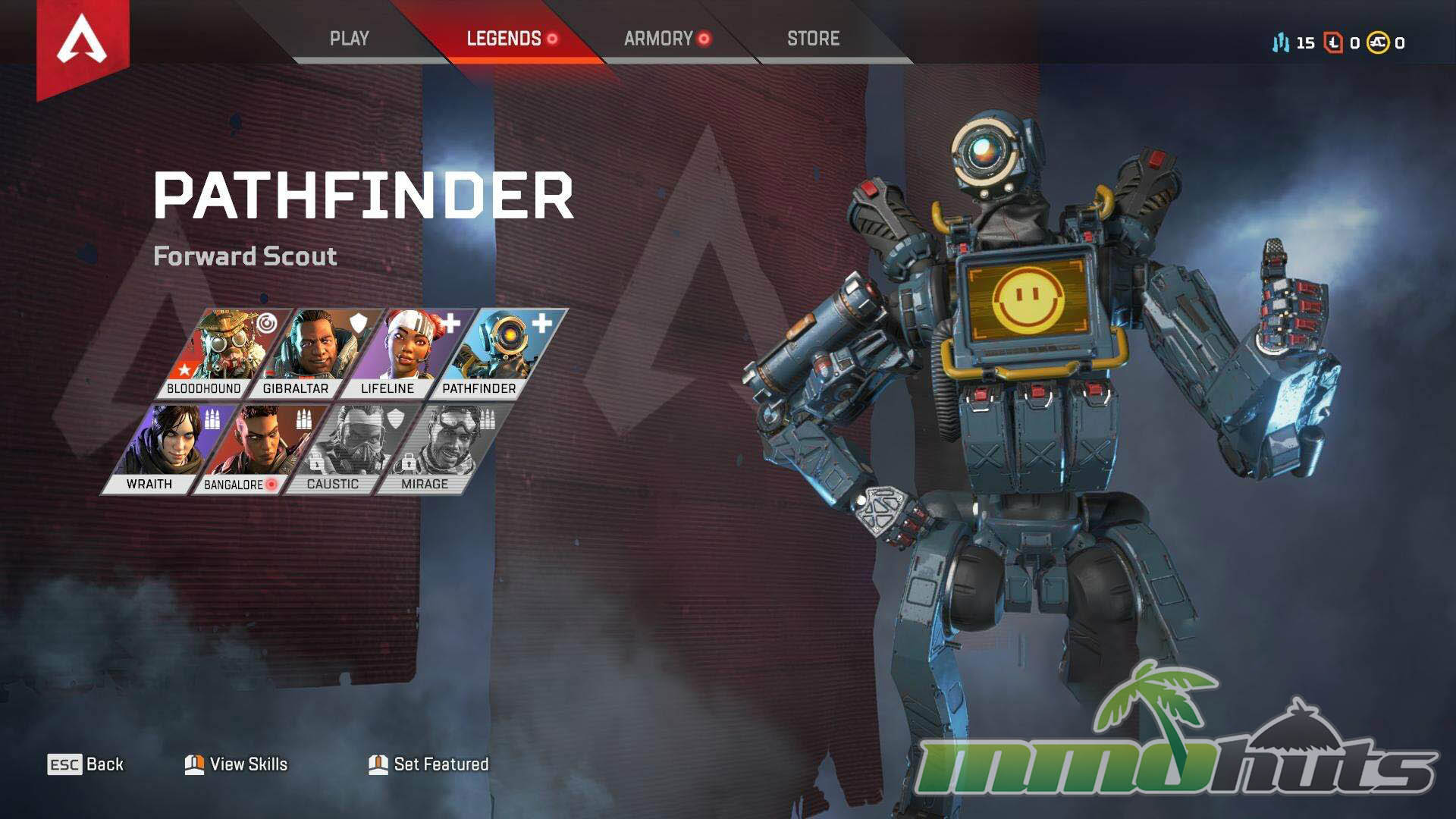
The Legend roster started at eight and has grown past twenty-five now, split into five classes. Early characters like Wraith, Lifeline, and Bloodhound still hold up, while newer additions like Catalyst and Conduit push the team composition meta in different directions. The class system overhaul in Season 16 gave each class passive perks that reinforce their intended playstyle, so a Recon Legend can scan survey beacons to see the next ring location, while a Support Legend can craft dead teammates’ banners at replicators. It is a small thing that adds real texture to picking your main.
Gunplay and Combat Flow
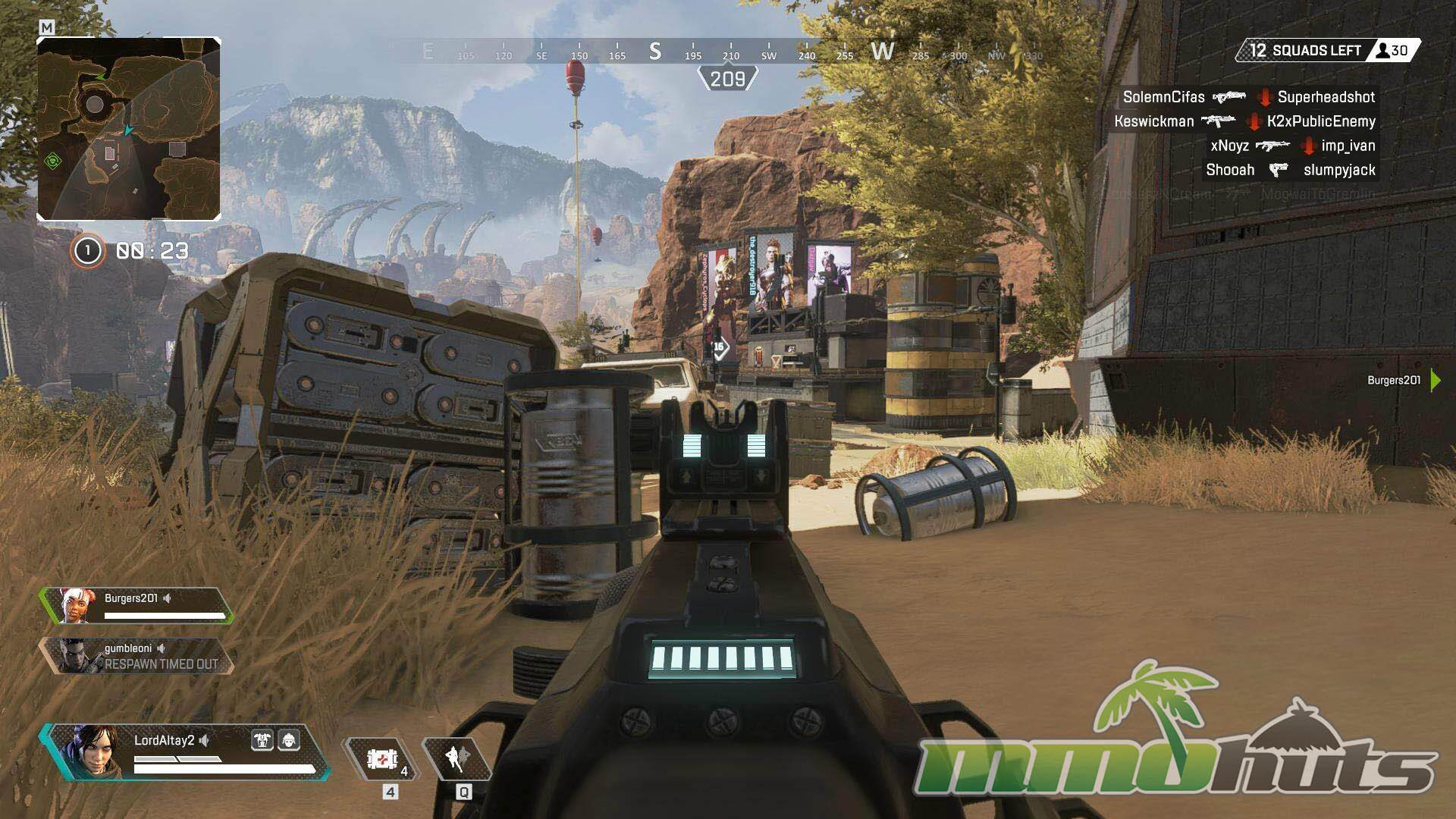
The shooting model in Apex Legends sits somewhere between the snap aim of Call of Duty and the deliberate recoil patterns of Counter-Strike. Weapons have distinct personalities. The R-99 SMG empties its magazine in a blink and demands tracking precision. The Peacekeeper shotgun rewards patience and shot timing. The Kraber sniper rifle, only available from care packages, is a one-shot headshot kill that can win or lose games on a single bullet. The time-to-kill is higher than most battle royale games thanks to the shield and health system, which means fights are longer and more about consistent aim, positioning, and ability usage rather than who saw who first.
Armor has gone through several iterations. The current system ties your shield level to your base kit, and you upgrade it through damage dealt and certain in-match actions. It rewards aggressive play in a way that feels fair. If you hide all game, you will have worse armor than the squad that has been fighting. That is a deliberate design choice, and it works.
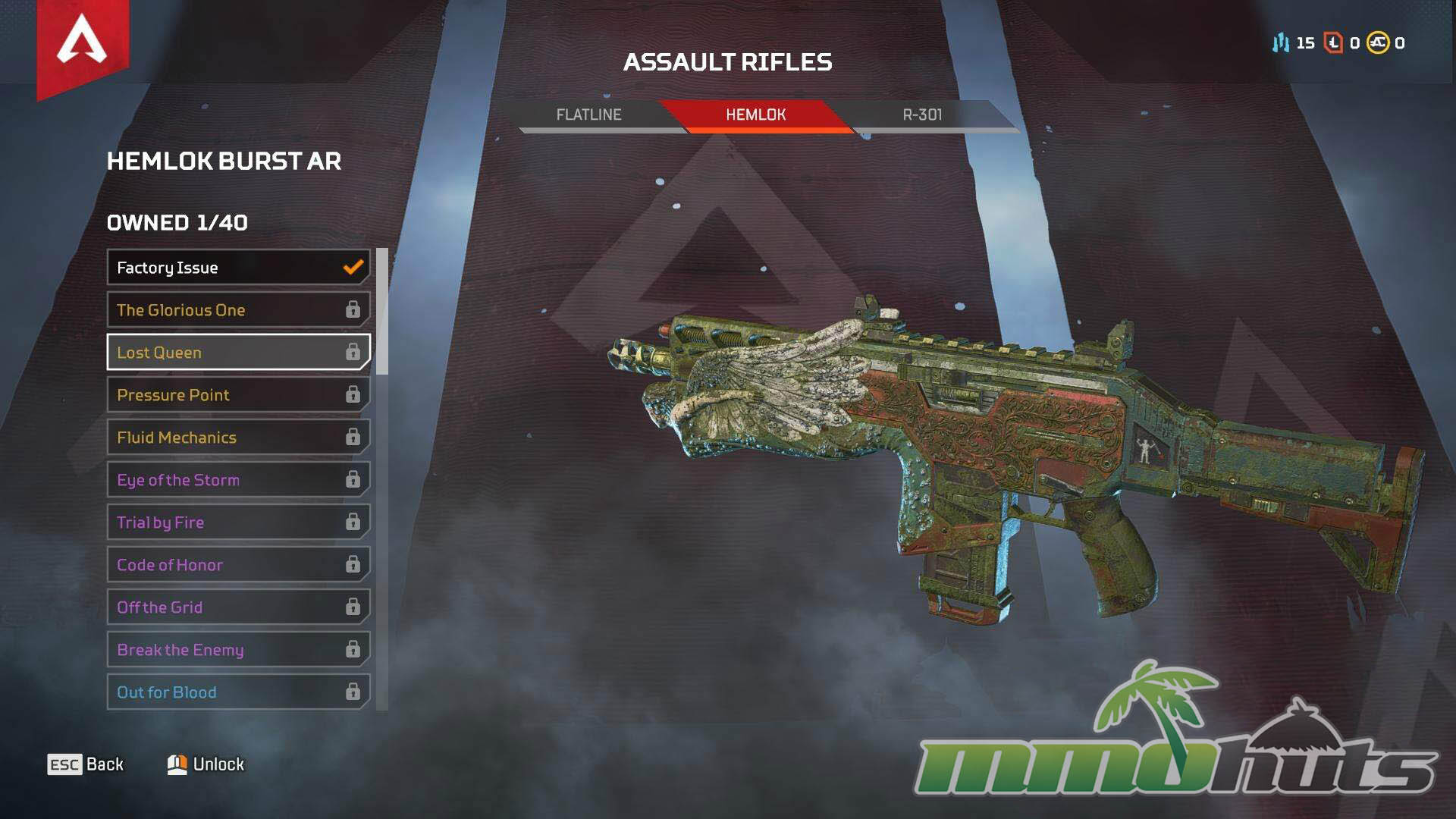
The weapon attachment system is clean and intuitive. You find barrels, stocks, magazines, and optics that slot into compatible weapons, and the game automatically handles most of the busywork. If you pick up a better attachment, it swaps it over. If you change guns, compatible attachments transfer. It reduces inventory fiddling to a minimum, which keeps the pace up.
Legend Abilities and Squad Synergy
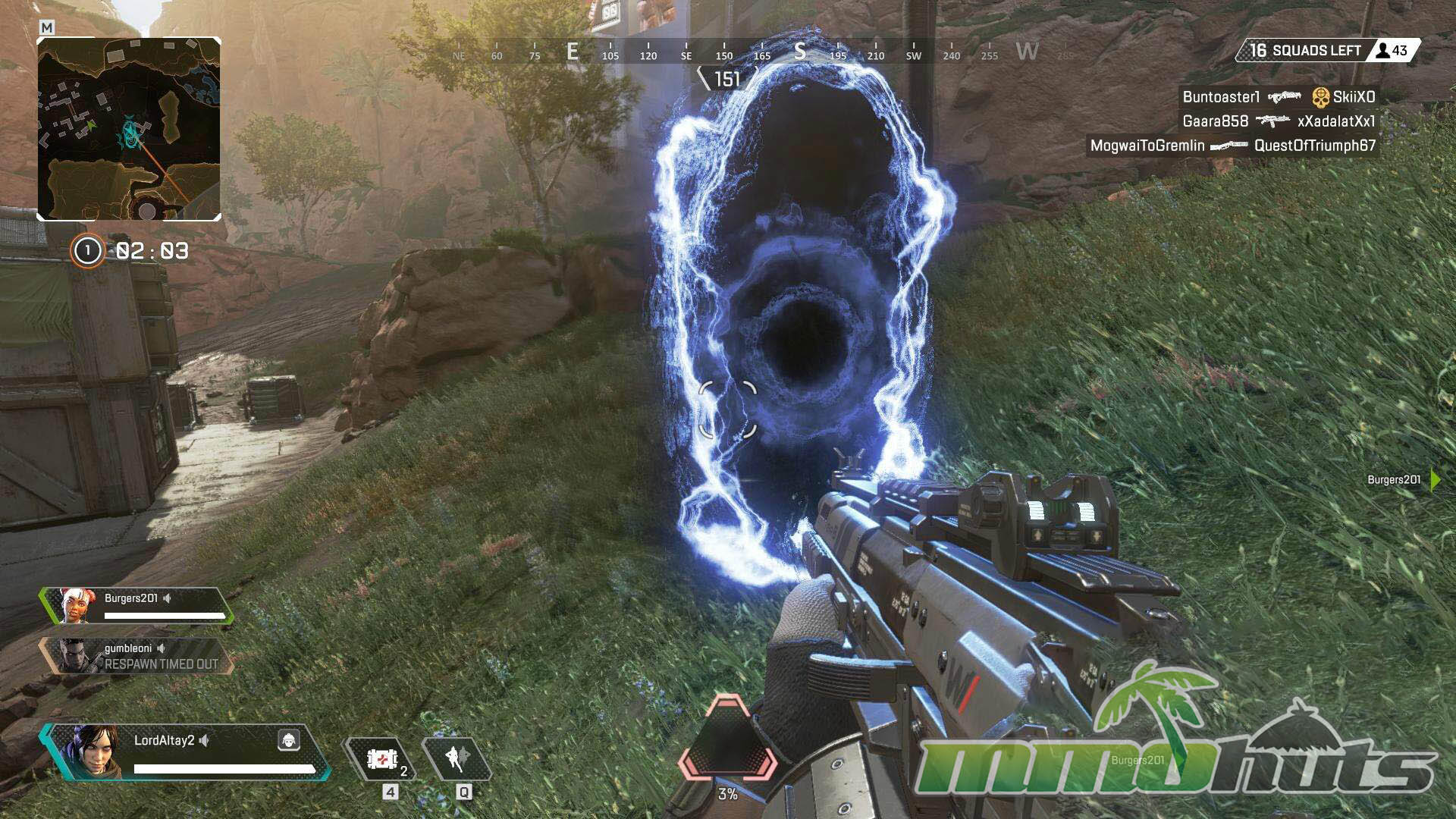
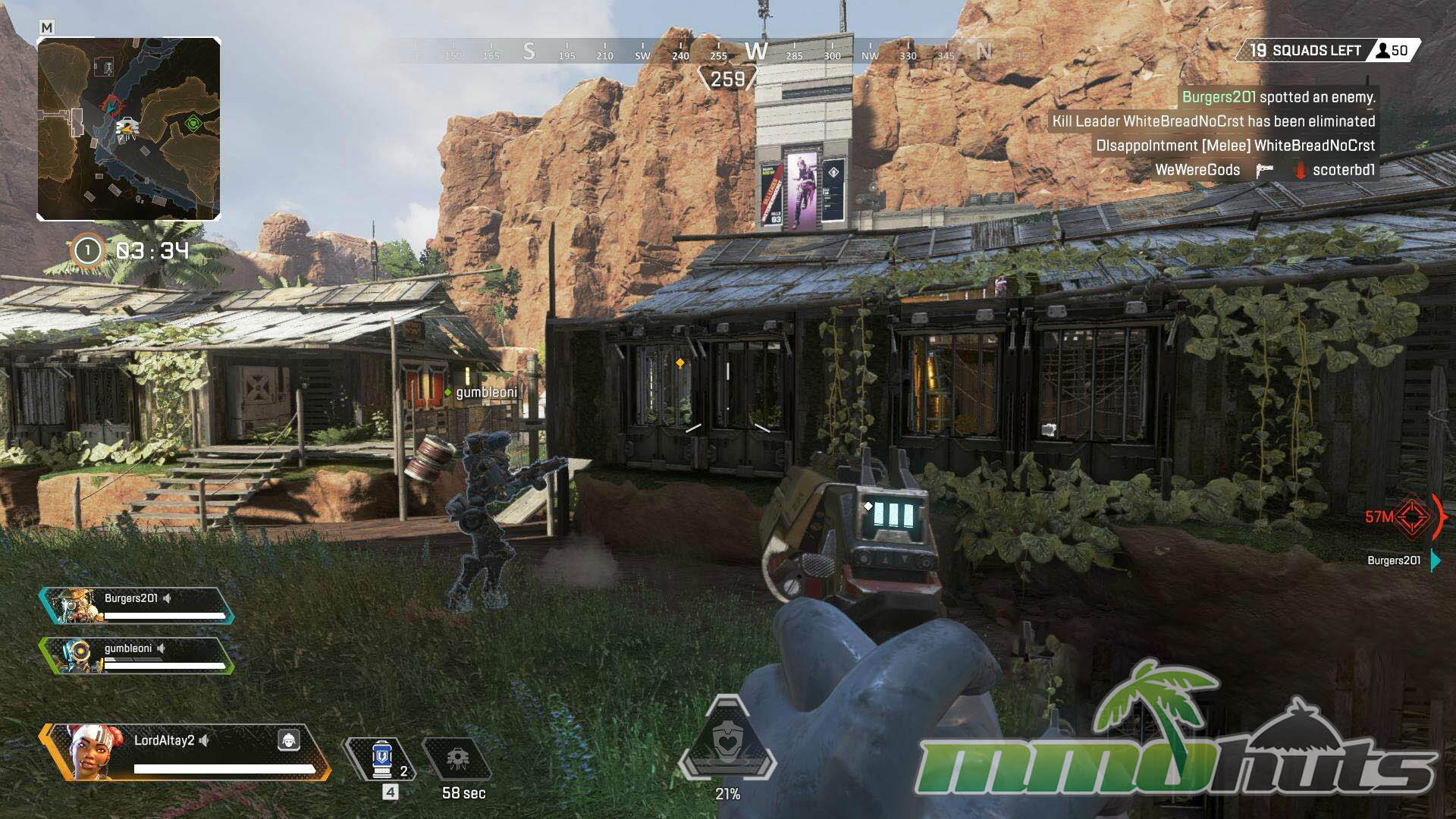
Legend abilities are the heart of what makes Apex feel different from other battle royale shooters. Each Legend has a passive, a tactical with a short cooldown, and an ultimate that charges over time or through accelerants. The tactical abilities range from quick repositioning tools like Wraith’s phase walk or Pathfinder’s grapple to team utility like Lifeline’s healing drone or Gibraltar’s dome shield. Ultimates are bigger swings: Bangalore’s rolling artillery strike, Bloodhound’s beast-mode tracking, Horizon’s black hole that pulls enemies together.
The real depth comes from how these abilities interact. A well-timed Crypto EMP strips shields right as your squad pushes, opening a window for your Octane to stim in and clean up. A Wattson pylon counters a Gibraltar bombardment by zapping incoming ordnance. A Newcastle wall combined with a Lifeline revive creates an almost unbreakable reset in the middle of a fight. These synergies are not always obvious to newcomers and the game does not do much to teach them, but they are the reason high-level play looks so dynamic.
Squad composition matters, but not in a rigid MMO tank-healer-DPS way. A balanced team usually wants some combination of an entry fragger, a mobility or rotation Legend, and a support or controller for holding space. You can run three aggressive Skirmishers and succeed on raw gun skill alone if you are good enough, but you are giving up utility that better teams will exploit.
Maps and World Design
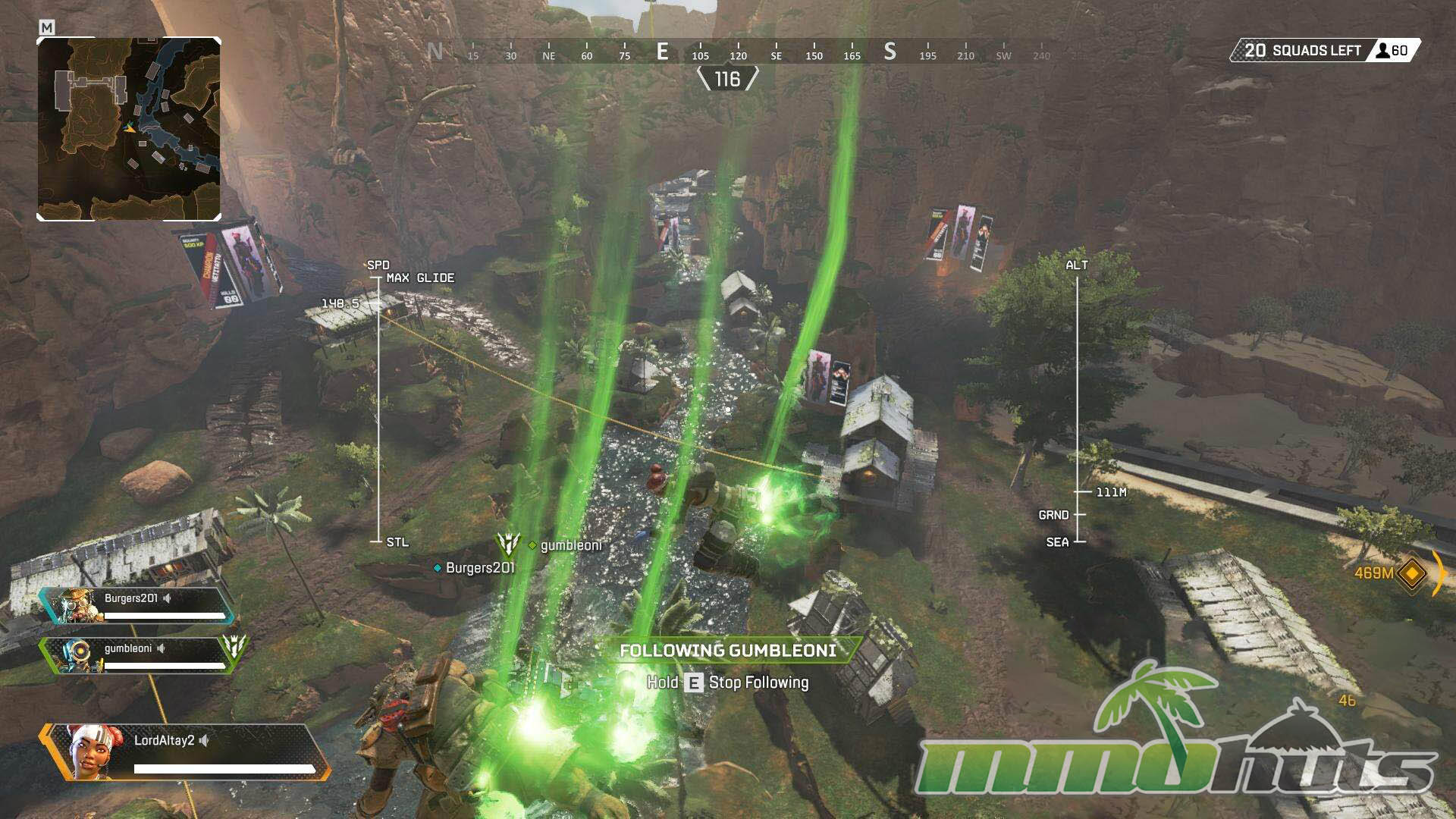
The map pool currently rotates between five major battle royale maps: Kings Canyon, World’s Edge, Olympus, Storm Point, and Broken Moon. Each has its own identity. Kings Canyon is the original, a mid-sized map with varied biomes and a lot of verticality. World’s Edge introduced the lava-filled city of Fragment, which became infamous as a hot-drop death pit where half the lobby lands and dies in the first three minutes. Olympus is a floating city with wide open sightlines and the Phase Runner teleport system. Storm Point is the largest map, with PvE wildlife encounters and gravity cannons for traversal. Broken Moon uses zipline rails to connect its scattered points of interest.
Map updates are a major part of each season. Respawn regularly destroys, rebuilds, or re-themes entire sections of maps as part of the evolving story. It keeps the environments from getting stale, though some changes are more popular than others. The removal of Skull Town from Kings Canyon still gets mentioned in forums as a loss people have not fully gotten over.

Monetization and the Free-to-Play Grind
Apex Legends is free to download and all Legends can be unlocked through gameplay using Legend Tokens earned by leveling up. In practice, you start with a small rotation of free Legends and unlock more over time, which takes a while if you are playing casually. The real money from the game comes from Apex Coins, the premium currency, used to buy cosmetic skins, battle passes, and collection event items.
The monetization is where a lot of the long-running community frustration sits. Individual Legendary skins in collection events can cost the equivalent of twenty dollars or more if you craft or buy them directly. Heirloom melee weapons, the rarest cosmetic tier, are tied to a pity system that guarantees one after 500 Apex Packs, which adds up to roughly five hundred dollars if you were to buy them outright. The battle pass itself is reasonable when you compare it to competitors like Fortnite, but Respawn and EA have tested the community’s patience a few times, most notably with a mid-2024 plan to make battle passes purchasable only with real money instead of in-game currency. That change was walked back after heavy backlash, but it left a mark on community trust.
Crafting Metals, earned through the battle pass and Apex Packs, let you directly unlock specific cosmetics without gambling. It is a slow grind but at least there is a deterministic path to getting the skin you want.

Ranked Mode and Competitive Play
Ranked mode splits players across eight tiers from Rookie to Predator, with entry costs that increase as you climb. The system rewards placement above all else at lower ranks, which encourages a more strategic, survival-oriented playstyle than the chaotic hot-drop culture of public matches. At higher ranks, the matches tighten up considerably, with teams rotating early, holding power positions, and only taking fights they are confident they can win.
The competitive scene, anchored by the Apex Legends Global Series (ALGS), has grown into a legitimate esport with regional leagues leading to major LAN championships. Watching pro Apex is a fundamentally different experience from playing it. The coordination, the ability usage, the ring positioning, it all operates at a level that makes the average Platinum lobby look like a completely different game. The gap between casual and competitive is wider here than in most shooters.
Matchmaking in unranked modes has been a sore spot for years. New and returning players often find themselves in lobbies with players who have thousands of hours, and the experience can be demoralizing. Respawn has acknowledged this repeatedly and made incremental changes, but it remains one of the most common complaints.
Apex Legends vs Call of Duty: Warzone
The natural comparison for a squad-based battle royale with an emphasis on gunplay is Call of Duty: Warzone. Both games are free, both run on fast-paced shooting engines, and both attract players who want a battle royale that feels more like a traditional FPS than Fortnite. The differences are meaningful. Apex has a higher time-to-kill, which makes fights longer and more forgiving of positioning mistakes but less forgiving of poor aim over an extended engagement. Warzone kills faster and puts more weight on map knowledge and loadout optimization.
Apex also has the Legend abilities, which add a layer of tactical planning that Warzone’s perk and equipment system does not really replicate. Warzone’s Gulag gives you a second chance at life through a 1v1 duel, while Apex’s respawn beacon system requires a living teammate to recover your banner and get to a beacon. Each approach has its fans, but the Apex system reinforces team play more heavily. If you prefer solo agency and faster kills, Warzone is probably the better fit. If you want deeper squad coordination and longer, more technical gunfights, Apex has the edge.

Final Verdict – Great
Apex Legends is one of the best-feeling first-person shooters ever made, full stop. The movement, the gunplay, the ping system, and the Legend design combine into something that still feels fresh years after launch. It set a new standard for how a battle royale should handle team communication, and its influence on the genre is hard to overstate. The problems are real and they are not small. Monetization can feel predatory, especially around collection events. Cheating is a persistent headache that resurfaces in waves. Matchmaking quality varies wildly, and the new player experience is genuinely tough. Audio bugs have been a running joke and a genuine competitive liability for multiple seasons. But when the game is working as intended, when you and two squadmates pull off a coordinated third-party cleanup with abilities chaining into each other and a last-second respawn that wins the match, there is nothing else quite like it. It earns a spot near the top of the battle royale heap and it is still worth playing.
Apex Legends Links
Apex Legends Official Site
Apex Legends Steam Page
Apex Legends Epic Games Store
Apex Legends Facebook
Apex Legends Instagram
Apex Legends TikTok
Apex Legends Reddit
Apex Legends Discord
Apex Legends YouTube
Apex Legends System Requirements
PC Minimum Requirements:
Operating System: Windows 10 64-bit
CPU: Intel Core i3-6300 3.8GHz / AMD FX-4350 4.2GHz
Video Card: NVIDIA GeForce GTX 950 (2GB) / AMD Radeon HD 7790 (2GB)
RAM: 6 GB
Hard Disk: 75 GB available space
DirectX: Version 12
PC Recommended Requirements:
Operating System: Windows 10 64-bit
CPU: Intel Core i5-3570K / AMD Ryzen 5 or equivalent
Video Card: NVIDIA GeForce GTX 970 / AMD Radeon R9 290
RAM: 8 GB
Hard Disk: 75 GB available space (SSD recommended)
DirectX: Version 12
Apex Legends Music & Soundtrack
Coming soon!
Apex Legends Additional Information
Developer: Respawn Entertainment
Publisher: Electronic Arts
Engine: Heavily modified Source Engine
Director: Steven Ferreira
Composer: Stephen Barton
Original Release Date: February 4, 2019 (PS4, Xbox One, PC via Origin)
Steam Release Date: November 4, 2020
Nintendo Switch Release Date: March 9, 2021
PS5 and Xbox Series X/S Release Date: March 29, 2022
Apex Legends Mobile Release Date: May 17, 2022 (shut down May 1, 2023)
Nintendo Switch 2 Release Date: August 5, 2025
Platforms: PlayStation 4, PlayStation 5, Xbox One, Xbox Series X/S, Nintendo Switch, Nintendo Switch 2, PC (EA App, Steam, Epic Games Store)
Development History / Background:
Apex Legends was developed in secret by Respawn Entertainment over roughly two years, with work beginning around late 2016. The studio had been known primarily for the Titanfall series, and there were widespread expectations that a Titanfall 3 was in the works. Instead, Respawn took the movement and gunplay DNA of Titanfall and applied it to the then-exploding battle royale genre. The game was announced and released on the same day, February 4, 2019, with zero prior marketing. This shadow-drop strategy was a massive gamble that paid off spectacularly: Apex Legends hit 25 million players in its first week and 50 million within its first month. The studio later confirmed that a Titanfall 3 project had been in development for about ten months before being shelved in favor of Apex Legends, a decision made by Respawn itself without EA’s knowledge at the time. Since launch, the game has followed a seasonal model with new Legends, weapons, map updates, and limited-time events arriving roughly every three months. A mobile version developed in partnership with Tencent’s Lightspeed Studios launched in May 2022 but was shut down less than a year later in May 2023, with EA citing quality and content pipeline issues. Despite this setback, the core game continues to thrive across consoles and PC, supported by the ALGS competitive scene and a dedicated playerbase.