
4Story M: Flying Dragon Arrows was a free-to-play, 3D mobile action RPG that mixed arcade-style bow shooting with light progression systems. Built around short, stage-based missions, it leaned into colorful anime visuals, quick dodge timing, collectible gear and costumes, and a distinctive asynchronous dragon PvP mode that played out in turns rather than real-time.
 | Publisher: Zemi Interactive Type: Mobile RPG Release Date: July 9, 2015 Shut Down: 2018 Pros: +Arcade-flavored archery combat that feels different on mobile. +Straightforward controls that are quick to understand. Cons: -Online features are fairly limited. -Monetization can create power advantages. -Stages can start to feel samey over time. |
4Story M Overview
4Story M: Flying Dragon Arrows was a 3D, arcade-leaning archery shooter set in the wider 4Story universe. Rather than trying to recreate the original MMORPG on a phone, it focused on quick sessions where you aim, charge shots, and react to incoming attacks. Holding your shot longer increased damage, so the core loop became a constant risk-reward decision: commit to a full draw for bigger hits or fire early to stay safe. Enemy patterns and boss fights pushed you to time left and right jumps cleanly to avoid damage while keeping up your offense.
Progression came from clearing a large set of short stages, earning rewards, and steadily improving your loadout. Weapons, armor, and accessory-style items could be collected and upgraded, while costumes offered additional ways to personalize your archer. On top of the single-player stage ladder, the game also included an asynchronous PvP mode featuring dragon-mounted aerial battles, giving players a competitive outlet without requiring live matchmaking.
4Story M Key Features:
- Action gameplay – Fast, arcade-inspired archery combat built around aiming, charging shots, and timely dodges.
- Anime inspired graphics – Bright 3D anime presentation with fantasy environments delivered through stage progression.
- Customize & Accessorize – A range of weapons, armor pieces, and skill-linked accessories to collect and enhance.
- PvP Options – Asynchronous, turn-based dragon PvP that emphasizes attack windows and defensive choices.
4Story M Screenshots




4Story M Featured Video

4Story M Review
4Story M: Flying Dragon Arrows was a free-to-play mobile action RPG from Zemi Interactive, also known for the original 4Story MMORPG on PC. Even though it shared the setting, this was not an MMO conversion, it was closer to a self-contained arcade shooter built for touch screens. The inspiration from classic arcade design was easy to feel, with short runs, score-oriented pacing, and a focus on repeating stages to improve performance and gear. For players expecting quest hubs and party grinding, it played more like a spin-off mode than a full mobile version of the older game.

A Spin-Off That Plays Nothing Like the MMORPG
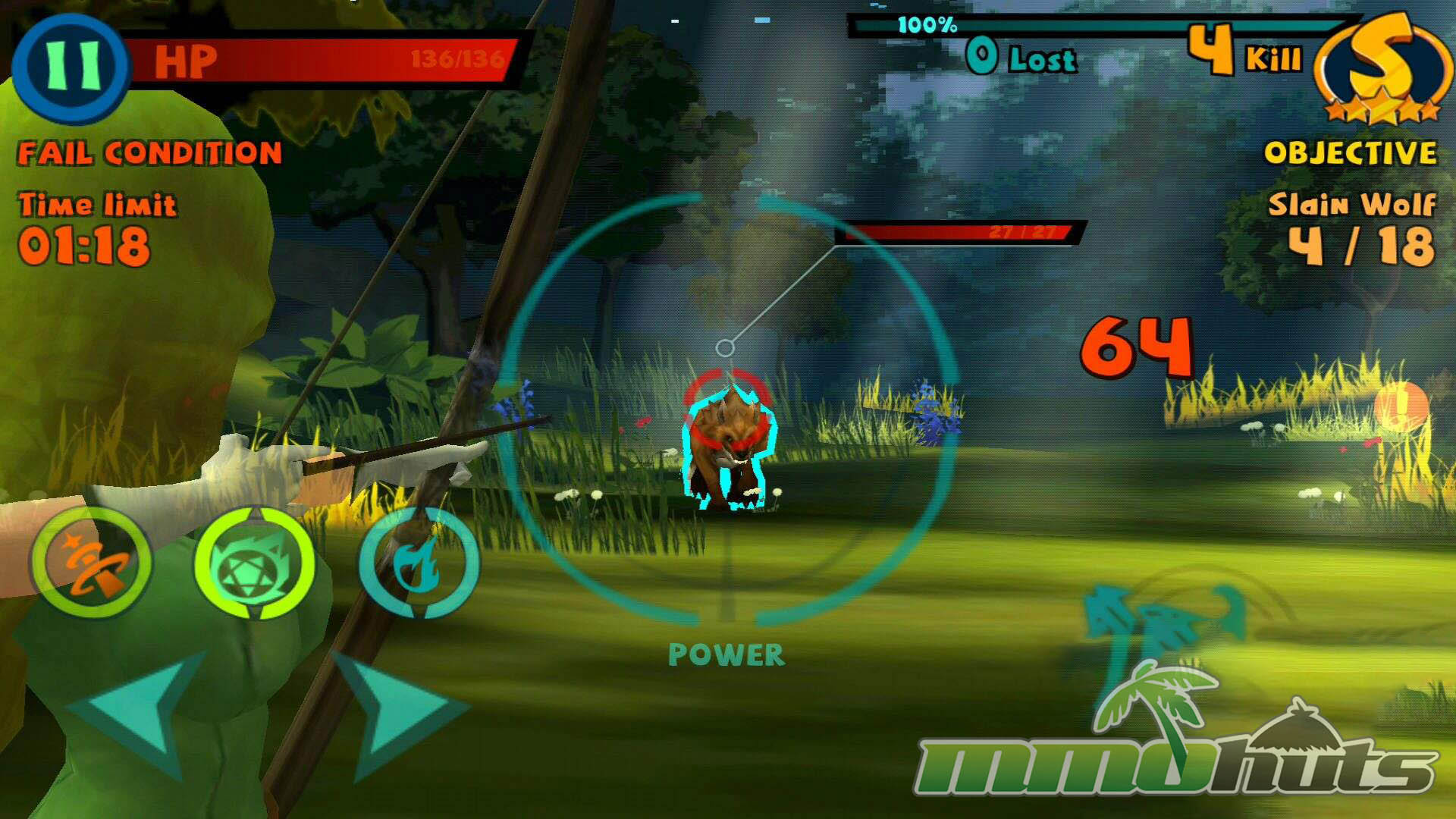
Where 4Story on PC was built around open areas and typical MMORPG structure, 4Story M centered on compact missions. The game was organized into a stage map with well over 100 levels, and most runs were designed to be finished in a few minutes. Objectives stayed simple, usually clearing waves or defeating a boss before the timer and conditions ran out, which made it well-suited to short mobile sessions.
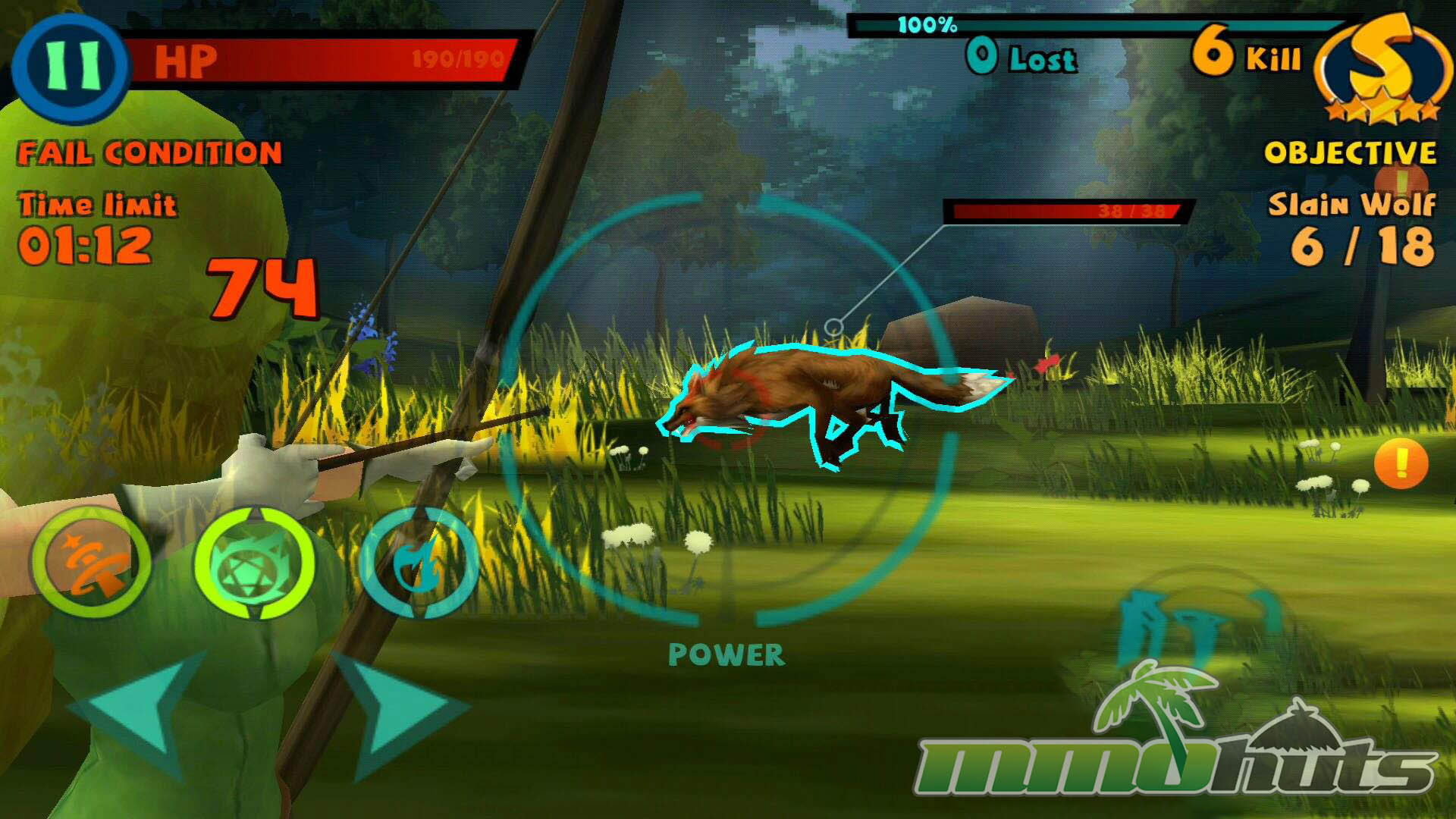
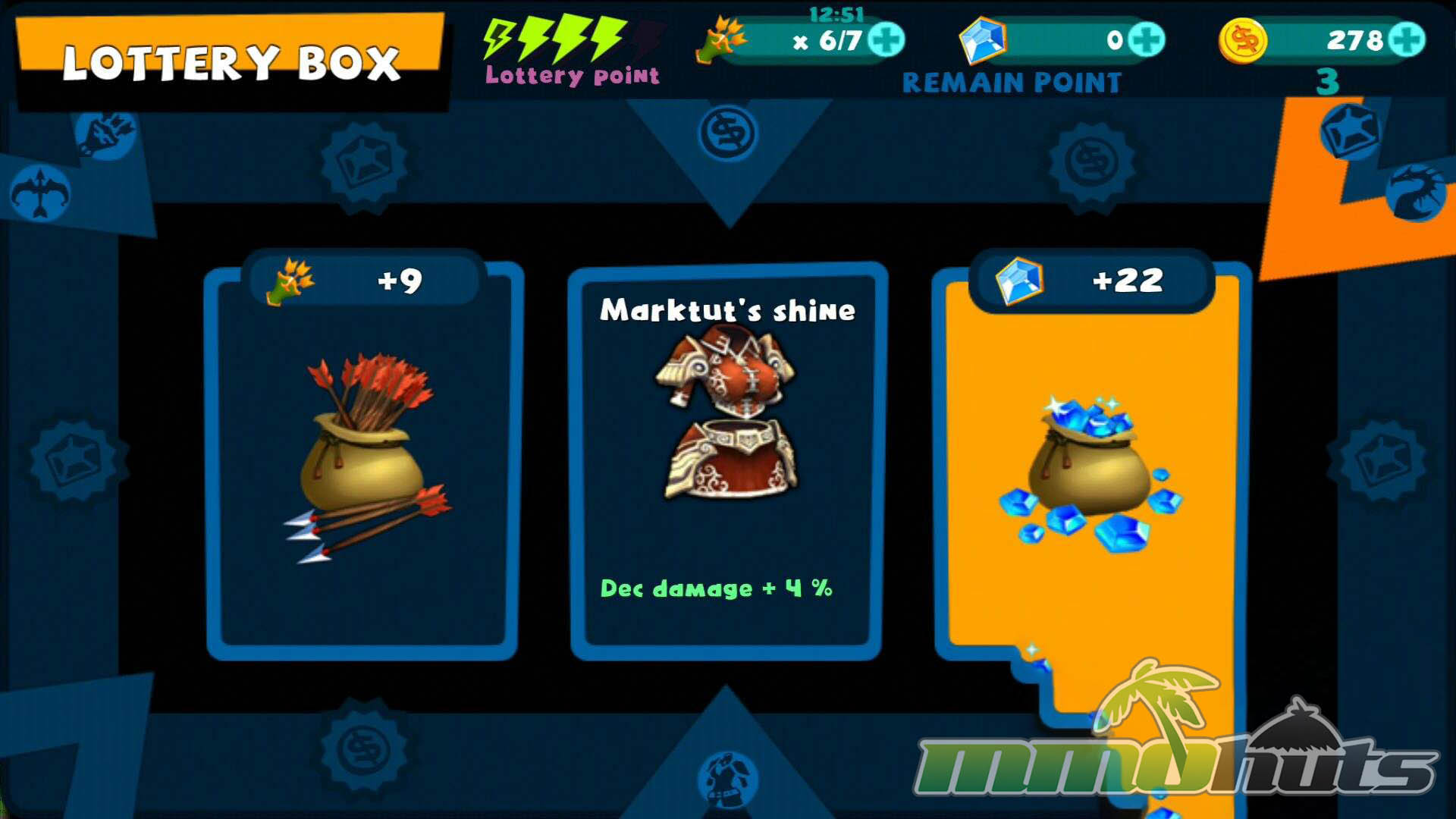
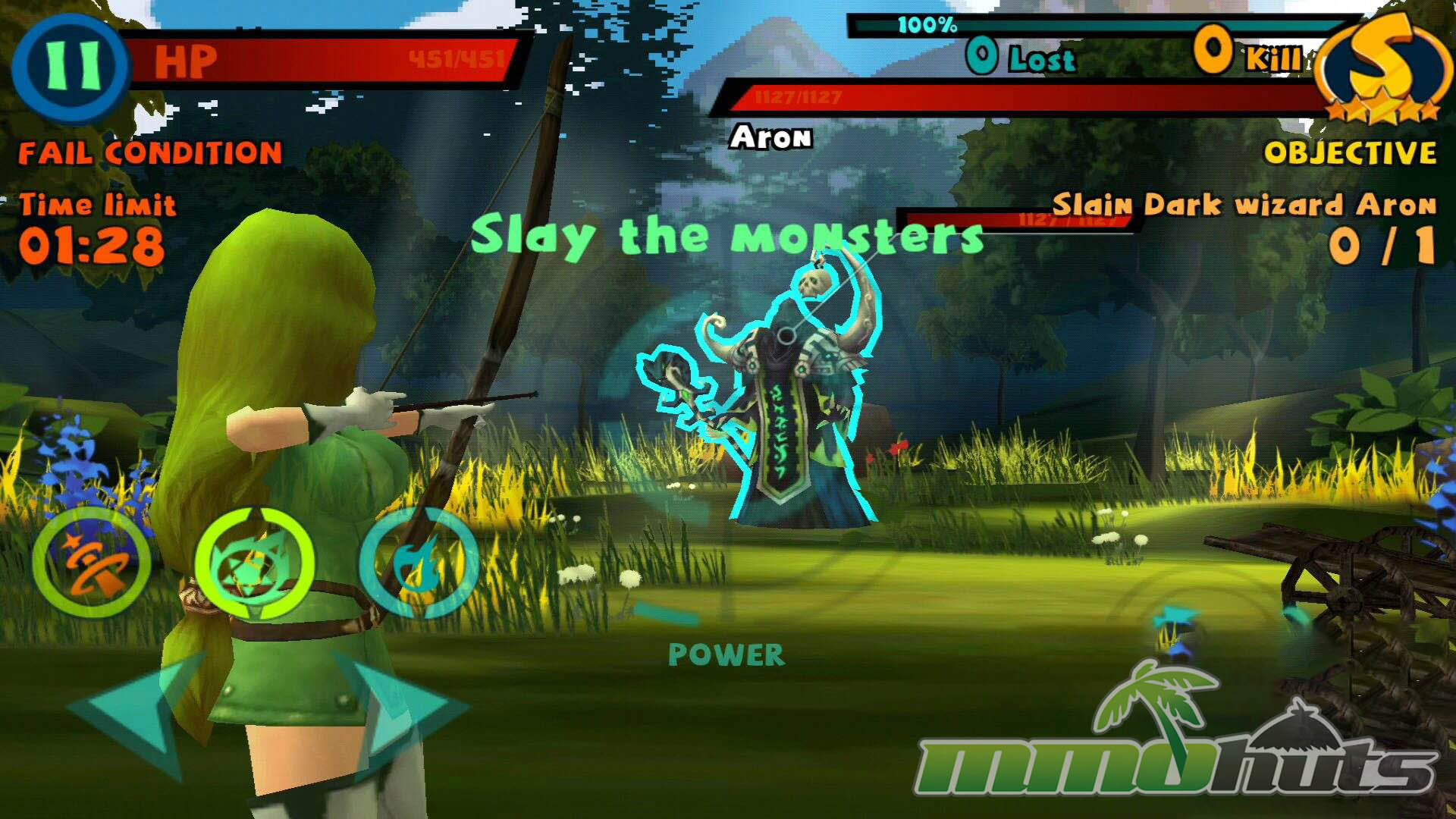
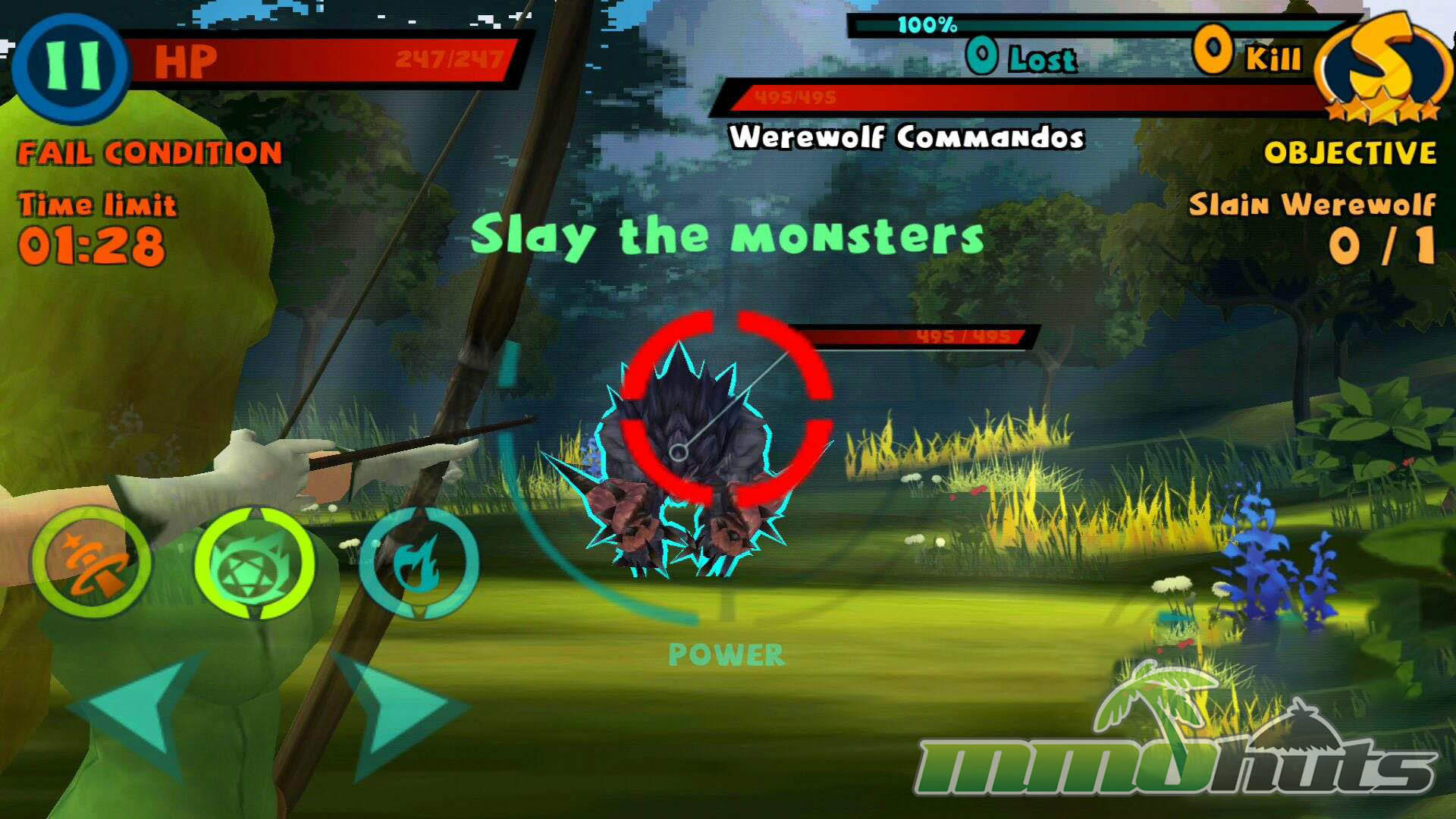
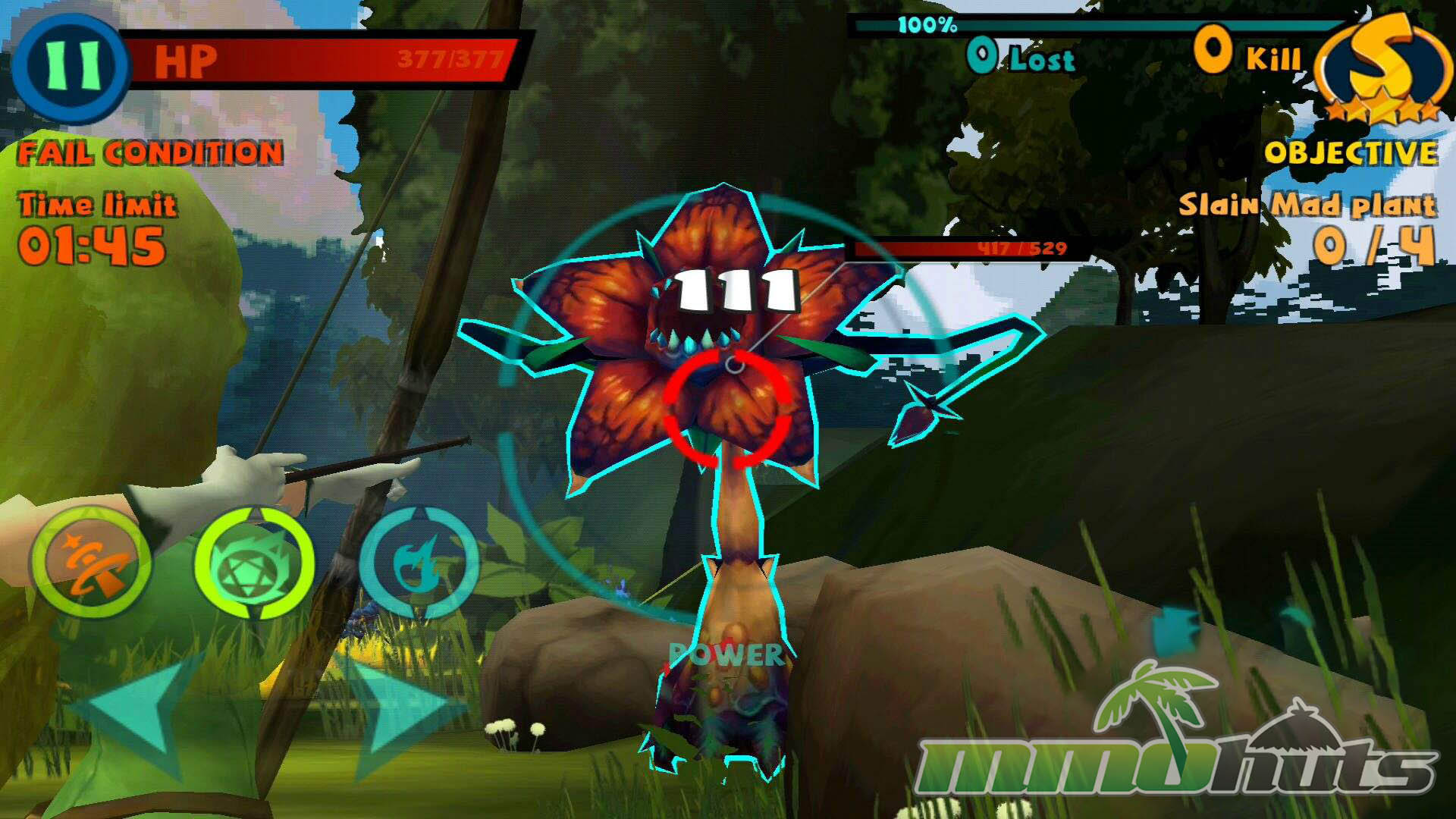
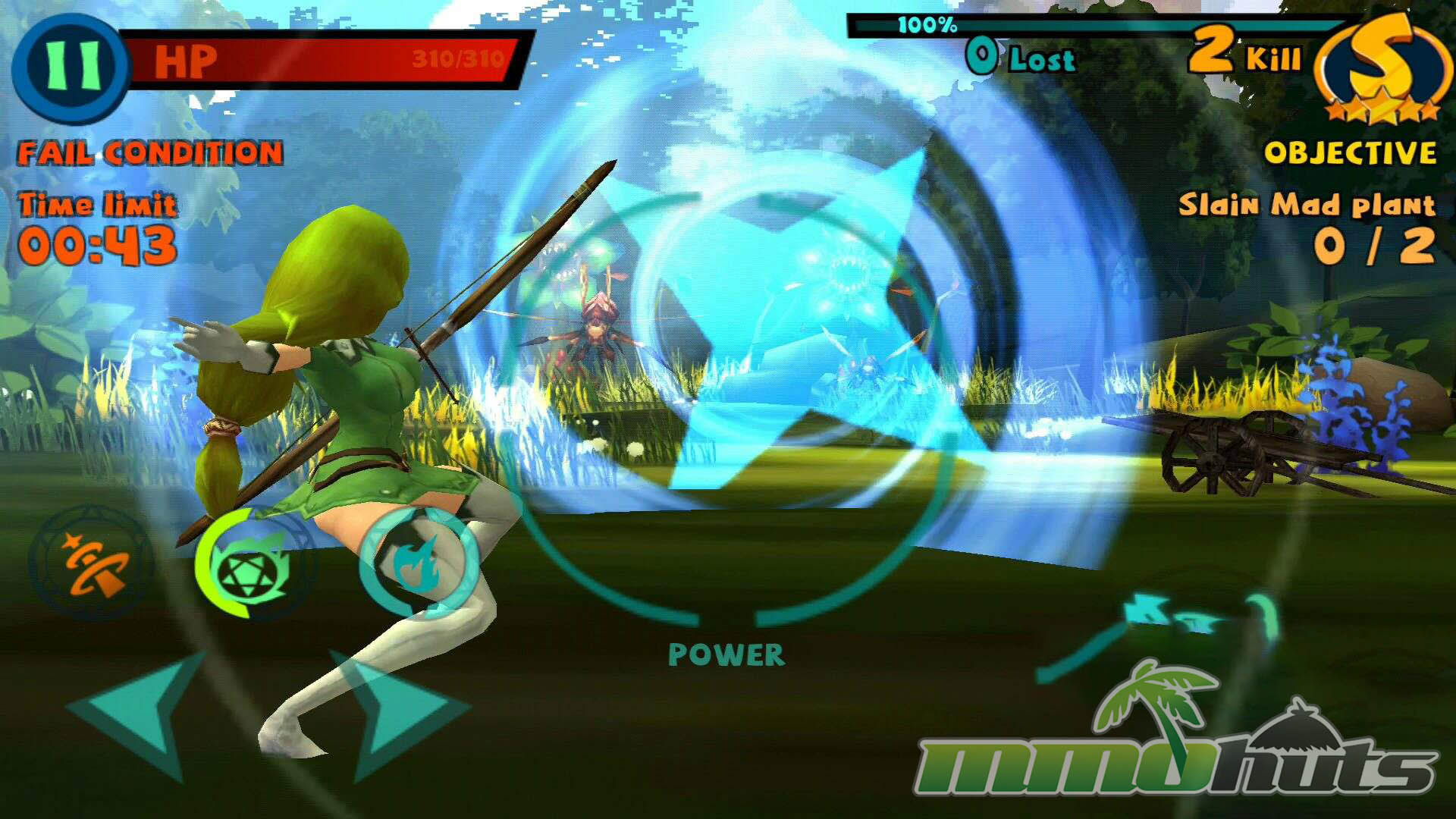
Combat kept you facing forward while enemies approached or attacked from range. Your character was locked to a fixed position, so success came from aiming and dodging rather than movement and positioning. Character options were also limited, you played as a female archer without an initial character creator or a male alternative, and since the camera stayed behind your character, personalization mattered more through gear and costumes than through facial features. Performance mattered too, because better results translated into better end-of-stage rewards through a lottery-style payout.
Touch-Friendly, But Not Mindless
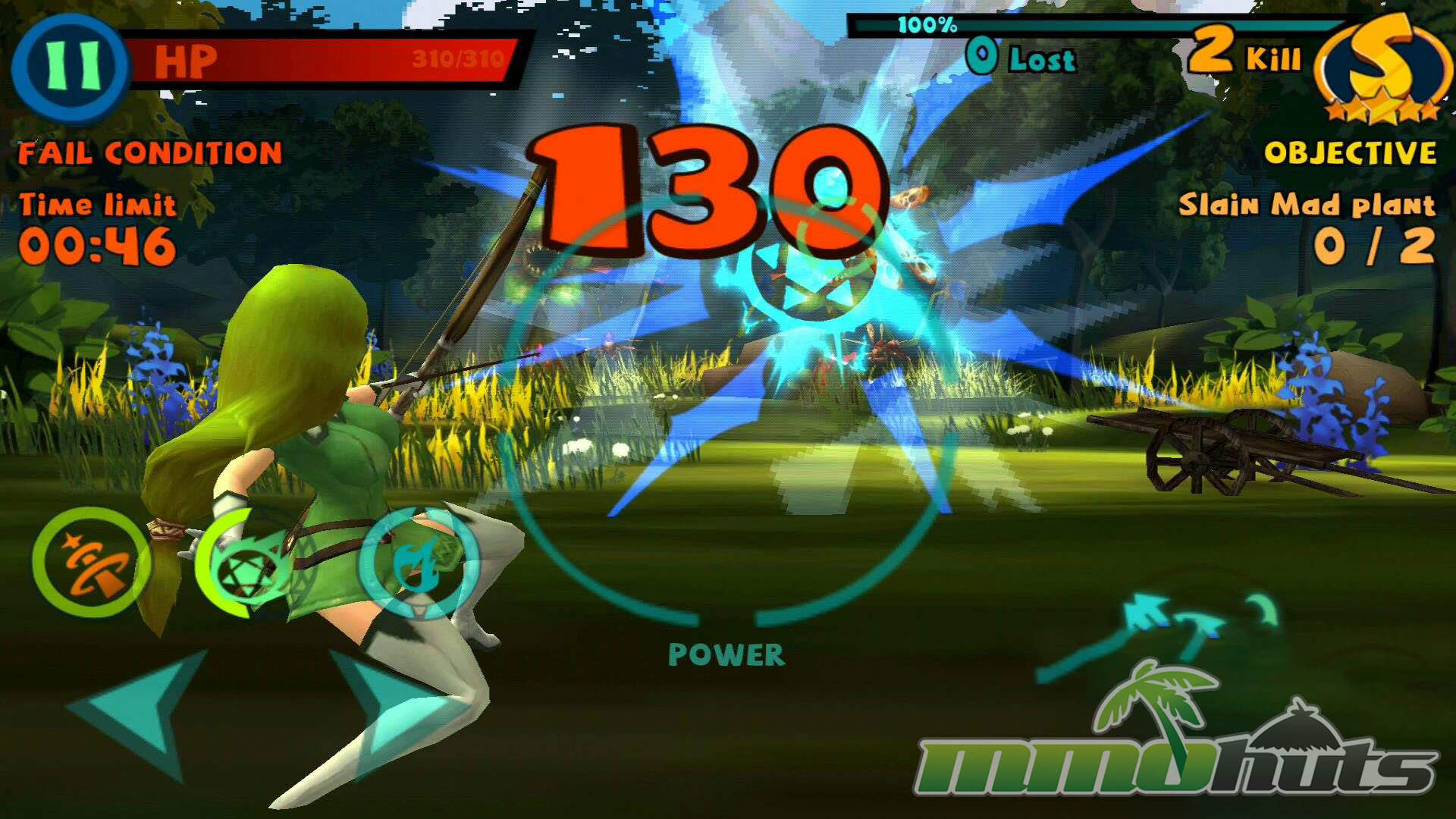
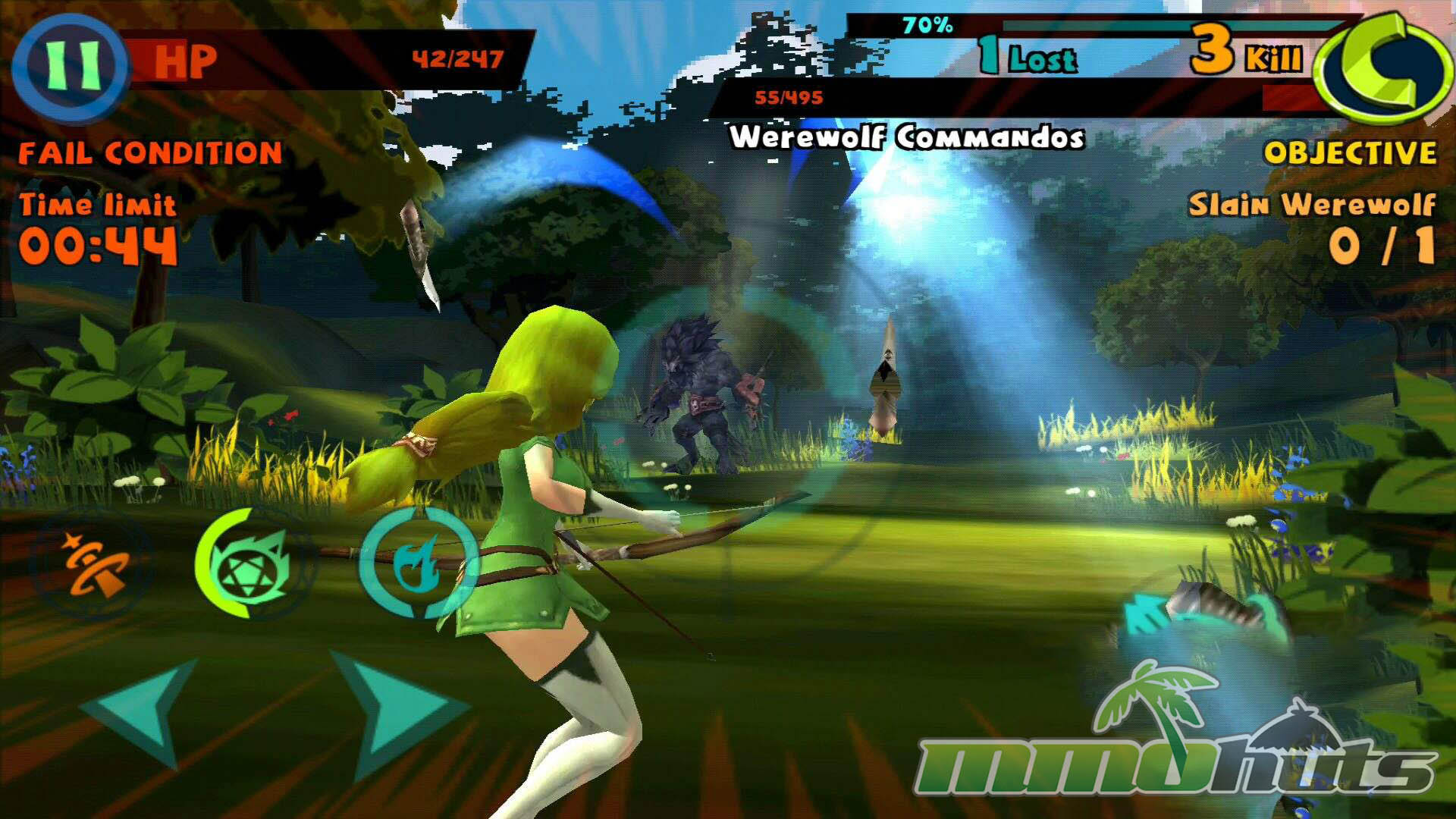
The control scheme was intentionally simple, yet it still asked for timing and accuracy. The game functioned like a rail shooter: you did not roam the battlefield, but you did control where your shots landed. Holding the attack button aimed and charged the bow, and releasing fired at the crosshair. Full charge hits were the payoff, but charging also meant committing to an attack window while enemies tried to interrupt you.
Defensive play relied on two dodge buttons, letting you hop left or right to avoid incoming hits. On top of basic shots, you had three skills that were triggered by selecting an icon and then firing to deliver the special effect. As stages progressed, boss encounters became the main skill check, with higher health pools and mechanics that forced you to keep dodging while still landing charged shots, sometimes alongside extra threats like summons or sudden repositioning.
Bright Fantasy Presentation
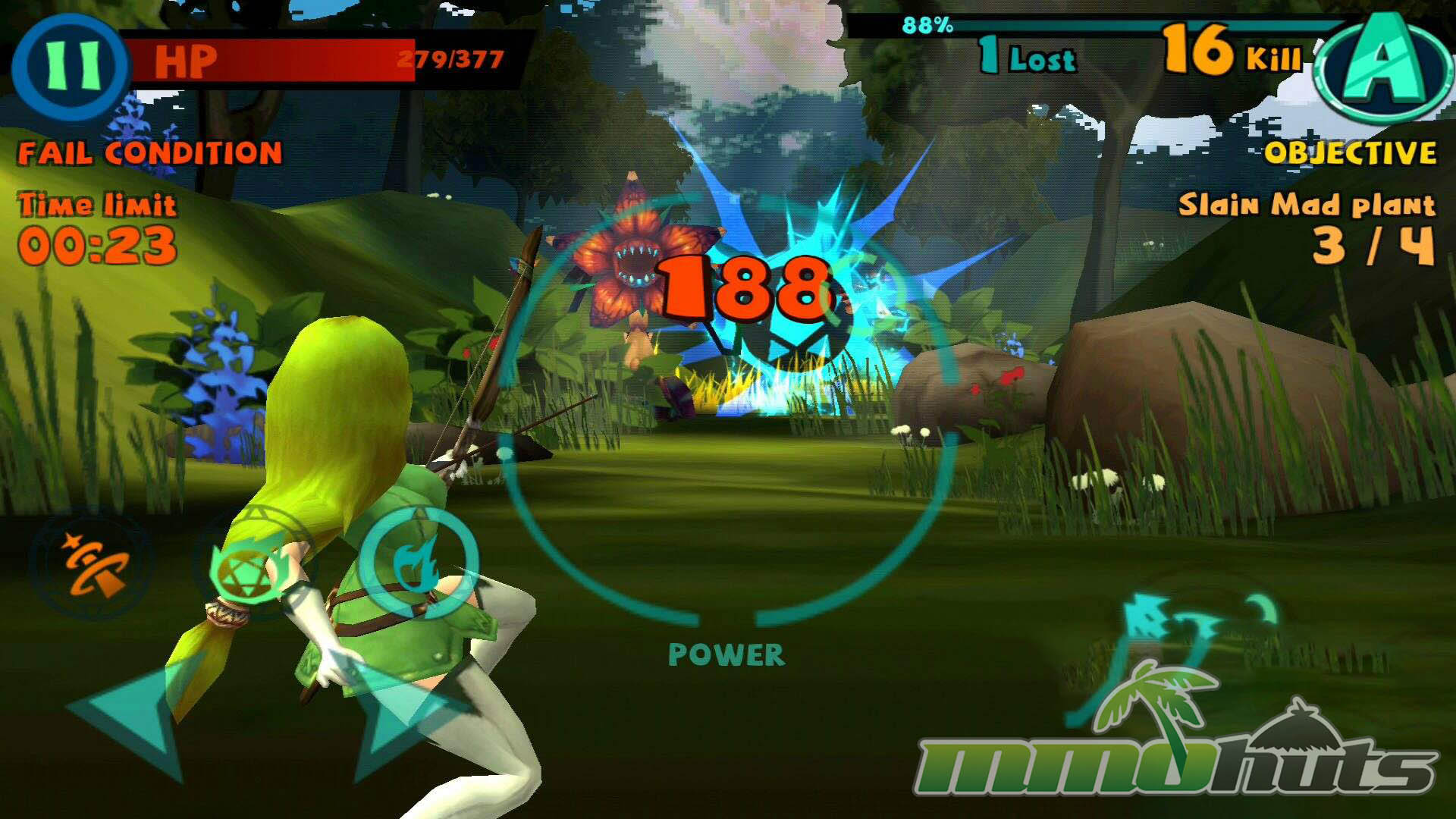
Visually, 4Story M leaned hard into colorful anime styling. Characters, monsters, and UI all shared a cartoony fantasy look that made the action readable on a small screen. The environments varied as you advanced, starting with familiar green fields and forests before moving into harsher biomes like deserts and volcanic areas. Skill effects were flashy enough to sell the power fantasy without completely obscuring the field, and enemy animations generally communicated when it was time to dodge.
Cosmetics were also a major part of the presentation. The main character design and many outfits leaned into fan service, and the game offered plenty of costume and armor appearances that stood out even when the underlying gameplay stayed similar from stage to stage.
Gear Progression and the Importance of Upgrades
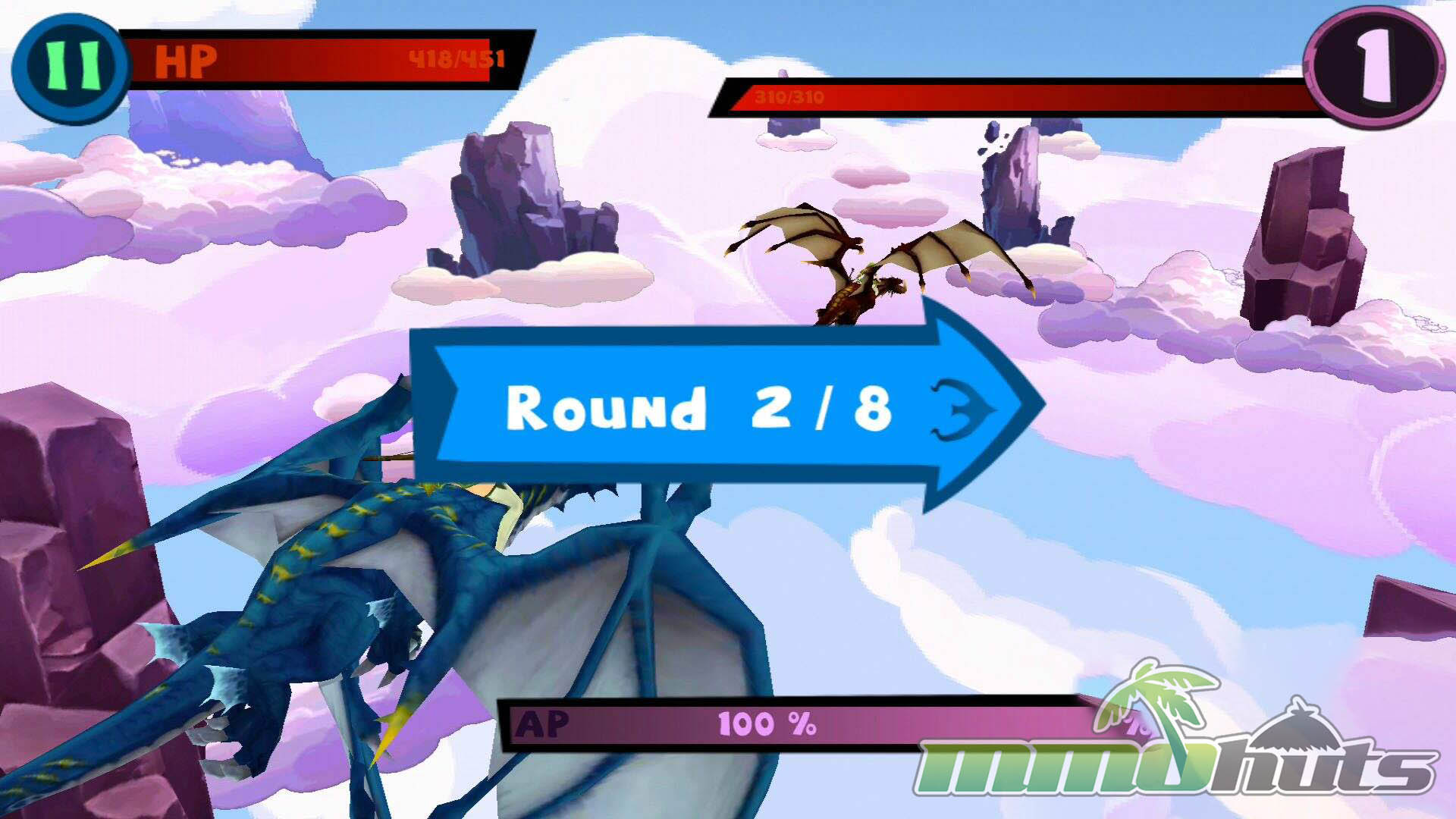
Equipment collection was a central motivator. The overall item variety was not as deep as larger RPGs, but it was enough to support a steady power climb. Your loadout consisted of a weapon and armor for the core stats, plus earrings, necklace, and rings that effectively represented your three skills and influenced their damage output. New items could drop through the end-of-stage reward system, but meaningful upgrades were uncommon, so the shop and upgrade system did much of the heavy lifting.
Players could buy gear as it became available through chapter progression, using gold or Odin (the premium currency). Costumes, including costume weapons and costume armor, could also come from rewards or be purchased with Odin, and they provided small stat benefits alongside appearance changes.

Upgrading was where the long-term grind lived. Improving weapons, defenses, and skill-related accessories required gold (or Odin), and the odds of a successful upgrade dropped as you pushed higher. The system avoided the most punishing outcomes because items did not break on failure, and each failed attempt increased the success rate by 5%, so persistence eventually paid off. Still, the growing gold costs and repeated failures meant players often had to replay stages specifically to fund upgrades.
A major limitation was that gold upgrades capped at +7. Progressing beyond that point required Odin, which created a clear divide between free progression and paid acceleration, especially as later stages increased in difficulty.
Dragon PvP That Is Creative, Yet Passive
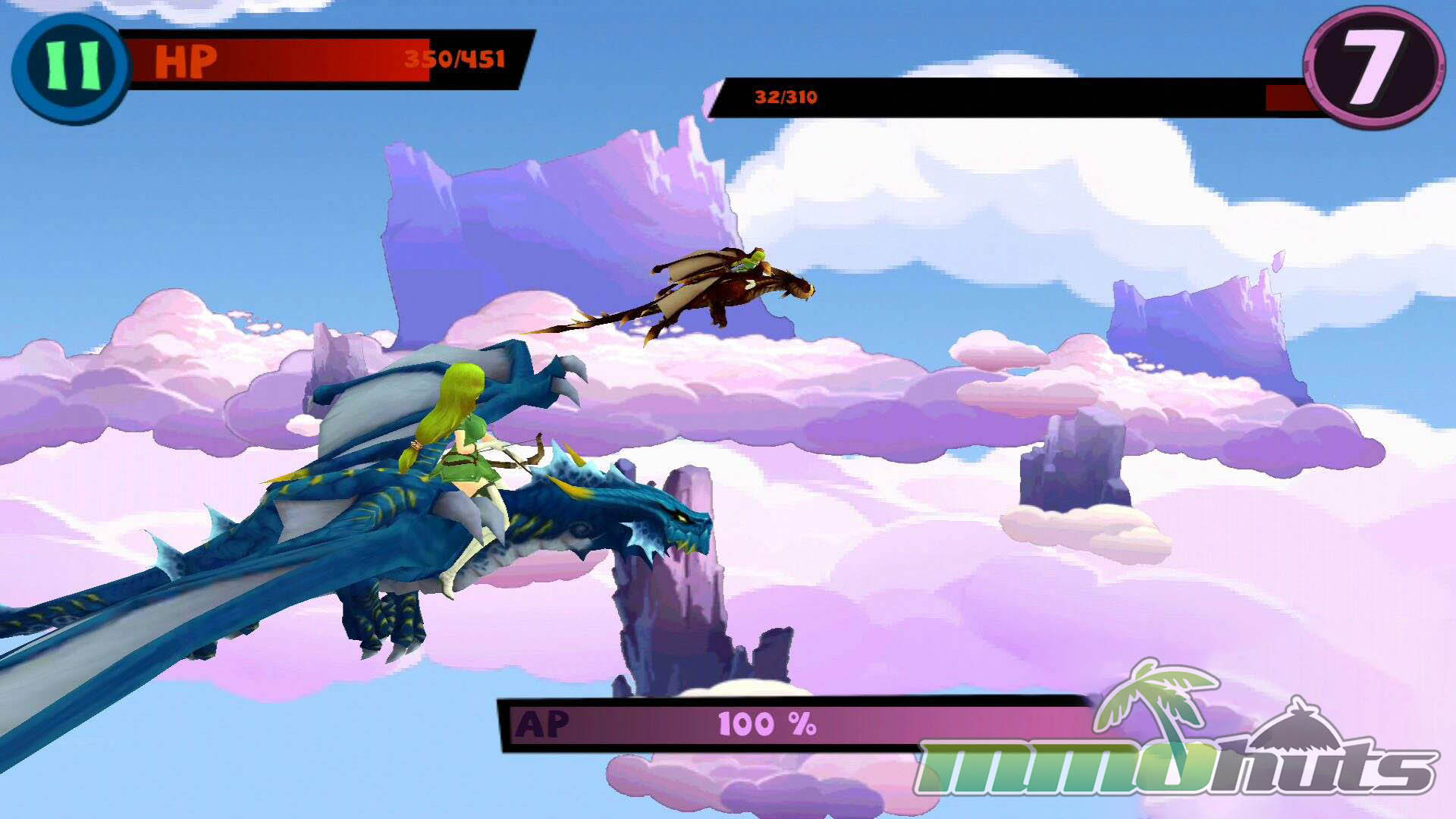
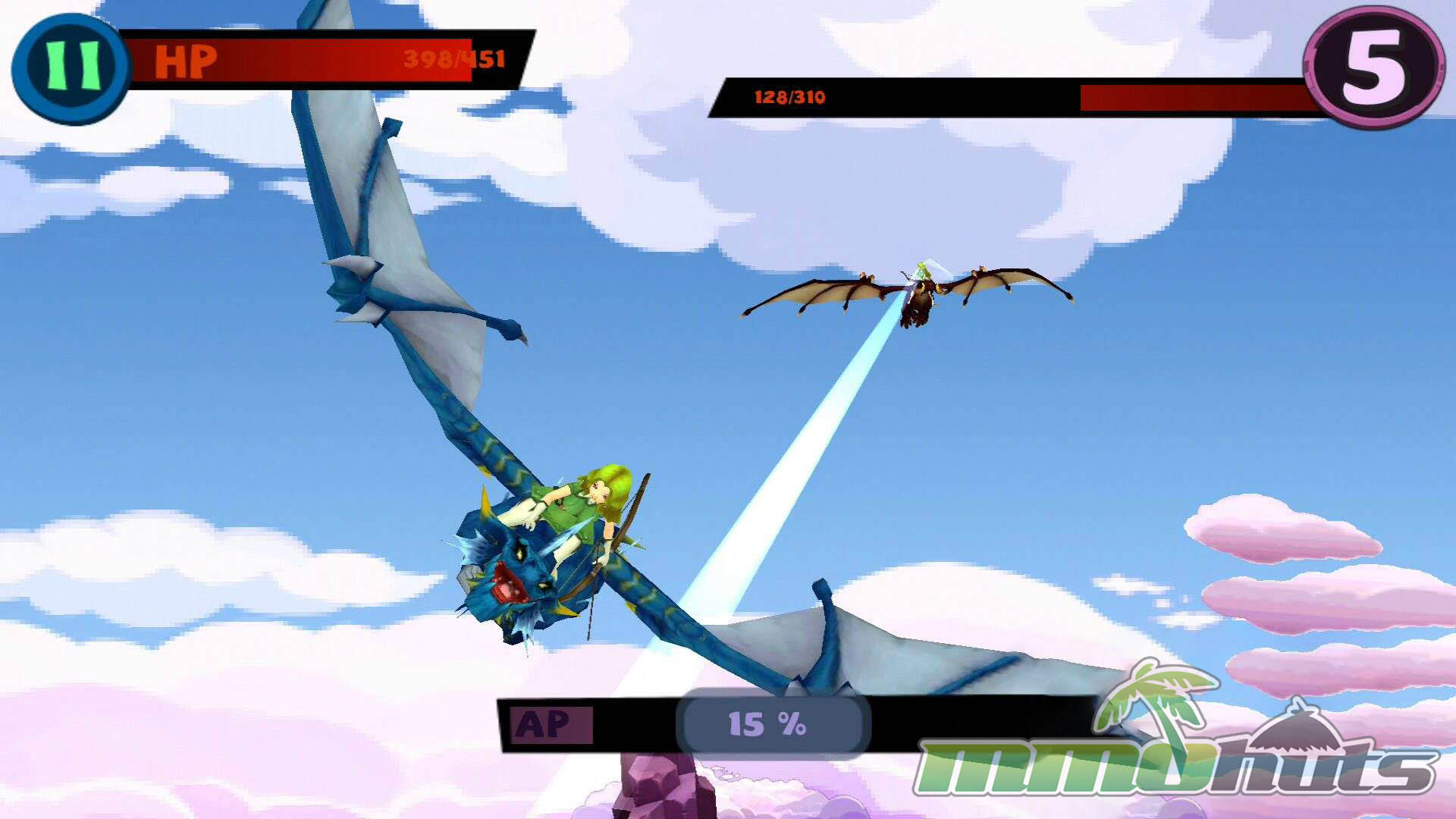
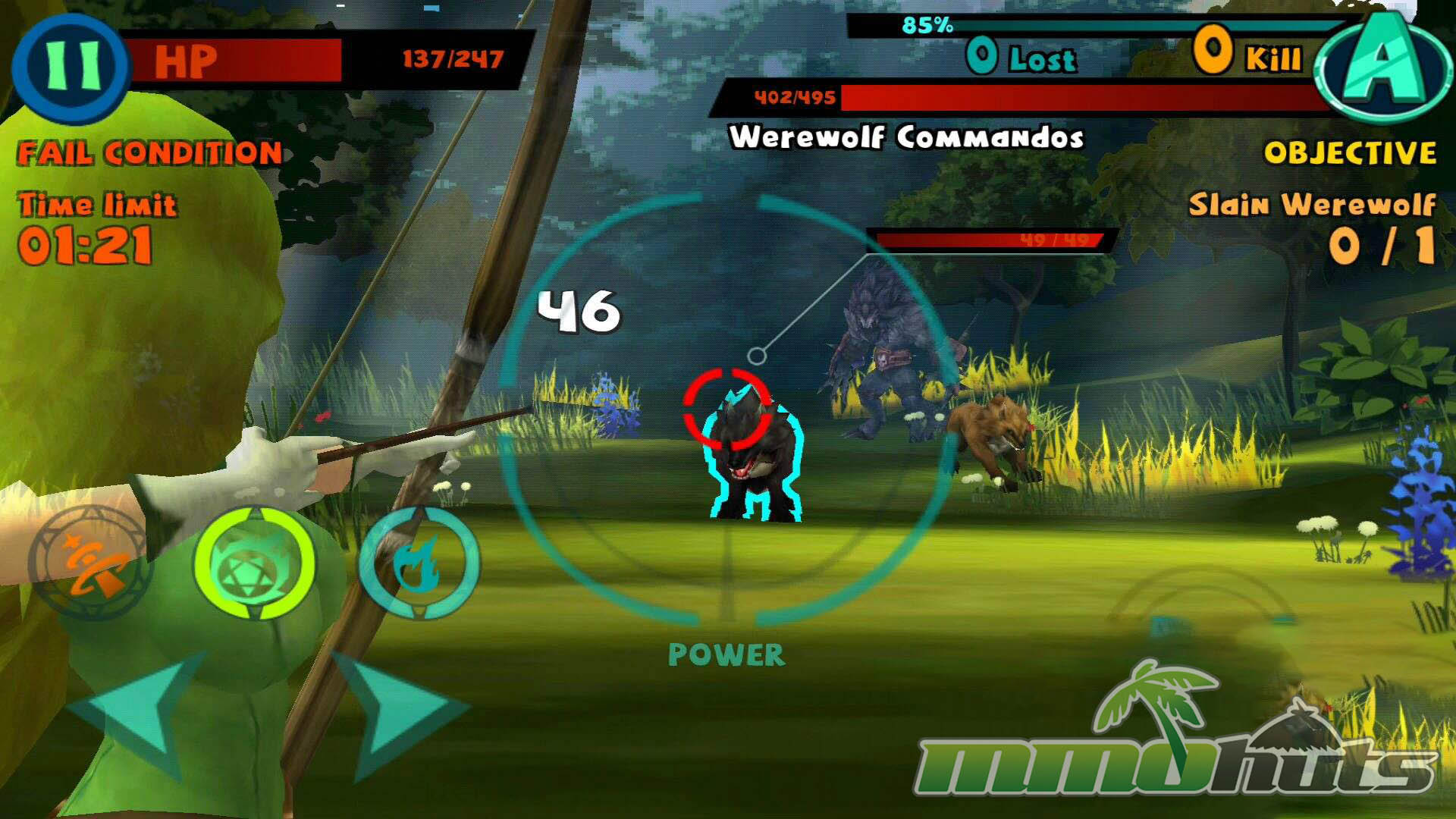
The standout multiplayer feature was its asynchronous dragon PvP. Players collected dragons through the shop or as rewards, then entered PvP via the “Dragon” option on the stage menu. Matchmaking paired you with similarly leveled opponents, but the battles themselves were not live. Instead, fights played out against an AI-controlled version of another player.
The mode used an eight-round, turn-based format. On your offensive rounds, you aimed and fired at a moving opponent while both riders flew through the air, using similar controls to the main game and mixing in skills. On defensive rounds, you did not manually dodge. Instead, you selected a “skill dodge” area that would mitigate one of the opponent’s skill attacks, which also explained why one skill slot was effectively constrained in the system. The back-and-forth structure was different from typical mobile PvP, but it could also feel slow and detached because the most exciting part of action games, real-time outplaying, was not really present.
Cash Shop and In-App Purchases (IAP)
Monetization was not strictly required to start progressing, but it did provide tangible advantages, particularly through upgrades. Odin could be spent on costumes that offered small stat boosts and visual customization. These bonuses were not inherently overwhelming on their own, for instance costume armor adding 25 HP is modest compared with 451 HP at level 6, but they still contributed to overall power.
The more impactful pressure came from the upgrade economy. Odin could be exchanged for gold, smoothing over the frequent upgrade failures and reducing the need to farm. More importantly, because upgrades beyond +7 required Odin, spending could translate directly into higher maximum power. Combined with the game’s rising difficulty curve, that design suggested the possibility of hitting a wall where further progress strongly encouraged paid upgrades.
Odin also extended playtime by purchasing energy, so paying players could grind longer per session. There were limits, however: you could not skip progression locks to buy high-tier shop gear before it was unlocked through chapters, which helped keep early-game balance from completely collapsing. PvP was therefore not a pure “buy power instantly” scenario, but higher upgrade ceilings still created an advantage. The achievement system did provide ways to earn Odin without paying, which helped offset the pressure somewhat for committed players.
Final Verdict – Good
4Story M delivered a satisfying mobile arcade loop with a fun archery twist, and its quick stages made it easy to play in short bursts. The downsides were also clear: multiplayer was limited and the asynchronous PvP lacked the tension of real-time competition, while the upgrade limits and premium currency hooks could push the experience toward pay-to-win at higher difficulty. For casual players who wanted a straightforward action RPG with a different combat feel than typical auto-battlers, it was an enjoyable, if repetitive, spin-off.
4Story M System Requirements
Minimum Requirements:
Operating System: Android 2.3 or later
4Story M Music & Soundtrack
4Story M Music Coming Soon!
4Story M Additional Information
Developer: Zemi Interactive
Publisher: Zemi Interactive
Platforms: Android
Release Date (Android): July 9, 2015
Shut Down: 2018
4Story M: Flying Dragon Arrows was developed by Zemi Interactive, an online game studio based in Seoul, South Korea. Known for its earlier PC MMORPGs (including 4Story and Erebus 2), the company brought the franchise to mobile with 4Story M: Flying Dragon Arrows on Android on July 9, 2015. While it shared the 4Story setting, the design took stronger cues from arcade shooters such as Blood Bros, swapping guns for charged bow shots and focusing on short, repeatable stages. The title surpassed 1,000 downloads on Google Play, and it was shut down sometime after 2018.