Rohan: Blood Feud, or just Rohan Online, is a free-to-play 3D fantasy MMORPG set in a medieval-inspired world, built around open conflict between players. Its big hook is a revenge-driven PVP loop powered by the Hit List and Vengeance system, letting you track killers and quickly return the favor when the opportunity shows up.
 | Publisher: PlayWith Interactive Playerbase: Low Type: Fantasy MMORPG Release Date: May 28, 2008 PvP: Guild Wars / Arenas / Semi-persistent PK mode Pros: +Memorable music and strong sound design. +Designed with PVP as a core activity. +Hit List and Vengeance mechanics add real stakes. +Large, flexible skill trees for build variety. +Huge world with many dungeons to explore Cons: -A lot of time spent traveling between objectives. -Leveling leans heavily into repetitive grinding. -Classes are tied to specific races |

Rohan: Blood Feud Overview
Step into Rohan, a mythic realm shaped by a creator deity who has vanished without warning. With the world destabilized and its factions pushed toward conflict, you choose from race-linked classes and carve out your place through questing, dungeon runs, and steady character progression. The game leans on classic MMORPG structure, but it distinguishes itself with systems that encourage rivalry, including bonus experience for dedicated monster hunting and a PVP ecosystem where retaliation is built into the rules. The signature feature is the Hit List, which supports the Vengeance system and allows you (and willing allies) to teleport directly to a target, turning grudges into immediate action.
Rohan: Blood Feud Key Features
- Hit-list/Vengeance System – place bounties, chase rewards, and retaliate against players who took you down using the game’s revenge-focused tracking tools.
- Race of Assassins – play as the Dhan and lean into an assassin lifestyle where player kills can serve as a path to experience rather than routine quest chains.
- Hunt Monsters – earn additional experience for reaching specific kill counts, helping smooth out the gaps between quest tiers.
- Township Battles – guilds fight for control of towns, turning territory ownership into a meaningful competitive objective.
- Secure Player Transactions – trade through a dedicated website built to support safer player-to-player buying and selling.
Rohan: Blood Feud Screenshots


Rohan: Blood Feud Featured Video

Rohan: Blood Feud Review
Rohan: Blood Feud is a free-to-play fantasy 3D MMORPG developed and published by PlayWith Interactive (previously known as YNK Interactive). It officially launched on May 28, 2008 as the English service for the Korean MMORPG Rohan Online, with other regional versions also existing for markets such as Taiwan, Japan, the Philippines, and Indonesia.
A Realm Built for Conflict
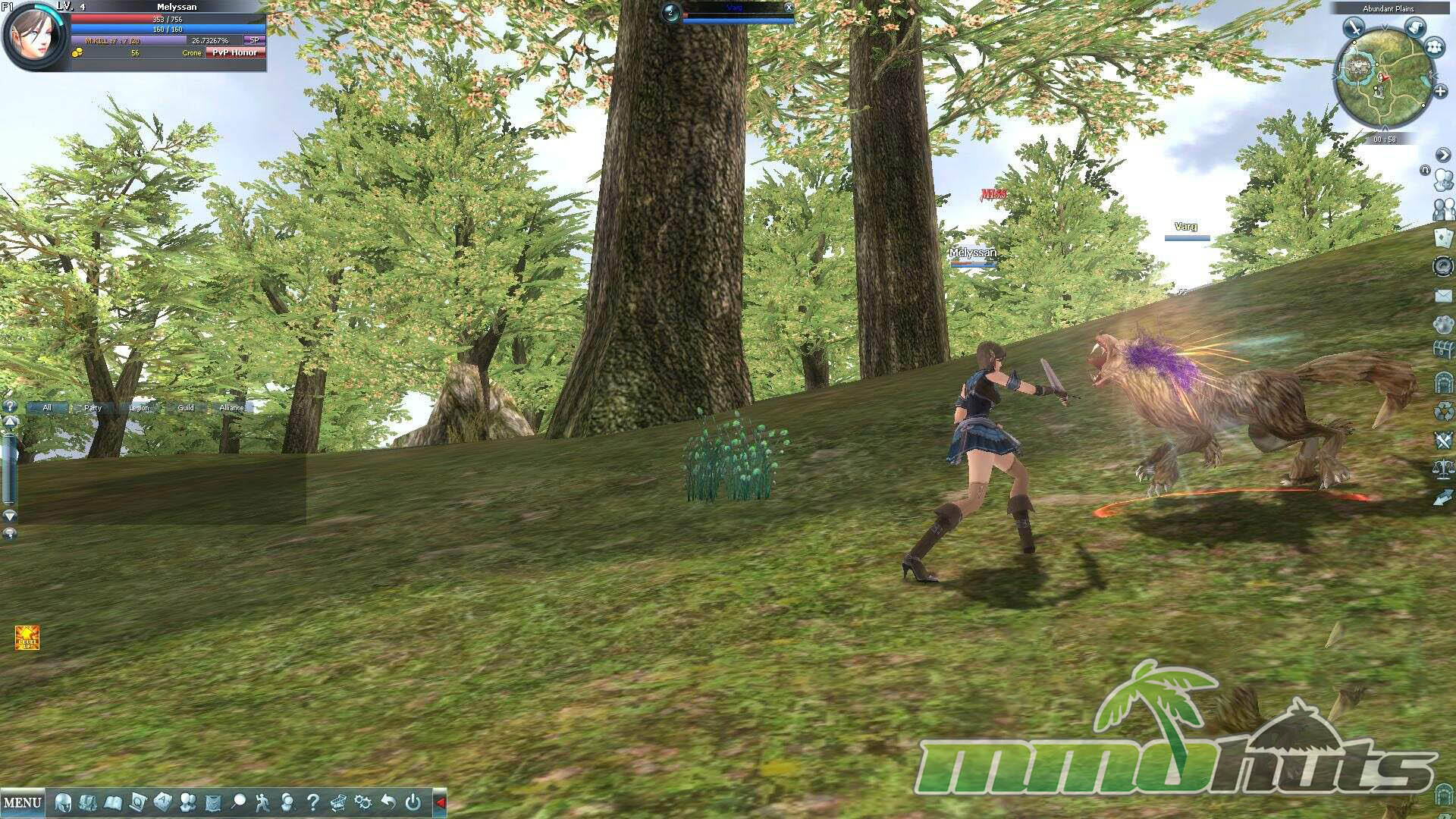
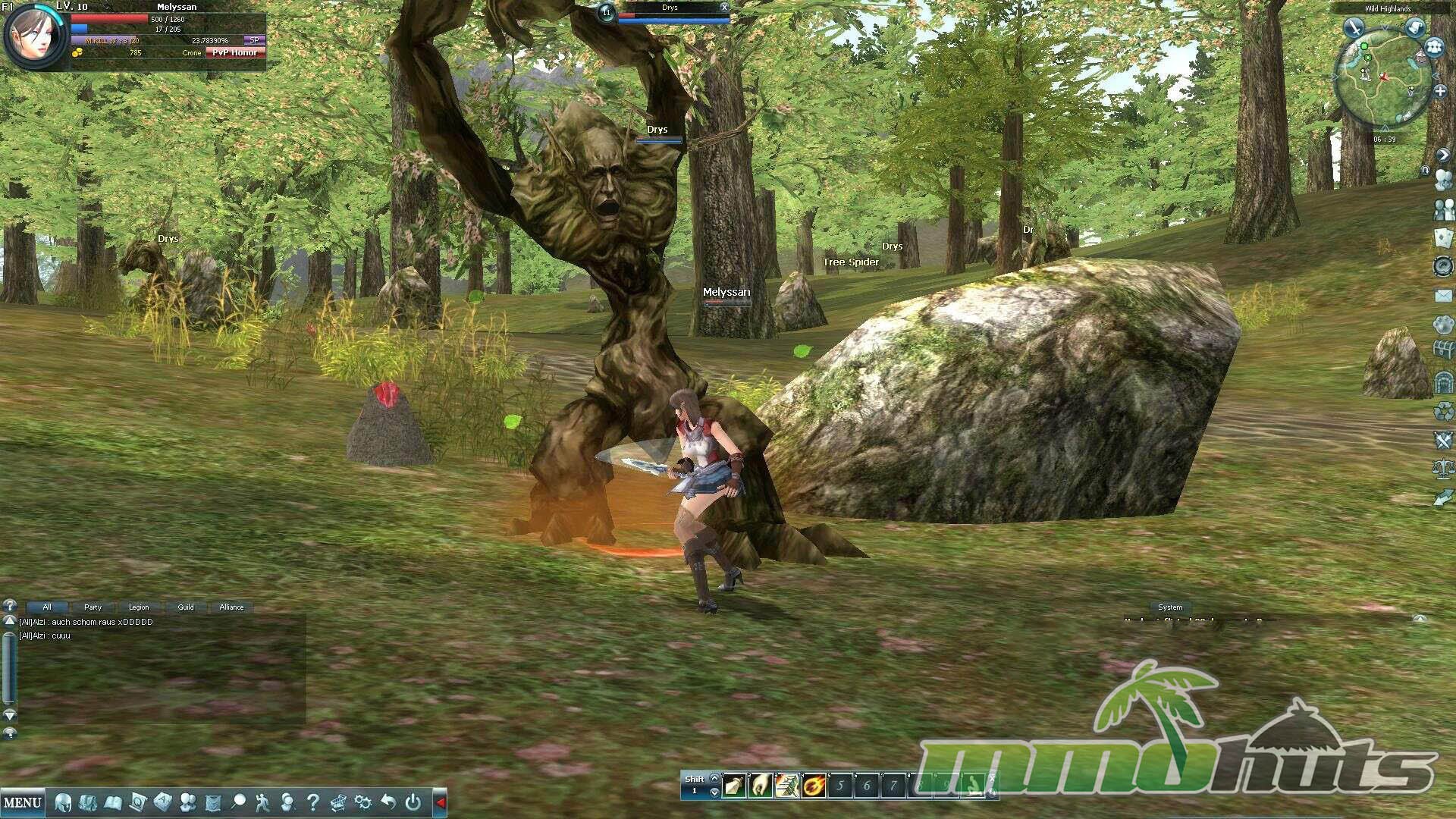
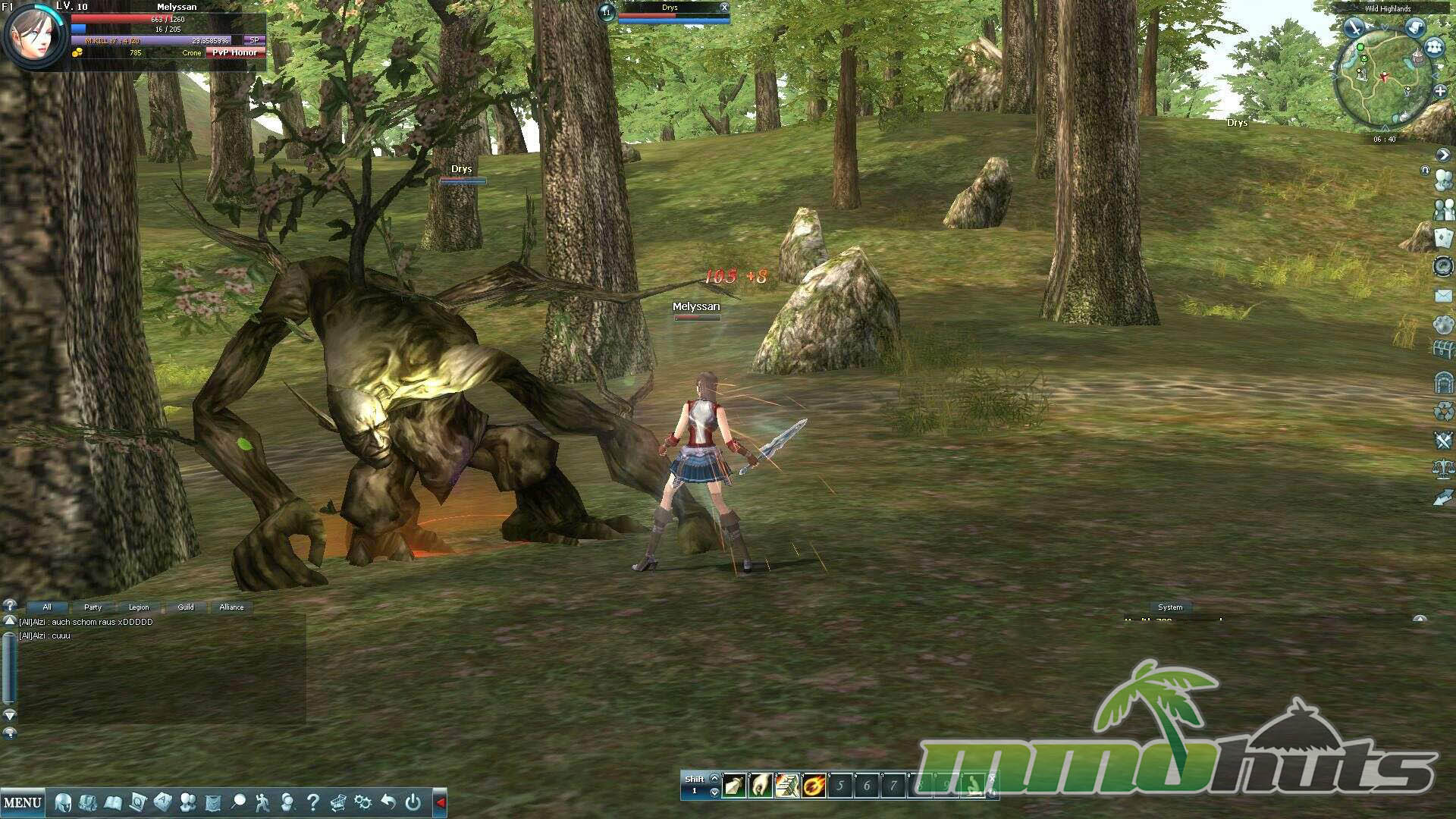
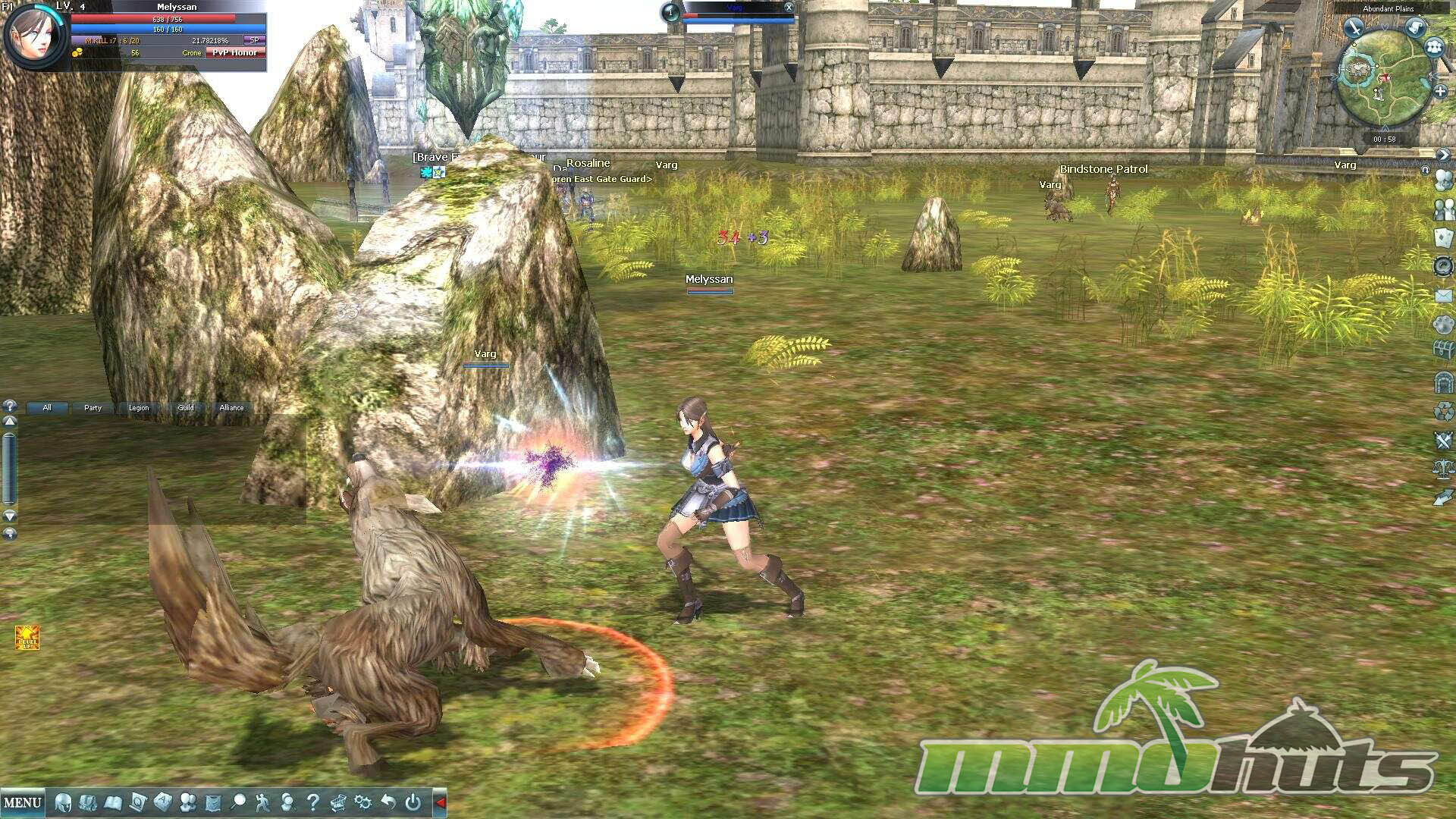
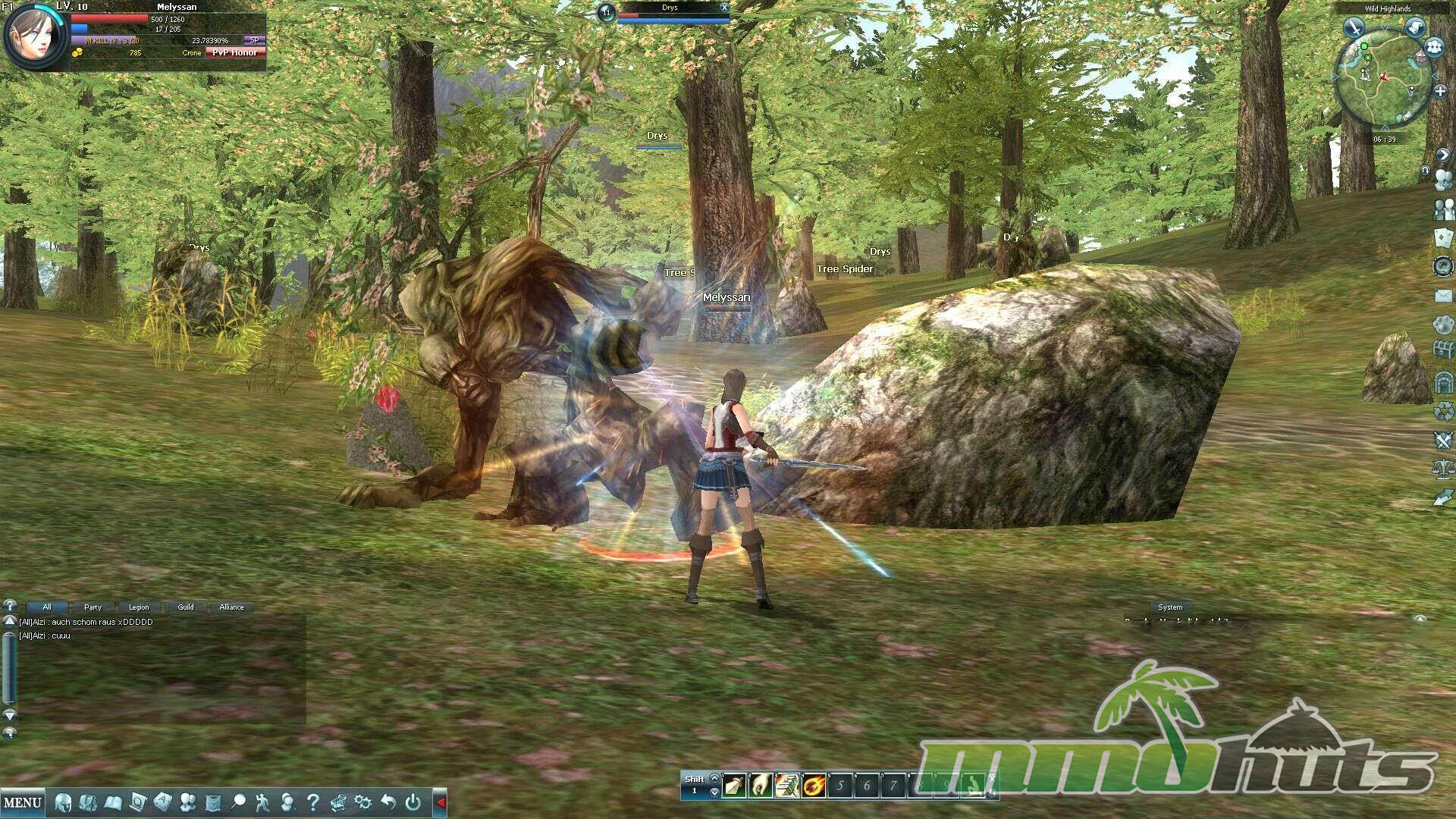
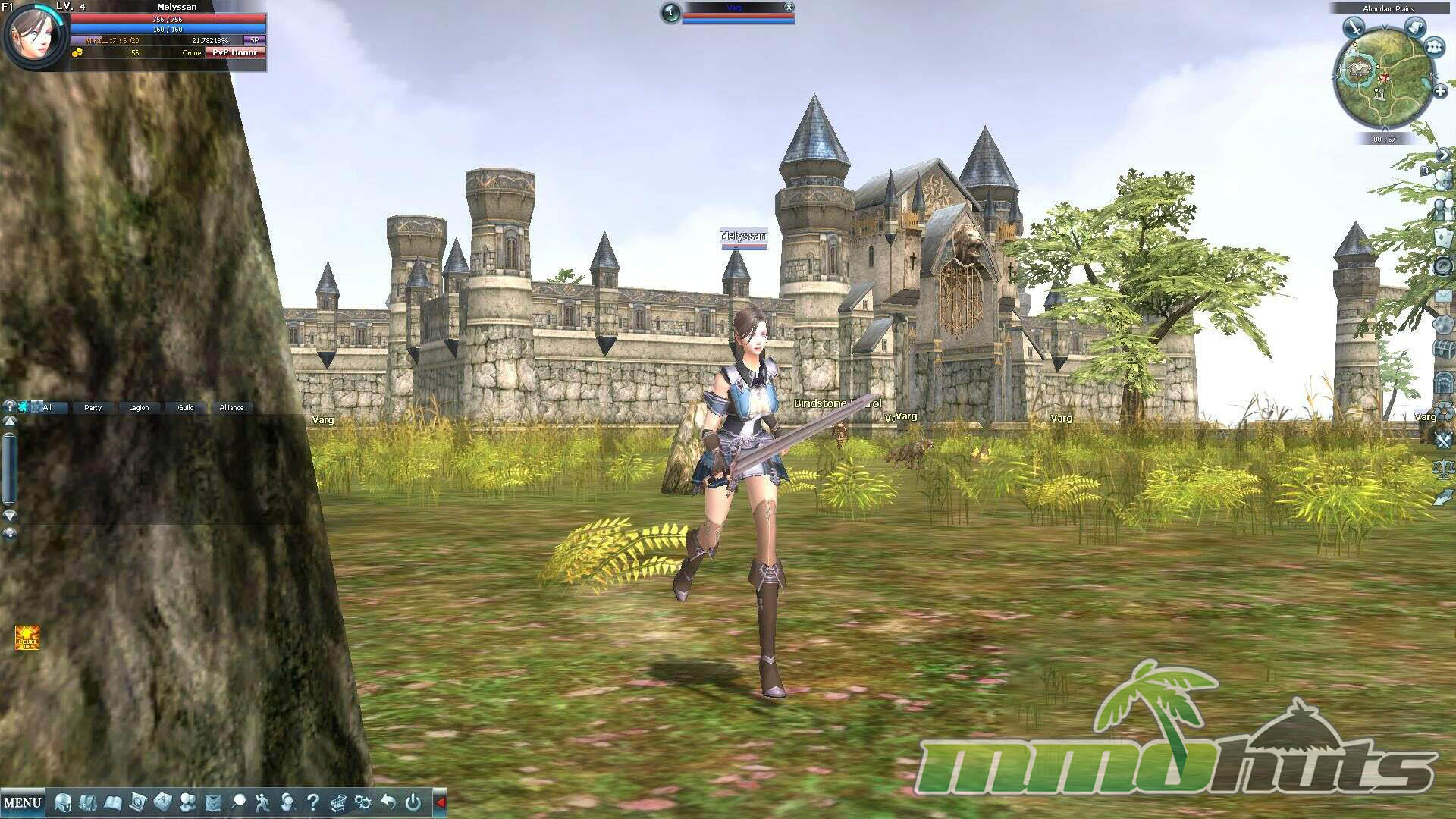
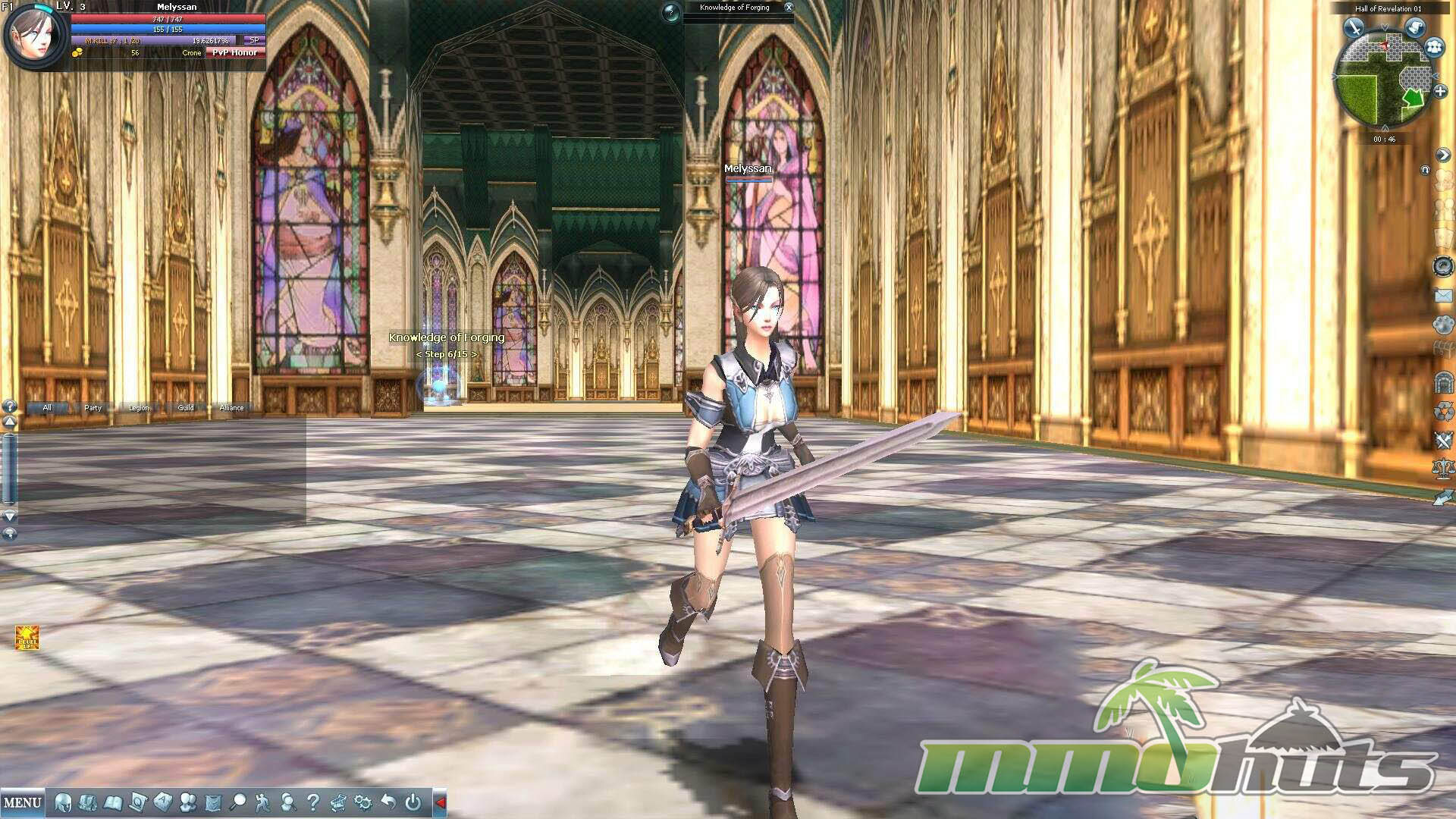
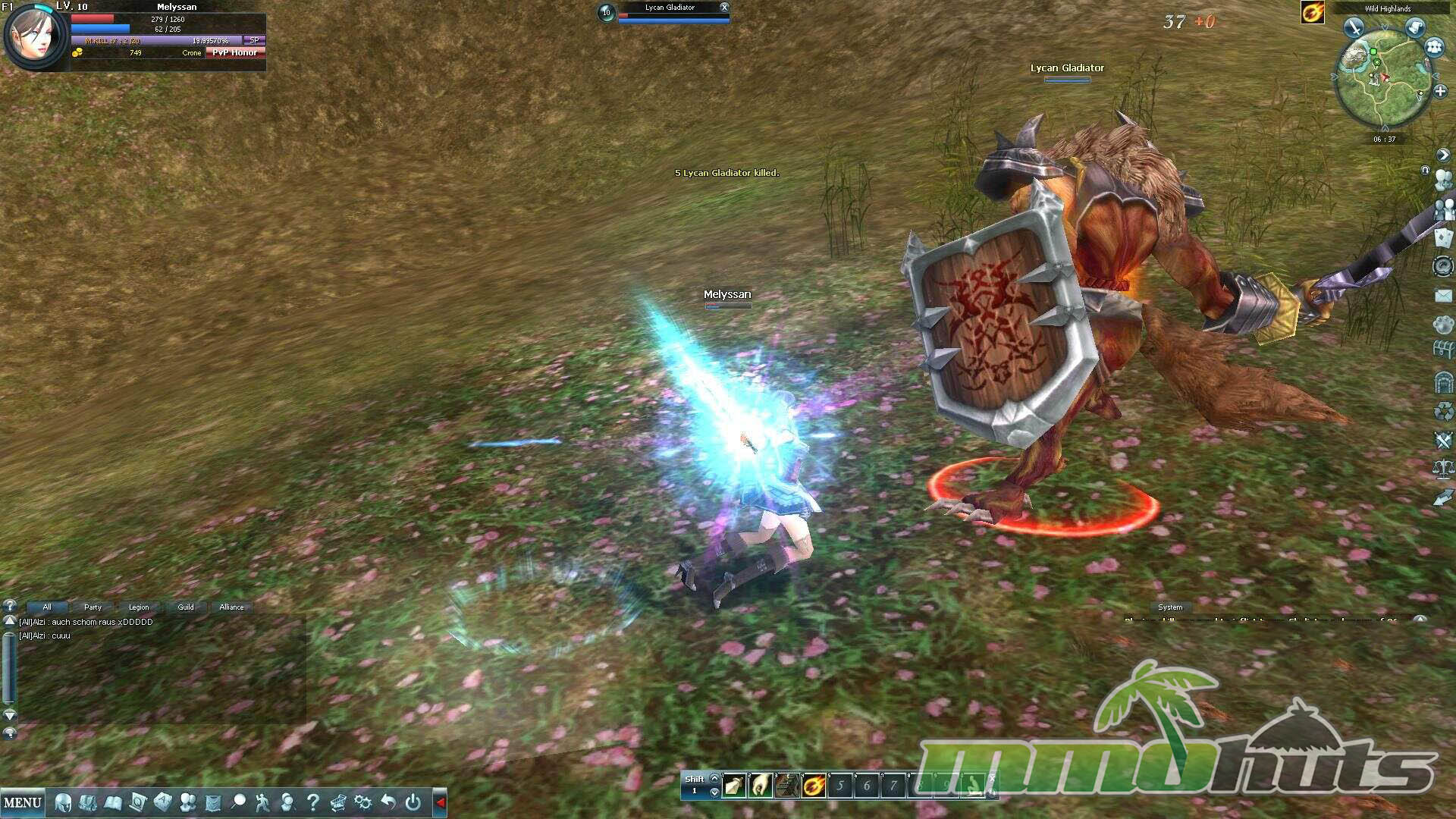
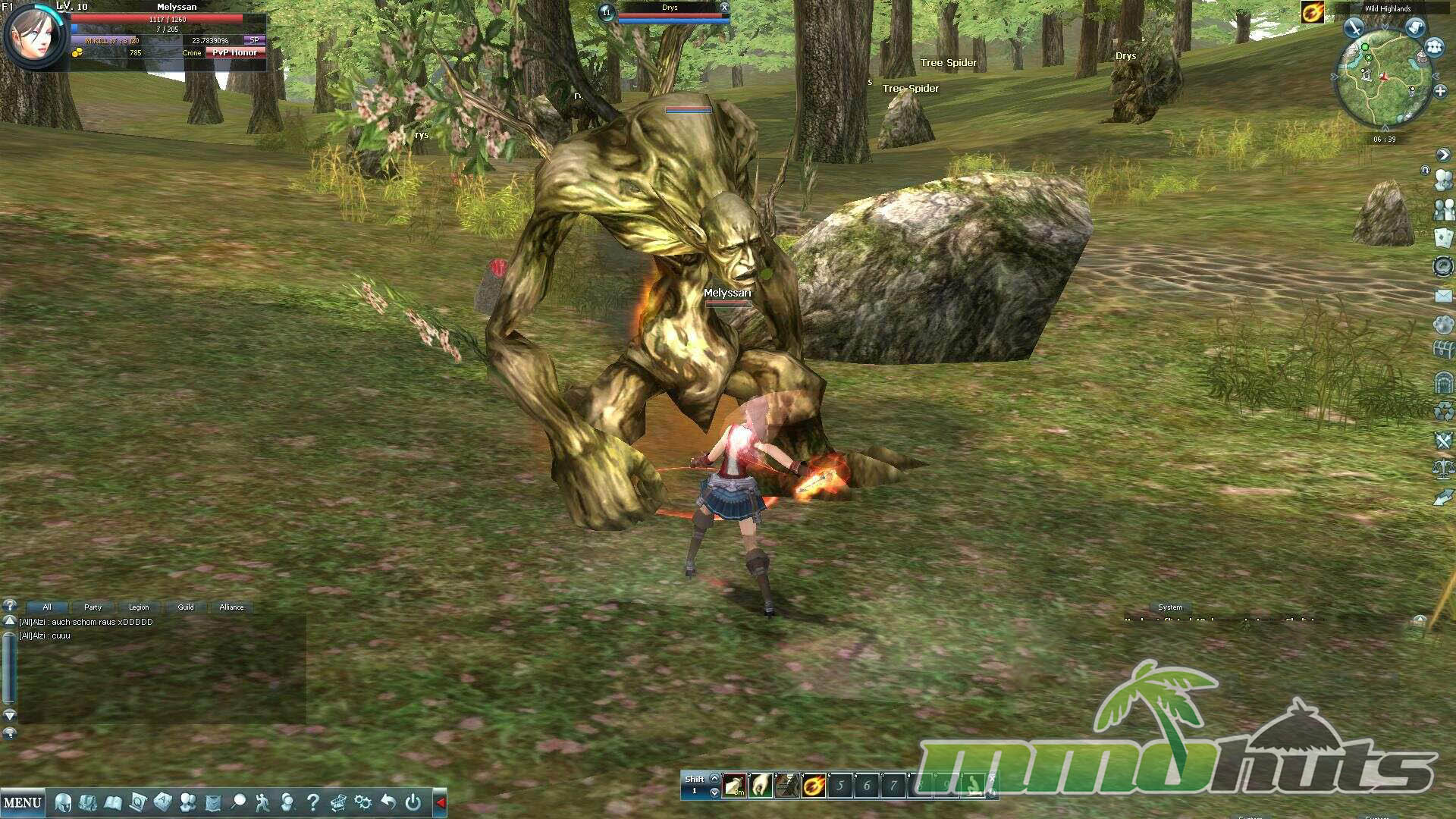
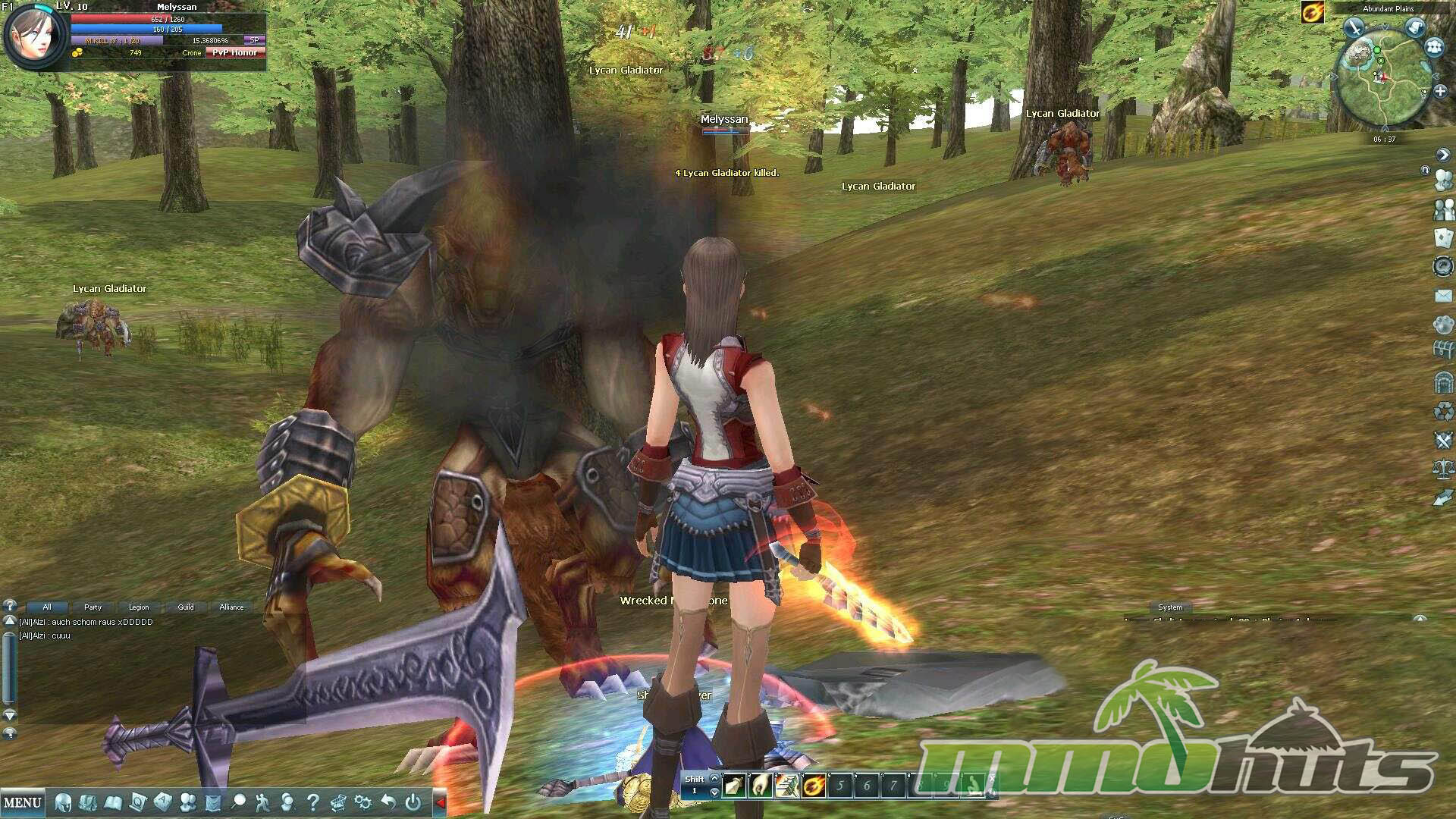
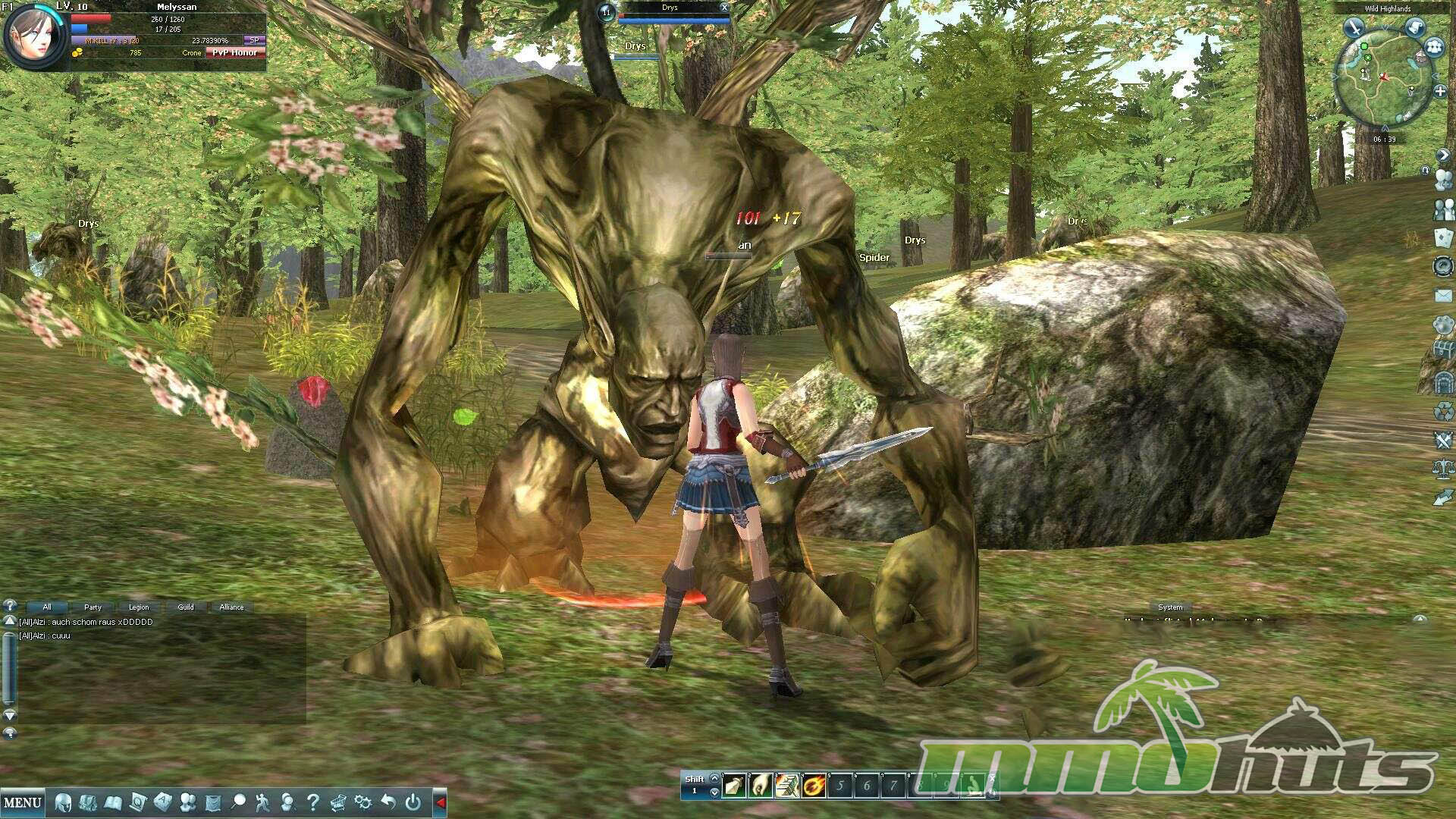
The setting is the medieval fantasy world of Rohan, created by the god Ohn, whose disappearance leaves the remaining gods scrambling for solutions. That crisis pushes the world into chaos, and the result is a setting where danger feels baked into everyday travel, from hostile wilderness zones to monster-filled ruins. Visually, the game shows its age today, with older-era MMO models and environments, but the world design still feels expansive, with a wide mix of caves, forests, ruins, and large settlements. One area that holds up especially well is audio, the soundtrack leans into orchestral high fantasy themes and gives the adventure a stronger sense of atmosphere than the visuals alone would suggest.
Character Creation: Functional, Not Flexible
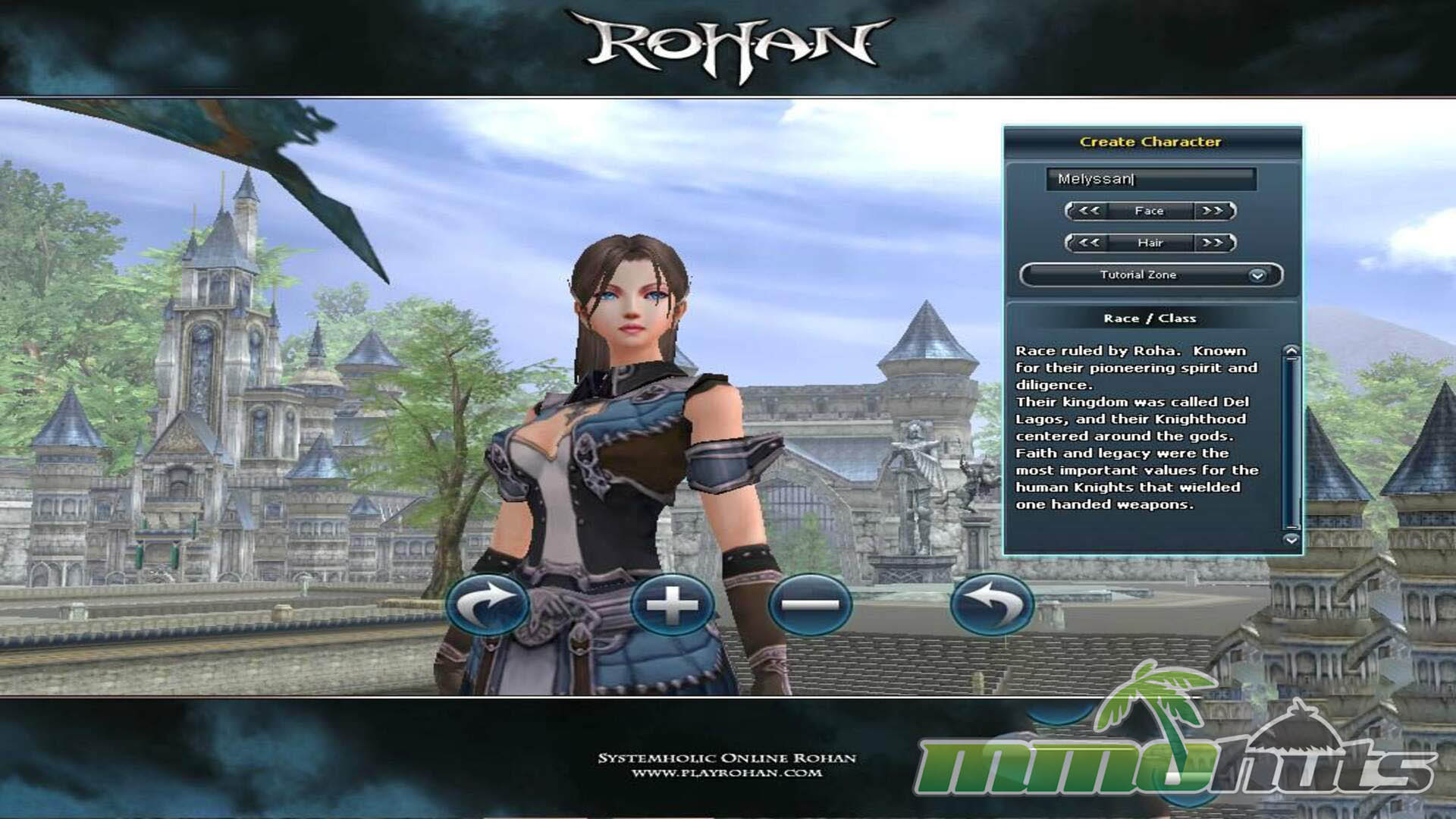
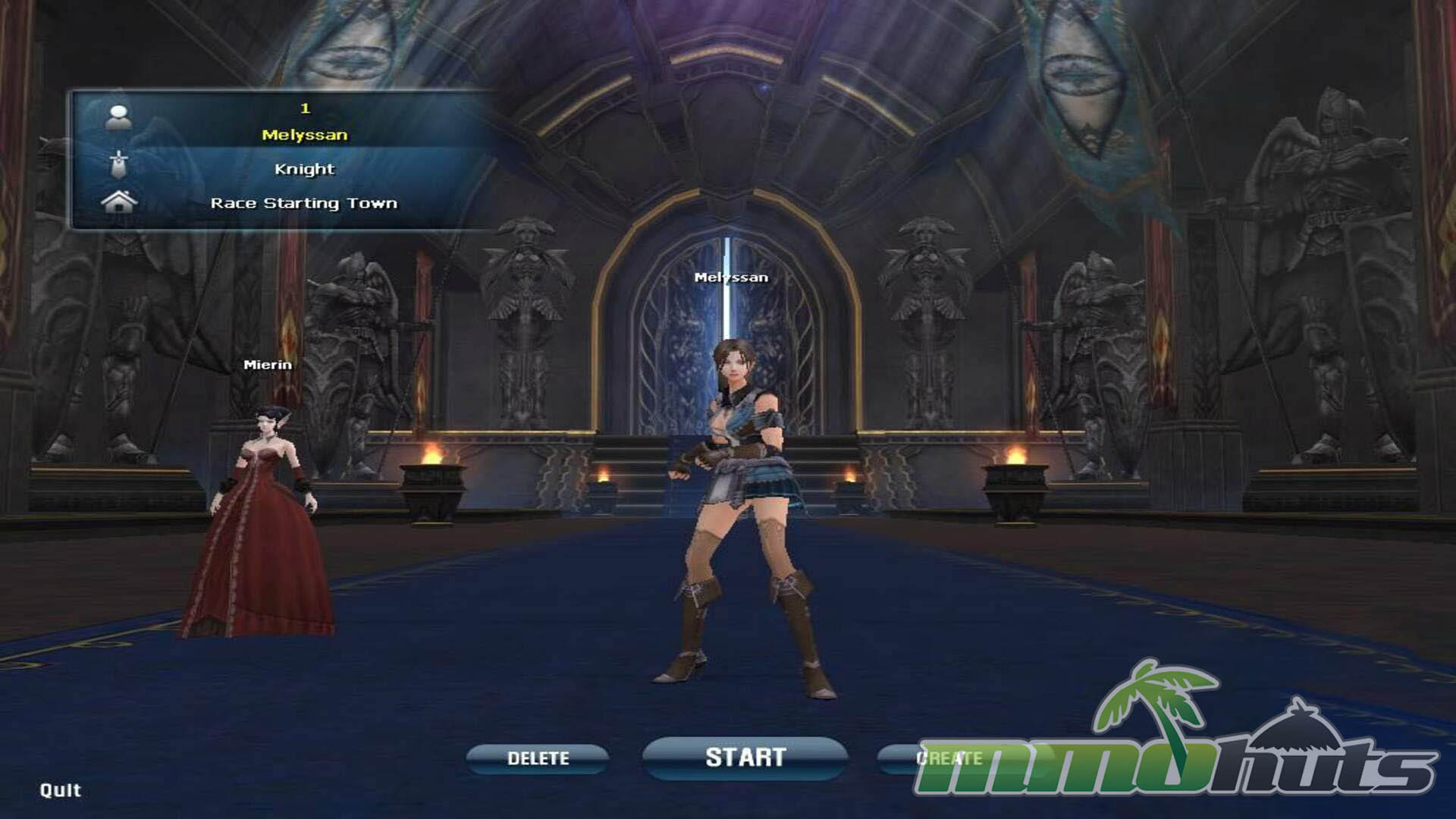
Your first step is the usual MMO ritual of building a character, and this is one of the places where Rohan: Blood Feud feels most dated. Classes are locked to specific races, so your choices are partly decided before you ever enter the world. On top of that, customization is minimal, largely limited to basic face and hair selections and hair color. If you enjoy spending time perfecting a look before committing to a long-term character, this system will likely feel thin.
Early Guidance That Pays Off
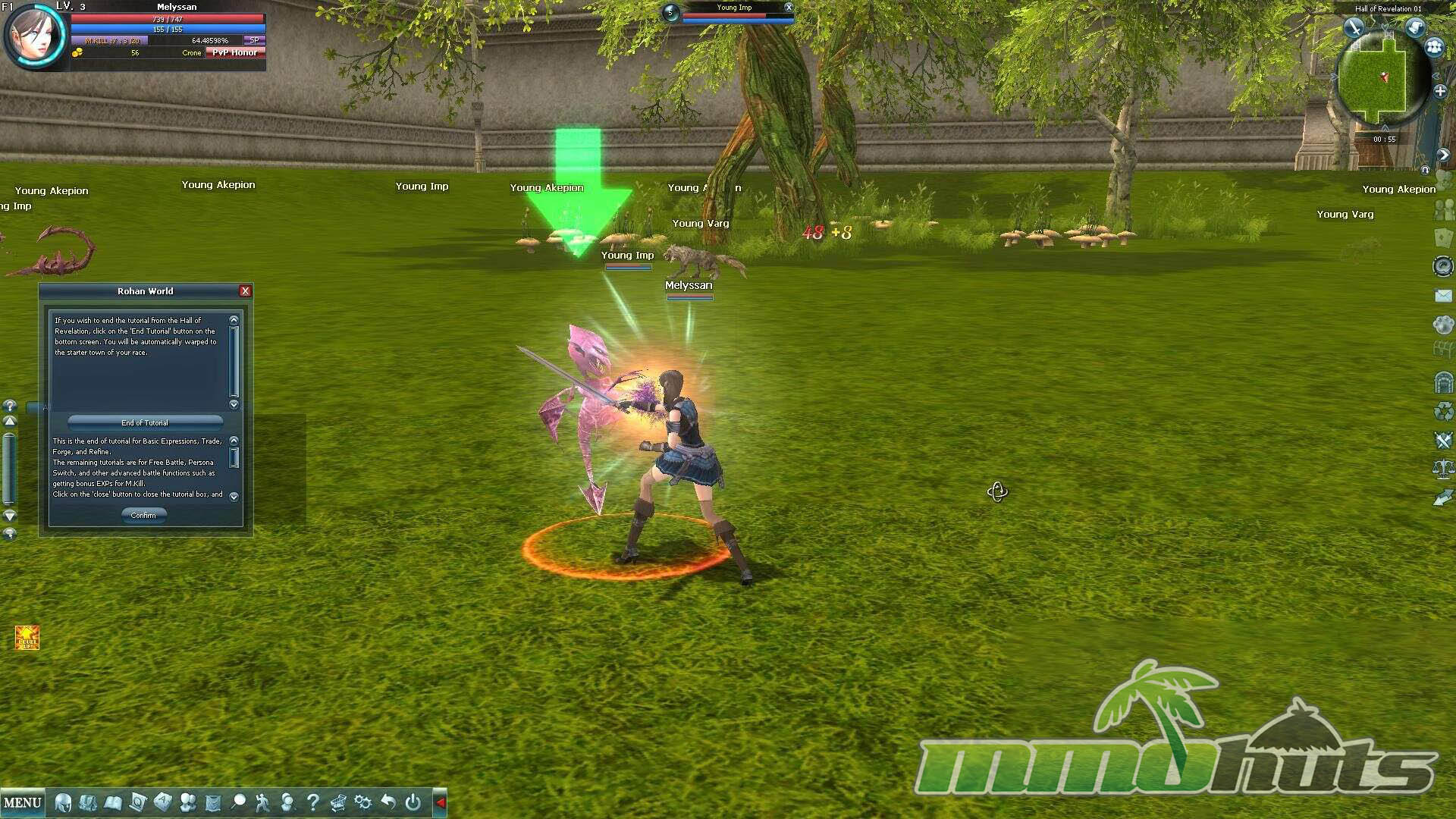
After creation, the game offers a tutorial area or a direct start in a city. Even if you are experienced with MMORPG controls and conventions, the tutorial is worth doing because it provides an efficient push to level 10 and hands out early equipment that makes the opening hours smoother. The downside is that it takes a noticeable chunk of time, roughly 10 to 15 minutes of structured tasks, which can feel slow if you just want to get moving. Still, from a practical standpoint, it is a good trade.
The Familiar MMO Loop, With Extra Kill Incentives
Once you are out in the wider world, the structure is very traditional. Progression is driven by zone-to-zone questing, with a heavy diet of kill and collect objectives that commonly ask for double-digit mob counts. Quest availability is tied closely to level ranges, so you can hit stretches where there is little to do besides farming monsters until the next set opens up. The Monster Kill (M. Kill) system helps by awarding bonus experience after you reach certain kill totals, which can reduce the pain of being stuck between quest brackets. Even with that support, the overall pace still leans grindy, and players who dislike repetitive combat will feel it.
Progression itself is straightforward: leveling grants stat and skill points, and you allocate them to shape your character. Where Rohan: Blood Feud earns points is in the size of its skill trees, which provide room to experiment with different builds depending on your role and preferences. Beyond that, it includes staples expected from MMORPGs of its era, such as crafting, mounts, pets, and a healthy number of dungeons to break up open-field leveling.
PVP First, PVE Second
The game’s identity becomes clearer once PVP options open up. After reaching level 30, you can flag for PK and engage in a more aggressive, semi-persistent player-killing environment. The existence of a race designed around assassination reinforces how central PVP is to the experience, including the idea that player kills can be an alternative route to progression. That freedom comes with meaningful penalties, being killed can cost experience and potentially equipment, and habitual killers also have to manage a PK limit. Cross that line and you are labeled a Murderer, which makes you fair game and even draws hostility from city guards.
The defining mechanic here is the Vengeance system. It tracks the last 50 players who killed you and gives you a direct method of payback by teleporting to their location, optionally bringing party members along. In practice, it creates a constant risk of escalation, a single kill can turn into a chain of ambushes and counter-ambushes. When you are the one chasing, it feels empowering. When you are the target, it can feel oppressive, especially if a group decides to lean on the system to harass someone repeatedly.
Guild play adds another layer through township battles, where guilds compete for control of towns and can collect taxes. For players who want organized conflict rather than spontaneous PK encounters, this structure gives PVP a clearer objective. There are also arenas, though the experience largely overlaps with what you get from open-world fighting.
Item Mall
Monetization is handled through a browser-based item mall, with purchases made using RP or E-cash, both acquired with real money. The store includes the expected MMO assortment: boosts, costumes, mounts, pets, and crafting-related items. In general, the selection does not appear to be built around blatantly dominant gear, and the overall balance feels more restrained than many free-to-play competitors from the same period. A notable extra is the dedicated transaction website for player trading, designed to make buying and selling in-game goods safer and more structured.
The Final Verdict – Good
Rohan: Blood Feud delivers a classic MMORPG framework, but with a clear emphasis on player conflict and retaliation. Its standout idea, the Hit List and Vengeance system, gives PVP a distinct rhythm and makes grudges feel immediate, although it also opens the door to situations that can be exploited or become frustrating. Outside of that, the game is more traditional than innovative, and the grind-heavy leveling is the biggest barrier for many players. If you enjoy older-school MMOs and want a free-to-play title where PVP is not just optional but central, Rohan: Blood Feud is worth a look. If you prefer smoother progression and less repetition, there are other free-to-play MMORPGs that will likely fit better.
Rohan: Blood Feud Links
Rohan: Blood Feud Official Site
Rohan: Blood Feud Developer Site
Rohan: Blood Feud Wikipedia
Rohan: Blood Feud Wikia
Rohan: Blood Feud System Requirements
Minimum Requirements:
Operating System: Windows 2000 SP3
CPU: Dual Core 2.0 GHz
RAM: 1 GB RAM
Video Card: GeForce 7600GT / Radeon 1650XT
Direct X: DirectX 9.0c version or higher
Hard Disk Space: 12 GB available space
Recommended Requirements:
Operating System: Windows XP SP3 / 7 / 8 / 8.1 / 10 (64 bit)
CPU: Quad Core 2.5 GHz
RAM: 2 GB RAM or more
Video Card: GeForce GTS 250 / Radeon HD 4850
Direct X: DirectX 10 version or higher
Hard Disk Space: 12 GB or more available space
Rohan: Blood Feud Music & Soundtrack
Rohan: Blood Feud Additional Information
Developer: PlayWith Interactive
Publisher: PlayWith Interactive
Designer(s): Martin
Game Engine: Epoch
Closed Beta 1: March 17, 2008
Closed Beta 2: April 3, 2008 – April 29, 2008
Open Beta: May 28, 2008
Original Release Date: May 28, 2008
Development History / Background:
Rohan: Blood Feud is the English-language release of the Korean MMORPG Rohan Online, developed by PlayWith Interactive (formerly YNK Interactive), a wholly owned subsidiary of PlayWith Korea. It takes place in the medieval fantasy world of Rohan, created by the god Ohn, whose sudden disappearance drives the remaining gods toward extreme measures, including attempts to eradicate the world’s inhabitants.