SD Gundam Capsule Fighter
 (No Ratings Yet)
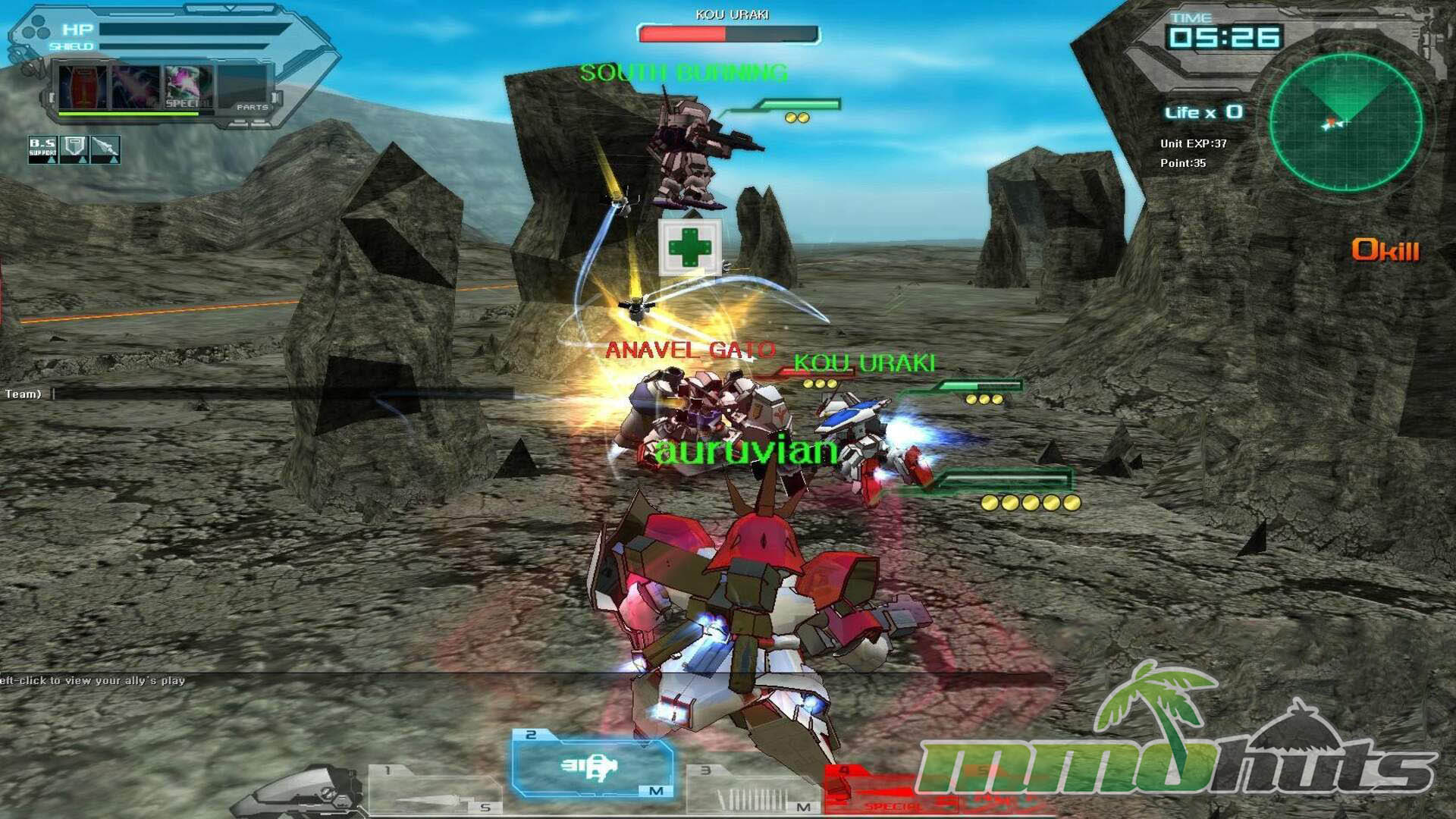
SD Gundam Capsule Fighter Online (SDGO) is a third-person MMO shooter built around the Gundam anime universe, reimagined with super-deformed, toy-like mobile suits. Its cel-shaded presentation is intentionally playful, but underneath that style is a surprisingly competitive arena game with a massive roster of units, co-op missions, and PvP that leans heavily on player skill and matchup knowledge.
 | Publisher: OGPlanet Playerbase: Low Type: MMO Release Date: Dec 1, 2011 (NA/EU) Shut Down Date: July 27, 2015 Pros: +Enormous mobile suit selection (300+). +Fast, skill-driven combat with satisfying movement. Cons: -Cash shop access to high-rank suits could feel unbalanced. -Chibi toy aesthetic may not click with every Gundam purist. |
SD Gundam Capsule Fighter Online Overview
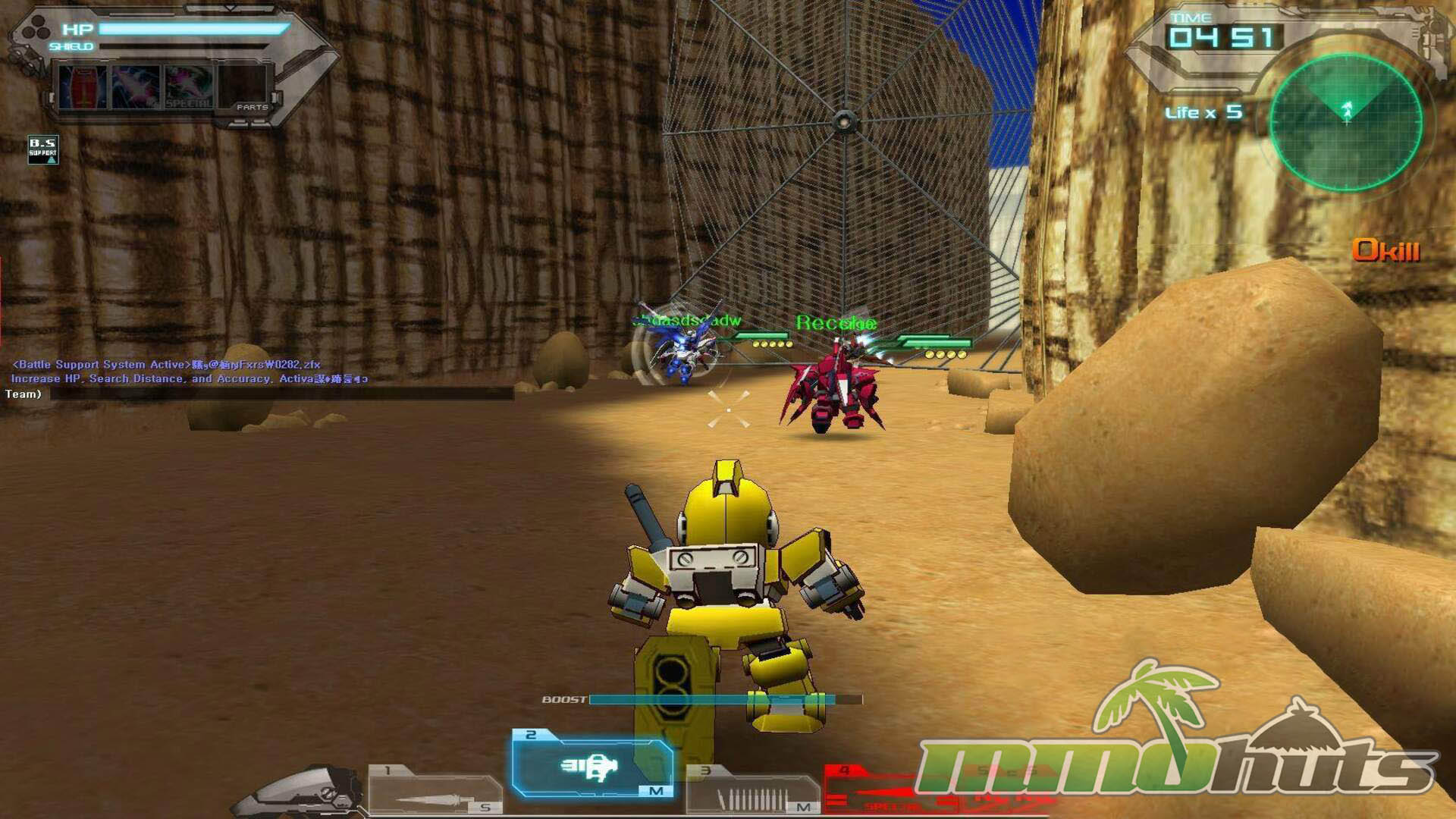
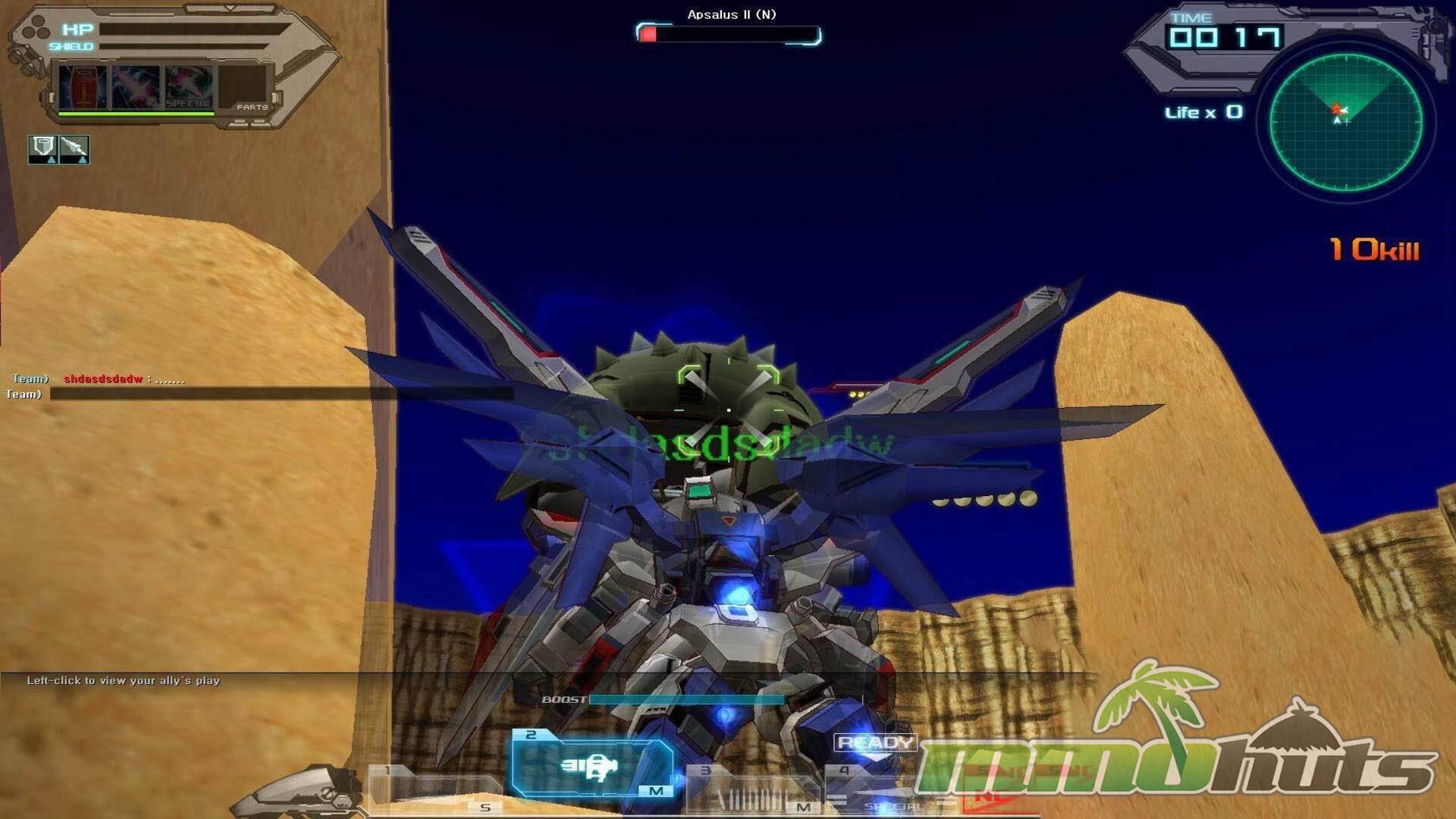
SD Gundam Capsule Fighter Online is a 3D third-person action MMO from Softmax that pulls from many corners of the Gundam franchise. The defining hook is obvious within minutes: instead of towering, gritty war machines, you pilot SD (super-deformed) versions of famous mobile suits, complete with bright outlines and a cartoon-like finish. It is a style choice that can be divisive, but it helps the action stay readable when lasers, missiles, and melee effects fill the screen.
Content-wise, SDGO is built around two main pillars. In PvP, teams and solo players clash in compact arena battles where mobility, weapon ranges, and target selection matter as much as raw stats. In Mission Mode, small squads tackle objectives together for randomized rewards and progression materials. Across both, the long-term appeal comes from collecting and learning an enormous roster, with more than 300 units available to acquire and upgrade. SD Gundam Capsule Fighter Online shut down in July, 2015.
SD Gundam Capsule Fighter Key Features:
- Wide Variety of Gundams – over three hundred mobile suits spanning multiple Gundam eras and styles.
- Customize Your Suit – variants, upgrades, and cosmetic tweaks let you tailor performance and looks to your preferences.
- Let’s Fight! – quick matches with movement, aiming, and matchup knowledge playing a major role.
- Various Game Modes – jump into multiple PvP formats or switch to co-op missions when you want structured objectives.
SD Gundam Capsule Fighter Online Screenshots
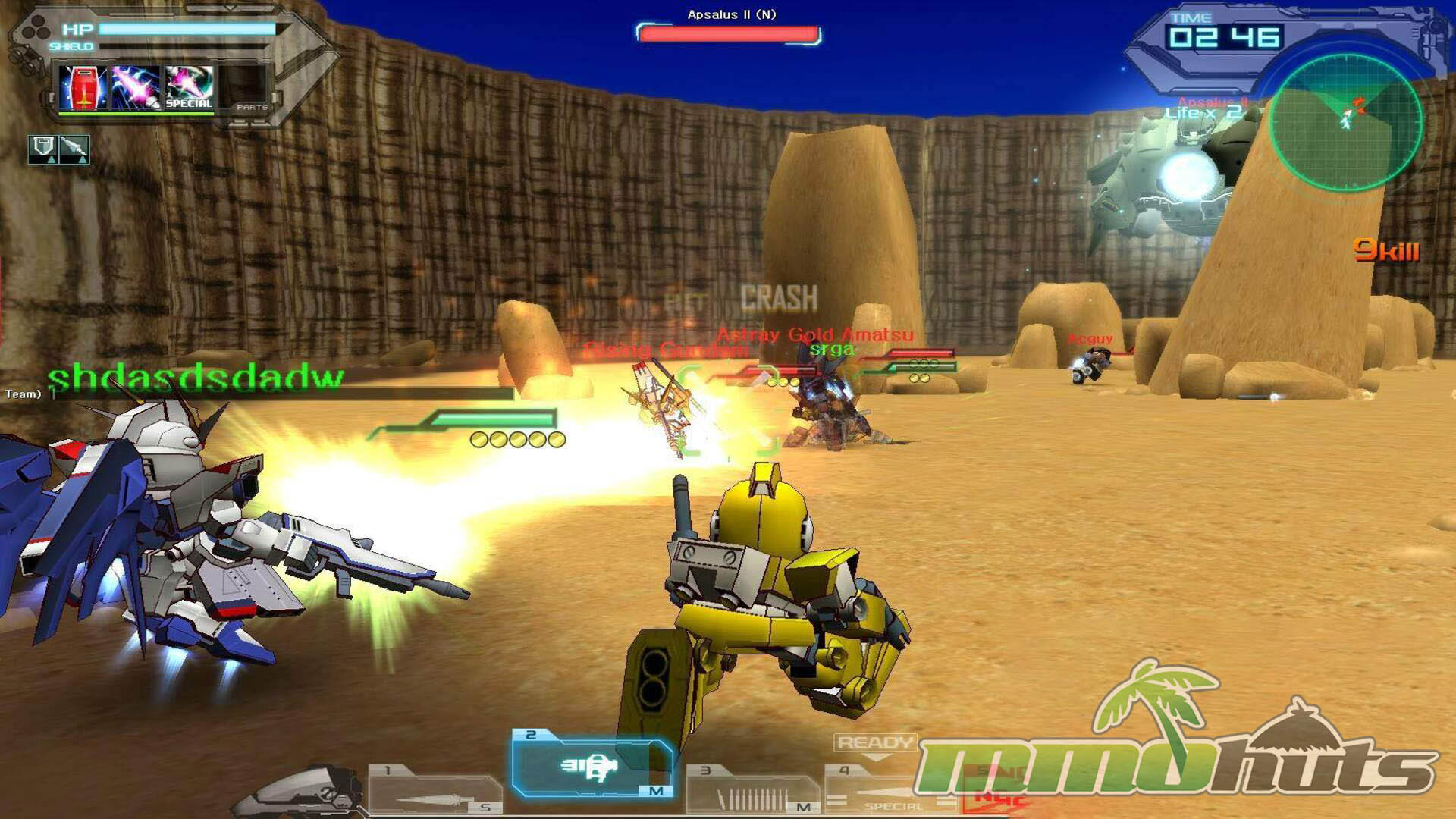
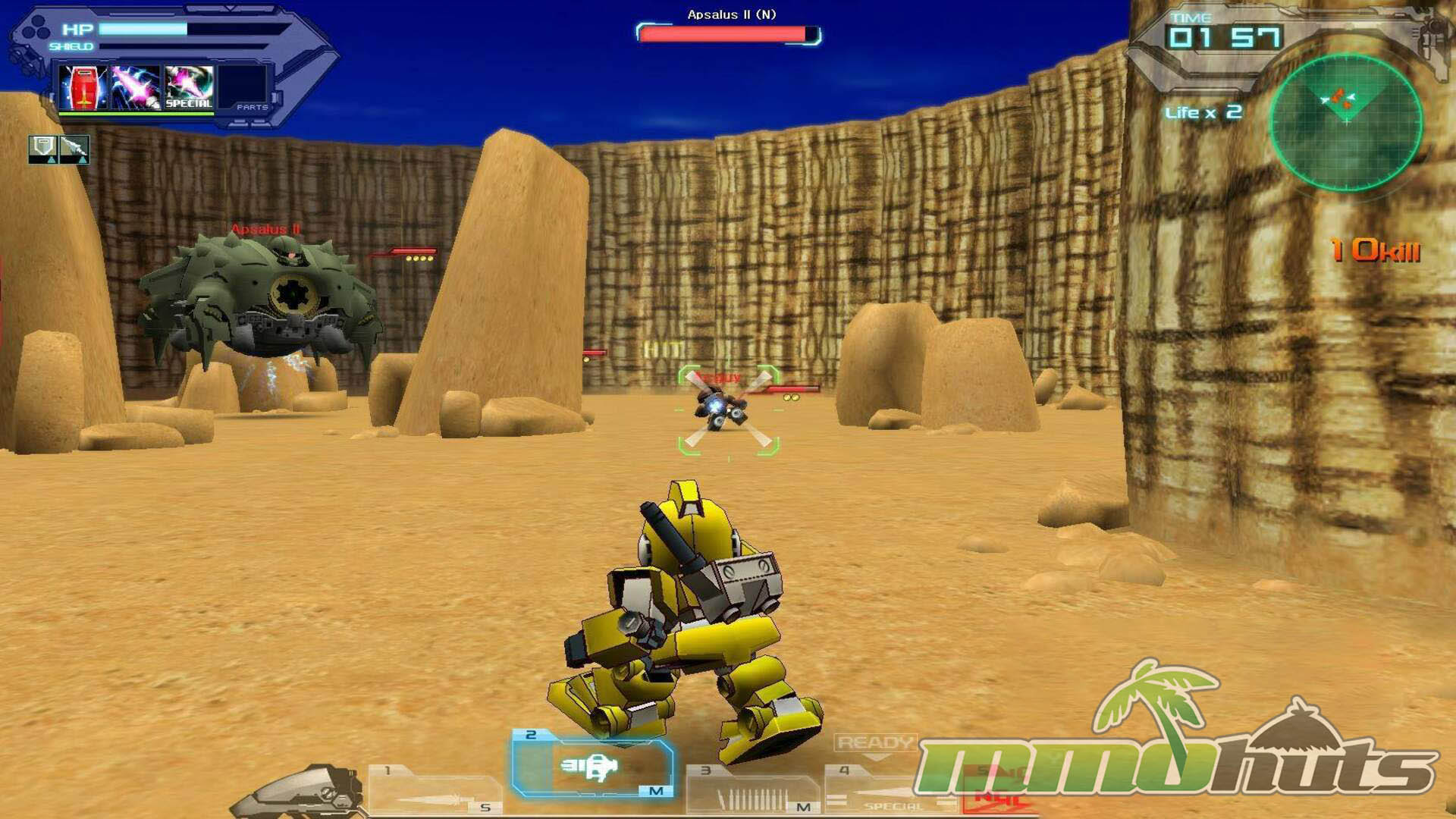
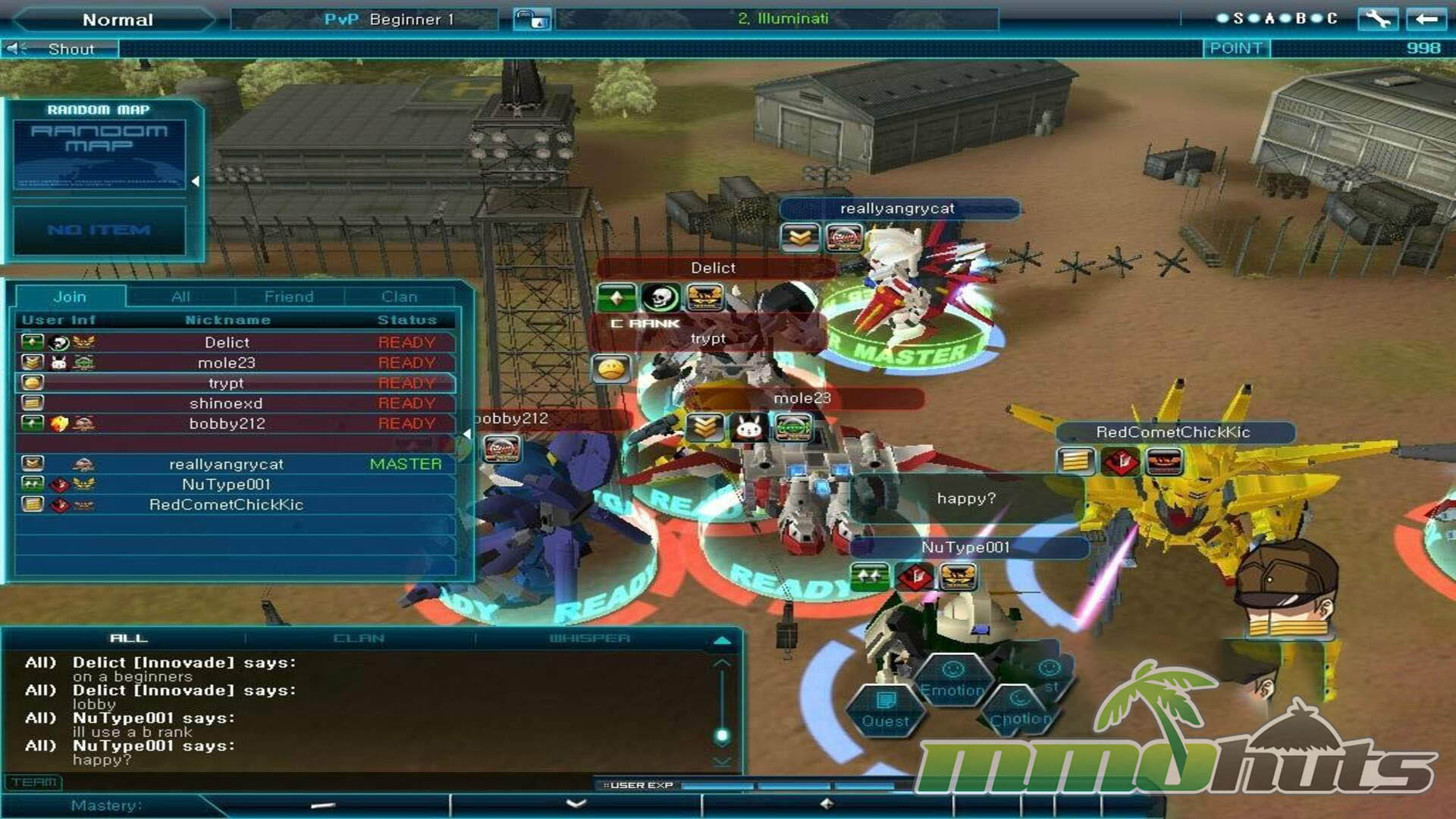
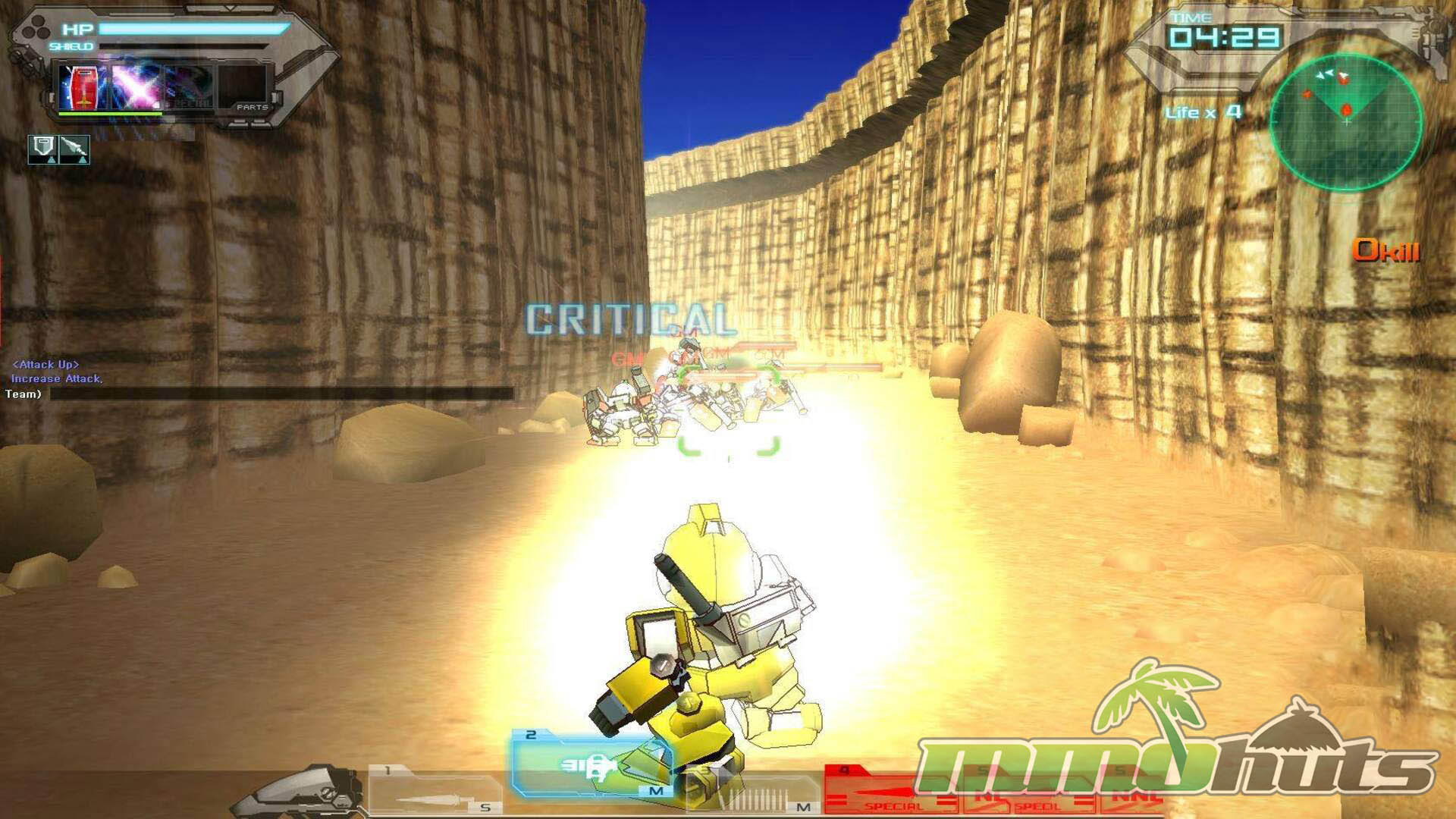
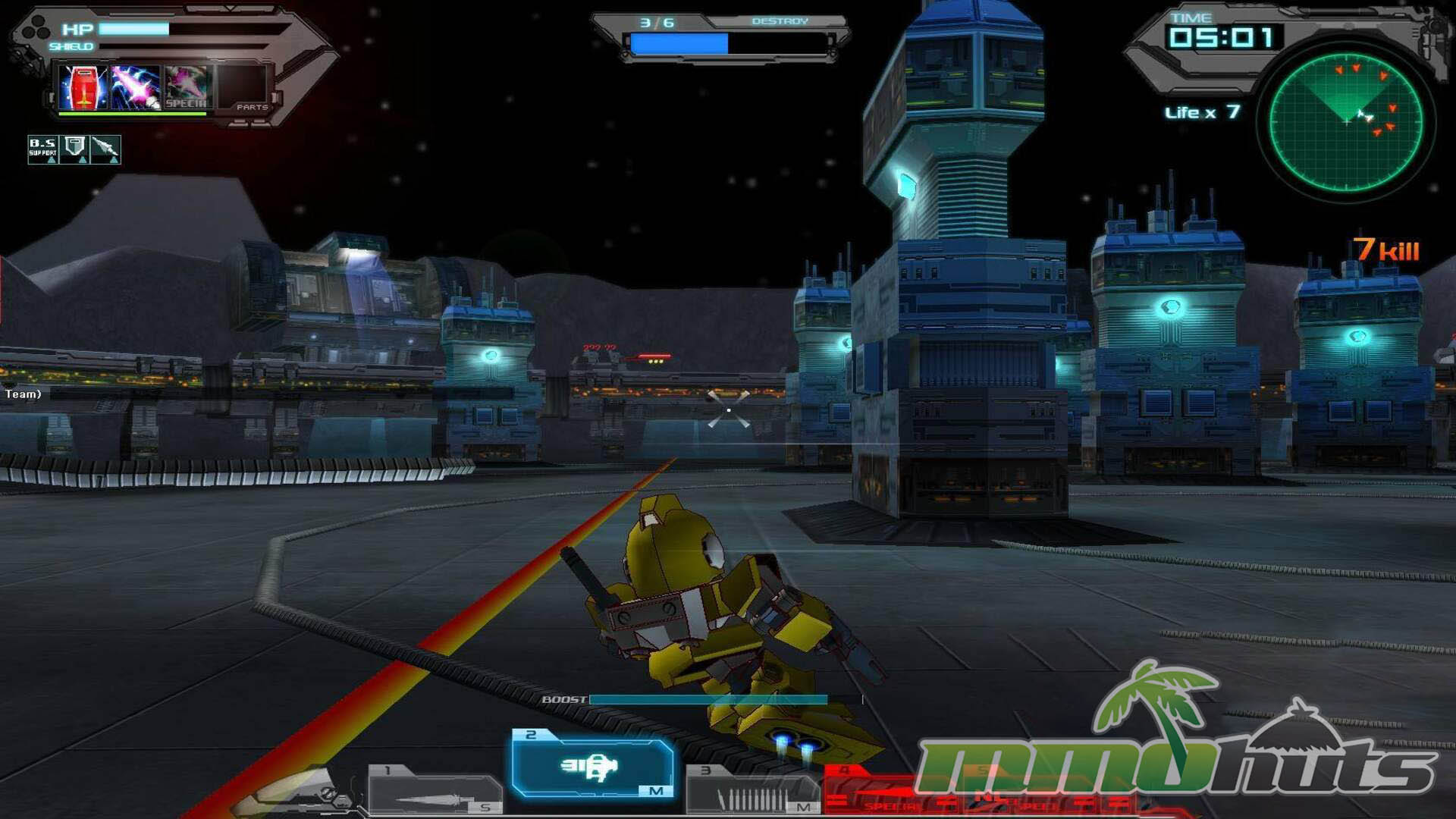
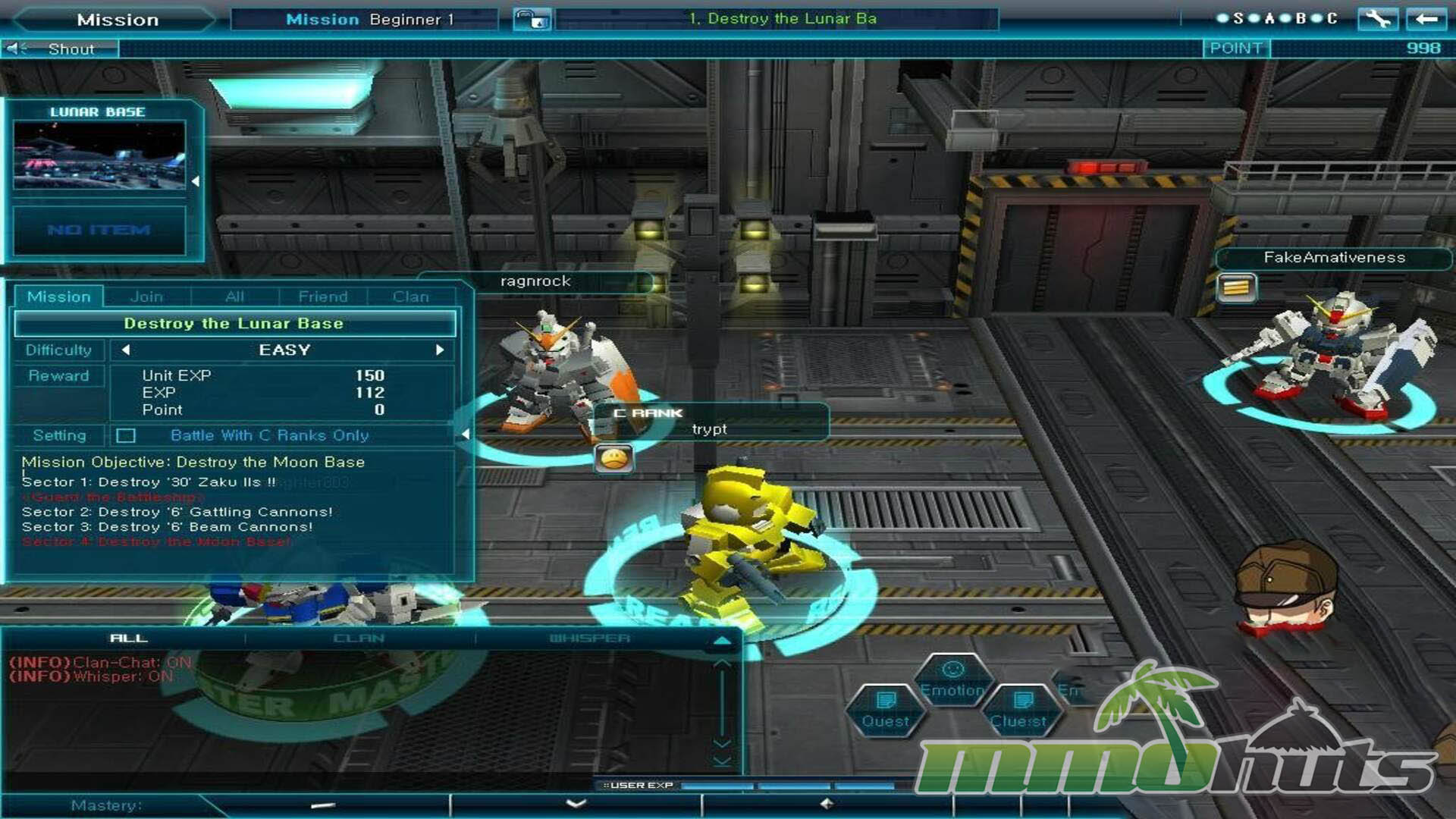
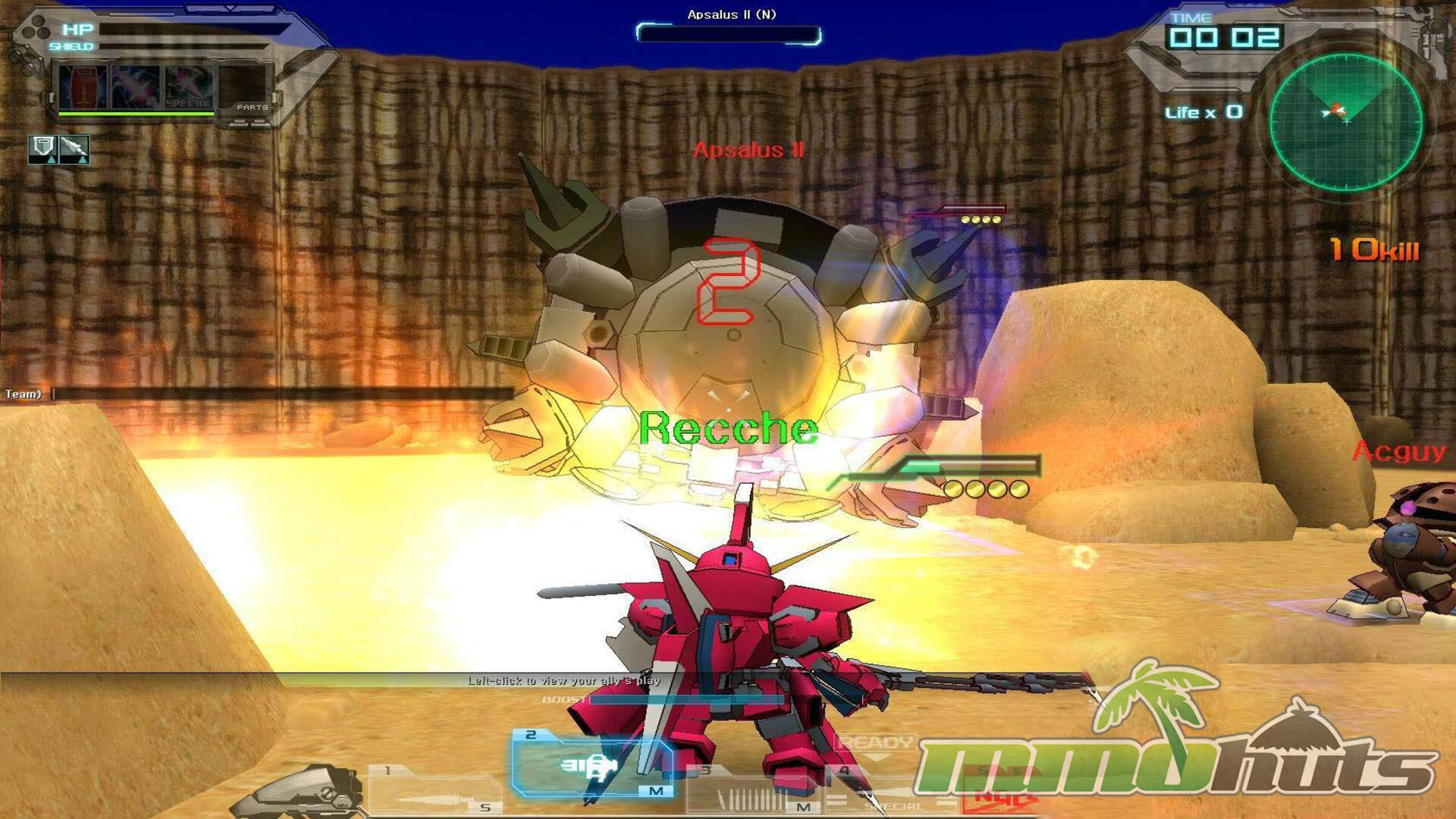
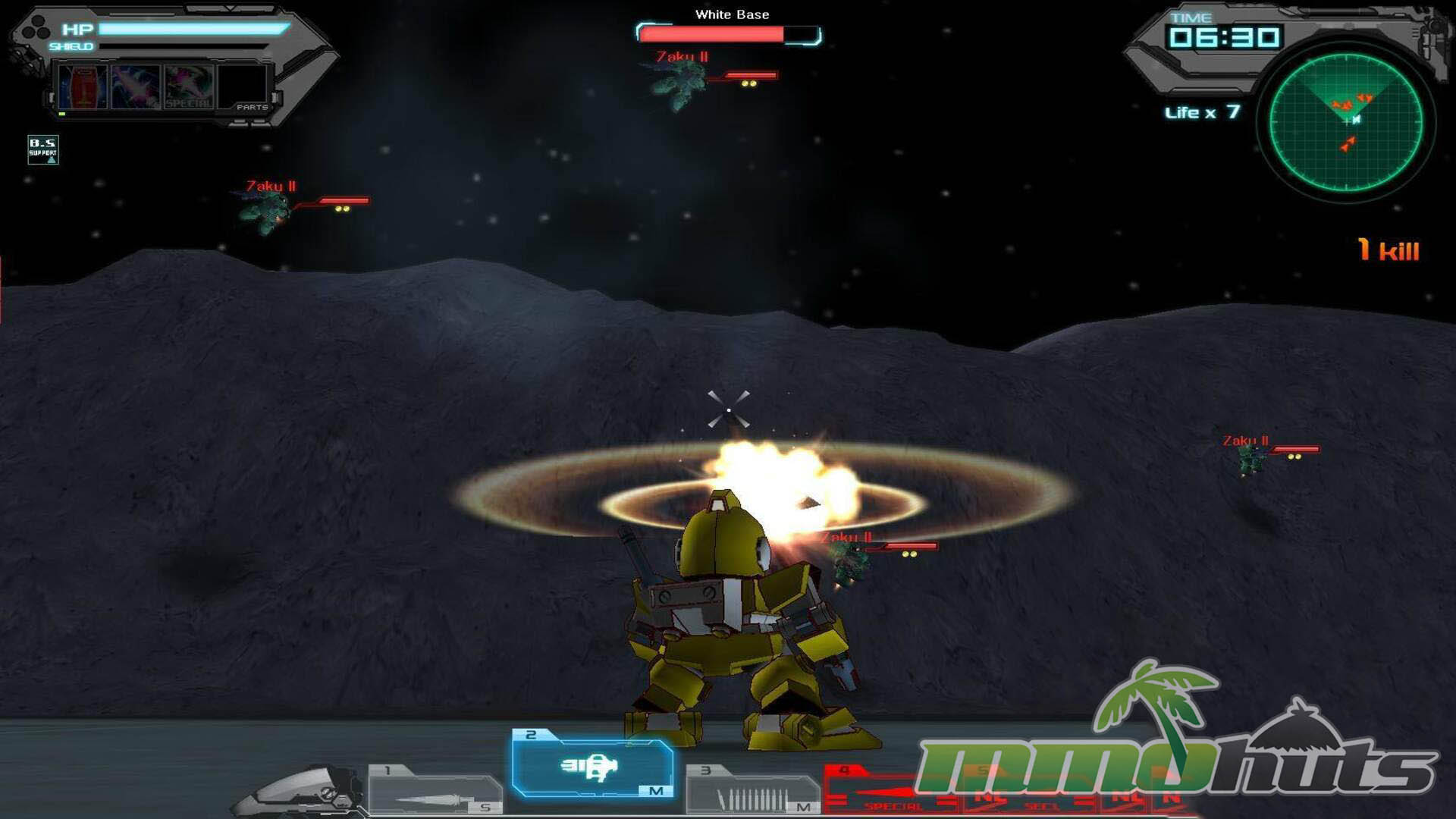
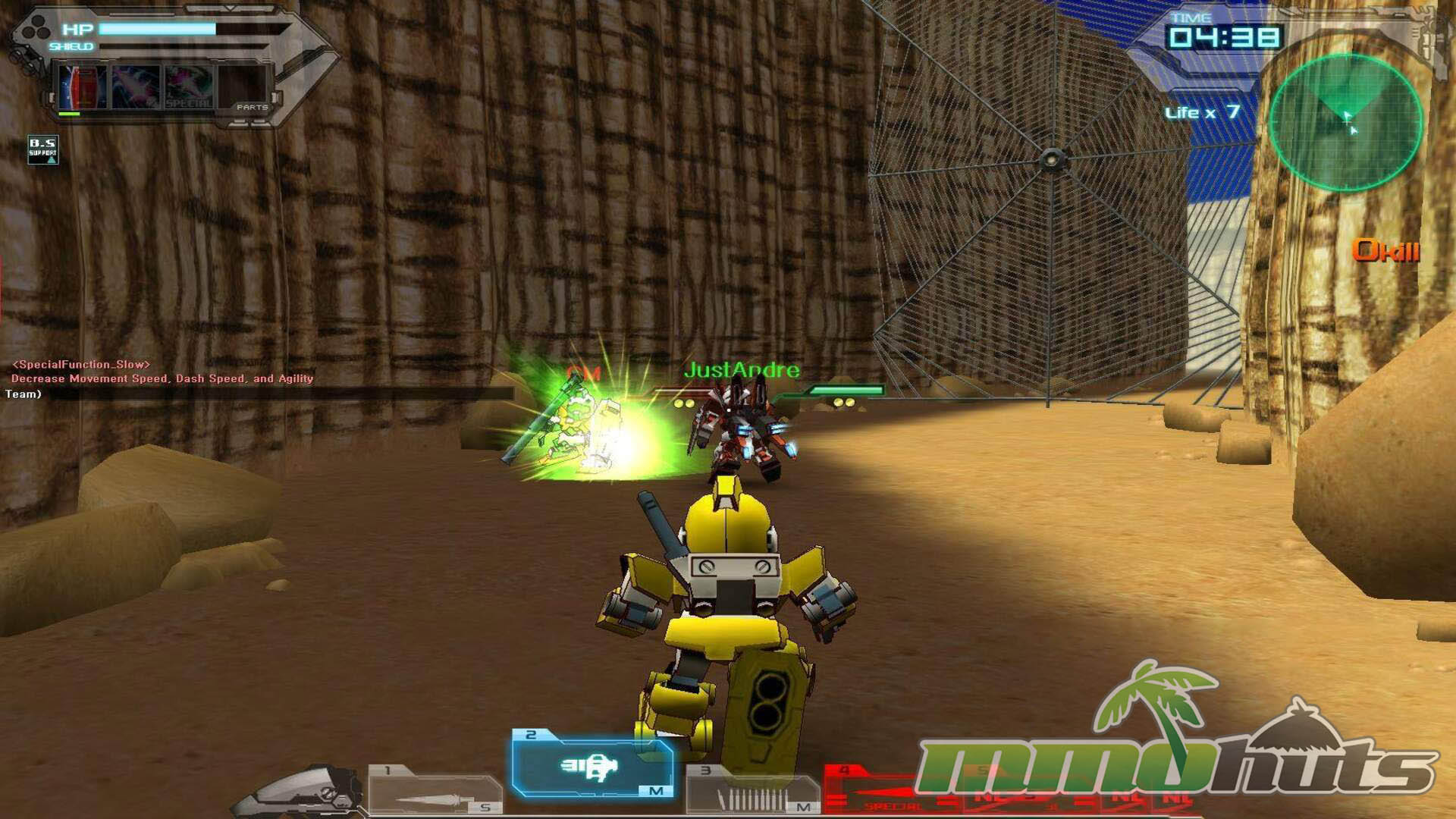
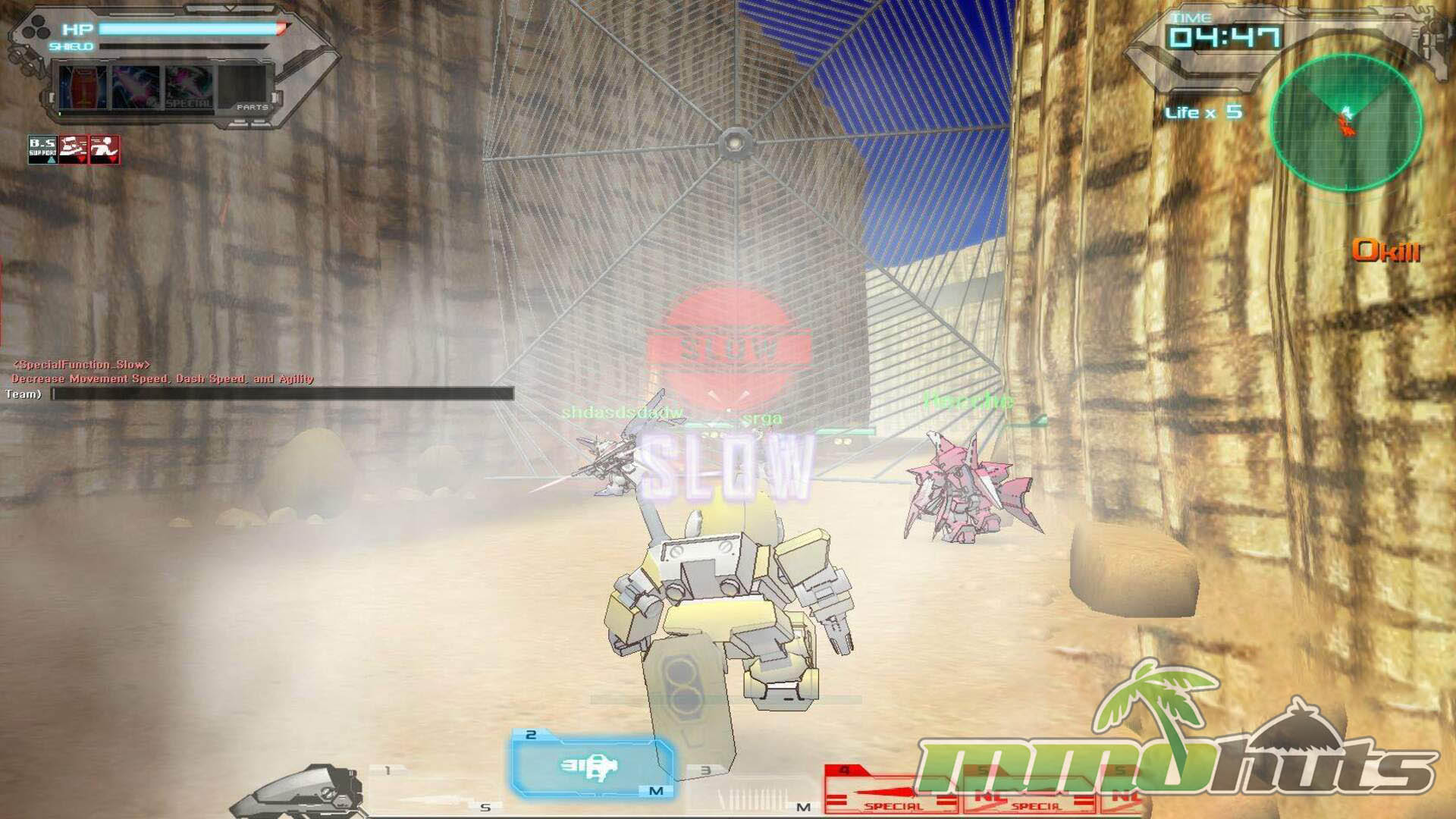
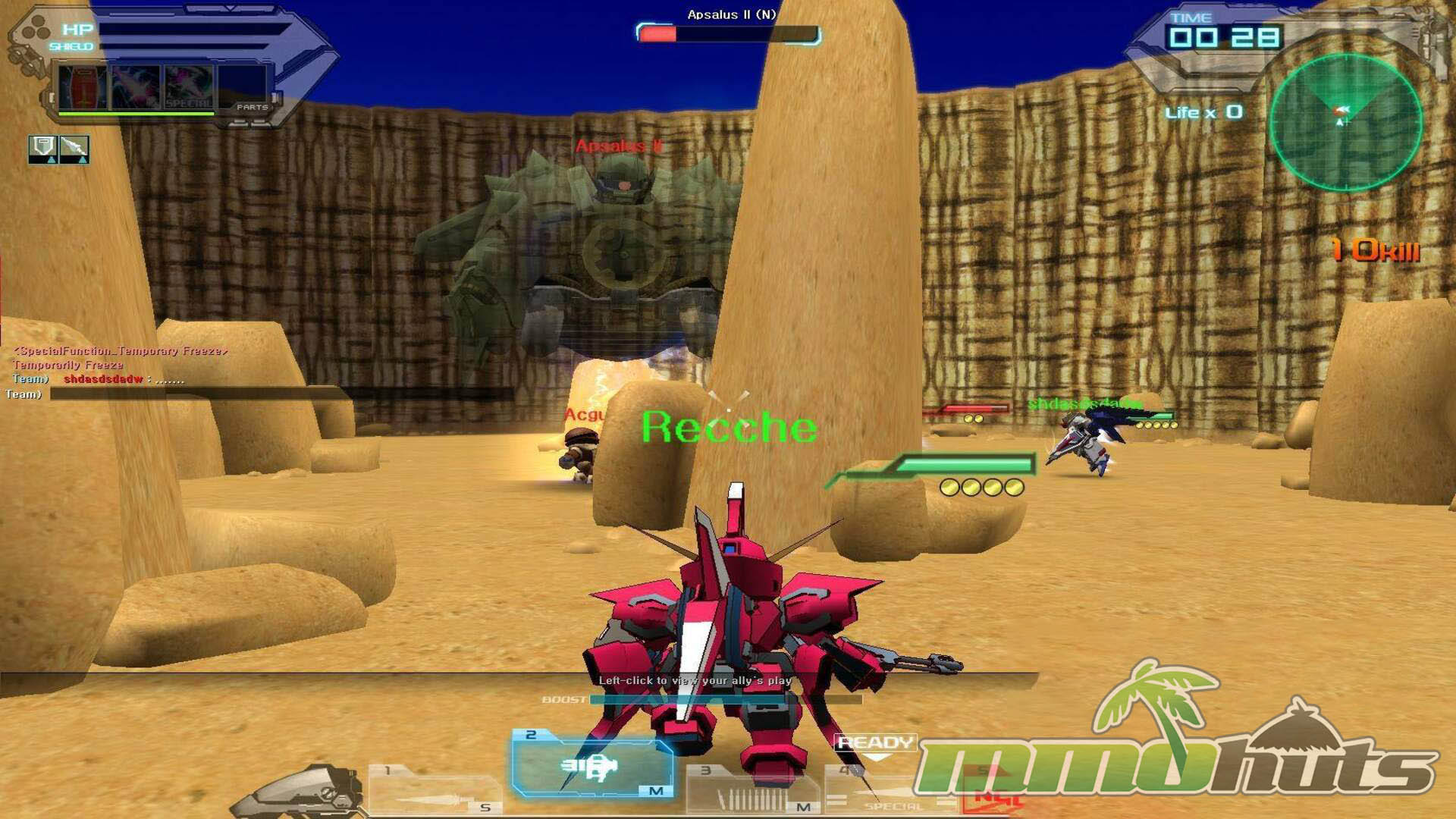

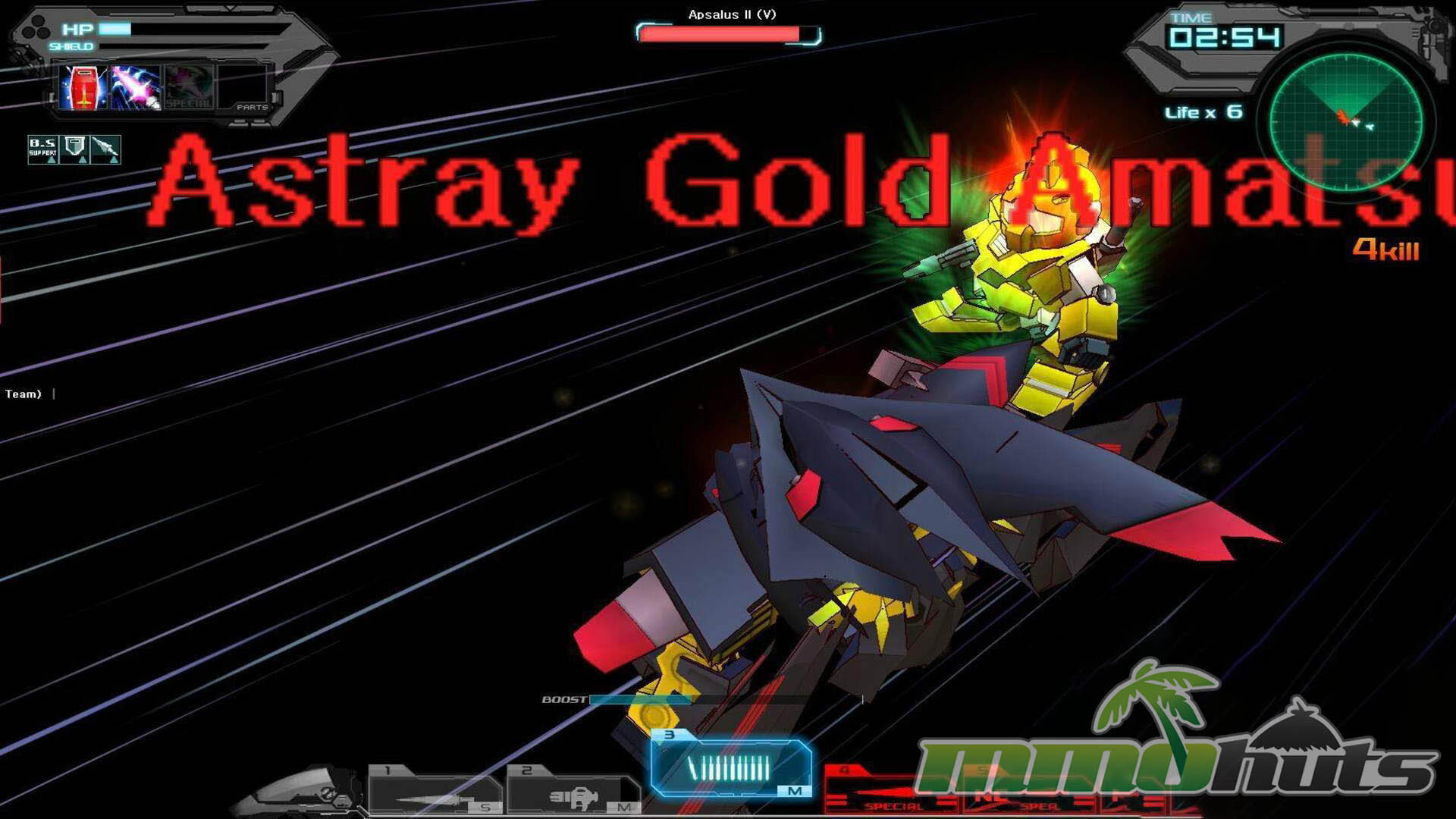
SD Gundam Capsule Fighter Online Featured Video

SD Gundam Capsule Fighter Online Review
SD Gundam Capsule Fighter (SDGO) is a 3D third-person action MMO shooter developed and published by Softmax in South Korea, 9You in China and Honk Kong, CJ Internet in Japan, Wasabii in Taiwan, Goldensoft in Thailand, OGPlanet in North America, and Cherry Credits in Australia and South-East Asia. The game was launched in the summer of 2007 in South Korea, and on December 1, 2011 in North America. SDGO includes mobile suits from many Gundam timelines and eras, including Universal Century, Anno Domini, and Future Century.
Small-scale suits, big franchise energy
SDGO is set squarely in Gundam territory, but it does not spend much time easing newcomers into the broader universe. If you already recognize the names, silhouettes, and signature weapons, the game’s roster is immediately exciting. If you do not, it can feel like you are browsing an enormous catalog without much context, choosing based on looks and role rather than story attachment.
The super-deformed approach is the biggest departure from what many people expect from Gundam. These are intentionally toy-like versions of famous machines, and that choice shapes the game’s entire vibe. Visually and mechanically it lands in a similar space to other stylized mech arena shooters (CosmicBreak often comes to mind), where the action is fast, readable, and more arcade-like than simulation-focused.
The tutorial covers the essentials, even if the presentation and voice work can feel rough. Movement is standard WASD, weapons are swapped via number keys, and combat revolves around left-click firing with right-click lock-on. Mobility is a core skill, with dashes triggered by double-tapping directions and a jetpack activated by double-tapping Space. Once you understand how quickly you can reposition, SDGO starts to feel less like a basic shooter and more like a movement-heavy arena game.
Once the tutorial ends, the game quickly pushes you into the capsule screen to obtain your first suit, and then into the lobby. That transition is abrupt, and the interface does not do much hand-holding. Players generally learn the flow by experimenting, asking others, or simply queuing into modes and adjusting as they go.
The real progression is your hangar
The heart of SDGO is collecting and piloting mobile suits. Units can be acquired through several routes, including capsules that award random suits, temporary rentals, certain quests, mixing (crafting), and the Research Laboratory. Mixing requires a Blueprint, a fully upgraded suit, and additional suits that get dismantled for parts, which makes it a more involved, resource-driven path. The Research Laboratory, meanwhile, is positioned as a slower alternative, reducing immediate cost in exchange for long build times that can stretch to weeks.
Suits are divided into ranks that broadly communicate power and rarity. C-rank units are most common, followed by B, A, and S. On top of that, there are rare and mixing variants (CR/BR/AR/SR and CS/BS/AS/SS). Rank also ties into lives in Death-style PvP matches: C-rank suits have 4 lives, B-rank have 3, and A and S ranks have 2. At the top end, S-rank units can also bring unusual tools such as healing equipment, which can change the pace of a fight.
Role matchups matter too. Suits are categorized by combat range (melee, mid-range, long-range) and interact in a rock-paper-scissors relationship: melee tends to beat mid-range, mid-range tends to beat long-range, and long-range tends to beat melee. That structure helps keep a wide roster usable, but it also means good players win by picking smart engagements rather than simply charging in.
Weapon customization is limited because each unit comes with a fixed loadout. The variety instead comes from suit variants, which can shift how a familiar frame plays, plus a three-skill kit that includes a high-impact special attack and two stat-boosting abilities. Between performance upgrades and visual customization, SDGO gives players plenty of room to personalize, even if you cannot freely swap weapons like in some modern loadout-based shooters.
PvP first, missions for structure
From the lobby, SDGO splits cleanly into PvP Mode and Mission Mode. One of its strongest decisions is that PvP is available immediately, so players can test their skills without a long leveling gate. PvP supports up to 12 players and includes six modes: Normal, Death, Boss, Single, Tag, and Grid.
Normal is straightforward team-versus-team scoring. Death keeps the team format but shifts the win condition into a last-man-standing style. Boss adds a twist by empowering one randomly selected player who grows larger, scores extra points for kills, and becomes a high-value target that awards the opposing team extra points when defeated. Single is a free-for-all. Tag and Grid take place on battleships with multiple units involved, and both lean into suit swapping as a mechanic. In Grid, teams work to push the enemy score from 300 down to 0, and each death forces a switch to a different suit. Tag plays more like a Death match but allows switching before you go down, and the battleships can contribute attacks as well.
Mission Mode is co-op for up to four players, built around objective-based stages with randomized rewards such as currency, stickers, paints, mobile suits, items, and other useful drops. There are Normal missions and Scenarios. Normal missions run players through multiple stages with tasks like capturing points, moving between locations, or clearing enemies. Scenarios are designed as recreations of notable events from the Gundam anime series and are especially valuable because they award Blueprints tied to those suits. At the end of a mission, players receive a performance rank, which adds a bit of arcade-style scoring to the PvE loop.
Monetization and the power curve
The Cash Shop sells a wide spread of items, including units, battleships, blueprints, paints, stickers, battle items, and skill parts. Importantly, the shop does not permanently lock content away from non-paying players, so it is not a strict paywall. The practical advantage is speed: paying players can reach desirable suits and resources sooner, and that can translate into an uneven feel, especially when high-rank units show up quickly in matches.
Final Verdict – Good
At its best, SDGO delivers brisk, enjoyable mech combat, where movement, target selection, and understanding suit roles matter. The roster is also the game’s most addictive feature, because experimenting with different mobile suits is genuinely fun and encourages long-term play.
That said, the overall experience is held back by weak onboarding, a low playerbase, and quality issues such as instability and uneven voice work. The concept is strong and the core battles can be excellent, but the surrounding structure does not always support it. Even with those flaws, SDGO is hard to dismiss outright, because the moment-to-moment action and sheer variety make it memorable.
SD Gundam Capsule Fighter Online Links
SD Gundam Capsule Fighter Online Official Site
SD Gundam Capsule Fighter Online Wikipedia
SG Gundam Capsule Fighter Online Wikia [Database / Guides]
SD Gundam Capsule Fighter Online Official Wiki [Database / Guides]
SD Gundam Capsule Fighter Online System Requirements
Minimum Requirements:
Operating System: Windows 98 / XP / 2000 / Vista / 7 / 8
CPU: Pentium 4 1.8 GHz
Video Card: GeForce 4 Ti 4400 / ATI Radeon 9600
RAM: 512 MB
Hard Disk Space: 2 GB
Recommended Requirements:
Operating System: Windows 98 / XP / 2000 / Vista / 7 / 8
CPU: Pentium 4 2.8 GHz or better
Video Card: GeForce 7600 / ATI Radeon X1600
RAM: 1 GB
Hard Disk Space: 2 GB
SD Gundam Capsule Fighter Online Music & Soundtrack
SD Gundam Capsule Fighter Online Additional Information
Developer: Softmax
Closed Beta Date: November 2, 2011 – November 8, 2011
Open Beta Date: December 1, 2011
Shut down date: July, 2015 (NA)
Foreign Releases:
South Korea: February, 2007
China: January 4, 2008 (9You)
Japan: March 20, 2009 (CJ Internet)
Southeast Asia: March 7, 2012 (Shanda Games)
Indonesia: May 15, 2012 (Megaxus)
Several localized versions of SD Gundam Capsule Fighter are no longer available.
Development Background
SD Gundam Capsule Fighter Online (SDGO) is a third-person MMO shooter created by South Korean studio Softmax. Work on the project began in 2006 in South Korea, followed by a Summer 2007 launch. After finding success in its home market, SDGO expanded through licensing deals that brought localized versions to regions such as China, Japan, Southeast Asia, Indonesia, and North America. Because Gundam is a Bandai-owned franchise, Softmax worked in partnership with Bandai to adapt the property into an online action game.