Marvel Heroes was a 3D action RPG built around the Marvel Comics roster, essentially taking the loot-driven rhythm of Diablo and swapping in superheroes, supervillains, and a steady stream of iconic locations. You picked a hero, dove into instanced missions from shared social hubs, and chased better gear, new abilities, and additional characters to unlock. At its peak as Marvel Heroes 2015, it also leaned into group play with raids and repeatable endgame activities, even if some systems (especially character acquisition and cosmetics) could feel grind-heavy.
 | Publisher: Gazillion Entertainment Playerbase: High Type: MMORPG PvP: Fire and Ice MOBA mode Release Date: June 4, 2013 Shut Down Date: November 24, 2017 Pros: +Huge roster of heroes and villains to control. +Comic-inspired narrative with strong writing. +Raid-ready party content and cooperative endgame. +Extras like companions, crafting, and plenty of side systems. Cons: -Few meaningful options for changing a hero’s look. -Combat loops can start to feel samey over time. -Earning additional characters can take substantial farming. |
Marvel Heroes Overview
Marvel Heroes 2015 offered a large selection of Marvel characters (over 40 across heroes and villains), framed around fast, ability-driven brawling and constant item drops. The game’s roots were clearly in classic action RPG design, with a team that included notable talent associated with the original Diablo era, and that influence showed in its pacing, loot chase, and repeatable difficulty tiers.
Structurally, Marvel Heroes did not use a single persistent open world. Instead, you spent time in public hub areas where players gathered to trade, craft, shop, and form groups, then stepped into instanced mission zones for story chapters, boss runs, and endgame modes. Over its early life it evolved significantly, adding more gear slots, crafting, team-up companions (AI allies), and a growing wardrobe of costumes for individual heroes.
Progression was hero-specific. Each character came with three distinct skill trees plus a powerful super ability to work toward, and you could sample several starter heroes up to Level 10 before committing to one for continued leveling. Ultimately, Marvel Heroes shut down on November 24th, 2017 after Disney pulled the Marvel license from Gazillion.
Marvel Heroes Key Features:
- Step into Famous Roles – choose recognizable names like Captain America or Spiderman and fight with their signature styles.
- Co-op Raid Content – run dungeons with a group of five, coordinating builds and chasing better loot together.
- Comic-Friendly Narrative – the story and dialogue aim to feel authentically Marvel rather than generic fantasy filler.
- Fire and Ice PvP – a MOBA-inspired mode that offers a different pace from PvE grinding.
- Actively Maintained (in its prime) – during its strongest period, updates and community feedback noticeably shaped changes and additions.
Marvel Heroes Screenshots
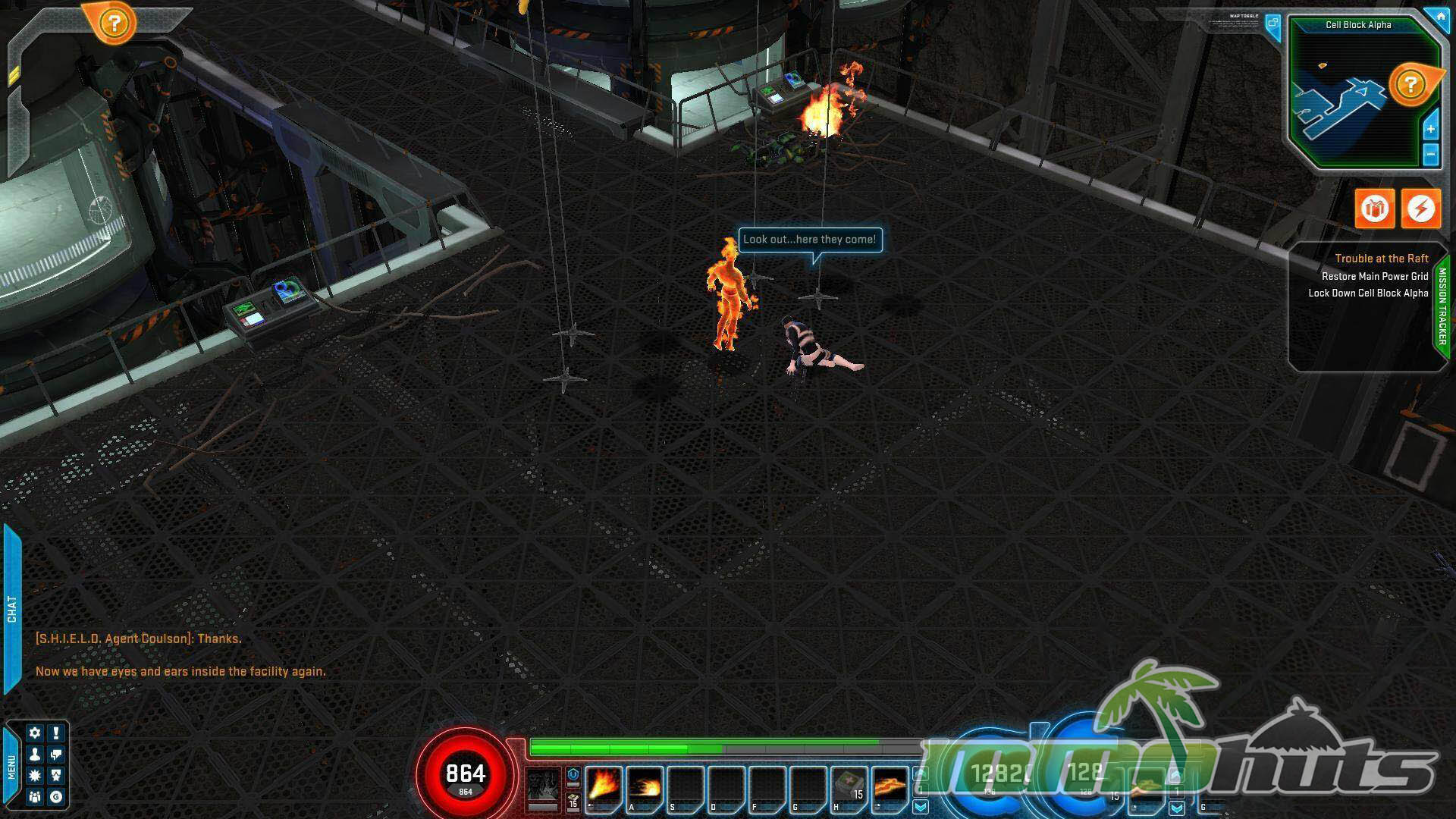
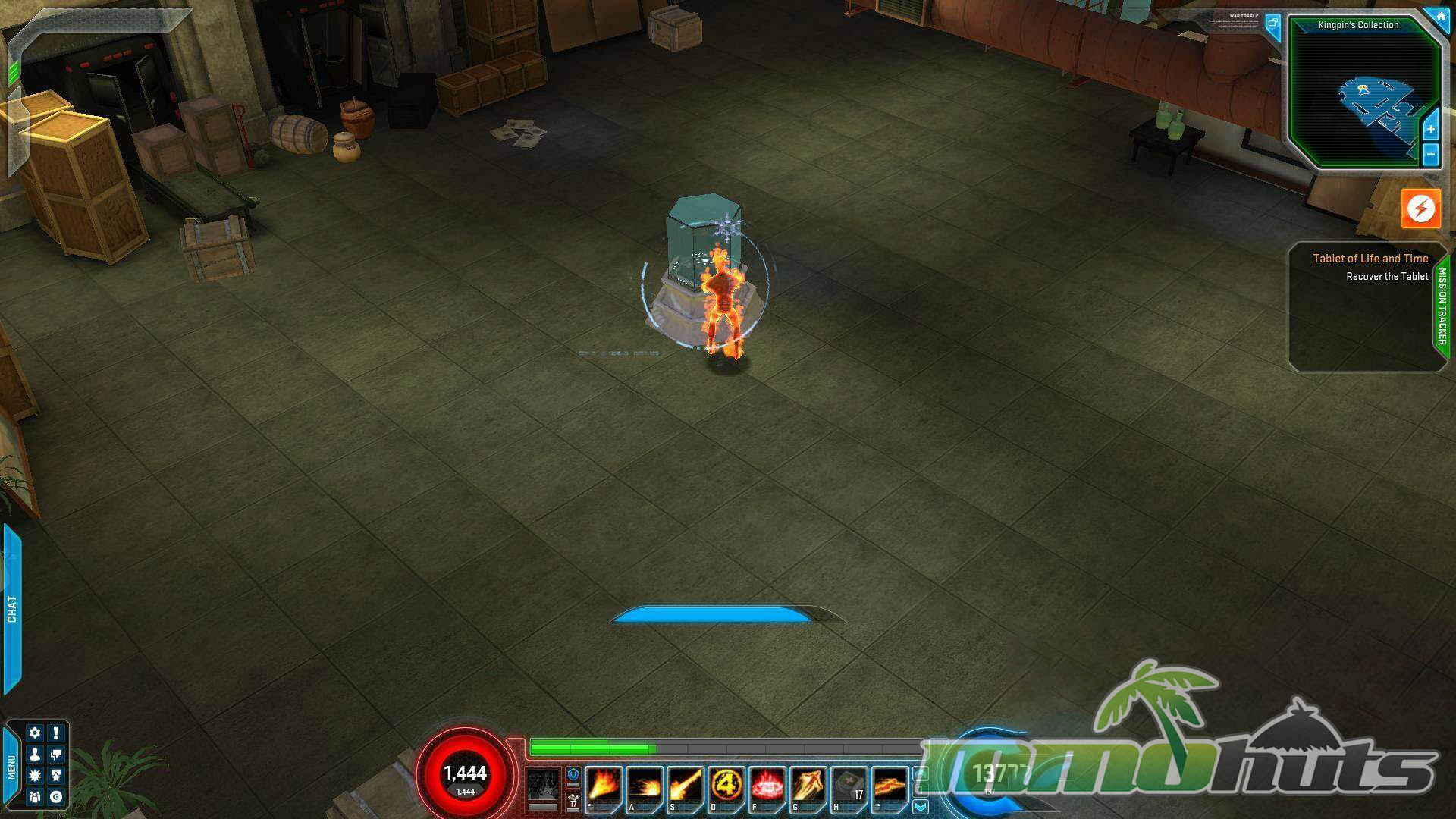
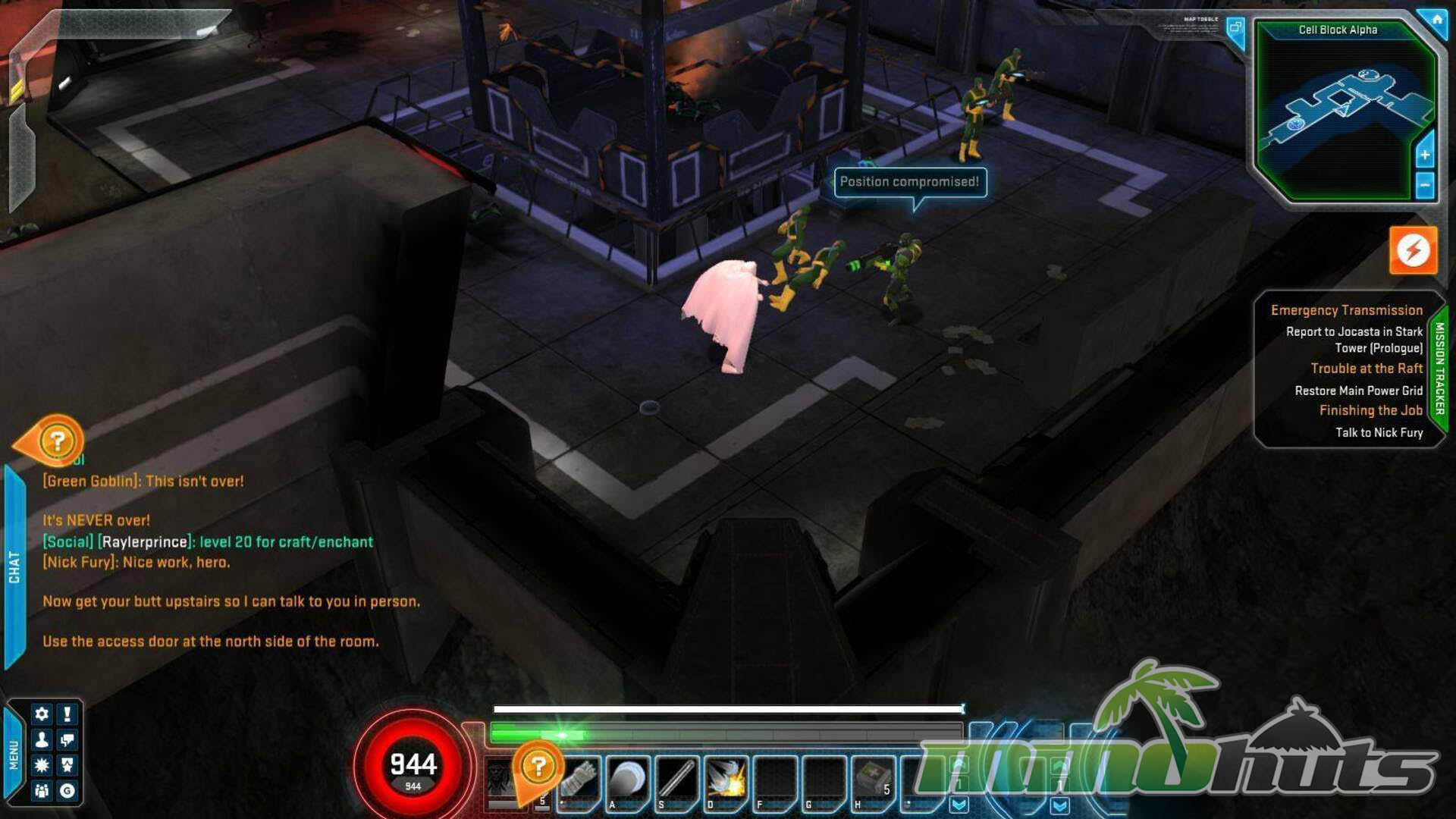
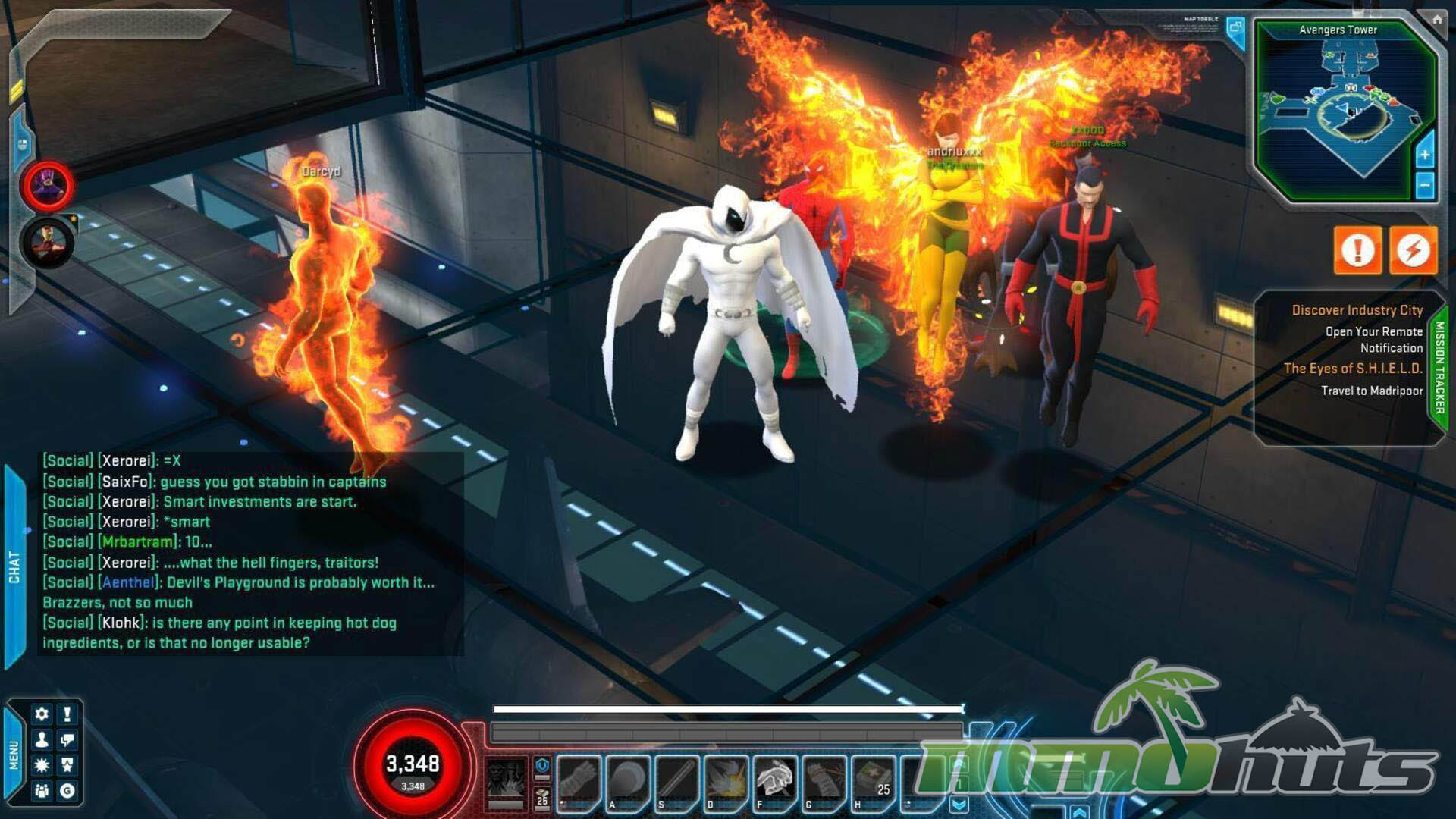
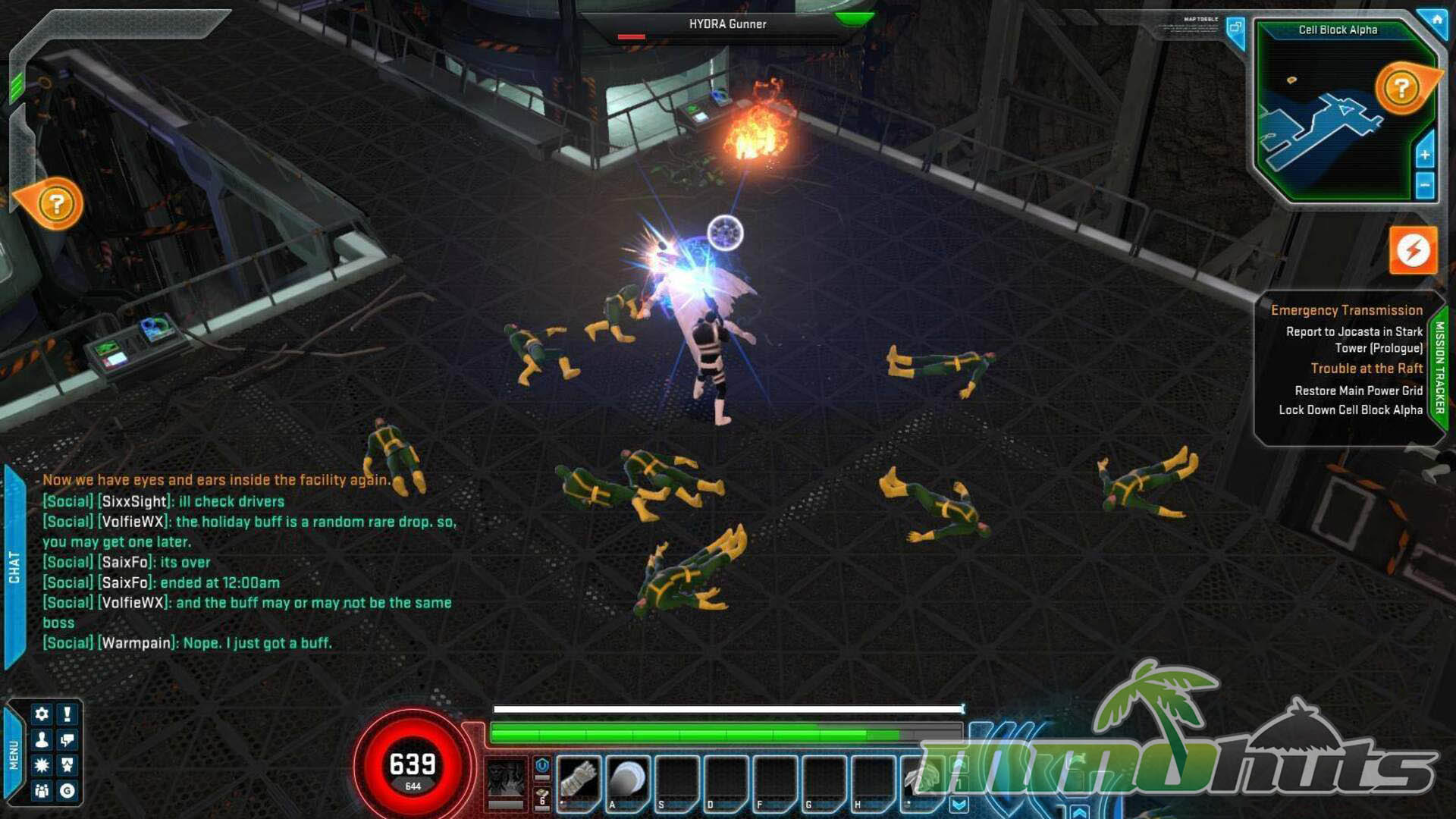
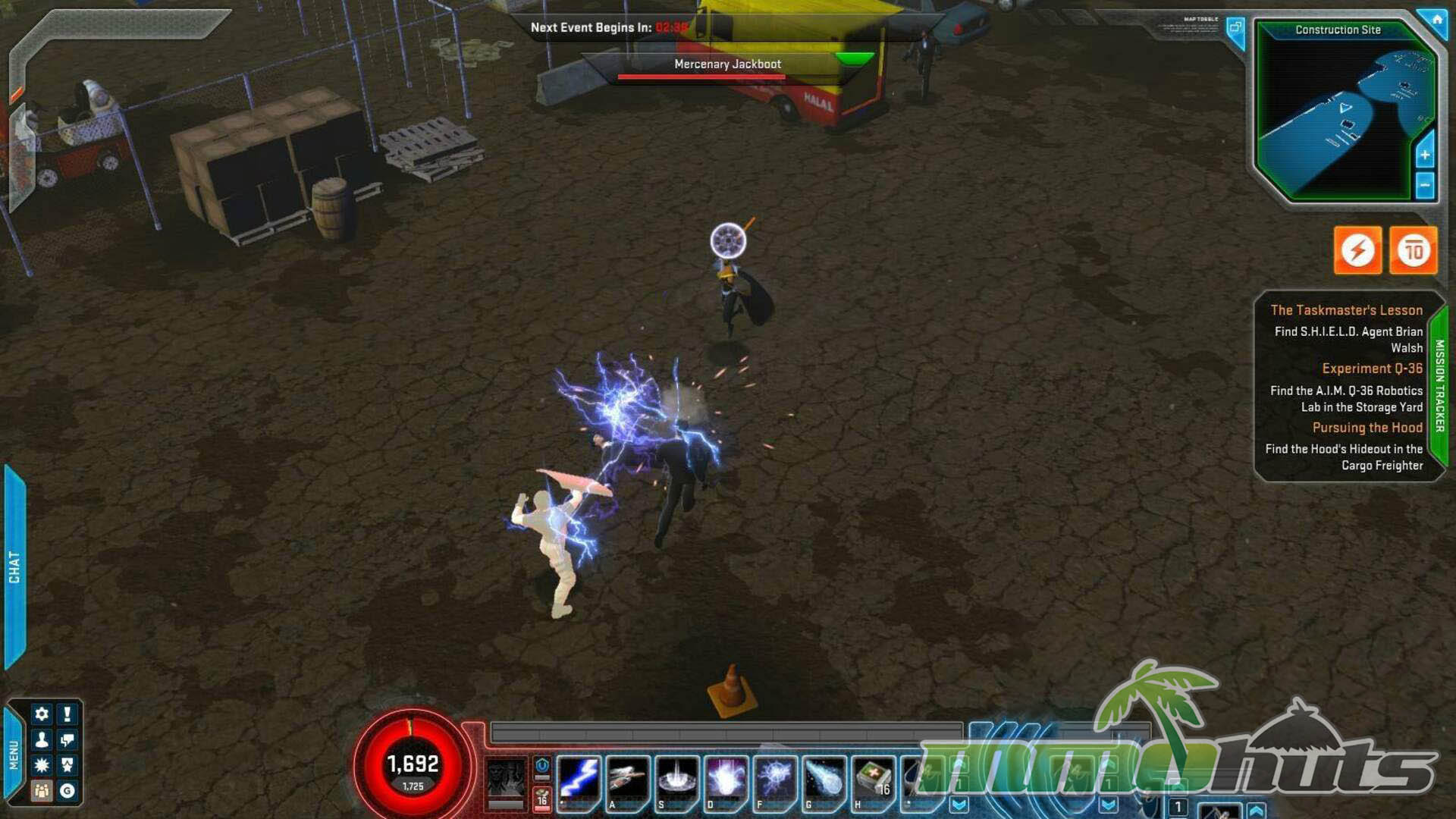
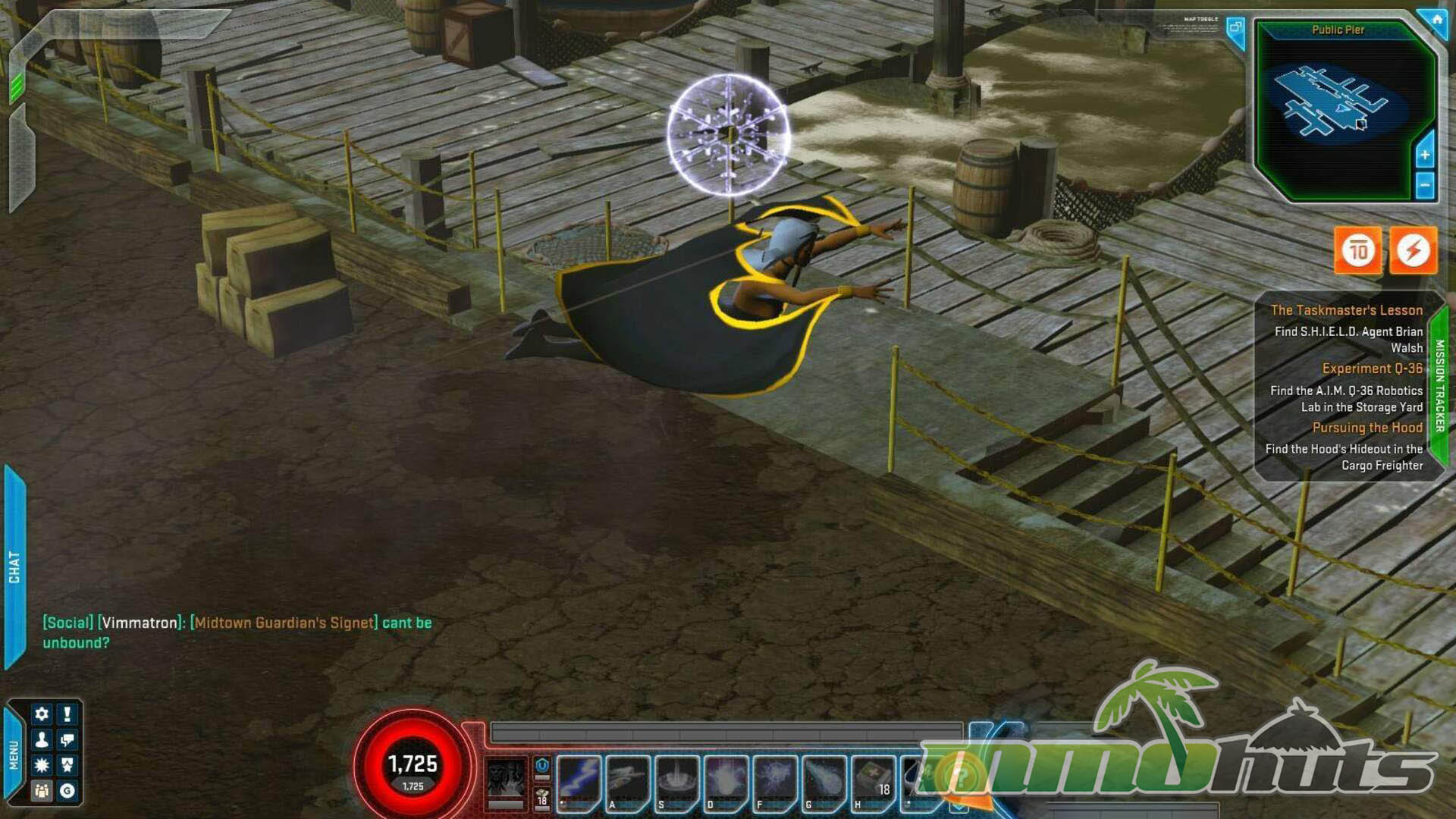
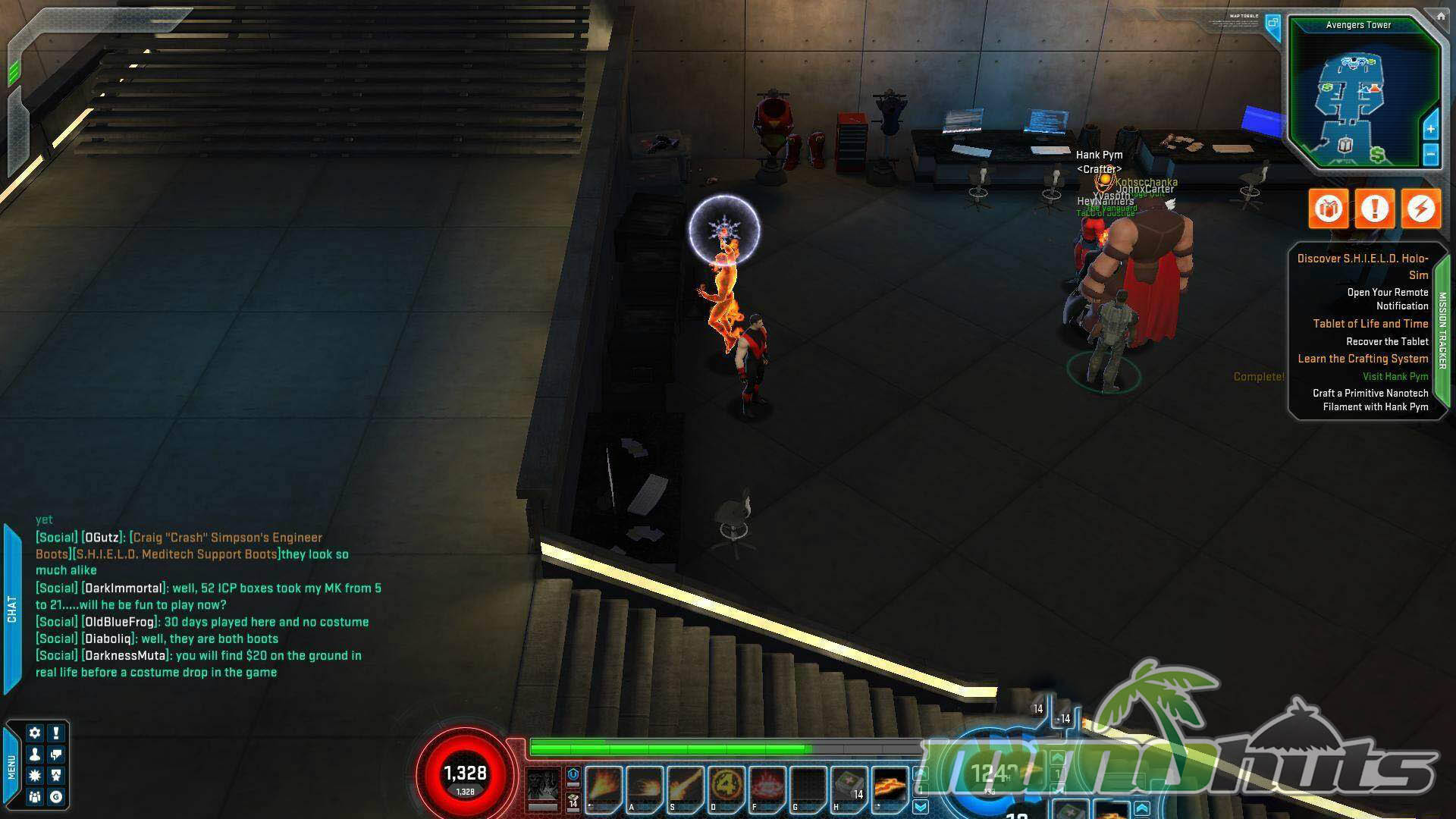
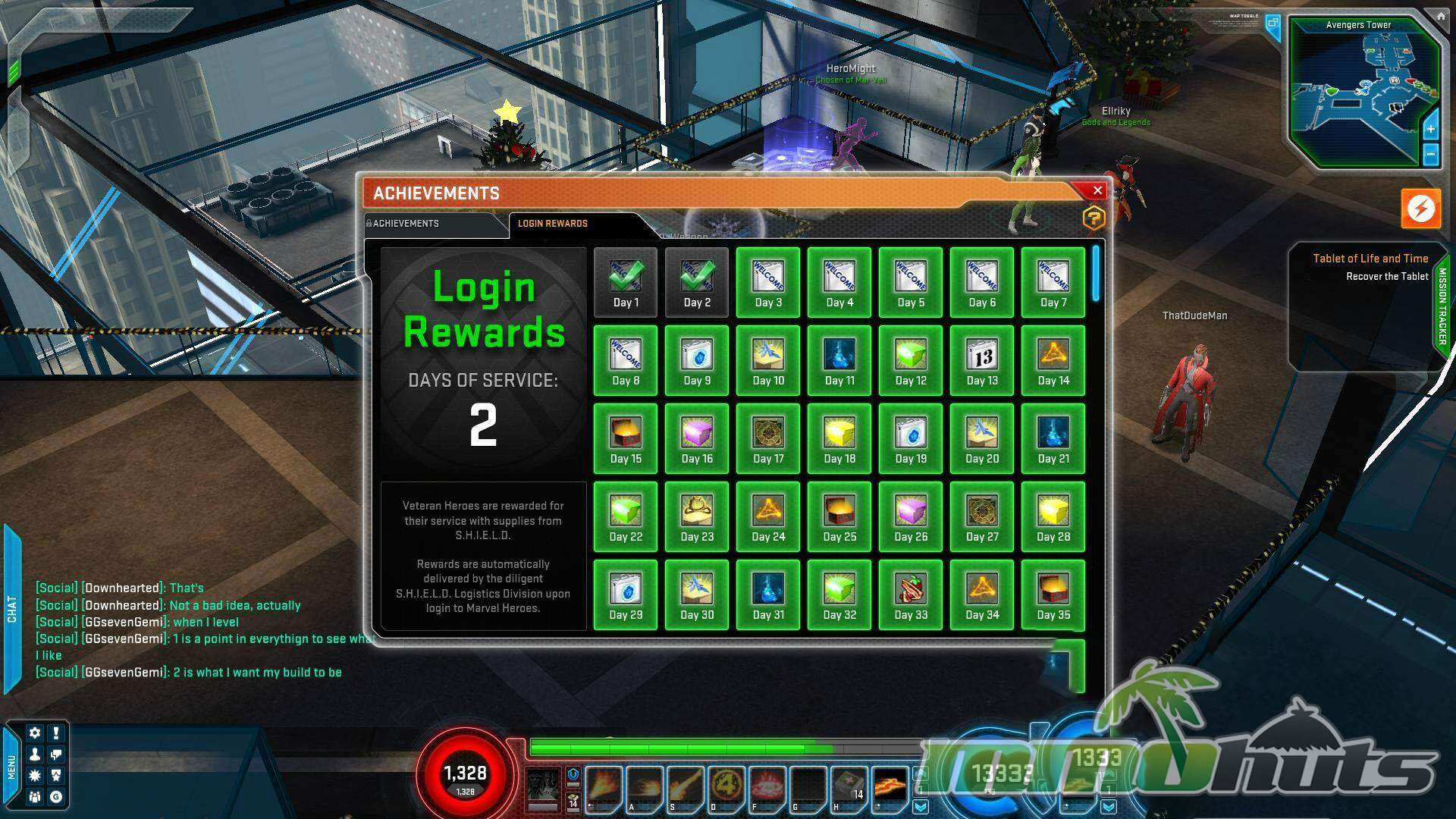
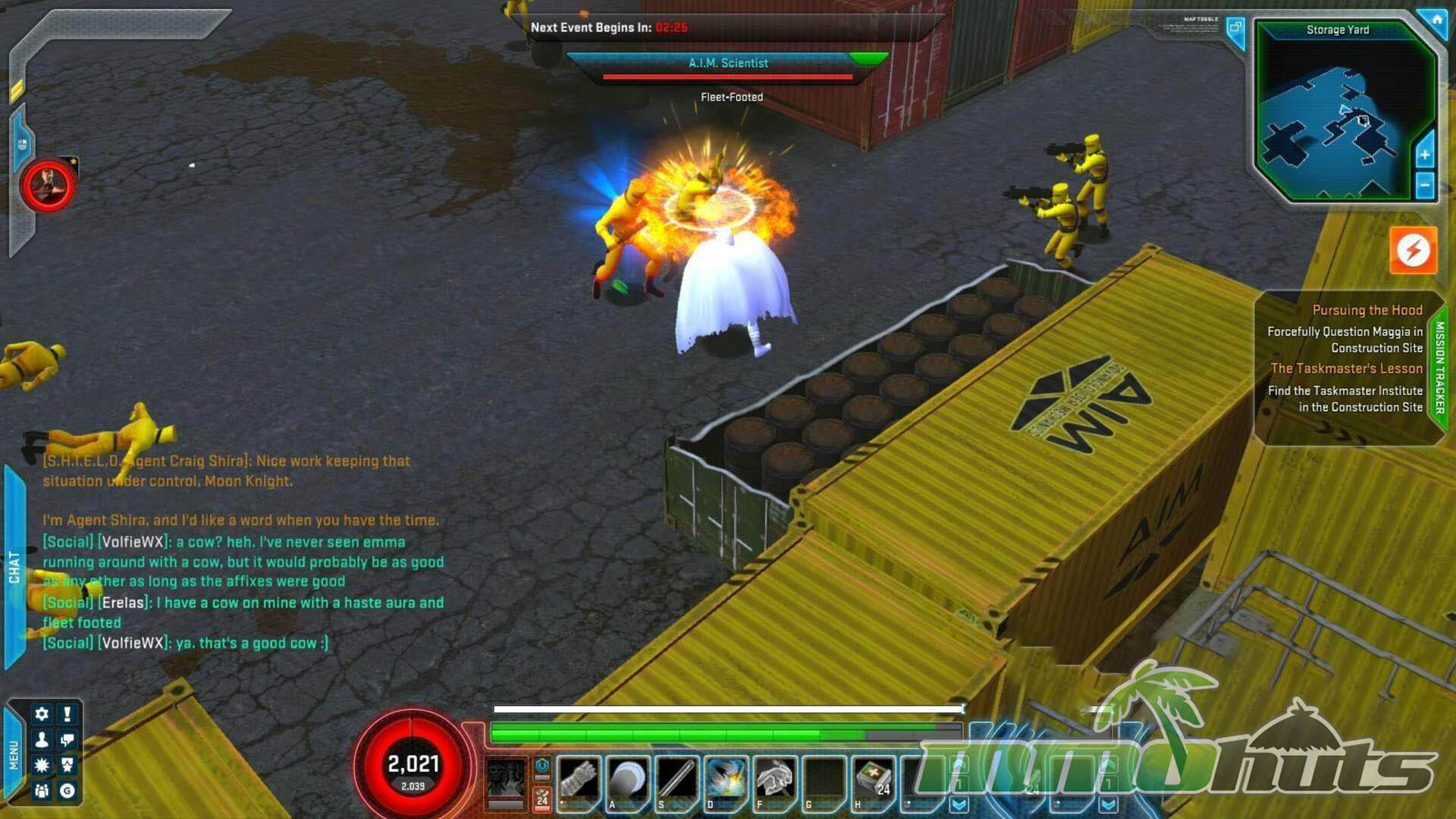
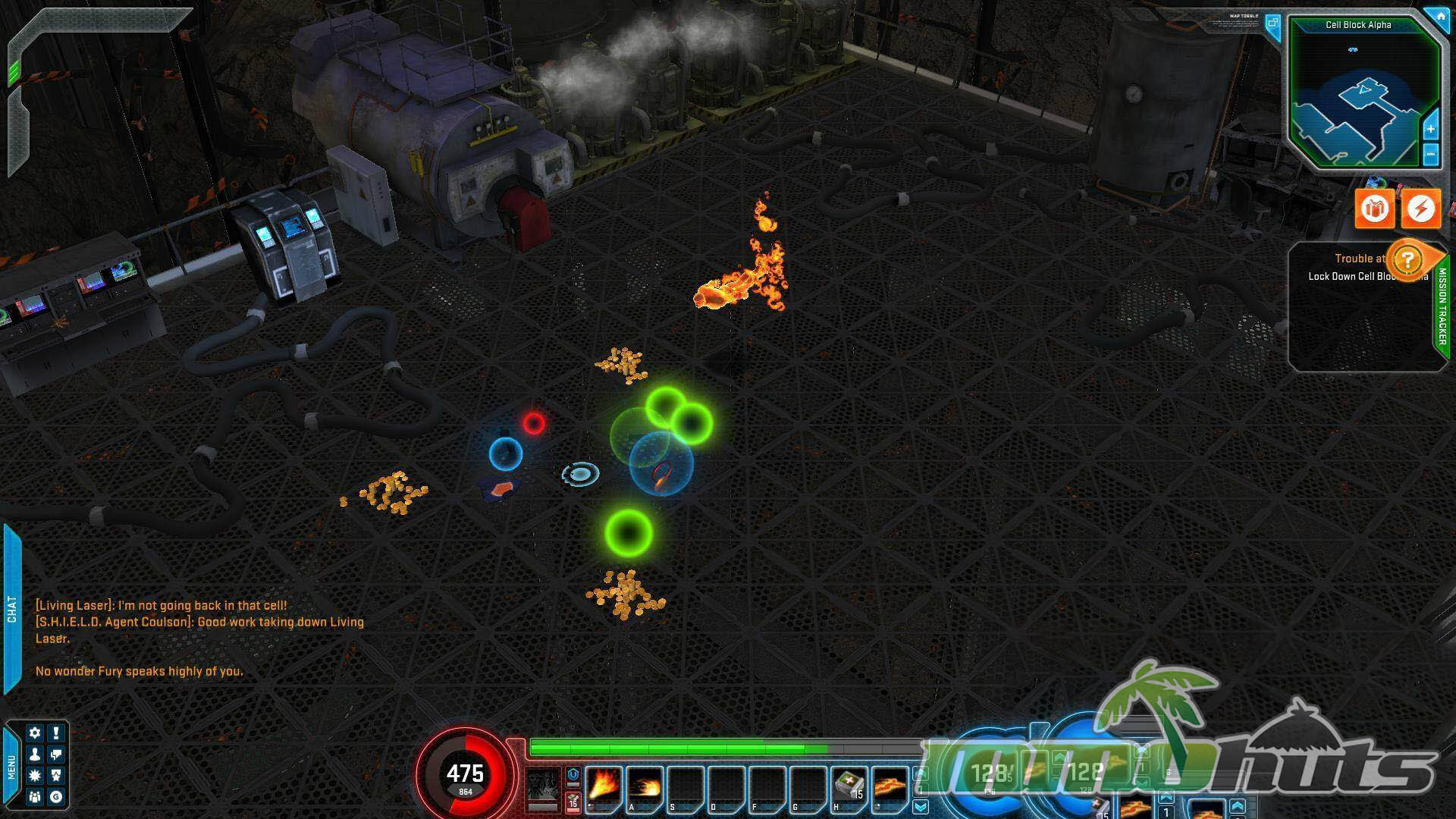
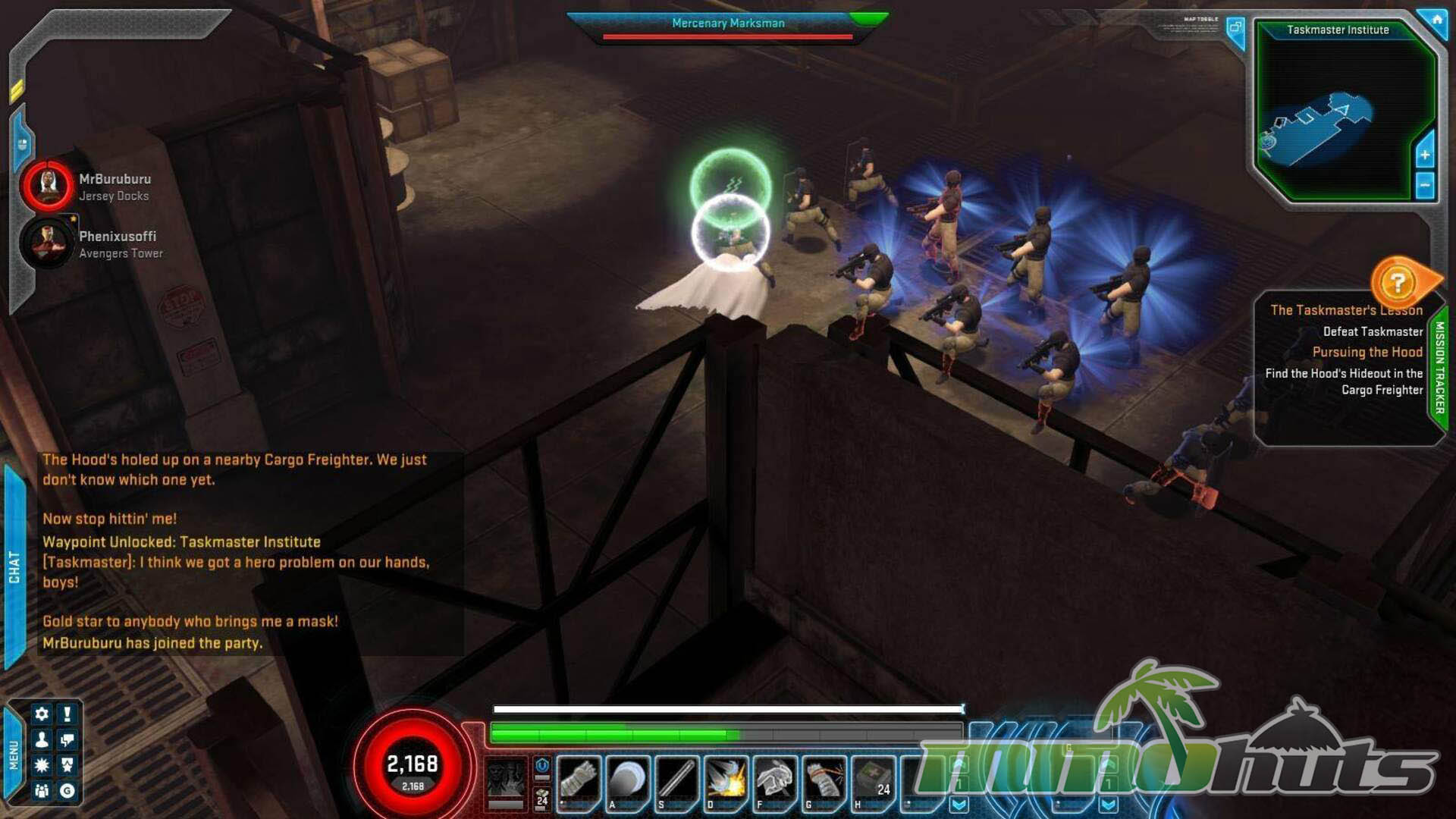
Marvel Heroes Featured Video

Marvel Heroes Review
Marvel Heroes had a long road to release. What began as the 2007 project Marvel Universe Online at Cryptic Studios was canceled on February 11, 2008. Gazillion Entertainment took over in March 2009, repositioned the concept, and rebuilt it as an MMO that prioritized action and loot over traditional MMO roleplay. The game launched on June 4, 2013, then received extensive changes across its first year, culminating in a relaunch branding as Marvel Heroes 2015 on June 4, 2014. Players could install it via its own client, and it was also distributed through Steam.
Like Diablo, you did not pick a class template and customize from there, you selected a specific character with a defined kit and identity. And rather than exploring a seamless world, the game used persistent social spaces connected to instanced combat zones. That approach kept missions from feeling overcrowded and made it easy to jump into content on demand, similar in broad structure to hub-based online action games like Guild Wars, Vindictus, and Dragon Nest.
Getting Started
At the beginning, Marvel Heroes gave players a set of starter heroes to experiment with. You could swap between them freely and level each up to 10, then you had to decide which one to unlock for continued progression beyond that point. The starter lineup included Daredevil, Hawkeye, Scarlet Witch, Storm, Thing, Captain America, Punisher, Black Panther, Colossus, Black Widow, Human Torch, and Luke Cage. It was a smart onboarding idea because the roster included very different play styles, ranging from brawlers to ranged damage dealers.
Where the game was far less flexible was appearance. Your hero’s model did not change based on equipment, so the main visual variety came from unlocking or buying costumes. That limitation stood out in busy fights, where seeing multiple versions of the same hero on screen could look strange. The costume system helped, but it never fully replaced the kind of personalization many MMO players expect.
Early Progression and Combat Feel
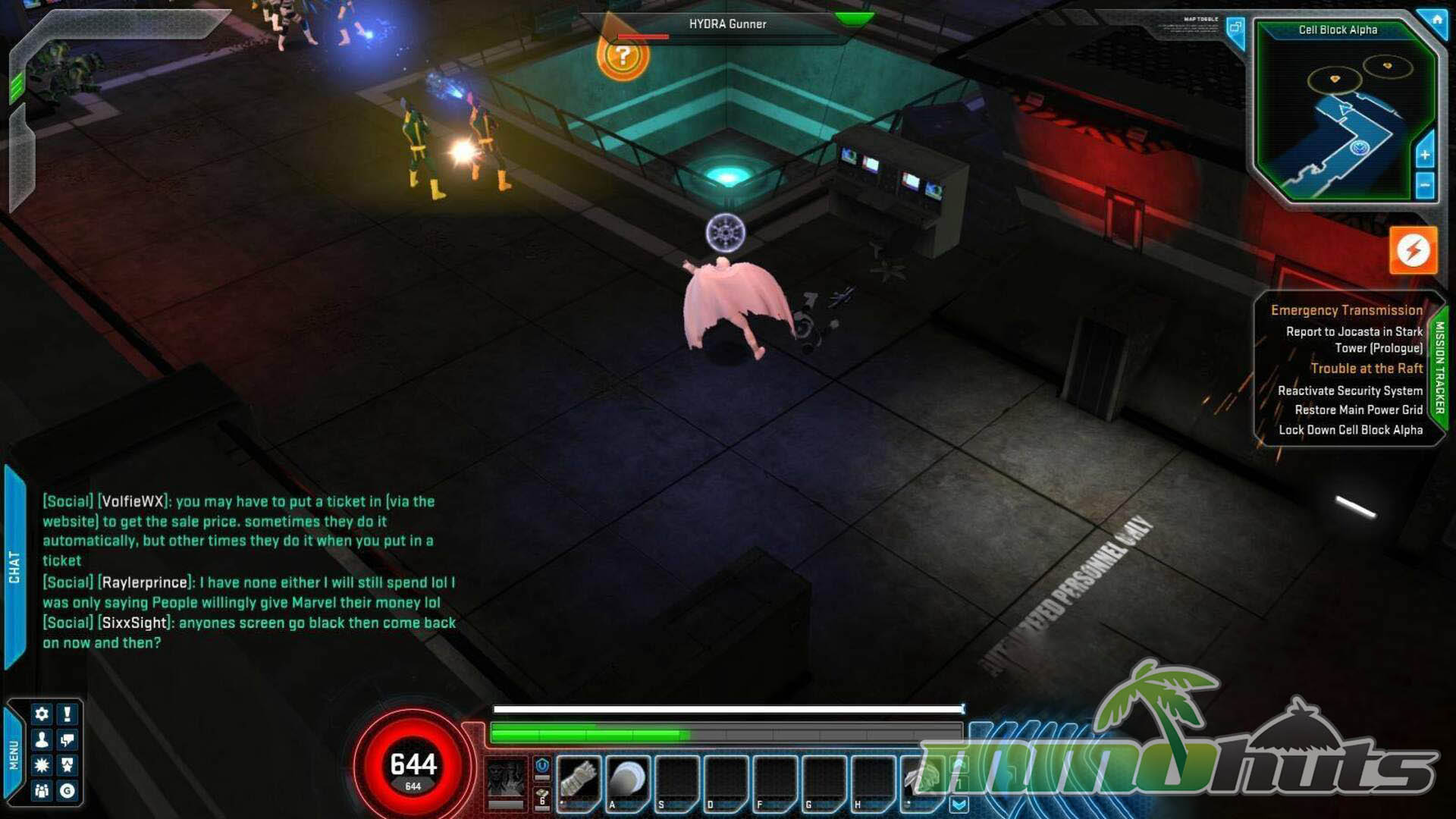
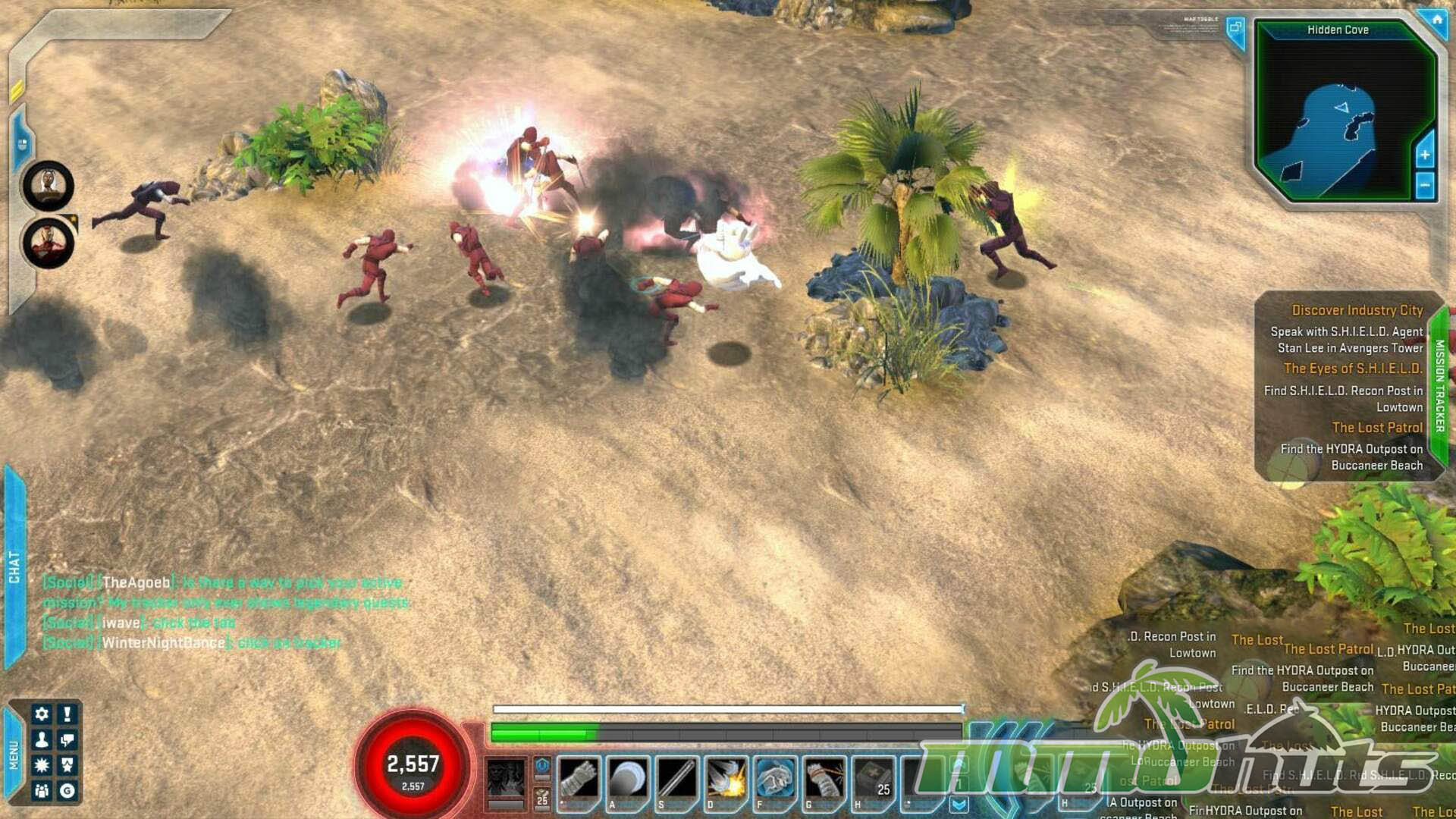
Movement and combat followed the familiar click-to-move action RPG formula. Basic attacks and skills were mapped to the mouse buttons, with additional abilities bound across A through H by default. Keybinds were adjustable, and the layout tended to be comfortable for players who prefer keeping their hand centered on the keyboard rather than reaching for number rows.
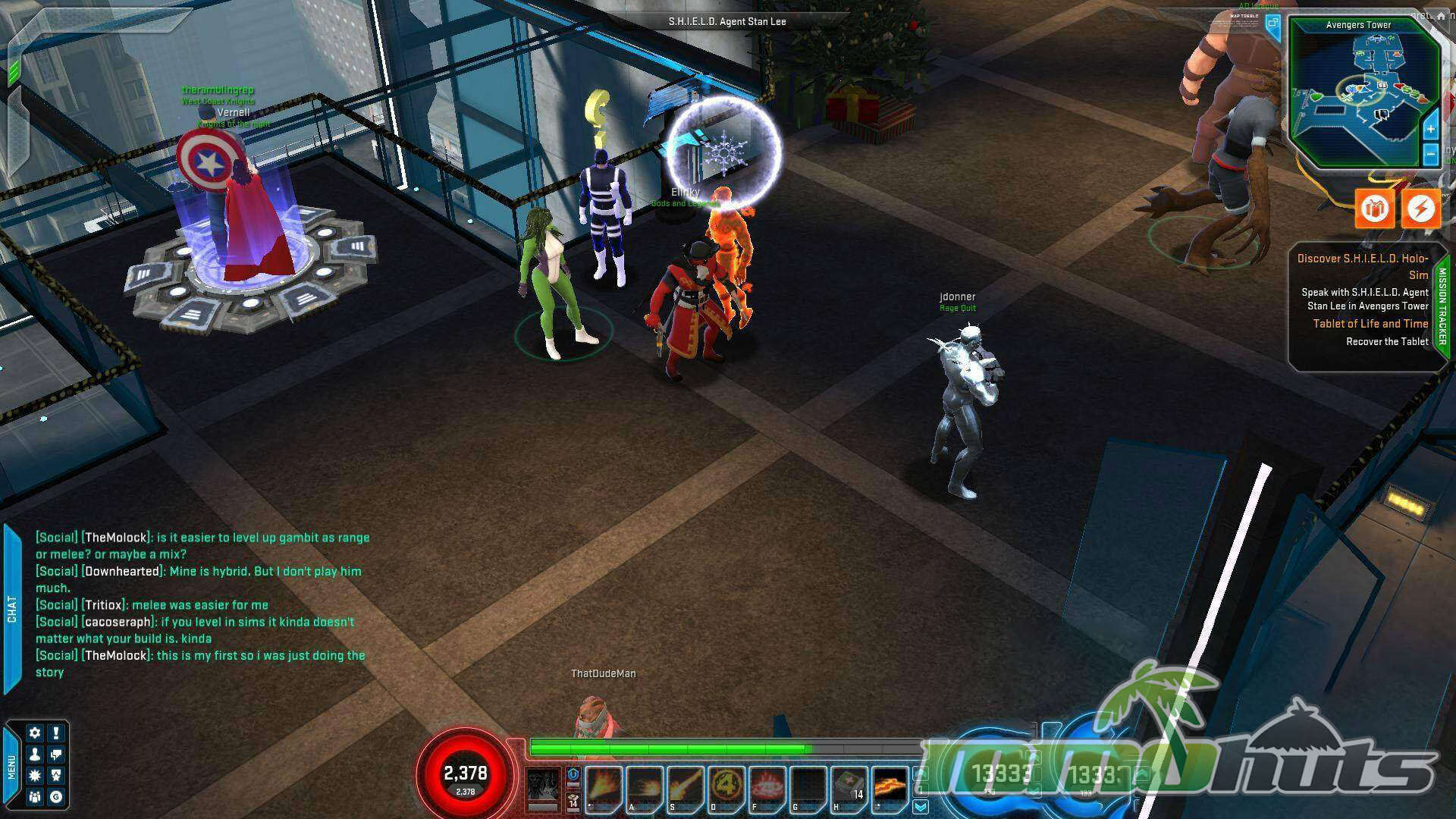
Gameplay flowed between safe hubs and mission areas. In hub locations you handled preparation tasks such as crafting, selling loot, and managing your build. From there you entered quest regions made up of instanced dungeons, which allowed multiple players and parties to work through objectives without competing for spawns or being blocked by crowded zones.
Once you committed to a hero after Level 10, that character could be leveled up to 60. Leveling awarded skill points, new abilities, and meaningful power spikes. At Level 30 you gained a Signature ability, and at Level 52 you unlocked an Ultimate, usually a dramatic, fight-swinging skill or buff capable of deleting standard enemies quickly. Individual skills could be leveled to 20, and through gear combinations could effectively reach 40, echoing the classic Diablo 2 style of skill scaling through equipment.
Difficulty selection added another layer. Mission hubs could be played on Normal, Heroic, or Super Heroic. Higher settings increased enemy threat and improved drop quality, but also segmented matchmaking, since grouping only worked within the same difficulty. For players who enjoyed grinding for best-in-slot items, Super Heroic became the long-term destination.
Story
Marvel Heroes leaned heavily into its source material, especially for players familiar with Marvel’s broader comics continuity. The narrative was written by Brian Michael Bendis, known for work such as Ultimate Spider-Man, New Avengers, Secret Invasion, and Avengers vs. X-Men. The central conflict focuses on Doctor Doom and his attempt to wield the Cosmic Cube to reshape reality. Along the way, classic villains appear as major encounters, and the story unfolds in episode-like chapters, each tied to a specific location and set of missions.
PvP
Player versus player content did not follow the usual MMO template of duels or arena ladders. Instead, PvP centered on Fire and Ice, a five-versus-five mode modeled after MOBA conventions. Teams advanced with AI minions, pushed lanes, and aimed to tear down defenses before finishing the enemy base. It was a refreshing change of pace from PvE farming, but it also sat in an awkward middle ground. Players looking for a full MOBA feature set would still get a deeper experience from dedicated titles like League of Legends or DotA 2.
Alternative Activities
Beyond the main story and PvP, Marvel Heroes 2015 offered repeatable content designed to keep endgame players busy. Terminals were one of the primary options, functioning as short, boss-focused dungeon runs. Green, Red, and Cosmic Terminals were variations on the same structure with escalating difficulty, while remaining tied to familiar story environments. They offered better daily rewards once per day, with repeat runs paying out more like standard missions.
One Shots served as compact narrative missions that either expanded on the main plot or explored side moments outside the primary campaign. They helped break up routine farming with bite-sized storytelling.
Challenges included S.H.I.E.L.D. Holo-Sim, X-Defense, and Midtown Patrol. These were survival-oriented modes built for repeated play. Midtown Patrol and Holo-Sim were aimed at solo players or pairs, while X-Defense was structured for a full group of five. Collectively, these activities helped compensate for the limited PvP variety and gave players more reasons to keep tuning builds after finishing the campaign.
Monetization and the Cash Shop
Marvel Heroes 2015 featured a large cash shop, and the sheer volume of purchasable items was hard to ignore. With 43 playable characters and many costume variations per hero, it was easy to spend heavily if you wanted a specific look or wanted to swap heroes frequently. Team-Ups (AI companions that fought alongside you) added another layer of collectibles to chase.
Heroes and Team-Ups could also be unlocked through Eternity Splinters, but gathering enough currency for everything demanded significant time investment. The shop also sold fortune cards that awarded random rare gear, plus various boosts for experience and drop rates. Cosmetic and convenience purchases are common in free-to-play models, but the ability to obtain random gear through paid items was a sticking point for players who wanted progression to remain primarily gameplay-driven.
Final Verdict – Good
Marvel Heroes 2015 worked best for players who enjoyed repeating content, refining builds, and steadily expanding a collection of characters. The core combat loop was responsive and satisfying, and the roster carried obvious appeal for Marvel fans. At the same time, the long grind for additional heroes, the limited visual customization outside costumes, and the temptation of the cash shop could wear down players who wanted a cleaner, more straightforward progression path.
For comic readers, the story and presentation were a genuine highlight, and during its strongest period the game’s ongoing improvements made it feel like a live service that was actively trying to get better. It ultimately ended when the Marvel license was pulled, but at its peak it offered a distinctive, loot-heavy take on the superhero fantasy that many players sank hundreds of hours into.
Marvel Heroes Links
Marvel Heroes Official Site
Marvel Heroes on Steam
Marvel Heroes Wikipedia
Marvel Heroes Subreddit
Marvel Heroes Gamepedia (Datebase/Guides)
Marvel Heroes Wikia (Database/Guides)
Marvel Heroes System Requirements
Minimum Requirements:
Operating System: Windows Vista / 7 / 8 / OSX 10.8 Mountain Lion
CPU: Intel Core 2 Duo 2.1 GHz / AMD Athlon X2 2.1 GHz
Video Card: Nvidia Geforce 8800 series / ATI HD3800 series / Intel HD 3000
RAM: 2 GB
Hard Disk Space: 30 GB
Recommended Requirements:
Operating System: Windows 7 / 8 / OSX 10.9 Mavericks
CPU: Intel Quad Core i5 or i7 / AMD FX series or better
Video Card: Nvidia GTX 600 or 700 series / AMD R9 or HD7900 series or better
RAM: 8 GB or more
Hard Disk Space: 30 GB
Marvel Heroes is Mac compatible
Marvel Heroes Music & Soundtrack
Coming soon…
Marvel Heroes Additional Information
Developer: Gazillion Entertainment, Secret Identity Studios
Lead Designer: David Brevik
Lead Writer: Brian Michael Bendis
Engine: Unreal Engine 3, Havok (physics)
Open Beta Date: May 10, 2013 – May 13, 2013
Steam Release: June 4, 2013
Shut Down Date: November 28, 2017
Development Background
Marvel Heroes began life as Marvel Universe Online, a project in development at Cryptic Studios. On February 11, 2008, Microsoft Game Studios announced the cancellation of the title. After that decision, Cryptic pivoted to a different property and the work evolved into Champions Online.
On March 17, 2009, Gazillion Entertainment secured a 10-year agreement with Marvel Entertainment to create games using the Marvel brand. The company’s first release under that deal was Marvel Super Hero Squad Online, built on the Unity 3D engine and aimed at a younger audience. The next step was to rework the unreleased Marvel Universe concept away from a traditional MMORPG and into an action RPG shaped by Diablo-like design principles. That project became Marvel Heroes and launched on June 4, 2013. The initial reception was rough, but the first year brought substantial additions and system improvements, and the game was rebranded as Marvel Heroes 2015 on June 4, 2014 to reflect its upgraded state.
During development, Gazillion Entertainment reportedly had an internal team of 75 people on Marvel Heroes for around three and a half years. The company raised $80 million for the game’s development.
Marvel Heroes shut down on November 24th, 2017 after Disney pulled the Marvel license from Gazillion Entertainment. The game actually shut down a month earlier than expected.