Loadout
Loadout is a free-to-play multiplayer shooter built around a simple idea, if you can imagine a ridiculous gun, you can probably build it. Matches are quick, loud, and intentionally over-the-top, with a cartoony art style that leans into crude comedy and exaggerated gore. The big hook is its modular weaponcrafting, letting you tinker with parts and ammo types to create an absurd range of firearms tailored to your preferred range, pacing, and chaos level.
 | Publisher: Edge of Reality Playerbase: Shut Down Type: Shooter PvP: Deathmatch / Point Capture / Capture the Flag Release Date: January 31, 2014 Pros: +Deep, flexible gun-building system. +Constant-action pacing with rapid respawns. +Straightforward to pick up and play. +Stylized visuals that have aged well. +Silly, bloody animations that fit the tone. Cons: -Matchmaking can feel inconsistent and slow. -Unlocking parts can be very grind-heavy. –Only a few playable character options. -Avatar cosmetics are locked behind premium currency. –PC support was largely left behind as focus shifted to PS4. |
Loadout Overview
Loadout is a lobby-based arena FPS where most of your identity comes from the weapon you build rather than a rigid class role. You start with four core weapon families, Rifle, Launcher, Pulse, and Beam, then reshape them using a modular crafting system packed with barrels, magazines, scopes, stocks, and ammo behaviors. The end result is a sandbox of firearms that can range from practical long-range picks to borderline cartoon science experiments designed to melt rooms at close range.
What makes Loadout stand out is how much the crafting feeds directly back into moment-to-moment play. You are not just choosing a skin or a preset, you are building a tool and learning how it behaves under pressure. Whether you prefer safe angles and precision or chaotic pushes and splash damage, the system encourages experimentation, even if it takes time to unlock the parts that really let your ideas come together.
Loadout Key Features:
- In-depth Weapon Customization – mix and match components to create unusual builds, including homing projectiles, bouncing shots, and other strange ammo behaviors.
- Fast-paced Shooter Action – short respawn times keep matches moving, so downtime is minimal and the pace stays aggressive.
- Class-less Gameplay – instead of fixed roles, you bring the gear you want and adjust your approach around the map and mode.
- Comical and Gory Animations – exaggerated damage, slapstick brutality, and cartoon gore are central to the game’s personality.
- Customize Your Avatars – cosmetic options let you dress up the game’s pre-made characters to fit the look you want.
- Casual and Competitive Modes – jump into quick drop-in matches for relaxed play, or queue ranked for a more serious environment.
Loadout Screenshots





Loadout Featured Video

Loadout Review
Loadout drops players into compact objective maps and asks them to do two things well, build something nasty, then use it efficiently against other players doing the same. The presentation clearly aims for comedy, with bright, chunky character models and effects that recall the era of stylized shooters in the early 2010s. That direction helps the game remain readable in hectic fights, and it also keeps the visuals from feeling dated as quickly as a realism-first FPS might. Audio leans into the same tone, with punchy weapon feedback and plenty of silly character reactions that sell the slapstick violence.
Guns First, Everything Else Second
The central loop is straightforward: craft a weapon, queue a match, earn currency, then return to improve your kit. The onboarding uses pop-up explanations to introduce the basics of crafting and combat. Anyone familiar with arena shooters will likely understand the flow quickly, but the extra guidance is useful because Loadout’s crafting has enough moving parts that a clean introduction prevents early confusion.
Four Foundations, Endless Variations
At the core are four weapon categories: Rifle, Launcher, Pulse, and Beam. From there, the modular system invites you to tune stats and behaviors by swapping components and ammo types. It is the kind of crafting that rewards curiosity, since small changes can meaningfully alter how a gun performs at different ranges or in different modes. You can also name your creations, which sounds minor but helps reinforce the idea that your loadout is your personal signature.
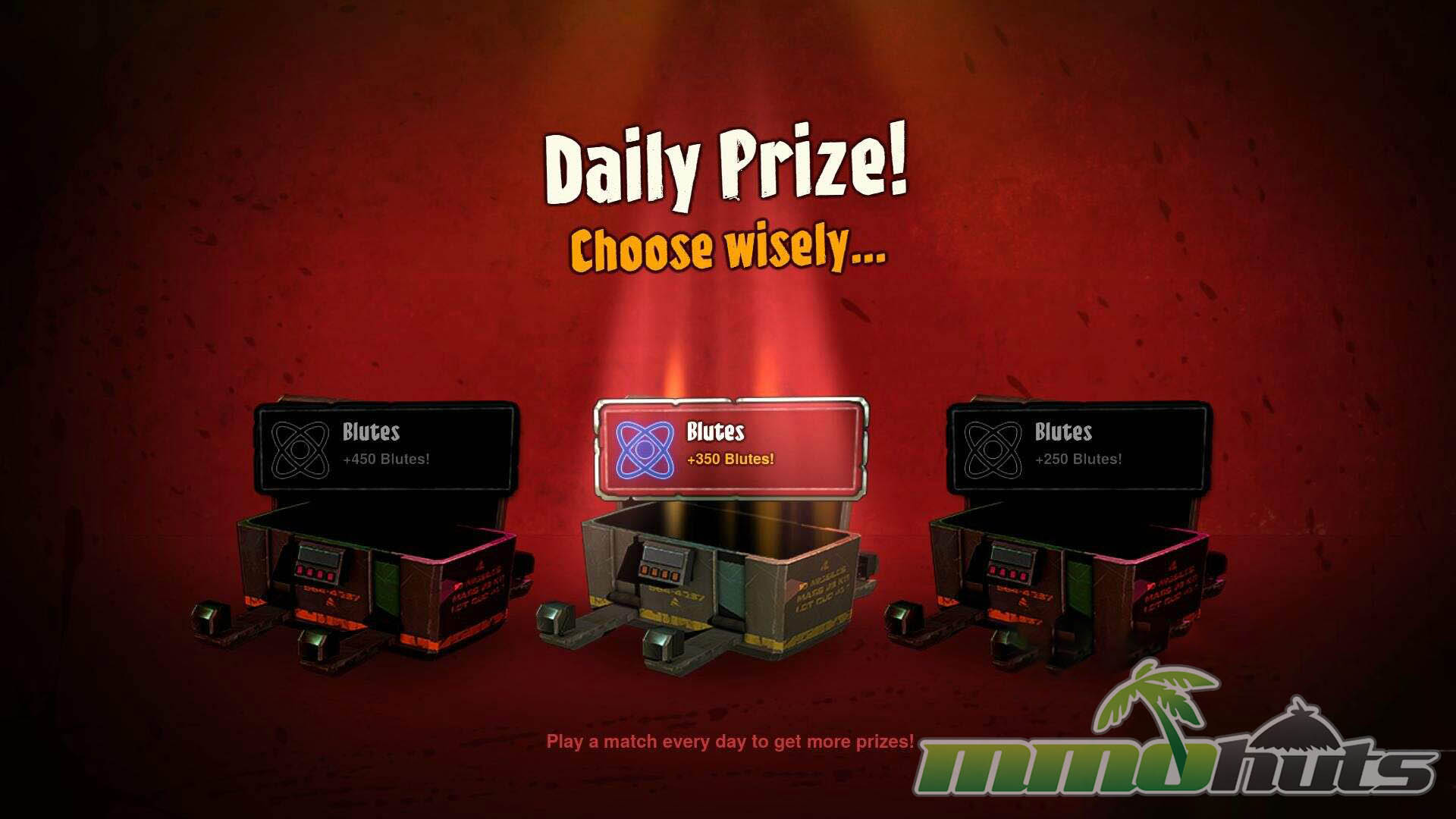
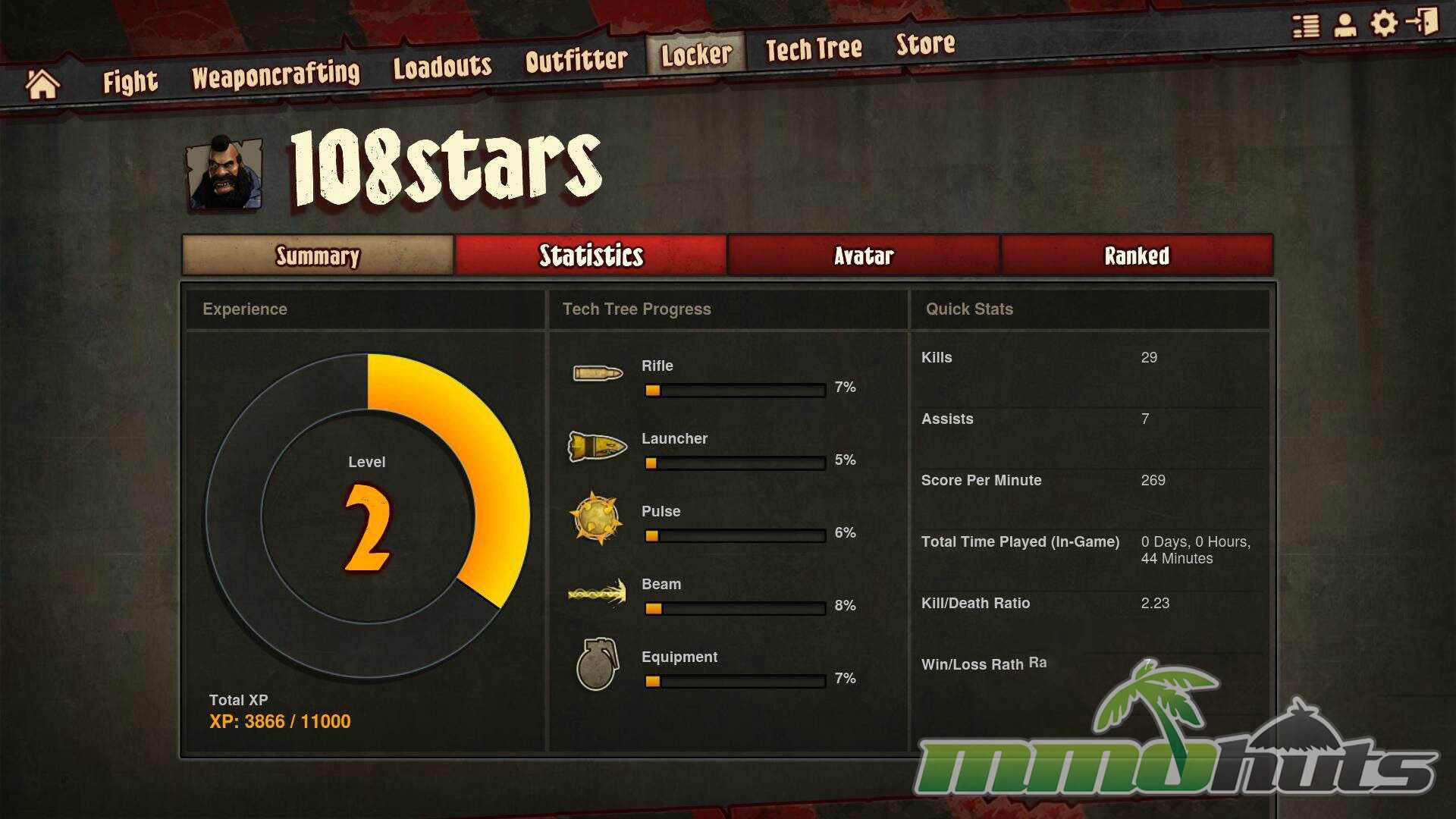
The catch is progression. Early on, your part selection is limited, and you unlock additional components through the Tech Tree using Blutes earned from playing matches. That structure gives you goals, but it also means the most interesting builds can be locked behind a long grind. During games you can grab weapons dropped by defeated players, which is a fun way to sample other builds, even if it is often hard to adapt mid-fight to a weapon you did not design.
Loadouts and Mid-Match Flexibility
Crafting a gun is only half the setup, you also need to equip it through loadouts. You begin with a single loadout slot, with more opening up as you level. Each loadout includes two weapons, a usable item (such as a grenade), and one of three avatars: Axl, T-bone, or Helga. While the characters are more personality than function, the ability to bring two weapons encourages smart pairings, for example a long-range option backed by a close-quarters finisher.
Loadouts can be swapped during a match, which is one of the more underrated strengths of the game. It lets you respond to how the lobby is playing, change your approach when an objective demands it, or simply counter a weapon style that is dominating the current fight.
Queueing Up: Convenient, Not Always Clean
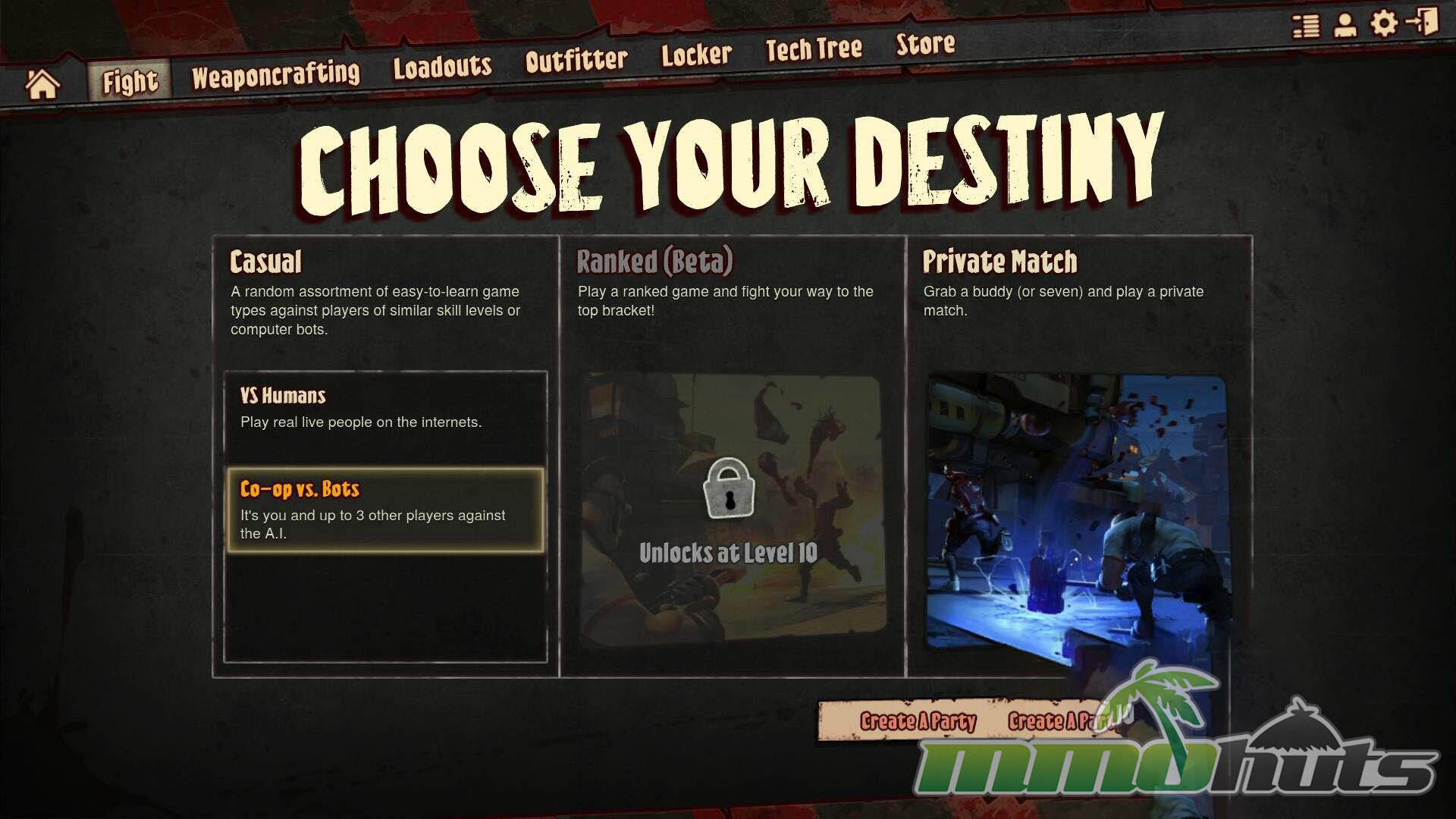
Matchmaking is handled through a single Fight button, then the system places you into an available game. In practice, queue times can range from quick to uncomfortably long, depending on how many people are online. Casual matchmaking also tends to feel loose, often dropping players into matches already in progress and not always giving the impression of strict level-based balance.
Ranked play is more structured, using a set of provisional matches to establish a starting placement and then matching by division. Ranked also offers fewer modes, and each mode maintains its own ranking, which can be appealing if you prefer focusing on a specific ruleset.
Modes Built on Familiar Ideas
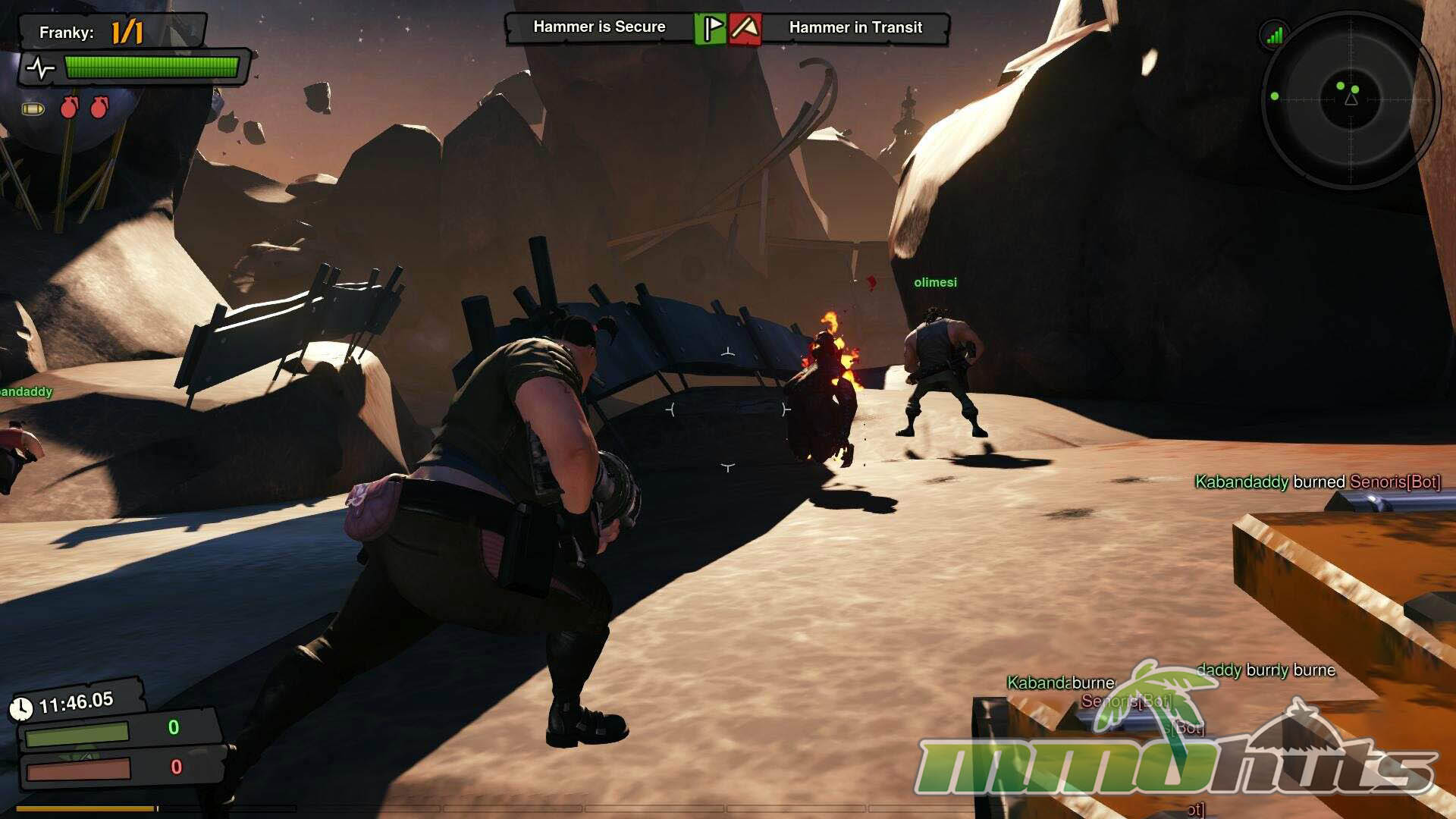
Loadout includes five modes: Death Snatch, Jackhammer, Blitz, Extraction, and Annihilation. They are variations on staples you have likely seen in other arena shooters, but with enough Loadout flavor to keep them distinct.
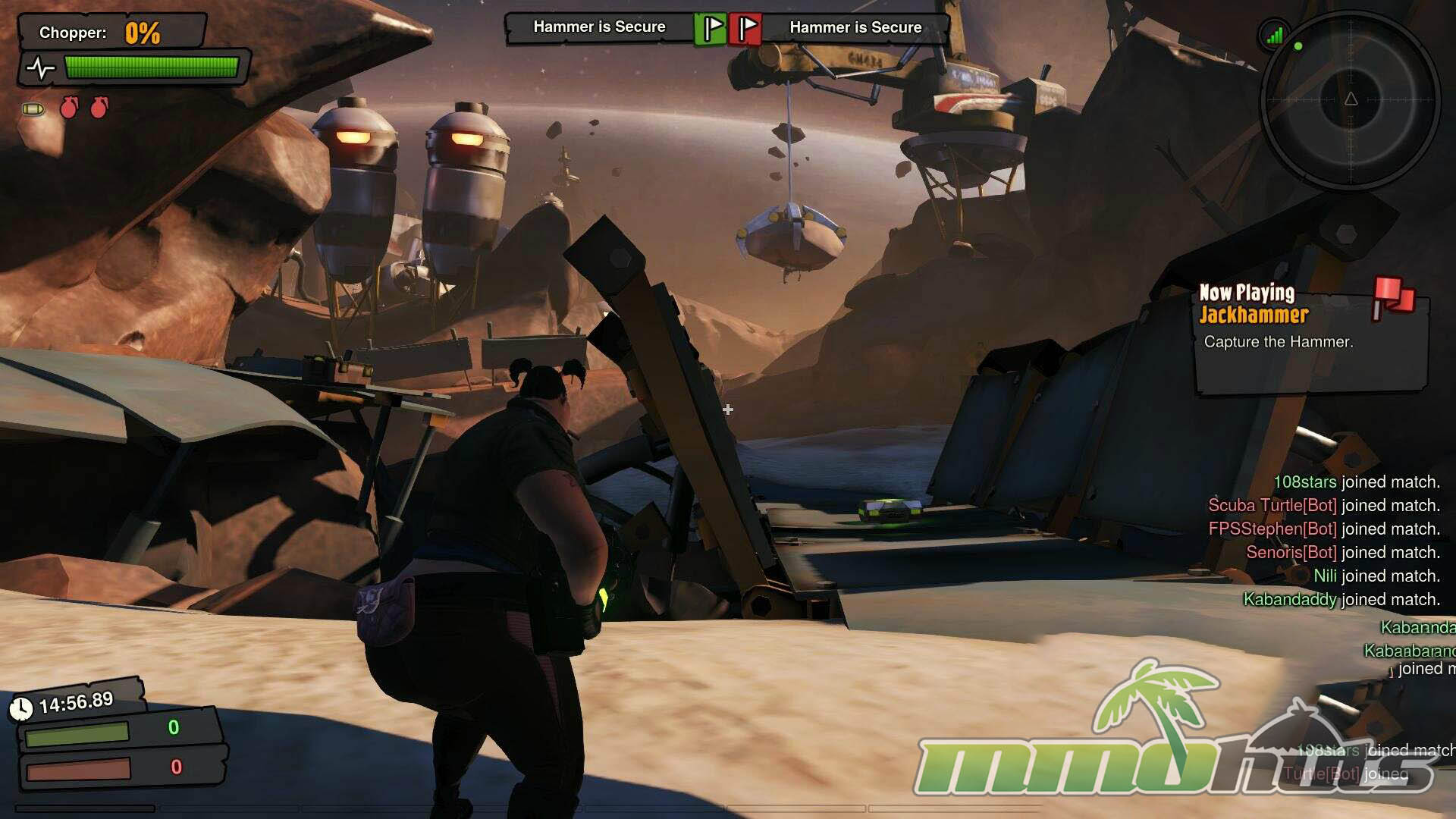
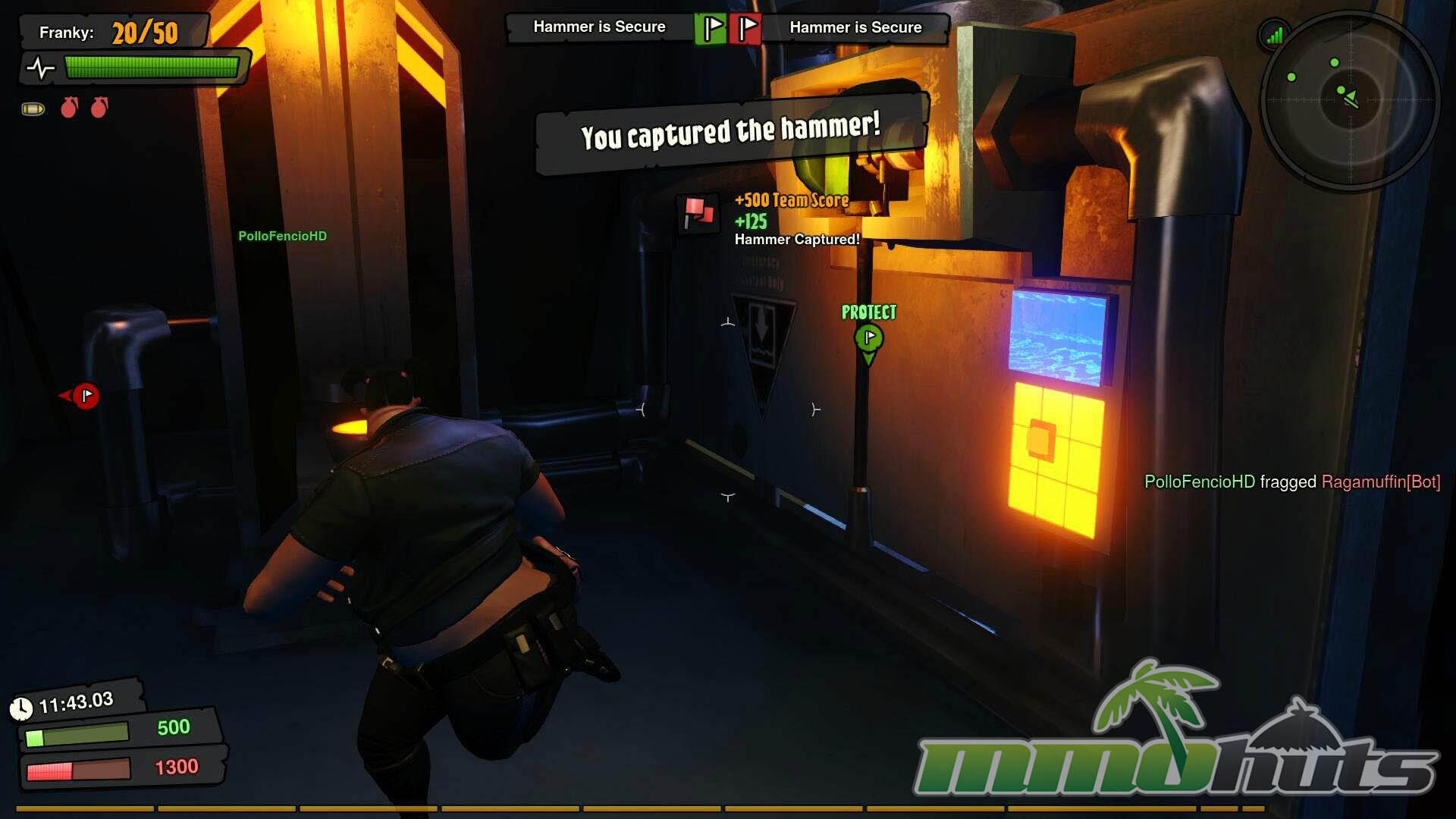
Death Snatch is a kill-confirmation twist on team deathmatch, requiring players to collect vials from defeated enemies to score, while teammates can deny points by grabbing them first. Jackhammer is capture-the-flag with a heavy comedy gimmick, the flag is a giant hammer that replaces your weapon and can one-shot opponents in melee. Annihilation is the most chaotic option, blending rules from multiple modes into one match, and it tends to highlight both the best and worst of the game’s design, the freedom is thrilling, but balance can get wild fast. Jackhammer and Annihilation are also the two modes available for ranked play.
Cartoon Gore With a Punchline
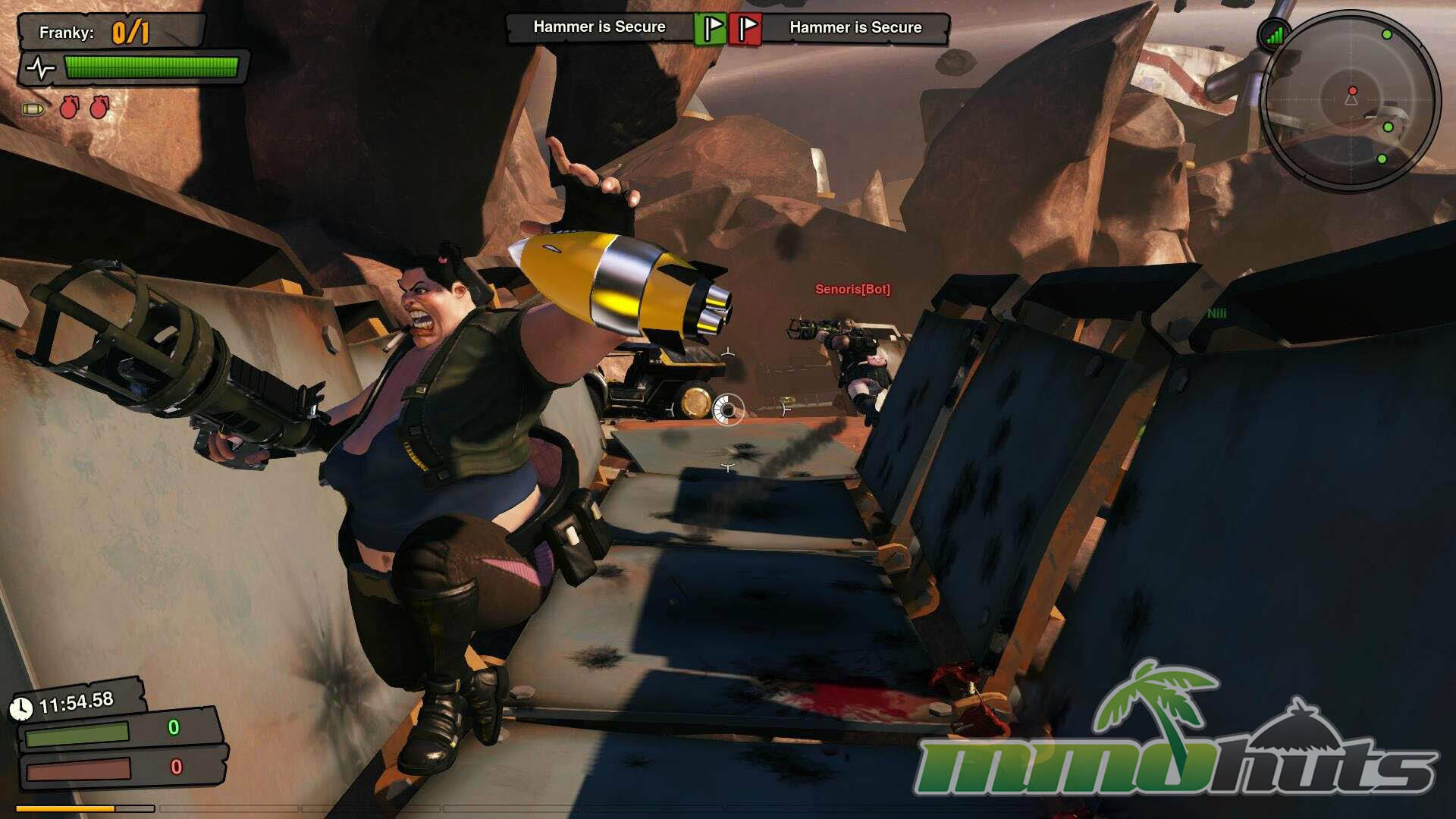
The game’s humor is crude and intentionally loud, and the violence is exaggerated to match. Damage is not just a number on the HUD, characters visually show missing chunks and overdone blood effects. The style keeps it from feeling grim, and the result is more slapstick than disturbing. Loadout is at its best when you are laughing at the absurdity of what just happened, whether that is a dramatic death animation or a rapid heal that stitches a battered character back together in seconds.
Monetization and Cosmetics
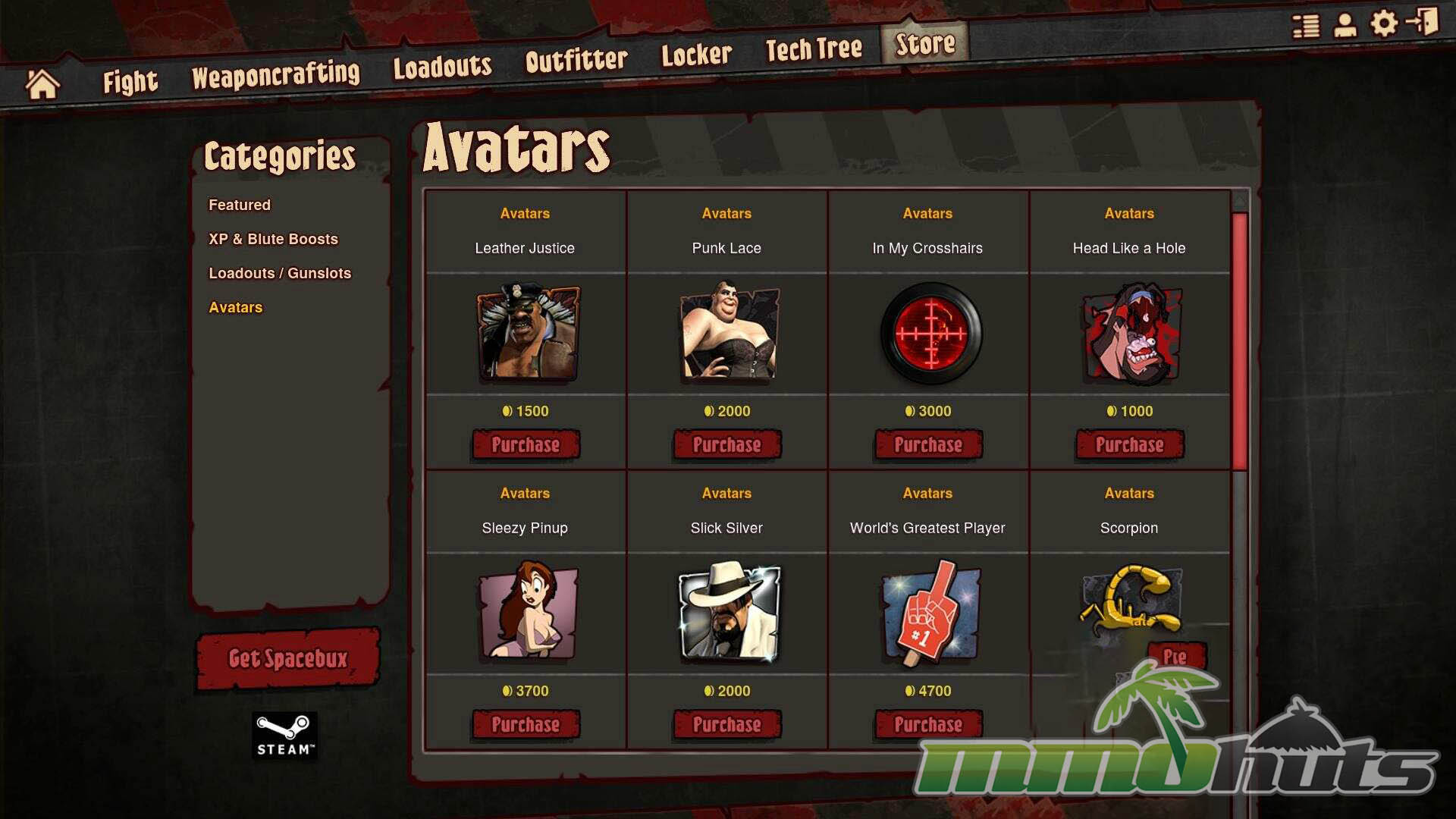
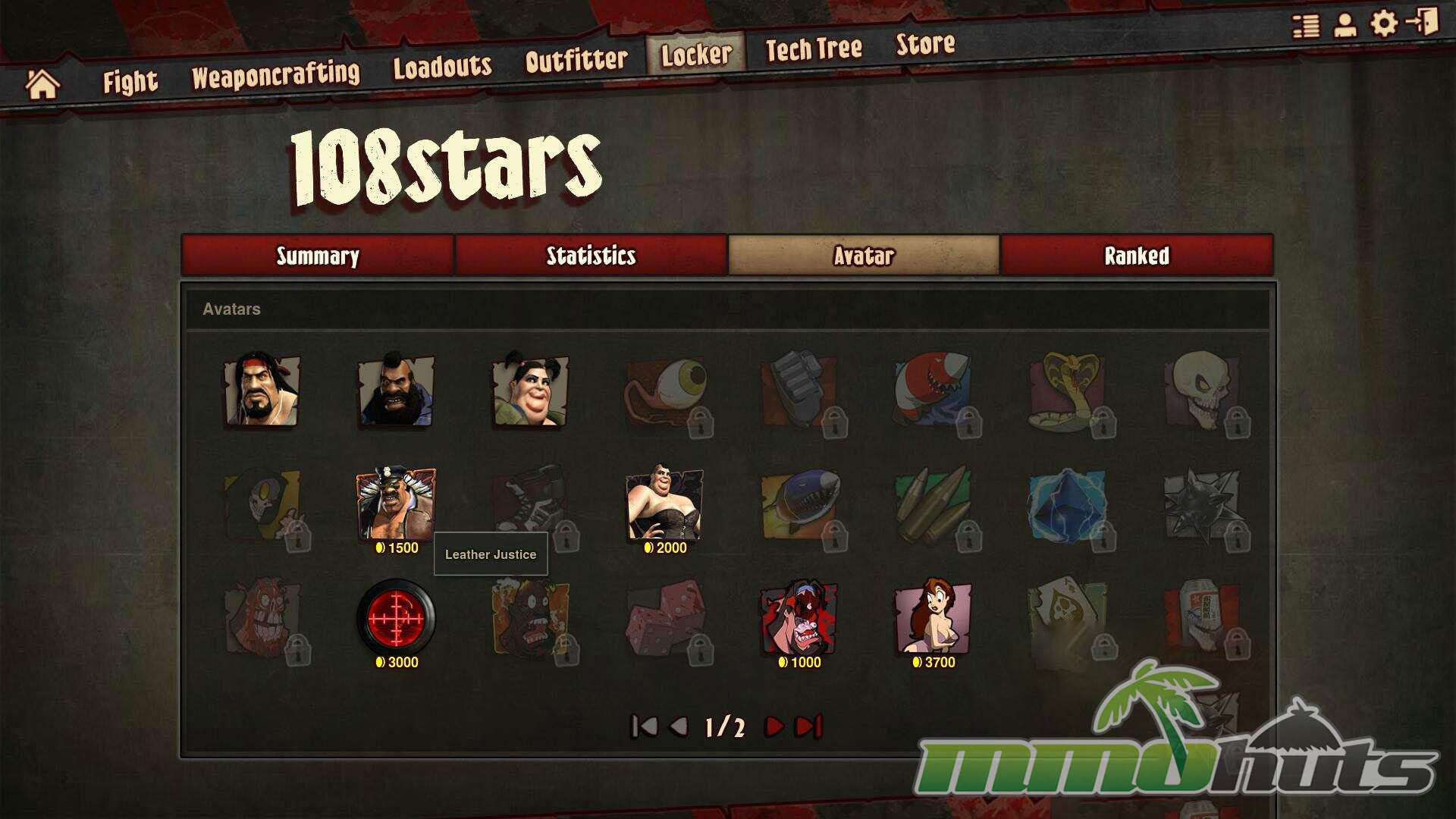
For a free-to-play shooter, the shop is relatively typical. The notable point is that weapons are not the main cash-shop focus despite the game revolving around them. Instead you will mostly find boosters and cosmetics. The downside is that players who care about character fashion will hit a hard wall, cosmetics are purchased with premium currency, so personalization comes down to spending real money rather than earning items through play.
The Final Verdict – Good
Loadout is an energetic, weapon-crafting-driven shooter that delivers quick matches and a steady stream of ridiculous firefights. Its greatest strength is the gun-building system, which meaningfully changes how you play and gives the game a creative identity separate from other comedic arena shooters. The stylized visuals and over-the-top animations also support the tone well.
The biggest frustrations come from the surrounding infrastructure: uneven matchmaking, progression that can feel grindy when chasing specific parts, and the long-standing disappointment that the PC version was effectively left behind while attention moved to the PS4 release. Even with those issues, Loadout remains easy to recommend on its design merits alone, especially to players who enjoy tinkering and fast respawn-heavy FPS pacing, as long as they understand the game has been shut down.
Loadout Online Links
Loadout Official Site
Loadout Steam Page
Loadout Facebook
Loadout Metacritic (Reviews)
Loadout System Requirements
Minimum Requirements:
Operating System: Windows XP SP3 / Vista / 7 / 8
CPU: Intel Core 2 Duo or AMD equivalent or better
Video Card: ATI Radeon HD 4350 / NVIDIA GeForce 6800 / Intel HD 3000 or better
RAM: 2 GB
Hard Disk Space: 4 GB
Recommended Requirements:
Operating System: Windows XP SP3 / Vista / 7 / 8
CPU: Core 2 Duo E6305 1.86GHz /Athlon 64 X2 Dual Core 4600+
Video Card: GeForce 6800 GS / Radeon HD 4550
RAM: 4 GB
Hard Disk Space: 4 GB
Loadout Music & Soundtrack
Coming Soon…
Loadout Additional Information
Developer: Edge of Reality
Distributor: Steam
Platforms: PC, PS4
Early Access Release: May 15, 2013
Release Date (PS4): December 16, 2014
Release Date (PC): January 31, 2014
Shut Down: May 24, 2018
Loadout is developed and published by Edge of Reality, a studio based in Austin, Texas known for working on licensed projects including Shark Tale and Over the Hedge. Loadout was the team’s first self-published title, launching in Early Access on May 15, 2013 before its full Steam release on January 31, 2014. A PS4 version followed on December 16, 2014 and received more consistent updates over time, while the PC build saw slower support after staff reductions on that side.