Elsword Online is a 2.5D, side-scrolling, anime-flavored fantasy MMORPG by KOG Games that leans heavily into fast, combo-driven brawler combat. Instead of a sprawling open world, it focuses on instanced runs, character progression, and mastering your kit across 50+ dungeons and multiple class paths per hero.
 | Publisher: KOG Games Playerbase: Medium Type: MMORPG PvP: Arena (1v1/2v2/3v3/4v4) Release Date: March 23, 2011 (NA/EU) Pros: +Large roster with meaningful job paths. +Snappy combat and satisfying combo routes. +Strong soundtrack and overall presentation. Cons: -Heavily influenced by the cash shop. -Ongoing balance quirks. -Frequent monetization pressure in progression. |

Elsword Online Overview
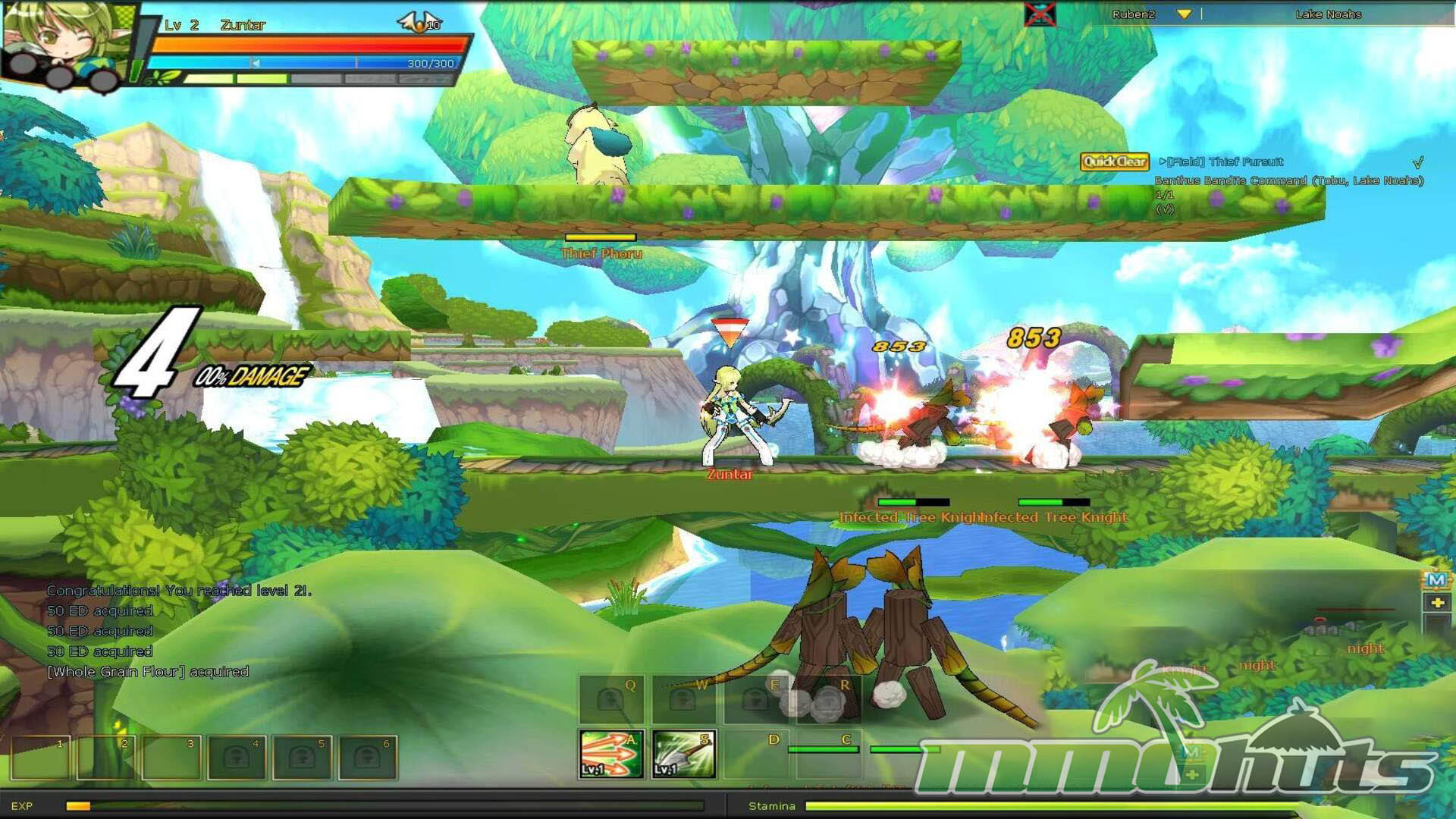
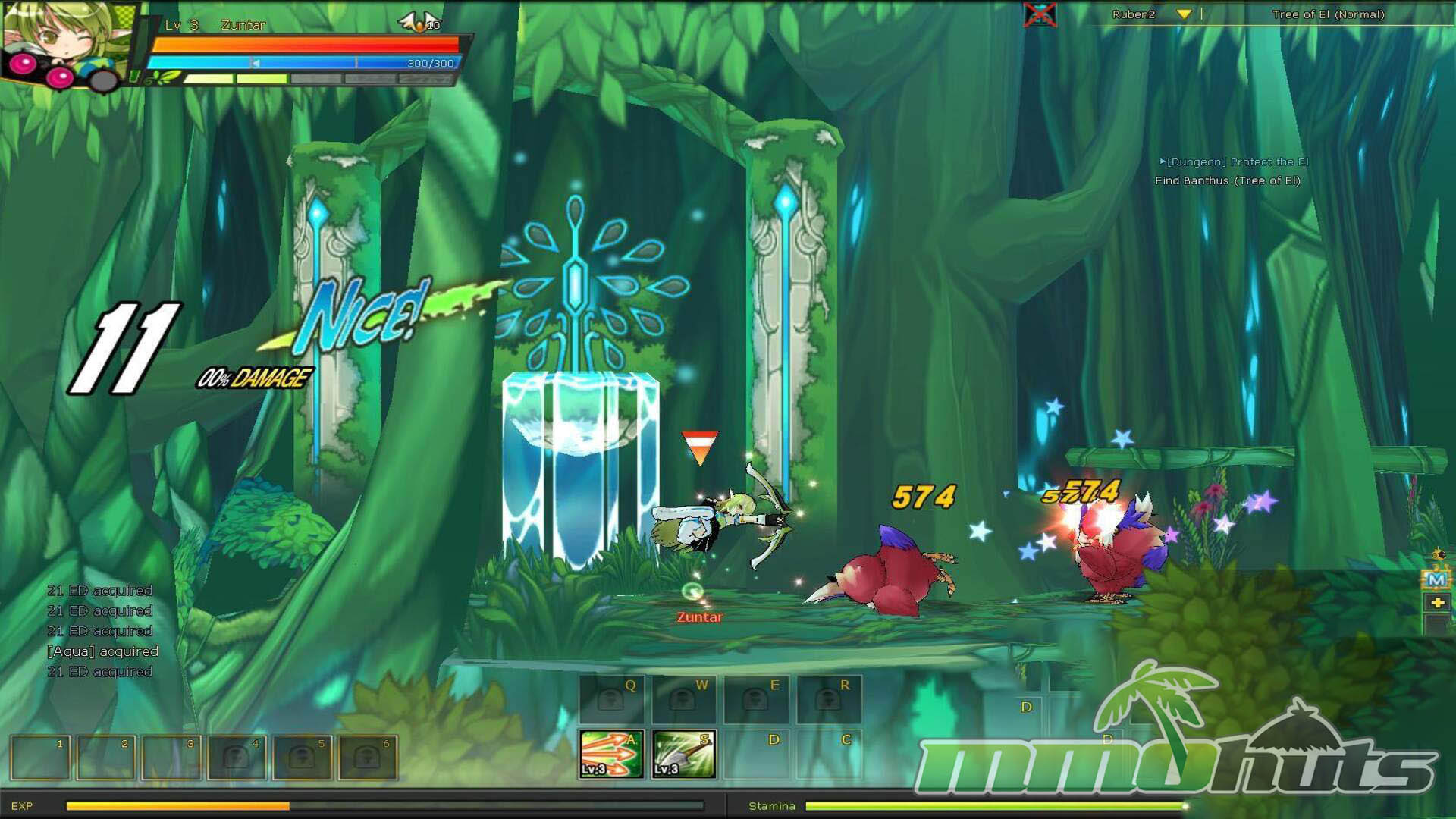
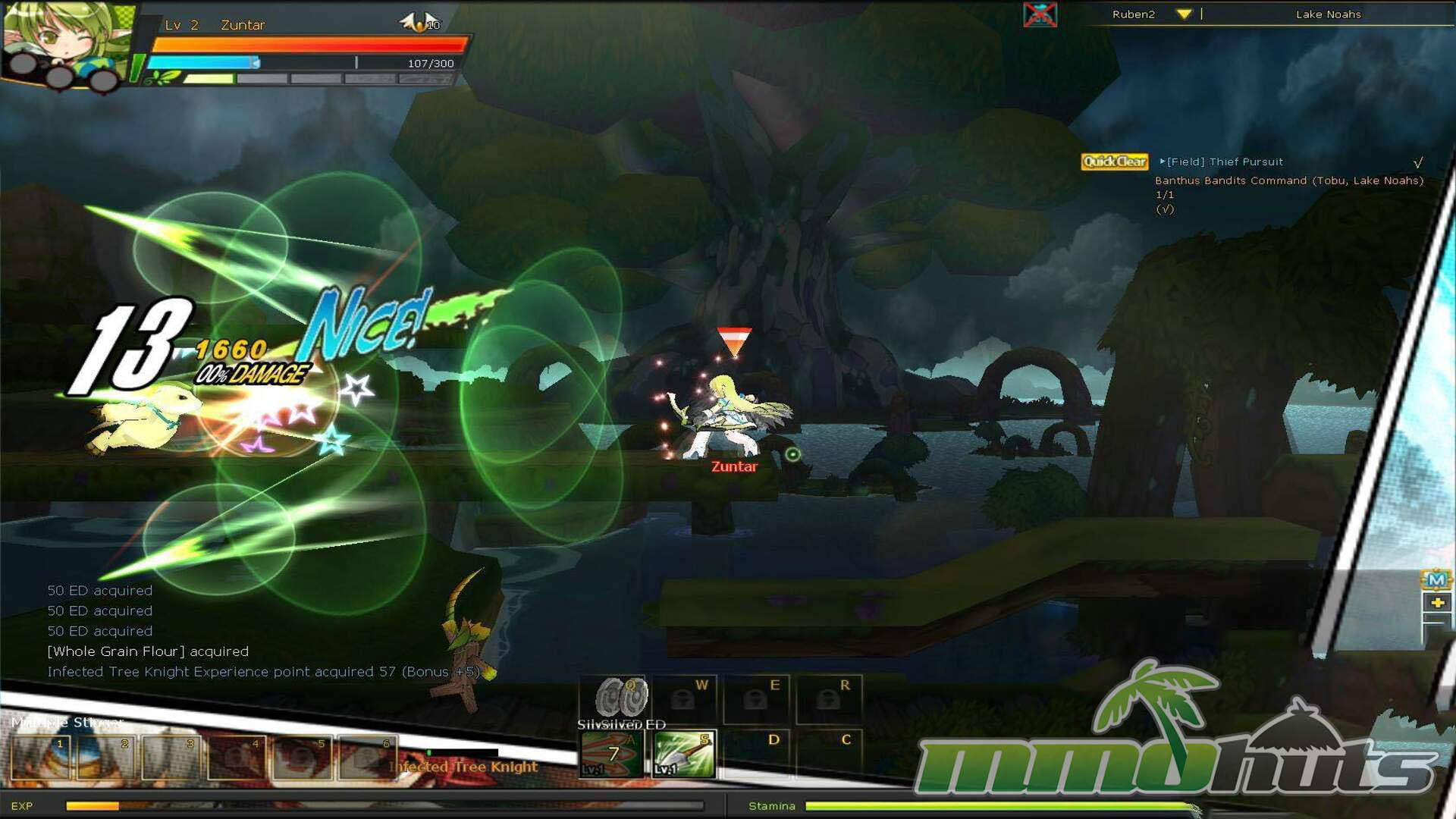
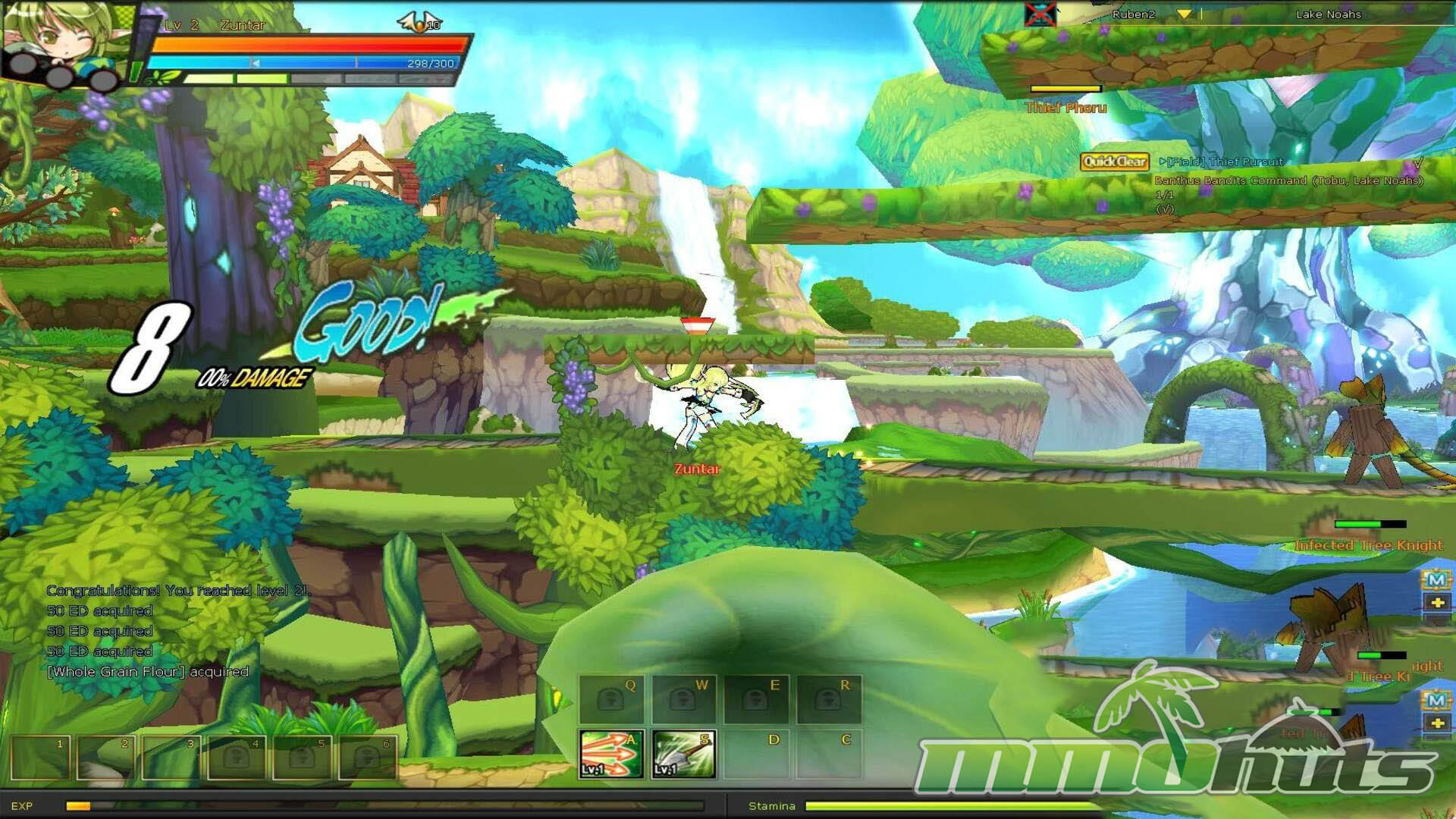
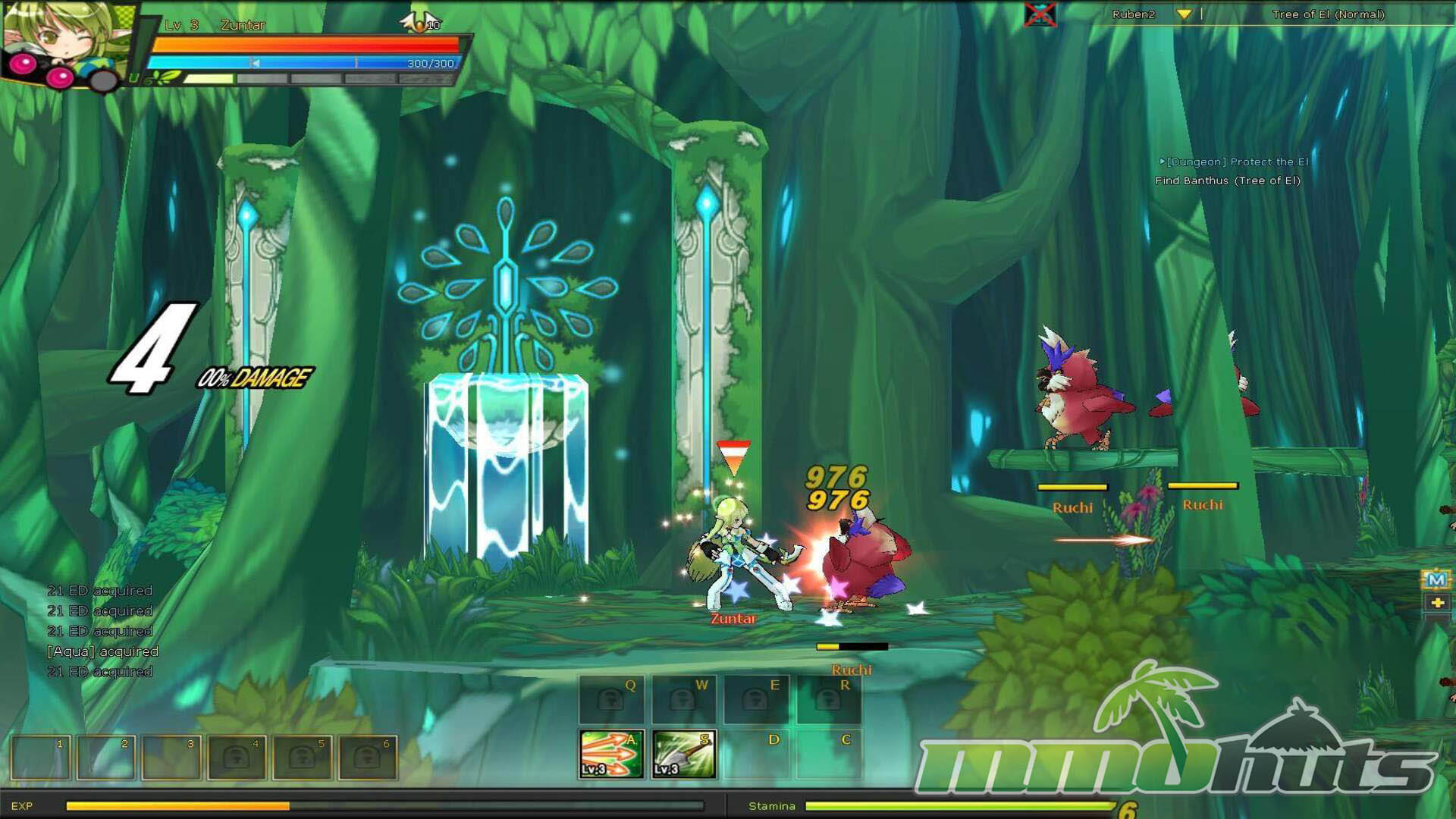
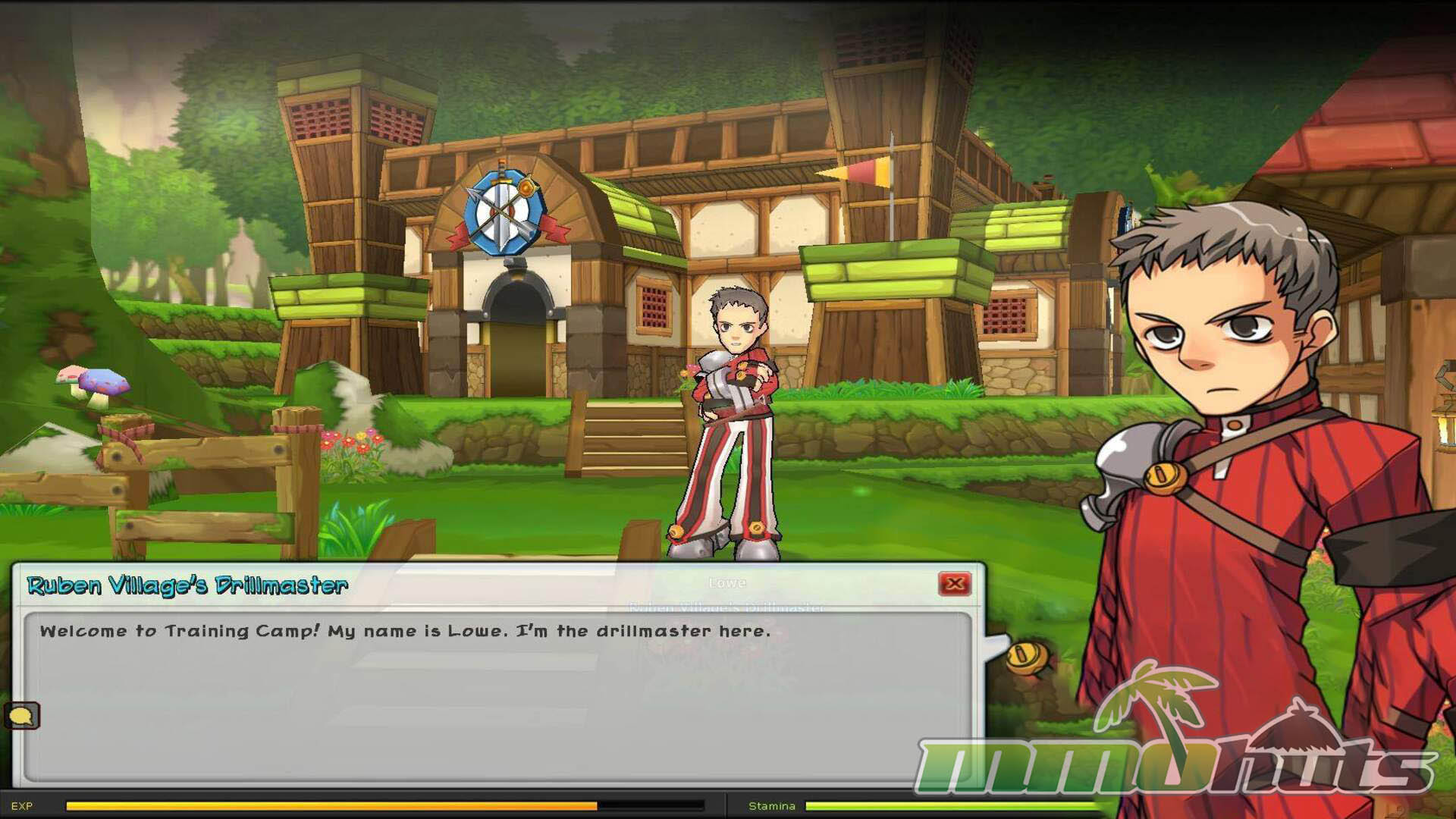
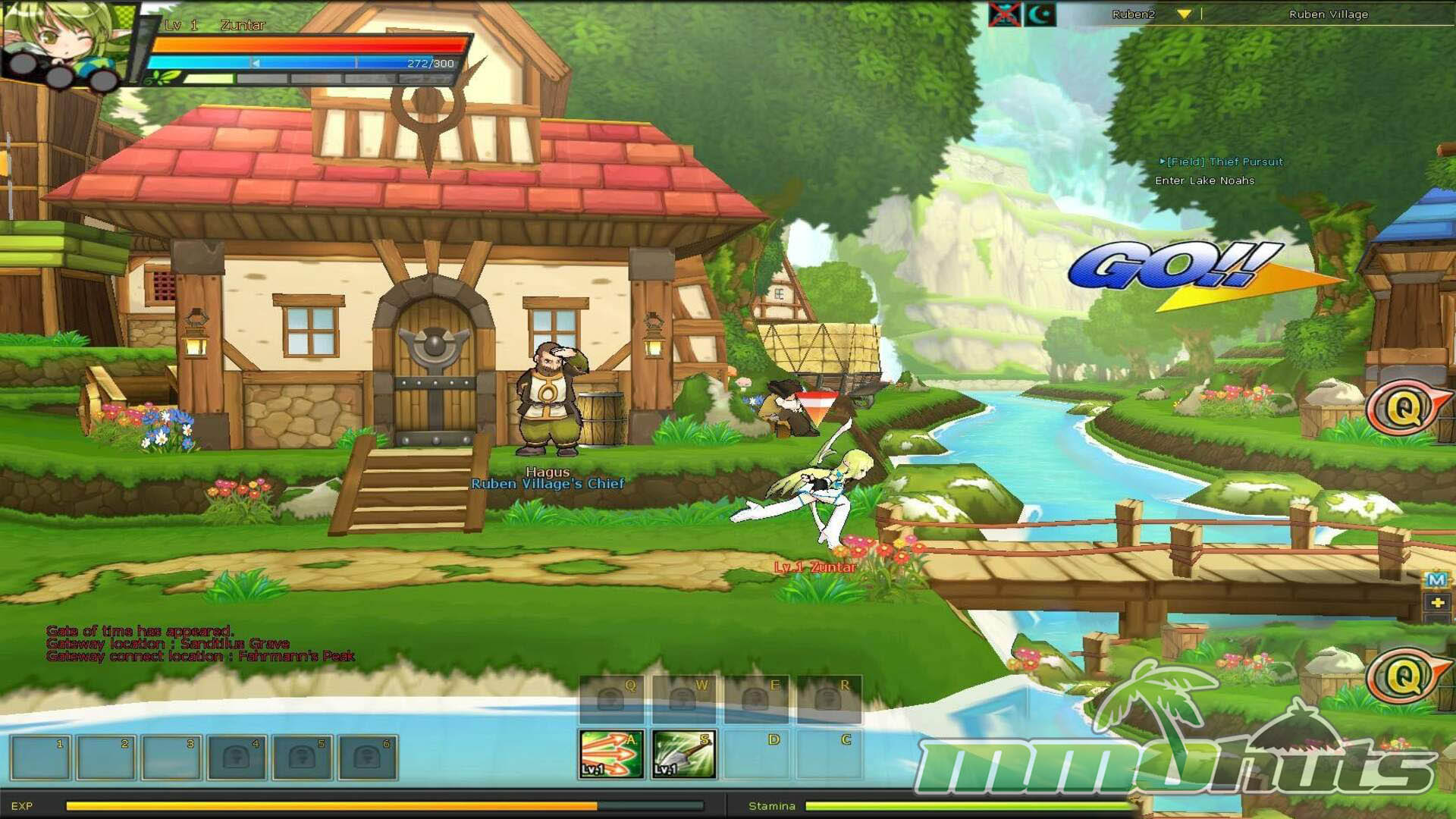
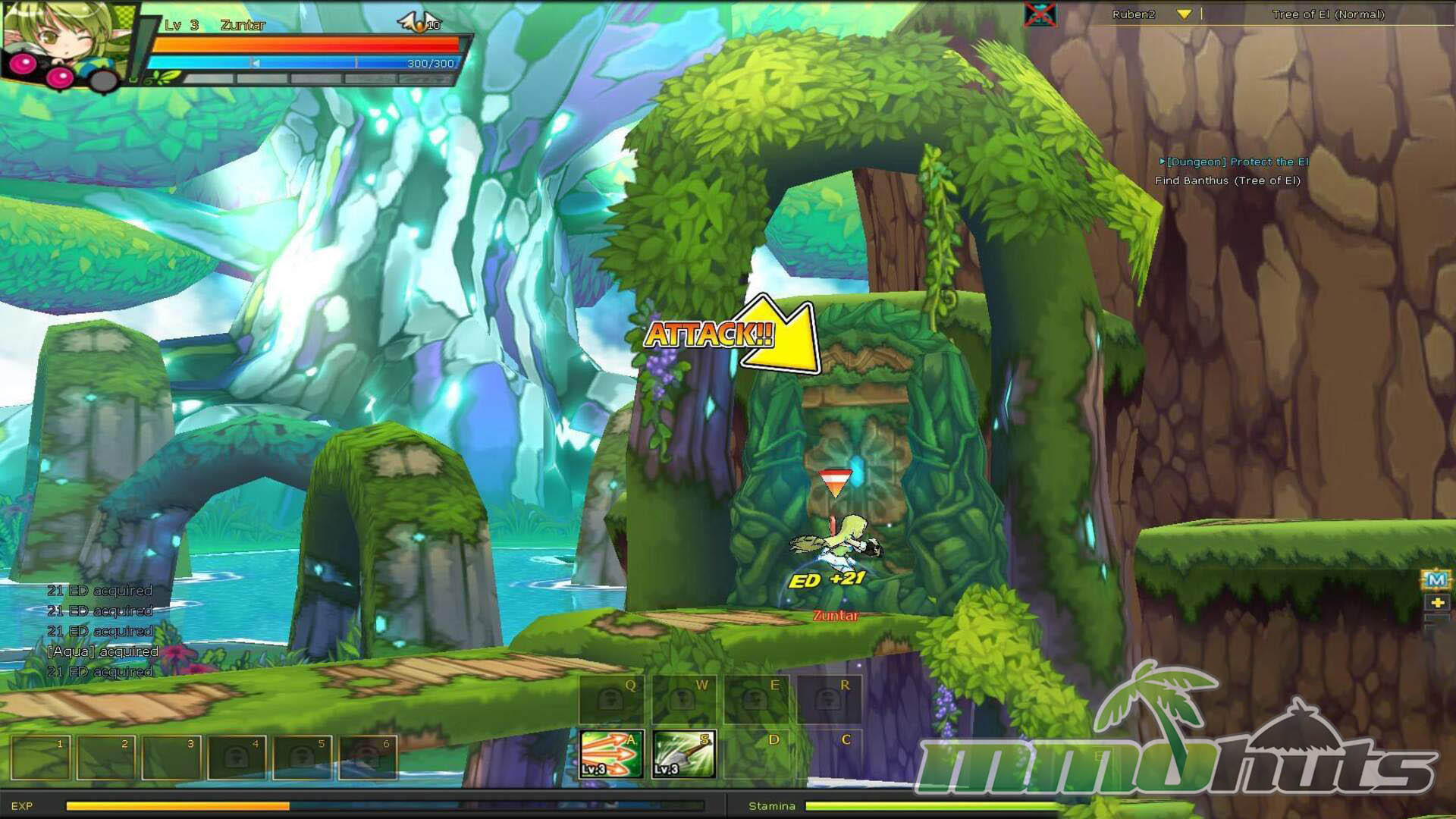
Elsword is KOG’s side-scrolling action MMORPG that plays more like a co-op beat-em-up than a traditional hotbar MMO. You queue into instanced stages, clear rooms of enemies, and push forward through a mostly linear dungeon structure that keeps the pace moving. The tone is bright and anime-styled, but the fighting is built around hit-stuns, spacing, and juggling, so it can feel surprisingly intense once you start learning routes.
Rather than building a custom avatar from scratch, you pick from a cast of characters, each functioning as a distinct class with its own weapon style and skills. The game’s class system branches early, with job choices opening at Level 15, then advancing again at Level 35. The end result is a roster where two players on the same character can still feel quite different depending on which path they commit to.
Elsword Key Features
- Side-Scrolling Action – anime-inspired 2.5D brawler MMO built around movement and combos.
- Character-Based Classes – 9+ playable heroes, each with multiple job choices and later advancements.
- Stage-Driven Progression – a dungeon ladder structure reminiscent of games like Dungeon Fighter Online and Dragon Nest.
- Instanced Content Focus – most of your time is spent in repeatable, matchmaking-friendly dungeons.
Elsword Online Screenshots

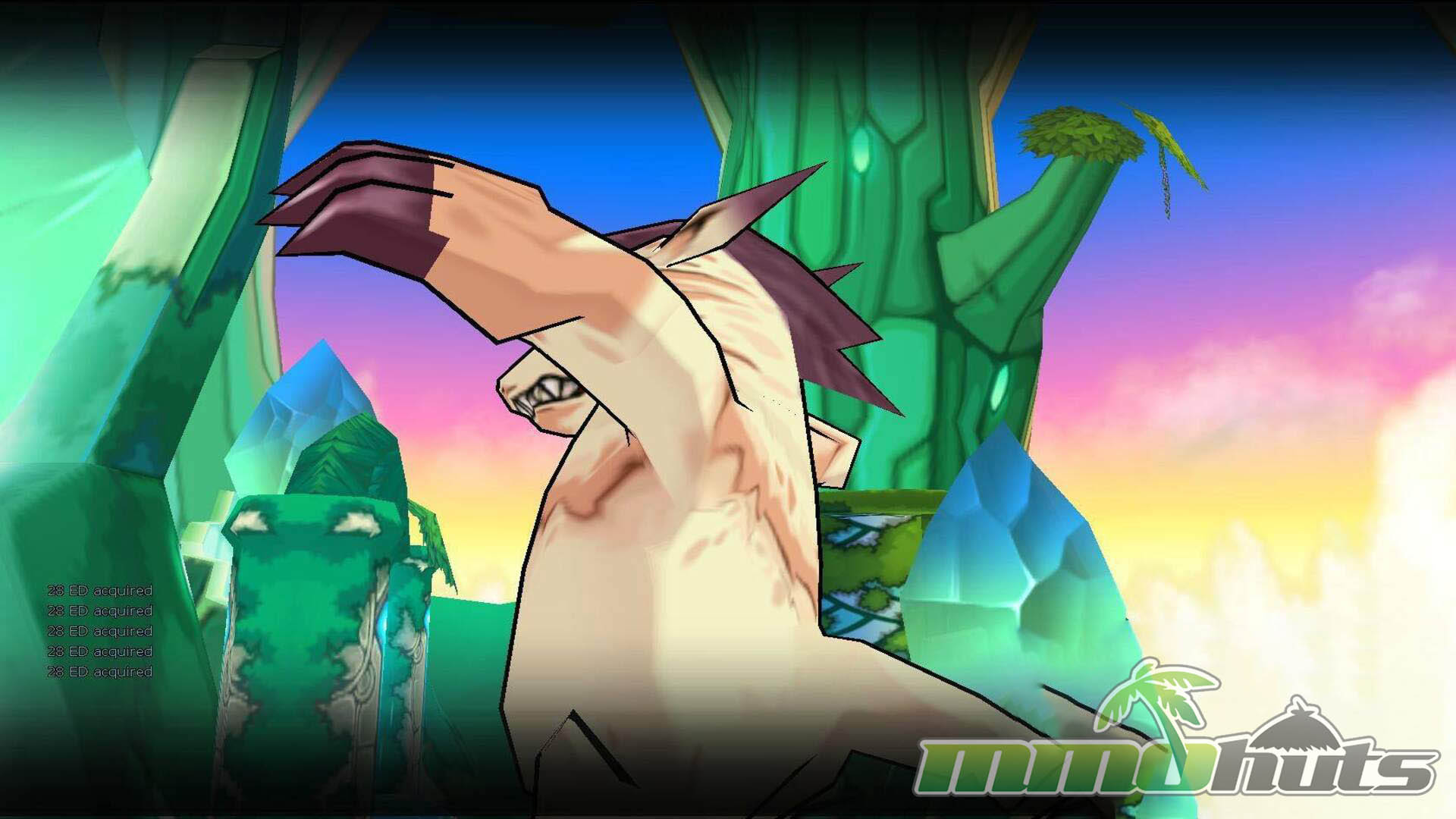
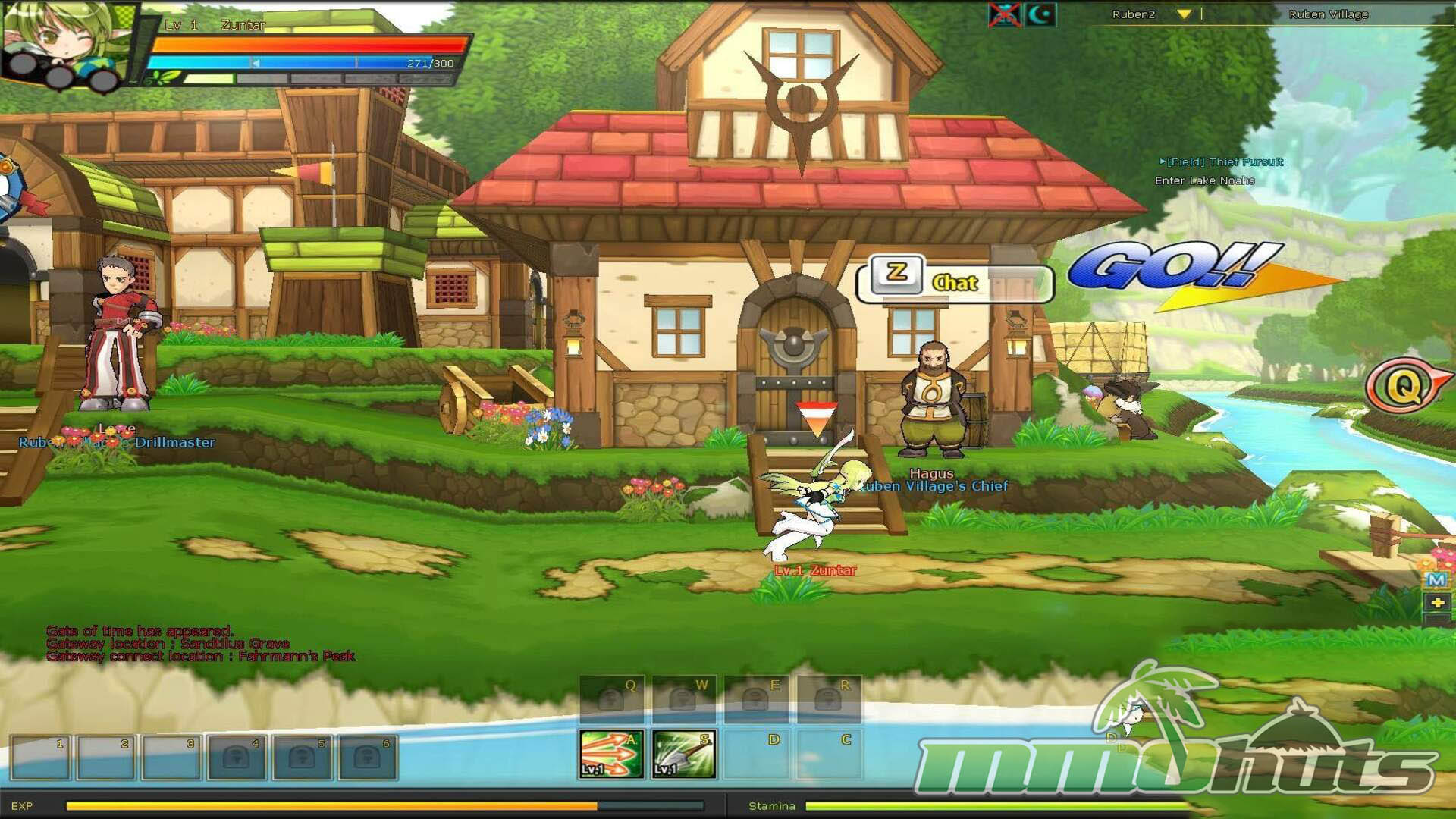
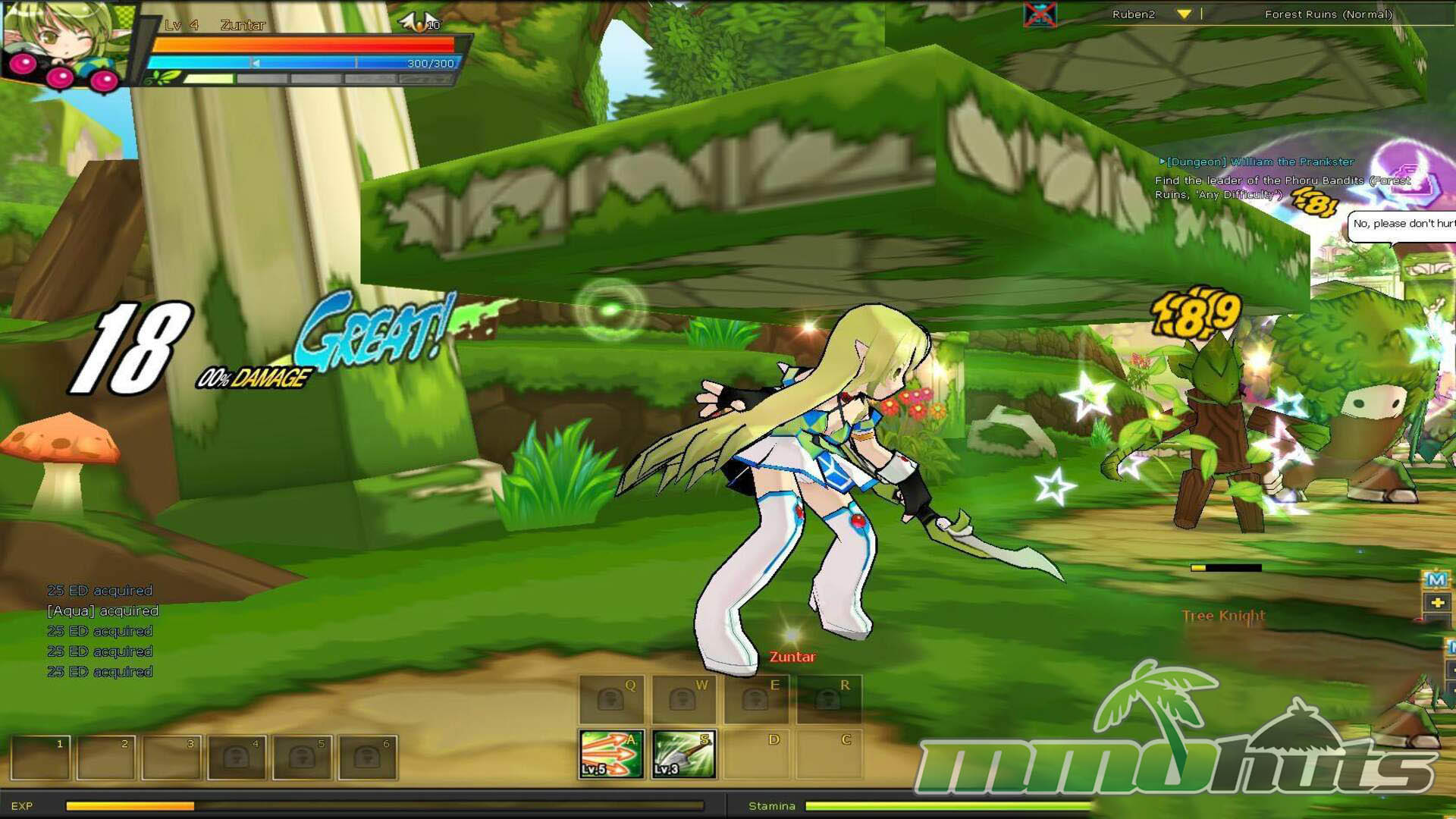
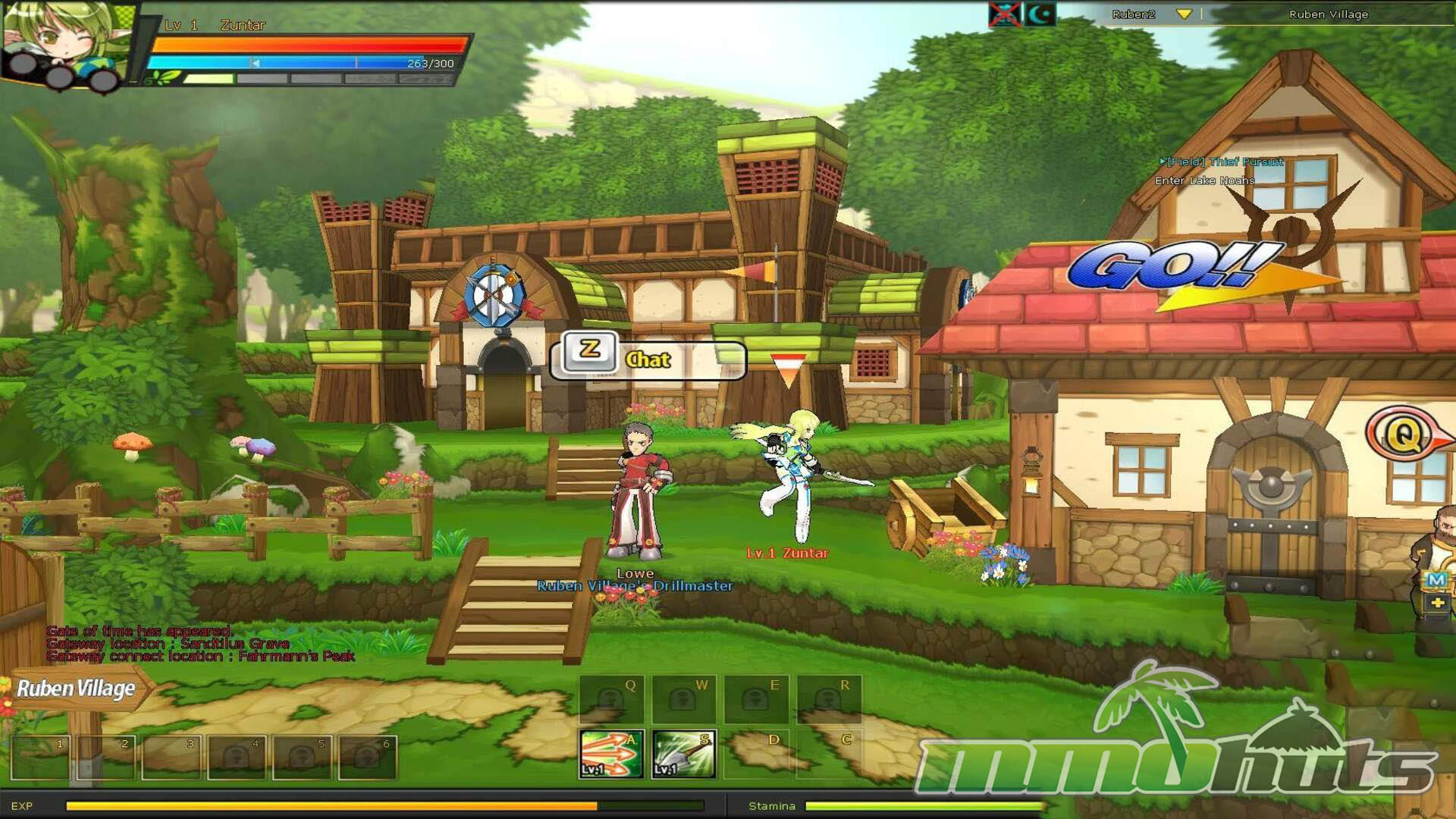


Elsword Online Featured Video

Elsword Online Classes
- Elsword – A straightforward melee duelist built around swordplay, pressure, and close-range strings.
- Class Progression:
- Sword Knight > Lord Knight
- Magic Knight > Rune Slayer
- Sheath Knight > Infinity Sword
- Class Progression:
- Aisha – A classic mage archetype, emphasizing spell damage and ranged control through magic.
- Class Progression:
- High Magician > Elemental Master
- Dark Magician > Void Princess
- Battle Magician > Dimension Witch
- Class Progression:
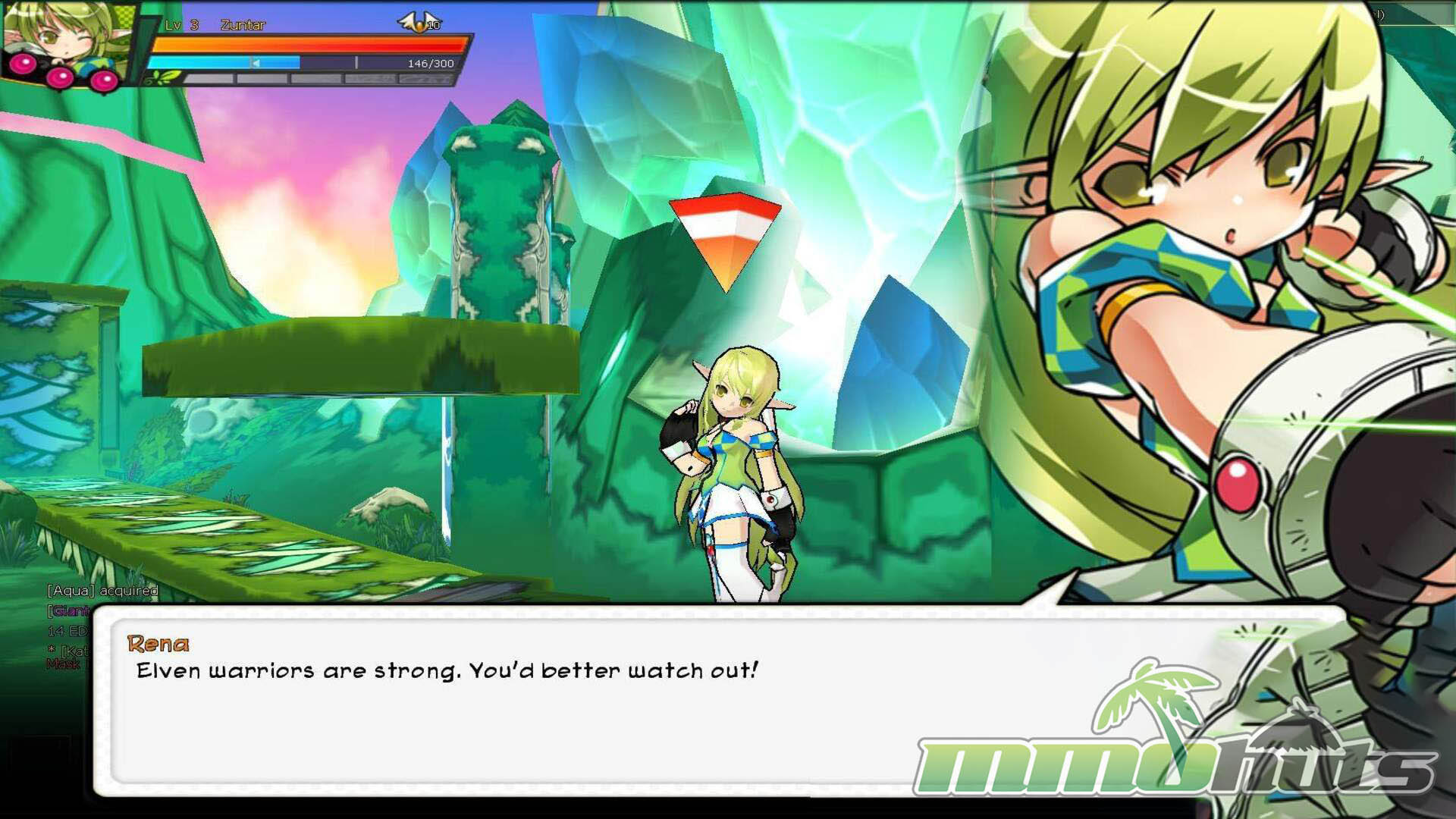
- Rena – An agile elven archer who blends ranged attacks with magical enhancements and mobility.
- Class Progression:
- Combat Ranger > Wind Sneaker
- Sniping Ranger > Grand Archer
- Trapping Range > Night Watcher
- Class Progression:
- Raven – A hard-hitting close-quarters fighter whose Nasod arm helps him carve through packs quickly.
- Class Progression:
- Over Taker > Reckless Fist
- Sword Taker > Blade Master
- Weapon Taker > Veteran Commander
- Class Progression:
- Eve – A Nasod queen who mixes tech-based attacks with summons and mechanical pressure tools.
- Class Progression:
- Code: Exotic > Code: Nemesis
- Code: Architecture > Code: Empress
- Code: Electra > Code: Battle Seraph
- Class Progression:
- Chung – A cannon-wielding powerhouse with armor and heavy firepower, designed to control space and burst targets down.
- Class Progression:
- Fury Guardian > Iron Paladin
- Shooting Guardian > Deadly Chaser
- Shelling Guardian > Tactical Trooper
- Class Progression:
- Ara – A spear-focused martial fighter with fast strings and flexible ranges, able to swap between pressure and reach.
- Class Progression:
- Little Hsien > Sakra Devanam
- Little Devil > Yama Raja
- Little Specter > Asura
- Class Progression:
- Elesis – A mobile claymore user who plays aggressively, rewarding clean timing and decisive engagements.
- Class Progression:
- Saber Knight > Grand Master
- Pyro Knight > Blazing Heart
- Dark Knight > Crimson Avenger
- Class Progression:
- Add – A tech-driven combatant who uses Nasod Dynamo weapons and electricity-themed attacks to overwhelm enemies.
- Class Progression:
- Psychic Tracer > Lunatic Psyker
- Arc Tracer > Mastermind
- Time Tracer > Diabolic Esper
- Class Progression:
Elsword Online Review
Elsword Online (often shortened to Elsword) is a 2.5D side-scrolling brawler MMORPG developed by KOG Studios and published by Nexon, Gamania, NHN Japan, KOG Games, Asiasoft, Netmarble, Level Up! Games, Gameforge, and Garena, depending on region. In NA the game is published by KOG Games, while EU publishing has been handled by Gameforge. The title originally launched on December 27, 2007 in South Korea, arrived in NA on March 23, 2011, and released in EU on July 24, 2013. If you have experience with KOG’s Grand Chase, the resemblance is immediate, the structure and overall feel are cut from the same cloth, but Elsword presents it with cleaner visuals and a more modern sheen.
Style first, but not shallow
The game’s anime presentation is one of its biggest draws, with cel-shaded character models and effects that make skills pop clearly during chaotic fights. The setting is the world of Elrios, powered by the El Stone, and the plot kicks off when that power source is stolen, pushing Elsword and company into a straightforward “chase the problem and fix it” adventure. The narrative is not the main reason to play, but it frames the dungeon progression well enough and keeps the campaign moving.
Character creation is minimal by MMO standards. You are selecting a specific hero rather than building an original avatar, and most of your expression comes later via outfits and gear. The upside is that each character is tightly designed, with distinct animations, ranges, and combat rhythms that make switching mains feel like learning a new fighting game archetype.
Combat built on execution
Moment to moment play is where Elsword stands out. Movement is handled with the arrow keys, with Z and X acting as your main attacks, and a cluster of hotkeys (A, S, D, C, Q, W, E) for active skills. That sounds simple, but the system opens up once you start mixing directional inputs into strings, managing positioning, and deciding when to spend MP for crowd-clearing skills versus saving resources for tougher rooms.
Progression still follows familiar MMORPG beats, quests, leveling, vendors, loot, inventory management, but it is all in service of running stages efficiently. As you level, you earn SP that you invest into a skill tree to unlock and improve abilities. Some choices have tradeoffs, since certain unlocks can prevent access to alternatives, so it is worth thinking about whether you want raw damage, utility, or smoother combo tools.
The job system is another pillar. At Level 15 you pick from three advancement paths by completing a set of required content, then at Level 35 the character advances again (with less branching at that point). This structure helps the game avoid “everyone feels the same” syndrome, even when two players start from the same base character.
Dungeons, difficulty tiers, and larger encounters
Elsword is primarily a dungeon game, and it gives you instanced content immediately. Dungeons come with three difficulty levels, and while the lower tiers can be cleared solo, the higher settings are designed for groups. Matchmaking is a major quality-of-life feature here, because it keeps you running content instead of standing around looking for parties.
On tougher difficulties you typically run with a team of four, and your performance is graded at the end of a run, which feeds into rewards. That scoring layer encourages cleaner play, faster clears, and fewer knockdowns or wasted time. Beyond the standard stage loop, the game also features raid bosses that call for larger groups (up to 12 players), shifting the focus from personal execution to coordination and survivability.
PvP modes
PvP is split into Sparring and Arena. Sparring is essentially a no-stakes environment for testing matchups and practicing combos. Arena is the competitive side, supporting ranked fights in 1v1, 2v2, 3v3, and 4v4 formats. Wins award AP (the PvP currency) and affect RP, which is used for ranking and matchmaking. AP can then be spent on items like gems for sockets and upgrades, creating a loop where competitive play feeds back into your build.
Extra systems that add variety
Outside the core dungeon grind, Elsword packs in several smaller features that help runs feel less repetitive. The Monster Card System lets you collect cards as drops and summon the represented monster or miniboss to assist you during dungeon runs. The Random Mission System adds rotating objectives to stages, like spending a certain amount of MP or using skills a set number of times, which nudges you to change your approach rather than autopilot the same rotation.
You will also find typical MMO side systems such as socketing and upgrading, professions, pets and mounts, plus a wedding system. None of these replace the main appeal of combat, but they do give long-term players more levers to pull.
Cash shop considerations
Monetization is the most common sticking point. The cash shop has a reputation for affecting power, not just convenience, through items such as strong upgrades, skill-related enhancements, and purchases that can impact stats. While it is possible to earn the premium currency through gameplay, many players argue the rate makes it impractical to keep up with spenders, particularly in PvP where small advantages can decide matches.
Costumes are a notable example since they can provide stat boosts rather than being purely visual, and skill upgrades can further widen gaps. If you are approaching Elsword as a free player, the PvE experience can still be enjoyable, but competitive balance is where the monetization feels most intrusive.
Final Verdict – Good
Elsword succeeds at what it sets out to be: a lively, anime-styled dungeon MMO where execution and combos matter. The stage-based structure makes it easy to jump in for short sessions, the class paths give characters long-term identity, and the music and presentation carry a lot of charm. The main caution is the cash shop’s influence, which can undercut fairness and create frustration for players who want a purely skill-based competitive scene.
If you enjoy brawler MMORPGs, especially if you liked Grand Chase or similar lobby-and-dungeon games, Elsword remains an easy recommendation to try, with the understanding that the monetization can be a deciding factor depending on how seriously you take PvP.
Elsword Online Links
Elsword Online Official Site
Elsword Online Steam Page
Elsword Online Wikipedia
Elwiki [Database / Guides]
Elsword Online System Requirements
Minimum Requirements:
Operating System: Windows XP / Vista / 7 / 8
CPU: Pentium 3 800 MHz
Video Card: GeForce MX 400 32MB or better
RAM: 256 MB
Hard Disk Space: 1,300 MB
Recommended Requirements:
Operating System: Windows XP / Vista / 7 / 8
CPU: Pentium 4 2.7 GHz
Video Card: GeForce FX5700 / ATI Radeon 9600 128MB or better
RAM: 512 MB
Hard Disk Space: 2 GB
Elsword Online Music & Soundtrack
Elsword Online Additional Information
Developer: KOG Games
Closed Beta Date: March 22, 2011 – March 30, 2011
Open Beta Date: April 27, 2011
Steam Release Date: July 2, 2014
Foreign Release(s):
South Korea: December 27, 2007 (Nexon)
Japan: March 17, 2010 (NHN Japan)
Taiwan: October 23, 2009 (Gamania)
Hong Kong: November 9, 2009 (Gamania)
Indonesia: December 4, 2012
Thailand: October 11, 2012 (Asiasoft)
Brazil: July 10, 2013 (Level Up! Games)
EU: July 24, 2013 (GameForge)
Philippines: October 9, 2013 (Garena)
Several localized versions of Elsword Online are no longer available. KOG Games, the developer, self-publishes the U.S. version of the game.
Development History / Background:
Elsword Online was created by South Korean developer KOG Games, best known for Grand Chase. After Grand Chase found major success internationally, KOG moved to build a refreshed, more advanced take on that formula, which became Elsword Online. The two titles share a lot of DNA, including a similar approach to character-driven classes and side-scrolling dungeon progression, and they even overlap on some character naming.
Elsword Online runs on a proprietary KOG engine, related to the technology used for Grand Chase. It surpassed 50,000 concurrent users in South Korea and, on the back of that momentum, was licensed and localized for many regions. The North American service is operated directly by KOG Games, and the game later arrived on Valve’s Steam platform on July 2, 2014.