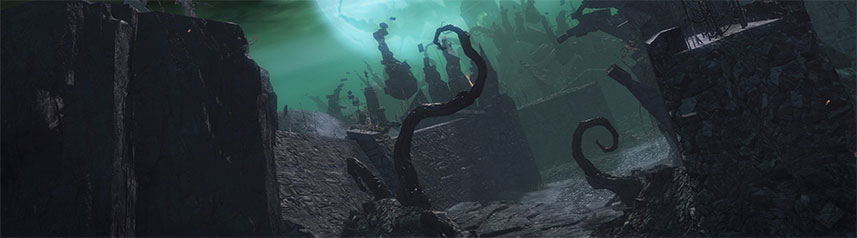
Dungeons & Dragons Online (usually shortened to DDO) is a 3D fantasy action MMORPG that adapts the well known tabletop ruleset into an online format. Rather than feeling like a typical open world grind, it leans heavily into quest chains, party roles, traps, and that familiar sense of “running a module” with a Dungeon Master guiding the action through narration.
 | Publisher: Standing Stone Games Playerbase: Medium Type: MMORPG Release Date: February 28, 2006 Pros: +Questing has a strong narrative focus. +Deep class roster with multi-class builds. +Flexible enhancement trees for lots of build variety. +Large amount of playable content. Cons: -PvP exists but has limited depth. -Cash shop includes gear purchases. -Aging visuals and engine limitations. |

Dungeons & Dragons Online Overview
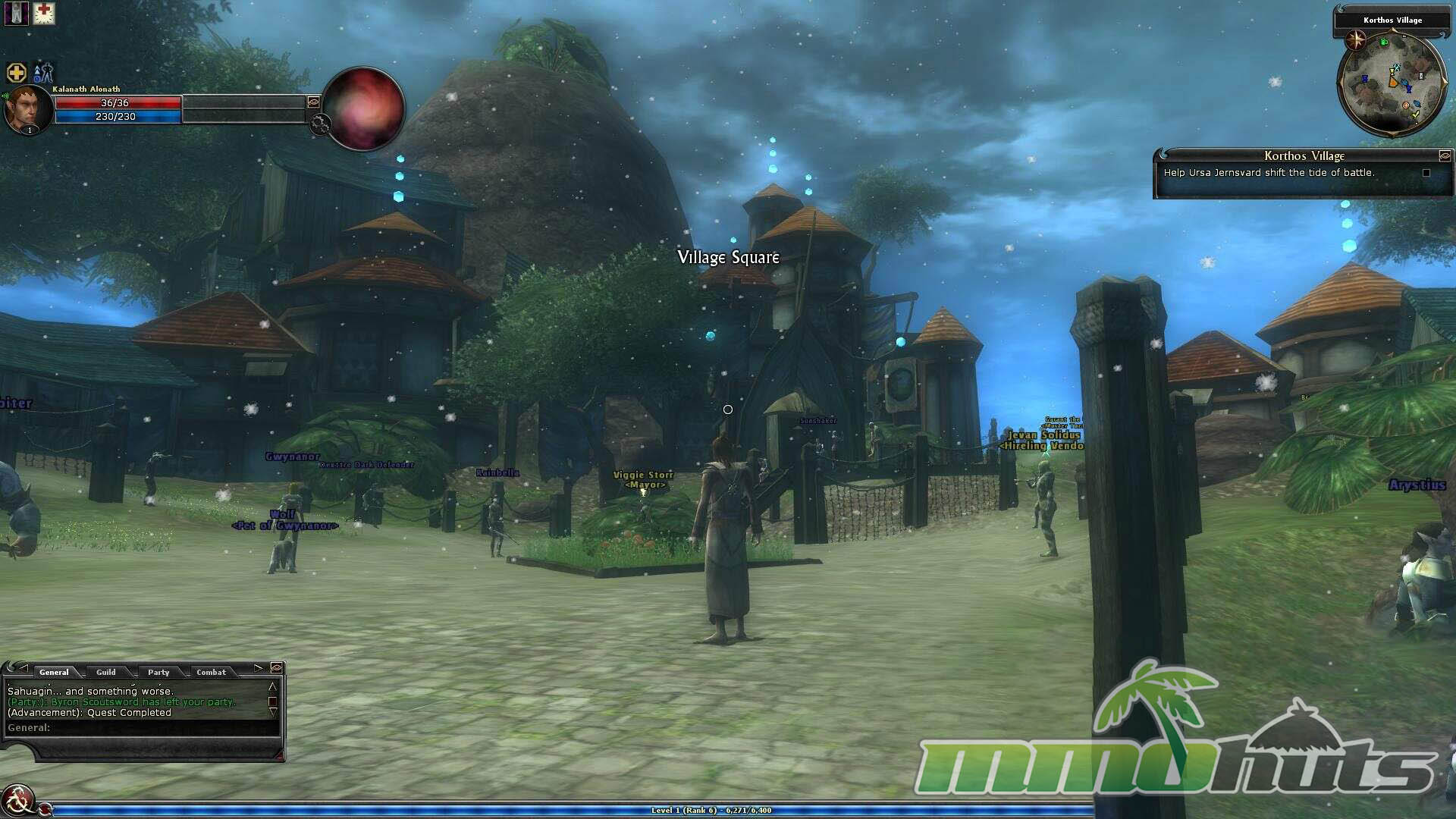
Dungeons & Dragons Online aims to capture the rhythm of tabletop D&D inside a fast moving 3D MMORPG. Instead of relying purely on field grinding, the game revolves around instanced adventures where positioning, party composition, and dungeon mechanics matter. You can set out in Eberron or head into the Forgotten Realms, tackling quests that feel closer to curated scenarios than generic errands.
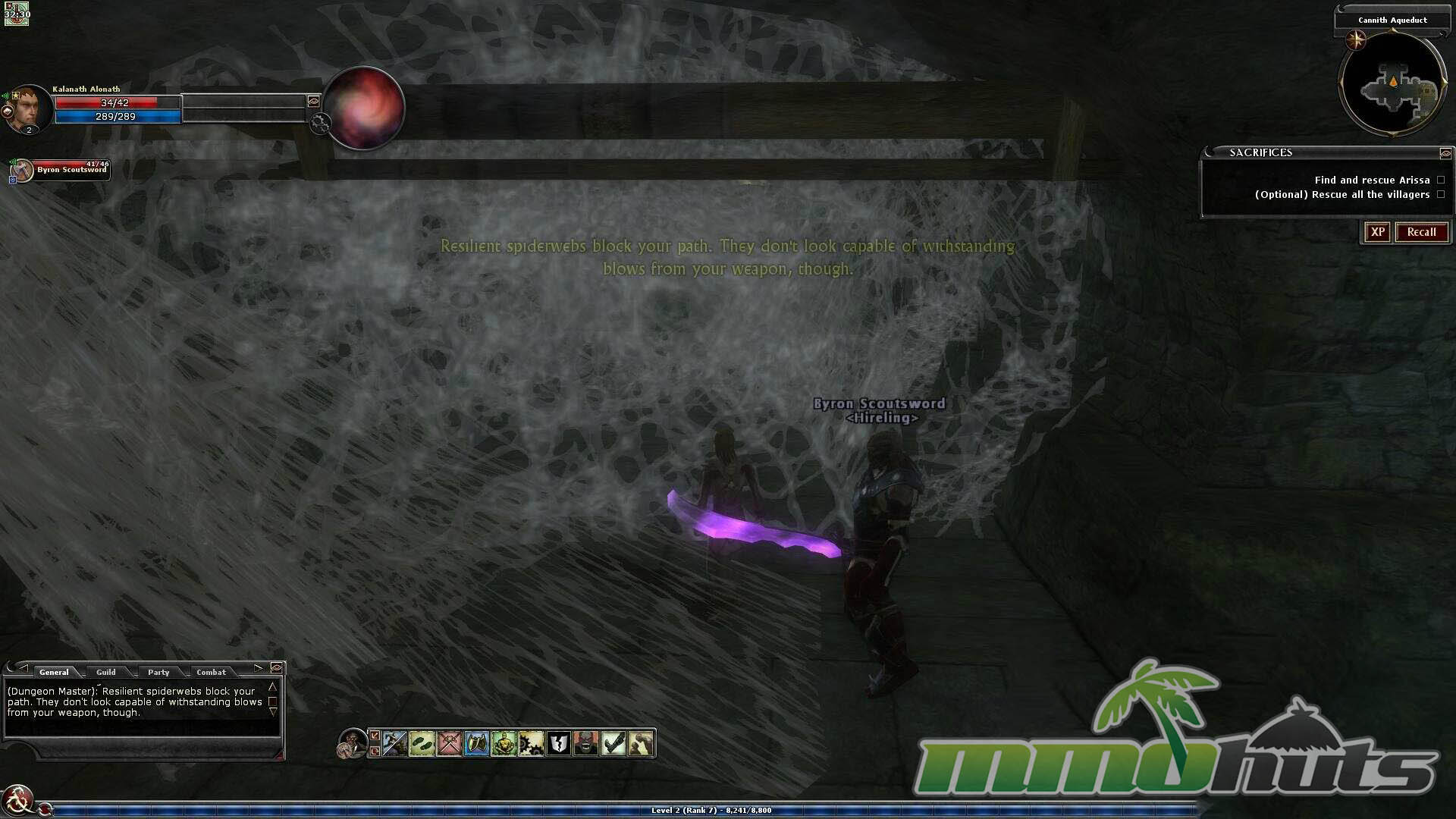
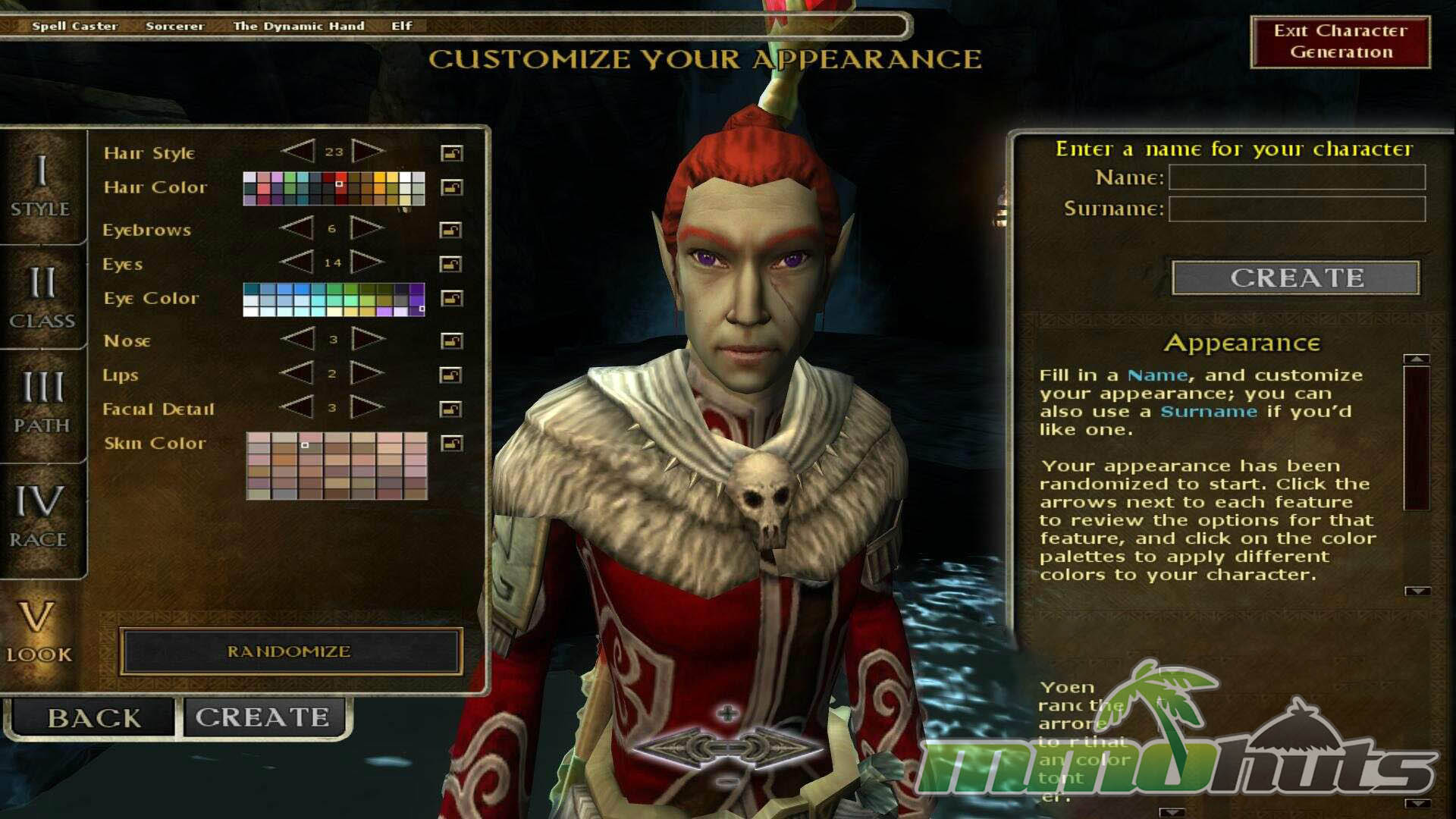
Character creation is built around familiar D&D choices. You pick from eight races with different strengths, then select from thirteen classes and, importantly, you can multi-class to create hybrid builds. That flexibility supports everything from straightforward frontline bruisers to utility heavy support characters. Dungeons lean into classic D&D staples such as traps, secret doors, puzzles, and saving throw style challenges, with Dungeon Master narration helping tie quest chains together.
Dungeons & Dragons Online Key Features:
- Story Driven Gameplay – quest chains presented with a Dungeon Master narrator and a stronger emphasis on plot than many older MMOs.
- Variety of Classes – more than thirteen class options with multi-classing, with certain classes requiring an unlock or purchase.
- Action and Skill-Based Combat – real time, aim conscious combat where facing, range, and line of sight matter.
- Character Customization – build depth through enhancement trees and choices that significantly affect playstyle.
- Large Maps –towns act as hubs, while most adventuring happens through instanced areas and dungeons.
- Authentic D&D Experience – DM narration, traps, saves, and dungeon design that intentionally echoes tabletop pacing.
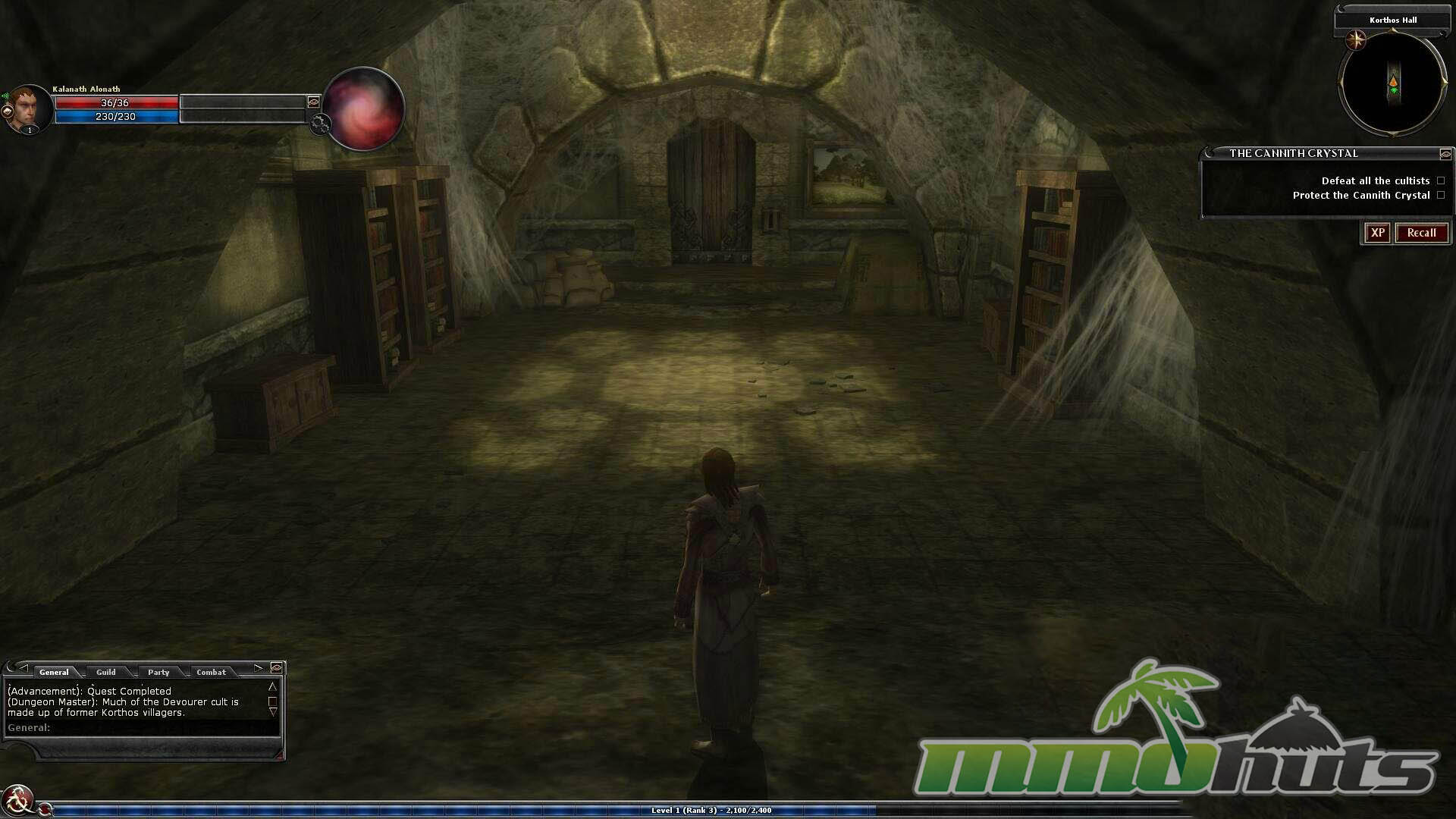
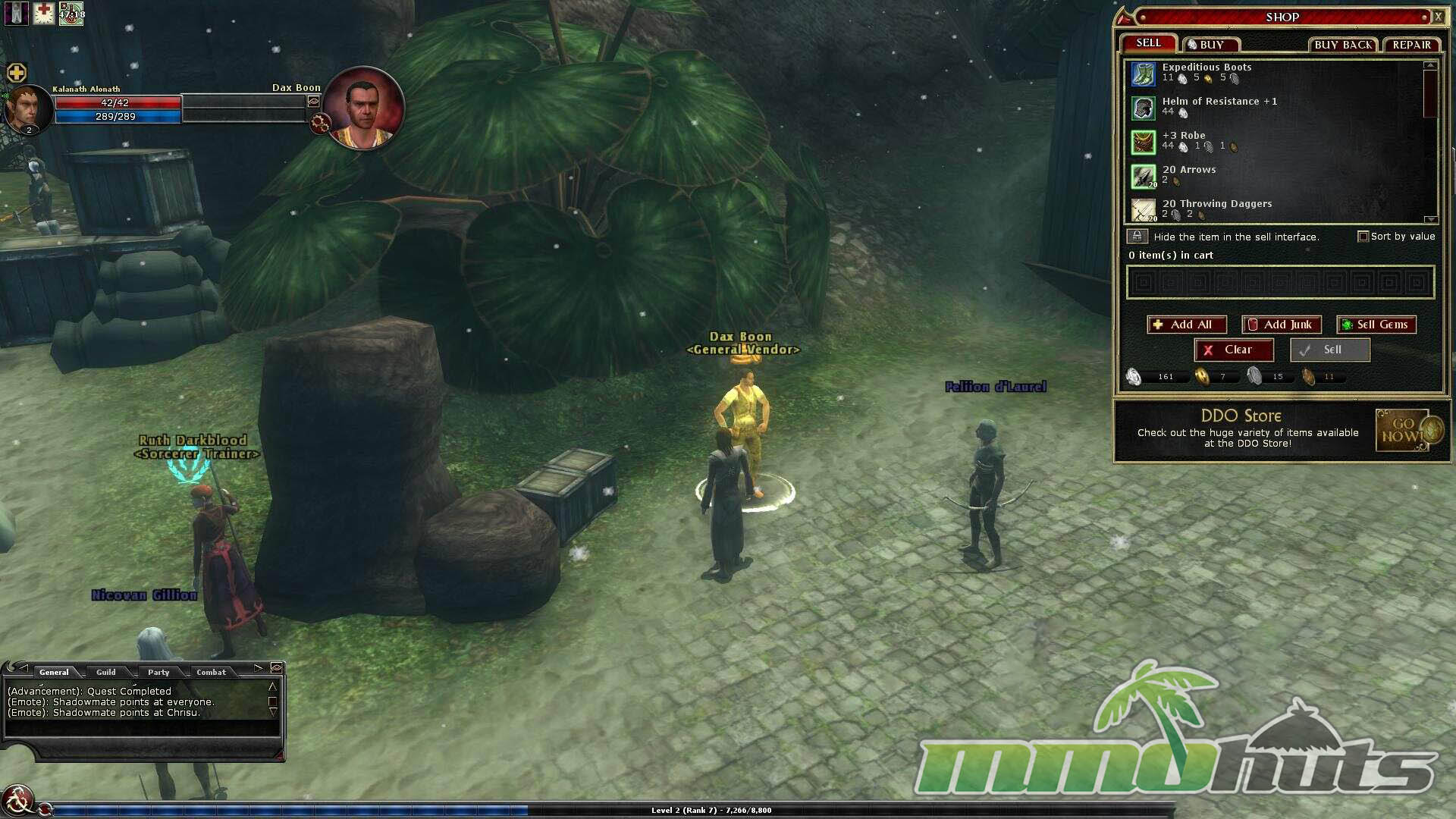
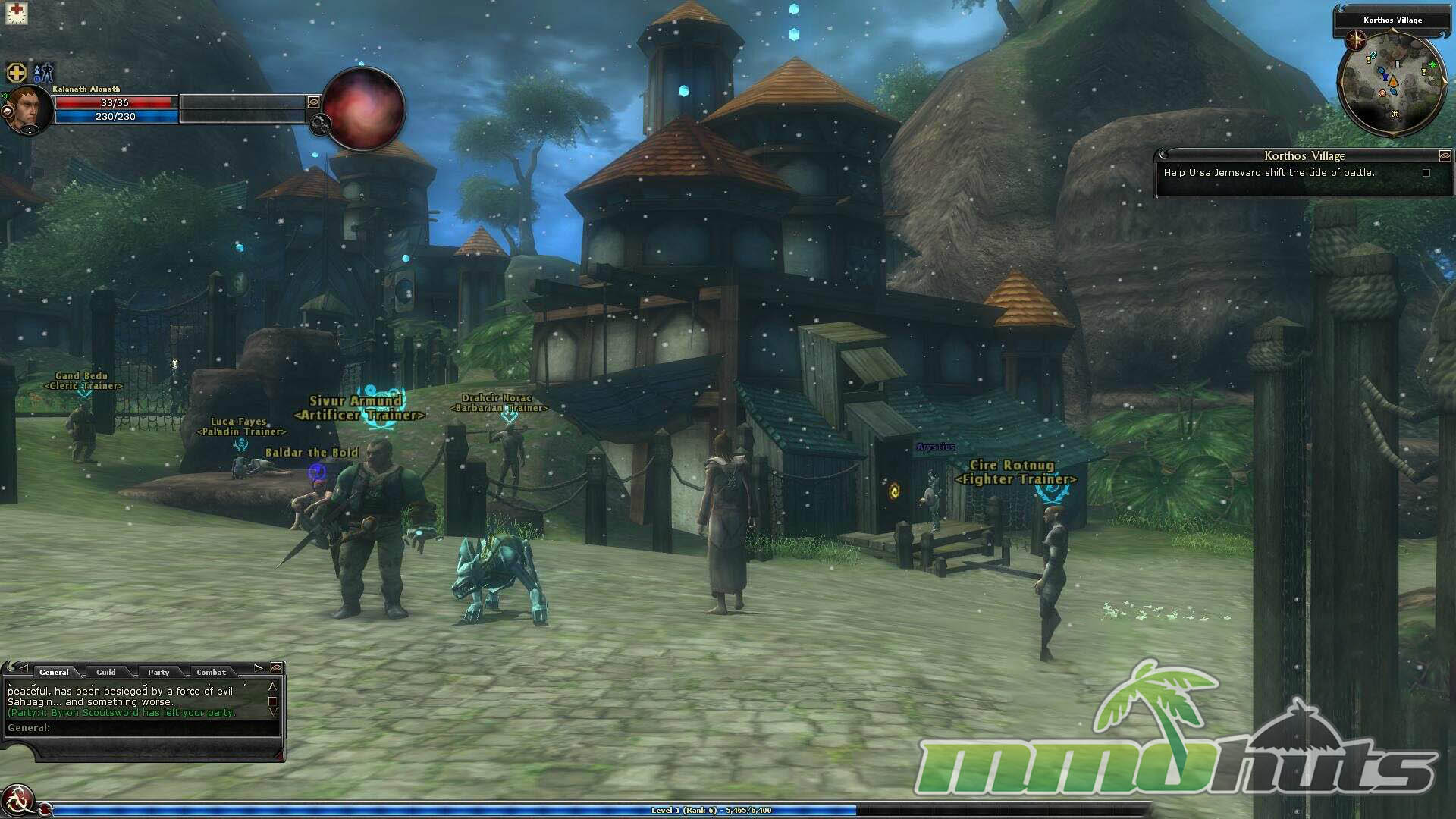
Dungeons & Dragons Online Screenshots
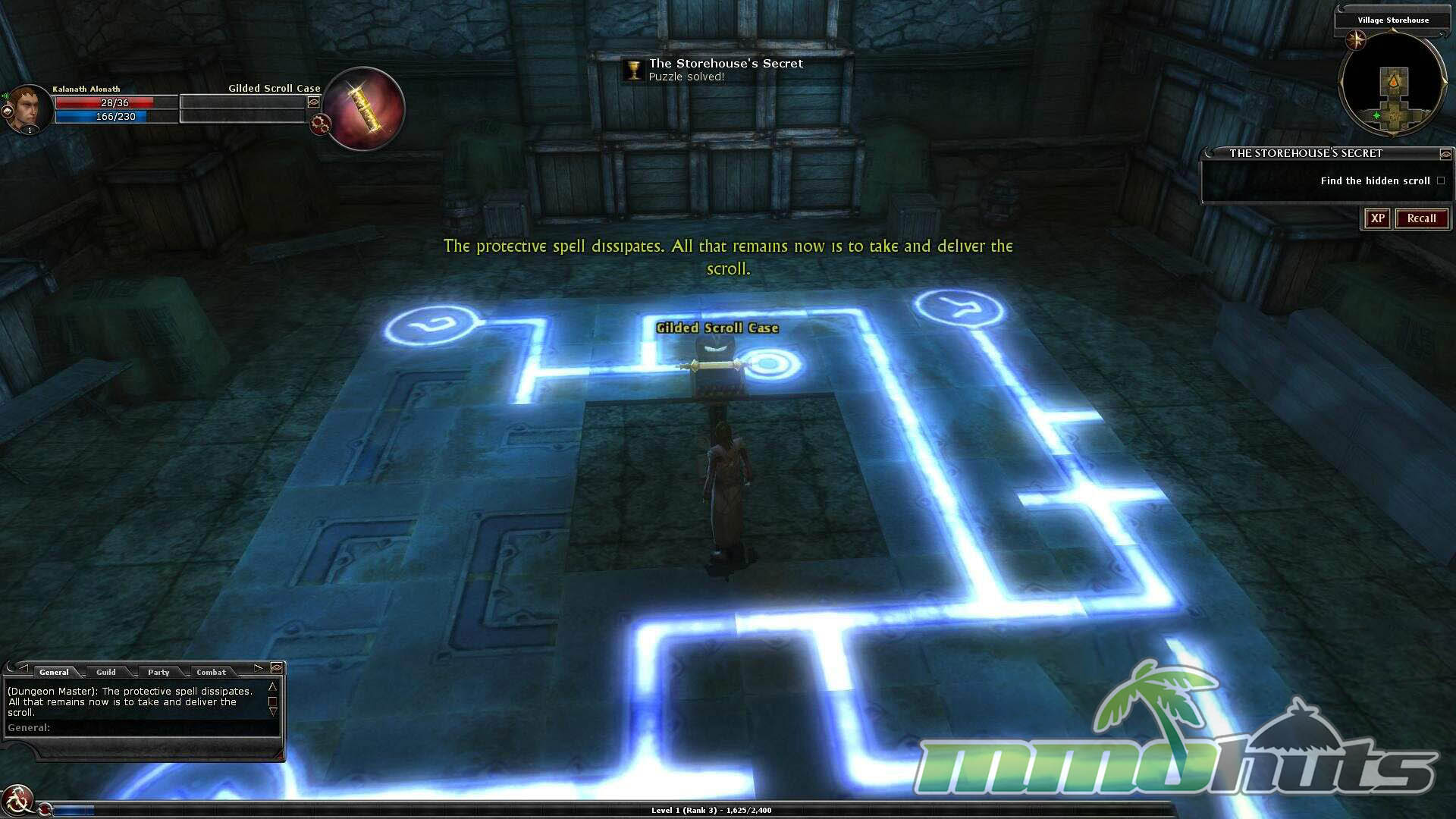
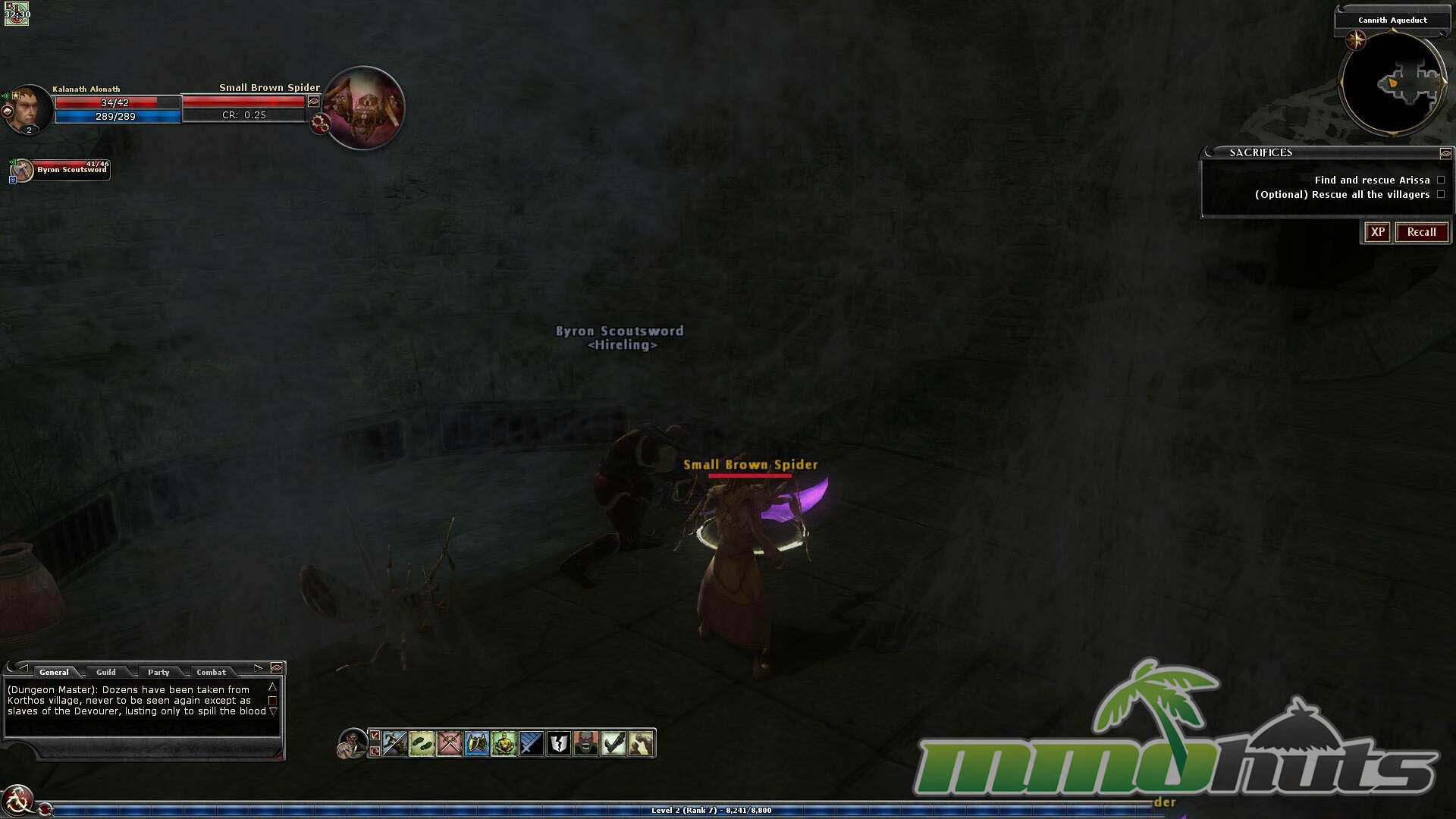
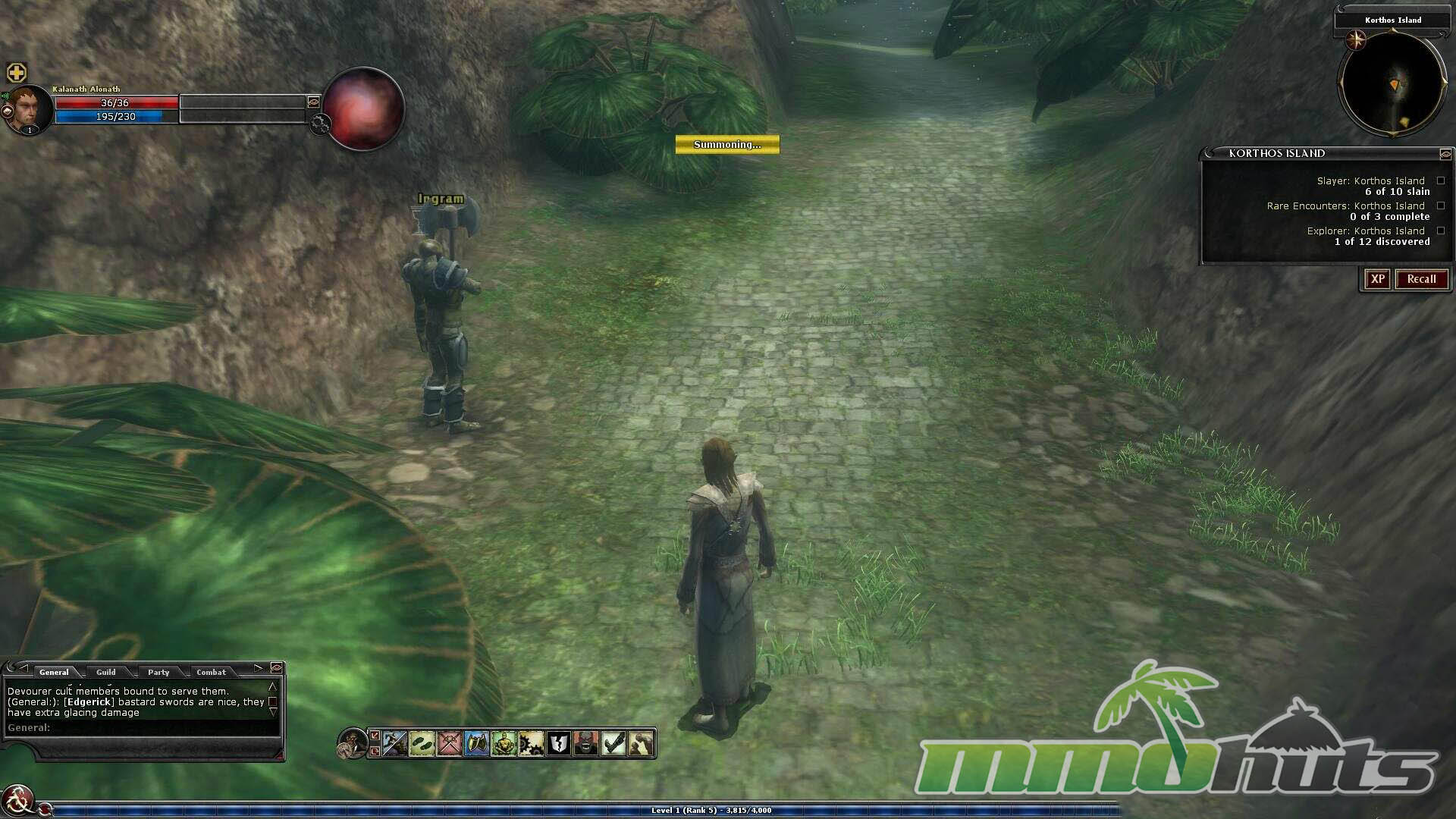
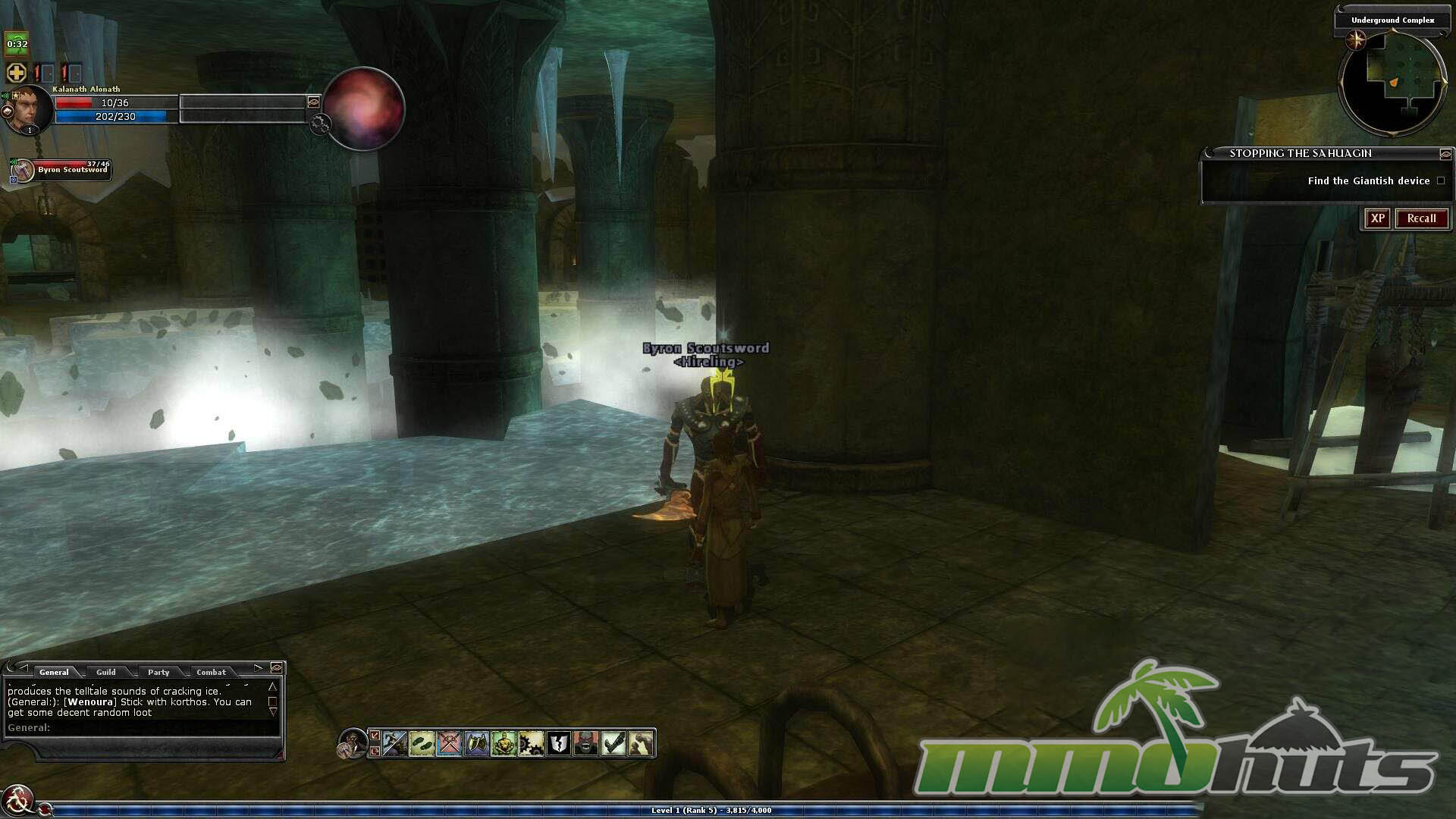


Dungeons & Dragons Online Featured Video

Dungeons & Dragons Online Classes
Artificers blend arcane tricks with practical weapon use, making them a flexible pick for players who like gadgets and utility. They can contribute at range, provide support, and patch up allies when needed. The Artificer class may be unlocked on a per-server basis by reaching 150 House Cannith favor on that server or unlocked on all servers by buying it from the DDO Store.
Barbarians are built around raw aggression, using rage to push damage higher and cut through enemies quickly. They tend to trade heavier armor for durability through high health and natural damage reduction, which keeps them in the fight even when they are taking hits.
Bards turn music into magic, bringing buffs, healing, and control tools that can change the flow of an encounter. In group play they often shine as a multiplier for the party, improving overall performance while still contributing spells and support.
Clerics are the reliable backbone of many groups, with strong healing and protective magic plus enough offensive options to stay useful. Their weapon selection is simpler, but they can wear any armor without penalty, which helps them survive chaotic pulls.
Druids bring a nature themed toolkit that mixes spellcasting with shapeshifting into animals and elementals. They can heal, deal damage, and function in melee when needed. Druids are free for VIP accounts but may also be purchased at the DDO store.
Favored Soul plays like a more offensively tilted divine caster when compared to a Cleric. Their spell list is smaller, but they cast quickly, and they have restrictions around armor weight and weapon choices. The class can be unlocked on a per-server basis by reaching 2,500 total favor on a single character or unlocked on all servers by buying it from the DDO Store.
Fighters are the classic martial specialists, capable with a wide spread of weapons and playstyles. Their real strength is how easily they can be shaped into different roles, from durable defenders to damage focused builds.
Monks rely on discipline and mobility, fighting with fists or simple weapons while avoiding shields and armor. Their kit supports a fast, technical style that rewards timing and positioning. The Monk class is free for VIP accounts but others must purchase it from the DDO Store.
Paladins combine martial combat with divine power, offering supportive healing alongside solid frontline presence. In parties they can serve as a secondary healer and a sturdy melee option, especially when the group needs durability.
Rangers fill the expected archer role, but DDO also lets them lean into close range dual wielding combat. That split identity gives them two distinct approaches, although it comes without the traditional animal companion.
Rogues are the go to class for utility, especially in dungeons packed with traps and locked routes. They bring the widest skill access, can scout ahead, and can punish enemies with strong damage when attacking from stealth or advantageous angles.
Sorcerers focus on a narrower spell selection than Wizards, but compensate with faster and more frequent casting. They suit players who prefer committing to a core set of spells and using them constantly.
Wizards trade raw casting speed for adaptability, with access to a broader library of spells. Their preparation limitations mean spell choices matter, since swapping spells to the hotbar requires resting or being in a tavern, encouraging more deliberate planning before quests.
DDO Races:
Humans – an all purpose option with flexibility that fits nearly any class direction.
Elves – agile and perceptive, with strong dexterity leaning traits, but typically less durable than hardier races and known for resistance to enchantment effects.
Dwarves – resilient and steady, with strong toughness and natural resistance to many magical effects, although they tend to be less charismatic.
Halflings – quick and evasive, often trading raw strength for agility, stealth talent, and an affinity for thrown weapons, plus a reputation for being luckier than most.
Drow Elves* – a variant with strong intelligence and charisma leaning strengths and innate spell resistance, making them appealing for certain caster or hybrid builds.
Warforged* – living constructs with strong durability traits and immunities, balanced by reduced capacity for wisdom focused approaches.
Half-Elf* – a blend of human flexibility and elven sensibility, generally effective across many class choices and comfortable in social oriented roles.
Half-Orc* – a high strength race that excels in direct melee fighting, typically offset by lower intelligence and charisma.
* – premium features available to subscribers or by purchasing them from the DDO Store.
Dungeons & Dragons Online Review
Dungeons & Dragons Online is a 3D MMORPG developed by Turbine and released on February 28, 2006, with publishing now handled by Standing Stone Games. Its defining hook is how it frames content like tabletop sessions, complete with Dungeon Master narration that introduces objectives, reacts to progress, and gives many quest lines a more “campaign” style presentation than the average MMO.
The game’s adventures draw from classic D&D settings, notably Eberron and the Forgotten Realms. If you have history with D&D books or tabletop campaigns, there is a lot of familiarity in the locations and terminology, from the way the interface leans on “character sheet” language to the broader structure of running instanced dungeons as if they were modules. It is also available through the official site as well as on Steam.
Getting into the game
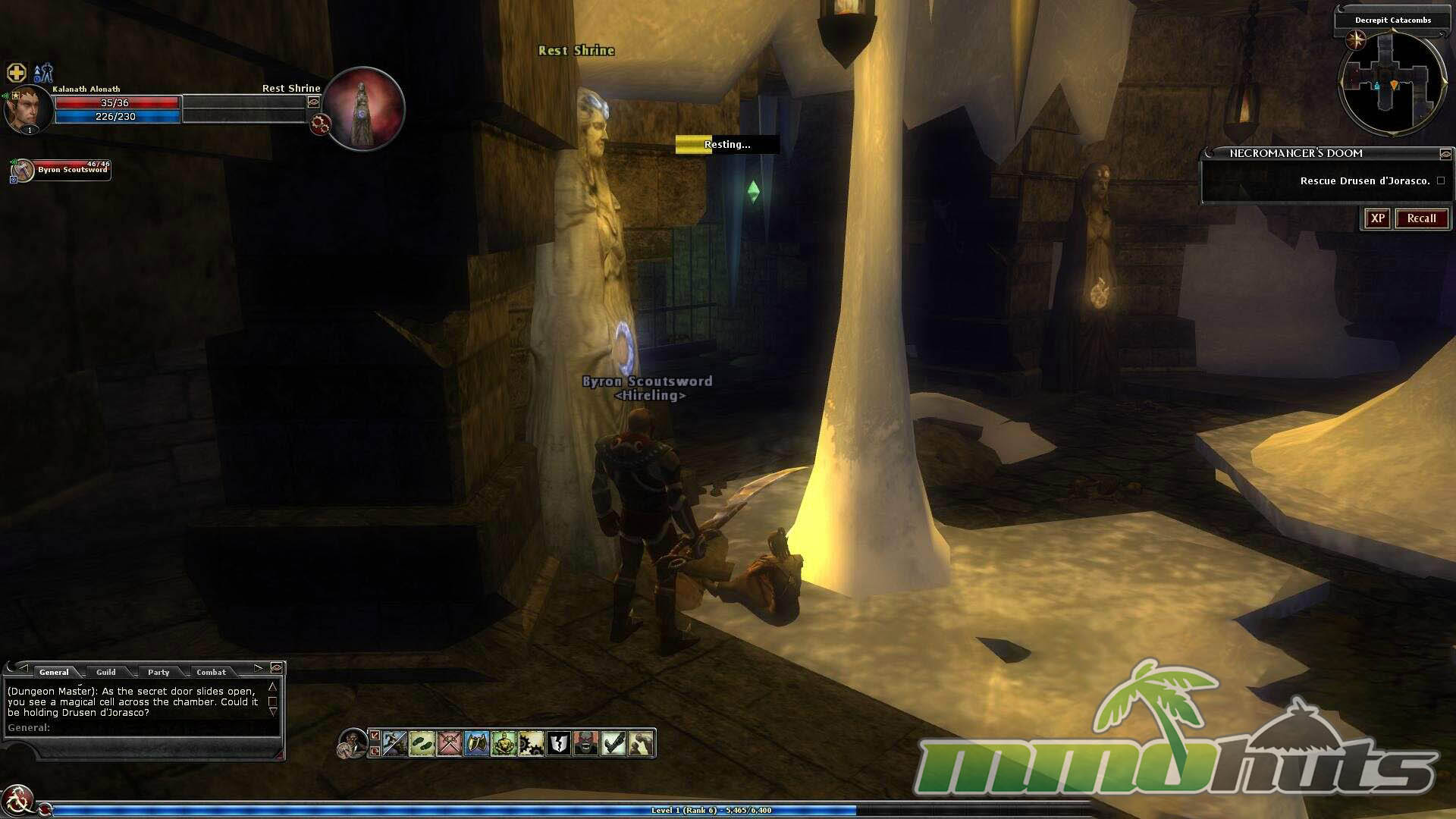
Early on, DDO pushes you through a short introductory sequence designed to teach the fundamentals: basic combat, stealth, environmental interaction, and how to handle common dungeon elements like hidden doors and traps. It does a decent job of setting expectations, especially for new players who may not be used to an MMO that asks you to pay attention to your surroundings rather than simply following a quest arrow.
Movement is handled with WASD and abilities are mapped to number keys by default, but the control scheme is flexible, with keybind options for players who prefer a different setup. As you level, your toolkit expands via class features and enhancements, and those upgrades start to define your role in parties.

Early leveling pace
One of the most important things to understand is that DDO’s leveling does not feel like many modern MMOs. Progress is measured, and the game’s level cap is not extremely high compared to genre peers. The current level cap is 28 with plans to update it to level 30 being postponed until August 2014. Each level is split into five ranks, and hitting a new rank grants an action point for enhancements, while the rank that actually increases your level does not.
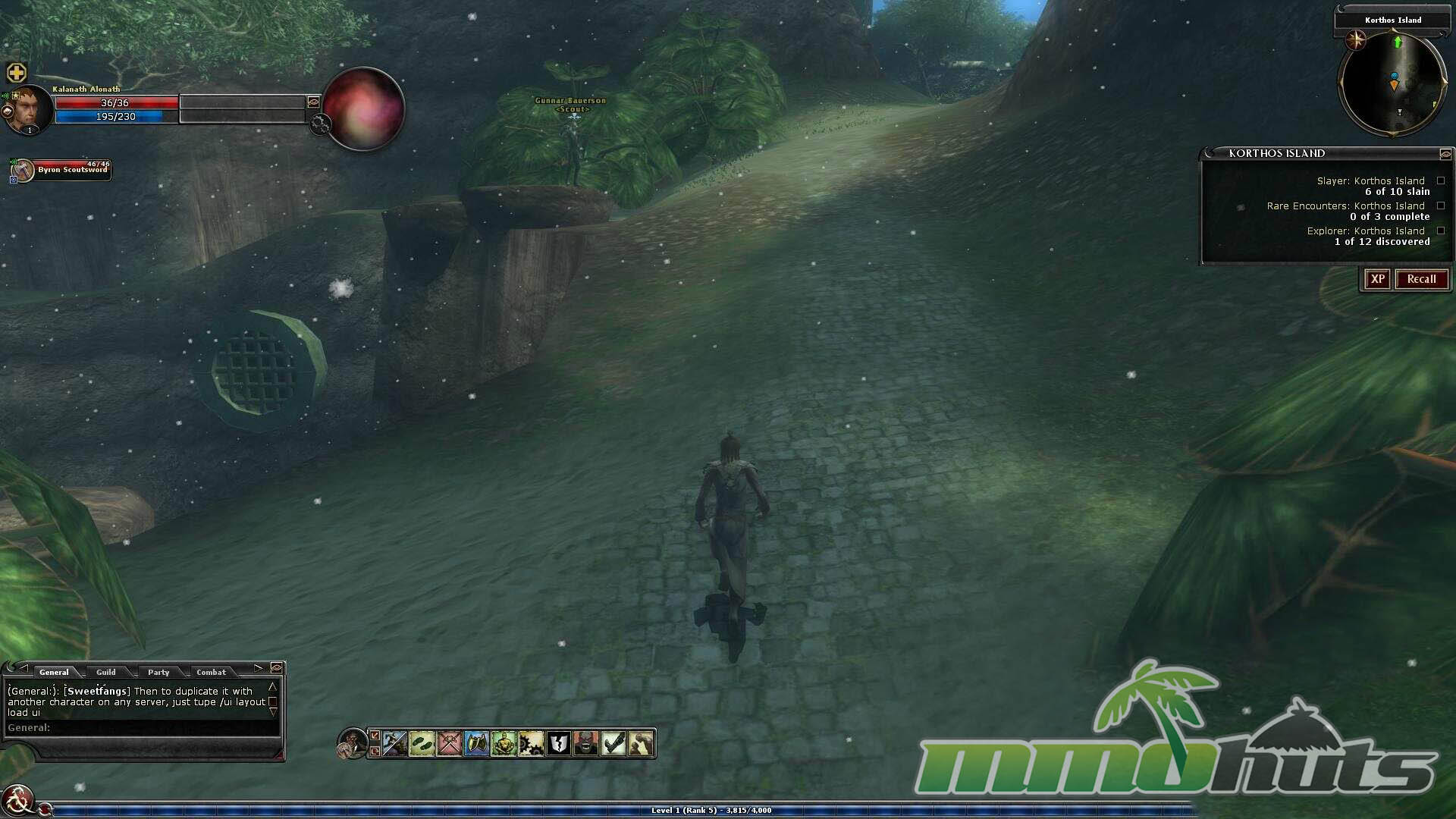
By the time you finish the opening content on Korthos Island, you are typically only around level two if you are playing each quest once on Normal. Because leveling is slower, choices carry weight. Spending action points without a plan can leave you with a character that feels less effective than it should, especially once difficulty ramps up.
Questing and combat feel
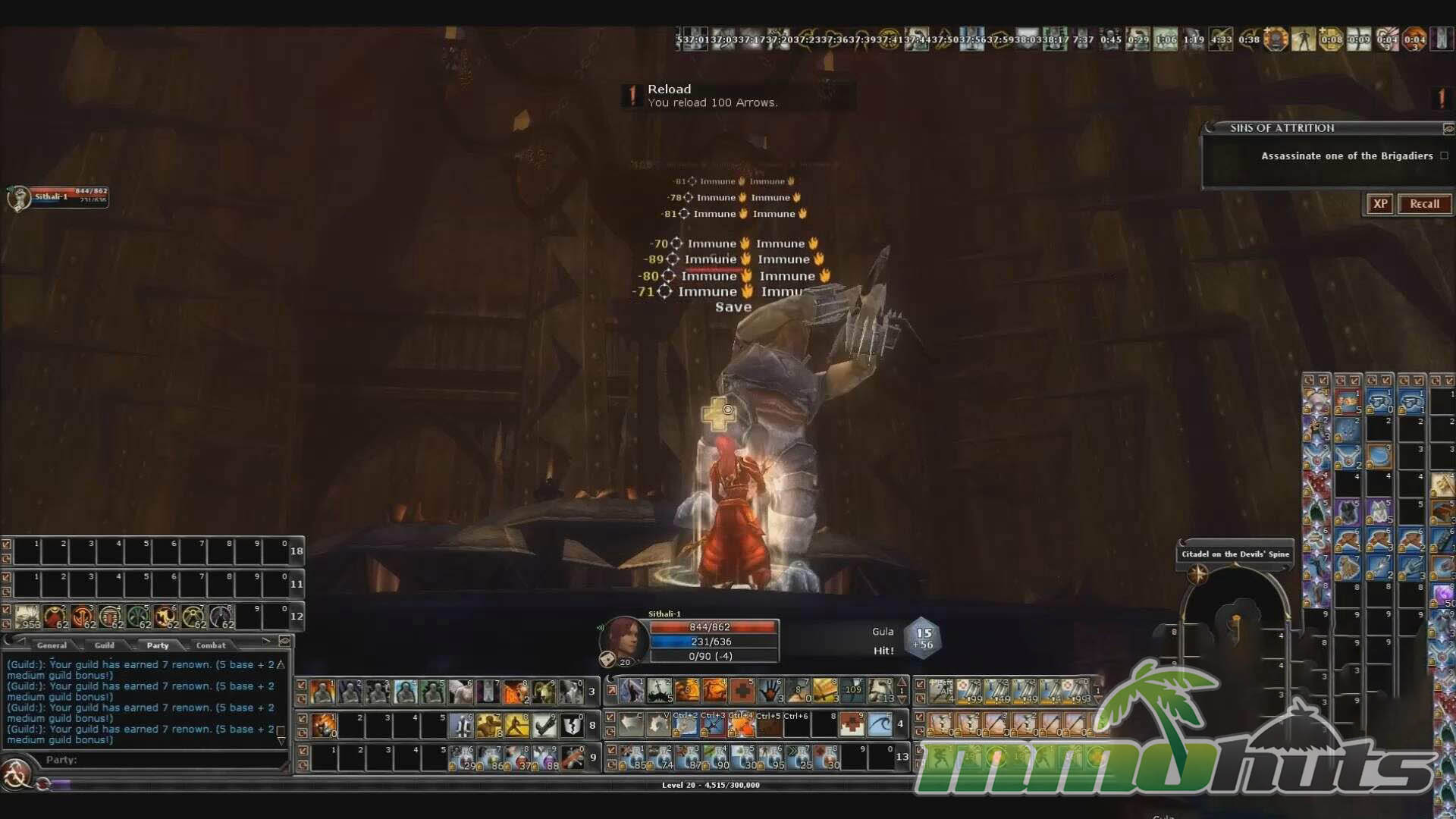
Moment to moment play is where DDO’s “tabletop adaptation” approach stands out. The DM voiceovers add atmosphere and help quests feel like structured adventures rather than filler. That said, combat itself is real time, not turn based, so it plays closer to traditional MMORPG action than to tabletop rounds.
Attacks and spells benefit from careful positioning. Melee range, facing, and spacing matter, and ranged shots can be blocked by environment geometry. At low levels, misses are more common, which can make early fights tense in a way that resembles low level tabletop danger, where a few bad rolls can change the outcome.
DDO is also largely instanced by design. Towns act as social hubs, while wilderness areas and dungeons are accessed through portals and loaded for your group. This keeps dungeon pacing intact and prevents other players from disrupting your run. Difficulty settings include Casual, Normal, Hard, and Elite, and some quests also support Solo. After level 20, Epic difficulty tiers open up (Epic Casual, Epic Normal, Epic Hard, and Epic Elite). Lower difficulties reduce challenge and rewards, while higher settings increase both, often by making enemies tougher or more numerous.
Character Progression
Progression in Dungeons & Dragons Online is layered, and the game expects players to engage with more than just leveling. The big pillars are skills, feats, enhancements, and multi-classing, all of which interact in ways that can produce strong builds or awkward ones depending on planning.
Skills represent your character’s practical capabilities, from stealth and movement to awareness and utility. Skill points per level vary significantly by class, race, and intelligence. Rogues start with eight points per level, while Sorcerers and Wizards begin with two, then intelligence modifies that amount. If you intend to multi-class, class order matters, because choosing a higher skill point class first can give your character a stronger baseline of skills.
Feats are milestone choices that add new options or improve existing ones. You gain one at level one and then every three levels afterward, for a total of seven feats, with some races and classes providing extras. Feats can support a specific weapon approach, improve stealth, or add other meaningful benefits.
Enhancements function as DDO’s main “tree” system, letting you improve abilities, add passives, and unlock new tools. With multi-classing, you can potentially draw from up to seven enhancement trees (one racial tree plus up to six class trees). Because you receive four action points per level, you can reach 80 total by level 20, and epic levels beyond 20 do not add more action points. This makes point allocation an important long term decision.
Multi-classing is one of DDO’s signature systems and also one of its biggest traps for new players. You can combine up to three classes, trading specialization for adaptability. The best multi-class characters are planned from the start, with feats, skills, and ability scores aligned to support the intended role. Poor combinations can leave you with a character that struggles to contribute. Ability score synergy and alignment rules also matter, for example a Paladin must be lawful good, and that restriction can prevent pairing with classes that require different alignment rules, such as Druids. Because of how exacting this system can be, community guides are common for players who want efficient combinations.
PvP
PvP is present in Dungeons & Dragons Online, but it is not a major pillar of the experience. Options include 1v1, Tavern Brawls, Death Match Arenas, and Capture the Flag. The main issue is incentive, these modes do not provide rewards, so participation is mostly for novelty rather than progression.
Tavern Brawls are free for all fights inside designated tavern pits, with no level gating. Entering the brawl area flags you for PvP, and after being knocked out you climb out and are automatically revived with 1 HP.
Death Match Arenas support 1v1 or party versus party fights with adjustable time limits ranging from one minute up to one hour, again without rewards tied to winning.
Capture the Flag follows the expected format, two teams race to steal the opposing flag and return it to base, but it also lacks meaningful progression hooks.
Cash Shop
DDO’s store offers a wide range of convenience items and account unlocks. Alongside common MMO staples like potions and XP boosts, players can purchase the Drow, Warforged, Half-Elf, and Half-Orc races, plus classes such as Favored Soul, Monk, Artificer, and Druid. Quest bundles (Adventure Packs) are also sold, which matters because so much of the game’s value is in its instanced content.
Equipment is available as well, but the gear sold tends to be positioned as early help rather than something that dominates difficult content or PvP. It can smooth out the first steps of the game, especially for solo players, but it is not typically a replacement for earning gear through play.
A standout element is that players can earn the cash shop currency (Turbine Points) through normal gameplay by completing dungeons and quests. That system gives free players a pathway to unlock content over time and reduces the pressure to spend money immediately.
Final Verdict – Good
Dungeons & Dragons Online remains a distinctive MMO because it commits to the idea of “questing as adventures,” with DM narration and dungeon design that routinely includes traps, puzzles, and party friendly mechanics. Its class and build systems are deep enough to reward planning, and the amount of content available gives dedicated players plenty to work through. The paywalled races and classes are noticeable, but they are not mandatory for enjoying the core loop, and the ability to earn Turbine Points through play helps soften the monetization.
The main caveat is PvP. If your preferred endgame revolves around competitive rewards, rankings, and robust PvP progression, DDO will feel thin. Approached as a PvE focused, story driven dungeon MMO that tries to echo tabletop structure, it still delivers a niche experience that few other online RPGs match.
Dungeons & Dragons Online Links
Dungeons & Dragons Online Official Site
Dungeons & Dragons Online Steam
Dungeons & Dragons Online Wikipedia
DDO Wiki [Database / Guides]
Dungeons & Dragons Online Reddit
Dungeons & Dragons Online System Requirements
Minimum Requirements:
Operating System: XP / Vista / 7 / 8
CPU: Intel Pentium 4 1.6 GHz or AMD Equivalent
Video Card: Nvidia 6600 Series
RAM: 1 GB
Hard Disk Space: 11 GB
Recommended Requirements:
Operating System: XP / Vista / 7 / 8
CPU: Intel Dual Core Processor / AMD Athlon 64 X2
Video Card: GeForce 8600 / ATI Radeon HD 2600
RAM: 2 GB
Hard Disk Space: 15 GB
Mac OS X Recommended Requirements:
Operating System: 10.7.5
CPU: Intel Core i7 2 GHz
Video Card: GeForce GT 650M or better
RAM: 4 GB
Hard Disk Space: 18 GB
Dungeons & Dragons Online Music & Soundtrack
Dungeons & Dragons Online Additional Information
Developer: Turbine
Publisher: Standing Stone Games
Other Platforms: Mac OS X
Closed Beta: January 2006
Steam Release Date: June 25, 2012
Official Release Date: February 28, 2006
Foreign Release:
Dungeons & Dragons Online is available globally through its official website.
Development History/Background:
Dungeons & Dragons Online is a fantasy MMORPG developed and published by the American game developer Turbine, the same studio behind Lord of the Rings Online and Asheron’s Call. Work on the project began in 2003, leading into closed beta in January 2006, and beta access was notably distributed through the January 2006 PC Gamer magazine. Following release, the game collected over a dozen awards and received broad praise for its approach to quest design and its D&D inspired systems.
Dungeons & Dragons Online launched originally as a subscription MMORPG, then announced a transition toward free-to-play on June 9, 2009, with the free-to-play version launching on September 1, 2009. After the switch, the playerbase grew significantly and revenue saw a major increase. Turbine was later acquired by Warner Brothers Interactive Entertainment on April 20, 2010.