Prime World is a 3D fantasy MOBA with a twist that still feels unusual even by genre standards, it pairs lane-based matches with a home base where you build structures, generate resources, and craft the talents that shape your heroes. Instead of locking every character into a fixed skill kit, Prime World leans heavily on a flexible talent loadout system, letting you tune a hero toward different roles and playstyles from match to match.
 | Publisher: Nival Type: MOBA Release Date: March 31, 2014 Shut Down: March 31, 2021 Pros: +Uncommon hybrid design that stands out. +Extremely deep build variety through talents. +Talent system encourages experimentation. +Multiple modes beyond standard 5v5. Cons: -Cash shop could create balance concerns. -Castle management can feel disconnected from match action. -Community skewed heavily toward Eastern Europe. |
Prime World Shut Down on March 31, 2021
Prime World Overview
Prime World is a fantasy-themed 3D MOBA built around a progression loop that extends beyond the match itself. In addition to queueing for competitive battles, players maintain a personal castle where they gather resources and craft or acquire talents, which function as the core building blocks of a hero’s loadout. That means your power and options are influenced not only by in-match decisions, but also by how you develop your estate and manage your talent collection over time.
The castle layer resembles the pacing and structure of browser strategy titles such as Tribal Wars 2, Evony, and Forge of Empires, with timers and resource management, but it skips the traditional army-building focus. Those resources feed directly into your MOBA progression, primarily through obtaining and improving talents. It is an unconventional pairing of genres, and it will not appeal to everyone, but it gives Prime World a distinct identity compared to more standard MOBAs.
In terms of setting, the game is framed around two opposing sides, The Imperium and The Keepers. Choosing a faction is largely cosmetic in practice because both sides can access the same roster, with faction-specific naming rather than separate gameplay kits. The larger differentiator is how you assemble talents and adapt your hero to the match, rather than which banner you fight under.
Prime World Key Features:
- Unique Castle Building – a rare MOBA and base-management blend, castle resources tie into hero upgrades and talent acquisition
- Hero Variety– heroes are not locked into a single fixed ability setup, each hero can be outfitted with 36 different talents
- Hero Customization – a large talent pool supports countless viable builds and encourages frequent experimentation
- Hero Purchasing System – heroes require a Silver Coin purchase before use (earned through castle progression and regular play)
- Match Length –matches commonly run around 40 minutes, with surrender available if a game is clearly decided
- Varied Game Modes – Borderlands delivers the classic 5v5 format, Outpost offers 3v3, and additional modes include Dragonwald, Apocalypse, Native Land, Switcheroo, and Challenge
Prime World Screenshots



Prime World Featured Video

Prime World Review
Prime World’s most important idea is also its biggest point of friction, it treats “build crafting” as the heart of the game, and it pushes that process both inside and outside the match. For players who enjoy planning, experimenting, and tweaking loadouts, the talent system is the main attraction. For players who prefer a clean, match-only competitive loop, the surrounding castle layer can feel like extra overhead that delays getting back into the action.
One of the game’s strengths is how much agency you have over a hero’s function. Rather than being forced into a single intended role, you can configure talents to emphasize survivability, utility, or damage patterns depending on what your team needs. This flexibility also helps the roster feel broader than the raw hero count suggests, because the same character can play very differently across multiple setups. It is a system that rewards knowledge and iteration, and it can make theorycrafting as engaging as the matches themselves.
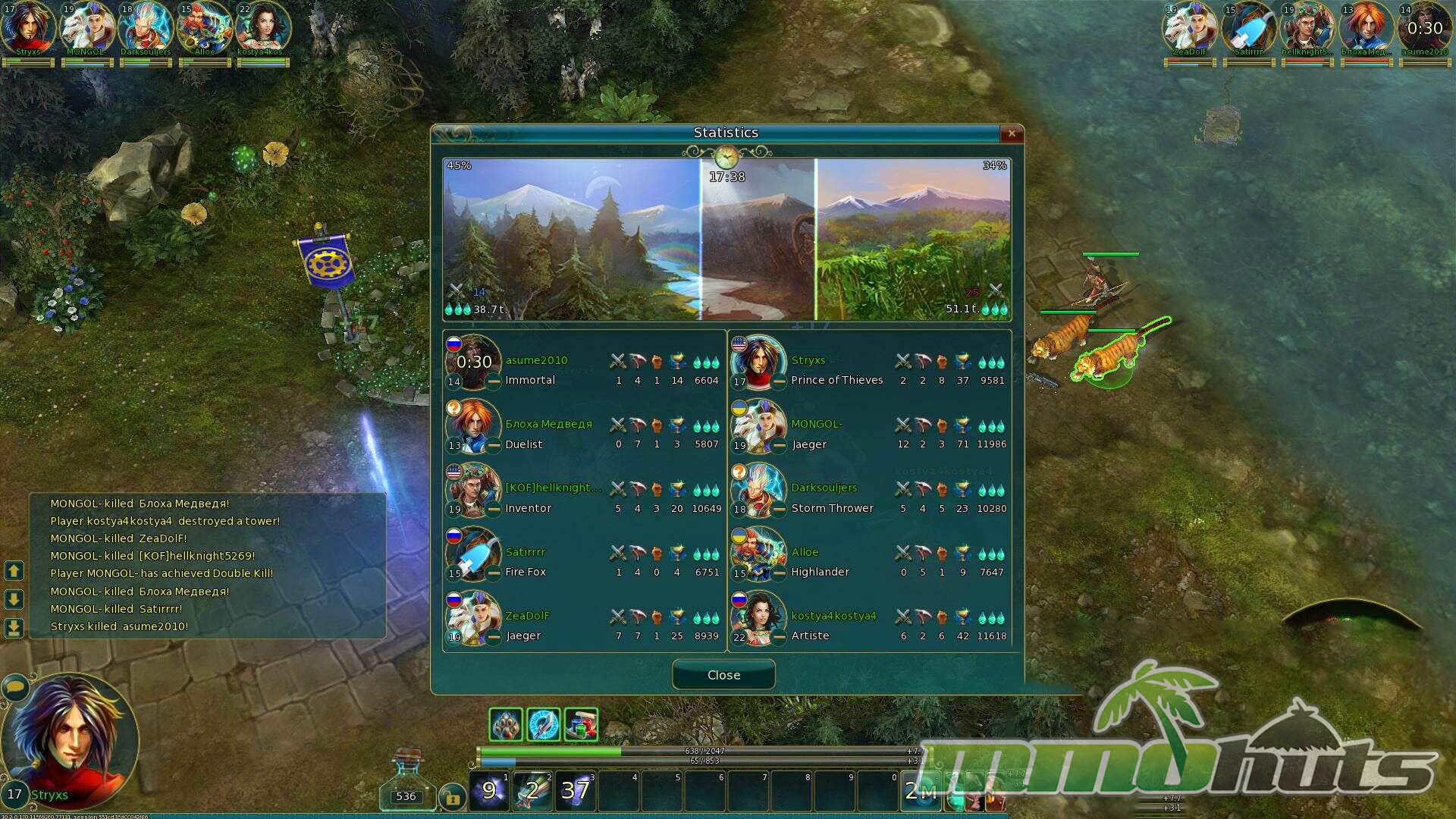
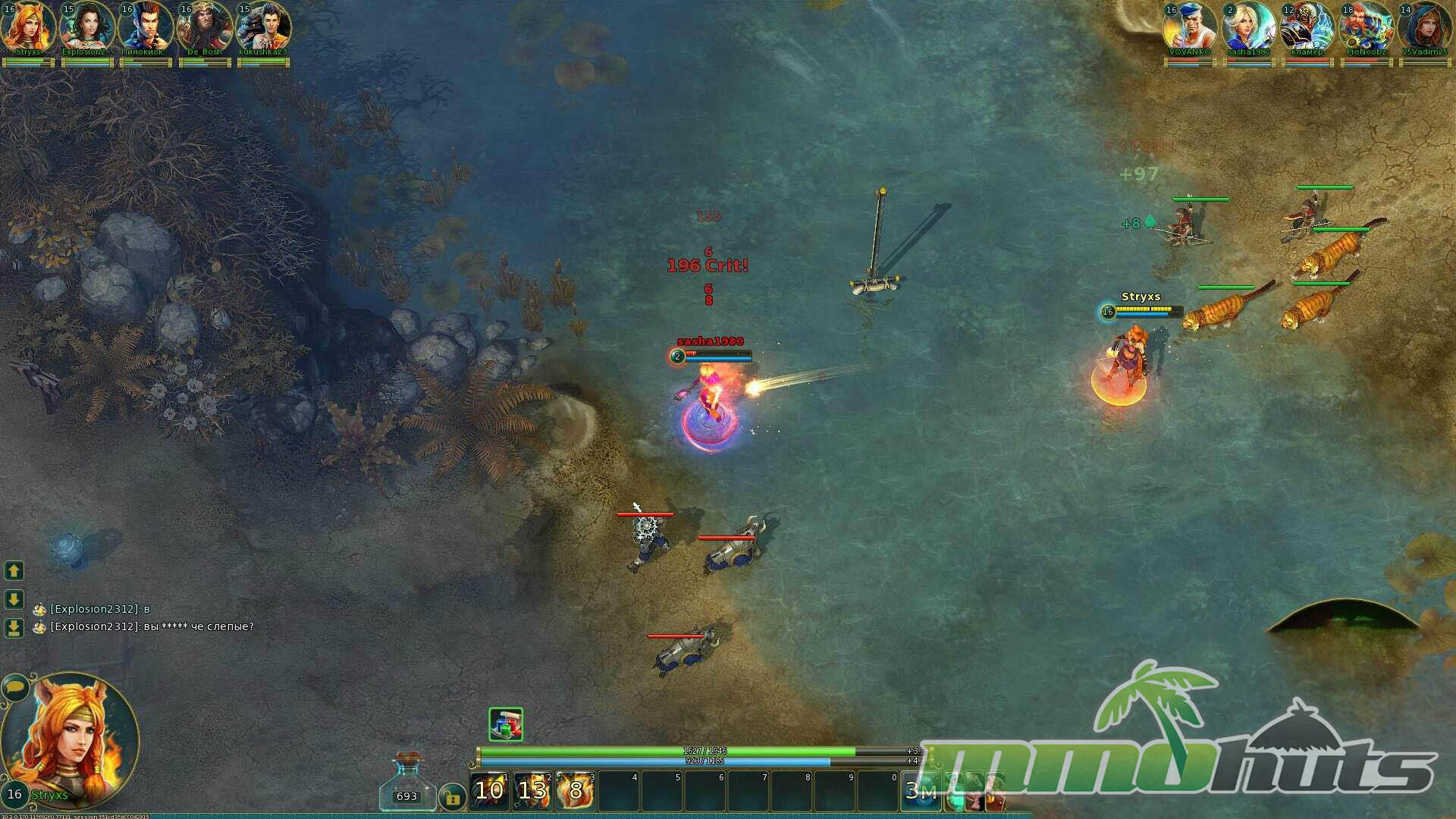
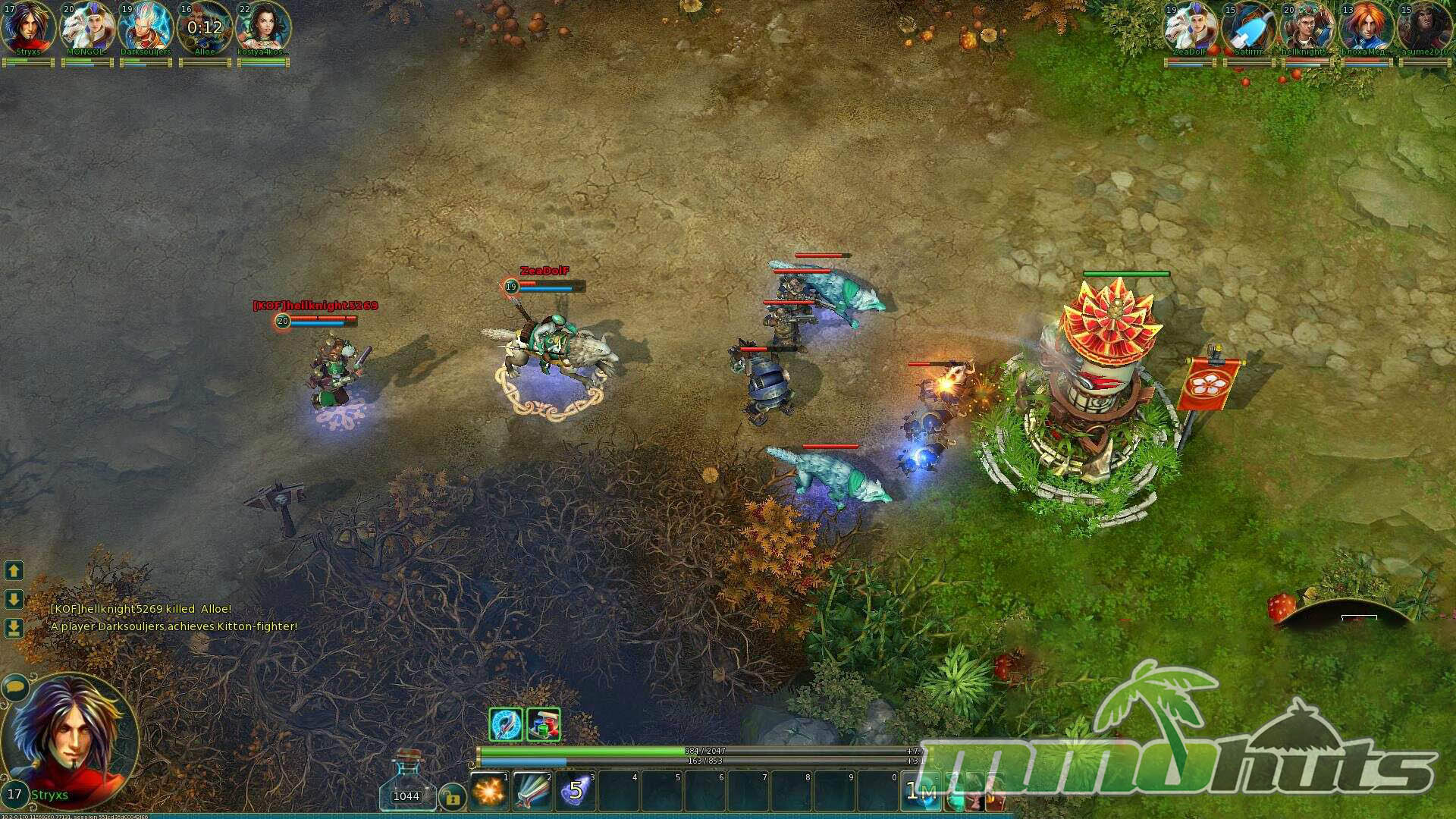
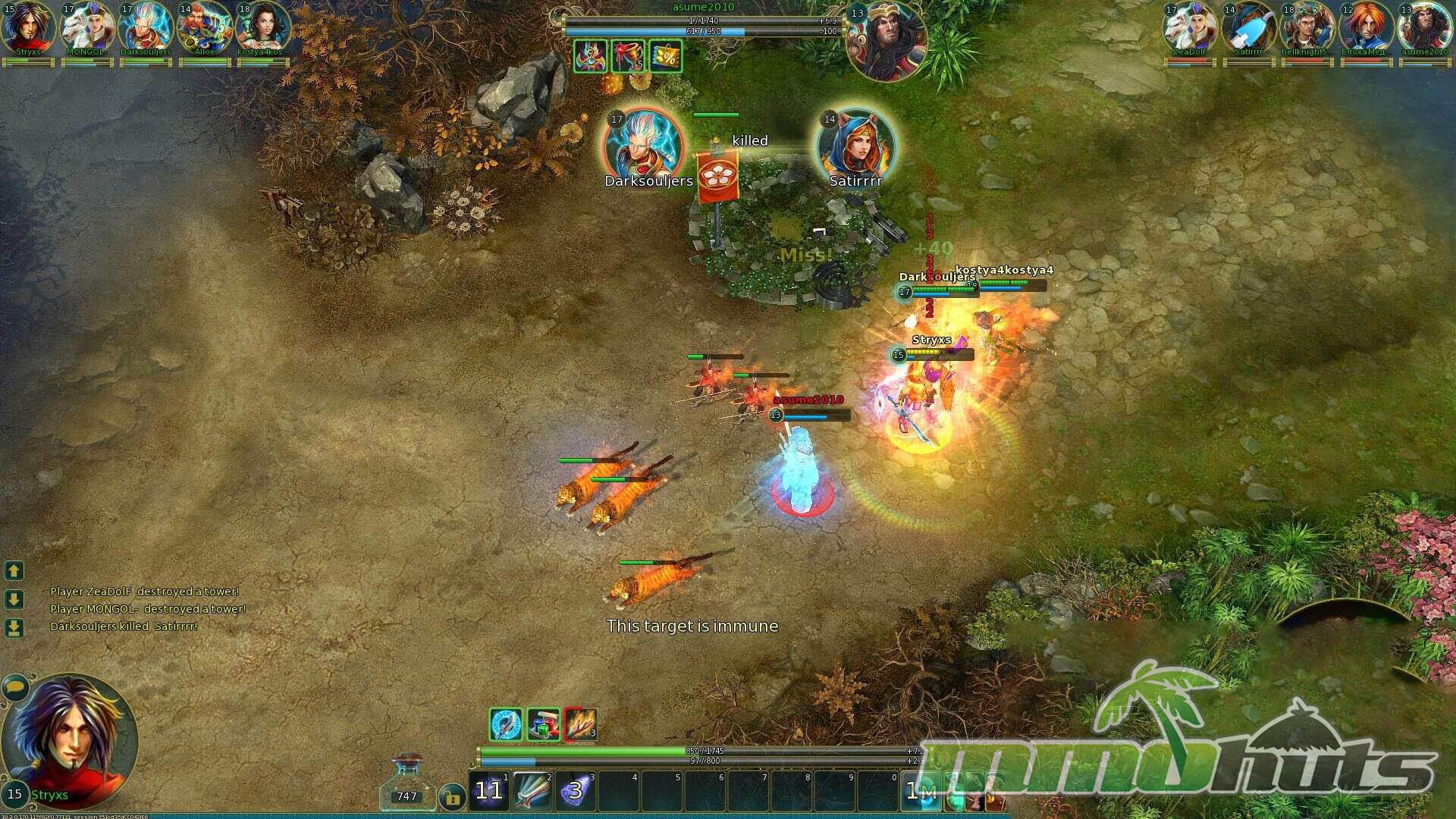
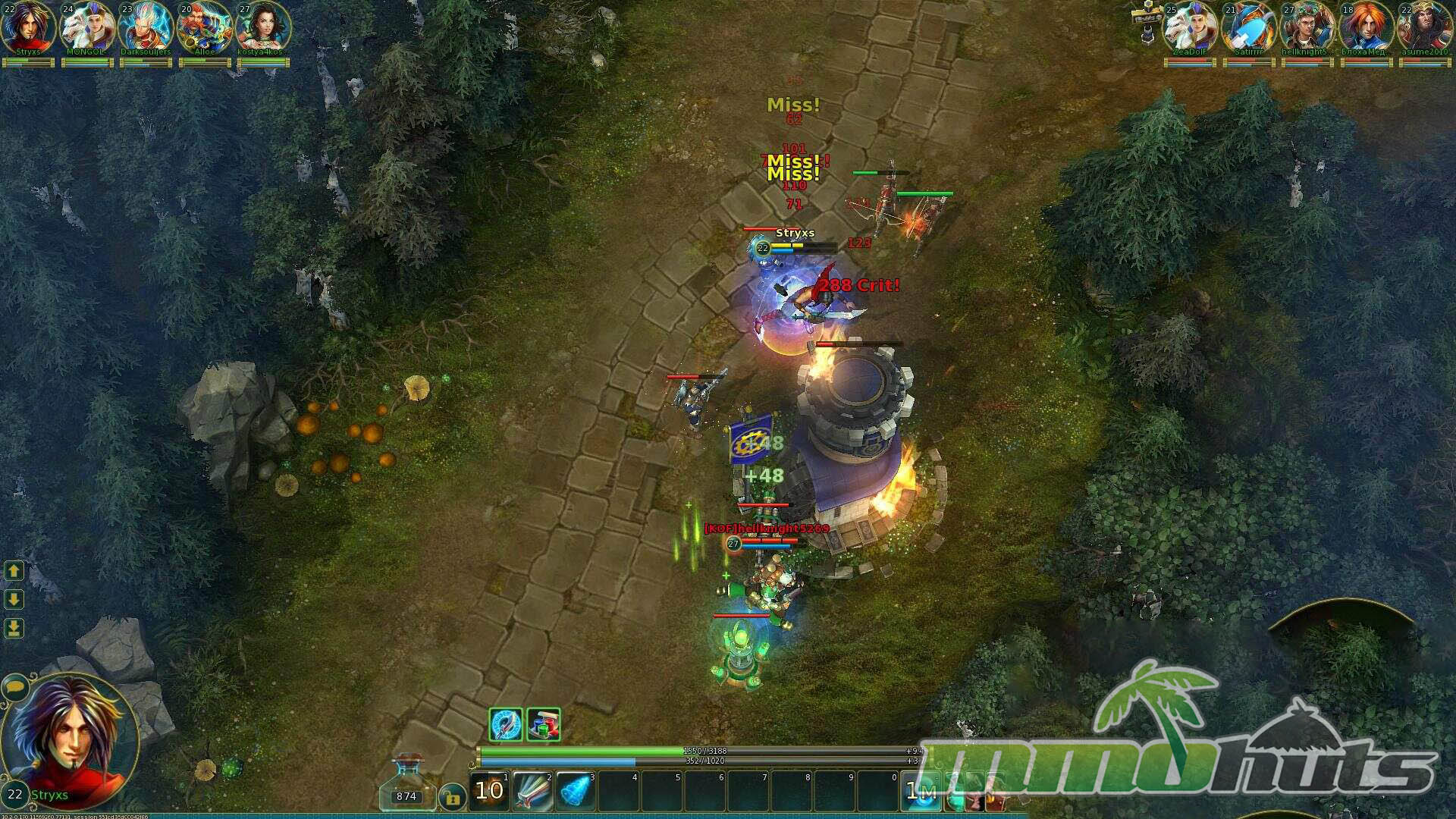
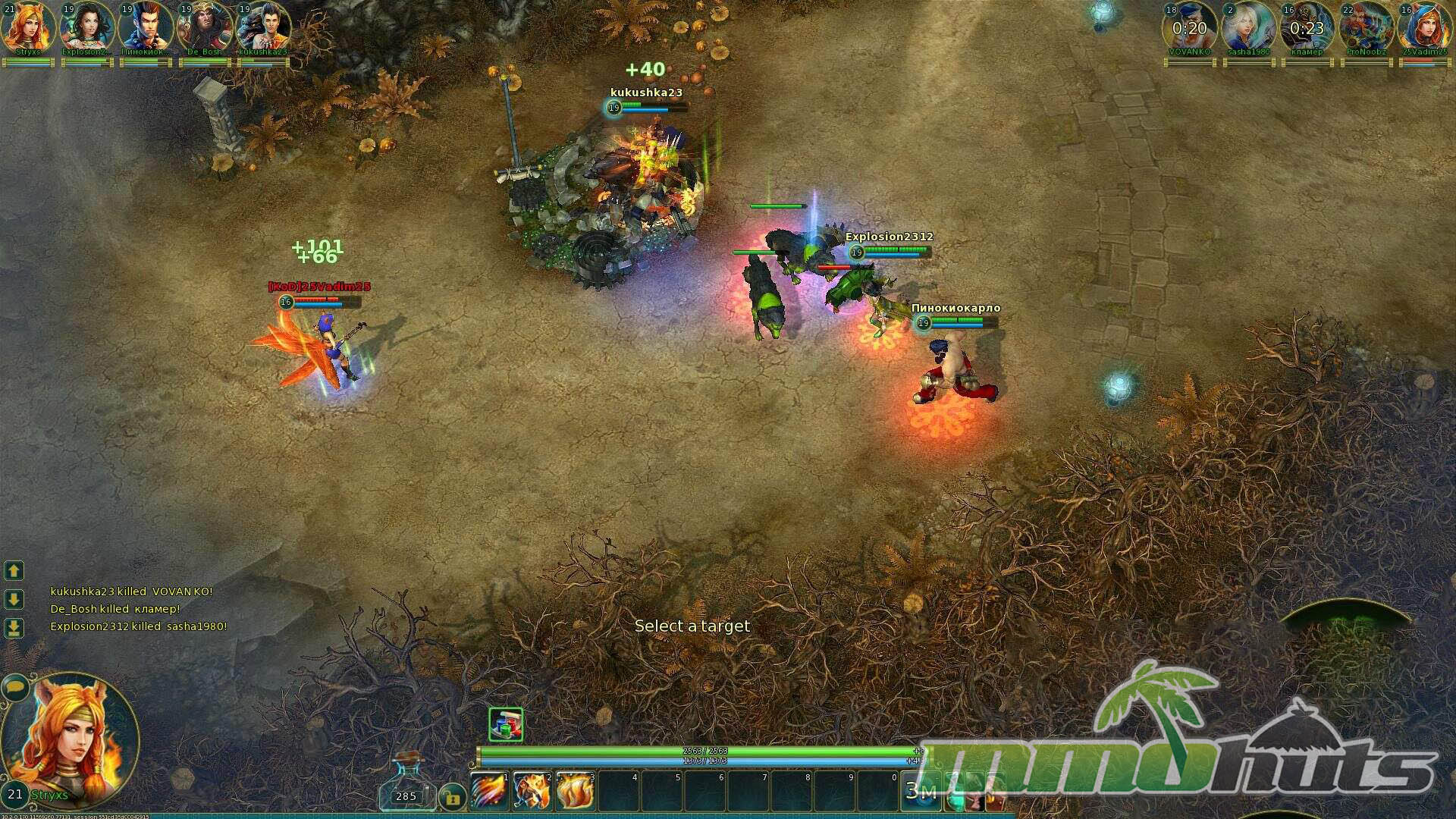
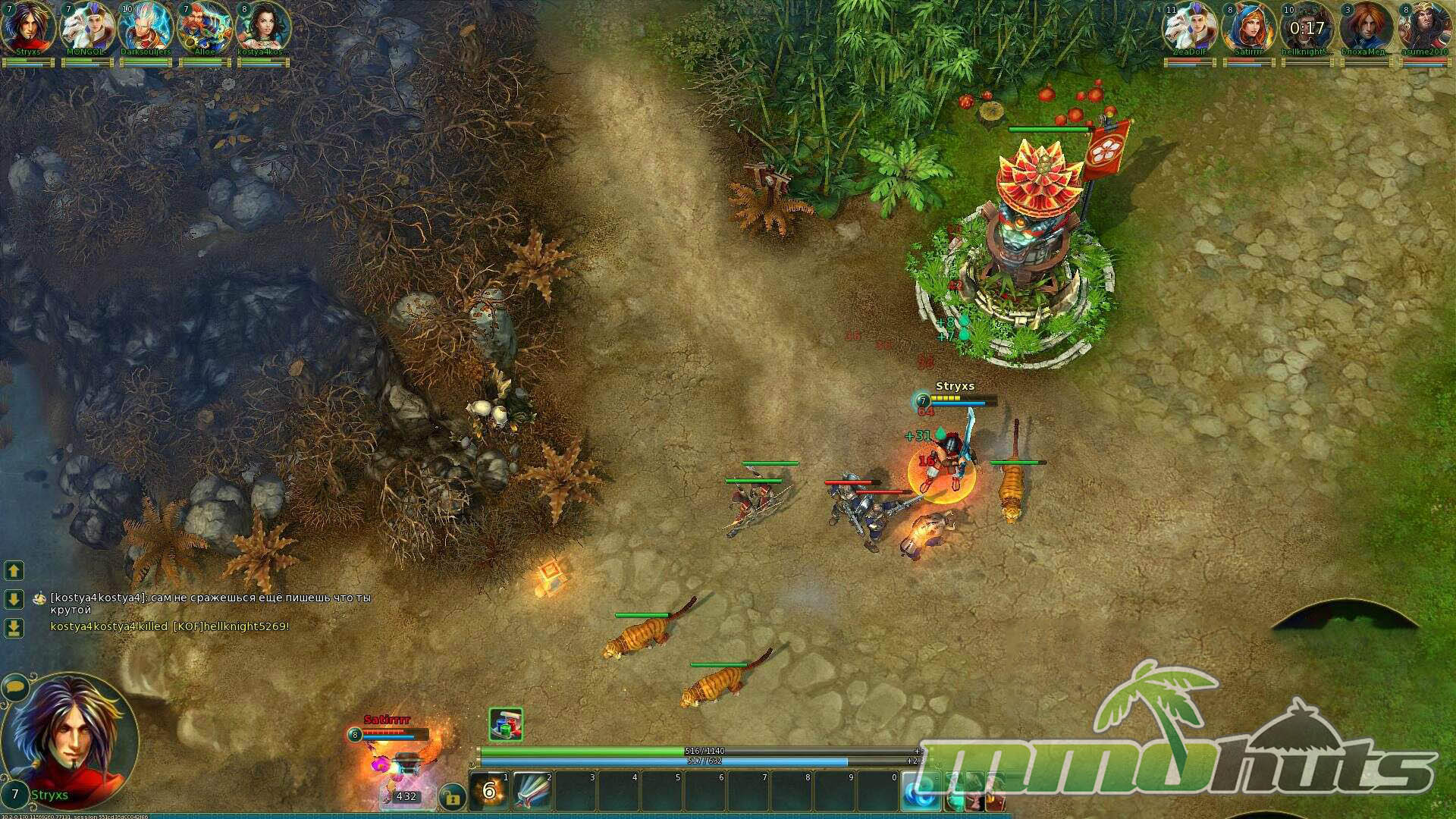
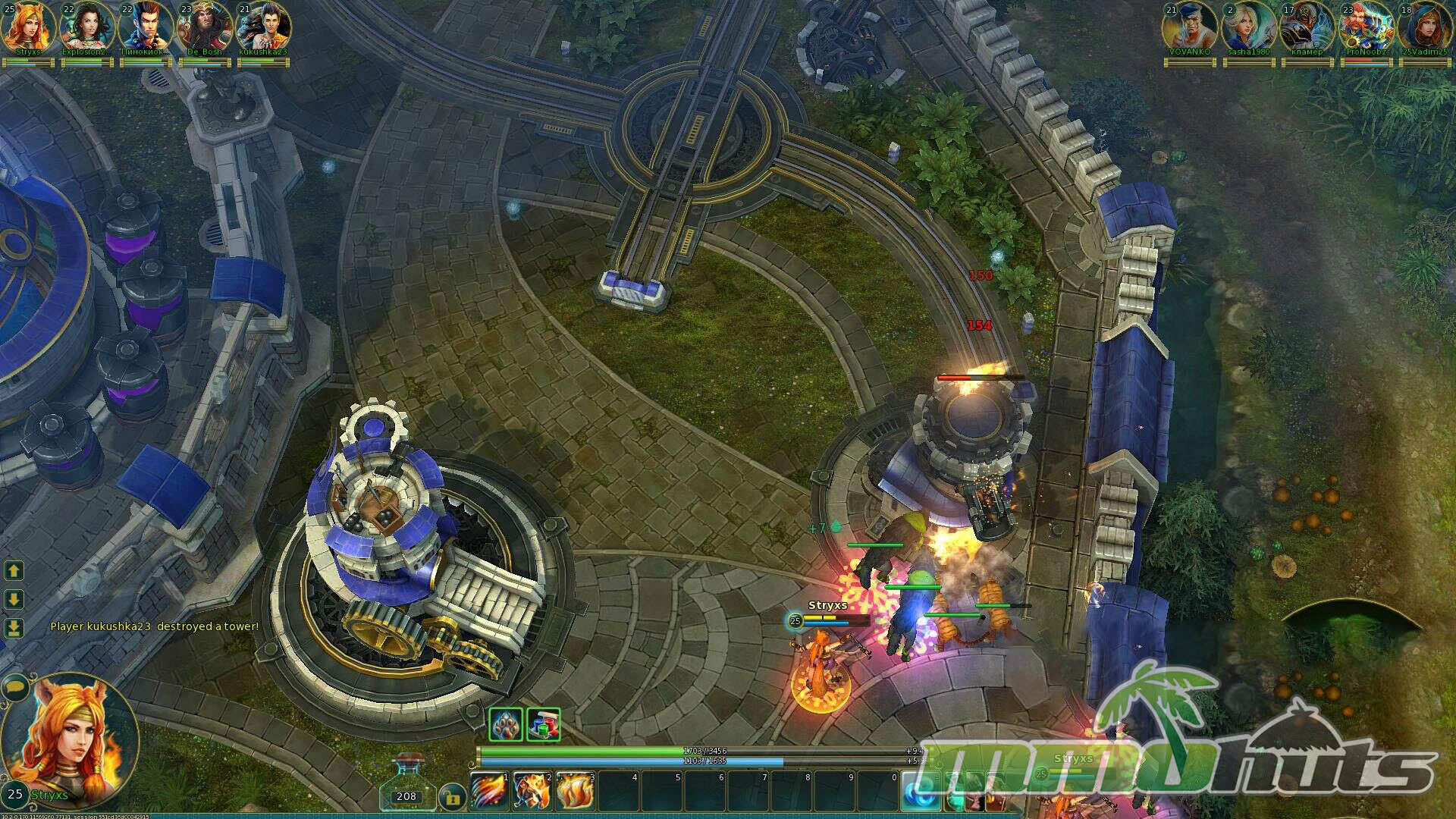
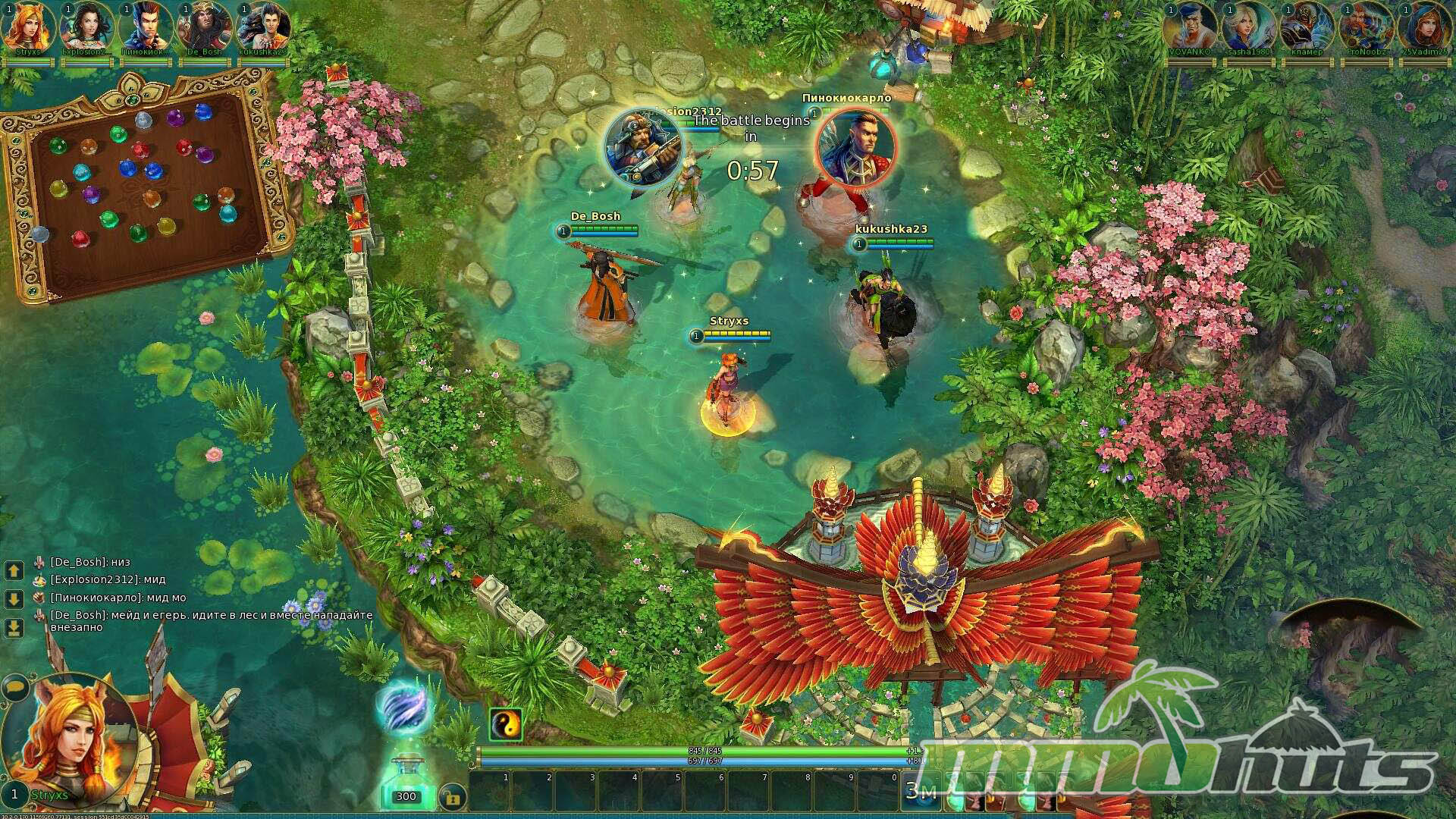
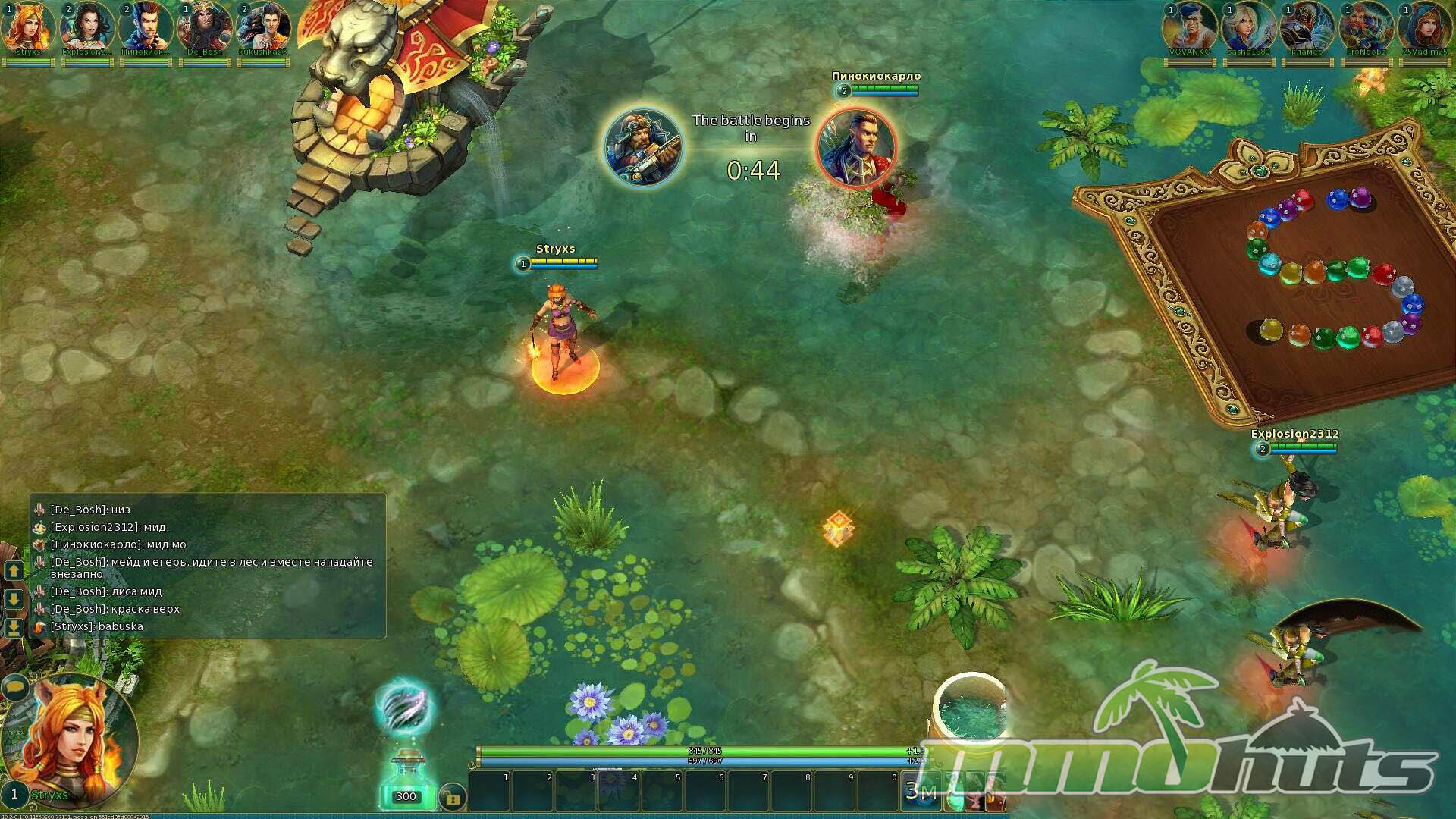
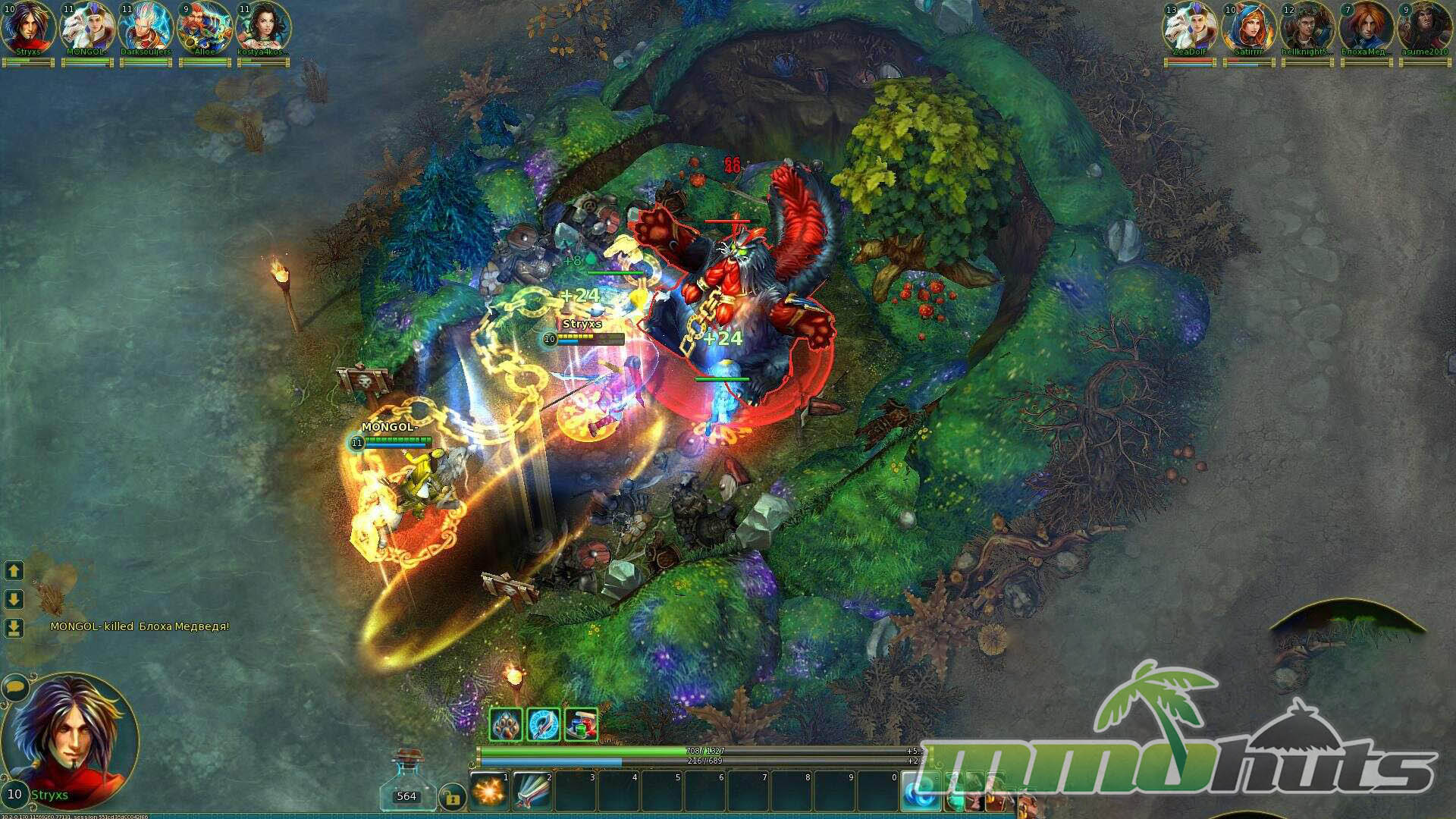
On the battlefield, Prime World generally follows recognizable MOBA expectations: coordinated team fights, map objectives, and the familiar push and pull of gaining advantages through positioning and timing. The notable difference is that your talent choices can meaningfully shift how you approach engagements, including how safe you can play, how aggressively you can trade, and what kind of utility you bring to a composition. When both teams are evenly matched, the game can produce tense, strategic fights where planning and execution both matter.
The downside is that the game’s broader progression and monetization perceptions could complicate competitive purity. When a MOBA includes external systems that influence your options, players naturally scrutinize fairness, especially when a cash shop is involved. Even if much can be earned through play, the presence of purchasable advantages or faster access can undermine confidence in balance. Combined with the castle management loop, it can also create a sense that you are maintaining two different games at once.
Match pacing is also something to be aware of. With games often landing around the 40-minute mark, Prime World asks for a larger time commitment than some faster MOBAs. Surrender helps reduce frustration in one-sided games, but in close matches you should still expect longer sessions. That length can be rewarding when you enjoy extended macro play, yet it can be a barrier if you prefer shorter queues and quicker outcomes.
Community and accessibility matter in any competitive title, and Prime World historically leaned toward an Eastern European audience. That can influence everything from peak activity hours to social spaces and matchmaking feel. The single-server approach with no IP restrictions made it broadly reachable, but the player distribution could still shape the experience depending on your region.
Overall, Prime World is best remembered as a MOBA that tried something genuinely different. Its talent-driven customization and castle crafting loop gave it a unique identity, and the variety of modes provided more to do than a single standard queue. At the same time, the hybrid structure and concerns around shop-driven balance made it a tougher recommendation for players seeking a purely even, match-only competitive environment.
Prime World Links
Prime World Official Site
Prime World Steam
Prime World Wikipedia
Prime World Wikia [Database / Guides]
Prime World Gamepedia [Database / Guides]
Prime World System Requirements
Minimum Requirements:
Operating System: XP / Vista / 7 / 8
CPU: Intel Core 2 Duo/Athlon 64 X2 2 GHz
Video Card: GeForce 8600 GT / Radeon X1600
RAM: 2 GB
Hard Disk Space: 3 GB
Recommended Requirements:
Operating System: XP / Vista / 7 / 8
CPU: Intel Core 2 Duo / Athlon 64 X2 3 GHz
Video Card: GeForce 9800 / Radeon HD 3850
RAM: 4 GB
Hard Disk Space: 3 GB
Prime World Music & Soundtrack
Prime World Additional Information
Developer: Nival
Publisher: Nival via Steam
Game Engine: Unity
Closed Beta: April 10, 2013
Open Beta: July 26, 2013
Steam Release Date: March 31, 2014
Shut Down: March 31, 2021
Foreign Release:
Prime World is available globally through its official website.
Development History / Background:
Prime World was developed by Nival, a Russian studio also known for Allods Online, and it was built on the Unity engine. Work on the project began prior to 2010, and the game entered closed beta on April 10, 2013 before moving into open beta on July 26, 2013. During its public showings, Prime World received multiple awards, including Best Strategy Game at E3 2011 and E3 2013, along with best MOBA at E3 2013. The game operated on a single server shared across Europe, America, and Russia with no IP restrictions, and it ultimately shut down on March 31, 2021.