Victory Command is a 3D military-themed MOBA that borrows a few smart ideas from RTS games. Instead of piloting a single hero, each player leads a configurable squad of multiple units, then fights across open maps in quick matches built around objectives and positioning.
 | Publisher: Petroglyph Games Playerbase: Low Type: MOBA Release Date: May 19, 2015 Shut Down Date: June 22, 2015 (Relaunched as Battle Battalions) Pros: +Rapid match flow with immediate action. +Interesting blend of MOBA pacing and RTS-style tactics. +Multiple maps that change how fights play out. Cons: -No single-player options. -Only a single mode was communicated. -Not much official information to rely on. |
Victory Command Overview
Victory Command takes the familiar 5v5 MOBA format and reframes it around small-scale unit command. Each commander enters the field with a personalized company that can scale up to a sizable squad, which makes moment-to-moment play feel closer to lightweight RTS micromanagement than traditional “one character, four abilities” design. Matches are built to move quickly, using a strict time cap and alternate ways to win so games do not drag into long stalemates.
Where many MOBAs funnel teams into predictable lanes, Victory Command leans into open terrain. You are encouraged to think about angles, sight lines, and the map itself, setting up ambushes, rotating to flank, and taking advantageous ground instead of simply clearing waves and waiting for the next team fight. That shift in map philosophy is the game’s biggest attempt to differentiate itself from the genre’s usual three-lane template.
Victory Command Key Features:
- Customized Squads – build a tailored lineup by combining units into squads of two to twelve.
- Fast-Paced Gameplay – matches typically land around 10 to 15 minutes, with a 20 minute limit and several victory conditions.
- Free From Lanes – maps favor open battlefields, giving more room for rotations and tactical play than lane-based setups.
- Commander Abilities – each Company brings impactful tools like airstrikes, napalm strikes, anti-weapon gas, and other battlefield call-ins.
- Unlock New Features – gain experience and credits in matches to research upgrades and buy additional companies.
Victory Command Screenshots
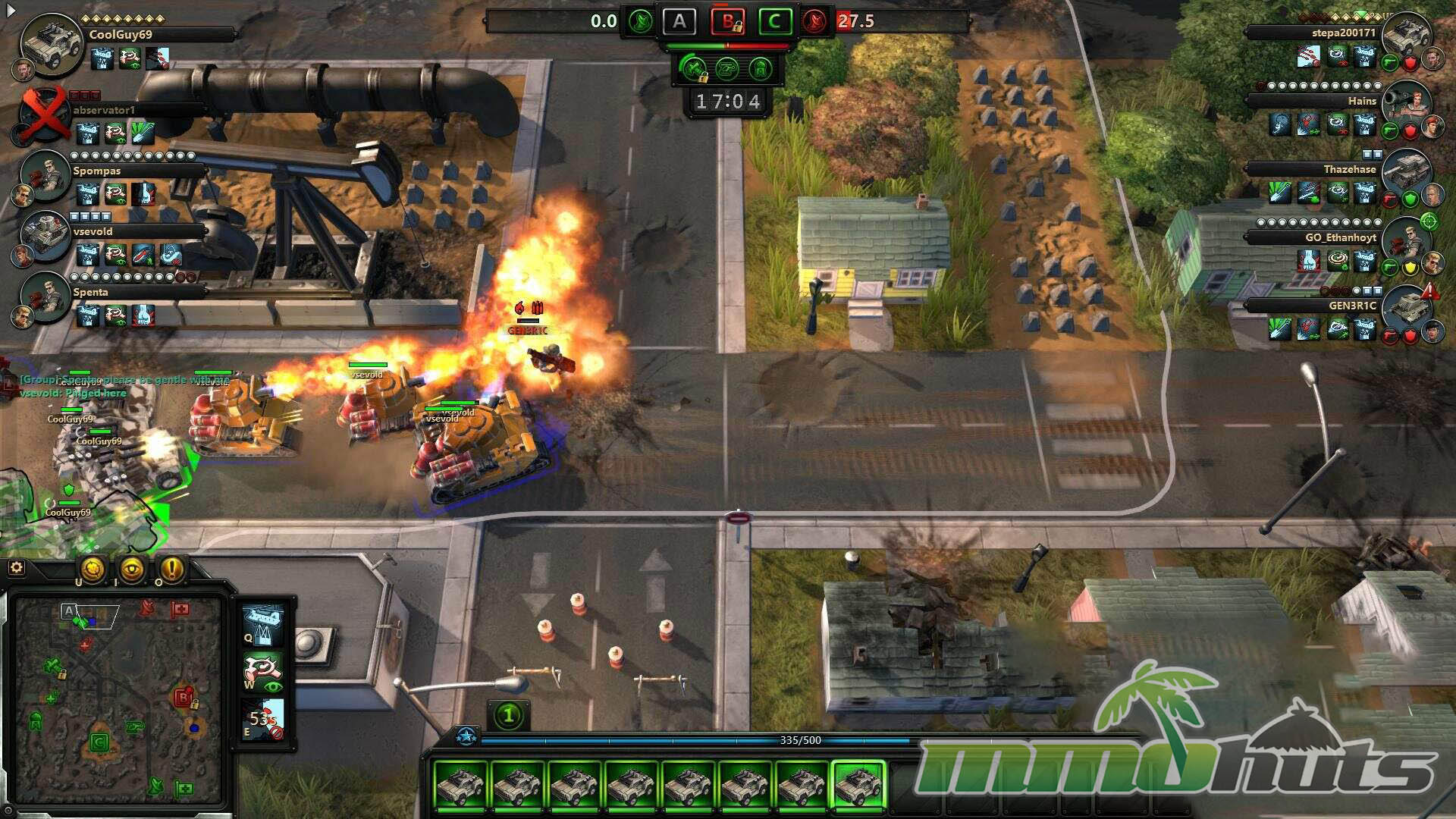
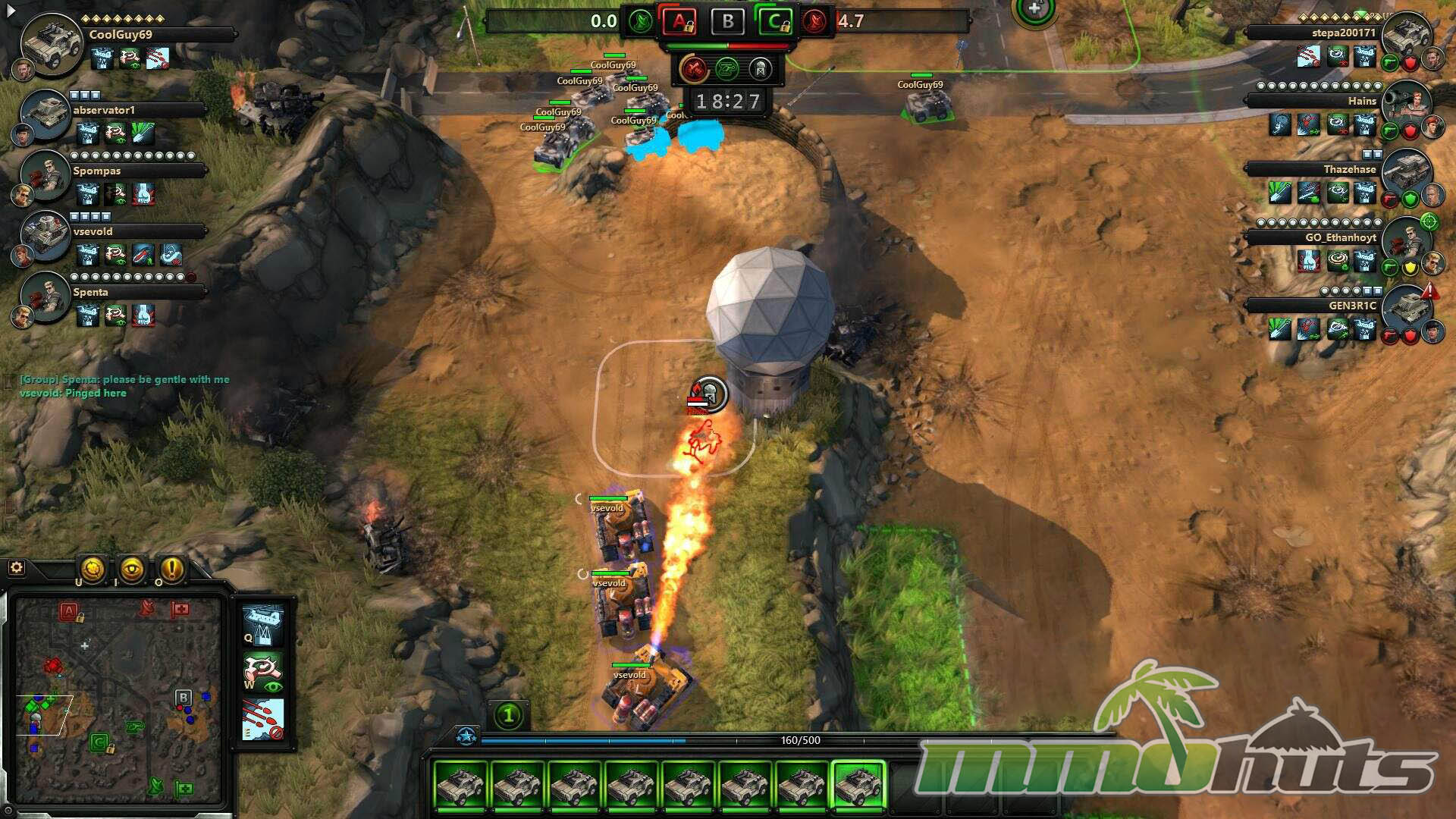
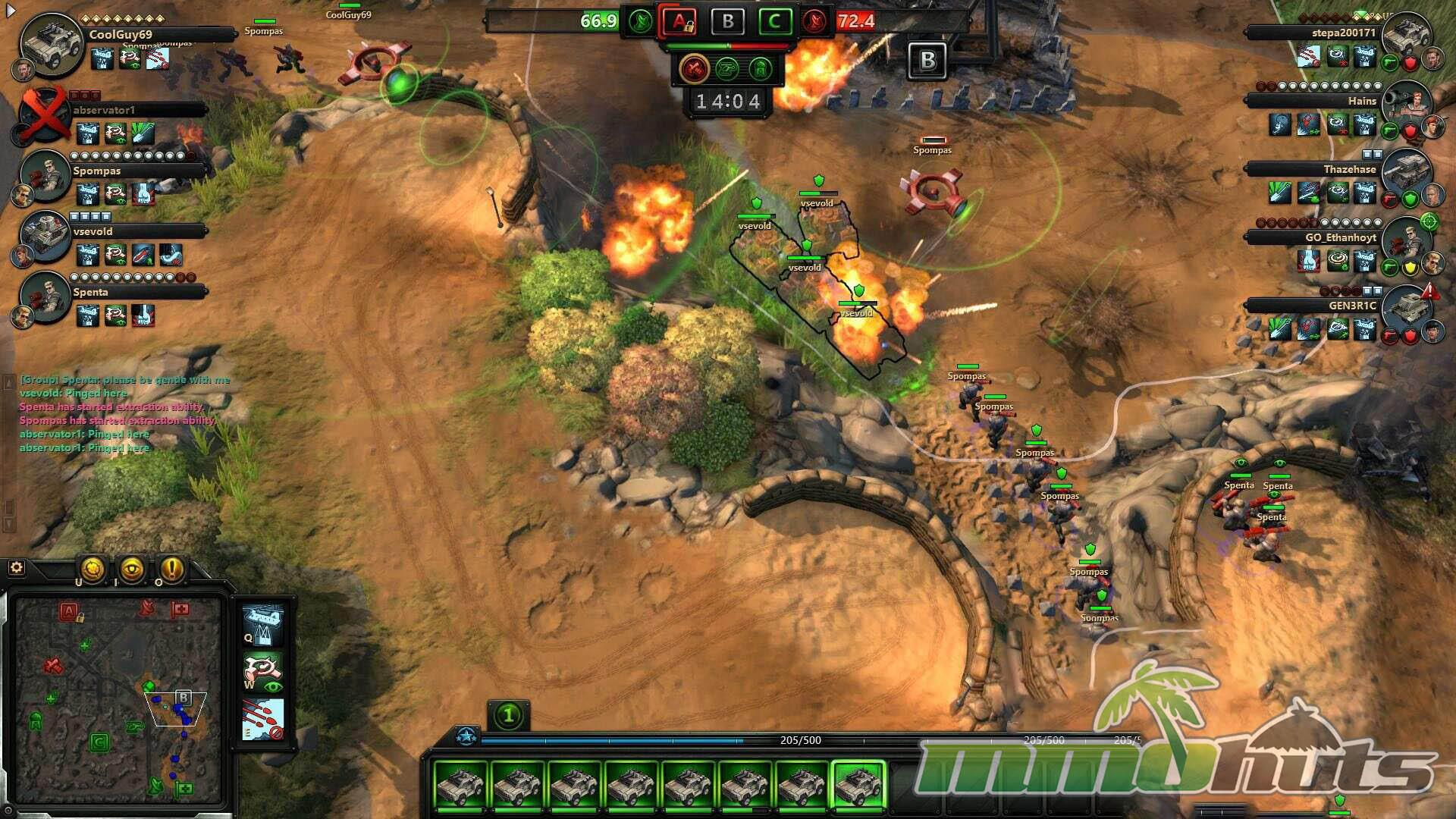
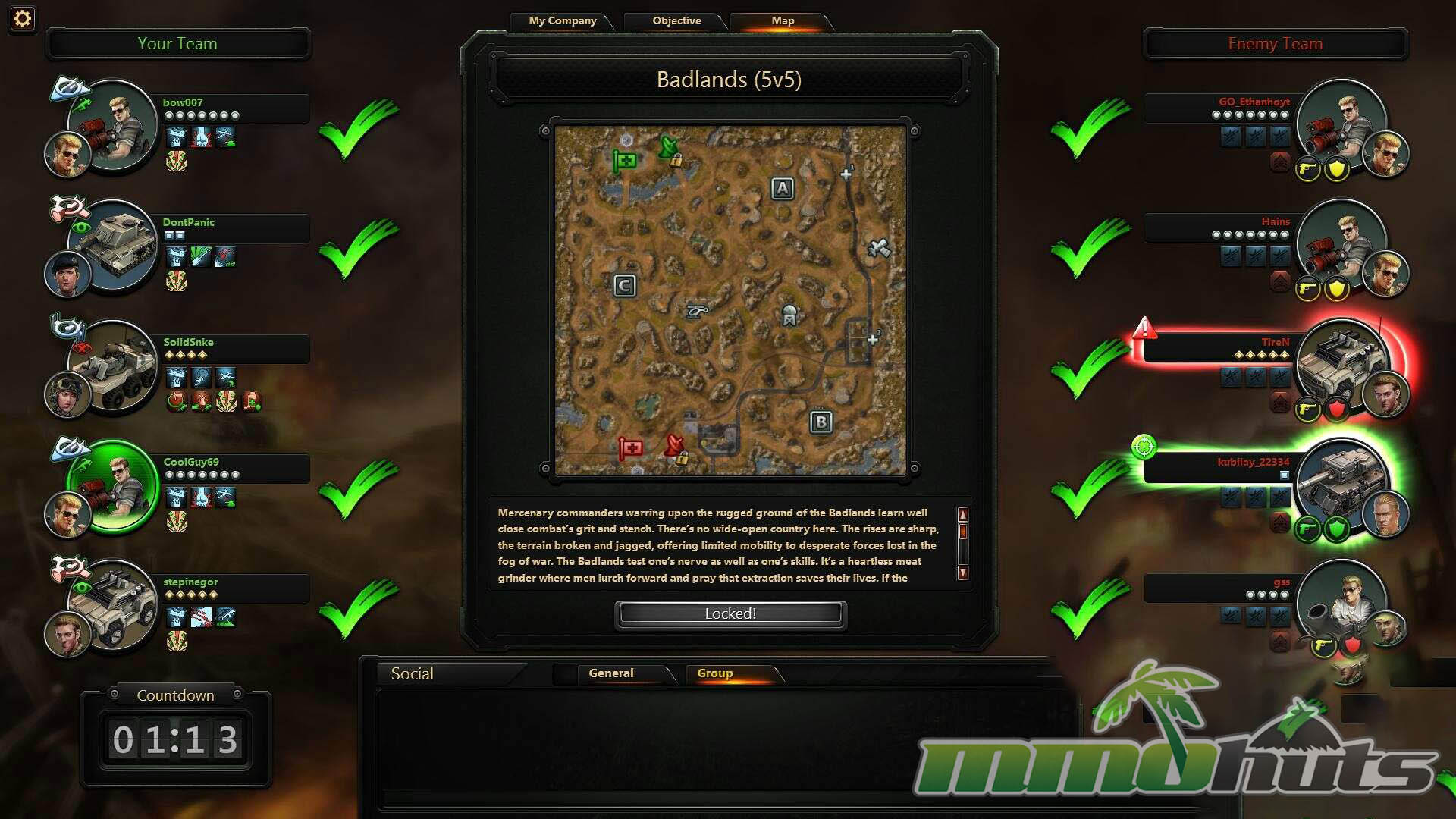
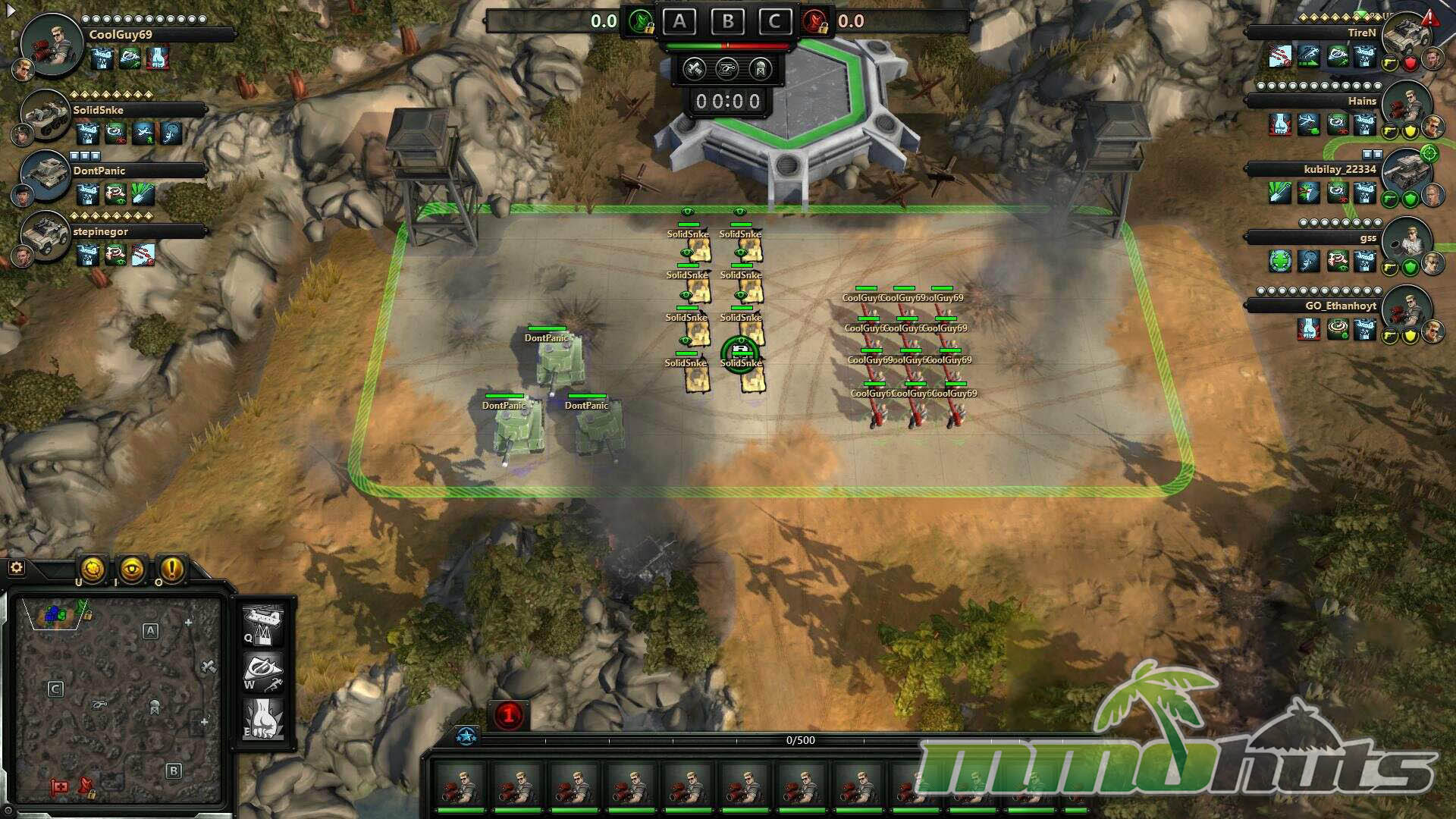
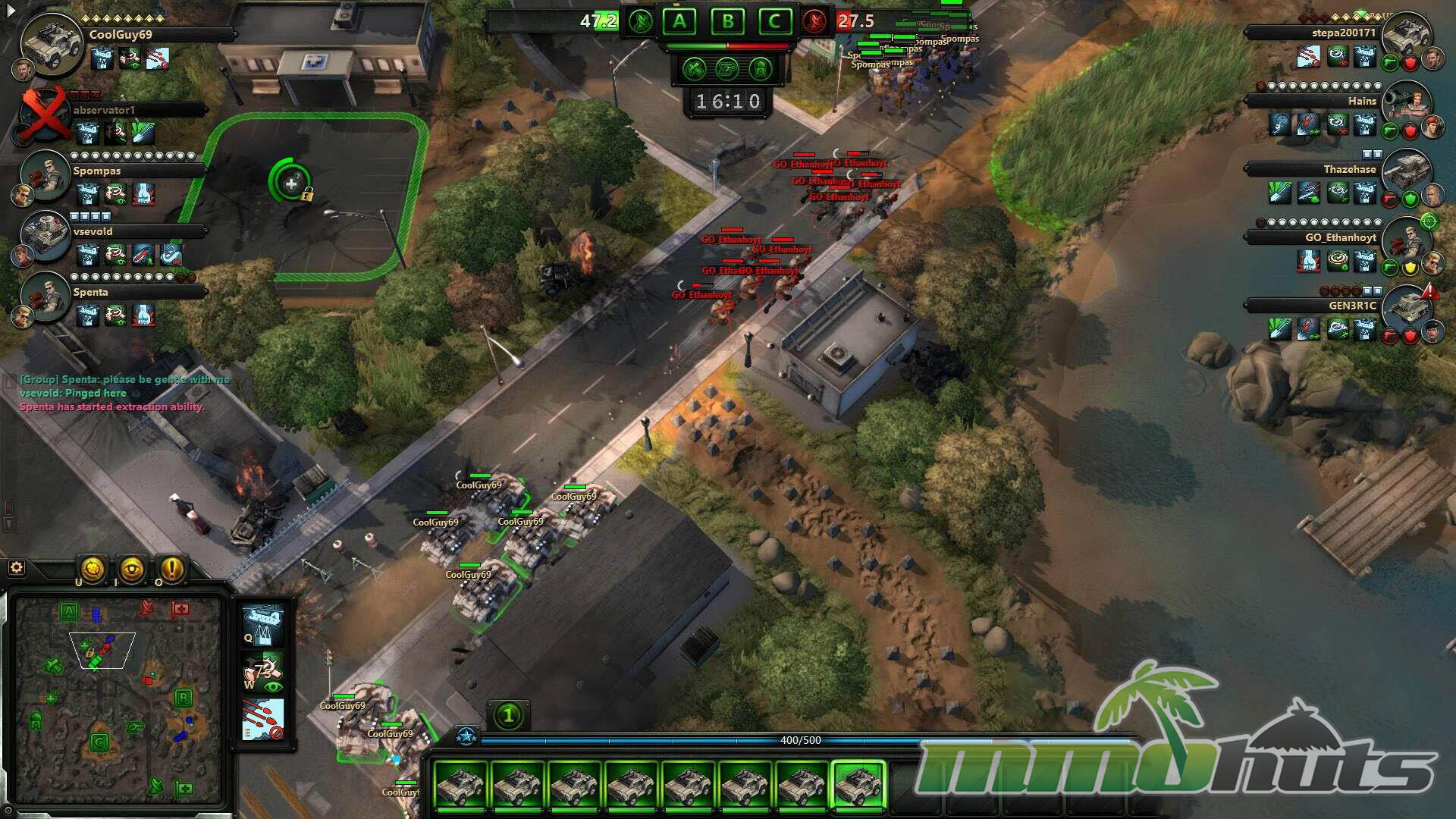
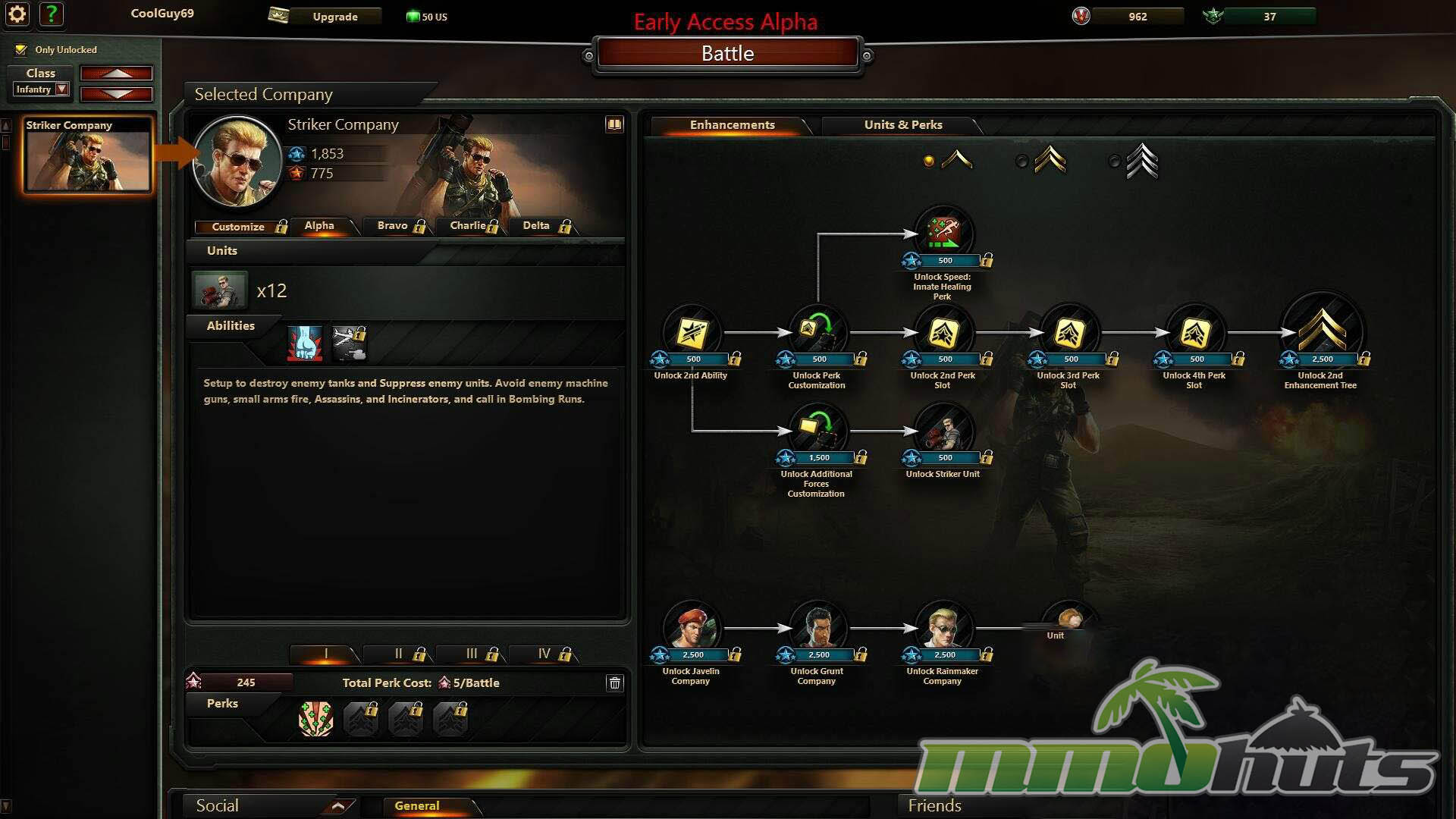
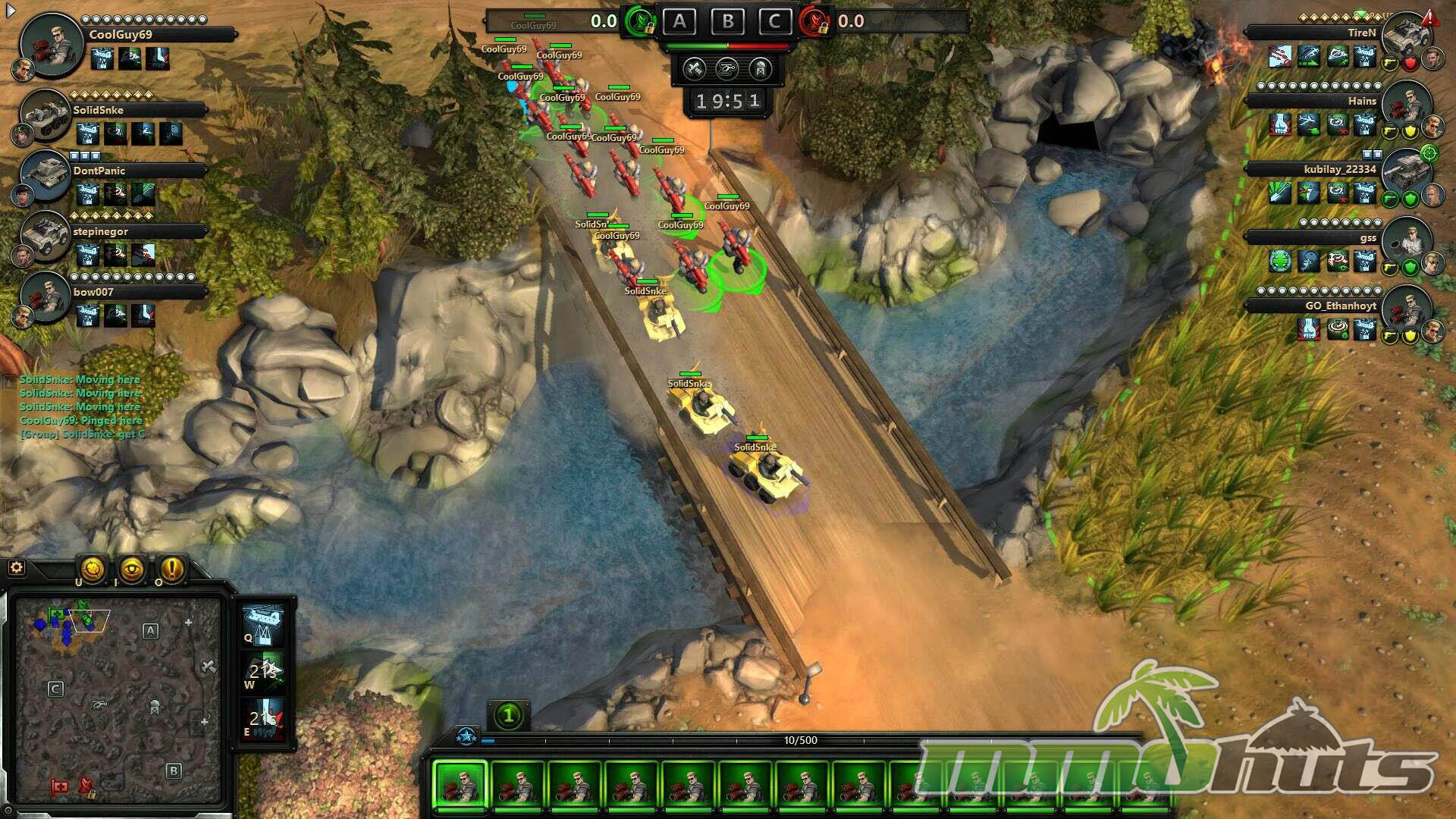


Victory Command Featured Video

Victory Command Review
Victory Command is a free-to-play military MOBA that tries to bridge the gap between objective-driven arena combat and the positioning-focused mindset of RTS games. Teams are still five versus five, but the core twist is that each player commands a small group of units, which changes how fights are taken and how mistakes are punished. The game was developed by Petroglyph Games (known for Battle for Graxia and other strategy projects) and arrived on Steam in Early Access on May 19, 2015 after multiple closed beta phases. Music duties were handled by Frank Klepacki, whose work will be familiar to anyone who spent time with classic Command & Conquer.
At the time, the game could be accessed via Steam and through PlayGrid’s site, with a PlayGrid account required to log in. Monetization centered on optional premium accounts that provided bonuses, aimed at both newcomers and returning players.
Getting started and learning the basics
Victory Command attempts to ease players in with short tutorial videos that cover the fundamentals. Even so, the systems are straightforward enough that many players will understand the basics after a match or two, especially if they have any MOBA or RTS background. After logging in, you land on a central hub screen where nearly everything happens, including company setup, progression, currency spending, and browsing what to unlock next.
That hub is functional, but it can feel dense at first because it tries to present customization, research, and purchasing in one place. Once it clicks, it becomes the workshop where you shape your preferred playstyle, whether you want a focused lineup built around a specific weapon type or a more flexible squad intended to adapt mid-match. One friction point is how unlocks are structured. To fully access a company or ability, you generally need to both research it and then purchase it, which means interacting with two currencies for the same end goal. The upside is that both currencies can be earned through play, so it is not a hard wall, but the double-step process can feel unnecessarily repetitive.
Visually, the game is clean and readable, but the art direction can come off more stylized than some players might expect from a military theme. If you prefer grittier realism, the slightly cartoon-like look may not land, even if it does help clarity during hectic fights.
Companies, roles, and squad building
Players choose between three primary “companies,” essentially the game’s base classes: Jack, Dune Runner, and Striker. In broad terms, Jack leans toward tanks and armor, Dune Runner focuses on fast recon, and Striker is infantry-centered. Combat often follows a counter triangle where one category tends to pressure another while being vulnerable elsewhere. In the common flow, tanks struggle against infantry, infantry is punished by recon, and recon can be checked by tanks.
The key is that Victory Command does not lock you into a pure version of that triangle. As you unlock the tools to do so, you can customize your company by adding sub-companies and mixing in units that do not match the starter archetype. This is where the game’s depth really shows up. You can tailor your squad to cover specific threats or to amplify a particular strength, for example building specialized vehicles that excel at burning down infantry while also keeping options for dealing with recon.
There is a balancing act here. Building a squad that tries to do everything can leave you feeling underpowered across the board. The strongest approach is usually to commit to a role and ensure you have the right mix of units to execute it, while trusting teammates to cover what you cannot. The customization system adds meaningful decisions and helps the matchups feel less like a rigid rock-paper-scissors script.
How matches play out
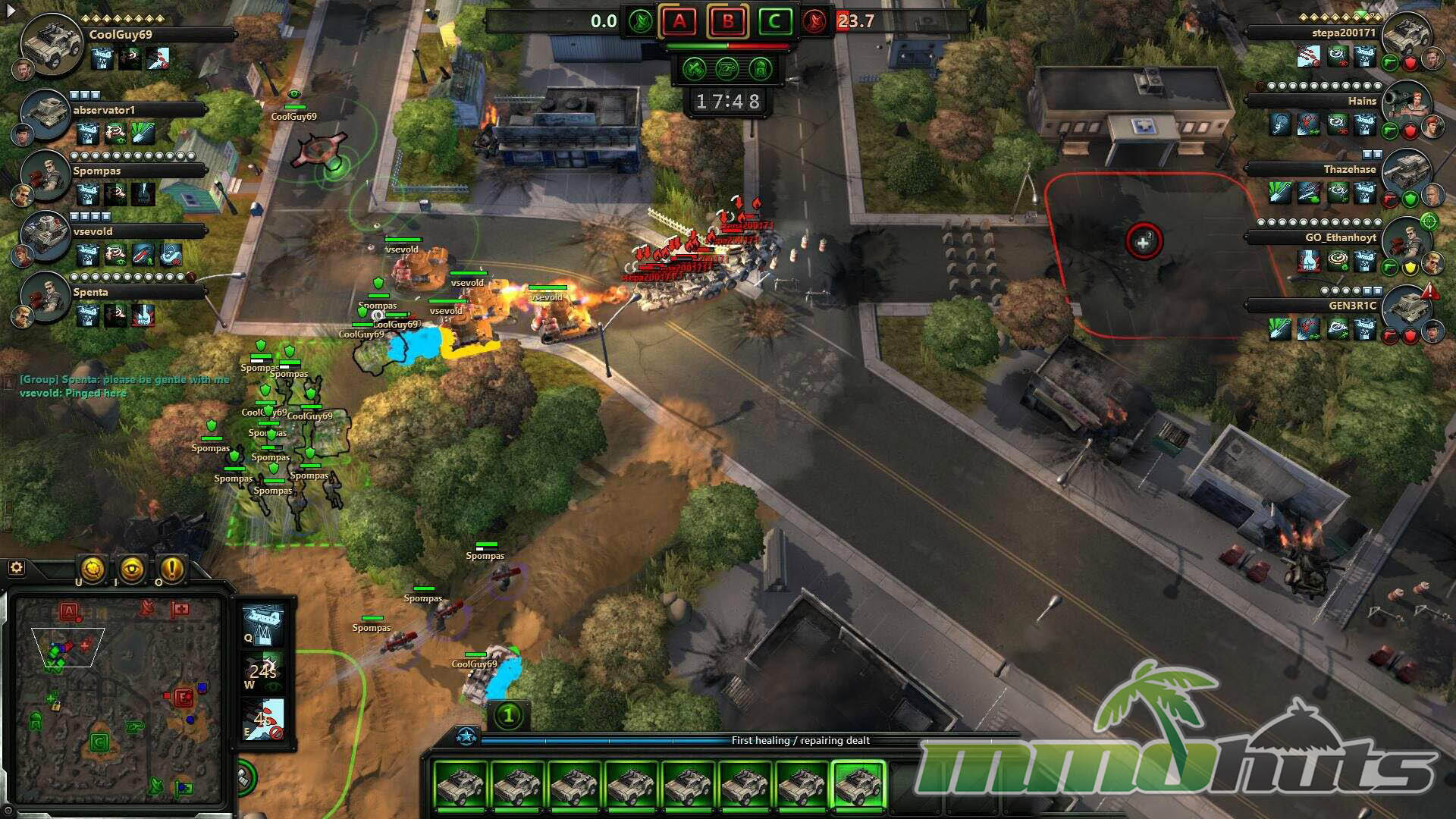
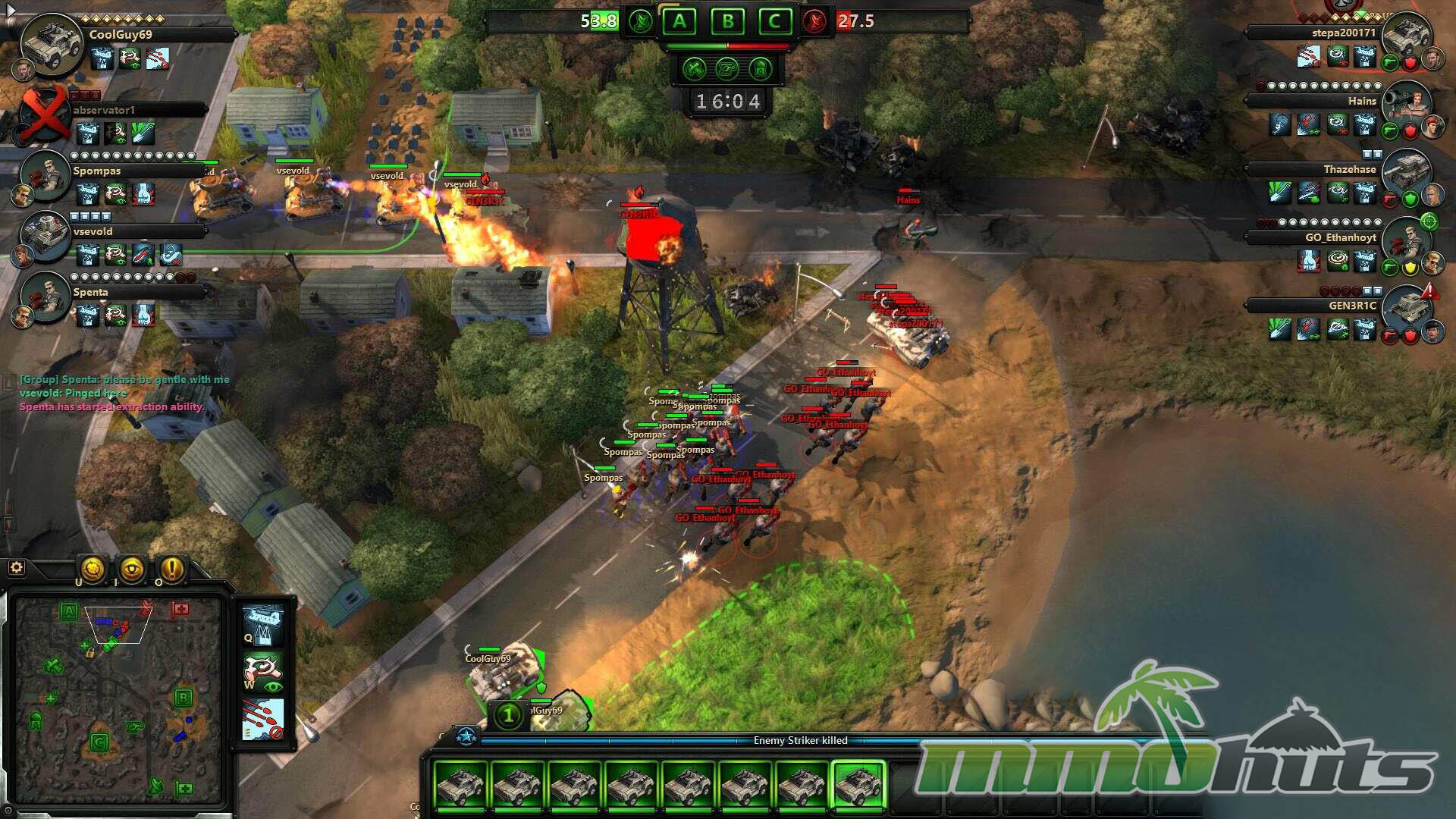
The most immediate difference from typical MOBAs is that you are managing multiple units rather than a single hero. It is not a full RTS in terms of economy and base-building, but basic micro, positioning, and keeping the right units alive matters. Match length is generally in the 10 to 15 minute range, which keeps momentum high and reduces the “slow early game” problem many MOBAs have.
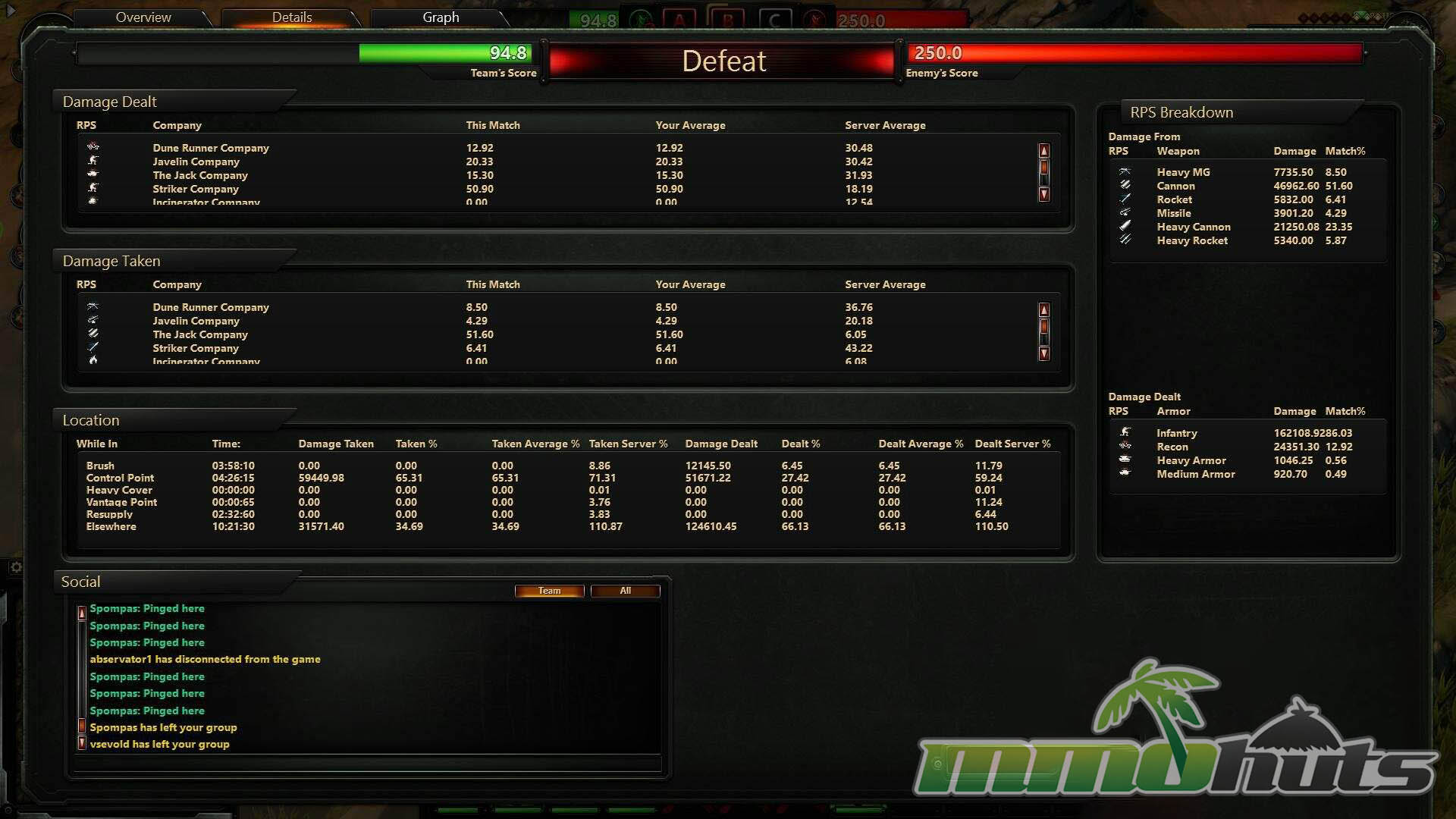
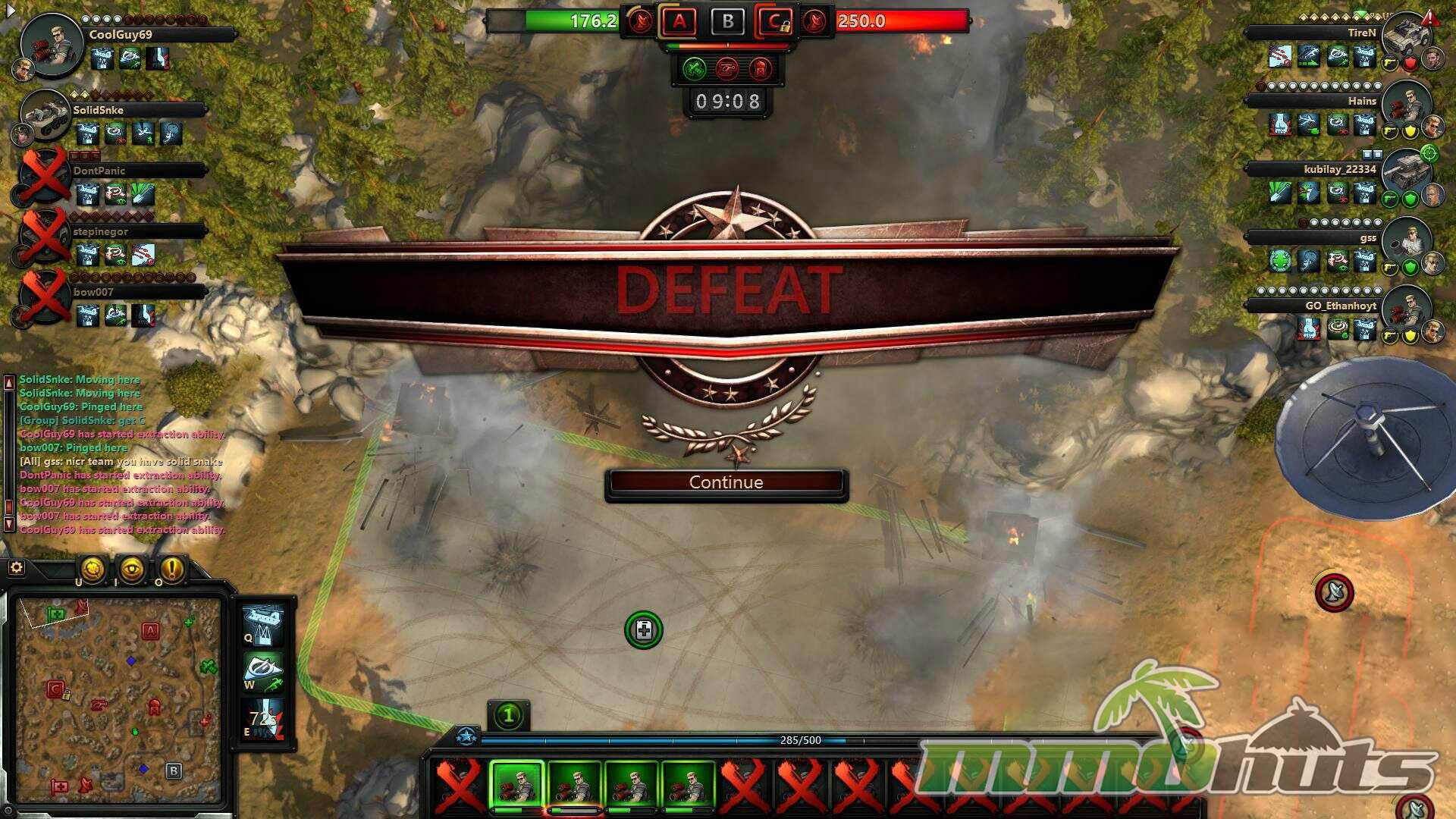
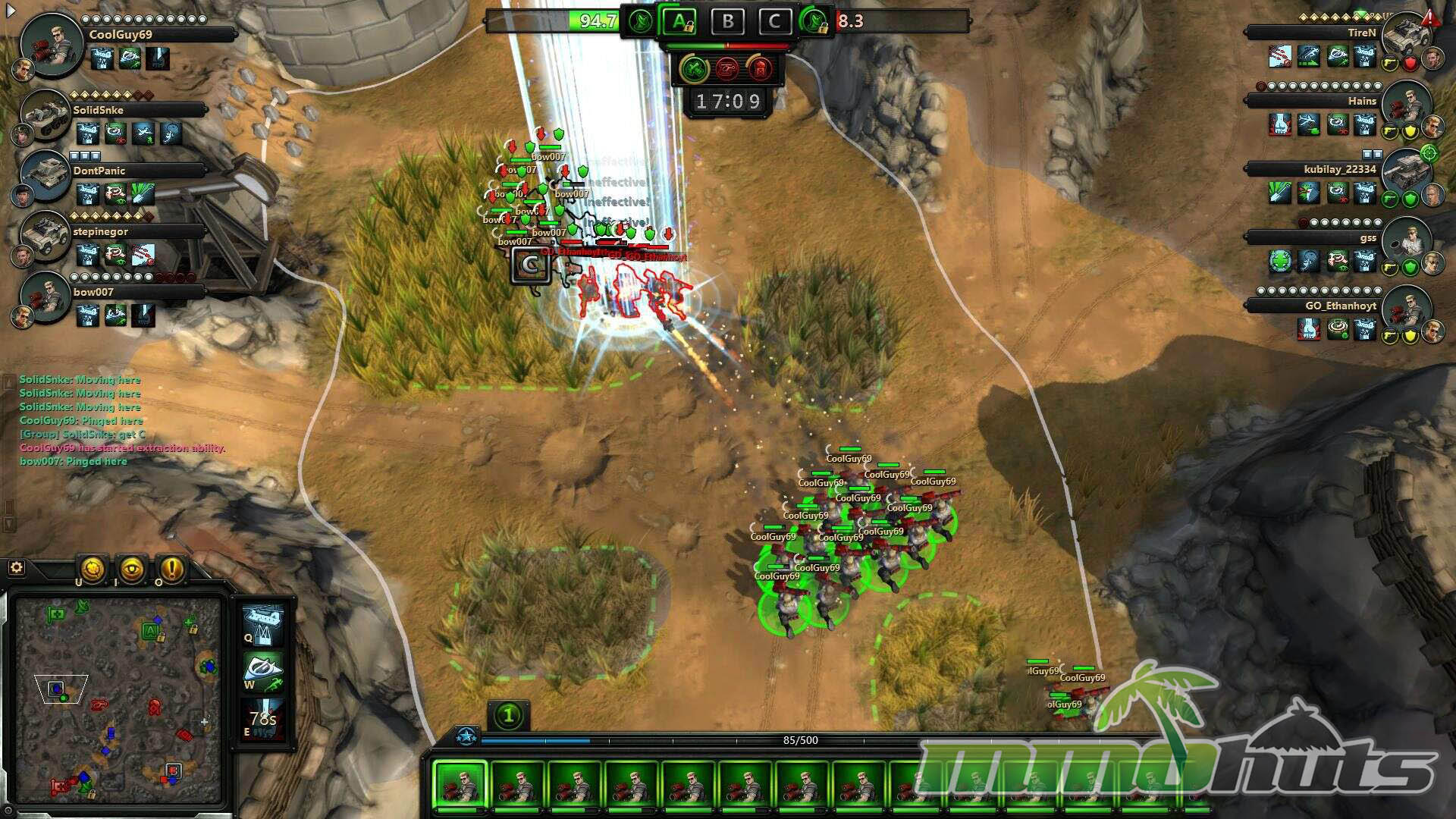
Victory is centered on earning 250 Victory Points, mainly by capturing and holding strategic locations scattered around the map. This pushes teams to rotate constantly, contest objectives, and take fights with purpose rather than brawling for its own sake. The map design supports that objective focus. Terrain can provide advantages, and brush-based concealment creates real ambush opportunities. Some areas are only accessible to infantry, which creates interesting escape routes and flanking paths that certain squads can exploit.
There is also a valuable safety valve in the extraction command, letting you beam back to base for healing when things go bad. That is important because unit losses are permanent within a match, once a unit is destroyed it does not return. That rule raises the stakes on every engagement, and it makes retreats, positioning, and smart trades far more important than in games where death is a temporary inconvenience.
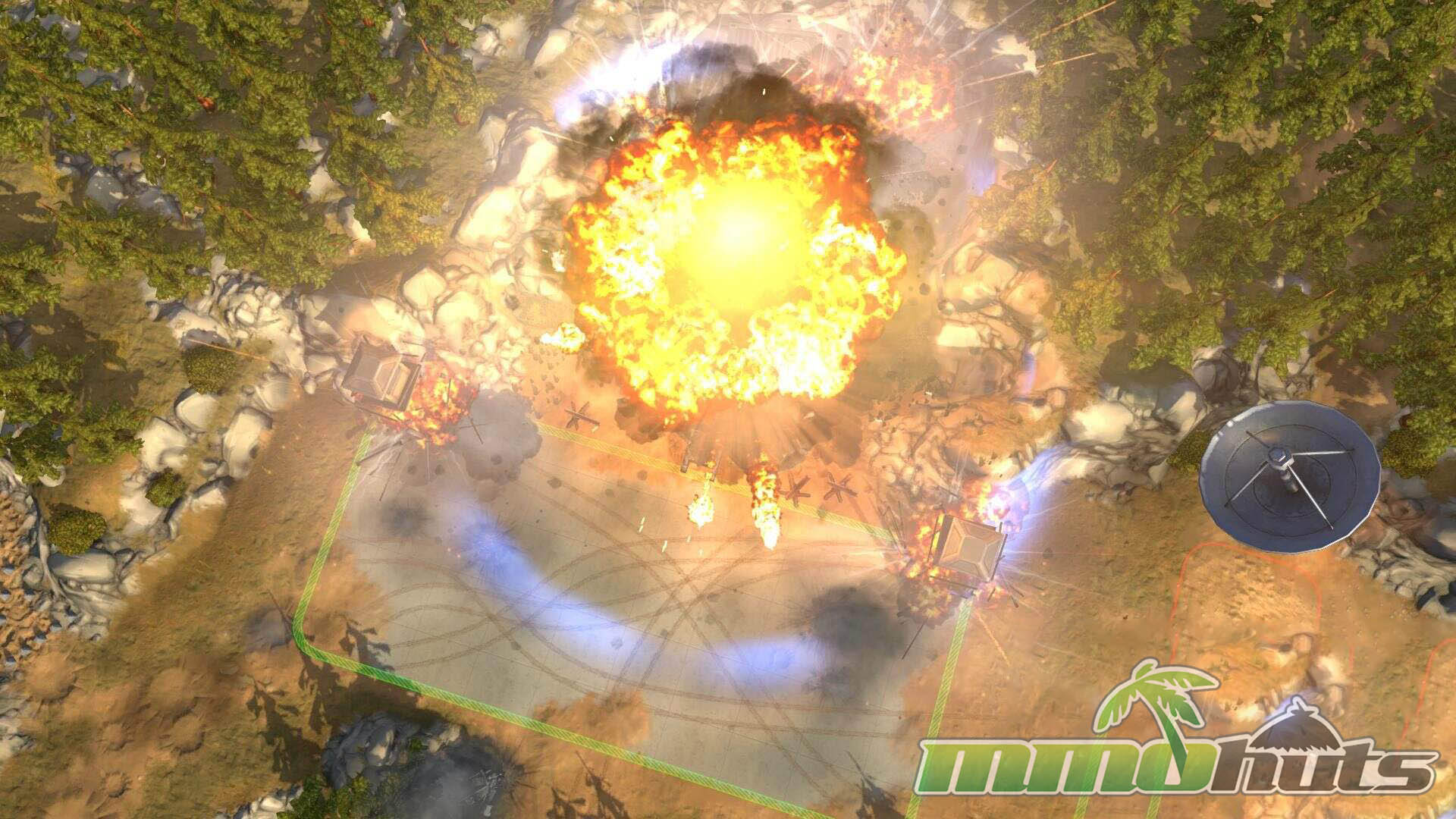
Alongside major control points, secondary objectives provide situational benefits. A good example is the spy satellite, which can reveal information about key objectives and help your team anticipate rotations. On top of your squad, you also bring tools like skills, perks, and a drone that can swing a fight at the right moment. Abilities such as Artillery Barrage can punish grouped enemies, while effects like Suppression help secure kills or enable a disengage. Perks offer persistent improvements like better sustain or damage boosts, and drones provide short-lived team utility like vision or movement advantages. Once a team reaches the required Victory Points, it can finish the match by nuking the opposing base.
Team composition and coordination matter heavily, and the game rarely rewards lone-wolf play. Even if your squad is performing well into its favored targets, a single counter company on the enemy team can shut you down if you are unsupported. This reliance on teammates is both a strength and a weakness. It encourages real coordination, but it also means a poor draft can doom a match before it begins. Because you do not fully know what the enemy has until choices are locked in, lopsided matchups can occur, like a team stacking armor into an opponent loaded with infantry counters. Since objectives are the win condition, winning often comes down to smart splitting, timely regrouping, and efficient unit control rather than raw kill counts.
Strengths, frustrations, and overall feel
Victory Command’s best quality is its pacing. Queue times are typically short, matches start quickly, and the design avoids long stretches where nothing happens. The RTS influence also gives the game a different mental rhythm than many MOBAs, you are reading terrain, tracking objectives, and managing a small force rather than focusing purely on mechanical combos.
At the same time, the same teamwork dependence that makes coordinated games satisfying can make rough games feel out of your control. Composition mismatch can lead to frustratingly one-sided rounds, and the game does not always do a great job of explaining its currencies and progression systems up front. The upgrade and unlock flow is learnable, but new players may feel like they are clicking through menus without enough context.
Final Verdict – Good
Victory Command delivers a distinctive spin on the MOBA formula by putting squad command at the center and letting map control, terrain, and quick rotations decide matches. Its short game length and accessible fundamentals make it easy to sample, and the added layer of company customization gives it more tactical depth than its surface suggests. If you enjoy MOBAs but want something closer to a light RTS skirmish, it was a worthwhile experiment in the genre.
Victory Command Links
Victory Command Official Site
Victory Command Steam Page
Victory Command Developer Page
Victory Command System Requirements
Minimum Requirements:
Operating System: Windows Vista SP2
CPU: Intel Core 2 Duo 2.6 GHz / AMD Athlon 64 x2 Dual Core 3400+
Video Card: Nvidia GeForce 400 / ATI Radeon 5000 series
RAM: 4 GB
Hard Disk Space: 4 GB
Recommended Requirements:
Operating System: Windows Vista / 7 / 8 / 8.1 / 10
CPU: Intel Core i5 2.66 GHz / AMD Phenom II X4 970
Video Card: Nvidia GeForce 500 series / Radeon 7000 or better
RAM: 4 GB or better
Hard Disk Space: 4 GB or more
Victory Command has not published system requirements yet. These are estimates based on our experience. We will update the system requirements when they become available.
Victory Command Music & Soundtrack
Coming soon…
Victory Command Additional Information
Developer: Petroglyph Games and Neoact
Publisher: PlayGrid Games
Release Date: May 19, 2015 (Early Access Steam)
Development History / Background:
Victory Command’s roots trace back to an earlier, unsuccessful Kickstarter campaign in 2013. Petroglyph initially sought $700,000 for a WWII-themed RTS called ‘Victory’, but the funding goal was not reached. Despite that outcome, the concept caught the attention of Neoact, a Korean free-to-play developer. The studios later partnered and reworked the project, shifting it away from a traditional RTS format and into a MOBA-style structure.
Players familiar with older strategy games may also recognize echoes of classic Command & Conquer in the game’s look and feel. Petroglyph was formed by former Westwood Studios developers, which helps explain the stylistic similarities. Victory Command ultimately entered early access beta on May 19, 2015.