VEGA Conflict is a free-to-play sci-fi strategy MMO built around base construction, fleet design, and real-time raids across a shared star map. You expand a command center among asteroid fields, gather resources, and clash with both the VEGA Federation and rival commanders, with battles that reward planning and smart ship loadouts as much as raw numbers.
 | Publisher: KIXEYE Playerbase: Medium Type: Strategy PvP: Open World Release Date: December 13, 2015 Pros: +Play seamlessly across devices. +Lots of ship and base detail for a strategy MMO. +Raids and defenses can be genuinely tense and tactical. Cons: -Monetization can tilt competition. -Late-game timers and travel can feel sluggish. |



VEGA Conflict Overview
VEGA Conflict is a free-to-play real-time strategy title that plays across PC, Mac, browser, iOS, and Android. You command a growing space outpost and a customizable fleet, operating as an independent force in contested sectors where resources are scarce and constantly fought over. Asteroids supply key materials (such as Helium-3 and mineral ore), and the larger your footprint becomes, the more you will attract attention from both the VEGA Federation and other players.
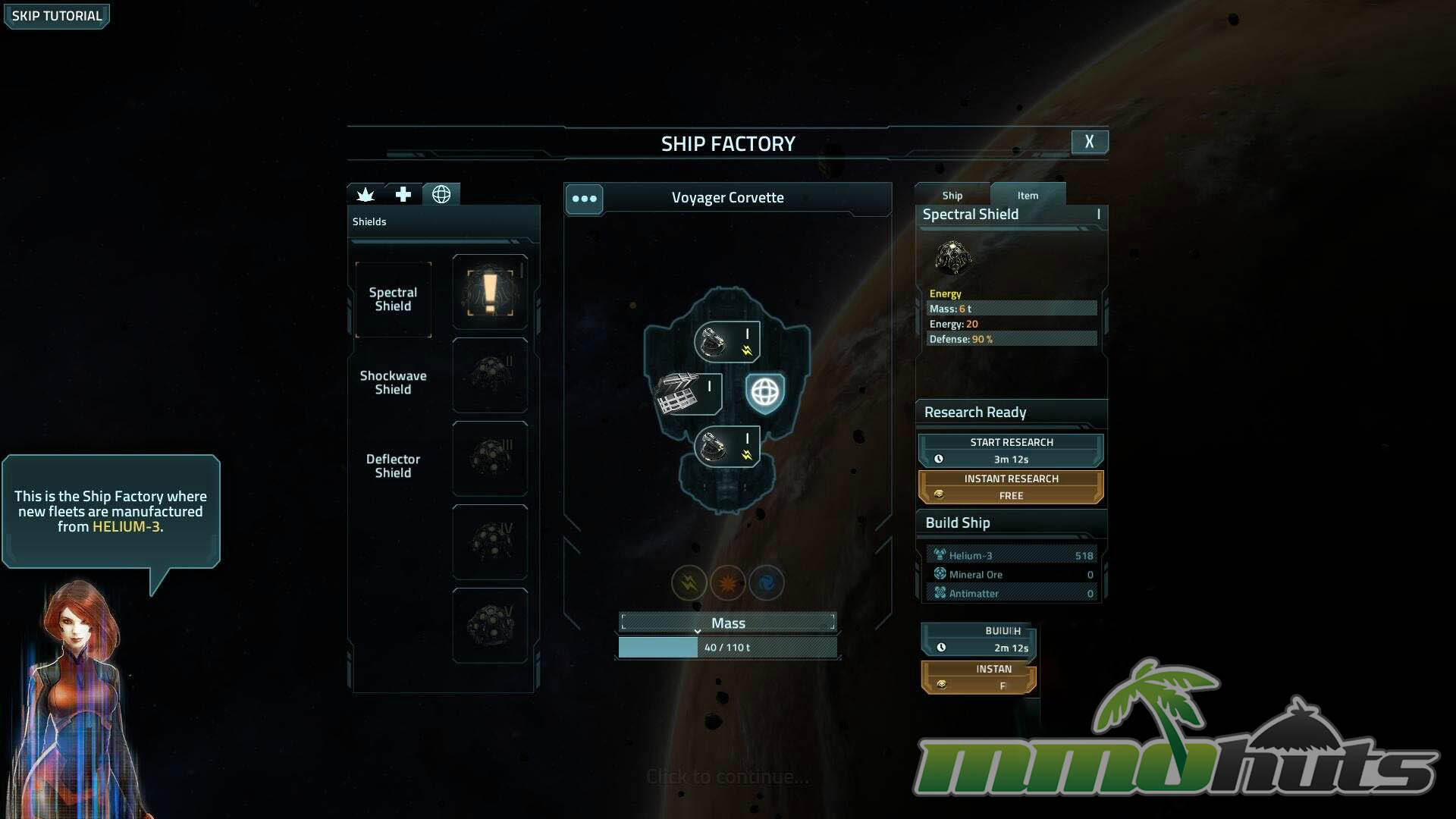
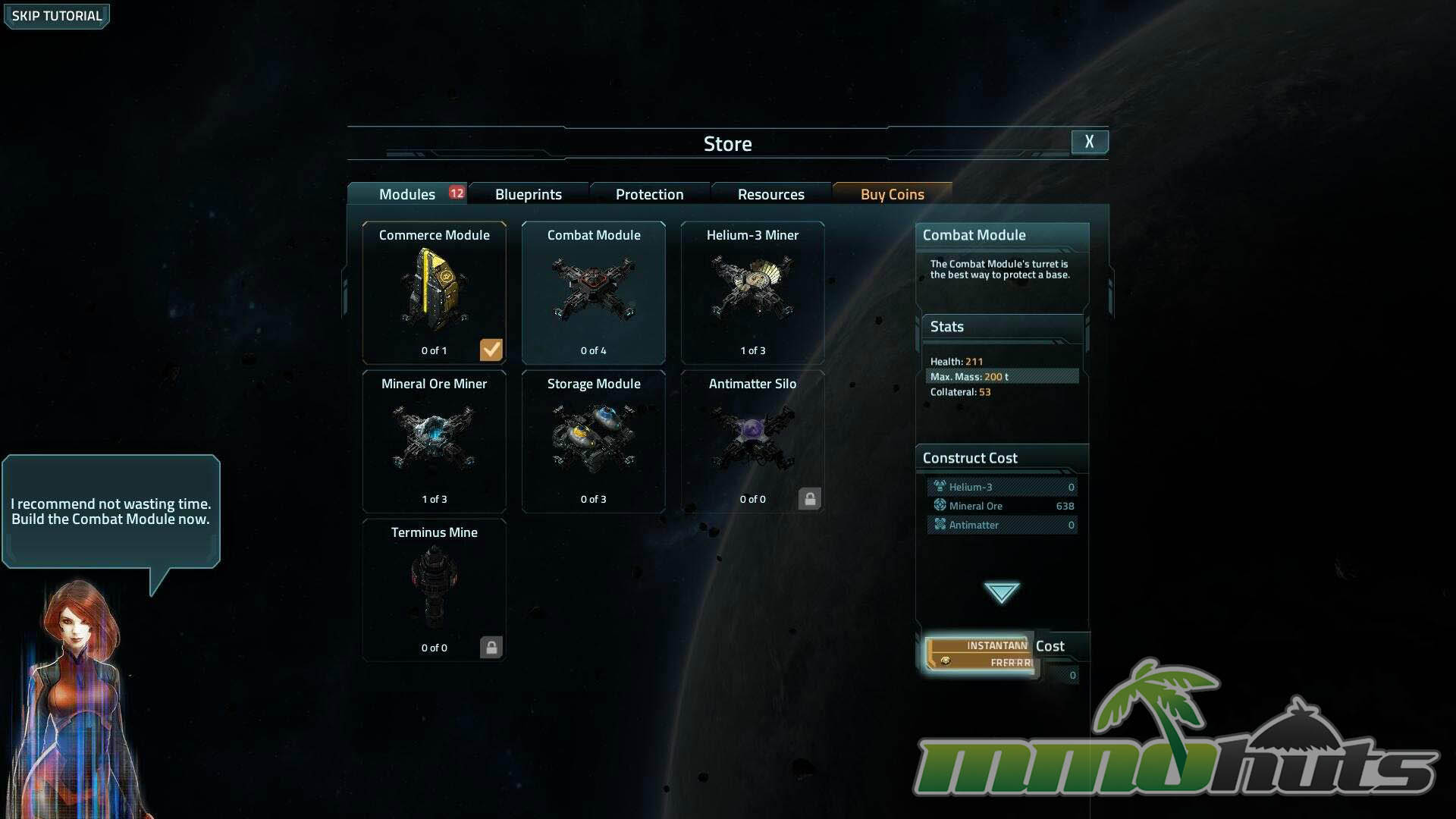
At its core, the game blends base-building timers with hands-on combat. You develop modules at your command center, research upgrades, and construct ships that can be fitted for specific jobs, whether that is cracking defenses, hunting cargo fleets, or holding your own base during retaliation. The overall loop will feel familiar to anyone who has played games like Clash of Clans or Game of War, but with a clear sci-fi coat of paint and a stronger emphasis on fleet composition and piloting choices during fights.
VEGA Conflict Key Features:
- Real-Time PvP – battles unfold live, rewarding quick decisions and good targeting.
- Strategic Gameplay – build fleets around counters and positioning, rather than relying on a single unit type.
- Alliances – team up for coordination, shared planning, and added safety in hostile sectors.
- Multi-Platform Play – carry your progress between mobile, browser, and PC.
- Ship Customization – upgrade hulls and gear so your fleet evolves as threats scale up.
VEGA Conflict Screenshots

VEGA Conflict Featured Video

VEGA Conflict Review
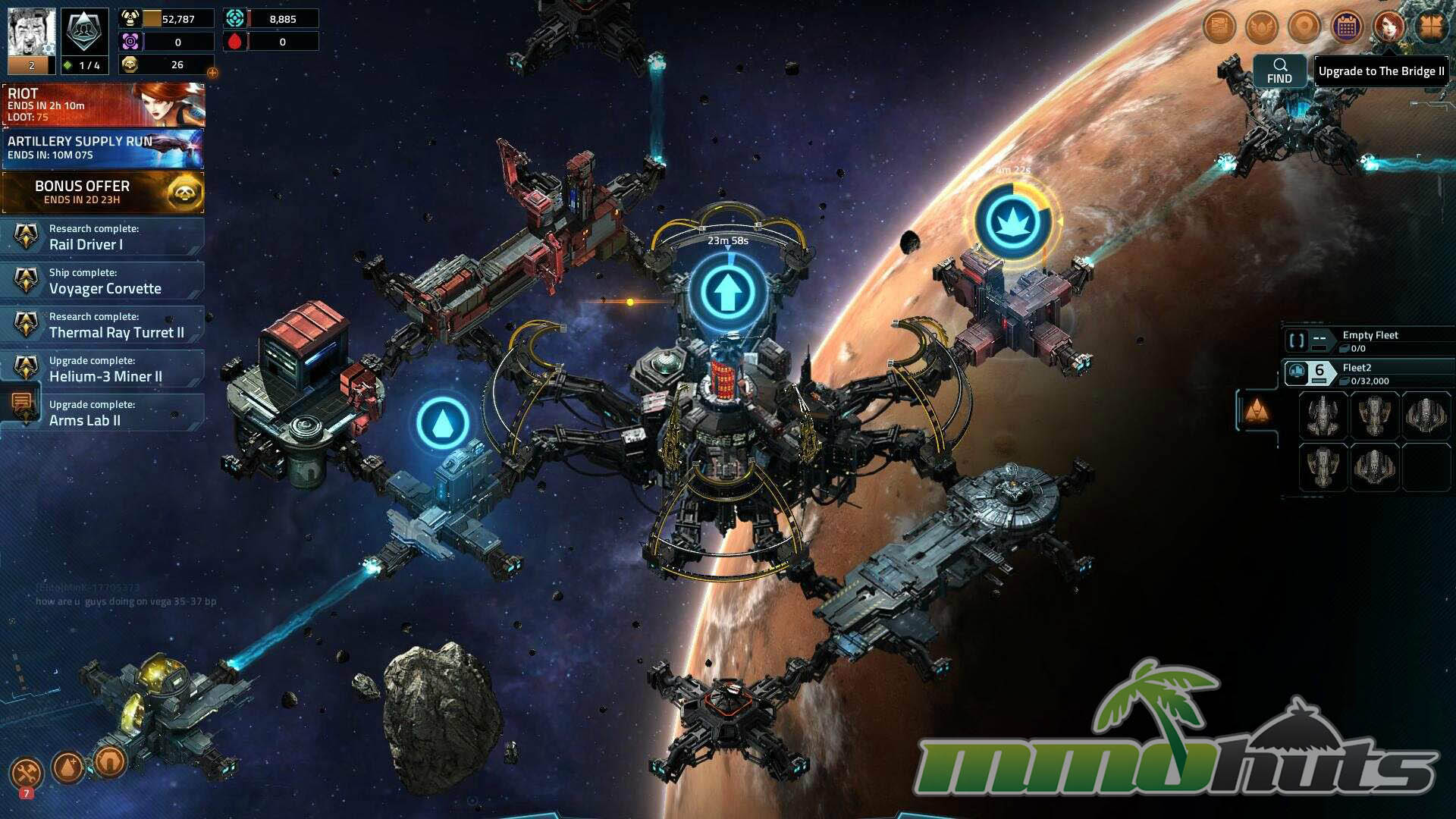
VEGA Conflict drops you into a frontier where human expansion has pushed into dangerous space and authority is enforced by the VEGA Federation. You play as a rogue commander building a foothold among asteroid belts, taking contracts, and gradually turning a small operation into a war-capable base with a purpose-built armada. Visually, it uses a browser-style 2.5D perspective that will remind some players of older PC RTS games, and while the presentation is not cutting-edge, it stays readable during hectic encounters and fits the game’s cross-platform nature.
Learning the controls without friction
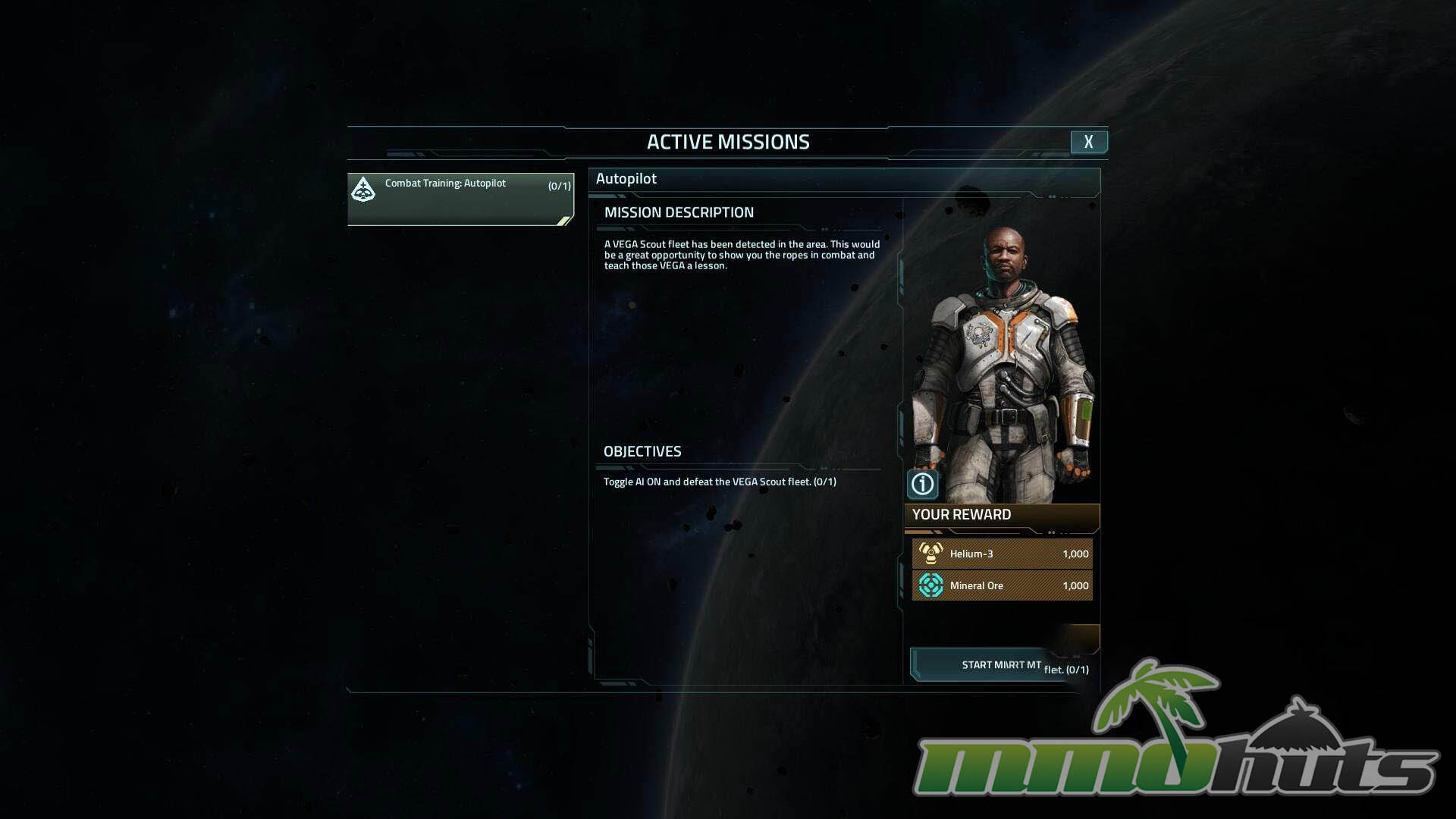
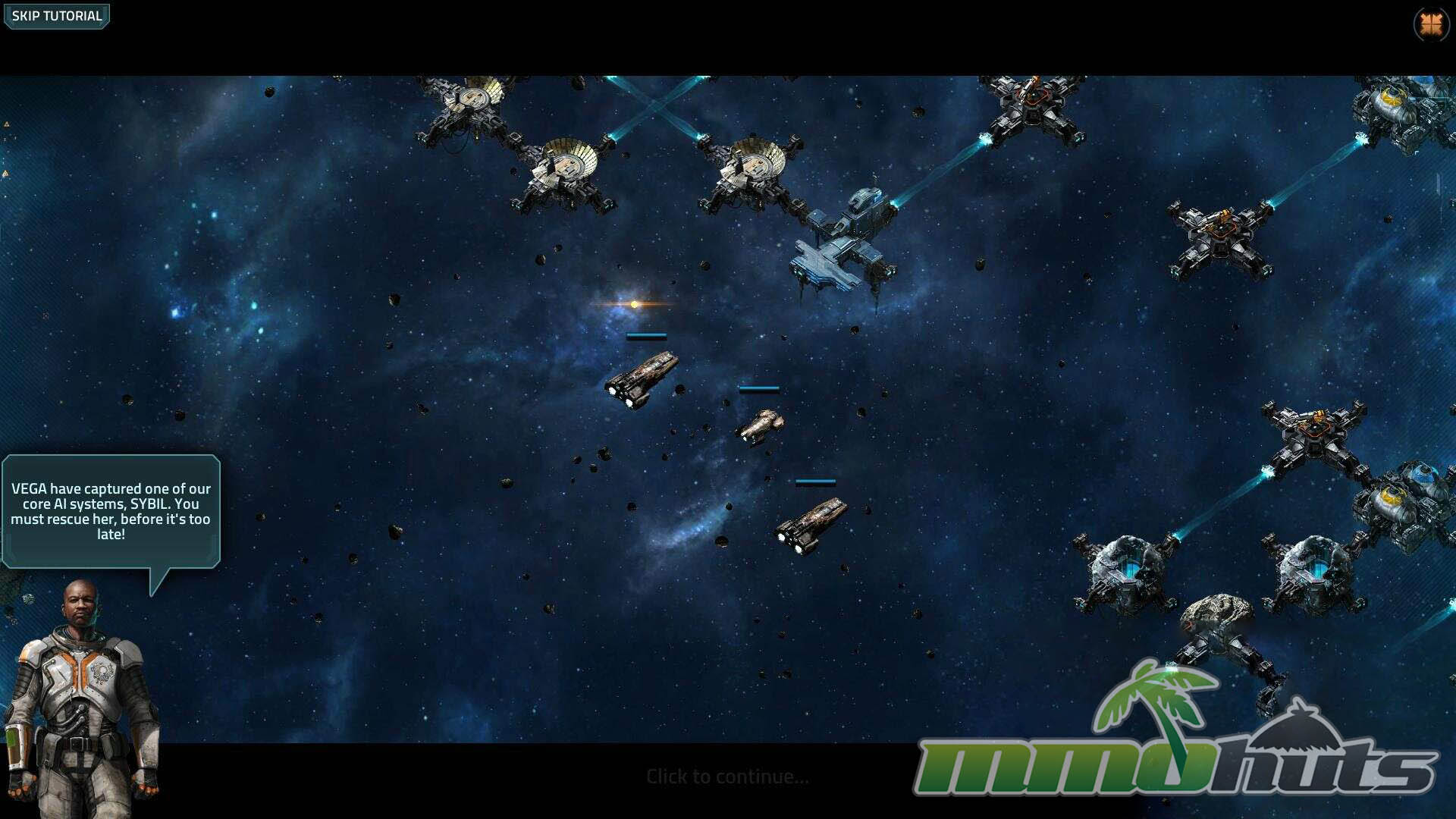
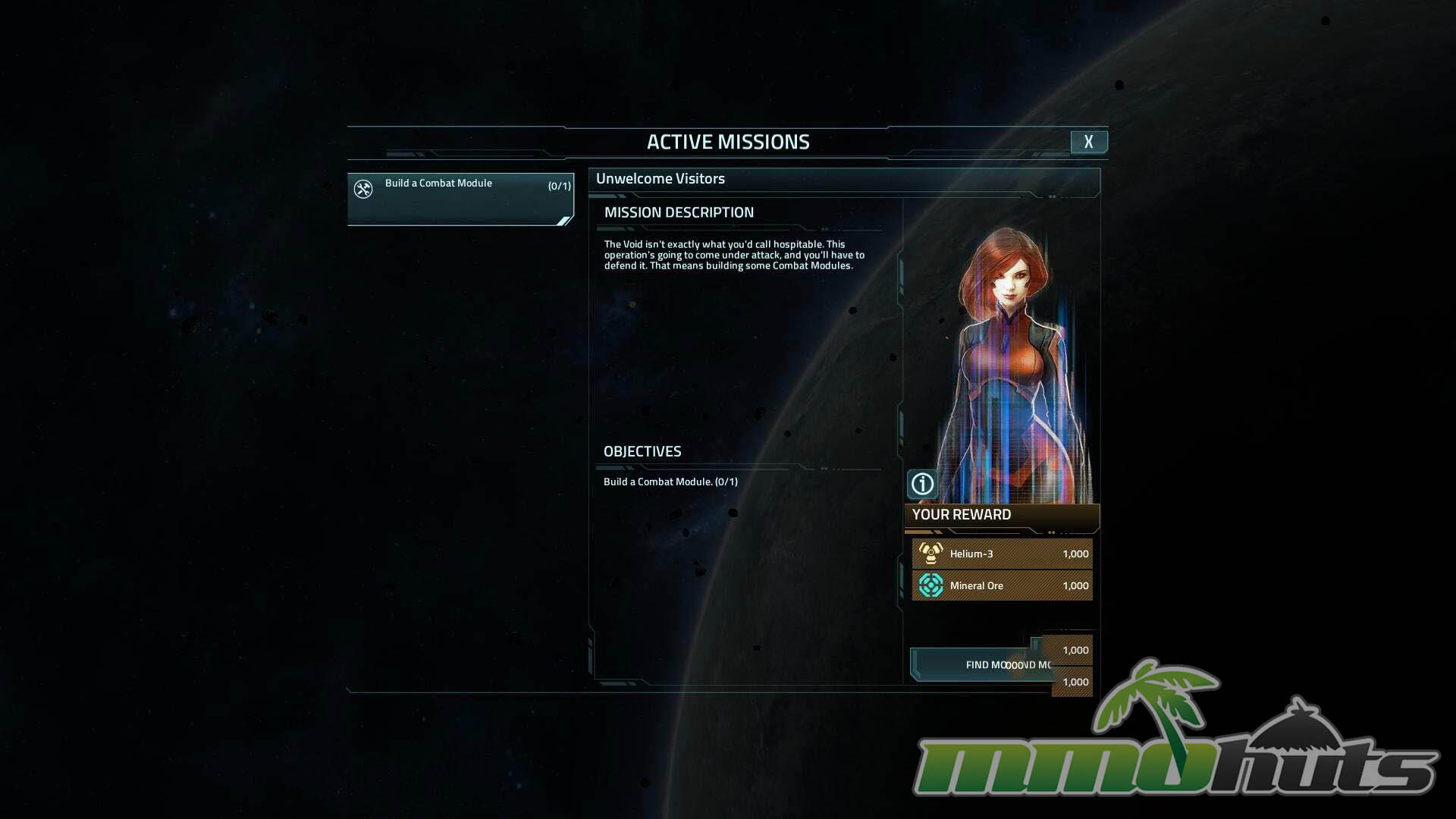
The opening hours are guided heavily, with multiple tutorial steps that cover movement, targeting, resource collection, construction, and finally the fundamentals of combat. It is a longer onboarding than many strategy titles, but it is also practical because VEGA Conflict has several interlocking systems that matter early, such as where you place modules and how you assemble a functional fleet. The introductory scenario, including the early conflict involving your AI, acts as a light narrative hook while also ensuring players do not miss key mechanics.
Objectives that double as progression
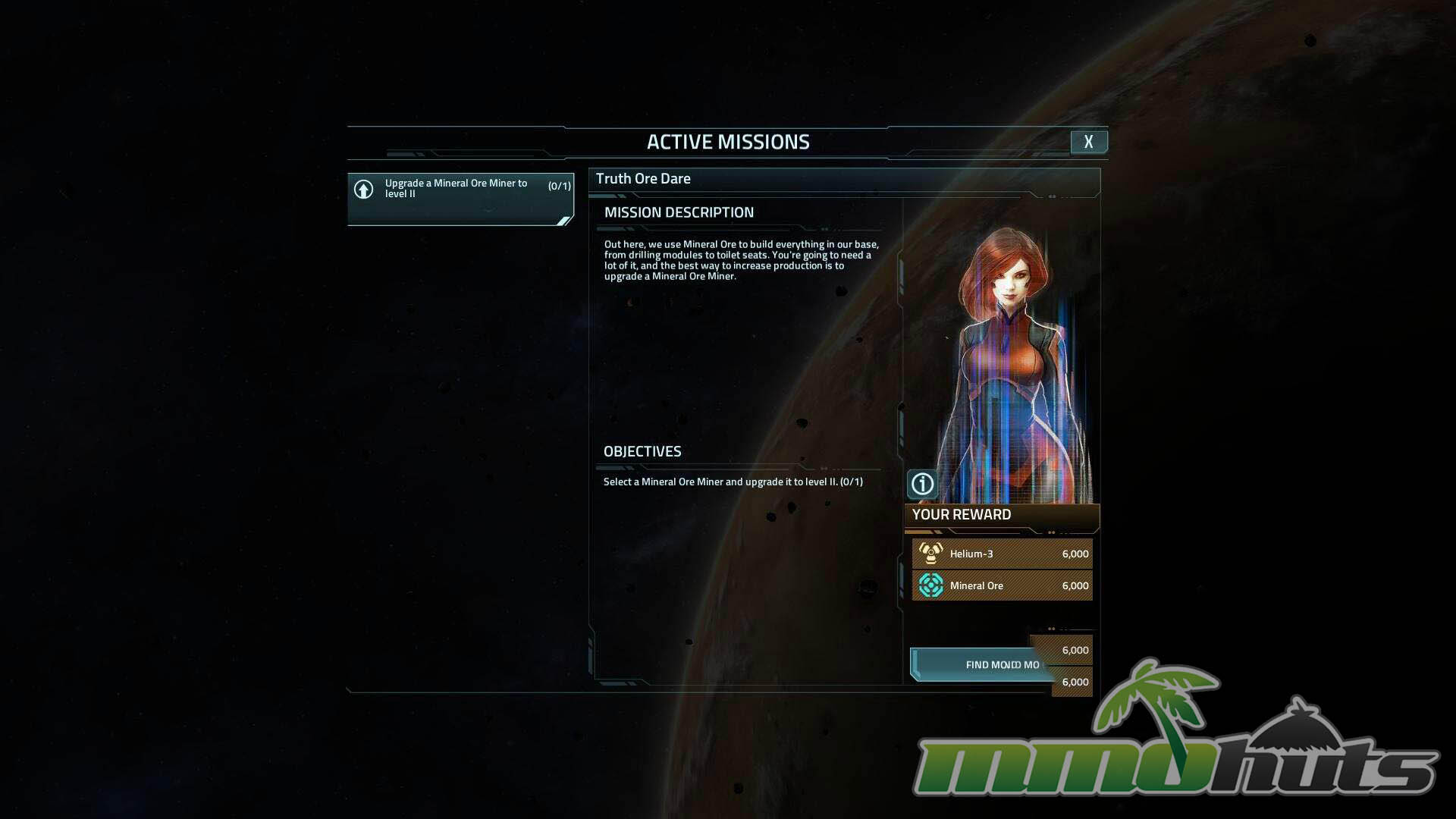
Once the basics are established, the game leans on a quest line that functions as both direction and pacing. Completing these goals provides resources, research-related items, and occasional Coins that can be used to accelerate timers. The quest structure is also flexible, because tasks can complete in the background if you meet the requirements before they appear in your log. That makes it easier to pursue your own priorities, whether you prefer shoring up defenses, focusing on economic modules, or rushing fleet capacity.
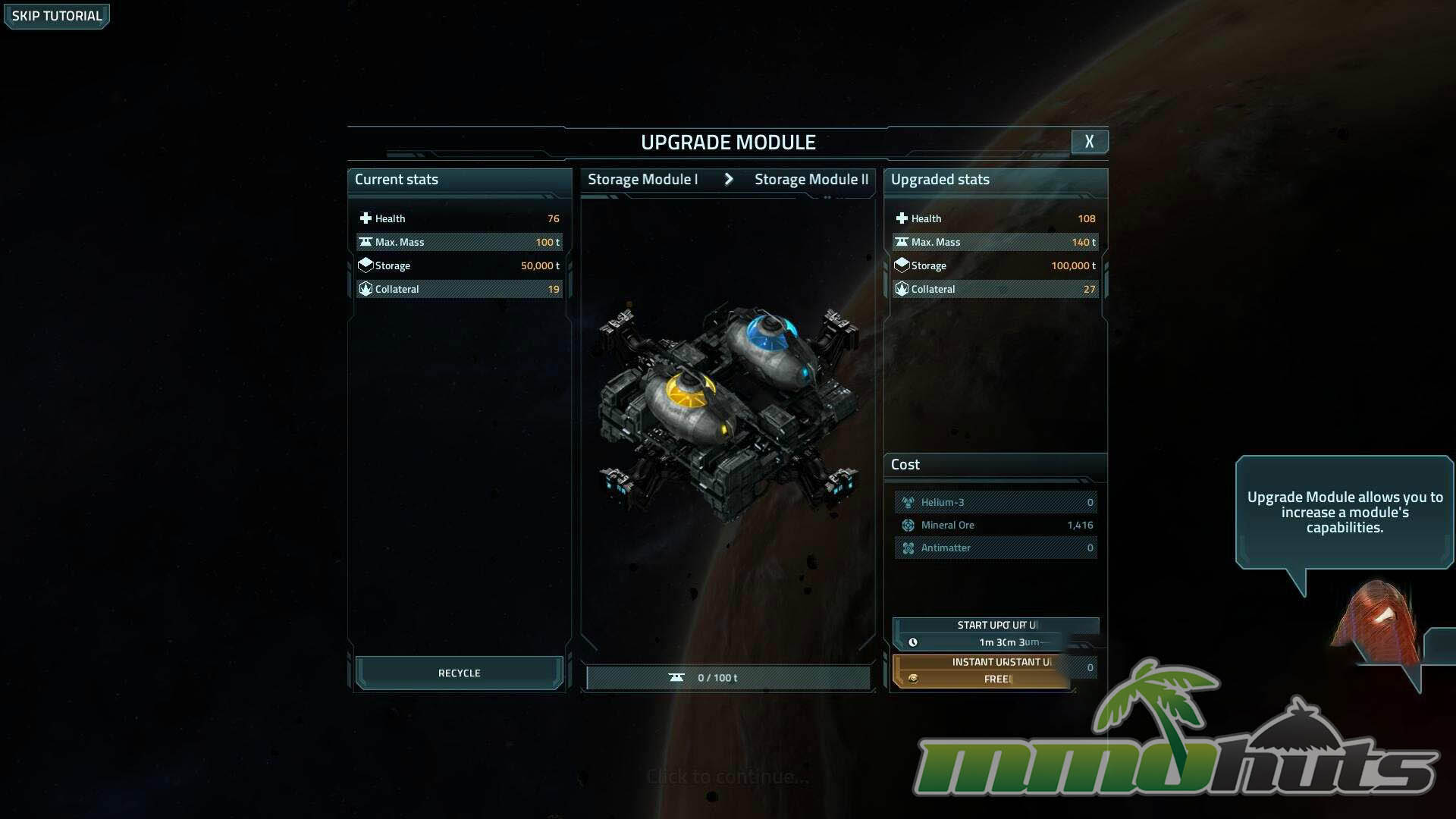
Base development follows the familiar real-time construction model. Early builds finish quickly, but the time investment grows substantially as you advance, stretching into very long waits later on. Because PvP raids are always a possibility, layout decisions matter. Defensive placement, choke points, and how exposed key modules are will influence how well you hold up when someone decides your sector looks profitable.
Fleet combat that rewards attention
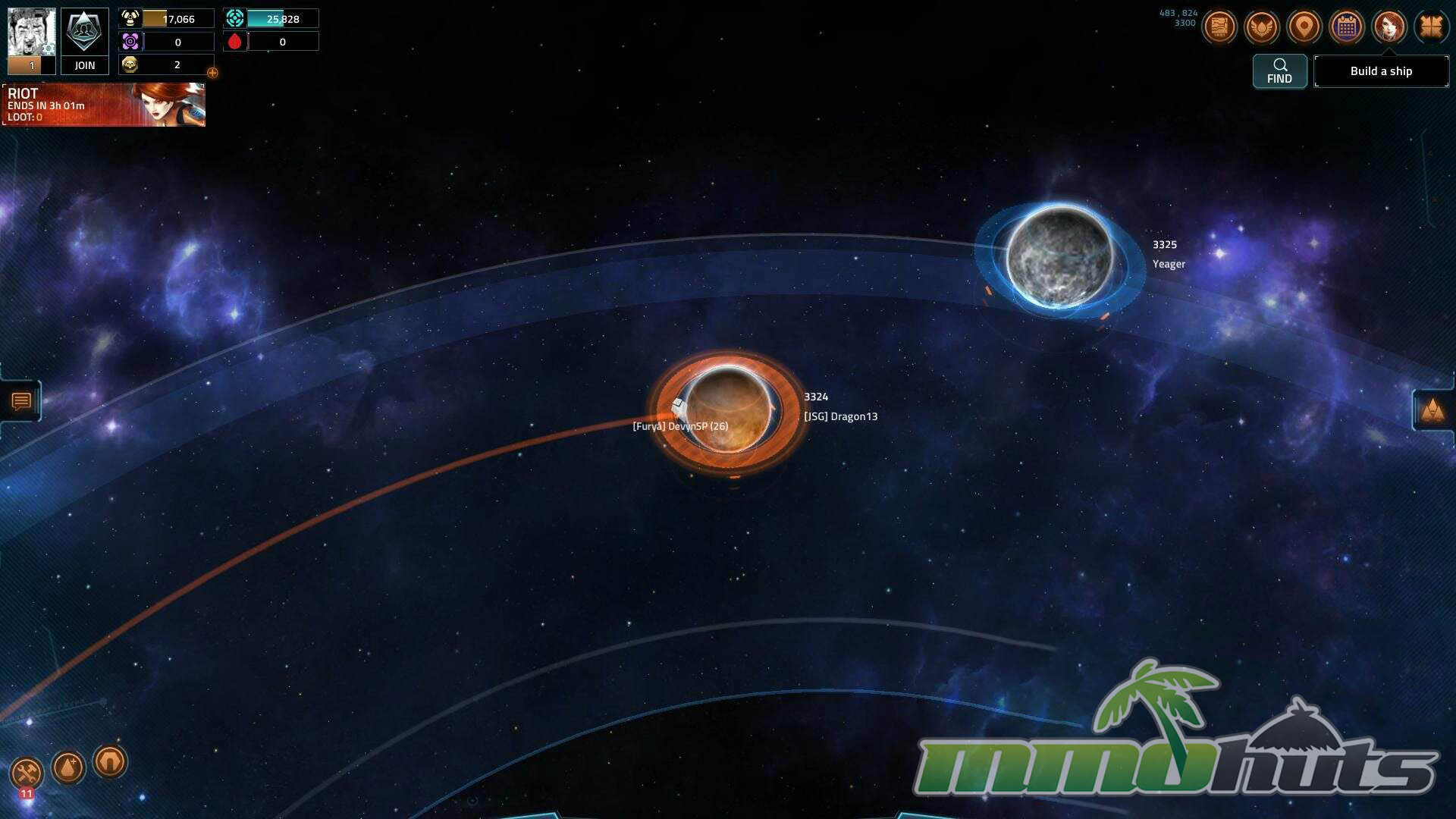
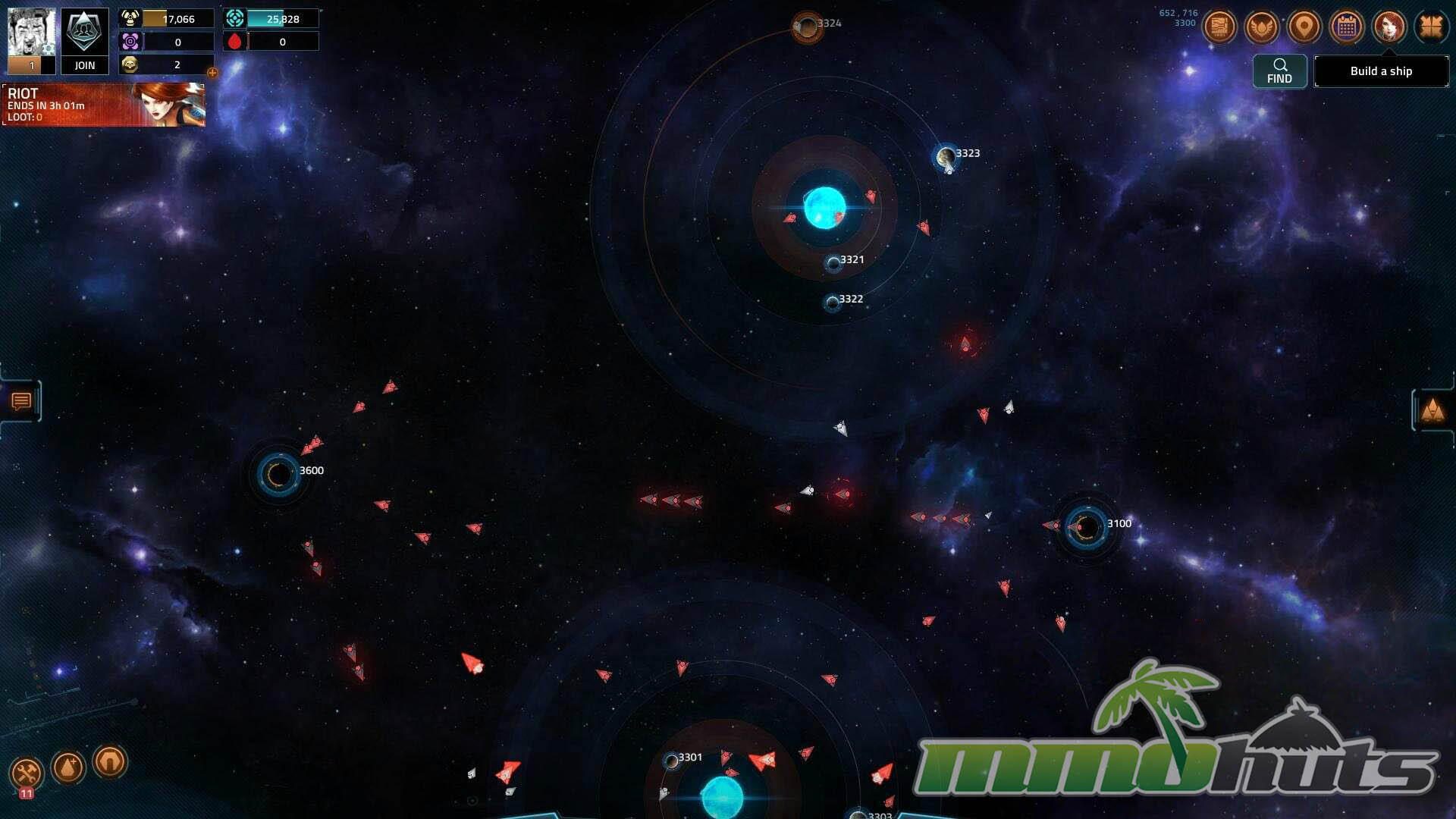
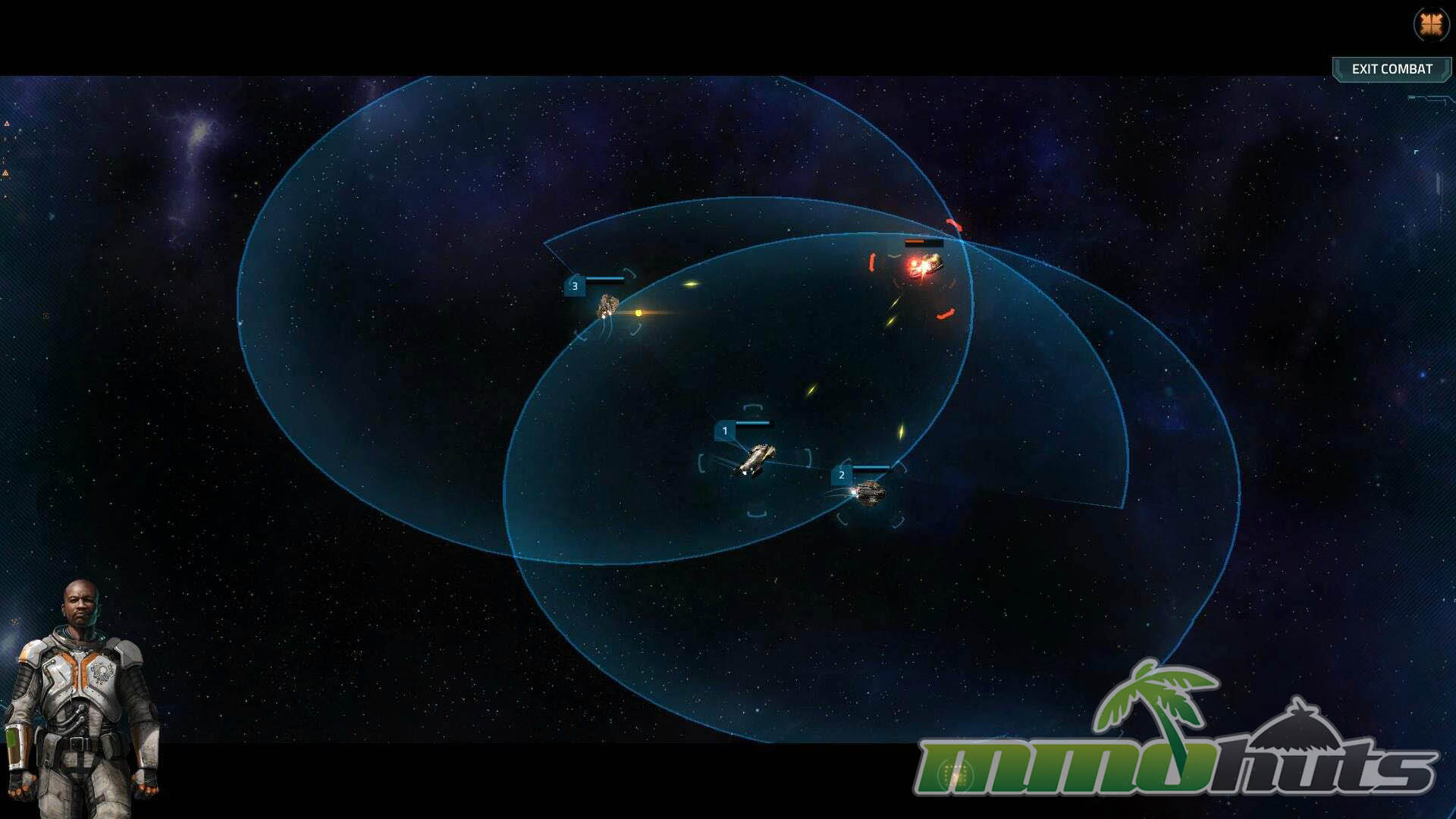
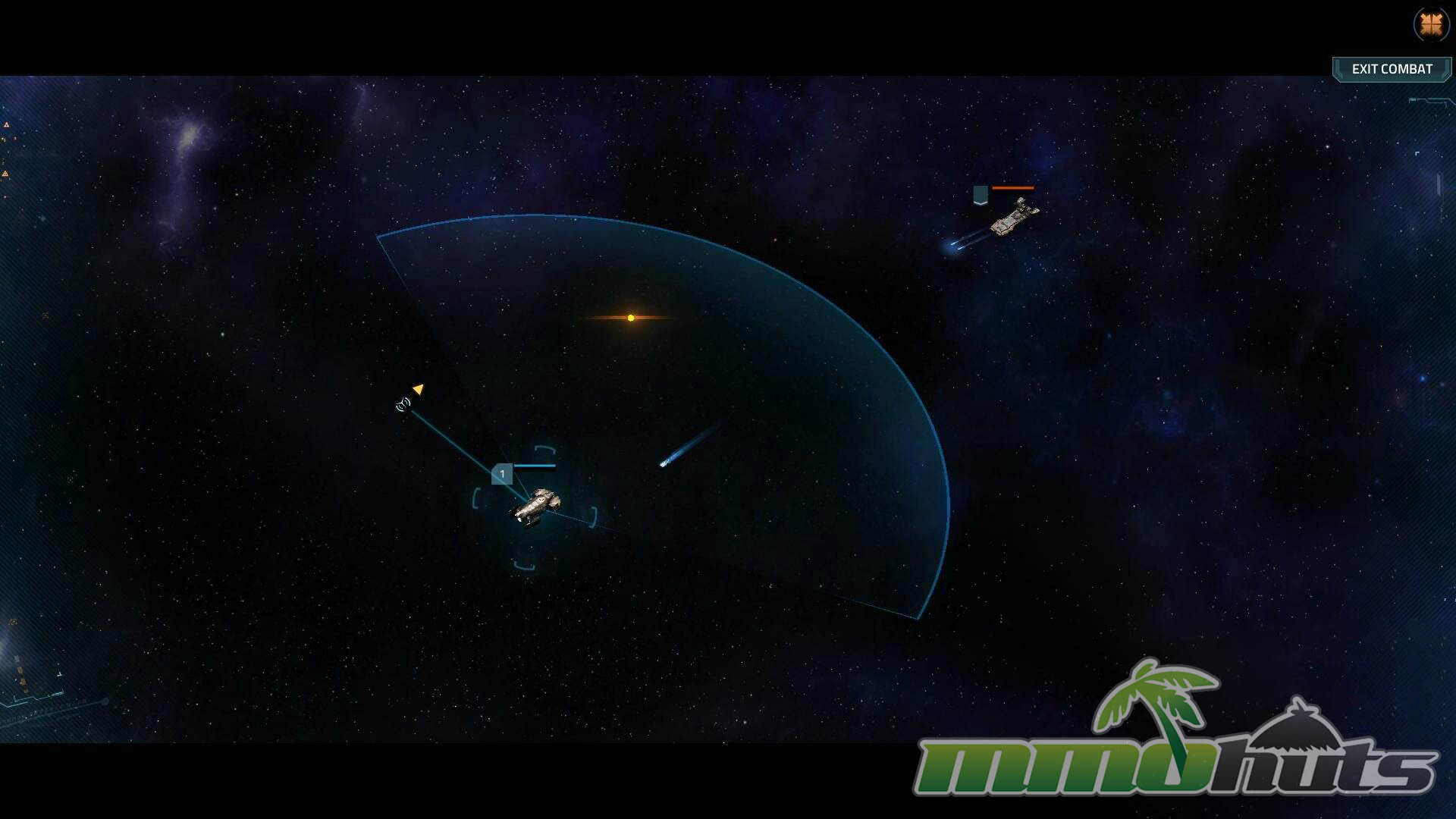
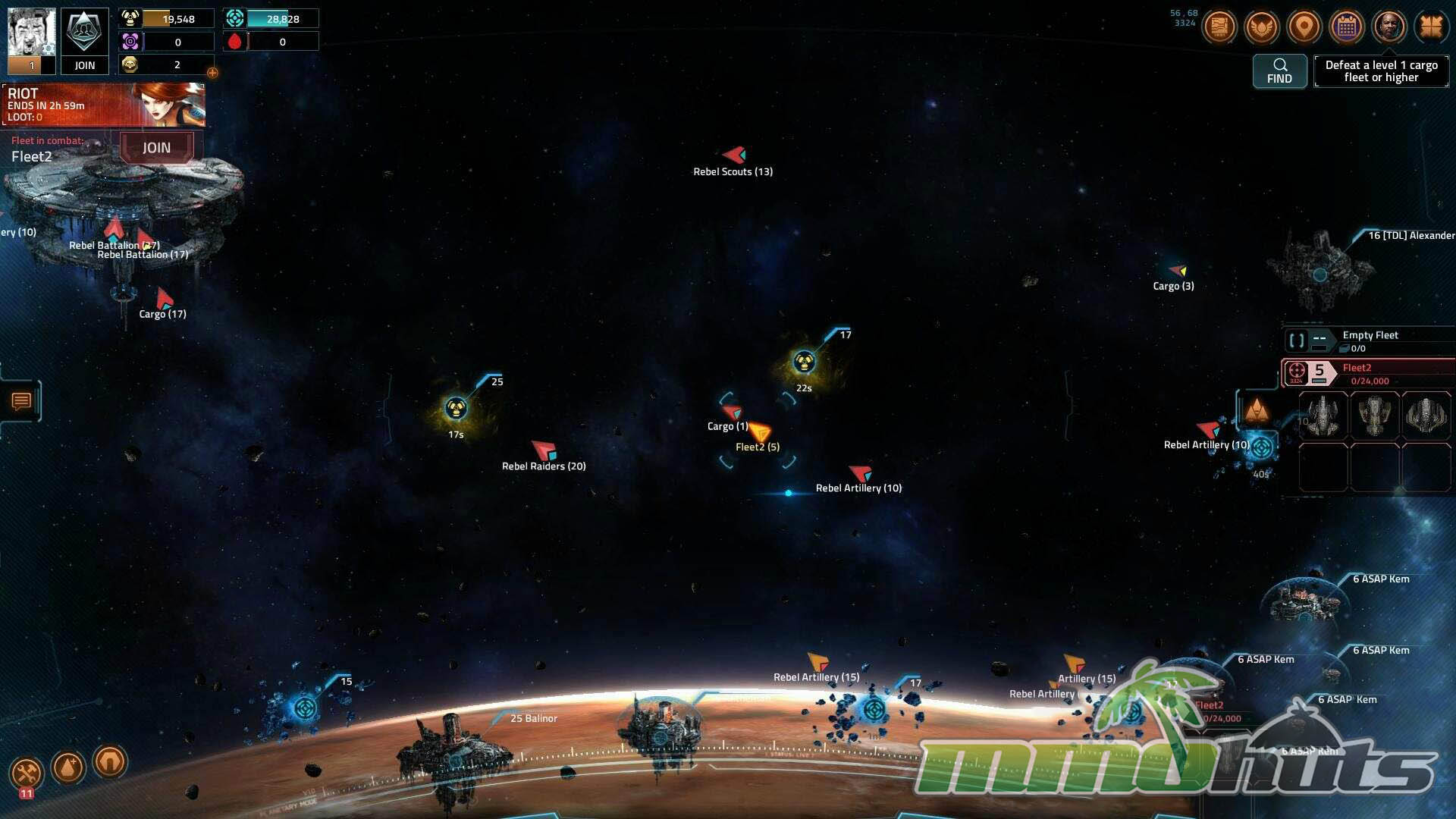
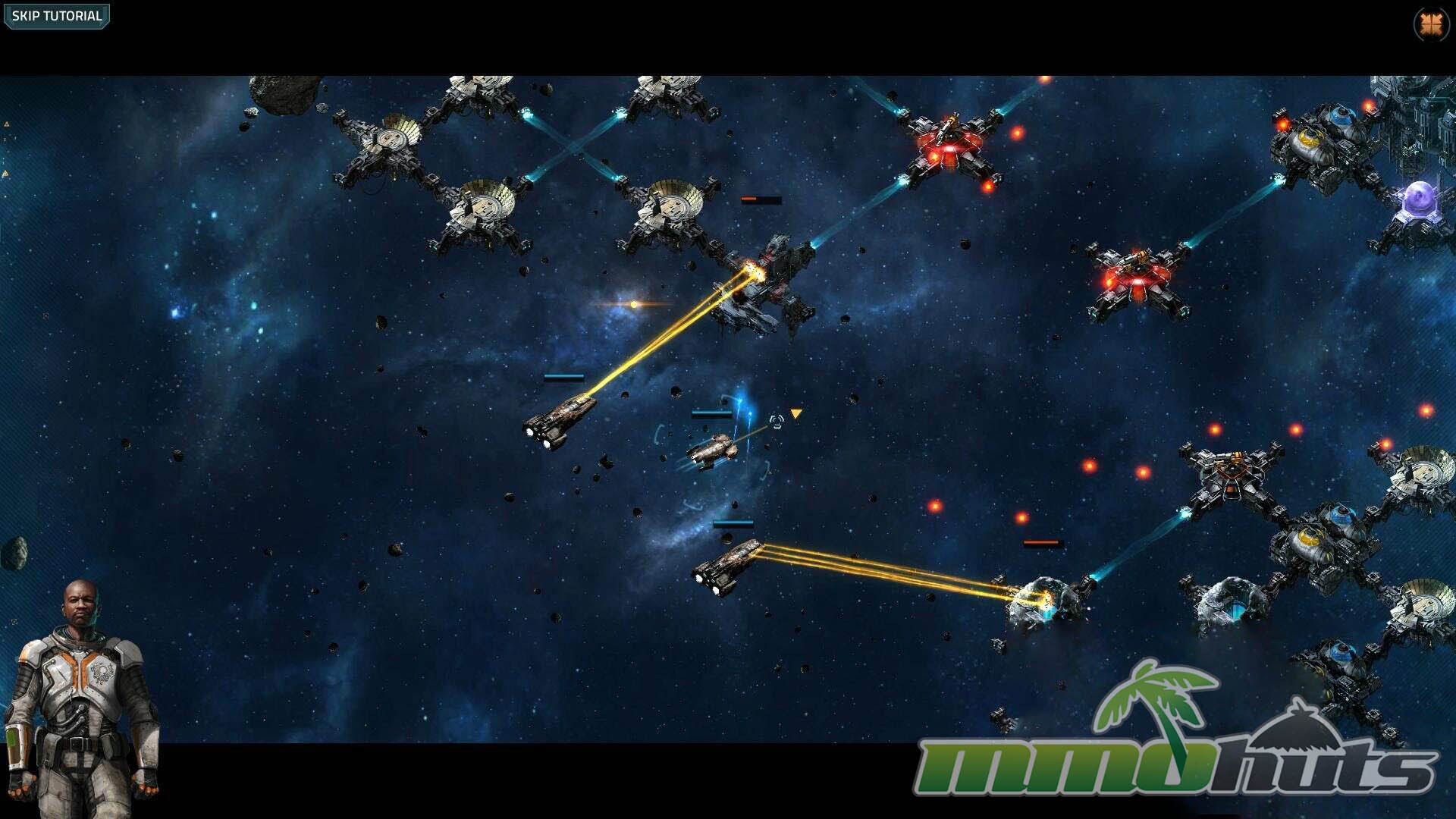
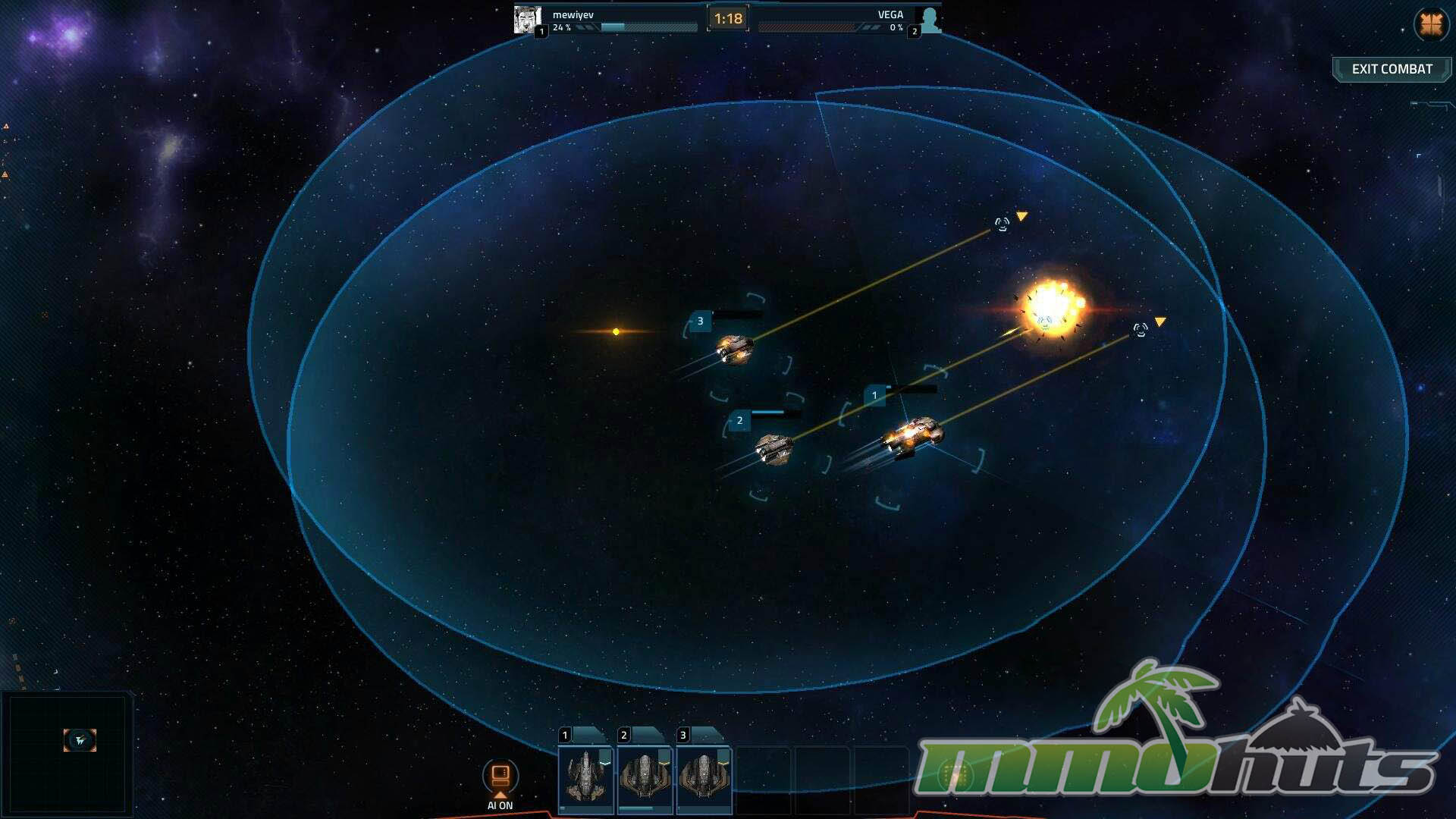
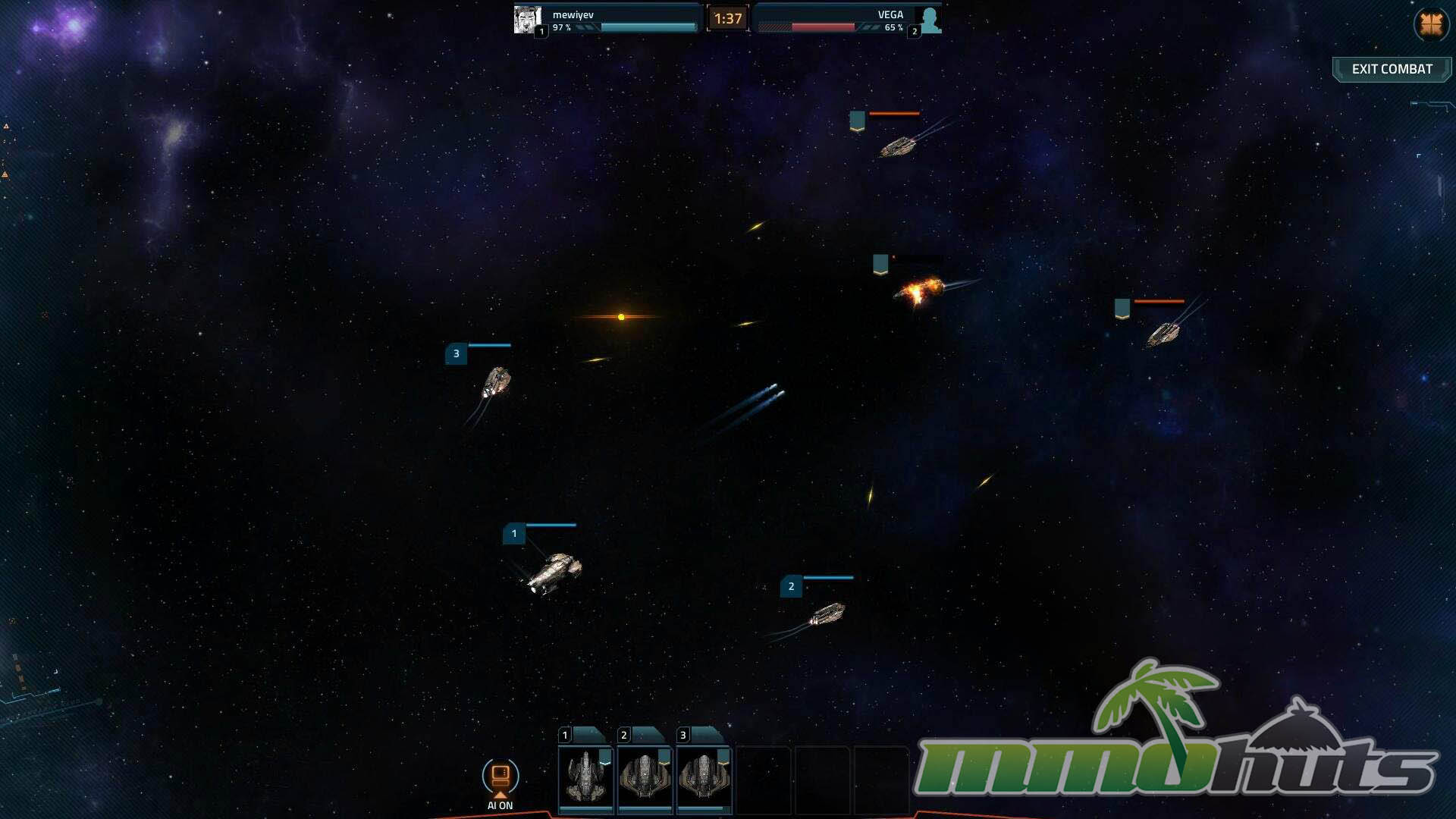
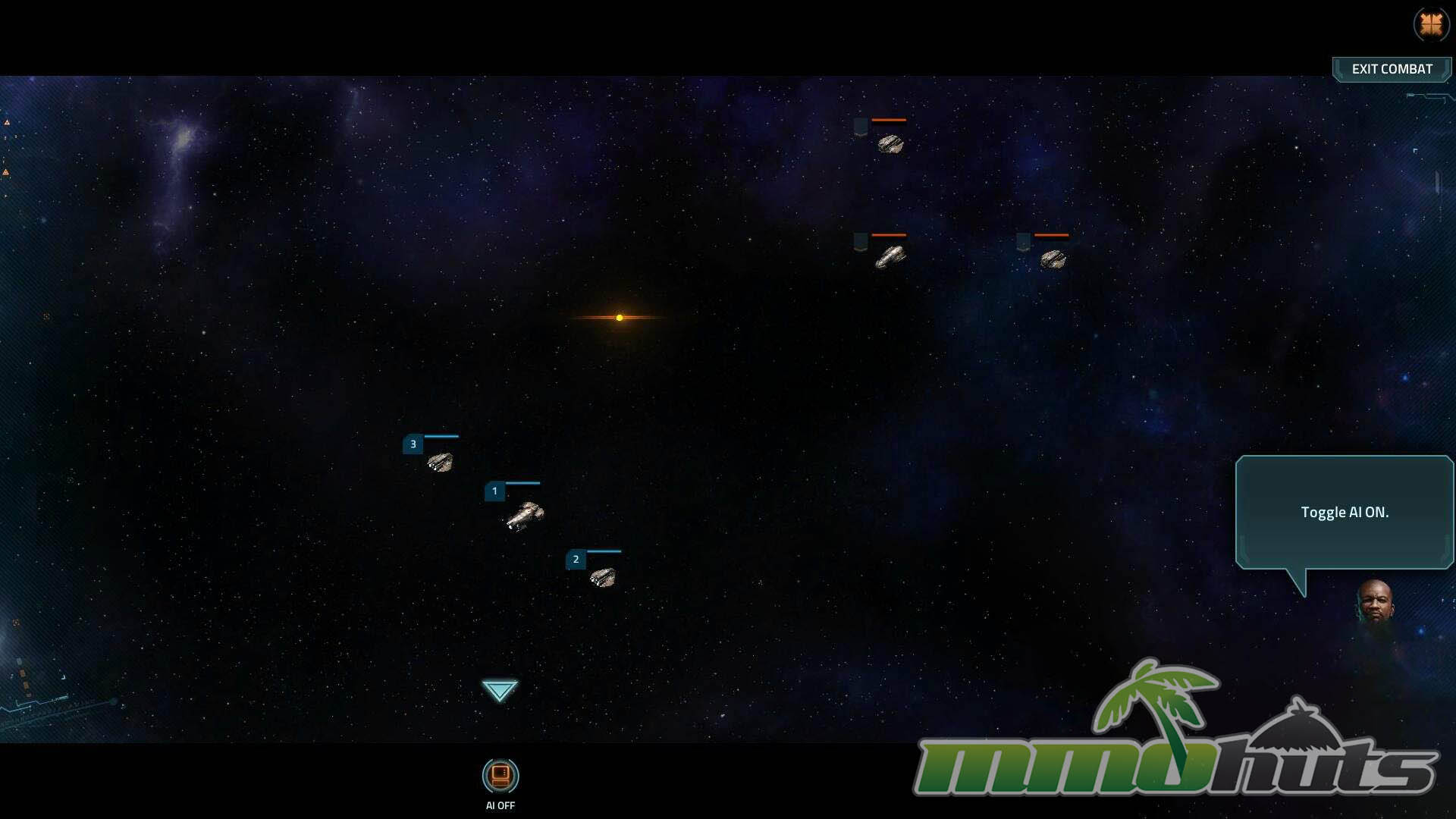
Combat is initiated from the world map, where you can scout VEGA targets, intercept cargo fleets, and identify nearby player bases. When you commit to an attack, the fight takes place in a contained instance and plays out in real time. Controls are straightforward, you select ships with mouse clicks or number keys and issue attack orders, and you can toggle combat AI if you want your fleet to handle basic behavior.
That said, manual control is where the system shines. Timing and positioning can reduce incoming damage and keep fragile ships alive, and target priority often determines whether a raid ends cleanly or turns into an expensive repair bill. It is not overly complex, but it does ask you to pay attention, especially once enemy defenses become layered and ship roles start to matter more.
Raiding, retaliation, and the social layer
Player-versus-player attacks resemble the raid format popularized by mobile base builders. You have a limited window to deal as much damage as possible, earning a result based on how thoroughly you dismantle the target. Getting to targets is part of the equation too, because fleets travel in real time on the sector map, and distant opportunities may require patience.
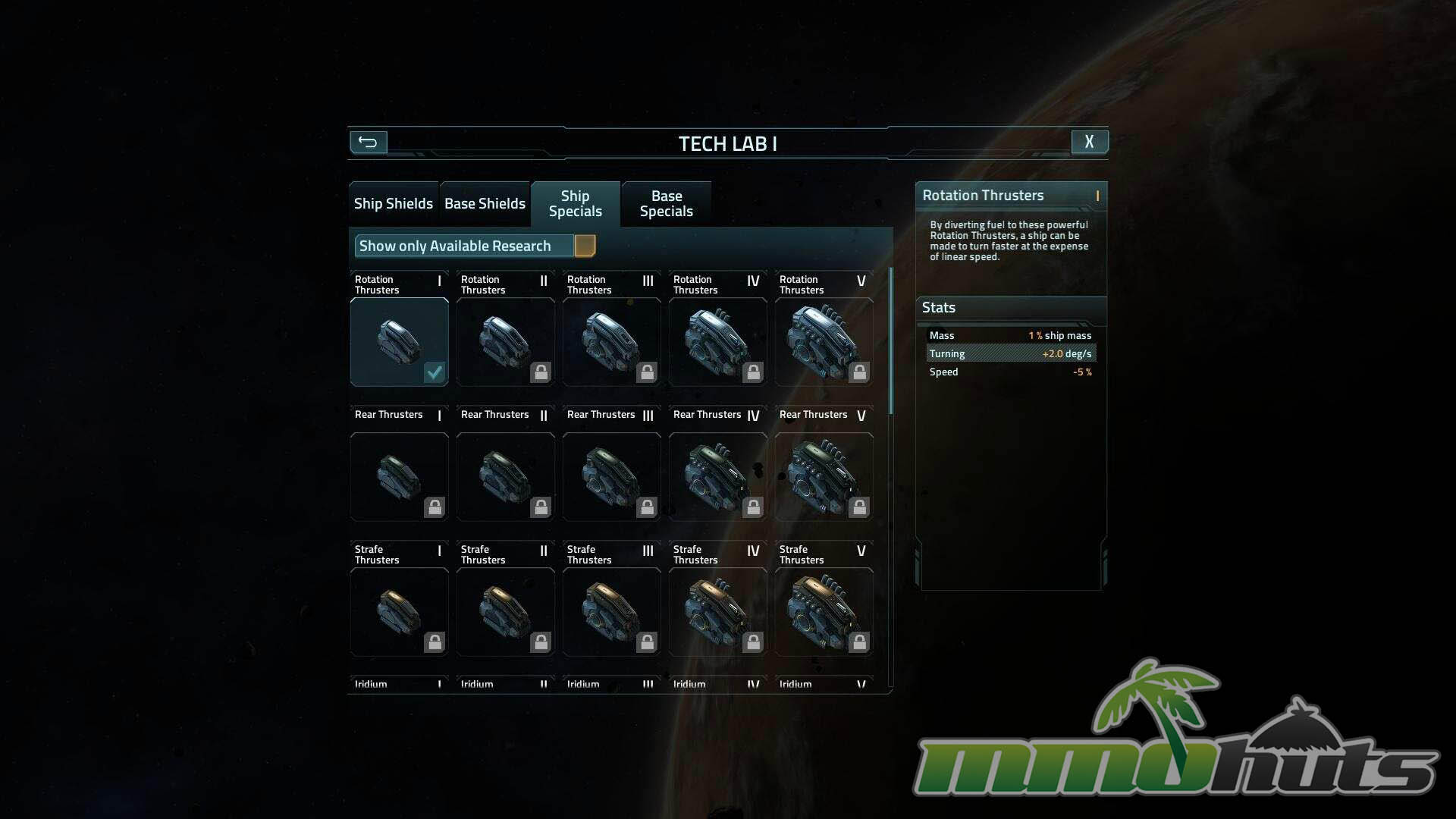
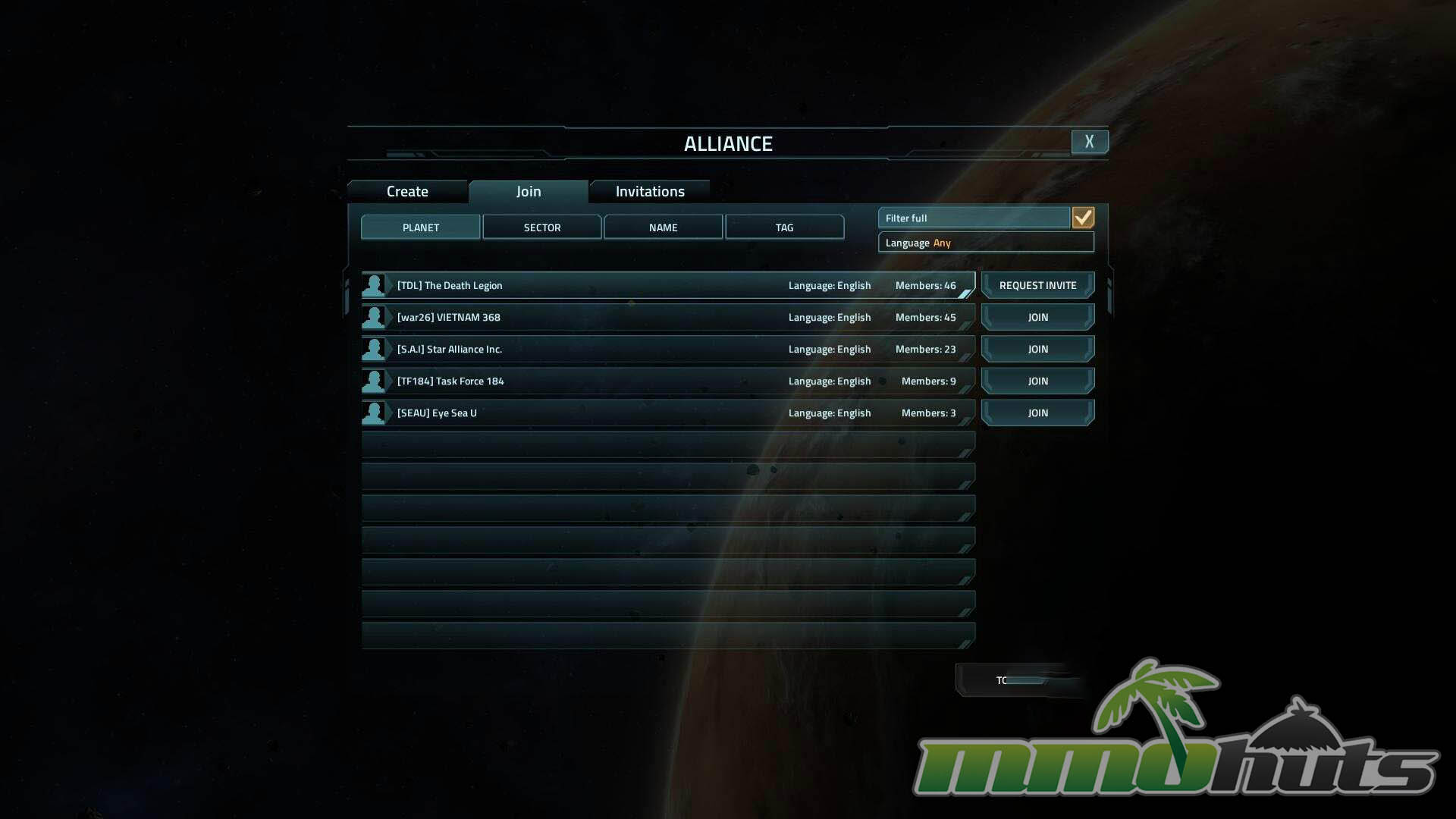
Preparation happens at home. Loadouts are configured in the Fleet Bay, where you tailor weapons, armor, and other components to suit the job at hand. Once a fleet is deployed, you cannot refit it on the fly, you need to recall it before making changes. This creates meaningful commitment: choosing to hit a nearby neighbor is quick, but it can also invite immediate revenge. Alliances are not mandatory for basic play, but they add resilience and coordination, which becomes more valuable the more visible your base becomes.
How Coins affect the playing field
Coins can be used to bypass waiting, speeding up construction, ship production, and research. You can obtain Coins through play, but they are also purchasable, and the advantage of skipping long timers is significant in a game where growth and readiness define your ability to compete. As a result, free players can progress, but they often operate at a disadvantage against players who routinely accelerate upgrades, especially in competitive environments where timing and power spikes matter.
The Final Verdict – Good
VEGA Conflict fits neatly into the real-time base-building tradition, but it stands out through its fleet customization and the moment-to-moment feel of space battles. The presentation and audio are serviceable rather than impressive, yet the game remains easy to read and satisfying to control across platforms. If you enjoy the raid-and-defend loop of games like Clash of Clans, and want that structure translated into a sci-fi setting with more emphasis on ship design and tactical engagements, VEGA Conflict is a solid option, provided you are comfortable with the usual free-to-play pressure points.
VEGA Conflict Online Links
VEGA Conflict Official Site
VEGA Conflict Steam
VEGA Conflict iOS
VEGA Conflict Android
VEGA Conflict Facebook
VEGA Conflict System Requirements
PC Minimum Requirements:
Operating System: Windows XP, Mac OSX 10.7
CPU: Dual Core 1.8GHz
Video Card: DX9 capabilities
RAM: 4 GB
Hard Disk Space: 2 GB
Mobile Minimum Requirements:
Operating System: iOS 7.0 or later, Android 4.2 or later
VEGA Conflict Music & Soundtrack
Coming Soon…
VEGA Conflict Additional Information
Developer: KIXEYE
Game Engine: Unity3D
Open Beta Release Date: August 2013
Release Date: December 13, 2015
Development History / Background:
VEGA Conflict is developed and published by KIXEYE, a studio founded in 2007 with a focus on online strategy and combat-driven social games. The company is also known for titles such as Backyard Monsters, Desktop Defender, and War Commander, and it has historically aimed its designs at players who enjoy long-term progression and competitive pressure.
The project originally launched as a Flash-based game in April 2013 and moved into open beta in August 2013. A major turning point came with the transition to Unity in June 2014, driven by the goal of supporting a more consistent cross-platform experience. VEGA Conflict then rolled out to multiple platforms during 2015, culminating in a Steam client release on December 13, 2015.