
Tree of Savior
 (No Ratings Yet)
Tree of Savior is a Korean top-down 3D fantasy MMORPG built around classic monster grinding, dungeon runs, and an unusually deep class advancement system. It pairs bright, storybook visuals with fast, effects-heavy combat, encouraging players to group up for instanced content, chase new gear, and tinker with crafting while exploring its whimsical zones.
 | Publisher: IMCGames Playerbase: Medium Type: MMORPG Release Date: March 28, 2016 PvP: Arena/Open World Pros: +Distinctive, charming presentation. +Memorable music that carries long sessions. +Huge number of class paths to experiment with. +Crafting and upgrading have real depth. Cons: -Some areas feel blocked off by invisible barriers. -Controller support works best in combat, not menus. -Progression rhythm can feel uneven. |

Tree of Savior Overview
Tree of Savior is a fantasy MMORPG often mentioned in the same breath as Ragnarok Online due to its cute character designs, upbeat tone, and grind-forward progression. New characters start from one of four base archetypes, Swordsman, Cleric, Wizard, or Archer, then grow into specialized roles by selecting new classes as they level, building a kit by layering skills from multiple choices. The loop is straightforward but satisfying for the right audience: clear maps, pull packs of monsters, unleash flashy abilities, and repeat until you are ready for the next zone and the next class decision.
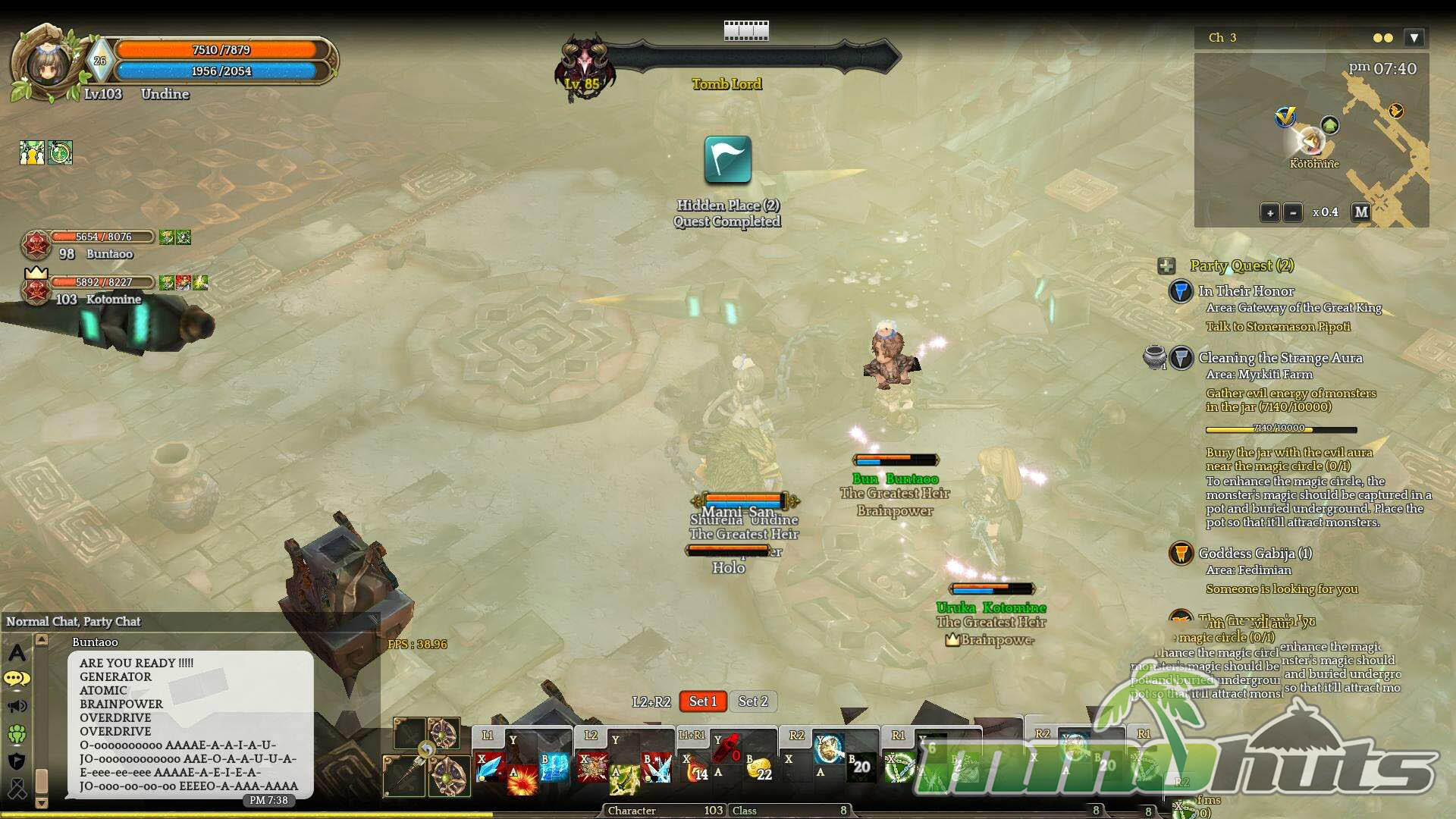
Beyond open-world leveling, the game leans on instanced dungeons for structured co-op and gear upgrades. Boss encounters stand out visually and often reward coordination, especially when mechanics or damage checks punish solo play. Players who prefer competitive content can step into arena matches or participate in broader guild-based conflict in the open world, where the threat of other players adds tension to otherwise routine farming. Crafting and equipment progression also play a meaningful role, letting you create items and enhance existing gear to stay ahead of the curve.
Key Features:
- Class Variety – begin with four core archetypes and progress through over 80 classes.
- soundTEMP Soundtrack – a polished score by soundTEMP, the same group associated with Ragnarok Online.
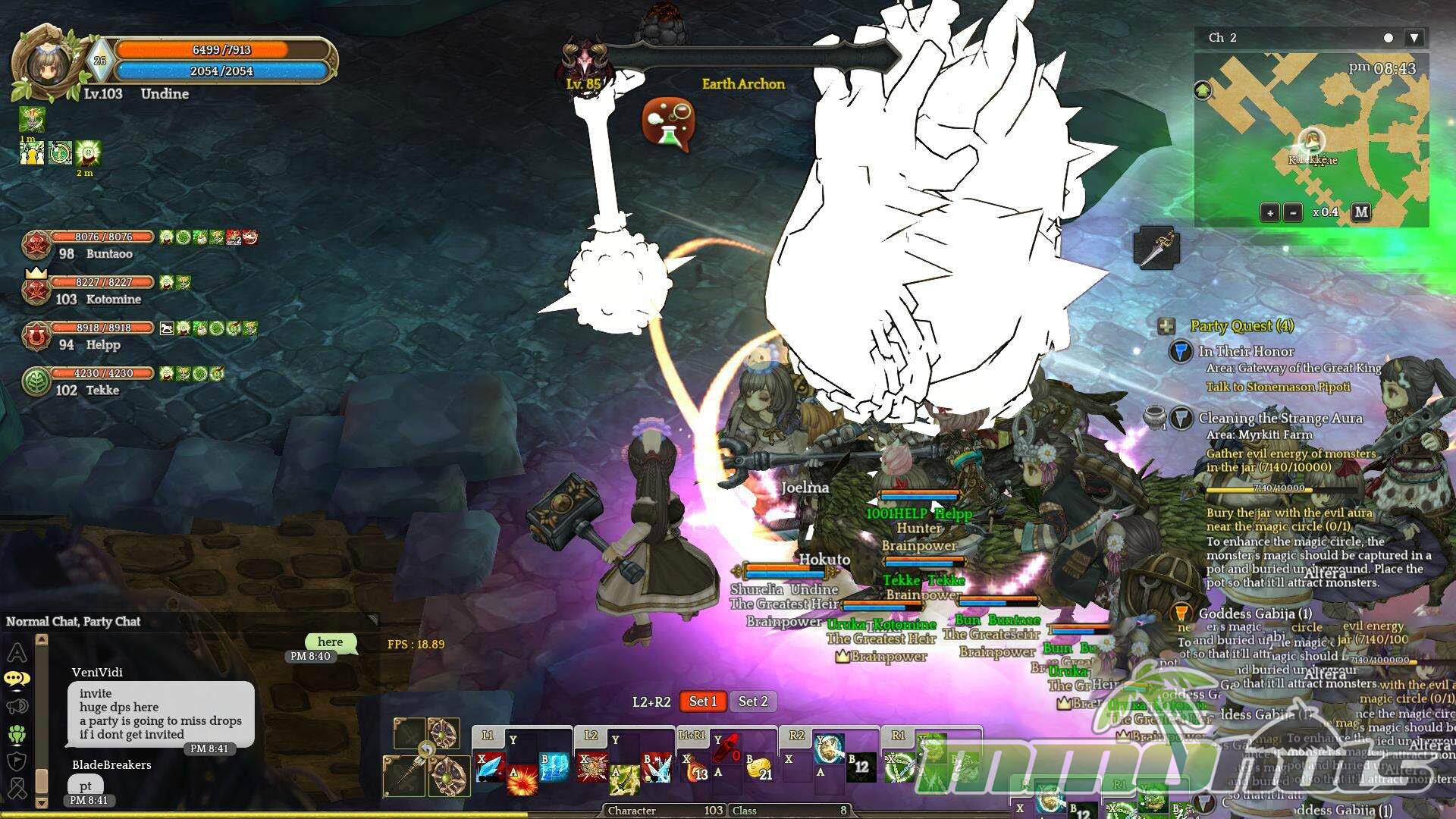
- Dungeon Crawling – tackle instanced dungeons for upgrades and boss fights that emphasize party play.
- PvP – choose between arena competition and larger-scale guild conflict.
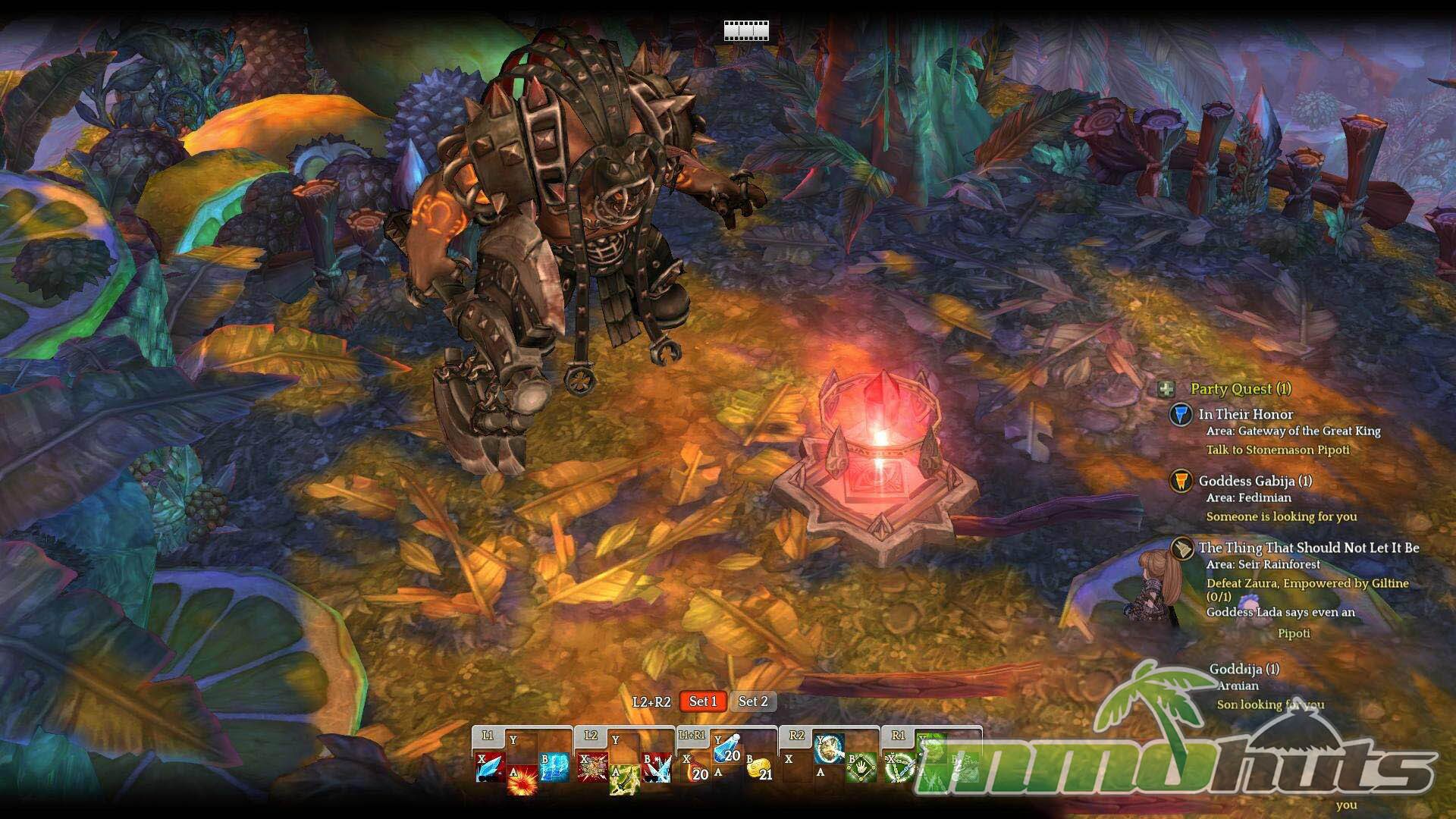
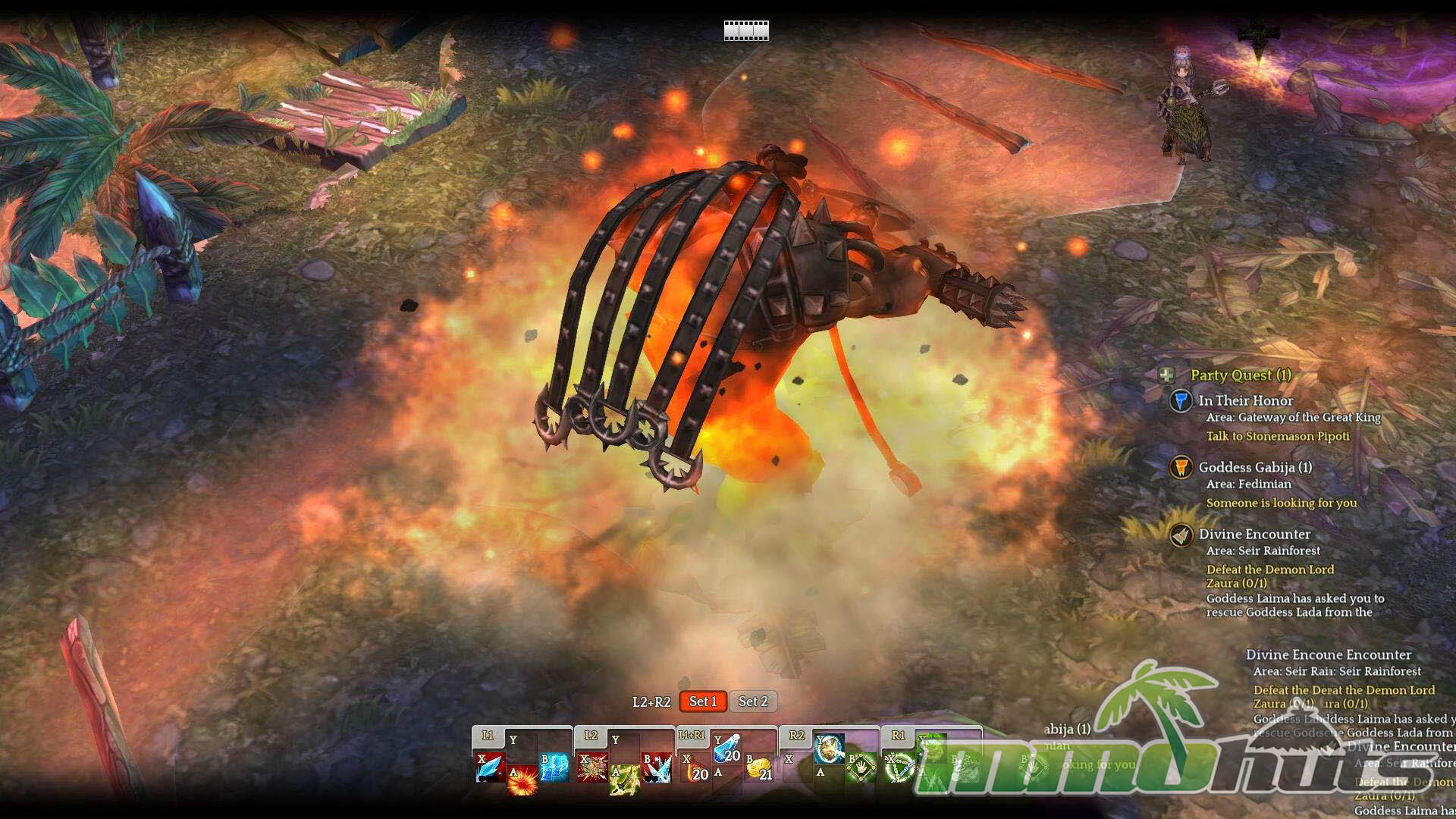
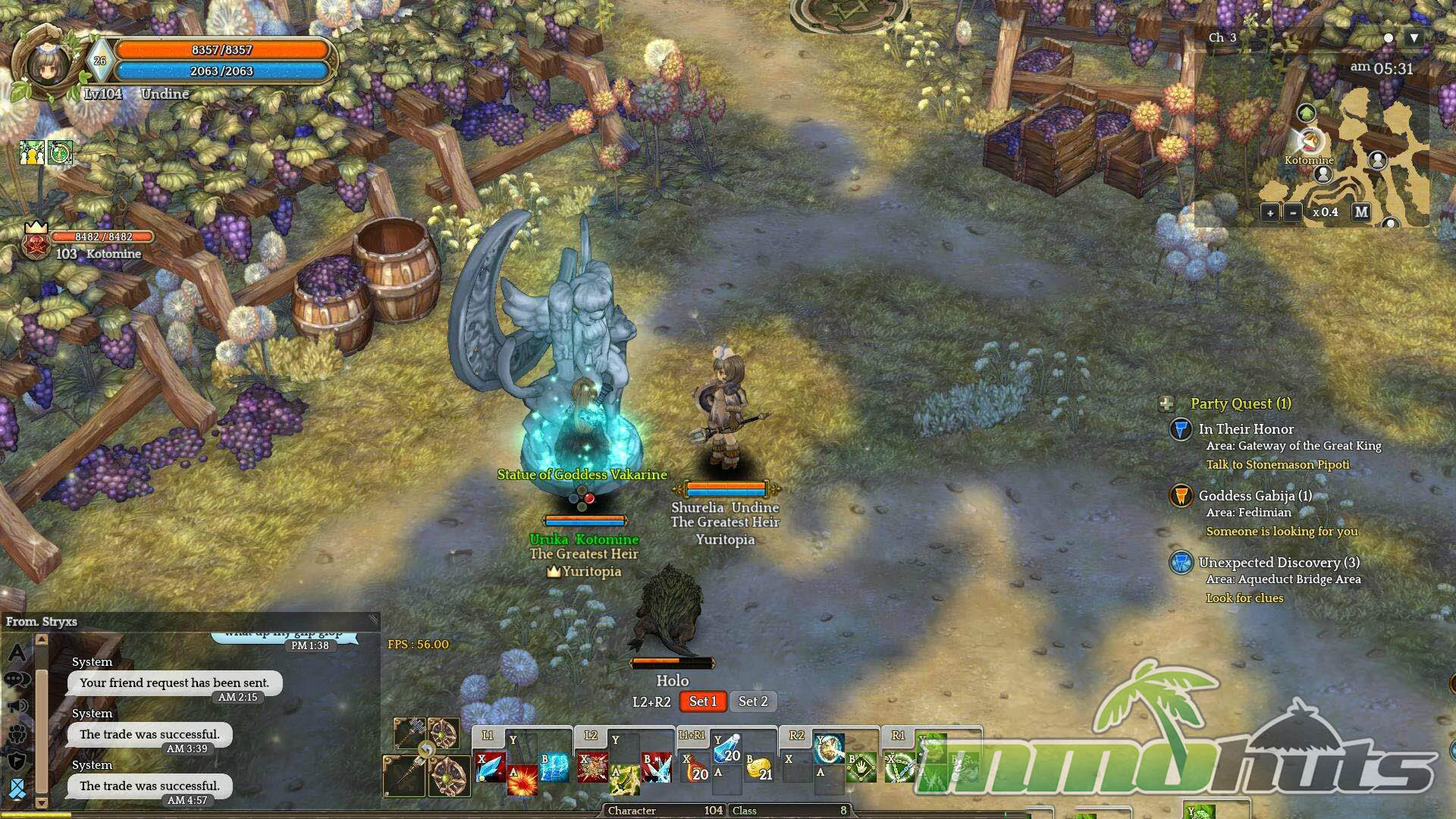
- Fairy Tale Aesthetic – a colorful, storybook-inspired world filled with detailed characters and environments.
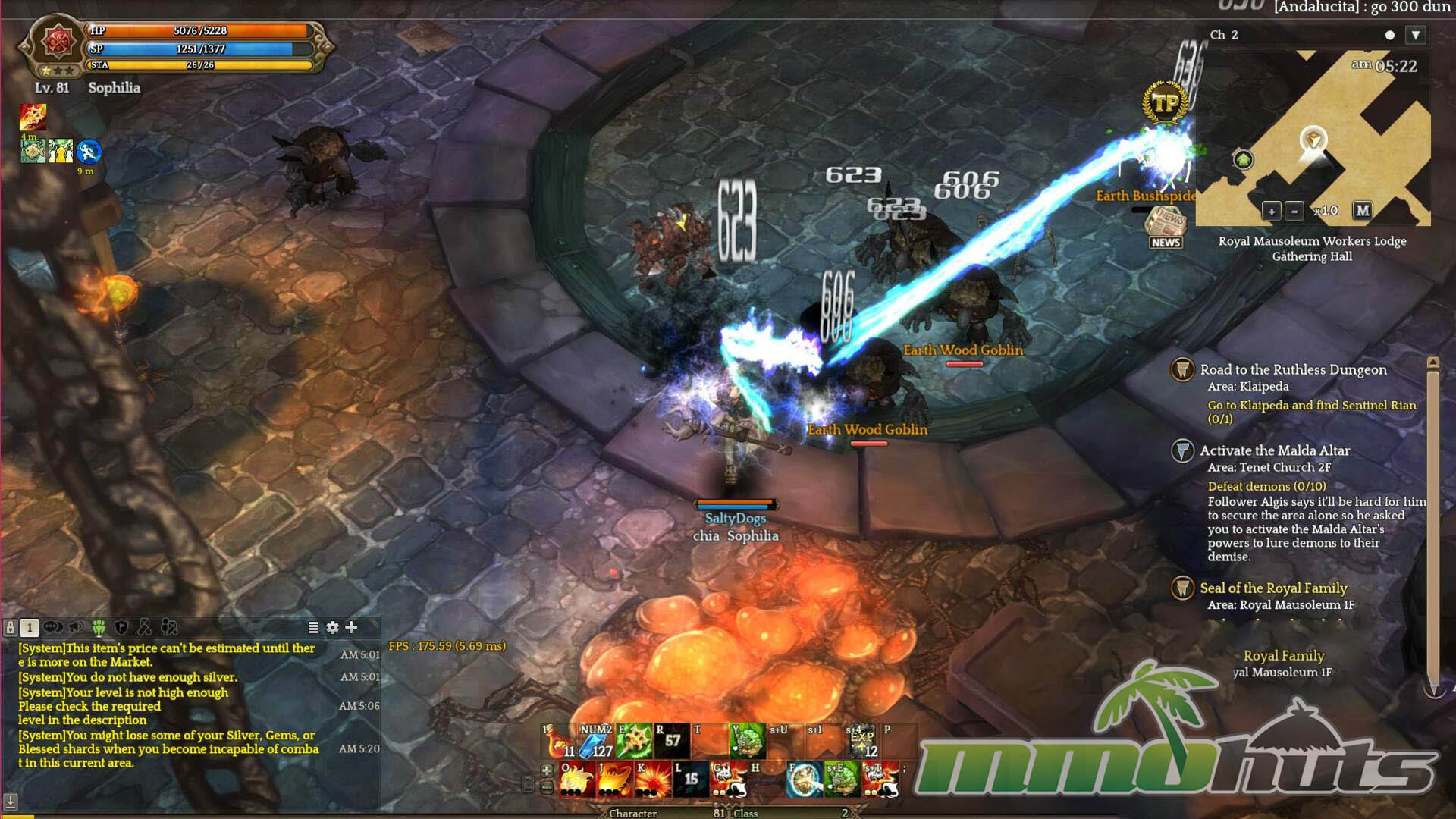
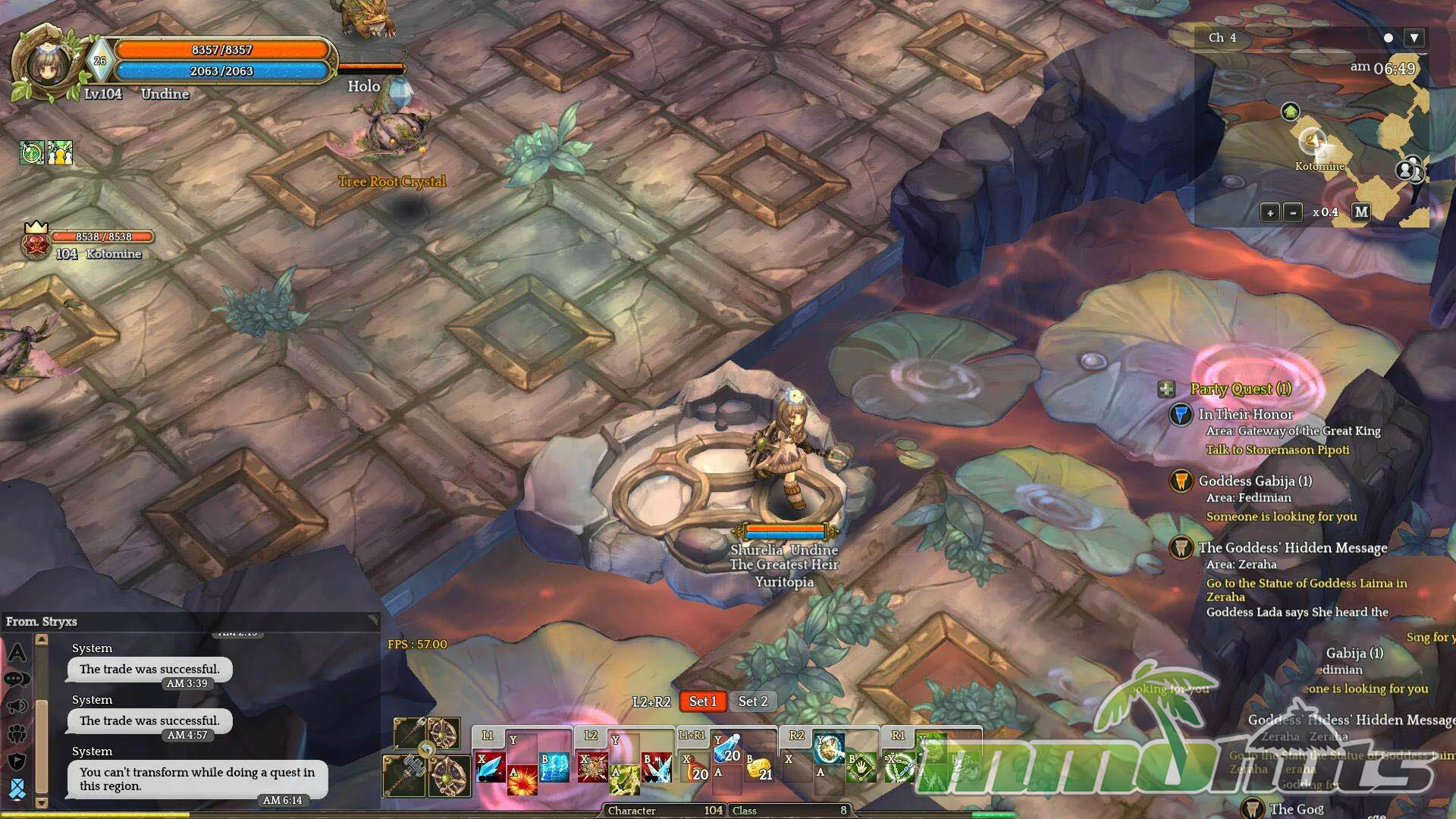
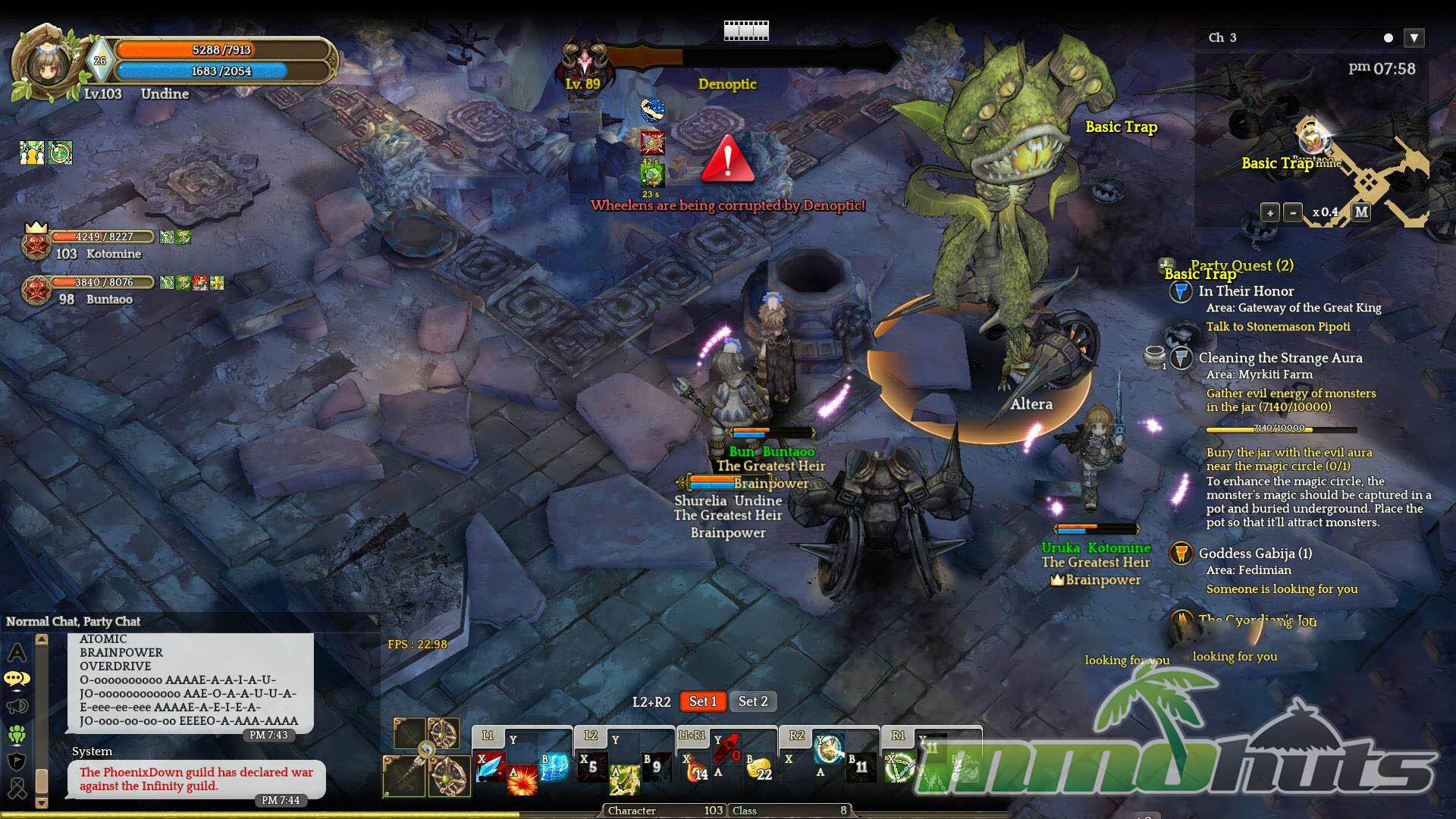
Tree of Savior Screenshots
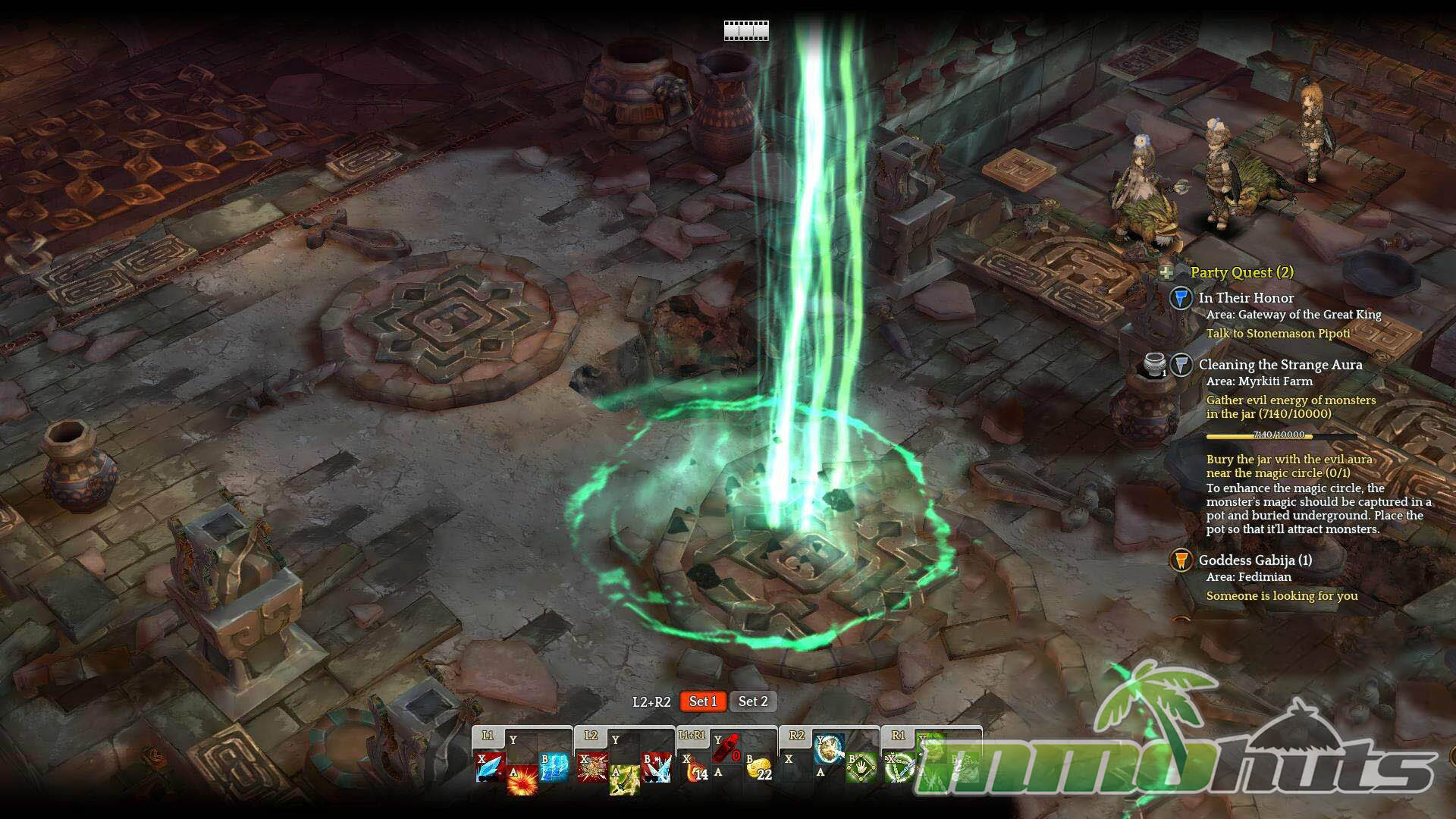
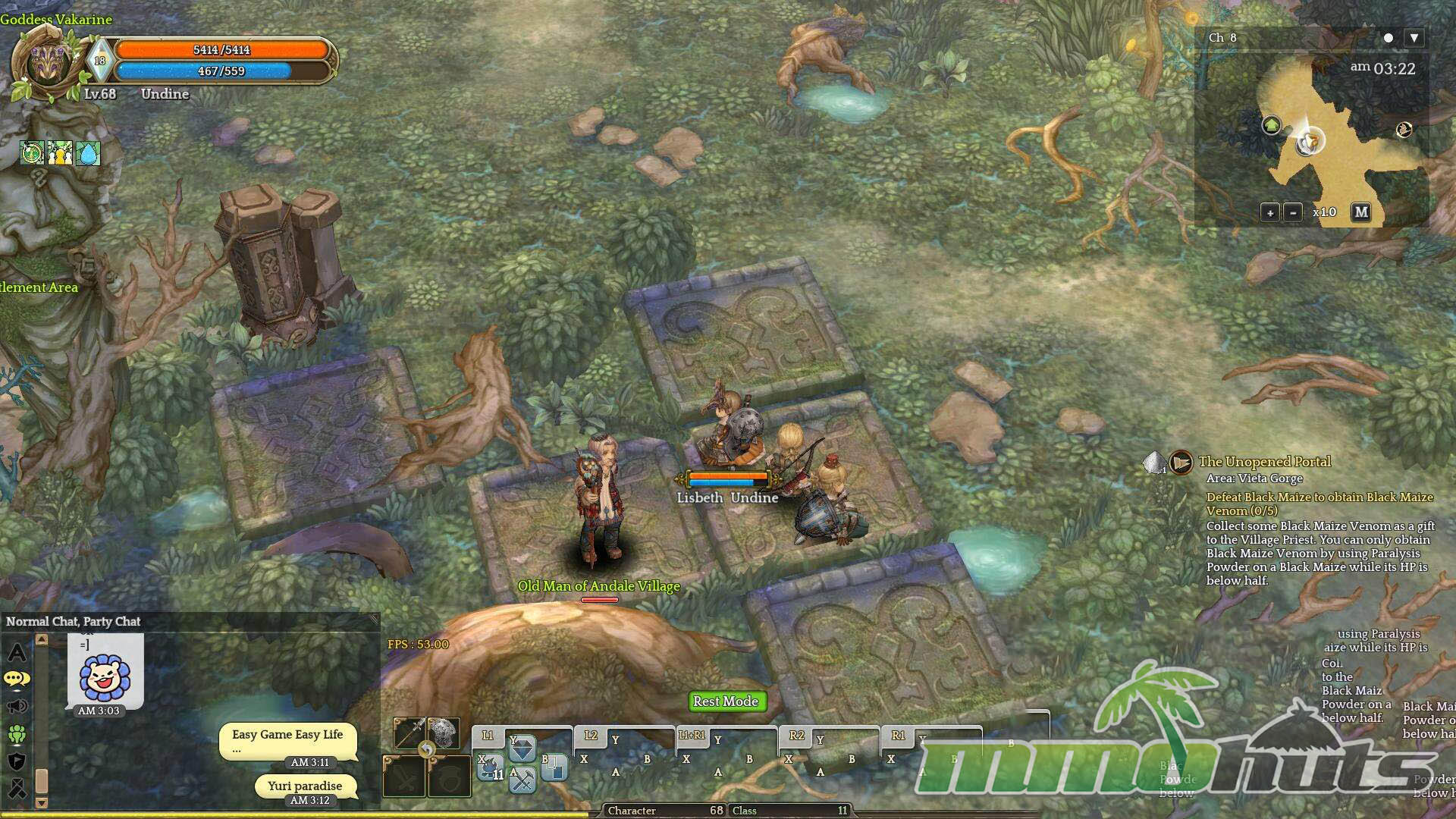
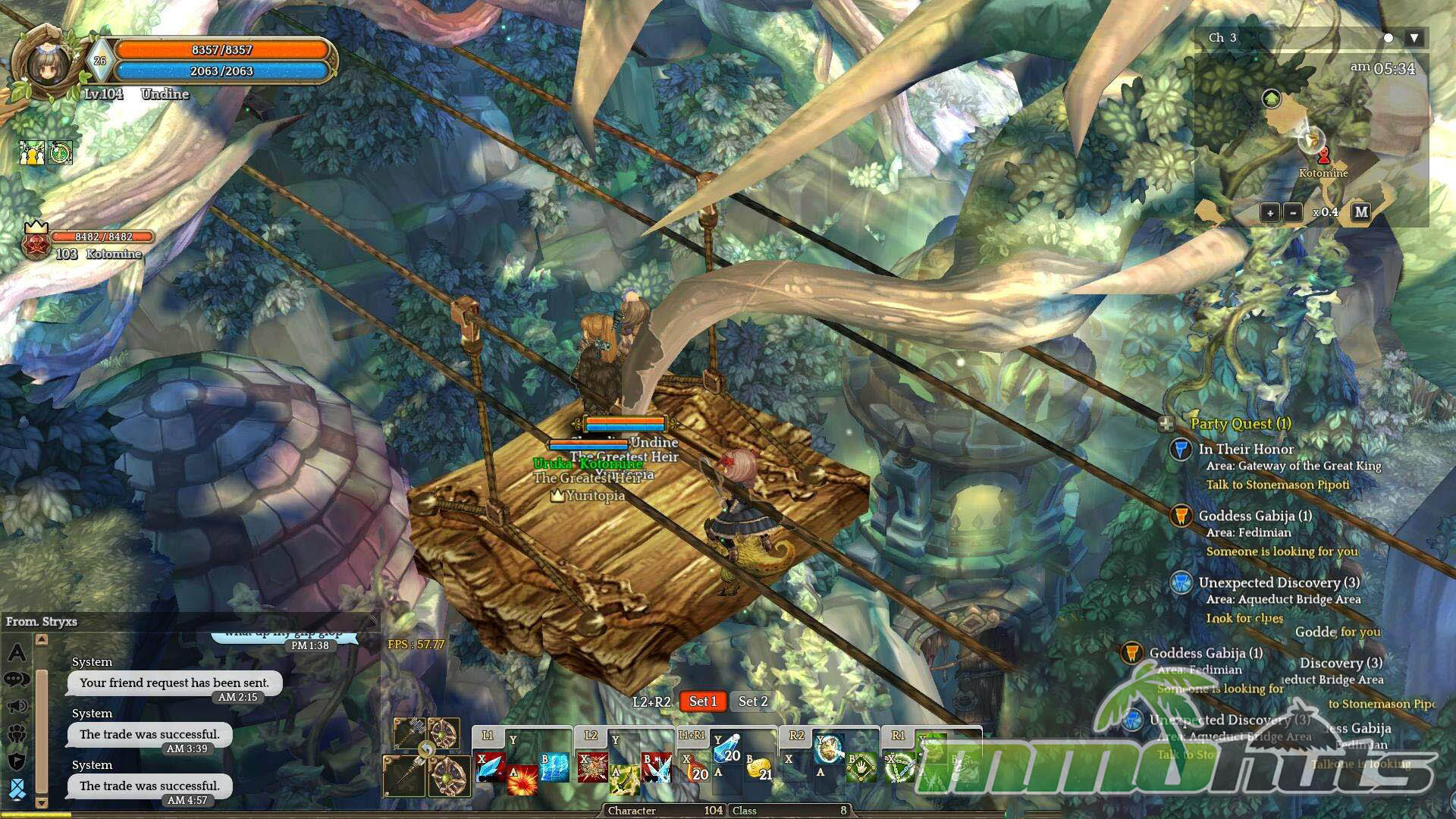
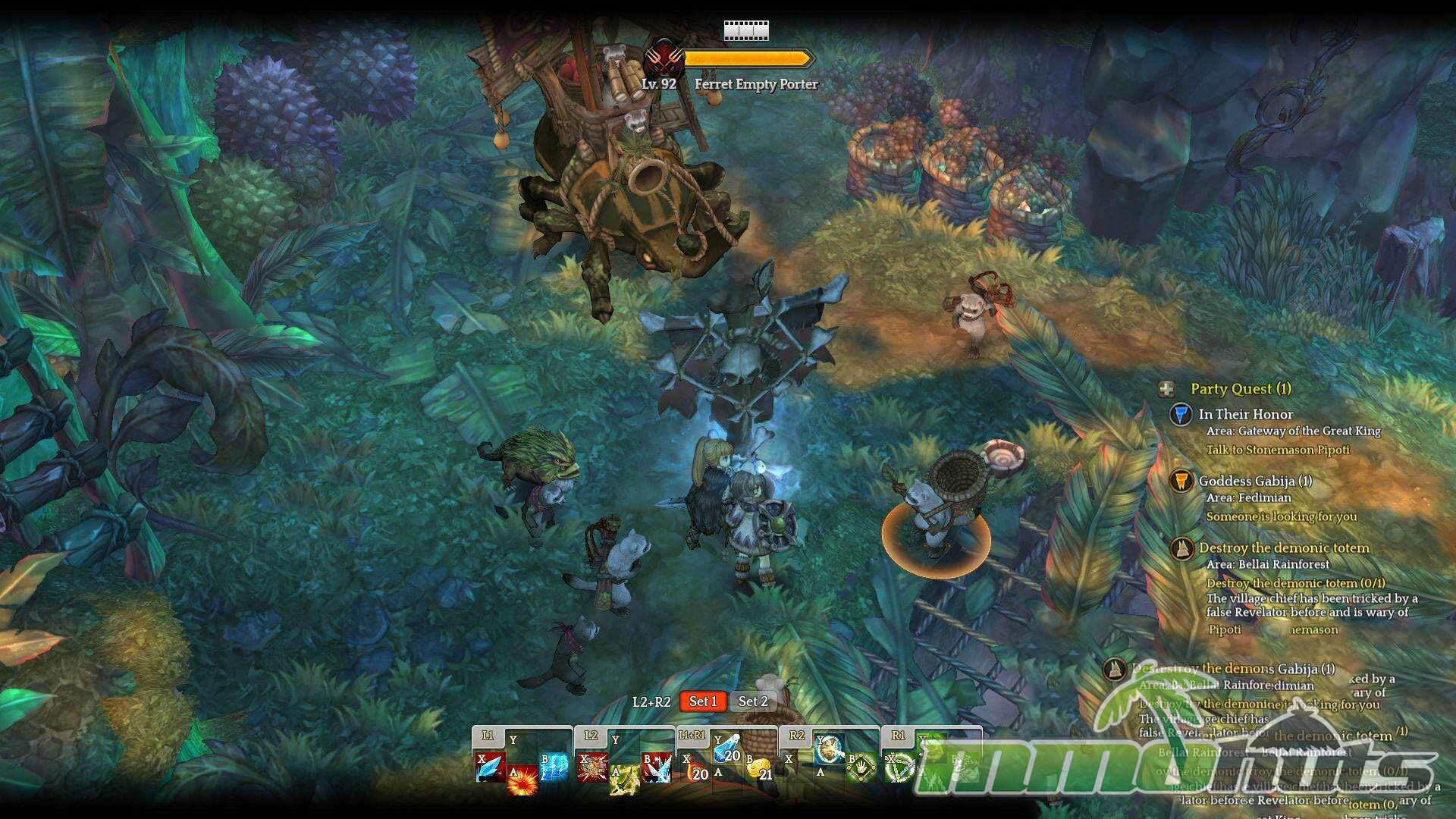
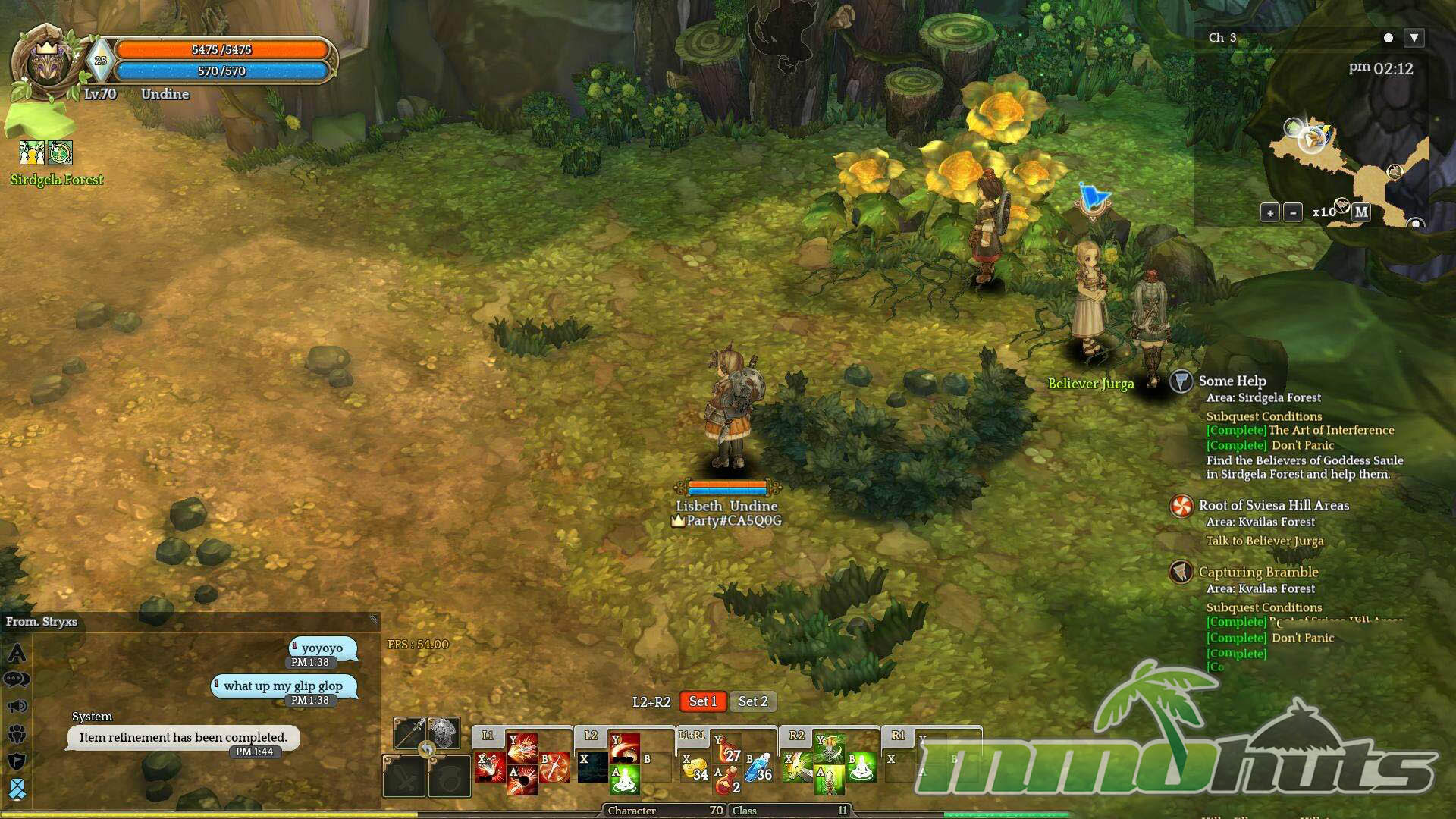
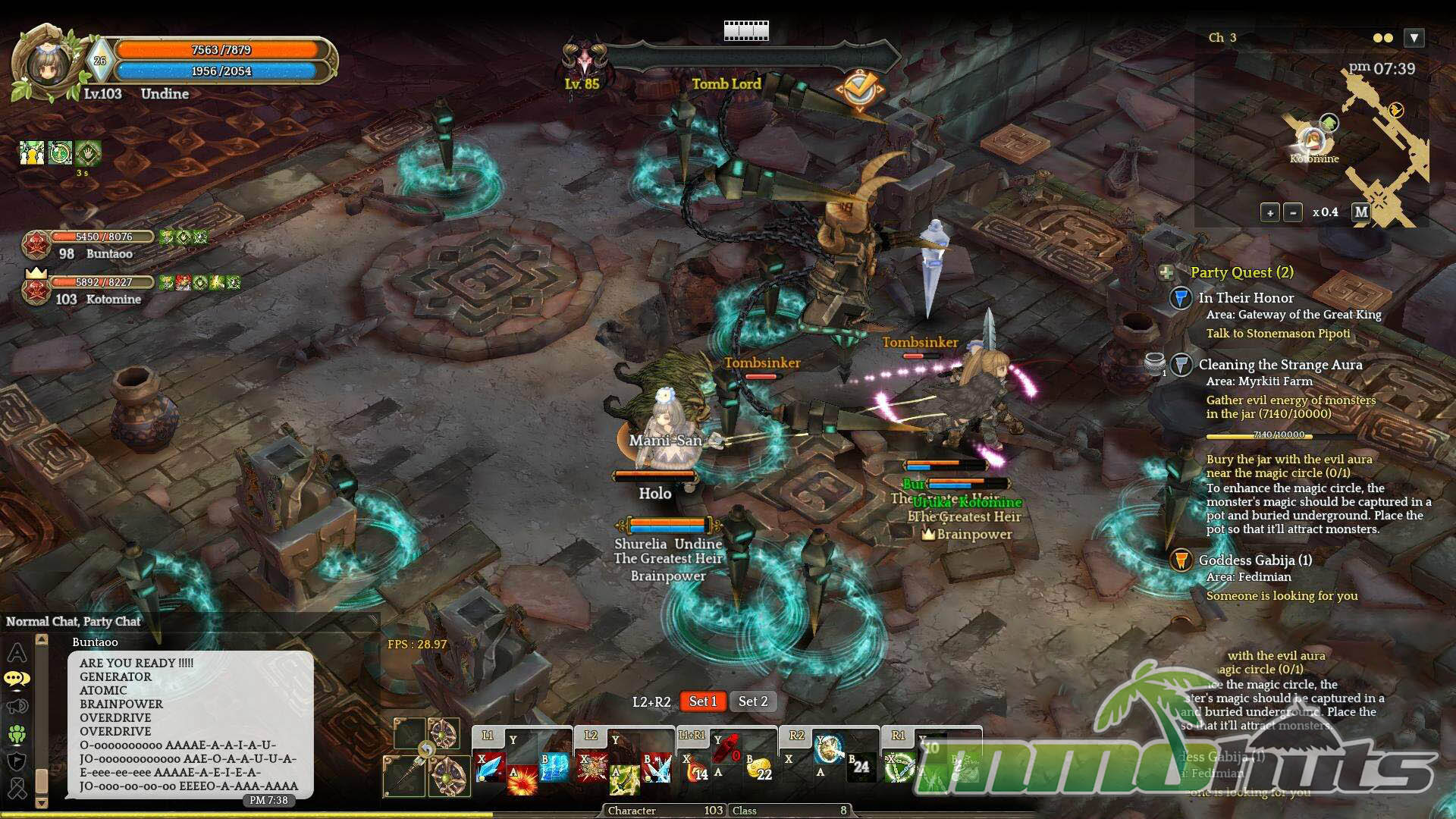
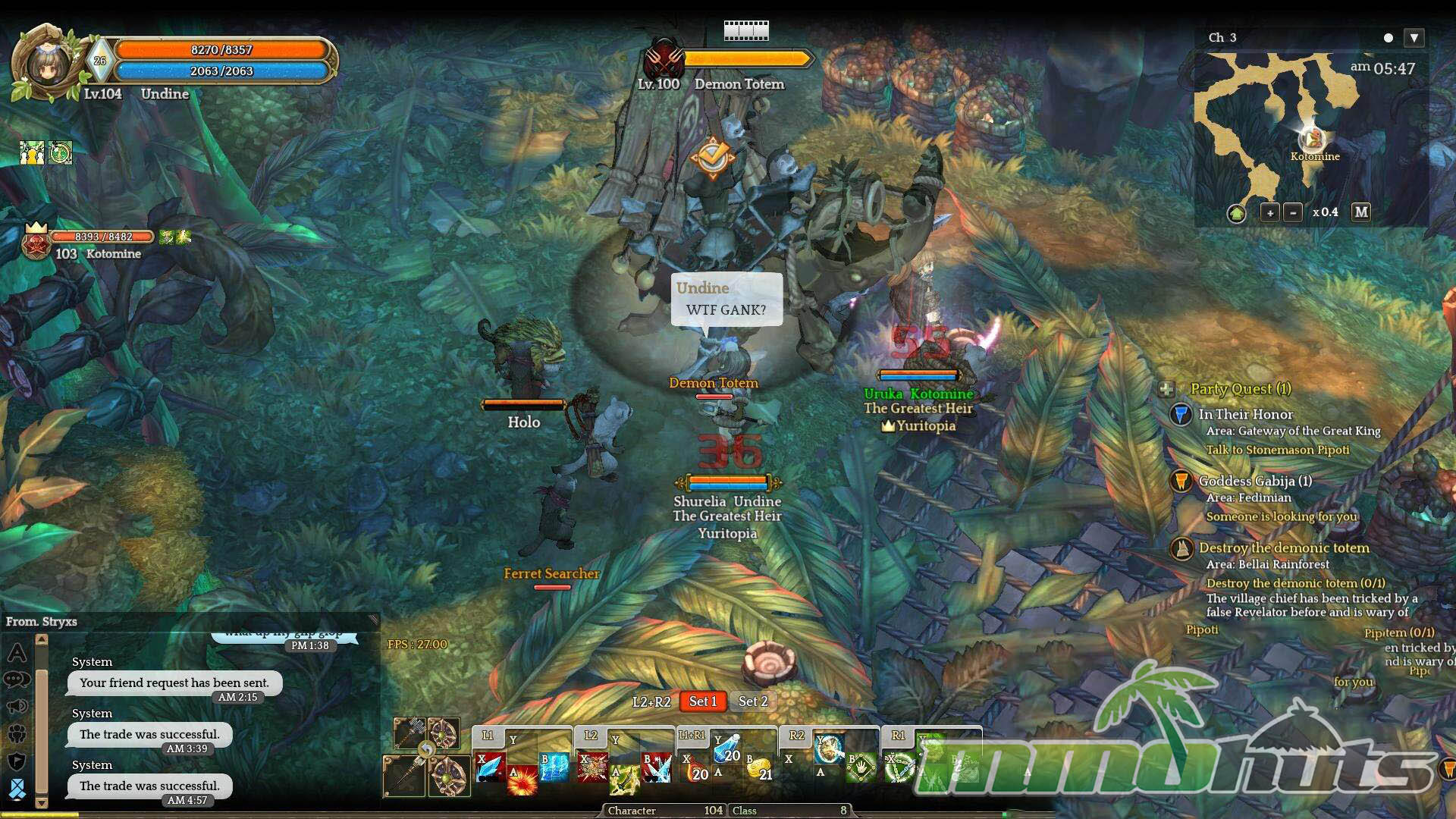
Tree of Savior Featured Video

Tree of Savior Review
Tree of Savior wears its inspirations openly, but it is not simply a nostalgia project. Under the soft, anime-leaning art direction is a very traditional Korean MMO structure that prioritizes combat feel and long-term character building over guided questlines. When it clicks, it is easy to lose track of time chaining pulls and watching monsters burst into pieces while the soundtrack keeps the pace. When it doesn’t, the game’s rough edges, especially around quality-of-life decisions and restrictions, are hard to ignore.
Character Creation With Clear Limits
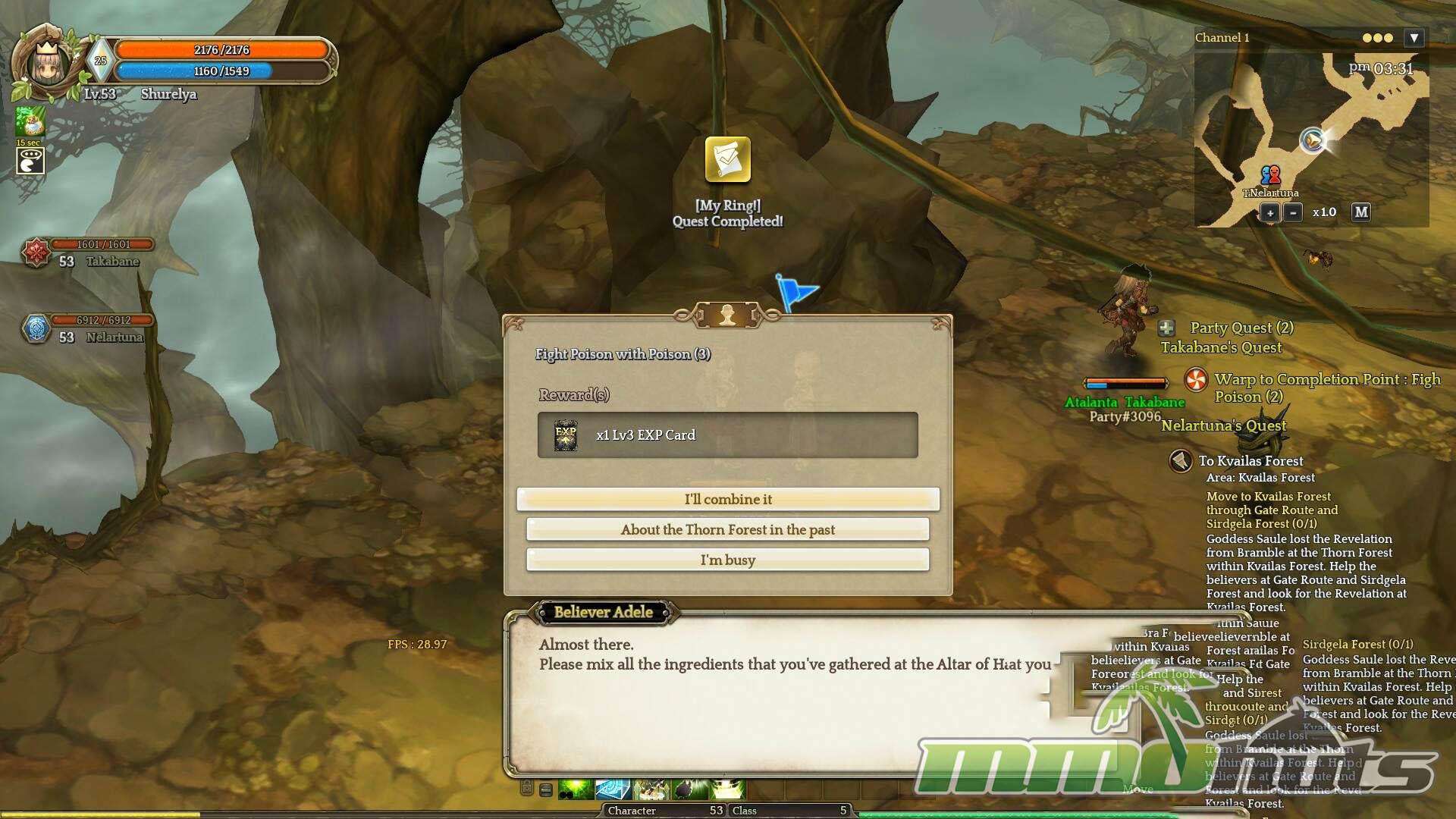
The first sign of Tree of Savior’s priorities is its character creator, which is functional but restrained. You pick from a small set of faces and hairstyles, with options tied closely to the base class and gender selection. It does the job of getting you into the world quickly, but it offers little room for players who like to craft a distinct look from the start.
That lack of flexibility becomes more noticeable in a game that encourages alts and build experimentation. Visual identity often ends up coming from costumes, hats, and class outfits rather than from the creator itself. It is not a dealbreaker, but it sets expectations: personalization exists, but much of it is delivered through progression systems and the cash shop rather than at the character select screen.

Combat That Makes Grinding Enjoyable
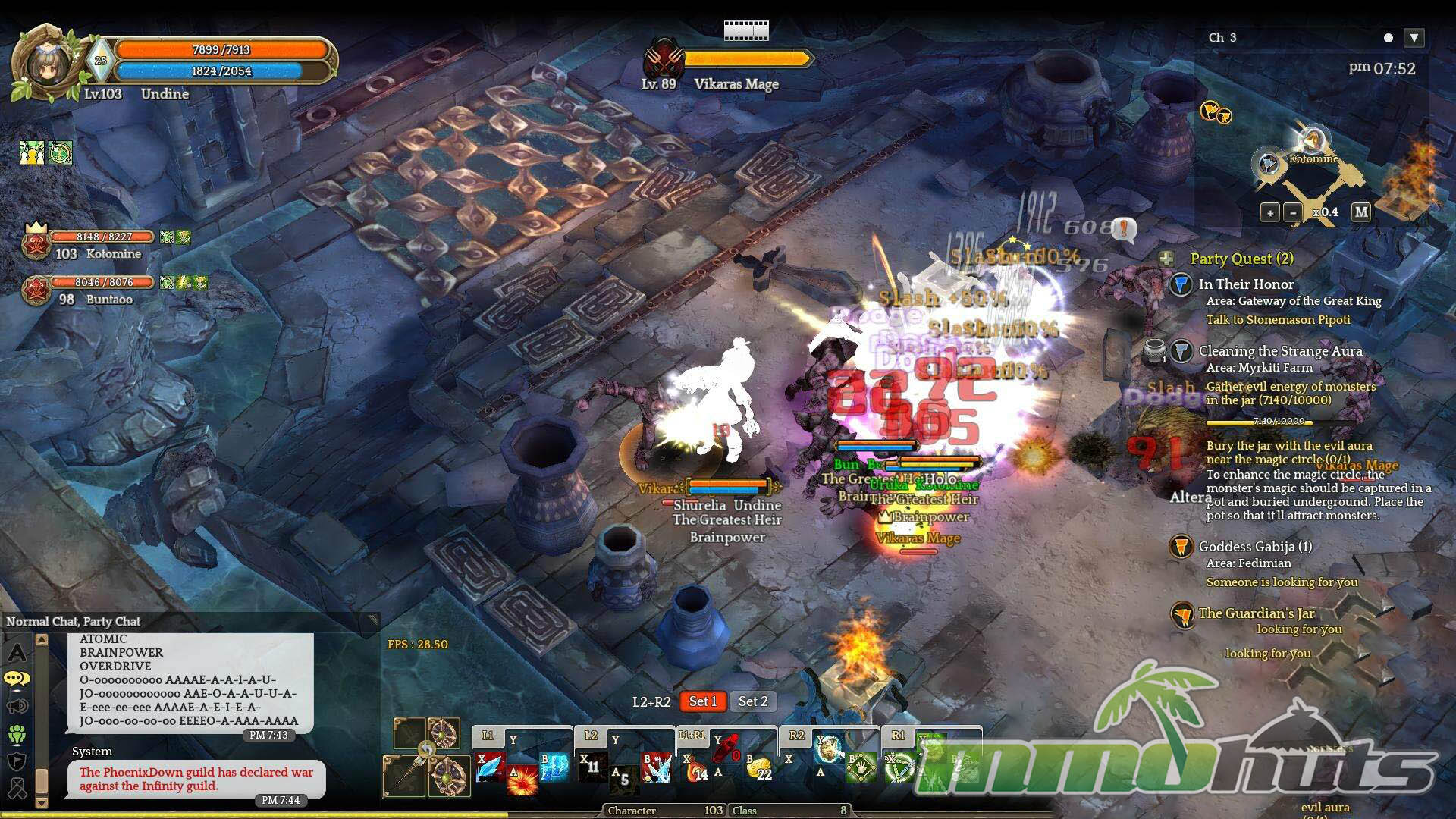
Tree of Savior’s greatest strength is how good it feels to fight. Skills are snappy, animations are clean, and combat feedback is strong, particularly when you gather a pack and detonate it with area attacks. Enemies shatter dramatically, and that simple visual payoff does a lot to make repetition tolerable. For a game that asks you to kill a lot of monsters, it is wise about making those kills satisfying.
The design also reinforces the grind mindset in small ways. Even leveling up has a mechanical flourish that can affect nearby enemies, keeping you in the flow instead of pausing for a celebratory moment. If you enjoy the classic “find a good spot, pull efficiently, and rotate skills” rhythm, Tree of Savior understands that appeal and supports it with responsive controls and clear skill effects.
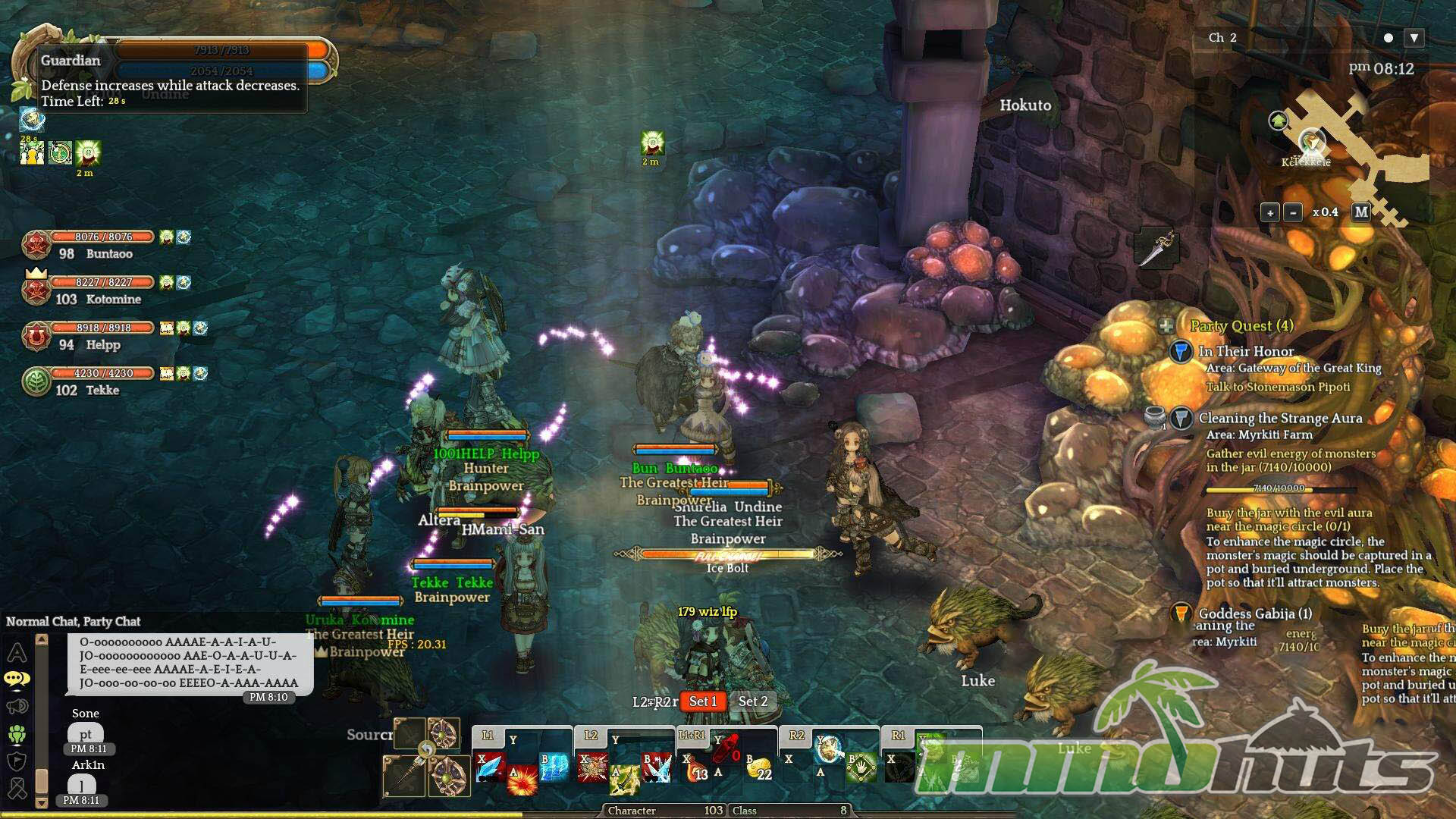
That said, the grind can become samey because many players funnel into similar routes. Popular maps and efficient farming areas tend to be crowded, and you may find yourself swapping channels to find breathing room. For players who like varied activities, the reliance on monster farming as the primary progression method can feel like work, especially when you are repeating the same loops on multiple characters.
A Class System That Encourages Planning
At first glance, starting from only four archetypes looks conservative. The reality is that Tree of Savior’s class advancement is one of its defining features. As you gain job levels, you periodically select new classes, either branching into different specializations or continuing deeper into a previous path. Those choices stack, meaning you carry earlier class skills forward, and your final build becomes a curated toolkit rather than a single locked identity.
With multiple tiers of advancement, the game offers an impressive range of combinations. Two characters that both begin as Wizards can end up playing very differently based on what they choose along the way. Class costumes also help reinforce identity, giving each step a visual theme that fits the game’s western fairy-tale styling.
The flip side is permanence. Class selections are not something you casually undo, which makes early decisions feel weighty. Players who want to compete in PvP or chase optimal builds often end up studying guides and planning ahead, because improvising can lead to a character that feels misaligned with your goals. If you are an experimental player, this can be frustrating, since testing a different approach may mean leveling an entirely new character.
Keyboard First, Controller Second
Tree of Savior’s control scheme is unusual by modern MMO standards. Movement defaults to a keyboard-centric approach rather than the typical WASD-plus-mouse style, which can feel dated for players coming from more contemporary PC MMORPGs. In practice, the top-down perspective makes it workable, and after a short adjustment period it can feel surprisingly natural for navigating tight maps and combat spaces.
Controller support is a mixed story. Fighting with a controller can be comfortable, especially for repeating a familiar rotation, but the moment you need to manage inventory, interact heavily with menus, or work through UI screens, the experience becomes clumsy. The interface clearly favors mouse and keyboard, so controller play often works best as an optional comfort feature rather than a full replacement.

Zone Design That Feels Guided
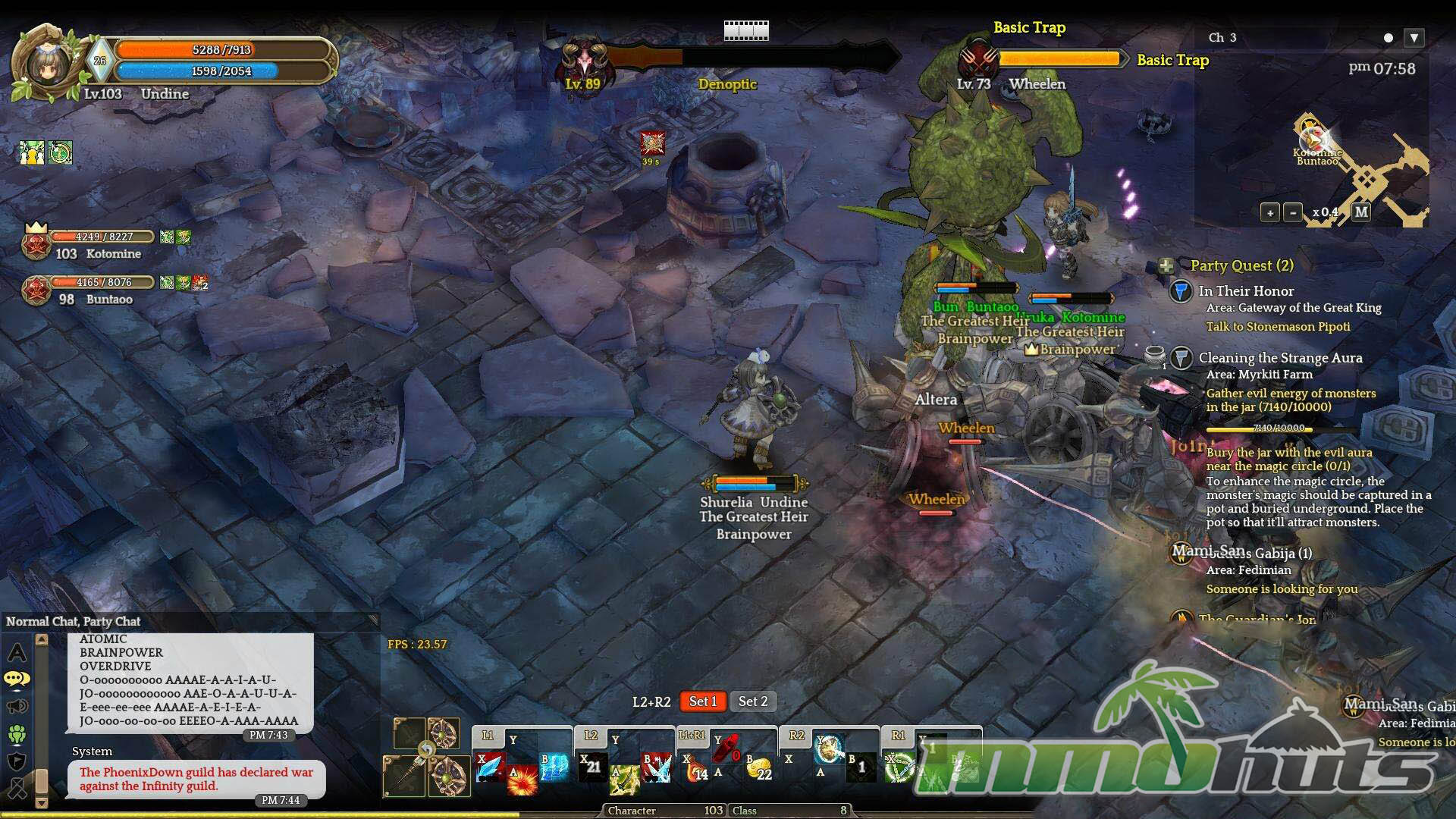
The world is broken into maps connected by narrow passages, creating a structure that often feels directed. Areas are not literal straight lines, but many maps function like compact mazes with side paths, loops, and dead ends. This layout supports the grind, because it funnels players into encounter-heavy corridors where monster density stays high.
Where it stumbles is in the sense of discovery. Exploration can feel limited by blocked routes and occasional invisible barriers, which undercut the urge to wander. The result is a world that is attractive to look at, but sometimes more like a curated route between farming spots than an open landscape that invites experimentation.
Presentation: The Game’s Strongest Argument
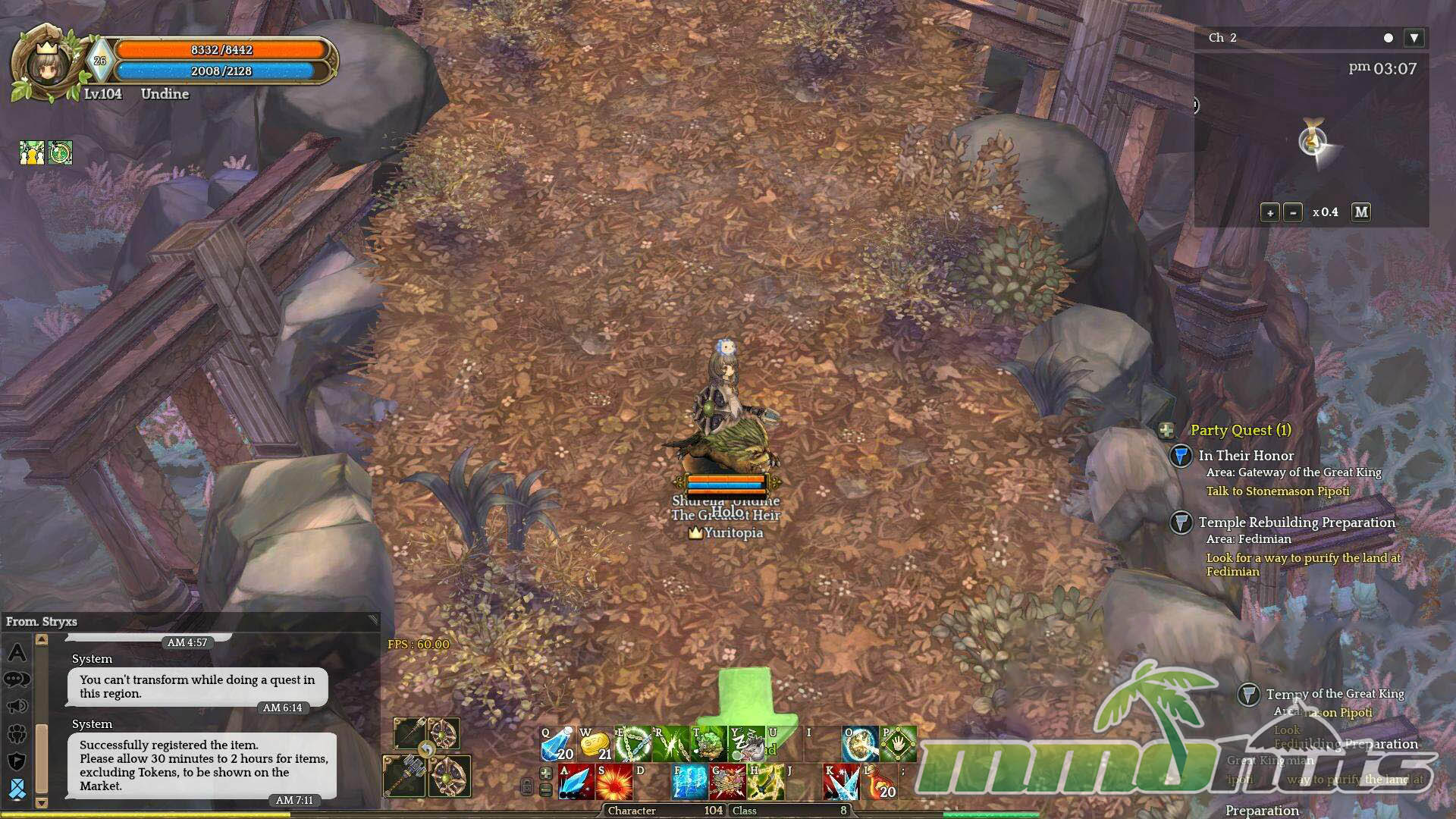
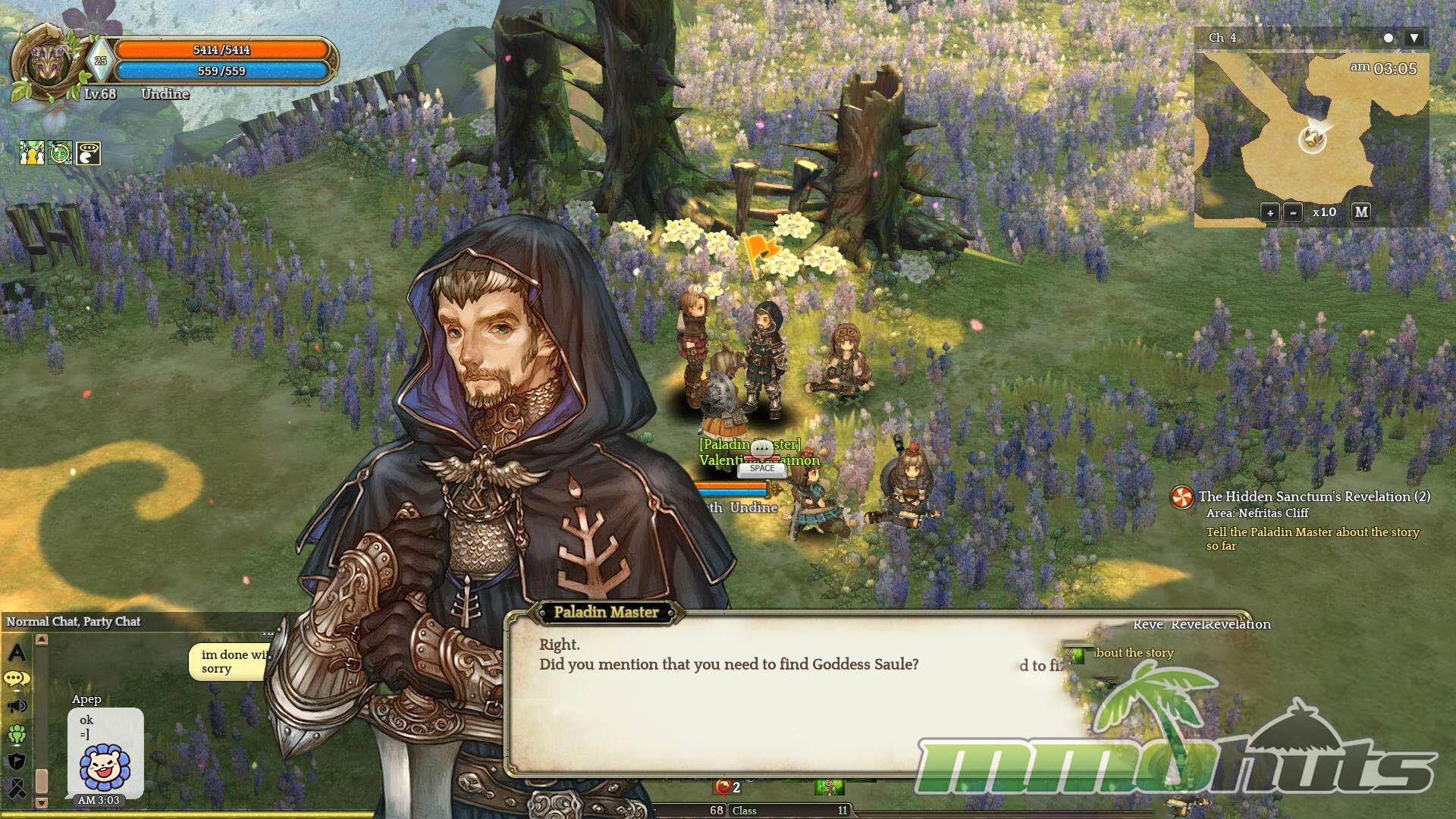
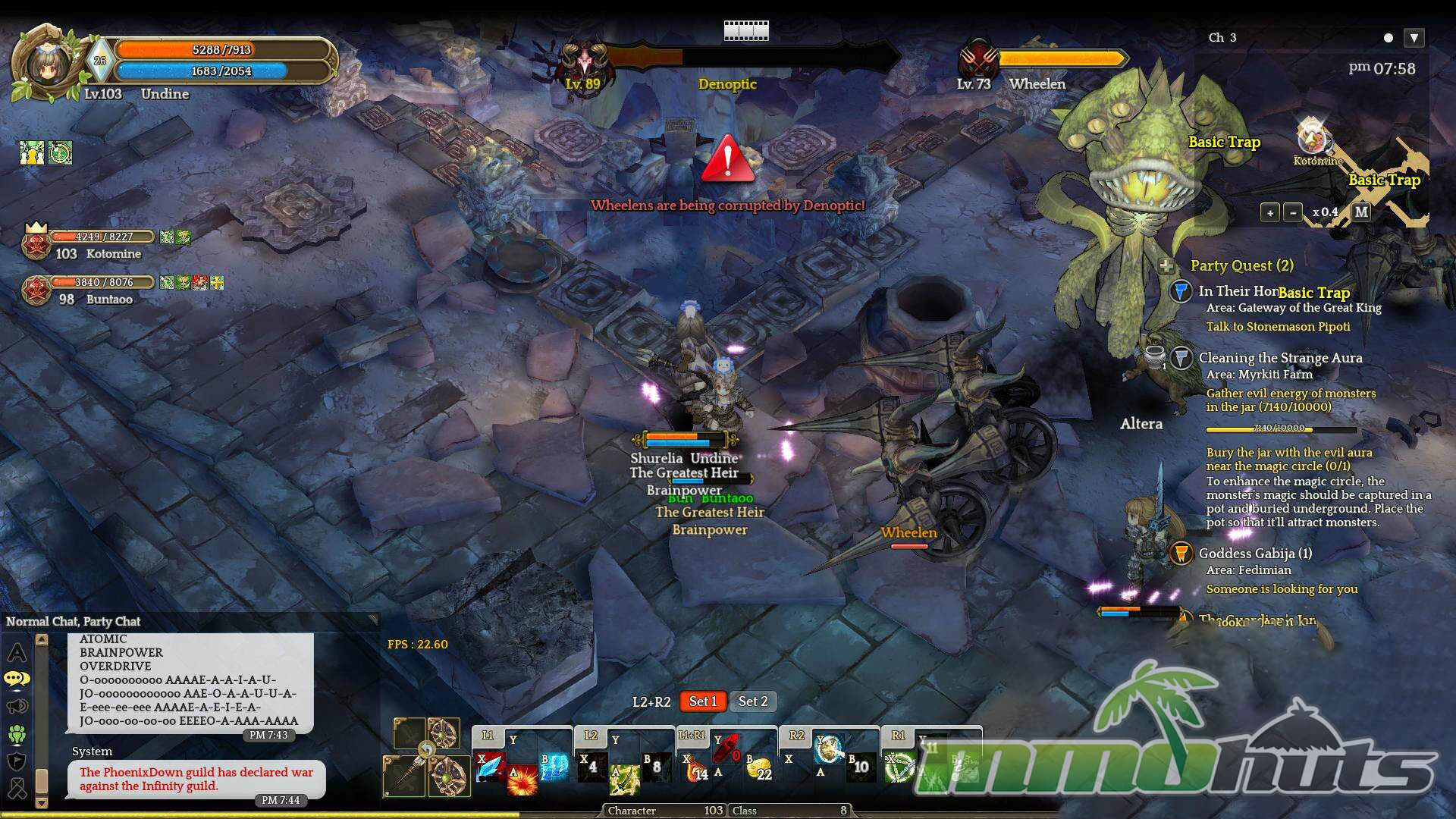
Tree of Savior’s identity is immediately recognizable. The color palette is soft and inviting, character designs are expressive, and the world leans into a handcrafted storybook vibe. Monsters are varied and readable, with visual cues that help communicate difficulty and danger without needing heavy UI elements. NPC portraits and character art are also a highlight, with a distinctive style that gives the world personality.
The soundtrack deserves special mention. soundTeMP’s compositions do more than fill silence, they actively set the tempo for play. Tracks can be upbeat and energetic during long grind sessions, then shift to lighter, more classical tones in town hubs. It is the kind of music that players remember after logging off, and it does a lot to carry the game’s atmosphere.
Trading Restrictions And Their Side Effects
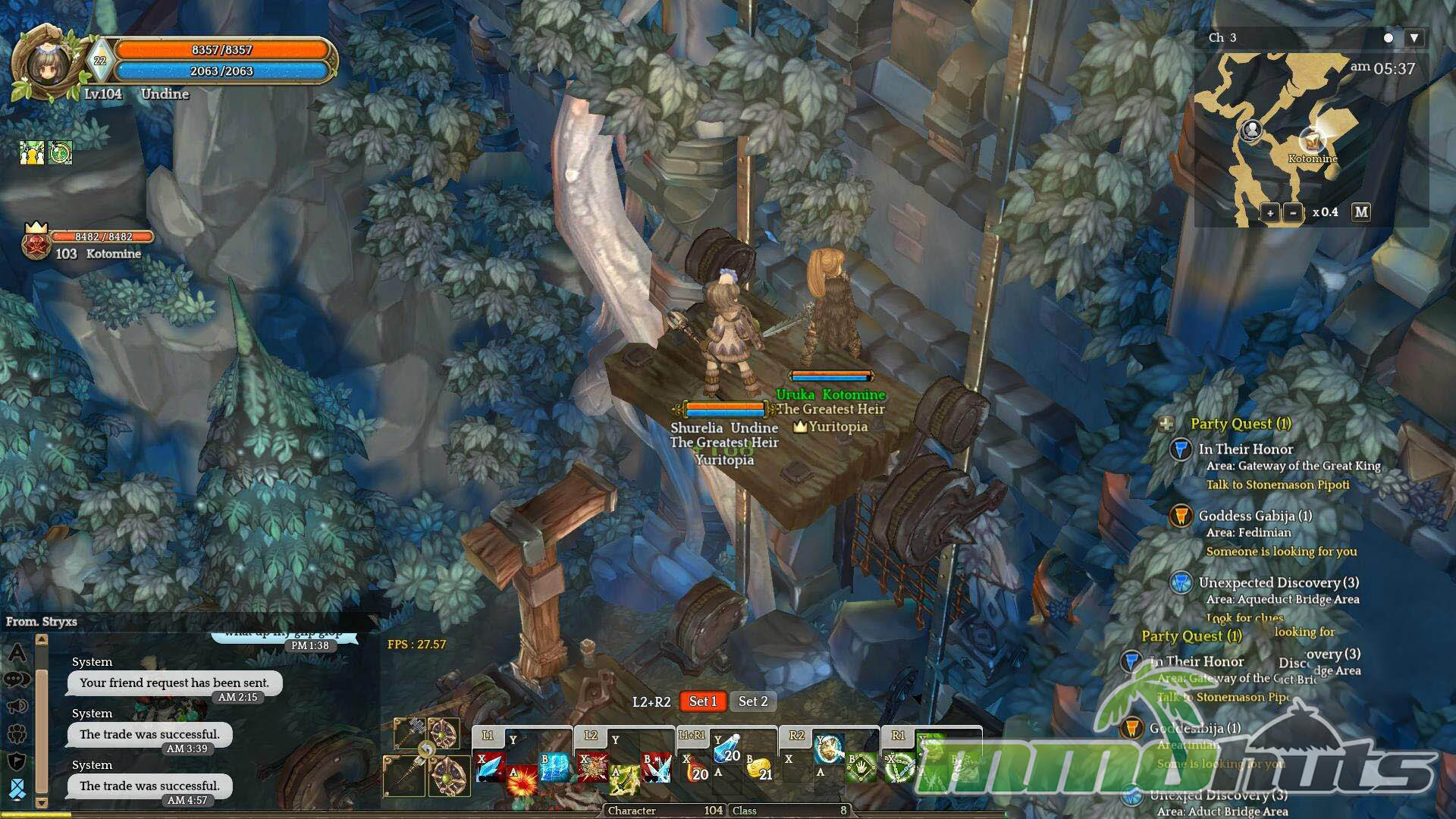
Player-to-player trade is heavily limited, even between party members, which can make co-op feel less generous than expected. Loot that would naturally be handed to a friend often has to be sold or handled indirectly through market systems. While these limitations are typically justified as anti-RMT measures, they also reduce spontaneous social interactions that many players associate with older MMORPGs.
In a loot-driven game, restrictions on sharing can feel at odds with the experience. It does not ruin progression, but it adds friction to group play and makes the economy feel more controlled than it needs to be for everyday players.
Cash Shop And The Token Model
Cosmetics are a predictable part of the cash shop, but Tree of Savior also includes convenience items that can raise eyebrows, especially anything tied to randomized stat rolling or efficiency boosts. The saving grace is that cash shop items can be obtained with in-game silver, though prices can be steep depending on the market and your stage of progression.
The game also offers a 30-day Token item that functions like a light subscription, granting benefits such as increased EXP from monster kills and improved market listing capacity, along with other perks. Some advantages may feel significant to competitive players, particularly those focused on efficiency or PvP, but for a typical player the Token reads more like an acceleration option than a hard requirement. Still, players who dislike any form of paid convenience may find the model discouraging.
Final Verdict – Good
Tree of Savior succeeds most when it leans into what it does best: lively combat, an enormous class web, and a presentation that is consistently pleasant to spend time in. It is not a modern, quest-driven theme park MMO, and it rarely tries to be. Instead, it caters to players who enjoy the steady rhythm of grinding, optimizing pulls, and building a character through long-term class decisions.
Its weaknesses are also clear, including limited early customization, world design that can feel constrained, and systems like trading that create unnecessary friction. If you are looking for a visually charming grinder with excellent music and a deep class system to plan around, Tree of Savior is easy to recommend. If you need constant variety or flexible respec options, it may test your patience.
Tree of Savior Links
Tree of Savior Official English Site
Tree of Savior Steam Page
Tree of Savior Korean Site
Tree of Savior Fan Base Site
Tree of Savior Subreddit
Tree of Savior System Requirements
Minimum Requirements:
Operating System: Windows XP SP3 32bit
CPU: Intel Core 2 Duo 1.8 GHz
Video Card: nVidia GeForce 9800 / ATI Radeon HD 4000
RAM: 2 GB
Hard Disk Space: 3 GB
Recommended Requirements:
Operating System: Windows 7 or Windows 8 64 bit
CPU: Intel Core i5 or better
Video Card: nVidia GeForce 600 GT / AMD Radeon HD 6000
RAM: 4 GB
Hard Disk Space: 3 GB
Tree of Savior Music & Soundtrack
Tree of Savior Additional Information
Developer: IMCGAMES
Publisher: IMCGAMES
Creative Director: Kim Hakkyu
Concept Artist: Maggi An Jeong-won
Composer: soundTEMPO
Steam Greenlight: May 12, 2015
Closed Beta 1: August 04, 2015 – August 10, 2015
Closed Beta 2: October 27, 2015 – December 10, 2015
Early Access Launch: March 28, 2016
Release Date: April 28, 2016
Development History / Background:
Tree of Savior was developed and published by Korean games company IMCGAMES. The project is led by Ragnarok Online creator Kim Hakkyu and first arrived in South Korea as an Open Beta release on December 17, 2015. The international edition appeared on Steam Greenlight on May 12, 2015 and was approved in under 10 hours. International Closed Beta 1 ran from August 04, 2015 through August 10, 2015, followed by Closed Beta 2 from October 27, 2015 to December 10, 2015. The game was originally announced with a June 19, 2016 launch window and included three tiers of Founder’s Packs that provided Early Access. After controversy around that approach, a player vote led IMCGAMES to set a one-month Early Access period for Founder’s Pack owners starting March 28, 2016, before opening the game as free-to-play on April 28, 2016. IMCGAMES is also known for Granado Espada and Wolfknights.