Terraria is a 2D side-scrolling sandbox adventure built around the simple loop of digging for resources, turning those resources into gear, and using that gear to push farther into a dangerous, ever-expanding world. You can spend an evening carving out underground highways and automated farms, or you can treat the map like a boss-rush playground where every new biome is another chance at better loot and tougher fights. With procedurally generated worlds and a huge crafting pool, it is the kind of game that encourages experimentation, then rewards it with something surprising just a few blocks deeper.
 | Publisher: Re-Logic Playerbase: High Type: B2P Survival Sandbox Release Date: May 16, 2011 (Global) PvP: PvP can be enabled by server Pros: +Enormous procedural maps with varied biomes. +Ongoing free updates add meaningful content. +Deep crafting and loot variety. +Strong blend of building, exploration, and boss combat. Cons: -The mid-game can hit sharp difficulty jumps. |

Terraria Overview
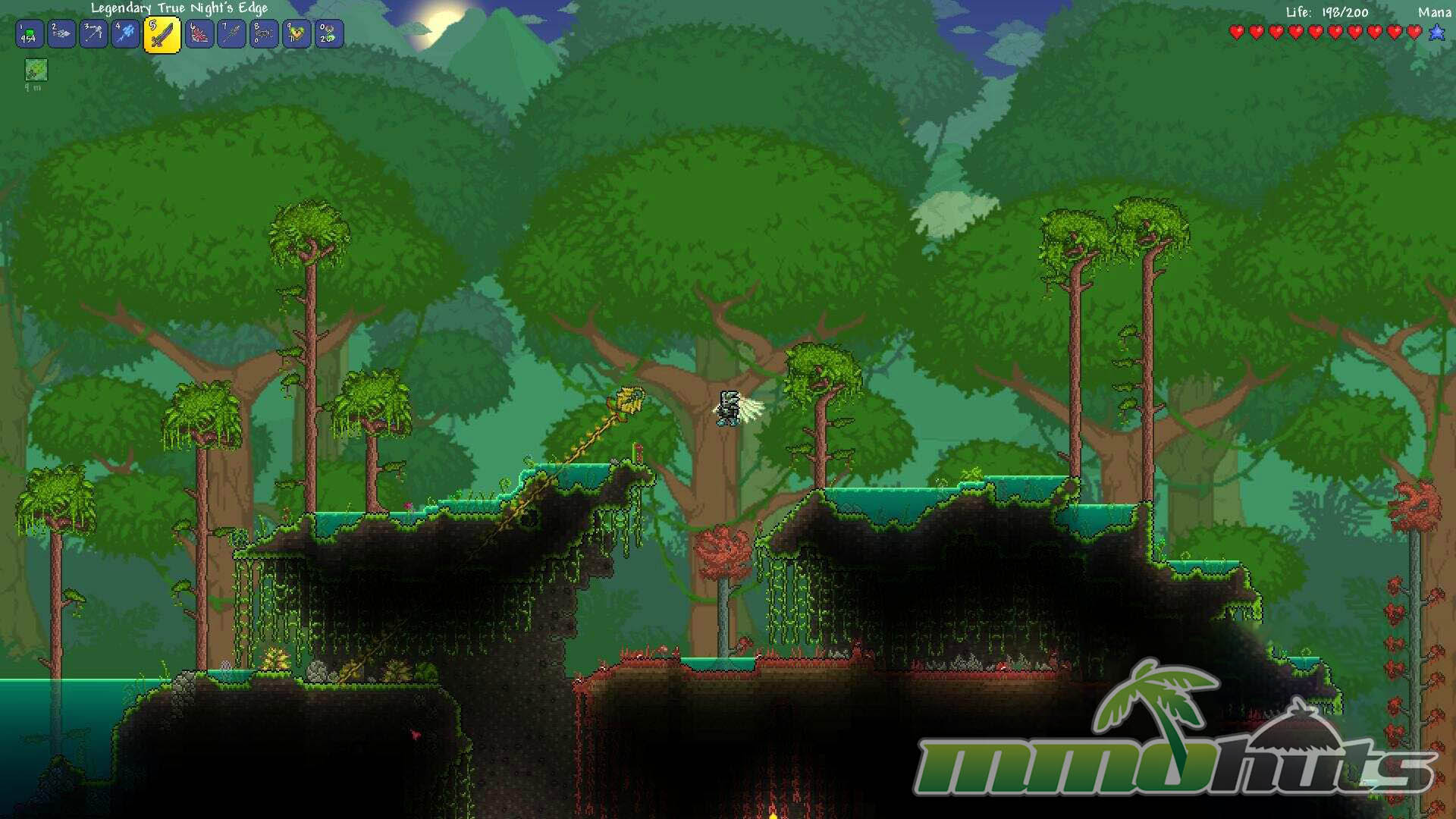
Terraria is an action-adventure sandbox game developed by Re-Logic and Engine Software. Every new world is procedurally generated and large enough to feel like a full expedition, with layers of danger and reward as you move from the surface into the depths. Exploration is split across distinct biomes (including Snow, Desert, and even Meteorite areas), each bringing its own enemies, materials, and reasons to return once you have stronger tools. The result is a game where “progress” can mean anything from building a picturesque settlement to gearing up for the next major boss.
Play is typically host-server based, so you can create a world locally and invite friends, or jump into someone else’s ongoing map. Because worlds persist and can be shaped permanently, communities often form around shared goals, from casual co-op building projects to themed servers that lean into roleplay.
Terraria Key Features
- Huge Worlds – Procedurally generated and contains multiple biomes.
- Build, Destroy, Build – With over 40+ block types, you can build whatever you imagine and destroy it to build again.
- Itemization – Terraria has an enormous amount of items ranging from armors, weapons, and special accessories, that all have stat changing attributes.
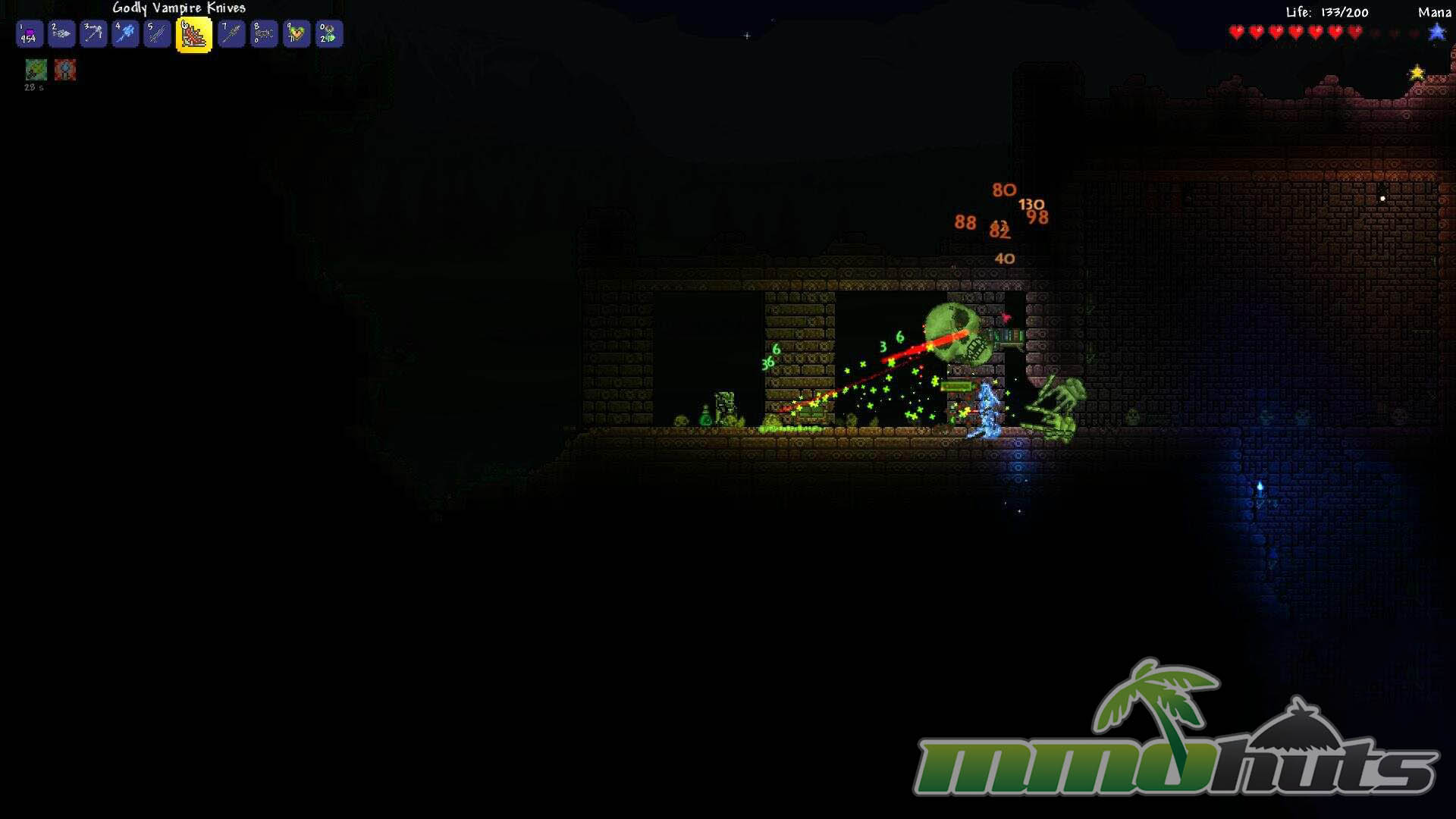
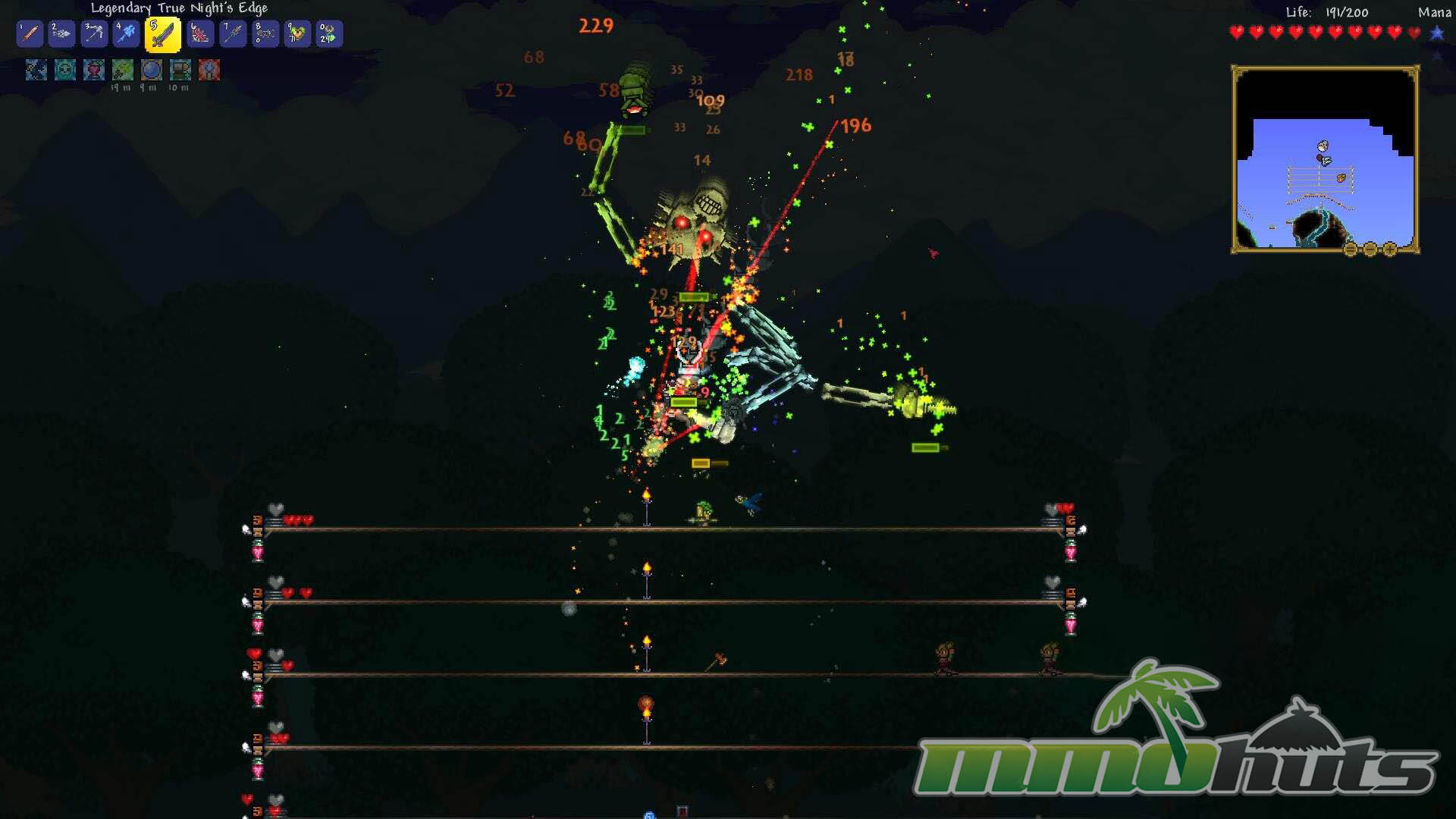
- Enemies – The world is filled with many random little monsters, but it also contains bosses and special events that challenge even the most cunning warriors.
- Server Capacity – Terraria started off with a limit of 8 players per server, but have now expanded up to 255 players per server, or as much as the computer that runs the server can handle.
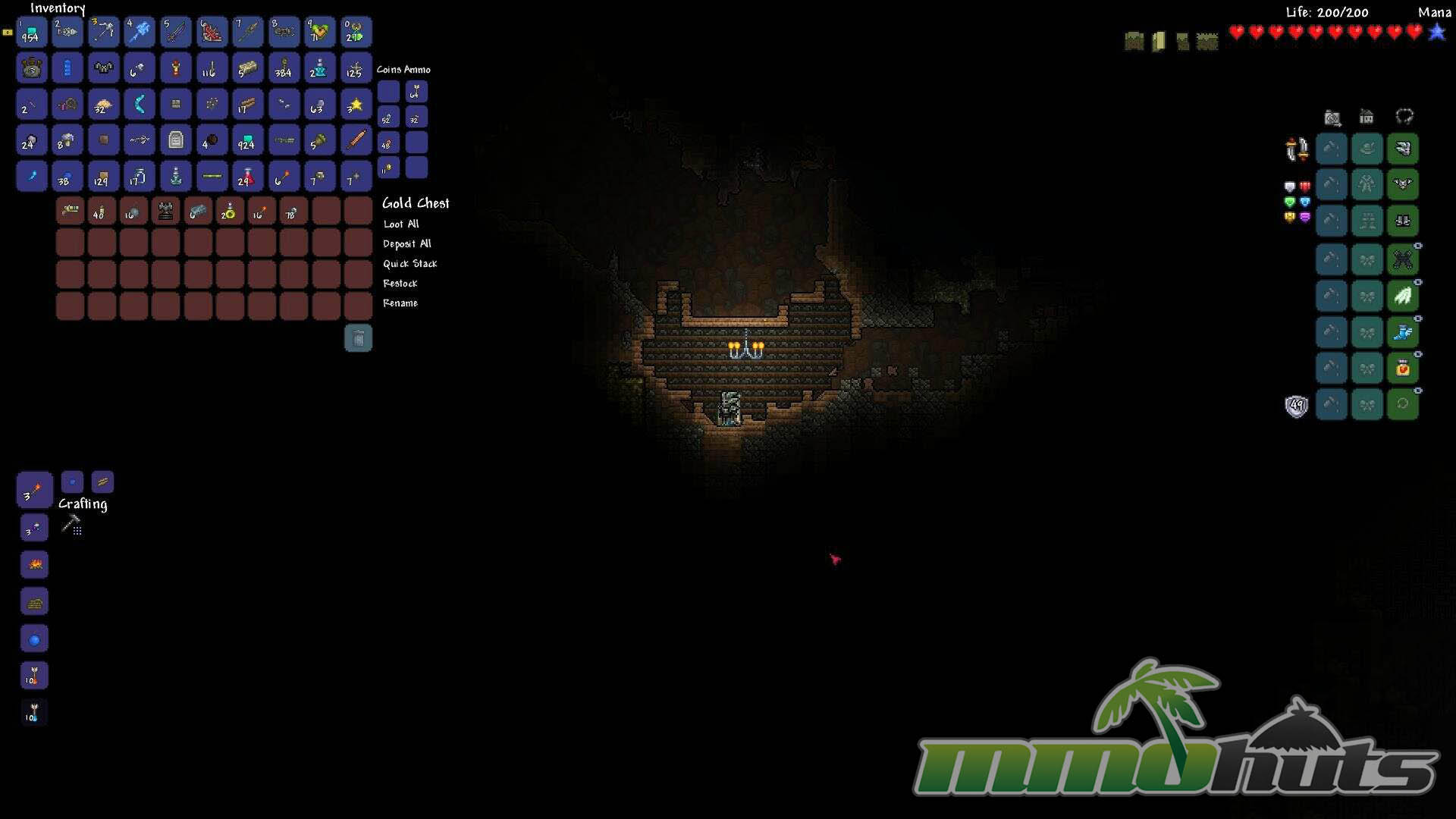
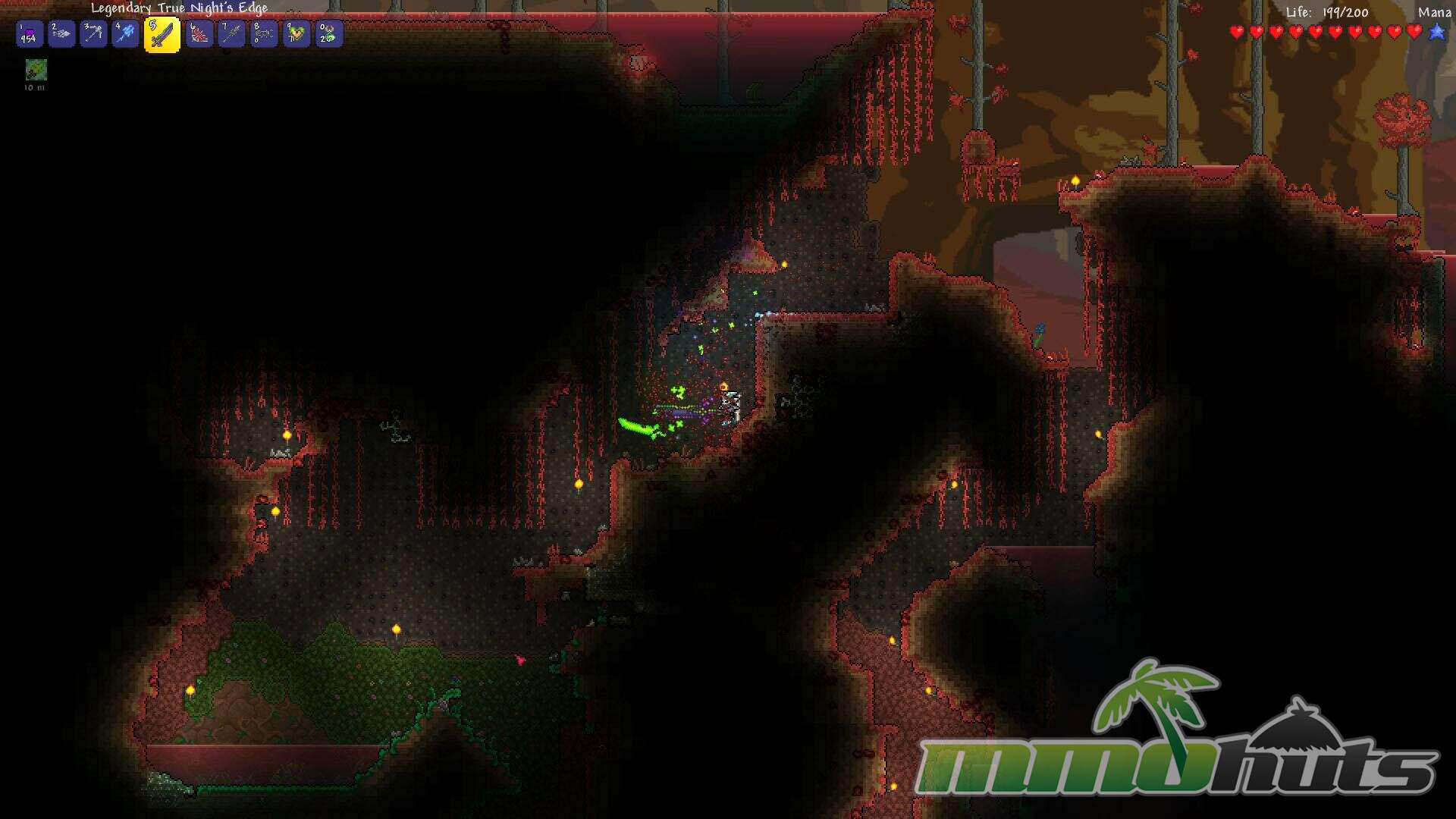
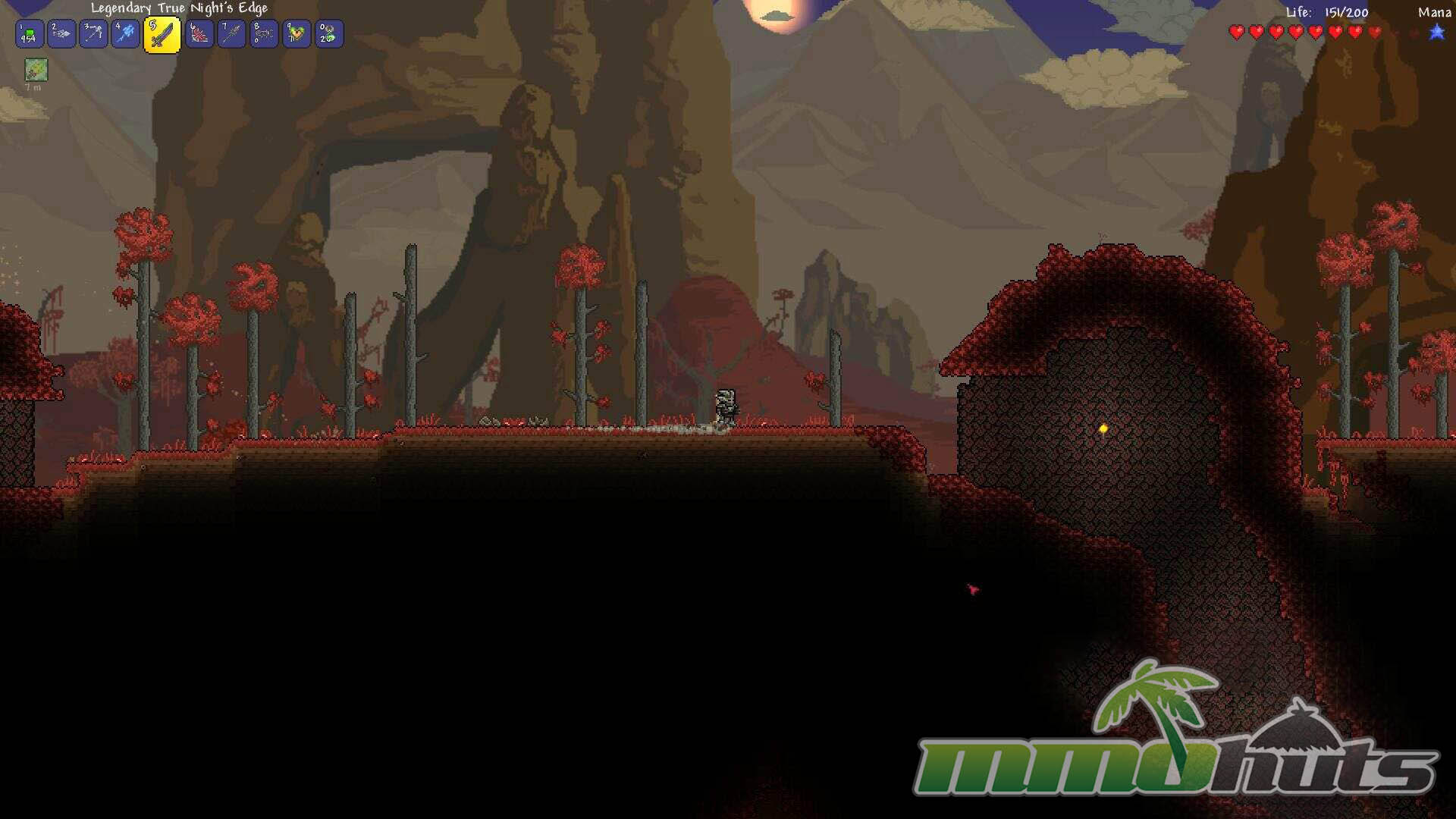
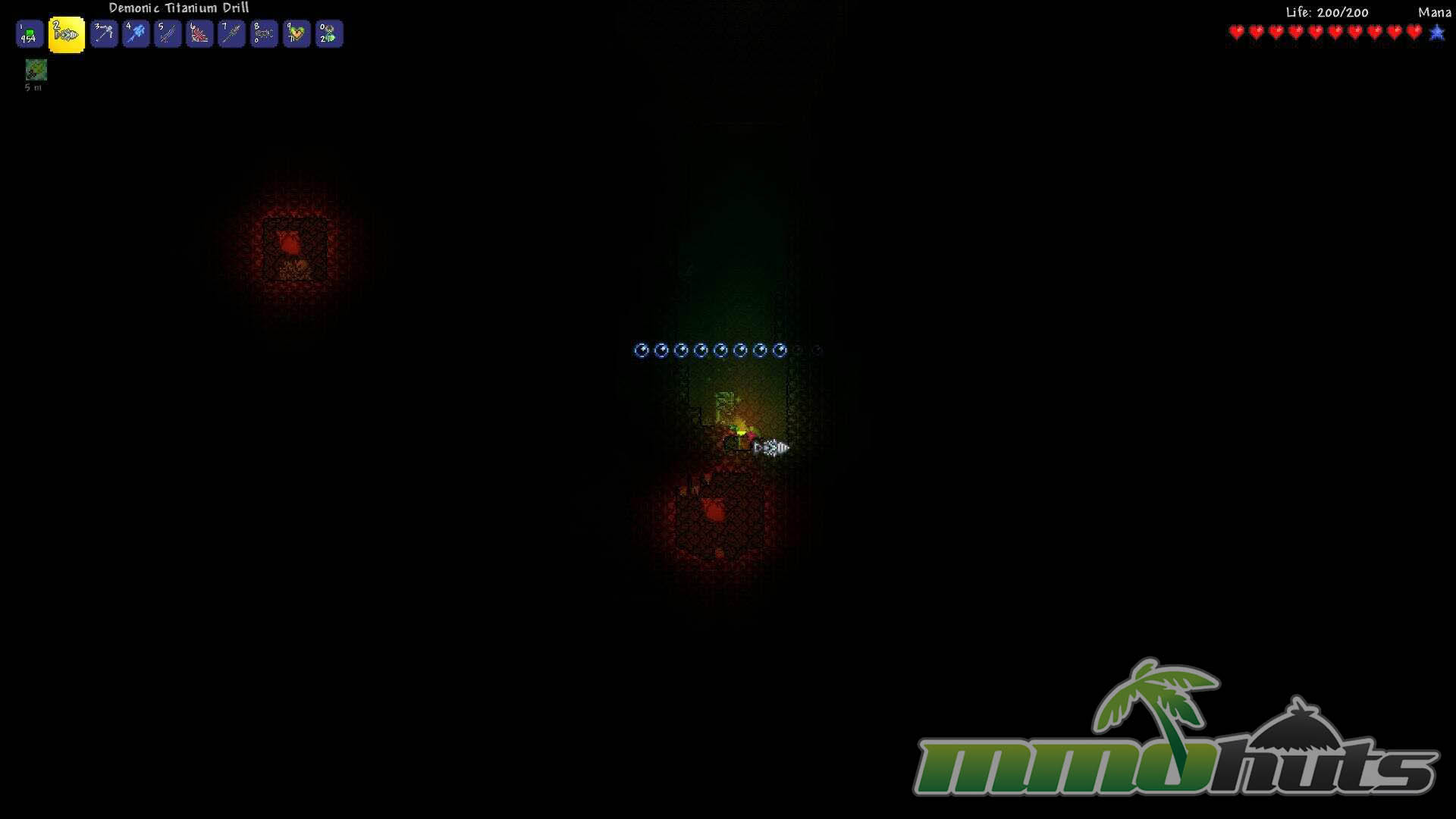
Terraria Screenshots

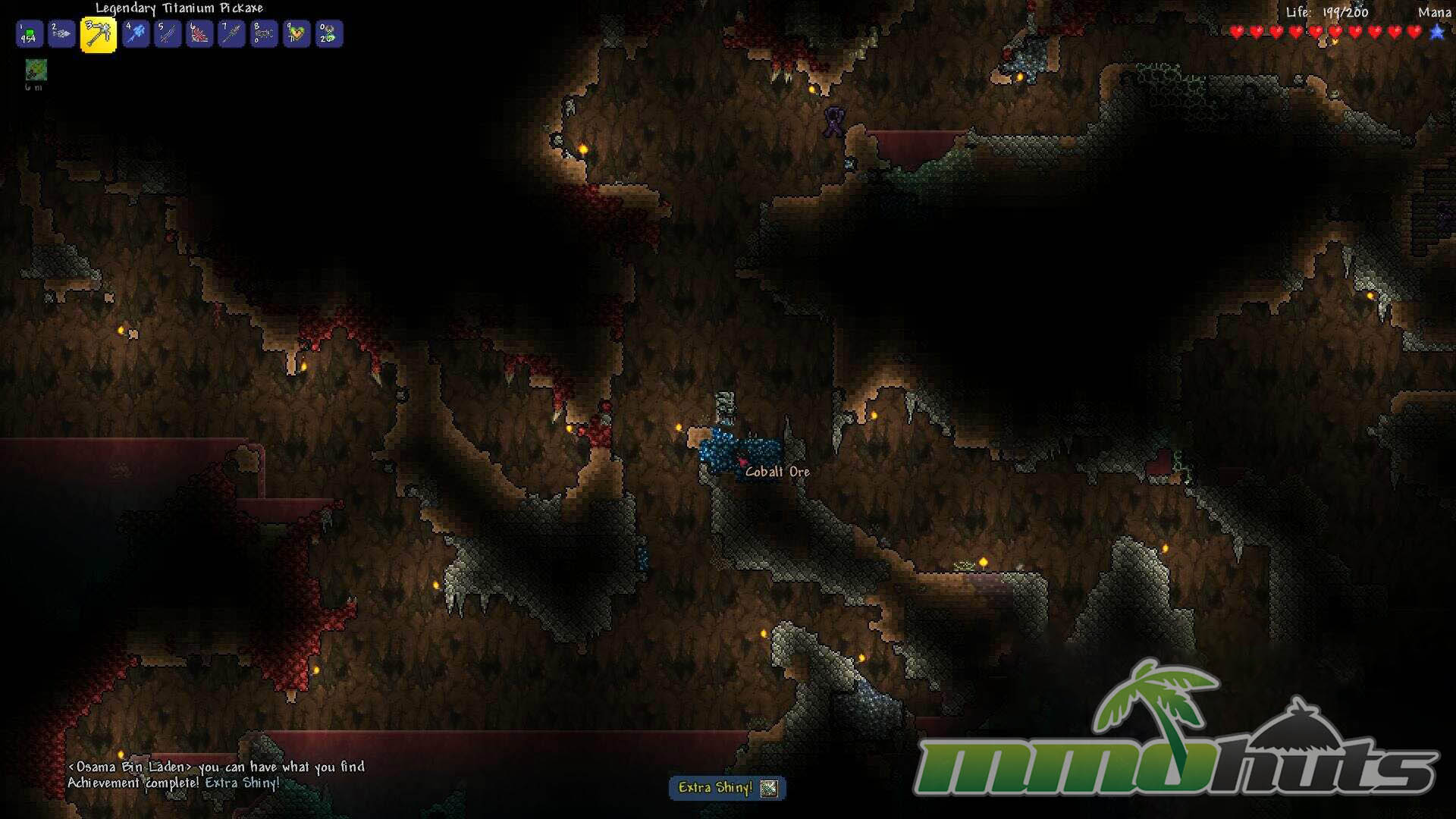
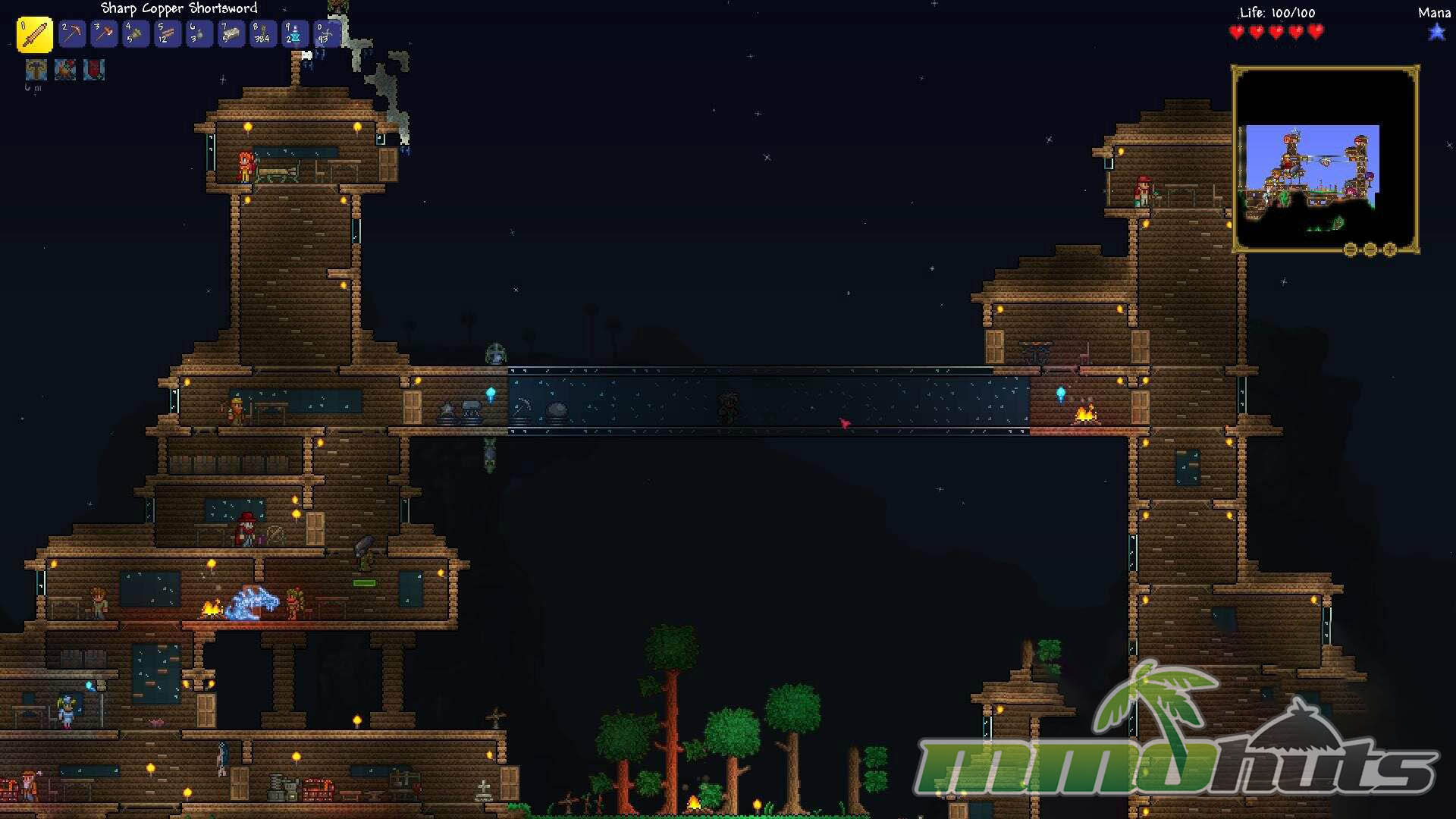
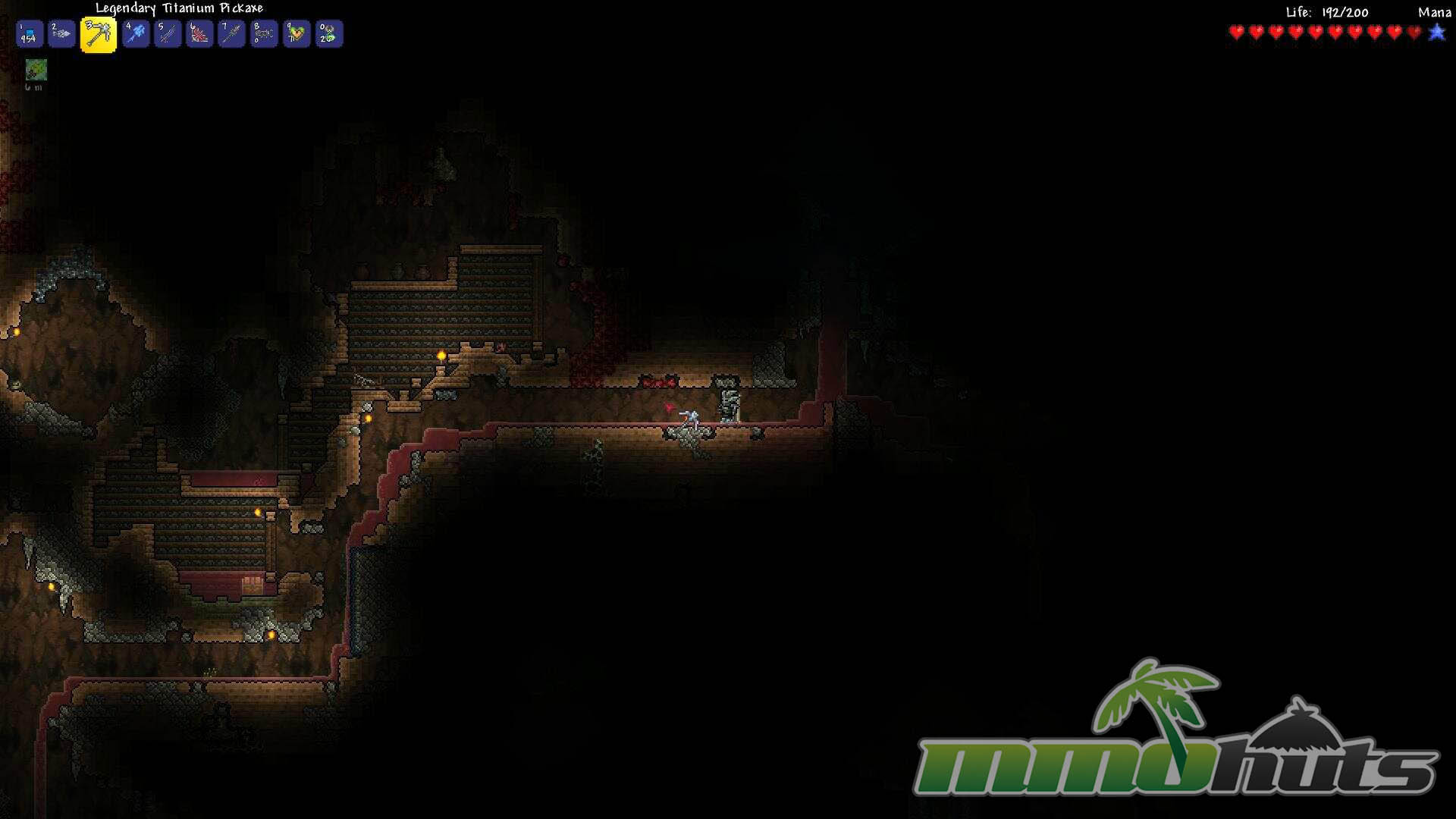
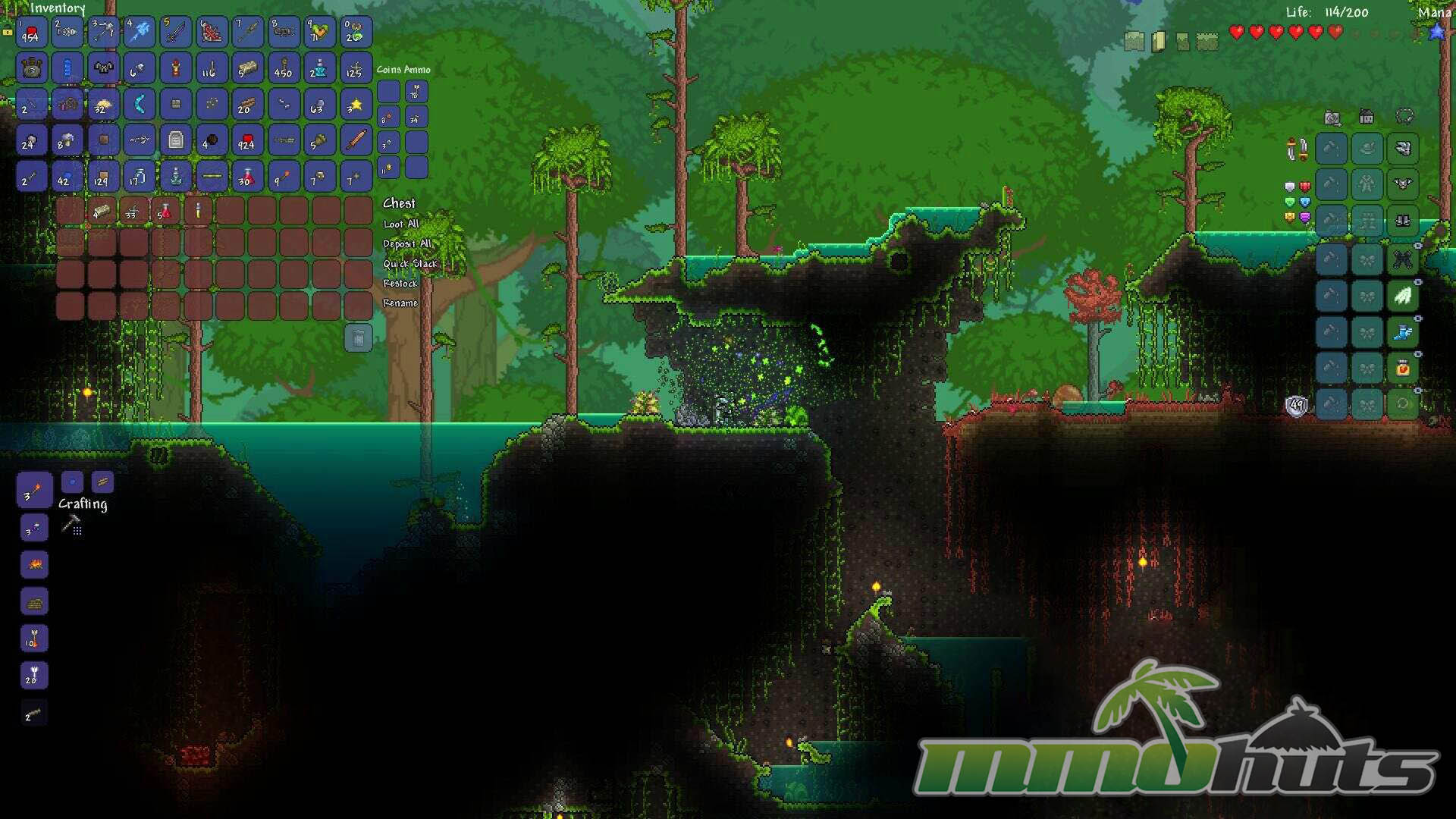
Terraria Featured Video

Terraria Review
Terraria often gets lumped into the same conversation as Minecraft, but after a short session it becomes obvious it is chasing a different feel. The side-scrolling perspective makes movement, combat spacing, and dungeon delving more like a classic action-adventure, while still keeping the creativity and “make your own objectives” freedom that defines sandbox games. Visually it is deliberately simple, yet the color palette and biome variety do a lot of heavy lifting, especially once weather, lighting, and underground ambience start to change the mood.
What really separates Terraria is how strongly it leans into structured progression without ever forcing you down a single path. You can ignore bosses for hours and become an engineer-builder, or you can treat the game like a loot hunt where every upgrade is a step toward the next big fight. Either way, it is a remarkably content-dense game for its price, and years of updates have helped it feel less like a small indie experiment and more like a complete, long-term hobby.
Comparisons to Minecraft are understandable because both games are built on gathering, crafting, and exploring an open world you can reshape. The moment-to-moment priorities differ, though. Minecraft emphasizes food management and a survival routine, while Terraria removes hunger entirely and instead uses food primarily as a source of temporary bonuses. Survival still matters in Terraria, but it is expressed through combat pressure, environmental hazards, and gear checks, particularly once you start pushing deeper or triggering tougher events.
Starting your run
Before you step into a world, you create a character and pick difficulty settings. The customization is intentionally lightweight because armor and accessories quickly become the “real” look of your character, but it is still enough to give you a distinct silhouette and a name that will show up in multiplayer teams and PvP.
Character difficulty comes in Softcore, Mediumcore, and Hardcore. Softcore is the most forgiving and best for first-time players, deaths drop money but you respawn right away. Mediumcore raises the stakes by dropping your items as well as your money when you die, while still allowing respawns. Hardcore is the true permadeath option, a single death ends the run, and the character becomes a ghost that can watch and communicate but cannot meaningfully affect the world, with the character removed once you log out.
World difficulty is separate, with Normal and Expert modes. Normal plays as expected with no special twists. Expert mode increases overall threat and makes encounters more punishing, but it also pays off with better rewards and some items that are tied specifically to Expert play. It is a strong option once you know the basics, because the increased danger makes the gearing process feel more meaningful.
Exploration and world layout
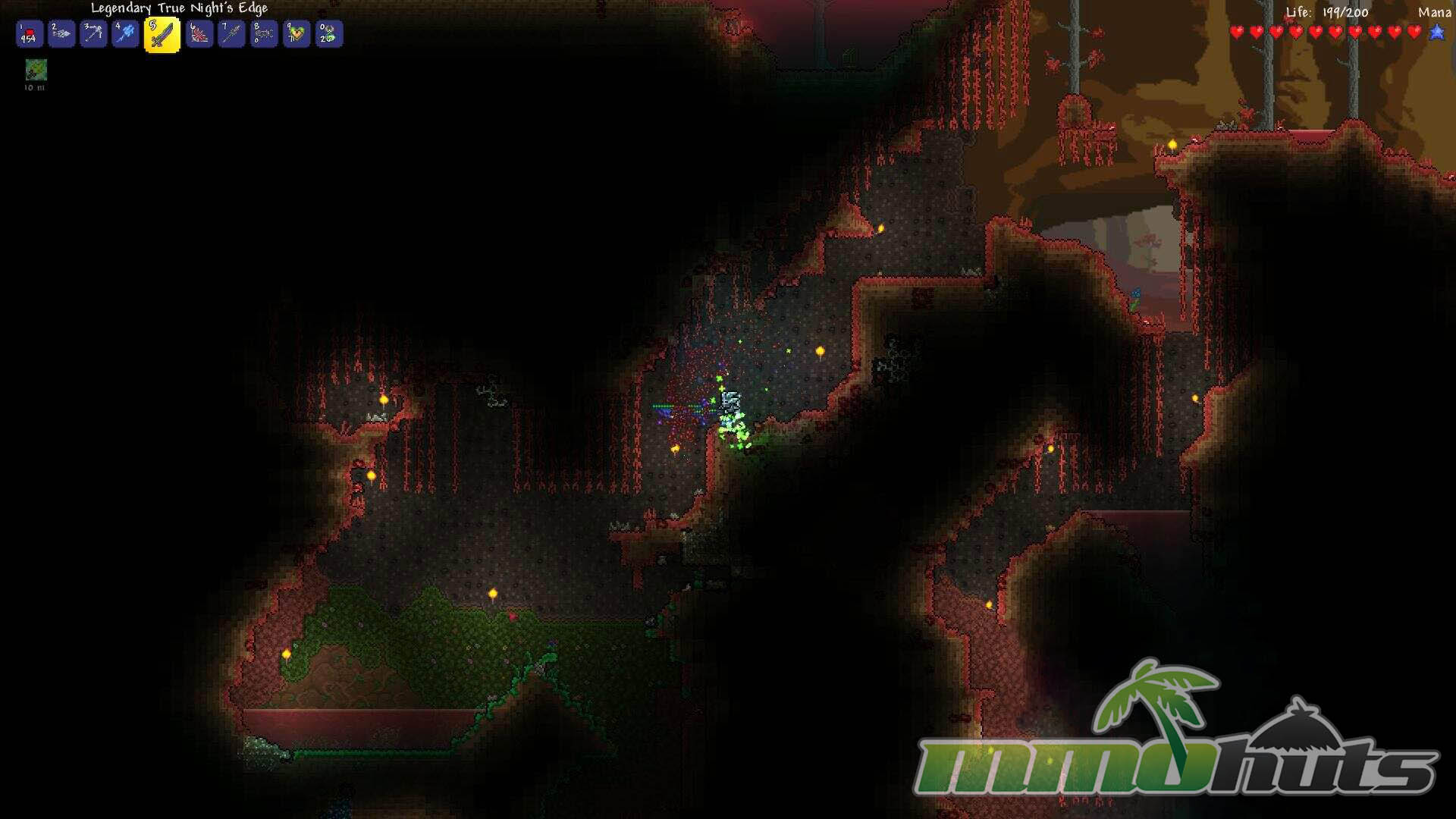
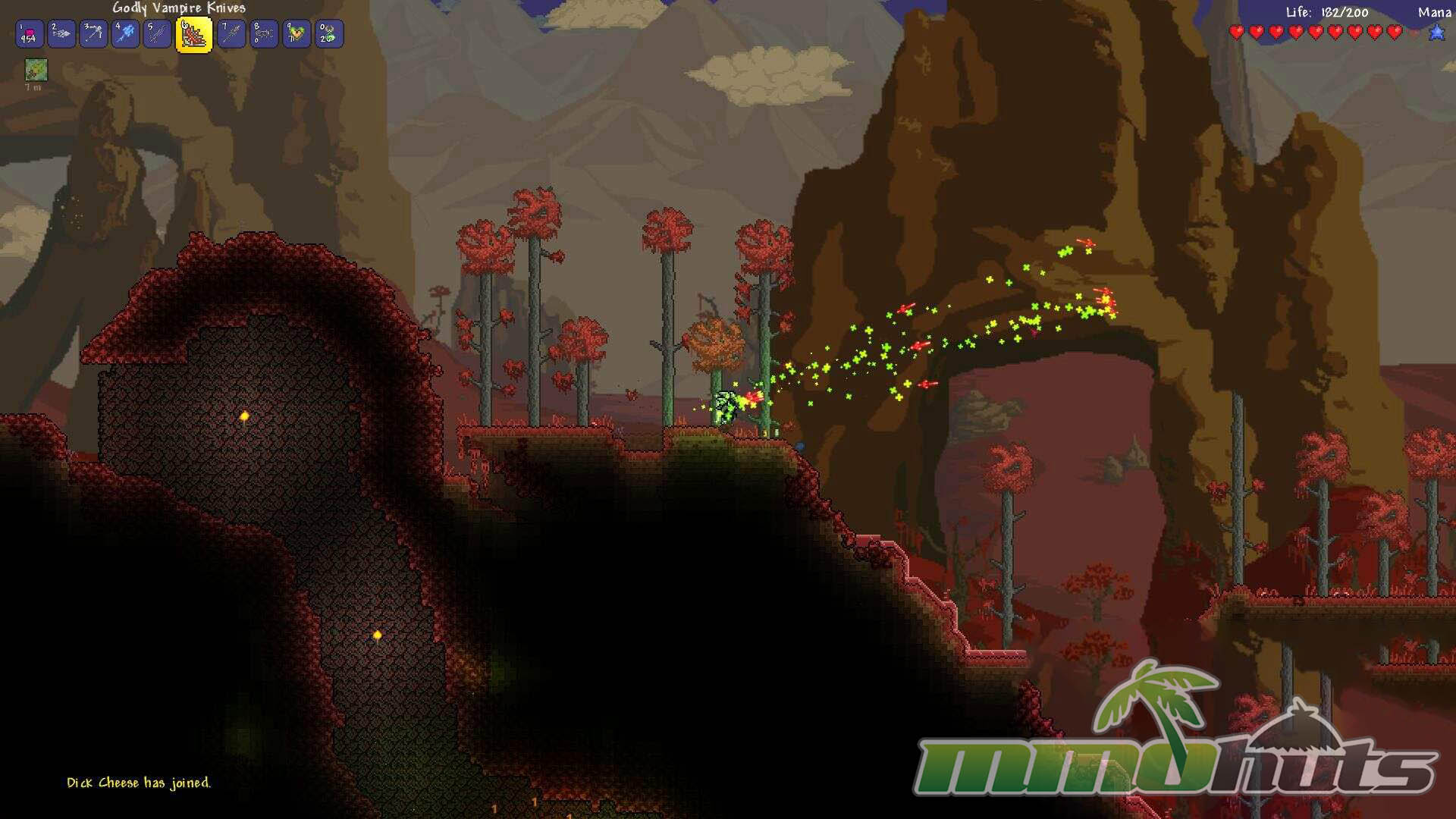
Terraria worlds are built from multiple biomes and the exact mix can differ, which has real gameplay implications. Some worlds generate with the Crimson while others have the Corruption, and that influences which materials you can obtain and what threats you will face. Certain areas are manageable early, while others are much safer once you have improved mobility and damage.
The world is also layered vertically. The surface can be dangerous at night, but the underground is where Terraria’s identity really shows, with sprawling cave networks and a steady escalation toward the hellish depths. Many players eventually dig a straight vertical shaft, commonly called a “Hellevator,” as a fast route downward, efficient for travel but risky if you are not prepared. When creating a map you can choose small, medium, or large, and then the procedural generation fills in the details, giving each world a distinct feel even when you know the overall structure.
Early gameplay and learning curve
Terraria does not ease you in with a guided opening sequence. You start with basic copper tools and are expected to figure out priorities quickly: shelter, light, and a way to defend yourself. That lack of a formal tutorial can be intimidating, but it also fits the sandbox spirit, you learn by trying, failing, and returning with a better plan.
The one consistent early anchor is the Guide NPC. He provides crafting hints and general direction about what you can do next, and he is a useful checkpoint for understanding what stage of the game you are in. He is not a story companion, though, so do not expect deep dialogue or evolving conversations.
Finding your own goals
Once you survive the first day-night cycle, Terraria opens up. Some players immediately focus on exploration and combat, clearing slimes and wildlife while scouting for caves. Others prioritize building a safe base before the stronger nighttime enemies arrive, because early weapons do not hold up well once zombies and other threats show up.
Over time, your schedule tends to revolve around resource runs and gear improvement. Accessories are especially impactful because they change how you move through the world, turning difficult terrain into something you can navigate confidently. Items like grappling hooks and wings can redefine traversal, and movement boosts such as Hermes boots are the kind of upgrade that feels “essential” once you have used them, because they make every future trip faster and safer.
Progression and world states
Terraria’s sense of advancement is tied to key milestones and boss victories. Worlds begin in their initial state with lower-tier enemies, materials, and general threats. Defeating the Wall of Flesh marks a major turning point by shifting the entire world into Hard mode, which introduces new resources, additional NPCs, fresh bosses, and new biome dynamics, including the Corruption biome and the Hallow.
Later victories continue to raise the ceiling. After defeating Plantera, the world does not “flip” into a brand-new mode the same way, but it does open the door to summoning and challenging even stronger bosses. The game also mixes in time-limited or themed events, including holiday-styled encounters such as Frost Moon, which turns the night into a high-pressure battle against waves of enemies.
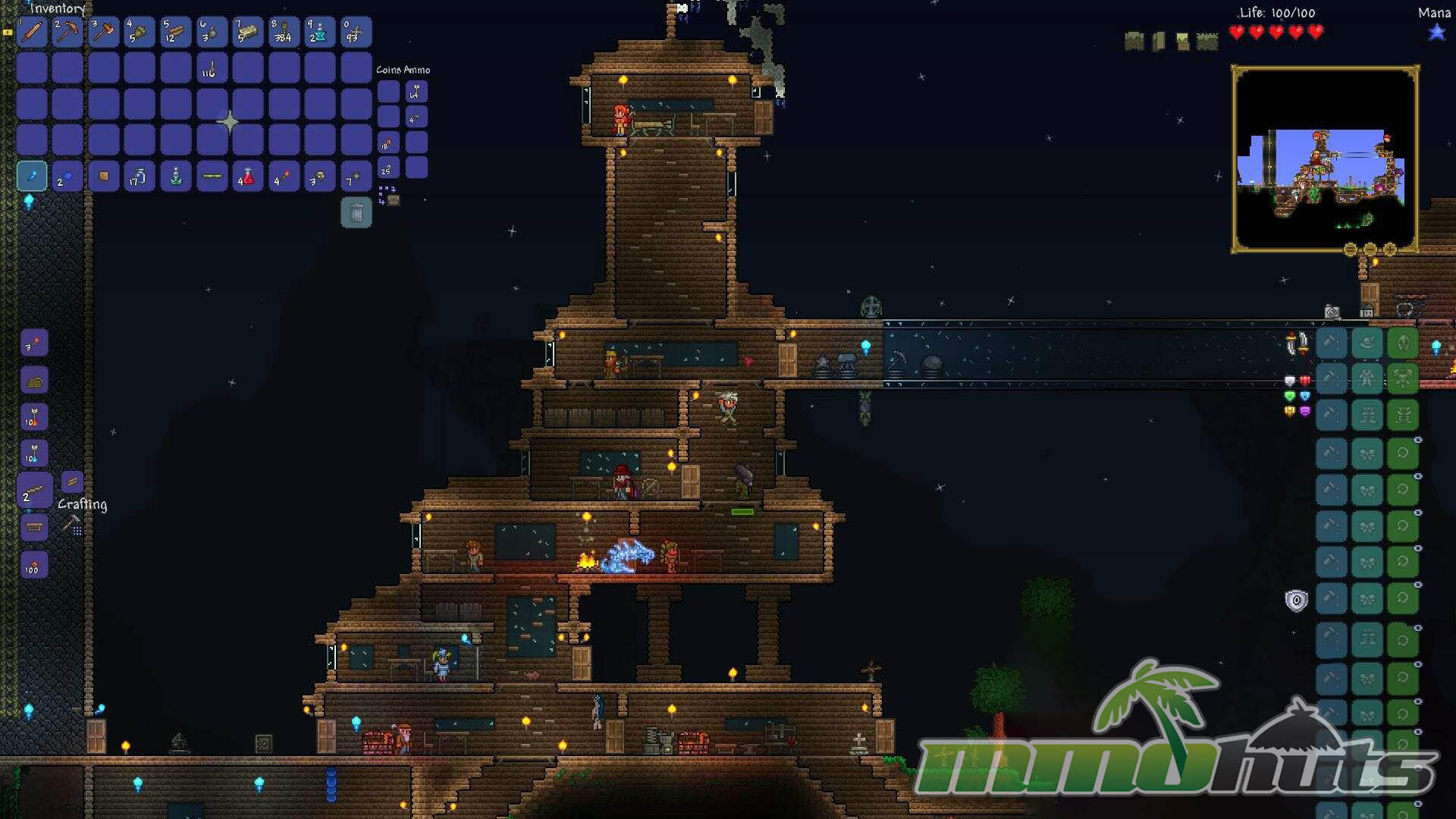
As you progress, more NPCs become available and can move into player-built housing. Building out an NPC town is one of Terraria’s most practical building incentives because it makes vendors and services accessible in one place. NPCs can be killed by threats, but they eventually return, so the system encourages planning and defense without permanently punishing experimentation.
Co-op and PvP
Terraria is perfectly playable solo, but co-op changes the pacing for the better. Exploring caves with a friend makes risky expeditions feel manageable, and boss fights often become more enjoyable when roles emerge naturally, one player focusing on damage while another handles mobility or support items. It also reduces the downtime of long mining sessions because you can split tasks and share resources.
PvP exists as a server-side toggle and feels more like an optional ruleset than a primary pillar. If both players opt in, fights can happen anywhere, but gear differences can heavily skew outcomes. It can be fun for casual duels, yet it is not the main reason most people stick with Terraria long-term.
Strengths and weak points
Terraria’s biggest success is how many playstyles it supports without feeling scattered. Building, crafting, exploration, and boss combat all feed into each other, so even a “detour” usually results in materials or items that matter later. The constant stream of additions over the years also keeps the game feeling alive, with more equipment, more events, and more reasons to revisit old worlds or start fresh ones.
The main drawback is that difficulty can ramp up quickly around the middle of a playthrough, especially when you transition into tougher content and your gear is not quite ready. Combat can also feel slightly awkward at times, and in multiplayer, latency can make hits feel inconsistent, with occasional rubberbanding or attacks that do not register as cleanly as they should.
Final Verdict – Great
Terraria deserves to be judged on its own terms rather than as a comparison point for other sandbox games. Its 2D perspective, emphasis on gear-driven progression, and boss-focused milestones give it a distinct rhythm that blends creativity with real challenge. If you enjoy building elaborate projects, chasing rare drops, or gradually turning a fragile starting character into a powerhouse, Terraria delivers, and it remains one of the easiest games to recommend for co-op sessions that can stretch into the early morning.
Terraria Links
Terraria Official Site
Terraria Steam
Terraria Wikipedia
Terraria Gamepedia (Database / Guides)
Terraria Wikia (Database / Guides)
Terraria Subreddit
Terraria System Requirements
Minimum Requirements:
Operating System: Windows Vista / 7 / 8 / 10
CPU: 1.6+ GHz or better
RAM: 2 GB RAM
Video Card: Any 128 MB Video RAM GPU with Shader Model 1.1+
Hard Disk Space: 200 MB
Terraria only lists minimum system requirements.
Terraria Music & Soundtrack
Terraria Additional Information
Developer(s): Re-Logic
Publisher(s): Re-Logic
Composer(s): Scott Lloyd Shelly
Game Engine: Microsoft XNA
Platforms: PC, Playstation 3, Xbox 360, Playstation Vita, Windows Phone, Android, iOS, PS4, Xbox One
Development History / Background:
Terraria was created by indie studio Re-Logic, based in Indiana, USA, with development led by Andrew “Redigit” Spinks. Built using Microsoft XNA, the game originally launched on PC on May 16, 2011, and later expanded to a wide range of consoles (including Xbox 360, Xbox One, PS3, PS4, and others) and mobile platforms (iOS, Android, and Windows Phone). It is frequently cited as one of the standout indie successes, selling over 12 million copies since release, and it has continued to grow through numerous free content updates that significantly expanded the amount of content available.