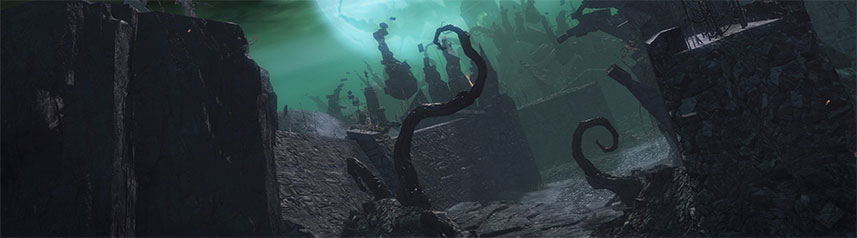
Spacefaring sandbox games rarely give you this much freedom so early on. Starbound drops you into a 2D universe where your ship is both home base and gateway, and the real loop is simple: land on a planet, strip it for materials, craft better gear, then launch toward stranger worlds. Whether you want to build a quiet colony, chase quests, or just roam with friends collecting oddities, Starbound’s appeal is the promise that the next jump can always lead somewhere new.
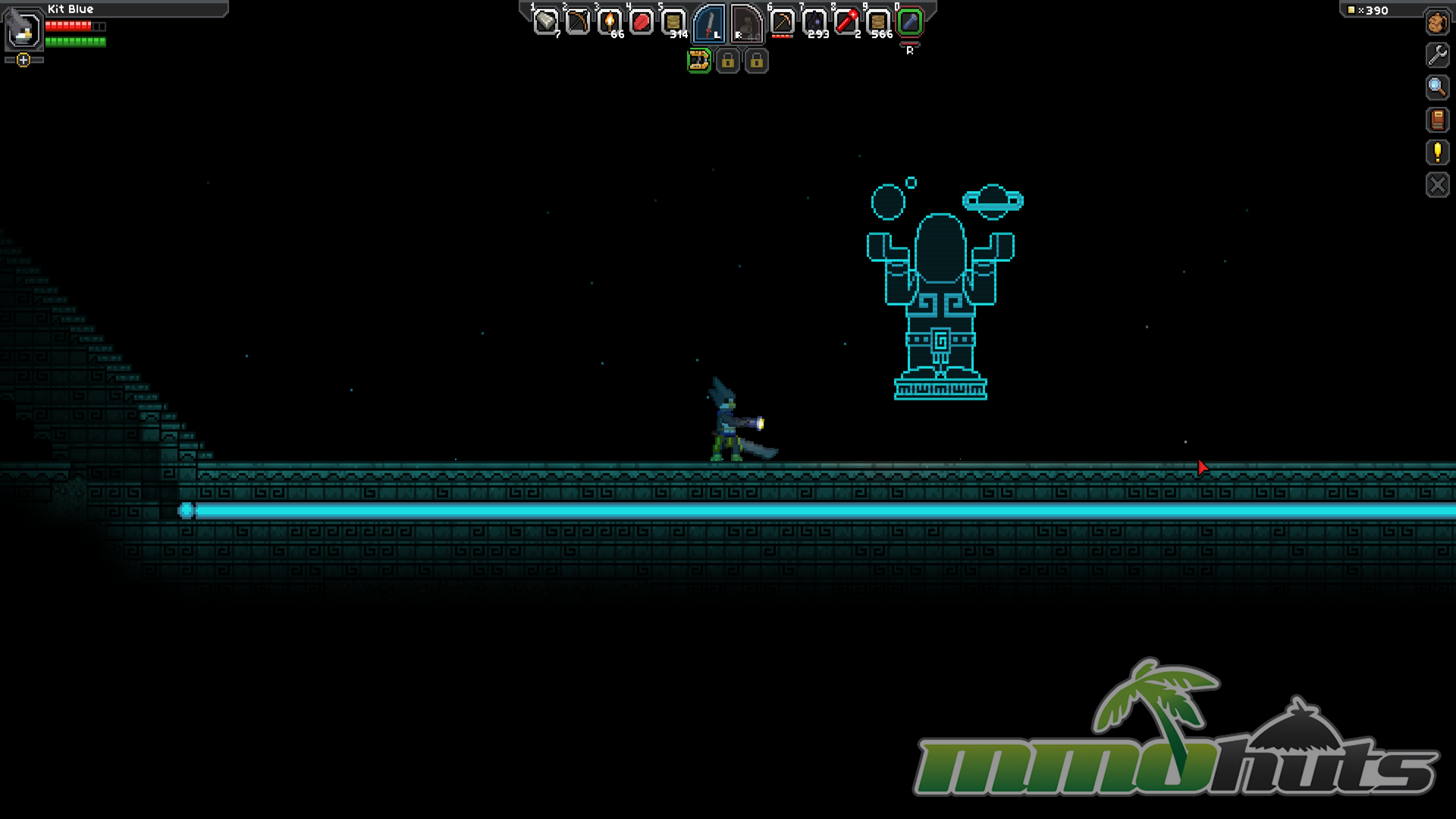 | Publisher: Chucklefish Games Playerbase: High Type: B2P Survival Sandbox Release Date: December 4, 2013 PvP: PvP can be enabled by server Pros: +Massive universe to roam. +Flexible building and crafting. +Strong mod scene. Cons: -Updates can feel infrequent. -Long stretches can lack direction. -Story is not naturally surfaced through play. |

Starbound Overview
Starbound is a side-scrolling sci-fi sandbox where you pick from seven alien races, board a personal ship, and start charting procedurally generated planets across multiple systems. You can treat it as a cooperative building and exploration game, or flip servers into a harsher environment by enabling PvP. Most worlds have distinct biomes, hazards, and points of interest, and you will run into everything from traveling NPCs to hostile raiders and merchants worth looting or trading with.
Progression is tied to scavenging and crafting. You gather materials with the matter manipulator, turn them into gear and utilities, and then push into new sectors for access to more recipes and stronger equipment. Players who prefer settling can also choose a favorite planet and shape it into anything from a modest base to a full settlement, while others will keep hopping planets to chase resources, dungeons, and odd encounters. On top of that, Starbound has a long-running modding culture, which is a major part of how many players personalize the experience.
Starbound Key Features
- Deep Crafting Loop – use the matter manipulator to harvest materials from terrain and structures, then convert those resources into equipment, furniture, and tools. New areas open up additional recipes.
- Universe-Scale Exploration – stock up on coal, power your ship, and travel to huge numbers of planets. Expect varied locations, including ruins, labs, and fortifications that can change what you bring back.
- Co-op With Options – team up to build and explore, roleplay as outlaws, or simply split up and pursue separate projects.
- Mod Support – a mod-friendly setup that makes it easy for the community to add content and tweak systems.
- Creative Building Freedom – assemble everything from underground tombs to orbital-style bases using block materials, with a very toybox-like feel in 2D.
Starbound Screenshots
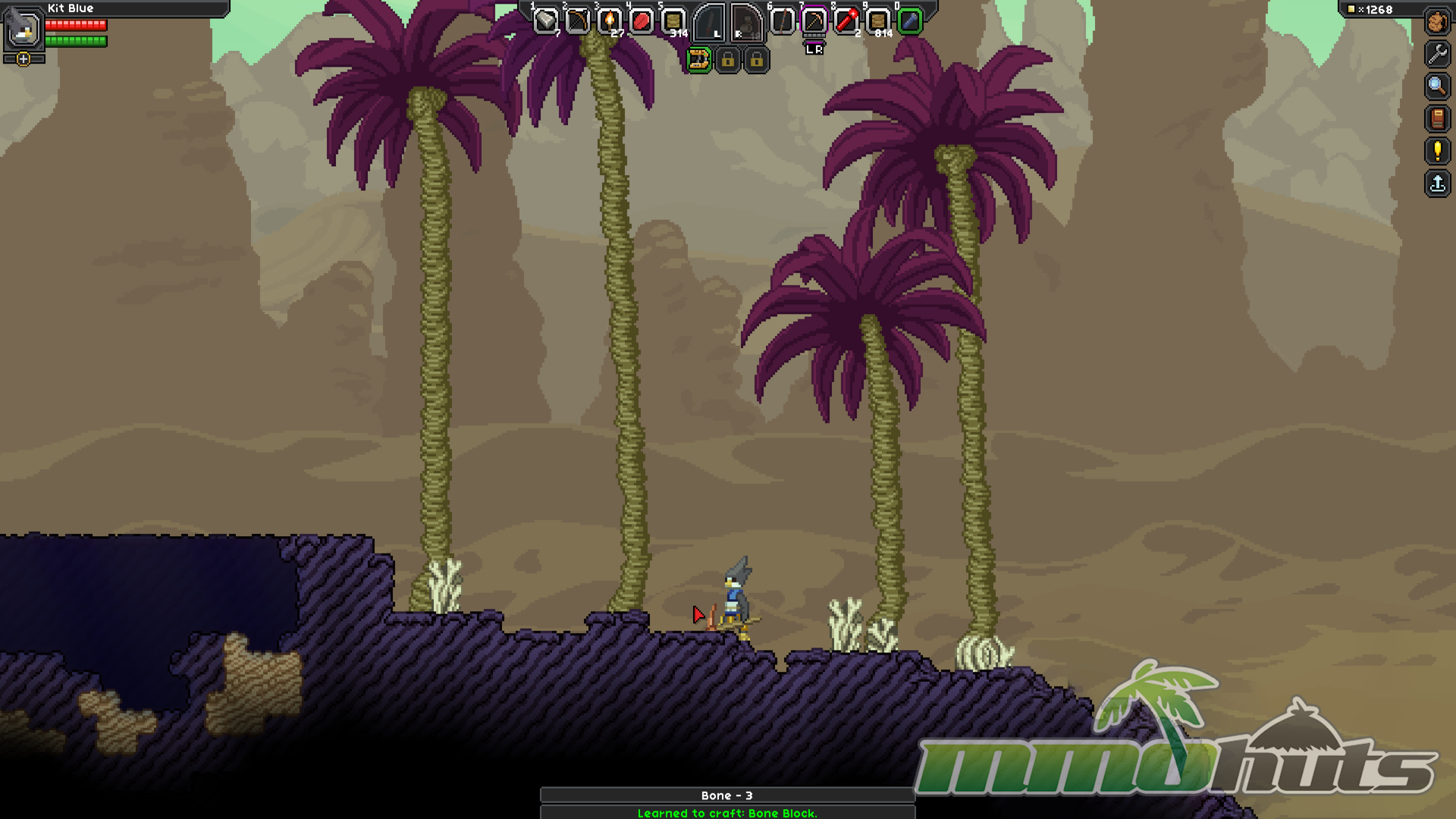
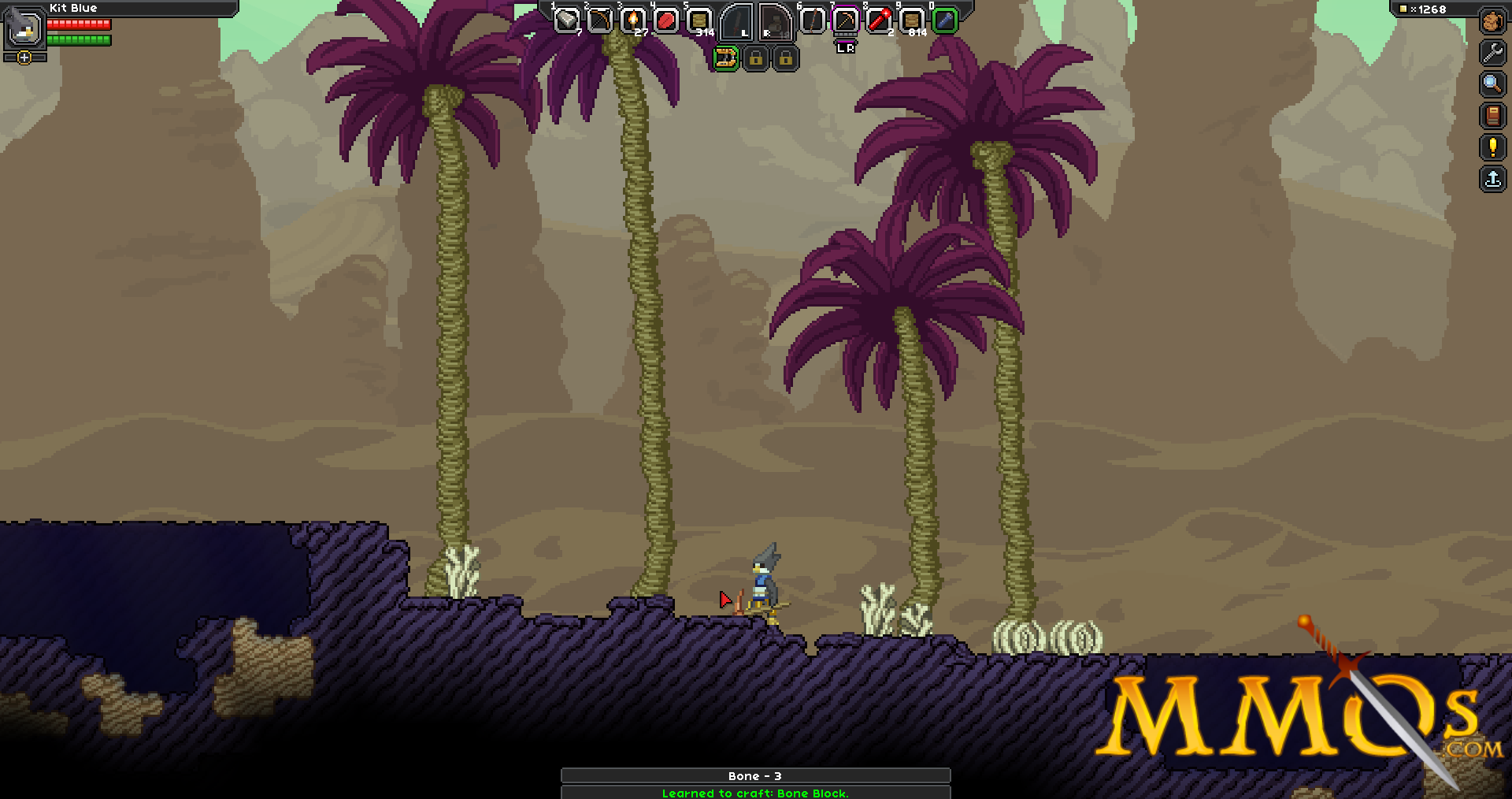
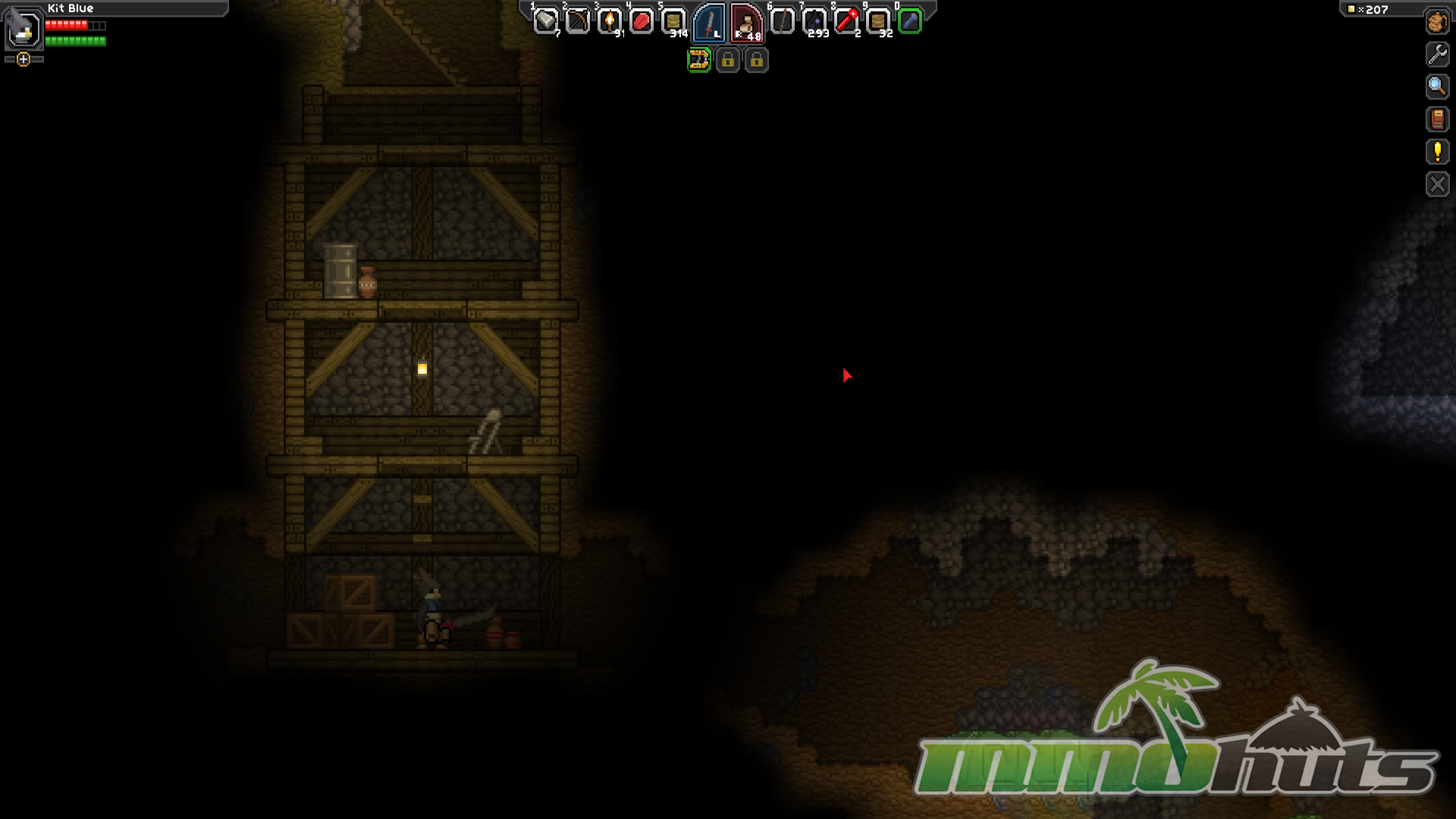
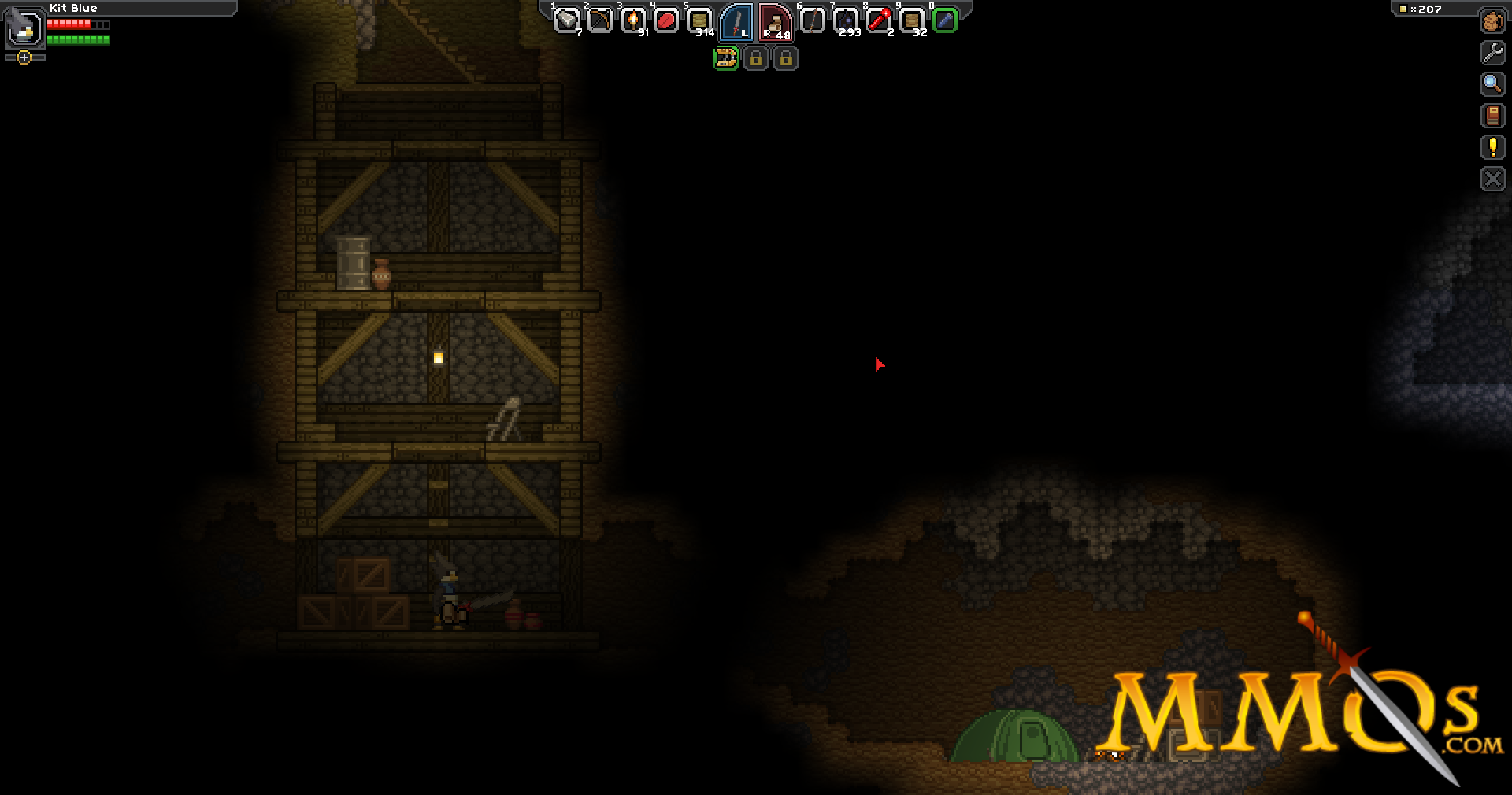
Starbound Featured Video

Starbound Review
Starbound is still in the Early Access Beta Testing stage. MMOs.com will update this review when the full game is released.
Starbound has always been pitched as a “make your own adventure” kind of sandbox, and that description is mostly accurate, for better and worse. The early moments do a strong job of establishing mood, with a memorable title theme and a clean character creator that makes your chosen species feel like more than a cosmetic choice. Within minutes, you are pushed into the game’s central fantasy: a small ship, a wide universe, and the idea that the best stories come from whatever you stumble into.
Gameplay:
At its core, Starbound is driven by two connected activities: gathering materials and using them to reach new places. You start on an initial planet that functions as a practical tutorial, nudging you toward basic tools, survival essentials, and the use of the matter manipulator for harvesting blocks. Anyone familiar with Terraria will recognize the rhythm, dig down, gear up, return to the surface, and repeat, although Starbound’s toolset makes the act of clearing terrain feel a bit less tedious.
Once you have the resources the early game asks for, the scope opens quickly. Coal becomes the fuel that turns your ship into a real vehicle for discovery, and planet-hopping starts to define the experience. Different planets offer different materials, environmental threats, and points of interest, and the game is at its best when you are making small, practical decisions, bring oxygen support for a moon, pack healing items for tougher wildlife, or be ready for hostile outposts. In co-op, that loop becomes more entertaining because roles naturally emerge, one player scouting, another mining, another hauling building materials back to the ship.
If you would rather put down roots, Starbound supports a slower playstyle. You can claim a world, reshape it, and build something that feels permanent, whether that is a cabin, a fortress, or a multi-room settlement. The reason exploration still matters is that the universe is also a catalog of building parts. Many structures you find can be dismantled and repurposed, so a single expedition can stock you with unusual materials and decorative blocks that you would not otherwise have access to.
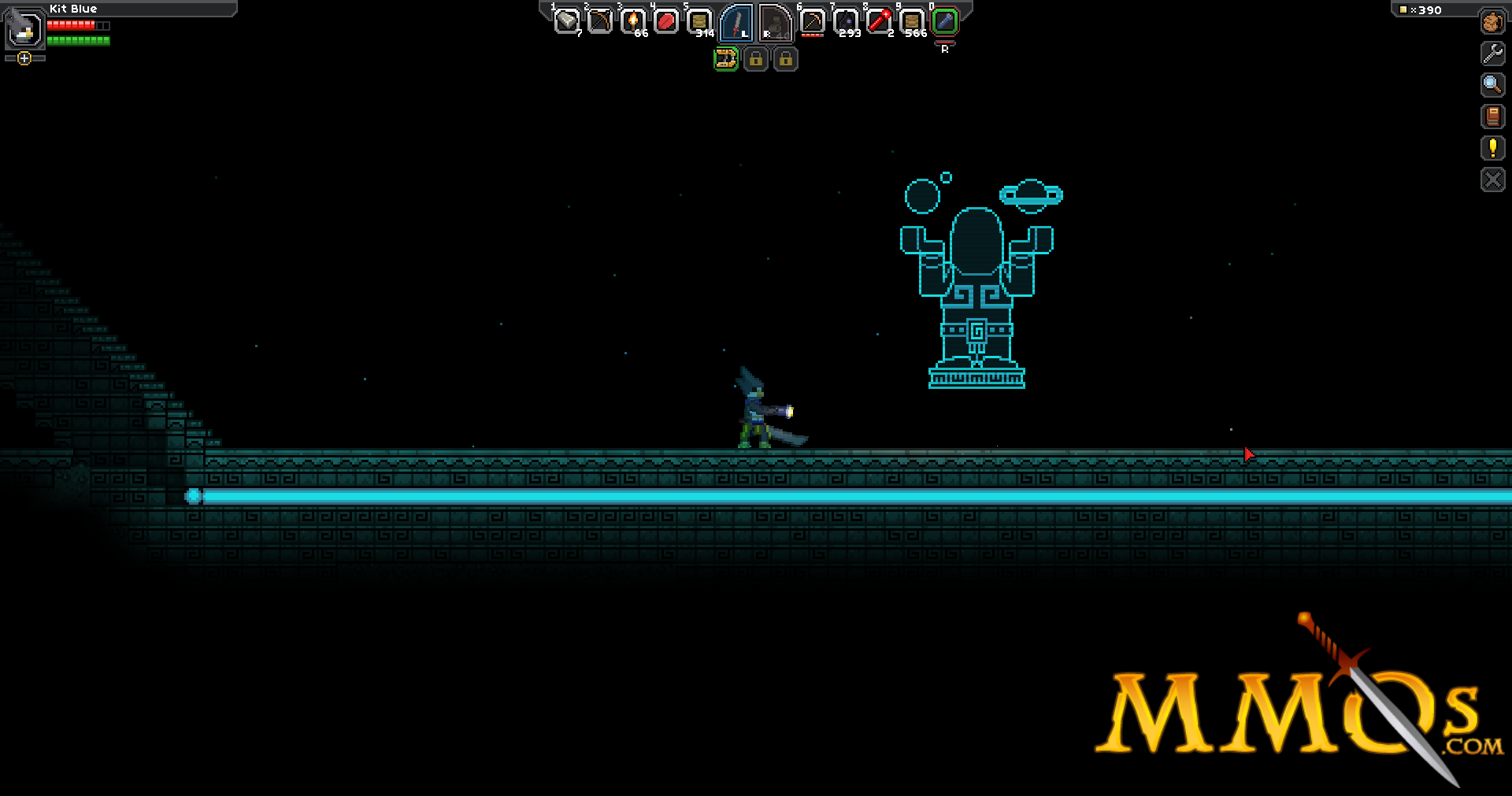
Combat is functional but not especially nuanced. Fights play out in real time on a 2D plane, so positioning and timing matter more than complex ability kits. You will often end up circling enemies, attacking between their patterns, and relying on armor upgrades to smooth out difficulty spikes. Monsters vary by planet, but the overall feel remains straightforward. Customization is a highlight, though, since equipment tends to look distinct on your character, and the game leans into letting you chase a preferred style without giving up the stats you need to survive.
The biggest gameplay weakness is that the loop can start to feel routine. Long sessions may blur into repeated cycles of stripping buildings for materials or digging deep for ore, and without a personal goal, the universe can feel like a series of stops rather than a journey. This is where mods become a practical advantage rather than a novelty, because they can introduce new races, gear themes, and additional reasons to explore.
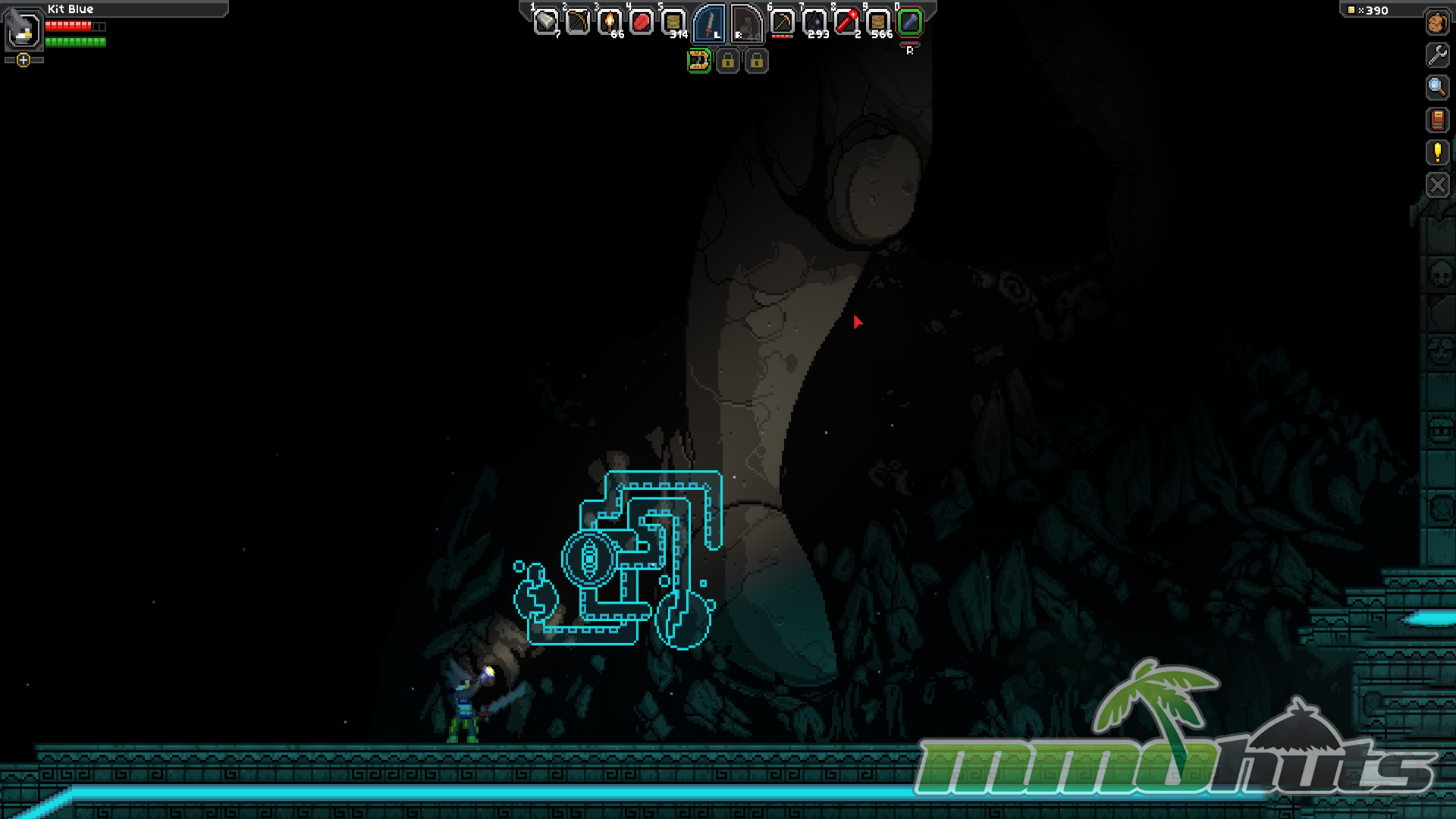
Story:
Starbound has quests and bits of lore, but the narrative often sits in the background compared to the sandbox systems. The game is more comfortable presenting a setting than pushing a tightly paced plot, so many players will end up creating their own sense of purpose, build a base, collect themed gear, or chase down interesting locations, rather than feeling pulled forward by story beats. If you need a strong narrative thread to stay invested, you may find the game does not consistently surface its story through normal exploration.
Audiovisual:
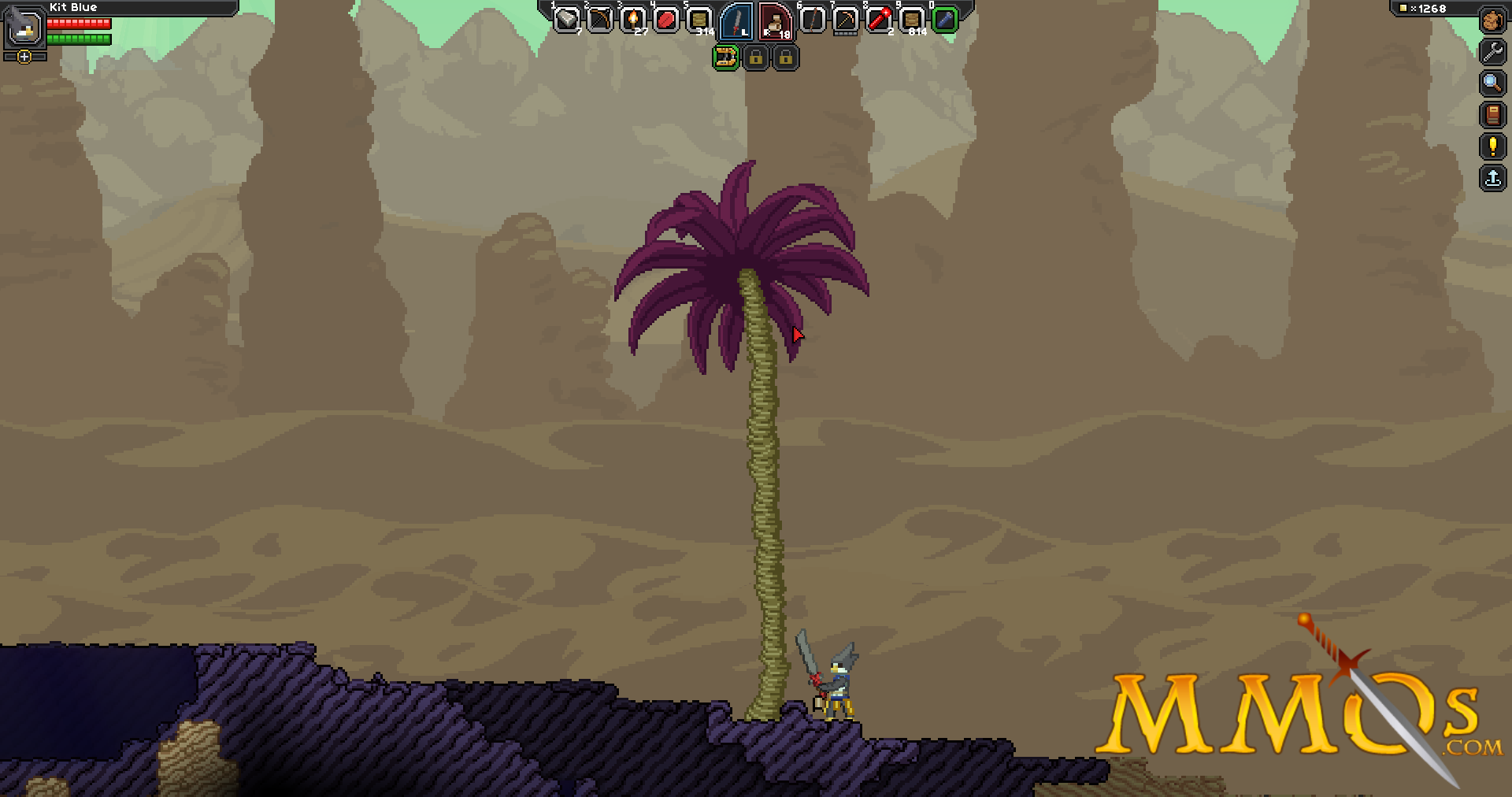
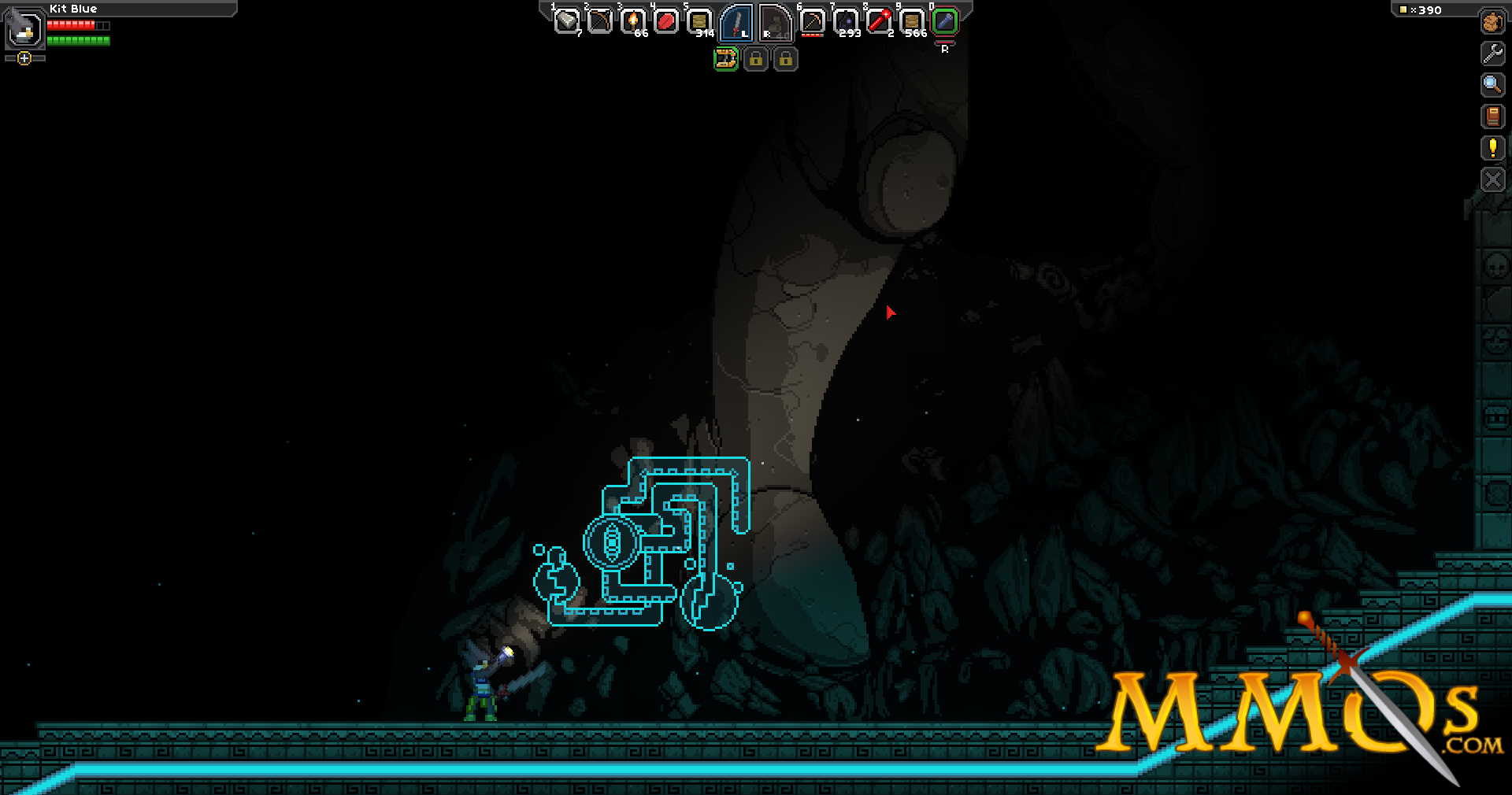
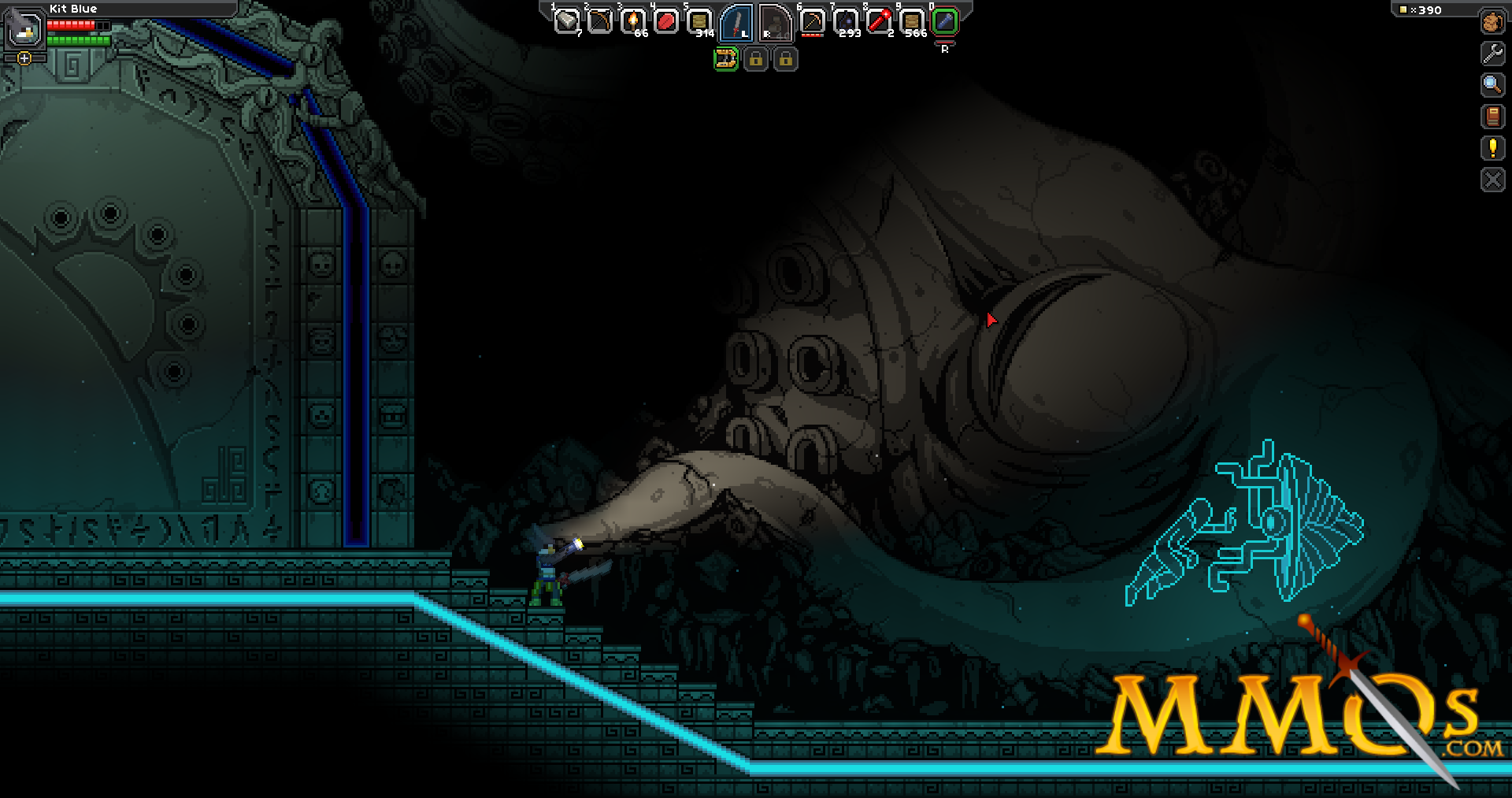
Visually, Starbound’s pixel-art style aims for a classic 2D adventure look, and it communicates biomes and materials clearly during play. Some elements can read as rough around the edges, which is not unusual for a game in an ongoing development state, but the overall presentation supports the “space road trip” vibe well, especially when you are landing on a new world and immediately seeing a different palette and terrain profile.
Audio is one of Starbound’s strongest pieces. The soundtrack frequently carries the sense of scale that the visuals imply, shifting between calm ambience and more expansive themes. The opening music, credited to Curtis Schweitzer, sets expectations nicely by making the universe feel inviting rather than cold, which fits the game’s generally adventurous tone.
Replay Value:
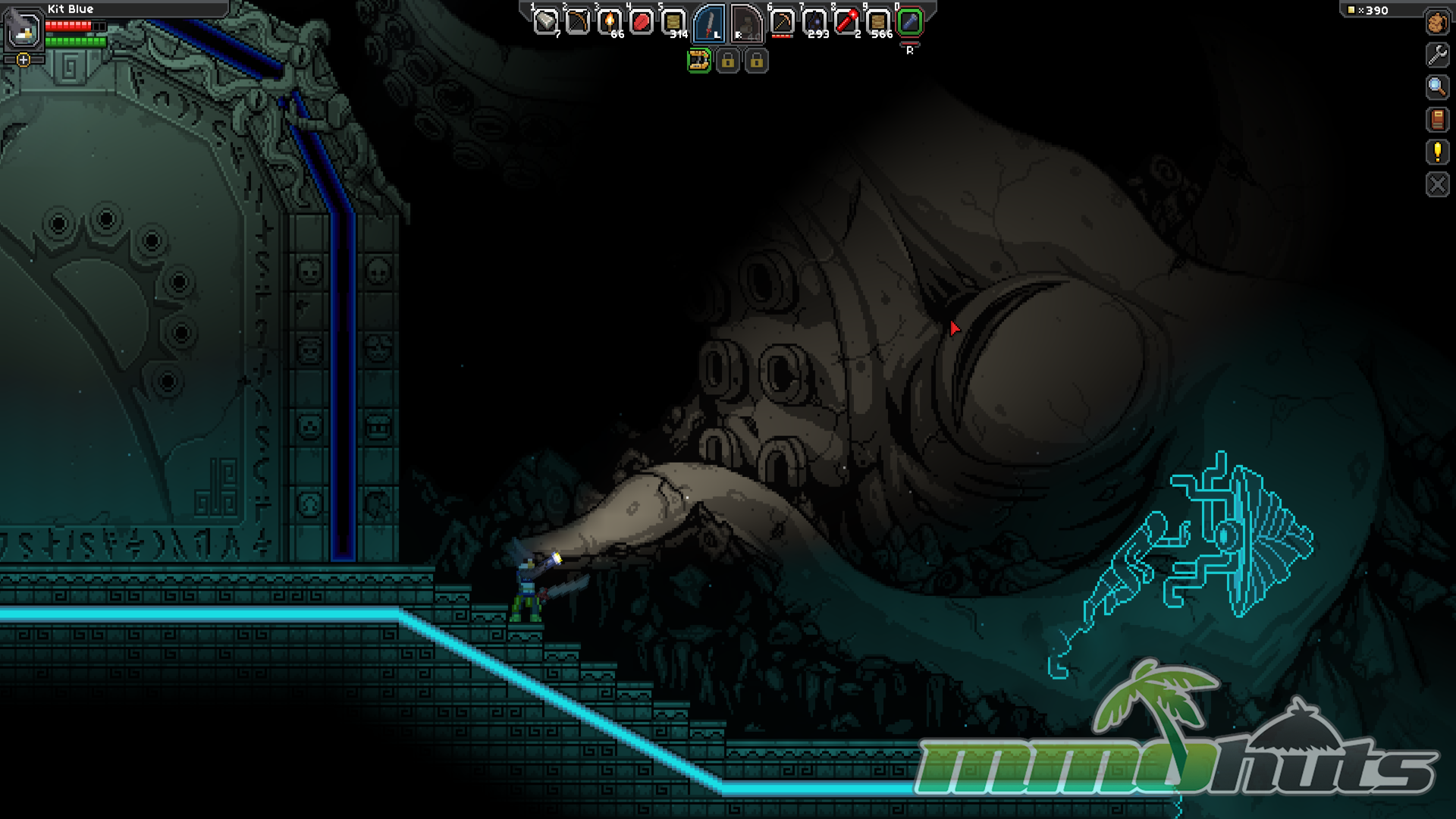
Replayability in Starbound is less about restarting to see a radically different campaign and more about the open-ended nature of its universe. Building projects can spiral from “temporary shelter” into a full planet-spanning base, and co-op groups often invent their own objectives, themed settlements, treasure hunts, or self-imposed rules. Procedural generation also helps keep the sense of novelty alive, because even familiar biomes can produce different layouts and points of interest.
The penalty for death is fairly forgiving. Losing only a portion of currency and returning to your ship with your collected resources reduces frustration, but it also lowers tension, which can make risky exploration feel less meaningful. Mods again play a major role in extending longevity, since a healthy repository of community content can keep the game feeling fresh with new gear, races, and systems to experiment with.
Final Verdict – Good
Starbound succeeds most when you approach it as a creative exploration sandbox rather than a tightly directed adventure. The combination of planet-hopping, scavenging, and building can be genuinely absorbing, especially with friends, and the mod scene gives it a long tail beyond the base experience. Its main drawback is pacing and momentum, both in the moment-to-moment loop (which can become repetitive) and in the sense that development progress has felt slow for long stretches.
Released for beta testing on December 4, 2013, Starbound shows a lot of promise, but it benefits from stronger reasons to care about what you find beyond the immediate value of materials. More engaging NPC interactions and clearer narrative hooks would go a long way toward making exploration feel more purposeful. As it stands, it is a good sandbox with excellent potential, and a great fit for players who enjoy setting their own goals.
Starbound Links
Starbound Official Site
Starbound Steam
Starbound Wikipedia
Starbound Wikia (Database / Guides)
Starbound Subreddit
Starbound Mod Repository
Starbound System Requirements
Minimum Requirements:
Operating System: Windows XP / Vista / 7 / 8 / 10 / Linux
CPU: Core 2 Duo
RAM: 2 GB RAM
Video Card: 256 MB Graphics Memory and DirectX 9.0c Compatible GPU
Hard Disk Space: 3 GB
Mac OS X Requirements:
Operating System: Lion (OSX 10.7.X)
CPU: Core i3
RAM: 4 GB RAM
Video Card: Discrete GPU capable of DirectX 9.0c
Hard Disk Space: 4 GB
Starbound Music & Soundtrack
Starbound Additional Information
Developer(s): Chucklefish Games
Publisher(s): Chucklefish Games
Game Engine: C++
Designer(s): Finn Brice
Programmer(s): Catherine West, Michael Reilly, Bart van der Werf
Artist(s): GeorgeV, Rho, Legris, Armagon
Writer(s): Ashton Raze, Damon Reece
Composer(s): Curtis Schweitzer
Beta Release: December 04, 2013
Steam Release: December 04, 2013
Development History / Background:
Starbound’s public momentum started with a tiered Kick-starter launch on April 13, 2013, where it drew over ten thousand backers within the first 24 hours. Development moved quickly from that early surge to a playable beta, which arrived on Steam on December 4, 2013. Drawing inspiration from classic adventure series like Zelda and Castlevania, Chucklefish aimed to blend exploration and discovery with a flexible crafting sandbox.
Since its initial release, Starbound has stayed in Early Access and remains playable in its current state. Changes tend to arrive as smaller tweaks and additions over time, rather than frequent large overhauls, and the game’s mod ecosystem has become one of the main ways players expand and reshape what the base experience offers.